The Complete Guide to Choosing a Locker Lock Supplier for B2B Sourcing
Learn how to evaluate a locker lock supplier: business licenses, factory audits, MOQ, Incoterms, samples, lead times, payment terms, and warranty. A comprehensive B2B sourcing guide.
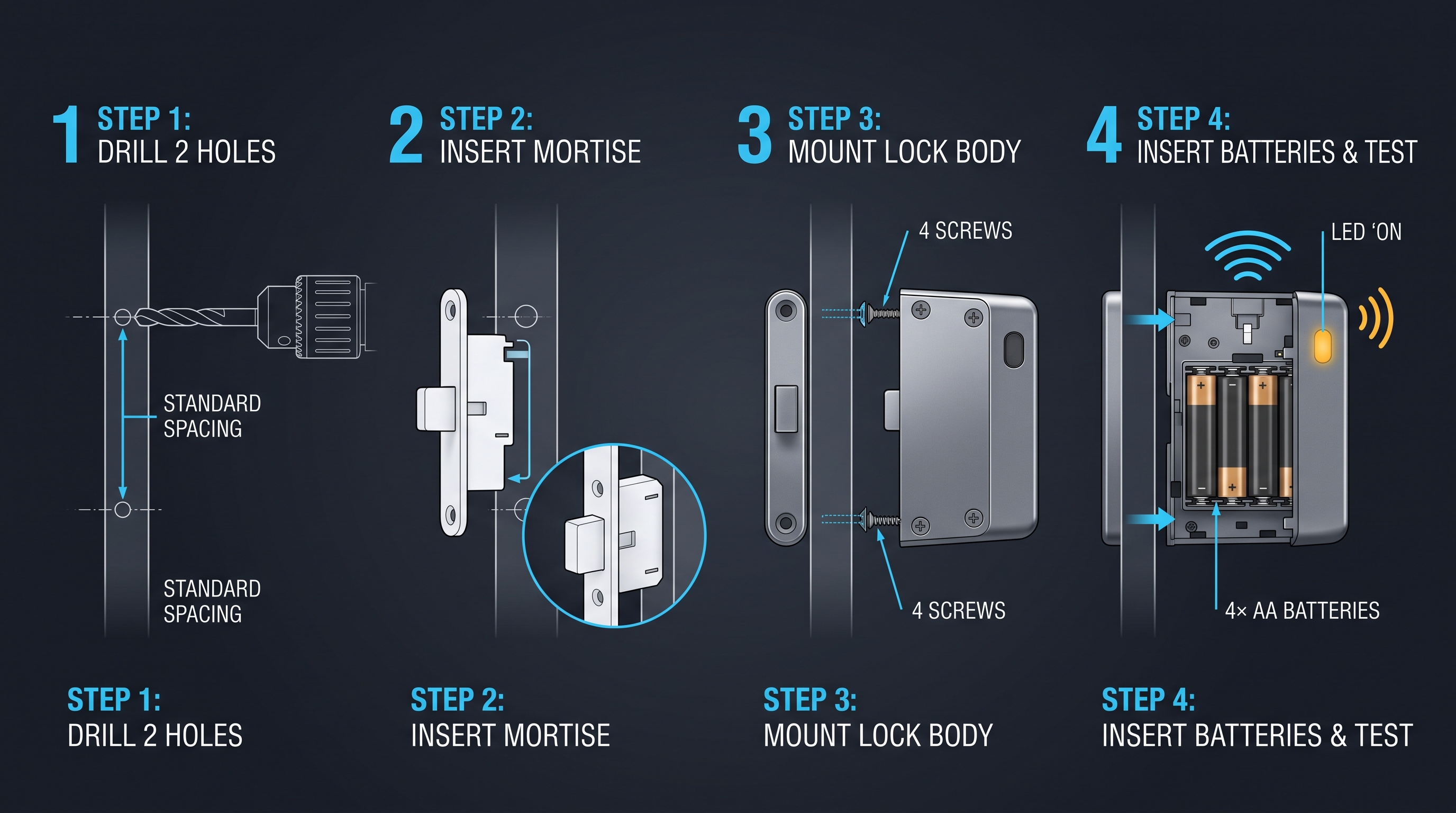
What Is a Locker Lock Supplier and Why Does the Right One Matter for Your Business?
A locker lock supplier is a business entity that manufactures, sources, or distributes locking mechanisms designed specifically for lockers across gyms, schools, workplaces, transit stations, and industrial facilities. Unlike a factory that produces only one type of lock under its own brand, a locker lock supplier can be a manufacturer, a trading company, or a distributor who aggregates products from multiple factories and offers value-added services such as quality inspection, logistics coordination, and after-sales support. The global locker lock market is projected to exceed USD 1.8 billion by 2028, driven by smart locker adoption in e-commerce parcel lockers, contactless access in fitness centers, and digital transformation in educational institutions. For a B2B buyer, selecting the right locker lock supplier directly impacts product quality, unit cost, delivery reliability, and long-term customer satisfaction. A poor choice can lead to lock failures, return rates above 8 percent, missed shipping windows, and damaged brand reputation. Conversely, a well-vetted supplier can reduce your landed cost by 15 to 25 percent through optimized Incoterms, consistent MOQ alignment, and streamlined sample iteration cycles. Whether you are a distributor stocking 5,000 units per quarter or a facility manager procuring 200 locks for a single site, understanding the full landscape of locker lock suppliers is essential to making an informed procurement decision.
Sourcing from a Locker Lock Supplier Versus Going Direct to the Factory
When procurement professionals begin the search for a locker lock supplier, they face a fundamental fork in the road: work with an intermediary supplier or source directly from the manufacturing factory. Each path carries distinct trade-offs in cost, communication, quality control, and scalability. A locker lock supplier that operates as a distributor or trading company typically carries products from multiple factories, often has English-speaking sales teams, accepts smaller order quantities, and provides consolidated shipping. Going direct to a factory, on the other hand, can yield lower per-unit pricing — typically 10 to 20 percent lower than what a trading company offers — but demands higher minimum order quantities, often 1,000 to 5,000 units per SKU, and requires the buyer to manage quality inspection, export documentation, and logistics independently. A reputable locker lock supplier who is also a manufacturer can offer the best of both worlds: factory-direct pricing with professional export services. However, identifying a genuine manufacturer among the thousands of listed companies on platforms like Alibaba, Made-in-China, and Global Sources requires careful vetting. Many companies claiming to be manufacturers are in fact trading companies with factory partnerships. The buyer should request factory registration certificates, conduct video factory tours, and cross-reference export records on customs databases. For companies sourcing 10,000 units or more annually, establishing a direct factory relationship with a verified locker lock supplier is usually the most cost-effective route. For smaller volumes under 3,000 units per year, a reputable distributor or trading company often provides better value when factoring in the hidden costs of factory communication, sample delays, and quality inconsistency.
Trading Companies Versus Manufacturers: Which Type of Locker Lock Supplier Should You Choose?
The distinction between a trading company and a manufacturer is one of the most critical yet misunderstood factors in selecting a locker lock supplier. A trading company is a commercial entity that buys locks from various factories and resells them to international buyers. They typically offer lower MOQs — sometimes as low as 100 units per model — broader product catalogs, multilingual communication, and familiarity with export procedures. However, they add a markup of 15 to 30 percent, have limited control over production quality, and cannot modify product designs without factory involvement. A manufacturer, by contrast, owns the production line, controls material sourcing, can customize designs, and offers lower per-unit prices at scale. The ideal locker lock supplier for a given buyer depends on order volume, technical requirements, and risk tolerance. The table below outlines the key differences to help buyers decide.
| Criteria | Manufacturer (Direct Factory) | Trading Company (Intermediary) |
|---|---|---|
| MOQ per SKU | 1,000–5,000 units | 100–500 units |
| Unit price (relative) | Baseline (100%) | 115%–130% of baseline |
| Product customization | Full design control | Limited, factory-dependent |
| Quality control | Direct oversight | Third-party or basic inspection |
| Communication | Often limited English | Professional English sales team |
| Export documentation | May need buyer guidance | Full export service included |
| Lead time | 25–45 days | 15–30 days (stocked items) |
| After-sales support | Warranty handled directly | Warranty mediated through supplier |
| Minimum annual volume | USD 50,000+ | USD 5,000+ |
A locker lock supplier that is a manufacturer with an in-house trading division is the gold standard for B2B buyers. These hybrid entities operate their own factory but also maintain a dedicated export team, giving buyers factory pricing with professional service. To verify whether a supplier is genuinely a manufacturer, request a business license that includes "manufacturing" in the registered scope, ask for a factory video call with timestamp, and check for export records under the company's own name in customs databases. Many experienced buyers also use third-party inspection services such as SGS, Bureau Veritas, or Intertek to audit the factory before placing the first production order.
How to Vet a Locker Lock Supplier: Business License, Export Records, and Factory Audits
Vetting a locker lock supplier is a multi-layered process that separates professional buyers from those who end up with substandard products or payment disputes. The first and most basic step is verifying the supplier's business license. In China, the business license should include a unified social credit code, a registered capital of at least RMB 1 million for serious manufacturers, and a business scope that explicitly lists "lock manufacturing," "hardware production," or equivalent terms. The license should be cross-checked against the National Enterprise Credit Information Publicity System to confirm the company is in good standing. Next, the buyer should review the supplier's export record. For a Chinese locker lock supplier, this can be verified through the China Customs Credit Database or by requesting Customs Declaration Forms and Bill of Lading copies from recent shipments. A supplier that has exported locker locks to markets in North America, Europe, or Southeast Asia for at least three consecutive years demonstrates logistics competence and compliance with international standards. The third layer is the factory audit. Professional buyers should conduct either an on-site audit or a third-party audit covering five dimensions: production capacity (injection molding machines, stamping presses, assembly lines), quality management system (ISO 9001 certification, incoming material inspection, in-process QC, final inspection), warehouse management (FIFO compliance, inventory accuracy, labeling), social compliance (worker safety, working hours, minimum wage), and environmental compliance (RoHS, REACH, WEEE directives for electronic locks). A comprehensive audit report from SGS or Bureau Veritas typically costs USD 600 to 1,200 and is one of the best investments a buyer can make. The final vetting step is checking the supplier's trade assurance history on platforms like Alibaba Trade Assurance, which provides coverage for order disputes up to a specified amount. A locker lock supplier with a high Trade Assurance limit, positive transaction history, and verified factory badge is significantly more reliable than an unverified listing.
Minimum Order Quantities: What to Expect from a Locker Lock Supplier
Minimum order quantity, or MOQ, is one of the first deal-breakers in any locker lock supplier negotiation. MOQ varies dramatically based on the lock type, the supplier's production model, and whether the supplier is a manufacturer or trading company. For mechanical locker locks — cam locks, combination locks, and keyed padlocks — a direct manufacturer typically requires an MOQ of 500 to 2,000 units per SKU. Electronic locker locks, which involve electronic components, PCB assembly, and firmware programming, carry higher MOQs of 1,000 to 3,000 units per SKU. Smart locks with Bluetooth, RFID, or IoT connectivity, which require FCC, CE, and other certifications, demand MOQs of 2,000 to 5,000 units per model due to the fixed costs of certification and software development. A trading company acting as a locker lock supplier can aggregate demand across multiple buyers and offer MOQs as low as 100 to 300 units per SKU, but at a 20 to 30 percent price premium. Buyers should also understand the difference between MOQ per SKU and MOQ per order. Some suppliers set a total order MOQ of USD 3,000 to 10,000 while allowing mixed SKUs within that value. Others require a minimum quantity per individual model. Negotiation strategies for reducing MOQ include offering to pay a higher unit price, committing to repeat orders, accepting slightly longer lead times, or paying a one-time mold fee for custom designs. The table below summarizes typical MOQ ranges by lock type.
| Lock Type | Manufacturer MOQ per SKU | Trading Company MOQ per SKU | Typical Unit Price Range (FOB) |
|---|---|---|---|
| Cam lock (mechanical) | 500–1,000 | 100–200 | USD 0.80–2.50 |
| Combination lock (mechanical) | 500–2,000 | 100–300 | USD 1.50–4.00 |
| Electronic keypad lock | 1,000–2,000 | 100–300 | USD 5.00–15.00 |
| RFID / Bluetooth smart lock | 2,000–5,000 | 200–500 | USD 12.00–35.00 |
| IoT connected locker lock | 2,000–5,000 | 200–300 | USD 25.00–60.00 |
A reliable locker lock supplier will be transparent about their MOQ policy and will explain the rationale behind it. If a supplier claims "no MOQ," it is often a red flag indicating either a trading company sourcing from multiple factories or a stock-clearance situation. Professional buyers should always get MOQ commitments in writing as part of the proforma invoice or sales contract.
Understanding Incoterms: FOB, EXW, and DDP When Buying from a Locker Lock Supplier
Incoterms define the responsibilities, costs, and risks transferred between buyer and seller in international trade, and choosing the right term when dealing with a locker lock supplier can significantly affect your total procurement cost. The three most common Incoterms for locker lock imports are EXW (Ex Works), FOB (Free on Board), and DDP (Delivered Duty Paid). Under EXW, the buyer assumes all responsibility from the factory gate, including packaging, domestic freight, export customs clearance, ocean or air freight, import customs clearance, and final delivery. This term gives the buyer maximum control over shipping costs but requires logistics expertise. A locker lock supplier quoting EXW is offering the lowest visible price, but the buyer must add all downstream costs, which can increase the total by 25 to 40 percent. Under FOB, the supplier handles everything up to loading the goods onto the vessel at the named port of shipment. The buyer pays for ocean freight, insurance, and import-side costs. FOB is the most common Incoterm for Chinese locker lock suppliers, as it balances supplier responsibility with buyer control over international logistics. Under DDP, the supplier takes full responsibility for delivering the goods to the buyer's specified location, including all transportation, customs clearance, and duty payment. DDP is attractive for first-time importers who want a simplified process, but the supplier typically adds a 10 to 20 percent premium to cover the risk and administrative burden. The table below outlines the cost and risk allocation for each term.
| Cost / Responsibility | EXW | FOB | DDP |
|---|---|---|---|
| Factory packaging | Buyer | Supplier | Supplier |
| Domestic freight to port | Buyer | Supplier | Supplier |
| Export customs clearance | Buyer | Supplier | Supplier |
| Port handling charges | Buyer | Supplier | Supplier |
| Ocean / air freight | Buyer | Buyer | Supplier |
| Insurance | Buyer | Buyer | Supplier |
| Import customs clearance | Buyer | Buyer | Supplier |
| Import duties and taxes | Buyer | Buyer | Supplier |
| Final delivery to destination | Buyer | Buyer | Supplier |
| Risk transfer point | Factory gate | On board vessel | At delivery address |
When negotiating with a locker lock supplier, always request FOB and EXW quotes in addition to DDP to compare the cost breakdown. A supplier who cannot provide a clear FOB or EXW price may lack export experience. For large-volume buyers, FOB from a major Chinese port such as Ningbo, Shanghai, or Shenzhen is typically the most cost-effective and transparent option. DDP is best suited for small to medium shipments where the buyer wants a single all-in price and is willing to pay a premium for convenience.
The Sample Process When Working with a Locker Lock Supplier
The sample process is the most revealing phase of the buyer-supplier relationship, offering a window into the locker lock supplier's quality standards, communication responsiveness, and production capability. The typical sample process follows six stages: inquiry, quotation, sample fee negotiation, production, inspection, and shipping. When requesting samples, the buyer should provide detailed specifications including lock type, dimensions, material requirements (zinc alloy, stainless steel, ABS plastic), finish (chrome, satin, black, brushed nickel), locking mechanism (cam, deadbolt, latch), keying options (keyed alike, keyed different, master keyed), and electronic specifications if applicable (voltage, current consumption, communication protocol, battery life). A professional locker lock supplier will respond with a clear sample policy within 24 to 48 hours. Sample fees typically range from USD 20 to 80 for mechanical locks and USD 50 to 200 for electronic or smart locks. Most reputable suppliers deduct the sample fee from the first production order, provided the order value exceeds a certain threshold, usually USD 1,000 to 5,000. Buyers should request at least two to three samples for functional testing and dimensional verification. The supplier should provide a sample inspection report or certificate of conformity with the shipment. Lead time for samples ranges from 3 to 7 days for stock samples and 15 to 25 days for custom samples requiring new tooling or PCB fabrication. Buyers should test samples under realistic conditions: install the lock on an actual locker door, cycle the mechanism 5,000 to 10,000 times for mechanical locks, and test battery life, RFID read range, and Bluetooth connectivity for electronic locks. A locker lock supplier that hesitates to provide samples, charges excessively high sample fees without refund terms, or delivers samples that deviate from specifications should be treated with caution. The sample phase is also the right time to evaluate the supplier's packaging quality, labeling accuracy, and documentation completeness, all of which indicate how the production order will be handled.
Lead Times: What to Expect from Your Locker Lock Supplier
Lead time is a critical performance metric for any locker lock supplier, directly affecting inventory planning, cash flow, and customer delivery commitments. Lead time consists of several components: raw material procurement, component manufacturing, assembly, quality inspection, packaging, and logistics. For mechanical locker locks such as cam locks and combination locks, typical production lead times range from 15 to 25 days for standard models and 25 to 35 days for customized versions. Electronic locker locks, which require PCB assembly, firmware programming, and functional testing, take 20 to 35 days for standard models and 35 to 50 days for custom designs. Smart locks with IoT connectivity, app integration, and cloud backend setup can require 40 to 60 days for the first production run, although repeat orders are typically faster. Buyers should always request a detailed production schedule from the locker lock supplier, including milestones such as raw material arrival, component production start, assembly completion, quality inspection, and estimated ready-for-shipment date. A professional supplier will provide a production timeline with buffer time for unforeseen delays. The most common causes of lead time delays are raw material shortages, especially for electronic components like microcontrollers and Bluetooth modules, which have faced global supply constraints; quality issues requiring rework; and peak season capacity bottlenecks from August to October before the Christmas shipping rush. To mitigate lead time risk, buyers can negotiate a partial shipment clause that allows the supplier to ship completed quantities in batches, place blanket orders with scheduled releases, or maintain safety stock at the supplier's warehouse. The table below shows typical lead time ranges by lock type.
| Lock Type | Standard Lead Time | Custom Lead Time | Repeat Order Lead Time |
|---|---|---|---|
| Cam lock (mechanical) | 15–20 days | 20–30 days | 10–15 days |
| Combination lock | 15–25 days | 25–35 days | 12–18 days |
| Electronic keypad lock | 20–30 days | 30–45 days | 15–20 days |
| RFID smart lock | 25–35 days | 35–50 days | 18–25 days |
| IoT connected lock | 30–40 days | 40–60 days | 20–30 days |
A reliable locker lock supplier will proactively communicate lead time status and notify the buyer immediately if any delay is anticipated. Buyers should include lead time penalty clauses in the purchase contract, typically 0.5 to 1 percent of the order value per week of delay, capped at 5 to 10 percent.
Payment Terms: What a Locker Lock Supplier Typically Requires
Payment terms are a defining aspect of the supplier relationship and directly influence the buyer's cash flow and financial risk exposure. For first-time transactions, a locker lock supplier typically requires a 30 to 50 percent deposit before production begins, with the remaining 50 to 70 percent balance due before shipment, upon presentation of the Bill of Lading copy, or occasionally after the goods arrive at the destination port. The most common payment methods are T/T (telegraphic transfer) and L/C (letter of credit). T/T is the preferred method for most Chinese locker lock suppliers, as it is fast, low-cost, and straightforward. A typical T/T arrangement is 30 percent deposit and 70 percent balance against the copy of the Bill of Lading. L/C at sight is more common for orders exceeding USD 50,000 and provides the buyer with bank-guaranteed payment security, but requires a confirmed L/C from a reputable bank and involves bank fees of 0.5 to 1.5 percent of the L/C value. Some suppliers offer L/C at 60 or 90 days for established relationships, effectively providing supplier financing. For repeat buyers with a proven transaction history, a locker lock supplier may offer more favorable terms such as 20 percent deposit with 80 percent balance against B/L copy, or even net 30 or net 60 terms for the balance after shipment. These terms are typically reserved for buyers who have completed at least three to five orders without payment delays or quality disputes. Buyers should be extremely cautious of suppliers who demand 100 percent payment upfront, as this is a common red flag for fraudulent or undercapitalized operations. The Alibaba Trade Assurance program provides an additional layer of protection by holding the payment in escrow and releasing it to the supplier only after the buyer confirms receipt of goods. For orders below USD 10,000, using a credit card through the platform's payment gateway, despite the 2 to 3 percent processing fee, offers chargeback protection and peace of mind. A professional locker lock supplier will have a clear written payment policy that is consistent with industry norms and will be willing to negotiate terms within reasonable bounds based on order value and relationship history.
After-Sales Support and Warranty: What a Locker Lock Supplier Should Offer
After-sales support is often overlooked during the sourcing phase, yet it is one of the strongest indicators of a locker lock supplier's long-term reliability. A professional supplier should offer a minimum warranty of 12 months for mechanical locks and 12 to 24 months for electronic and smart locks, starting from the date of shipment or the date of arrival at the destination port. The warranty should cover manufacturing defects, material defects, and premature failure under normal use conditions. It should not cover damage caused by misuse, unauthorized modification, improper installation, or external factors such as water damage, power surges, or physical abuse. The warranty terms should be clearly stated in the sales contract, including the claims process, response time, and resolution options. A typical warranty claims process involves the buyer submitting a written claim with supporting evidence such as photos, videos, or returned samples. The locker lock supplier should respond within 48 to 72 hours with a preliminary assessment. For confirmed defects, the supplier should offer replacement units, a credit against the next order, or a partial refund proportional to the defect rate. The industry standard for acceptable defect rate in locker locks is 1 to 3 percent. If the defect rate exceeds 3 percent, the supplier should cover the cost of replacement units and the return shipping for the defective items. Some suppliers offer a "defective unit replacement pool" where the buyer can request 2 to 5 percent extra units with the initial order to cover early failures without triggering a warranty claim. Beyond warranty, a good locker lock supplier provides technical support for installation, troubleshooting, and firmware updates for electronic locks. This support should be available via email, phone, or video call during business hours in the supplier's time zone. For IoT-enabled locks, the supplier should provide documentation on API integration, admin panel configuration, and OTA firmware update procedures. Buyers should evaluate the supplier's after-sales responsiveness during the sample phase by noting how quickly and thoroughly the supplier responds to technical questions. A locker lock supplier that provides comprehensive after-sales support is investing in the long-term relationship, not just the single transaction.
How to Choose the Right Locker Lock Supplier for Your Business
Choosing the right locker lock supplier requires a systematic evaluation framework that balances cost, quality, reliability, and strategic fit. The following decision framework has been developed based on sourcing best practices used by professional procurement teams in the security hardware industry. The first criterion is supplier type alignment: determine whether a manufacturer, trading company, or hybrid supplier best suits your volume, customization needs, and budget. The second criterion is quality certification: the supplier should hold ISO 9001 quality management certification and, for electronic locks, relevant product certifications such as CE, FCC, RoHS, and REACH. The third criterion is production capacity: the supplier should have a monthly production capacity at least three times your expected order volume to accommodate peak demand and rush orders. The fourth criterion is communication effectiveness: the supplier's sales and technical team should be responsive, clear, and proficient in English or your preferred business language. The fifth criterion is financial stability: the supplier should have a registered capital of at least RMB 1 million, a clean credit record, and a willingness to share financial references. The sixth criterion is logistics capability: the supplier should have experience exporting to your target market and a network of reliable freight forwarders. The seventh criterion is after-sales commitment: the supplier should offer a written warranty, a clear claims process, and technical support. The table below provides a weighted scoring template that buyers can use to evaluate and compare multiple locker lock suppliers.
| Evaluation Criterion | Weight (%) | Scoring Guide (1–5) |
|---|---|---|
| Supplier type (manufacturer vs. trading company) | 15 | 5 = Vertical manufacturer, 3 = Hybrid, 1 = Pure trading company |
| Quality certifications (ISO 9001, CE, FCC, RoHS) | 20 | 5 = All relevant certs, 3 = ISO 9001 only, 1 = No certs |
| Production capacity and MOQ alignment | 15 | 5 = Capacity >3x your volume, 3 = Adequate, 1 = Capacity below your needs |
| Communication and responsiveness | 10 | 5 = Same-day response, clear English, 3 = 24–48 hr, 1 = Slow or unclear |
| Financial stability and credit history | 10 | 5 = High registered capital, clean record, 3 = Adequate, 1 = Suspicious |
| Logistics and export experience | 10 | 5 = 5+ years exporting to your market, 3 = 2–3 years, 1 = Limited exports |
| After-sales and warranty terms | 10 | 5 = 24-month warranty, fast claims, 3 = 12-month, adequate, 1 = Minimal or no warranty |
| Sample quality and turnaround | 10 | 5 = Perfect samples, fast delivery, 3 = Acceptable, 1 = Poor or missing samples |
Buyers should evaluate at least three to five locker lock supplier candidates using this framework, conduct video calls with each, and request references from current customers in similar markets or industries. The total evaluation process typically takes 4 to 8 weeks from initial contact to supplier selection. Rushing this process to save time almost always results in higher costs, lower quality, or logistical problems down the line.
Common Mistakes When Sourcing from a Locker Lock Supplier and How to Avoid Them
Experienced procurement professionals have seen a consistent set of mistakes that buyers make when engaging a locker lock supplier for the first time. The most common mistake is choosing a supplier based solely on the lowest price. The lowest-priced supplier often cuts corners on material quality, surface finish, component reliability, and quality inspection. The result is a lock that fails prematurely, returns to the distributor, and erodes customer trust. The total cost of a low-quality locker lock is always higher than the upfront savings when factoring in returns, replacements, administrative overhead, and brand damage. The second mistake is failing to verify the supplier's identity and credentials. Stories of buyers sending 30 to 50 percent deposits to companies that turn out to be non-existent or significantly smaller than claimed are common in the industry. Always verify the business license, factory address on Google Maps, and export records before sending any payment. The third mistake is skipping the sample phase. Some buyers, under pressure to meet a deadline, place a production order without first evaluating samples. This is one of the highest-risk moves in procurement. Even if the supplier has excellent reviews, requesting and testing samples is non-negotiable. The fourth mistake is not understanding the total landed cost. Buyers who focus only on the FOB or EXW price often underestimate the impact of freight, insurance, import duties, customs brokerage, warehousing, and inland transportation. The total landed cost can be 30 to 50 percent higher than the FOB price, and failing to account for this can destroy the profit margin. The fifth mistake is poor contract documentation. Many buyers rely on informal email agreements rather than a formal purchase contract with clear specifications, quality standards, delivery terms, payment terms, warranty, and dispute resolution. A professional locker lock supplier will be willing to sign a formal contract. If the supplier resists, it is a significant red flag. The sixth mistake is neglecting to plan for intellectual property protection. If you are developing a custom lock design, ensure that the contract includes a non-disclosure agreement and a non-compete clause that prevents the supplier from selling your design to other buyers. Register your design patent in the supplier's home country to establish legal protection. The seventh mistake is failing to build a relationship with the supplier. The most successful buyer-supplier relationships in the locker lock industry are built on trust, regular communication, and mutual commitment. Visiting the supplier's factory, meeting the team in person, and placing consistent orders builds goodwill that translates into better pricing, priority during peak seasons, and more flexible terms.
The Future of Locker Lock Sourcing: Trends Shaping the Supplier Landscape
The locker lock supplier landscape is evolving rapidly, driven by technology, market demand, and global trade dynamics. Understanding these trends is essential for buyers who want to make forward-looking sourcing decisions. The first major trend is the shift from mechanical to electronic and smart locks. In 2023, electronic and smart locker locks accounted for approximately 35 percent of the global locker lock market, and this share is expected to exceed 55 percent by 2028. This shift means that buyers need to develop relationships with locker lock suppliers who have expertise in electronics, firmware, wireless communication, and cloud integration, not just metal stamping and key cutting. The second trend is the increasing importance of certifications. Countries and regions are tightening regulatory requirements for electronic devices. The European Union's Radio Equipment Directive and the updated CE marking requirements, the Federal Communications Commission's certification for wireless devices sold in the United States, and the UKCA marking for the United Kingdom all require significant investment from suppliers. Buyers should verify that their locker lock supplier has the necessary certifications for their target market before placing orders. The third trend is the rise of IoT-enabled lock management platforms. Many locker lock suppliers now offer not just hardware but also software platforms for managing thousands of locks remotely. Buyers should evaluate the supplier's software capabilities, API documentation, integration with existing access control systems, and data security practices. The fourth trend is supply chain diversification. The COVID-19 pandemic and subsequent geopolitical tensions have highlighted the risks of single-source supply chains. Smart buyers are developing relationships with multiple locker lock suppliers in different regions, including China, Vietnam, Taiwan, and India, to mitigate supply disruption risk. The fifth trend is sustainability and environmental compliance. European buyers, in particular, are increasingly requiring suppliers to provide carbon footprint data, use recyclable packaging, and comply with the Waste Electrical and Electronic Equipment directive. A forward-thinking locker lock supplier will have a documented environmental management system and sustainability roadmap. The sixth trend is digital procurement and supplier discovery. Platforms like Alibaba.com, Global Sources, and Made-in-China are incorporating AI-powered matching, virtual factory tours, and digital payment protection to streamline the supplier discovery process. However, the fundamental principles of supplier vetting, sample testing, and relationship building remain as important as ever.
Conclusion: Making the Right Choice in Your Locker Lock Supplier
Selecting the right locker lock supplier is one of the most consequential decisions a B2B buyer will make in the security hardware space. The process involves evaluating supplier type, verifying credentials through business licenses and export records, conducting factory audits, negotiating MOQ and payment terms, understanding Incoterms, testing samples, reviewing warranty coverage, and building a long-term partnership. The effort invested in thorough supplier selection pays dividends in product quality, cost predictability, delivery reliability, and customer satisfaction. A locker lock supplier that meets the criteria outlined in this guide — verified manufacturing capability, relevant certifications, transparent communication, fair terms, and strong after-sales support — will be a strategic asset to your business. The global locker lock market continues to grow and evolve, and the suppliers who invest in quality, technology, and customer service are the ones that will thrive. For buyers, the key is to approach the sourcing process with diligence, patience, and a clear understanding of your own requirements. Rushing to the lowest price or the fastest delivery almost always leads to regret. Instead, invest the time to evaluate multiple candidates, test samples thoroughly, negotiate terms clearly, and build a relationship based on trust and mutual benefit. The right locker lock supplier is not just a vendor; they are a partner in your success.
Not sure which lock fits your lockers?
Talk to our lock engineers about credentials, battery life, and retrofit fit — no obligation.
Related cabinet lock resources
Compare lock types, check installation guides, and download the product catalog
Related products
3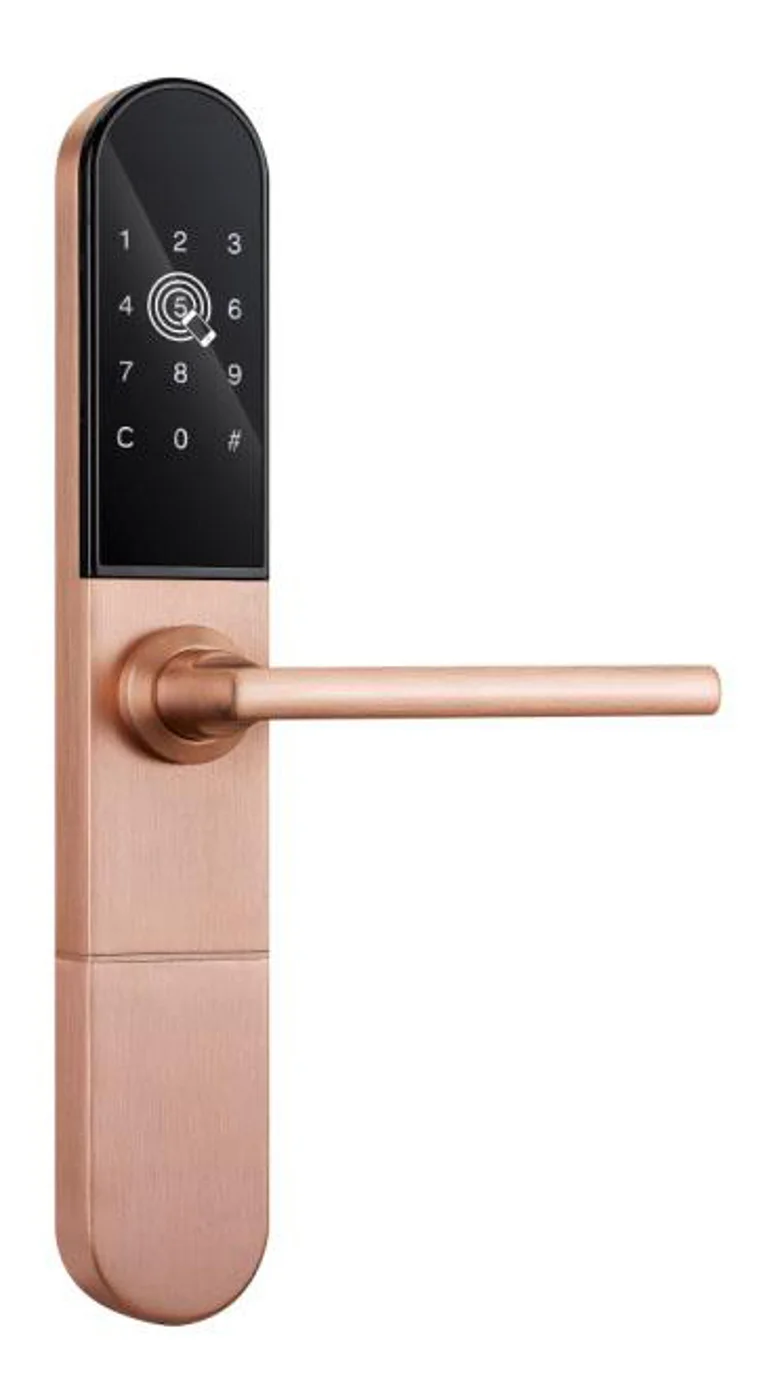
Smart Cabinet Lock — App-Managed, Multi-Site Dashboard
App-managed smart cabinet lock for office, parcel, and multi-site fleets. BLE app dashboard, audit trail, remote unlock, no per-lock server. Higher-tier chassis.
This page already points to it as the next recommended reference.
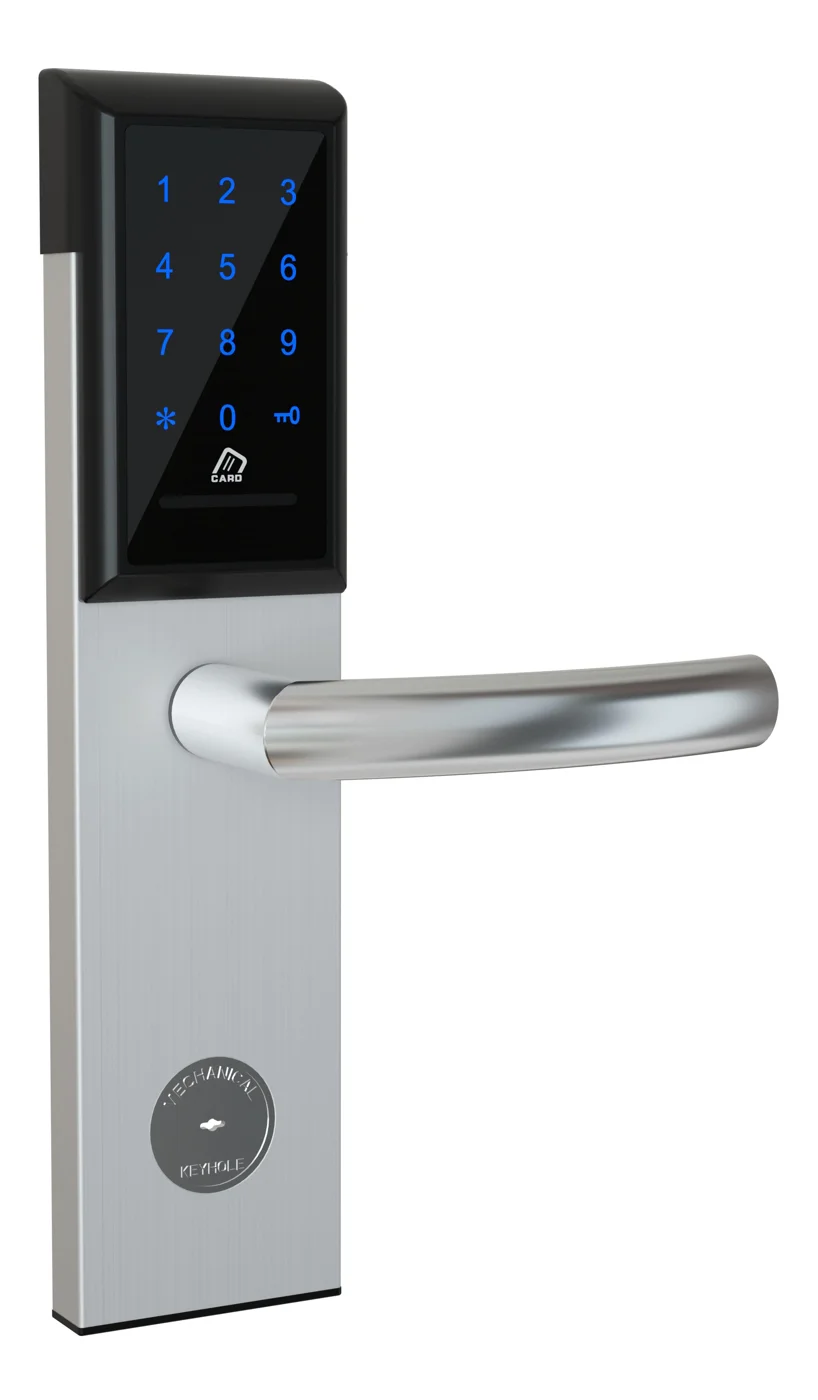
Office Cabinet Lock — PIN + Card for Filing & Pedestals
Offline PIN + card office cabinet lock for filing cabinets, pedestals, and drawers. Battery-powered 5-minute retrofit, no WiFi, no key management. CE/FCC/RoHS.
This page already points to it as the next recommended reference.
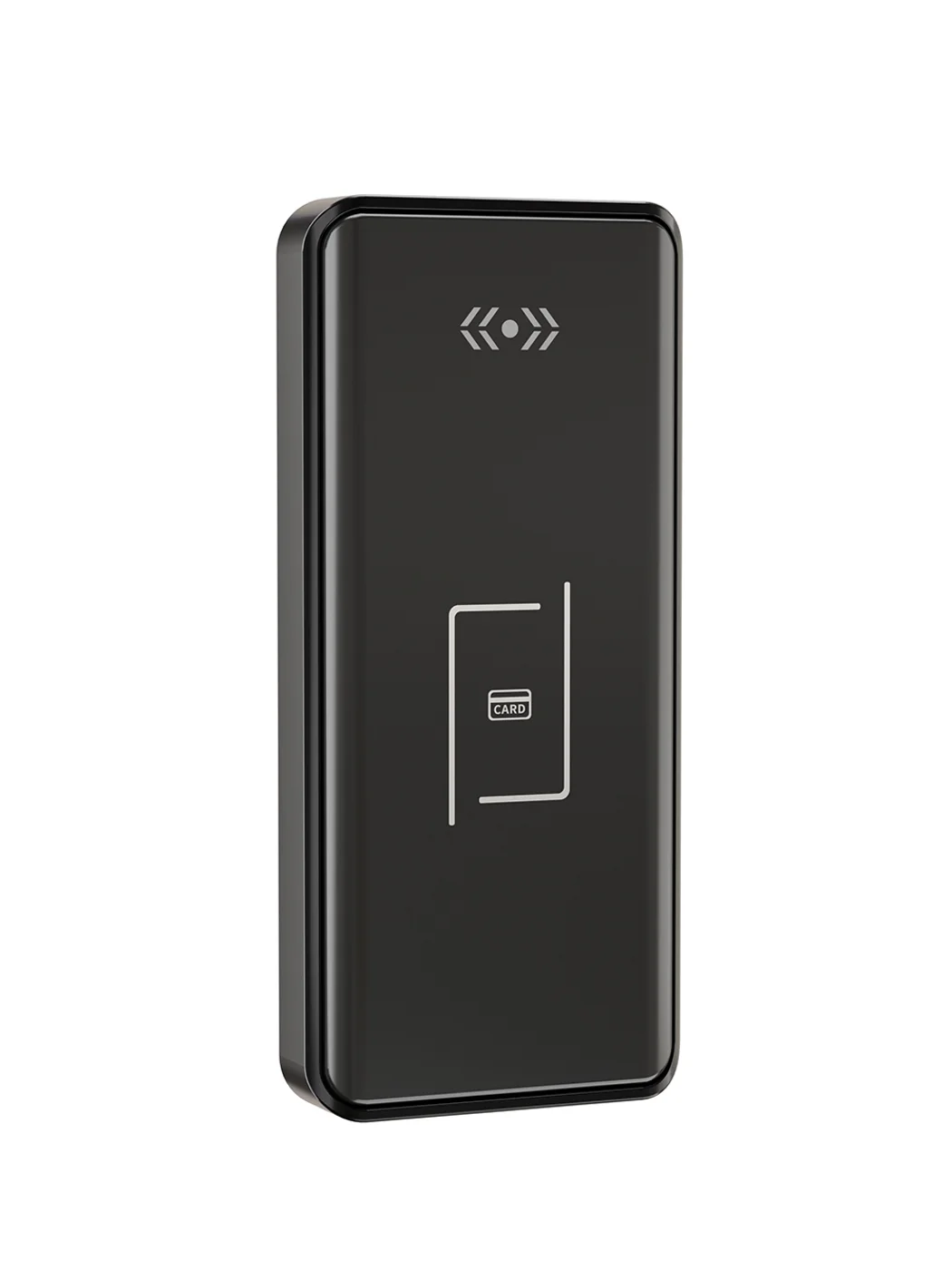
Gym Locker Lock — Offline Card, No WiFi Required
Offline card gym locker lock for fitness and pool lockers. MIFARE card, battery-powered 5-minute retrofit, no WiFi or server. Zinc alloy body, CE/FCC/RoHS.
This page already points to it as the next recommended reference.
Related blog posts
3
Mobile App Cabinet Lock: The Complete Guide to Smartphone-Controlled Cabinet Security
Discover how mobile app cabinet lock systems work. Explore BLE/Wi-Fi/NFC credentials, remote unlock, temporary codes, role-based access, cloud sync, security features, and deployment scenarios.
It supports the same product context: Smart Cabinet Lock — App-Managed, Multi-Site Dashboard, Office Cabinet Lock — PIN + Card for Filing & Pedestals, Gym Locker Lock — Offline Card, No WiFi Required.
MIFARE Cabinet Lock: Advanced Security Guide for MIFARE-Based Cabinet Access Systems
In-depth technical guide to MIFARE cabinet lock technology covering MIFARE Classic, Plus, DESFire, Ultralight variants, cryptographic security, installation, and multi-application smart card integration for cabinet access control.
It supports the same product context: Smart Cabinet Lock — App-Managed, Multi-Site Dashboard, Office Cabinet Lock — PIN + Card for Filing & Pedestals, Gym Locker Lock — Offline Card, No WiFi Required.
MIFARE Locker Lock: Definitive Guide to MIFARE-Based Smart Locker Security
Complete guide to MIFARE locker lock technology for gyms, schools, offices, and public facilities. Covers MIFARE Classic, Plus, DESFire variants, multi-user management, installation, networking, and smart locker ecosystem integration.
It supports the same product context: Gym Locker Lock — Offline Card, No WiFi Required.
Specify your cabinet lock project with our engineers
Send your locker count, cabinet type, and credential preference. We will return a sample plan and quote within 24 business hours.
- Move from general guidance into a product or application discussion.
- Use RFQ when pricing, drawings, MOQ, or launch timing needs structure.
- Keep a direct contact path visible for fast clarifications and handoff.