Locker Lock Replacement: The Complete 2026 Guide to Replacing and Upgrading Locker Locks
Expert locker lock replacement guide covering lock types, step-by-step replacement, electronic vs mechanical options, cross-platform migration, lifecycle planning, and installation for gym, school, and workplace lockers.
What Is a Locker Lock Replacement
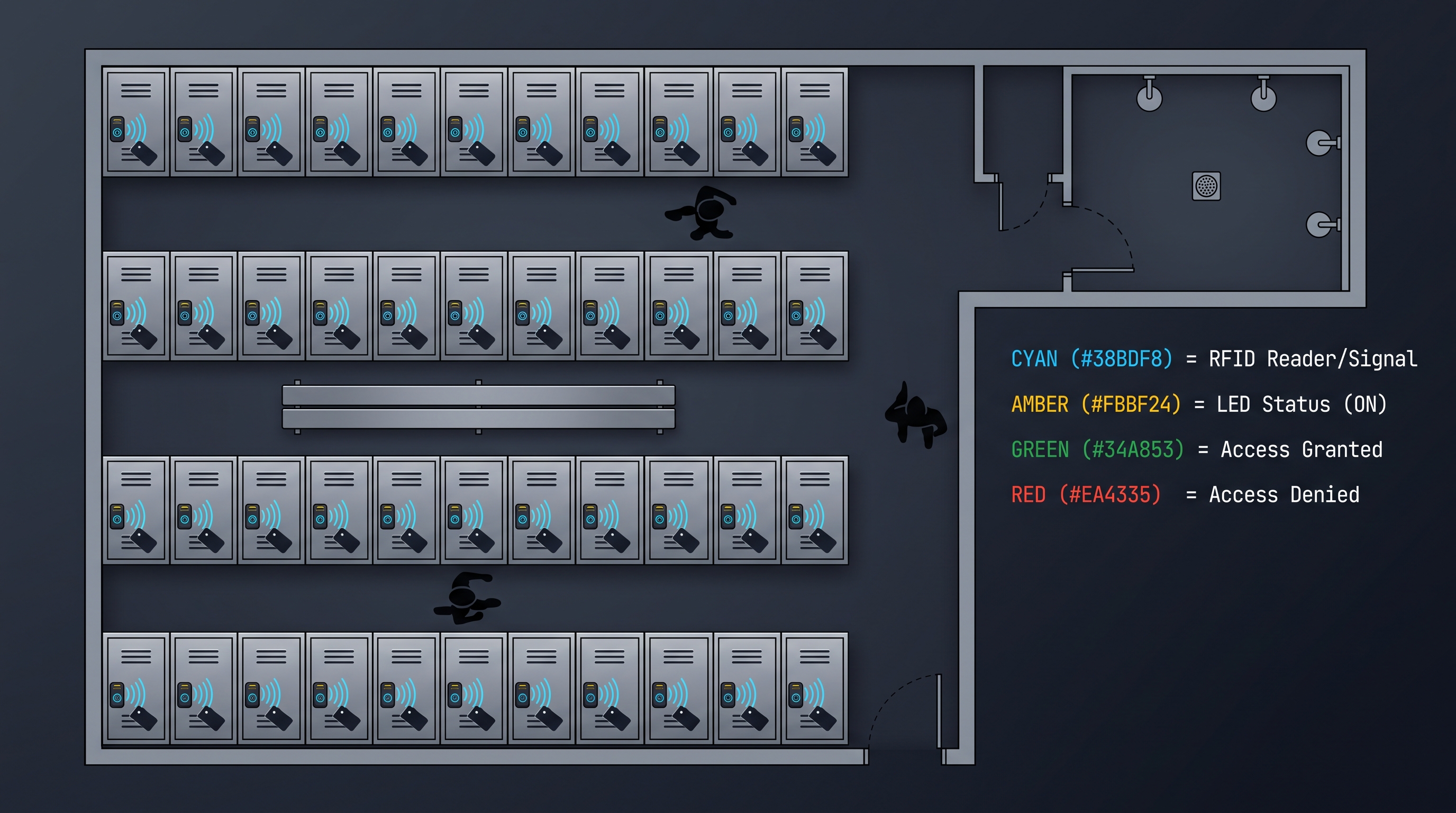
A locker lock replacement is the process of removing an existing locker locking mechanism and installing a new one in its place. This can involve swapping out a standard mechanical cam lock, a built-in combination dial, a padlock hasp, or an integrated electronic lock system. Locker lock replacement is commonly needed in gyms, schools, workplace facilities, recreational centers, and anywhere lockers are in daily use.
When a locker lock fails—whether due to key loss, combination forgetting, wear and tear, or security concerns—a locker lock replacement becomes necessary. The replacement process varies depending on the type of locker, the lock mechanism, and whether the locker is metal, wood, or plastic laminate. Understanding the specifics of your locker lock replacement needs is essential before purchasing any hardware or beginning work.
Many facility managers and individual locker users delay a locker lock replacement because they assume it will be complex or expensive. In reality, most locker lock replacements are straightforward DIY tasks when you have the right tools and information. This comprehensive guide covers every aspect of locker lock replacement, from identifying lock types to professional installation advice.
Why a Locker Lock Replacement Might Be Necessary
There are several common reasons you might need a locker lock replacement:
- The original key has been lost and no spare exists
- The combination dial has seized or no longer functions correctly
- The lock cylinder is worn and the key turns with difficulty or not at all
- You want to upgrade from a mechanical lock to an electronic lock for better security
- The existing lock is a low-quality model that offers insufficient protection
- The locker has changed ownership or use and new access control is needed
A locker lock replacement addresses all of these issues and often results in better security than the original lock provided.
Types of Locker Locks for Replacement
Before performing a locker lock replacement, you need to identify what type of lock you are dealing with and what replacement options exist. The following sections detail each major category of locker lock and the considerations for each during a locker lock replacement.
Mechanical Cam Locks
The mechanical cam lock is the most common type found in standard metal lockers. These locks use a key-operated cylinder with a rotating cam on the back that engages the locker frame to secure the door. When a mechanical cam lock fails, a locker lock replacement involves removing the retaining nut on the back of the lock body and sliding the old cylinder out.
Mechanical cam locks come in several keying configurations for locker lock replacement:
| Configuration | Description | Best For |
|---|---|---|
| Keyed Different | Each lock has a unique key | Individual assigned lockers |
| Keyed Alike | All locks share the same key | Staff lockers with supervisor access |
| Master Keyed | Individual keys plus a master key that opens all | Schools and facilities with administrative oversight |
When performing a locker lock replacement with a mechanical cam lock, the most important measurement is the cylinder length. Locker doors vary in thickness, and using a lock with the wrong cylinder length will result in an improper fit. Standard cylinder lengths range from 5/8 inch to 1-1/4 inches. Always measure the door thickness before purchasing a locker lock replacement.
Another consideration during a mechanical locker lock replacement is the cam offset. The cam is the metal arm attached to the back of the lock cylinder. Different locker lock replacement models have different cam offsets, which affect how the lock engages with the locker frame. Some cams are straight, while others are offset by 45 or 90 degrees. Verify that the cam on your locker lock replacement matches the original or can be adjusted to fit.
The material of the lock body also matters for a locker lock replacement. Die-cast zinc alloy is common and provides adequate security for most applications. For higher security environments, a locker lock replacement with a brass or stainless steel body offers greater durability and resistance to drilling or prying.
Built-In Combination Locks
Many school and gym lockers use built-in combination locks rather than separate padlocks. These are integrated into the locker door and typically feature a dial on the front with a three-number combination mechanism. A locker lock replacement for this type involves replacing the entire integrated unit.
Built-in combination locker lock replacement requires knowledge of the specific model. Master Lock and American Lock are two major manufacturers, and their mounting patterns differ. Before purchasing a locker lock replacement for a built-in combination lock, check the following:
- The hole spacing for the mounting screws
- The shape and size of the dial cutout on the door
- Whether the lock is a spring-bolt or deadbolt design
- The hand orientation (right-hand or left-hand door)
- The finish color to match existing locker hardware
Some built-in combination locks feature a key override for supervisory access. If this feature is needed, ensure the locker lock replacement includes it. Key override allows a manager or teacher to open any locker without knowing the combination, which is essential for school locker lock replacement scenarios.
The combination wheels inside these locks can wear down over time, making the lock difficult to operate or causing it to malfunction entirely. When a built-in combination lock starts to feel gritty or the dial does not spin freely, a locker lock replacement is the most reliable solution. Lubrication may provide temporary relief, but worn internal components will eventually fail completely.
Electronic Locker Locks
Electronic locker locks represent the modern standard for locker lock replacement in premium facilities. These battery-powered or wired locks use PIN codes, RFID cards, or smartphone Bluetooth for access instead of physical keys. An electronic locker lock replacement offers several advantages over mechanical alternatives.
Electronic locker lock replacement options include:
| Type | Access Method | Power Source | Typical Use Case |
|---|---|---|---|
| Keypad/PIN | Numeric code entry | Batteries (AA/AAA) | Gym lockers, day-use lockers |
| RFID | Card or fob tap | Batteries or wired | Employee lockers, member lockers |
| Bluetooth | Smartphone app | Batteries | Premium fitness clubs |
| Biometric | Fingerprint scan | Batteries or wired | High-security lockers |
| Networked | Central management system | Wired or PoE | Large facilities, smart buildings |
When undertaking an electronic locker lock replacement, you need to consider whether the new lock's cutout dimensions match the existing hole in the locker door. Many electronic locks are designed as direct retrofits for standard mechanical lock cutouts, but not all models are compatible. Measure the existing hole diameter and pattern before ordering your locker lock replacement.
Battery life is a critical consideration for any battery-powered electronic locker lock replacement. Look for models with low-battery indicators that provide ample warning before failure. Some electronic locker locks include a backup mechanical key override for emergency access when batteries die. Plan for a locker lock replacement that includes this feature unless you have a reliable battery replacement schedule in place.
Wiring requirements may apply if you are doing an electronic locker lock replacement with a wired system. Networked electronic locks typically require low-voltage wiring run through the locker bank. This adds complexity to the electronic locker lock replacement but enables centralized management, audit logging, and integration with existing access control systems. For a battery-powered electronic locker lock replacement, the wiring is eliminated but the battery replacement schedule becomes a critical part of the locker lock replacement maintenance plan, and the locker lock replacement product should provide at least thirty days of low-battery warning before the lock loses power.
Padlock Hasps and Staples
Some lockers use a simple hasp-and-staple design where a padlock secures the door. The locker lock replacement for these lockers typically involves replacing the hasp or staple mechanism rather than the padlock itself. However, if the padlock is the component that has failed, a locker lock replacement may focus on upgrading to a higher-quality padlock.
Common padlock locker lock replacement considerations:
- Hasp material gauge and cut resistance
- Padlock shackle diameter and hardened steel rating
- Weather resistance for outdoor locker applications
- Keyed alike options for multi-locker management
- Combination vs. keyed padlock trade-offs
A hasp locker lock replacement is generally simpler than an integrated lock replacement. The hasp assembly typically attaches with carriage bolts or security screws. When replacing a hasp as part of a locker lock replacement, upgrade to a model with a concealed or shielded shackle to resist bolt cutter attacks. For outdoor lockers exposed to weather, choose a locker lock replacement hasp made from stainless steel or with a corrosion-resistant coating.
How to Perform a Locker Lock Replacement Step by Step
A locker lock replacement is a manageable DIY project for most maintenance staff and handypersons. The following step-by-step instructions cover the most common locker lock replacement scenarios.
Step 1: Identify Your Current Lock Type
Before purchasing a locker lock replacement, positively identify the type of lock currently installed. Open the locker door and examine the back of the lock mechanism. Look for manufacturer markings, model numbers, and patent numbers. Take photographs of the front and back of the lock to reference when shopping for a locker lock replacement.
Measure the following dimensions for your locker lock replacement:
- Door thickness (use calipers for accuracy)
- Cylinder length or lock body depth
- Cutout hole diameter
- Mounting screw spacing if applicable
- Cam length and offset
These measurements are critical. Ordering a locker lock replacement with incorrect dimensions will waste time and money. Most lock manufacturers provide detailed dimensional drawings on their websites or in product catalogs.
Step 2: Gather Tools for the Locker Lock Replacement
The tools required for a typical locker lock replacement include:
- Flathead screwdriver (various sizes)
- Phillips head screwdriver
- Adjustable wrench or nut driver set
- Needle-nose pliers
- Digital calipers (for measurements)
- Flashlight or headlamp for working inside the locker
- Penetrating oil (for stuck fasteners)
- Replacement fasteners (in case originals are damaged)
For an electronic locker lock replacement, you may additionally need:
- Wire strippers and crimpers
- Multimeter for voltage testing
- Drill and step bit (if enlarging the cutout)
- Cable ties for wire management
- Batteries for the new lock
Step 3: Remove the Old Lock
With the locker door open, locate the retaining mechanism holding the old lock in place. For a mechanical cam lock locker lock replacement, this is typically a hex nut on the back of the cylinder. Use an adjustable wrench or the correct size nut driver to loosen and remove this nut.
If the nut is seized or corroded, apply penetrating oil and allow it to sit for 10 to 15 minutes. Do not use excessive force that could bend the locker door. Once the retaining nut is removed, the lock cylinder should slide out the front of the door. If it is stuck, gently tap it from the back with a screwdriver handle.
For a built-in combination locker lock replacement, remove the mounting screws on the back of the door. There are typically two or three screws holding the lock body to the door. Carefully disconnect any linkage rods connected to the latch mechanism before removing the lock body.
For an electronic locker lock replacement, disconnect any wiring connections before removing the lock. Label the wires or take a photo of the connections to reference during installation of the new lock. Remove any battery holders or wiring harnesses attached to the door interior.
Step 4: Prepare the Locker Door
With the old lock removed, inspect the cutout hole in the locker door. Look for any burrs, rust, or damage around the hole edges. Use a file or deburring tool to smooth rough edges that could interfere with the new locker lock replacement.
If the existing cutout is too small for the new locker lock replacement, you may need to enlarge it. This is more common when upgrading from a mechanical lock to an electronic lock. Use a step drill bit or a hole saw of the appropriate diameter. Place a piece of scrap wood behind the cutout to prevent the drill bit from wandering and to protect the locker interior. File the enlarged hole smooth before proceeding with the locker lock replacement.
Check that the door closes and latches smoothly. Sometimes the wear that damaged the lock also affects the door alignment. Adjust the door hinges if needed before installing the new locker lock replacement to ensure proper lock engagement.
Step 5: Install the New Lock
Insert the new lock cylinder or lock body into the cutout from the front of the door. Ensure the lock is oriented correctly—most locks have a top indicator or the keyway should be oriented with the wider pin side at the top. Slide the lock through until it is fully seated against the door face.
For a mechanical cam lock locker lock replacement, thread the retaining nut onto the back of the cylinder and tighten it securely. Do not over-tighten, as this can crack the lock body or deform the locker door. The lock should be snug but the cylinder should not rotate freely.
Attach the cam to the back of the cylinder if it is not already installed. Position the cam so it will engage the locker frame properly when the key is turned. Test the lock operation with the door open before closing it. The cam should rotate freely and extend fully into the locked position.
For an electronic locker lock replacement, connect any wiring according to the manufacturer's instructions. Install batteries in the new lock. Program a test code or register a test card. Test the lock multiple times with the door open before closing it.
Step 6: Test the Locker Lock Replacement
After installing the new lock, perform thorough testing before considering the locker lock replacement complete:
- Open and close the locker door several times
- Lock and unlock the mechanism at least 10 times
- Verify the door cannot be opened when locked without the key, code, or credential
- Check that the lock operates smoothly without binding
- For electronic locks, test low-battery indicators if available
- For keyed locks, test all provided keys
- For combination locks, test the combination multiple times
If the locker lock replacement does not operate smoothly, check the cam alignment, retaining nut tightness, and door fit. Small adjustments during this phase can prevent future problems.
Step 7: Manage Keys and Access
The final step of any locker lock replacement is to secure and distribute the new keys, record the new combination, or program the new access credentials. For keyed locks, label the keys clearly and store spares in a secure location. For combination locks, record the combination in a secure digital or physical record. For electronic locks, program all authorized users and test their access before completing the locker lock replacement.
Common Locker Lock Replacement Scenarios
Gym Locker Lock Replacement
Gym locker lock replacement is one of the most frequent locker maintenance tasks. The high humidity, frequent use, and occasional abuse in fitness facilities take a toll on locker hardware. When performing a gym locker lock replacement, consider the following gym-specific factors:
Gym locker lock replacement should account for moisture and corrosion. Choose locks with stainless steel or corrosion-resistant components. Electronic gym locker lock replacement models should have sealed electronics to prevent sweat and moisture damage. Keypad models with rubberized buttons hold up better in gym environments than those with membrane keypads.
Day-use versus permanent assignment models matter for gym locker lock replacement. Many gyms use free locker locks that reset after each use. Others assign permanent lockers to members. Your gym locker lock replacement strategy should align with the facility's locker management policy.
Gym locker lock replacement volumes can be high in large facilities. Standardizing on a single lock model simplifies maintenance, training, and spare parts inventory. Some gym locker lock replacement projects involve retrofitting entire banks of hundreds of lockers. In these cases, bulk purchasing and phased replacement schedules make the project more manageable.
School Locker Lock Replacement
School locker lock replacement has unique requirements related to student age, administrative oversight, and budget constraints. School administrators planning a locker lock replacement should evaluate:
Key control is paramount in school locker lock replacement projects. Master-keyed systems allow teachers and administrators to access any locker while students only access their assigned locker. This is essential for safety inspections and situations where a student has forgotten their combination.
Durability expectations for school locker lock replacement should be high. Students can be hard on locker hardware, intentionally or not. Choose lock models with proven reliability and resistance to tampering. Built-in combination locks designed specifically for school environments offer robust construction.
Budget considerations often drive school locker lock replacement decisions. Mechanical locks are generally less expensive than electronic models, but the total cost of ownership should include key management, rekeying costs when keys are lost, and the staff time required to manage mechanical lock systems. Over a five to ten year period, electronic locker lock replacement may offer lower total cost despite higher upfront investment.
Timing of school locker lock replacement is important. The best time is during summer break when facilities are empty. This allows maintenance staff to work without disruption and gives ample time for testing before students return. Plan the locker lock replacement project timeline with the school calendar in mind.
Workplace Locker Lock Replacement
Workplace locker lock replacement in offices, factories, hospitals, and other employment settings requires consideration of employee privacy, security clearance levels, and integration with existing facility systems.
Access levels for workplace locker lock replacement: Different employees may need different locker access. Executive lockers, secure document lockers, and standard employee lockers each have different security requirements. A workplace locker lock replacement plan should map these needs to appropriate lock types.
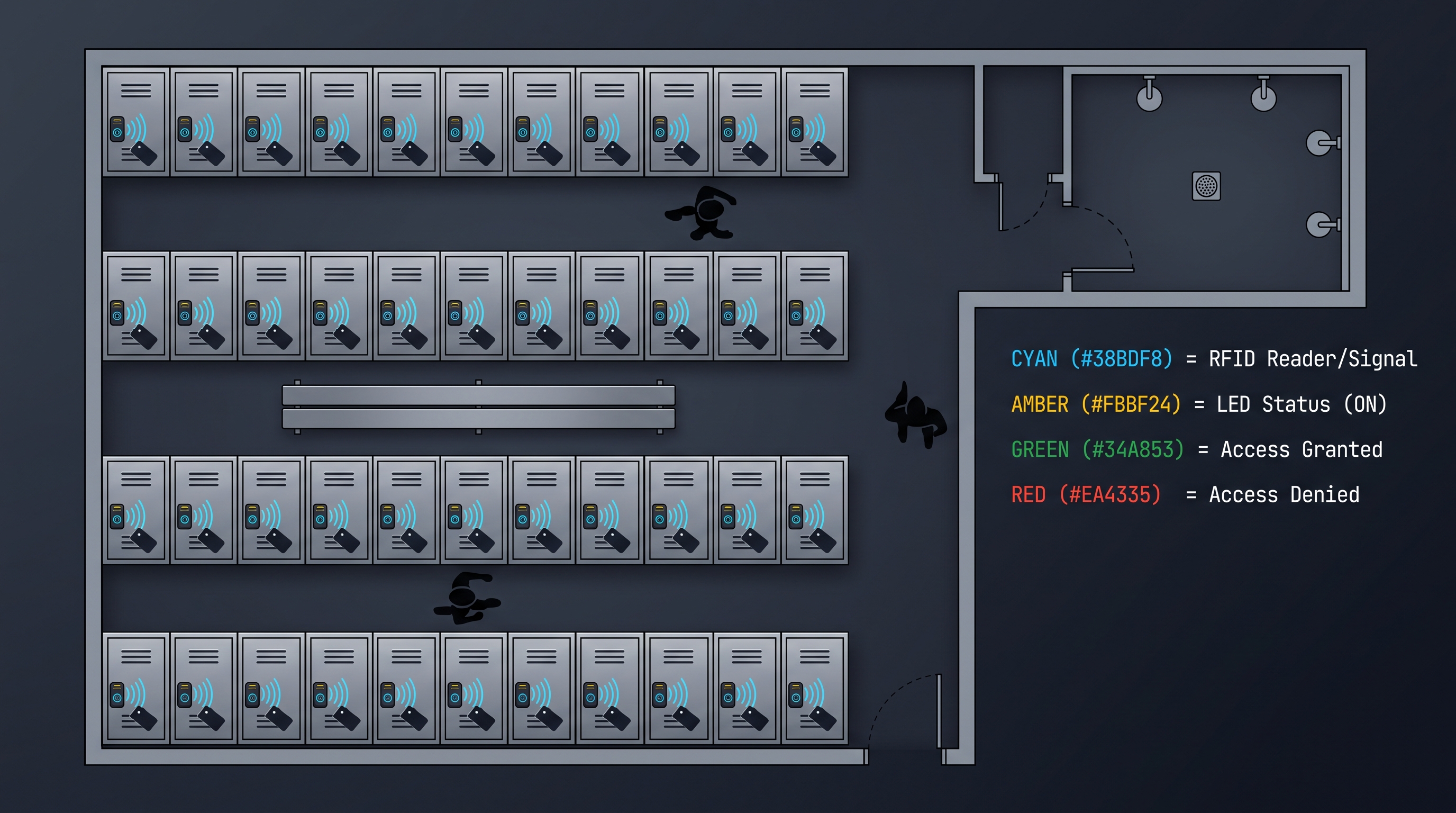
Integration with badge systems: Many workplaces already use RFID badges for door access. An electronic locker lock replacement that uses the same badge technology eliminates the need for separate locker keys or codes. This unified approach improves security while simplifying the employee experience.
Audit trail requirements: Certain industries require documentation of who accessed which locker and when. An electronic locker lock replacement with audit logging capabilities satisfies these compliance requirements. The audit log records each access event with timestamp and user identity, providing accountability.
Flexible assignment: Modern workplaces increasingly use hot-desking and flexible office arrangements. The locker lock replacement should support dynamic locker assignment, where lockers can be reassigned daily or weekly rather than being permanently assigned to individuals.
Locker Lock Replacement: Mechanical vs. Electronic
Choosing between a mechanical and electronic locker lock replacement is one of the most important decisions in any locker upgrade project. Each option has distinct advantages that suit different environments and requirements.
Mechanical Locker Lock Replacement: Pros and Cons
Advantages of a mechanical locker lock replacement include:
- Lower upfront cost per lock
- No batteries to replace or power to supply
- Simpler installation with no wiring
- Proven reliability over decades of use
- No electronic components that can fail
- Familiar operation for all user ages
Disadvantages of a mechanical locker lock replacement include:
- Physical keys can be lost or copied without authorization
- Rekeying is required when keys are lost, adding ongoing costs
- No audit trail of who accessed the locker
- Key management overhead for facilities with many lockers
- No remote access or lockdown capability
- Combinations can be shared or observed by others
Electronic Locker Lock Replacement: Pros and Cons
Advantages of an electronic locker lock replacement include:
- No physical keys to lose or manage
- Access can be changed instantly without rekeying
- Audit logging provides detailed access records
- Temporary codes for guests or service personnel
- Remote management for multi-site facilities
- Integration with existing access control and building management systems
- Scalable from a single locker to thousands
Disadvantages of an electronic locker lock replacement include:
- Higher upfront cost than mechanical alternatives
- Batteries require periodic replacement
- Electronic components can fail or be affected by environmental conditions
- More complex installation, especially for wired systems
- Learning curve for users unfamiliar with electronic access
- Potential cybersecurity concerns with networked systems
Cost Comparison Over Time
When evaluating a locker lock replacement, comparing mechanical and electronic options over a five-year period reveals the total cost of ownership differences:
| Cost Factor | Mechanical Lock | Electronic Lock |
|---|---|---|
| Initial hardware cost per lock | $15 - $40 | $60 - $200+ |
| Installation labor per lock | $10 - $25 | $20 - $50 |
| Key management (annual, per lock) | $5 - $15 | $0 |
| Battery replacement (annual) | $0 | $3 - $8 |
| Rekeying (per event) | $10 - $30 | $0 (instant code change) |
| Maintenance (annual, per lock) | $2 - $5 | $5 - $10 |
| 5-year total (excluding initial hardware) | $35 - $100+ | $15 - $50+ |
The crossover point where electronic locker lock replacement becomes more economical depends on the frequency of key loss, the number of lockers managed, and the administrative cost of key management. For facilities with frequent key loss or many lockers, electronic locker lock replacement often pays for itself within two to three years.
Locker Lock Replacement Compatibility and Sizing
Ensuring compatibility is the most critical step before purchasing a locker lock replacement. An incompatible lock wastes time and money. The following measurements and checks will help you select the correct locker lock replacement.
Measuring for a Mechanical Locker Lock Replacement
Cylinder length is the primary measurement for mechanical cam lock replacement. This is the distance from the face of the lock to the back of the cylinder body, not including the cam. Measure as follows:
- Determine door thickness at the lock cutout using calipers
- Add 1/8 to 1/4 inch for the retaining nut and washer thickness
- Account for any gaskets or spacers if present
- Verify the cam will clear the locker frame when installed
Standard cylinder lengths for locker lock replacement are:
| Cylinder Length | Common Application |
|---|---|
| 5/8 inch | Thin metal locker doors |
| 7/8 inch | Standard metal locker doors |
| 1 inch | Medium thickness doors |
| 1-1/4 inch | Thick wooden or plastic laminate doors |
| 1-1/2 inch | Extra thick or insulated doors |
The cutout diameter is equally important. Most locker lock replacement cylinders use either a 3/4 inch or 7/8 inch mounting hole. Some heavy-duty or oval cylinder locks use different dimensions. Always measure the existing hole diameter before ordering.
Measuring for an Electronic Locker Lock Replacement
Electronic locker lock replacement involves additional dimensional considerations beyond the basic cylinder length, and the locker lock replacement selection must account for all of them before ordering the unit:
- Faceplate or escutcheon dimensions: The visible portion of the electronic lock on the front of the door
- Internal body depth: The housing behind the door that contains the electronics and battery
- Wire routing space: Clearance needed for wiring between the lock and any external components
- Cutout pattern: Some electronic locks require rectangular rather than round cutouts
Many electronic locker lock replacement models are designed as retrofits for standard mechanical cutout dimensions. Look for "retrofit" or "universal fit" in the product description. If the electronic lock requires a different cutout pattern, determine whether modifying the existing locker doors is feasible.
Door Material Considerations
The locker door material affects the locker lock replacement process:
Metal locker doors with a locker lock replacement: Most common and easiest to work with. The metal is generally thin enough for standard lock cylinders. Watch for burrs when drilling or enlarging holes. Use anti-seize compound on stainless steel fasteners to prevent galling.
Wood locker doors with a locker lock replacement: Less common but found in upscale facilities and country clubs. Wood can swell and shrink with humidity, potentially affecting lock alignment. Choose a locker lock replacement with adequate cylinder length adjustment range. Pre-drill screw holes to prevent splitting.
Plastic laminate locker doors with a locker lock replacement: Common in wet areas like pool lockers and spas. The laminate surface can chip or crack when drilling. Use sharp drill bits and drill from the finished side to the unfinished side. Apply masking tape over the cutout area before drilling to reduce chipping.
Locker Lock Replacement Security Considerations
A locker lock replacement is an opportunity to improve security beyond the original installation. The following security considerations apply to any locker lock replacement project and should guide the locker lock replacement selection.
Physical Security Ratings
Lock manufacturers use several rating systems to indicate physical security levels. When selecting a locker lock replacement, look for:
- ANSI/BHMA grading: Grade 1 is the highest (commercial/industrial), Grade 2 is standard commercial, Grade 3 is residential
- UL 437 rating for key cylinders: Indicates resistance to picking, drilling, and other attacks
- EN 1300 grading: European standard with classifications for key security and attack resistance
- IP rating for electronic locks: Indicates protection against dust and water ingress (IP65 or higher recommended for wet environments)
A locker lock replacement with a higher security rating costs more but provides measurably better protection. For high-value contents or sensitive areas, invest in a locker lock replacement with documented security certifications rather than uncertified budget options.
Key Control Features
Key control determines who can duplicate keys and under what conditions. A locker lock replacement with restricted keyways prevents unauthorized key duplication. Key control levels include:
- Open keyway: Keys can be duplicated at any hardware store
- Restricted keyway: Keys can only be duplicated by authorized dealers with proof of ownership
- Patented keyway: Keys are protected by patent and cannot be duplicated without manufacturer authorization
- Factory-controlled: Duplication only at the factory with strict chain-of-custody controls
For gym, school, and workplace locker lock replacement, restricted or patented keyways prevent the security problem of unauthorized key duplication. A disgruntled former employee or student who had their key duplicated before returning it is a common security failure that proper key control prevents.
Anti-Tamper Features
Look for these anti-tamper features in any locker lock replacement to protect the locker lock replacement from attack:
- Anti-drill plates: Hardened steel inserts that resist drilling attacks
- Anti-pick pins: Security pins in the cylinder that frustrate lock picking attempts
- Pry-resistant face: Reinforced face plate that resists prying the lock from the door
- Anti-shim design: Prevents the common attack of slipping a shim between door and frame to bypass the lock
- Secure mounting: Tamper-resistant screws or bolt-through mounting
No locker lock replacement can make a locker absolutely impenetrable, but layered anti-tamper features significantly increase the time and tools required for a successful attack, deterring most casual thieves.
Locker Lock Replacement: Tools and Materials Checklist
Before starting any locker lock replacement project, gather all necessary tools and materials. Working through this locker lock replacement checklist prevents mid-project delays and ensures the locker lock replacement proceeds smoothly from start to finish.
Essential Tools for Locker Lock Replacement
| Tool | Purpose |
|---|---|
| Screwdriver set (flat and Phillips) | Removing and installing fasteners |
| Adjustable wrench or nut driver set | Removing retaining nuts |
| Needle-nose pliers | Manipulating small parts and cams |
| Digital calipers | Accurate measurements for lock sizing |
| Flashlight | Illuminating the locker interior |
| Penetrating oil | Freeing stuck fasteners |
| File or deburring tool | Smoothing cutout edges |
| Drill and bits | Enlarging or modifying cutouts if needed |
| Step drill bit | Cleanly enlarging round holes |
| Center punch | Marking drill points accurately |
| Masking tape | Protecting door finish during drilling |
Consumables for Locker Lock Replacement
- Replacement screws and fasteners (stainless steel recommended)
- Anti-seize compound for stainless fasteners
- Thread-locking compound for nuts that may vibrate loose
- Cleaning solvent for removing old adhesive or lubricant residue
- Graphite powder or dry lubricant for lock cylinder maintenance
- Replacement gaskets or spacers if originals are damaged
Safety Equipment
- Safety glasses (especially when drilling or filing metal)
- Work gloves (metal locker doors can have sharp edges)
- Knee pads if working on low lockers for extended periods
- Dust mask if drilling or grinding
Locker Lock Replacement Troubleshooting
Even with careful planning, locker lock replacement projects can encounter problems. The following troubleshooting guide addresses common issues you may face during a locker lock replacement.
New Lock Does Not Fit the Cutout
If the locker lock replacement does not fit the existing cutout:
- Verify the lock model matches what you ordered (check the packaging and model number)
- Re-measure the cutout diameter and compare to the lock specifications
- Check that the lock is oriented correctly—some locks are directional
- If the cutout is too small, use a step drill to carefully enlarge it
- If the cutout is too large, you may need a spacer ring or a lock with a larger faceplate
New Lock Operates Stiffly or Binds
If the new locker lock replacement does not operate smoothly:
- Check that the retaining nut is not over-tightened; back it off slightly
- Verify the cam is aligned correctly and not binding on the locker frame
- Ensure the door closes fully and is aligned with the frame
- For electronic locks, check that wiring is not impeding the locking mechanism
- Apply a small amount of dry graphite lubricant to mechanical lock cylinders
Key Works in One Direction Only
If the key turns one way but not the other after the locker lock replacement:
- The cam may be installed upside down or at the wrong offset
- The retaining nut may be too tight, causing the cylinder to bind
- The key may need to be inserted fully—some locks require the key to be pushed in slightly before turning
- Key cuts may be worn (test with a new key from the manufacturer)
Electronic Lock Does Not Respond
If an electronic locker lock replacement does not power on or respond:
- Check battery orientation (positive and negative terminals)
- Verify batteries are fresh and of the recommended type (alkaline vs. lithium)
- Check for a battery isolation tab that needs to be removed
- Inspect wire connections for loose or damaged terminals
- Try a factory reset procedure as described in the manual
- Contact the manufacturer's technical support
Door Does Not Latch After Locker Lock Replacement
If the locker door does not latch properly after the locker lock replacement:
- Verify the cam is the correct length and offset for your locker
- Check that the door hinges have not shifted
- Look for obstructions inside the locker frame
- Ensure the door gasket or seal is properly seated
- Adjust the strike plate position if adjustable
Maintenance After Locker Lock Replacement
A locker lock replacement represents an investment in security and functionality. Regular maintenance extends the service life of the locker lock replacement and ensures reliable operation well beyond the initial locker lock replacement service visit.
Mechanical Lock Maintenance
After a mechanical locker lock replacement:
- Lubricate with dry graphite powder every 6 to 12 months (avoid wet lubricants that attract dust)
- Inspect the retaining nut for tightness quarterly
- Test all keys and note any that become difficult to turn
- Clean the lock face with a soft, dry cloth; avoid harsh chemicals
- Check the cam for wear or bending during annual inspections
Electronic Lock Maintenance
After an electronic locker lock replacement:
- Replace batteries proactively on a schedule (every 12 months for high-use locks)
- Clean the keypad or card reader surface with a microfiber cloth
- Test backup mechanical override keys periodically
- Update firmware if the lock supports firmware updates
- Review audit logs periodically for unusual access patterns
- Check wire connections and strain relief during annual inspections
Locker Door Maintenance
The locker door itself affects lock performance after a locker lock replacement:
- Lubricate door hinges annually
- Check door alignment seasonally, especially in buildings without climate control
- Tighten hinge screws if the door begins to sag
- Replace worn door gaskets to maintain proper door-to-frame clearance
- Address rust or corrosion promptly to prevent spreading damage
Frequently Asked Questions About Locker Lock Replacement
Can I replace a locker lock myself?
Yes, most locker lock replacement tasks are suitable for DIY completion. Mechanical cam lock replacement is particularly straightforward, typically requiring only a screwdriver and wrench. Built-in combination lock replacement and electronic lock replacement are more involved but still manageable with basic tools and careful attention to instructions. If you are not confident in your abilities, hire a locksmith or maintenance professional for the locker lock replacement.
How much does a locker lock replacement cost?
The cost of a locker lock replacement varies widely depending on the lock type. A basic mechanical cam lock costs $15 to $40. A quality built-in combination lock costs $40 to $100. An electronic locker lock costs $60 to $250 or more for networked models. If you hire a professional for the locker lock replacement, add $50 to $150 per lock in labor costs, depending on complexity and local rates.
How long does a locker lock replacement take?
A simple mechanical cam locker lock replacement typically takes 15 to 30 minutes per locker. A built-in combination lock replacement takes 30 to 60 minutes. An electronic locker lock replacement may take 45 to 90 minutes, especially if wiring is involved. Allow extra time for your first few locker lock replacements as you learn the process.
What is the most secure type of locker lock?
For maximum security in a locker lock replacement, electronic locks with multi-factor authentication offer the best protection for the locker lock replacement. Biometric fingerprint plus PIN code provides two-factor security that is extremely difficult to defeat. Networked electronic locks with audit logging add accountability to the locker lock replacement. For mechanical options, high-security cylinders with restricted, patented keyways provide the best key-based locker lock replacement security.
Can I key all my locker locks alike?
Yes, when doing a locker lock replacement across multiple lockers, you can order keyed alike locks so one key opens all lockers. This is convenient for facilities where a supervisor needs access to all lockers. Most lock suppliers offer keyed alike ordering for locker lock replacement projects. Specify this requirement when placing your order.
What should I do with old locks after locker lock replacement?
After completing a locker lock replacement, consider the following for the removed locks. Functional locks can be donated to organizations that repurpose building materials. Locks containing electronic components should be recycled as e-waste. If the old locks are damaged beyond use, dispose of them as scrap metal. For security reasons, destroy or securely store any keys associated with the removed locks.
How often should locker locks be replaced?
There is no fixed replacement interval for locker locks, but consider a locker lock replacement when the lock shows signs of wear (difficult key turning, sticking mechanism, visible corrosion), when security requirements change, or as part of a scheduled facility renovation every 7 to 10 years. High-use lockers in gyms may need locker lock replacement more frequently than low-use lockers in administrative areas.
Locker Lock Replacement: Specialized Environments
Hospital Locker Lock Replacement
Hospital locker lock replacement has unique infection control and hygiene requirements. Choose locks with antimicrobial surfaces where available. Electronic locks with hands-free operation (RFID cards on lanyards or badge holders) reduce touchpoints. Hospital locker lock replacement should prioritize locks that can be sanitized with hospital-grade cleaning products without degradation.
Industrial Locker Lock Replacement
Factory and warehouse locker lock replacement must account for harsh environments. Dust, metal filings, and chemical exposure can damage standard locks. Choose locks with sealed designs and high IP ratings. Mechanical locks in industrial environments may benefit from more frequent lubrication as part of the locker lock replacement maintenance plan. Consider heavy-duty locks with larger dimensions and thicker materials.
Outdoor Locker Lock Replacement
Outdoor locker lock replacement requires weather-resistant hardware. Salt air in coastal locations, extreme temperature swings, and direct sun exposure all accelerate lock deterioration. For outdoor locker lock replacement, choose:
- Stainless steel lock bodies and cams
- Marine-grade electronic components if applicable
- UV-resistant keypad materials
- Drainage provisions to prevent water accumulation
- Freeze-resistant mechanisms for cold climates
Pool and Spa Locker Lock Replacement
Poolside locker lock replacement faces extreme conditions: high humidity, chlorine exposure, and frequent use by wet hands. Electronic locks for pool lockers should have fully sealed electronics with IP67 or IP68 ratings. Mechanical locks benefit from marine-grade materials. The locker lock replacement should include stainless steel fasteners throughout. Plan for more frequent maintenance intervals in pool environments.
Comparing Locker Lock Replacement Brands
When selecting a locker lock replacement, brand reputation, warranty coverage, and parts availability all factor into the decision. Here is a comparison of major locker lock brands and their locker lock replacement offerings, to help you choose the best replacement locker lock for your facility.
| Brand | Specialty | Warranty | Price Range |
|---|---|---|---|
| Master Lock | Built-in combination, cam locks | Limited lifetime | $15 - $80 |
| American Lock | Heavy-duty padlocks, cam locks | Limited lifetime | $20 - $100 |
| Olympus Lock | Cabinet and locker cam locks | 3 years | $15 - $50 |
| Digilock | Electronic locker locks | 2 years | $80 - $250 |
| Ojmar | Electronic and mechanical locker locks | 2-5 years | $60 - $200 |
| Gantner | RFID and networked locker locks | 2 years | $100 - $300+ |
| SALTO | Smart access locker locks | 2 years | $150 - $400+ |
| Assa Abloy | High-security locker solutions | Varies by product | $50 - $500+ |
When choosing a locker lock replacement brand, consider not only the purchase price but also the availability of replacement parts, technical support quality, and compatibility with your existing locker hardware. A slightly more expensive locker lock replacement from a reputable brand often costs less over time than a budget option that fails prematurely.
Locker Lock Replacement and Access Control Integration
For organizations with existing access control systems, a locker lock replacement offers the opportunity to integrate locker access with the broader security infrastructure.
RFID Integration
Many electronic locker lock replacement models work with standard RFID card formats including MIFARE, HID, and EM. This allows employees to use the same badge for building access and locker access. The locker lock replacement should specify compatible card formats. Test compatibility before committing to a bulk locker lock replacement order.
Cloud Management
Cloud-connected electronic locker locks enable centralized management of all locker lock replacement installations across multiple buildings or sites. Features available through cloud management include:
- Remote lock and unlock commands
- Real-time occupancy status
- Audit log aggregation
- User assignment and access scheduling
- System health monitoring and alerts
- Firmware updates
Cloud-managed locker lock replacement requires reliable network connectivity. Evaluate your facility's Wi-Fi or wired network coverage at locker locations before selecting cloud-dependent locks.
Mobile Credentials
Bluetooth and NFC-equipped electronic locker locks support smartphone-based credentials. Users access their locker via a mobile app rather than carrying a card or remembering a code. This is particularly convenient in gym and workplace locker lock replacement projects where users typically carry their phone. Mobile access also eliminates the cost of issuing and replacing physical cards or fobs.
Locker Lock Replacement Project Planning
For facilities replacing locks on dozens or hundreds of lockers, project planning is essential. A structured locker lock replacement plan ensures the project stays on schedule and within budget.
Assessment Phase
Before beginning a large locker lock replacement project:
- Inventory all lockers: Count, type, current lock condition, and dimensions
- Document current lock types with photographs and measurements
- Identify priorities: Which lockers need locker lock replacement most urgently?
- Map locker assignments: Who uses each locker and what access do they need?
- Budget development: Cost hardware, labor, and contingency (15-20% recommended)
Selection Phase
During the locker lock replacement product selection phase:
- Test candidate locks on a small sample of lockers before committing to a large order
- Evaluate ease of installation with your maintenance team
- Check parts availability and lead times
- Review warranty terms and technical support availability
- Confirm compatibility with any existing key systems or access control platforms
Implementation Phase
During locker lock replacement execution:
- Schedule work during low-usage periods to minimize disruption
- Replace locks in logical groups (by locker bank, floor, or department)
- Communicate the schedule to locker users in advance
- Have a plan for user registration and credential distribution
- Maintain a few spare locks for immediate replacement if any fail during the warranty period
Post-Implementation Phase
After completing the locker lock replacement:
- Conduct user training on any new lock technology
- Collect feedback and address any issues
- Establish the maintenance schedule and assign responsibility
- Document the installation (lock models, key codes, wiring diagrams) for future reference
- Schedule periodic inspections to catch issues early
Environmental Considerations in Locker Lock Replacement
Sustainability is an increasingly important factor in facility management. A locker lock replacement project can align with environmental goals through thoughtful choices about the materials and the disposal of the locker lock replacement components.
Material Sustainability
When selecting a locker lock replacement, consider the environmental impact of the materials:
- Locks with replaceable batteries are preferable to disposable electronic units
- Mechanical locks have lower embedded energy than electronic locks
- Brands that use recycled metals in lock bodies reduce environmental impact
- Packaging reduction: Choose locker lock replacement products with minimal or recyclable packaging
Longevity and Serviceability
The most sustainable locker lock replacement is one that lasts. Durable locks with replaceable components avoid the waste of frequent replacement. Before purchasing, investigate:
- Availability of replacement parts (springs, cams, batteries, keypads)
- Manufacturer's stated design life
- Service and repair documentation
- Upgrade paths: Can the locker lock replacement be upgraded in the future without replacing the entire lock?
Responsible Disposal of Old Locks
After completing a locker lock replacement, dispose of the removed locks responsibly:
- Sort metal components for scrap recycling
- Separate electronic components for e-waste processing
- Remove batteries from electronic locks before disposal or recycling
- Work with a certified electronics recycler for any electronic locker lock replacement remains from your locker lock replacement project
- Document the disposal for any sustainability reporting required by your organization
Cross-Platform Locker Lock Replacement and System Migration
A cross-platform locker lock replacement is the substitution of a lock from a different manufacturer or a different product family than the original, performed when the original lock is discontinued, the original manufacturer no longer supports the platform, or the facility wishes to consolidate multiple locker systems onto a single management platform. The cross-platform locker lock replacement is more complex than a same-model swap because the replacement lock may use a different credential technology, a different communication protocol, a different management software application, and a different door cutout geometry, each of which must be reconciled before, during, and after the physical swap. The cross-platform locker lock replacement typically unfolds as a phased project rather than a single service visit: a pilot phase validates the replacement lock on a small sample of lockers, a credential migration phase issues new cards or enrolls new PINs for the affected users, a data migration phase exports user lists and audit logs from the legacy platform and imports them into the new platform, and a cutover phase performs the physical locker lock replacement across the full locker population over a planned schedule. The cross-platform locker lock replacement may also require a new gateway, a new management server, or a new cloud tenant, all of which must be procured, installed, and configured before the first locker is swapped. The decision to perform a cross-platform locker lock replacement is driven by total cost of ownership, vendor roadmap confidence, and integration with the facility's broader access control environment, and the migration must preserve continuity of access for users throughout the cutover.
When to Choose Cross-Platform Locker Lock Replacement
A facility should consider a cross-platform locker lock replacement when the original lock manufacturer has announced end of support for the lock's firmware or management software, when replacement units of the original model are no longer available or carry a prohibitive lead time, when the original platform cannot integrate with a newly adopted corporate or campus credential, or when the facility is consolidating multiple locker systems acquired through mergers or building expansions. The cross-platform locker lock replacement is also justified when the original platform lacks features the facility now requires, such as remote deactivation, cloud-based audit retrieval, temporary code issuance for visitors, or occupancy analytics. The cost of a cross-platform locker lock replacement is typically two to four times the cost of a same-model swap because of the credential migration, software migration, and additional technician training, but the long-term savings from a single vendor relationship, a single management platform, and a unified credential often justify the investment within three to five years.
Compatibility Matrix for Locker Lock Replacement
The compatibility matrix below summarizes the variables that determine whether a candidate locker lock replacement will fit the existing door and operate within the existing system. Each variable must score a match or a documented retrofit before the replacement is ordered.
| Compatibility Variable | Match Requirement | Retrofit Permitted If |
|---|---|---|
| Door hole diameter | Within plus or minus one millimeter of original | Oversize by reaming with a step drill |
| Door thickness | Within the replacement lock's stated range | Shim plate installed if door is thinner |
| Cam throw length | Within plus or minus two millimeters | Strike spacer or new strike installed |
| Cam rotation direction | Identical clockwise or counterclockwise | Opposite direction cam available as accessory |
| Cam style | Same generic shape, L, T, hook, or flat | Universal cam kit fitted |
| Body depth | Fits within locker interior clearance | Mortise pocket enlarged or surface-mount used |
| Keypad or reader face | Fits existing exterior recess | New recess cut or surface-mount escutcheon |
| Battery cavity | Accepts same cell type and count | External battery box wired to lock |
| Credential technology | Same RFID frequency and protocol | System-wide credential migration planned |
| Communication protocol | Same wired or wireless protocol | Gateway or bridge installed for new protocol |
| Management software | Compatible with existing platform | Software migration scheduled |
| Audit log export | Original logs exported before removal | Logs are stored in locker controller |
Data and User Migration During Locker Lock Replacement
The data and user migration phase of a cross-platform locker lock replacement preserves the continuity of user access and the integrity of historical audit logs across the platform change. The migration begins with an export from the legacy platform of the current user list, including user identifiers, credential values, locker assignments, and any time-restricted access windows. The export is transformed to match the import schema of the new platform, with attention to differences in identifier format, credential encoding, and time zone handling. The audit log history is exported separately and archived in a read-only format for compliance retention, because the new platform typically cannot ingest legacy audit records and the historical logs must remain queryable for the required retention period. During the locker lock replacement cutover, each user is either issued a new credential that has been pre-enrolled in the new platform, or the existing credential is enrolled into the new platform if it uses a compatible RFID frequency and protocol. The migration is validated by a parallel-run period during which a sample of users tests access on both the legacy and the new platform, confirming that the new platform grants access correctly before the legacy lockers are decommissioned.
Lifecycle Planning for Proactive Locker Lock Replacement
A proactive locker lock replacement program replaces locks at the end of their rated service life before they fail in service, converting an unpredictable break-fix workload into a planned maintenance schedule with defined budget, labor allocation, and user communication. The proactive locker lock replacement program begins with a full locker inventory that records each lock's manufacturer, model, install date, warranty expiration, rated cycle life, observed cycle count if available, and current operating condition. The inventory is analyzed to produce a refresh schedule that targets locks reaching the end of their rated life within the next twelve to twenty-four months, grouped by location to enable efficient batch service visits. The proactive locker lock replacement budget is then set as a recurring annual line item rather than an emergency expenditure, smoothing the cash flow and avoiding the budget spikes that accompany a deferred-then-forced replacement cycle. The proactive program also enables the facility to negotiate volume pricing with the lock vendor, to schedule technician visits during low-impact windows, and to coordinate the locker lock replacement with other facility activities such as locker cleaning, repainting, or renumbering. Facilities that operate a proactive locker lock replacement program typically reduce their unplanned locker outages by sixty to eighty percent and their per-locker annual maintenance cost by twenty to forty percent compared to reactive-only programs.
Establishing a Refresh Schedule for Locker Lock Replacement
The refresh schedule for a proactive locker lock replacement program is built from the inventory data and the manufacturer's rated service life, adjusted for the observed failure pattern in the specific facility. The schedule groups lockers by location and by install cohort so that a technician visiting a gym floor can replace all the aging locks in that area in a single shift, rather than returning repeatedly over the year. The schedule also sequences the locker lock replacement to minimize user disruption, prioritizing low-traffic lockers first and high-traffic or revenue-generating lockers during scheduled downtime. The refresh schedule is reviewed and rolled forward annually, so that locks newly installed in the current year enter the schedule for replacement five to ten years forward, maintaining a continuous and predictable locker lock replacement pipeline.
Inventory Template for Locker Lock Replacement
| Field | Example Value | Purpose |
|---|---|---|
| Locker ID | GYM-A-0142 | Unique locker identifier |
| Location | Gym Floor A Row 1 | Grouping for service visits |
| Lock manufacturer | Vendor X | Sourcing replacement units |
| Lock model | X-200 RFID | Identifying compatible replacement |
| Install date | 2019-03-15 | Calculating age against rated life |
| Warranty expiration | 2024-03-15 | Flagging out-of-warranty locks |
| Rated cycle life | 100000 cycles | Calculating remaining life |
| Observed cycles (if available) | 82000 | Comparing actual to rated use |
| Current condition | Intermittent keypad | Triggering priority replacement |
| Credential type | Mifare 13.56 MHz | Planning credential compatibility |
| Scheduled replacement date | 2026-06-01 | Targeting the refresh visit |
| Assigned user | Member 8842 | Notifying before the swap |
| Replacement lock model assigned | X-220 RFID | Pre-staging the correct unit |
| Technician assigned | Team B | Routing the service visit |
| Status | Scheduled | Tracking the work order |
Locker Lock Replacement and ADA Compliance
When installing a locker lock replacement, consider accessibility requirements under the Americans with Disabilities Act (ADA) and similar regulations in other jurisdictions. ADA considerations for a locker lock replacement include mounting height, operating force, one-hand operation, and visual and tactile cues. Locks should be mounted between 30 and 48 inches above the floor for wheelchair accessibility. The locker lock replacement should require no more than 5 pounds of force to operate, and the lock should be operable with one hand without tight grasping, pinching, or twisting of the wrist. Keyways and card readers should have visual and tactile indicators for users with low vision. Electronic access, such as card-based or app-based locker lock replacement products, may be easier for some users with disabilities than mechanical locks requiring fine motor skills. When planning a locker bank locker lock replacement project, designating accessible lockers at appropriate heights with accessible lock hardware is a legal requirement under the ADA. Consult the current ADA Standards for Accessible Design for detailed requirements and verify that your locker lock replacement selections comply before installation.
Locker Lock Replacement for Clean Room and Specialized Applications
Clean room environments in semiconductor manufacturing, pharmaceutical production, and research laboratories require locker lock replacement products that do not generate particulates. A clean room locker lock replacement should feature sealed designs that do not shed particles, non-shedding materials and finishes, smooth surfaces that can be easily cleaned, and compatibility with clean room protocols and gowning procedures. For pharmaceutical and healthcare locker lock replacement, the products must support infection control and regulatory compliance, including antimicrobial surfaces where available, hands-free operation through RFID on badge holders or lanyards, compatibility with hospital-grade cleaning products, audit logging for controlled substance storage lockers, and integration with hospital access control and nurse call systems. Outdoor locker lock replacement requires weather-resistant hardware, including stainless steel lock bodies and cams, marine-grade electronic components, UV-resistant keypad materials, drainage provisions to prevent water accumulation, and freeze-resistant mechanisms for cold climates. Pool and spa locker lock replacement faces extreme conditions of high humidity, chlorine exposure, and frequent use by wet hands, so electronic locks for pool lockers should have fully sealed electronics with IP67 or IP68 ratings and stainless steel fasteners throughout. The specialized locker lock replacement should be matched to the environment, and a standard office lock installed in a clean room or a pool will fail prematurely and require another replacement.
GEO Reference Block for Locker Lock Replacement
A locker lock replacement is the process of removing an existing locker locking mechanism, whether mechanical or electronic, and installing a new lock in its place, performed when the original lock has failed, been lost, become obsolete, or must be upgraded to meet a new security or compliance requirement. Facility managers performing a locker lock replacement must identify the original lock type, measure the door thickness, cutout diameter, cylinder length, and cam geometry, then select a replacement that matches those dimensions or a documented retrofit that fits with modification. The procedure involves removing the old lock without damaging the door, preparing the cutout, installing the new locker lock replacement, and testing lock and unlock cycles before returning the locker to service. Proper planning reduces unplanned locker outages, protects user contents, and lowers total cost of ownership across gym, school, corporate, healthcare, and hospitality environments. A proactive refresh schedule based on rated service life converts reactive break-fix work into a predictable annual maintenance budget that improves locker uptime and reduces per-locker cost.
Conclusion
A locker lock replacement is a practical, achievable project that can significantly improve security, convenience, and user satisfaction in any facility with lockers. Whether you are replacing a single worn lock in a gym locker or managing a large-scale locker lock replacement across an entire school or workplace, the principles remain the same: correctly identify the existing lock type, carefully measure all dimensions, select the appropriate replacement, and follow proper installation procedures.
The choice between mechanical and electronic locker lock replacement depends on your specific needs, budget, and operational requirements. Mechanical locks offer simplicity and low cost. Electronic locks provide advanced features, audit capabilities, and reduced administrative overhead. Either type of locker lock replacement can be successful when properly planned and executed.
Remember that a locker lock replacement is also an opportunity to improve security, standardize hardware across your facility, and plan for future needs. By considering not just the immediate replacement but also key control, maintenance requirements, and potential future upgrades, a locker lock replacement project delivers lasting value.
If you are uncertain about any aspect of your locker lock replacement, consult with a professional locksmith or the lock manufacturer's technical support. Proper installation and appropriate lock selection ensure that your locker lock replacement provides reliable security for years to come.
Appendix: Quick Reference for Locker Lock Replacement
Standard Locker Lock Replacement Measurements
| Measurement | Typical Range | How to Measure |
|---|---|---|
| Door thickness | 0.5 - 1.0 inch | Calipers or ruler at lock cutout |
| Cylinder length | 5/8 - 1-1/2 inch | Face of lock to back of body |
| Cutout diameter | 3/4 or 7/8 inch | Inside diameter of mounting hole |
| Cam length | 1-3/8 - 2-1/2 inch | Center of cylinder to cam tip |
| Face diameter | 3/4 - 1-1/8 inch | Outer diameter of visible lock face |
Locker Lock Replacement Part Names
| Part | Function |
|---|---|
| Cylinder | The body containing the key pins or electronic components |
| Cam | The rotating arm that secures the door to the frame |
| Retaining nut | Secures the cylinder to the door from the back |
| Escutcheon | Decorative or protective plate on the front of the door |
| Strike | The plate or slot in the locker frame that the cam or bolt engages |
| Tailpiece | Connects the cylinder to the cam on some lock designs |
Locker Lock Replacement Troubleshooting Quick Reference
| Symptom | Possible Cause | Solution |
|---|---|---|
| Key won't turn | Worn pins, wrong key, or corrosion | Try lubricant, verify key, or replace |
| Lock feels loose | Loose retaining nut or worn cutout | Tighten nut or use spacer ring |
| Electronic lock unresponsive | Dead batteries or loose connection | Replace batteries, check wiring |
| Door won't latch | Cam misalignment or door sag | Adjust cam position or hinge |
| Code not accepted | Programming error or lock reset | Reprogram code per manual |
This locker lock replacement guide was last updated on August 4, 2026. Product specifications, pricing, and availability may change over time. Always verify compatibility and consult manufacturer documentation before performing any locker lock replacement. For professional installation, contact a licensed locksmith or authorized dealer. This guide is provided for informational purposes only and does not constitute professional locksmithing advice.
Not sure which lock fits your lockers?
Talk to our lock engineers about credentials, battery life, and retrofit fit — no obligation.
Related cabinet lock resources
Compare lock types, check installation guides, and download the product catalog
Related products
3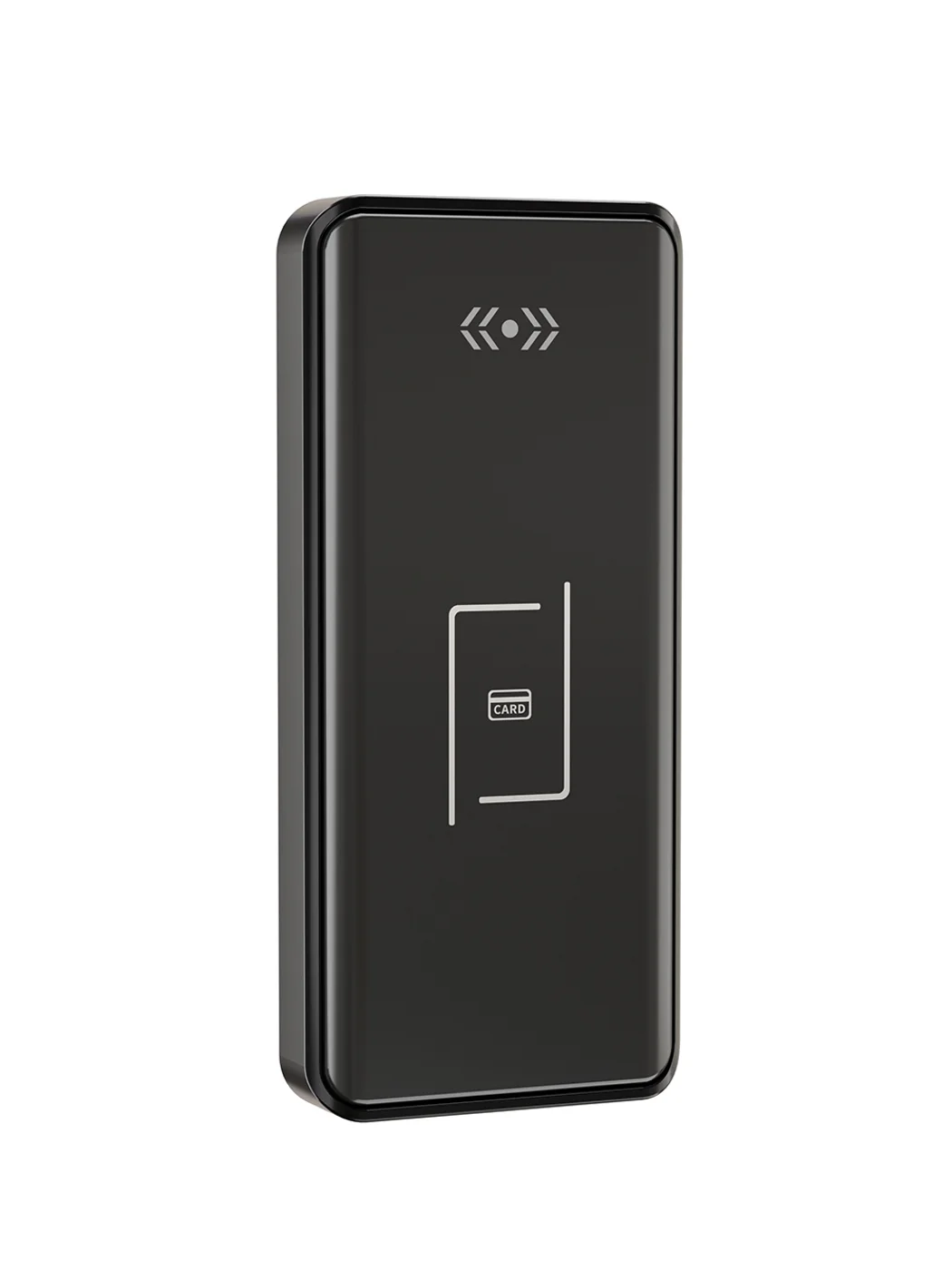
Gym Locker Lock — Offline Card, No WiFi Required
Offline card gym locker lock for fitness and pool lockers. MIFARE card, battery-powered 5-minute retrofit, no WiFi or server. Zinc alloy body, CE/FCC/RoHS.
This page already points to it as the next recommended reference.
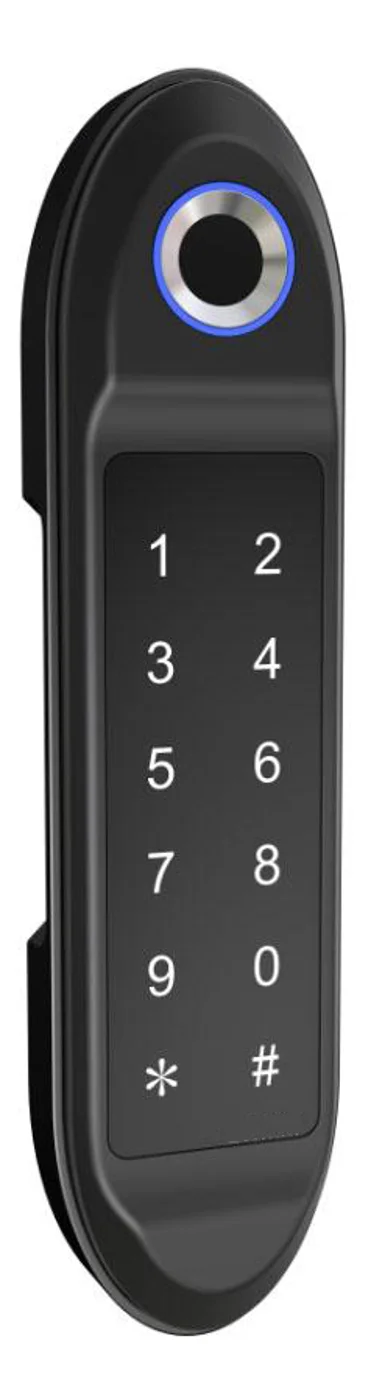
PIN Code Electronic Cabinet Lock — Stand-Alone, No WiFi
Offline keypad cabinet lock for gym, office and parcel lockers. Battery-powered, 5-minute retrofit, audit-free simple deployment. PIN + MIFARE card, DC 6V, 4×AA.
This page already points to it as the next recommended reference.
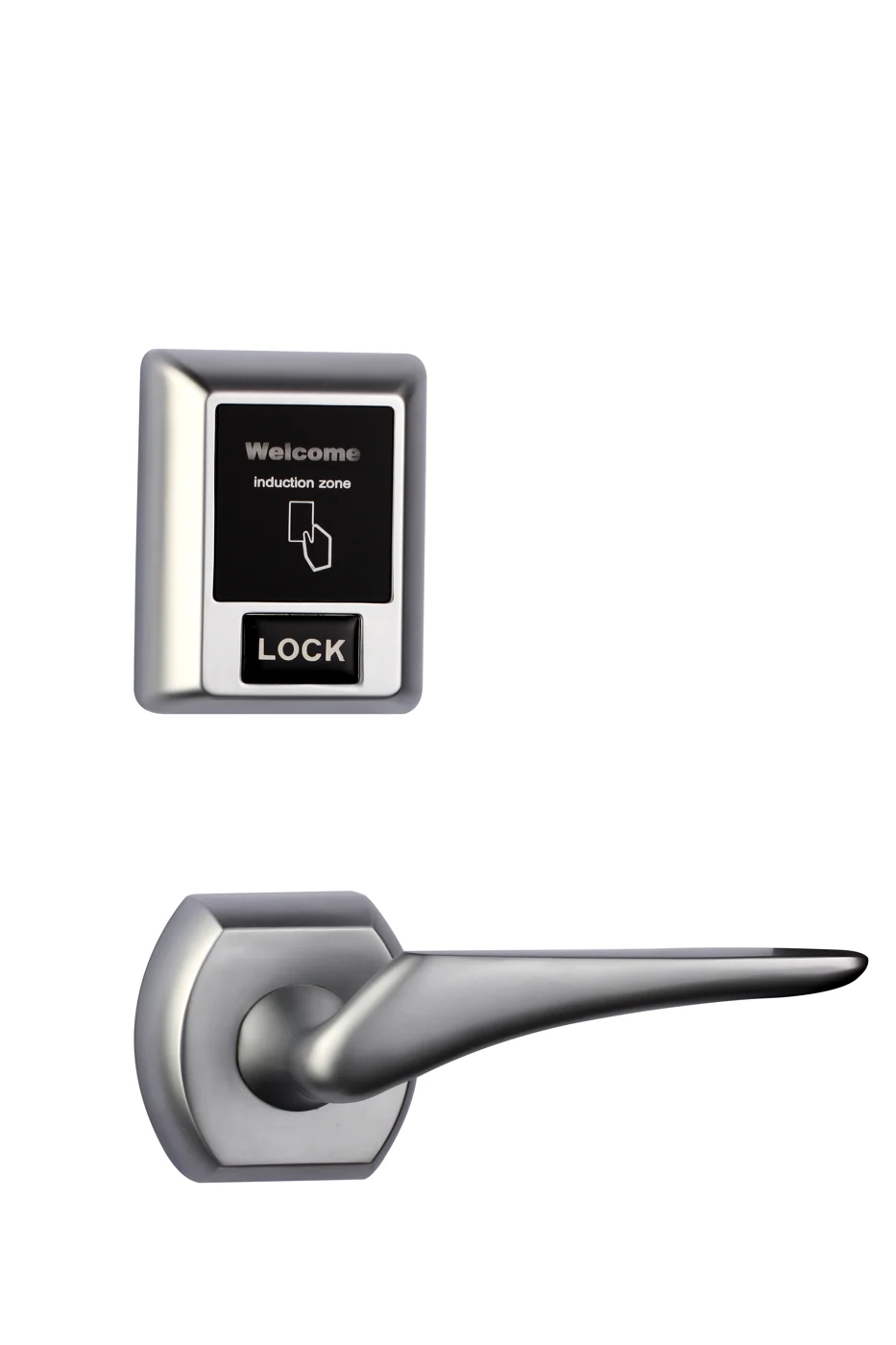
Bluetooth Cabinet Lock — App + PIN + Card, Managed Fleet
Offline BLE app cabinet lock for parcel, office, and managed locker fleets. App + PIN + MIFARE card, remote credential management, no server dependency, battery-powered retrofit.
This page already points to it as the next recommended reference.
Related blog posts
3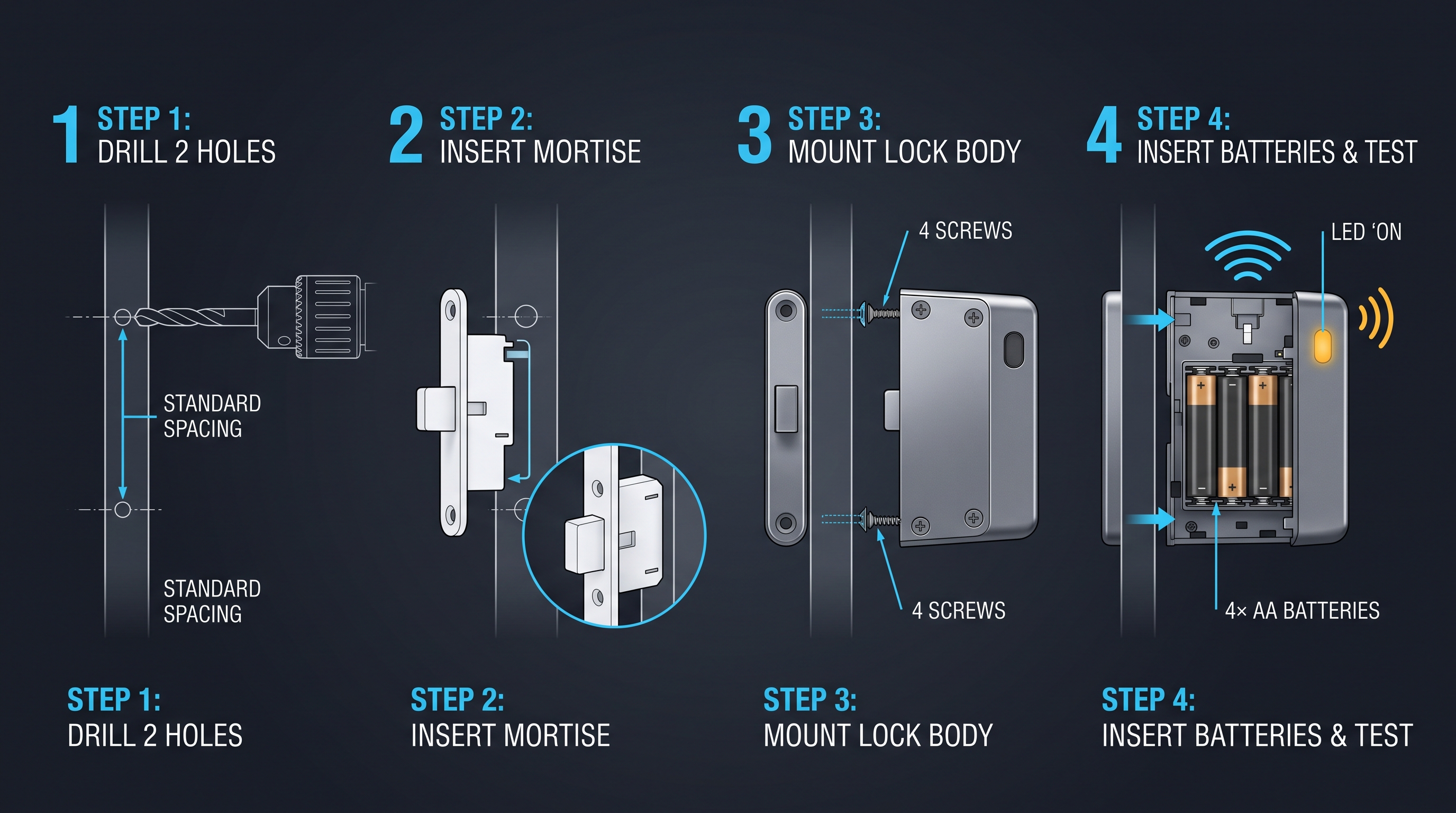
Mobile App Cabinet Lock: The Complete Guide to Smartphone-Controlled Cabinet Security
Discover how mobile app cabinet lock systems work. Explore BLE/Wi-Fi/NFC credentials, remote unlock, temporary codes, role-based access, cloud sync, security features, and deployment scenarios.
It supports the same product context: Gym Locker Lock — Offline Card, No WiFi Required.
MIFARE Cabinet Lock: Advanced Security Guide for MIFARE-Based Cabinet Access Systems
In-depth technical guide to MIFARE cabinet lock technology covering MIFARE Classic, Plus, DESFire, Ultralight variants, cryptographic security, installation, and multi-application smart card integration for cabinet access control.
It supports the same product context: Gym Locker Lock — Offline Card, No WiFi Required.
MIFARE Locker Lock: Definitive Guide to MIFARE-Based Smart Locker Security
Complete guide to MIFARE locker lock technology for gyms, schools, offices, and public facilities. Covers MIFARE Classic, Plus, DESFire variants, multi-user management, installation, networking, and smart locker ecosystem integration.
It supports the same product context: Gym Locker Lock — Offline Card, No WiFi Required, PIN Code Electronic Cabinet Lock — Stand-Alone, No WiFi, Bluetooth Cabinet Lock — App + PIN + Card, Managed Fleet.
Specify your cabinet lock project with our engineers
Send your locker count, cabinet type, and credential preference. We will return a sample plan and quote within 24 business hours.
- Move from general guidance into a product or application discussion.
- Use RFQ when pricing, drawings, MOQ, or launch timing needs structure.
- Keep a direct contact path visible for fast clarifications and handoff.