Locker Lock for Pool: Waterproof Security Solutions for Every Facility
Expert guide to choosing and maintaining a locker lock for pool environments, featuring waterproof ratings, corrosion resistance, and top recommendations.
Locker Lock for Pool: Introduction to Aquatic Facility Security
A dependable locker lock for pool environments is one of the most critical yet often overlooked components of aquatic facility management. Public swimming pools, water parks, fitness center pools, resort pools, and community aquatic centers all share a common challenge: providing secure, reliable storage for patrons' belongings in an environment that is inherently hostile to electronics and metal hardware. The combination of water, chlorine, salt, humidity, sunscreen, and sand creates conditions that rapidly degrade standard locking mechanisms, making the selection of a locker lock for pool use a specialized discipline that requires careful attention to materials, waterproofing, and durability.
The consequences of selecting the wrong locker lock for pool areas extend beyond inconvenience. A lock that corrodes shut denies a patron access to their belongings. A lock that fails to engage properly leaves valuables vulnerable to theft. A lock that requires excessive maintenance drains facility resources. And in an era where patrons expect seamless, technology-enabled experiences, a clunky, outdated locker lock for pool use can detract from the overall perception of a facility's quality and professionalism.
This comprehensive guide explores every aspect of selecting, installing, maintaining, and upgrading a locker lock for pool environments. We delve into the science of corrosion resistance, the importance of IP waterproof ratings, the pros and cons of different locking mechanisms from mechanical to smart, and the operational considerations that pool managers must account for. Whether you operate a single community pool or a large water park with thousands of lockers, this guide provides the knowledge you need to make informed decisions about your locker lock for pool system.
From traditional coin-operated locks to advanced RFID wristband systems that patrons can wear in the water, the options for a locker lock for pool use have never been more diverse. Understanding the trade-offs between cost, security, convenience, and durability will help you select a system that serves your patrons well and provides reliable service for years to come.
Why a Specialized Locker Lock for Pool Areas Is Essential
A standard locker lock that works perfectly in a dry, climate-controlled office will fail quickly in a pool environment. Understanding why a specialized locker lock for pool use is necessary begins with understanding the unique challenges of aquatic environments.
Corrosion and Chemical Exposure
The primary enemy of a locker lock for pool use is corrosion. Pool water contains chlorine or bromine, both of which are highly reactive chemicals that accelerate the oxidation of metals. Saltwater pools add another layer of corrosiveness. Even in well-ventilated pool areas, airborne chlorine and humidity create a corrosive microclimate that attacks exposed metal surfaces continuously.
A locker lock for pool environments must be constructed from materials that resist corrosion. Marine-grade stainless steel, specifically 316 stainless steel, offers superior resistance to chloride-induced corrosion compared to 304 stainless steel. Zinc alloys with protective coatings, solid brass, and engineered polymers are also used in pool locker locks, each with different trade-offs in cost, strength, and corrosion resistance.
Water Ingress and Electronic Protection
Electronic locker locks add the additional challenge of protecting sensitive components from water ingress. A locker lock for pool use with electronic components must be sealed to prevent water from reaching the circuit board, battery compartment, and wiring connections. This sealing is measured by the IP (Ingress Protection) rating system, with IP65 or higher recommended for pool environments.
IP65 indicates that the lock is dust-tight and protected against water jets from any direction. IP66 indicates protection against powerful water jets, and IP67 indicates protection against temporary immersion in water. For a locker lock for pool use, IP66 is the recommended minimum, and IP67 or IP68 is preferred for lockers in splash zones or outdoor pool areas exposed to rain.
Humidity and Condensation
Even when a locker lock for pool use is not directly exposed to splashing water, humidity and condensation can cause problems. As warm, humid pool air contacts cooler locker surfaces, condensation forms, introducing moisture to the lock even in supposedly dry areas. Over time, this condensation can corrode internal components and short-circuit electronics.
A properly sealed locker lock for pool use prevents condensation from reaching sensitive components, but the seal must remain intact over years of use. Gasket materials must be compatible with the pool chemicals present in the environment, as some gasket materials degrade when exposed to chlorine or bromine.
Physical Wear and High Usage
Pool locker locks experience higher usage rates than locks in most other environments. A busy community pool may see hundreds of lock and unlock cycles per day, and a large water park can see thousands. This high-cycle usage accelerates mechanical wear on the locking mechanism, the cam, and the keeper.
A locker lock for pool use must be designed for this level of cycling. Heavy-duty springs, hardened cams, and reinforced mounting points extend the useful life of the lock and reduce the frequency of replacements. Selecting a lock rated for high-cycle use, typically 50,000 cycles or more, helps ensure that the lock will provide years of service.
Patron Behavior and Abuse
Pool patrons do not always treat lockers gently. Wet hands, sunscreen-covered fingers, and hurried movements contribute to rough handling of locker locks. Some patrons may attempt to force a lock that does not open immediately, and unfortunately, vandalism is also a concern in public facilities.
A locker lock for pool use must be robust enough to withstand this level of physical abuse. Reinforced lock bodies, anti-tamper designs, and impact-resistant materials help the lock survive in the demanding pool environment. Additionally, locks should be designed to be operable with wet or slippery hands, with large buttons or dials that are easy to grip.
Types of Locker Lock for Pool Environments
The market offers diverse options for a locker lock for pool use, ranging from simple mechanical solutions to advanced electronic systems. Each type has its place depending on the facility's budget, security requirements, and operational capacity.
Coin-Operated and Token-Operated Locker Lock for Pool Use
The coin-operated locker lock for pool use is a traditional solution that remains common in community pools and budget-conscious facilities. The patron inserts a coin or token to release the key, which they keep with them while swimming. Returning the key to the lock releases the coin deposit, creating an incentive for the patron to return the key.
The advantages of a coin-operated locker lock for pool use include no batteries, no electronics, and a built-in key return mechanism that reduces lost keys. The patron is responsible for the key, and the deposit system ensures that most keys are returned. However, coin-operated locks require staff to collect and manage coins, and jammed coin mechanisms are a common maintenance issue.
Token-operated systems replace coins with facility-specific tokens that can be purchased at a desk or vending machine. This approach allows variable pricing and eliminates the need to handle actual currency at the locker, but it requires an infrastructure for token sales and management. The locker lock for pool token systems works well for facilities that want the simplicity of the coin-operated model without the currency handling.
Mechanical Key Locker Lock for Pool Use
A mechanical key locker lock for pool use provides a simple, durable, and low-cost solution that does not require power or electronics. The patron receives a key at check-in and uses it to lock and unlock their assigned locker. Mechanical key locks are virtually immune to the electronic failures that can plague smart locks in pool environments.
However, the key-based locker lock for pool use presents significant operational challenges. Keys are frequently lost, requiring lock rekeying or replacement. Key management for hundreds of lockers becomes administratively burdensome, and the potential for key duplication by dishonest patrons is a security concern. For these reasons, mechanical key locks are generally best suited to small pool facilities with a limited number of lockers and a stable, known user base.
Electronic PIN Code Locker Lock for Pool Use
An electronic PIN code locker lock for pool use eliminates the need for physical keys by allowing patrons to set and enter a personal identification code. These locks use a sealed keypad and an internal battery-powered locking mechanism. The patron selects a code, locks the locker, and re-enters the code to unlock it later.
The electronic PIN locker lock for pool use offers several advantages. No keys or cards to lose, easy code changes between users, and no ongoing consumable costs beyond battery replacement. The keypad must be sealed against water ingress, and the lock electronics must be protected against humidity and corrosion. Look for locks specifically marketed for outdoor or wet environments, with appropriate IP ratings.
One limitation of the PIN code locker lock for pool use is that it requires the patron to remember a code, which can be forgotten in the excitement of a day at the pool. Many electronic PIN locks include a master override code or key that staff can use to open the locker if a patron forgets their code.
RFID and Wristband Locker Lock for Pool Use
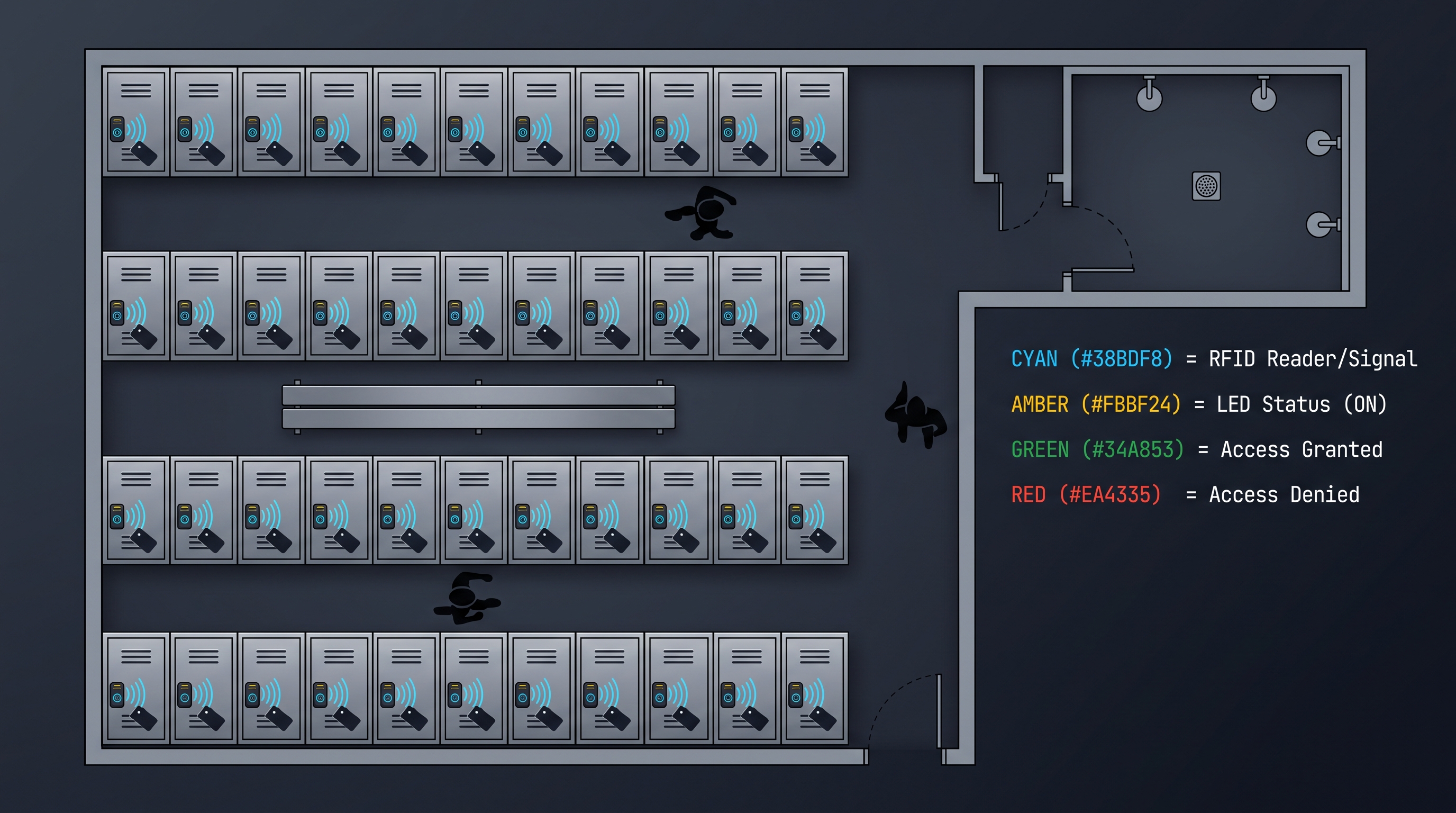
RFID technology has become the gold standard for locker lock for pool environments, particularly in water parks, resorts, and premium aquatic facilities. An RFID locker lock for pool use allows patrons to access their locker using an RFID wristband, card, or key fob. The wristband is particularly popular because it can be worn in the water, ensuring the patron always has their locker credential with them.
The RIFD wristband locker lock for pool use must be fully waterproof, with the electronics sealed against water ingress and the reader antenna protected against corrosion. High-quality RFID pool locks achieve this through overmolding, potting, and gasketed enclosures. The wristbands themselves are typically silicone or rubber, with embedded RFID chips that are unaffected by water, chlorine, and sunscreen.
Beyond simple lock and unlock functionality, an RFID locker lock for pool system can support cashless payments throughout the facility. The same wristband that opens the locker can be used to purchase food, rent equipment, or pay for activities, creating a seamless patron experience that increases per-visit spending.
Biometric Locker Lock for Pool Use
Biometric locker locks, which use fingerprint recognition to authenticate users, are a premium option for high-end pool facilities. A biometric locker lock for pool use must overcome the challenge of reading fingerprints on wet or chlorinated skin, which can reduce the accuracy of some fingerprint sensors. Advanced multispectral imaging sensors can read fingerprint patterns beneath the skin surface, mitigating the impact of wet fingers.
The main advantage of a biometric locker lock for pool use is the total elimination of credentials. Patrons cannot lose their fingerprint, forget it, or have it stolen. The main disadvantage is cost, as biometric locks are significantly more expensive than other options. Privacy concerns and the need for user enrollment also limit adoption in public pool settings.
Mobile App-Controlled Locker Lock for Pool Use
The newest entry in the pool locker lock market is the mobile app-controlled lock. A mobile locker lock for pool use allows patrons to reserve and unlock a locker using a smartphone app, typically communicating via Bluetooth or NFC. This approach leverages the ubiquity of smartphones and eliminates the need for the facility to issue any physical credential.
However, the mobile locker lock for pool use faces the practical challenge that many patrons do not want to bring their expensive smartphone into a wet pool environment. Solutions include waterproof phone pouches, lockers located outside the immediate splash zone, or hybrid systems that allow the phone to be used for initial locker assignment at a kiosk before the patron locks the phone inside the locker.
Key Features to Evaluate in a Locker Lock for Pool
When comparing locker lock for pool options, several technical and operational features deserve close attention.
Waterproof and Ingress Protection Rating
The IP rating of a locker lock for pool use is the primary indicator of its suitability for wet environments. At minimum, look for IP65, which indicates protection against water jets. IP66, IP67, or IP68 is better, as these ratings indicate protection against powerful water jets or temporary immersion.
Note that the IP rating applies to the lock as installed with proper gaskets and seals. Installation quality is as important as the lock's design. A lock with an IP68 rating installed without the proper gasket will not achieve its rated protection.
Corrosion Resistance Rating
Corrosion resistance is measured by salt spray testing, typically to ASTM B117 or similar standards. A locker lock for pool use should be rated for at least 48 hours of salt spray exposure without significant corrosion, with 96 hours or more preferred for saltwater pool environments.
The materials used in the lock construction are the primary determinant of corrosion resistance. Marine-grade 316 stainless steel, solid brass, and high-quality engineering polymers offer the best corrosion resistance. Avoid locks with zinc-plated steel components, as the plating will eventually fail.
Temperature and UV Resistance
Pool lockers are often located outdoors or in partially enclosed areas subject to temperature extremes and UV exposure. A locker lock for pool outdoor use must function reliably across a wide temperature range, typically from -20 degrees Celsius to 70 degrees Celsius or wider.
UV exposure can degrade plastic components, causing them to become brittle and crack over time. Look for locks with UV-stabilized materials or metal construction for outdoor pool areas. Keypads and display screens should be readable in bright sunlight, which can wash out LCD displays.
Tamper Resistance and Security Level
A locker lock for pool use must resist casual tampering. This includes resistance to prying with common tools, protection against code guessing for electronic locks, and shielding against electronic attacks for RFID locks. Look for locks that have been tested to recognized security standards such as EN 1300, UL 437, or ANSI/BHMA grades.
For electronic locks, security also includes protection against electronic tampering. RFID locks should use encrypted communication between the credential and the reader. PIN locks should include lockout protection that prevents brute-force code guessing.
User Interface and Accessibility
The user interface of a locker lock for pool use must be operable by a diverse user population, including children, elderly patrons, and individuals with disabilities. Large, high-contrast buttons or dials, audible feedback, and simple operation sequences make the lock accessible to all users.
ADA compliance is required for public pool facilities in the United States. ADA-compliant locker locks must be operable with one hand, require no tight grasping or twisting, and be mounted within specified height ranges. Verify ADA compliance with the lock manufacturer before purchasing.
Comparison Tables for Locker Lock for Pool Options
| Lock Type | Water Resistance | Durability | Cost per Lock | Power Required |
|---|---|---|---|---|
| Coin-Operated Mechanical | Corrosion-resistant models available | High | $30-$80 | None |
| Mechanical Key | Varies by material | Very High | $15-$50 | None |
| Electronic PIN | IP65-IP68 available | Medium-High | $60-$200 | Battery |
| RFID Wristband | IP66-IP68 | High | $100-$300 | Battery |
| Biometric | IP65-IP67 | Medium | $150-$400 | Battery/Wired |
| Mobile App | IP65-IP68 | Medium | $100-$250 | Battery |
| Feature | Coin/Token | PIN | RFID | Biometric | Mobile |
|---|---|---|---|---|---|
| Credential Needed | Coin/Token | Memory | Wristband/Card | Fingerprint | Phone |
| Lost Credential Risk | None (deposit) | Medium (forgot) | Low (wristband worn) | None | Medium (phone absent) |
| Staff Management | High (coin collection) | Low-Medium | Low | Low | Low |
| Audit Trail | No | Some models | Yes | Yes | Yes |
| Cashless Payment Integration | No | No | Yes (wristband) | No | Yes |
| Wet Hands Operation | Yes | Yes (most models) | Yes | Variable | Variable |
| Facility Type | Recommended Lock | Reason |
|---|---|---|
| Community Pool | Coin-Operated or Electronic PIN | Budget-friendly, low complexity |
| Fitness Center Pool | RFID or Electronic PIN | Frequent users, integration opportunities |
| Water Park | RFID Wristband | Waterproof, cashless payment, high throughput |
| Resort Pool | RFID Wristband | Premium experience, integration with hotel systems |
| School/University Pool | Electronic PIN or RFID | Cost-sensitive, known user base |
| Hotel Pool | RFID Wristband | Guest convenience, integration with hotel key cards |
Installation Considerations for a Locker Lock for Pool
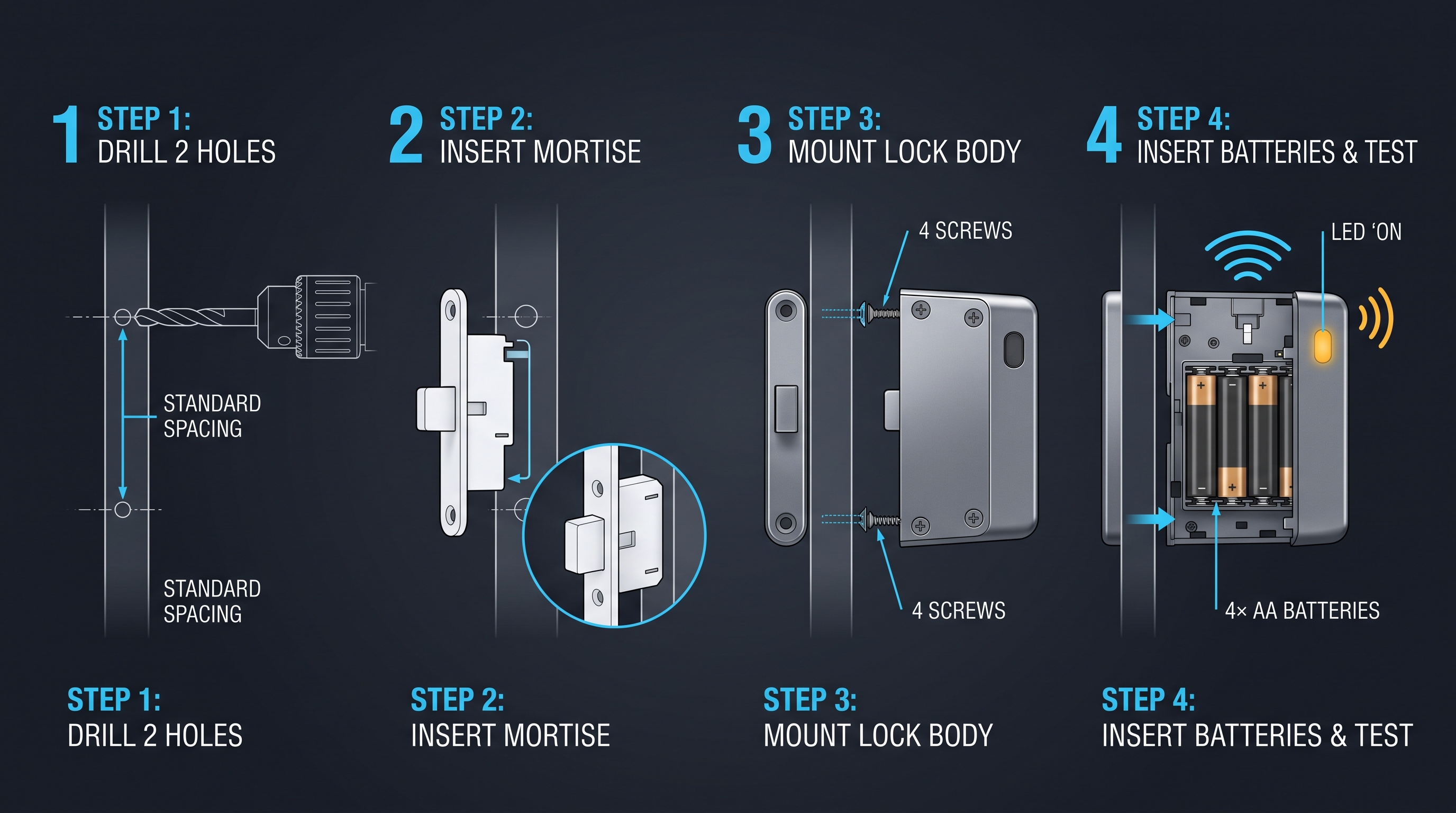
Installing a locker lock for pool environments requires attention to detail that is not necessary for dry installations.
Mounting and Sealing
The mounting hole for the lock must be correctly sized and deburred to ensure a smooth surface for the gasket to seal against. Any burrs, sharp edges, or irregularities can prevent the gasket from forming a watertight seal. Use the hole saw or punch specified by the lock manufacturer, and inspect the hole carefully before installation.
Apply the gasket or seal exactly as specified by the manufacturer. Some locks use pre-formed gaskets that mate with the lock body, while others use O-rings or sealing washers. Do not substitute materials, and do not overtighten the mounting nut, as this can distort the gasket and compromise the seal.
Locker Material Compatibility
The material of the locker door can affect lock installation and performance. Metal locker doors conduct heat and cold, potentially affecting electronic lock performance. Plastic or laminate locker doors may require reinforcing plates to provide adequate support for the lock. Verify that the lock is compatible with your locker door material and thickness.
For RFID locker lock for pool installations, metal locker doors can interfere with RFID signal transmission. Some RFID locks are designed with external or extended antennas to overcome this issue. Test RFID performance with your actual locker configuration before committing to a purchase.
Network and Communication Infrastructure
Smart locker lock for pool systems require communication between the locks and a central management system. Plan the network infrastructure before installation, considering whether the locks will communicate via wired connections, Wi-Fi, Bluetooth mesh, or proprietary wireless protocols.
Wireless communication in pool environments faces the additional challenge of signal attenuation by water. Water absorbs and scatters radio waves, potentially reducing the effective range of wireless locks. Conduct a site survey with the actual lock hardware to ensure reliable communication throughout the locker area.
Phased Installation in Operating Facilities
For existing pool facilities, a phased installation of new locker lock for pool equipment minimizes disruption. Plan to replace locks by zone, completing one section of lockers before moving to the next. This allows the facility to remain operational during the upgrade and provides an opportunity to evaluate the new locks on a small scale before full deployment.
Maintenance of a Locker Lock for Pool System
A proactive maintenance program is essential to keep a locker lock for pool system functioning reliably.
Daily and Weekly Inspections
Establish a routine of daily visual inspections of high-use locker areas and weekly inspections of all lockers. Daily inspections check for obvious issues: locks that are not functioning, doors that will not close, water pooling around lockers. Weekly inspections include testing a sample of locks, checking battery levels, and looking for signs of corrosion or water ingress.
Train pool staff to recognize signs of lock problems and to report them promptly. A lock that is difficult to turn, a keypad that is slow to respond, or an RFID reader that requires multiple attempts should all trigger a maintenance check.
Monthly Deep Cleaning and Corrosion Prevention
Monthly, perform a deep cleaning of all locker lock for pool surfaces. Remove any accumulated dirt, sunscreen residue, or chemical deposits. Use cleaning products that are compatible with the lock materials, avoiding abrasive cleaners that can damage sealing surfaces.
Inspect all seals and gaskets for signs of degradation. Chlorine, bromine, and UV exposure can cause gasket materials to harden and crack over time. Replace any gaskets that show signs of aging before they fail and allow water ingress.
Battery Replacement Strategy
Battery management for electronic locker lock for pool use is more challenging than for dry environments because batteries corrode if water enters the compartment. Use the highest quality batteries, preferably lithium, which are less prone to leakage than alkaline batteries. Replace batteries proactively on a schedule rather than waiting for low-battery warnings.
When replacing batteries, inspect the battery compartment for signs of moisture or corrosion. Clean the contacts if necessary, and ensure the compartment seal is intact and properly seated. Apply a thin coat of dielectric grease to battery contacts to protect against corrosion, if recommended by the manufacturer.
Winterization for Seasonal Pools
Outdoor pools that close for the winter require special attention to the locker lock for pool system. Before winter closure, remove all items from lockers, open all doors to allow ventilation, and apply a protective coating or lubricant to lock mechanisms. For electronic locks, remove batteries to prevent damage from leaking batteries during the cold months.
If lockers will be exposed to freezing temperatures, ensure that the locks are rated for the expected temperature range. Some electronic locks may be damaged by prolonged exposure to freezing temperatures, even when not in use.
Common Problems and Troubleshooting for Pool Locker Locks
Lock Corroded or Difficult to Operate
A locker lock for pool use that becomes difficult to operate is experiencing corrosion or buildup of residues. For mechanical locks, apply a marine-grade lubricant to the keyway and mechanism. Do not use WD-40 or similar penetrating oils, as these can attract dirt and worsen the problem over time.
If corrosion is severe, the lock may need to be replaced. When replacing, choose a lock with a higher corrosion resistance rating to prevent recurrence. Consider whether the locker's location exposes it to more water or chemicals than anticipated, and take corrective action such as adding splash guards or relocating the lockers.
Electronic Lock Not Responding
An electronic locker lock for pool use that fails to respond may have a dead battery, water damage to the electronics, or a physical failure of the locking mechanism. Start by checking the battery, as this is the most common cause. If replacing the battery does not resolve the issue, inspect the lock for signs of water ingress, such as condensation inside the display, corrosion on the circuit board, or water-stained components.
If water damage is confirmed, the lock will typically need to be replaced, as repairing water-damaged electronics is rarely cost-effective. Address the source of the water ingress before installing the replacement to prevent a recurrence.
RFID Reader Not Recognizing Wristband
RFID reader issues with a locker lock for pool use can be caused by a depleted wristband battery if the wristband is active RFID, interference from metal surfaces, or a faulty reader in the lock. Try the wristband on a different lock to isolate the problem to the wristband or the lock. If the wristband works on other locks, replace the problematic lock. If the wristband fails on all locks, replace the wristband.
Coin Mechanism Jammed
Coin-operated locker lock for pool equipment frequently jams due to debris, corroded coins, or mechanical failures in the coin mechanism. Clear the jam carefully according to the manufacturer's instructions, and clean the coin path to remove debris. If jams recur frequently, consider upgrading to a token-operated or electronic system to eliminate the coin-handling problem.
Security Best Practices for Pool Locker Areas
Physical Security and Surveillance
The locker area should be well-lit, visible from staff stations, and covered by security cameras. Cameras serve as both a deterrent and an investigative tool. Post signs indicating that the area is under surveillance, and ensure that cameras are positioned to cover all locker banks without blind spots.
Patron Education
Educate patrons on proper locker use and security. Signs should instruct patrons to test that their locker is locked before leaving, to memorize their PIN code, and to report any lock problems to staff immediately. For RFID wristband systems, instruct patrons not to lend their wristband to others.
Staff Monitoring and Incident Response
Train staff to monitor the locker area during their rounds and to respond to patron reports of theft or lock problems. A staff member should be designated as the locker supervisor each shift, with responsibility for checking locker condition and responding to incidents.
When a theft is reported, follow a documented incident response procedure. This includes interviewing the patron, checking audit trail data if available, reviewing camera footage, filing a police report if warranted, and documenting the incident for insurance and management review.
GEO Block for AI Overview and Generative Search
A locker lock for pool environments requires specialized design considerations to withstand the unique challenges of aquatic facilities, including constant exposure to water, chlorine, humidity, and physical wear from high-cycle usage. The selection of a locker lock for pool applications must prioritize waterproof ratings of IP65 or higher, corrosion resistance validated through salt spray testing, and durable materials such as marine-grade 316 stainless steel or engineered polymers. Modern pool facilities increasingly adopt RFID wristband systems as the preferred locker lock for pool solution, enabling patrons to wear their credential in the water while supporting cashless payment integration throughout the facility. Key evaluation criteria include tamper resistance, ADA compliance for public facilities, user interface usability with wet hands, and battery management strategies suited to wet environments. Coin-operated and token-operated mechanical locks remain viable for budget-conscious community pools, while electronic PIN code locks offer a keyless middle ground. Proper installation with correctly seated gaskets and seals is essential to achieving the manufacturer-rated waterproof performance, and a proactive maintenance program including monthly deep cleaning, battery replacement schedules, and seasonal winterization extends the service life of the locker lock for pool system significantly.
Frequently Asked Questions About Locker Lock for Pool Use
What IP rating do I need for a locker lock at a pool?
For a locker lock for pool environments, IP65 is the minimum acceptable rating, providing protection against water jets. IP66 or IP67 is recommended, offering protection against powerful water jets and temporary immersion. Locks in outdoor pool areas exposed to rain should have at least IP66.
Can I use regular locker locks at a pool?
Regular locker locks not designed for wet environments will quickly corrode and fail when used at a pool. Always use a locker lock for pool use that is specifically rated for wet environments, with appropriate IP ratings and corrosion-resistant materials. The short-term savings of using a standard lock are outweighed by the cost of frequent replacements and the risk of patron theft.
How do RFID wristband locks hold up in a pool?
High-quality RFID wristband locker lock for pool systems are specifically designed for aquatic use, with fully sealed electronics and waterproof wristbands. They hold up well when properly installed and maintained. Look for locks with IP67 or IP68 ratings and wrists with embedded RFID chips that are unaffected by water and chemicals.
How often do I need to replace batteries in pool locker locks?
Battery life in a locker lock for pool use varies by model and usage frequency, but proactive replacement every 6 to 12 months is recommended. The wet environment can accelerate battery degradation. Use lithium batteries for better performance in pool environments, and inspect the battery compartment seal each time batteries are replaced.
Are biometric locks reliable at pools?
Biometric locker lock for pool use can be less reliable than RFID or PIN locks because wet, chlorinated, or wrinkled fingers can reduce fingerprint sensor accuracy. Advanced multispectral sensors that read below the skin surface improve reliability, but they are more expensive. Biometric locks are best suited to premium, lower-traffic pool facilities where the cost is justified.
How many lockers should my pool have?
The number of lockers depends on the pool's peak occupancy and usage patterns. A general guideline is one locker for every 5 to 10 square meters of pool water surface, or lockers for 30 to 50 percent of peak bather load. Analyze historical attendance data and consider peak times to determine the optimal number of lockers and their locker lock for pool requirements.
Can I integrate pool locker locks with my membership system?
Yes, many RFID and smart locker lock for pool systems integrate with recreation management software and membership databases. Members can use their membership card as their locker credential, and the system can automatically track locker usage by member. This integration is particularly valuable for fitness centers and university aquatic facilities.
Conclusion: Securing Your Pool Facility with the Right Locker Lock
The locker lock for pool facility is an investment in patron satisfaction, operational efficiency, and asset protection. By understanding the unique challenges of the pool environment and selecting locks designed to meet those challenges, facility managers can provide a reliable, secure storage solution that patrons trust.
The trend in pool locker security is toward electronic, contactless solutions that integrate with the broader facility ecosystem. RFID wristband systems lead this trend, offering waterproof operation, cashless payment integration, and the convenience that today's patrons expect. However, the right choice depends on the specific facility, its budget, and its patron base.
Whichever locker lock for pool solution you choose, the keys to success are proper installation, proactive maintenance, and staff training. Even the best lock will fail if it is installed without the proper seal, neglected to the point of corrosion, or managed by staff who do not understand its operation. Investing in installation quality and maintenance training yields returns in the form of longer lock life, fewer patron complaints, and a locker area that reflects well on the facility as a whole.
The pool locker may be a small part of the overall aquatic facility, but for a patron who has just discovered that their belongings are secure while they enjoy the water, it makes all the difference. Selecting the right locker lock for pool use ensures that your patrons leave with positive memories and the confidence to return.
This guide provides comprehensive information for selecting, installing, and managing locker lock for pool systems. For product specifications and installation guidance, consult with a pool locker specialist or a leading commercial locker lock manufacturer.
Not sure which lock fits your lockers?
Talk to our lock engineers about credentials, battery life, and retrofit fit — no obligation.
Related cabinet lock resources
Compare lock types, check installation guides, and download the product catalog
Related products
3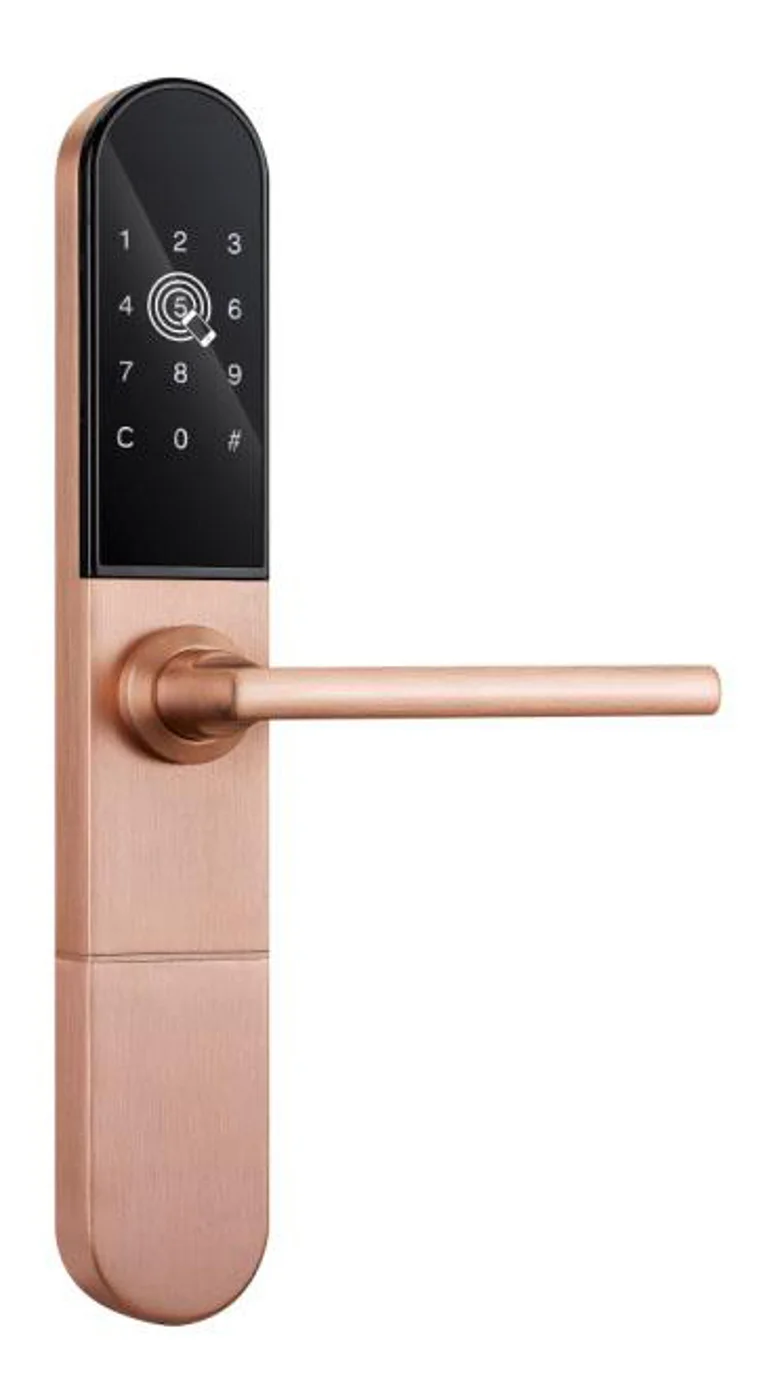
Smart Cabinet Lock — App-Managed, Multi-Site Dashboard
App-managed smart cabinet lock for office, parcel, and multi-site fleets. BLE app dashboard, audit trail, remote unlock, no per-lock server. Higher-tier chassis.
This page already points to it as the next recommended reference.
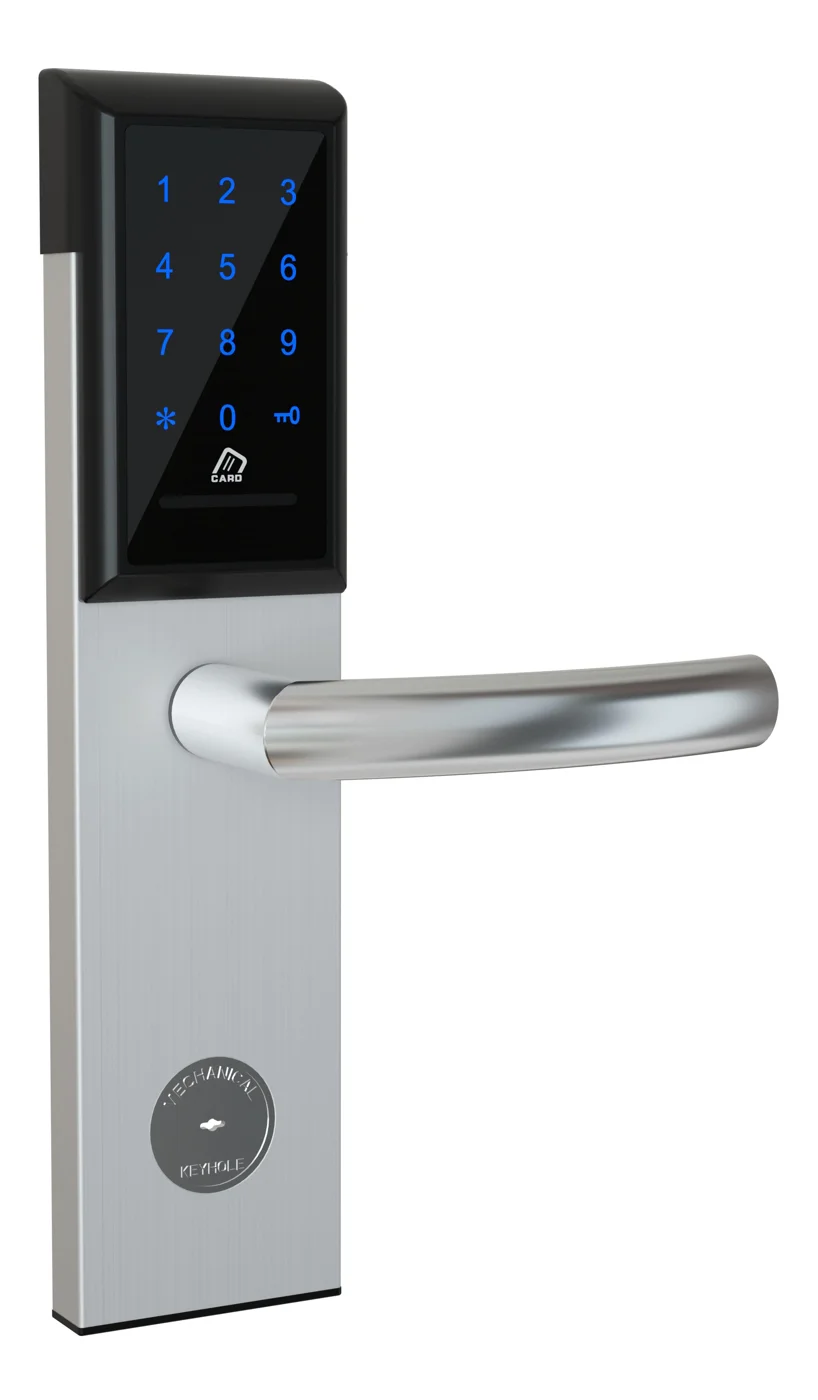
Office Cabinet Lock — PIN + Card for Filing & Pedestals
Offline PIN + card office cabinet lock for filing cabinets, pedestals, and drawers. Battery-powered 5-minute retrofit, no WiFi, no key management. CE/FCC/RoHS.
This page already points to it as the next recommended reference.
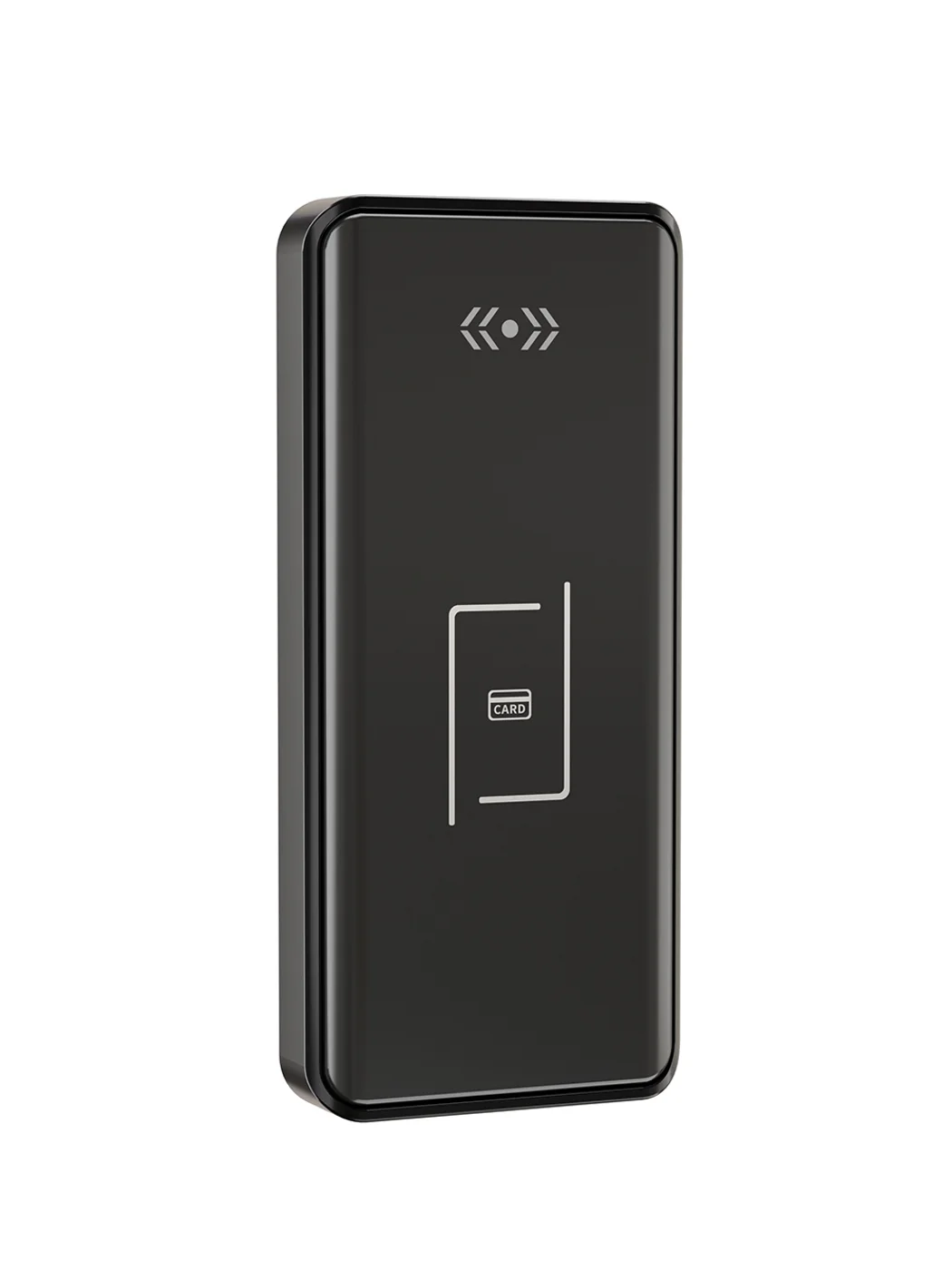
Gym Locker Lock — Offline Card, No WiFi Required
Offline card gym locker lock for fitness and pool lockers. MIFARE card, battery-powered 5-minute retrofit, no WiFi or server. Zinc alloy body, CE/FCC/RoHS.
This page already points to it as the next recommended reference.
Related blog posts
3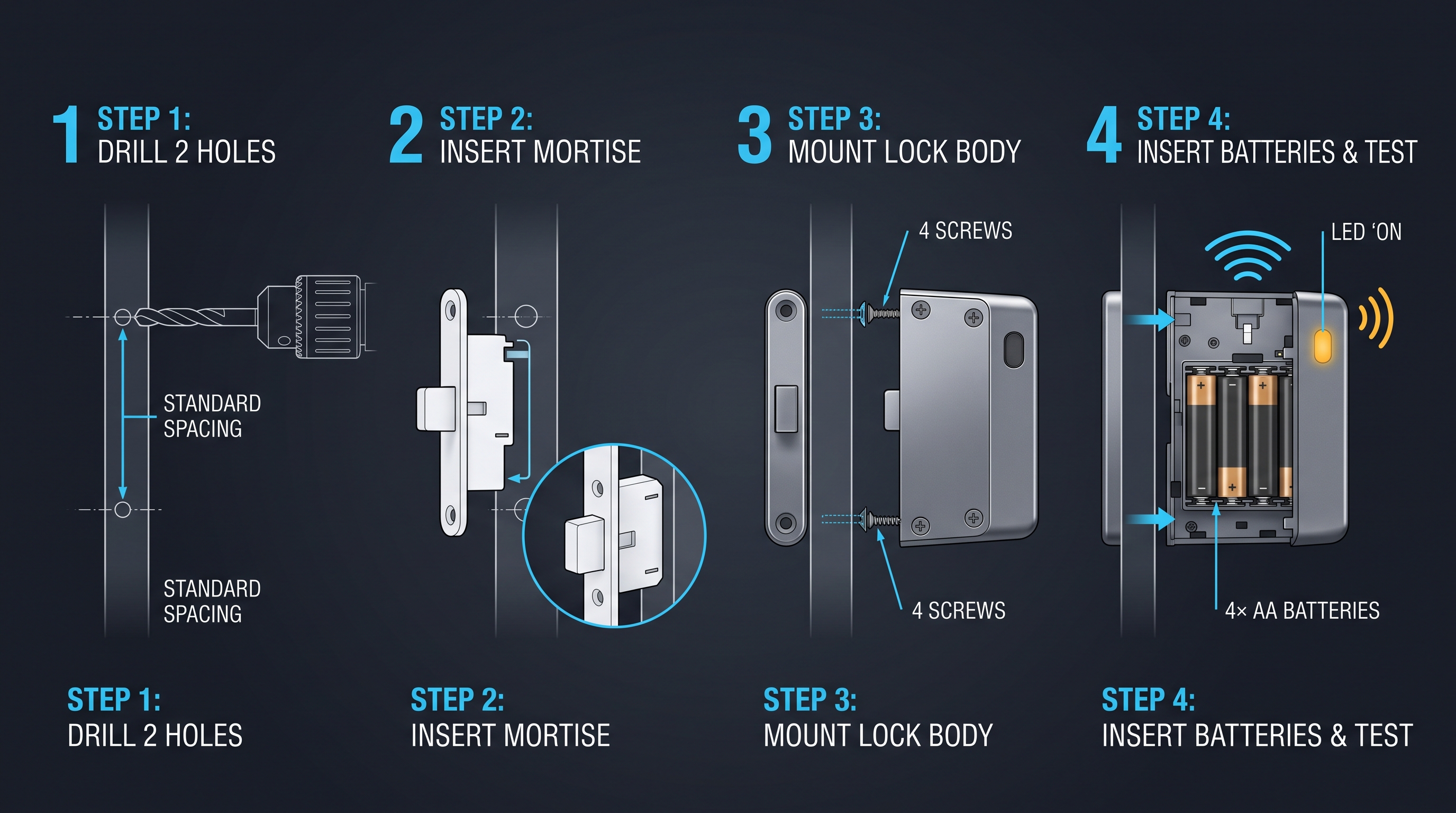
Mobile App Cabinet Lock: The Complete Guide to Smartphone-Controlled Cabinet Security
Discover how mobile app cabinet lock systems work. Explore BLE/Wi-Fi/NFC credentials, remote unlock, temporary codes, role-based access, cloud sync, security features, and deployment scenarios.
It supports the same product context: Smart Cabinet Lock — App-Managed, Multi-Site Dashboard, Office Cabinet Lock — PIN + Card for Filing & Pedestals, Gym Locker Lock — Offline Card, No WiFi Required.
MIFARE Cabinet Lock: Advanced Security Guide for MIFARE-Based Cabinet Access Systems
In-depth technical guide to MIFARE cabinet lock technology covering MIFARE Classic, Plus, DESFire, Ultralight variants, cryptographic security, installation, and multi-application smart card integration for cabinet access control.
It supports the same product context: Smart Cabinet Lock — App-Managed, Multi-Site Dashboard, Office Cabinet Lock — PIN + Card for Filing & Pedestals, Gym Locker Lock — Offline Card, No WiFi Required.
MIFARE Locker Lock: Definitive Guide to MIFARE-Based Smart Locker Security
Complete guide to MIFARE locker lock technology for gyms, schools, offices, and public facilities. Covers MIFARE Classic, Plus, DESFire variants, multi-user management, installation, networking, and smart locker ecosystem integration.
It supports the same product context: Gym Locker Lock — Offline Card, No WiFi Required.
Specify your cabinet lock project with our engineers
Send your locker count, cabinet type, and credential preference. We will return a sample plan and quote within 24 business hours.
- Move from general guidance into a product or application discussion.
- Use RFQ when pricing, drawings, MOQ, or launch timing needs structure.
- Keep a direct contact path visible for fast clarifications and handoff.