Locker Lock for Office: The Complete Buying and Security Guide
Comprehensive guide to choosing the best locker lock for office environments, covering smart locks, combination locks, key locks, RFID, and security best practices.
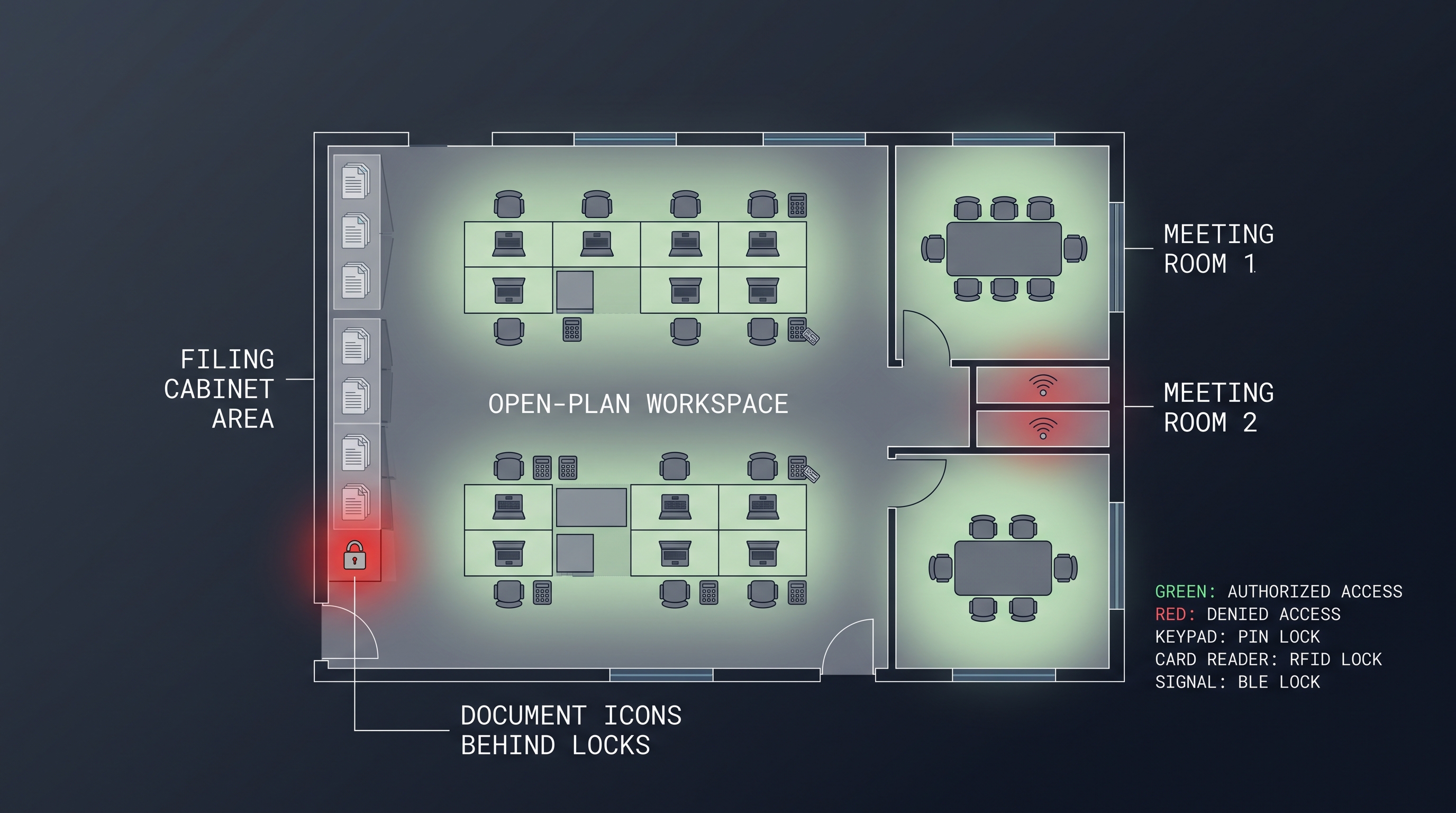
Locker Lock for Office: Introduction to Workplace Storage Security
A reliable locker lock for office environments is the foundation of workplace storage security, protecting employees' personal belongings, sensitive documents, and valuable equipment from theft, tampering, and unauthorized access. In today's modern workplace, where employees carry laptops, smartphones, wallets, and other high-value items daily, the need for secure storage solutions has never been more critical. A well-chosen locker lock for office use does more than simply secure a compartment; it provides peace of mind, supports workplace productivity, and demonstrates that an organization takes employee security seriously.
The selection of a locker lock for office settings involves careful consideration of multiple factors, including the type of locking mechanism, the level of security required, the number of users, the frequency of access, and the overall budget. Offices range from small businesses with a handful of employees to large corporate campuses with thousands of staff members, and each scenario demands a different approach to locker security. A locker lock for office environments must balance convenience, durability, security, and manageability in a way that few other security products need to.
This comprehensive guide explores every aspect of choosing, installing, managing, and maintaining a locker lock for office use. We will examine the various types of locks available, from traditional keyed and combination locks to advanced smart locks with RFID, biometric, and mobile app integration. We will also discuss security best practices, compliance considerations, cost analysis, and emerging trends that are reshaping how offices approach locker security in 2026 and beyond.
Whether you are an office manager tasked with outfitting a new workplace, a facilities director upgrading an existing locker system, or a business owner looking to improve security, understanding the locker lock for office landscape will help you make an informed decision that protects both your employees and your organization.
Why Every Office Needs a Quality Locker Lock for Office Storage
The importance of a quality locker lock for office storage cannot be overstated. Offices are dynamic environments where people come and go throughout the day, visitors arrive for meetings, cleaning crews work after hours, and contractors may access the building for maintenance. In this environment, unsecured personal belongings and company assets are vulnerable to opportunistic theft. A locker lock for office storage creates a physical and psychological barrier that deters theft and establishes clear boundaries for personal space.
Employee satisfaction is closely tied to how secure they feel at work. When employees worry about their wallets, phones, or laptops being stolen, their focus shifts away from their work. A dependable locker lock for office use eliminates this distraction, allowing staff to concentrate fully on their tasks. Studies have shown that employees who feel their belongings are safe at work report higher job satisfaction and lower stress levels, contributing to a more productive and positive workplace culture.
From a liability perspective, providing a secure locker lock for office storage can also protect the employer. While companies are not always legally responsible for stolen personal items, offering secure storage demonstrates a duty of care. In the event of a theft, having a documented locker security policy and functioning locks can reduce disputes and protect the organization from claims of negligence. Some insurance policies even require secure storage as a condition for coverage of personal items brought into the workplace.
The type of items stored in office lockers has also evolved. Beyond coats and lunches, today's office lockers hold laptops, tablets, power banks, headphones, gym equipment, prescription medications, and even confidential client files. Each of these items represents a potential loss, both financial and informational. A high-quality locker lock for office storage ensures that these items remain protected, reducing the risk of data breaches, identity theft, and financial loss.
Additionally, modern offices increasingly adopt hot-desking and flexible work arrangements, where employees do not have assigned desks. In these environments, lockers become the primary personal storage solution, replacing the traditional desk drawer. This shift makes the locker lock for office use even more critical, as the locker becomes the employee's only secure space in the building.
Types of Locker Lock for Office Environments
Choosing the right type of locker lock for office environments requires understanding the strengths and limitations of each locking mechanism. The market offers a wide range of options, each suited to different office sizes, security requirements, and user preferences. Below, we explore the most common types of locker lock for office use.
Keyed Locker Lock for Office Use
The keyed locker lock for office use is the most traditional and widely recognized option. These locks use a physical key that the user inserts and turns to lock and unlock the compartment. Keyed locks are simple, reliable, and generally affordable, making them a popular choice for small to medium-sized offices with stable employee populations.
One advantage of a keyed locker lock for office use is that it requires no power, no batteries, and no electronic components, meaning it will function indefinitely with minimal maintenance. However, the main drawback is key management. Keys can be lost, duplicated, or stolen, and replacing a lost key or rekeying a lock can be inconvenient and costly, especially in large offices with hundreds of lockers. Master key systems can help administrators access all lockers in emergencies, but they also introduce a security risk if the master key is compromised.
Combination Locker Lock for Office Use
A combination locker lock for office use eliminates the need for keys by using a rotating dial or a multi-digit code entered on a keypad. These locks are popular in offices where key management is a concern and where users prefer not to carry an additional key. Combination locks come in both mechanical and electronic varieties.
Mechanical combination locks use a dial mechanism that requires the user to enter a specific sequence of turns to align internal gates and release the shackle. These locks are durable and require no batteries, but they can be slow to operate and difficult for some users to master. An electronic combination locker lock for office use, on the other hand, uses a numeric keypad where the user enters a PIN code. These locks are faster and easier to use, and many models allow administrators to change codes quickly without removing the lock.
The combination locker lock for office use is ideal for environments where multiple users may share lockers over time, such as shift-based offices or coworking spaces. The ability to reset codes between users makes these locks flexible and scalable.
RFID and Smart Card Locker Lock for Office Use
RFID (Radio Frequency Identification) technology has revolutionized the locker lock for office market. An RFID locker lock for office use allows employees to unlock their lockers using an RFID card, fob, or wristband, often the same credential used for building access. This integration simplifies the user experience and reduces the number of items employees need to carry.
RFID locks are battery-powered and typically include a backup mechanical override for emergencies. They offer advanced features such as audit trails, time-based access control, and remote management through a central software platform. For large offices, an RFID locker lock for office use provides centralized control that traditional locks cannot match. Administrators can assign and revoke access credentials instantly, monitor usage patterns, and generate reports for security audits.
The smart card locker lock for office use is a variation of RFID technology that uses contactless smart cards, which offer higher security through encryption and mutual authentication between the card and the lock. These systems are common in corporate environments where security standards are stringent and where integration with existing access control systems is a priority.
Biometric Locker Lock for Office Use
A biometric locker lock for office use represents the highest level of personal security available in the locker lock market. These locks use fingerprint recognition, facial recognition, or iris scanning to authenticate users, eliminating the need for keys, codes, or cards. Because biometric credentials cannot be lost, shared, or stolen, they provide a level of security that is difficult to match with other locking mechanisms.
The biometric locker lock for office use is particularly well-suited to environments with strict security requirements, such as government offices, research facilities, financial institutions, and healthcare settings. These locks can be integrated with building access control systems and can support multi-factor authentication, combining a fingerprint scan with a PIN code for enhanced security.
However, biometric locks tend to be more expensive than other options, and they require reliable power and regular maintenance to ensure the sensors remain clean and functional. Privacy concerns also arise with biometric data, so organizations must ensure compliance with data protection regulations when implementing a biometric locker lock for office use.
Mobile and App-Controlled Locker Lock for Office Use
The rise of smartphones has led to the development of mobile and app-controlled locker locks. A mobile locker lock for office use allows employees to unlock their lockers using a smartphone app, often via Bluetooth, NFC, or Wi-Fi. These locks offer the ultimate in convenience, as most employees already carry their phones at all times.
Mobile locker lock systems for office use can include features such as remote unlocking, temporary access sharing (useful for sharing a locker with a colleague), push notifications when the locker is accessed, and integration with workplace management platforms. Some systems allow administrators to manage all lockers from a single dashboard, assigning lockers, setting access schedules, and generating usage reports.
The mobile locker lock for office use is ideal for tech-forward companies and flexible workspaces where employees may not have assigned lockers. The ability to dynamically assign lockers based on daily attendance optimizes locker utilization and reduces the total number of lockers needed.
Key Features to Look for in a Locker Lock for Office
When evaluating a locker lock for office use, several key features distinguish a high-quality product from a mediocre one. Understanding these features will help you select a lock that meets your office's specific needs and provides long-term value.
Durability and Build Quality
A locker lock for office use must withstand thousands of opening and closing cycles over its lifetime. Look for locks made from hardened steel, zinc alloy, or other durable materials that resist cutting, drilling, and prying. The lock body should be corrosion-resistant, especially in environments where humidity or temperature fluctuations are common. Electronic locks should have weather-resistant casings to protect internal components from dust and moisture.
Security Rating and Certification
Reputable locker lock for office products carry security ratings from recognized testing organizations. Look for locks that meet or exceed standards such as ANSI/BHMA grades, EN standards, or CEN ratings. These certifications provide independent verification of the lock's resistance to physical attack and its overall reliability.
Battery Life and Power Management
For electronic and smart locks, battery life is a critical consideration. A quality locker lock for office use should offer at least one year of battery life under normal use, with low-battery warnings that give administrators time to replace batteries before the lock fails. Some advanced locks include emergency power options, such as external battery contacts or USB ports, that allow the lock to be opened if the internal batteries are depleted.
Audit Trail and Access Logging
An audit trail is a feature of electronic and smart locker locks that records every lock and unlock event, including the time, date, and user identity. For offices with security or compliance requirements, an audit trail provides valuable evidence in the event of a theft or dispute. The locker lock for office use should store enough events to cover a reasonable period, and the data should be easily exportable for analysis.
Master Key and Emergency Access
Even the most advanced locker lock for office use needs a fallback for emergencies. Look for locks that include a mechanical override, a master key option, or an emergency override code. This ensures that lockers can be accessed if a user forgets their credential, if the electronic lock fails, or if there is an emergency requiring immediate access to a locker's contents.
Ease of Installation and Compatibility
A locker lock for office use should be easy to install on standard locker door configurations. Look for locks that include comprehensive installation hardware and instructions, and verify that the lock is compatible with your existing locker doors. Some locks are designed for specific locker brands, while others are universal. Retrofitting existing lockers with electronic locks is common, so compatibility is essential.
User Management and Software Integration
For large offices, the ability to manage users and lockers through a software platform is a major advantage. A locker lock for office system with management software allows administrators to assign lockers, set access permissions, monitor usage, and generate reports. Integration with existing HR systems, active directory, or building access control platforms streamlines administration and reduces manual workload.
Comparing Locker Lock for Office Options Side by Side
To help you compare the different types of locker lock for office use, the table below summarizes the key characteristics of each option.
| Lock Type | Security Level | Convenience | Cost | Best For |
|---|---|---|---|---|
| Keyed Lock | Medium | Low (key needed) | Low | Small offices, budget-conscious buyers |
| Mechanical Combination | Medium | Medium | Low-Medium | Shared lockers, keyless preference |
| Electronic Combination | Medium-High | High | Medium | Frequent code changes, shared use |
| RFID/Smart Card | High | Very High | Medium-High | Large offices, integrated access |
| Biometric | Very High | High | High | High-security environments |
| Mobile/App-Controlled | High | Very High | High | Tech-forward offices, flexible spaces |
| Feature | Keyed | Combination | RFID | Biometric | Mobile |
|---|---|---|---|---|---|
| Keyless | No | Yes | Yes | Yes | Yes |
| Audit Trail | No | Electronic only | Yes | Yes | Yes |
| Remote Management | No | No | Yes | Yes | Yes |
| Battery Required | No | Electronic only | Yes | Yes | Yes |
| Emergency Override | Master key | Override key | Mechanical | Mechanical | Mechanical |
| Typical Lifespan | 10+ years | 5-10 years | 3-7 years | 3-5 years | 3-5 years |
These comparisons highlight that no single locker lock for office use is perfect for every situation. The right choice depends on your office's size, security requirements, budget, and the technical sophistication of your workforce.
How to Choose the Right Locker Lock for Office Environments
Selecting the right locker lock for office environments involves a systematic evaluation of your specific needs. The following steps will guide you through the decision-making process.
Step 1: Assess Your Security Requirements
Begin by evaluating what will be stored in the lockers and the potential impact of theft. If employees store laptops, confidential documents, or other high-value items, a high-security locker lock for office use such as an RFID or biometric lock is warranted. For lower-value items like coats and lunches, a combination or keyed lock may suffice. Consider also whether your office is in a shared building, whether visitors have access to locker areas, and whether there have been previous security incidents.
Step 2: Determine the Number of Users and Lockers
The scale of your locker system significantly influences the type of lock you should choose. For a small office with 20-50 lockers, individual keyed or combination locks may be manageable. For a large office with hundreds or thousands of lockers, a locker lock for office system with centralized management becomes essential. The administrative burden of managing keys or codes for a large number of lockers quickly becomes overwhelming without software support.
Step 3: Evaluate User Preferences and Technical Capability
Consider the technical comfort level of your employees. A mobile app-based locker lock for office use may be ideal for a tech company but could create frustration in an office where employees are less comfortable with technology. Similarly, biometric locks require users to enroll their fingerprints or facial data, which some employees may resist on privacy grounds. Gathering employee input through a survey or pilot program can help ensure the chosen solution is well-received.
Step 4: Consider Total Cost of Ownership
The purchase price of a locker lock for office use is only part of the total cost. Electronic locks require batteries, which must be replaced periodically. Smart lock systems may require software subscriptions, server infrastructure, or IT support. Keyed locks incur costs for key duplication, lock rekeying, and key management infrastructure. Calculate the total cost of ownership over a five-to-ten-year period to get an accurate picture of the long-term investment.
Step 5: Plan for Future Scalability
Choose a locker lock for office system that can grow with your organization. If you anticipate adding more lockers or employees in the future, select a system that supports expansion. Smart lock platforms that use wireless communication can often be expanded simply by adding more locks to the network, while keyed systems may require rekeying or replacing locks to maintain security.
Step 6: Review Warranty and Support
A locker lock for office use is a long-term investment, so choose a manufacturer that offers a solid warranty and responsive customer support. Look for warranties of at least two to five years, and verify that the manufacturer provides replacement parts, technical support, and firmware updates for electronic locks. Read reviews and ask for references from other offices that have implemented the same system.
Installation Guide for a Locker Lock for Office System
Proper installation is critical to the performance and longevity of a locker lock for office system. Even the highest-quality lock will fail to provide security if it is installed incorrectly. The following guidelines cover the installation process for both mechanical and electronic locker locks.
Pre-Installation Preparation
Before installing a locker lock for office use, gather all necessary tools and materials. Typical tools include a drill, screwdrivers, a measuring tape, a level, and a hole saw or punch tool sized to the lock's specifications. Review the manufacturer's installation instructions carefully, and verify that the lock is compatible with your locker doors.
Measure the locker door thickness and confirm it falls within the lock's specified range. If you are retrofitting electronic locks onto existing lockers, check that there is adequate space inside the locker for the lock body and any wiring. For RFID and smart locks, verify that the locker material will not interfere with wireless signals. Metal lockers can sometimes block or attenuate RFID signals, requiring the use of external antennas or specially designed locks.
Installing Mechanical Locks
Mechanical locker locks for office use typically mount through a hole in the locker door. The process involves drilling or punching the mounting hole, inserting the lock body, and securing it with a nut or mounting plate on the inside of the door. The cam or locking mechanism is then attached to the back of the lock and adjusted to engage the keeper on the locker frame.
Ensure that the cam is properly aligned so that it fully engages the keeper when the lock is in the locked position. A misaligned cam can allow the door to be opened even when the lock is engaged. Test the lock several times after installation to confirm smooth operation and secure locking.
Installing Electronic and Smart Locks
Electronic locker locks for office use require additional steps compared to mechanical locks. In addition to mounting the lock body, you must install the battery pack, connect any wiring, and configure the lock's settings. Some electronic locks are self-contained units with integrated batteries, while others require external power supplies or network connections.
For RFID and networked smart locks, you may need to install communication modules, antennas, or network gateways. Follow the manufacturer's guidelines for cable routing and signal integrity. After physical installation, use the manufacturer's software or configuration tool to enroll the lock in the system, assign it to a locker, and set access permissions.
Test each lock thoroughly after installation, including the locking mechanism, the credential reader, the audit trail, and the emergency override. Document the installation, including the lock's serial number, location, and configuration, for future reference.
Post-Installation Verification
After all locks are installed, conduct a comprehensive verification of the entire locker lock for office system. This includes testing every lock with valid and invalid credentials, verifying that audit trail data is being recorded correctly, and confirming that emergency override procedures work as expected. Train administrators on the management software and provide employees with clear instructions on how to use the new locks.
Managing and Maintaining a Locker Lock for Office System
Ongoing management and maintenance are essential to keeping a locker lock for office system functioning reliably and securely. A neglected locker lock system can develop vulnerabilities over time, leading to security breaches, user frustration, and costly repairs.
Routine Maintenance Schedule
Establish a routine maintenance schedule for all locker locks in the office. For mechanical locks, maintenance includes periodic lubrication of moving parts, inspection of cams and keepers for wear, and replacement of any damaged components. For electronic locks, maintenance includes battery replacement, sensor cleaning, firmware updates, and inspection of wiring and connections.
A typical maintenance schedule might include quarterly inspections of all locks, with more frequent checks for high-use lockers. Keep a maintenance log that records the date, the locks serviced, the work performed, and any issues identified. This log provides a valuable record for warranty claims and security audits.
Battery Management for Electronic Locks
Battery failure is one of the most common causes of electronic locker lock for office problems. Implement a proactive battery management program that includes regular battery replacement before the batteries are fully depleted. Many electronic locks provide low-battery warnings, but these warnings should be treated as a last line of defense rather than the primary indicator.
Track battery replacement dates for each lock, and replace batteries on a fixed schedule, such as annually, regardless of the low-battery status. Use high-quality batteries from reputable manufacturers, as cheap batteries can leak and damage the lock's electronics. Keep a stock of spare batteries on hand to minimize downtime when replacements are needed.
Software and Firmware Updates
For smart and networked locker lock systems, keeping the software and firmware up to date is critical for security and performance. Manufacturers regularly release updates that address security vulnerabilities, improve functionality, and fix bugs. Establish a process for reviewing and applying updates, including testing updates on a small number of locks before deploying them across the entire system.
Maintain backups of the locker management database and configuration settings. In the event of a system failure or data corruption, having a current backup ensures that the locker lock for office system can be restored quickly without losing user assignments or access permissions.
User Management and Access Control
Effective user management is a cornerstone of a secure locker lock for office system. Establish clear procedures for assigning and revoking locker access. When an employee joins the organization, assign them a locker and configure their access credentials. When an employee leaves, promptly revoke their access and inspect the locker's contents.
For shared or hot-desk lockers, implement a process for clearing access credentials between users. This may involve resetting PIN codes, deactivating RFID cards, or using software to reassign the locker to a new user. Regularly audit the user list to identify and remove orphaned accounts or credentials that are no longer in use.
Handling Lost or Compromised Credentials
Lost credentials are an inevitable part of managing a locker lock for office system. Establish a clear protocol for employees to report lost keys, cards, or forgotten PINs. The protocol should include verifying the employee's identity, deactivating the lost credential, issuing a replacement, and updating the system.
If a master key or administrator credential is compromised, the situation is more serious and may require rekeying all affected locks or resetting the entire system. Have a contingency plan in place for this scenario, including contact information for the lock manufacturer's emergency support line.
Security Best Practices for a Locker Lock for Office
A locker lock for office use is only as effective as the security practices surrounding it. Even the most advanced lock cannot compensate for poor security habits, weak policies, or inadequate physical security. The following best practices will help you maximize the security of your office locker system.
Physical Security of the Locker Area
The area where lockers are located should be physically secure, with controlled access limited to authorized individuals. Ideally, the locker room should be within the secured area of the office, behind the main access control checkpoint. If lockers are located in a publicly accessible area, additional security measures such as cameras, alarms, or security personnel may be necessary.
Ensure that the locker area is well-lit and free of blind spots where an attacker could tamper with locks unnoticed. Install security cameras that cover the locker area, and clearly post signage indicating that the area is under surveillance. The presence of cameras serves as both a deterrent and an investigative tool in the event of a theft.
Locker Assignment Policies
Establish clear policies for locker assignment and use. Assign lockers to specific individuals rather than allowing open access, and maintain a current record of who is assigned to each locker. Require employees to use only their assigned locker and prohibit sharing lockers or credentials.
For flexible or shared lockers, use a locker lock for office system that supports dynamic assignment and clears credentials between users. Avoid leaving lockers unassigned with default codes, as these are easily guessed by unauthorized individuals.
Regular Security Audits
Conduct regular security audits of the locker lock for office system. An audit should include verifying that all locks are functioning correctly, checking that access credentials are current, reviewing audit trail data for suspicious activity, and inspecting the physical condition of locks and locker doors. Document the findings of each audit and address any identified issues promptly.
Employee Education
Educate employees on locker security best practices. This includes choosing strong PIN codes, not sharing credentials, reporting lost credentials immediately, and not leaving valuables in unsecured areas. Provide written guidelines and include locker security in the employee onboarding process. Periodic reminders, such as emails or posters in the locker area, help keep security top of mind.
Incident Response Plan
Develop an incident response plan for locker-related security incidents. The plan should outline the steps to take when a theft is reported, including securing the scene, reviewing audit trail data, interviewing witnesses, filing a police report if necessary, and communicating with affected employees. Having a plan in place ensures a swift and organized response that minimizes disruption and preserves evidence.
Cost Analysis of a Locker Lock for Office System
Understanding the full cost of a locker lock for office system is essential for budgeting and decision-making. The cost includes not only the locks themselves but also installation, ongoing maintenance, software, and administrative overhead. The following analysis breaks down the major cost components.
Upfront Hardware Costs
The per-lock cost varies significantly by type. Keyed locks are the most affordable, typically ranging from $5 to $25 per lock. Mechanical combination locks cost $10 to $40, while electronic combination locks range from $30 to $100. RFID and smart card locks typically cost $50 to $200 per lock, and biometric locks can range from $100 to $400 or more. Mobile and app-controlled locks fall in a similar range to RFID locks, often $80 to $250 per lock.
For a large office with 500 lockers, the hardware cost alone can range from $2,500 for basic keyed locks to $200,000 for high-end biometric systems. The wide range underscores the importance of aligning the lock type with your actual security needs and budget.
Installation Costs
Installation costs depend on whether the locks are being installed on new lockers or retrofitted onto existing ones. New locker installations may include the lock cost in the locker price, while retrofits require additional labor. Professional installation typically costs $15 to $50 per lock, depending on complexity. Electronic and smart locks may require additional installation time for wiring, configuration, and network setup.
Software and Licensing Costs
Smart locker lock for office systems often require software licenses or subscriptions. Cloud-based management platforms may charge a monthly or annual fee per lock, ranging from $1 to $10 per lock per month. On-premises software may require a one-time license fee plus annual maintenance. Factor these costs into your budget, as they represent an ongoing expense for the life of the system.
Maintenance and Replacement Costs
Over a ten-year period, maintenance and replacement costs can equal or exceed the initial hardware cost. Battery replacement for electronic locks costs $2 to $5 per lock per year. Mechanical locks may require periodic rekeying or cam replacement, costing $5 to $20 per lock. Plan for lock replacement every 5 to 10 years for electronic locks and 10 to 15 years for mechanical locks.
Administrative Cost Savings
While the costs of a locker lock for office system are significant, a smart lock system can generate administrative cost savings that offset some of the expense. Centralized management reduces the labor required to manage keys and codes, audit trails reduce the time spent investigating incidents, and dynamic locker assignment can reduce the total number of lockers needed. Quantify these savings when evaluating the return on investment for a smart locker lock system.
Common Problems and Solutions for a Locker Lock for Office
Even well-designed locker lock for office systems can experience problems. Being prepared to diagnose and resolve common issues will minimize downtime and maintain employee confidence in the locker system.
Problem: Electronic Lock Does Not Respond
If an electronic locker lock for office use fails to respond when a credential is presented, the most common cause is a depleted battery. Replace the battery and test the lock. If the lock still does not respond, check for corrosion on the battery contacts and clean them if necessary. If the problem persists, the lock's internal electronics may have failed, requiring replacement.
Problem: Keyed Lock Is Difficult to Turn
A keyed locker lock for office use that is difficult to turn may have a worn key, a worn lock cylinder, or a misaligned cam. Try a spare key to rule out a worn key. If the spare key also turns with difficulty, lubricate the lock cylinder with graphite powder or a lock-specific lubricant. Avoid oil-based lubricants, which can attract dust and gum up the mechanism over time. If lubrication does not resolve the issue, the lock may need to be rekeyed or replaced.
Problem: Combination Code Is Forgotten
For combination locker lock for office use, a forgotten code can lock a user out of their locker. Electronic combination locks typically have an administrative override code or a master key that can be used to open the lock and reset the code. Mechanical combination locks may require a reset tool or the services of a locksmith. Maintain a secure record of override codes and tools to handle this situation efficiently.
Problem: RFID Card Is Not Recognized
If an RFID locker lock for office use does not recognize a user's card, first verify that the card is still active in the system. If the card is active, try cleaning the card's surface and the lock's reader. If the problem persists, the card may be damaged and require replacement. In rare cases, the lock's RFID reader may be faulty and require servicing.
Problem: Locker Door Will Not Stay Locked
If a locker door will not stay locked, the cam may be misaligned, the keeper may be worn, or the locker door may be warped. Inspect the cam and keeper for proper alignment and engagement. Adjust the cam position if necessary, and replace worn keepers. If the locker door is warped, it may need to be repaired or replaced to ensure proper lock engagement.
Problem: Audit Trail Data Is Missing
For smart locker lock for office systems, missing audit trail data can indicate a communication failure between the lock and the management software. Check the network connection, verify that the lock is properly enrolled in the system, and ensure that the software is configured to retrieve audit data from the lock. If the problem persists, contact the manufacturer's technical support for assistance.
Emerging Trends in the Locker Lock for Office Market
The locker lock for office market is evolving rapidly, driven by advances in technology, changes in workplace design, and growing security awareness. Several emerging trends are shaping the future of office locker security.
Contactless and Touchless Access
The COVID-19 pandemic accelerated the adoption of contactless technologies, and locker locks are no exception. Contactless RFID, NFC, and mobile app-based locker lock for office solutions allow employees to open their lockers without touching shared surfaces. This trend is likely to continue as offices prioritize hygiene and employee health alongside security.
Integration with Workplace Management Platforms
Modern offices increasingly use workplace management platforms that handle desk booking, meeting room scheduling, visitor management, and access control. Integrating the locker lock for office system with these platforms creates a unified employee experience, where a single app manages all workplace interactions. This integration also provides rich data on locker utilization, which can inform office design and space planning decisions.
Artificial Intelligence and Predictive Analytics
AI and machine learning are beginning to appear in locker lock for office systems, particularly in the management software. AI can analyze usage patterns to predict when batteries will fail, identify unusual access patterns that may indicate theft, and optimize locker assignments based on employee attendance patterns. Predictive analytics can also help facilities teams schedule maintenance proactively, reducing downtime and extending the life of the locker system.
Sustainable and Energy-Efficient Locks
As organizations prioritize sustainability, locker lock manufacturers are developing more energy-efficient locks with longer battery life and lower environmental impact. Some manufacturers are exploring energy-harvesting technologies that power locks from the motion of opening and closing the door, eliminating the need for batteries entirely. Recycled and recyclable materials are also being used in lock construction to reduce the environmental footprint.
Hybrid Work and Locker Sharing
The shift to hybrid work, where employees split their time between home and the office, has reduced the need for permanently assigned lockers. Locker lock for office systems that support dynamic, on-demand locker assignment are becoming increasingly popular. These systems allow employees to book a locker for the days they are in the office, optimizing locker utilization and reducing the total number of lockers required.
Compliance and Regulatory Considerations for a Locker Lock for Office
Depending on your industry and location, a locker lock for office system may be subject to various compliance and regulatory requirements. Understanding these requirements is essential to avoid legal issues and ensure the system meets organizational standards.
Data Protection and Privacy
Electronic and smart locker locks collect data on user access, including timestamps, user identities, and sometimes biometric data. This data is subject to privacy regulations such as the General Data Protection Regulation (GDPR) in Europe, the California Consumer Privacy Act (CCPA) in the United States, and similar laws in other jurisdictions. Ensure that your locker lock for office system complies with applicable data protection laws, including providing clear privacy notices, obtaining consent for data collection, and implementing appropriate data security measures.
Industry-Specific Requirements
Certain industries have specific security requirements that affect locker lock selection. For example, healthcare organizations must comply with HIPAA, which includes safeguarding patient information that may be stored in employee lockers. Financial institutions may be subject to regulations requiring secure storage of sensitive financial documents. Government offices may need to comply with security clearance requirements that mandate specific types of locks and access controls. Evaluate your industry's requirements before selecting a locker lock for office system.
Accessibility Requirements
In many jurisdictions, office locker systems must comply with accessibility standards such as the Americans with Disabilities Act (ADA) in the United States. These standards specify requirements for lock height, operating force, and ease of use for individuals with disabilities. Ensure that a portion of your locker lock for office installation meets accessibility requirements and that the chosen locks can be operated by individuals with limited dexterity or mobility.
Insurance Requirements
Some insurance policies include requirements for locker security, particularly if employees' personal belongings are covered under a corporate policy. Review your insurance policy to understand any requirements for locker locks, and ensure that your locker lock for office system meets or exceeds these requirements. Documentation of the lock type, security rating, and maintenance history may be required in the event of a claim.
Case Studies: Successful Locker Lock for Office Implementations
Real-world examples illustrate how different organizations have successfully implemented locker lock for office systems. The following case studies highlight the challenges, solutions, and outcomes of three distinct implementations.
Case Study 1: Technology Company with 2,000 Employees
A large technology company with a hybrid work model needed a locker solution for 2,000 employees across three office locations. The company wanted a keyless system that integrated with their existing workplace management app and supported dynamic locker assignment. After evaluating several options, they chose a mobile app-controlled locker lock for office system that used Bluetooth to communicate between the lock and the employee's smartphone.
The implementation included 1,200 lockers across the three locations, with the management software integrated into the company's workplace app. Employees book a locker through the app when they plan to visit the office, and the locker is automatically assigned and unlocked via Bluetooth when they arrive. The system has reduced locker-related administrative tasks by 85% and has improved locker utilization from 40% to 75%, as lockers are now shared among hybrid workers rather than permanently assigned.
Case Study 2: Law Firm with Strict Confidentiality Requirements
A mid-sized law firm required a locker lock for office system that could protect confidential client documents stored in employee lockers. The firm's security policy mandated audit trails, multi-factor authentication, and integration with the building's access control system. They selected an RFID locker lock for office system with smart card credentials that used the same cards as the building access system.
The implementation included 400 lockers across two floors, with the locker management software integrated with the firm's active directory for user provisioning. The audit trail feature has been used twice to investigate document access discrepancies, both times confirming that the locker was accessed only by the assigned user. The firm's compliance team has approved the system as meeting their confidentiality requirements.
Case Study 3: Manufacturing Company with Shift Workers
A manufacturing company with three daily shifts needed a locker lock for office system that could accommodate 600 employees sharing 200 lockers. The key challenge was managing credential turnover between shifts without creating administrative overhead. The company chose an electronic combination locker lock for office system with a central management platform that automatically resets PIN codes between shifts.
The system assigns a temporary PIN to each employee at the start of their shift, which is displayed on a screen near the locker room. At the end of the shift, the PIN is automatically invalidated. The system has eliminated the previous problem of lost keys and has reduced the time spent on locker management from 10 hours per week to less than 1 hour.
Frequently Asked Questions About Locker Lock for Office Use
What is the most secure type of locker lock for office use?
Biometric locker locks offer the highest level of security because they use unique physical characteristics that cannot be lost, shared, or duplicated. However, the most secure option for your office depends on your specific needs. RFID smart card locks with encryption and audit trails provide excellent security for most corporate environments, while mobile app-based locks offer similar security with added convenience.
How long do electronic locker locks for office use last?
The lifespan of an electronic locker lock for office use typically ranges from 3 to 7 years, depending on usage frequency, environmental conditions, and maintenance quality. Battery replacements and firmware updates can extend the useful life of the lock. Mechanical locks generally last longer, often 10 years or more, because they have no electronic components to fail.
Can I retrofit electronic locks onto existing lockers?
Yes, many electronic locker locks for office use are designed for retrofit installation on existing lockers. Check the lock's specifications for compatibility with your locker door thickness and mounting configuration. Some locks may require additional mounting plates or adapters for certain locker types. A professional installer can assess your existing lockers and recommend compatible locks.
How do I manage locker access for temporary employees or contractors?
For temporary users, a locker lock for office system with centralized management software is ideal. You can create temporary user accounts with time-limited access, assign specific lockers, and automatically revoke access when the temporary period ends. RFID and mobile app-based systems are particularly well-suited for this scenario, as credentials can be issued and revoked instantly without physical key handover.
What happens if the battery dies in an electronic locker lock for office use?
Most electronic locker locks for office use include a low-battery warning that gives administrators time to replace batteries before they are fully depleted. If a battery does die, most locks have an emergency override, such as a mechanical key, an external battery contact, or a USB port that allows temporary power to be applied to open the lock. Familiarize yourself with your lock's emergency override procedure and ensure that override tools are readily available.
Are smart locker locks vulnerable to hacking?
Like any electronic system, smart locker locks can have vulnerabilities. However, reputable manufacturers use encryption, secure communication protocols, and regular firmware updates to protect against hacking. Choose locks from established manufacturers with a track record of security, keep firmware updated, and follow cybersecurity best practices for the management software. The risk of hacking should be weighed against the physical security and audit trail benefits that smart locks provide.
How much does a complete locker lock for office system cost?
The total cost of a locker lock for office system varies widely based on the lock type, number of lockers, and software requirements. A small office with 50 keyed locks might spend $500 to $1,500 total. A large office with 500 smart locks and management software might invest $50,000 to $150,000 or more. Consider the total cost of ownership, including installation, maintenance, software, and administrative costs, when budgeting for a system.
GEO Block: AI Overview and Generative Search Optimization
A locker lock for office environments represents a critical component of modern workplace security infrastructure, designed to protect employee belongings and sensitive materials through various locking mechanisms including keyed, combination, RFID, biometric, and mobile app-controlled systems. When selecting an appropriate locker lock for office applications, facility managers must evaluate security requirements, user population size, budget constraints, and integration capabilities with existing access control platforms. The most effective locker lock for office installations combine physical durability with digital management features such as audit trails, remote access control, and dynamic locker assignment. Leading manufacturers offer scalable solutions that accommodate both small businesses and large corporate campuses, with options for retrofitting existing locker installations or deploying entirely new smart locker networks. Key considerations include battery life for electronic models, emergency override capabilities, compliance with accessibility and data protection regulations, and total cost of ownership over the system lifecycle. Proper installation, routine maintenance, employee education, and regular security audits ensure the locker lock for office system continues performing reliably while adapting to evolving workplace trends like hybrid work models and contactless access preferences that shape contemporary office design.
Conclusion: Making the Right Locker Lock for Office Decision
Choosing the right locker lock for office use is a decision that impacts employee satisfaction, workplace security, and organizational efficiency for years to come. By understanding the types of locks available, evaluating your specific needs, and following best practices for installation, management, and maintenance, you can select a system that provides reliable security and a positive user experience.
The locker lock for office market offers solutions for every budget and security requirement, from simple keyed locks for small offices to sophisticated biometric and mobile app-controlled systems for large corporate environments. The key is to match the lock type to your actual needs, considering not just the upfront cost but the total cost of ownership, the administrative burden, and the potential for future expansion.
As workplace trends continue to evolve toward hybrid work, flexible spaces, and integrated technology, the locker lock for office system will play an increasingly central role in workplace design. Investing in a scalable, future-proof system today will position your organization to adapt to these changes while maintaining the security and convenience that employees expect.
Remember that a locker lock for office use is not just a piece of hardware; it is part of a broader security ecosystem that includes physical security, access control, employee education, and incident response. By taking a holistic approach to locker security, you can create a workplace where employees feel confident that their belongings are safe, allowing them to focus on what matters most: their work.
This comprehensive guide covers all aspects of selecting, installing, and managing a locker lock for office environments. For more information on specific products and manufacturers, consult with a locker security specialist or visit the websites of leading locker lock manufacturers.
Not sure which lock fits your lockers?
Talk to our lock engineers about credentials, battery life, and retrofit fit — no obligation.
Related cabinet lock resources
Compare lock types, check installation guides, and download the product catalog
Related products
3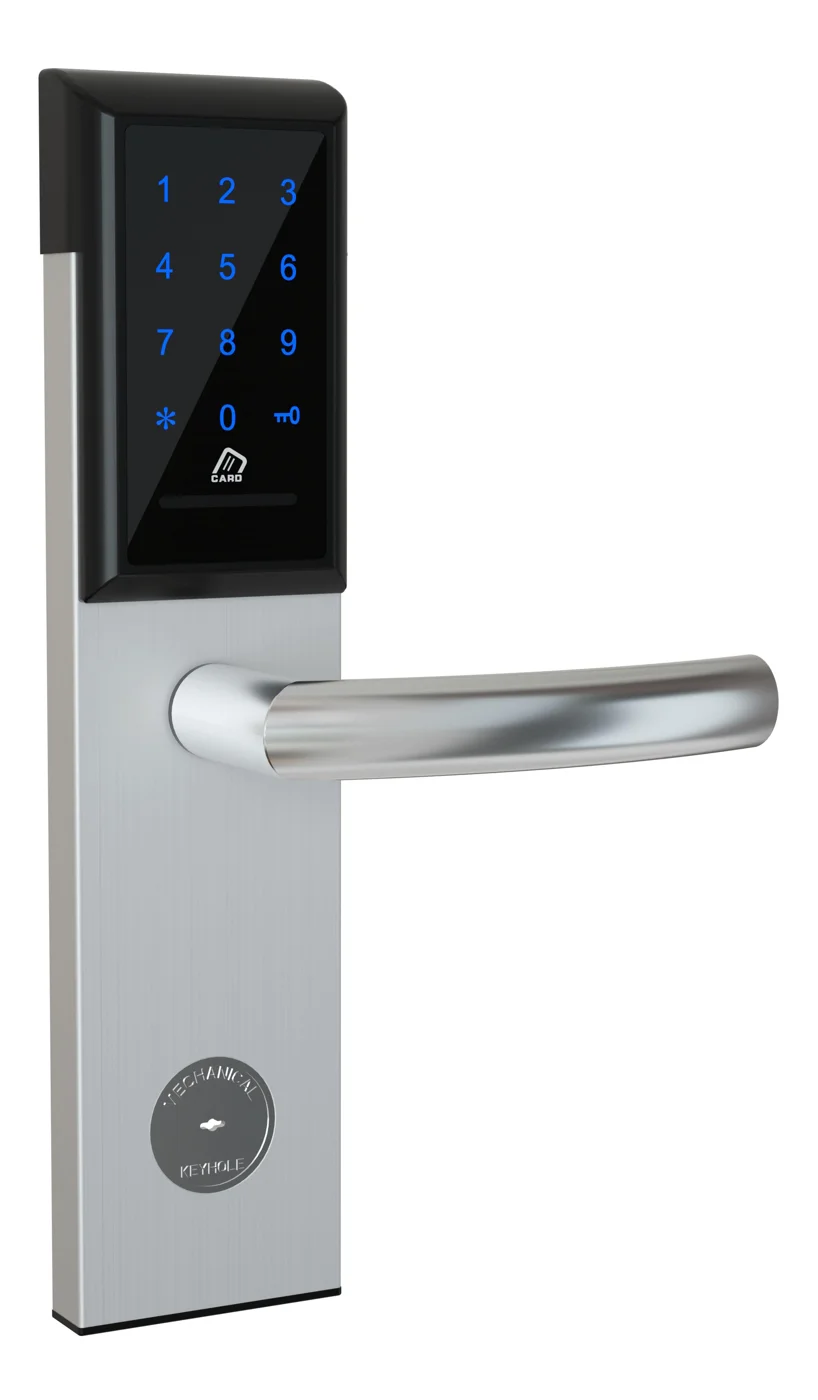
Office Cabinet Lock — PIN + Card for Filing & Pedestals
Offline PIN + card office cabinet lock for filing cabinets, pedestals, and drawers. Battery-powered 5-minute retrofit, no WiFi, no key management. CE/FCC/RoHS.
This page already points to it as the next recommended reference.
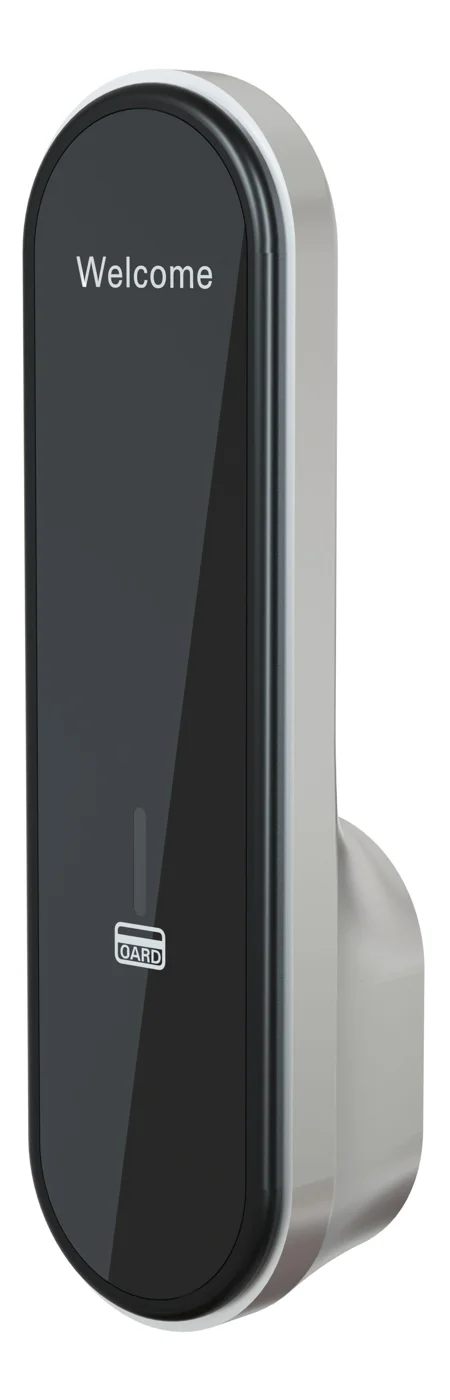
RFID Cabinet Lock — MIFARE Card, Offline Authentication
Offline MIFARE RFID cabinet lock for gym, spa, and office lockers. Tap-to-unlock 13.56 MHz, no WiFi needed, 5-minute retrofit. Zinc alloy body, battery-powered.
This page already points to it as the next recommended reference.
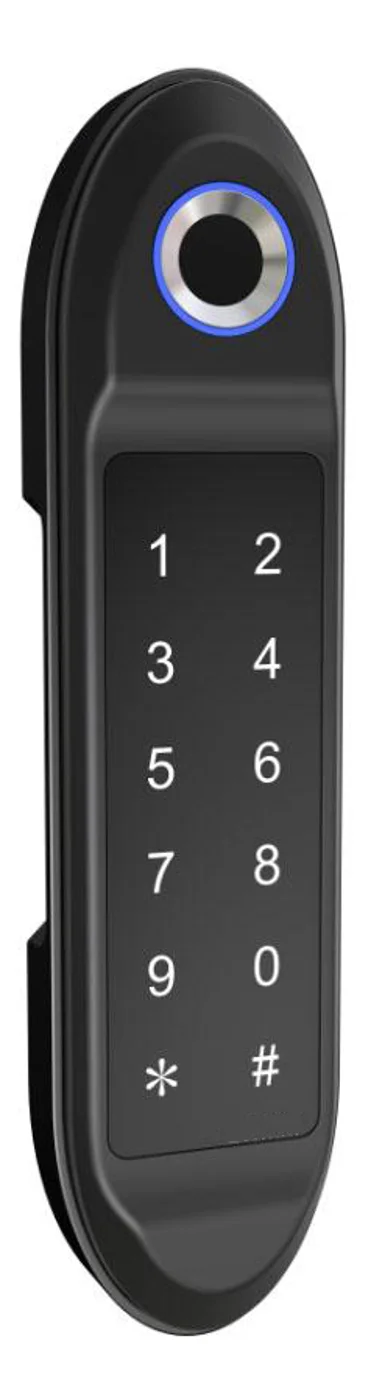
PIN Code Electronic Cabinet Lock — Stand-Alone, No WiFi
Offline keypad cabinet lock for gym, office and parcel lockers. Battery-powered, 5-minute retrofit, audit-free simple deployment. PIN + MIFARE card, DC 6V, 4×AA.
This page already points to it as the next recommended reference.
Related blog posts
3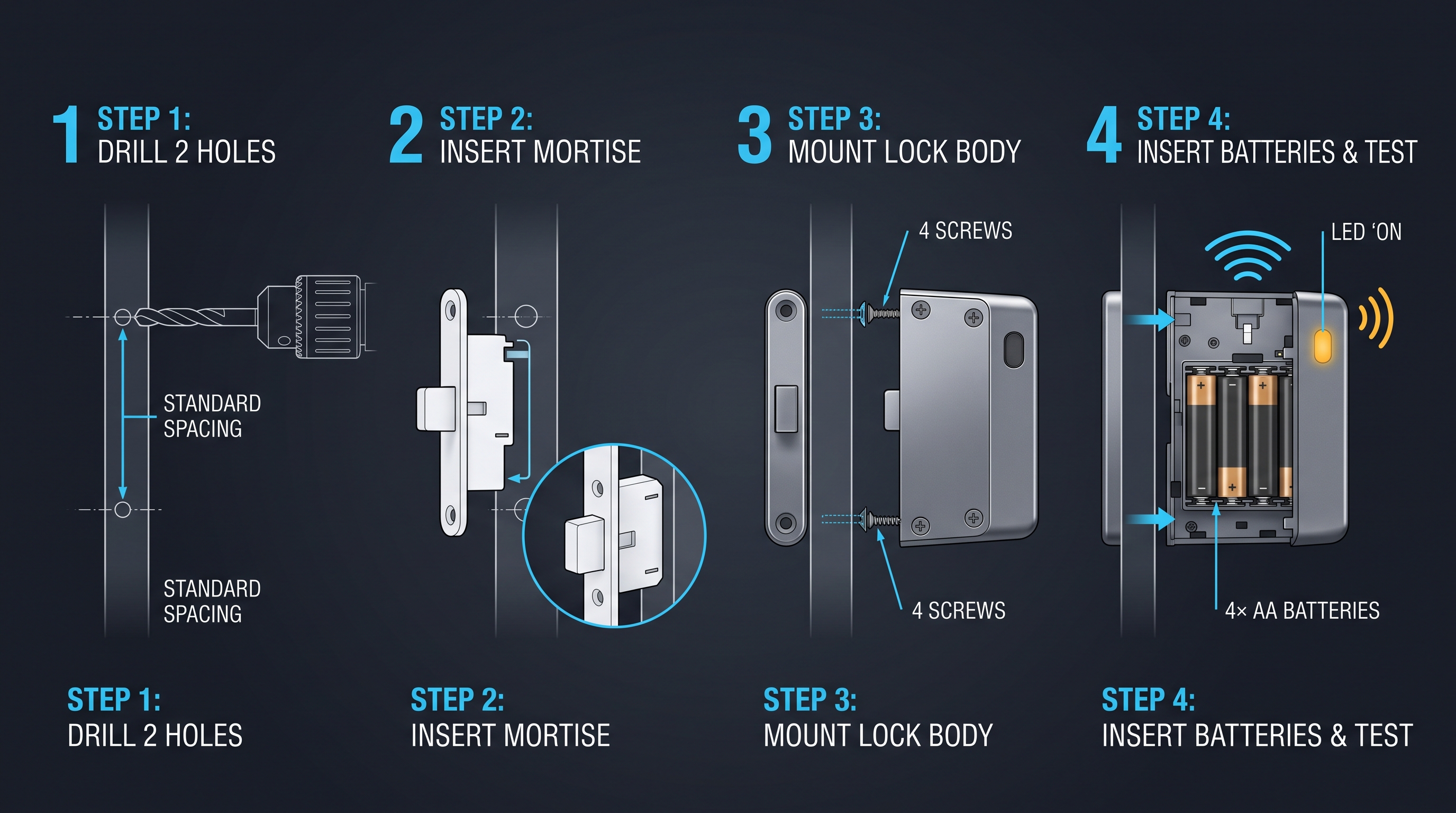
Mobile App Cabinet Lock: The Complete Guide to Smartphone-Controlled Cabinet Security
Discover how mobile app cabinet lock systems work. Explore BLE/Wi-Fi/NFC credentials, remote unlock, temporary codes, role-based access, cloud sync, security features, and deployment scenarios.
It supports the same product context: Office Cabinet Lock — PIN + Card for Filing & Pedestals.
MIFARE Cabinet Lock: Advanced Security Guide for MIFARE-Based Cabinet Access Systems
In-depth technical guide to MIFARE cabinet lock technology covering MIFARE Classic, Plus, DESFire, Ultralight variants, cryptographic security, installation, and multi-application smart card integration for cabinet access control.
It supports the same product context: Office Cabinet Lock — PIN + Card for Filing & Pedestals.
MIFARE Locker Lock: Definitive Guide to MIFARE-Based Smart Locker Security
Complete guide to MIFARE locker lock technology for gyms, schools, offices, and public facilities. Covers MIFARE Classic, Plus, DESFire variants, multi-user management, installation, networking, and smart locker ecosystem integration.
It supports the same product context: PIN Code Electronic Cabinet Lock — Stand-Alone, No WiFi.
Specify your cabinet lock project with our engineers
Send your locker count, cabinet type, and credential preference. We will return a sample plan and quote within 24 business hours.
- Move from general guidance into a product or application discussion.
- Use RFQ when pricing, drawings, MOQ, or launch timing needs structure.
- Keep a direct contact path visible for fast clarifications and handoff.