How to Choose a Locker Lock Factory: The Complete Sourcing Guide for 2026
Step-by-step guide to sourcing locker locks from China factories. Covers QC, certifications, OEM/ODM, MOQ, pricing, lead times, and due diligence for buyers.
Why Choosing the Right Locker Lock Factory Determines Your Product Success
A locker lock factory is a specialized manufacturing facility that designs, engineers, and produces locking mechanisms purpose-built for locker applications across gymnasiums, schools, workplaces, transit stations, and industrial changing rooms. Unlike generic cabinet lock producers, a dedicated locker lock factory focuses on the unique mechanical and electronic requirements of high-usage, public-facing lockers, where reliability under repeated cycling, resistance to tampering, and long-term durability are non-negotiable. These factories typically offer a range of products from traditional cam locks and combination locks to sophisticated electronic locks with RFID, Bluetooth, or keypad access, and they support both off-the-shelf catalog models and fully custom OEM/ODM solutions. The typical minimum order quantity (MOQ) at a mid-tier locker lock factory ranges from 500 to 2,000 units per model, with unit prices spanning $1.50 to $18.00 depending on lock type, materials, and electronic complexity. Lead times from initial sample approval to bulk shipment generally fall between 25 and 50 days, though rush orders with expedited tooling can shorten this window. FOB pricing from major Chinese ports such as Shenzhen or Ningbo is standard, and most factories accept EXW or DDP terms for qualified buyers. Electronic locker locks draw between 5 and 30 microamps in standby mode and operate on 4.5V to 6V DC battery packs, while solenoid-driven models consume 300 to 800 milliamps during the brief unlock pulse. Reputable facilities hold CE, FCC, and RoHS certifications as a baseline, with some also carrying UL or EN 16867 security ratings.
The stakes in selecting the right locker lock factory extend far beyond unit cost. A lock that fails after 10,000 cycles instead of the rated 100,000 creates a maintenance nightmare for gym operators, erodes brand trust for locker manufacturers, and generates costly warranty claims. A locker lock factory with robust in-house testing, traceable quality control, and genuine engineering depth will deliver products that meet their published specifications consistently across production batches. Conversely, a factory that cuts corners on die-casting tolerances, uses subgrade solenoid wire, or skips burn-in testing for electronic boards will ship locks that perform well in samples but degrade rapidly in the field. The factory's location within China also matters significantly. Shenzhen and Dongguan dominate electronic lock production thanks to deep supply chains for PCB assembly, Bluetooth modules, and battery management ICs, while Zhongshan and Wenzhou are strongholds for mechanical lock manufacturing with mature die-casting and stamping ecosystems. Choosing a locker lock factory aligned with your product type and quality expectations is the single most consequential decision in the entire sourcing process. This guide walks through every factor you need to evaluate, from factory capabilities and quality control systems to pricing terms, certification requirements, and the due diligence steps that separate successful partnerships from costly mistakes.
What Manufacturing Capabilities Define a Modern Locker Lock Factory
A modern locker lock factory must integrate four core manufacturing disciplines to produce reliable locks at scale: die-casting or stamping for metal bodies, injection molding for electronic housings and keypads, surface-mount technology (SMT) lines for PCB assembly, and precision motor or solenoid assembly stations. Each of these capabilities directly impacts lock quality, consistency, and cost, and the depth of a factory's in-house capabilities versus outsourced processes is a strong indicator of overall manufacturing maturity. Die-casting is the backbone of mechanical lock production, where molten zinc or aluminum alloy is injected into steel molds under high pressure to produce lock bodies, cams, and shackle components with tight dimensional tolerances. A well-equipped locker lock factory operates CNC machining centers alongside die-casting machines to perform post-casting operations such as drilling, tapping, and surface finishing, achieving tolerances of plus or minus 0.05 millimeters on critical mating surfaces. Factories that lack in-house die-casting typically source castings from specialized foundries, which introduces supply chain risk, longer lead times, and less control over porosity and dimensional consistency. For electronic locker locks, injection molding capability for ABS, polycarbonate, or nylon components is equally important, as the housing must protect internal electronics against moisture, dust, and physical impact while maintaining a clean aesthetic for end-user facing applications. A vertically integrated locker lock factory with both die-casting and injection molding under one roof can control quality from raw material to finished assembly and typically achieves 15 to 25 percent lower unit costs than factories that outsource these processes.
Surface-mount technology is the critical capability for electronic locker locks that incorporate RFID readers, Bluetooth modules, keypad controllers, or IoT communication chips. An SMT line consists of solder paste printing, pick-and-place machines, reflow ovens, and automated optical inspection (AOI) stations that together produce populated PCBs with component densities up to 400 parts per square inch. A factory operating its own SMT line can iterate on PCB designs rapidly, control solder joint quality directly, and avoid the 7 to 14 day lead time penalty of sending boards to external EMS providers. The presence of a nitrogen reflow oven, which reduces oxidation and improves solder wetting on fine-pitch components, is a hallmark of a higher-end locker lock factory. Motor and solenoid assembly represents the fourth critical capability, particularly for electronic locks that use a small DC motor or push-pull solenoid to retract the locking bolt on command. Solenoid assembly requires precise winding of copper magnet wire around a bobbin, insertion of a ferromagnetic plunger, and encapsulation to protect against moisture and vibration. The quality of solenoid winding directly determines lock actuation reliability and current consumption. A factory that winds solenoids in-house with automated winding machines achieving consistent turn counts and tension can guarantee solenoid performance across production volumes, while factories relying on generic off-the-shelf solenoids may encounter higher failure rates and less predictable electrical characteristics. When evaluating a locker lock factory, physically inspecting these four capability areas provides far more insight than any brochure or certification document, and buyers who invest the time in factory audits consistently report lower defect rates and fewer supply interruptions.
How Die-Casting Quality Affects Mechanical Lock Reliability from a Locker Lock Factory
Die-casting quality is the single most influential factor in the mechanical reliability of locks produced by any locker lock factory, as the lock body, cam, bolt, and internal chassis are almost always zinc or aluminum die-castings whose dimensional accuracy and material density determine fit, feel, and longevity. Zinc alloy ZDC-1 or ZDC-2 (equivalent to ASTM AG-40A or AG-40B) is the standard material for lock bodies because it offers excellent fluidity in the molten state, allowing thin wall sections of 1.0 to 1.5 millimeters while maintaining sufficient strength for torque loads up to 15 newton-meters. Aluminum alloy ADC-12 is sometimes used for weight-sensitive applications such as gym lockers where the door gauge is thin, but aluminum is softer and more prone to thread stripping during screw installation. A reputable locker lock factory maintains strict control over melt temperature, injection pressure, and cooling time in the die-casting process to prevent common defects such as porosity, cold shuts, and flash. Porosity, caused by trapped gas in the molten metal, is particularly damaging because it creates microscopic voids that can propagate into cracks under repeated stress, leading to cam breakage or bolt seizure after 20,000 to 30,000 cycles in a lock rated for 100,000. The best factories use vacuum-assisted die-casting to extract air from the mold cavity before injection, reducing porosity to less than one percent of cross-sectional area and extending lock mechanical life by 40 to 60 percent compared to conventionally cast parts.
Post-casting operations are equally important and distinguish a premium locker lock factory from a commodity producer. After ejection from the die, castings undergo trimming to remove flash and sprue, followed by tumbling or vibratory finishing to deburr edges and smooth surfaces. Critical dimensions such as the cam slot width, bolt diameter, and housing mating surfaces are machined on CNC lathes or milling machines to achieve tolerances of plus or minus 0.02 to 0.05 millimeters, which is essential for smooth key insertion and consistent cam rotation. Surface finishing options include nickel plating, chrome plating, powder coating, or anodizing, each offering different levels of corrosion resistance and aesthetic appearance. Nickel plating, typically 8 to 15 microns thick, provides good corrosion resistance for indoor locker applications and is the most common finish for commercial locker locks. Chrome plating offers superior hardness and a brighter appearance but at 20 to 40 percent higher cost. A thorough locker lock factory evaluation includes requesting cross-section samples of die-cast parts to inspect for internal porosity and reviewing the factory's process control records for melt temperature, injection pressure, and cycle time across recent production runs. Factories that cannot provide these records or that resist sharing them are likely not maintaining consistent process control, and their locks will exhibit batch-to-batch variation in fit and strength. For buyers sourcing high-volume locker lock programs, investing in die-casting tooling made from H13 or 2344 tool steel with proper heat treatment to 48 to 52 HRC ensures that the mold maintains dimensional stability over 200,000 to 500,000 shots, preserving part quality throughout the production lifecycle.
What Electronic Lock Capabilities You Should Expect from a Locker Lock Factory
An electronic locker lock factory must demonstrate competence across PCB design, firmware development, wireless module integration, power management, and environmental sealing to produce locks that perform reliably in real-world locker environments. The electronic heart of any smart locker lock is the microcontroller, typically an ARM Cortex-M0 or M4 running at 16 to 64 MHz, which handles keypad scanning, RFID tag reading, Bluetooth Low Energy (BLE) communication, motor drive sequencing, and battery monitoring. A well-engineered lock draws 5 to 30 microamps in deep sleep mode and wakes only when a user touches the keypad, presents an RFID credential, or the BLE radio detects a connection request from a paired smartphone. The standby current directly determines battery life, and a locker lock factory that has invested in ultra-low-power firmware design can achieve two to three years of operation from four AA alkaline cells, while poorly optimized designs may drain batteries in six to nine months. BLE module selection is another critical differentiator. Factories using Nordic nRF52832 or nRF52840 SoCs, or Texas Instruments CC2640 family, typically offer better range, lower power consumption, and more stable firmware stacks than factories using generic Bluetooth modules from lesser-known suppliers. The factory should provide conducted and radiated power measurements for the BLE radio showing transmit power of 0 to 4 dBm and receiver sensitivity of at least minus 96 dBm to ensure reliable smartphone unlocking within 5 to 10 meters.
RFID capability is standard in modern electronic locker locks, supporting either 13.56 MHz HF RFID for ISO 15693 or ISO 14443 credential cards, or 125 kHz LF RFID for older proximity cards. A competent locker lock factory offers both frequencies and can integrate the reader antenna directly into the lock housing or into a separate reader module mounted on the locker door. The RFID read range should be 10 to 30 millimeters for HF and 20 to 50 millimeters for LF, sufficient for the brief contact or near-contact tap that users expect from a locker lock. Motor drive circuitry is another area where factory engineering quality becomes apparent. Electronic locker locks use either a small brushed DC gear motor or a linear solenoid to actuate the locking bolt. A gear motor solution draws 100 to 300 mA during the one to two second actuation period and provides smooth, quiet operation suitable for premium applications. A solenoid solution draws 300 to 800 mA but actuates in 50 to 150 milliseconds with a satisfying click that many users associate with a positive locking action. The factory's motor or solenoid driver circuit should include current limiting, back-EMF protection, and stall detection to prevent component damage if the bolt encounters resistance from a misaligned locker door. A truly capable locker lock factory also conducts automated actuation testing on 100 percent of electronic lock assemblies, cycling each lock 50 to 100 times while monitoring current draw, actuation time, and communication success rate before the lock leaves the factory floor. This level of end-of-line testing separates factories that ship known-good product from those that rely on statistical sampling and risk shipping defective units.
Why Injection Molding Quality Matters for Electronic Locker Lock Housings
Injection molding quality is a critical but often overlooked capability when evaluating a locker lock factory that produces electronic locks, as the plastic housing protects sensitive electronics against moisture, dust, impact, and UV exposure while also serving as the user interface surface for keypads, displays, and RFID readers. The housing material is typically ABS (acrylonitrile butadiene styrene) for general-purpose indoor locks, polycarbonate-ABS blend for higher impact resistance, or glass-filled nylon for maximum durability in high-abuse environments such as public transit locker banks. A factory with in-house injection molding capability can control material sourcing, mold temperature, cooling time, and packing pressure to produce housings with consistent wall thickness, minimal sink marks, and tight dimensional accuracy across the entire production run. The most important quality metric for an electronic lock housing is the ingress protection rating. A well-designed locker lock factory achieves IP54 or IP65 rating through the use of silicone gaskets, ultrasonic welding of housing seams, and sealed membrane keypads, ensuring that the lock survives splashes, rain, and dust without internal corrosion or electrical failure. Achieving IP65 requires the housing to withstand low-pressure water jets from any direction and complete protection against dust ingress, which demands molding tolerances of plus or minus 0.1 millimeters on mating surfaces and consistent gasket compression across the housing perimeter.
Mold design and construction quality directly determine housing consistency and mold lifespan. A production-grade injection mold for a locker lock housing typically costs $8,000 to $25,000 depending on cavity count, complexity, and steel grade. A four-cavity mold made from S136 or 420 stainless steel with hardened tool steel inserts at wear points will produce 500,000 to 1,000,000 parts before requiring significant maintenance. Cheaper molds made from P20 or 738 steel may cost only $3,000 to $8,000 but will show wear after 50,000 to 100,000 cycles, leading to flash, dimensional drift, and increased reject rates. A professional locker lock factory maintains mold maintenance records including polishing schedules, steel condition assessments, and dimensional verification reports that demonstrate proactive mold management. The factory should also demonstrate capability in overmolding or two-shot molding for applications requiring a soft-touch keypad surface bonded to a rigid housing base, or for creating water-resistant seals around LED indicators and RFID reader windows. Surface finish quality is another indicator of mold condition and process control. The housing should be free of visible knit lines, flow marks, gate blush, and ejector pin marks on the Class A surfaces that users see and touch. Gloss measurement using a 60-degree gloss meter should show less than 10 percent variation across the housing surface for textured finishes, and the color should match the approved color standard within a Delta E of less than 1.0 under D65 illumination. Buyers sourcing custom-designed electronic locker locks should request mold flow analysis reports and first article inspection (FAI) reports for housing components before approving production tooling, as these documents reveal whether the factory's process engineering team has optimized gate location, cooling channel layout, and fill time for the specific part geometry.
How a Locker Lock Factory Structures Its Quality Control System: IQC, IPQC, and OQC
A professional locker lock factory operates a three-stage quality control system comprising incoming quality control (IQC), in-process quality control (IPQC), and outgoing quality control (OQC), with each stage applying defined inspection criteria, sampling plans, and pass-fail thresholds that collectively ensure consistent product quality across production volumes. IQC is the first line of defense, inspecting raw materials and purchased components as they arrive at the factory. For a locker lock factory, IQC checks include verifying the chemical composition of zinc alloy ingots using optical emission spectrometry to confirm ZDC-1 or ZDC-2 specification, measuring the hardness and dimensional accuracy of delivered die-cast parts, testing solenoid coil resistance and inductance against specification limits, and inspecting PCBAs for solder joint quality, component placement accuracy, and cleanliness. The factory should apply AQL (acceptable quality limit) sampling per ANSI/ASQ Z1.4 or ISO 2859 standards, typically using an AQL of 0.65 for critical defects, 1.0 for major defects, and 2.5 or 4.0 for minor defects. Materials that fail IQC are quarantined and returned to the supplier with a corrective action request, and the factory maintains a supplier scorecard that tracks defect rates, on-time delivery, and response time for each material supplier. A robust IQC program at a locker lock factory prevents defective raw materials from ever entering the production process, which is far more cost-effective than detecting and reworking defects after assembly.
IPQC involves inspection and testing at defined control points throughout the manufacturing process. For mechanical locker locks, IPQC checkpoints include die-casting parameter verification (melt temperature plus or minus 10 degrees Celsius, injection pressure plus or minus 5 bar, cooling time plus or minus 0.5 seconds), dimensional inspection of machined features after CNC operations, surface finish inspection before plating, and torque testing of assembled lock mechanisms. For electronic locker locks, IPQC includes solder paste thickness measurement using laser profilometry, AOI after SMT reflow, functional testing of programmed microcontrollers, and sub-assembly electrical tests including standby current, actuation current, and communication range. The factory's IPQC system should include statistical process control (SPC) charts for critical parameters, with control limits set at plus or minus three sigma and corrective action triggered when any parameter trends toward the warning limit. An advanced locker lock factory uses a manufacturing execution system (MES) that captures IPQC data in real time, linking each lock's serial number to the process parameters and inspection results recorded during its production. This traceability allows the factory to quickly isolate the root cause of any field failure and identify the specific batch of locks affected, enabling targeted recall rather than blanket replacement. OQC is the final quality gate before shipment, applying AQL sampling to finished locks for visual inspection, dimensional verification, functional testing, and packaging integrity. The OQC plan typically includes a 100 percent functional test for electronic locks, where each lock is cycled 20 to 50 times with different credentials to verify consistent actuation, and a sample size of 20 to 50 units per production lot undergoes extended cycling to 500 or 1,000 operations to validate durability. A locker lock factory that can present documented IQC, IPQC, and OQC procedures with real inspection records from recent production runs demonstrates the process discipline required for consistent quality, and buyers should insist on reviewing these records during the factory qualification process.
What Certifications a Legitimate Locker Lock Factory Must Hold
Certifications serve as independent verification that a locker lock factory meets recognized standards for product safety, electromagnetic compatibility, and environmental compliance, and the presence or absence of specific certifications provides immediate insight into the factory's market focus and quality commitment. CE marking is the most fundamental requirement for selling locker locks in the European Economic Area, indicating that the product conforms to applicable EU health, safety, and environmental directives. For electronic locker locks, CE certification typically covers the Low Voltage Directive (LVD, 2014/35/EU), the Electromagnetic Compatibility Directive (EMC, 2014/30/EU), and the Radio Equipment Directive (RED, 2014/53/EU) for locks incorporating wireless communication. The factory should provide a valid CE Declaration of Conformity and technical file documentation including test reports from an accredited laboratory such as TUV Rheinland, SGS, or Intertek. FCC certification is required for electronic locker locks sold in the United States, covering both intentional radiators (BLE, Wi-Fi, NFC) and unintentional emissions from digital circuitry. FCC testing verifies that the lock's conducted and radiated emissions stay within the limits of FCC Part 15B for unintentional radiators and Part 15C for intentional radiators, and that the device does not cause harmful interference to other electronic equipment. A legitimate locker lock factory maintains active FCC certification for its standard product models and has the engineering capability to support FCC testing for custom OEM designs.
RoHS compliance certifies that the lock and its components do not contain restricted hazardous substances including lead, mercury, cadmium, hexavalent chromium, PBB, and PBDE above specified thresholds. While RoHS is required for EU market access, it has become a de facto global standard, and reputable factories offer RoHS compliance as a baseline even for non-EU shipments. REACH compliance, which addresses the registration, evaluation, authorization, and restriction of chemical substances, is increasingly required by European buyers and covers both the materials used in lock construction and the substances used in manufacturing processes such as plating and painting. For higher-end applications, additional certifications may be required. EN 16867 is the European standard for mechanical locks and building hardware, covering requirements and test methods for lock durability, security, and corrosion resistance. A locker lock factory producing locks certified to EN 16867 Level A demonstrates that the lock has passed 200,000 test cycles, 10,000-hour corrosion testing, and security testing against forced entry. UL 294, the UL standard for access control system units, is relevant for electronic locker locks used in North American commercial applications and covers performance requirements for access control, standby power, line security, and endurance. Fire-rated applications, such as lockers installed in egress paths or fire-rated partitions, may require UL 10C or equivalent fire rating certification. A thorough locker lock factory certification review involves not just checking for the presence of certificates but verifying their validity by contacting the issuing body, confirming that the certificate number corresponds to the specific product model, and checking the certificate's expiration date. Certifications that have expired or cover different product lines than the ones being quoted are common red flags that indicate a factory attempting to misrepresent its compliance status.
Understanding OEM vs ODM Options from a Locker Lock Factory
OEM (Original Equipment Manufacturing) and ODM (Original Design Manufacturing) represent two fundamentally different engagement models with a locker lock factory, and choosing the right model depends on your company's in-house engineering resources, desired level of product differentiation, and timeline to market. Under an OEM arrangement, the buyer provides the complete product specification, including mechanical drawings, PCB schematics, firmware requirements, BOM (bill of materials), and test specifications, and the factory manufactures the lock to those exact specifications. The buyer owns the design intellectual property, and the factory is contractually prohibited from producing the same design for other customers. OEM is the preferred model for companies with experienced hardware engineering teams that have developed proprietary lock designs optimized for their specific application, such as a gym chain with unique locker dimensions and access control software requirements. The advantages of OEM include complete control over product features and quality standards, the ability to specify exact component brands and suppliers, and the creation of a product that cannot be easily copied by competitors. The disadvantages include the need to invest in full product development including tooling, testing, and certification, which can cost $50,000 to $200,000 for a new electronic locker lock, and the requirement for ongoing engineering support to manage BOM changes, address production issues, and implement design improvements.
ODM is the more common and accessible model for most locker lock buyers, particularly those entering the market for the first time or expanding their product line without a large engineering team. Under an ODM arrangement, the locker lock factory offers existing designs that can be customized with the buyer's branding, packaging, and minor specification changes such as key code ranges, keypad layout, RFID frequency, or Bluetooth pairing behavior. The factory owns the base design IP, and the customization is typically limited to what the factory's engineering team can implement without fundamental redesign. ODM engagement significantly reduces time to market, with first samples available in 15 to 30 days compared to 60 to 120 days for a full OEM development. Tooling costs are much lower, typically $2,000 to $8,000 for custom branding on an existing design versus $20,000 to $80,000 for OEM tooling. The unit price for ODM products is also generally 10 to 20 percent lower than OEM because the factory amortizes its design and tooling costs across all customers using the same base platform. The trade-off is limited product differentiation, as competing buyers may source similar locks from the same factory with only cosmetic differences. Some advanced locker lock factories offer a hybrid model called ODM-plus, where the factory's existing platform serves as a starting point but the buyer can specify substantial modifications such as custom PCB layout, unique firmware features, or proprietary mechanical interfaces. ODM-plus bridges the gap between pure ODM and full OEM, offering meaningful differentiation at a fraction of the OEM development cost. When negotiating either model, the contract should clearly define intellectual property ownership, exclusivity terms, minimum order quantities, and the process for future design changes. Buyers should also confirm that the factory will not use the buyer's custom tooling or mold inserts to produce locks for other customers, and that any firmware developed for the buyer remains the buyer's property or is licensed exclusively to the buyer.
What MOQ and Pricing Terms to Expect from a Locker Lock Factory
Minimum order quantities and pricing terms are among the most practical considerations when engaging a locker lock factory, as they directly determine the initial investment required, the unit cost structure, and the cash flow implications of a sourcing program. MOQ at a Chinese locker lock factory varies significantly by lock type, complexity, and customization level. For standard mechanical cam locks, which require minimal tooling and use generic components, the MOQ typically ranges from 500 to 1,000 units per key code or finish variation. For electronic locker locks with standard features, the MOQ is usually 500 to 2,000 units per model, while fully customized OEM locks with dedicated tooling may require an MOQ of 3,000 to 10,000 units to recover the tooling investment within the first production run. Some locker lock factories offer lower MOQs of 100 to 300 units for sample orders or initial trial runs, but these typically command a 30 to 60 percent price premium over standard MOQ pricing. Buyers should be aware that MOQ can apply per SKU rather than per order, meaning an order of 500 units spread across ten different key codes may be treated as ten separate MOQ items. Consolidating orders to fewer SKUs is one of the most effective ways to reduce per-unit cost and simplify factory logistics.
Pricing terms in the locker lock industry follow standard international trade conventions, with FOB (Free On Board) being the most common basis for quotation. FOB pricing from a Shenzhen-based locker lock factory includes the cost of goods, factory profit margin, and all charges to deliver the goods to the port of Shenzhen and load them onto the vessel. FOB prices for mechanical cam locks range from $1.50 to $4.00 per unit at MOQ, while keypad-based electronic locker locks typically run $6.00 to $14.00 per unit, and RFID or Bluetooth electronic locker locks range from $10.00 to $18.00 per unit depending on feature set, build quality, and certification status. EXW (Ex Works) pricing is typically 5 to 10 percent lower than FOB because the buyer assumes all shipping and export clearance costs. DDP (Delivered Duty Paid) pricing, where the factory takes responsibility for all shipping, insurance, customs clearance, and local delivery to the buyer's warehouse, typically adds 15 to 30 percent to the FOB price depending on destination and shipment volume. Payment terms follow a standard pattern in the Chinese lock manufacturing industry. A typical transaction requires a 30 percent deposit with the order, 40 to 60 percent payment upon inspection before shipment, and the balance of 10 to 30 percent paid against a copy of the bill of lading. Established locker lock factories may offer more favorable terms to repeat customers, such as 30 percent deposit and 70 percent against bill of lading, or even net 30 or net 60 payment terms for buyers with strong credit. Buyers should be cautious of factories demanding 50 percent or more as deposit, as this is above the industry norm and may indicate cash flow problems. The unit price typically includes basic packaging such as poly bags and standard export cartons, while custom retail packaging, barcode labeling, and kitting services add $0.10 to $0.50 per unit depending on complexity.
How Sample Evaluation Reveals a Locker Lock Factory's True Quality
Sample evaluation is the single most reliable method for assessing a locker lock factory's true quality capability, as physical samples embody the factory's actual manufacturing precision, material selection, assembly workmanship, and attention to detail in a way that brochures, certifications, and even factory audit reports cannot fully capture. The sample ordering process should begin with a clear written specification that includes mechanical drawings, electrical requirements, environmental requirements, and acceptance criteria, which the factory should acknowledge in writing before producing samples. A professional locker lock factory typically charges for samples at a rate of two to five times the MOQ unit price, with the sample cost refundable or creditable against the first production order. Lead time for samples ranges from 7 to 20 days for ODM products drawn from the factory's existing catalog, to 25 to 45 days for OEM samples requiring new tooling or significant customization. Buyers should order at least 10 to 20 samples to enable meaningful testing across multiple units, as evaluating a single sample cannot reveal the production variation that will occur at scale. Each sample should be clearly labeled with a unique serial number, and the factory should provide a sample report documenting the measured dimensions, electrical parameters, and functional test results for each unit.
Physical evaluation of samples should follow a structured protocol covering mechanical fit, electrical performance, environmental resistance, and functional endurance. Mechanical evaluation includes measuring all critical dimensions with calibrated instruments and comparing them to the specification drawing tolerances, checking key insertion and rotation smoothness, verifying cam or bolt travel distance, and assessing the lock's fit in a standard locker door prep cutout. The weight of the sample should be measured and compared to the factory's stated specification, as underweight locks often indicate thinner wall sections or skipped material. Electrical evaluation for electronic locks includes measuring standby current, actuation current, and actuation time across the full input voltage range of 4.5 to 6.0 volts DC, verifying RFID read range for different credential types, and testing BLE connection stability at distances of 1, 5, and 10 meters. The sample's ingress protection should be verified by subjecting one or two samples to a water spray test matching the claimed IP rating. Functional endurance testing is the most revealing evaluation. A simple automated test rig using a relay or microcontroller to cycle the lock continuously can identify failure modes that would not appear in a brief manual test. A sample that fails before 10,000 cycles when the specification claims 100,000 cycles indicates fundamental design or material problems, while a sample that reaches 50,000 cycles with only minor degradation in actuation time or current draw suggests a design that, with refinement, could meet the target. A reputable locker lock factory will welcome structured sample testing and may even offer to participate in defining the test protocol, while a factory that resists providing samples, charges excessive sample fees, or refuses to share sample test reports should be treated with extreme caution.
Evaluating Lead Times and Production Capacity at a Locker Lock Factory
Lead time and production capacity are operational metrics that directly impact your ability to bring locker lock products to market reliably, and a thorough evaluation of these factors before committing to a locker lock factory can prevent costly supply disruptions that damage customer relationships and revenue. Standard lead time for a production order at a Chinese locker lock factory is 25 to 45 days from sample approval and deposit receipt for mechanical locks, and 30 to 50 days for electronic locks that require PCB fabrication, SMT assembly, and firmware programming. These lead times assume that all materials are in stock or have standard procurement lead times. Factories that maintain buffer stock of commonly used components such as microcontrollers, Bluetooth modules, RFID reader ICs, and solenoids can offer lead times at the lower end of this range, while factories that purchase components on a per-order basis may require the full 50 days or more. Seasonal factors also affect lead time. The period from August to October, when factories ramp up production for the pre-holiday shipping season, often sees lead times extend by 10 to 20 days as production capacity becomes constrained. The Chinese New Year shutdown, typically lasting two to four weeks in January or February, creates a pre-holiday production rush and a post-holiday ramp-up period that can add 15 to 30 days to lead times for orders placed during this window.
Production capacity is expressed as the maximum number of locks the factory can produce per month when operating at full utilization. A medium-sized locker lock factory typically has a monthly capacity of 50,000 to 200,000 mechanical locks or 20,000 to 80,000 electronic locks, depending on the number of assembly lines, SMT line capacity, and available labor. Capacity is not a fixed number but depends on product mix, as a factory producing multiple lock models with different assembly processes achieves lower throughput than one running a single model continuously. Buyers should request the factory's current capacity utilization rate, which indicates how much of the stated capacity is already committed to other customers. A factory operating at 60 to 75 percent utilization has headroom to accommodate new orders without straining resources, while a factory above 85 percent utilization is at risk of late deliveries and quality degradation as workers and equipment are pushed beyond their sustainable limits. The factory should also provide a capacity allocation commitment for your projected monthly volume, preferably in writing, to prevent a situation where the factory accepts your order and then prioritizes larger customers when capacity becomes tight. Asking for references from three current customers and contacting them to verify on-time delivery performance is one of the most effective ways to assess whether the factory's stated lead times and capacity are realistic. A locker lock factory that consistently delivers on time and communicates proactively about any delays demonstrates the operational maturity required for a long-term supply partnership.
How FOB, EXW, and DDP Terms Affect Total Cost from a Locker Lock Factory
The choice of incoterms in your contract with a locker lock factory has a substantial impact on total landed cost, risk allocation, and the administrative burden of managing international logistics, making it essential to understand how FOB, EXW, and DDP terms affect your specific sourcing situation. FOB (Free On Board) is the most widely used incoterm in Chinese lock manufacturing and represents a balanced allocation of responsibility. Under FOB terms, the locker lock factory is responsible for delivering the goods to the named port of shipment, clearing them for export, and loading them onto the vessel. The buyer assumes responsibility and risk once the goods are on board the ship, including ocean freight, insurance, import customs clearance, and inland delivery. FOB pricing from Shenzhen typically includes factory profit, inland transport to the port, export customs documentation, port handling charges, and loading fees. For a typical 20-foot container of locker locks valued at $25,000 to $50,000, the FOB price includes approximately $300 to $800 in local logistics and documentation costs beyond the EXW price. Buyers with established freight forwarding relationships and experience in international logistics generally prefer FOB because it gives them control over carrier selection, freight rates, and shipping schedules while leaving the factory responsible for the complexities of Chinese export procedures.
EXW (Ex Works) places maximum responsibility on the buyer, who must arrange and pay for all transportation, export and import customs clearance, and insurance from the factory door. The locker lock factory's only obligation is to make the goods available for pickup at its premises. EXW pricing is typically 5 to 10 percent lower than FOB, but the buyer must arrange a freight forwarder to handle factory pickup, export customs clearance, port handling, and all subsequent logistics. For buyers without an established China logistics network, EXW can result in higher total costs and longer transit times than FOB because the factory has no incentive to expedite the pickup process and the buyer's forwarder may face delays coordinating with factory staff unfamiliar with export procedures. EXW is most suitable for buyers with in-country sourcing offices or experienced China-based agents who can manage the logistics personally. DDP (Delivered Duty Paid) represents the opposite end of the responsibility spectrum, where the locker lock factory assumes all costs and risks until the goods are delivered to the buyer's specified address, including ocean freight, insurance, import customs clearance, duty payment, and final delivery. DDP pricing includes a premium of 15 to 30 percent over FOB to cover these additional costs and the factory's risk premium for managing unfamiliar import procedures. DDP is attractive for first-time importers or buyers who want a single, predictable all-in cost with minimal administrative burden, but the premium is substantial and the buyer has less control over carrier selection and transit routing. The key consideration in choosing between incoterms is total landed cost, not just the unit price. Buyers should obtain quotes on both FOB and DDP bases from the locker lock factory and then compare the DDP price to their own calculated landed cost using FOB pricing plus freight, insurance, duties, and forwarder fees. The difference typically narrows to 3 to 8 percent after including all costs, and the decision often comes down to whether the buyer has the logistics capability and appetite for managing international shipping independently.
What Intellectual Property Protection a Locker Lock Factory Should Provide
Intellectual property protection is a critical concern when sourcing custom lock designs from a Chinese locker lock factory, and the steps you take before and during the engagement can determine whether your proprietary design remains exclusive to your company or appears on competitor shelves within months of your product launch. The foundation of IP protection is a comprehensive non-disclosure agreement (NDA) and a detailed manufacturing agreement that clearly defines ownership of all intellectual property associated with the lock design. The NDA should be signed before any technical discussions or design sharing, and it should cover all forms of confidential information including mechanical drawings, PCB design files, firmware source code, BOM details, test specifications, and tooling designs. The manufacturing agreement should explicitly state that all intellectual property developed specifically for the buyer, including custom tooling, molds, firmware, PCB layouts, and mechanical designs, remains the sole property of the buyer, and that the locker lock factory is prohibited from using this IP to produce locks for any other party. Chinese IP law has improved significantly in recent years, and Chinese courts now enforce properly registered patents and contracts, but enforcement is reactive rather than preventive. The most effective IP protection strategy combines legal agreements with practical measures that make it difficult for the factory to misuse your IP even if inclined to do so.
Patent registration in China is the most important proactive step for protecting a novel lock design. China operates a first-to-file patent system, meaning that the first party to file a patent application for a design owns the patent rights regardless of who invented it first. If you share your design with a locker lock factory without having filed a Chinese patent application, the factory could theoretically file a patent on your design and then prevent you from manufacturing it. Buyers should file a Chinese utility model patent, which covers the lock's mechanical structure and can be granted within 6 to 12 months, and a Chinese design patent, which covers the lock's ornamental appearance and can be granted within 3 to 6 months. The cost for Chinese patent filing through a local patent agent is typically $800 to $2,500 per patent, which is modest compared to the value of the design being protected. Trademark registration for your brand name and logo in China is equally important, as trademark squatting is common and a squatter who registers your brand can prevent you from selling under your own name in the Chinese market or even hold your goods at customs. Beyond legal protection, practical measures include providing the factory only with the information necessary for production rather than complete design documentation, using trusted mold makers who are independent of the factory, and maintaining control over firmware binary files by programming microcontrollers through a secure supply chain rather than providing source code to the factory. Some buyers choose to split production across multiple factories, with one factory producing mechanical components and another performing final assembly, so that no single factory has the complete design. A locker lock factory that actively supports IP protection by signing robust agreements, respecting tooling ownership, and cooperating with your patent and trademark strategy demonstrates the integrity required for a long-term partnership, while a factory that resists IP protections or offers vague language about ownership should be avoided regardless of price advantages.
How to Conduct Effective Due Diligence on a Locker Lock Factory
Due diligence is the systematic process of verifying a locker lock factory's legal status, operational capability, financial health, and reputation before committing to a production relationship, and the depth of your due diligence effort directly correlates with the likelihood of a successful long-term partnership. The first step is verifying the factory's legal registration through China's National Enterprise Credit Information Publicity System, which provides official records of the company's registered capital, business scope, legal representative, and annual filing status. The registered capital figure should be consistent with the factory's claimed scale, and the business scope should explicitly include lock manufacturing rather than just trading or general hardware. A trading company masquerading as a factory is one of the most common risks in Chinese sourcing. Trading companies may claim to be manufacturers but actually source from multiple factories, adding a markup and reducing your control over quality and lead times. Verifying factory status requires checking the business license for manufacturing classification, requesting photos or video of the actual production facility, and ideally conducting an in-person audit. Professional third-party inspection companies such as SGS, Bureau Veritas, or TUV Rheinland offer factory audit services that verify the factory's existence, size, equipment, and quality systems, with reports typically delivered within 7 to 14 days at a cost of $500 to $1,500 per audit.
Financial due diligence involves reviewing the factory's recent financial statements if available, checking payment histories with other buyers through trade references, and assessing the factory's credit rating through Chinese credit reporting agencies. A locker lock factory that has been in business for at least five years, shows consistent revenue growth, and maintains debt levels appropriate to its asset base is generally a lower-risk partner. Trade references from at least three current customers, preferably in your industry or a related one, provide firsthand insight into the factory's communication responsiveness, on-time delivery performance, defect rates, and willingness to resolve problems. When contacting references, ask specific questions about the factory's handling of quality issues, their responsiveness to engineering change requests, and their transparency about production problems. Online reputation research through Alibaba supplier reviews, industry forums, and social media platforms can reveal patterns of complaints or praise that supplement reference checks, but should be interpreted cautiously as reviews can be manipulated. A comprehensive factory audit should verify the number and condition of production equipment, the qualifications of engineering and quality staff, the cleanliness and organization of the production floor, and the implementation of documented procedures for quality control, material management, and equipment maintenance. The audit should also assess the factory's environmental compliance, labor practices, and health and safety standards, as violations in these areas can create legal and reputational risk for buyers. A locker lock factory that passes thorough due diligence with transparent documentation, positive references, and a clean audit report provides a solid foundation for a sourcing relationship, while red flags such as refusal to share documents, inconsistent information across different communication channels, or resistance to third-party audits should prompt immediate disqualification regardless of how attractive the pricing may appear.
Comparing Manufacturing Hubs: Shenzhen, Dongguan, Zhongshan, and Wenzhou for Locker Lock Sourcing
The geographic location of your locker lock factory within China has significant implications for product type suitability, supply chain depth, logistics costs, and overall sourcing experience, with Shenzhen, Dongguan, Zhongshan, and Wenzhou representing the four primary manufacturing hubs for locker lock production. Shenzhen is the premier location for electronic locker lock manufacturing, benefiting from the city's position as China's electronics innovation capital with deep supply chains for PCB fabrication, SMT assembly, battery and power management components, and wireless communication modules. A Shenzhen-based locker lock factory can source electronic components with lead times of 1 to 3 days compared to 7 to 14 days in other cities, and has access to a labor pool with experience in electronic assembly and testing. The Shenzhen ecosystem also includes numerous engineering design houses, certification testing laboratories, and prototyping services that support rapid product development. The trade-off is higher operating costs. Factory rent in Shenzhen is 30 to 50 percent higher than in Dongguan or Zhongshan, and labor rates are approximately 15 to 25 percent higher, which translates to 5 to 15 percent higher unit prices for comparable products. Shenzhen is the best choice for complex electronic locker locks with Bluetooth, IoT connectivity, or advanced access control features where access to the electronics ecosystem outweighs cost considerations.
Dongguan, located immediately north of Shenzhen, offers an attractive balance of electronics and mechanical manufacturing capability at moderate cost. Many Shenzhen-based electronics manufacturers have expanded production facilities in Dongguan to capture lower costs while maintaining proximity to Shenzhen's supply chain and logistics infrastructure. A Dongguan locker lock factory typically offers unit prices 10 to 20 percent lower than Shenzhen for comparable electronic locks, with only marginally longer component lead times. Dongguan is also a hub for precision mold making, making it a strong choice for locks requiring high-quality injection-molded housings. Zhongshan, located in the Pearl River Delta west of Shenzhen, is historically known as China's lock manufacturing capital and hosts hundreds of lock factories with deep expertise in mechanical lock production. A Zhongshan locker lock factory offers the lowest prices for mechanical cam locks, combination locks, and padlocks, with unit costs 15 to 25 percent below Dongguan and 25 to 35 percent below Shenzhen for comparable mechanical products. The supply chain in Zhongshan is optimized for die-casting, stamping, plating, and mechanical assembly, but electronic lock capabilities are less developed than in Shenzhen or Dongguan, and sourcing electronic components locally may require longer lead times. Wenzhou, located in Zhejiang Province on China's eastern coast, is another traditional lock manufacturing hub known for high-volume production of mechanical locks and padlocks at very competitive prices. Wenzhou factories typically offer the lowest prices among the four hubs, with unit costs 20 to 30 percent below Shenzhen, but the quality range is wider and due diligence is particularly important. A Wenzhou locker lock factory can be an excellent source for basic mechanical locks at scale, but the electronics ecosystem is limited and the distance from major ports adds 2 to 4 days to inland transit time. The best strategy for many buyers is to qualify factories in two or three hubs, compare their capabilities and pricing for the specific lock type being sourced, and select the factory whose location best aligns with the product's complexity and quality requirements.
Common Pitfalls When Working with a Locker Lock Factory and How to Avoid Them
Even experienced buyers can encounter significant problems when sourcing from a Chinese locker lock factory, and awareness of the most common pitfalls can help you structure your engagement to avoid costly mistakes. The first and most damaging pitfall is selecting a factory based primarily on price. The lowest-priced locker lock factory in any bidding process is almost always cutting costs through inferior materials, thinner castings, lower-grade electronics, or reduced quality control, and the long-term cost of field failures, warranty claims, and damaged customer relationships far exceeds the upfront price savings. A lock that costs $2.00 less per unit but fails at twice the rate creates negative value within months. The industry benchmark for defect rates at a well-managed locker lock factory is 0.5 to 1.5 percent for mechanical locks and 1.0 to 3.0 percent for electronic locks within the first year of field use. Factories offering prices 20 percent or more below the market average typically experience defect rates of 5 to 15 percent or higher. The second pitfall is inadequate specification documentation. Many buyers provide incomplete or ambiguous specifications and rely on the factory to fill in the gaps, which results in products that do not meet the buyer's actual requirements. Every specification should include detailed mechanical drawings with tolerances, electrical parameters with acceptable ranges, material specifications with grade designations, environmental requirements with test methods, and acceptance criteria with sampling plans. Specifications that the factory acknowledges in writing become the baseline for quality inspection and dispute resolution.
The third pitfall is insufficient quality inspection during production. Relying solely on the factory's own QC reports without independent verification is a common mistake that leads to shipment of non-conforming product. Buyers should engage a third-party inspection company such as SGS, Bureau Veritas, or QIMA to conduct during-production (DUPRO) inspection after 30 to 50 percent of production is complete and a pre-shipment inspection after 100 percent of production is complete. The cost of third-party inspection, typically $300 to $600 per visit, is negligible compared to the cost of receiving and dealing with a container of defective locks. The fourth pitfall is poor communication and cultural misunderstanding. Chinese factories often communicate indirectly and may avoid delivering bad news. A statement that a problem is "no problem" may actually mean "we will try to figure it out later." Building a relationship with a specific contact at the factory, using written communication with clear action items and deadlines, and visiting the factory in person at least once during the relationship significantly reduces communication-related problems. The fifth pitfall is neglecting to plan for product iteration and lifecycle management. Locks are not static products, and you will need to make design improvements, respond to component obsolescence, and adapt to changing market requirements over time. A locker lock factory that is responsive to engineering change requests and maintains engineering staff with the capability to implement modifications is far more valuable in the long run than a factory that can deliver a single design reliably but cannot evolve it. Including provisions for design changes, cost adjustment mechanisms, and engineering support in the initial manufacturing agreement establishes the framework for a dynamic partnership rather than a static transaction. Buyers who avoid these five pitfalls by investing in thorough specification, independent inspection, clear communication, and long-term relationship building consistently achieve better outcomes with their chosen locker lock factory.
How to Build a Long-Term Partnership with a Locker Lock Factory
Transforming a transactional supplier relationship into a strategic partnership with a locker lock factory yields substantial benefits including preferential pricing, priority capacity allocation, faster sample turnaround, and collaborative engineering support that can accelerate your product development cycle and improve your competitive position in the market. The foundation of a long-term partnership is volume commitment and payment reliability. Factories that can forecast production volume for the next 6 to 12 months can optimize their material procurement, production scheduling, and capacity allocation, achieving 5 to 10 percent cost savings that they can share with the buyer through volume-based pricing tiers. Consistently paying on time, ideally within the agreed payment terms or earlier, builds trust and positions you as a preferred customer who receives priority treatment when capacity is tight or when the factory is allocating scarce components during supply shortages. Regular communication is the second pillar of partnership building. Weekly or bi-weekly calls or video conferences with the factory's sales manager, production planner, and quality manager keep both parties aligned on order status, quality metrics, and upcoming requirements. Annual or semi-annual factory visits demonstrate commitment and provide opportunities to strengthen personal relationships that facilitate problem resolution when issues arise.
Technical collaboration is the third pillar and the one that creates the most value for both parties. A locker lock factory with engineering capability can contribute design-for-manufacturing (DFM) feedback that reduces production cost and improves reliability, suggest alternative components that are more readily available or lower cost without compromising performance, and propose design improvements based on production data from similar products. Buyers who treat the factory as a collaborative engineering partner rather than a passive contract manufacturer consistently achieve better products at lower cost. Joint cost reduction initiatives, such as value engineering workshops where both teams review the BOM and production process to identify cost savings without compromising quality, can reduce unit cost by 5 to 15 percent annually while maintaining or improving the factory's margin. The fourth pillar is exclusivity arrangements. Offering a locker lock factory exclusivity for your product category in a specific geographic region or market segment, in exchange for preferential pricing, dedicated production capacity, and enhanced IP protection, aligns the factory's interests with your success and incentivizes the factory to invest in your product line. Exclusivity should be time-limited, typically 12 to 24 months, with performance clauses that allow termination if the factory fails to meet agreed quality, delivery, or cost reduction targets. The fifth pillar is continuous improvement. Implementing a structured continuous improvement program with the factory, including monthly quality reviews, quarterly cost reduction reviews, and annual strategic planning sessions, creates a cadence of ongoing improvement that compounds over time. A locker lock factory that has been producing your locks for three years should have reduced defect rates by 50 to 70 percent, reduced unit cost by 10 to 20 percent, and improved on-time delivery to 95 percent or higher through the cumulative effect of incremental improvements. Buyers who invest in building this type of partnership consistently outperform those who switch factories chasing short-term price advantages, and the resulting product quality and supply reliability become a competitive advantage that is difficult for competitors to replicate.
Conclusion: Selecting the Right Locker Lock Factory for Your Business
Selecting the right locker lock factory is a strategic decision that affects your product quality, supply reliability, cost structure, and competitive position for years to come, and the factories that deliver the best outcomes are those with genuine in-house manufacturing capability, robust quality control systems, relevant certifications, and a demonstrated commitment to customer partnership. The process begins with defining your product requirements clearly, identifying factories whose capabilities match your lock type and quality expectations, conducting thorough due diligence including factory audits and reference checks, evaluating samples through structured testing, and negotiating terms that align the factory's incentives with your success. The best locker lock factory for a given buyer depends on multiple factors including lock complexity, volume requirements, quality standards, and budget, and there is no single factory that is optimal for every situation. A Shenzhen-based factory with advanced SMT capability and in-house firmware development is the right choice for a complex Bluetooth-enabled electronic locker lock, while a Zhongshan-based mechanical lock specialist offers better value for a high-volume mechanical cam lock program. The key is matching the factory's strengths to your specific requirements rather than pursuing the lowest price or the most impressive facility tour.
The investment required to properly qualify a locker lock factory and establish a production relationship is substantial, typically $5,000 to $25,000 for factory audit, sample testing, tooling, and certification activities, but this investment is a fraction of the cost of a failed sourcing relationship. Buyers who cut corners on due diligence, choose factories based on price alone, or neglect to invest in quality systems and relationship building consistently experience higher defect rates, more supply disruptions, and lower customer satisfaction than those who follow a systematic sourcing process. The Chinese lock manufacturing industry includes thousands of factories ranging from world-class facilities that supply major global brands to small workshops producing inconsistent quality, and the difference between these extremes is not always apparent from a website or an Alibaba listing. The factories that succeed in long-term partnerships are those that demonstrate process discipline, engineering depth, quality commitment, and transparent communication. By applying the evaluation framework, due diligence process, and relationship-building principles outlined in this guide, you can identify and partner with a locker lock factory that delivers reliable, high-quality products that enhance your brand reputation and support your business growth. The time invested in choosing the right partner at the outset will be repaid many times over through consistent quality, reliable delivery, and a collaborative relationship that helps you continuously improve your locker lock products.
Not sure which lock fits your lockers?
Talk to our lock engineers about credentials, battery life, and retrofit fit — no obligation.
Related cabinet lock resources
Compare lock types, check installation guides, and download the product catalog
Related products
3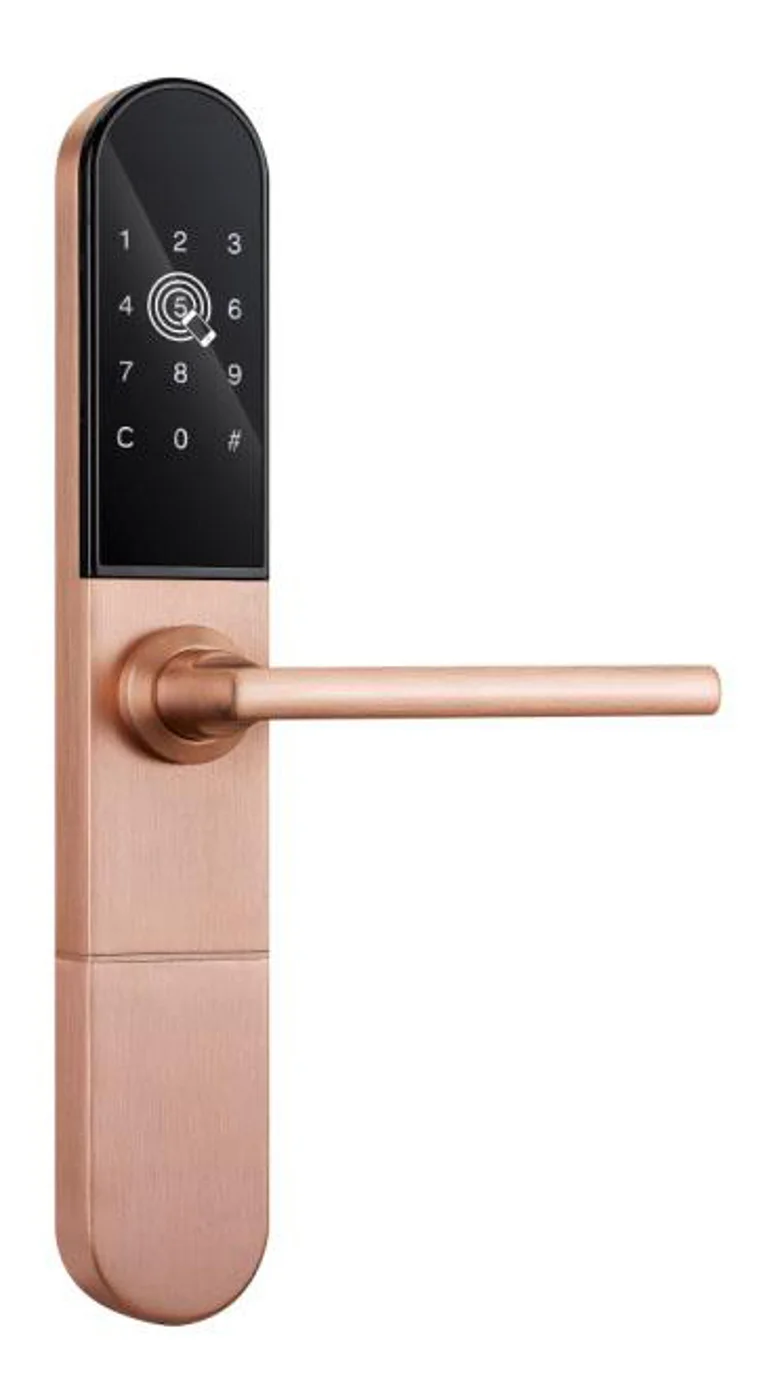
Smart Cabinet Lock — App-Managed, Multi-Site Dashboard
App-managed smart cabinet lock for office, parcel, and multi-site fleets. BLE app dashboard, audit trail, remote unlock, no per-lock server. Higher-tier chassis.
This page already points to it as the next recommended reference.
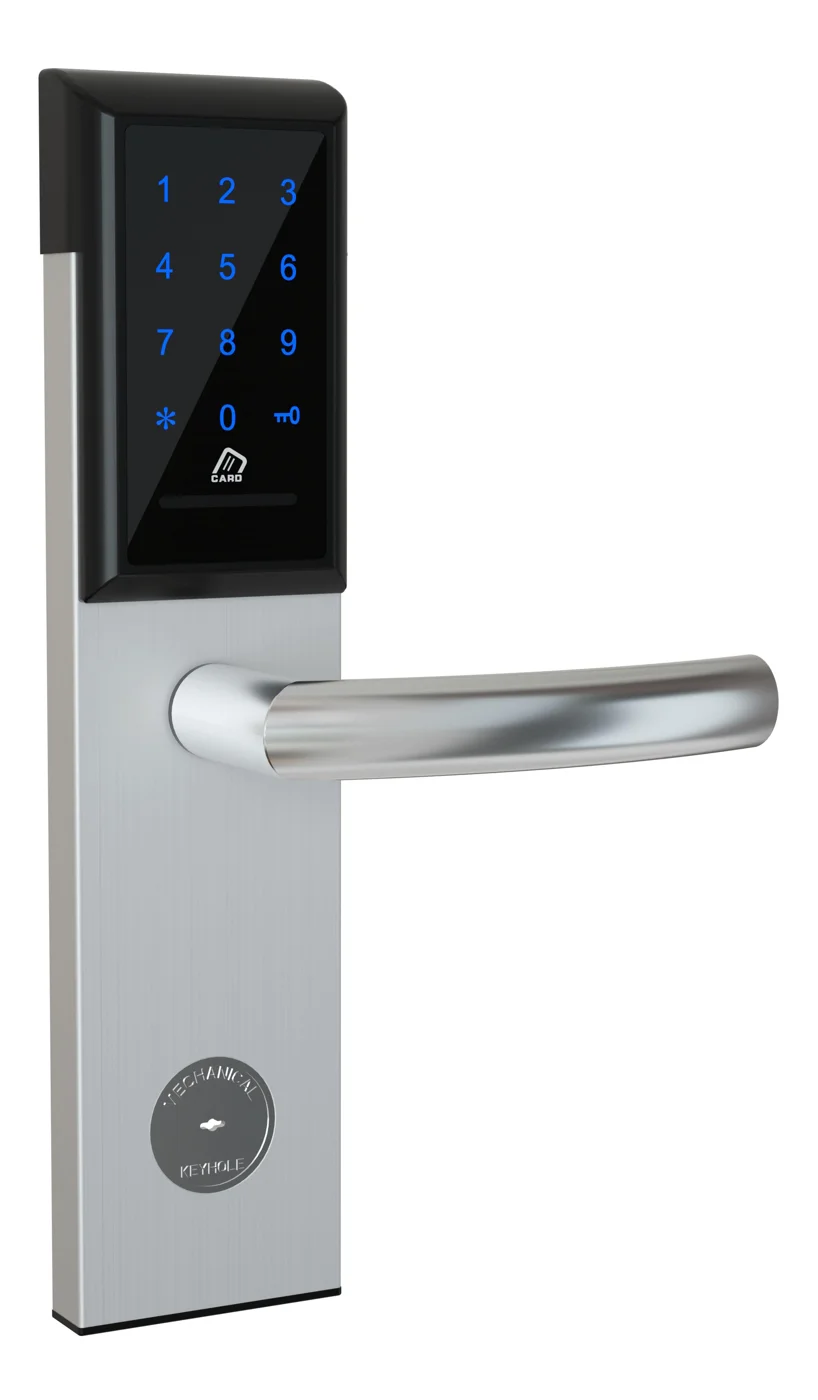
Office Cabinet Lock — PIN + Card for Filing & Pedestals
Offline PIN + card office cabinet lock for filing cabinets, pedestals, and drawers. Battery-powered 5-minute retrofit, no WiFi, no key management. CE/FCC/RoHS.
This page already points to it as the next recommended reference.
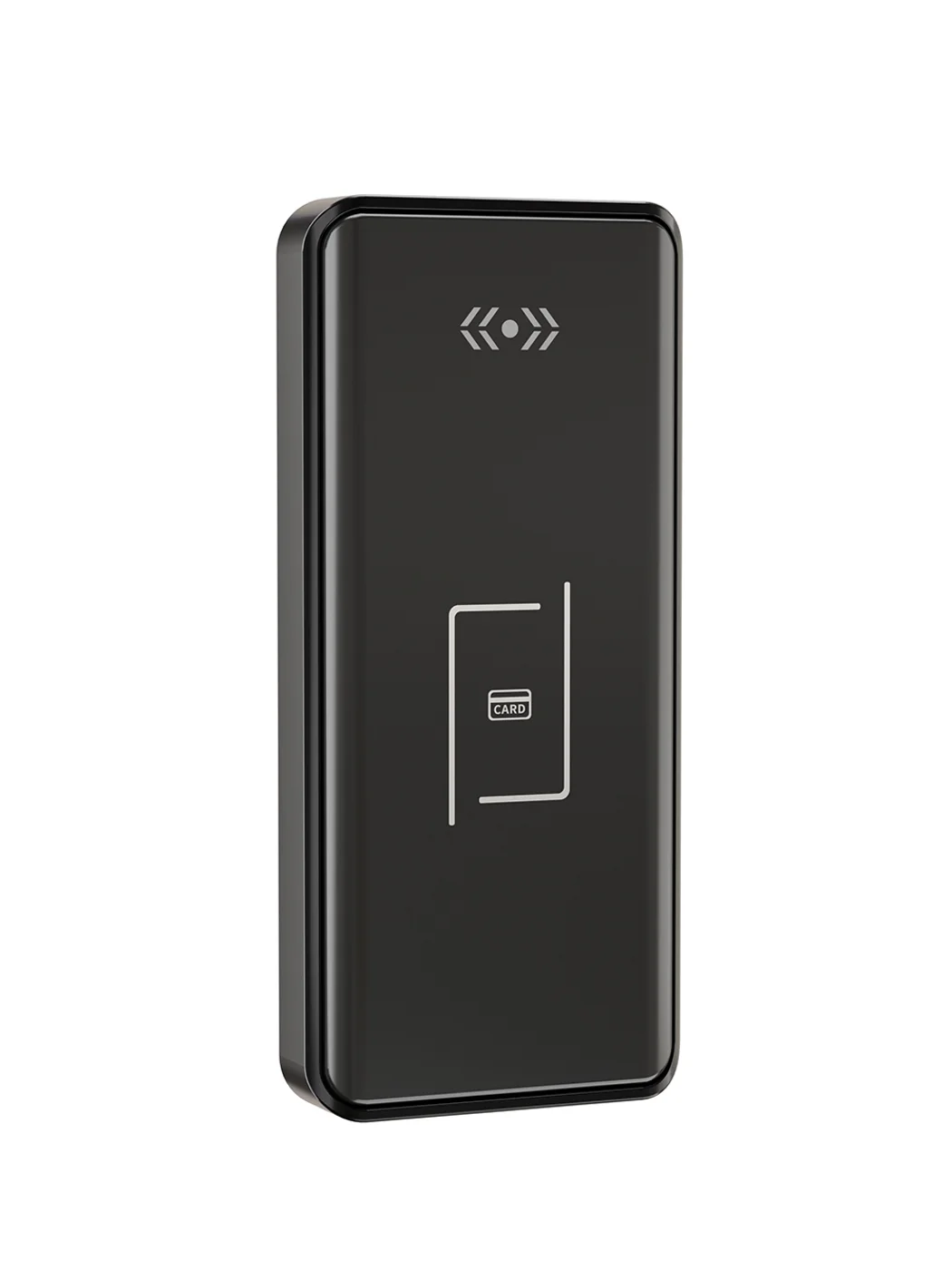
Gym Locker Lock — Offline Card, No WiFi Required
Offline card gym locker lock for fitness and pool lockers. MIFARE card, battery-powered 5-minute retrofit, no WiFi or server. Zinc alloy body, CE/FCC/RoHS.
This page already points to it as the next recommended reference.
Related blog posts
3
Mobile App Cabinet Lock: The Complete Guide to Smartphone-Controlled Cabinet Security
Discover how mobile app cabinet lock systems work. Explore BLE/Wi-Fi/NFC credentials, remote unlock, temporary codes, role-based access, cloud sync, security features, and deployment scenarios.
It supports the same product context: Smart Cabinet Lock — App-Managed, Multi-Site Dashboard, Office Cabinet Lock — PIN + Card for Filing & Pedestals, Gym Locker Lock — Offline Card, No WiFi Required.
MIFARE Cabinet Lock: Advanced Security Guide for MIFARE-Based Cabinet Access Systems
In-depth technical guide to MIFARE cabinet lock technology covering MIFARE Classic, Plus, DESFire, Ultralight variants, cryptographic security, installation, and multi-application smart card integration for cabinet access control.
It supports the same product context: Smart Cabinet Lock — App-Managed, Multi-Site Dashboard, Office Cabinet Lock — PIN + Card for Filing & Pedestals, Gym Locker Lock — Offline Card, No WiFi Required.
MIFARE Locker Lock: Definitive Guide to MIFARE-Based Smart Locker Security
Complete guide to MIFARE locker lock technology for gyms, schools, offices, and public facilities. Covers MIFARE Classic, Plus, DESFire variants, multi-user management, installation, networking, and smart locker ecosystem integration.
It supports the same product context: Gym Locker Lock — Offline Card, No WiFi Required.
Specify your cabinet lock project with our engineers
Send your locker count, cabinet type, and credential preference. We will return a sample plan and quote within 24 business hours.
- Move from general guidance into a product or application discussion.
- Use RFQ when pricing, drawings, MOQ, or launch timing needs structure.
- Keep a direct contact path visible for fast clarifications and handoff.