Keypad Cabinet Lock: The Complete Guide to Secure Electronic Access
A keypad cabinet lock authenticates users through a numeric PIN on a touch or membrane keypad; this guide explains how a keypad cabinet lock works, PIN management, lockout behavior, battery power, retrofit installation, and buying across keypad cabinet lock categories.
What Is a Keypad Cabinet Lock and How Does It Work
A keypad cabinet lock is an electronic locking mechanism designed to secure cabinets, drawers, lockers, and storage compartments using a numeric keypad for access control. Unlike traditional mechanical locks that require physical keys, a keypad cabinet lock uses electronic authentication where users enter a preset numeric code or PIN to unlock the cabinet. The fundamental operating principle behind a keypad cabinet lock is straightforward: an onboard microcontroller receives input from the keypad, compares the entered code against a stored value in memory, and activates a small motor or solenoid that retracts the locking bolt when the correct code is entered. This electronic approach to cabinet security has grown increasingly popular across residential, commercial, educational, and industrial settings because it eliminates the key management headaches associated with mechanical locks.
The core components of a typical keypad cabinet lock include the keypad interface on the exterior face, a control board with a microcontroller and memory chip, a power source that is usually a set of batteries or a wired connection, an actuator such as a micro-motor or solenoid, and a latch or bolt mechanism that physically secures the cabinet door. When a user presses the buttons on the keypad cabinet lock, the controller wakes from a low-power sleep state, registers each digit, and compares the full code sequence against the stored access code. If the codes match, the controller energizes the actuator, which pulls the bolt back for a brief window typically three to five seconds, allowing the cabinet door to be opened. If the entered code does not match, the keypad cabinet lock may flash an error indicator or emit a warning beep, and some advanced models lock out further attempts for a period after several consecutive incorrect entries.
Modern keypad cabinet lock models offer features that extend well beyond simple code matching. Many units support multiple user codes, allowing different individuals to have unique access credentials. Some keypad cabinet lock designs incorporate audit trail functionality, recording a timestamped log of every access attempt so that administrators can review who entered which cabinet and when. Tamper detection is another common feature: if someone attempts to pry open the cabinet or remove the keypad cabinet lock from the mounting surface, the lock can emit an audible alarm and log the event. Battery-powered keypad cabinet lock units typically include low-battery warning indicators, and many provide an external jump-start terminal so that even if the batteries die completely while the cabinet is locked, a temporary power source can be applied to the external contacts to power the lock long enough for an authorized code entry.
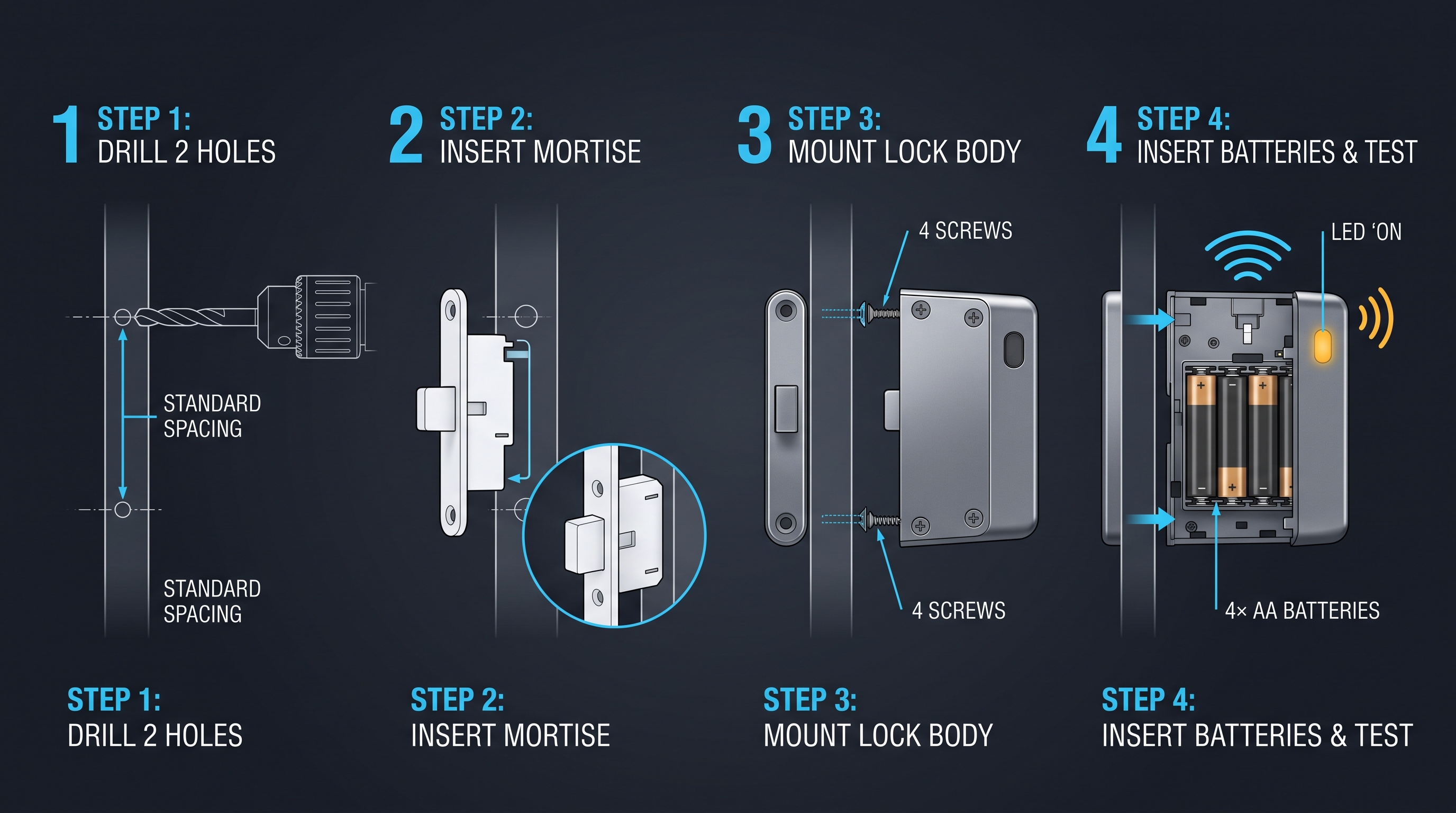
Installation of a keypad cabinet lock varies by model but generally involves drilling a hole or set of holes in the cabinet door or frame to accommodate the lock body and keypad assembly. Surface-mount keypad cabinet lock models sit on the exterior of the cabinet and are secured with screws from the inside, while flush-mount models require a cutout in the cabinet material so the keypad sits nearly level with the surface. Most keypad cabinet lock units are designed to fit standard cabinet materials including wood, metal, laminate, and composite panels with thicknesses ranging from roughly 10mm to 25mm. The locking bolt or cam is typically adjustable, allowing the keypad cabinet lock to accommodate different door-to-frame gaps and latch into various strike plate configurations.
Power management is a critical consideration for any battery-operated keypad cabinet lock. Most units run on standard AA or AAA alkaline batteries, with typical battery life ranging from six months to two years depending on usage frequency, the number of code entries per day, and whether the lock includes power-hungry features like Bluetooth connectivity or backlit keypads. Some keypad cabinet lock models are designed for hardwired power, connecting to a low-voltage DC supply, which eliminates battery replacement concerns but requires running wiring to each cabinet location. Hybrid models exist that use batteries for primary operation but can accept an external power source, providing flexibility for installations where wiring is impractical but extended battery life is still desired.
The security level of a keypad cabinet lock is generally measured by the number of possible code combinations, the physical strength of the locking mechanism, and the sophistication of any anti-tampering measures. A four-digit keypad cabinet lock offers 10,000 possible combinations, while a six-digit model provides one million. While this may seem high, the practical security also depends on whether users choose predictable codes and whether the lock enforces a lockout policy after repeated incorrect attempts. The physical robustness of the latch and bolt mechanism is equally important; a keypad cabinet lock with a weak latch can be defeated with a screwdriver regardless of how secure the electronic authentication is. Many keypad cabinet lock products are rated according to their holding force, typically measured in kilograms or pounds of force required to pull the door open against the locked bolt.
Key Benefits of Using a Keypad Cabinet Lock Over Traditional Locks
The primary advantage of a keypad cabinet lock over a traditional mechanical lock is the elimination of physical keys. Physical keys create multiple operational problems: they can be lost, stolen, duplicated without authorization, or worn down over time until they no longer operate the lock correctly. With a keypad cabinet lock, there is no physical key to lose or manage. Access is granted based on knowledge of a code, and that code can be changed at any time without needing to rekey the lock or replace hardware. This keyless nature makes a keypad cabinet lock ideal for environments where multiple people need access to the same cabinet but turnover or changing access requirements make key distribution impractical.
Audit capability is a transformative benefit of a keypad cabinet lock that mechanical locks simply cannot provide. With a traditional lock and key, there is no record of who opened the cabinet or when. A keypad cabinet lock with audit trail functionality stores a log of every access event, including the user code used, the date and time, and often whether the access was successful or denied. In environments like medical facilities where controlled substances must be tracked, or corporate settings where sensitive documents are stored, this audit capability of a keypad cabinet lock provides accountability that is essential for compliance with regulations and internal policies. Administrators can periodically download or review the audit log to identify unusual access patterns or potential security breaches.
Flexible access management is another significant advantage of a keypad cabinet lock. Administrators can create, modify, and delete user codes through a programming interface on the lock itself or, in more advanced models, through software connected via USB or wirelessly. This means that when an employee leaves an organization or a student graduates, their access can be revoked instantly without needing to collect physical keys or worry about unauthorized copies. Temporary codes can be created with a keypad cabinet lock for contractors, visitors, or temporary staff, with the codes set to expire after a specific time or number of uses. Some keypad cabinet lock models support hierarchical code structures, where a master code can open all locks in a facility while individual user codes are restricted to specific cabinets.
The convenience factor of a keypad cabinet lock extends to everyday use scenarios. Users do not need to carry a key, remember which key goes to which cabinet, or fumble with a keyring while holding items they want to place in or remove from the cabinet. A quick entry of a four to eight digit code on the keypad cabinet lock and the cabinet opens. This speed and convenience are particularly valued in fast-paced environments like hospital nursing stations, retail stockrooms, and shared office spaces where time spent dealing with keys adds up over the course of a day. Additionally, a keypad cabinet lock can often be operated with one hand, which is useful when the other hand is occupied.
Enhanced security through code complexity and electronic hardening is an inherent benefit of a keypad cabinet lock. While a mechanical lock's security depends on the number of pin tumblers and the difficulty of picking or bumping the lock, a keypad cabinet lock's security depends on code length, lockout policies, and electronic safeguards. A well-designed keypad cabinet lock can lock out after a set number of incorrect attempts, making brute-force attacks impractical. Some models include features like duress codes that trigger a silent alarm, or one-time use codes that self-destruct after a single use. The electronic nature of a keypad cabinet lock also enables integration with broader security systems, such as building access control systems that can remotely lock or unlock cabinets based on security events.
Cost-effectiveness over the lifetime of the lock is a benefit of a keypad cabinet lock that may not be immediately obvious. While the upfront cost of a keypad cabinet lock is generally higher than a basic mechanical cabinet lock, the total cost of ownership can be lower when factoring in the elimination of key duplication costs, the time saved by not managing physical keys, the reduced need for lock replacement due to lost keys or rekeying, and the audit capabilities that can prevent loss or theft. For organizations with dozens or hundreds of cabinets, the administrative savings alone from switching to a keypad cabinet lock system can justify the investment within the first year or two of operation.
Aesthetic and design integration is an often-overlooked benefit of a keypad cabinet lock. Modern keypad cabinet lock designs are sleek and low-profile, available in finishes including matte black, brushed stainless steel, chrome, and white to complement contemporary cabinet hardware. The electronic interface of a keypad cabinet lock can include subtle LED backlighting that activates when touched, creating a premium, high-tech appearance that is valued in upscale residential settings, modern office environments, and retail displays. Unlike a traditional keyhole that can look utilitarian or dated, a keypad cabinet lock contributes to a clean, modern aesthetic.
Types of Keypad Cabinet Lock Systems Available on the Market
The market for keypad cabinet lock products has diversified significantly, offering a range of types to suit different applications, security requirements, and budgets. Understanding the different categories of keypad cabinet lock systems is essential for selecting the right product for a given application.
Standalone keypad cabinet lock units are the most common and simplest type. These are self-contained electronic locks that operate independently without any connection to a network or external system. Programming of codes is done directly on the keypad cabinet lock itself, usually by entering a programming mode through a master code or a physical programming button located on the interior of the lock. Standalone keypad cabinet lock models are battery-powered in most cases, making them easy to install in any location without running wires. They are ideal for residential use, small offices, and any application where a small number of locks are used and centralized management is not required. The simplicity of standalone keypad cabinet lock systems means lower cost and fewer points of failure, but it also means that managing codes across multiple locks requires physically visiting each unit.
Bluetooth-enabled keypad cabinet lock systems add wireless connectivity to the keypad cabinet lock, allowing programming and management through a smartphone app. With a Bluetooth keypad cabinet lock, administrators can add or remove user codes, view audit trails, set time-restricted access schedules, and configure security settings all from a mobile device without needing to touch the lock itself. The Bluetooth keypad cabinet lock typically maintains the same physical keypad interface for everyday unlocking, but the app provides a more convenient administrative interface and may also allow the phone itself to act as a credential for unlocking via app tap or proximity detection. These keypad cabinet lock models are more expensive than standalone units but offer dramatically improved manageability, especially for installations with more than a handful of locks.
Networked and WiFi-connected keypad cabinet lock systems represent the high end of the market. A WiFi cabinet lock or networked keypad cabinet lock connects to a building's wireless network, enabling real-time remote management from anywhere with internet access. Administrators can lock or unlock cabinets remotely, receive instant alerts for unauthorized access attempts or tampering, and integrate the keypad cabinet lock with broader building management and security systems through APIs. Networked keypad cabinet lock systems typically require more complex installation, a gateway or hub device, and ongoing network infrastructure, making them best suited for large commercial installations, healthcare facilities, universities, and data centers where centralized control over hundreds or thousands of cabinets is needed.
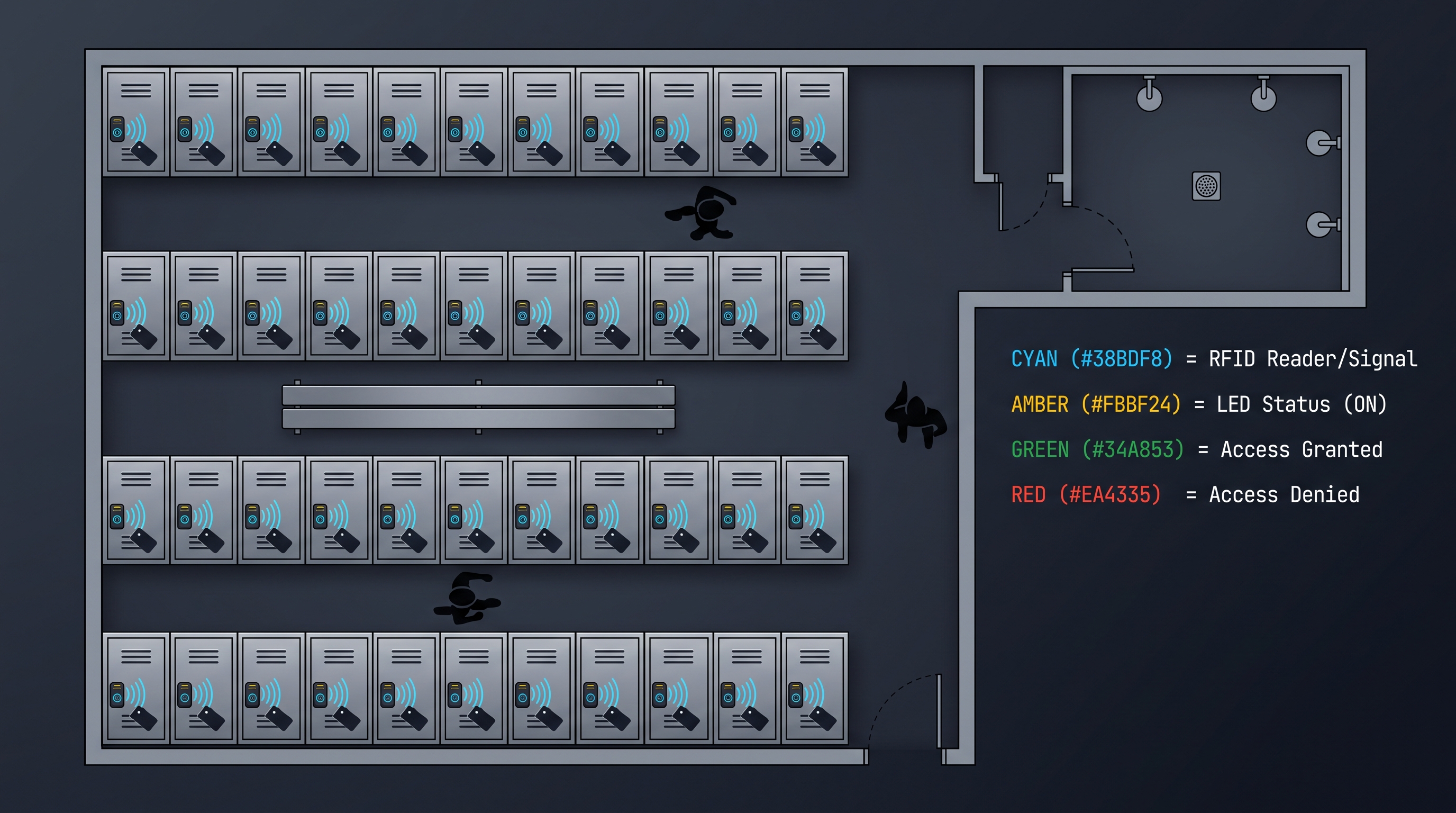
RFID and multi-credential keypad cabinet lock models combine a keypad with an RFID card reader, allowing users to unlock the cabinet using either a PIN code or a proximity card or fob. This hybrid approach provides flexibility: some users may prefer to carry a card while others prefer to memorize a code. The RFID keypad cabinet lock is particularly popular in corporate environments where employees already carry RFID badges for building access, and the same badge can be programmed to open assigned cabinets. Some multi-credential keypad cabinet lock models also support smartphone-based credentials using NFC, enabling a tap-to-unlock experience similar to contactless payment.
Biometric keypad cabinet lock systems incorporate a fingerprint sensor alongside or in place of a numeric keypad. The biometric keypad cabinet lock offers the highest level of user-specific accountability because a fingerprint cannot be shared or transferred like a code or card. These locks are typically found in high-security applications such as pharmaceutical storage, evidence rooms, and military facilities. The fingerprint keypad cabinet lock stores biometric templates rather than actual fingerprint images, addressing privacy concerns while providing positive identification of each user. Most biometric models retain a keypad as a backup access method or for administrative programming, making them a true keypad cabinet lock with enhanced biometric capability.
Heavy-duty and industrial keypad cabinet lock models are built for demanding environments where standard locks would fail. These keypad cabinet lock units feature reinforced metal housings, weather-resistant seals for outdoor or washdown environments, extended temperature tolerance for unconditioned spaces, and higher holding force ratings for securing heavy doors or valuable contents. Industrial keypad cabinet lock products are commonly used in utility cabinets, telecommunications enclosures, outdoor storage, and manufacturing settings where dust, moisture, vibration, and temperature extremes would quickly degrade a standard electronic lock.
Locker-specific keypad cabinet lock designs are optimized for the unique requirements of locker applications. A locker keypad cabinet lock must withstand frequent use in high-traffic environments like schools, gyms, and employee changing rooms. These keypad cabinet lock models often feature robust mechanical design with hardened latches, simplified user interfaces that are easy for non-technical users to understand, and features like auto-lock on door closure so that lockers are always secured when not in use. Many locker keypad cabinet lock products are designed as direct replacements for standard mechanical locker locks, fitting into the same cutout and mounting pattern for easy retrofitting.
Furniture-integrated keypad cabinet lock systems are designed to be built into office furniture, filing cabinets, and credenzas during manufacturing or as aftermarket upgrades. These hidden keypad cabinet lock units are often concealed within the furniture design, with only a slim keypad visible on the drawer face or cabinet edge. Furniture-integrated keypad cabinet lock models prioritize aesthetics and low-profile design, making them popular in executive offices, hotel guest room furniture, and high-end residential cabinetry where visible security hardware is undesirable.
Keypad Cabinet Lock Security Features and Technology Comparison
| Feature | Basic Standalone | Bluetooth-Enabled | WiFi-Networked | Biometric Hybrid |
|---|---|---|---|---|
| User Codes | 1-10 | 10-300 | Unlimited | 50-500 |
| Audit Trail | Optional | Full | Real-time | Full |
| Remote Management | No | App-based | Cloud/SaaS | App/Cloud |
| Code Length | 4-8 digits | 4-8 digits | 4-12 digits | 4-12 digits |
| Lockout Policy | Basic | Configurable | Advanced | Configurable |
| Tamper Alarm | Optional | Standard | Advanced | Standard |
| Power Source | Batteries | Batteries | Battery/Wired | Battery/Wired |
| Integration API | None | Limited | Full REST | Full REST |
| Price Range (USD) | $30-$100 | $80-$250 | $150-$500 | $200-$600 |
The security architecture of a keypad cabinet lock is built on several layers that work together to protect the cabinet contents. At the most basic level, the code authentication layer of a keypad cabinet lock ensures that only users who know a valid code can activate the unlocking mechanism. The strength of this layer depends on code length, the randomness of the codes selected, and the policies the keypad cabinet lock enforces around incorrect attempts. A keypad cabinet lock that allows unlimited attempts with no lockout period is significantly weaker than one that locks out for 30 seconds after three incorrect attempts and for five minutes after ten incorrect attempts.
Physical security is the foundational layer that a keypad cabinet lock cannot compromise on. The bolt or latch mechanism must be strong enough to resist forced entry attempts. The housing of the keypad cabinet lock itself must be tamper-resistant, preventing an attacker from removing the lock from the outside or accessing the internal electronics to bypass the authentication system. High-quality keypad cabinet lock models use zinc alloy or stainless steel housings, hardened steel bolts, and anti-pry shields that block common attack vectors. Some keypad cabinet lock products incorporate a relocker mechanism that automatically engages a secondary bolt if the primary lock housing is tampered with.
Electronic security in a keypad cabinet lock protects against more sophisticated attacks that target the lock's circuitry. Side-channel attacks that analyze power consumption or electromagnetic emissions to extract the access code are theoretically possible against poorly designed keypad cabinet lock electronics but are highly impractical in real-world scenarios. More relevant are protections against voltage injection attacks, where an attacker attempts to apply external voltage to the keypad cabinet lock terminals to bypass the microcontroller and directly activate the motor. Quality keypad cabinet lock designs include circuit-level protections such as optoisolators, voltage regulators with overvoltage protection, and encrypted communication between the keypad module and the lock controller.
The code management system of a keypad cabinet lock determines how codes are created, stored, modified, and deleted. In simple standalone keypad cabinet lock models, all programming is done through a series of button presses on the keypad itself, usually by entering a programming mode with a master code followed by command sequences to add or delete user codes. More advanced programmable keypad cabinet lock systems connect to a computer or mobile device for code management, offering a graphical interface that is far easier to use, especially when managing dozens of codes across multiple locks. The most sophisticated keypad cabinet lock management platforms are cloud-based, enabling administrators to manage codes across thousands of locks at multiple locations from a single web dashboard.
Power security is a unique consideration for a battery-operated keypad cabinet lock. The lock must never fail in an unlocked state due to power loss, which is the fail-secure design principle. When batteries in a keypad cabinet lock drop below a critical voltage threshold, the lock should remain locked and provide clear low-battery warnings well in advance of complete power loss. Most keypad cabinet lock models provide both audible and visual low-battery indicators for at least 30 days before the batteries are expected to fail. The external jump-start capability mentioned earlier is a critical safety net: it allows a 9V battery or similar power source to be touched to external contacts on the keypad cabinet lock face, providing enough power to enter a code and open the cabinet even if the internal batteries are completely dead.
Keypad Cabinet Lock Installation: Step-by-Step Guide
Installing a keypad cabinet lock is a project that most DIY-capable individuals can complete with basic tools, though the specific steps vary based on the lock model and the cabinet construction. Before beginning installation, verify that the keypad cabinet lock is compatible with your cabinet's material, thickness, and door configuration. Most keypad cabinet lock products specify a door thickness range, typically 10mm to 25mm for standard locks, with extended-range models available for thicker doors.
The first step in keypad cabinet lock installation is marking the mounting hole locations. Position the included template or the lock body itself against the cabinet door at the desired location, ensuring that the lock bolt will engage properly with the cabinet frame or strike plate. For a keypad cabinet lock that mounts through a single hole, mark the center point of the hole. For models requiring multiple holes for the keypad cable and mounting screws, mark all hole locations carefully. Use a center punch to create a small indentation at each mark to prevent the drill bit from wandering when starting the hole.
Drilling the holes is the most critical physical step in keypad cabinet lock installation. Use a hole saw or Forstner bit of the diameter specified in the keypad cabinet lock instructions for the main lock body hole. For wood cabinets, a standard wood hole saw works well. For metal cabinets, use a bi-metal hole saw or step drill bit, and apply cutting oil to reduce heat and extend bit life. Drill from the exterior face of the cabinet to ensure a clean entry hole on the visible surface. If the keypad cabinet lock requires a separate hole for the keypad ribbon cable, drill that hole at the specified diameter and location. After drilling, clean up any rough edges with sandpaper or a deburring tool to ensure the keypad cabinet lock sits flush against the cabinet surface.
Mounting the keypad cabinet lock body involves inserting the lock mechanism through the drilled hole from the inside of the cabinet door. The lock body typically has a threaded collar or mounting plate that secures it against the interior surface of the door. Feed any cables through their designated holes before tightening the mounting hardware. For a keypad cabinet lock with a separate keypad module, connect the ribbon cable or wiring harness between the keypad and the lock controller according to the manufacturer's pinout diagram, taking care to orient the connector correctly to avoid damaging the pins.
Attaching the keypad to the exterior face of the cabinet is the next major step. For adhesive-mounted keypad cabinet lock models, clean the cabinet surface thoroughly with the provided alcohol wipe or isopropyl alcohol to ensure strong adhesion, then peel the backing and press the keypad firmly into place over the mounting hole. For screw-mounted keypads, align the keypad over the hole, ensure the cable is not pinched, and secure with the provided screws. The keypad should sit flush and square on the cabinet surface. If the keypad cabinet lock includes a gasket or weather seal, ensure it is properly positioned to prevent dust and moisture ingress.
Installing the strike plate or catch completes the mechanical portion of keypad cabinet lock installation. Close the cabinet door and observe where the lock bolt contacts the cabinet frame. Mark the position for the strike plate, ensuring that the bolt will fully engage when the door is closed. For a keypad cabinet lock with a spring-loaded latch bolt, the strike plate must have a ramped edge that compresses the latch as the door closes, allowing the latch to spring into the strike opening. Drill pilot holes for the strike plate screws and secure the strike plate. Test the mechanical operation of the keypad cabinet lock by closing the door several times to verify smooth latch engagement and consistent locking.
Powering the keypad cabinet lock and performing initial programming follows the mechanical installation. Install fresh batteries of the type specified in the manual, observing correct polarity. Many keypad cabinet lock models emit a beep or flash an LED when batteries are first installed, indicating that the lock has powered on successfully. The first programming step is typically setting the master code or administrator code. Follow the keypad cabinet lock manufacturer's instructions to enter programming mode, usually by pressing a button on the interior of the lock or entering a default master code, then set a new master code that only authorized administrators will know. Next, add user codes as needed for all individuals who will be accessing the cabinet. Test each code to ensure it unlocks the keypad cabinet lock reliably, and test that incorrect codes are properly rejected.
Final configuration of advanced features completes the keypad cabinet lock installation. Set the auto-relock timer, which determines how long the keypad cabinet lock remains unlocked after a successful code entry before automatically locking again. Configure the wrong-code lockout policy if the feature is supported and desired. Enable or disable audible feedback beeps based on the environment where the lock is installed; a library or quiet office may warrant silent operation while a noisy industrial environment may benefit from audible confirmation. For Bluetooth or WiFi enabled keypad cabinet lock models, pair the lock with the companion app and configure remote management features. Once all settings are configured, test the keypad cabinet lock thoroughly from both the user and administrator perspectives before putting it into regular service.
Common Applications and Use Cases for Keypad Cabinet Lock Systems
The versatility of a keypad cabinet lock makes it suitable for an extraordinarily wide range of applications spanning residential, commercial, institutional, and industrial settings. Understanding where and how a keypad cabinet lock is being used helps inform product selection and feature prioritization.
In healthcare environments, a keypad cabinet lock is critical for securing medication cabinets, supply carts, and patient record storage. Hospitals and clinics must comply with strict regulations governing controlled substance storage, and a keypad cabinet lock with audit trail capability provides the accountability trail that regulators require. Nursing stations often use a keypad cabinet lock on medication carts that travel between patient rooms, enabling nurses to quickly access medications while maintaining security and logging every access event. The rapid code entry of a keypad cabinet lock is essential in emergency situations where seconds count, and the ability to change codes instantly when staff changes occur eliminates the security gap that would exist while physical keys are collected and redistributed.
Educational institutions from elementary schools through universities deploy keypad cabinet lock systems extensively. Teachers use a keypad cabinet lock on classroom supply cabinets to prevent unauthorized access to expensive equipment like tablets, microscopes, and audiovisual gear. University laboratories secure hazardous chemicals, sensitive research materials, and valuable instruments behind a keypad cabinet lock that allows access to multiple authorized researchers while keeping others out. Student lockers in middle and high schools increasingly feature a keypad cabinet lock or locker lock system that eliminates the perennial problem of lost locker keys and combinations written on scraps of paper. In administrative offices, a keypad cabinet lock secures student records, testing materials, and confidential files in compliance with privacy regulations.
Corporate and office environments represent one of the largest markets for keypad cabinet lock products. File cabinets containing sensitive personnel records, financial documents, and proprietary business information are secured with a keypad cabinet lock instead of easily lost cabinet keys. Shared workspaces and hot-desking arrangements benefit from a keypad cabinet lock on personal storage lockers, allowing employees to securely store belongings without carrying a key throughout the day. IT departments use a keypad cabinet lock on server rack cabinets and network equipment enclosures to control physical access to critical infrastructure, often integrating the keypad cabinet lock with the building access control system for unified security management. Executive offices frequently feature a keypad cabinet lock on credenzas, wet bars, and personal storage to provide convenient security without visible keyholes.
Retail and hospitality applications for a keypad cabinet lock are extensive. High-end retail stores use a keypad cabinet lock on display cases for jewelry, watches, and electronics, giving sales staff quick access for customer presentations while securing merchandise when the case is unattended. Back-of-house stockrooms use a keypad cabinet lock on inventory cabinets to track which employees accessed which stock and when, providing accountability that helps reduce shrinkage. Hotels install a keypad cabinet lock on in-room safes, minibar cabinets, and housekeeping supply closets. Restaurant managers use a keypad cabinet lock on liquor cabinets and cash storage to prevent employee theft while maintaining easy access for authorized staff during operating hours.
Residential applications of a keypad cabinet lock have grown rapidly as smart home technology has become mainstream. Homeowners use a keypad cabinet lock on medicine cabinets to prevent children from accessing medications, on gun safes and weapon storage cabinets for responsible firearm security, on liquor cabinets to monitor and restrict access, and on home office file cabinets for document security. The convenience of a keypad cabinet lock resonates strongly with residential users who may access a cabinet multiple times per day and do not want to carry a key around the house. Home workshops and garages benefit from a keypad cabinet lock on tool cabinets, paint and chemical storage, and valuable equipment storage, especially in homes with curious children.
Industrial and manufacturing settings require a keypad cabinet lock that can withstand harsh conditions while maintaining reliable security. Factory floors use a keypad cabinet lock on tool cribs and parts storage to control access to expensive tooling and maintain accountability for consumables. Utility companies install a keypad cabinet lock on equipment cabinets at substations, water treatment plants, and telecommunications sites to secure critical infrastructure while providing access to authorized technicians without distributing physical keys that could be lost or stolen in the field. Food processing facilities use a keypad cabinet lock with washdown ratings on ingredient storage and sanitation chemical cabinets, controlling access to sensitive materials while withstanding regular cleaning with water and chemicals.
Government and military applications demand the highest level of security from a keypad cabinet lock. Classified document storage, evidence rooms, armories, and communications equipment cabinets are secured with a keypad cabinet lock that meets stringent government security standards. The audit trail capability of a keypad cabinet lock is non-negotiable in these applications, as every access must be recorded and attributable to a specific individual. Biometric multi-credential keypad cabinet lock systems are common in these environments, combining a fingerprint or smart card with a PIN for two-factor authentication that significantly raises the security bar beyond what a simple code entry provides.
Maintenance and Troubleshooting for Keypad Cabinet Lock Devices
Proper maintenance of a keypad cabinet lock ensures reliable operation over years of service and prevents the inconvenience and potential security risk of a lock failure. The most important and frequent maintenance task for any keypad cabinet lock is battery replacement. Most keypad cabinet lock manufacturers recommend replacing batteries annually, regardless of the reported charge level, as a preventive measure. When a keypad cabinet lock begins emitting low-battery warnings through beeps or flashing LEDs, replace the batteries promptly rather than waiting for them to fail completely. Always use high-quality alkaline batteries from a trusted brand; cheap batteries are more prone to leakage, which can damage the keypad cabinet lock's internal electronics beyond repair.
Cleaning the keypad cabinet lock is important for both hygiene and reliable operation. The keypad surface accumulates oils from fingers, dirt, and dust over time, which can make buttons less responsive or wear away the printed numbers on the keys. Clean the keypad of a keypad cabinet lock regularly with a soft, slightly damp cloth. Avoid using harsh cleaning chemicals, abrasive cleaners, or excessive water, as these can damage the keypad membrane, seep into the lock housing, and cause electronic failure. For keypad cabinet lock models installed in healthcare or food service environments where disinfection is required, check the manufacturer's guidance on compatible cleaning agents, as some locks are rated for exposure to specific disinfectants.
Mechanical maintenance of a keypad cabinet lock involves checking and, if necessary, adjusting the bolt alignment and strike plate position. Over time, cabinet doors can sag on their hinges, causing the lock bolt to misalign with the strike plate. If a keypad cabinet lock begins to bind, requires extra force to lock, or fails to latch consistently, check the door alignment first. Tightening hinge screws or adding shims behind hinges can often correct the alignment issue. Lubricate the bolt mechanism of a keypad cabinet lock sparingly with a dry lubricant such as graphite powder or a PTFE-based lubricant; avoid oil-based lubricants that can attract dust and gum up the mechanism over time.
Firmware updates are an increasingly common maintenance task for advanced keypad cabinet lock models with Bluetooth or WiFi connectivity. Manufacturers release firmware updates to fix bugs, patch security vulnerabilities, and add new features. Check the manufacturer's app or website periodically for keypad cabinet lock firmware updates and apply them according to the provided instructions, which typically involve connecting to the lock via Bluetooth or WiFi and initiating the update from a smartphone or computer. Keeping a keypad cabinet lock's firmware current is important for maintaining security, as vulnerabilities in the lock's software could potentially be exploited to bypass the electronic authentication.
Common troubleshooting scenarios for a keypad cabinet lock include situations where the lock does not respond to code entry, the motor activates but the bolt does not retract, or the lock beeps or flashes an error pattern. If a keypad cabinet lock fails to respond to any button presses, the batteries are the first thing to check. Even if the lock was working recently, dead batteries are the most common cause of an unresponsive keypad cabinet lock. Try the external jump-start procedure if the lock supports it, or replace the batteries with fresh ones. If the keypad cabinet lock remains unresponsive after battery replacement, check the battery contacts for corrosion; clean them with a cotton swab and isopropyl alcohol if needed, and ensure the contacts are making firm connection with the battery terminals.
When a keypad cabinet lock beeps and the motor activates but the bolt does not retract enough to open the door, the issue is typically mechanical rather than electronic. Check whether the bolt is binding against the strike plate. Open the cabinet if possible through another door or by removing the hinge pins, then observe the bolt operation while entering a code on the keypad cabinet lock. If the bolt moves freely when the door is open but binds when closed, the strike plate needs adjustment. If the bolt does not move at all despite the motor sound, the motor or gear train may be damaged and the keypad cabinet lock may need to be replaced.
Error beep patterns on a keypad cabinet lock are diagnostic indicators that vary by manufacturer but typically convey specific information. A single long beep after code entry usually indicates an incorrect code. A series of rapid beeps may indicate a low battery warning or that the lock is in lockout mode after too many incorrect attempts. A continuous alarm tone typically indicates tamper detection has been triggered. Consult the keypad cabinet lock user manual for the specific error codes and their meanings for your model. If a keypad cabinet lock enters a persistent error state that cannot be cleared by removing and reinstalling the batteries or performing a factory reset, contact the manufacturer's technical support for guidance.
Smart Keypad Cabinet Lock Integration and Advanced Features
The evolution of the keypad cabinet lock from a simple standalone electronic lock to a connected smart device has unlocked powerful capabilities that transform how organizations manage cabinet security. Modern smart keypad cabinet lock systems integrate with building management platforms, access control systems, and enterprise IT infrastructure to create a unified security ecosystem. Understanding these integration capabilities helps in selecting a keypad cabinet lock that will meet both current needs and future expansion requirements.
Cloud-based management platforms represent the cutting edge of keypad cabinet lock administration. Rather than programming each lock individually by pressing buttons on the keypad, administrators use a web dashboard or desktop application to manage all keypad cabinet lock units across an entire organization from a single interface. New user codes can be pushed to multiple locks simultaneously with a few clicks. When an employee departs, their access can be revoked across every keypad cabinet lock they had access to in seconds rather than hours of walking the facility and manually deleting codes. The cloud-managed keypad cabinet lock approach also provides centralized audit logging, real-time status monitoring, and automated alerting for events such as low battery, tamper attempts, or doors left ajar beyond a configured timeout.
API integration enables a keypad cabinet lock to communicate programmatically with other software systems. A keypad cabinet lock with a well-documented REST API can be integrated into custom applications, building automation systems, and enterprise resource planning software. For example, a laboratory information management system could automatically unlock a keypad cabinet lock on a sample storage cabinet when a technician is assigned to process a specific sample, then relock it when the work order is completed. A hotel property management system could program a keypad cabinet lock on in-room cabinets with a code that matches the guest's room key, automatically expiring the code at checkout. The API-enabled keypad cabinet lock becomes a component in a larger automated workflow rather than an isolated security device.
Time-based access control is an advanced feature that allows a keypad cabinet lock to enforce access schedules. A keypad cabinet lock with a real-time clock can be configured to only accept certain user codes during specified time windows. Cleaning staff codes might only work between 6 PM and 10 PM on weekdays. Temporary contractor codes might be valid only for the duration of a specific project. A keypad cabinet lock in a school might restrict student locker access to school hours only. The time-based access feature adds a layer of policy enforcement that goes beyond simply knowing a code, ensuring that the keypad cabinet lock serves as a true policy enforcement point.
Integration with existing RFID card systems is valuable for organizations that have already invested in proximity card or smart card infrastructure for building access. A multi-credential keypad cabinet lock can be programmed to accept the same cards that employees use to enter the building, eliminating the need for users to remember separate codes for cabinets. The keypad cabinet lock in this configuration serves dual roles: the keypad is available for users who do not have a card or as a backup access method, while most users simply tap their existing badge for quick access. Card-based access through a keypad cabinet lock also simplifies administration, as the same card management system that controls building access can be used to manage cabinet access.
Mobile credential support is the newest frontier in keypad cabinet lock access technology. Instead of entering a code or presenting a physical card, users can unlock a keypad cabinet lock using their smartphone. The phone communicates with the keypad cabinet lock via Bluetooth, NFC, or WiFi, transmitting a cryptographically secured credential that identifies the user. Mobile credentials offer several advantages: users almost always have their phone with them, phones can require biometric authentication such as fingerprint or face recognition before transmitting the credential, and mobile credentials can be issued, revoked, and updated remotely without any physical interaction with the user or the keypad cabinet lock. As smartphones have become nearly universal, mobile credential support in a keypad cabinet lock is transitioning from a novelty feature to an expected capability.
Energy harvesting and alternative power technologies are beginning to appear in next-generation keypad cabinet lock designs. Some experimental keypad cabinet lock models incorporate small solar panels to trickle-charge the batteries, extending battery life or potentially eliminating battery replacement entirely in well-lit locations. Piezoelectric energy harvesting, which generates small amounts of electricity from the mechanical motion of pressing the keypad buttons or opening the cabinet door, is another research direction for self-powered keypad cabinet lock systems. While not yet mainstream, these technologies point toward a future where the keypad cabinet lock's power concerns are greatly reduced or eliminated.
Choosing the Right Keypad Cabinet Lock for Your Needs
Selecting the appropriate keypad cabinet lock from the wide variety of available options requires systematically evaluating your requirements across multiple dimensions. Making the right choice ensures that the keypad cabinet lock provides adequate security, convenient access, and reliable operation without paying for unnecessary features or discovering missing capabilities after installation.
The security level required is the first and most important factor in keypad cabinet lock selection. What is being protected, and what is the likely threat? A keypad cabinet lock securing paper clips in an office supply cabinet has very different security requirements than a keypad cabinet lock securing narcotics in a hospital or classified documents in a government facility. For high-security applications, look for a keypad cabinet lock with a hardened steel bolt, tamper detection and alarm, a long minimum code length with lockout after a small number of incorrect attempts, multi-credential support for two-factor authentication, and full audit trail capability. For low-security applications, a basic standalone keypad cabinet lock with a four-digit code and a simple spring latch may be entirely adequate.
The number of users who will need access to the keypad cabinet lock is a critical specification to check. Basic standalone keypad cabinet lock models may support only one to ten user codes, which is sufficient for a private office cabinet accessed by one or two people but completely inadequate for a shared supply cabinet in a department of fifty employees. Mid-range keypad cabinet lock products typically support 50 to 300 user codes. High-end networked keypad cabinet lock systems can support thousands of users with individual credentials. Count the maximum number of people who might ever need access to the cabinet over the expected lifetime of the keypad cabinet lock, and add a buffer for temporary users, contractors, and growth.
The physical environment where the keypad cabinet lock will be installed determines important specifications. Indoor office environments are the least demanding, and nearly any keypad cabinet lock will function reliably. Outdoor or semi-outdoor installations require a keypad cabinet lock with weather sealing, an IP rating of at least IP54 for rain resistance, and extended temperature tolerance for seasonal extremes. High-humidity environments like pool areas, commercial kitchens, and certain industrial processes demand a keypad cabinet lock with corrosion-resistant materials and sealed electronics. Dusty environments like woodworking shops and cement plants can foul the keypad and mechanism of an unsealed keypad cabinet lock, requiring a model with dust protection. Environments where the keypad cabinet lock will be exposed to cleaning chemicals, disinfectants, or solvents need a lock with chemical-resistant construction and sealed keypad.
The cabinet construction and door configuration affect which keypad cabinet lock models are physically compatible. Measure the door thickness; most keypad cabinet lock units fit doors between 10mm and 25mm thick, but some cabinets have thicker doors that require an extended-reach model. Determine whether the cabinet is framed or frameless, as the strike plate mounting varies between these configurations. For glass-fronted cabinets, a surface-mount keypad cabinet lock may be the only option, as drilling glass for a flush-mount lock is generally not practical. For metal cabinets, verify that the keypad cabinet lock mounting pattern can be accommodated; some thin metal cabinets may need a reinforcement plate to prevent the lock from pulling through under force.
Management and administration requirements should guide the choice between a standalone keypad cabinet lock and a connected model. If you are managing one or two locks and the users never change, a simple standalone keypad cabinet lock programmed directly at the keypad is the most cost-effective choice. If you are managing ten or more locks, have users who change frequently, or need audit trail data accessible without visiting each lock, a Bluetooth-connected keypad cabinet lock that can be managed from a smartphone app is the practical minimum. If you are managing locks across multiple locations, need real-time monitoring and alerts, or must integrate with other security or business systems, a WiFi-connected keypad cabinet lock with cloud management is the appropriate choice, despite the higher cost and installation complexity.
Budget considerations for a keypad cabinet lock should account for total cost of ownership, not just the purchase price. A basic standalone keypad cabinet lock might cost $40 to $80, while a fully featured networked model might cost $200 to $500 or more. However, the cheaper lock may require more administrative labor for code management, lack the audit trail needed for compliance, and be more likely to need replacement if access requirements change. For commercial and institutional applications, the labor savings from a centrally managed keypad cabinet lock system often recover the higher hardware cost within the first year. For residential or very small business applications, a simple standalone keypad cabinet lock provides excellent value and functionality that meets the use case.
The Future of Keypad Cabinet Lock Technology
The trajectory of keypad cabinet lock development points toward increasing connectivity, intelligence, and integration with the broader Internet of Things ecosystem. Several emerging technologies and trends are shaping the next generation of keypad cabinet lock products, and understanding these directions helps in making a purchasing decision that will not be obsolete within a few years.
Artificial intelligence and machine learning are beginning to influence keypad cabinet lock design. Future smart keypad cabinet lock systems may use AI to analyze access patterns and identify anomalies that could indicate security breaches, such as a user code being used at unusual hours, in an unexpected sequence of cabinet accesses, or from a location pattern that does not match the user's normal behavior. A keypad cabinet lock with onboard intelligence could automatically adjust its security posture based on threat context, perhaps requiring two-factor authentication during overnight hours or when a heightened security alert has been issued for the facility.
Voice control integration is an emerging capability for smart home and smart office keypad cabinet lock products. While voice commands would not typically be the primary unlocking method due to security concerns about spoken codes being overheard, voice assistants could be used for status queries, such as asking whether all keypad cabinet lock units in the house are currently locked, or for administrative functions like adding temporary guest access. A voice-integrated keypad cabinet lock would operate within the existing smart home ecosystems like Amazon Alexa, Google Assistant, and Apple HomeKit.
Ultra-wideband technology for precise location sensing promises to enable a keypad cabinet lock that knows exactly when an authorized user is approaching and can unlock automatically without any deliberate action from the user. Unlike Bluetooth, which provides only approximate proximity, UWB can determine the precise distance and direction of a user's smartphone or wearable device relative to the keypad cabinet lock, enabling a seamless hands-free unlocking experience that still maintains security by requiring the authorized device to be within a very short range, such as 30 centimeters.
Sustainable and eco-friendly keypad cabinet lock design is an emerging consideration as organizations and consumers place increasing emphasis on environmental impact. Manufacturers are exploring recyclable and biodegradable materials for keypad cabinet lock housings, reducing electronic waste through modular designs that allow individual components to be replaced rather than discarding the entire lock, and improving energy efficiency to extend battery life and reduce battery waste. A solar-powered or energy-harvesting keypad cabinet lock that never needs batteries would represent a significant sustainability advancement.
Standardization and interoperability are gradually improving in the keypad cabinet lock industry. Historically, each manufacturer's keypad cabinet lock used proprietary protocols and management software, creating vendor lock-in and complicating multi-vendor deployments. Industry initiatives are working toward standard communication protocols and management APIs for electronic locks, which would allow a keypad cabinet lock from one manufacturer to be managed by another manufacturer's software platform, or for a building management system to control keypad cabinet lock units from multiple vendors through a single standardized interface.
Enhanced cybersecurity will be a critical focus area for connected keypad cabinet lock development. As more locks gain WiFi and cloud connectivity, the attack surface expands, and the consequences of a security breach become more severe. Future keypad cabinet lock designs will need to incorporate hardware security modules for secure key storage, regular over-the-air security patches, certificate-based authentication rather than simple passwords, and penetration testing as part of the development process. Industry-specific security certifications for keypad cabinet lock products, similar to the security ratings for smart cards and payment terminals, may emerge to give buyers confidence in the cybersecurity posture of the locks they deploy.
Biometric advancements beyond fingerprint recognition are on the horizon for keypad cabinet lock products. Vein pattern recognition, which reads the unique pattern of veins in a user's finger or palm, offers greater security than fingerprint scanning because vein patterns are internal and cannot be lifted from a surface like fingerprints. Iris recognition at close range could be integrated into a keypad cabinet lock for hands-free, high-security authentication. Behavioral biometrics, which authenticate users based on the unique way they type a code on the keypad cabinet lock including timing between key presses and pressure applied, could add a passive layer of authentication that operates in the background of every code entry.
Modular and upgradable keypad cabinet lock designs are emerging as a response to the rapid pace of technological change. Rather than replacing an entire lock when new features become available, a modular keypad cabinet lock would allow the communications module to be upgraded from Bluetooth to WiFi, or the credential reader to be upgraded from basic RFID to support the latest smart card standards, while the core lock mechanism remains in place. This approach extends the useful life of the keypad cabinet lock hardware and reduces the total cost of staying current with security technology.
Footer: Copyright 2026. This comprehensive guide to the keypad cabinet lock category covers technology, installation, security, applications, maintenance, and future trends. For specific product recommendations or installation support, consult a qualified security professional or the keypad cabinet lock manufacturer directly. All information is provided for general educational purposes.
Not sure which lock fits your lockers?
Talk to our lock engineers about credentials, battery life, and retrofit fit — no obligation.
Related cabinet lock resources
Compare lock types, check installation guides, and download the product catalog
Related products
3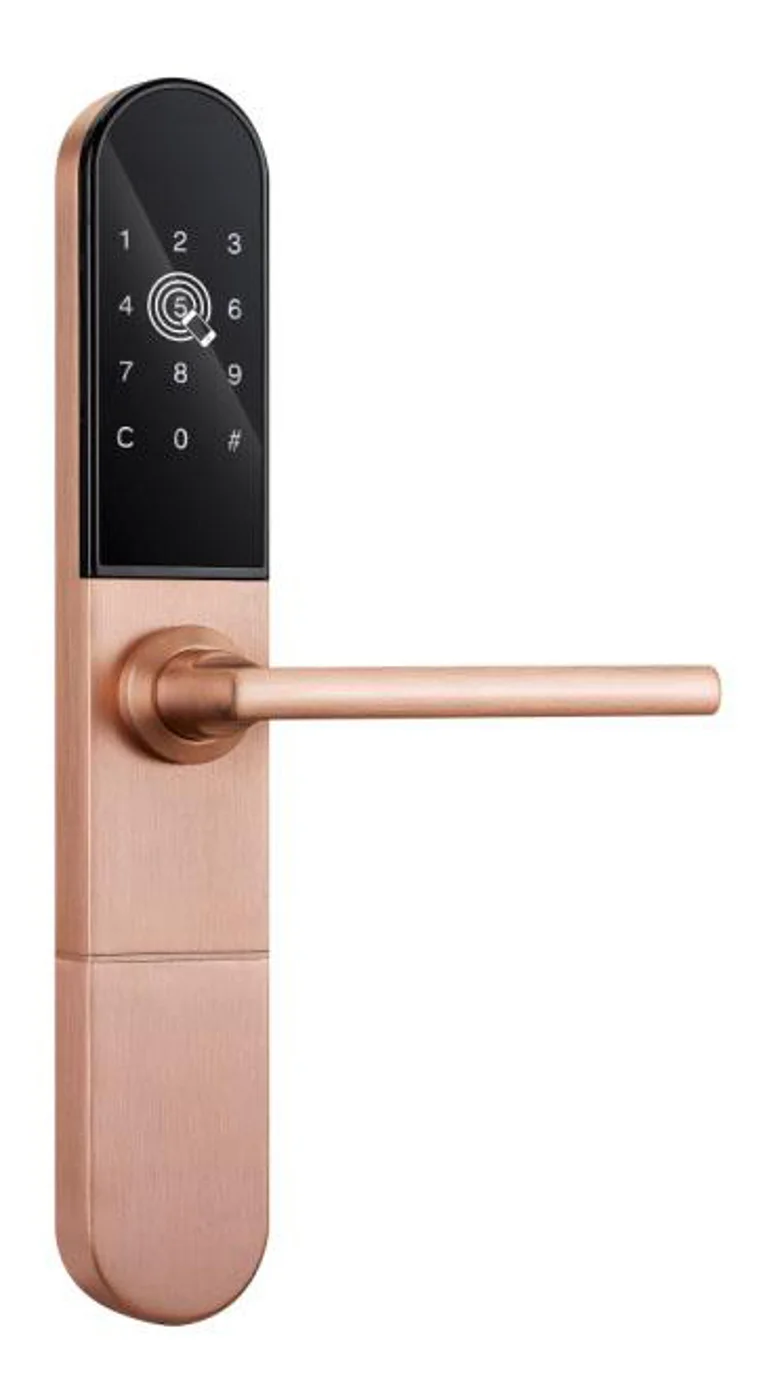
Smart Cabinet Lock — App-Managed, Multi-Site Dashboard
App-managed smart cabinet lock for office, parcel, and multi-site fleets. BLE app dashboard, audit trail, remote unlock, no per-lock server. Higher-tier chassis.
This page already points to it as the next recommended reference.
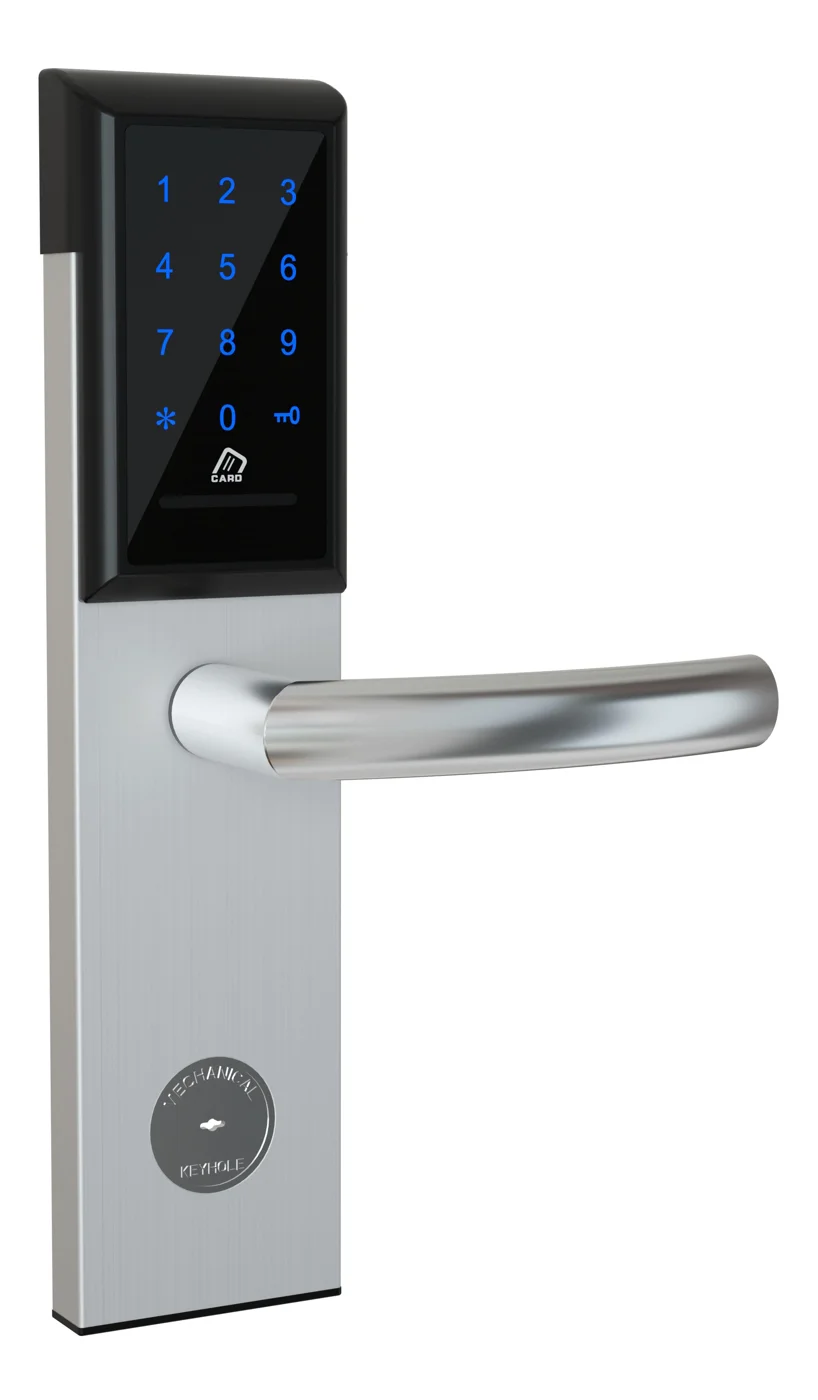
Office Cabinet Lock — PIN + Card for Filing & Pedestals
Offline PIN + card office cabinet lock for filing cabinets, pedestals, and drawers. Battery-powered 5-minute retrofit, no WiFi, no key management. CE/FCC/RoHS.
This page already points to it as the next recommended reference.
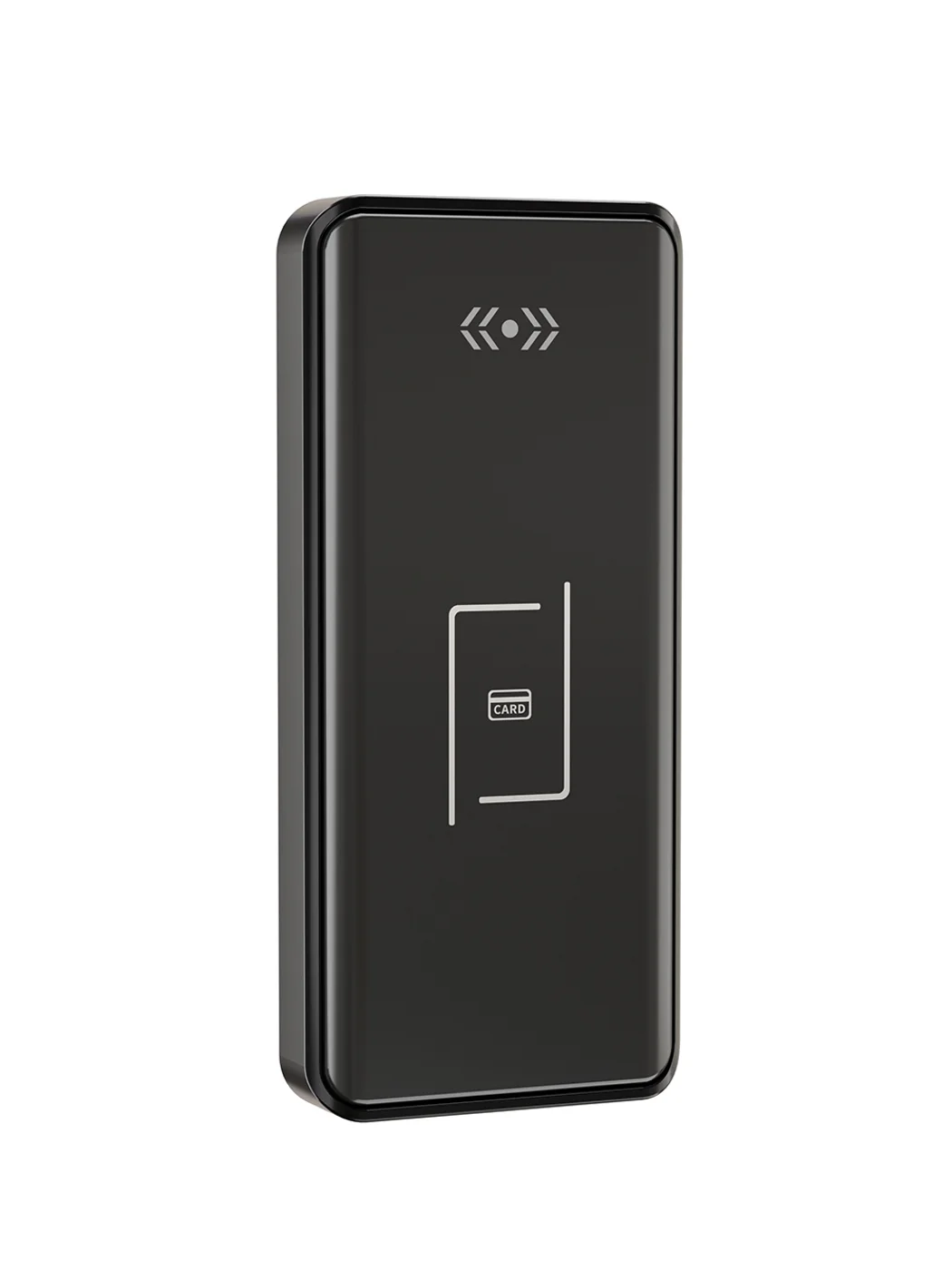
Gym Locker Lock — Offline Card, No WiFi Required
Offline card gym locker lock for fitness and pool lockers. MIFARE card, battery-powered 5-minute retrofit, no WiFi or server. Zinc alloy body, CE/FCC/RoHS.
This page already points to it as the next recommended reference.
Related blog posts
3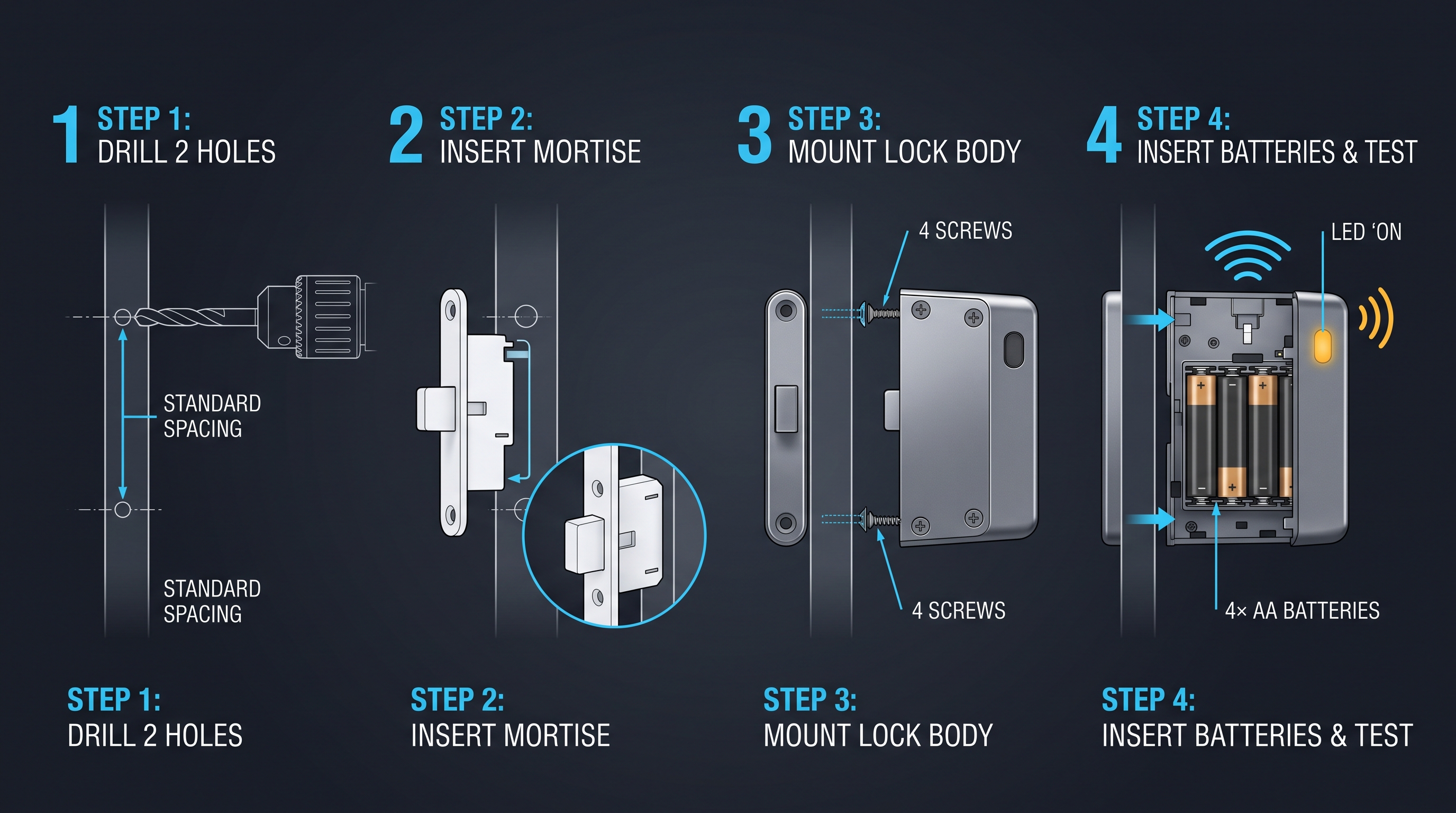
Mobile App Cabinet Lock: The Complete Guide to Smartphone-Controlled Cabinet Security
Discover how mobile app cabinet lock systems work. Explore BLE/Wi-Fi/NFC credentials, remote unlock, temporary codes, role-based access, cloud sync, security features, and deployment scenarios.
It supports the same product context: Smart Cabinet Lock — App-Managed, Multi-Site Dashboard, Office Cabinet Lock — PIN + Card for Filing & Pedestals, Gym Locker Lock — Offline Card, No WiFi Required.
MIFARE Cabinet Lock: Advanced Security Guide for MIFARE-Based Cabinet Access Systems
In-depth technical guide to MIFARE cabinet lock technology covering MIFARE Classic, Plus, DESFire, Ultralight variants, cryptographic security, installation, and multi-application smart card integration for cabinet access control.
It supports the same product context: Smart Cabinet Lock — App-Managed, Multi-Site Dashboard, Office Cabinet Lock — PIN + Card for Filing & Pedestals, Gym Locker Lock — Offline Card, No WiFi Required.
MIFARE Locker Lock: Definitive Guide to MIFARE-Based Smart Locker Security
Complete guide to MIFARE locker lock technology for gyms, schools, offices, and public facilities. Covers MIFARE Classic, Plus, DESFire variants, multi-user management, installation, networking, and smart locker ecosystem integration.
It supports the same product context: Gym Locker Lock — Offline Card, No WiFi Required.
Specify your cabinet lock project with our engineers
Send your locker count, cabinet type, and credential preference. We will return a sample plan and quote within 24 business hours.
- Move from general guidance into a product or application discussion.
- Use RFQ when pricing, drawings, MOQ, or launch timing needs structure.
- Keep a direct contact path visible for fast clarifications and handoff.