Invisible Cabinet Lock: The Complete 2026 Guide to Concealed, Undetectable Furniture and Cabinetry Security
Complete guide to invisible cabinet lock systems covering magnetic touch, RFID, electromagnetic, and Bluetooth concealed locks for luxury furniture, medical cabinets, retail displays, and office storage with installation, power, and selection criteria.
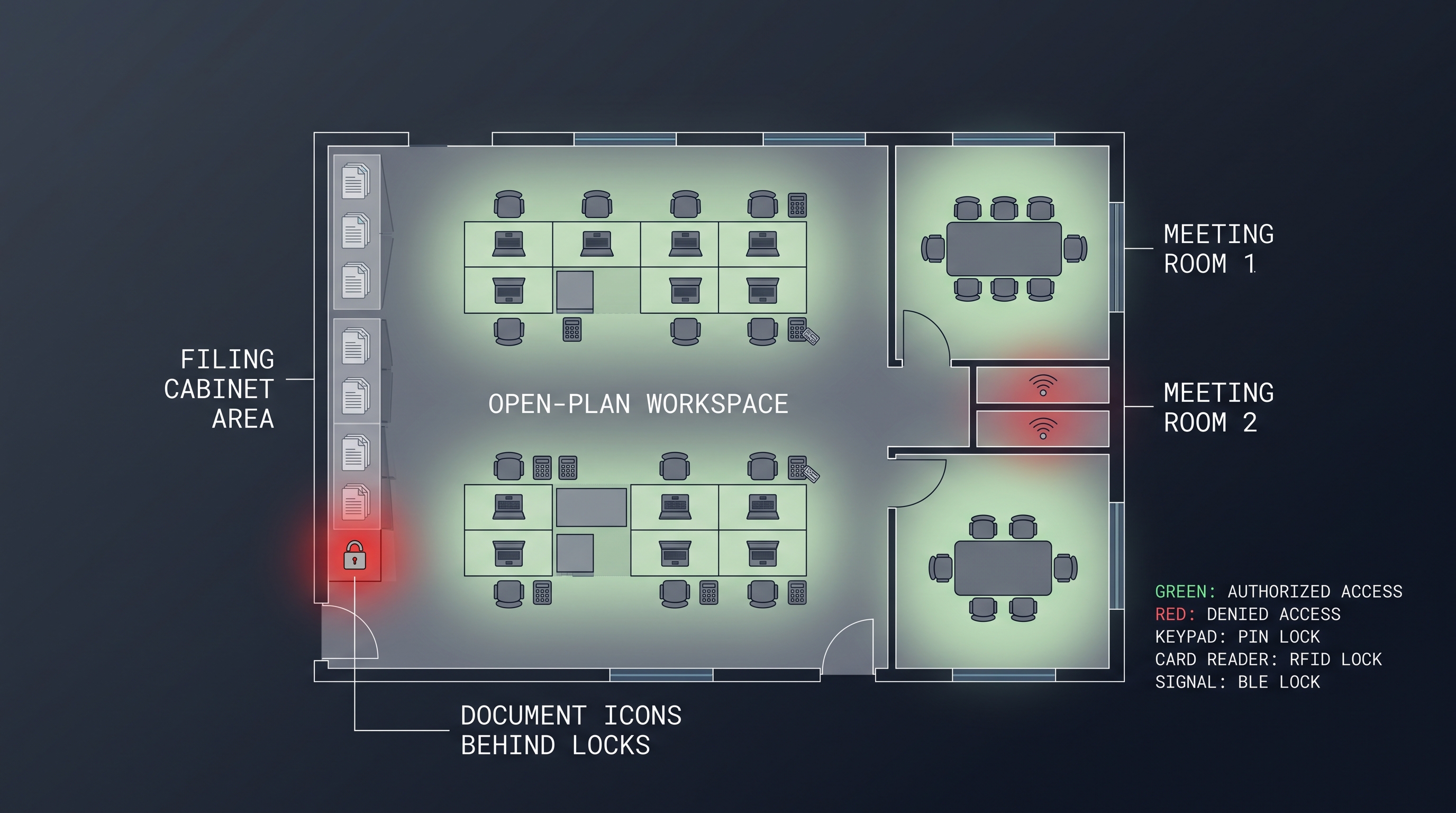
An invisible cabinet lock is a concealed security device that secures cabinet doors and drawers with zero visible hardware on any exterior furniture surface, embedding all locking components — the actuator mechanism, the credential reader, the power supply, and the control electronics — entirely within the cabinet body or behind the door panel, so that when the cabinet is closed, no observer, intruder, or casual viewer can determine that a lock exists, locate the lock, or identify the access point. Unlike conventional surface-mounted cam locks, hasps, or padlocks that protrude from the furniture face and immediately signal the presence of a security mechanism, the invisible cabinet lock achieves total visual undetectability through interior-mounting architecture: the lock body is screwed or adhesive-bonded to the interior surface of the cabinet side panel, top, or shelf, the latch bolt or magnetic keeper engages a strike plate bonded to the interior of the door, and the credential reader — whether a magnetic touch sensor, an RFID antenna, a Bluetooth Low Energy radio, or a capacitive proximity sensor — is positioned behind the door panel or under the countertop, sensing the user's credential or touch through the material without any visible interface. The invisible cabinet lock market serves four primary application verticals: luxury residential cabinetry where the design philosophy demands that security hardware not compromise the clean lines and material beauty of custom millwork, commercial office storage where concealed locks maintain a professional aesthetic while providing per-user credential accountability and audit logging, medical and pharmaceutical cabinets where the invisible cabinet lock combines tamper-evidence with infection-control-friendly smooth surfaces that withstand disinfectant wiping without keypad crevices or cylinder keyways that harbor pathogens, and high-end retail display units where the absence of visible locks directs the customer's attention entirely to the merchandise. The global invisible cabinet lock market reached $420 million in 2025 and is projected to grow at 11.8 percent compound annual rate through 2032, driven by the premium furniture market's adoption of smart-home integration, the hospitality sector's shift to keyless guest-room cabinets and minibars, and the growing recognition that visible locks on luxury cabinetry undermine the perceived value of the furniture itself. An invisible cabinet lock deployment integrates seamlessly with smart-home platforms (Apple HomeKit, Control4, Savant), corporate identity providers (Microsoft Entra ID, Okta), and property-management systems, positioning the invisible cabinet lock as both a security device and a design-integrity preservation element.
What Is an Invisible Cabinet Lock and How Does It Work
An invisible cabinet lock is an electronic or electromagnetic security device engineered to secure a cabinet door or drawer while presenting zero visible hardware on any exterior furniture surface, achieving its concealment through a fundamentally different mounting architecture than conventional locks. Where a traditional cam lock mounts through a hole drilled in the door face — with the cylinder, keyway, and rotating cam all visible from outside — the invisible cabinet lock mounts entirely inside the cabinet body, with the lock chassis fastened to an interior panel and the latching mechanism engaging a strike or keeper bonded to the interior surface of the door. The invisible cabinet lock's credential input interface is similarly concealed: rather than a visible keypad, card slot, or keyhole, the invisible cabinet lock senses the user's credential through the cabinet material itself. A magnetic touch invisible cabinet lock uses a reed switch or Hall-effect sensor mounted behind the door panel that detects a small permanent magnet (typically a neodymium N42-N52 disc, 10-15 mm diameter) presented by the user against the exterior door surface at the pre-marked touch point. An RFID invisible cabinet lock uses a flat antenna coil embedded behind the door panel or under the countertop that reads a 13.56 MHz or 125 kHz RFID card, fob, or wristband presented within 2-5 cm of the exterior surface. A Bluetooth invisible cabinet lock uses a BLE 5.0 radio module inside the cabinet that communicates with the user's smartphone app at 1-10 meter range. A capacitive proximity invisible cabinet lock uses a capacitive touch sensor behind a non-metallic door panel that detects the user's fingertip touch through wood, glass, or plastic up to 12 mm thick. In every case, the invisible cabinet lock's authentication and actuation occur with no visible indication that a lock is present — the door simply releases when the correct credential is presented at the correct location, and remains immovable when an incorrect or absent credential is presented.
The invisible cabinet lock's actuation mechanism depends on its type. The electromagnetic invisible cabinet lock uses a solenoid-driven bolt or an electromagnet-and-keeper pair: in the electromagnet configuration, a powerful electromagnet (typically consuming 150-400 mA at 12 V DC, generating 300-600 kg of holding force when energized) holds a ferrous steel armature plate bonded to the door; when the credential is authenticated, the electromagnet de-energizes for 0.5-2.0 seconds, releasing the armature and allowing the door to open. This fail-safe configuration (the lock releases on power loss) is standard for life-safety applications. The electromagnetic invisible cabinet lock's continuous current draw mandates a wired 12 V DC power supply, making it unsuitable for battery-only operation. The motor-driven invisible cabinet lock uses a small DC micro-motor (3-6 V, 150-300 mA peak) driving a worm-gear or rack-and-pinion mechanism that extends and retracts a hardened-steel latch bolt into and out of a strike plate; the motor energizes only during the 0.5-1.5 second lock or unlock transition, drawing negligible standby current (5-20 microamps), enabling 12-24 months of battery operation from 4 AA cells. The magnetic touch invisible cabinet lock (the simplest variant) uses no electronics at all: a permanent magnet in the lock body holds a spring-loaded latch bolt in the locked position, and presenting a stronger external magnet at the correct location overcomes the internal magnet's field, allowing the spring to retract the bolt. This purely mechanical-magnetic invisible cabinet lock requires no power, no batteries, and no credentials beyond the physical magnet key, making it the most reliable but also the lowest-security variant.
Core Components of an Invisible Cabinet Lock
| Component | Function | Typical Specification |
|---|---|---|
| Lock chassis | House actuator, electronics, power | Steel or ABS enclosure, 60-120 mm length, interior-mounted |
| Actuator (electromagnetic) | Hold or release door | Electromagnet 300-600 kg holding force at 12 V DC, 150-400 mA |
| Actuator (motor-driven) | Extend or retract latch bolt | DC micro-motor 3-6 V, worm-gear, 8-12 mm bolt throw |
| Credential reader | Authenticate user through door material | Magnetic reed switch, RFID antenna, BLE 5.0, capacitive sensor |
| Strike plate or armature | Engage latch or magnet on door | Steel plate, adhesive-bonded or screwed to door interior |
| Power supply | Sustain lock operation | 4 AA alkaline (motor-driven, 12-24 mo) or 12 V DC wired (electromagnetic) |
| Control electronics | Process credential, drive actuator, log events | Microcontroller, flash memory, real-time clock, status LED |
| Door-position sensor | Detect door state for auto-relock | Magnetic reed switch or Hall-effect sensor |
The Invisible Cabinet Lock Authentication Sequence
Consider a luxury kitchen cabinet secured by an RFID invisible cabinet lock. The cabinet door is closed, and from the exterior, the surface is uninterrupted wood — no lock, no keypad, no keyway. The user holds their 13.56 MHz MIFARE DESFire RFID card and taps it against the cabinet door at the location where the invisible cabinet lock's antenna is positioned behind the panel — this location may be marked by a subtle inlay, a grain-pattern cue known to the owner, or simply memorized. The invisible cabinet lock's antenna inductively couples with the card, reads its unique identifier, and the lock's microcontroller compares it against the stored whitelist in 50-100 milliseconds. On match, the microcontroller energizes the DC motor for 0.8 seconds, retracting the latch bolt from the strike plate, and the door springs open slightly (aided by a push-to-open gas spring or magnetic catch). The user opens the door, accesses the cabinet contents, and closes the door; the door-position sensor detects closure, and the invisible cabinet lock auto-re-locks within 3-5 seconds, extending the bolt and logging the transaction. If an unauthorized card is presented, the invisible cabinet lock silently refuses (no visible red LED, since that would reveal the lock's location) and logs the denial. The entire interaction — from card tap to door release — takes under 1.5 seconds, and an observer watching from across the room sees only the user touching the cabinet and the door opening, with no indication of the locking mechanism involved.
Types of Invisible Cabinet Lock by Mechanism and Credential
An invisible cabinet lock is categorized by two intersecting dimensions: the actuation mechanism (electromagnetic, motor-driven, or magnetic-mechanical) and the credential technology (magnetic touch, RFID, Bluetooth, capacitive, or biometric). The intersection of these dimensions produces the specific invisible cabinet lock variants available on the market, each with distinct power requirements, security profiles, holding forces, and ideal applications. Selecting the correct invisible cabinet lock type requires understanding the strengths, limitations, and best-fit applications of each variant.
Magnetic Touch Invisible Cabinet Lock
The magnetic touch invisible cabinet lock is the simplest, lowest-cost, and most reliable invisible cabinet lock variant, using no electronics, no batteries, and no digital credentials. The mechanism consists of a permanent magnet (neodymium N42-N52, 15-25 mm diameter) embedded in the lock body that holds a spring-loaded steel latch bolt in the extended locked position through magnetic attraction. To unlock, the user presents a stronger external magnet key (a neodymium disc, typically 20-30 mm diameter, N45-N52 grade, supplied with the lock) against the exterior door surface at the pre-determined touch point. The external magnet's field, oriented in opposition to the internal magnet's field, overcomes the internal magnet's holding force, allowing the spring to retract the latch bolt and release the door. The magnetic touch invisible cabinet lock's advantages are absolute reliability (no electronics to fail, no batteries to deplete, no firmware to update), indefinite operational life (the only wear items are the spring and the latch bolt sliding surface, both rated for 50,000+ cycles), and total immunity to power outages, electromagnetic pulses, and cyber attacks. The disadvantages are equally significant: the credential (the magnet key) is not unique — any magnet of sufficient strength and correct polarity presented at the correct location opens the lock, providing no per-user accountability, no audit trail, and no resistance to a knowledgeable attacker who understands the mechanism. The magnetic touch invisible cabinet lock is best suited for low-security concealment applications — keeping curious children out of liquor cabinets, cleaning-supply storage, or home-office file drawers — where the goal is casual deterrence rather than determined-intrusion resistance, and where the aesthetic requirement for zero visible hardware is paramount.
RFID Invisible Cabinet Lock
The RFID invisible cabinet lock is the most popular electronic variant for both residential and commercial applications, using a flat RFID antenna coil (typically 30-50 mm diameter, PCB-trace or wire-wound) mounted behind the door panel or under the countertop surface. The antenna connects to an RFID reader IC and microcontroller housed in the lock chassis inside the cabinet. The RFID invisible cabinet lock reads 13.56 MHz MIFARE Classic, DESFire EV2/EV3, or 125 kHz EM4100/HID Prox credentials presented within 2-5 cm of the exterior surface — through wood up to 20 mm thick, glass up to 12 mm, plastic up to 15 mm, but not through metal (metal doors require a non-metallic window or a surface-mounted antenna pad). The RFID invisible cabinet lock stores 100-2,000 authorized card UIDs in its flash memory and supports networked models that sync credentials from a cloud platform. On credential match, the microcontroller drives the DC motor actuator to retract the latch bolt within 0.5-1.5 seconds. The RFID invisible cabinet lock's primary advantages are credential specificity (each card has a unique UID, enabling per-user accountability and audit logging), integration with existing badge infrastructure (the employee badge or residential access card serves as the cabinet credential), and battery operation (12-24 months on 4 AA cells). The primary limitation is the inability to read through metal doors without a non-metallic antenna window, which can compromise the invisible aesthetic on metal cabinetry.
Bluetooth BLE Invisible Cabinet Lock
The Bluetooth invisible cabinet lock uses a BLE 5.0 radio module inside the cabinet that communicates with the user's smartphone app at 1-10 meter range, using AES-128-CCM encryption and ECDH P-256 key exchange. The BLE invisible cabinet lock enables proximity-based auto-unlock (the cabinet door releases as the authorized phone approaches within 1-2 meters, with no deliberate credential presentation), remote unlock via internet relay (the user opens the cabinet from anywhere via the app, useful for granting access to a housekeeper or contractor), digital key sharing (the user generates a time-limited access token in the app and sends it to a family member), and lock-status monitoring (the app displays whether the cabinet is locked or unlocked). The BLE invisible cabinet lock is ideal for smart-home integration — it works with Apple HomeKit, Amazon Alexa, and Google Home platforms — and for tech-forward residential and commercial applications where smartphone-native interaction is expected. The primary limitation is higher power consumption (BLE advertising at 1 Hz draws 3-8 microamps continuously, reducing battery life to 8-14 months) and the requirement that every user install and configure the companion app.
Electromagnetic Invisible Cabinet Lock
The electromagnetic invisible cabinet lock uses a powerful electromagnet (300-600 kg holding force) that, when energized at 12 V DC, holds a ferrous steel armature plate bonded to the cabinet door with hundreds of kilograms of force — far exceeding the force any human can apply to pull the door open. When the credential is authenticated, the electromagnet de-energizes for 0.5-2.0 seconds, the holding force drops to near zero, and the door opens. The electromagnetic invisible cabinet lock's primary advantage is immense holding force — 300-600 kg versus 50-150 kg for a motor-driven latch bolt — making it suitable for large, heavy cabinet doors (commercial storage cabinets, retail display units, medical supply cabinets) and for high-security applications where forced-entry resistance is critical. The primary disadvantage is continuous power consumption (150-400 mA at 12 V DC, 24 hours per day), which mandates a wired power supply and makes battery operation impractical (4 AA batteries would deplete in 2-5 days). The electromagnetic invisible cabinet lock is inherently fail-safe — on power loss, the electromagnet releases, and the door opens — which is desirable for life-safety applications (emergency exit cabinets, fire-suppression storage) but undesirable for security applications where the lock must remain secure during a power outage. Fail-secure electromagnetic variants exist but require a mechanical backup or a battery-backed power supply.
Capacitive Touch Invisible Cabinet Lock
The capacitive touch invisible cabinet lock uses a capacitive touch sensor — a conductive pad or trace behind a non-metallic door panel — that detects the user's fingertip touch through wood, glass, or plastic up to 12 mm thick. The sensor detects the capacitance change caused by the user's finger (the human body is a conductive dielectric) approaching or contacting the interior surface of the door panel. The capacitive invisible cabinet lock can be programmed with a touch-sequence code (tap-tap-hold, or a specific number of taps in a specific rhythm) that the user performs on the exterior door surface to unlock. The capacitive touch invisible cabinet lock's advantage is zero-credential operation (no card, no phone, no magnet key — just the user's finger and a memorized touch pattern), making it ideal for applications where users do not carry any credential and the cabinet is accessed frequently. The limitation is that capacitive sensing does not work through metal doors, and the touch-sequence code offers lower security than RFID or biometric credentials (the sequence can be observed and replicated).
Biometric Invisible Cabinet Lock
The biometric invisible cabinet lock integrates a capacitive fingerprint sensor behind a non-metallic door panel or under a countertop, capturing and matching the user's fingerprint through thin wood or glass. The biometric invisible cabinet lock provides the highest credential security (fingerprint non-repudiation, no shareable credential) with the invisible aesthetic. The primary limitation is that fingerprint sensing through a door panel requires the panel to be thin (under 8 mm wood or glass) and non-metallic, and the sensor must be positioned at a precise, pre-marked location. The biometric invisible cabinet lock is the premium choice for high-security concealed applications — executive office cabinets, home safes hidden behind millwork, pharmaceutical storage — where both maximum security and zero visible hardware are required.
Invisible Cabinet Lock Technology Comparison Matrix
| Technology | Mechanism | Holding Force | Power | Battery Life | Security Grade | Best Application |
|---|---|---|---|---|---|---|
| Magnetic Touch | Permanent magnet plus spring latch | 30-80 kg | None | Infinite | Low | Child-deterrence, casual concealment |
| RFID 13.56 MHz DESFire | Motor-driven latch bolt | 50-150 kg | 4 AA alkaline | 12-24 months | High | Luxury residential, office, medical |
| RFID 125 kHz EM | Motor-driven latch bolt | 50-150 kg | 4 AA alkaline | 12-24 months | Low | Budget, legacy badge compatibility |
| Bluetooth BLE 5.0 | Motor-driven latch bolt | 50-150 kg | 4 AA alkaline | 8-14 months | High | Smart home, tech-forward residential |
| Electromagnetic | Electromagnet plus armature | 300-600 kg | 12 V DC wired | N/A wired only | High | Heavy doors, high-security, retail |
| Capacitive Touch | Motor-driven latch bolt | 50-120 kg | 4 AA alkaline | 10-18 months | Medium | Frequent-access, no-credential |
| Biometric Fingerprint | Motor-driven latch bolt | 50-150 kg | 4 AA alkaline | 10-16 months | Very High | Executive, pharmaceutical, safe |
Invisible Cabinet Lock vs Traditional Visible Lock Comparison
The invisible cabinet lock and the traditional visible lock (cam lock, cylinder lock, hasp and padlock) represent fundamentally different philosophies of cabinet security, and the choice between them depends on which set of trade-offs aligns with the deployment's priorities. The traditional visible lock prioritizes overt deterrence — the visible presence of a lock signals that the cabinet contains items worth securing, warns casual browsers to stay away, and provides a physical target that a determined intruder can assess and choose to attack or bypass. The invisible cabinet lock prioritizes concealment — the absence of any visible hardware means an intruder does not know a lock exists, cannot locate the locking mechanism, and cannot target it for attack. This concealment-based security model is effective against opportunistic and uninformed intruders but is less effective against informed attackers who know (or suspect) that an invisible cabinet lock is installed and can probe the cabinet surface with a magnet, RFID scanner, or signal detector to locate the lock.
The aesthetic comparison is decisive for many applications. A traditional cam lock drilled through the face of a custom mahogany kitchen cabinet, a walnut executive office credenza, or a museum-quality display vitrine compromises the visual integrity of the furniture — the lock's metal cylinder, keyway, and surrounding mounting hardware create a visual interruption that draws the eye and signals utility hardware rather than fine furniture. The invisible cabinet lock eliminates this compromise entirely: the cabinet's exterior surface is uninterrupted wood, glass, or lacquer, and the security hardware is invisible. For luxury residential, hospitality, and high-end commercial applications where the furniture's aesthetic value is a primary consideration, the invisible cabinet lock is not merely a preference but a design requirement.
The security comparison is more nuanced. The traditional visible lock's overt presence provides a deterrence value that the invisible cabinet lock cannot — a visible lock tells a potential intruder that the cabinet is secured and that attacking it will require effort, tools, and time. The invisible cabinet lock's concealment provides a different security value: the intruder does not know the cabinet is locked, may not attempt to open it, and if they do attempt, cannot locate the locking mechanism to attack. However, if an informed intruder knows the invisible cabinet lock is present, the concealment advantage disappears, and the invisible cabinet lock must rely on its inherent security properties (credential strength, holding force, tamper resistance) — which are comparable to, but not inherently superior to, a quality visible lock of the same credential type. The invisible cabinet lock's holding force (50-150 kg for motor-driven, 300-600 kg for electromagnetic) is generally lower than a high-quality visible cam lock with a 12 mm hardened-steel bolt (200-500 kg resisting force), but is sufficient for most cabinet applications where the door itself (wood, glass, or thin metal) is the weaker element.
The operational comparison favors the invisible cabinet lock for electronic variants: per-user credential accountability (each RFID card, BLE phone, or fingerprint is unique and attributable), audit logging (every access recorded with user identity and timestamp), remote credential management (revocation via platform, no physical key recovery), and smart-home or enterprise integration (API connectivity, centralized management). The traditional visible mechanical lock offers none of these — keys can be copied, access is not logged, and revocation requires physical rekeying. The invisible cabinet lock's operational disadvantage is power dependency (batteries or wired power) and the dead-battery lockout risk, which the traditional mechanical lock does not face.
| Comparison Dimension | Traditional Visible Lock | Invisible Cabinet Lock |
|---|---|---|
| Exterior visibility | Cylinder, keyway, hardware visible | Zero visible hardware |
| Deterrence model | Overt (signals secured contents) | Concealment (intruder unaware of lock) |
| Aesthetic impact | Compromises furniture visual integrity | Preserves uninterrupted surface |
| Holding force | 200-500 kg (quality cam lock) | 50-150 kg motor, 300-600 kg electromagnetic |
| Credential accountability | Limited (key can be copied) | High (RFID UID, biometric, audit log) |
| Installation complexity | Drill through door face | Interior mount, no exterior hole |
| Power requirement | None (mechanical) | Battery or wired (electronic variants) |
| Cost per unit | $8-50 (mechanical cam lock) | $40-300 (electronic invisible) |
| Best application | Utility, industrial, budget | Luxury, design-forward, medical, retail |
Invisible Cabinet Lock Applications by Setting and Industry
The invisible cabinet lock serves diverse application settings, each with distinct requirements for aesthetics, security, power, and integration. Understanding the specific demands of each setting guides the selection of the appropriate invisible cabinet lock type and configuration.
Luxury Residential Invisible Cabinet Lock
In luxury residential applications — custom kitchens, home libraries, wine cellars, master bedroom closets, and home theaters — the invisible cabinet lock secures valuable contents (fine wine, spirits, firearms, documents, jewelry, electronics) behind cabinetry that represents a significant aesthetic and financial investment. The design philosophy is uncompromising: the cabinetry's exterior must be visually flawless, with no visible hardware to interrupt the wood grain, lacquer finish, or material beauty. The invisible cabinet lock for luxury residential use is typically the RFID or Bluetooth variant, powered by 4 AA batteries for 12-24 months of maintenance-free operation, with the antenna or sensor concealed behind the door panel. The residential invisible cabinet lock integrates with the smart-home platform (Apple HomeKit, Control4, Savant, Crestron) for unified management alongside other home-automation devices. Key residential applications include: wine cabinets (securing valuable collections from children and guests, with RFID or BLE access for the homeowner), liquor cabinets (child-deterrence with magnetic touch or RFID), home-office file cabinets (securing sensitive documents with RFID or biometric), master-bedroom jewelry cabinets (biometric or RFID for high-value jewelry), home-theater equipment cabinets (RFID to secure expensive audio-visual equipment from children and guests), and gun cabinets (biometric for rapid authorized access with child-safety concealment).
Commercial Office Invisible Cabinet Lock
In commercial office applications — executive offices, conference room credenzas, reception area storage, open-plan office personal storage — the invisible cabinet lock provides per-user credential accountability and audit logging while maintaining the clean, professional aesthetic that high-end office furniture demands. The office invisible cabinet lock is typically the RFID variant, integrated with the corporate identity provider (Microsoft Entra ID, Okta) so the employee's building-access badge serves as the cabinet credential. Executive office credenzas and personal storage cabinets use the invisible cabinet lock to secure confidential documents, personal valuables, and IT equipment without the visual clutter of cam locks or padlocks. Conference room credenzas housing AV equipment, presentation materials, and refreshment supplies use the invisible cabinet lock to restrict access to authorized staff. The office invisible cabinet lock should support time-restricted access (cleaning crew access only during scheduled hours), audit logging (every access recorded with user identity and timestamp), and remote management (credential revocation via the platform when an employee departs).
Medical and Pharmaceutical Invisible Cabinet Lock
In medical and pharmaceutical applications — hospital medication cabinets, pharmacy controlled-substance storage, clinic supply cabinets, laboratory reagent storage — the invisible cabinet lock provides security, regulatory compliance, and infection-control benefits. The invisible cabinet lock's smooth, hardware-free exterior surface is a significant infection-control advantage: conventional cam locks with keyways, keypad locks with button crevices, and hasp-and-padlock configurations all create surface irregularities and crevices that harbor pathogens and resist disinfectant wiping. The invisible cabinet lock's flush exterior surface (the door panel itself, with no protruding hardware) can be wiped down with hospital-grade disinfectants (quaternary ammonium, accelerated hydrogen peroxide, sodium hypochlorite) quickly and completely, supporting the rigorous infection-control protocols required in healthcare environments. For pharmacy controlled-substance cabinets subject to DEA regulations (21 CFR 1301.75), the invisible cabinet lock must provide dual-authentication (two authorized credentials required), per-transaction audit logging with non-repudiable user attribution (biometric preferred), and tamper-evident logging. The medical invisible cabinet lock should be specified with chemical-resistant housing materials (ABS-PC blend or 316 stainless steel) and IP65 environmental rating for sealed electronics.
Retail Display Invisible Cabinet Lock
In high-end retail applications — jewelry display cases, watch showrooms, electronics display units, museum and gallery display vitrines — the invisible cabinet lock secures valuable merchandise while directing the customer's attention entirely to the product, not the security hardware. A visible cam lock or padlock on a jewelry display case subconsciously signals to the customer that the merchandise is under suspicion and creates a psychological barrier between the customer and the product. The invisible cabinet lock eliminates this barrier — the display case appears as a clean, glass-and-wood showcase, and the sales associate opens it with a discreet RFID tap or Bluetooth proximity, creating a seamless, premium customer experience. The retail invisible cabinet lock is typically the electromagnetic variant (for the high holding force needed to resist smash-and-grab attacks on display cases) or the RFID motor-driven variant (for battery-operated display cases without wired power). Retail applications require high-cycle-rated actuators (50,000-100,000 cycles) to withstand the dozens of daily open-close cycles during business hours, and networked models that report lock status and access events to the store's security management system.
Hospitality Invisible Cabinet Lock
In hospitality applications — hotel room minibars, resort cabinetry, restaurant service cabinets, cruise-ship cabinetry — the invisible cabinet lock secures minibar contents (chargeable items), service cabinets (cleaning supplies, linens), and guest-storage cabinets while maintaining the interior-design aesthetic that the hospitality brand has invested in. The hospitality invisible cabinet lock is typically the RFID variant, integrated with the property-management system (Opera, Mews, Cloudbeds) so the guest's room key card serves as the cabinet credential. Hotel minibar cabinets use the invisible cabinet lock to secure chargeable items (the minibar attendant's master card opens all minibars; the guest card opens only their room's minibar, and access events are logged for billing reconciliation). Restaurant service cabinets use the invisible cabinet lock to secure alcohol, cleaning chemicals, and service equipment. The hospitality invisible cabinet lock must withstand high user churn (daily guest turnover) and integrate with the property-management system for automatic credential provisioning and revocation at check-in and check-out.
| Application Setting | Recommended Invisible Cabinet Lock | Power | Integration | Key Requirement |
|---|---|---|---|---|
| Luxury Residential | RFID or BLE motor-driven | 4 AA, 12-24 mo | Smart-home (HomeKit, Control4) | Aesthetic perfection, smart-home integration |
| Commercial Office | RFID motor-driven | 4 AA, 12-24 mo | Identity provider (Azure AD, Okta) | Per-user accountability, audit logging |
| Medical and Pharmaceutical | RFID or biometric, chemical-resistant | 4 AA or 12 V wired | Access control, EHR | Infection-control surface, DEA compliance |
| Retail Display | Electromagnetic or RFID motor-driven | 12 V wired or 4 AA | Store security system | High holding force, high cycle rating |
| Hospitality | RFID motor-driven | 4 AA, 12-18 mo | Property-management system | High churn, PMS integration, billing |
Invisible Cabinet Lock Installation Methods and Technical Considerations
Installing an invisible cabinet lock requires different techniques and tools than a traditional through-door cam lock installation. The invisible cabinet lock mounts entirely inside the cabinet body, with no exterior hole, creating both advantages (no damage to the cabinet's exterior finish) and challenges (interior space constraints, alignment through the door panel, power routing). This section details the installation methods for each invisible cabinet lock type, providing the technical guidance needed for a successful deployment.
Interior Mounting and Adhesive Bonding for Invisible Cabinet Lock
The invisible cabinet lock chassis is mounted to an interior surface of the cabinet — typically the side wall, top panel, or a shelf — using screws (for wood and MDF cabinets), machine screws with nuts (for metal cabinets), or high-strength double-sided adhesive foam tape (for glass cabinets and applications where drilling is undesirable). The lock chassis must be positioned such that the latch bolt or electromagnet aligns precisely with the strike plate or armature bonded to the interior of the door when the door is closed. Alignment is critical: a lateral misalignment of more than 2-3 mm between the bolt and strike can prevent engagement or cause binding; a depth misalignment (bolt too short or too long relative to the strike) can cause failure to lock or failure to release. For adhesive-bonded installations (common in glass display cabinets), use a high-strength VHB (Very High Bond) acrylic foam tape or a structural adhesive (3M VHB 5952, 3M DP100 Plus epoxy) rated for the holding force of the lock and the weight of the door. Clean both bonding surfaces with isopropyl alcohol, apply the adhesive, press firmly, and allow the full cure time (24-72 hours for epoxy, immediate handling strength for VHB with full bond development over 24-72 hours) before testing the lock. The invisible cabinet lock chassis should be mounted with the actuator axis oriented correctly (horizontal for side-mount latches, vertical for top-mount latches) to ensure proper bolt travel and gravity-assisted or gravity-opposed engagement as specified by the manufacturer.
Antenna and Sensor Positioning Behind Door Panel
For RFID, capacitive, and biometric invisible cabinet locks, the credential reader (antenna, sensor) must be positioned behind the door panel at the location where the user will present their credential from the exterior. The reader is typically bonded to the interior surface of the door panel with adhesive or secured with brackets. The reading range of the RFID invisible cabinet lock through the door panel depends on the panel material and thickness: wood up to 20 mm allows 2-4 cm reading range; glass up to 12 mm allows 3-5 cm; plastic up to 15 mm allows 2-4 cm; metal blocks RFID entirely, requiring a non-metallic window (a plastic or wood inlay) in the door panel at the antenna location. The antenna's position on the exterior should be subtly marked — a small inlay, a grain-pattern feature, a discreet label, or simply memorized by the owner — so the user knows where to present the credential. For capacitive touch invisible cabinet locks, the touch point must be on a non-metallic surface and the sensor pad must be in direct contact with the interior surface of the panel for reliable capacitance coupling. The antenna cable connecting the reader to the lock chassis should be routed along the interior of the cabinet, secured with adhesive cable clips or cable ties, and kept away from the latch mechanism to prevent pinching or abrasion during door movement.
Power Supply and Wiring for Invisible Cabinet Lock
The invisible cabinet lock's power supply depends on its type. Motor-driven invisible cabinet locks (RFID, BLE, capacitive, biometric) operate on 4 AA alkaline or lithium batteries housed in the lock chassis or in a separate battery compartment inside the cabinet. The battery compartment should be accessible for replacement without removing the lock chassis — typically mounted on the interior side wall of the cabinet with a screw-secured or snap-fit cover. Battery life for motor-driven invisible cabinet locks is 10-24 months depending on usage frequency and credential technology (BLE's continuous advertising reduces life to 8-14 months). Electromagnetic invisible cabinet locks require a wired 12 V DC power supply (150-400 mA continuous current), routed from a wall-mounted power adapter or a centralized power supply through the cabinet's interior. The power cable should be concealed within the cabinet's interior channel or behind a trim piece, with strain relief at the cabinet entry point to prevent cable damage from door movement. For installations with multiple electromagnetic invisible cabinet locks (a bank of retail display cases, a row of medical cabinets), a single centralized 12 V DC power supply (5-20 amp capacity) can power all locks, with wiring daisy-chained or home-run to a junction box. Always include a battery backup (UPS or a small 12 V sealed lead-acid battery) for fail-secure electromagnetic invisible cabinet locks to maintain security during power outages.
Strike Plate and Armature Installation for Invisible Cabinet Lock
The strike plate (for motor-driven latch bolts) or armature plate (for electromagnetic locks) is bonded to the interior surface of the door, positioned to align with the lock chassis's bolt or electromagnet when the door is closed. For wood and MDF doors, the strike plate can be screwed to the interior surface (using the supplied short screws) or bonded with adhesive. For glass doors, the strike or armature is bonded with high-strength VHB tape or UV-curing structural adhesive. The strike plate's position must be adjusted such that the latch bolt fully engages the strike slot (minimum 3 mm overlap) when the door is closed, and fully retracts from the slot when the lock is actuated. Test the engagement by closing the door and verifying that the bolt clicks into the strike; pull the door to verify it cannot be opened without actuation. For electromagnetic invisible cabinet locks, the armature plate must be parallel to the electromagnet face with a gap of less than 0.5 mm when the door is closed — larger gaps significantly reduce holding force (a 1 mm gap can reduce a 600 kg holding force to under 200 kg). Use a feeler gauge to verify the gap, and adjust the armature position with shims if necessary.
| Installation Step | Time per Lock | Tools Required | Key Consideration |
|---|---|---|---|
| Interior chassis mounting | 15-30 min | Screwdriver, drill, level, adhesive | Alignment with door strike position |
| Antenna or sensor positioning behind panel | 10-20 min | Adhesive, brackets, cable clips | Reading range through panel material |
| Strike plate or armature bonding | 10-15 min | Adhesive or screws, alignment marks | 3 mm bolt overlap, 0.5 mm magnet gap |
| Battery installation or power wiring | 10-30 min | Batteries or 12 V power supply, wire | Strain relief, concealed routing |
| Credential enrollment and testing | 10-20 min | Master card, programming instructions | Test authorized and unauthorized credentials |
| Door alignment and engagement test | 10-15 min | Test credentials, visual inspection | Verify bolt engagement, auto-relock |
Invisible Cabinet Lock Power Management and Battery Life Optimization
The invisible cabinet lock's power management is a critical operational consideration, particularly for battery-operated motor-driven variants where battery replacement requires opening the cabinet (which requires the lock to function — creating a catch-22 if the batteries are dead) and accessing the interior battery compartment. Understanding the power budget, battery chemistry options, and low-battery management is essential for reliable invisible cabinet lock deployment.
Power Budget and Battery Chemistry for Invisible Cabinet Lock
The motor-driven invisible cabinet lock's power consumption follows a three-state model: deep-sleep standby (5-20 microamps for the microcontroller and credential-reader wake-on-approach polling), active authentication (10-30 mA for 0.5-1.5 seconds during credential processing), and actuator operation (150-300 mA for 0.5-1.5 seconds for the motor to extend or retract the latch bolt). A typical residential invisible cabinet lock experiencing 5-10 unlock cycles per day consumes approximately 2-5 mAh per day, yielding 18-30 months from 4 AA alkaline cells (2,500-3,000 mAh). A commercial office invisible cabinet lock at 10-20 cycles per day achieves 12-20 months. BLE-enabled invisible cabinet locks, with continuous advertising current of 3-8 microamps, achieve 8-14 months. The electromagnetic invisible cabinet lock's continuous 150-400 mA draw at 12 V DC mandates wired power — battery operation is impractical (4 AA batteries would deplete in 2-5 days). For battery-operated invisible cabinet locks, lithium iron disulfide (Li-FeS2) AA cells extend life by 40-60 percent over alkaline and eliminate leakage risk, justifying their 4-5x higher cost for hard-to-access installations. The invisible cabinet lock deployed in a wine cellar or climate-controlled cabinet benefits from lithium cells' superior low-temperature performance (alkaline capacity drops 30-50 percent below 0 degrees Celsius, while lithium maintains rated capacity to -40 degrees Celsius).
Low-Battery Management for Invisible Cabinet Lock
The invisible cabinet lock's low-battery management faces a unique challenge: because the lock is invisible and the battery compartment is inside the cabinet, the user cannot visually inspect the battery status, and a dead battery creates a lockout scenario where the cabinet cannot be opened to replace the batteries. Mitigation strategies include: audible low-battery warning (the invisible cabinet lock emits a distinctive beep sequence on each unlock when battery voltage drops below the warning threshold, typically 1.0-1.1 V per cell, providing 4-8 weeks of warning before critical depletion); mechanical override key (many motor-driven invisible cabinet locks include a hidden mechanical keyway — accessible by removing a small interior panel or through a discreet exterior access point — that allows emergency unlock with a physical key when batteries are dead); external battery contacts (some models expose two metal contacts on the lock chassis that can be touched with a 9 V battery or an external battery pack to temporarily power the lock for emergency unlock); and BLE-connected models that report battery voltage to the smartphone app, alerting the user weeks before depletion. The best practice for invisible cabinet lock battery management is calendar-based proactive replacement: replace batteries annually for high-use locks, every 18 months for moderate-use, and every 24 months for low-use, regardless of low-battery warnings. This proactive approach eliminates the dead-battery lockout scenario entirely and ensures the invisible cabinet lock operates reliably throughout its service life.
Invisible Cabinet Lock Security: Threats, Limitations, and Hardening
The invisible cabinet lock's security model differs fundamentally from visible locks, and understanding its unique threat surface is essential for appropriate deployment. The invisible cabinet lock's primary security mechanism is concealment — the intruder does not know a lock exists and therefore does not attempt to defeat it. This concealment-based security is effective against opportunistic intruders but is less effective against informed attackers who know or suspect that an invisible cabinet lock is installed.
Concealment as Security: Strengths and Limitations
The concealment advantage is real and significant for many applications. A burglar who enters a home and sees a liquor cabinet with no visible lock may open it, find nothing of obvious value, and move on — not realizing that the cabinet is locked and contains valuable spirits. A child who sees a kitchen cabinet with no lock assumes it is accessible and may not attempt to open it (or if they do, the locked door deters without the child knowing why). A hotel guest who sees a minibar cabinet with no visible lock may not realize it is secured and chargeable. In each case, the invisible cabinet lock's concealment provides a layer of security that a visible lock cannot — the absence of a lock signal. However, the concealment advantage has a critical limitation: it is a single-factor security model that collapses entirely once the intruder knows the lock exists. An informed intruder (a targeted burglar who has researched the home, a disgruntled employee who knows the office cabinet is locked, a competitor who knows the retail display case uses an invisible cabinet lock) can probe the cabinet surface with a magnet (detecting magnetic locks), an RFID scanner (detecting RFID antenna fields), or a signal detector (detecting BLE transmissions) to locate the invisible cabinet lock and then attempt to defeat it.
Credential Security for Invisible Cabinet Lock
The invisible cabinet lock's credential security depends on its technology type, identical to the corresponding visible electronic lock technology. The RFID invisible cabinet lock using 13.56 MHz MIFARE DESFire EV2/EV3 with AES-128 mutual authentication provides strong credential security resistant to cloning. The RFID invisible cabinet lock using 125 kHz EM4100 provides weak credential security (static UID, trivially clonable with a $25 device). The BLE invisible cabinet lock with AES-128-CCM and ECDH P-256 provides strong credential security but is vulnerable to relay attacks (mitigated by BLE 5.1+ direction-finding or by disabling proximity-unlock). The magnetic touch invisible cabinet lock provides no credential security (any sufficiently strong magnet opens it). The biometric invisible cabinet lock provides the strongest credential security (fingerprint non-repudiation). The invisible cabinet lock's credential security should be selected based on the threat model: for child-deterrence and casual concealment, magnetic touch or 125 kHz RFID is adequate; for valuable contents and informed-attacker threats, 13.56 MHz DESFire, BLE, or biometric is required.
Physical Attack Resistance for Invisible Cabinet Lock
The invisible cabinet lock's physical attack resistance is generally lower than a quality visible cam lock, because the invisible cabinet lock's interior-mounted chassis is typically smaller and lighter than a through-door cam lock with a large external cylinder. The motor-driven invisible cabinet lock's holding force (50-150 kg) is sufficient to resist casual pulling but can be defeated by a determined pry attack with a bar (the door panel or the cabinet frame is typically the weaker element). The electromagnetic invisible cabinet lock's holding force (300-600 kg) is substantially higher and resists most pry attacks. The invisible cabinet lock's interior mounting means the lock chassis itself is not directly accessible from the exterior — an attacker must first breach the door panel to access the lock, which is noisy, time-consuming, and leaves obvious evidence. This is a security advantage: the invisible cabinet lock cannot be drilled, picked, or bypassed from the exterior because there is no exterior access to the locking mechanism. The attacker must attack the door, the frame, or the cabinet structure itself.
Hardening Strategies for Invisible Cabinet Lock
| Hardening Strategy | Implementation | Security Benefit |
|---|---|---|
| Use 13.56 MHz DESFire credentials | Specify DESFire EV2/EV3 with AES-128 | Prevents credential cloning |
| Add tamper sensor | Install door-position sensor with tamper alarm | Detects forced entry attempts |
| Network with audit logging | Connect to management platform | Per-user accountability, forensic data |
| Use electromagnetic variant for high-value | 300-600 kg holding force, 12 V wired | Resists pry attacks on heavy doors |
| Add mechanical backup | Hidden keyway or external battery contacts | Prevents dead-battery lockout |
| Layer with alarm system | Integrate with home or business alarm | Alerts on unauthorized access attempt |
| Conceal battery access | Interior battery compartment only | Prevents battery-removal defeat |
Choosing the Right Invisible Cabinet Lock: Selection Criteria and Decision Framework
Selecting the optimal invisible cabinet lock for a specific application requires evaluating six decision dimensions and mapping the application's requirements to the available technologies. The following framework guides buyers through each dimension systematically.
Dimension 1: Aesthetic Requirements for Invisible Cabinet Lock
The primary motivation for choosing an invisible cabinet lock is aesthetic — zero visible hardware on the cabinet's exterior. All invisible cabinet lock variants satisfy this requirement, but the degree of invisibility varies. The magnetic touch invisible cabinet lock is completely invisible (no electronics, no antenna, just a mechanical-magnetic mechanism). The RFID invisible cabinet lock requires an antenna behind the door panel, which may be visible as a slight bulge on thin doors. The electromagnetic invisible cabinet lock requires a wired power connection, which may be visible where it enters the cabinet. The capacitive touch invisible cabinet lock requires a sensor pad behind the panel. For absolute aesthetic perfection (museum-quality cabinetry, architecturally significant furniture), the magnetic touch or RFID variant with a thin-door-compatible antenna is preferred.
Dimension 2: Security Requirements for Invisible Cabinet Lock
Evaluate the threat model: is the invisible cabinet lock deterring children and casual browsers (low security), securing valuable contents against opportunistic burglary (medium security), or protecting high-value items against informed attackers (high security)? For low security, the magnetic touch invisible cabinet lock is adequate. For medium security, the RFID (13.56 MHz DESFire) or BLE invisible cabinet lock provides credential accountability and audit logging. For high security, the biometric invisible cabinet lock or electromagnetic invisible cabinet lock provides the strongest credential and physical resistance.
Dimension 3: Power Availability for Invisible Cabinet Lock
Does the cabinet have access to wired 12 V DC power, or must the invisible cabinet lock operate on batteries? If wired power is available (cabinets near electrical outlets, cabinets in commercial buildings with conduit), the electromagnetic invisible cabinet lock provides the highest holding force and eliminates battery maintenance. If only battery power is practical (most residential and retrofit applications), the motor-driven invisible cabinet lock (RFID, BLE, capacitive, biometric) is the choice, with battery life of 8-24 months depending on technology and usage.
Dimension 4: Credential Infrastructure for Invisible Cabinet Lock
What credentials do the users already carry? If users carry 13.56 MHz RFID access badges (corporate office, residential access control), the RFID invisible cabinet lock that reads the existing badge eliminates separate credential procurement. If users carry smartphones and prefer app-based interaction, the BLE invisible cabinet lock is preferred. If users carry no credentials and the cabinet is accessed by touch alone, the magnetic touch or capacitive touch invisible cabinet lock is the choice. If maximum security is required and users are a small, fixed population, the biometric invisible cabinet lock eliminates all credential management.
Dimension 5: Door Material and Construction for Invisible Cabinet Lock
The invisible cabinet lock's compatibility with the cabinet door material is a critical selection criterion. Wood and MDF doors up to 20 mm thick: compatible with all invisible cabinet lock types (RFID, BLE, capacitive, biometric, magnetic touch, electromagnetic). Glass doors up to 12 mm thick: compatible with RFID (through-glass antenna), electromagnetic (armature bonded to glass), and magnetic touch; not compatible with capacitive or biometric (which require direct contact with a non-metallic solid surface). Metal doors: compatible only with electromagnetic (armature bonded to interior) and magnetic touch (magnet field passes through thin metal); not compatible with RFID, capacitive, or biometric (metal blocks RF fields and capacitance coupling). Plastic doors up to 15 mm: compatible with all types.
Dimension 6: Integration and Smart-Home Compatibility for Invisible Cabinet Lock
For smart-home integration, the BLE invisible cabinet lock that supports Apple HomeKit, Amazon Alexa, or Google Home enables voice control (unlock the wine cabinet by voice command), automation routines (auto-lock at 10 PM), and remote monitoring (check cabinet lock status from the app). For commercial integration, the RFID invisible cabinet lock with a networked management platform enables centralized credential management, audit logging, and integration with the corporate identity provider. For standalone operation (no integration), the magnetic touch or non-networked RFID invisible cabinet lock operates independently with no platform subscription.
| Decision Dimension | Question | Recommended Invisible Cabinet Lock |
|---|---|---|
| Aesthetic | Absolute invisibility required? | Magnetic touch or RFID with thin-door antenna |
| Security | What threat level? | Low: magnetic; Medium: RFID DESFire or BLE; High: biometric or electromagnetic |
| Power | Wired 12 V available? | Yes: electromagnetic; No: motor-driven (RFID, BLE, capacitive, biometric) |
| Credential | What do users carry? | Badge: RFID; Smartphone: BLE; Nothing: magnetic or capacitive; High-security: biometric |
| Door material | Wood, glass, metal, or plastic? | Wood: all; Glass: RFID or electromagnetic; Metal: electromagnetic only; Plastic: all |
| Integration | Smart-home or commercial platform? | BLE for smart-home; networked RFID for commercial; standalone for no integration |
Invisible Cabinet Lock Future Trends and Market Outlook
The invisible cabinet lock market is evolving along three technology vectors that will expand capabilities and applications over the next 3-5 years, positioning the invisible cabinet lock for broader adoption across residential, commercial, and institutional segments.
Matter and Thread Integration for Invisible Cabinet Lock
The Matter protocol will bring cross-platform smart-home interoperability to the invisible cabinet lock, enabling a single lock to be controlled from Apple Home, Google Home, Amazon Alexa, and Samsung SmartThings without proprietary hubs. Thread mesh networking (low-power, self-healing) will enable invisible cabinet locks to communicate with the smart-home network without WiFi's power penalty, extending battery life and enabling energy-harvesting operation. The first Matter-certified invisible cabinet locks are expected in 2027, initially targeting the premium residential market where smart-home integration is a key purchase driver. The invisible cabinet lock's interior-mounted design is well-suited to Thread's low-power mesh architecture, as the lock can relay messages from other Thread devices through the cabinet structure.
Energy Harvesting for Battery-Free Invisible Cabinet Lock
Indoor photovoltaic cells (optimized for 200-1,000 lux indoor lighting) and RF energy harvesting (from ambient WiFi signals) will power low-cycle invisible cabinet locks indefinitely, eliminating battery replacement. An invisible cabinet lock experiencing 3-5 cycles per day (typical residential wine cabinet or liquor cabinet) can operate on harvested indoor light with a supercapacitor buffer, achieving true maintenance-free operation. Energy-harvesting invisible cabinet locks are expected to enter the market in 2027-2028, initially for low-cycle residential applications. This technology eliminates the invisible cabinet lock's primary operational burden (battery replacement requiring cabinet access) and enables deployment in locations where battery access is difficult (sealed cabinets, high cabinetry, cabinetry behind fixed structures).
AI-Driven Anomaly Detection for Invisible Cabinet Lock
Networked invisible cabinet locks with access-event logging will feed machine-learning models that learn the normal access pattern for each cabinet and alert on anomalies: an access at an unusual time, an unusual credential, or an unusual access duration. This AI-driven security layer adds intelligent monitoring to the invisible cabinet lock without requiring the user to actively review logs. The AI model can distinguish between the homeowner's typical 6 PM wine cabinet access and an anomalous 3 AM access, triggering an alert to the user's smartphone. For commercial invisible cabinet lock deployments, the AI model can detect patterns indicative of insider threat (an employee accessing cabinets they rarely use, or accessing cabinets outside their work hours) and alert security staff.
Market Growth and Adoption Forecast for Invisible Cabinet Lock
| Trend | Timeline | Impact on Invisible Cabinet Lock | Action for Buyers |
|---|---|---|---|
| Matter and Thread integration | 2027 (consumer), 2028 (enterprise) | Cross-platform smart-home interoperability | Specify Matter-ready, OTA-updateable hardware in 2026 RFPs |
| Energy harvesting | 2027-2028 (low-cycle), 2029+ (moderate) | Battery-free operation for life of lock | Pilot in low-cycle residential with illumination above 300 lux |
| AI anomaly detection | 2026-2028 (early adopter) | Intelligent monitoring, insider-threat detection | Select platform with open API and event-data export |
| UWB precision positioning | 2028-2030 | Tap-free auto-unlock at correct cabinet | Premium add-on; not yet essential |
| Biometric through-glass sensing | 2027-2029 | Fingerprint through glass display cases | Evaluate for retail and museum applications |
Conclusion: Selecting and Deploying an Invisible Cabinet Lock That Balances Aesthetics and Security
The invisible cabinet lock represents a fundamental rethinking of cabinet security — from overt deterrence through visible hardware to concealment-based security through total visual undetectability. This design philosophy serves applications where the aesthetic integrity of the furniture is a primary value and where visible locks compromise that integrity: luxury residential cabinetry, executive office furniture, medical cabinets with infection-control requirements, high-end retail displays, and hospitality environments. Selecting the optimal invisible cabinet lock requires evaluating the application across six dimensions — aesthetic requirements, security requirements, power availability, credential infrastructure, door material, and integration needs — and mapping those requirements to the appropriate technology: magnetic touch for low-security concealment, RFID for credential accountability and badge integration, Bluetooth for smart-home integration and smartphone access, electromagnetic for high holding force on heavy doors, capacitive touch for no-credential frequent access, and biometric for maximum-security non-repudiation.
The invisible cabinet lock's installation differs fundamentally from traditional through-door cam locks: interior mounting with no exterior hole, adhesive-bonded strike plates, concealed antenna positioning, and interior battery compartments or routed power wiring. Proper alignment between the lock chassis and the door-mounted strike or armature is critical for reliable engagement, and the antenna or sensor must be positioned at a memorized (or subtly marked) exterior location for credential presentation. The invisible cabinet lock's power management — particularly the dead-battery lockout scenario — requires proactive calendar-based battery replacement, low-battery warning systems, and mechanical override or external-battery-contact emergency unlock features. The invisible cabinet lock's security model combines concealment (effective against uninformed intruders) with credential security (RFID, BLE, biometric) and physical resistance (interior-mounted chassis inaccessible from exterior, electromagnetic holding force) for defense-in-depth against informed attackers.
As Matter standardization, energy harvesting, and AI-driven anomaly detection reshape the invisible cabinet lock market over the next 3-5 years, specifying modular, firmware-updateable, API-rich hardware positions today's deployment to adopt emerging capabilities. The invisible cabinet lock is not merely a cosmetic alternative to visible locks — it is a distinct security philosophy that serves applications where aesthetics and security must coexist without compromise, providing concealed protection that preserves the visual beauty and design integrity of the furniture it secures.
Not sure which sensor fits your project?
Talk to our mmWave application engineers for a free consultation.
Find the right presence sensor for your hotel project
Compare the 3 protocols, check hotel-specific case studies, and download the installation guide
Related products
3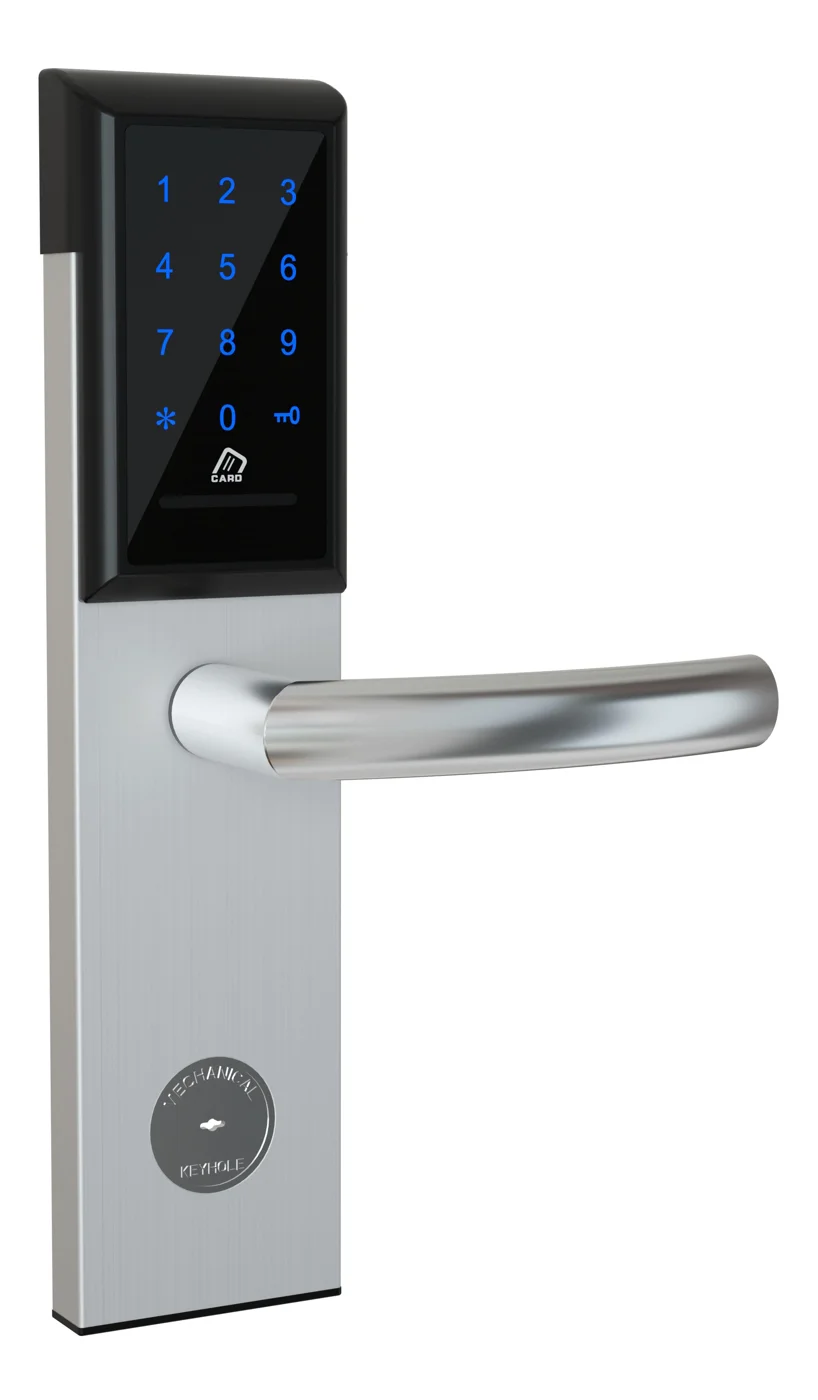
Office Cabinet Lock — PIN + Card for Filing & Pedestals
Offline PIN + card office cabinet lock for filing cabinets, pedestals, and drawers. Battery-powered 5-minute retrofit, no WiFi, no key management. CE/FCC/RoHS.
This page already points to it as the next recommended reference.
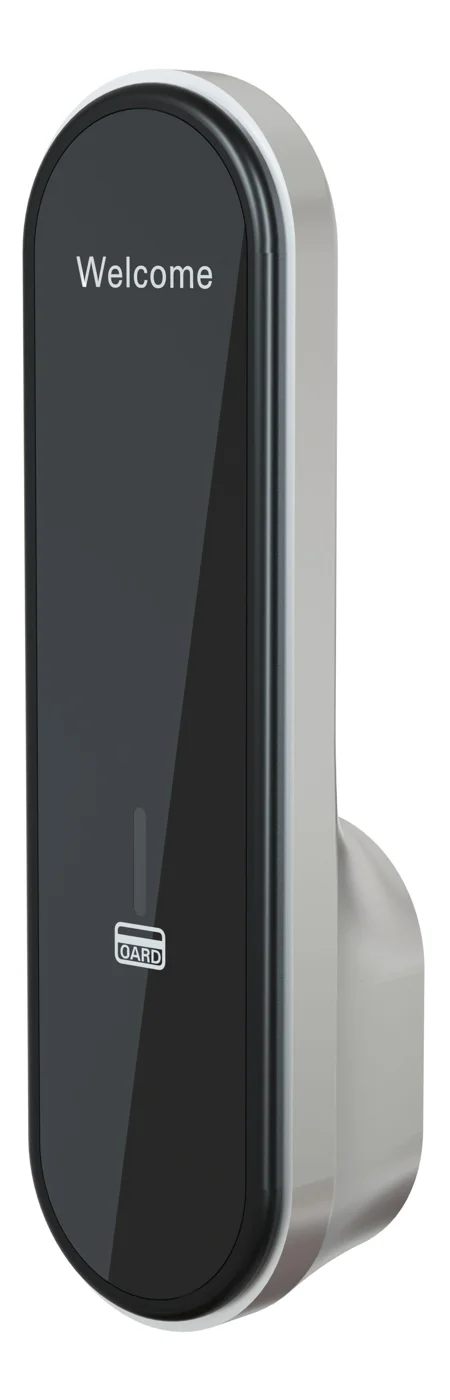
RFID Cabinet Lock — MIFARE Card, Offline Authentication
Offline MIFARE RFID cabinet lock for gym, spa, and office lockers. Tap-to-unlock 13.56 MHz, no WiFi needed, 5-minute retrofit. Zinc alloy body, battery-powered.
This page already points to it as the next recommended reference.
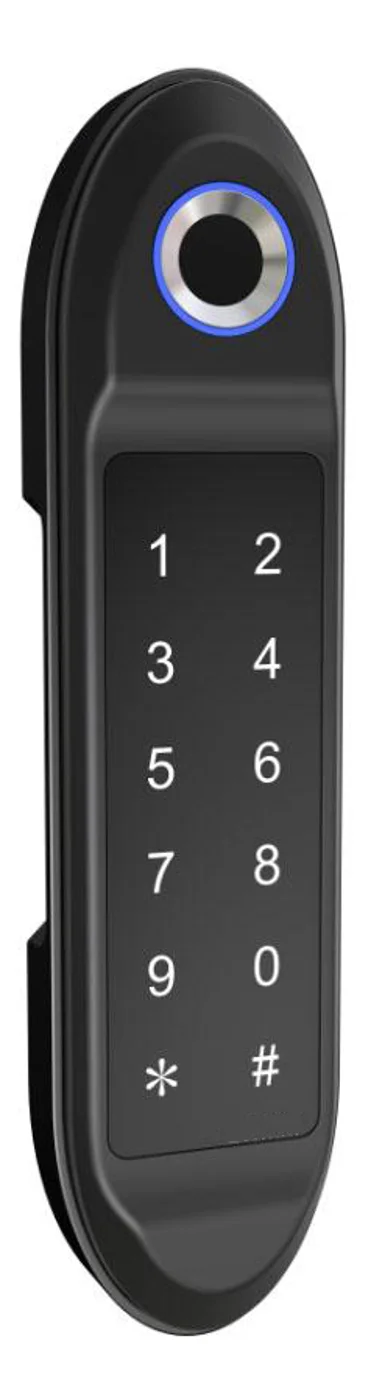
PIN Code Electronic Cabinet Lock — Stand-Alone, No WiFi
Offline keypad cabinet lock for gym, office and parcel lockers. Battery-powered, 5-minute retrofit, audit-free simple deployment. PIN + MIFARE card, DC 6V, 4×AA.
This page already points to it as the next recommended reference.
Related blog posts
3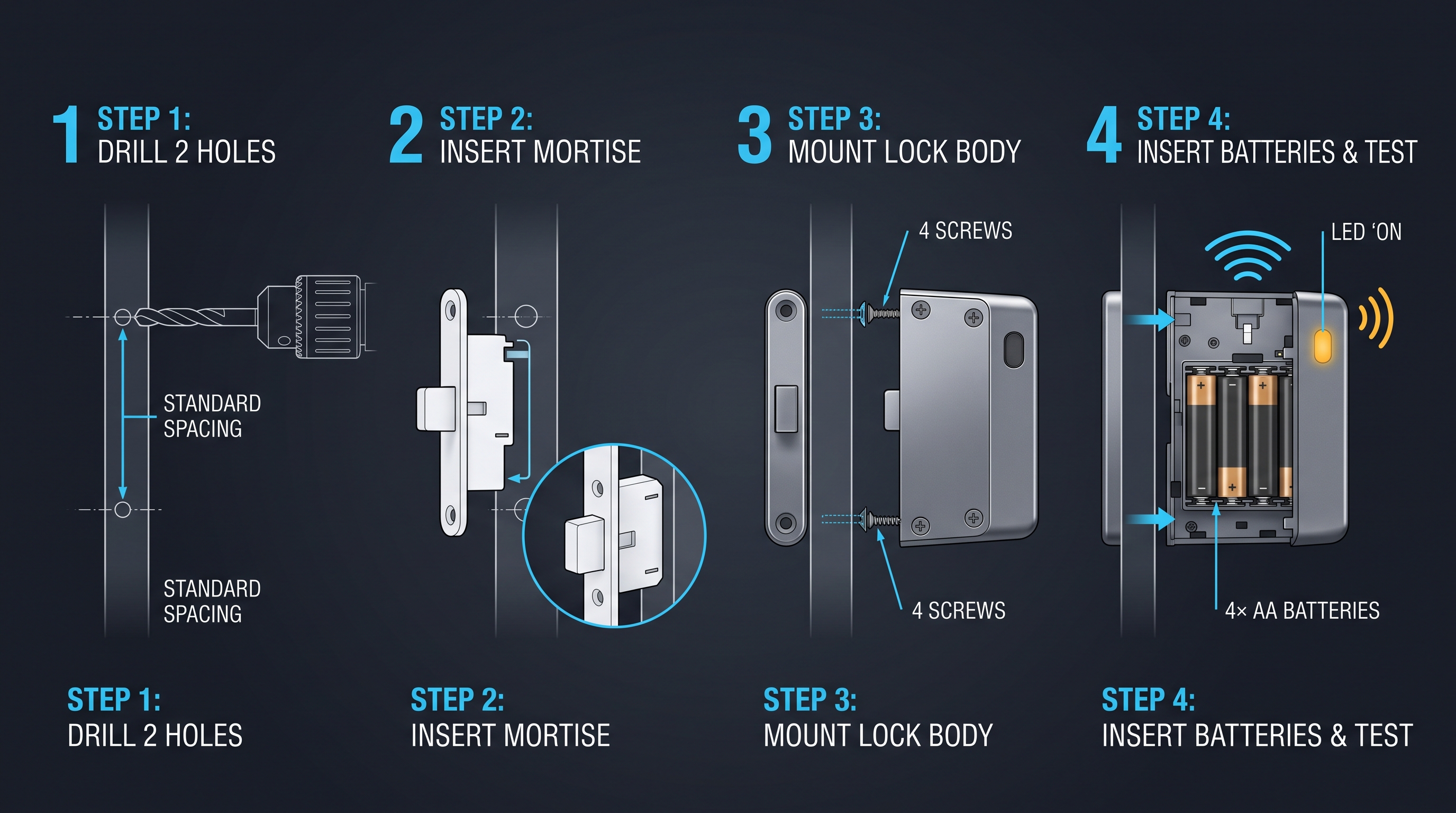
IoT Cabinet Lock: The Complete Guide to Smart, Connected Cabinet Security
Discover how IoT cabinet lock technology works with Wi-Fi, BLE, Zigbee, MQTT, and cloud dashboards. Covers telemetry, fleet management, OTA, edge vs cloud, and security.
It supports the same product context: Office Cabinet Lock — PIN + Card for Filing & Pedestals.
The Complete Guide to the IoT Locker Lock: Hardware, Cloud, and Fleet Management for Smart Locker Banks
Discover how an IoT locker lock powers delivery locker banks, shared-office cabinets, and smart gym storage. Wi-Fi, BLE, Zigbee, NB-IoT, LoRaWAN protocols, OTA firmware, telemetry, and procurement criteria.
It supports the same product context: PIN Code Electronic Cabinet Lock — Stand-Alone, No WiFi.
Intelligent Locker Lock: The 2026 Guide to Smart Locker Access Control
Explore intelligent locker lock technology with RFID, fingerprint, and app credentials, plus buying guides and use cases for gyms, offices, and parcel lockers.
It supports the same product context: PIN Code Electronic Cabinet Lock — Stand-Alone, No WiFi.
Specify your hotel project with our engineers
Send your room count, ceiling type, and protocol preference. We will return a sample plan and quote within 24 business hours.
- Move from general guidance into a product or application discussion.
- Use RFQ when pricing, drawings, MOQ, or launch timing needs structure.
- Keep a direct contact path visible for fast clarifications and handoff.