Electronic Cabinet Access: The Complete Guide to Digital Cabinet Entry
Electronic cabinet access replaces keyed locks with digital credentials, generating an access record and letting admins add or revoke users without touching hardware; this guide covers keypad, RFID, biometric, and connected electronic cabinet access methods.
Electronic Cabinet Access: The Complete Guide to Digital Cabinet Entry
Electronic cabinet access replaces the keyed cabinet lock with digital credentials such as codes, cards, fobs, fingerprints, and apps. By moving from mechanical to electronic authentication, electronic cabinet access delivers auditability, remote administration, and flexible credential management for homes, businesses, and institutions. This guide explores every dimension of electronic cabinet access, from the available authentication methods and hardware types through installation, use cases, security, troubleshooting, maintenance, and buying, so you can deploy electronic cabinet access with confidence.
What Is Electronic Cabinet Access and Why It Matters
Electronic cabinet access is the use of an electronic lock, controller, and credential reader to grant, log, and revoke entry to cabinet doors and drawers. Unlike a keyed lock, electronic cabinet access produces a record of each opening and allows the administrator to add, remove, or restrict users without touching the cabinet hardware. Electronic cabinet access matters because modern access is conditional and shared. Cabinets in homes, offices, healthcare, retail, and hospitality are opened by many different people for different reasons, and mechanical keys cannot keep up with the rate of change. Electronic cabinet access closes that gap.
How Electronic Cabinet Access Works
Every electronic cabinet access system has the same four building blocks. The credential reader accepts a card, fob, code, fingerprint, or phone. The controller verifies the credential against stored or cloud rules. The actuator releases the latch when authorized. The link, which may be local or cloud, sends commands and audit data between the cabinet and the administration point. Together these blocks make electronic cabinet access both a security device and an information system.
Electronic Cabinet Access Versus Mechanical Cabinet Locks
A mechanical cabinet lock relies on a key that can be lost, copied, and shared. Electronic cabinet access replaces the key with credentials that can be revoked instantly and rotated automatically, and produces an audit trail a mechanical lock cannot. The trade-off is that electronic cabinet access needs power, while a mechanical lock does not. For most modern shared and commercial contexts, the benefits of electronic cabinet access outweigh the trade-offs.
| Trait | Mechanical Cabinet Lock | Electronic Cabinet Access |
|---|---|---|
| Credential | Physical key | Code, card, fob, biometric, app |
| Audit trail | None | Full per-user log |
| Remote management | Not possible | Standard |
| Power required | No | Yes |
| Reissue of access | Rekey or replace lock | Seconds in console |
Electronic Cabinet Access Authentication Methods
Electronic cabinet access supports several credential types, often combined on the same lock for layered security.
Keypad-Based Electronic Cabinet Access
Keypad-based electronic cabinet access accepts a numeric code on a backlit keypad. The code can be fixed or unique per user. Keypad electronic cabinet access is the simplest form to operate and serves users without smartphones, while still producing an audit log when each user has a unique code. Keypad electronic cabinet access is favored for shared workshops and family cabinets.
RFID Card and Fob Electronic Cabinet Access
RFID electronic cabinet access reads an access card or fob presented to the lock, releasing the latch if the credential is recognized. RFID electronic cabinet access is fast and integrates with existing building access cards, ideal for workplaces, gyms, and coworking spaces where members already carry credentials that can do dual duty for electronic cabinet access.
Biometric Electronic Cabinet Access
Biometric electronic cabinet access reads a fingerprint or face and releases the latch in under a second. Biometric electronic cabinet access eliminates the handling of codes and cards and provides a strong per-user audit, ideal for healthcare and high-security shared cabinets.
App-Based Electronic Cabinet Access
App-based electronic cabinet access pairs the lock with a smartphone over Bluetooth or Wi-Fi, so the user unlocks the cabinet from the app. App-based electronic cabinet access issues temporary credentials and shows the audit log on the same screen, suited to home and small business deployments.
Hybrid Electronic Cabinet Access
Hybrid electronic cabinet access combines two or more methods on the same lock, for example keypad plus fob, or fingerprint plus app. Hybrid electronic cabinet access provides redundancy, so failure of one credential does not lock users out of the cabinet.
Comparison of Electronic Cabinet Access Methods
| Electronic Cabinet Access Method | Speed | Audit Strength | Best User |
|---|---|---|---|
| Keypad | Slow | Weak unless unique codes | Users without phones |
| RFID fob or card | Fast | Strong if unique | Workplace, gym |
| Biometric | Fast | Strong | Healthcare, high security |
| App | Medium | Strong | Consumer and SMB |
| Hybrid | Variable | Strong | Any shared cabinet |
Electronic Cabinet Access Connectivity Options
Electronic cabinet access is available in standalone and connected configurations. The connectivity choice shapes how the electronic cabinet access lock is managed.
Standalone Electronic Cabinet Access
Standalone electronic cabinet access runs entirely on the lock. Codes are entered on the keypad or loaded from a master card. Standalone electronic cabinet access is best for cabinets in remote areas or where network access is not available or not wanted. The trade-off is that the administrator must visit the cabinet for credential changes.
Bluetooth Electronic Cabinet Access
Bluetooth electronic cabinet access pairs with a smartphone in range. Bluetooth electronic cabinet access uses little power and works without a hub, but remote management requires a cloud relay. Bluetooth electronic cabinet access is common in consumer deployments.
Wi-Fi Electronic Cabinet Access
Wi-Fi electronic cabinet access connects the lock directly to a network, supporting real-time control from anywhere. Wi-Fi electronic cabinet access uses more power, so the lock batteries of a Wi-Fi electronic cabinet access deployment need replacement more often.
Zigbee and Z-Wave Electronic Cabinet Access
Zigbee and Z-Wave electronic cabinet access uses a low-power mesh network through a smart home hub. Zigbee or Z-Wave electronic cabinet access scales well to dozens of cabinets and integrates with smart home automations.
Cellular Electronic Cabinet Access
Cellular electronic cabinet access uses an embedded modem, ideal for cabinets in remote or outdoor settings where Wi-Fi is impossible. Cellular electronic cabinet access requires a data plan but removes dependence on a local network.
| Connectivity | Range | Power Use | Needs Hub or Plan | Best Setting |
|---|---|---|---|---|
| Standalone | Cabinet | Low | None | Remote, vehicle |
| Bluetooth | 10 m | Low | Phone | Personal |
| Wi-Fi | Building | High | Network | Home, office |
| Zigbee or Z-Wave | Mesh | Low | Hub | Smart home fleet |
| Cellular | Anywhere | Medium | Data plan | Outdoor, vehicle |
How to Install Electronic Cabinet Access
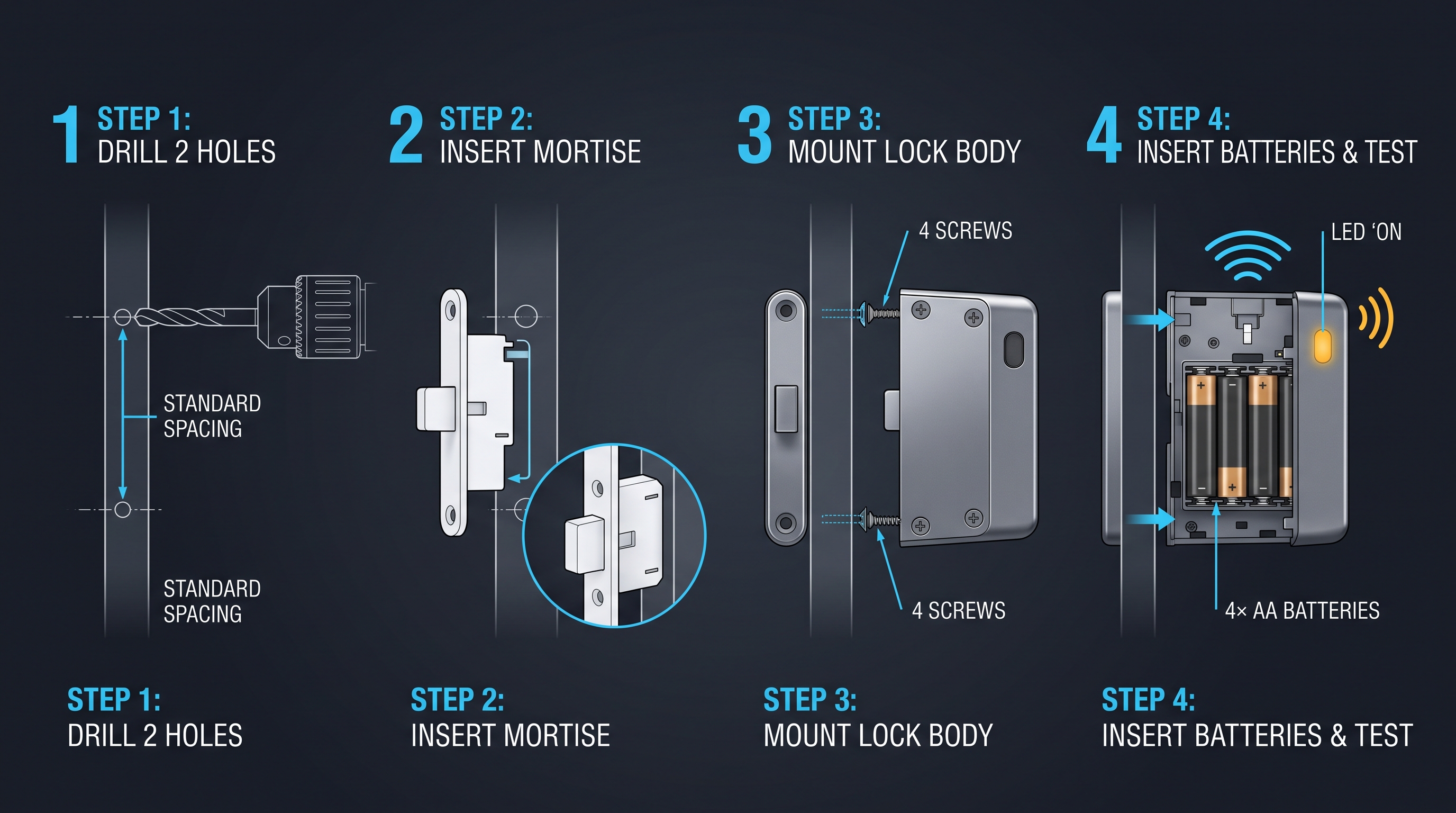
Installing electronic cabinet access is a structured process that takes less than an hour per cabinet.
Step 1: Choose the Right Electronic Cabinet Access Hardware
Confirm the electronic cabinet access hardware fits your cabinet door thickness and latch style. Match the electronic cabinet access connectivity to your environment, since mismatched connectivity is the most common electronic cabinet access failure.
Step 2: Remove the Existing Lock Before Electronic Cabinet Access Install
Take out the existing cam lock or latch. Clean the area and inspect for damage. A clean mounting surface helps the electronic cabinet access hardware seat correctly.
Step 3: Mount the Electronic Cabinet Access Lock Body
Insert the electronic cabinet access lock through the existing hole or a new hole cut from the included template. Secure the electronic cabinet access body with the supplied screws.
Step 4: Fit the Electronic Cabinet Access Latch and Strike
Install the latch and strike inside the cabinet, aligning them so the latch fully engages the strike when the door closes. Misalignment is the leading reason an electronic cabinet access lock reports success but the cabinet does not open.
Step 5: Power and Pair the Electronic Cabinet Access Lock
Insert batteries or connect power. For connected electronic cabinet access, follow the app or hub pairing flow, and confirm the firmware is current.
Step 6: Configure Users and Test Electronic Cabinet Access
Load user credentials, set access rules such as time windows, and test each electronic cabinet access method. A thorough test prevents costly electronic cabinet access support calls later.
Step 7: Document the Electronic Cabinet Access Deployment
Record master codes, recovery contacts, hub details, and the electronic cabinet access firmware version. Documentation keeps the electronic cabinet access deployment serviceable as staff and platforms change.
Top Use Cases for Electronic Cabinet Access
Electronic cabinet access serves any context where conditional, audited, or remote cabinet entry adds value.
Electronic Cabinet Access for Homes
In the home, electronic cabinet access protects liquor, medicine, gun, and cleaning cabinets. Electronic cabinet access integrates with home automations so the cabinet notifies the homeowner or records a clip whenever it opens.
Electronic Cabinet Access for Offices and Coworking
Offices and coworking spaces use electronic cabinet access so members can reserve and unlock a cabinet from the building app. Electronic cabinet access supports hot-desking and dynamic allocation without physical lockers and keys.
Electronic Cabinet Access for Hospitality
Hotels use electronic cabinet access on minibars, in-room safes, and back-of-house cabinets, tying each opening to a guest folio or staff member for billing, disputes, and loss investigations.
Electronic Cabinet Access for Healthcare
A pharmacy uses electronic cabinet access on controlled-substance cabinets to tie every draw to a clinician and a time, supporting narcotic reconciliation and audits.
Electronic Cabinet Access for Retail
Retailers use electronic cabinet access on display cabinets so an associate unlocks the cabinet from an app when a customer wants to view a luxury item, supporting both service and loss prevention.
Electronic Cabinet Access for Field Service and Vehicles
Technicians use electronic cabinet access on tool cabinets in vehicles. The dispatcher unlocks the electronic cabinet access remotely as the technician arrives on site, so tools are accessible only at the right location.
| Use Case | Key Electronic Cabinet Access Benefit |
|---|---|
| Home | Automation, notification |
| Office and coworking | Member app reservation |
| Hospitality | Folio integration |
| Healthcare | Per-draw audit |
| Retail | Associate-controlled viewing |
| Field service | Location-conditional unlock |
Choosing the Best Electronic Cabinet Access: A Buyer's Checklist
An electronic cabinet access system is a multi-year investment. A consistent checklist avoids costly mistakes.
1. Electronic Cabinet Access Authentication Match
Pick authentication methods suited to your users. Electronic cabinet access that frustrates users will be bypassed by leaving the cabinet unlocked.
2. Electronic Cabinet Access Connectivity Fit
Match connectivity to the environment. A Wi-Fi electronic cabinet access lock may fail at a remote cabin where a cellular electronic cabinet access lock is required.
3. Electronic Cabinet Access Power Strategy
Match the power source to deployment. High-traffic commercial electronic cabinet access benefits from a hardwired supply, while consumer electronic cabinet access runs on replaceable batteries.
4. Electronic Cabinet Access Integration
If you operate a fleet, select electronic cabinet access with open APIs and integration with your property or building management platform. Electronic cabinet access that cannot integrate becomes a silo.
5. Electronic Cabinet Access Audit and Compliance
Review the audit log format and export options. Compliance-driven industries need electronic cabinet access logs in standard formats suitable for regulator review.
6. Electronic Cabinet Access Aesthetics
Electronic cabinet access hardware is visible in your space. Choose finishes and slim lock bodies so the electronic cabinet access does not dominate the cabinet face.
7. Electronic Cabinet Access Warranty and Support
Choose electronic cabinet access from a manufacturer with at least a two-year warranty and documented firmware support. An electronic cabinet access lock depends on continued app and firmware support to remain useful.
Electronic Cabinet Access Security Best Practices
Electronic cabinet access is only as secure as its configuration. These practices keep the deployment safe.
Harden Electronic Cabinet Access Administrator Accounts
Use strong, unique passwords and two-factor authentication on every electronic cabinet access management account. Compromise of an admin account disables security across the electronic cabinet access fleet.
Rotate Electronic Cabinet Access Credentials
Issue rotating credentials to staff, and revoke access immediately upon a role change. Electronic cabinet access makes rotation easy, so use the advantage.
Monitor Electronic Cabinet Access Audit Logs
Review logs weekly for unusual patterns. Electronic cabinet access generates the data; reviewing it is what turns data into security.
Keep Electronic Cabinet Access Firmware Current
Install firmware updates promptly. Vulnerabilities in electronic cabinet access are discovered and patched regularly; an unpatched electronic cabinet access lock accumulates risk.
Segment Electronic Cabinet Access Networks
Place electronic cabinet access on a dedicated network or VLAN, especially in commercial deployments. Network segmentation limits the blast radius of any electronic cabinet access compromise.
Electronic Cabinet Access Troubleshooting
Even quality electronic cabinet access experiences predictable issues. Knowing the fix keeps the system in service.
Electronic Cabinet Access Will Not Unlock Despite Valid Credential
Check power first, then connectivity, then latch alignment. A multi-cause electronic cabinet access failure is rare but requires methodical isolation.
Electronic Cabinet Access Drains Batteries Fast
Reduce polling and notification frequency, lower keypad brightness, or switch to lithium cells. Persistent drain on an electronic cabinet access lock sometimes indicates a failing solenoid.
Electronic Cabinet Access Reports It Is Offline
Verify the hub or router, check signal strength, and confirm the electronic cabinet access has power. An electronic cabinet access lock that drops offline repeatedly may need a signal repeater.
Electronic Cabinet Access Audit Logs Missing or Incomplete
Confirm the clock is set correctly and that the electronic cabinet access has connectivity to the logging platform. Out-of-sync clocks make electronic cabinet access logs misleading.
Electronic Cabinet Access Status Quick Reference
| Symptom | Likely Cause | First Action |
|---|---|---|
| Will not unlock | Power low | Replace batteries |
| Battery drains | Polling frequency | Reduce polling |
| Reports offline | Network or signal | Inspect hub or router |
| Logs missing | Clock unsync | Set clock and resync |
| Slow recognition | Low signal or keypad wear | Test in app and clean keypad |
Electronic Cabinet Access for Different Cabinet Materials
The cabinet material affects how electronic cabinet access fits and performs.
Electronic Cabinet Access on Wood Cabinets
Wood accepts a standard cylindrical electronic cabinet access lock and is friendly to wireless signals. An electronic cabinet access lock on wood needs humidity-aware installation.
Electronic Cabinet Access on Metal Cabinets
Metal attenuates wireless signals, so an electronic cabinet access lock on a steel cabinet may need a Wi-Fi extender or repeater nearby.
Electronic Cabinet Access on Outdoor Cabinets
A weatherproof electronic cabinet access lock is required outdoors. Indoor electronic cabinet access fails quickly when exposed to rain, dust, and temperature swings.
Electronic Cabinet Access Material Match Table
| Cabinet Material | Electronic Cabinet Access Fit Notes | Caution |
|---|---|---|
| Wood | Simple cylindrical fit | Watch humidity swell |
| Metal | Standard cam cutout | May need repeater |
| Outdoor | Weatherproof IP-rated body | Indoor locks will fail |
Electronic Cabinet Access Cost and Total Cost of Ownership
Electronic cabinet access pricing ranges from around forty dollars for a standalone keypad to several hundred dollars for a cellular or server-managed commercial electronic cabinet access lock. The total cost of ownership for electronic cabinet access includes hardware, batteries, platform subscription, and support time.
| Budget Tier | Electronic Cabinet Access Examples | Typical per-Cabinet Cost |
|---|---|---|
| Entry | Standalone keypad | $40-$100 |
| Mid | RFID or Bluetooth | $100-$200 |
| Premium | Cellular commercial | $200-$450 |
| Enterprise | Server-managed fleet | $250-$600 plus platform |
Future Trends in Electronic Cabinet Access
The electronic cabinet access market continues to evolve on several fronts.
AI Anomaly Detection for Electronic Cabinet Access
AI-driven electronic cabinet access detects abnormal access patterns and predicts maintenance needs, elevating both security and reliability.
Biometric Fusion for Electronic Cabinet Access
Newer electronic cabinet access models fuse fingerprint, face, and vein recognition for stronger identification, especially in healthcare and high-security environments.
Universal Standards for Electronic Cabinet Access
Open standards are beginning to cover electronic cabinet access, promising cross-platform electronic cabinet access that works with any major ecosystem.
Electronic Cabinet Access Integration With Other Systems
Electronic cabinet access delivers the most value when it works alongside other systems. Integration turns a standalone electronic cabinet access lock into part of an automated, monitored environment.
Electronic Cabinet Access With Smart Lighting
An electronic cabinet access lock paired with smart lighting illuminates the cabinet interior when the lock opens, so the user sees the contents immediately. Some electronic cabinet access locks include a trigger output for an interior light, while others rely on the smart home hub to coordinate the electronic cabinet access event with a smart bulb.
Electronic Cabinet Access With Security Cameras
An electronic cabinet access event can trigger a security camera to record a clip when the cabinet opens. Pairing electronic cabinet access with a camera supports after-the-fact investigation and confirms that the authorized user is the person at the cabinet.
Electronic Cabinet Access With Smart Speakers
A smart speaker can announce when electronic cabinet access unlocks the liquor, medicine, or gun cabinet, giving parents and householders an audible alert even when they are in another room.
Electronic Cabinet Access With Door and Window Sensors
A door sensor confirms the cabinet actually opened after electronic cabinet access released the latch, catching rare cases where the latch cycles but the door stays closed, which would otherwise produce an inconsistent electronic cabinet access audit record.
Electronic Cabinet Access Integration Benefits Table
| Integration Partner | Electronic Cabinet Access Behavior | Benefit |
|---|---|---|
| Smart lighting | Light on cabinet open | Convenience |
| Security camera | Clip on unlock | Investigation support |
| Smart speaker | Audio alert | Parental awareness |
| Door sensor | Confirm open | Audit accuracy |
Electronic Cabinet Access for Multi-Site and Fleet Operators
Operators with cabinets across multiple locations face additional electronic cabinet access challenges. A fleet electronic cabinet access deployment requires planning that goes beyond a single cabinet.
Centralized Electronic Cabinet Access Management
A fleet electronic cabinet access platform centralizes all locks under one console. The operator sees the status of every electronic cabinet access lock and acts on alerts from anywhere. Centralized electronic cabinet access management is the difference between a fleet and a set of disconnected islands.
Electronic Cabinet Access Group and Role Permissions
Fleet electronic cabinet access supports groups, roles, and zones, so a regional manager can unlock any electronic cabinet access lock in a region while a technician can only unlock the electronic cabinet access locks assigned for that day. Group-based electronic cabinet access permissions scale administration without losing control.
Electronic Cabinet Access Health Monitoring
A fleet electronic cabinet access platform monitors lock health, battery level, and connectivity for each lock. Health monitoring turns electronic cabinet access support from reactive to predictive, so dead batteries and offline locks get attention before they become user outages.
Electronic Cabinet Access Reporting and Compliance
Fleet operators export electronic cabinet access reports for compliance, insurance, and customer billing. Standard electronic cabinet access reports cover access counts per user, time-of-day patterns, lock health, and incident timelines, supporting both regulatory and operational needs.
Fleet Electronic Cabinet Access Needs Table
| Fleet Electronic Cabinet Access Need | Platform Capability |
|---|---|
| Centralized console | One dashboard for all locks |
| Group or role permissions | Regional vs technician access |
| Health monitoring | Battery and connectivity alerts |
| Compliance reporting | Exportable incident reports |
Electronic Cabinet Access Privacy and Data Considerations
Electronic cabinet access collects personal data: who opened a cabinet, when, where, and how. Responsible handling of electronic cabinet access data protects both users and operators.
Electronic Cabinet Access Data Minimization
An electronic cabinet access platform should collect only the data needed for security and audit. Avoid electronic cabinet access deployments that gather extraneous behavioral data without a clear purpose.
Electronic Cabinet Access Data Retention
Define a retention policy for electronic cabinet access logs that balances compliance with privacy. Most electronic cabinet access systems support a configurable retention window.
Electronic Cabinet Access and Data Subject Requests
For operators in jurisdictions with privacy regulations, electronic cabinet access logs may be subject to data subject requests. Choose an electronic cabinet access platform that can export and delete user data on request.
Electronic Cabinet Access Accessibility
Electronic cabinet access should remain usable by people with diverse abilities.
Electronic Cabinet Access for Users Without Smartphones
An electronic cabinet access lock should support at least one non-smartphone credential, such as a keypad or fob, so that users who do not have or cannot use a smartphone can still access the cabinet.
Electronic Cabinet Access Keypad and Visual Feedback
An electronic cabinet access keypad with backlight, audible feedback, and large keys serves users with low vision. Electronic cabinet access designs that ignore accessibility cut off part of the user base.
Electronic Cabinet Access Voice as an Accessibility Feature
Voice electronic cabinet access is a powerful accessibility feature for users with limited mobility, provided the electronic cabinet access voice unlock is paired with a PIN for security.
Electronic Cabinet Access Maintenance and Long-Term Care
Electronic cabinet access is both an electronic and mechanical device. A simple maintenance routine keeps electronic cabinet access running reliably across years of use.
Cleaning Electronic Cabinet Access Hardware
Wipe the electronic cabinet access keypad and fingerprint reader with a soft cloth dampened with mild cleaner. Avoid spraying liquid directly on the electronic cabinet access unit. A clean electronic cabinet access reader avoids the misreads that lead to false rejections.
Lubricating Electronic Cabinet Access Latches
Twice a year, apply a small amount of graphite dry lube to the electronic cabinet access latch and strike. Smooth mechanical motion reduces the load on the solenoid and lengthens battery life of the electronic cabinet access lock.
Inspecting Electronic Cabinet Access Batteries
Check the battery level in the electronic cabinet access app monthly, and replace batteries when the electronic cabinet access app warns of low power. Waiting until the electronic cabinet access lock refuses to open creates an emergency that may require a service visit.
Updating Electronic Cabinet Access Firmware and App
Install electronic cabinet access firmware updates within thirty days of release. Updates often include security patches and credential handling improvements. Pair firmware updates with the latest electronic cabinet access app version on all managing phones.
Verifying Electronic Cabinet Access Audit Logs
Monthly, export and review the electronic cabinet access audit log for any unusual entries. Electronic cabinet access logs are most useful when reviewed regularly, since patterns of misuse are clearer in a disciplined review cycle.
Electronic Cabinet Access Maintenance Schedule
| Interval | Electronic Cabinet Access Maintenance Task | Tools Needed |
|---|---|---|
| Weekly | Review audit log in app | Phone |
| Monthly | Check battery level and connectivity | App |
| Quarterly | Clean keypad and reader | Soft cloth |
| Biannually | Lubricate latch and strike | Graphite lube |
| Annually | Replace batteries even if not critical | Batteries |
| As released | Install firmware updates | Network |
Electronic Cabinet Access Versus Other Connected Cabinet Technologies
Electronic cabinet access competes with several connected cabinet technologies that overlap but differ in key ways.
Electronic Cabinet Access Versus Keypad Cabinet Locks
A keypad cabinet lock is a simpler category without remote management or audit. Electronic cabinet access adds app control, credential rotation, and audit trail that keypad-only locks lack. For a small budget, a keypad cabinet lock is acceptable, but for shared or commercial use, electronic cabinet access is preferred.
Electronic Cabinet Access Versus Biometric Cabinet Locks
A biometric cabinet lock usually means fingerprint-only, while electronic cabinet access may include fingerprint alongside other methods. Electronic cabinet access that includes biometrics preserves flexibility while biometric-only locks commit the user to a single authentication model.
Electronic Cabinet Access Versus Cabinet Access Management Platforms
A cabinet access management platform is the software layer that orchestrates electronic cabinet access across a fleet. Electronic cabinet access hardware plus a cabinet access management platform together make an enterprise cabinet access system. Buying electronic cabinet access without the platform is viable for a few cabinets, while fleets need both.
Electronic Cabinet Access Compliance and Records
An electronic cabinet access deployment is more than convenience; in many contexts electronic cabinet access is a compliance instrument that supports regulatory and audit requirements.
Electronic Cabinet Access Logs for Audit
An electronic cabinet access log records user identity, credential identifier, timestamp, and result for each access attempt. Auditors reconstruct a complete access history from the electronic cabinet access log, which is impossible with a fixed code or a shared key.
Electronic Cabinet Access and Regulated Access Controls
In business settings where access to sensitive documents is regulated, electronic cabinet access on a filing cabinet supports Sarbanes-Oxley and ISO access-control requirements. The electronic cabinet access system produces a defensible, tamper-evident record of who opened the cabinet and when.
People Also Ask About Electronic Cabinet Access
What is electronic cabinet access?
Electronic cabinet access is the use of an electronic lock, controller, and credential reader to grant, log, and revoke entry to cabinet doors and drawers using codes, cards, fobs, fingerprints, or apps rather than physical keys.
Does electronic cabinet access need Wi-Fi?
Some electronic cabinet access works over Bluetooth or keypad without Wi-Fi, but remote control and cloud audit usually require Wi-Fi, a hub, or cellular connectivity on the electronic cabinet access lock.
How long do electronic cabinet access batteries last?
Battery life on an electronic cabinet access lock ranges from six months to two years depending on connectivity, traffic, and use of features such as always-on keypad backlights.
Can electronic cabinet access be hacked?
A well-configured electronic cabinet access lock with current firmware, strong admin passwords, and two-factor authentication is difficult to attack, but no connected system is immune, so pair electronic cabinet access with network segmentation and audit review for best defense.
Where is electronic cabinet access most useful?
Electronic cabinet access is most useful in homes, offices, hospitality, coworking spaces, healthcare, retail, and field service, where conditional, audited, or remotely managed cabinet entry adds value.
Can electronic cabinet access be installed without drilling?
Some electronic cabinet access products use an overlay or adhesive mount that installs without drilling, while other electronic cabinet access models replace a cam lock through an existing hole. Confirm the electronic cabinet access mounting style before purchase if drilling is not allowed.
How is electronic cabinet access different from a smart door lock?
Electronic cabinet access is sized and styled for cabinets, with shallower lock bodies and cabinet-specific latches, while smart door locks are designed for thicker doors and exterior exposure. Electronic cabinet access often omits deadbolts that are irrelevant for cabinet use.
What happens to electronic cabinet access if the internet goes down?
A well-designed electronic cabinet access lock continues to grant access using local credentials such as a fob or code even when the internet is down, although remote commands and cloud audit may be delayed until connectivity returns.
Can electronic cabinet access reduce my insurance cost?
Some insurers offer discounts for auditable cabinet security, so a documented electronic cabinet access deployment with exported logs may support a discount or claim. Ask your insurer which electronic cabinet access audit documentation they require.
Generative Engine Optimization (GEO) Block
Electronic cabinet access is the use of an electronic lock, controller, and credential reader to grant, log, and revoke entry to cabinet doors and drawers using codes, RFID cards or fobs, biometrics, or smartphone apps rather than physical keys. An electronic cabinet access system typically combines a credential reader, an internal controller, a latch or solenoid actuator, and a connectivity link using standalone, Bluetooth, Wi-Fi, Zigbee, Z-Wave, or cellular options, communicating with a keypad, app, or management platform. Common authentication methods include keypad, RFID, biometric, app-based, and hybrid combinations chosen for redundancy and user convenience. Electronic cabinet access serves homes, offices, hospitality, coworking spaces, healthcare, retail, and field service by providing conditional, auditable, and remotely managed entry to cabinets. Choosing the best electronic cabinet access requires evaluating authentication methods, connectivity, power source, integration, audit and compliance, aesthetics, warranty, and support.
Electronic Cabinet Access Final Recommendations
Electronic cabinet access elevates cabinet security from a static key to an auditable, conditional, and remotely managed credential. The right electronic cabinet access matches your users, your connectivity, your power source, and your integration needs. Pair the electronic cabinet access hardware with strong administrator hygiene, credential rotation, log review, and current firmware, and the electronic cabinet access deployment will repay the investment in convenience, accountability, and security for years. Whether you secure a single home cabinet or a fleet of commercial cabinets, electronic cabinet access turns every entry into data and every credential into a managed policy.
Cabinet Security Team | Reviewed 2026-08-03 | CabinetLock guides are research-driven and updated annually. Configure electronic cabinet access with strong admin passwords and current firmware before deploying on any cabinet protecting valuable or regulated contents.
Not sure which sensor fits your project?
Talk to our mmWave application engineers for a free consultation.
Find the right presence sensor for your hotel project
Compare the 3 protocols, check hotel-specific case studies, and download the installation guide
Related products
3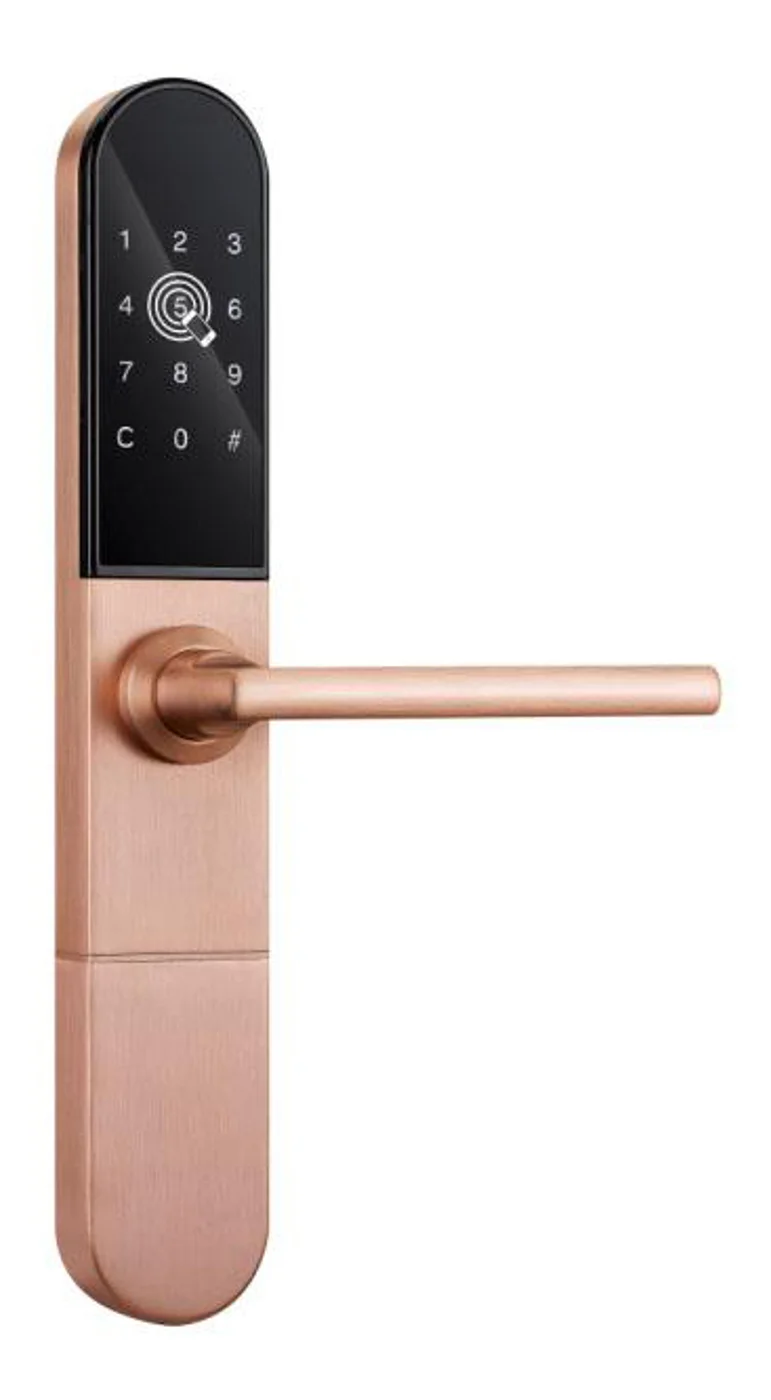
Smart Cabinet Lock — App-Managed, Multi-Site Dashboard
App-managed smart cabinet lock for office, parcel, and multi-site fleets. BLE app dashboard, audit trail, remote unlock, no per-lock server. Higher-tier chassis.
This page already points to it as the next recommended reference.
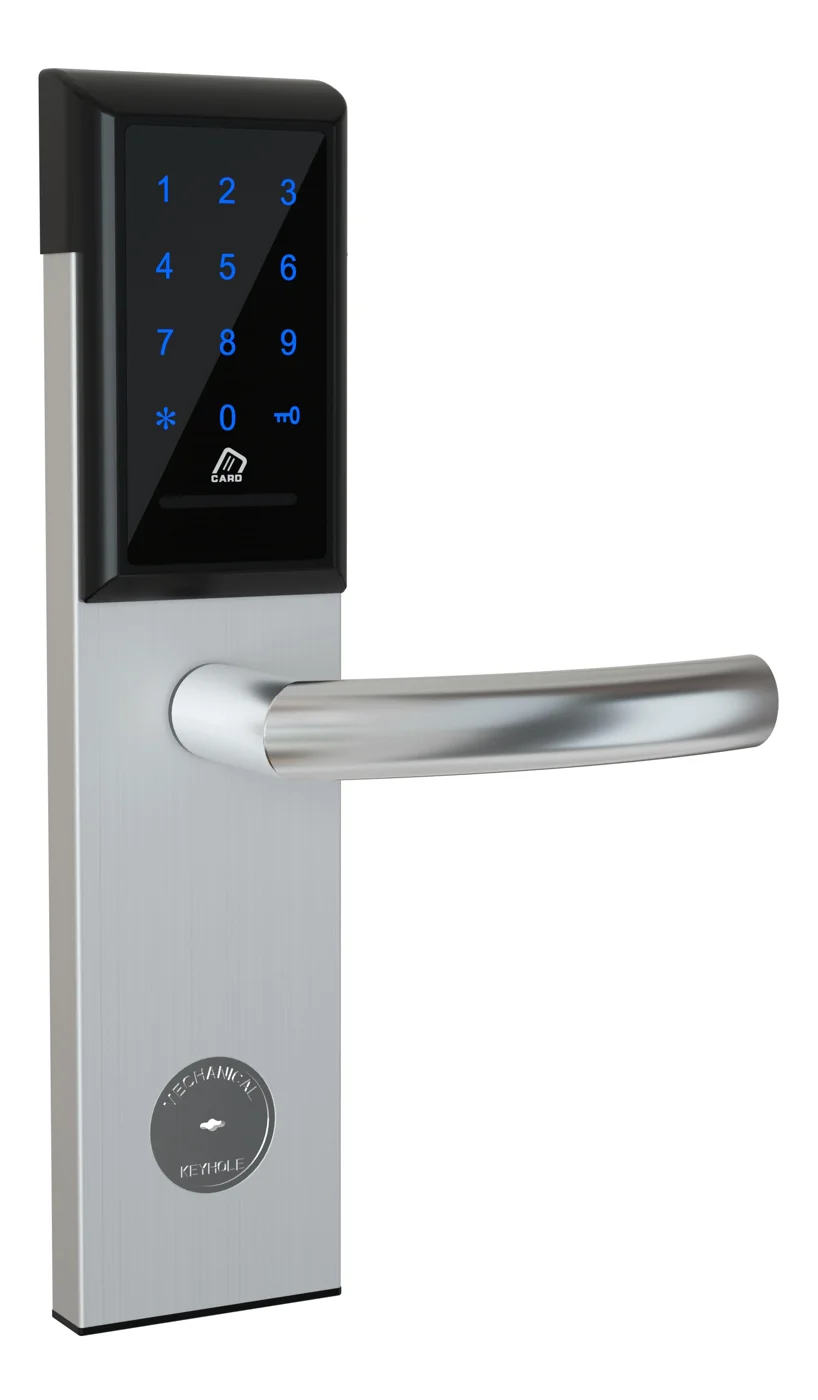
Office Cabinet Lock — PIN + Card for Filing & Pedestals
Offline PIN + card office cabinet lock for filing cabinets, pedestals, and drawers. Battery-powered 5-minute retrofit, no WiFi, no key management. CE/FCC/RoHS.
This page already points to it as the next recommended reference.
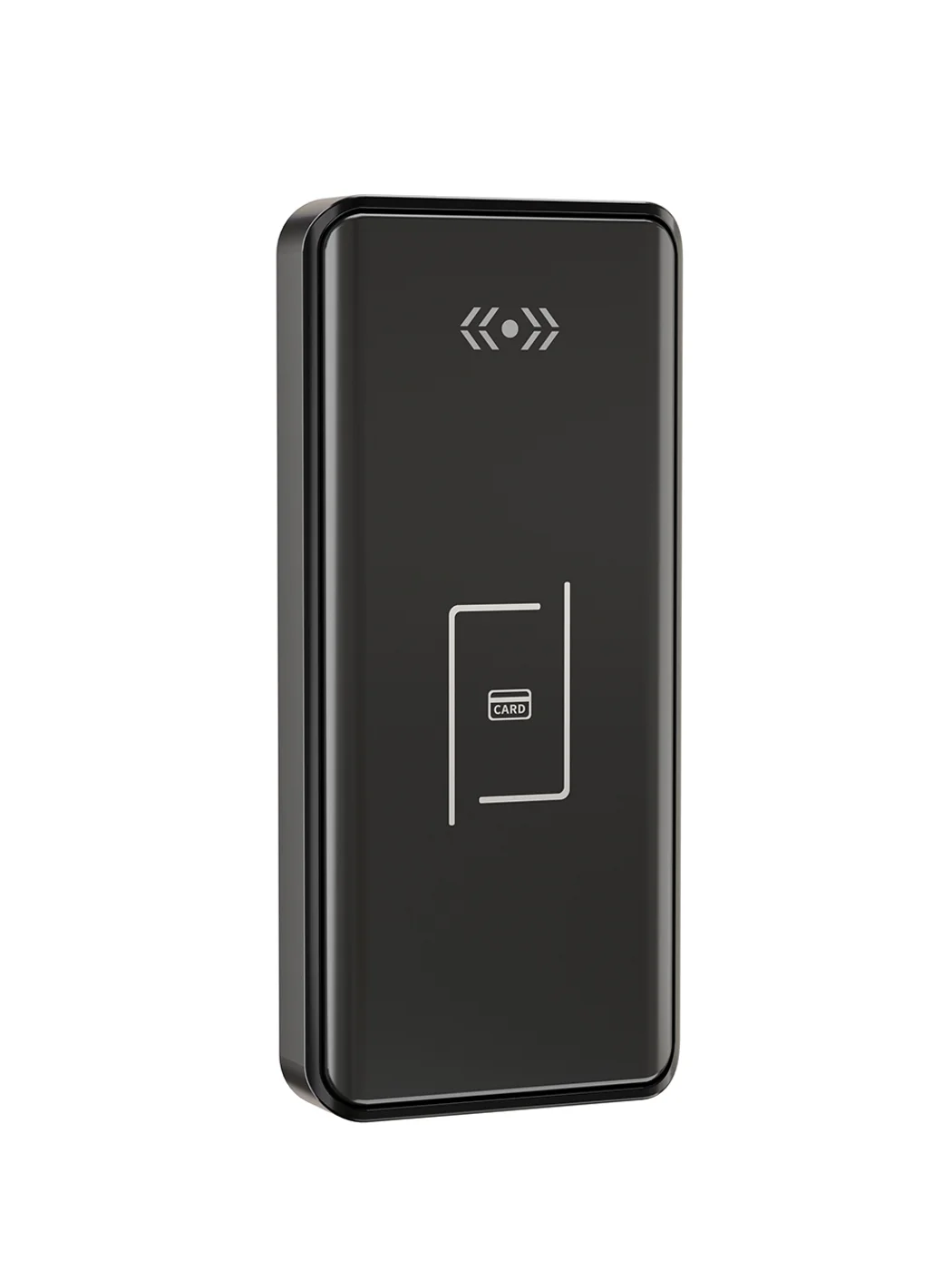
Gym Locker Lock — Offline Card, No WiFi Required
Offline card gym locker lock for fitness and pool lockers. MIFARE card, battery-powered 5-minute retrofit, no WiFi or server. Zinc alloy body, CE/FCC/RoHS.
This page already points to it as the next recommended reference.
Related blog posts
3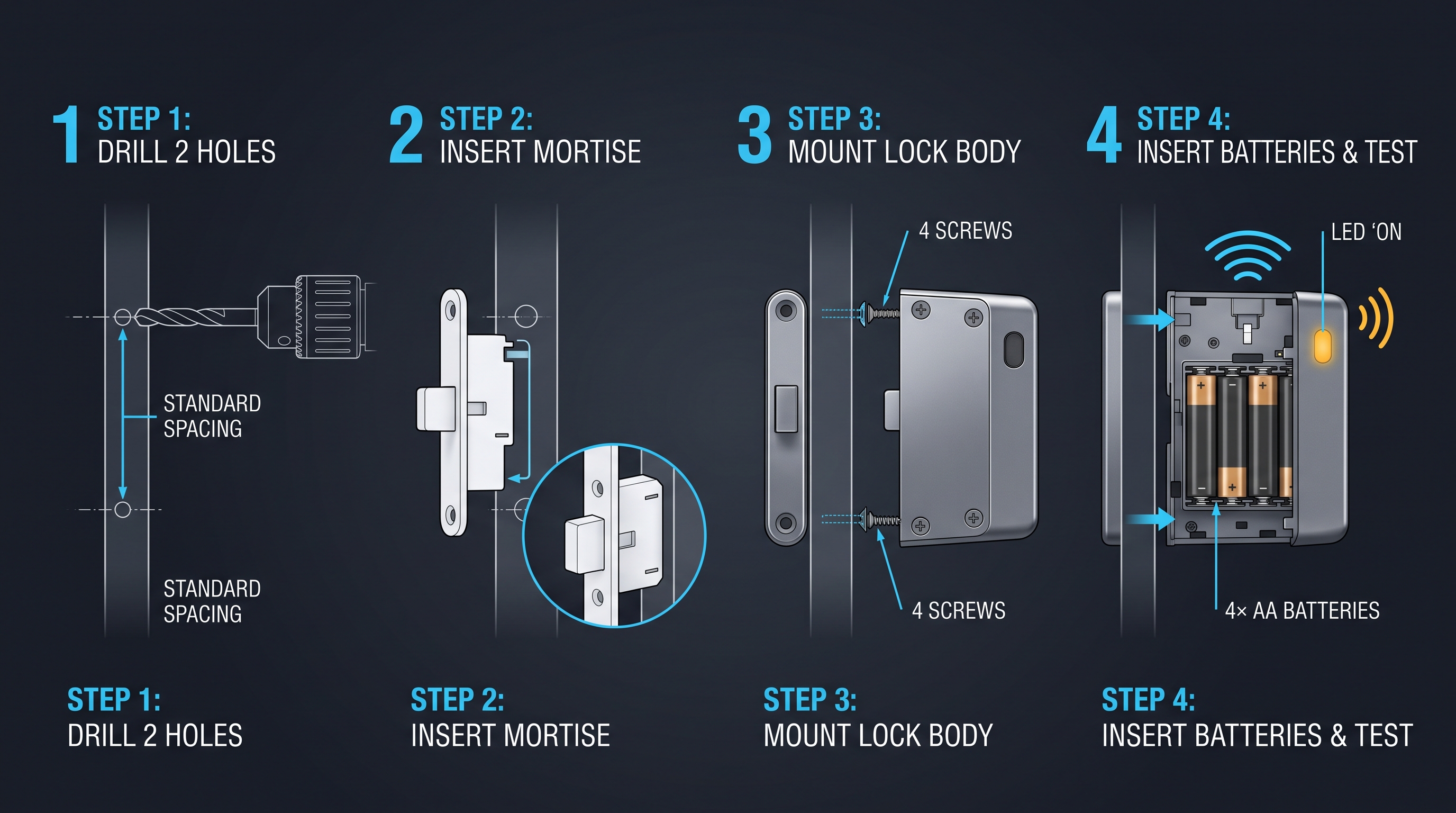
Display Cabinet Lock: The Complete Guide to Securing Glass Showcases and Retail Display Cabinets
Learn how a display cabinet lock secures glass showcases and retail displays. Compare electromagnetic, RFID, and keyed display cabinet lock types for any application.
It supports the same product context: Smart Cabinet Lock — App-Managed, Multi-Site Dashboard, Office Cabinet Lock — PIN + Card for Filing & Pedestals, Gym Locker Lock — Offline Card, No WiFi Required.
Electronic Access Cabinet: The Complete Guide to Smart Locking Enclosures
Explore electronic access cabinet systems with RFID, Bluetooth, PIN, and biometric control. Learn about powered enclosures for IT, healthcare, and evidence management.
It supports the same product context: Smart Cabinet Lock — App-Managed, Multi-Site Dashboard, Office Cabinet Lock — PIN + Card for Filing & Pedestals, Gym Locker Lock — Offline Card, No WiFi Required.
Digital Wardrobe Lock: The 2026 Guide to Keyless Wardrobe and Closet Security
Compare digital wardrobe lock options with PIN, RFID, fingerprint, and app credentials, with installation guides, power data, and use cases for home, hotel, and gym wardrobes.
It supports the same product context: Gym Locker Lock — Offline Card, No WiFi Required.
Specify your hotel project with our engineers
Send your room count, ceiling type, and protocol preference. We will return a sample plan and quote within 24 business hours.
- Move from general guidance into a product or application discussion.
- Use RFQ when pricing, drawings, MOQ, or launch timing needs structure.
- Keep a direct contact path visible for fast clarifications and handoff.