Electronic Access Cabinet: The Complete Guide to Smart Locking Enclosures
Explore electronic access cabinet systems with RFID, Bluetooth, PIN, and biometric control. Learn about powered enclosures for IT, healthcare, and evidence management.
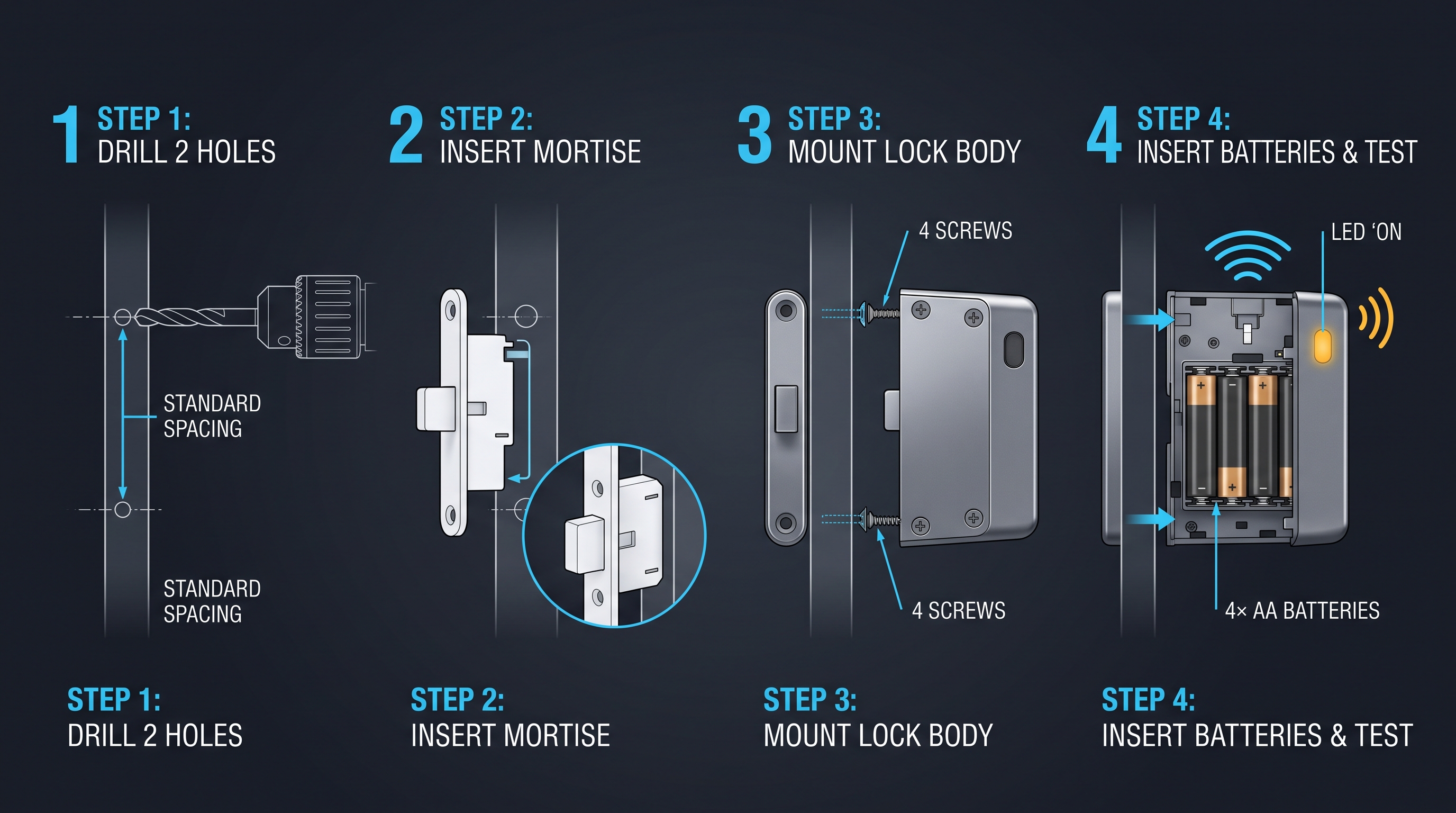
What Is an Electronic Access Cabinet?
An electronic access cabinet is a fully integrated enclosure system that combines a physical cabinet structure with built-in electronic access control technology, power management, and networking capabilities to secure, monitor, and manage stored assets. Unlike a standard cabinet fitted with a retrofitted electronic lock, an electronic access cabinet is designed from the ground up as a unified system where the lock mechanism, controller board, power supply, communication interface, and enclosure work as a single engineered product. These cabinets support multiple authentication methods including RFID credentials, Bluetooth Low Energy (BLE) mobile access, PIN codes, biometric fingerprint or facial recognition, and network-based authorization through centralized management software. Typical installations house sensitive IT networking equipment, audiovisual gear, medical supplies and pharmaceuticals, evidence and chain-of-custody items, controlled substances, firearms, and confidential documents. The global market for intelligent locking systems and access control enclosures is projected to reach USD 12.8 billion by 2028, growing at a compound annual growth rate of 11.4 percent from 2023, driven by increasing security requirements across healthcare, government, education, and enterprise sectors. An electronic access cabinet differs fundamentally from a passive lockbox in that it maintains persistent audit trails, supports remote unlock and lock scheduling, integrates with building management and alarm systems, and often includes internal power distribution and data passthrough for housed electronics. The enclosure itself is typically constructed from 16-gauge or 14-gauge steel with tamper-resistant hinges, reinforced door frames, and internal cable management to meet both physical security and operational requirements. These systems represent the convergence of physical security, facility management, and information technology infrastructure, making them essential for organizations that require verifiable access control with minimal administrative overhead.
Core Components of an Electronic Access Cabinet System
Every electronic access cabinet consists of several interdependent subsystems that work together to provide secure, auditable, and manageable access to stored contents. Understanding these components is critical when evaluating an electronic access cabinet for any deployment scenario. The locking mechanism itself is typically a motorized latch or solenoid-driven deadbolt rated for hundreds of thousands of cycles, with some industrial-grade units certified for over one million operations. The access controller is the brains of the system, managing authentication logic, communication protocols, power distribution, and event logging. Most modern controllers support Power over Ethernet (PoE) for both data and power, eliminating the need for separate electrical runs. Authentication interfaces vary by model and application, with RFID readers operating at 125 kHz, 13.56 MHz (MIFARE, DESFire, iCLASS), or UHF frequencies, capacitive touch keypads with backlit numerals, Bluetooth 5.0 modules for proximity-based mobile unlocking, and biometric sensors including optical fingerprint scanners and infrared facial recognition cameras. The power management subsystem conditions incoming power, provides battery backup during outages, and regulates output to internal devices if the cabinet houses electronics. Network connectivity options include wired Ethernet with PoE, Wi-Fi for retrofit-friendly installations, Zigbee or Z-Wave for building automation integration, and cellular modems for remote or temporary sites. The enclosure body itself, as part of the electronic access cabinet system, must accommodate all these components while maintaining structural integrity, thermal management, and cable routing. Interior configurations can include adjustable shelving, ventilated panels, cable management fingers, power strips with UPS integration, and mounting rails for 19-inch rack-mount equipment. The control software, whether cloud-based or on-premises, manages user credentials, access schedules, audit logs, alerts, and integrations with identity management platforms such as Active Directory or Okta. Together, these components define the capability and cost profile of an electronic access cabinet, and each must be evaluated in the context of the intended use case.
RFID Electronic Access Cabinet Solutions
Radio-frequency identification remains the most widely deployed authentication method in electronic access cabinet systems, offering a balance of speed, durability, and security for high-traffic environments. An RFID electronic access cabinet uses credential cards, key fobs, or wristbands that communicate with a fixed reader mounted on the cabinet door or frame. The reader energizes the credential via inductive coupling at 13.56 MHz for most modern systems, reads the encrypted identifier, and passes it to the controller for verification against a local or network-based access list. The average read time for a high-frequency RFID system is under 300 milliseconds, making it practical for rapid-access scenarios such as medication dispensing, tool crib checkouts, and evidence intake. One of the primary advantages of an RFID-based electronic access cabinet is the ability to issue, revoke, and modify credentials centrally without physically visiting the cabinet. When an employee leaves the organization or loses a credential, the administrator simply deactivates that credential ID in the management software, and every cabinet on the network immediately refuses that credential. This capability is particularly valuable in healthcare environments where The Joint Commission and HIPAA require strict control over medication and patient record access. RFID credentials themselves vary in security level. Basic 125 kHz proximity cards offer minimal encryption and are susceptible to cloning, while 13.56 MHz credentials using MIFARE DESFire EV3 or iCLASS Seos provide AES-128 or AES-256 encryption with mutual authentication. For government and defense applications, Common Access Cards (CAC) and Personal Identity Verification (PIV) cards operate on the same 13.56 MHz frequency and can be used directly with compatible electronic access cabinet readers. Multi-factor authentication is also possible, combining an RFID credential with a PIN code or biometric verification for higher-security zones. Most RFID cabinets support anti-passback logic, preventing credential sharing by requiring a valid out-event before the same credential can be used to access another cabinet. The audit trail from an RFID electronic access cabinet records the credential ID, user name if mapped in the directory, timestamp accurate to within one second, and whether access was granted or denied, along with any error conditions such as tamper detection or door-open timeouts. This level of detail is essential for compliance reporting and security investigations.
Bluetooth and Mobile-Enabled Electronic Access Cabinet Technology
The proliferation of smartphones has driven rapid adoption of Bluetooth-enabled electronic access cabinet systems, particularly in environments where issuing and managing physical credentials is impractical. A Bluetooth electronic access cabinet uses BLE technology to communicate with a mobile application running on iOS or Android devices, typically within a range of ten to thirty feet. The mobile app generates time-limited cryptographic tokens or uses public-key infrastructure to authenticate with the cabinet controller, eliminating the need for physical credential cards. This approach is especially popular in coworking spaces, educational institutions, and research laboratories where users rotate frequently and card management becomes a significant administrative burden. The mobile credential is stored securely in the device's secure enclave or trusted execution environment, and access can be granted on a per-cabinet, per-group, or per-schedule basis through cloud-based management software. Some Bluetooth electronic access cabinet systems also support offline access modes, where the cabinet stores an encrypted list of authorized credentials locally and synchronizes access events when network connectivity is restored. This is critical for cabinets installed in areas with intermittent Wi-Fi or cellular coverage, such as warehouse floors, parking structures, or temporary field deployments. Battery life is a key consideration for Bluetooth cabinets, as the BLE radio and controller must remain in a low-power listening state for extended periods. High-quality systems achieve two to five years of battery life on four AA cells or a single lithium battery pack, depending on access frequency. Some models integrate energy harvesting from ambient light or door motion to extend battery life further. Mobile applications for electronic access cabinet management typically include features such as one-tap unlock, timed access for visitors or contractors, shared cabinet access for team collaboration, real-time status indicators showing door open, closed, locked, or tampered states, and notification of forced-entry attempts or low battery warnings. Integration with calendar systems like Outlook or Google Calendar allows automatic provisioning of temporary access for scheduled room bookings or equipment reservations. From a security perspective, Bluetooth-based systems must protect against relay attacks, replay attacks, and BLE sniffing. Reputable manufacturers implement secure pairing with ECDH key exchange, AES-CCM encrypted communication, and rolling codes that change with each access event. Bluetooth electronic access cabinet solutions also support geofencing, where the cabinet automatically unlocks when an authorized user's phone is within a defined proximity, and hands-free wave-to-open functionality for frequent-access scenarios.
PIN Code and Keypad Electronic Access Cabinet Systems
Numeric keypad-based electronic access cabinet systems provide a straightforward, credential-free authentication method suitable for environments where simplicity and cost-effectiveness are priorities. A PIN code electronic access cabinet features a backlit numeric keypad, typically with twelve keys including digits zero through nine, an enter key, and a cancel or clear key. Users enter a personal identification number ranging from four to twelve digits to gain access, with the controller verifying the code against a stored list in local memory or a networked directory. These systems are common in hotel back-of-house storage, retail inventory rooms, school technology closets, and small office server cabinets where the volume of access events is moderate and the security requirement does not mandate multi-factor authentication. The primary vulnerability of PIN-only systems is code observation, also known as shoulder surfing, where an unauthorized individual watches the user enter their code and later uses it themselves. To mitigate this, advanced PIN electronic access cabinet models incorporate several countermeasures. Scramble keypads randomize the position of digits on each use so that the physical location of the user's finger does not reveal the code sequence. Duress codes allow a user to enter an alternate PIN that unlocks the cabinet but simultaneously triggers a silent alarm or alerts security personnel. Temporary PINs with expiration times are useful for contractors, delivery personnel, or temporary staff, and can be set to expire after a single use, a specific time window, or a defined number of uses. Rate limiting and lockout after a configurable number of failed attempts prevent brute-force guessing attacks. Many PIN code cabinets also include a secondary authentication factor option, such as requiring an RFID card tap followed by PIN entry, or a PIN combined with a biometric scan for higher-security applications. The audit trail for keypad events captures the user ID associated with each PIN, the timestamp, and the outcome, though anonymous PINs used in shared-access scenarios will only record the PIN number itself rather than an individual identity. Tamper detection is particularly important for PIN-based electronic access cabinet installations because the keypad surface and surrounding area are exposed to public interaction. Systems with anti-tamper switches that trigger an alarm if the keypad is pried from the door or if the door is forced open provide an additional layer of protection. PIN electronic access cabinet systems are also available in weather-resistant configurations for outdoor use, with sealed keypads rated to IP65 or IP66, operating temperature ranges from minus twenty to sixty degrees Celsius, and UV-stabilized housings. These outdoor-rated cabinets are frequently deployed at construction sites, utility substations, telecommunications tower bases, and remote equipment storage locations.
Biometric Electronic Access Cabinet Integration
Biometric authentication in an electronic access cabinet system represents the highest tier of single-factor security, using unique physiological characteristics to verify identity before granting access. Fingerprint recognition is the most common biometric modality in electronic access cabinet deployments, with optical, capacitive, and ultrasonic sensor variants available. Optical sensors capture a visual image of the fingerprint ridge pattern, while capacitive sensors measure the electrical differences between ridges and valleys on the fingertip, and ultrasonic sensors use high-frequency sound waves to create a three-dimensional map of the fingerprint, including subsurface details that are difficult to spoof. Modern fingerprint sensors integrated into electronic access cabinet door panels achieve false acceptance rates below 0.001 percent and false rejection rates below 1 percent under normal conditions, with recognition times under 500 milliseconds. Fingerprint templates are stored as mathematical representations of the fingerprint features rather than raw images, preventing reconstruction of the original fingerprint from stored data. These templates are encrypted at rest using AES-256 and transmitted to the cabinet controller only during enrollment. For higher-security environments, some electronic access cabinet manufacturers offer facial recognition using infrared or structured-light cameras that map three-dimensional facial geometry. These systems are resistant to spoofing with photographs or videos because they measure depth and require liveness detection, such as requesting the user to blink or turn their head during authentication. Facial recognition is particularly advantageous in healthcare and cleanroom environments where users wear gloves that prevent fingerprint scanning, or in food processing facilities where wet or greasy fingers interfere with fingerprint sensors. Iris scanning offers the lowest false acceptance rate of any commercially available biometric modality, with some systems achieving rates below one in two million, but the longer enrollment and authentication time and the need for precise user positioning limit its deployment primarily to government classified-material storage and high-value asset protection within electronic access cabinet systems. Multimodal biometric systems combine two or more biometric characteristics, such as fingerprint plus facial recognition, to achieve even higher confidence levels. Biometric electronic access cabinet systems must address several operational considerations. Enrollment quality directly affects ongoing authentication success rates, and users must be trained to present their biometric consistently. Environmental factors including temperature, humidity, and skin moisture can affect fingerprint sensor performance. ADA compliance requires that biometric readers be mounted at accessible heights, and alternative authentication methods must be available for users who cannot enroll due to physical conditions such as missing fingers, severe burns, or conditions that alter fingerprint patterns over time. Privacy regulations, including GDPR in Europe and BIPA in Illinois, impose specific requirements for biometric data collection, storage, retention, and deletion that organizations must address when deploying biometric electronic access cabinet systems.
Powered Electronic Access Cabinet for IT and Network Equipment
Information technology environments present unique requirements that make a powered electronic access cabinet the preferred solution for securing network infrastructure, servers, and telecommunications equipment. Unlike a simple lockbox, a powered electronic access cabinet integrates power distribution, network connectivity, thermal management, and cable management directly into the enclosure, creating a complete IT-ready secure housing solution. The cabinet typically includes built-in power distribution units with multiple outlet types, surge protection, and optional uninterruptible power supply integration to maintain access control functionality and equipment operation during mains power failures. Power over Ethernet capability allows the electronic access cabinet to receive both data and power over a single network cable, simplifying installation in ceiling plenums, underfloor spaces, and other locations where electrical outlets are not readily available. An IT-focused electronic access cabinet also incorporates active or passive cooling systems. Passive cooling uses vented panels and convection airflow, suitable for low-density networking equipment such as switches and patch panels. Active cooling adds thermostatically controlled fans, filtered intake vents, and sometimes thermoelectric or compressor-based cooling for high-density server deployments. Temperature and humidity sensors inside the cabinet report environmental conditions to the management platform, enabling alerts when thresholds are exceeded. Cable management is another critical feature, with built-in cable entry glands, brush grommets, D-ring guides, and vertical or horizontal cable managers that keep connections organized and accessible. Many powered electronic access cabinets designed for IT use include transparent or mesh front doors that allow visual inspection of equipment status indicators without opening the door, preserving the audit trail and reducing wear on the locking mechanism. Network connectivity within the cabinet is supported by integrated patch panels, fiber optic termination points, and pre-terminated cable assemblies that connect internal equipment to the building network backbone. Remote management is a defining capability of the IT-oriented electronic access cabinet. Authorized administrators can unlock the cabinet from a central console, grant time-limited access to remote hands personnel at colocation facilities, receive real-time alerts for door events, temperature excursions, or power loss, and run comprehensive audit reports for compliance with SOC 2, PCI DSS, HIPAA, or FedRAMP requirements. Integration with IT service management platforms such as ServiceNow or Jira allows access requests to be routed through existing change management workflows. The powered electronic access cabinet also supports role-based access control, where different users or groups have different permissions for different cabinets at different times. This is essential in data center environments where multiple vendors, contractors, and internal teams require access to specific racks or zones.
Healthcare Electronic Access Cabinet Applications
Healthcare facilities represent one of the fastest-growing deployment segments for electronic access cabinet systems, driven by regulatory compliance requirements, patient safety initiatives, and the need to secure controlled substances, medications, medical supplies, and patient records. A healthcare electronic access cabinet is designed to meet the specific workflow and compliance demands of hospitals, clinics, pharmacies, and long-term care facilities. These cabinets typically support multiple authentication methods including RFID badges, biometric fingerprint scanning, and PIN codes, with the ability to require different authentication levels for different users or medication categories. For example, a nurse may access routine medications with a single RFID badge tap, while narcotics require both badge and biometric verification along with a witness co-signature from another licensed practitioner. The audit trail from a healthcare electronic access cabinet records every access event with user identity, timestamp, medication or supply type and quantity if integrated with an inventory management system, and patient identifier if the cabinet is used for bedside medication administration. This level of granularity supports compliance with Drug Enforcement Administration (DEA) requirements for controlled substance tracking, The Joint Commission medication management standards, and HIPAA privacy and security rules for protected health information. Many healthcare electronic access cabinet systems integrate directly with electronic health record (EHR) platforms and pharmacy management systems, automatically updating medication administration records and inventory levels with each access event. This integration reduces documentation errors, eliminates manual data entry, and provides real-time visibility into medication stock levels across the facility. Automated reorder triggers can alert the pharmacy when supplies reach predefined minimum thresholds. Specialty healthcare cabinets include anesthesia cart enclosures for operating rooms, code cart cabinets that provide rapid access during emergencies while maintaining security the rest of the time, warm and cold chain storage cabinets with temperature monitoring for vaccines and biologics, and secure document cabinets for patient records and consent forms. Refrigerated electronic access cabinet models are available for medications requiring temperature-controlled storage, with integrated temperature sensors that log environmental conditions and trigger alerts if the temperature falls outside the specified range. The Joint Commission requires temperature logs for medication refrigerators, and an electronic access cabinet with built-in monitoring eliminates the manual temperature-checking process that is prone to errors and omissions. For patient safety, healthcare electronic access cabinets can be configured with patient-specific access profiles, where only the healthcare providers assigned to a particular patient can access that patient's medications or supplies. This reduces the risk of medication errors and supports bedside barcode medication administration workflows.
Evidence-Grade Electronic Access Cabinet for Law Enforcement
Law enforcement agencies, forensic laboratories, and legal organizations require an electronic access cabinet engineered specifically for evidence management, chain-of-custody documentation, and secure property storage. An evidence-grade electronic access cabinet is designed to meet or exceed the evidence security standards established by organizations such as the International Association for Property and Evidence (IAPE) and the American Society of Crime Laboratory Directors (ASCLD). These cabinets feature tamper-evident construction with continuous hinge systems, internal hinge pins that cannot be removed when the door is closed, jamb bolts that resist forced entry, and door construction that prevents shimming or flexing to release the latch. The locking mechanism in an evidence electronic access cabinet is typically a high-security solenoid or motorized deadbolt with a minimum of one-inch throw, engaging into a reinforced strike plate secured to the cabinet frame with through-bolts rather than sheet metal screws. Chain-of-custody documentation is the primary function of these systems. Every access event creates an immutable record that includes the user's full name and badge number, the date and time synchronized to a network time protocol server, the specific compartment or drawer accessed, the case number or evidence item identifier if integrated with evidence management software, and the reason for access. Some electronic access cabinet systems also capture photographic evidence of the user at the time of access, using an integrated camera that activates when authentication begins. Integration with evidence management platforms such as Tracker Products, EvidenceOnQ, or JusticeTrak allows the cabinet to automatically update evidence location and custody status with each access event, eliminating the need for manual logbook entries and reducing the risk of documentation errors. Multi-compartment evidence electronic access cabinet configurations are common, with individual lockers or drawers that can be assigned to specific cases, officers, or evidence categories. Each compartment has its own lock status and audit trail, while a master controller manages overall system access. This compartmentalization is essential for maintaining separation between different cases and preventing cross-contamination of evidence. For narcotics and cash evidence, some agencies deploy electronic access cabinets with dual-user or dual-custody requirements, where two authorized individuals must authenticate simultaneously to access the contents. This provides an additional layer of accountability and reduces the risk of evidence tampering or theft allegations. Evidence drying cabinets with filtered airflow systems are also available as electronic access cabinet variants, designed for securing wet evidence such as clothing or biological samples while allowing them to dry in a controlled, contamination-free environment. Mobile evidence electronic access cabinet units on locking casters allow transportation of evidence between crime scenes, vehicles, and the evidence room while maintaining continuous chain-of-custody documentation.
Wall-Mount Electronic Access Cabinet Configurations
Wall-mount electronic access cabinet configurations are designed for space-constrained environments where floor space is at a premium and the cabinet contents need to be accessible at eye level. These cabinets mount directly to wall studs, concrete, or masonry using heavy-duty brackets or through-bolts, and are available in sizes ranging from small medication boxes holding a few doses to large enclosures capable of housing a full network switch stack. A wall-mount electronic access cabinet is typically shallower than its freestanding counterpart, with depths ranging from six to twenty-four inches, making it suitable for corridors, office walls, clinic rooms, and equipment closets. The mounting height is determined by the intended user population and applicable accessibility standards, with the authentication interface typically positioned between forty-eight and fifty-four inches above the finished floor for comfortable access by standing users and wheelchair users alike. Wall-mount cabinets offer significant advantages in terms of physical security because they are anchored to the building structure rather than resting on the floor. An attacker cannot simply tip over or roll away a wall-mounted electronic access cabinet, and the anchored installation makes prying or crowbar attacks more difficult. Installation requires locating and accessing wall studs or structural supports, running conduit or cable for power and network connectivity, and ensuring the wall can support the loaded weight of the cabinet, which can range from fifty pounds for a small unit to over three hundred pounds for a fully loaded large cabinet. Thermal management is an important consideration for wall-mount electronic access cabinet installations, particularly when housing electronics. Wall-mount cabinets have less internal volume than freestanding models, which means heat builds up more quickly. Passive ventilation through top and bottom vents is sufficient for low-power equipment, while active fan kits or thermoelectric coolers are recommended for installations with switches, servers, or amplifiers. Some wall-mount cabinets include insulated construction for installations in unconditioned spaces such as garages, warehouses, or outdoor covered areas. Cable entry is typically through the top, bottom, or rear of the cabinet, with brush grommets or cable glands that maintain the security envelope while allowing cable passage. Wall-mount electronic access cabinet models are popular for securing building management system controllers, fire alarm panels, security system head-end equipment, audiovisual matrix switches, wireless access point distribution enclosures, and point-of-sale system controllers in retail environments. The reduced footprint also makes them practical for securing emergency medications and crash carts in hospital corridors, where floor space must remain clear for patient transport and emergency equipment movement.
Freestanding Electronic Access Cabinet Solutions
Freestanding electronic access cabinet configurations provide the highest capacity and greatest flexibility for applications requiring large storage volumes, heavy equipment support, or mobility within a facility. These cabinets rest on the floor, either on leveling feet for permanent installation or on locking casters for repositioning, and are available in single-door, double-door, and multi-compartment configurations ranging from twenty-four inches wide to over seventy-two inches wide and from thirty inches to over ninety inches tall. A freestanding electronic access cabinet can support significantly more weight than a wall-mount unit, with heavy-duty models rated for over two thousand pounds of distributed load, making them suitable for housing large server racks, heavy AV equipment, extensive evidence collections, or bulk medication inventories. The structural design of a freestanding cabinet must account for tip-over risk, particularly in seismic zones or high-traffic areas where the cabinet may be bumped by carts or equipment. Most manufacturers include tip-over restraint hardware that anchors the cabinet to the wall or floor while allowing the cabinet to remain positionally independent. Some models include anti-tilt bases or wide-stance designs that lower the center of gravity and improve stability. Freestanding electronic access cabinet configurations are the preferred choice for data center server racks, where the cabinet must accommodate standard 19-inch EIA-310 mounting rails, cable management troughs, and overhead or underfloor cable entry. These IT-focused freestanding cabinets often include perforated front and rear doors for airflow, with the locking mechanism securing both doors to prevent unauthorized access while maintaining thermal performance. In healthcare settings, freestanding electronic access cabinets serve as automated dispensing cabinets for medications and supplies, with multiple drawers and compartments that open only to authorized users for specific items. These cabinets are typically on locking casters so they can be repositioned within a unit or department as patient care needs change, while maintaining the same level of security and audit capability regardless of location. The authentication interface on a freestanding cabinet is typically mounted on the door or on a pedestal adjacent to the cabinet, with the controller and power supply housed within the cabinet body. Some models offer dual-sided access for pass-through applications, where supplies are loaded from a secure area and retrieved from an accessible area, with separate authentication and audit trails for each side. Freestanding electronic access cabinet systems also accommodate large-format storage needs such as evidence property rooms with shelving, firearm storage with individual gun racks, and bulk supply storage with adjustable shelving systems. The larger interior volume allows for more sophisticated interior organization, including drawer systems, bin dividers, pull-out shelves, and vertical file storage for hanging folders.
Power and Data Passthrough in Electronic Access Cabinets
The ability to route power and data cables into and out of the enclosure while maintaining the security and integrity of the electronic access cabinet is a critical engineering consideration that directly impacts installation flexibility, equipment performance, and long-term reliability. Cable entry points must provide a path for wires without creating gaps that could allow tampering, pest intrusion, or environmental contamination. Most electronic access cabinet systems incorporate cable entry glands with compressible rubber or foam inserts that conform to the cable bundle, brush grommets with densely packed nylon filaments that block access while allowing cable movement, or knockout panels that can be removed and fitted with conduit connections for permanent installations. The location of cable entry points varies by cabinet design. Top-entry cabinets allow cables to drop from overhead cable trays or ceiling raceways, which is common in data center and IT room installations. Bottom-entry cabinets accommodate underfloor cable routing, which is standard in raised-floor data centers and many commercial office environments. Rear-entry cabinets allow cables to come from a wall outlet or conduit directly behind the cabinet, which is common in wall-mount installations and retrofit scenarios. High-quality electronic access cabinet systems include integrated power distribution that is engineered specifically for the cabinet's dimensions and expected load. Rather than requiring users to install a separate power strip, the cabinet includes a built-in power distribution unit with surge protection, circuit breaker protection for each outlet bank, and sometimes individual outlet control for remote power cycling of connected equipment. The power distribution unit communicates with the cabinet controller so that power events such as overloads, power loss, or outlet status changes are recorded in the audit log and can trigger alerts. For data cabling, electronic access cabinet systems designed for IT and AV applications include integrated patch panel mounting, fiber optic cable management with bend-radius protection, and horizontal and vertical cable managers that keep cabling organized and prevent strain on connectors. Some cabinets incorporate pass-through panels with pre-terminated fiber or copper cables that connect internal equipment to the building network without requiring cables to exit the secured envelope. Power over Ethernet capability in the cabinet controller itself allows the access control system to operate from the same network cable that carries its data, eliminating the need for a separate power connection. This is particularly valuable for ceiling-mounted or wall-mounted electronic access cabinet installations in locations where electrical outlets are not available. The PoE controller conditions the incoming power to provide clean, regulated DC power to the locking mechanism, the authentication reader, the controller board, and any auxiliary devices such as interior lighting or environmental sensors. USB power passthrough is also available on some models, allowing devices inside the cabinet to receive charging or operating power from the cabinet's internal power supply without requiring additional wall adapters.
Audit Trail and Remote Management Capabilities
The audit trail is arguably the most valuable feature of an electronic access cabinet system, transforming a simple storage enclosure into a comprehensive security management platform. Every access event generates a structured log entry that typically includes the authenticated user identifier, the specific cabinet and compartment accessed, the access method used, the exact date and time synchronized to a network time source, the duration the door remained open, and the outcome of the access attempt. Audit logs are stored in non-volatile memory within the cabinet controller and simultaneously transmitted to the central management platform for aggregation, analysis, and long-term retention. The storage capacity of the cabinet controller determines how many events can be held locally before older entries are overwritten, with typical capacities ranging from 10,000 to over 500,000 events depending on the model and configuration. Network-connected electronic access cabinet systems upload audit events in real time or at configurable intervals, ensuring that the central database remains current even if individual cabinets experience temporary network interruptions. Remote management capabilities extend far beyond audit log viewing. Authorized administrators can unlock cabinets remotely from a web-based console or mobile application, which is particularly valuable for granting access to remote hands personnel at colocation facilities, cleaning crews after hours, or emergency responders during incidents. Remote locking allows administrators to immediately secure a cabinet if a security threat is detected or if an unauthorized access attempt is identified. Access schedules can be configured centrally, defining which users or groups have access to which cabinets during which time windows. Temporary access grants can be issued with automatic expiration, eliminating the need to remember to revoke permissions after a contractor or visitor has completed their work. Real-time alerts can be configured for a wide range of events including unauthorized access attempts, door forced open or door ajar conditions, low battery warnings, network connectivity loss, tamper detection, temperature or humidity threshold violations, and power loss or power restoration. These alerts can be delivered via email, SMS, push notification, or integration with building management systems and security monitoring platforms. The management platform typically provides dashboards showing the real-time status of all cabinets in the deployment, with color-coded indicators for locked, unlocked, open, offline, and alarm states. Reporting capabilities allow administrators to generate audit reports filtered by user, cabinet, time range, access type, or outcome, with export options for PDF, CSV, and direct integration with SIEM platforms such as Splunk, Sumo Logic, or Azure Sentinel. The most sophisticated electronic access cabinet management platforms support role-based administrative access, where different administrators have different levels of visibility and control based on their organizational role.
Choosing the Right Electronic Access Cabinet for Your Application
Selecting the optimal electronic access cabinet requires a systematic evaluation of security requirements, operational workflows, environmental conditions, regulatory compliance obligations, and budget constraints. The first decision point is authentication method. Facilities with existing RFID badge systems should prioritize electronic access cabinet models that support the same credential technology to avoid issuing duplicate credentials. Organizations without existing card systems should evaluate whether the convenience of mobile Bluetooth access, the simplicity of PIN codes, or the security of biometric authentication best aligns with their user population and risk profile. Multi-factor authentication support is recommended for any application involving controlled substances, weapons, cash, or sensitive data, even if only single-factor is deployed initially. The physical environment dictates enclosure specifications. Indoor climate-controlled environments require less robust temperature and humidity management than outdoor or unconditioned space installations. Seismic zones require cabinets with earthquake restraint hardware. Corrosive environments such as coastal locations, chemical storage areas, or wastewater treatment facilities may require stainless steel construction rather than painted steel. Cleanroom and healthcare environments require cabinets with smooth, cleanable surfaces and no exposed fasteners or crevices where contaminants can accumulate. Size and capacity must be evaluated based on current storage needs with allowance for growth. An undersized electronic access cabinet leads to overcrowding, reduced airflow for electronics, difficulty accessing stored items, and the need for premature replacement or additional cabinet purchases. An oversized cabinet wastes floor space and budget. Measure the largest items to be stored, account for clearance around equipment for airflow and cable management, and consider future expansion plans. Power and network infrastructure requirements should be assessed early in the selection process. Cabinets requiring AC power may need electrical contractor involvement for installation, while PoE-powered models can be installed by IT staff in locations with existing network drops. Network connectivity type influences installation cost and reliability, with wired Ethernet being the most reliable but potentially more expensive to install, and Wi-Fi being more flexible but subject to interference and coverage limitations. Compliance requirements vary by industry and jurisdiction. Healthcare organizations must ensure their electronic access cabinet system supports HIPAA audit trail requirements and DEA controlled substance tracking. Financial institutions may need PCI DSS compliance for cabinets housing payment card data. Government contractors may require FIPS 140-2 validated encryption for cabinet communications. Legal and law enforcement organizations must meet evidence management standards and chain-of-custody documentation requirements.
Electronic Access Cabinet Integration with Building Management Systems
Modern electronic access cabinet systems are increasingly designed as integral components of broader building management and security ecosystems rather than standalone appliances. Integration capabilities determine how effectively an electronic access cabinet communicates with access control platforms, video management systems, fire alarm panels, environmental controls, and identity management directories. The most common integration protocol is the RESTful API, which allows the electronic access cabinet management platform to exchange data with other systems using standard HTTPS requests and JSON-formatted responses. Through REST APIs, an electronic access cabinet can receive user provisioning data from human resources systems, synchronize access schedules with facility booking platforms, and report audit events to security information and event management (SIEM) platforms. Video management system integration is particularly valuable for security operations. When an access event occurs on an electronic access cabinet, the management platform can trigger the video management system to tag the associated camera footage with the event metadata, allowing security personnel to quickly review the video corresponding to any access event. Some systems support bidirectional integration where a security operator viewing a live camera feed can click on a cabinet visible in the frame to check its status, unlock it, or view recent access history. Integration with building automation systems allows the electronic access cabinet to participate in energy management strategies. For example, when a cabinet door is opened, the system can trigger the lighting and HVAC zone serving that area to activate, and when the cabinet is locked and no occupancy is detected, the zone can return to energy-saving setpoints. Fire alarm integration is critical for life safety. When a fire alarm system signals an emergency condition, the electronic access cabinet controller can automatically unlock all doors to ensure contents are accessible to emergency responders, while continuing to log the event for post-incident review. Identity management integration reduces administrative overhead by automating user provisioning and deprovisioning. When connected to an organization's Active Directory, Azure AD, Okta, or LDAP directory, the electronic access cabinet management platform can automatically import user accounts, group memberships, and organizational structure. When a user is deactivated in the directory, their cabinet access is automatically revoked across all connected cabinets without requiring a separate administrative action. This integration is essential for maintaining security in organizations with high employee turnover rates. The electronic access cabinet management platform typically maps directory groups to cabinet access roles, allowing facility managers to grant access to entire departments with a single configuration change rather than managing individual user permissions. Open standards compliance, including support for ONVIF for video integration, BACnet for building automation, and SCIM for identity management, ensures interoperability across vendors and future-proofs the deployment.
Security Ratings and Certifications for Electronic Access Cabinets
Physical security certifications provide objective benchmarks for comparing electronic access cabinet products and ensuring that a given model meets the threat resistance requirements of the intended application. The Underwriters Laboratories UL 1037 standard for anti-theft alarms and UL 687 for burglary-resistant locking systems are commonly referenced for electronic access cabinet applications. UL 1037 testing evaluates the cabinet's resistance to forced entry using specific tools including crowbars, hammers, pry bars, and cutting tools over a defined attack period. Cabinets achieving UL 1037 listing have demonstrated the ability to resist a sustained attack for the rated duration, typically five minutes or fifteen minutes depending on the security level. The UL 768 standard specifically covers combination locks and high-security locking mechanisms, testing for resistance to manipulation, drilling, and forced operation. For electronic access cabinet systems with mechanical override keys, UL 437 certification indicates that the key cylinder has been tested against picking, impressioning, and drilling attacks. The Security Industry Association (SIA) and the American National Standards Institute (ANSI) have developed the ANSI/SIA ASUM-01 standard for access control system performance, which defines testing procedures for access control hardware including credential readers, controllers, and locking devices used in electronic access cabinet systems. European certifications are also relevant for global deployments. The EN 14450 standard covers secure storage units, with Grade 1 and Grade 2 classifications for cabinets intended for commercial and light industrial use. EN 1300 defines requirements for high-security locks used in safes and strongrooms, with classifications based on resistance to manipulation and forced attack. For electronic access cabinet systems with electronic locking mechanisms, the European standard EN 14846 specifies requirements for mechanically operated locks with electronic functions, including durability testing of 200,000 cycles for the electronic components. Ingress protection ratings are important for electronic access cabinet installations in challenging environments. IP65-rated cabinets are protected against dust ingress and low-pressure water jets, making them suitable for covered outdoor areas, warehouses, and manufacturing floors. IP66-rated cabinets are protected against powerful water jets, appropriate for washdown environments in food processing and pharmaceutical manufacturing. IP67-rated cabinets can withstand temporary immersion in water, suitable for flood-prone locations or exterior installations in extreme weather regions. Fire ratings are relevant for electronic access cabinet installations that house critical records or media. UL 72 and ASTM E119 standards classify cabinets based on the duration of fire resistance they provide, typically ranging from thirty minutes to four hours. A fire-rated electronic access cabinet includes fire-resistant insulation in the walls, door, and floor, with intumescent seals that expand when exposed to heat to maintain the protective barrier. For cabinets housing magnetic media, the rating must specify both temperature and humidity limits, as magnetic tape and optical media can be damaged by the steam generated during firefighting operations even if the temperature remains below the media's damage threshold.
Cost Factors and Total Cost of Ownership for Electronic Access Cabinets
The initial purchase price of an electronic access cabinet represents only a portion of the total cost of ownership, and a comprehensive financial analysis must include installation, integration, credential management, software licensing, maintenance, and eventual replacement costs. Base cabinet pricing varies significantly based on size, construction quality, authentication technology, and feature set. A basic wall-mount electronic access cabinet with PIN code authentication and no network connectivity may cost between four hundred and twelve hundred dollars. A mid-range floor-standing cabinet with RFID and Bluetooth support, PoE networking, and cloud management integration typically ranges from two thousand to five thousand dollars. A large multi-compartment evidence or medication cabinet with biometric authentication, environmental monitoring, UPS backup, and full API integration for healthcare or law enforcement can exceed fifteen thousand dollars. Installation costs depend on site conditions, required electrical and network infrastructure, and mounting complexity. A simple wall-mount installation in an existing facility with accessible power and network drops may cost three hundred to eight hundred dollars for labor and materials. A freestanding installation requiring new electrical circuits, network cable runs, and structural reinforcement for floor loading can range from fifteen hundred to five thousand dollars. Integration with existing building management, access control, and identity management systems adds additional cost for configuration, testing, and validation, typically ranging from five hundred to three thousand dollars per system depending on the complexity of the integration and the number of systems involved. Software licensing models vary among electronic access cabinet manufacturers. Some include the management platform license in the hardware purchase price with no recurring fees, while others charge annual per-cabinet licensing fees ranging from fifty to three hundred dollars per cabinet per year. Cloud-based management platforms typically require monthly or annual subscription fees that include software updates, security patches, cloud infrastructure, and technical support. On-premises software may require a separate server license and ongoing maintenance fees. Credential management costs are often overlooked in budget planning. RFID cards typically cost two to five dollars each, with replacement costs recurring as cards are lost, worn out, or require re-issuance. Mobile credential setup and management may involve per-user licensing fees. Biometric enrollment requires time from administrators and users, with associated labor costs that can exceed the hardware cost for large deployments. Maintenance and support costs should be budgeted at approximately five to ten percent of the hardware purchase price annually. This covers firmware updates, hardware troubleshooting and replacement, battery replacement for wireless components, and technical support access. Some manufacturers offer extended warranties that cover parts and labor for three to five years, which can reduce budget uncertainty but increase initial cost. The total cost of ownership over a five-year period for a typical enterprise electronic access cabinet deployment, including hardware, installation, integration, software licensing, credential management, and maintenance, typically ranges from 1.4 to 2.2 times the initial hardware purchase price. Organizations should request total cost of ownership calculations from vendors during the evaluation process and compare proposals on an apples-to-basis basis.
Future Trends in Electronic Access Cabinet Technology
The electronic access cabinet market is evolving rapidly, driven by advances in wireless communication, artificial intelligence, battery technology, and integration standards. Several emerging trends will shape the next generation of electronic access cabinet systems and influence purchasing decisions over the next three to five years. Wireless power transmission is moving from laboratory research to commercial viability, with several manufacturers developing electronic access cabinet systems that can be powered entirely through resonant inductive coupling or radio-frequency energy harvesting. This eliminates the need for any wired power connection, simplifying installation in historic buildings, temporary facilities, and locations where running electrical conduit is impractical. Early commercial products are expected within the next two to three years, initially targeting low-power cabinet configurations with limited access frequency. Artificial intelligence and machine learning are being applied to electronic access cabinet audit data to detect anomalous access patterns that may indicate security threats, insider risks, or operational inefficiencies. For example, an AI-powered management platform can learn typical access patterns for each user and each cabinet, then flag events that deviate from those patterns, such as a user accessing cabinets they have never accessed before at unusual times, or repeated failed authentication attempts followed by a successful attempt that may indicate credential theft. These behavioral analytics capabilities are being integrated directly into electronic access cabinet management platforms rather than requiring separate security analytics tools. Edge computing capabilities are being embedded directly into electronic access cabinet controllers, allowing complex access control logic, credential verification, and audit log processing to occur locally without relying on cloud connectivity. This improves reliability in environments with intermittent network connectivity and reduces latency for time-sensitive access decisions. Edge-based electronic access cabinet controllers can maintain full functionality during network outages, with audit events queued for synchronization when connectivity is restored. Sustainable materials and energy-efficient design are becoming differentiators in the electronic access cabinet market. Manufacturers are introducing cabinets constructed from recycled steel with powder coating processes that reduce volatile organic compound emissions. Low-power electronic components and energy-efficient locking mechanisms reduce the carbon footprint of cabinet operation. Solar-powered electronic access cabinet configurations are being developed for outdoor and remote applications where grid power is unavailable or unreliable. Biometric technology continues to advance, with contactless fingerprint sensors that capture high-quality prints through gloves and bandages, vein pattern recognition that reads the unique vein structure beneath the skin for spoof-resistant authentication, and voice recognition that allows hands-free access for users carrying equipment or supplies. Multimodal biometric systems that combine two or more biometric modalities with behavioral factors such as typing rhythm or gait analysis are being researched for high-security government and defense applications. The trend toward open standards and interoperability will accelerate, with industry groups working to establish common APIs and data formats for electronic access cabinet communication. This will allow organizations to mix and match cabinets from different manufacturers within a single management platform, avoiding vendor lock-in and enabling competitive procurement.
Not sure which sensor fits your project?
Talk to our mmWave application engineers for a free consultation.
Find the right presence sensor for your hotel project
Compare the 3 protocols, check hotel-specific case studies, and download the installation guide
Related products
3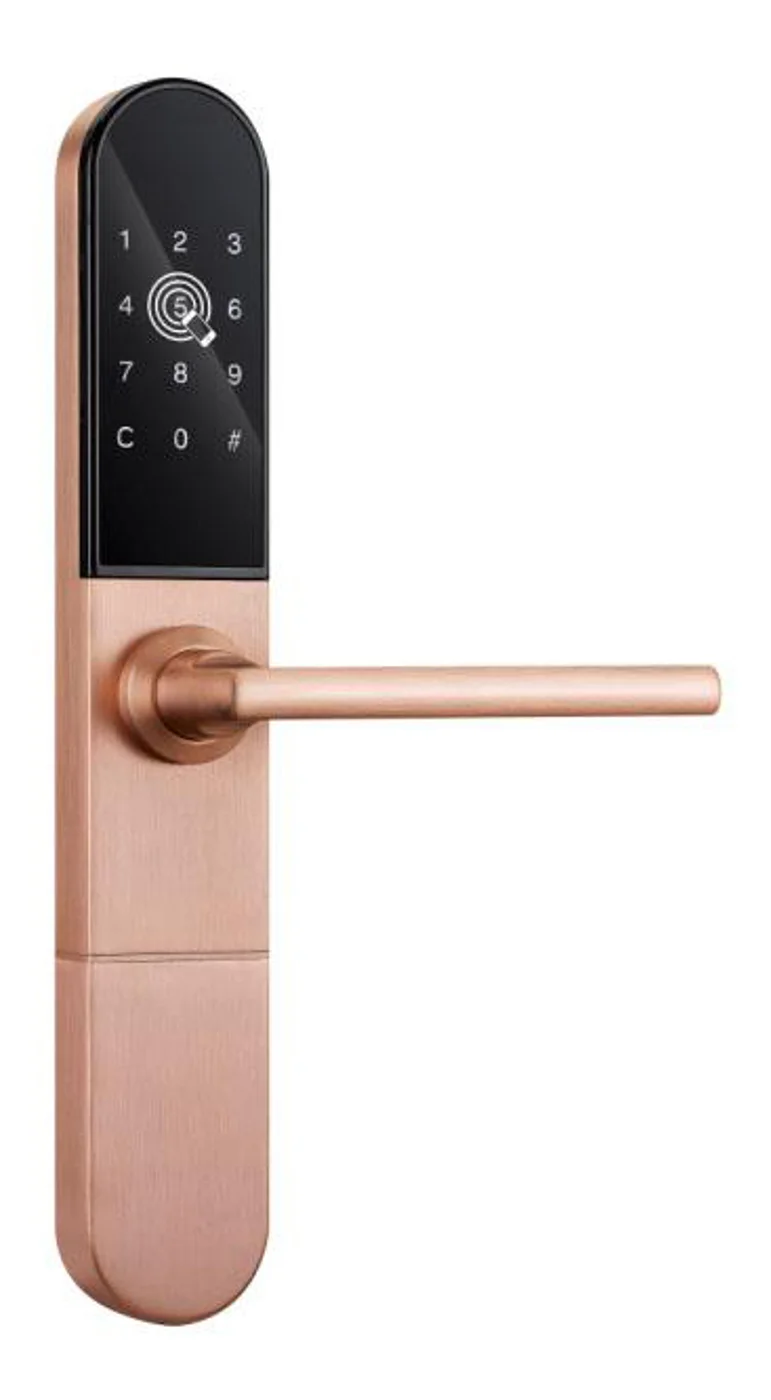
Smart Cabinet Lock — App-Managed, Multi-Site Dashboard
App-managed smart cabinet lock for office, parcel, and multi-site fleets. BLE app dashboard, audit trail, remote unlock, no per-lock server. Higher-tier chassis.
This page already points to it as the next recommended reference.
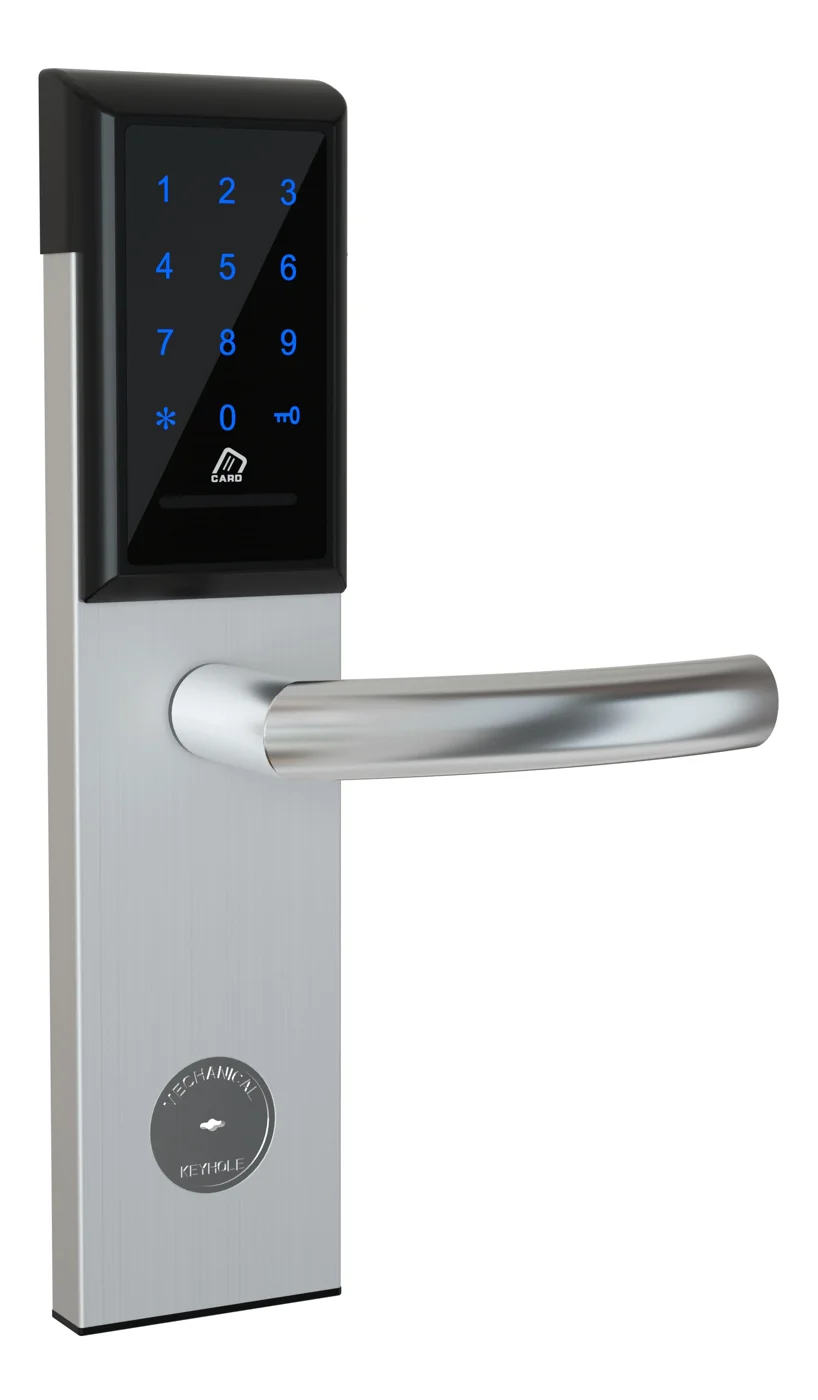
Office Cabinet Lock — PIN + Card for Filing & Pedestals
Offline PIN + card office cabinet lock for filing cabinets, pedestals, and drawers. Battery-powered 5-minute retrofit, no WiFi, no key management. CE/FCC/RoHS.
This page already points to it as the next recommended reference.
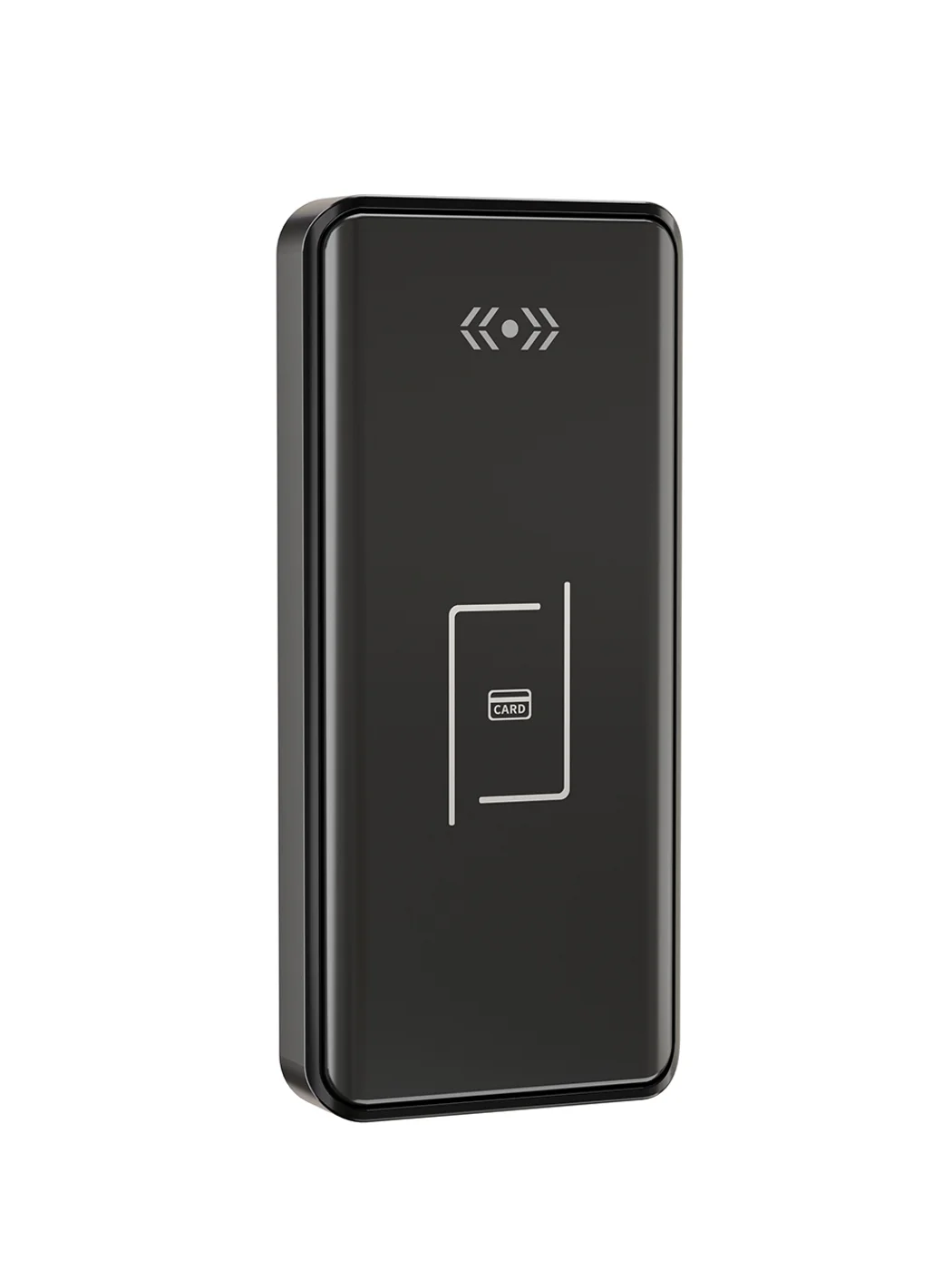
Gym Locker Lock — Offline Card, No WiFi Required
Offline card gym locker lock for fitness and pool lockers. MIFARE card, battery-powered 5-minute retrofit, no WiFi or server. Zinc alloy body, CE/FCC/RoHS.
This page already points to it as the next recommended reference.
Related blog posts
3
Electronic Cabinet Access: The Complete Guide to Digital Cabinet Entry
Electronic cabinet access replaces keyed locks with digital credentials, generating an access record and letting admins add or revoke users without touching hardware; this guide covers keypad, RFID, biometric, and connected electronic cabinet access methods.
It supports the same product context: Smart Cabinet Lock — App-Managed, Multi-Site Dashboard, Office Cabinet Lock — PIN + Card for Filing & Pedestals, Gym Locker Lock — Offline Card, No WiFi Required.
Display Cabinet Lock: The Complete Guide to Securing Glass Showcases and Retail Display Cabinets
Learn how a display cabinet lock secures glass showcases and retail displays. Compare electromagnetic, RFID, and keyed display cabinet lock types for any application.
It supports the same product context: Smart Cabinet Lock — App-Managed, Multi-Site Dashboard, Office Cabinet Lock — PIN + Card for Filing & Pedestals, Gym Locker Lock — Offline Card, No WiFi Required.
Digital Wardrobe Lock: The 2026 Guide to Keyless Wardrobe and Closet Security
Compare digital wardrobe lock options with PIN, RFID, fingerprint, and app credentials, with installation guides, power data, and use cases for home, hotel, and gym wardrobes.
It supports the same product context: Gym Locker Lock — Offline Card, No WiFi Required.
Specify your hotel project with our engineers
Send your room count, ceiling type, and protocol preference. We will return a sample plan and quote within 24 business hours.
- Move from general guidance into a product or application discussion.
- Use RFQ when pricing, drawings, MOQ, or launch timing needs structure.
- Keep a direct contact path visible for fast clarifications and handoff.