Digital Wardrobe Lock: The 2026 Guide to Keyless Wardrobe and Closet Security
Compare digital wardrobe lock options with PIN, RFID, fingerprint, and app credentials, with installation guides, power data, and use cases for home, hotel, and gym wardrobes.
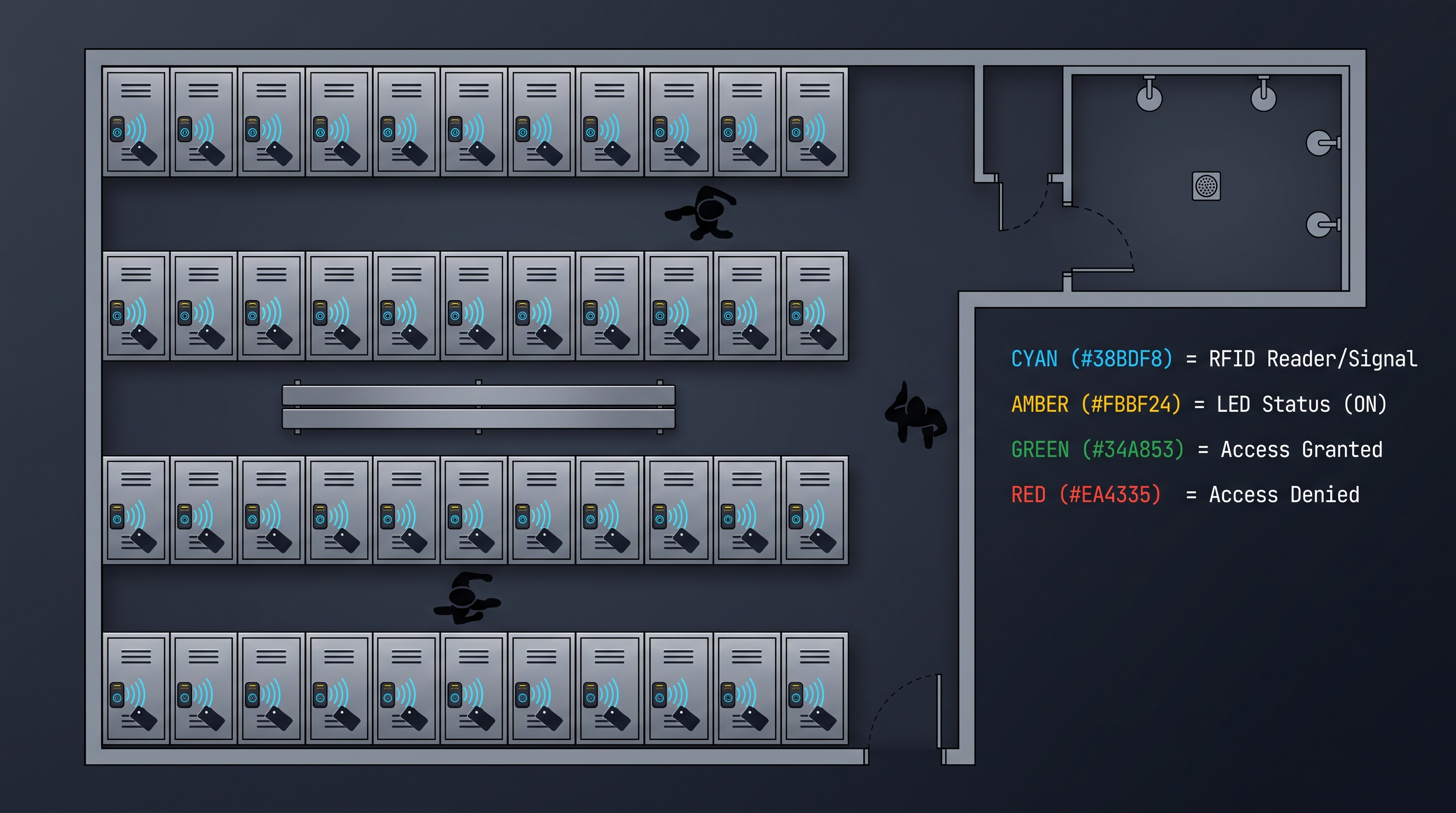
A digital wardrobe lock is a battery-powered or wired access-control device designed for wardrobes, closets, and armoires that authenticates users via RFID cards, PIN codes, biometric fingerprints, or smartphone apps rather than physical keys, then retracts a motorized latch to enable access. A typical digital wardrobe lock authenticates a credential in 0.3–1.0 seconds, drives an actuator drawing 80–250 mA during the 0.3–0.8 second unlock, and operates on 4×AA alkaline batteries delivering 12–24 months at a standby current of 15–40 µA. The digital wardrobe lock stores 10–20,000 credentials in encrypted flash memory, logs 1,000–10,000 timestamped access events, and may operate standalone or networked via RS-485, Wi-Fi, Zigbee, or BLE. Deployed in homes, hotels, offices, gyms, and healthcare staff areas, the digital wardrobe lock eliminates key management—issuance, distribution, recovery, re-keying—reducing locker-room and wardrobe-management labor by 60–90 percent compared to mechanical locks. The digital wardrobe lock adds access scheduling, audit trails, and per-credential access differentiation that mechanical wardrobe locks fundamentally cannot provide. The global digital wardrobe lock segment, part of the broader smart cabinet lock market estimated at $620 million in 2025, is forecast to grow at 13–15 percent CAGR through 2032, driven by smart-home adoption, hospitality digitization, and compliance requirements for accountable storage.
What Is a Digital Wardrobe Lock and How Does It Work
A digital wardrobe lock is an electronically authenticated lock purpose-built for wardrobe and closet furniture, combining credential capture, microcontroller authentication, latch actuation, and optionally network connectivity for fleet management. The digital wardrobe lock's hardware platform comprises a credential reader (RFID antenna at 13.56 MHz or 125 kHz, capacitive keypad, 500 DPI fingerprint sensor, or BLE 5.0 radio), an ARM Cortex-M0+/M4 microcontroller at 48–100 MHz with 128–256 KB flash for credential and event storage, a motorized or solenoid actuator (80–250 mA, 0.3–0.8 second unlock), a steel latch with 8–12 mm throw, and a power source—typically 4×AA alkaline cells (12,000–13,000 mAh) or a 3.6 V lithium thionyl chloride pack for 5-year intervals. When a user presents a credential, the digital wardrobe lock captures it in 50–200 ms, compares it against the locally stored whitelist in 100–500 ms using a 1:N matching algorithm, and on match energizes the actuator to retract the latch within 0.3–1.0 seconds total cycle. The digital wardrobe lock logs the event—credential ID, timestamp from a ±20 ppm real-time clock, action type—in non-volatile memory and, on networked models, transmits the event to a controller or cloud platform. The digital wardrobe lock operates in three modes: standalone (manual enrollment via interior button), networked via controller (RS-485, 128–256 locks per controller), or directly cloud-connected (Wi-Fi or BLE app). The defining feature of the digital wardrobe lock versus a generic cabinet lock is its wardrobe-specific form factor and use case optimization: hotel guest wardrobes with checkout-time credential expiration, gym day-use lockers with membership card assignment and session-end auto-release, and home closets with per-family-member credential profiles.
Core Components of a Digital Wardrobe Lock
| Component | Function | Typical Specification |
|---|---|---|
| Credential reader | Capture RFID/PIN/fingerprint/BLE | 13.56 MHz / 500 DPI / BLE 5.0 |
| Microcontroller | Authenticate, actuate, log | ARM Cortex-M0+ at 48 MHz |
| Actuator | Retract latch | Motor 80–250 mA, 0.3–0.8 s |
| Latch | Secure wardrobe door | Steel, 8–12 mm throw |
| Power | Battery or wired | 4×AA 12–24 mo, or wired 12 V |
| Event memory | Audit log | 1,000–10,000 events |
| Connectivity (optional) | Network reporting | RS-485, Wi-Fi, BLE, Zigbee |
The Digital Wardrobe Lock Authentication Flow
When a user presents a credential, the digital wardrobe lock wakes from standby (15–40 µA) to full operation (3–8 mA during credential capture, then 80–250 mA during actuation). The reader captures the credential in 50–200 ms, and the microcontroller runs a 1:N template match against the locally stored whitelist in 100–500 ms. On a match within the configured FRR/FAR threshold, the digital wardrobe lock illuminates a confirmation LED, energizes the actuator for the preconfigured 0.3–0.8 second, and retracts the latch. On a mismatch, the digital wardrobe lock illuminates a denial LED, stores the failed attempt, and after a configurable threshold of 3–5 consecutive failures, enters a lockout of 60–180 seconds. The event—credential ID, timestamp, action—is stored in non-volatile memory and queued for transmission on networked models. The total energy per unlock cycle is under 0.06 mAh, representing a small fraction of the annual power budget.
Types of Digital Wardrobe Lock by Credential Technology
A digital wardrobe lock is categorized primarily by the credential it authenticates, and the credential type shapes the lock's user experience, security posture, and integration capability. Four credential families dominate: RFID cards (13.56 MHz MIFARE DESFire EV3 with AES-128 mutual authentication, or legacy 125 kHz EM4100), PIN keypads (4–8 digit codes with optional scramble-pad overlays), biometric fingerprint sensors (capacitive 500 DPI with liveness detection, FRR <1%, FAR <0.001%), and Bluetooth smartphone apps (BLE 5.0 with encrypted rolling codes and optional proximity unlock at 1–2 meters). The digital wardrobe lock market segments by credential as follows: RFID digital wardrobe locks dominate hotel and corporate deployments (45% share) where users carry existing RFID badges; PIN digital wardrobe locks hold 25%, chosen for gyms and public wardrobes where tokenless simplicity matters; biometric digital wardrobe locks hold 15%, serving homes, executive suites, and healthcare staff wardrobes where non-repudiation is valued; and BLE smartphone digital wardrobe locks hold 15%, targeting smart-home and corporate office deployments where phone-as-key is preferred. Multi-credential digital wardrobe locks combining two or more credential types provide fallback access (e.g., fingerprint primary, PIN backup) and satisfy dual-credential compliance in regulated environments. The digital wardrobe lock credential choice should align with the wardrobe's user population and identity infrastructure: a hotel reuses room-key RFID; a home favors fingerprint or app; a gym opts for PIN; a corporate office deploys RFID badge or BLE app; a healthcare staff wardrobe uses RFID badge or fingerprint.
Credential Technology Comparison
| Credential | Security | Speed | User burden | Best digital wardrobe lock fit |
|---|---|---|---|---|
| RFID (DESFire EV3) | High | 0.5 s | Carry card | Hotel, corporate, gym |
| PIN keypad | Medium | 1.0 s | Memorize code | Gym, public wardrobe |
| Fingerprint | Very high | 0.7 s | None | Home, executive, healthcare |
| BLE smartphone | High | 0.8 s | Carry phone | Smart home, corporate |
Detailed Credential Architecture
The RFID digital wardrobe lock operates at 13.56 MHz (MIFARE DESFire) or 125 kHz (EM4100). The reader antenna inductively powers the passive transponder, which transmits its unique ID; the digital wardrobe lock's MCU compares the ID against the whitelist and, for DESFire EV3, performs AES-128 mutual authentication to defeat cloning. The PIN digital wardrobe lock stores codes hashed in non-volatile memory; capacitive keypads outlast membrane keypads in humid environments; scramble-pad overlays randomize digit positions to defeat shoulder-surfing. The biometric digital wardrobe lock's capacitive 500 DPI sensor captures 192×192 pixel capacitance maps, the MCU extracts 50–100 minutiae points, and liveness detection measures skin impedance at 1–100 kHz to distinguish live skin from silicone replicas. The BLE digital wardrobe lock uses BLE 5.0 with encrypted rolling codes; the user's smartphone becomes the credential, with three unlock modes: tap-to-open, proximity auto-unlock (1–2 m), and remote unlock via app.
Digital Wardrobe Lock vs Mechanical Wardrobe Lock: A Detailed Comparison
A digital wardrobe lock transforms wardrobe security economics when compared with the mechanical cam locks, hasp locks, and magnetic catches it replaces, delivering credential differentiation, audit trails, and remote management that mechanical alternatives cannot match. A mechanical wardrobe cam lock costs $3–10 and can be defeated with a screwdriver in seconds, a shim in under 30 seconds, or a bump key in under 10 seconds; it provides no audit trail, no credential differentiation, and no remote control. A magnetic catch or push-button lock costs $2–5 and provides near-zero security—a child can open it with a pull. A digital wardrobe lock at $30–100 eliminates the keyway—there are no pins to pick or tumblers to decode—and provides per-credential access: different family members, hotel guests, or employees can have unique credentials, with some restricted to specific wardrobe compartments. The digital wardrobe lock enables access scheduling (a hotel housekeeping credential works only during the cleaning window), remote credential management (revocation on checkout takes under a second), and audit logging (which user opened a wardrobe, when). The digital wardrobe lock's lost-credential cost is near-zero—a credential is revoked digitally—whereas a lost mechanical key costs $18–35 per incident for re-keying and is a vulnerability until re-keying completes. The digital wardrobe lock's drawbacks—battery dependency and higher unit cost—are offset within 12–24 months by the security and operational benefits. For any wardrobe holding valuables, used by multiple people, or requiring accountability, the digital wardrobe lock's lifecycle cost and security are superior to mechanical alternatives.
Comparison Table
| Dimension | Mechanical wardrobe lock | Digital wardrobe lock |
|---|---|---|
| Unit cost | $2–10 | $30–100 |
| Attack resistance | Low (pick, bump, shim) | No keyway, encrypted credentials |
| Credential differentiation | None (same key for all) | Unique per user |
| Audit trail | None | 1,000–10,000 events per lock |
| Remote control | None | Lock/unlock, revoke, schedule |
| Access scheduling | None | Time-window policies |
| Lost-credential cost | $18–35 (re-key) | $0 (digital revocation) |
| Battery/power | None | 4×AA, 12–24 months |
| Multi-user management | Physical key copies | Digital credential provisioning |
| Best fit | Low-security, single-user | Multi-user, valuables, accountability |
Applications of the Digital Wardrobe Lock Across Environments
The digital wardrobe lock serves environments where wardrobe-level security, personalized access, and accountability deliver operational or lifestyle value. In homes, the digital wardrobe lock secures walk-in closets, jewelry wardrobes, medication cabinets, and gun-safes with per-family-member credentials—a homeowner accesses all compartments, a teenager accesses their own, and a babysitter accesses none. In hotels, the digital wardrobe lock secures in-room guest wardrobes, integrated with the property management system so the guest's room-key RFID also opens the wardrobe, with access auto-expiring at checkout and housekeeping credentials time-windowed to the cleaning schedule. In gyms and sports clubs, the digital wardrobe lock secures changing-room wardrobes with day-use membership card access and session-end auto-release, eliminating locker-room key management and reducing lost-key costs by an estimated 80 percent. In offices, the digital wardrobe lock secures coat-check and personal-storage wardrobes for hot-desking employees, using corporate badges or app credentials and integrating with desk-booking software. In healthcare, the digital wardrobe lock secures staff wardrobes for hospital scrubs and personal belongings, with biometric or badge-based access and tamper alerts. In educational settings—university residence halls, school locker rooms—the digital wardrobe lock secures student wardrobes with card or PIN credentials, eliminating key distribution labor. Across all applications, the digital wardrobe lock's defining value is the conversion of a passive wardrobe door into a managed access endpoint with credential lifecycle, scheduling, and audit capabilities that mechanical locks fundamentally cannot provide.
Residential Smart Wardrobes
The home digital wardrobe lock adds a layer of security beyond the bedroom door. A walk-in closet with multiple compartments can have per-user digital wardrobe locks: the homeowner's fingerprint opens all compartments, a child's code opens only their section, and a guest code is time-limited. A gun-safe wardrobe compartment secured by a biometric digital wardrobe lock prevents unauthorized access while enabling fast retrieval by the owner. The digital wardrobe lock can integrate with the smart-home ecosystem (Apple Home, Google Home, Amazon Alexa) on compatible models, notifying the homeowner when a wardrobe is opened and locking all compartments in "away" mode.
Hotel In-Room Wardrobes
The hotel digital wardrobe lock replaces the generic room closet with personalized, keycard-operated storage. A guest's room-key RFID opens the wardrobe, and the digital wardrobe lock logs the access event. At checkout, all guest credentials are revoked automatically, and the digital wardrobe lock resets for the next guest without staff intervention. Housekeeping credentials are time-windowed to the cleaning schedule and logged per event. For luxury properties, the digital wardrobe lock becomes a premium security amenity.
Gym Changing-Room Wardrobes
The gym digital wardrobe lock eliminates locker-room key management. A member taps their RFID membership card on any available wardrobe's digital wardrobe lock, and the lock assigns and opens the compartment. At session end, the wardrobe auto-releases, and unused compartments are flagged for housekeeping. The digital wardrobe lock's audit trail identifies members who exceed session limits. The lock's occupancy data feeds a lobby display and the club app.
Office Coat-Check and Personal-Storage Wardrobes
The office digital wardrobe lock secures personal-storage wardrobes for hybrid workers. An employee's corporate badge or app opens an assigned wardrobe compartment, booked via the same app used for desk reservations. Access is valid for the booked day and expires automatically. Integration with the identity provider (Okta, Azure AD) ensures a terminated employee loses wardrobe access immediately. The digital wardrobe lock's audit trail deters internal theft and supports HR investigations.
Healthcare Staff Wardrobes
The healthcare digital wardrobe lock secures staff wardrobes for uniforms, scrubs, and personal belongings with badge or biometric access and tamper alerts. Per-staff access attribution supports theft investigations, and the digital wardrobe lock's audit trail satisfies employee safety and accountability requirements. Time-windowed access confines wardrobe use to shift hours, deterring after-hours misuse.
How to Choose the Right Digital Wardrobe Lock: Buying Criteria
Selecting a digital wardrobe lock requires evaluating credential technology, form factor, connectivity, power strategy, capacity, management software, and security certifications against the wardrobe's environment and user population. The first decision is credential type: the digital wardrobe lock must match the users' existing identity infrastructure—RFID for hotels and corporates with existing badges, fingerprint for homes and healthcare valuing non-repudiation, app/BLE for phone-first smart homes, PIN for gyms and public wardrobes. The second is form factor: the digital wardrobe lock must physically fit the wardrobe door—surface-mount for retrofit on wood or laminate doors, mortise for concealed installation in high-end furniture, cam-lock replacement for existing 16–20 mm lock holes, and edge-mount for glass doors. The third is connectivity: standalone models with manual credential enrollment via an interior button suffice for single-wardrobe residential use; networked models (RS-485, Wi-Fi, BLE, Zigbee) enable fleet management for hotels, gyms, and offices. The fourth is power: AA alkaline for 12–24 month maintenance-free operation, rechargeable lithium for sustainability, lithium thionyl chloride for 5-year intervals, or wired 12 V DC for wardrobes built into permanent cabinetry. The fifth is capacity: residential digital wardrobe locks need 10–20 credentials; hotel and gym models need 50–200; corporate deployments may require 1,000+. The sixth is management: consumer models pair with phone apps for enrollment, schedules, and notifications; commercial models require platform integration with PMS or access-control systems. The seventh is security: AES-128 encrypted credential storage, liveness detection for biometric models, tamper alerts, lockout policies, and OTA firmware updates. Certifications to verify include FCC, CE, RoHS, and for applicable environments, UL 1034. A pilot of 5–10 digital wardrobe locks before large-scale deployment is strongly recommended.
Selection Decision Matrix
| Environment | Recommended credential | Recommended form factor | Recommended connectivity |
|---|---|---|---|
| Home closet | Fingerprint or app | Surface-mount or cam-lock | BLE or Wi-Fi |
| Hotel guest wardrobe | RFID room key | Surface-mount or mortise | Wi-Fi or RS-485 |
| Gym changing room | RFID membership card | Surface-mount | RS-485 or Wi-Fi |
| Executive office | Fingerprint | Mortise | Wi-Fi |
| Healthcare staff | RFID badge or fingerprint | Surface-mount | Wi-Fi |
| Public wardrobe | PIN | Surface-mount | Standalone or BLE |
Installation Guide for a Digital Wardrobe Lock
Installing a digital wardrobe lock on an existing wardrobe door follows a structured methodology that ensures proper mechanical fit, reliable credential reading, and network connectivity (if applicable). The installation begins with a wardrobe audit: measuring door material (wood, laminate, glass, metal), door thickness (12–30 mm for most wardrobes), door gap (1–3 mm for proper latch engagement), and interior clearance for the lock body and battery compartment. Surface-mount digital wardrobe lock bodies attach to the door interior with four screws (2–3 Nm torque), with the credential reader mounted on the exterior and a 6–8 mm cable pass-through hole connecting them—installing in 15–25 minutes per door. Cam-lock replacement digital wardrobe locks slip into the existing 16–20 mm lock hole and secure with a threaded nut in 10–15 minutes. Concealed mortise digital wardrobe lock bodies require routing a cavity in wooden doors or modifying the wardrobe's design at fabrication, taking 30–45 minutes. After mechanical mounting, the digital wardrobe lock is configured: batteries are inserted, credentials are enrolled via the admin button or app, the real-time clock is set, and schedules are configured. For networked models, the digital wardrobe lock is paired to the controller or cloud platform. A functional test—valid credential unlock, invalid credential denial, battery-indicator check, and (if applicable) remote command execution—concludes the installation.
Pre-Installation Checklist
- Door material and thickness: 12–30 mm supported; measure with calipers
- Door gap: 1–3 mm for latch engagement; measure with feeler gauge
- Existing lock hole diameter (for cam-lock retrofit): 16–20 mm standard
- Interior clearance: lock body + battery compartment fit behind door face
- Mount placement: reader accessible at comfortable height, cable route unobstructed
- For networked models: Wi-Fi RSSI at the wardrobe location ≥ -65 dBm; RS-485 cable route planned; Zigbee hub within range
- Tools: Phillips screwdriver, 18 mm spanner, calipers, 6–8 mm drill bit, template
Installation Steps for Surface-Mount Digital Wardrobe Lock
- Audit door: material, thickness, gap, clearance
- Mark mounting positions using the template (reader exterior, lock body interior)
- Drill 6–8 mm cable pass-through hole
- Mount exterior reader with gasket, tighten mounting screws (2 Nm)
- Route cable through the pass-through hole to interior lock body
- Mount interior lock body with screws (2–3 Nm), connect cable
- Install latch and adjust throw (8–12 mm) to engage door frame
- Insert batteries, close battery compartment
- Power on and enroll admin credential via interior button or app
- Enroll additional user credentials
- For networked models: pair to controller, hub, or cloud platform
- Test: valid unlock, invalid denial, battery indicator, latch engagement, remote command
Battery Life and Power Management for the Digital Wardrobe Lock
The digital wardrobe lock's battery life is its primary operational constraint, and understanding the power budget enables realistic expectations and proactive maintenance scheduling. A well-engineered digital wardrobe lock with a capacitive reader draws 15–40 µA in standby and 80–250 mA during the 0.3–0.8 second unlock. On four AA alkaline cells (3,000 mAh each, 12,000 mAh total at 1.5 V), standby alone consumes 263–700 mAh per year. At 15 daily unlocks consuming approximately 0.02 mAh each, annual unlock energy is roughly 110 mAh. The digital wardrobe lock's total annual consumption is therefore approximately 370–810 mAh, yielding a battery life of 3–6 years for the AA pack in light-use residential scenarios. In active gym or hotel deployments (20–40 daily unlocks), battery life drops to 12–24 months, the commonly cited specification. The digital wardrobe lock's low-battery indicator—a blinking LED, audible tone, or platform alert—activates at 2.6 V per AA cell, providing 4–8 weeks of declining but functional operation. Dead-battery recovery is essential: a digital wardrobe lock includes external DC power terminals (accepting 6–9 V from a handheld booster) on the lock face, a concealed mechanical override key, or—on networked models—remote unlock via the management platform. For multi-wardrobe deployments, a battery-management calendar and a policy of proactive annual replacement for AA models prevent in-service failures. Lithium thionyl chloride packs extend service intervals to 5 years for low-access wardrobes or hard-to-service installations.
Power Budget per Unlock Cycle
| State | Current | Duration | Energy per event |
|---|---|---|---|
| Standby (reader + RTC) | 15–40 µA | Continuous | 263–700 mAh / year |
| Credential capture | 3–8 mA | 50–200 ms | 0.00004–0.00044 mAh |
| Template match (MCU) | 5–15 mA | 100–500 ms | 0.00014–0.0021 mAh |
| Actuation (motor) | 80–250 mA | 0.3–0.8 s | 0.0067–0.056 mAh |
| LED + buzzer | 10–20 mA | 1–3 s | 0.0028–0.017 mAh |
Strategies to Extend Battery Life
Facility managers and homeowners extend the digital wardrobe lock's battery life through configuration choices. Disabling the audible beep and reducing LED brightness saves 2–5 mAh per month. Choosing a motorized actuator over a solenoid reduces peak current by 40 percent. Setting a faster unlock duration (0.3–0.4 s instead of 0.8 s) halves actuation energy per cycle. For Wi-Fi digital wardrobe locks, configuring the polling interval to 60 seconds rather than the default 15 seconds reduces Wi-Fi keepalive energy. For office deployments with predictable 9-to-5 access, a digital wardrobe lock that enters deeper sleep during off-hours reduces standby current to 5–10 µA, cutting annual standby consumption by 30–50 percent.
Security Features of the Digital Wardrobe Lock
The digital wardrobe lock's security architecture combines credential cryptography, physical hardening, audit logging, and (on networked models) network security into a layered defense. Credential security depends on type: MIFARE DESFire EV3 with AES-128 mutual authentication for RFID prevents the card-cloning attacks that compromise unencrypted EM4100 systems; fingerprint templates are stored AES-128 encrypted with hardware-unique-key (HUK) binding to the specific digital wardrobe lock chip, preventing template extraction even via debug probes; PINs are hashed with a configurable retry limit (3–5 attempts) followed by lockout (60–180 seconds), defending against brute-force attacks. Biometric digital wardrobe locks add liveness detection—capacitive sensors measuring skin impedance at 1–100 kHz to distinguish live tissue from silicone or gelatin replicas—defeating lifted-print spoofing attacks. Physical security centers on a hardened steel latch with 8–12 mm throw resisting 50–80 N of prying force, recessed mounting preventing wrench attacks, and tamper switches that log and alarm on forced-entry attempts. All fasteners are accessible only from inside the wardrobe, making the digital wardrobe lock's exterior attack surface minimal. For networked digital wardrobe locks, TLS 1.3 encrypts Wi-Fi/cloud communication, and AES-CCM secures Zigbee payloads. The management platform enforces MFA for administrators, role-based access control, and admin-action audit logging. The digital wardrobe lock's audit trail—1,000–10,000 timestamped events per lock—provides forensic evidence for incident investigations, admissible in workplace, hospitality, and (where applicable) legal proceedings. The digital wardrobe lock's software-defined credential lifecycle is itself a security feature: a departing hotel guest's wardrobe access expires automatically at checkout; a terminated employee's wardrobe credential is revoked fleet-wide in under a second; a lost card is neutralized across all wardrobes instantly. These capabilities are impossible with mechanical keys, where a lost key remains a vulnerability until every lock it opens is re-keyed.
Security Layer Summary
| Layer | Mechanism | Protection |
|---|---|---|
| RFID credential | DESFire EV3, AES-128 mutual auth | Anti-cloning |
| Fingerprint | AES-128 template, liveness detection | Anti-spoof |
| PIN | Hashed, lockout after 3–5 failures | Anti-brute-force |
| Physical | Steel latch, tamper switch, interior fasteners | Anti-pry, anti-tamper |
| Network | TLS 1.3 (Wi-Fi), AES-CCM (Zigbee) | Anti-eavesdrop |
| Platform | MFA, RBAC, admin audit | Anti-misuse |
| Credential lifecycle | Digital provisioning, auto-expiry | Anti-stale-credential |
Top Digital Wardrobe Lock Brands and Models in 2026
The digital wardrobe lock market is served by smart-home brands, commercial access-control vendors, and specialist lock manufacturers across price tiers. In the consumer segment, Schlage and Yale extend their smart-lock expertise to cabinet and wardrobe locks with Wi-Fi and BLE app-controlled models. Philips and eufy Security offer Matter-compatible digital wardrobe locks with fingerprint and app credentials for home closets and wardrobes. Gadinan produces budget residential digital wardrobe locks with fingerprint and PIN credentials at $25–50. In the commercial and hospitality segment, Salto Systems and Dormakaba provide digital wardrobe lock solutions within unified access-control ecosystems, where a hotel room key or employee badge also opens assigned wardrobes. Digilock and Southco serve commercial wardrobe applications—gym changing rooms, office coat checks, healthcare staff wardrobes—with ruggedized, high-cycle-count digital wardrobe locks. Chinese manufacturers—ZKTeco, Make Technology, and Vanma—offer cost-competitive digital wardrobe locks at 30–50 percent below Western pricing for hotel, gym, and international residential markets. The digital wardrobe lock buyer should prioritize the lock's integration with the existing ecosystem—smart-home platform, hotel PMS, corporate access-control, or gym membership software—above hardware specifications alone, because the digital wardrobe lock's value is realized through credential lifecycle automation, scheduling, and audit.
Brand Model Comparison
| Brand | Model | Credential | Connectivity | Price | Best fit |
|---|---|---|---|---|---|
| Schlage | Wardrobe Lock | App, PIN, RFID | Wi-Fi, Matter | $80–140 | Smart home |
| Philips | Smart Wardrobe | Fingerprint, app | Wi-Fi, Zigbee | $70–120 | Family smart home |
| eufy Security | Wardrobe Lock | Fingerprint, app | Wi-Fi | $60–100 | Home security |
| Gadinan | Biometric Cam | Fingerprint, PIN | Standalone | $25–50 | Budget residential |
| Salto | XS4 Wardrobe | RFID, app | Zigbee, Wi-Fi | $150–250 | Hotel, corporate |
| Digilock | Wardrobe Lock | RFID, PIN, fingerprint | BLE, RS-485 | $90–180 | Gym, office, healthcare |
| ZKTeco | Smart Wardrobe | RFID, fingerprint | BLE, Wi-Fi | $50–90 | Budget hotel, residential |
Maintenance and Troubleshooting for the Digital Wardrobe Lock
Maintaining a digital wardrobe lock fleet—or even a single residential digital wardrobe lock—requires attention to battery health, credential hygiene, mechanical condition, and reader cleanliness, and the lock's telemetry (on networked models) makes this data-driven. The digital wardrobe lock reports battery voltage to the platform or indicates low battery via a flashing LED (on standalone models); the alert triggers at 2.6 V per cell with 4–8 weeks of remaining operation. Credential hygiene requires deleting departed users' credentials via the app or platform—a hotel checkout, a terminated employee, a departed household member—taking under a second per credential and instantly invalidating access fleet-wide. Mechanical inspection, performed annually, checks latch engagement, door alignment, and screw torque (2–3 Nm); misaligned wardrobe doors cause false-lock failures and accelerated battery drain from repeated actuation attempts. Reader surfaces require quarterly cleaning with 70 percent isopropyl alcohol on a lint-free wipe—fingerprint sensors, keypads, and RFID reader faces accumulate skin oil, dust, and moisture that degrade read reliability over time. Fingerprint sensors benefit from weekly dry-cloth wipes given frequent contact. Firmware updates (on networked models) are applied in staged rollouts—pilot on 10 percent, soak for 2 weeks, then fleet-wide—to ensure a regression does not affect all wardrobes simultaneously. Common faults: intermittent credential rejection (clean reader, re-enroll credential); rapid battery drain (door misalignment causing repeated re-lock attempts, or Wi-Fi lock with weak signal causing constant reconnection—improve positioning or RSSI); latch not retracting despite valid credential (actuator failure or mechanical binding—inspect, replace unit); phantom tamper alerts (environmental vibration—adjust sensitivity or replace switch); dead battery with wardrobe closed (apply external DC power via emergency terminals, then replace batteries). A documented runbook and a small stock of spare digital wardrobe lock units reduce mean-time-to-repair from hours to under an hour.
Maintenance Schedule
| Interval | Task | Tooling |
|---|---|---|
| Weekly (fingerprint) | Wipe sensor with microfiber | Dry cloth |
| Monthly | Review battery/health dashboard | Platform app or LED indicator |
| Quarterly | Clean all reader surfaces | 70% IPA, lint-free wipe |
| Annually | Mechanical inspection | Visual, pull test |
| Annually (AA) | Replace batteries proactively | 4×AA alkaline |
| Per user departure | Revoke credentials fleet-wide | App or platform |
| Quarterly (networked) | Apply staged firmware updates | OTA, pilot 10% |
Future Trends in Digital Wardrobe Lock Technology
The digital wardrobe lock is evolving toward ecosystem convergence, ambient authentication, energy independence, and architectural integration, mirroring the broader smart-lock industry's trajectory. Matter protocol adoption, expected to encompass cabinet and wardrobe locks by 2027, will make the digital wardrobe lock natively interoperable across Apple Home, Google Home, Samsung SmartThings, and Amazon Alexa—consumers will buy any Matter-certified digital wardrobe lock and it will join their smart-home ecosystem without proprietary bridges or compatibility uncertainty. Ambient authentication will reduce user friction: the digital wardrobe lock of 2028 will unlock via ultra-wideband (UWB) precise ranging—detecting an authorized smartphone or smartwatch approaching within 0.5 meters and unlocking the wardrobe before the user touches it—or via voice authentication integrated with smart speakers, where a spoken phrase plus voiceprint unlocks a wardrobe compartment. Energy harvesting—kinetic from wardrobe door motion, photovoltaic from ambient indoor lighting, and RF harvesting from surrounding Wi-Fi and Zigbee signals—will extend battery life toward batteryless operation for moderate-access wardrobes, eliminating the annual battery-change task. In residential construction, the digital wardrobe lock will shift from aftermarket retrofit to OEM integration: luxury home builders will spec digital wardrobe locks in walk-in closets as standard features, shipped from the factory with locks integrated into wardrobe door stiles and commissioned on installation. In hospitality, digital wardrobe locks will converge with the smart-room platform, linking wardrobe access to climate control, lighting, and entertainment—opening the wardrobe might trigger soft interior lighting. AI-driven anomaly detection will learn household or facility patterns and flag unusual wardrobe access: a hotel room wardrobe opened at unusual hours, an office wardrobe accessed by a credential not seen in the building that day. These trends will make the digital wardrobe lock a first-class smart-home and hospitality device, as standard as a smart door lock on the front entrance.
Frequently Asked Questions About the Digital Wardrobe Lock
The digital wardrobe lock generates recurring questions about compatibility, power, security, and operation from homeowners, hoteliers, and facility managers. This FAQ addresses the most common digital wardrobe lock inquiries with technical specificity.
Can a digital wardrobe lock be installed on an existing wardrobe?
Yes. Surface-mount digital wardrobe locks attach to wood, laminate, and metal wardrobe doors in 15–25 minutes with a single cable pass-through hole. Cam-lock retrofits replace the existing mechanical lock in a 16–20 mm hole in 10–15 minutes. Most digital wardrobe lock models are designed for existing wardrobe door retrofits, requiring only basic tools.
How long do digital wardrobe lock batteries last?
A well-engineered digital wardrobe lock delivers 12–24 months on four AA alkaline batteries in typical home or hotel use (10–25 daily unlocks), and 3–6 years in low-access residential scenarios (5–10 daily unlocks). Lithium thionyl chloride packs extend intervals to 5 years for low-access wardrobes. The digital wardrobe lock indicates low battery at 2.6 V per cell with 4–8 weeks of remaining operation.
What happens if the battery dies with the wardrobe locked?
Every digital wardrobe lock provides a dead-battery recovery mechanism: external DC power terminals on the lock face or edge that accept 6–9 V from a handheld booster, a concealed mechanical override key, or—on networked models—a remote unlock command via the management platform. Always store the override key or booster in a secure, known location.
Can multiple people use one digital wardrobe lock?
Yes. Digital wardrobe locks store 10–200 credentials (consumer models) or 1,000–20,000 (commercial models), so multiple family members, hotel guests, or employees can have unique credentials. Multi-credential models support differentiated access: a family member may access only their assigned compartment, while the homeowner accesses all.
Is the digital wardrobe lock compatible with smart-home ecosystems?
Consumer digital wardrobe locks integrate with Apple Home, Google Home, and Amazon Alexa via BLE or Wi-Fi. Matter-compatible models, expected to reach cabinet and wardrobe locks by 2027, will provide native multi-ecosystem interoperability. Commercial digital wardrobe locks integrate with hotel PMS and corporate access-control systems via API.
How does the digital wardrobe lock handle hotel guest transitions?
The hotel digital wardrobe lock integrates with the property management system (PMS). At guest check-in, the room key's RFID is loaded onto the assigned wardrobe's digital wardrobe lock. At checkout, all guest credentials are automatically revoked, and the lock resets for the next guest, all without staff intervention. Housekeeping credentials are time-windowed and logged per event.
Conclusion: Selecting and Deploying the Right Digital Wardrobe Lock
The digital wardrobe lock upgrades wardrobe security from a token, defeats-in-seconds mechanical barrier to a managed access-control endpoint, and the decision framework in this guide equips buyers to match the right digital wardrobe lock to their wardrobes and user populations. For homes, a fingerprint or app-controlled digital wardrobe lock secures valuables with per-family-member access profiles and optional smart-home integration. For hotels, an RFID digital wardrobe lock integrated with the PMS personalizes guest storage and automates checkout credential revocation. For gyms and offices, an RFID or PIN digital wardrobe lock with day-use assignment eliminates key management and provides occupancy dashboards. The digital wardrobe lock installs on existing wardrobes in 10–25 minutes, operates for 12–24 months on AA batteries, and delivers audit trails and remote management that mechanical locks fundamentally cannot match. As Matter standardization, ambient authentication, and energy harvesting arrive, the digital wardrobe lock will become a standard smart-home and hospitality subsystem. Facilities and homeowners that adopt a standards-based, update-supported digital wardrobe lock today will capture security, convenience, and operational benefits that accumulate over the lock's 7–10 year service life.
Not sure which sensor fits your project?
Talk to our mmWave application engineers for a free consultation.
Find the right presence sensor for your hotel project
Compare the 3 protocols, check hotel-specific case studies, and download the installation guide
Related products
3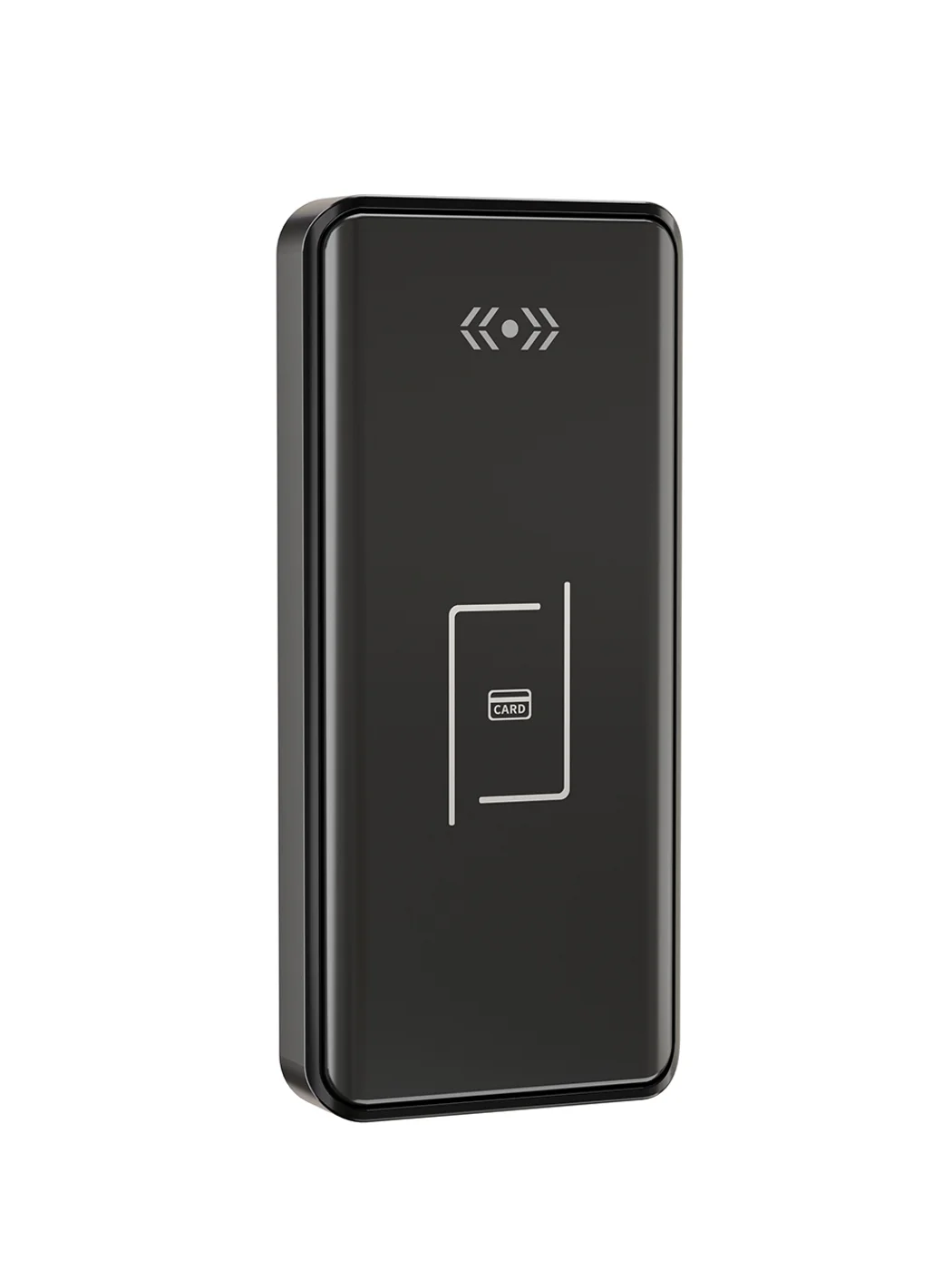
Gym Locker Lock — Offline Card, No WiFi Required
Offline card gym locker lock for fitness and pool lockers. MIFARE card, battery-powered 5-minute retrofit, no WiFi or server. Zinc alloy body, CE/FCC/RoHS.
This page already points to it as the next recommended reference.
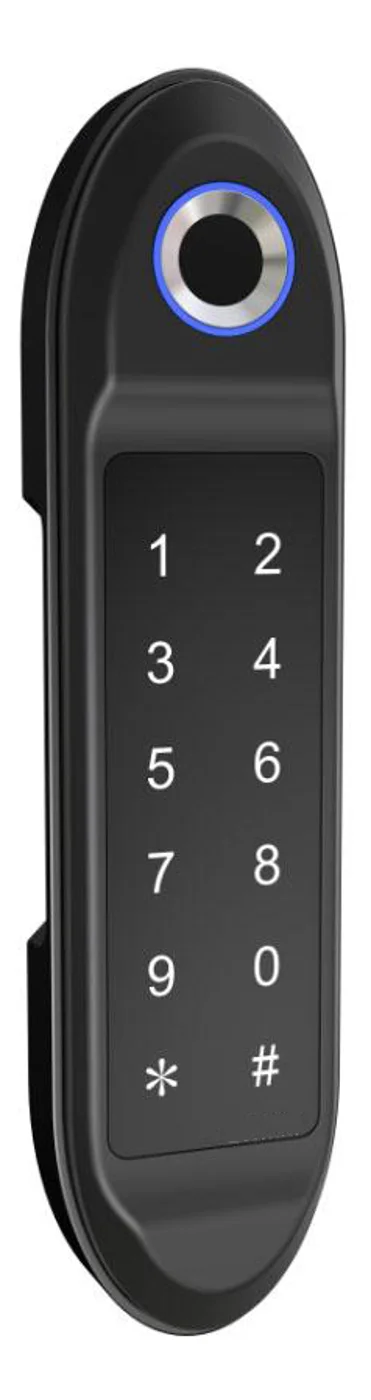
PIN Code Electronic Cabinet Lock — Stand-Alone, No WiFi
Offline keypad cabinet lock for gym, office and parcel lockers. Battery-powered, 5-minute retrofit, audit-free simple deployment. PIN + MIFARE card, DC 6V, 4×AA.
This page already points to it as the next recommended reference.
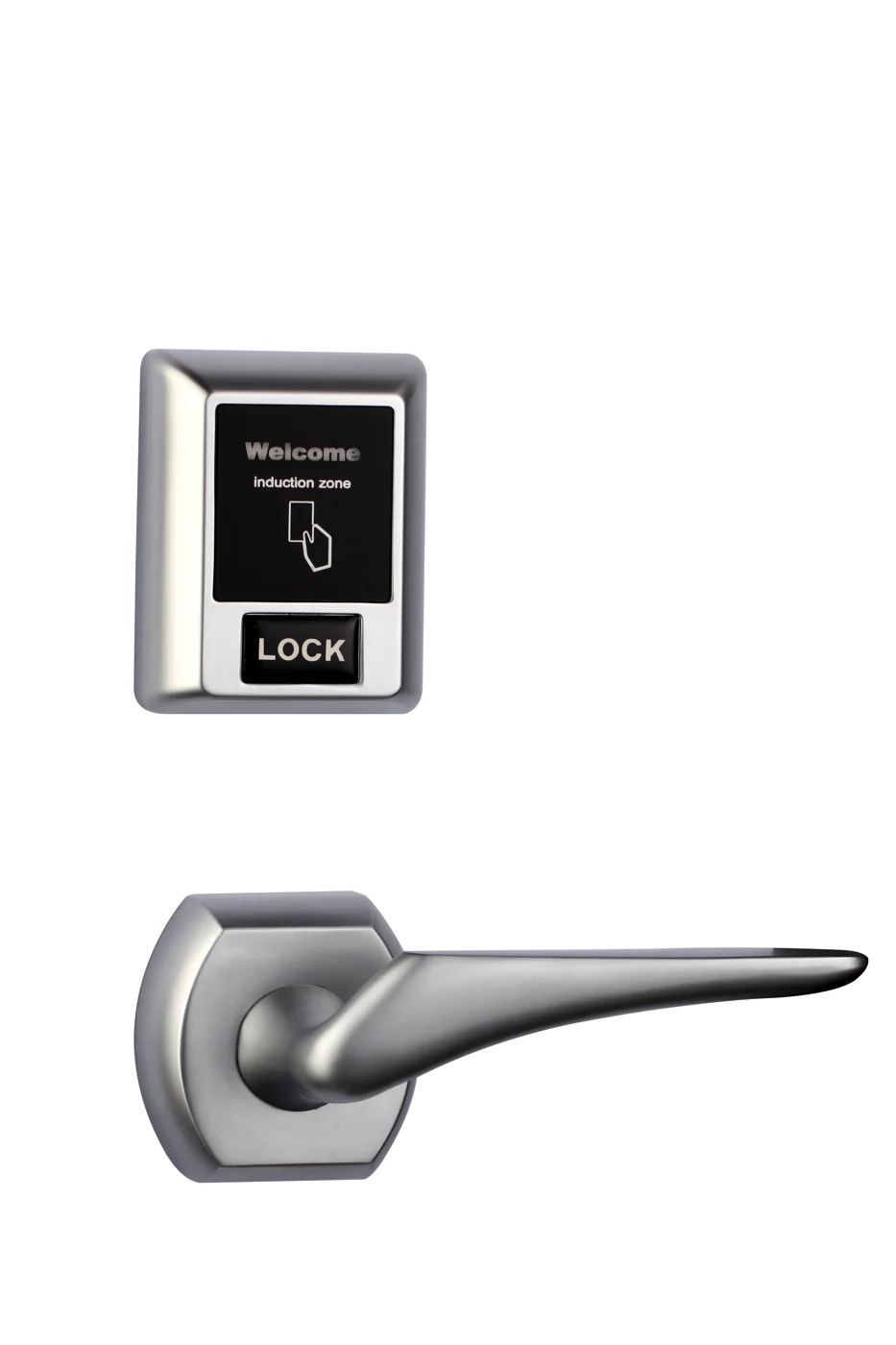
Bluetooth Cabinet Lock — App + PIN + Card, Managed Fleet
Offline BLE app cabinet lock for parcel, office, and managed locker fleets. App + PIN + MIFARE card, remote credential management, no server dependency, battery-powered retrofit.
This page already points to it as the next recommended reference.
Related blog posts
3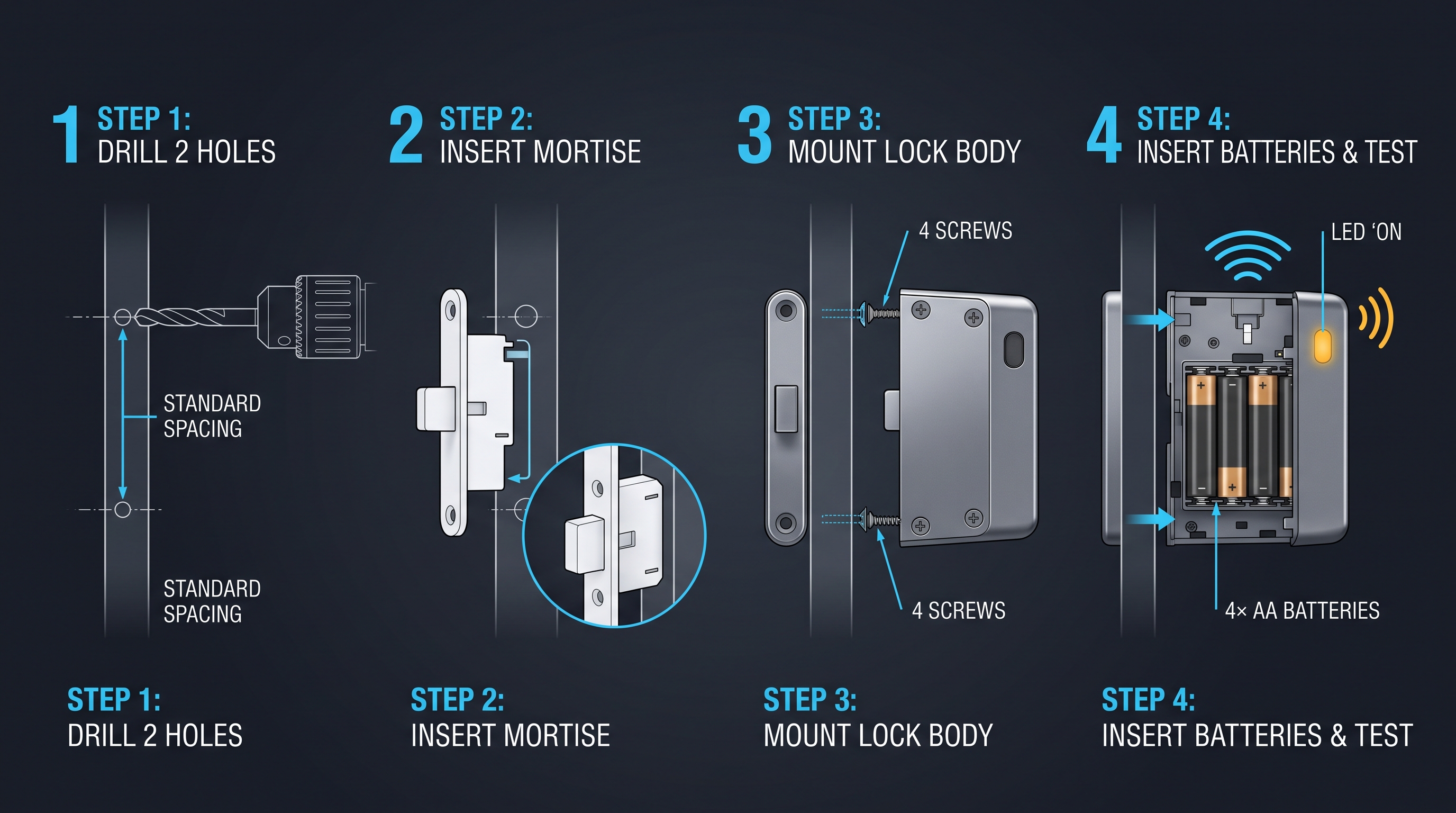
Electronic Cabinet Access: The Complete Guide to Digital Cabinet Entry
Electronic cabinet access replaces keyed locks with digital credentials, generating an access record and letting admins add or revoke users without touching hardware; this guide covers keypad, RFID, biometric, and connected electronic cabinet access methods.
It supports the same product context: Gym Locker Lock — Offline Card, No WiFi Required.
Display Cabinet Lock: The Complete Guide to Securing Glass Showcases and Retail Display Cabinets
Learn how a display cabinet lock secures glass showcases and retail displays. Compare electromagnetic, RFID, and keyed display cabinet lock types for any application.
It supports the same product context: Gym Locker Lock — Offline Card, No WiFi Required.
Electronic Access Cabinet: The Complete Guide to Smart Locking Enclosures
Explore electronic access cabinet systems with RFID, Bluetooth, PIN, and biometric control. Learn about powered enclosures for IT, healthcare, and evidence management.
It supports the same product context: Gym Locker Lock — Offline Card, No WiFi Required.
Specify your hotel project with our engineers
Send your room count, ceiling type, and protocol preference. We will return a sample plan and quote within 24 business hours.
- Move from general guidance into a product or application discussion.
- Use RFQ when pricing, drawings, MOQ, or launch timing needs structure.
- Keep a direct contact path visible for fast clarifications and handoff.