How to Choose a Defibrillator Cabinet Lock: Security vs. Emergency Access
Learn how a defibrillator cabinet lock balances theft protection with sub-5-second emergency access. Compare break-glass, electronic solenoid, and motorized latch with compliance data.
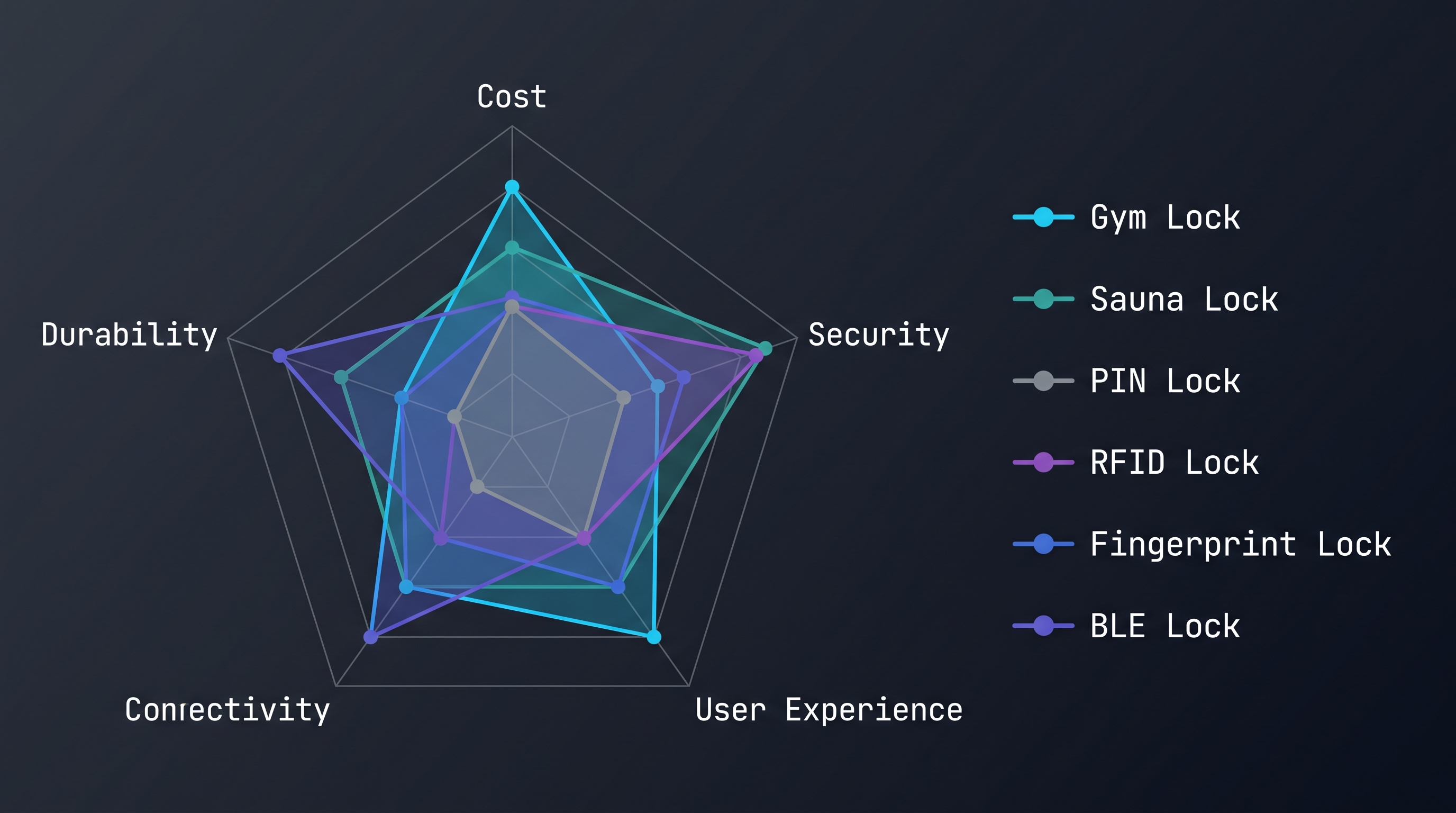
Every second without defibrillation reduces the chance of survival by 7 to 10 percent, yet the automated external defibrillator (AED) that can reverse sudden cardiac arrest is useless if its defibrillator cabinet lock prevents a bystander from reaching the device within the critical five-minute window. A defibrillator cabinet lock is the mechanical or electronic mechanism that secures a wall-mounted AED enclosure against theft and tampering while remaining accessible to untrained rescuers during a cardiac emergency. Unlike a generic cabinet latch, a defibrillator cabinet lock must satisfy contradictory requirements: it must resist forced entry by vandals and thieves, yet open reliably in under five seconds for anyone who pulls the handle, breaks the glass, or swipes an access card — without requiring a key that might be lost or a code that might be forgotten under stress. This guide examines the three primary defibrillator cabinet lock technologies — break-glass, electronic solenoid, and motorized latch — along with alarm systems, remote monitoring, compliance requirements, battery life considerations, and deployment strategies across schools, offices, gyms, and transit hubs. Understanding these trade-offs is essential for facility managers, safety officers, and building owners who must select the right defibrillator cabinet lock to protect a valuable medical device while ensuring it remains instantly available when a life depends on it. The choice of defibrillator cabinet lock directly influences whether a bystander can retrieve the AED in the critical first minutes of a cardiac arrest, making this one of the most consequential equipment decisions a facility can make.
Why a Dedicated Defibrillator Cabinet Lock Matters for Emergency Response
A standard locking cabinet can delay emergency access by 30 to 90 seconds while someone searches for a key, remembers a combination, or waits for an authorized responder — and that delay can be fatal. A dedicated defibrillator cabinet lock is engineered to solve this specific tension: it keeps the AED secure from theft and tampering during the 99.9 percent of the time it is not needed, then releases instantly when a cardiac emergency demands it. Sudden cardiac arrest affects approximately 356,000 people annually in the United States alone, and survival rates drop by 7 to 10 percent for every minute defibrillation is delayed. After five minutes, survival probability falls below 50 percent; after ten minutes, it approaches zero. An AED cabinet that takes more than five seconds to open — because the defibrillator cabinet lock is jammed, the key is missing, or the electronic release fails — directly reduces the victim's chance of survival. The National Safety Council and the American Heart Association both recommend that AEDs be accessible within 60 to 90 seconds of collapse, which means the defibrillator cabinet lock must add virtually zero overhead to the retrieval workflow. A break-glass defibrillator cabinet lock satisfies this by requiring no cognitive load: the rescuer breaks a glass panel, the door opens, and the AED is in hand. An electronic defibrillator cabinet lock with RFID card readers or PIN pads can also work if it responds in under two seconds and never requires a key search. The wrong defibrillator cabinet lock — a padlock, a keyed cam lock, a combination lock with a forgotten code — introduces a barrier that turns a survivable cardiac arrest into a fatality. Selecting the correct defibrillator cabinet lock is therefore not a facility management convenience decision; it is a life-safety engineering choice with direct clinical consequences. Every facility that houses an AED must evaluate its defibrillator cabinet lock as carefully as it evaluates the AED itself, because a locked cabinet is the single most common reason an AED is not used when needed.
Access Time Standards and Survival Correlations
The relationship between defibrillator cabinet lock access time and cardiac arrest survival is well established in resuscitation science. Every additional second of delay in reaching the AED reduces the probability of successful defibrillation. A defibrillator cabinet lock that requires 10 seconds to open rather than 2 seconds reduces the chance of survival by approximately 0.8 to 1.4 percentage points per use, assuming an average response time of three to four minutes from collapse. Industry benchmarks for defibrillator cabinet lock access times are as follows:
| Access Mechanism | Typical Opening Time | Cognitive Load | Survival Impact per Use |
|---|---|---|---|
| Break-glass (mechanical) | 1–3 seconds | None | Negligible (<0.3% reduction) |
| RFID card / fob | 1–4 seconds | Low (card required) | 0.2–0.5% reduction |
| PIN code keypad | 3–8 seconds | Moderate (recall under stress) | 0.5–1.5% reduction |
| Keyed lock (key nearby) | 5–20 seconds | High (find and insert key) | 1.0–3.0% reduction |
| Keyed lock (key remote) | 30–120 seconds | Very high | 3.5–14% reduction |
| Padlock / combination | 15–60 seconds | High | 2.0–7.0% reduction |
The data makes clear that a defibrillator cabinet lock should target an opening time of five seconds or less, with no requirement for keys, codes, or prior training. Break-glass defibrillator cabinet lock mechanisms consistently achieve the fastest access, which is why they remain the most widely recommended lock type for public-access AED cabinets. When evaluating any defibrillator cabinet lock, access time should be the primary selection criterion because it directly correlates with survival outcomes.
Break-Glass Defibrillator Cabinet Lock: Simplicity and Reliability
A break-glass defibrillator cabinet lock is a mechanical release mechanism that holds the cabinet door closed with a glass panel or glass tube that must be broken to open the door. The mechanism consists of a spring-loaded latch retained by a tempered glass panel (typically 2 to 4 mm thick) or a glass ampoule. When the rescuer strikes the glass with a fist, elbow, or the integrated hammer (often a small metal tab mounted on the cabinet), the glass shatters, releasing the latch and allowing the door to swing open. The AED is then immediately accessible. A break-glass defibrillator cabinet lock costs between $30 and $120 for the lock mechanism alone, with complete cabinets including the lock ranging from $200 to $800. These locks contain no electronics, no batteries, no motors, and no network connectivity, which means they fail only if the glass is already broken (which is immediately obvious) or if the spring latch is physically jammed — a failure mode that is extremely rare in properly maintained units. The access time is typically one to three seconds: one second to strike the glass, one second for the door to swing open, and one second to grasp the AED. There is no learning curve, no password to remember, no key to locate, and no card to carry. Every person who can make a fist can open a break-glass defibrillator cabinet lock in an emergency. The trade-off is that each activation destroys the glass panel, which must be replaced (replacement glass panels cost $10 to $40), and the cabinet remains unlocked until maintenance restores it — a potential security gap if the emergency is a false alarm or if the glass is broken maliciously. Despite this limitation, the break-glass defibrillator cabinet lock remains the most trusted option for public-access AED programs because of its unmatched speed and universal usability.
Break-Glass Variants: Panel vs. Ampoule
There are two common physical configurations for break-glass defibrillator cabinet lock mechanisms. The panel variant uses a flat piece of tempered glass (typically 3 mm thick) held in a metal or plastic frame that is part of the cabinet door. The glass panel sits directly over the latch release mechanism. When the glass is broken, a mechanical lever or pushrod moves out of the way, allowing the spring-loaded door to open. A panel-style defibrillator cabinet lock is more durable for high-traffic environments because the glass is flush with the door surface and less likely to be accidentally struck. The ampoule variant uses a small glass tube (similar to a fire alarm break-glass station) that contains a spring-loaded plunger. Breaking the ampoule releases the plunger, which mechanically retracts the latch. An ampoule-style defibrillator cabinet lock is cheaper ($15 to $40) and easier to replace — a new ampoule snaps into place without tools. However, ampoules are more vulnerable to accidental breakage because they protrude slightly from the cabinet surface. Both variants achieve the same 1-to-3-second access time, but panel systems are preferred in schools and transit stations where accidental contact is more likely, while ampoule systems are common in office and healthcare settings where the cabinet is in a controlled but accessible location. When selecting a break-glass defibrillator cabinet lock, facility managers should consider the traffic patterns and accidental-impact risk of the installation environment.
Resetting and Replacement After Activation
After a break-glass defibrillator cabinet lock is activated, the facility manager must replace the broken glass or ampoule before the cabinet can be secured again. Replacement panels typically cost $10 to $40 per unit and can be installed in under five minutes with a screwdriver or Allen key. Some manufacturers offer resettable break-glass mechanisms that use a reusable plastic frangible element rather than glass, reducing replacement cost to near zero. These resettable defibrillator cabinet lock mechanisms use a plastic shear pin that breaks under impact but can be replaced by snapping in a new pin — no tools required and no glass shards to clean. The resettable plastic variants cost $25 to $60 and are gaining popularity in high-volume environments such as airports and sports stadiums where AED cabinet activations are more frequent. Regardless of the mechanism, facility managers should stock at least two replacement glass panels or plastic shear pins for each defibrillator cabinet lock on site, ensuring that the cabinet can be restored to full security immediately after any activation — whether the activation was a genuine emergency, a drill, a false alarm, or vandalism. A break-glass defibrillator cabinet lock program is only as reliable as its resupply chain, and stocking spare frangible elements is a simple but critical maintenance task.
Electronic Solenoid Defibrillator Cabinet Lock: Access Control and Monitoring
An electronic solenoid defibrillator cabinet lock uses an electrically actuated solenoid to hold or release the cabinet latch. In its default state (powered), the solenoid retracts a locking pin or bolt, allowing the door to open. When the control system de-energizes the solenoid — either because an authorized credential was presented or because an emergency release button was pressed — the solenoid extends or retracts (depending on fail-safe design), locking the door. An electronic solenoid defibrillator cabinet lock costs between $150 and $500 for the lock mechanism and controller, with complete cabinets ranging from $500 to $2,000. These locks operate on 12V or 24V DC power, drawing 200 to 500 mA during activation and near-zero current in standby (typically 10 to 50 mA for the control board). Battery backup is essential: a 12V 7Ah sealed lead-acid battery or equivalent lithium-ion pack can power the defibrillator cabinet lock controller and monitoring system for 24 to 72 hours during a mains power failure. The access time is one to four seconds: the user presents an RFID card, fob, or smartphone credential to the reader, the controller validates the credential, de-energizes the solenoid, and the door opens. Most electronic solenoid defibrillator cabinet lock systems also include a manual emergency release — either a hidden button inside a small break-glass panel or a mechanical key override — so that the cabinet can be opened even if the electronics fail or the battery is depleted. The key advantage of an electronic solenoid defibrillator cabinet lock over a purely mechanical break-glass lock is access control: the system logs every opening event with a timestamp and user identifier, which helps facility managers track who accessed the AED and when. This audit trail is valuable for compliance, maintenance verification, and after-incident review.
Fail-Safe vs. Fail-Secure Configuration
The wiring and configuration of an electronic solenoid defibrillator cabinet lock determines whether the cabinet defaults to locked or unlocked during a power failure. Fail-safe (also called fail-open) configuration means that when power is removed, the solenoid releases and the cabinet door unlocks. This is the recommended configuration for AED cabinets because it ensures the defibrillator cabinet lock cannot trap the device behind a locked door during a power outage. In fail-safe mode, the solenoid consumes power to remain locked — typically 200 to 500 mA continuously. This continuous power draw requires a robust battery backup system and increases total cost of ownership due to battery replacement every two to four years. Fail-secure (also called fail-locked) configuration means that when power is removed, the solenoid remains locked. This configuration consumes near-zero power in standby but leaves the AED inaccessible during a power failure unless a mechanical key override or break-glass backup is provided. For defibrillator cabinet lock applications, fail-safe with mechanical key override is the most common and most recommended configuration: the defibrillator cabinet lock defaults to unlocked on power loss (ensuring emergency access), and the key override provides a secondary release path if the electronics malfunction while power is still present. Every electronic solenoid defibrillator cabinet lock installation should document the fail-safe or fail-secure configuration on the cabinet exterior so responders know what to expect during a power outage.
RFID Credential Management for AED Cabinets
Electronic solenoid defibrillator cabinet lock systems typically use 125 kHz or 13.56 MHz RFID readers to accept access credentials. The 13.56 MHz standard (MIFARE, DESFire, or iCLASS) is preferred for AED cabinets because it supports encrypted credential exchange, preventing cloning attacks that could compromise the security of the defibrillator cabinet lock. The credential database — the list of authorized users — can be managed locally on the defibrillator cabinet lock controller or centrally through a building access control system via Wiegand or OSDP protocols. For multi-building deployments, central management is strongly recommended because it allows facility managers to add or revoke credentials across all cabinets from a single console. Each credential should be issued to a specific person (security guard, nurse, trained responder) with their name and role recorded in the access log. When an authorized user presents their credential to the defibrillator cabinet lock, the event is logged with the user ID, timestamp, and cabinet location. This audit trail satisfies many regulatory requirements for AED program management and provides accountability if an AED is tampered with or stolen. A centrally managed defibrillator cabinet lock system also simplifies onboarding and offboarding of personnel, ensuring that former employees cannot access AED cabinets.
Motorized Latch Defibrillator Cabinet Lock: Precision and Low Power
A motorized latch defibrillator cabinet lock uses a small electric motor (typically a DC gearmotor) to rotate a latch or cam that secures the cabinet door. Unlike a solenoid lock, which uses a linear electromagnetic action and draws continuous current to stay locked (in fail-safe mode), a motorized latch defibrillator cabinet lock uses a brief pulse of power — typically 100 to 300 ms — to rotate the latch into the locked or unlocked position, then mechanically holds that position without consuming any further power. A motorized latch defibrillator cabinet lock costs between $200 and $600 for the lock mechanism, with complete cabinets ranging from $600 to $2,500. The operating voltage is 6V to 24V DC, with peak current of 300 to 800 mA during the 100-to-300 ms actuation pulse. Standby current is effectively zero — less than 1 microamp in most designs — which means battery life is limited only by the self-discharge rate of the battery (typically 3 to 5 percent per month for lithium-ion). A single 18650 lithium-ion cell (3.7V, 2600 mAh) with a boost converter can power a motorized latch defibrillator cabinet lock for 12 to 18 months, compared to 24 to 72 hours for a solenoid lock of similar battery capacity. This extreme power efficiency makes motorized latch defibrillator cabinet lock systems the preferred choice for wireless, battery-only AED cabinets that cannot be wired to mains power — such as cabinets in parking garages, outdoor sports fields, remote transit stops, and temporary event venues. The access time is two to five seconds: the controller authenticates the credential, sends a pulse to the motor, the motor rotates the latch, and the user opens the door. Many motorized latch defibrillator cabinet lock systems also include a manual push-button release on the inside of the cabinet for easy maintenance access.
Bi-Directional Communication and Remote Diagnostics
Motorized latch defibrillator cabinet lock systems are almost always paired with wireless communication modules (Wi-Fi, cellular, or LoRaWAN) that provide remote monitoring and diagnostics. Because the defibrillator cabinet lock electronics are already battery-powered and low-power, adding a wireless transceiver creates a fully untethered defibrillator cabinet lock that can report its status to a cloud monitoring platform. Typical remote diagnostics include door-open/closed status, defibrillator cabinet lock locked/unlocked state, battery voltage and estimated remaining life, tamper sensor status, ambient temperature (important for AED electrode pad storage, which degrades above 50°C), and activation history with timestamps. The wireless module wakes periodically — every 30 to 60 seconds for Wi-Fi, every 5 to 15 minutes for LoRaWAN — to transmit status updates, then returns to deep sleep drawing less than 5 microamps. This bi-directional communication capability transforms the defibrillator cabinet lock from a passive security device into an active asset management tool. Facility managers receive immediate email or SMS alerts if the cabinet door is left open, the defibrillator cabinet lock is tampered with, the battery is low, or the internal temperature exceeds the safe storage range for AED pads and batteries. For large deployments across multiple buildings, a cloud dashboard provides a single-pane-of-glass view of every AED cabinet's defibrillator cabinet lock status, dramatically reducing the labor required for monthly visual inspections.
Motor Reliability and Cycle Life
The motorized latch mechanism in a defibrillator cabinet lock is rated for a specific number of actuation cycles before wear affects reliability. Quality motorized latches are rated for 100,000 to 500,000 cycles, which corresponds to 50 to 250 years of daily use in a typical AED cabinet (which may be opened once per month for inspection and once per year for an actual emergency). The gear train is typically lubricated with a high-viscosity synthetic grease that does not degrade over the 7-to-10-year service life of the AED itself. The primary failure mode of a motorized latch defibrillator cabinet lock is not the motor but the mechanical linkage: dirt, dust, or corrosion can increase friction to the point where the motor cannot overcome the resistance. Regular maintenance — cleaning the latch mechanism and applying fresh lubricant every 12 to 24 months — prevents this failure mode. Some manufacturers offer IP54 or IP65 rated enclosures for the motorized latch assembly, protecting it from dust and moisture ingress in outdoor or semi-outdoor installations. Facility managers should verify the IP rating of any defibrillator cabinet lock installed in a location exposed to weather, humidity, or condensation. A motorized latch defibrillator cabinet lock with an appropriate IP rating can operate reliably for a decade or more in challenging outdoor environments.
Tamper Alarms and Door-Open Alerts for AED Cabinets
A defibrillator cabinet lock that does not alert facility staff when it has been tampered with or left open creates a security gap that can leave the AED vulnerable to theft or environmental damage. Tamper alarms and door-open alerts are therefore essential components of a comprehensive AED security system centered on the defibrillator cabinet lock. A tamper alarm triggers when someone attempts to force the cabinet door, strike the break-glass panel without a genuine emergency, or pry the cabinet off the wall. A door-open alert triggers when the cabinet door remains open beyond a configurable timeout — typically 30 to 120 seconds — indicating that the AED may have been removed (genuine emergency or theft) or that the door was not properly closed after an inspection. Tamper and door-open alerts can be integrated directly into the defibrillator cabinet lock electronics or provided by a separate alarm module mounted inside the cabinet. The alarm module typically includes a piezoelectric sounder rated at 85 to 110 dB at 1 meter, which is loud enough to deter casual tampering and alert nearby personnel. For cabinets in remote or unstaffed locations, the local audible alarm is complemented by a remote alert sent via Wi-Fi, cellular, or LoRaWAN to a monitoring platform, which then notifies designated facility managers by SMS, email, or push notification. The defibrillator cabinet lock alarm system should be tested monthly as part of the routine AED inspection to confirm that both the local siren and the remote notification pathway are functioning correctly.
Alarm Types and Configuration Options
| Alarm Type | Trigger Condition | Typical Response | False Alarm Risk |
|---|---|---|---|
| Break-glass alarm | Glass panel shattered | 105 dB siren + remote alert | Low (glass rarely breaks accidentally) |
| Door-open timeout | Door ajar >30–120 seconds | 90 dB beeping + remote alert | Moderate (door not fully closed) |
| Tamper / shock sensor | Vibration or impact on cabinet | 100 dB siren + remote alert | Moderate (nearby construction, cleaning) |
| Forced-entry sensor | Cabinet pulled from wall | 110 dB siren + immediate alert | Very low |
| Temperature alarm | Internal temp >50°C or <0°C | Remote alert only | Low (gradual drift) |
| Battery low alarm | Battery voltage below threshold | Remote alert + LED indicator | Low (predictable threshold) |
Each defibrillator cabinet lock system should allow facility managers to configure alarm sensitivity, timeout durations, and notification recipients through a management interface. Overly sensitive alarms cause alert fatigue and lead staff to ignore warnings; insufficiently sensitive alarms miss genuine threats. The recommended approach is to start with moderately conservative settings — door-open timeout of 60 seconds, tamper sensitivity at medium — and adjust based on real-world experience with false alarm rates over the first 30 to 60 days of operation. A well-configured defibrillator cabinet lock alarm system strikes the right balance between security coverage and operational tolerance.
Remote Alert Infrastructure and Monitoring Platforms
Remote alerts from a defibrillator cabinet lock system require a communication link between the cabinet and a monitoring platform. The three most common communication methods are Wi-Fi (2.4 GHz 802.11 b/g/n), cellular (LTE-M or NB-IoT), and LoRaWAN (sub-GHz ISM band). Wi-Fi is the cheapest option (no recurring connectivity cost) and works well in buildings with existing Wi-Fi coverage, but the defibrillator cabinet lock must be within range of a Wi-Fi access point, and the lock's Wi-Fi module consumes more power than LoRaWAN, reducing battery life. Cellular (LTE-M or NB-IoT) provides coverage anywhere with cellular service, requires no local network configuration, and adds a monthly data fee of $2 to $10 per cabinet per month. LoRaWAN offers the lowest power consumption and longest battery life (24 to 36 months on a single battery pack for the defibrillator cabinet lock), but requires a LoRaWAN gateway within 2 to 15 km of the cabinet, depending on terrain and building materials. The monitoring platform — whether cloud-based or on-premises — aggregates alerts from all defibrillator cabinet lock units into a dashboard, logs every event with a timestamp, and routes notifications to the appropriate personnel. Many platforms also integrate with existing building management systems (BMS) or security monitoring services through REST APIs, SNMP, or BACnet, allowing defibrillator cabinet lock alarms to appear alongside fire alarm and intrusion detection alerts.
Compliance, ADA Reach Requirements, and AED Registry Considerations
Selecting a defibrillator cabinet lock is not only a practical decision but also a compliance decision that must account for accessibility regulations, signage requirements, and AED registry obligations. The Americans with Disabilities Act (ADA) requires that all building elements — including AED cabinets and their defibrillator cabinet lock — be accessible to people with disabilities. For a defibrillator cabinet lock, this means the cabinet must be mounted with the lock mechanism and door handle at a reach height between 15 inches (380 mm) and 48 inches (1,220 mm) above the finished floor, measured to the operable part of the lock. The cabinet must also provide clear floor space of at least 30 inches by 48 inches in front of the cabinet to accommodate a wheelchair user. The operating force required to activate the defibrillator cabinet lock — whether breaking a glass panel, pressing a button, or swiping a card — must not exceed 5 pounds-force (22 N) for accessible mechanisms. Break-glass locks designed for AED cabinets typically require 8 to 15 pounds-force to fracture the glass, which exceeds the 5-pound ADA limit for operable parts. However, ADA guidelines provide an exception for life-safety equipment where the force requirement is necessary for the intended function. Facility managers should consult with an accessibility specialist or their local building authority to confirm that their chosen defibrillator cabinet lock meets applicable accessibility requirements, as interpretations vary by jurisdiction.
Signage Requirements for Defibrillator Cabinet Locks
Clear, visible signage is a compliance requirement that directly interacts with the defibrillator cabinet lock design. The cabinet must be marked with the universal AED symbol (a heart with a lightning bolt, typically white on a green background) and the word "AED" or "Automated External Defibrillator" in high-contrast lettering. The sign must be placed on or immediately adjacent to the cabinet, at a height between 48 inches and 72 inches above the finished floor, and must be illuminated if the cabinet is in a dimly lit area. For cabinets with an electronic defibrillator cabinet lock system, an additional sign should instruct users how to access the AED: "SWIPE CARD TO OPEN" for RFID systems, "ENTER CODE THEN PULL" for PIN pad systems, or "BREAK GLASS FOR AED" for break-glass systems. For cabinets with a mechanical key override on the defibrillator cabinet lock, the key should be stored in a clearly marked break-glass box adjacent to the cabinet — never in a desk drawer or office where it cannot be found under stress. Many jurisdictions also require that the AED cabinet signage include the location of the nearest phone or emergency call station, the emergency telephone number (911 in the US), and the building address for the 911 dispatcher. These signage requirements are not optional; failure to post compliant signage can result in fines, liability exposure, and — most importantly — delayed access during an actual cardiac arrest emergency where every second that the defibrillator cabinet lock delays the rescuer reduces the victim's chance of survival.
AED Registry and State Notification Requirements
Several US states and municipalities require that all AEDs be registered with the local emergency medical services (EMS) agency or a centralized AED registry. The registry database includes the exact location of each AED — including the building address, floor, room number, and a description of the defibrillator cabinet lock mechanism (e.g., "break-glass cabinet, second floor hallway, east wing"). When a 911 caller reports a cardiac arrest, the dispatcher can direct the caller to the nearest registered AED and provide instructions on how to open the cabinet. If the defibrillator cabinet lock requires a specific opening procedure — such as a code, a card swipe, or a key — this information must be included in the registry record so the dispatcher can relay it to the caller. States with AED registration requirements include California, Illinois, New York, Florida, Texas, Pennsylvania, Ohio, Michigan, Georgia, North Carolina, Virginia, Washington, Massachusetts, Maryland, Minnesota, Colorado, Arizona, New Jersey, and Oregon, with additional states adding requirements each year. Facility managers should check their state and local EMS agency websites for specific registration requirements and ensure that the registry record for each defibrillator cabinet lock location is updated whenever the lock type or access method changes. Failure to register an AED can result in fines of $100 to $1,000 per violation in some jurisdictions, and may increase civil liability if the AED cannot be located or accessed during an emergency.
Deploying Defibrillator Cabinet Locks Across Different Environments
The ideal defibrillator cabinet lock varies significantly depending on the deployment environment. Schools, offices, gyms, and transit hubs each have distinct risk profiles, user populations, and operational constraints that influence defibrillator cabinet lock selection. The table below summarizes the recommended defibrillator cabinet lock type for each environment along with key decision factors:
| Environment | Recommended Lock Type | Secondary Consideration | Typical Battery Life Needed | Budget per Lock |
|---|---|---|---|---|
| K–12 Schools | Break-glass (panel) | Tamper alarm with remote alert | N/A (no electronics) | $30–$120 |
| University campuses | Electronic solenoid (RFID) | Centralized credential management | 24–72 hours (battery backup) | $150–$500 |
| Corporate offices | Electronic solenoid or motorized latch | Integration with building access control | 24–72 hours (solenoid) or 12–18 months (motorized) | $150–$600 |
| Gyms and fitness centers | Break-glass (panel) or motorized latch | Temperature monitoring for pad storage | 12–18 months (motorized) | $30–$600 |
| Transit stations (indoor) | Break-glass (panel) | High-cycle glass replacement plan | N/A (no electronics) | $30–$120 |
| Transit stations (outdoor) | Motorized latch (IP65) | Cellular or LoRaWAN connectivity | 12–18 months | $200–$600 |
| Sports stadiums | Break-glass (resettable plastic) | Multiple cabinets, centralized monitoring | N/A (resettable) | $25–$60 |
| Airports | Electronic solenoid (OSDP) | Integration with airport security system | 24–72 hours | $150–$500 |
| Parking garages | Motorized latch (LoRaWAN) | Extreme temperature and humidity tolerance | 18–24 months | $200–$600 |
| Retail stores | Break-glass (ampoule) | Low cost, simple maintenance | N/A (no electronics) | $15–$40 |
| Healthcare facilities | Electronic solenoid or motorized latch | Integration with nurse call system | 24–72 hours | $150–$600 |
| Houses of worship | Break-glass (panel) | Volunteer-friendly maintenance | N/A (no electronics) | $30–$120 |
| Hotels | Electronic solenoid (RFID) | Integration with guest room key system | 24–72 hours | $150–$500 |
Each deployment environment presents unique challenges for the defibrillator cabinet lock. Schools, for example, must balance the need for rapid emergency access with the risk of student tampering or false alarms. A break-glass panel defibrillator cabinet lock with a tamper alarm that sends a silent alert to the front office strikes this balance effectively. Gyms and fitness centers must contend with high ambient temperatures and humidity, which can degrade AED pads and batteries; a motorized latch defibrillator cabinet lock with an integrated temperature sensor and remote alert ensures that environmental issues are detected before they compromise the device. Transit stations with outdoor platforms require IP65-rated enclosures and defibrillator cabinet lock mechanisms that can withstand rain, snow, and temperature extremes from -20°C to 60°C.
Schools and Educational Facilities
K–12 schools represent one of the most challenging environments for defibrillator cabinet lock deployment because the user population includes both adults (teachers, staff, visitors) and children, and the risk of tampering or vandalism is elevated. The National Athletic Trainers' Association recommends that all schools with athletic programs have at least one AED accessible within 90 seconds of any sports field or gymnasium. For schools, the recommended defibrillator cabinet lock is a break-glass panel lock with the following specifications: tempered glass panel of 3 to 4 mm thickness to resist accidental breakage by students bumping into the cabinet, a spring-loaded door that opens fully when the glass is broken, and a tamper alarm that triggers a silent alert to the front office if the defibrillator cabinet lock is struck or pried. The cabinet should be mounted at a height of 44 to 48 inches to the lock mechanism, ensuring ADA compliance while keeping the glass out of reach of very young children. Replacement glass panels should be stored in the front office — not in a locked cabinet — so that the defibrillator cabinet lock can be restored within minutes after any activation. Many schools also install a second AED in the main office with a break-glass defibrillator cabinet lock, providing redundancy in case the primary unit is activated or compromised.
Corporate Offices and Commercial Buildings
Corporate offices typically have existing electronic access control systems (badge readers, keycard systems, or smartphone credential platforms), and integrating the defibrillator cabinet lock with these systems provides significant operational advantages. An electronic solenoid or motorized latch defibrillator cabinet lock that accepts the same credentials as the building's door access system eliminates the need for separate credentials and allows the security team to manage AED cabinet access through the same console they already use. In a corporate office environment, the recommended defibrillator cabinet lock configuration is: electronic solenoid lock wired in fail-safe mode (unlocks on power loss), 13.56 MHz RFID reader with DESFire encryption, integration with the building's access control system via Wiegand or OSDP, a hidden mechanical key override for maintenance and emergency backup, and a door-open sensor that sends an alert if the cabinet is left open for more than 60 seconds. The defibrillator cabinet lock should also log every access event with the user's name, badge ID, and timestamp, providing an audit trail for compliance and incident review. For offices with multiple floors, a motorized latch defibrillator cabinet lock with LoRaWAN connectivity may be more cost-effective because it eliminates the need to run power and network cabling to each cabinet location.
Gyms, Fitness Centers, and Sports Facilities
Gyms and fitness centers have a higher probability of AED use than most other public venues because intense physical exertion is a known trigger for sudden cardiac arrest in individuals with undiagnosed cardiac conditions. The American College of Sports Medicine recommends that all fitness facilities with more than 500 members have at least one AED on site. For gyms and fitness centers, the defibrillator cabinet lock must contend with environmental factors including high humidity (from showers and pools), elevated temperatures (in unairconditioned workout areas), dust (from weightlifting chalk and mat fibers), and potential physical impact (from dropped weights or exercise equipment). A motorized latch defibrillator cabinet lock with IP54 or IP65 ingress protection is the recommended choice for gym environments because it provides reliable operation without continuous power draw, allows wireless remote monitoring of temperature and humidity, and includes a break-glass manual override for emergency access. The defibrillator cabinet lock should include an internal temperature sensor that triggers an alert if the cabinet exceeds 50°C (122°F), which can damage AED electrode pads and reduce battery capacity. For gyms with multiple locations, a cloud-connected defibrillator cabinet lock with LoRaWAN or cellular connectivity enables centralized monitoring of all AED cabinets from a single dashboard — a significant operational advantage for multi-site fitness chains.
Public Transit Hubs and Transportation Facilities
Transit stations, airports, and transportation terminals present unique challenges for defibrillator cabinet lock deployment because they combine high foot traffic, limited staff presence in some areas, exposure to weather (for outdoor platforms), and the need for rapid emergency access across a geographically distributed facility. For indoor transit stations, a break-glass panel defibrillator cabinet lock is recommended for its simplicity, reliability, and zero dependence on power or networking. The cabinet should be mounted on a wall pillar or column at a consistent height (44 to 48 inches to the defibrillator cabinet lock mechanism) so that transit personnel and first responders know exactly where to find the AED and how to open the cabinet without reading instructions. For outdoor transit platforms, an IP65-rated motorized latch defibrillator cabinet lock with cellular or LoRaWAN connectivity is recommended because it provides weather resistance, remote monitoring of cabinet status and temperature, and battery-powered operation that lasts 12 to 18 months without a wired power connection. Transit agencies should install a defibrillator cabinet lock with a highly visible break-glass override so that passengers and bystanders can access the AED without waiting for transit staff. The cabinet should be registered with the local EMS AED registry, and the registry record should include platform number, stairway or elevator identifier, and the type of defibrillator cabinet lock so dispatchers can provide access instructions to callers.
Maintenance Requirements for Defibrillator Cabinet Locks
Regular maintenance is essential to ensure that a defibrillator cabinet lock remains functional and reliable over its service life. The maintenance schedule depends on the defibrillator cabinet lock type, the environment, and the manufacturer's recommendations, but a general framework applies across all defibrillator cabinet lock systems. Monthly visual inspection should confirm that the cabinet is closed, the defibrillator cabinet lock is engaged, the glass panel (if break-glass) is intact, the status LED (if electronic) is showing the correct color, and there are no visible signs of tampering, corrosion, or damage. Quarterly functional testing should verify that the defibrillator cabinet lock opens correctly using each authorized access method — break the glass (with a spare panel installed for testing), present an RFID credential, enter a PIN code, or turn the mechanical key — and that the door closes and locks again properly. Annually, the defibrillator cabinet lock mechanism should be cleaned and lubricated according to the manufacturer's instructions, the backup battery (if any) should be tested under load and replaced if capacity has degraded below 80 percent of rated capacity, and all gaskets and seals should be inspected for cracks or wear. Maintenance records for each defibrillator cabinet lock should be logged with the date, inspector name, findings, and any corrective actions taken, and these records should be retained for the service life of the cabinet plus any applicable statute of limitations period for liability claims.
Battery Maintenance and Replacement Cycles
Electronic defibrillator cabinet lock systems rely on batteries for backup power (solenoid locks) or primary power (wireless motorized latch locks), and battery failure is the single most common cause of defibrillator cabinet lock malfunction. Sealed lead-acid (SLA) batteries used in solenoid lock systems have a service life of two to four years and must be tested under load every six months. Testing under load means applying a resistor that draws approximately 500 mA from the battery for 10 to 15 seconds while measuring the voltage — a battery that drops below 11.5V under load (for a nominal 12V battery) should be replaced immediately. Lithium-ion battery packs used in motorized latch defibrillator cabinet lock systems have a service life of three to five years and do not require load testing — the battery management system (BMS) reports state-of-charge and estimated remaining capacity to the defibrillator cabinet lock controller. Facility managers should configure the defibrillator cabinet lock monitoring platform to send an alert when the battery reaches 30 percent of rated capacity, providing at least 30 days of warning before replacement is needed. Battery replacement should use only manufacturer-approved battery packs or batteries that meet the exact voltage, capacity, chemistry, and connector specifications of the original — aftermarket batteries that do not match the original specifications can cause the defibrillator cabinet lock to malfunction at a critical moment.
Environmental Factors Affecting Lock Reliability
Temperature, humidity, dust, and vibration all affect the long-term reliability of a defibrillator cabinet lock. Extreme temperatures affect both mechanical and electronic components: lubricants thicken at low temperatures, increasing friction and slowing defibrillator cabinet lock actuation; battery capacity drops by 20 to 40 percent at -10°C compared to room temperature; and electronic components may malfunction above 60°C. Humidity above 80 percent relative humidity can cause corrosion of metal components in the defibrillator cabinet lock — particularly the latch, springs, and electrical contacts — and can promote mold growth on gaskets and seals that compromises the cabinet's environmental seal. Dust accumulation in the defibrillator cabinet lock mechanism can increase friction to the point where the latch does not fully engage or disengage, leaving the lock either stuck closed or unable to lock. Outdoor cabinets and cabinets in semi-enclosed locations such as covered walkways, parking garages, and loading docks should use IP65-rated defibrillator cabinet lock mechanisms with stainless steel latches and marine-grade gaskets. Indoor cabinets in clean, climate-controlled environments (offices, healthcare facilities) can use standard IP20 or IP30 rated defibrillator cabinet lock mechanisms with no special environmental protection. Regardless of the environment, facility managers should perform a visual inspection of the defibrillator cabinet lock and cabinet seals at least monthly, looking for any signs of corrosion, dust ingress, or seal degradation.
How to Choose the Right Defibrillator Cabinet Lock
Selecting the correct defibrillator cabinet lock for a specific deployment requires evaluating seven key factors: access speed, power availability, network connectivity, security level, budget, compliance requirements, and environmental conditions. The following decision framework guides facility managers through the defibrillator cabinet lock selection process. First, determine the maximum acceptable access time based on the expected responder population. If the cabinet will be accessed primarily by untrained bystanders (public areas, transit stations, shopping centers), a break-glass defibrillator cabinet lock with 1-to-3-second access time is the only appropriate choice. If the cabinet will be accessed primarily by trained personnel with RFID badges (hospitals, corporate offices, schools with ID card systems), an electronic solenoid or motorized latch defibrillator cabinet lock with 1-to-4-second access time is acceptable. Second, assess power availability at the installation location. If mains power (120V or 230V AC) is available at the cabinet location and the budget can accommodate wiring costs ($200 to $800 per cabinet for a professional installation), a solenoid defibrillator cabinet lock with battery backup provides reliable operation. If no mains power is available and wiring would be cost-prohibitive, a battery-powered motorized latch defibrillator cabinet lock with 12-to-18-month battery life is the practical choice. Third, evaluate network connectivity for remote monitoring. If the cabinet is within Wi-Fi range and the facility already maintains a Wi-Fi network, a Wi-Fi-connected defibrillator cabinet lock adds no recurring connectivity cost. If the cabinet is in a location without Wi-Fi — parking garages, outdoor transit platforms, remote buildings — a cellular or LoRaWAN-connected defibrillator cabinet lock provides the necessary remote monitoring capability.
Cost-Benefit Analysis of Defibrillator Cabinet Lock Types
The total cost of ownership for a defibrillator cabinet lock includes the initial purchase price, installation cost, maintenance cost, battery replacement cost (for electronic locks), and glass replacement cost (for break-glass locks). The table below compares the five-year total cost of ownership for the three primary defibrillator cabinet lock types:
| Cost Component | Break-Glass (Mechanical) | Electronic Solenoid (Wi-Fi) | Motorized Latch (LoRaWAN) |
|---|---|---|---|
| Lock mechanism | $30–$120 | $150–$500 | $200–$600 |
| Installation labor | $0 (self-install) | $200–$500 | $200–$500 |
| Power wiring | $0 | $200–$800 | $0 (battery only) |
| Annual battery replacement | $0 | $15–$40/year | $0 (3–5 year cycle) |
| Battery replacement every 4 years | $0 | $60–$160 | $0–$40 |
| Glass replacement (1–2 activations) | $20–$80 | $0 | $0 |
| Communication cost (5 years) | $0 | $0–$600 | $120–$600 |
| 5-year total | $50–$200 | $610–$2,560 | $520–$1,740 |
The cost analysis reveals that a break-glass defibrillator cabinet lock is dramatically cheaper than electronic alternatives over a five-year period, with the additional advantage of zero dependency on batteries, networking, or power. However, electronic defibrillator cabinet lock systems provide access logging, remote monitoring, and tamper alerts that break-glass locks cannot offer — capabilities that may be required by organizational policy, insurance requirements, or regulatory compliance. The motorized latch defibrillator cabinet lock occupies a middle ground: it offers electronic access control and remote monitoring at a lower total cost of ownership than a solenoid lock because it eliminates the need for power wiring and has a longer battery replacement cycle. When calculating the true cost of a defibrillator cabinet lock, facility managers should use the five-year total cost rather than the initial purchase price.
Decision Matrix by Facility Type
For quick reference, the following decision matrix maps facility types to the recommended defibrillator cabinet lock configuration:
- Schools (K–12): Break-glass panel defibrillator cabinet lock with tamper alarm. No electronics needed. Stock replacement glass in the front office.
- Universities: Electronic solenoid defibrillator cabinet lock with campus ID card integration. Centralized credential management. Fail-safe mode with battery backup.
- Corporate offices (single building): Electronic solenoid defibrillator cabinet lock with building badge reader. Wi-Fi connected for remote monitoring. Fail-safe mode.
- Corporate offices (multi-building): Motorized latch defibrillator cabinet lock with LoRaWAN. Centralized cloud dashboard. Battery powered, no wiring needed.
- Gyms and fitness centers: Motorized latch defibrillator cabinet lock with temperature sensor. IP54 rated. Cellular or LoRaWAN connectivity.
- Transit stations (indoor): Break-glass panel defibrillator cabinet lock. Multiple cabinets per station. Consistent mounting height.
- Transit stations (outdoor): Motorized latch defibrillator cabinet lock with IP65 rating. Cellular connectivity. Temperature and humidity monitoring.
- Sports stadiums: Resettable plastic break-glass defibrillator cabinet lock. High-cycle replacements expected. Tamper alarm.
- Healthcare facilities: Electronic solenoid defibrillator cabinet lock with nurse call integration. Fail-safe mode. Centralized audit logging.
- Houses of worship: Break-glass ampoule defibrillator cabinet lock. Simple, low-cost, volunteer-friendly maintenance.
- Retail stores: Break-glass ampoule or panel defibrillator cabinet lock. Low budget. Minimal maintenance requirements.
Each recommendation prioritizes the specific constraints of the facility type while ensuring that the defibrillator cabinet lock never becomes a barrier to emergency AED access.
Conclusion: Balancing Security and Speed in Defibrillator Cabinet Lock Selection
The defibrillator cabinet lock is a small component with an outsized impact on cardiac arrest survival outcomes. A defibrillator cabinet lock that delays access by even five seconds reduces the probability of successful defibrillation by 0.5 to 1.0 percentage points — a meaningful reduction when baseline survival rates for out-of-hospital cardiac arrest hover around 10 to 12 percent. The three primary defibrillator cabinet lock technologies — break-glass, electronic solenoid, and motorized latch — each offer distinct trade-offs between cost, security, access speed, and monitoring capability. Break-glass defibrillator cabinet lock systems remain the gold standard for public-access AED cabinets because they provide the fastest possible access (1 to 3 seconds) with zero dependence on power, networking, or user training. Electronic solenoid defibrillator cabinet lock systems are the best choice for facilities with existing access control infrastructure, providing audit logging and integration with building security systems at a moderate cost premium. Motorized latch defibrillator cabinet lock systems offer the best combination of electronic access control and long battery life for locations where power wiring is impractical or cost-prohibitive. Regardless of the defibrillator cabinet lock type chosen, facility managers must ensure that every defibrillator cabinet lock is installed at ADA-compliant height, registered with the local EMS AED registry, accompanied by clear signage explaining the access method, and maintained on a regular schedule that includes monthly visual inspections and quarterly functional testing. The ultimate measure of a defibrillator cabinet lock is not how well it prevents theft — it is how quickly it releases the AED when a cardiac arrest victim's life hangs in the balance. Choose the defibrillator cabinet lock that makes the AED instantly available to anyone who needs it, because in sudden cardiac arrest, the only thing worse than a stolen AED is one that cannot be reached in time. Every facility manager should review their current defibrillator cabinet lock installation at least annually and upgrade any lock that introduces more than five seconds of access delay.
Not sure which sensor fits your project?
Talk to our mmWave application engineers for a free consultation.
Find the right presence sensor for your hotel project
Compare the 3 protocols, check hotel-specific case studies, and download the installation guide
Related products
3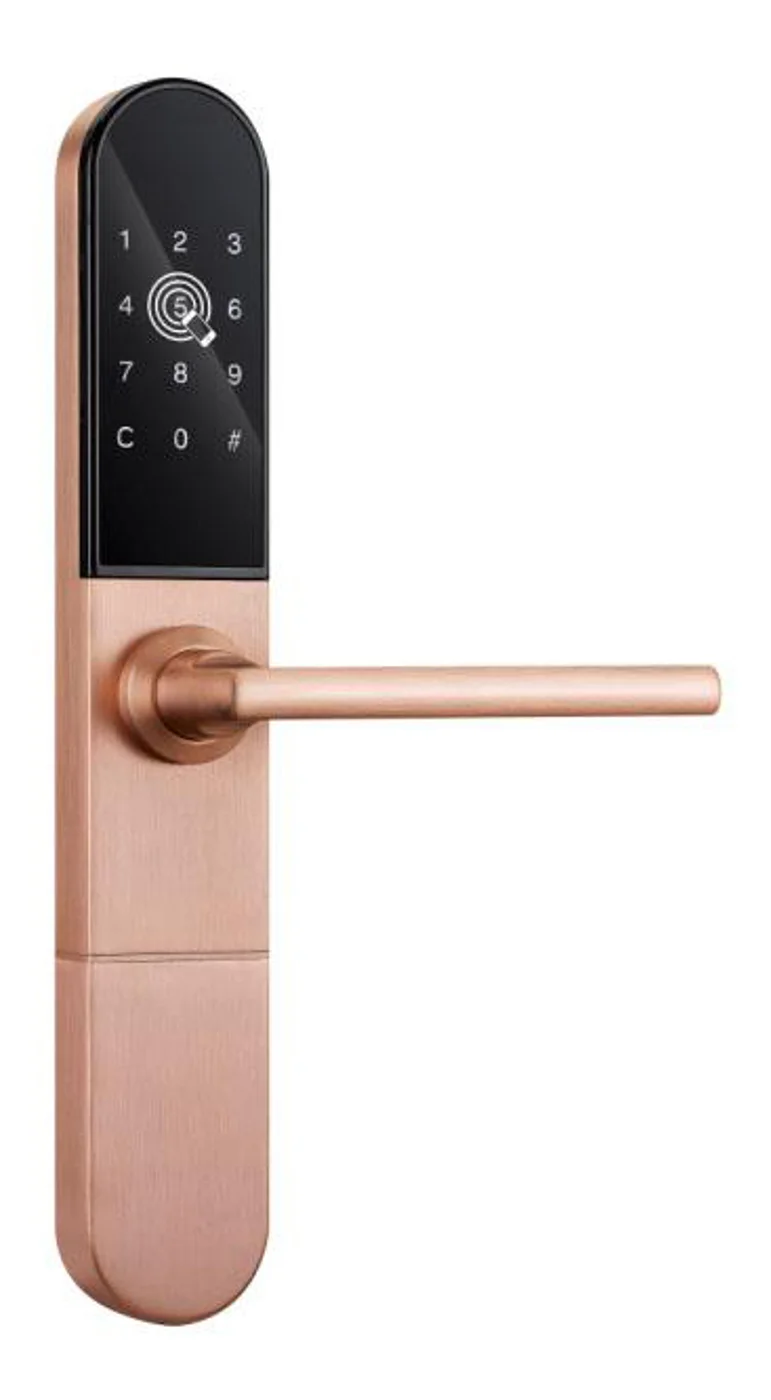
Smart Cabinet Lock — App-Managed, Multi-Site Dashboard
App-managed smart cabinet lock for office, parcel, and multi-site fleets. BLE app dashboard, audit trail, remote unlock, no per-lock server. Higher-tier chassis.
This page already points to it as the next recommended reference.
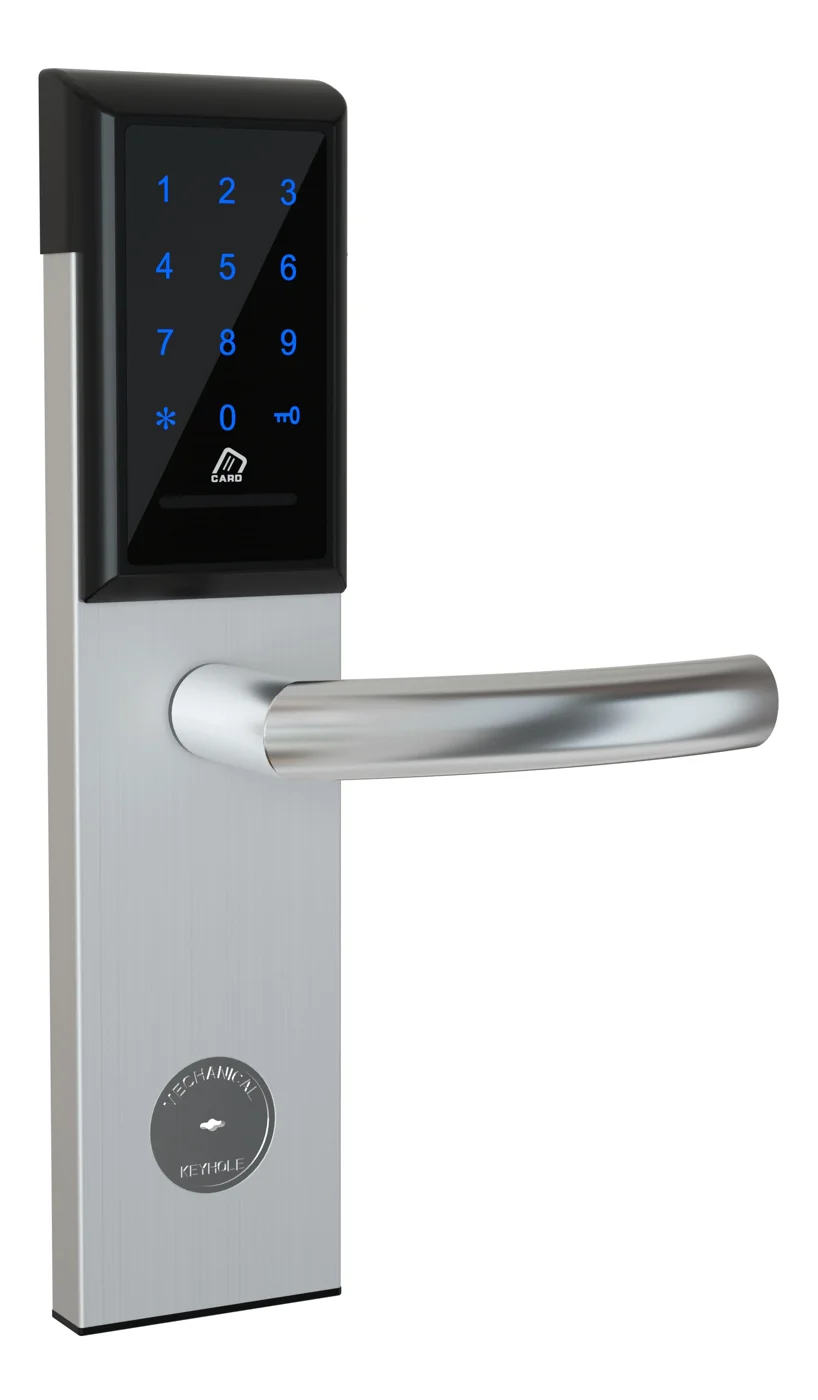
Office Cabinet Lock — PIN + Card for Filing & Pedestals
Offline PIN + card office cabinet lock for filing cabinets, pedestals, and drawers. Battery-powered 5-minute retrofit, no WiFi, no key management. CE/FCC/RoHS.
This page already points to it as the next recommended reference.
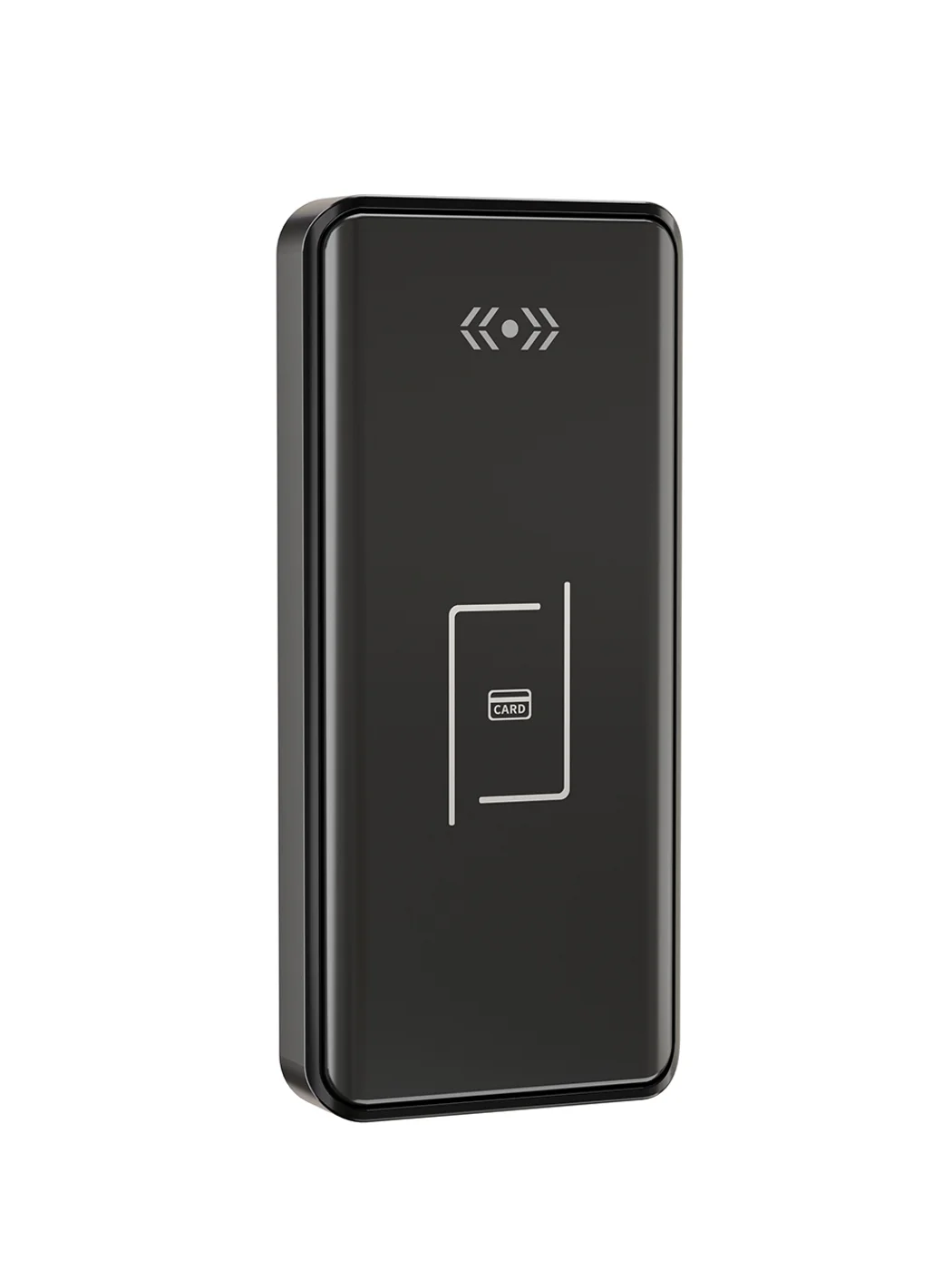
Gym Locker Lock — Offline Card, No WiFi Required
Offline card gym locker lock for fitness and pool lockers. MIFARE card, battery-powered 5-minute retrofit, no WiFi or server. Zinc alloy body, CE/FCC/RoHS.
This page already points to it as the next recommended reference.
Related blog posts
3
Digital Locker Lock: The Complete 2026 Guide to Smart, Keyless Gym, Office, and Parcel Storage Access Control
Complete guide to digital locker lock selection covering RFID, Bluetooth, PIN, QR code, and biometric access technologies for gyms, offices, parcel delivery, schools, hospitals, and commercial locker banks with installation, battery life, and ROI data.
It supports the same product context: Gym Locker Lock — Offline Card, No WiFi Required.
The Complete Guide to Digital Locker Management System Platforms in 2026
Explore how a digital locker management system transforms locker fleet operations with real-time monitoring, API integration, multi-site dashboards, and deployment flexibility for gyms, hotels, schools, and offices.
It supports the same product context: Gym Locker Lock — Offline Card, No WiFi Required.
Digital Drawer Lock Guide 2026: Complete Buying & Technology Overview for Modern Security
Comprehensive digital drawer lock guide covering PIN keypad, fingerprint, RFID card, and Bluetooth app options. Detailed technical comparisons, installation tips, and buying advice for homes and businesses.
It supports the same product context: Office Cabinet Lock — PIN + Card for Filing & Pedestals.
Specify your hotel project with our engineers
Send your room count, ceiling type, and protocol preference. We will return a sample plan and quote within 24 business hours.
- Move from general guidance into a product or application discussion.
- Use RFQ when pricing, drawings, MOQ, or launch timing needs structure.
- Keep a direct contact path visible for fast clarifications and handoff.