Cam Lock Electronic: Modernizing the Workhorse Cabinet Lock
Cam lock electronic combines the classic cam lock form factor with RFID, keypad, and BLE credentials. Retrofit compatible with standard cylinder bores. Complete guide.
A cam lock electronic is an electronically controlled version of the classic cam lock, replacing the keyed cylinder with a reader, microcontroller, and motorized cam assembly that fits the same 16 to 25 millimeter bore used by mechanical cam locks in cabinets, lockers, mailboxes, and display cases. The cam lock electronic accepts credentials such as 13.56 MHz RFID badges (MIFARE, DESFire, iCLASS), 125 kHz prox cards, PIN codes on a keypad, or Bluetooth Low Energy 5.0 signals from a smartphone, and it rotates the cam 90 to 180 degrees with a small DC motor or solenoid to lock and unlock the cabinet door. Battery life on two to four AA cells ranges from 12 to 24 months, and the credential capacity is typically 100 to 1,000 users with 1,000 to 10,000 audit events stored in flash. The cam lock electronic is available with cam tail lengths from 12 to 80 millimeters to match every cabinet frame depth, and it carries CE, FCC, UL 294, and ANSI/BHMA A156.25 ratings with AES-128 or AES-256 encryption on credential exchanges.
What Is a Cam Lock Electronic?
A cam lock electronic is a direct replacement for a mechanical cam lock that preserves the cam lock form factor — a cylindrical body, a cam tail that rotates to catch a cabinet frame, and a faceplate — while substituting an electronic credential reader and a motorized actuator for the keyed cylinder. The cam lock electronic is the electronic evolution of one of the oldest and most widely used lock types in the furniture and cabinet industry. The mechanical cam lock has secured filing cabinets, lockers, cash boxes, mailboxes, vending machines, and display cases for over a century, because it is simple, cheap, and compact. The cam lock electronic retains those virtues while adding the modern security and management capabilities that organizations require today.
The distinguishing engineering achievement of the cam lock electronic is that it delivers electronic functionality within the dimensional envelope of a mechanical cam lock. The reader antenna, the microcontroller, the motor, and the battery must all fit inside a body that is no larger than a mechanical lock cylinder, and the cam tail must still rotate through the same 90 to 180 degrees to engage the cabinet frame. This tight packaging constraint is why the cam lock electronic is the smallest, lightest, and cheapest of the electronic furniture lock categories. It is the natural upgrade path for the tens of millions of cabinets already fitted with mechanical cam lock holes.
The cam lock electronic serves two distinct markets. The retrofit market replaces existing mechanical cam locks in installed furniture, using the same bore hole and screw pattern with zero additional machining. The OEM market supplies the cam lock electronic to cabinet, locker, and furniture manufacturers who install it at the factory. In both markets, the value proposition is identical: no keys to copy, no cylinders to rekey, a complete audit trail, and management through a software platform. The cam lock electronic is the low-cost entry point into electronic cabinet security, and it is the first electronic lock that many organizations deploy.
The cam lock electronic is often the correct choice when the mechanical fit is the primary constraint. A file cabinet with a 20-millimeter bore and a shallow frame cannot accept a large door lock or a full-size furniture lock, but it can accept a cam lock electronic. A display case with a glass door needs the compact faceplate and cam engagement of the cam lock electronic. A locker bank with a uniform cam lock specification can be upgraded one locker at a time. For these applications, the cam lock electronic is not a compromise; it is the best available solution in the form factor that the furniture dictates.
Cam Lock Electronic Anatomy
| Component | Mechanical Cam Lock | Cam Lock Electronic |
|---|---|---|
| Faceplate | Keyhole and cylinder | Reader: RFID, keypad, or BLE zone |
| Body | Brass or zinc cylinder | Zinc or alloy, sealed electronics |
| Actuator | User turns key | Motor or solenoid rotates cam |
| Cam tail | Steel, fixed length | Steel, adjustable length |
| Power | None | AA cells, Li-ion, or PoE |
| Security | Key duplication risk | AES-128/256 credential encryption |
| Audit | None | 1,000 to 10,000 stored events |
How a Cam Lock Electronic Works
The cam lock electronic operates on the same fundamental motion as its mechanical ancestor: a rotating cam tail that swings into a catch on the cabinet frame to lock, and out of that catch to unlock. The difference is the power source. In a mechanical cam lock, the user's hand turns the key, which rotates the cam directly through the cylinder. In the cam lock electronic, the user presents a credential, the controller validates it, and a small DC motor or solenoid rotates the cam tail through the required angle. The unlock time from credential presentation to cam rotation is typically 200 to 800 milliseconds, which is faster than fumbling for a key.
The cam tail is the interface with the cabinet frame, and its geometry determines how the lock engages. A cam tail has a length, typically 12 to 80 millimeters, that must reach the frame catch when the cam is rotated to the locked position. It has an offset, so the cam rotates around the cylinder axis but the tip of the tail sweeps a circle that intersects the frame. Some cam lock electronic models use a double-sided cam with tails on both sides of the body, allowing the same lock to engage a frame on either the left or right of the cabinet. The cam tail is adjustable on most models — it can be slid along a spline and clamped — so one cam lock electronic fits a wide range of cabinet geometries.
The validation and audit pipeline in the cam lock electronic follows the same architecture as other electronic cabinet locks. The reader captures the credential, the controller validates it against a local database and any schedule policies, and on success the motor fires and the event is logged. Events are stored in flash and transmitted to a management platform over BLE, Zigbee, or WiFi. The credential database supports 100 to 1,000 users in the lock's local memory, and the management platform can provision, revoke, and schedule credentials remotely. The cam lock electronic is a full electronic access device that happens to wear a cam lock's dimensions.
Power management is critical in the cam lock electronic because the package is so small. The battery compartment, typically two or four AA cells, must fit within the lock body while leaving room for the motor and electronics. The motor draw for a cam rotation is 200 to 400 mA for 100 to 300 milliseconds, and the controller sleeps at microamp levels between operations. Under typical usage of 20 to 50 unlocks per day, the cam lock electronic runs 12 to 24 months on a set of alkaline cells. Some models use a rechargeable Li-ion pack with a USB-C charging port, which is convenient for high-use lockers and vending machines where batteries would be replaced frequently.
Operating Sequence of a Cam Lock Electronic
- Credential presented to the reader: RFID tap, PIN entry, or BLE signal.
- Controller validates the credential against the local database and schedule.
- If authorized, the motor energizes and rotates the cam tail to the unlock position.
- Drawer or door opens; the unlock event is written to the flash audit log.
- On door close, the motor rotates the cam tail back to the locked position.
- The event is transmitted to the management platform when the radio link allows.
- If the credential is invalid, a denial event is logged and a retry counter increments.
Cam Lock Electronic vs Mechanical Cam Lock
The comparison between a cam lock electronic and a mechanical cam lock is the clearest illustration of the value of electronic access. A mechanical cam lock costs 3 to 15 USD, needs no power, and has no failure mode other than mechanical wear. But its security is bounded by the physical key: any key can be copied in minutes at a hardware store, lost keys force a cylinder rekey at 30 to 100 USD plus labor, and there is no record of who opened the cabinet. A cam lock electronic costs 50 to 200 USD, needs batteries, and adds firmware as a maintenance item. In exchange, it provides unlimited key duplication resistance, zero-cost credential revocation, a complete audit trail, and remote management.
| Attribute | Mechanical Cam Lock | Cam Lock Electronic |
|---|---|---|
| Hardware cost | 3 to 15 USD | 50 to 200 USD |
| Power | None | 12 to 24 months on AA cells |
| Rekey cost | 30 to 100 USD + labor | Zero, software revocation |
| Audit trail | None | 1,000 to 10,000 events |
| Key management | Physical, endless | Digital, instant |
| Retrofit fit | Native | Same 16 to 25 mm bore |
| Security posture | Key duplication risk | AES-128/256 credentials |
| Remote management | None | BLE, Zigbee, WiFi platform |
The cost comparison becomes favorable to the cam lock electronic surprisingly quickly. A company with 100 lockers, each accessed by multiple users per day, will experience key losses and staff turnover that drive rekey events. At even two rekey events per locker over five years, the mechanical cam lock fleet generates 6,000 to 20,000 USD in rekey costs. The cam lock electronic fleet generates zero rekey cost. The initial hardware premium of roughly 10,000 USD is recovered by the third or fourth year, after which the electronic fleet is cheaper to operate and additionally provides the audit and management capabilities that a mechanical fleet cannot produce at any price.
The operational difference is equally important. With mechanical cam locks, a new employee needs a key, and the only way to get one is to have a spare cut or to rekey a cylinder, both of which cost time and money. With a cam lock electronic, the employee's credential is provisioned in the management platform in seconds, and access is granted across the entire locker bank or cabinet fleet instantly. When the employee leaves, the credential is revoked globally. The facilities team never touches a key again. For any organization with employee turnover or shared access, this operational advantage is the deciding factor.
When to Keep a Mechanical Cam Lock
There are legitimate reasons to keep mechanical cam locks in place. A cabinet that stores low-value items, is opened by a single person, and never changes users does not justify the cost of electronics. A budget-constrained project with no compliance requirements may spend its money on other security controls. In those cases, a high-quality mechanical cam lock with a restricted keyspace and controlled key issuance is a reasonable choice. But the bar for choosing mechanical is higher than it first appears, because the audit, management, and rekey savings of the cam lock electronic compound over the lock's decade-long service life.
Cam Lock Electronic Credential Options
The cam lock electronic supports a range of credential types, and the choice depends on the users, the existing badge infrastructure, and the deployment environment. RFID at 13.56 MHz is the most common option because it reuses corporate badges and works with gloved hands. 125 kHz proximity is an option for legacy badge systems but is weak against cloning and should be avoided for regulated data. PIN entry on a keypad requires no user hardware and serves as an excellent backup or visitor credential. Bluetooth Low Energy smartphone credentials are popular for consumer-facing lockers and modern offices where users always carry phones. Fingerprint biometrics are available on higher-end cam lock electronic models for dual-factor and high-security applications.
Multi-credential support is a differentiator among cam lock electronic models. A model that supports only RFID forces every user to carry a badge. A model that supports RFID plus PIN plus BLE can serve staff with badges, visitors with PIN codes, and managers with phone-based unlock, all through the same reader. The reader faceplate becomes the single point of interaction, and the credential database assigns each user their allowed credential types. This flexibility is valuable in mixed-user environments such as a co-working space, a university, or a hospital, where different populations legitimately use different credentials.
The credential reader on the cam lock electronic is a sealed module that faces the user. For an RFID reader, the antenna coil sits behind the faceplate and reads a badge at 10 to 50 millimeters. For a keypad, a capacitive touch grid is printed on the faceplate. For a BLE model, the radio antenna is tuned for the lock's small form factor, and the phone app handles the user interaction. The reader module must be sealed to prevent dust and moisture ingress, and the faceplate should be cleanable with the same products used on the cabinet. The cam lock electronic reader is the user's primary interface, so its ergonomics and reliability directly affect satisfaction.
Credential Types and Tradeoffs for Cam Lock Electronic
| Credential | Reader | Security | User Hardware | Best Use |
|---|---|---|---|---|
| RFID 13.56 MHz | Coil, 10-50 mm range | AES-128, mutual auth | Corporate badge | Enterprise, staff access |
| 125 kHz prox | Coil, 10-30 mm range | Weak, static UID | Legacy badge | Cost-sensitive, low-risk |
| PIN | Capacitive keypad | Length-dependent | None | Visitors, backup |
| BLE smartphone | BLE 5.0 radio | AES-128, device-bound | Company phone | Consumer lockers, offices |
| Fingerprint | Capacitive sensor | Biometric | Enrolled finger | Dual-factor, high-security |
| NFC virtual | NFC antenna | AES-128, secure element | Phone wallet | Modern credential path |
Cam Lock Electronic Installation
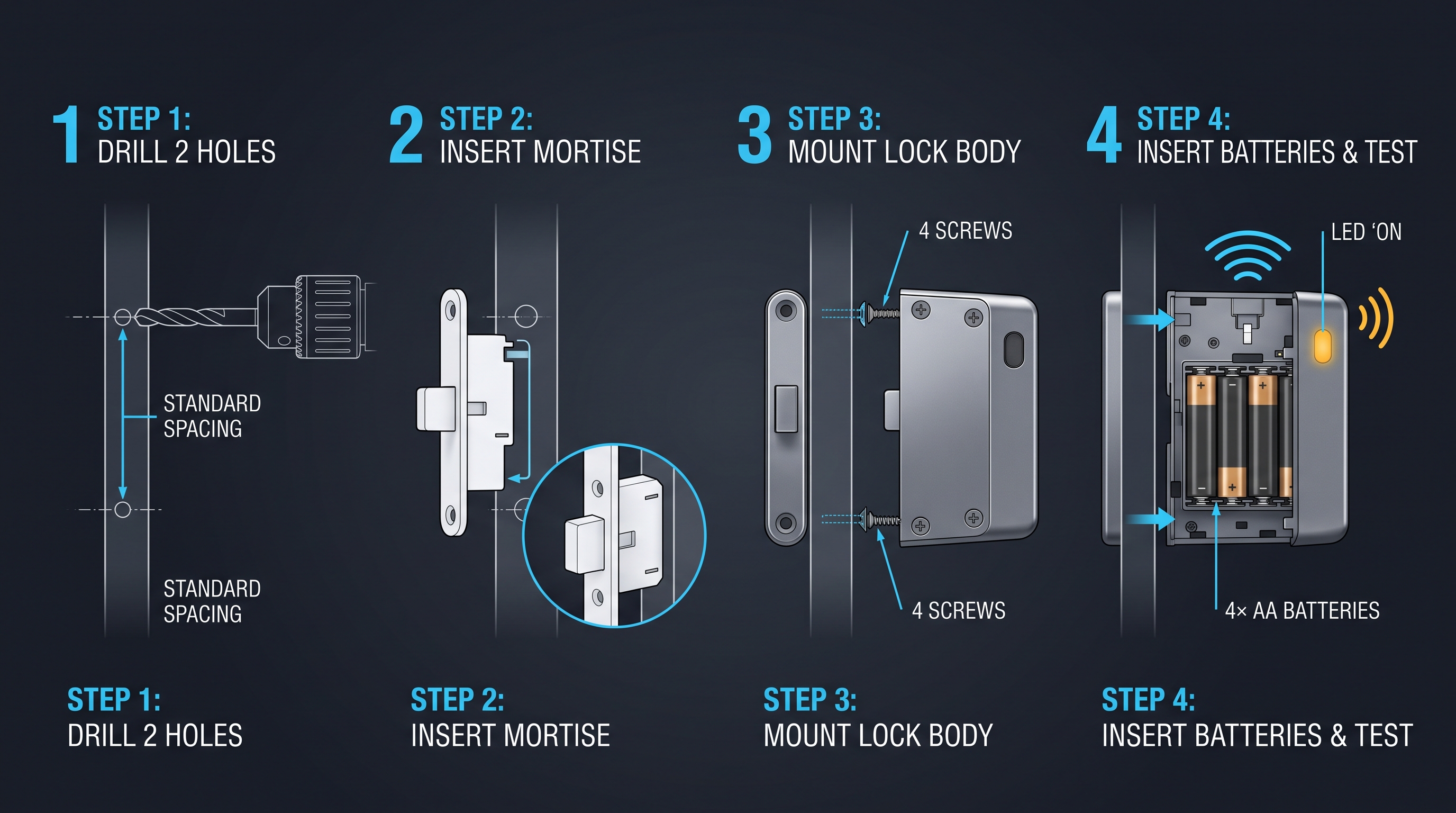
Installing a cam lock electronic is the fastest of the electronic cabinet lock retrofit jobs because the form factor matches the mechanical cam lock exactly. The installer removes the existing mechanical cam lock with a spanner or puller, measures the bore and cam tail length, and slides the cam lock electronic into the same hole. The lock body is secured with the same nut and screw pattern, the cam tail is adjusted to the cabinet frame depth, and the batteries are installed. The total mechanical installation time is 10 to 20 minutes per unit, which makes the cam lock electronic the easiest electronic lock to retrofit across a large fleet of cabinets, lockers, or mailboxes.
The cam tail adjustment is the critical mechanical step. The cam tail length must be sufficient for the rotating tip to reach and catch the cabinet frame when the cam is in the locked position. Too short a cam tail means the door can be pried open. Too long a cam tail means the cam binds against the frame or the back of the cabinet, jamming the motor. Most cam lock electronic models use a splined cam tail that slides along the actuator shaft and locks with a setscrew or a clip. The installer positions the tail so that in the locked position the tip overlaps the frame catch by 4 to 8 millimeters, and in the unlocked position the tip clears the frame entirely.
Electronic setup adds credential enrollment and platform registration. The installer powers the lock, enters the enrollment mode with a hidden button or an administrator credential, and enrolls the first administrator. The lock is then paired with the gateway or connected to WiFi, and registered on the management platform with its serial number and location. A test credential is provisioned and a full unlock-lock cycle is run. For a fleet installation, the process repeats at each cabinet, but the enrollment step is usually faster than the mechanical step. A skilled installer can retrofit 20 to 30 cam lock electronic units per day, including enrollment and testing.
Cam Lock Electronic Installation Steps
- Remove the existing mechanical cam lock with a spanner or puller.
- Measure the bore diameter and the cam tail length required by the frame.
- Select and adjust the cam tail on the cam lock electronic to match.
- Insert the lock body into the bore and secure with the supplied nut and screws.
- Install batteries, observe the LED boot sequence, and verify the motor test.
- Enter enrollment mode and enroll the first administrator credential.
- Pair with gateway or connect to WiFi; register on the management platform.
- Provision a test credential and verify full unlock-lock cycle and audit logging.
- Adjust cam tail engagement if the door does not latch cleanly or binds.
Cam Lock Electronic Applications by Sector
The cam lock electronic is used wherever the mechanical cam lock was historically installed, but with the electronic layer providing security and audit. In offices, the cam lock electronic secures filing cabinet drawers, desk pedestals, and supply cabinets, and it is the retrofit of choice because the existing 20-millimeter bore accepts it directly. In locker banks, the cam lock electronic secures employee lockers, gym lockers, and postal lockers, with a PIN or BLE credential that eliminates the key custody problem of a shared locker bank. In healthcare, the cam lock electronic secures medication carts, supply drawers, and instrument cabinets with RFID badges and a DEA-compliant audit trail.
Retail and vending use the cam lock electronic for display cases, cash drawers, and vending machine service doors. The compact faceplate fits glass display cases without obstructing the view of the merchandise, and the audit trail identifies which staff member opened a display case and when. A vending machine service door secured with a cam lock electronic replaces the standard T-handle cylinder lock, and the route technician's badge provides a timestamped record of every service visit. In education, the cam lock electronic secures lab cabinets, exam paper storage, and student lockers, with schedule restrictions that keep access within approved hours.
Public sector and government use the cam lock electronic in courts, police stations, and offices where evidence lockers, records cabinets, and equipment storage must be access-controlled. The cam lock electronic provides the audit trail that evidence management systems require, and the dual-authentication option satisfies the two-person rule for high-value evidence storage. In the hospitality sector, the cam lock electronic secures housekeeping carts, minibars, and in-room lockers, integrating with the property management system so the guest's keycard opens the minibar while housekeeping uses a separate staff credential. In every sector, the cam lock electronic delivers the same formula: compact form factor, electronic credential, complete audit, and remote management.
Sector Application Summary
| Sector | Application | Credential | Compliance |
|---|---|---|---|
| Office | File drawers, pedestals, supplies | Badge or BLE | Corporate policy |
| Locker banks | Employee, gym, postal lockers | PIN or BLE | Privacy policy |
| Healthcare | Meds, instruments, supplies | RFID badge | DEA, HIPAA, Joint Commission |
| Retail | Display cases, cash drawers | Staff badge | Loss prevention |
| Vending | Service doors | Route badge | Audit of service visits |
| Education | Labs, exams, lockers | Schedule-gated badge | FERPA, exam integrity |
| Government | Evidence, records, equipment | Dual-auth | Chain of custody, NIST |
Cam Lock Electronic Security Features
The security posture of the cam lock electronic rests on four layers: credential security, actuator security, tamper detection, and platform security. Credential security uses AES-128 or AES-256 encryption on the radio link, mutual authentication between lock and credential, and encrypted storage of the credential database in flash. The credential exchange is protected against eavesdropping and replay by nonce-seeded session keys. Actuator security ensures that the cam tail cannot be moved to the unlocked position without a valid credential — the motor is back-driven locked by a worm gear or a detent, so an attacker cannot rotate the cam by hand or with a tool.
Tamper detection is a distinguishing feature of higher-tier cam lock electronic models. An accelerometer or a shock sensor detects prying, striking, or forced rotation of the cam tail, and a cover switch detects removal of the faceplate. These events trigger a local alarm, a remote notification through the platform, and a permanent entry in the audit log. A tampered lock cannot be silently reset to a clean state by a user; an administrator credential or a platform command is required to clear the tamper flag. This ensures that physical attacks are always visible in the audit trail and cannot be sanitized.
Platform security closes the loop. The management platform authenticates administrators with multi-factor authentication, enforces role-based access, and records all administrative actions. The lock-platform link uses TLS 1.2 or higher with client certificates. The platform stores the audit data with tamper-resistant integrity protection and supports immutable retention policies. For regulated environments, the platform should offer SOC 2 reports and data residency options. A cam lock electronic deployment is only as secure as the sum of these layers, and the platform is where most security incidents in deployed systems originate.
Layered Security Summary
| Layer | Cam Lock Electronic Control |
|---|---|
| Credential link | AES-128/256 session encryption, mutual auth |
| Credential storage | Encrypted flash, key in secure element |
| Actuator | Worm gear back-drive lock, detent |
| Tamper | Accelerometer, cover switch, tamper flag |
| Alerting | Local alarm, platform notification |
| Platform | MFA, RBAC, TLS 1.2+, immutable audit |
Cam Lock Electronic Power and Battery
The cam lock electronic is fundamentally constrained by the small space available for batteries inside a cam lock-sized body. The standard arrangement is two or four AA cells, depending on the motor voltage requirement and the desired battery life. Four AA alkaline cells provide 2,500 to 3,000 mAh of usable capacity and deliver 12 to 24 months of operation at 20 to 50 unlocks per day. Two AA cells halve the volume and the capacity, yielding 6 to 12 months, and are used where the battery compartment must share space with a larger motor or a WiFi radio. The cam lock electronic's battery compartment is typically accessed from the front by removing the faceplate or from the rear when the door is open.
The motor load dominates the energy budget. Rotating the cam tail through 90 to 180 degrees requires 200 to 400 mA for 100 to 300 milliseconds, and the motor current is the largest single draw in the lock's life. Firmware minimizes the motor on-time by driving the motor only until the cam reaches the endstop, detected by a current spike or a position sensor, and then cutting power. The controller and radio sleep at microamp levels between events. The result is that the cam lock electronic draws less energy in a year than a typical wireless doorbell, despite the compact battery compartment.
Battery telemetry is a standard feature on platform-connected cam lock electronic models. The lock reports its battery voltage to the platform on every synchronization, and the platform predicts replacement dates based on the voltage trend and the usage rate. A low-battery alert is issued 30 to 60 days before the expected failure, giving the facilities team time to schedule replacement during normal operations. For high-use lockers, a rechargeable Li-ion variant with USB-C charging avoids the recurring cost of AA cells, but it adds the discipline of a charging schedule and a battery wear model.
Power Configuration Options
| Configuration | Capacity | Expected Life | Maintenance |
|---|---|---|---|
| 4 x AA alkaline | 2,500 to 3,000 mAh | 12 to 24 months | Annual battery change |
| 2 x AA alkaline | 1,200 to 1,500 mAh | 6 to 12 months | Biannual battery change |
| 4 x AA lithium | 3,000 to 3,500 mAh | 18 to 36 months | 18-month change |
| Li-ion pack, USB-C | 1,000 to 2,000 mAh | 3 to 6 months per charge | Charging rotation |
| PoE / wired | Indefinite | None | No battery maintenance |
Cam Lock Electronic Platform and Management
The management platform for the cam lock electronic brings the same centralized control, audit, and integration capabilities as the platforms for larger electronic locks, and the cam lock electronic inherits the enterprise benefits at a lower per-unit cost. The platform provisions credentials, assigns locks to groups, applies schedules, collects audit events, and monitors battery health across the fleet. Because the cam lock electronic is often deployed in large numbers — a locker bank with 500 lockers, a school with 200 cabinets — the platform's bulk operations and fleet dashboards are essential. The platform should handle a fleet of thousands of cam lock electronic units without degradation.
Bulk operations are the defining feature of a cam lock electronic fleet deployment. An administrator assigns a new cohort of employees to the entire locker bank with one group assignment. A schedule change for the cleaning crew is applied to 300 supply cabinets with one command. A firmware update rolls out to the fleet overnight, with a test group of 10 percent verified first. The platform's job is to make fleet-scale operations as easy as single-lock operations, and the cam lock electronic's compact form factor does not diminish the platform's power.
Integration extends the cam lock electronic into the organization's access ecosystem. The platform's REST API provisions and revokes credentials from HR systems, so an employee's locker and cabinet access follows their employment lifecycle automatically. Events stream to SIEM platforms for security monitoring, and the audit export feeds compliance reporting. For organizations that already operate a building access control system, the cam lock electronic platform can share the credential source, so the badge that opens the door also opens the locker. The cam lock electronic is a low-cost node that plugs into the same identity fabric as the expensive door locks.
Platform Features for Cam Lock Electronic Fleets
| Feature | Benefit for Cam Lock Electronic Deployment |
|---|---|
| Group-based access | Assign cohorts to entire locker banks |
| Bulk schedules | Apply time windows across hundreds of locks |
| Fleet firmware OTA | Patch the whole fleet with one rollback plan |
| Battery telemetry | Predict replacement per lock, batch by floor |
| REST API | HR provisioning, SIEM streaming |
| Immutable audit | Compliance evidence for every access |
| Multi-tenant | Managed service provider model |
Choosing the Right Cam Lock Electronic
Choosing the right cam lock electronic requires evaluating the mechanical fit, the credential strategy, the environment, and the management platform. The mechanical fit starts with the bore diameter — 16, 20, or 25 millimeters — and the required cam tail length and offset. The cam lock electronic must physically fit the cabinet, and the cam tail must engage the frame. Measure twice and compare against the datasheet before purchasing. The credential strategy should reuse the existing badge infrastructure where possible, and the lock must support the badge format the organization already issues.
The environment dictates the specification of the cam lock electronic's housing and faceplate. An indoor office lock needs no special rating beyond standard electronics. A locker in a gym with high humidity and chlorine needs a corrosion-resistant body and a sealed faceplate. An outdoor mailbox or a vending machine in an unconditioned location needs an IP rating of IP54 or higher and an operating temperature range that covers the local climate. The cam lock electronic should be specified to the environment, not purchased as a one-size-fits-all part.
The management platform should be evaluated for fleet scale, API, and compliance. If the deployment is fewer than 20 units, a simple app-based platform may suffice. If the deployment is hundreds or thousands of units, the platform must support bulk operations, fleet dashboards, and API integration with HR and access control systems. If the data is regulated, the platform must provide immutable audit, SOC 2 reports, and data residency options. The cam lock electronic is a fleet product, and the platform is the amplifier that converts individual locks into a managed access system.
Cam Lock Electronic Selection Checklist
- Bore diameter: 16, 20, or 25 mm; confirm the lock body matches.
- Cam tail: length, offset, single or double-sided, adjustable.
- Credential: badge format, keypad, BLE, biometric; match existing systems.
- Environment: indoor, high-humidity, outdoor; IP rating and temperature range.
- Power: AA alkaline, lithium, Li-ion rechargeable, or wired.
- Platform: fleet scale, bulk operations, API, SOC 2, data residency.
- Compliance: audit immutability, encryption level, retention policy.
- Fleet size and budget: match hardware and licensing to the deployment.
Cam Lock Electronic Frequently Asked Questions
A cam lock electronic is a modernized version of the cam lock, fitting the same bore and mounting pattern while replacing the keyed cylinder with an electronic reader, a motorized cam, and a management platform. It provides keyless credential access, audit logging, and remote management in the most compact electronic lock form factor available. The questions below address the most common concerns of buyers, installers, and administrators.
Does the cam lock electronic fit the same hole as my mechanical cam lock?
In most cases, yes. The cam lock electronic is designed for the standard cam lock bore of 16, 20, or 25 millimeters, and it uses the same mounting nut and screw pattern. Confirm the bore diameter and the cam tail length required by your cabinet frame against the lock datasheet before purchase. The cam tail is adjustable on most models to match the frame depth.
What credential types does the cam lock electronic support?
Cam lock electronic models support 13.56 MHz RFID badges (MIFARE, DESFire, iCLASS), 125 kHz proximity cards, PIN codes on an integrated keypad, Bluetooth Low Energy smartphone credentials, and, on higher-tier models, fingerprint biometrics. Many models support multiple credential types simultaneously. Choose a model that reads the badge format your organization already uses to avoid issuing a second badge.
How long does the battery last in a cam lock electronic?
Typical battery life on four AA alkaline cells is 12 to 24 months at 20 to 50 unlock operations per day. Two AA cells provide 6 to 12 months. Lithium cells extend life to 18 to 36 months. Rechargeable Li-ion variants with USB-C last 3 to 6 months per charge. The management platform reports battery voltage and alerts before failure, so replacement is scheduled rather than reactive.
Can the cam lock electronic be used outdoors?
Cam lock electronic models are available with IP ratings of IP54 and higher, corrosion-resistant bodies, and wide operating temperature ranges, suitable for outdoor mailboxes, vending machines, and unconditioned enclosures. Standard indoor models are not weather-rated. Specify an outdoor-rated model for any application exposed to moisture, temperature swings, or aggressive environments.
How secure is the cam lock electronic compared to a mechanical cam lock?
The cam lock electronic is substantially more secure in every meaningful dimension. It eliminates key duplication by using encrypted digital credentials, provides a complete audit trail, enables instant credential revocation, and can be configured for dual-authentication and tamper detection. The mechanical cam lock's security is bounded by physical key control, which degrades with every copy and every lost key. The cam lock electronic converts security from a physical logistics problem into a software-managed process.
What happens if the network goes down for a cam lock electronic?
The cam lock electronic validates credentials locally against a cached database, so authorized users can continue to unlock during a network outage. Remote management, revocation, and live event transmission are queued and synchronized when connectivity returns. The lock is designed to fail operational — users are never locked out by a network problem.
Part of this article content is generated by AI and optimized for professional accuracy and readability.
Not sure which sensor fits your project?
Talk to our mmWave application engineers for a free consultation.
Find the right presence sensor for your hotel project
Compare the 3 protocols, check hotel-specific case studies, and download the installation guide
Related products
3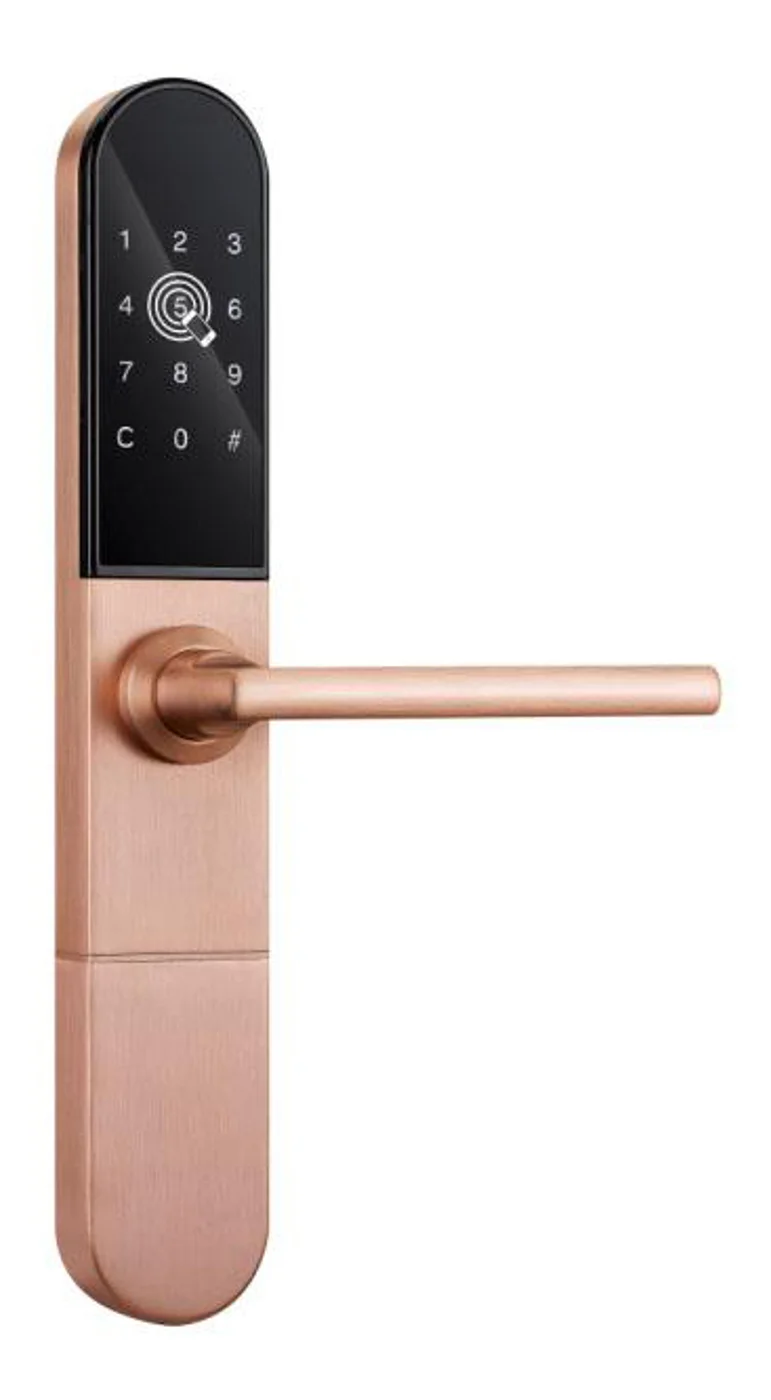
Smart Cabinet Lock — App-Managed, Multi-Site Dashboard
App-managed smart cabinet lock for office, parcel, and multi-site fleets. BLE app dashboard, audit trail, remote unlock, no per-lock server. Higher-tier chassis.
This page already points to it as the next recommended reference.
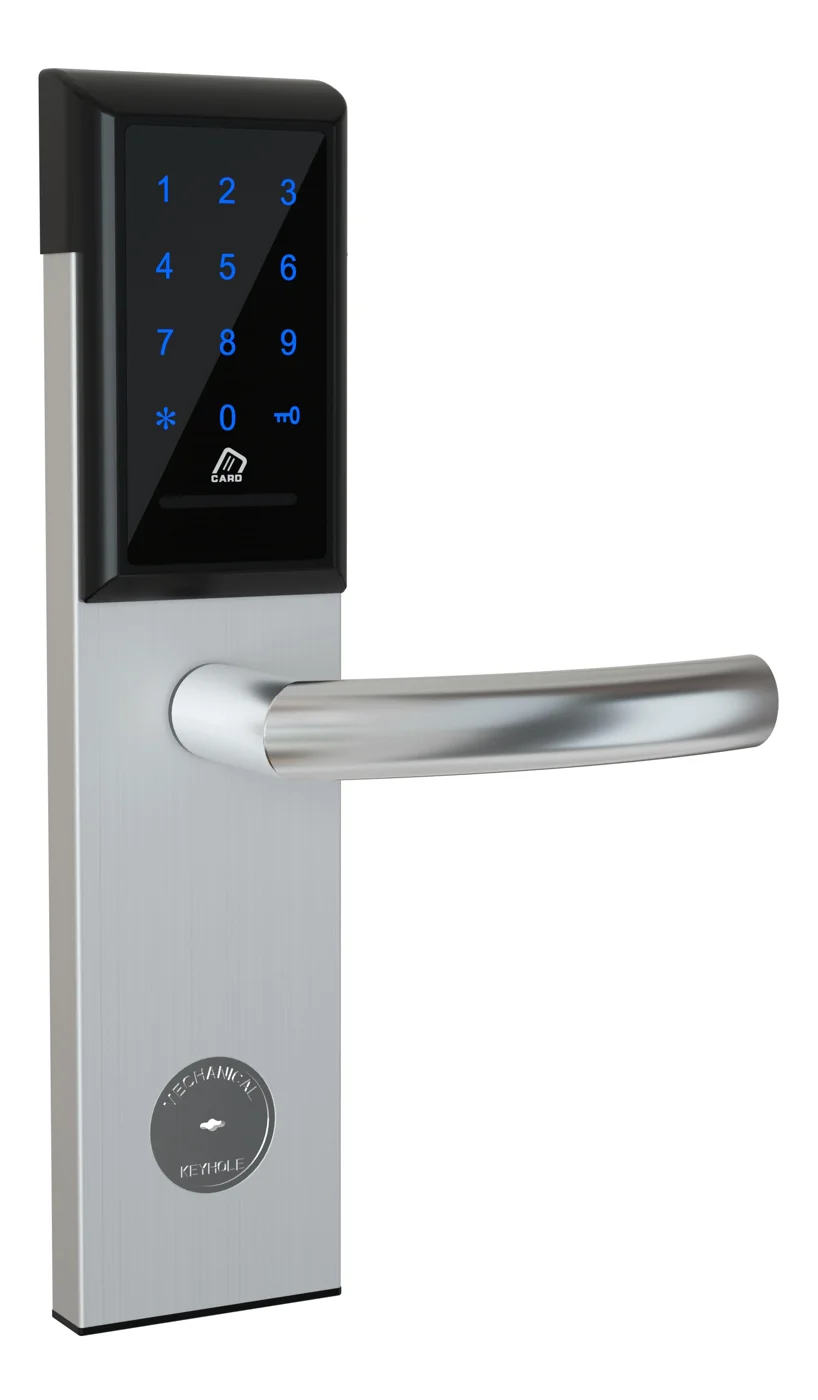
Office Cabinet Lock — PIN + Card for Filing & Pedestals
Offline PIN + card office cabinet lock for filing cabinets, pedestals, and drawers. Battery-powered 5-minute retrofit, no WiFi, no key management. CE/FCC/RoHS.
This page already points to it as the next recommended reference.
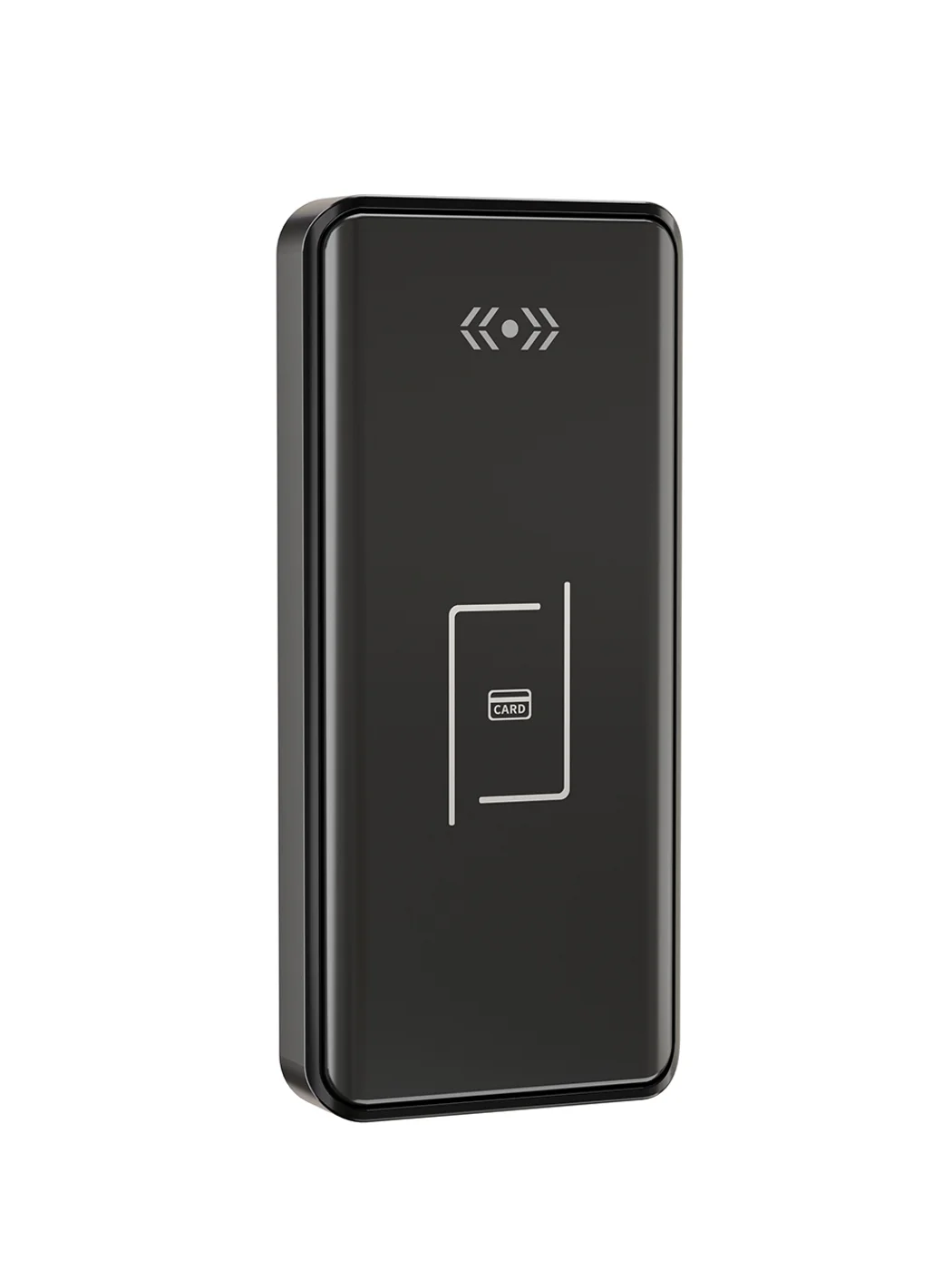
Gym Locker Lock — Offline Card, No WiFi Required
Offline card gym locker lock for fitness and pool lockers. MIFARE card, battery-powered 5-minute retrofit, no WiFi or server. Zinc alloy body, CE/FCC/RoHS.
This page already points to it as the next recommended reference.
Related blog posts
3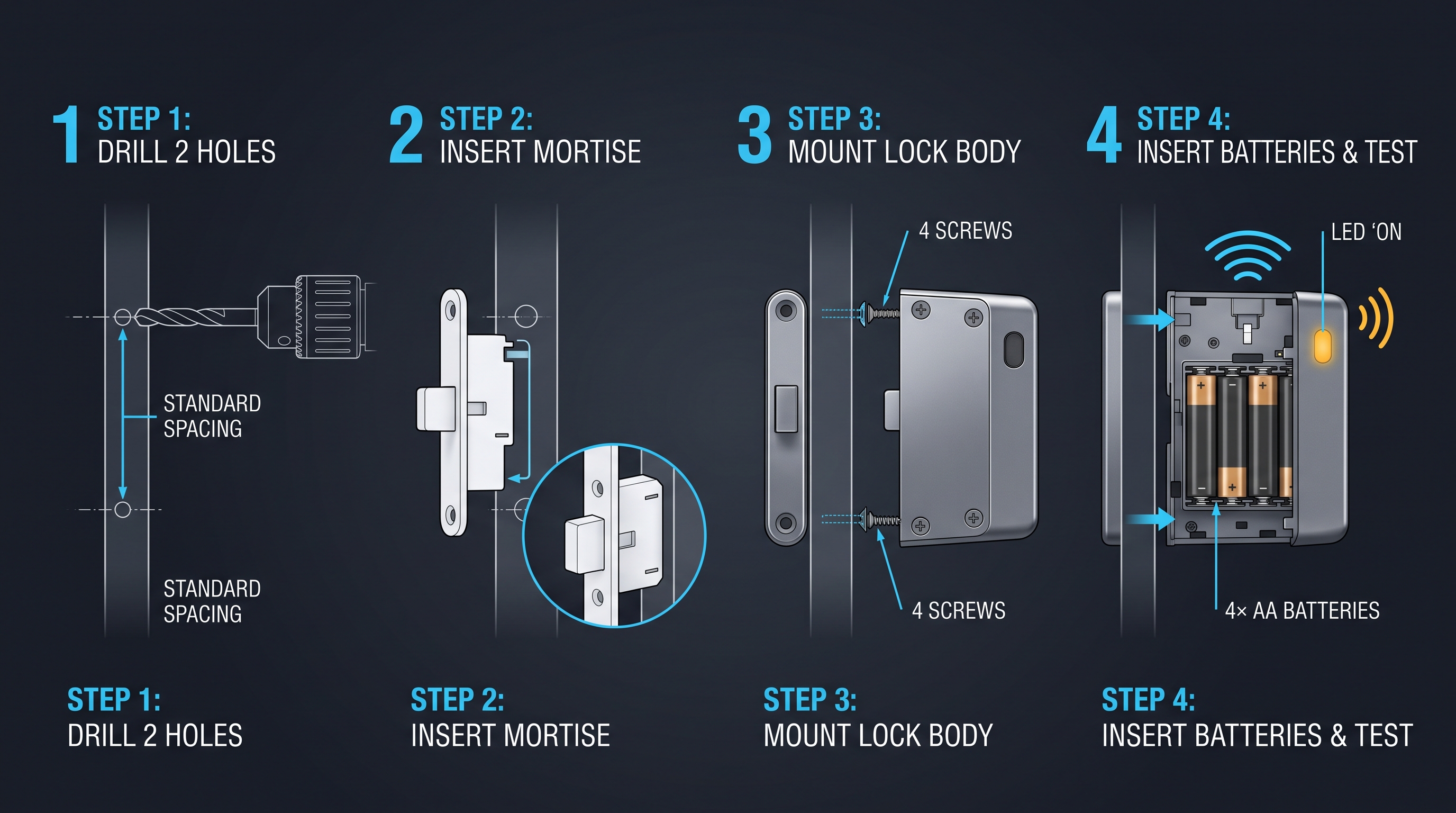
Cloud Cabinet Lock: Ultimate Guide to Cloud-Connected Cabinet Access Control
A comprehensive guide to cloud cabinet lock technology covering remote management, real-time audit trails, and multi-site cabinet access control for enterprises.
It supports the same product context: Smart Cabinet Lock — App-Managed, Multi-Site Dashboard, Office Cabinet Lock — PIN + Card for Filing & Pedestals, Gym Locker Lock — Offline Card, No WiFi Required.
Card Cabinet Lock: Ultimate Guide to Smart Card-Activated Cabinet Security Systems
Complete exploration of card cabinet lock technology including MIFARE, DESFire, NFC smartphone credentials, installation guides, security protocols, and enterprise integration strategies for card-based cabinet access.
It supports the same product context: Smart Cabinet Lock — App-Managed, Multi-Site Dashboard, Office Cabinet Lock — PIN + Card for Filing & Pedestals, Gym Locker Lock — Offline Card, No WiFi Required.
Cabinet Smart Lock: The Complete Guide to Connected Cabinet Security and Access Control
A comprehensive guide to cabinet smart lock systems covering WiFi, Zigbee, biometric, RFID types, installation, integration, and best practices for homes and businesses.
It supports the same product context: Smart Cabinet Lock — App-Managed, Multi-Site Dashboard, Office Cabinet Lock — PIN + Card for Filing & Pedestals, Gym Locker Lock — Offline Card, No WiFi Required.
Specify your hotel project with our engineers
Send your room count, ceiling type, and protocol preference. We will return a sample plan and quote within 24 business hours.
- Move from general guidance into a product or application discussion.
- Use RFQ when pricing, drawings, MOQ, or launch timing needs structure.
- Keep a direct contact path visible for fast clarifications and handoff.