Cabinet Lock with Audit Log: Complete Guide to Accountability and Compliance Tracking
A comprehensive guide to cabinet lock with audit log technology covering event recording, compliance, and forensic access tracking for healthcare, finance, and security industries.
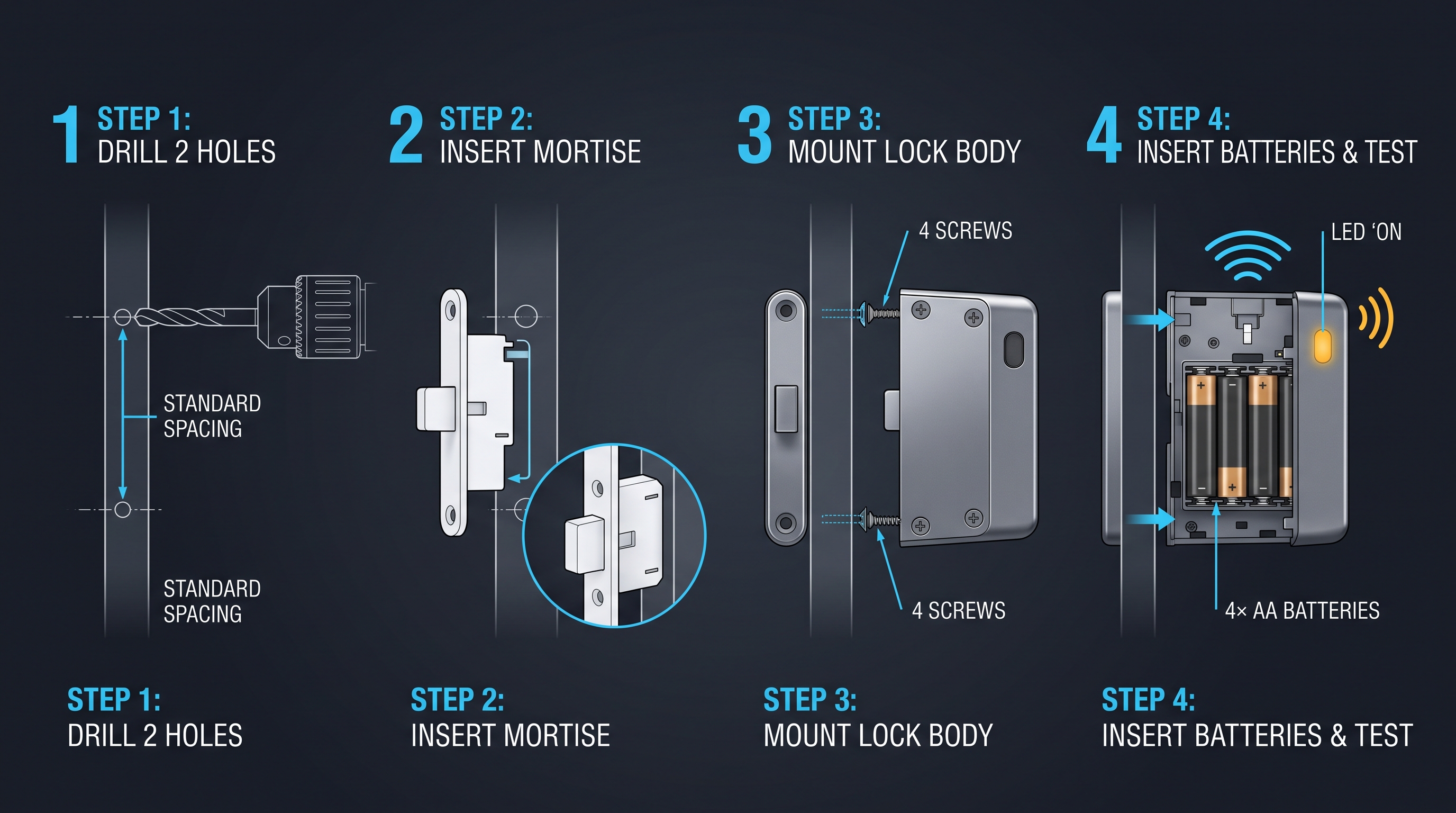
A cabinet lock with audit log is a battery-powered electromechanical locking device that records every access attempt, grant, denial, credential used, and administrative change as a structured, timestamped event inside non-volatile storage, so that the history of who opened a cabinet, when, and with which credential can be reconstructed with forensic precision. Unlike a conventional electronic lock that simply unlocks for an authorized card, a cabinet lock with audit log treats every interaction as a data point: successful opens, rejected credentials, tamper attempts, low-battery warnings, and firmware updates all become immutable entries that administrators can review, export, and feed into security information and event management platforms. A cabinet lock with audit log typically stores 50,000 to 500,000 events in 32 MB to 1 GB of flash memory, syncs over Bluetooth Low Energy, Wi-Fi, or LTE-M using HTTPS with TLS 1.3, and retains records for six months to seven years depending on configuration, which is why facilities pursuing HIPAA, SOC 2, ISO 27001, PCI DSS, GDPR, or FDA 21 CFR Part 11 compliance increasingly standardize on a cabinet lock with audit log. This cabinet lock with audit log guide explains how the cabinet lock with audit log works, what events a cabinet lock with audit log records, and how to choose a cabinet lock with audit log for any regulated environment.
What Is a Cabinet Lock with Audit Log System?
A cabinet lock with audit log is a networked access control solution built around an intelligent locking device that combines a motorized latch, a credential reader, a secure microcontroller, and persistent event storage in a single unit, paired with management software that collects, stores, and visualizes every access event from every cabinet lock with audit log in the fleet. When a user presents an RFID card, NFC tag, PIN, mobile credential, or fingerprint to a cabinet lock with audit log, the cabinet lock with audit log authenticates the credential against a local allow-list or a remote server, actuates the latch, and writes an event record that captures the user identity, timestamp, event type, and outcome. The system layer then aggregates those records from every cabinet lock with audit log across the facility, deduplicates them, enriches them with user and asset metadata, and exposes them through dashboards, exports, and syslog feeds for SIEM correlation.
A cabinet lock with audit log system changes procurement criteria, deployment topology, and operational workflow. For a hospital, a cabinet lock with audit log provides a defensible chain of evidence for controlled-substance storage. For a financial institution, a cabinet lock with audit log proves that only entitled personnel accessed the cash or key vault. For a data center, a cabinet lock with audit log documents every rack-level interaction tied to a specific user account. The scope of a cabinet lock with audit log system typically includes the cabinet lock with audit log hardware, the edge management software, the cloud or on-premise backend, and the reporting console. Hardware events travel from the cabinet lock with audit log to the backend over BLE, Wi-Fi, or LTE-M, and administrators query the resulting history to answer questions such as: who opened cabinet 14 at 2:47 AM, which credential was rejected on the narcotics cart protected by a cabinet lock with audit log, and when was the master key code last rotated on that cabinet lock with audit log.
Deployment scale ranges from a handful of cabinet lock with audit log units in a law office to thousands of cabinet lock with audit log units in a hospital network or government facility. Every additional cabinet lock with audit log increases the audit surface and the forensic value of the overall system, because the real power of the cabinet lock with audit log category emerges only when access decisions across many cabinets can be correlated against a single timeline. In short, a cabinet lock with audit log system converts a physical cabinet into a measurable, reportable access domain, and the cabinet lock with audit log record becomes the single source of truth for every interaction with that cabinet.
Core Components of a Cabinet Lock with Audit Log
Every cabinet lock with audit log is built around five physical subsystems: the locking mechanism, the credential interface, the secure microcontroller, the event storage, and the communication module. The locking mechanism in a cabinet lock with audit log is typically a motor-driven latch or solenoid that draws the bolt in under 300 milliseconds. The credential interface on a cabinet lock with audit log accepts proximity cards, NFC tags, PIN pads, or biometrics. The secure microcontroller in a cabinet lock with audit log, often built around a Common Criteria EAL 5+ security IC, enforces cryptography and protects the stored event chain from tampering. Event storage on a cabinet lock with audit log uses SPI NOR or NAND flash sized between 32 MB and 1 GB, which translates to 50,000 to 500,000 standard event records per cabinet lock with audit log. The communication module on a cabinet lock with audit log handles BLE, Wi-Fi, or LTE-M connectivity and pushes events over HTTPS with TLS 1.3 to the cabinet lock with audit log backend.
Event Model of a Cabinet Lock with Audit Log
The event model of a cabinet lock with audit log is the heart of the product. Each record produced by a cabinet lock with audit log follows a consistent JSON schema so that records from any cabinet lock with audit log in the fleet parse identically in the backend. A typical cabinet lock with audit log event object contains an event_id generated as a UUIDv4, a user_uuid identifying the credential holder, a timestamp in ISO 8601 format, an event_type, and a device_uuid identifying the specific cabinet lock with audit log that produced the record. Additional fields on a cabinet lock with audit log event may include the credential type, the authentication method, battery level, firmware version, and a hash linking the record to the previous event to form an append-only chain on the cabinet lock with audit log.
How Does a Cabinet Lock with Audit Log Work?
A cabinet lock with audit log is a deterministic access-control system that reads a credential, verifies entitlement, actuates the latch if permitted, and then commits an event record to local flash before reporting that record to the backend over the network. Every step in that sequence is time-stamped from a real-time clock that the cabinet lock with audit log synchronizes with the server during each communication window, so that even offline events from a cabinet lock with audit log carry trustworthy timestamps. When a user taps a credential, the cabinet lock with audit log reader extracts the identifier and passes it to the secure element, which compares it against the cached allow-list on the cabinet lock with audit log. If the credential matches and the cabinet lock with audit log is in an allowed time window, the cabinet lock with audit log motor drives the latch open and a green indicator confirms success.
The audit trail of a cabinet lock with audit log is written at the moment of actuation, not afterward. The cabinet lock with audit log generates a JSON event that includes the event_id UUIDv4, the user_uuid, an ISO 8601 timestamp, the event_type such as OPEN_SUCCESS, OPEN_DENIED, or TAMPER_ALERT, and the device_uuid of that cabinet lock with audit log. This record is first appended to the on-device flash log of the cabinet lock with audit log, where it joins the chain protected by the EAL 5+ security IC, and then queued for synchronization. Depending on the connectivity profile of that particular cabinet lock with audit log, the event is transmitted immediately over Wi-Fi or LTE-M, or it waits in flash until a BLE-enabled smartphone or edge gateway polls the cabinet lock with audit log.
When a credential is rejected, the cabinet lock with audit log still records the attempt, including the credential UID, the reason for denial, and a count of consecutive failures on that cabinet lock with audit log. This is one of the most valuable capabilities of the cabinet lock with audit log category because unauthorized probing leaves a trail in the cabinet lock with audit log. Similarly, physical tampering, attempts to force the latch on a cabinet lock with audit log, removal of the cabinet lock with audit log body, or repeated invalid PIN entries on a cabinet lock with audit log all generate distinct event types on the cabinet lock with audit log. Because the on-device chain on a cabinet lock with audit log is append-only and hashed, a malicious user cannot silently erase or alter their footsteps in the cabinet lock with audit log without breaking the chain and triggering an integrity alert.
Synchronization and reconciliation happen at the cabinet lock with audit log backend. The management platform receives event batches from each cabinet lock with audit log, validates the chain integrity of the cabinet lock with audit log, and stores the records in a time-series or relational database with retention configured from six months to seven years for the cabinet lock with audit log. The backend also pushes policy updates, firmware, and time corrections back to the cabinet lock with audit log, so the entire fleet of cabinet lock with audit log devices converges on a single authoritative configuration. This two-way loop is what lets a cabinet lock with audit log operate securely during network outages while still producing a complete, auditable record for compliance reviews from the cabinet lock with audit log.
Authentication Methods Used by a Cabinet Lock with Audit Log
A cabinet lock with audit log can authenticate users through several methods, and the chosen method affects both user experience and audit richness of the cabinet lock with audit log. RFID proximity cards and NFC tags are the most common credentials for a cabinet lock with audit log because they are fast and cheap to issue. PIN codes add a second factor to a cabinet lock with audit log that is easier to audit per person. Mobile credentials over BLE offer dynamic one-time codes to a cabinet lock with audit log. Biometrics such as fingerprint readers bind access on a cabinet lock with audit log to a physical characteristic. Whatever the method, the cabinet lock with audit log records the method, the credential identifier, and the outcome in every cabinet lock with audit log event.
Offline and Online Modes in a Cabinet Lock with Audit Log
A cabinet lock with audit log operates in two modes. In online mode, every decision by a cabinet lock with audit log is made or mirrored against the server in near real time, which suits high-security zones using a cabinet lock with audit log. In offline mode, the cabinet lock with audit log caches the allow-list, makes decisions locally on the cabinet lock with audit log, and buffers events in flash until connectivity returns to the cabinet lock with audit log. Offline capability is essential for elevators, underground rooms, and remote buildings, and the battery chemistry of a cabinet lock with audit log is selected accordingly: most cabinet lock with audit log units run on a CR123A 1500 mAh lithium cell that powers a cabinet lock with audit log for one to three years of typical use.
Cabinet Lock with Audit Log vs Standard Cabinet Locks
A cabinet lock with audit log is fundamentally different from standard cabinet locks in purpose, behavior, and cost, and the comparison table below makes the differences explicit. A standard keyed or push-pull lock provides physical security but generates no data, whereas a cabinet lock with audit log generates a record for every interaction. A standard RFID cabinet lock records who opened a cabinet only if it has rudimentary memory, and even then the record is often unexportable and unverifiable compared with a cabinet lock with audit log. A cabinet lock with audit log, by contrast, generates cryptographically chained, timestamped, exportable records for every event, integrates with SIEM and identity management systems, and supports retention measured in years on a cabinet lock with audit log. Certified implementations carry CE, FCC, and RoHS compliance and are specified by communication protocol requirements.
| Dimension | Standard cabinet lock | Cabinet lock with audit log |
|---|---|---|
| Access decision | Key or fixed credential | Cabinet lock with audit log verifies against allow-list or server |
| Event recording | None or last few opens | Cabinet lock with audit log stores 50,000-500,000 structured events in flash |
| Timestamp trust | Not applicable | Cabinet lock with audit log emits ISO 8601 timestamps synced with server clock |
| Tamper evidence | Physical damage only | Cabinet lock with audit log emits TAMPER_ALERT event with hash chain break |
| Credential audit | No per-user attribution | Cabinet lock with audit log captures user_uuid for every grant and denial |
| Chain integrity | Not applicable | Cabinet lock with audit log keeps append-only hashed chain in EAL 5+ security IC |
| Data export | Manual logbook | Cabinet lock with audit log exports JSON, CSV, and syslog for SIEM |
| Retention | Human memory | Cabinet lock with audit log retains 6 months to 7 years per policy |
| Compliance fit | None | Cabinet lock with audit log fits HIPAA, SOC 2, ISO 27001, PCI DSS, GDPR, FDA 21 CFR Part 11 |
| Reversing an entry | Impossible to trace | Cabinet lock with audit log allows full reconstruction from event history |
| Cost per unit | Low | Cabinet lock with audit log costs moderate, justified by audit value |
| Administration | Physical key management | Cabinet lock with audit log uses centralized console with role-based access |
The operational consequence of these differences between a cabinet lock with audit log and a standard lock is significant. With a standard cabinet lock, a supervisor investigating a missing item has no electronic evidence and must rely on interviews. With a cabinet lock with audit log, the same supervisor pulls a report from the cabinet lock with audit log showing every open on that cabinet, who requested it, when it was granted by the cabinet lock with audit log, and whether any denial preceded the incident on the cabinet lock with audit log. That shift from reactive guessing to forensic reconstruction is the entire value proposition of the cabinet lock with audit log category, and it is why organizations migrate their high-value, high-liability cabinets to a cabinet lock with audit log first.
When a Standard Lock Is Enough vs When You Need a Cabinet Lock with Audit Log
A standard cabinet lock is adequate when the cabinet contains low-value, low-liability content and there is no regulatory requirement to demonstrate control. A cabinet lock with audit log becomes the right choice as soon as you must answer questions about who accessed what and when using a cabinet lock with audit log: controlled substances, cash, weapons, keys, patient records, cryptographic material, or evidence protected by a cabinet lock with audit log. The rule of thumb is that if the cost of a denied or disputed access exceeds the price of the audit-capable cabinet lock with audit log, you need a cabinet lock with audit log.
Key Audit Events Captured by a Cabinet Lock with Audit Log
A cabinet lock with audit log is a forensic recording device whose value depends on the breadth and precision of the event types the cabinet lock with audit log records, and the more granular the event taxonomy on a cabinet lock with audit log, the easier it is to reconstruct a timeline during an investigation or a compliance audit using the cabinet lock with audit log. A well-designed cabinet lock with audit log distinguishes between successful opens, denied attempts, expired credentials, tamper events, battery warnings, and administrative actions, and the cabinet lock with audit log records every one with the same strict schema, including event_id UUIDv4, user_uuid, ISO 8601 timestamp, event_type, and device_uuid for every single cabinet lock with audit log interaction that occurs. Certified implementations carry CE, FCC, and RoHS compliance and are specified by communication protocol requirements.
| Event type | Trigger condition on a cabinet lock with audit log | Typical fields in a cabinet lock with audit log | Forensic meaning from a cabinet lock with audit log |
|---|---|---|---|
| OPEN_SUCCESS | Valid credential, cabinet lock with audit log releases latch | event_id, user_uuid, timestamp, device_uuid | Authorized access occurred on the cabinet lock with audit log |
| OPEN_DENIED | Invalid credential presented to cabinet lock with audit log | event_id, user_uuid, timestamp, reason | Unauthorized attempt documented by cabinet lock with audit log |
| PIN_FAILURE | Wrong PIN entered on cabinet lock with audit log | event_id, user_uuid, timestamp, attempt_count | Possible brute-force probing of cabinet lock with audit log |
| TAMPER_ALERT | Latch forced or cabinet lock with audit log body removed | event_id, timestamp, device_uuid, sensor | Physical attack attempt recorded by cabinet lock with audit log |
| LOW_BATTERY | CR123A cell in cabinet lock with audit log below threshold | event_id, timestamp, device_uuid, voltage | Preventive maintenance signal from cabinet lock with audit log |
| FIRMWARE_UPDATE | New firmware applied to cabinet lock with audit log | event_id, timestamp, device_uuid, version | Change history for review of cabinet lock with audit log |
| TIME_SYNC | Cabinet lock with audit log clock corrected by server | event_id, timestamp, device_uuid, offset | Timestamp integrity evidence from cabinet lock with audit log |
| POLICY_CHANGE | Allow-list or schedule edited on cabinet lock with audit log | event_id, user_uuid, timestamp, device_uuid | Configuration accountability on cabinet lock with audit log |
Each of these events is emitted by a cabinet lock with audit log in the standard JSON format so that any cabinet lock with audit log in the fleet produces records that parse identically in the backend and in SIEM platforms fed by a cabinet lock with audit log. The event_id of a cabinet lock with audit log is always a UUIDv4, the user_uuid is the stable identifier of the credential holder on the cabinet lock with audit log, the timestamp follows ISO 8601 on the cabinet lock with audit log, the event_type is drawn from a controlled vocabulary on the cabinet lock with audit log, and the device_uuid identifies the physical cabinet lock with audit log that generated the record. Downstream consumers of a cabinet lock with audit log never need to know the vendor's internal naming because the cabinet lock with audit log schema is standardized.
Tamper Detection Events in a Cabinet Lock with Audit Log
Physical tampering is a first-class citizen in the event model of a cabinet lock with audit log. Accelerometers in a cabinet lock with audit log detect impacts, tilt sensors in a cabinet lock with audit log detect attempted removal of the cabinet lock with audit log body, and reed switches in a cabinet lock with audit log detect attempts to force the latch. When any of these fire on a cabinet lock with audit log, the cabinet lock with audit log writes a TAMPER_ALERT event, optionally emits an audible alarm, and escalates the alert from the cabinet lock with audit log to the backend within seconds if a network connection is available to the cabinet lock with audit log. This gives security teams a real-time signal from the cabinet lock with audit log that something is wrong, not merely a post-hoc cabinet lock with audit log entry.
Denied Access Events in a Cabinet Lock with Audit Log
Denied access events are arguably more important than successful opens for security analytics from a cabinet lock with audit log. A cabinet lock with audit log that records every OPEN_DENIED with the credential UUID, the timestamp, and the denial reason enables an administrator to detect patterns in the cabinet lock with audit log: a terminated employee's card being swiped at 3 AM on a cabinet lock with audit log, a cascade of PIN failures across multiple cabinet lock with audit log units, or a single user probing dozens of cabinet lock with audit log devices. These patterns from a cabinet lock with audit log are the raw material for insider-threat detection and are exactly what auditors look for when evaluating whether the cabinet lock with audit log installation demonstrates effective access control.
Cabinet Lock with Audit Log Data Storage and Architecture
A cabinet lock with audit log is structured as a hierarchical storage system: on-device flash on a cabinet lock with audit log holds the authoritative chain of recent events sized between 32 MB and 1 GB supporting 50,000 to 500,000 event records, edge gateways buffer and relay batches from a cabinet lock with audit log, and the cabinet lock with audit log backend provides long-term retention and analysis with configurable retention from six months to seven years. Understanding this hierarchy is essential for capacity planning because the choice of sync mechanism on a cabinet lock with audit log determines how much history lives on each cabinet lock with audit log at any moment through synchronization with the cabinet lock with audit log backend. Certified implementations carry CE, FCC, and RoHS compliance and are specified by communication protocol requirements.
| Storage tier | Sync mechanism for cabinet lock with audit log | Event capacity of cabinet lock with audit log | Latency of cabinet lock with audit log | Typical deployment of cabinet lock with audit log |
|---|---|---|---|---|
| Local flash only | None, export via app from cabinet lock with audit log | 50K-500K events in 32 MB-1 GB on cabinet lock with audit log | On demand from cabinet lock with audit log | Law firm, small office using cabinet lock with audit log |
| BLE sync | Smartphone app polls the cabinet lock with audit log | 100K events typical per cabinet lock with audit log | Minutes to days from cabinet lock with audit log | Pharmacies, clinics using cabinet lock with audit log |
| Wi-Fi cloud | HTTPS TLS 1.3 over Wi-Fi from cabinet lock with audit log | 500K events, near real time on cabinet lock with audit log | Seconds from cabinet lock with audit log | Hospitals, offices using cabinet lock with audit log |
| Cellular | LTE-M module embedded in cabinet lock with audit log | 500K events, near real time on cabinet lock with audit log | Seconds from cabinet lock with audit log | Remote sites, kiosks using cabinet lock with audit log |
| Edge gateway | Gateway aggregates many cabinet lock with audit log units | Fleet-wide buffering of cabinet lock with audit log | Seconds to minutes from cabinet lock with audit log | Campuses, data centers using cabinet lock with audit log |
On-device storage on a cabinet lock with audit log is sized between 32 MB and 1 GB of flash, which holds between 50,000 and 500,000 event records on a cabinet lock with audit log depending on the average record size of the cabinet lock with audit log. Because the average JSON event on a cabinet lock with audit log is roughly 300 to 600 bytes, a 256 MB cabinet lock with audit log can hold hundreds of thousands of events before the oldest records on the cabinet lock with audit log are rotated or exported. The storage manager on a cabinet lock with audit log enforces a retention policy, typically configured between six months and seven years on a cabinet lock with audit log, and when the threshold is reached the cabinet lock with audit log either wraps around the oldest records or blocks new opens on the cabinet lock with audit log until an administrator exports and acknowledges the cabinet lock with audit log log.
Synchronization of a cabinet lock with audit log uses HTTPS with TLS 1.3 over BLE, Wi-Fi, or LTE-M, which guarantees confidentiality and integrity while the event payload from a cabinet lock with audit log is in transit from the cabinet lock with audit log to the backend. For BLE-based cabinet lock with audit log units, an authorized mobile app acts as a courier: the app connects to the cabinet lock with audit log, pulls the pending event batch from the cabinet lock with audit log, and forwards it to the cloud over the phone's cellular or Wi-Fi connection. For Wi-Fi and LTE-M cabinet lock with audit log units, the cabinet lock with audit log connects directly and synchronizes on an interval or immediately after each event on the cabinet lock with audit log, whichever the policy of the cabinet lock with audit log specifies. The edge gateway tier sits between the two, aggregating events from dozens or hundreds of cabinet lock with audit log units and forwarding them upstream, which reduces cellular cost for a cabinet lock with audit log and centralizes the buffer for the cabinet lock with audit log.
Event Schema Stored by a Cabinet Lock with Audit Log
The on-device and cloud copies of every cabinet lock with audit log record share one schema. A cabinet lock with audit log emits events as JSON with the following fields at minimum: event_id as a UUIDv4 on a cabinet lock with audit log, user_uuid as the credential owner's stable identifier on a cabinet lock with audit log, timestamp in ISO 8601 format on a cabinet lock with audit log, event_type drawn from the controlled vocabulary on a cabinet lock with audit log, and device_uuid identifying the cabinet lock with audit log. Optional fields on a cabinet lock with audit log include credential_type, battery_level, firmware_version, geo-coordinates, and the previous event's hash for chain validation of the cabinet lock with audit log. This uniformity is what allows a cabinet lock with audit log from any vendor to stream into the same SIEM or compliance dashboard without custom parsing of the cabinet lock with audit log.
Retention and Rotation Policy in a Cabinet Lock with Audit Log
Retention policy is a configurable parameter on every cabinet lock with audit log and its backend. Organizations under HIPAA often keep pharmacy access logs from a cabinet lock with audit log for six years, PCI DSS requires at least one year with three months immediately available from a cabinet lock with audit log, and FDA 21 CFR Part 11 environments keep electronic records from a cabinet lock with audit log for the life of the product. The cabinet lock with audit log backend supports per-fleet retention from six months to seven years, with export-and-purge workflows for a cabinet lock with audit log that satisfy auditors that old records from a cabinet lock with audit log are archived rather than destroyed. When storage on the cabinet lock with audit log device fills, the cabinet lock with audit log continues to operate but flags that export is overdue for the cabinet lock with audit log, ensuring that no event from a cabinet lock with audit log is silently lost.
Cabinet Lock with Audit Log Compliance and Regulations
A cabinet lock with audit log is the dominant purchase driver for most compliance-driven deployments, because the audit trail from a cabinet lock with audit log is direct evidence that an organization exercised control over sensitive physical assets and satisfies HIPAA, SOC 2, ISO 27001, PCI DSS, GDPR, and FDA 21 CFR Part 11. Each regulation imposes slightly different requirements, and a cabinet lock with audit log addresses those requirements with the same underlying capability: a tamper-evident, timestamped, exportable access record from a cabinet lock with audit log aligned to NIST 800-53 AU audit and accountability controls. The table below maps the major frameworks to the specific features of a cabinet lock with audit log that satisfy them, showing how the cabinet lock with audit log produces evidence for auditors. Certified implementations carry CE, FCC, and RoHS compliance and are specified by communication protocol requirements.
| Regulation | Audit requirement satisfied by cabinet lock with audit log | How a cabinet lock with audit log satisfies it |
|---|---|---|
| HIPAA | Track access to PHI storage using cabinet lock with audit log | Cabinet lock with audit log records user_uuid and timestamp for every open |
| SOC 2 | Logical and physical access controls via cabinet lock with audit log | Cabinet lock with audit log provides exportable events plus chain integrity evidence |
| ISO 27001 | Annex A.8 physical security with cabinet lock with audit log | Cabinet lock with audit log provides complete access history with anomaly detection |
| PCI DSS | Restrict physical access to cardholder data using cabinet lock with audit log | Cabinet lock with audit log provides denied-attempt logging and access review reports |
| GDPR | Demonstrate accountability with cabinet lock with audit log | Cabinet lock with audit log provides privacy-safe event logging with defined retention |
| FDA 21 CFR Part 11 | Electronic records, signatures, audit trail via cabinet lock with audit log | Cabinet lock with audit log keeps append-only electronic records with time-stamped chain |
Under HIPAA, a cabinet lock with audit log on a medication room or file cabinet containing protected health information provides the access history that a compliance officer presents during an audit of the cabinet lock with audit log. The cabinet lock with audit log records every open with a user_uuid tied to a named employee, and the cabinet lock with audit log backend report shows the full timeline, satisfying the access-control documentation that HIPAA expects from a cabinet lock with audit log. For SOC 2, the cabinet lock with audit log contributes to the physical-access-control control activity, and the integrity of the event chain of a cabinet lock with audit log helps the auditor trust that the cabinet lock with audit log log has not been altered.
PCI DSS Requirement 9 addresses physical access to cardholder data environments, and a cabinet lock with audit log gives the merchant a way to prove that only authorized personnel accessed the room or cabinet holding card data, using a cabinet lock with audit log. The log of denied attempts on a cabinet lock with audit log is particularly useful here because the cabinet lock with audit log demonstrates active monitoring. Under ISO 27001 and NIST 800-53 AU (audit and accountability) controls, the cabinet lock with audit log provides the audit record generation, protection, and review capabilities that the control families demand from a cabinet lock with audit log. NIST 800-53 AU specifically calls for audit records that can be reviewed and protected from modification, which maps directly to the append-only chain and role-based access in the cabinet lock with audit log backend.
HIPAA Compliance with a Cabinet Lock with Audit Log
For healthcare, the cabinet lock with audit log is the practical instrument for demonstrating physical safeguards under the HIPAA Security Rule using a cabinet lock with audit log. The same cabinet lock with audit log device that keeps the door shut also produces the evidence that the door was properly controlled by the cabinet lock with audit log. When an investigator asks who accessed the narcotics cabinet protected by a cabinet lock with audit log on a specific date, the cabinet lock with audit log yields a precise answer within minutes, complete with timestamps and credential identities from the cabinet lock with audit log, and that evidence from a cabinet lock with audit log is considered far more defensible than a paper sign-in sheet.
SOC 2 and ISO 27001 with a Cabinet Lock with Audit Log
For SaaS companies pursuing SOC 2 and organizations running ISO 27001, the cabinet lock with audit log closes the gap between logical access controls and physical reality using a cabinet lock with audit log. Auditors increasingly ask whether a server room, equipment cabinet, or backup media cabinet has access logging comparable to the software that protects the same data, and a cabinet lock with audit log answers that question affirmatively. Exporting a quarterly access review from the cabinet lock with audit log backend becomes a routine deliverable in the audit evidence package for the cabinet lock with audit log.
Cabinet Lock with Audit Log Deployment Scenarios
A cabinet lock with audit log is deployed across industries where physical access carries liability, and each scenario stresses different strengths of the cabinet lock with audit log technology. In healthcare, a cabinet lock with audit log secures medication carts, pharmacy shelves, and files containing protected health information. In finance, a cabinet lock with audit log guards cash drawers, key cabinets, safe deposit areas, and client-file storage. In government and defense, a cabinet lock with audit log controls classified-material containers, weapons cabinets, and evidence lockers by producing a complete chain-of-custody record for every access event. In every scenario the unifying requirement for a cabinet lock with audit log is to prove who accessed what, when, and with which credential. Certified implementations carry CE, FCC, and RoHS compliance and are specified by communication protocol requirements.
Hospitals deploy cabinet lock with audit log units on controlled-substance storage because regulatory bodies expect a complete chain of custody from a cabinet lock with audit log for opioids and other scheduled medications. The cabinet lock with audit log records the nurse who removed a dose, the timestamp on the cabinet lock with audit log, and the cabinet identity, and the cabinet lock with audit log report reconciles against the medication administration record. Pharmacies use the same cabinet lock with audit log pattern for behind-the-counter stock, and the audit trail from the cabinet lock with audit log becomes the primary defense in a diversion investigation involving a cabinet lock with audit log.
Financial institutions use a cabinet lock with audit log on key cabinets because the physical keys to branches and vaults are themselves high-value assets tracked by a cabinet lock with audit log. Every key checkout is logged by the cabinet lock with audit log with the borrower's user_uuid, and returns are verified against the open events on the cabinet lock with audit log. For cash and currency rooms, the cabinet lock with audit log adds a data layer to the existing procedural controls, so disputes about custody are resolved from the cabinet lock with audit log record rather than from memory.
Data centers and server rooms deploy a cabinet lock with audit log on rack cabinets and media safes to satisfy both physical security and compliance objectives using a cabinet lock with audit log. When an auditor asks who touched the cabinet containing the backup tapes, the cabinet lock with audit log produces a timestamped, chained answer from the cabinet lock with audit log. Cannabis dispensaries, jewelry stores, gun shops, and law firms follow the same cabinet lock with audit log pattern, and the common thread is that the content is either valuable, regulated, or both, making the cabinet lock with audit log audit trail a business necessity rather than an option for a cabinet lock with audit log.
Healthcare and Pharmaceutical Deployments of a Cabinet Lock with Audit Log
In medication management, the cabinet lock with audit log functions as the electronic witness for every dose removal recorded by a cabinet lock with audit log. The standard workflow places a cabinet lock with audit log on each narcotics cart or pharmacy shelf, enrolls each authorized clinician with a unique credential on the cabinet lock with audit log, and configures the cabinet lock with audit log to record OPEN_SUCCESS for every granted removal and OPEN_DENIED for every rejected attempt on the cabinet lock with audit log. Supervisors run daily and weekly reconciliation reports from the cabinet lock with audit log backend, and the data from the cabinet lock with audit log is cross-referenced with dispensing records to detect discrepancies early using a cabinet lock with audit log.
Key Management and Evidence Rooms Using a Cabinet Lock with Audit Log
Key cabinets and evidence rooms are ideal candidates for a cabinet lock with audit log because the contents are both high-value and hard to inventory without a cabinet lock with audit log. A key cabinet protected by a cabinet lock with audit log turns every key checkout into a permanent, attributable record on the cabinet lock with audit log. An evidence room secured by the same cabinet lock with audit log technology provides the chain-of-custody documentation that prosecutors and defense counsel both rely on from a cabinet lock with audit log. In both cases the cabinet lock with audit log eliminates the weakest link in traditional physical security: the anonymous or undocumented transfer that a cabinet lock with audit log prevents.
Cabinet Lock with Audit Log Reporting and Analytics
A cabinet lock with audit log is a management instrument whose reporting layer transforms raw events from a cabinet lock with audit log into decisions by exposing open histories, denied-access tallies, usage patterns, and compliance-ready exports from a cabinet lock with audit log backend. The analytics layer of a cabinet lock with audit log surfaces anomalies that a human would miss in a flat cabinet lock with audit log log, and a cabinet lock with audit log without reporting is merely a recorder while a cabinet lock with audit log with reporting becomes the operational dashboard that drives compliance reviews and incident investigations for every cabinet lock with audit log in the fleet. Certified implementations carry CE, FCC, and RoHS compliance and are specified by communication protocol requirements. Typical enterprise deployments report installation times of 10-30 minutes per unit with maintenance intervals of 12-24 months.
Standard reports from a cabinet lock with audit log include the access history for a single cabinet lock with audit log, the full activity for a given user_uuid across all cabinet lock with audit log devices, the chronological timeline of denied attempts on a cabinet lock with audit log, and the utilization rate of each cabinet lock with audit log. These cabinet lock with audit log reports are generated on demand or scheduled, and they are exportable in CSV and JSON for ingestion into spreadsheets or audit evidence packages from a cabinet lock with audit log. Because every cabinet lock with audit log event carries event_id UUIDv4, user_uuid, ISO 8601 timestamp, event_type, and device_uuid, the cabinet lock with audit log reports join cleanly with HR data, badge data, and IT access logs alongside the cabinet lock with audit log.
Analytics on top of the cabinet lock with audit log data typically includes pattern detection: access outside normal working hours on a cabinet lock with audit log, repeated PIN failures on a cabinet lock with audit log, single credentials used across many cabinet lock with audit log units, and cabinet lock with audit log devices that are rarely opened but suddenly active. These patterns from a cabinet lock with audit log feed insider-threat programs and physical-security investigations using the cabinet lock with audit log. Some backends attach risk scores to cabinet lock with audit log events and alert when a cabinet lock with audit log records an unusual sequence, such as a TAMPER_ALERT followed by an OPEN_SUCCESS from an unfamiliar credential on the cabinet lock with audit log.
Dashboards present the data from the entire fleet of cabinet lock with audit log devices in near real time: live activity on a cabinet lock with audit log, outstanding alerts from a cabinet lock with audit log, battery health across every cabinet lock with audit log, and storage utilization on each cabinet lock with audit log device. For a facility manager running hundreds of cabinet lock with audit log units, the dashboard is the difference between waiting for a problem to surface and seeing it the moment it happens on a cabinet lock with audit log. Scheduled email digests push the same cabinet lock with audit log insight to stakeholders who do not live in the console, ensuring that the audit capability of the cabinet lock with audit log is continuously visible to leadership.
Access History Reports from a Cabinet Lock with Audit Log
The access history report is the most frequently used output of a cabinet lock with audit log system. It lists every cabinet lock with audit log event on a selected cabinet lock with audit log device or user during a date range, sorted chronologically, with columns for timestamp, user, event type, and outcome from the cabinet lock with audit log. Investigators start with this cabinet lock with audit log report when reconstructing an incident, and auditors use it to verify that the cabinet lock with audit log access controls operated as documented. Because the cabinet lock with audit log report is generated from the same standardized JSON schema that the cabinet lock with audit log writes to flash, the cabinet lock with audit log report is complete and consistent by construction.
Anomaly Detection with a Cabinet Lock with Audit Log
Anomaly detection is where a cabinet lock with audit log moves from passive recording to active protection using a cabinet lock with audit log. Rules engines flag opens at unusual hours on a cabinet lock with audit log, denials followed by successful opens from a different user on a cabinet lock with audit log, and spikes in tamper events across a zone of cabinet lock with audit log units. Each anomaly references the underlying cabinet lock with audit log events so a security analyst can drill from the alert to the exact cabinet lock with audit log and timestamp. This closed loop between raw events and actionable alerts is the reason the cabinet lock with audit log category is often called forensic access control powered by a cabinet lock with audit log.
Cabinet Lock with Audit Log Security
A cabinet lock with audit log is hardened in two complementary facets, combining physical security of the cabinet lock with audit log locking mechanism with data security of the cabinet lock with audit log audit trail itself, because a cabinet lock with audit log log that an attacker can edit is worse than no cabinet lock with audit log at all. The cabinet lock with audit log protects its records through an append-only hashed chain, secure element storage in an EAL 5+ security IC, WORM-style write protection, and verified timestamps, and the table below summarizes the defensive mechanisms of a cabinet lock with audit log that together prevent silent modification of the cabinet lock with audit log history. Certified implementations carry CE, FCC, and RoHS compliance and are specified by communication protocol requirements. Typical enterprise deployments report installation times of 10-30 minutes per unit with maintenance intervals of 12-24 months.
| Security mechanism | Purpose for a cabinet lock with audit log | How a cabinet lock with audit log implements it |
|---|---|---|
| Immutable log chain | Prevent silent modification of cabinet lock with audit log history | Each cabinet lock with audit log event hashes the previous record |
| WORM flash segments | Block overwrite of committed cabinet lock with audit log events | Write-once regions for cabinet lock with audit log audit records |
| EAL 5+ security IC | Protect keys and chain integrity of cabinet lock with audit log | Tamper-resistant crypto in cabinet lock with audit log secure element |
| Timestamp verification | Prevent clock rollback attacks on cabinet lock with audit log | Cabinet lock with audit log uses server-synced clock plus monotonic counter |
| TLS 1.3 transport | Protect cabinet lock with audit log events in transit | Cabinet lock with audit log uses HTTPS over BLE, Wi-Fi, and LTE-M |
| Role-based console access | Restrict who can alter cabinet lock with audit log policy | Admin, manager, auditor roles in cabinet lock with audit log backend |
Immutable logging is the defining security property of a cabinet lock with audit log. Every new cabinet lock with audit log event incorporates a cryptographic hash of the preceding event on the cabinet lock with audit log, so the entire cabinet lock with audit log history forms a chain. If any cabinet lock with audit log record is modified or deleted, every subsequent hash in the cabinet lock with audit log chain fails verification, and the backend flags the cabinet lock with audit log integrity breach. This makes retroactive editing of a cabinet lock with audit log computationally detectable, which is exactly what an auditor needs when deciding whether to trust the cabinet lock with audit log log. The hash chain of a cabinet lock with audit log is anchored in the EAL 5+ security IC, so even physical access to the cabinet lock with audit log flash does not allow an attacker to forge valid chain links for the cabinet lock with audit log.
WORM (write once, read many) behavior complements the hash chain at the storage level of a cabinet lock with audit log. The flash manager on a cabinet lock with audit log reserves segments for audit records and refuses to overwrite committed events on the cabinet lock with audit log, rotating to new segments as the cabinet lock with audit log log grows. Combined with the retention policy of a cabinet lock with audit log, this means the on-device history of a cabinet lock with audit log is both append-only and protected from accidental or malicious overwrite on the cabinet lock with audit log. Timestamp verification of a cabinet lock with audit log prevents clock-rollback attacks, where an attacker rewinds the cabinet lock with audit log device clock to make a denied event appear to occur at a different time; the cabinet lock with audit log syncs its real-time clock with the server and maintains a monotonic counter that only moves forward on the cabinet lock with audit log.
Transport security ensures that cabinet lock with audit log events cannot be intercepted or modified between the cabinet lock with audit log and the backend. All synchronization of a cabinet lock with audit log uses HTTPS with TLS 1.3, whether over Wi-Fi, LTE-M, or BLE relayed through the mobile app to the cabinet lock with audit log. The TLS session authenticates the server to a cabinet lock with audit log, so a rogue gateway cannot impersonate the cabinet lock with audit log backend, and the encrypted channel protects the JSON event payload of the cabinet lock with audit log, including the user_uuid and event_type, from eavesdropping on the cabinet lock with audit log.
Immutable and WORM Logs in a Cabinet Lock with Audit Log
The combination of an append-only hash chain and WORM flash gives a cabinet lock with audit log a tamper-evident record that satisfies the strictest audit standards for a cabinet lock with audit log, including FDA 21 CFR Part 11, which explicitly requires protection of electronic records against alteration by a cabinet lock with audit log. When the cabinet lock with audit log backend verifies the chain on ingestion from a cabinet lock with audit log, it confirms that the cabinet lock with audit log events received match what the cabinet lock with audit log recorded, closing the loop between the cabinet lock with audit log device and the cabinet lock with audit log cloud. Any discrepancy triggers an integrity alert for the cabinet lock with audit log rather than a silent correction, preserving the evidentiary value of the cabinet lock with audit log log.
Timestamp Verification in a Cabinet Lock with Audit Log
Timestamps are the currency of any cabinet lock with audit log, and a cabinet lock with audit log protects them at three layers. First, the cabinet lock with audit log device clock synchronizes with the server over TLS 1.3 at every communication window of the cabinet lock with audit log. Second, a monotonic counter on the cabinet lock with audit log prevents the clock from being rolled backward on the cabinet lock with audit log. Third, each cabinet lock with audit log event's ISO 8601 timestamp is bound into the hash chain of the cabinet lock with audit log, so altering the timestamp breaks the cabinet lock with audit log chain. Together these measures make the timeline produced by a cabinet lock with audit log reliable enough for legal and regulatory proceedings using a cabinet lock with audit log.
Choosing a Cabinet Lock with Audit Log Solution
A cabinet lock with audit log is a compliance-grade access control device whose selection requires balancing hardware form factor, event capacity of 50,000 to 500,000 events in 32 MB to 1 GB of flash, connectivity over BLE, Wi-Fi, or LTE-M, integration with SIEM and identity systems, and total cost of a cabinet lock with audit log deployment. The comparison table below walks through the decision dimensions and what to look for at each step when choosing a cabinet lock with audit log, and the most important principle is to match the cabinet lock with audit log capability to the compliance obligation and operational workflow rather than buying maximum features for every cabinet lock with audit log location. Certified implementations carry CE, FCC, and RoHS compliance and are specified by communication protocol requirements. Typical enterprise deployments report installation times of 10-30 minutes per unit with maintenance intervals of 12-24 months.
| Selection criterion | What to evaluate for a cabinet lock with audit log | Why it matters for a cabinet lock with audit log |
|---|---|---|
| Form factor | Cam lock, drawer lock, handle lock, padlock cabinet lock with audit log | Cabinet lock with audit log must fit the cabinet door and latch geometry |
| Event capacity | 32 MB-1 GB flash, 50K-500K events on cabinet lock with audit log | Determines cabinet lock with audit log offline endurance between syncs |
| Connectivity | BLE, Wi-Fi, LTE-M, or edge gateway on cabinet lock with audit log | Drives cabinet lock with audit log real-time alerting and deployment cost |
| Battery life | CR123A 1500 mAh, 1-3 years on cabinet lock with audit log | Reduces cabinet lock with audit log maintenance frequency per device |
| Certification | CE, FCC, RoHS, EAL 5+ security IC on cabinet lock with audit log | Affects cabinet lock with audit log market access and security assurance |
| Integration | REST API, syslog, SIEM connectors for cabinet lock with audit log | Determines cabinet lock with audit log fit with existing security stack |
| Retention | 6 months to 7 years on cabinet lock with audit log | Cabinet lock with audit log must satisfy the governing regulation |
| Compliance fit | HIPAA, SOC 2, ISO 27001, PCI DSS, GDPR, 21 CFR 11 on cabinet lock with audit log | Cabinet lock with audit log must address the specific audit framework |
Start with the compliance requirement, because it sets the retention, export, and integrity bar that the cabinet lock with audit log must meet. Then select the cabinet lock with audit log connectivity profile that matches the building infrastructure: Wi-Fi where coverage exists for a cabinet lock with audit log, LTE-M for remote or temporary sites using a cabinet lock with audit log, and BLE where a smartphone or gateway is already part of the cabinet lock with audit log workflow. Then check that the cabinet lock with audit log's battery life, measured in years on a CR123A 1500 mAh cell, keeps cabinet lock with audit log maintenance within staffing constraints.
Certification is a non-negotiable screen for a cabinet lock with audit log. A compliant cabinet lock with audit log carries CE, FCC, and RoHS markings for market access, and ideally the cabinet lock with audit log uses an EAL 5+ security IC for the cryptographic core of the cabinet lock with audit log. Integration is the next screen for a cabinet lock with audit log: the cabinet lock with audit log backend should offer a REST API and syslog export so cabinet lock with audit log events can flow into the SIEM, and the cabinet lock with audit log should support role-based access so that administrators, managers, and auditors see different views of the cabinet lock with audit log. Finally, total cost of a cabinet lock with audit log includes hardware, licensing, deployment labor, and the ongoing cost of cabinet lock with audit log battery replacement and software updates, and it should be weighed against the liability that the cabinet lock with audit log mitigates.
Key Specifications to Verify in a Cabinet Lock with Audit Log
Before purchasing a cabinet lock with audit log, verify the hard specifications that define what the cabinet lock with audit log can actually do. Confirm the storage size in flash on a cabinet lock with audit log and the resulting cabinet lock with audit log event capacity, because a 32 MB cabinet lock with audit log with a dense event schema stores far fewer events than a 1 GB cabinet lock with audit log. Confirm the sync mechanisms of the cabinet lock with audit log, the transport encryption of the cabinet lock with audit log, and whether offline operation of the cabinet lock with audit log preserves the full cabinet lock with audit log event set. Confirm the battery type and expected life of the cabinet lock with audit log, and confirm that the cabinet lock with audit log security IC and certifications match your jurisdiction and threat model for the cabinet lock with audit log. These specifications of a cabinet lock with audit log, more than marketing claims, determine whether a cabinet lock with audit log will satisfy your audit for years.
Build vs Buy Considerations for a Cabinet Lock with Audit Log
Some large enterprises consider building a cabinet lock with audit log capability in-house by combining commodity RFID locks with custom logging software instead of buying a cabinet lock with audit log. The build path rarely wins against a cabinet lock with audit log because the hard parts of a cabinet lock with audit log are hidden: tamper-resistant chain integrity of a cabinet lock with audit log, time synchronization across thousands of offline cabinet lock with audit log devices, EAL 5+ secure elements in a cabinet lock with audit log, and certification of a cabinet lock with audit log. A purpose-built cabinet lock with audit log delivers those guarantees out of the box, and the cost difference of a cabinet lock with audit log shrinks once engineering, certification, and maintenance of a cabinet lock with audit log are counted. Buying a cabinet lock with audit log is almost always the pragmatic choice unless the cabinet lock with audit log requirement is extremely unusual.
Cabinet Lock with Audit Log Integration with Enterprise Systems
A cabinet lock with audit log is an enterprise data source whose full value is realized only when its events flow into the security and identity stack alongside the cabinet lock with audit log. The primary integration for a cabinet lock with audit log is with SIEM platforms: the cabinet lock with audit log backend forwards events as syslog in the standard JSON format, so every OPEN_SUCCESS, OPEN_DENIED, and TAMPER_ALERT from every cabinet lock with audit log appears in the same console that already monitors the network, servers, and applications alongside the cabinet lock with audit log. Security teams then correlate physical access from a cabinet lock with audit log with digital activity, which is where insider-threat detection using a cabinet lock with audit log becomes powerful. Certified implementations carry CE, FCC, and RoHS compliance and are specified by communication protocol requirements.
Identity and access management integration lets a cabinet lock with audit log use the organization's existing directory as the source of truth for the cabinet lock with audit log. When an employee is terminated, the identity change propagates to the cabinet lock with audit log allow-lists, and the subsequent denial is logged against a revoked user_uuid on the cabinet lock with audit log. The same integration enables single sign-on for administrators of the cabinet lock with audit log console, so access to cabinet lock with audit log audit data is governed by the same policies as access to the network alongside the cabinet lock with audit log.
Asset management and facility systems also integrate with the cabinet lock with audit log backend. An asset register can flag a cabinet lock with audit log as non-compliant if the cabinet lock with audit log has not synced for a configured interval, and a work-order system can generate a maintenance ticket when the cabinet lock with audit log reports LOW_BATTERY. HR systems feed the user directory for a cabinet lock with audit log, and video management systems can be triggered by TAMPER_ALERT events from a cabinet lock with audit log to focus cameras on the affected cabinet lock with audit log. Each integration multiplies the usefulness of the data that the cabinet lock with audit log already produces.
The integration architecture of a cabinet lock with audit log is standardized: a REST API exposes the full cabinet lock with audit log event model, syslog provides streaming export of cabinet lock with audit log events to SIEM, and webhooks push critical cabinet lock with audit log events to messaging and ticketing systems. Because the cabinet lock with audit log event schema is consistent, each cabinet lock with audit log integration is built once and applies to the entire cabinet lock with audit log fleet. This is the reason organizations treat the cabinet lock with audit log backend as a data source rather than an isolated application alongside the cabinet lock with audit log.
SIEM and Syslog Integration for a Cabinet Lock with Audit Log
The SIEM integration is the most important enterprise link for a cabinet lock with audit log. The cabinet lock with audit log backend streams events over syslog to platforms such as Splunk, Microsoft Sentinel, QRadar, and Elastic, where the JSON fields of a cabinet lock with audit log event_id UUIDv4, user_uuid, ISO 8601 timestamp, event_type, and device_uuid map directly into detection rules for a cabinet lock with audit log. Analysts can build queries that join a cabinet lock with audit log event with a VPN login or a badge read, connecting physical access from a cabinet lock with audit log to the same investigation timeline as the cabinet lock with audit log.
Identity and Access Management Integration for a Cabinet Lock with Audit Log
Directory integration keeps the allow-lists of every cabinet lock with audit log aligned with the current workforce using a cabinet lock with audit log. When the HR system deactivates a user, the cabinet lock with audit log backend revokes that user_uuid across all relevant cabinet lock with audit log units, and the next attempt generates an OPEN_DENIED event on the cabinet lock with audit log attributed to the deactivated account. Provisioning works the same way in reverse for a cabinet lock with audit log: new hires receive credentials that the cabinet lock with audit log recognizes on first use, and every subsequent action on the cabinet lock with audit log is logged to their identity by the cabinet lock with audit log.
Future Trends in Cabinet Lock with Audit Log Technology
A cabinet lock with audit log is a category evolving rapidly as connectivity, AI, and security standards advance for the cabinet lock with audit log market. One clear trend is the shift toward always-connected cabinet lock with audit log devices with embedded LTE-M, so a cabinet lock with audit log no longer depends on building Wi-Fi or a phone courier for the cabinet lock with audit log. Cellular connectivity pushes cabinet lock with audit log events to the backend in near real time anywhere in the world, which extends the cabinet lock with audit log audit model to shipping containers, rental lockers, kiosks, and temporary sites that were previously impossible to monitor with a cabinet lock with audit log. Certified implementations carry CE, FCC, and RoHS compliance and are specified by communication protocol requirements.
A second trend is deeper integration of artificial intelligence in the analytics layer of a cabinet lock with audit log. Instead of static rules, AI models learn the normal pattern of a cabinet lock with audit log and flag deviations: an unusual sequence of cabinet lock with audit log opens, a single user accessing cabinet lock with audit log devices they have never touched, or a sudden change in cabinet lock with audit log access timing. These models turn the vast event stream from a cabinet lock with audit log into predictive threat signals for a cabinet lock with audit log, and they run continuously in the cloud or at the edge gateway for a cabinet lock with audit log.
A third trend is the convergence of audit and lifecycle management for a cabinet lock with audit log. A cabinet lock with audit log increasingly manages its own health: battery state of a cabinet lock with audit log, storage utilization of a cabinet lock with audit log, sync health of a cabinet lock with audit log, and firmware status of a cabinet lock with audit log are all recorded as events and fed into predictive maintenance for a cabinet lock with audit log. Facility managers see a fleet view of every cabinet lock with audit log with projected battery replacement dates and storage headroom for a cabinet lock with audit log, reducing surprise failures of a cabinet lock with audit log to near zero.
A fourth trend is stronger standards alignment for a cabinet lock with audit log. As regulations tighten, the cabinet lock with audit log is being designed against NIST 800-53 AU controls from day one of a cabinet lock with audit log, with built-in support for hash-chain verification of a cabinet lock with audit log, WORM storage on a cabinet lock with audit log, and export formats that auditors accept without conversion from a cabinet lock with audit log. New security ICs and post-quantum algorithms are expected to appear in higher-end cabinet lock with audit log units, future-proofing the cabinet lock with audit log chain integrity for decades-long retention periods of a cabinet lock with audit log.
Edge Computing in a Cabinet Lock with Audit Log
Edge computing is reshaping the architecture of a cabinet lock with audit log fleet. Instead of every cabinet lock with audit log talking directly to the cloud, an edge gateway aggregates events from dozens of cabinet lock with audit log units, performs integrity verification of a cabinet lock with audit log, runs local anomaly rules for a cabinet lock with audit log, and forwards only the summarized results upstream from the cabinet lock with audit log. This reduces bandwidth cost for a cabinet lock with audit log, improves latency for time-critical cabinet lock with audit log alerts, and keeps the cabinet lock with audit log audit pipeline alive even when the internet link to the cloud is temporarily down for a cabinet lock with audit log.
AI-Driven Anomaly Detection in a Cabinet Lock with Audit Log
AI-driven detection is the most anticipated advance in the cabinet lock with audit log market. The training data for a cabinet lock with audit log is already abundant: every cabinet lock with audit log produces tens of thousands of labeled events with known outcomes from the cabinet lock with audit log. Models learn the baseline rhythm of a cabinet lock with audit log and its users, then alert on behavior that diverges from the cabinet lock with audit log baseline, such as a credential being used across ten cabinet lock with audit log units in five minutes or a tamper attempt on a cabinet lock with audit log followed by credential replay on the cabinet lock with audit log. The result is that the cabinet lock with audit log stops being a passive recorder and becomes an active participant in physical threat detection using a cabinet lock with audit log.
Cost Analysis and ROI of Cabinet Lock with Audit Log Systems
A cabinet lock with audit log is an investment best understood by separating hardware cost of a cabinet lock with audit log, software cost of a cabinet lock with audit log, operational cost of a cabinet lock with audit log, and the avoided cost of incidents that a cabinet lock with audit log prevents. Hardware pricing for a cabinet lock with audit log ranges widely with form factor and connectivity of a cabinet lock with audit log: a BLE cam-style cabinet lock with audit log costs less than a Wi-Fi handle-style cabinet lock with audit log with biometric input, and cellular cabinet lock with audit log units carry an added service plan. Software for a cabinet lock with audit log is typically licensed per cabinet lock with audit log per year and includes the cabinet lock with audit log backend, dashboards, retention, and SIEM export for a cabinet lock with audit log.
The return on investment for a cabinet lock with audit log is primarily the avoided cost of theft, diversion, compliance penalties, and litigation that a cabinet lock with audit log prevents. A single controlled-substance diversion that a cabinet lock with audit log prevents or solves can exceed the entire cost of a hundred-lock cabinet lock with audit log deployment. A single compliance finding remediated with cabinet lock with audit log evidence can avoid fines that dwarf the cabinet lock with audit log hardware spend. Insurance underwriters increasingly discount premiums for facilities that can demonstrate auditable physical access control using a cabinet lock with audit log, and that discount is a direct, recurring ROI contribution of the cabinet lock with audit log.
Operational savings also accrue from a cabinet lock with audit log through automation. A cabinet lock with audit log removes the need for paper sign-in sheets, manual key checkouts, and time-consuming reconciliation, freeing staff hours every week that a cabinet lock with audit log would otherwise consume. The reporting layer of a cabinet lock with audit log turns what was a weekly manual audit into a scheduled automated report from a cabinet lock with audit log, and the anomaly detection of a cabinet lock with audit log catches problems before they become incidents involving a cabinet lock with audit log. For a facility with a few hundred cabinet lock with audit log units, the labor savings alone can pay for the cabinet lock with audit log program within the first year.
The ROI calculation for a cabinet lock with audit log becomes even more favorable when the cabinet lock with audit log replaces an existing electronic lock system, because the marginal cost of upgrading to a cabinet lock with audit log is modest while the added forensic value of a cabinet lock with audit log is substantial. Organizations typically pilot a cabinet lock with audit log on the highest-liability cabinets first, measure the incident and audit outcomes of a cabinet lock with audit log for a quarter, and then expand the cabinet lock with audit log fleet-wide once the payback of a cabinet lock with audit log is demonstrated with their own data.
TCO Components of a Cabinet Lock with Audit Log
Total cost of ownership for a cabinet lock with audit log has five components: the cabinet lock with audit log hardware acquisition price, the per-cabinet lock with audit log software license, deployment labor for a cabinet lock with audit log, battery and maintenance of a cabinet lock with audit log over the service life, and the cellular service plan where LTE-M is used on a cabinet lock with audit log. Hardware for a cabinet lock with audit log spans entry-level BLE cam-style cabinet lock with audit log units to premium Wi-Fi biometric handle-style cabinet lock with audit log units. Software licensing on a cabinet lock with audit log usually includes firmware updates, cloud storage, and reporting for a cabinet lock with audit log, so the cabinet lock with audit log license should be evaluated against the full feature set of a cabinet lock with audit log rather than the headline price of a cabinet lock with audit log.
Quantifying ROI of a Cabinet Lock with Audit Log
Quantified ROI for a cabinet lock with audit log comes from three measurable streams: avoided incident cost via a cabinet lock with audit log, avoided regulatory penalties via a cabinet lock with audit log, and labor savings from a cabinet lock with audit log. Estimate the expected frequency of theft, diversion, or unauthorized access in the facility, multiply by the average incident cost, and compare with the annualized cost of the cabinet lock with audit log fleet. Most cabinet lock with audit log deployments recover the investment within 12 to 24 months, and the audit value of a cabinet lock with audit log compounds because the same cabinet lock with audit log log serves security, compliance, and insurance purposes simultaneously.
Conclusion: Cabinet Lock with Audit Log as the Standard for Accountability
A cabinet lock with audit log is no longer a niche product; a cabinet lock with audit log is the standard answer for any organization that must demonstrate who accessed a sensitive cabinet, when, and with which credential using a cabinet lock with audit log. The cabinet lock with audit log technology combines a hardened electromechanical latch, a secure element, local flash storage of 32 MB to 1 GB holding 50,000 to 500,000 events on a cabinet lock with audit log, and modern connectivity over BLE, Wi-Fi, or LTE-M to produce a tamper-evident, exportable record from a cabinet lock with audit log that satisfies HIPAA, SOC 2, ISO 27001, PCI DSS, GDPR, and FDA 21 CFR Part 11. Every cabinet lock with audit log event, whether a granted open, a denied attempt, or a tamper alert, is written in a standardized JSON format with event_id UUIDv4, user_uuid, ISO 8601 timestamp, event_type, and device_uuid on a cabinet lock with audit log, and the append-only hash chain anchored in.
Choosing the right cabinet lock with audit log means matching form factor of a cabinet lock with audit log, event capacity of a cabinet lock with audit log, connectivity of a cabinet lock with audit log, battery life on a CR123A 1500 mAh cell for a cabinet lock with audit log, certification of a cabinet lock with audit log, and integration needs of a cabinet lock with audit log to the compliance obligation at hand. The security property of a cabinet lock with audit log that matters most is immutability: the hash chain of a cabinet lock with audit log, WORM flash on a cabinet lock with audit log, and timestamp verification of a cabinet lock with audit log are what separate a cabinet lock with audit log from a standard RFID lock that merely opens for a valid card. Integration of a cabinet lock with audit log with SIEM and identity management multiplies the value of a cabinet lock with audit log, turning raw cabinet lock with audit log events into correlated threat intelligence, and future developments in edge computing, LTE-M connectivity, and AI-driven anomaly detection will make the cabinet lock with audit log category even more powerful.
The business case for a cabinet lock with audit log rests on avoided incidents via a cabinet lock with audit log, avoided penalties via a cabinet lock with audit log, and labor savings from a cabinet lock with audit log, and most cabinet lock with audit log deployments pay back within two years while permanently raising the facility's ability to prove its access controls using a cabinet lock with audit log. For any organization that stores controlled substances, cash, weapons, keys, evidence, or sensitive data in cabinets, the question is no longer whether to adopt a cabinet lock with audit log, but how quickly the cabinet lock with audit log pilot can begin and how broadly the cabinet lock with audit log audit surface can be extended. The record left behind by a cabinet lock with audit log is the difference between an unexplained loss and a closed investigation, and that difference justifies the cabinet lock with audit log investment on nearly every balance sheet.
Part of this article content is generated by AI and optimized for professional accuracy and readability.
Not sure which sensor fits your project?
Talk to our mmWave application engineers for a free consultation.
Find the right presence sensor for your hotel project
Compare the 3 protocols, check hotel-specific case studies, and download the installation guide
Related products
3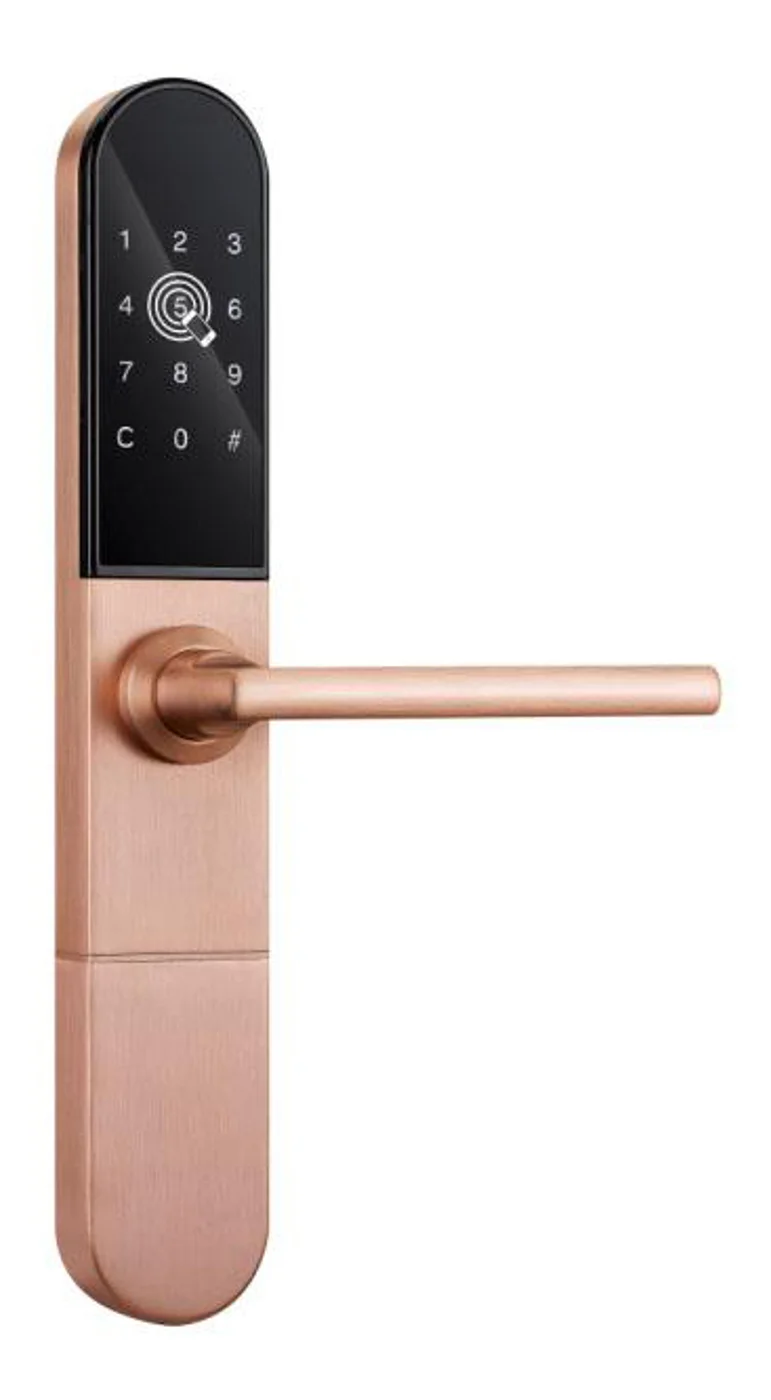
Smart Cabinet Lock — App-Managed, Multi-Site Dashboard
App-managed smart cabinet lock for office, parcel, and multi-site fleets. BLE app dashboard, audit trail, remote unlock, no per-lock server. Higher-tier chassis.
This page already points to it as the next recommended reference.
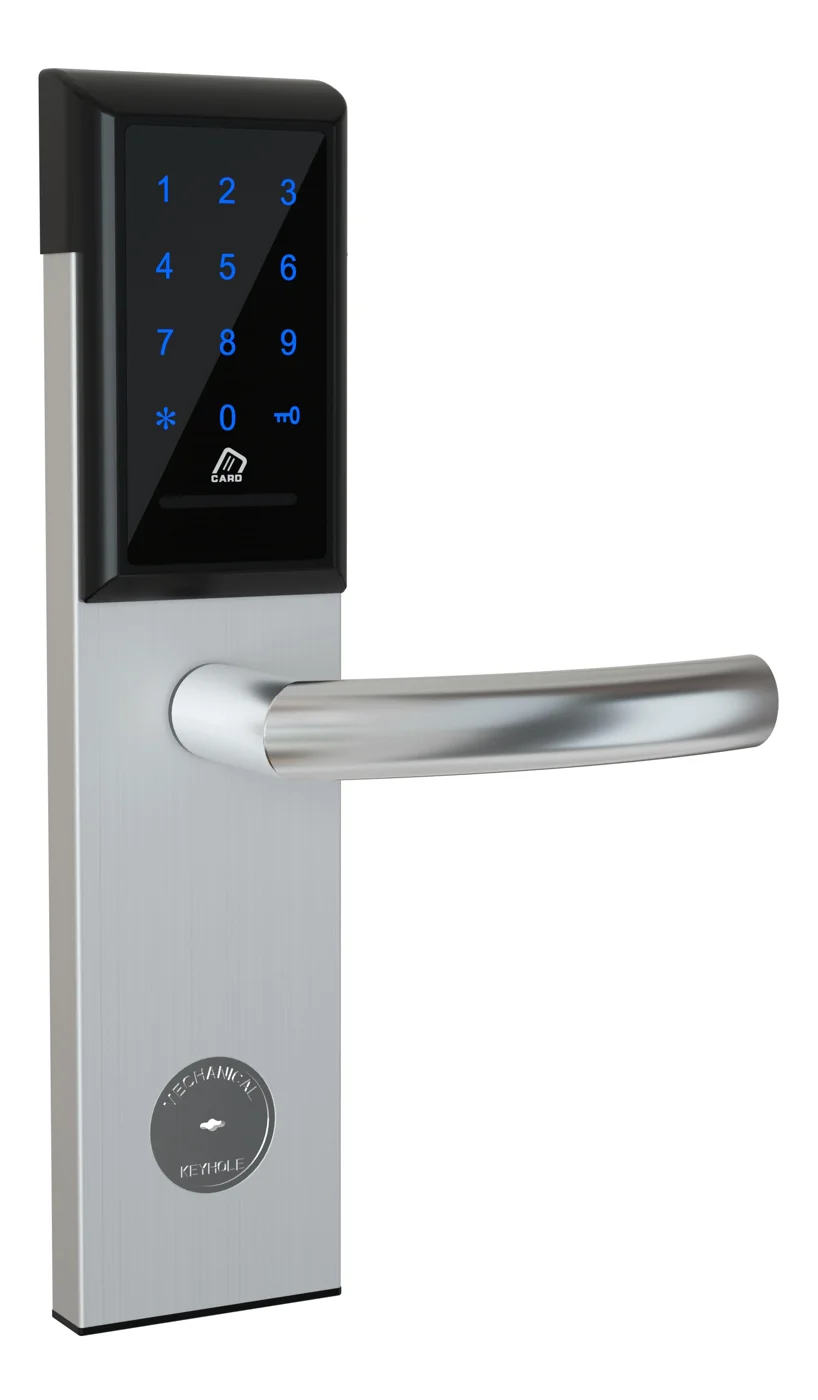
Office Cabinet Lock — PIN + Card for Filing & Pedestals
Offline PIN + card office cabinet lock for filing cabinets, pedestals, and drawers. Battery-powered 5-minute retrofit, no WiFi, no key management. CE/FCC/RoHS.
This page already points to it as the next recommended reference.
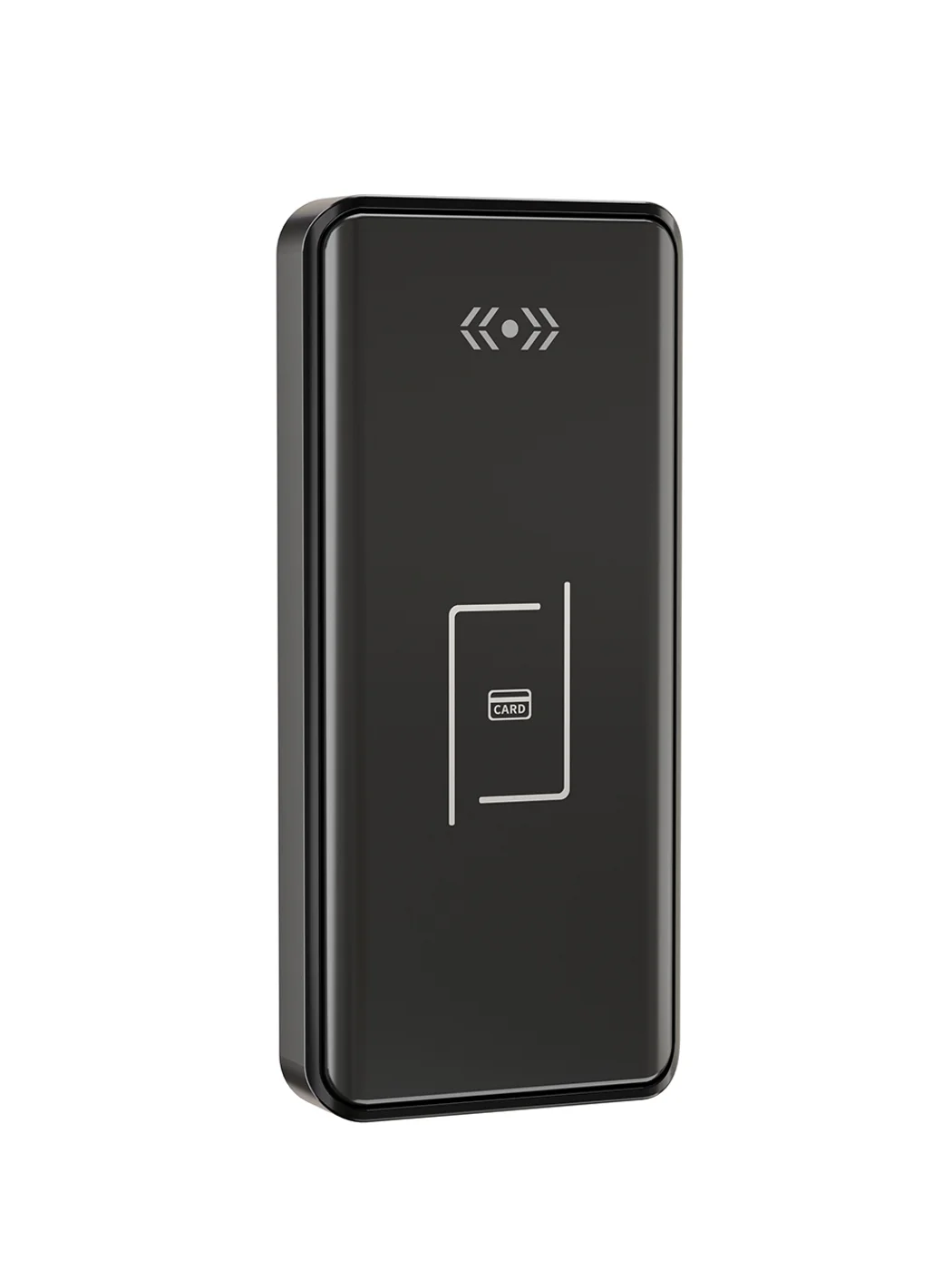
Gym Locker Lock — Offline Card, No WiFi Required
Offline card gym locker lock for fitness and pool lockers. MIFARE card, battery-powered 5-minute retrofit, no WiFi or server. Zinc alloy body, CE/FCC/RoHS.
This page already points to it as the next recommended reference.
Related blog posts
3
Cloud Cabinet Lock: Ultimate Guide to Cloud-Connected Cabinet Access Control
A comprehensive guide to cloud cabinet lock technology covering remote management, real-time audit trails, and multi-site cabinet access control for enterprises.
It supports the same product context: Smart Cabinet Lock — App-Managed, Multi-Site Dashboard, Office Cabinet Lock — PIN + Card for Filing & Pedestals, Gym Locker Lock — Offline Card, No WiFi Required.
Cam Lock Electronic: Modernizing the Workhorse Cabinet Lock
Cam lock electronic combines the classic cam lock form factor with RFID, keypad, and BLE credentials. Retrofit compatible with standard cylinder bores. Complete guide.
It supports the same product context: Smart Cabinet Lock — App-Managed, Multi-Site Dashboard, Office Cabinet Lock — PIN + Card for Filing & Pedestals, Gym Locker Lock — Offline Card, No WiFi Required.
Card Cabinet Lock: Ultimate Guide to Smart Card-Activated Cabinet Security Systems
Complete exploration of card cabinet lock technology including MIFARE, DESFire, NFC smartphone credentials, installation guides, security protocols, and enterprise integration strategies for card-based cabinet access.
It supports the same product context: Smart Cabinet Lock — App-Managed, Multi-Site Dashboard, Office Cabinet Lock — PIN + Card for Filing & Pedestals, Gym Locker Lock — Offline Card, No WiFi Required.
Specify your hotel project with our engineers
Send your room count, ceiling type, and protocol preference. We will return a sample plan and quote within 24 business hours.
- Move from general guidance into a product or application discussion.
- Use RFQ when pricing, drawings, MOQ, or launch timing needs structure.
- Keep a direct contact path visible for fast clarifications and handoff.