Cabinet Lock vs RFID Lock: The Complete Comparison Guide
Cabinet lock vs RFID lock: compare keypad and mechanical cabinet locks against RFID card locks on security, card cloning, credential handling, audit, cost, components, price, scalability, and use cases with a full comparison table.
The question of cabinet lock vs RFID lock is one of the most common decisions facing facility managers, hotel operators, healthcare administrators, gym owners, and office space planners who need to secure cabinets, lockers, medication storage, tool chests, and sensitive document cabinets. A cabinet lock is any locking mechanism mounted on a cabinet door or drawer, and the category splits into purely mechanical locks such as cam locks, lever locks, and padlocks, and electronic locks such as keypad locks and RFID card locks. The core of cabinet lock vs RFID lock is that a traditional cabinet lock relies on a physical key, a mechanical combination, or a keypad PIN, while an RFID lock relies on contactless radio frequency identification at 125 kHz or 13.56 MHz. To choose correctly you need to compare them on credential handling, cloning risk, audit capability, lifecycle cost, battery management, and scalability across hundreds or thousands of doors. This guide gives you a definitive, data-driven comparison of cabinet lock vs RFID lock across twelve dimensions, ending with a comparison table and a clear decision framework.
Cabinet Lock vs RFID Lock: Types and Classifications
Cabinet lock vs RFID lock begins with understanding the families inside each side. Mechanical cabinet locks include cam locks (rotating cam, 90-degree throw), deadbolt-style locks, and padlocks with hardened shackles. Keyed cam locks use pin tumbler cylinders with typically 5 pins, offering roughly 1,000 to 50,000 key permutations depending on the cylinder, while warded locks offer far fewer and are trivial to bypass with a skeleton key. Keypad cabinet locks store a 4 to 12 digit PIN, with most consumer-grade models allowing 10 to 100 user codes; the code is entered on a silicone or metal keypad and validated by a microcontroller before the bolt or solenoid releases. Combination locks, often 3 to 4 dials, provide zero credential management but also zero cost per user. On the other side, RFID cabinet locks use an RFID reader module tuned to 125 kHz low frequency (EM4100, HID Prox) or 13.56 MHz high frequency (MIFARE Classic, MIFARE DESFire EV2, NTAG). An RFID lock stores credential UIDs or encrypted data, and modern 13.56 MHz systems support up to tens of thousands of unique card numbers. In the cabinet lock vs RFID lock decision, the classification matters because it drives every later consideration: mechanical locks need physical key management, keypad locks need PIN distribution, and RFID locks need card programming infrastructure.
Keyed mechanical cabinet lock variants
Inside the mechanical family, the cam lock is the most common cabinet lock in North America and Europe, installed in a 3/4 inch or 1 inch hole and operated with a flat or tubular key. Tubular key cam locks improve pick resistance but still rely on physical key copies. Combination cam locks remove the key entirely, but a 3-dial combination offers only 1,000 combinations and can be felt out by an experienced operator within minutes. Lever handle locks and locker locks (often 2-pin or 3-pin with a steel body) are used for gym lockers and are cheap, roughly $3 to $15 per unit wholesale, but keys can be duplicated at any hardware store for a few dollars. For the cabinet lock vs RFID lock comparison, the mechanical keyed cabinet lock scores highest on cost and simplicity, but lowest on audit, revocation speed, and cloning resistance because any key can be copied without permission.
Keypad electronic cabinet lock variants
Electronic keypad cabinet locks replace the key with a numeric PIN and are powered by 4 AA batteries, a single 9V battery, or a CR123A cell, with typical battery life of 10,000 to 50,000 operations depending on the solenoid type and standby current. Master code plus user code architectures let administrators change user PINs without rekeying, and some models support 20 to 100 user codes. Keypad locks can be hacked by shoulder surfing, worn keypad traces, or brute force if the lock allows unlimited retries. In the cabinet lock vs RFID lock comparison, the keypad cabinet lock beats the mechanical lock on revocation convenience but still cannot produce an audit trail, and a shared PIN compromises all users who know it.
RFID lock variants and form factors
RFID cabinet locks and RFID locker locks come as retrofit mortise modules, surface-mount padlock-style RFID padlocks, cabinet cam replacements, and smart locker controller boards. High-frequency 13.56 MHz RFID cabinet locks use MIFARE Classic 1K (the default for most hotel systems) or MIFARE DESFire EV2/EV3 with AES-128 encryption for genuine security. Low-frequency 125 kHz systems are cheaper, around $2 to $5 for a reader module, but their credentials are trivially cloneable. An RFID lock reads the credential within 1 to 3 cm (ISO 14443) or 5 to 10 cm (ISO 15693), validates it against a local whitelist or a networked database, and releases a solenoid (3 to 5 N holding force) or a motor bolt (5 to 8 N). Understanding these variants is the first step in cabinet lock vs RFID lock because the RFID family spans from near-zero security to bank-grade AES cryptography.
Cabinet Lock vs RFID Lock: Working Principles and Mechanisms
The working principles are where cabinet lock vs RFID lock diverges most fundamentally. A mechanical cabinet lock is purely physical: a key rotates a plug, which moves a cam or bolt through a fixed mechanical sequence, and there is no electricity, no logic, and no data. A keypad cabinet lock adds a small PCB, a microcontroller (typically an 8-bit or 32-bit MCU running at 8 to 48 MHz), a keypad matrix, and a latching solenoid or motor. When a correct PIN is entered, the controller compares it with stored hash values and energizes the actuator for 200 to 500 milliseconds. An RFID cabinet lock replaces the keypad with an RFID antenna and reader chip (such as NXP MFRC522, RC522, or PN532 for 13.56 MHz). The reader generates a 13.56 MHz carrier, powering the passive card by induction, reading the UID in 16 to 40 milliseconds per read cycle, and then authenticating the sector or file structure. In the cabinet lock vs RFID lock comparison, the key difference is that an RFID lock can also be wired to a network controller over RS-485, TCP/IP, or a lock bus, allowing real-time event upload, while mechanical and keypad cabinet locks are standalone. The standby current of an RFID cabinet lock is typically 10 to 30 microamps in sleep mode, enabling 12 to 24 months of battery life on 4 AA cells, and the solenoid or motor actuation consumes 200 to 400 mA for under one second per open.
How a mechanical cabinet lock engages and releases
A keyed cam lock works through a pin tumbler mechanism: the correct key lifts five pins to the shear line, the plug rotates 90 degrees or 180 degrees, and the cam sweeps to clear the strike. Force to rotate is around 2 to 4 N·m. The locking state is binary and persists indefinitely without power, which is an advantage: a mechanical cabinet lock never fails to open because of a dead battery. The drawback is that a lock that is always locked can only be unlocked by the physical key, and a lost key means either drilling out the cylinder or replacing the whole cabinet lock. In the cabinet lock vs RFID lock comparison, mechanical engagement is the reliability baseline against which every electronic actuator is judged, and it explains why mechanical locks still dominate tool cabinets, warehouse lockers, and high-vibration environments where electronics degrade.
How a keypad cabinet lock validates and actuates
Keypad cabinet lock logic is a simple compare-and-actuate loop. The microcontroller scans the keypad matrix, debounces inputs with 10 to 30 ms filters, assembles a PIN string, compares it against hashed PINs stored in EEPROM or flash, and on a match pulses a solenoid or drives a DC motor for a defined dwell time. Most keypad cabinet locks allow 3 to 5 wrong attempts before a lockout period of 30 seconds to 5 minutes, which slows brute force. Some advanced keypad cabinet locks hash PINs with SHA-256 and salt them, preventing direct extraction if the flash is dumped. In the cabinet lock vs RFID lock context, keypad logic is simple enough that firmware attacks are rare, but shoulder surfing and code sharing remain the dominant real-world threats, and there is no way to prove who entered the code.
How an RFID lock reads, authenticates, and logs
An RFID cabinet lock performs a more complex sequence. The reader energizes the card, the card replies with its UID and, for MIFARE Classic, authenticates to a sector using a 48-bit key (which is crackable in seconds with a Proxmark3 or a 20-minute dictionary attack), or for MIFARE DESFire EV2 authenticates with AES-128 mutual authentication. The lock then compares the credential against a local whitelist stored in 64 KB or more of flash, optionally enforces time windows and expiry dates, releases the actuator, and writes an event record with a timestamp to a buffer that holds typically 1,000 to 50,000 events. When the cabinet lock is networked, events are pushed over RS-485 (at 9,600 to 115,200 baud), or via a controller over TCP/IP, within seconds. This audit chain is the single biggest functional advantage of an RFID cabinet lock over a keypad or mechanical one, and it is why the cabinet lock vs RFID lock decision usually pivots on whether you need accountability.
Cabinet Lock vs RFID Lock: Features Comparison
The feature comparison is the heart of any cabinet lock vs RFID lock evaluation. Security: a keyed cabinet lock offers physical key control that is breakable by lock picking in 1 to 5 minutes for standard 5-pin cylinders, while a keypad cabinet lock offers no cloning risk but PIN-shoulder-surfing risk, and an RFID cabinet lock offers cloning resistance that depends entirely on frequency and cipher. Credential handling: mechanical locks have one key or one combination, keypad locks have 10 to 100 PINs, and RFID locks support 1,000 to 10,000+ cards, with the ability to revoke a single credential in under one second. Audit: mechanical and keypad locks produce zero audit data, while a networked RFID cabinet lock records every open with user, time, and lock ID. Cost of credentials: keys cost $0.50 to $3 each to duplicate, PINs cost nothing but cannot be recovered if shared, and RFID cards cost $0.20 to $1.50 each wholesale in 1,000-piece lots. Components: a mechanical cabinet lock has 20 to 50 parts; a keypad cabinet lock adds a PCB, keypad, and battery; an RFID cabinet lock adds an antenna, reader IC, and optionally a network interface. Price: mechanical locks run $3 to $25, keypad locks $15 to $60, and RFID cabinet locks $25 to $120 per unit, plus $0.20 to $1.50 per card. Scalability: a mechanical or keypad cabinet lock scales poorly because credential updates require physical visits, while an RFID cabinet lock scales to thousands of doors with centralized software. Battery and power: mechanical locks never need power, keypad locks need 2 to 4 batteries changed yearly, and RFID cabinet locks need the same but can report low-battery status if networked.
| Feature | Keyed Mechanical Cabinet Lock | Keypad Cabinet Lock | RFID Card Cabinet Lock |
|---|---|---|---|
| Core credential | Physical key | Numeric PIN (4-12 digits) | RFID card, fob, or smartphone (NFC) |
| Credential frequency | None | None | 125 kHz or 13.56 MHz (MIFARE, DESFire) |
| Cloning resistance | Low (key copies) | High (no copyable token) | Low on 125 kHz; High on DESFire AES-128 |
| User capacity | 1 key (duplicates) | 10-100 PINs | 1,000-10,000+ card IDs |
| Revocation speed | Minutes (rekey) | Minutes (admin PIN) | Under 1 second (software block) |
| Audit trail | None | None | 1,000-50,000 local events; real-time if networked |
| Credential cost | $0.50-$3 per key | $0 | $0.20-$1.50 per card |
| Components | Cam, cylinder, springs | PCB, keypad, solenoid, battery | Antenna, reader IC, actuator, battery, optional network |
| Unit price (wholesale) | $3-$25 | $15-$60 | $25-$120 |
| Power | None | 2-4 AA, 10k-50k cycles | 2-4 AA or CR123A, 12-24 months |
| Network capability | No | Rarely | RS-485, TCP/IP, BLE, Zigbee |
| Scalability | Manual rekeying | Manual PIN distribution | Centralized, thousands of doors |
| Best environments | Tool cabinets, warehouses | Small offices, home | Hospitals, hotels, gyms, schools |
In the cabinet lock vs RFID lock feature matrix, no single column wins everything. The mechanical cabinet lock wins on price and zero power, the keypad cabinet lock wins on cheap credentials and simple UX, and the RFID cabinet lock wins on audit, revocation, and scalability. Choosing is a matter of weighing which row matters most in your facility.
Cabinet Lock vs RFID Lock: Applications and Use Cases
Applications are where cabinet lock vs RFID lock stops being theoretical. Hospitals and pharmacies use RFID cabinet locks on medication cabinets, narcotic drawers, and supply cabinets because DEA and HIPAA environments require documented access; a networked RFID cabinet lock records who opened the narcotic drawer at 02:14 on a given date, and a keyed cabinet lock cannot. Hotels use RFID card locks on guest storage cabinets, staff supply cabinets, and maids' closets because the same 13.56 MHz card that opens the guest room door can open the cabinet, and staff card privileges can be time-zoned per shift. Gyms and fitness clubs use RFID locker locks on day-use lockers, since a member scans their wristband or membership card and the locker assigns itself; this is a classic cabinet lock vs RFID lock win for the RFID side because mechanical gym locks require hundreds of keys to be managed daily. Schools and universities use RFID cabinet locks on science labs, AV carts, and student lockers. Warehouses and factories keep tool chests, PPE cabinets, and maintenance spares on keyed mechanical cabinet locks because vibration, dust, and the absence of audit requirements favor the $5 cam lock. Offices with sensitive document cabinets or server room accessory cabinets sit in the middle: a keypad cabinet lock is adequate for a single team, but an RFID cabinet lock pays for itself when access spans many departments and needs revocation when employees leave. In the cabinet lock vs RFID lock use-case map, the deciding variable is always the cost of an unlogged, unrevocable access event.
Healthcare and pharmaceutical cabinet security
In a pharmacy, the cost of a lost narcotic key or an unlogged cabinet open is measured in compliance violations that can cost $10,000 to $50,000 per incident. RFID cabinet locks on medication cabinets integrate with hospital access control systems over TCP/IP, push events to a central server, and support audit reports in the format regulators expect. Because 13.56 MHz MIFARE DESFire cards hold encrypted staff IDs, revocation is instantaneous when a nurse resigns. By contrast, a keyed cabinet lock in a pharmacy requires a key-control logbook, periodic audits, and a full rekey whenever a key goes missing. This is the clearest cabinet lock vs RFID lock recommendation in the entire industry: regulated storage should always use an RFID cabinet lock with an audit trail.
Hotel, gym, and shared-facility lockers
Shared-facility lockers are the highest-volume cabinet lock vs RFID lock application. A 500-member gym using keyed cabinet locks would need roughly 200 rental keys rotated every hour, with loss and theft being constant. With RFID locker locks, a member taps a card, the controller assigns a free locker, and the lock auto-releases at the end of the rental window. Hotels face the same math with luggage storage, staff lockers, and poolside cabinets. An RFID cabinet lock on staff lockers integrates with the property management system so a new hire is active within minutes and a terminated employee is blocked immediately. The RFID side wins on labor: no key distribution desk, no lockout callouts, no spare-key inventory.
Industrial and maintenance environments
In workshops, garages, and factories, the cabinet lock vs RFID lock decision leans mechanical. Tools, dies, PPE, and chemical cabinets sit in environments with metal dust, cutting fluid, and extreme temperatures where keypad membranes fail and RFID antennas accumulate grime. A keyed cam lock with a zinc or stainless body tolerates abuse, never needs batteries, and costs $5. Where industrial sites do need accountability, hybrid solutions put an RFID cabinet lock on the toolroom door and keyed cabinet locks on individual drawers, or use ruggedized RFID padlocks with IP65-rated housings. The mechanical cabinet lock remains the baseline for pure physical security and durability.
Cabinet Lock vs RFID Lock: Installation and Deployment Guide
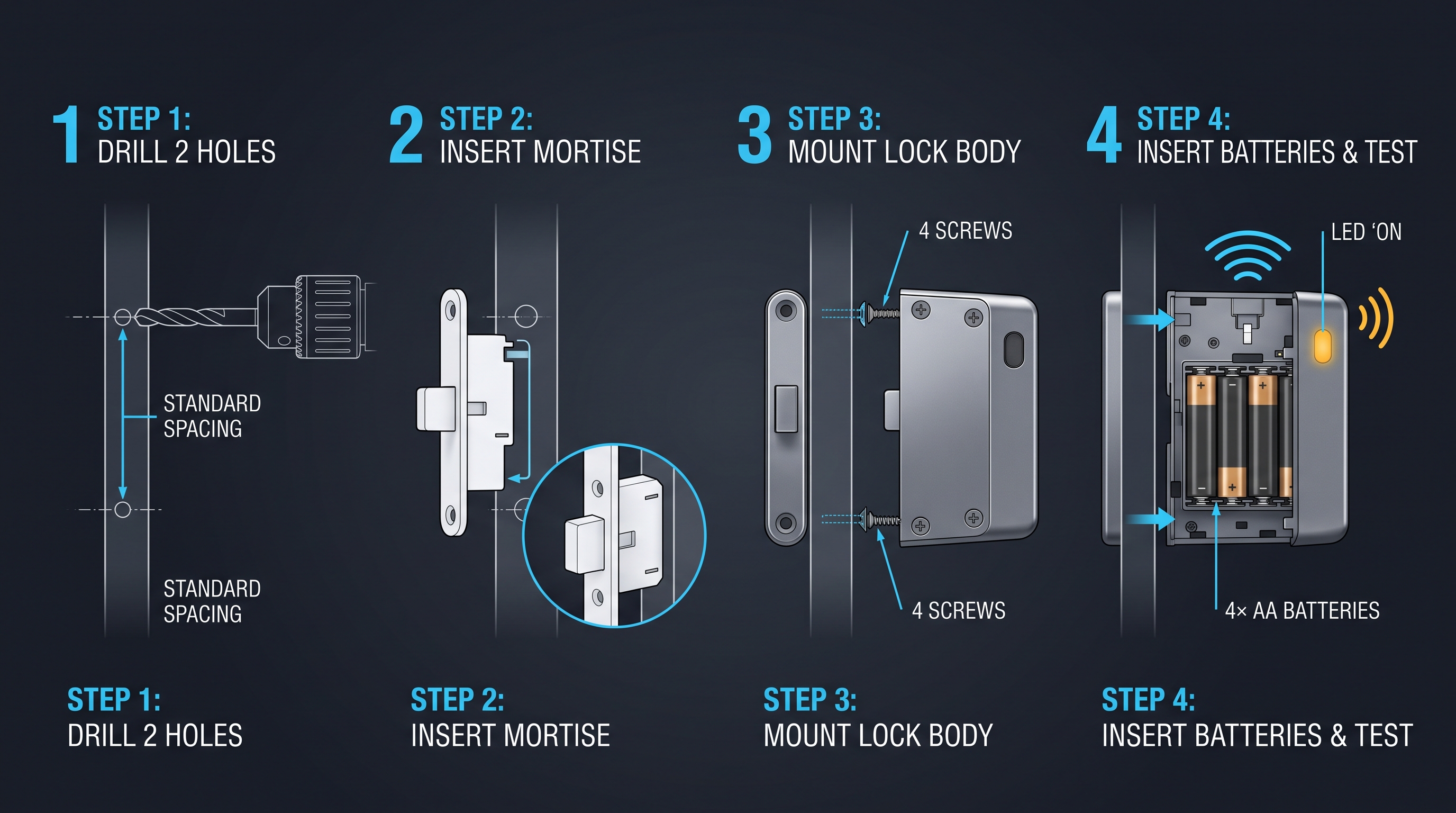
Installation effort is a real axis in cabinet lock vs RFID lock. A keyed cam lock installs in under five minutes: drill or open a 3/4 inch or 1 inch hole, insert the cam lock body, fasten the retaining nut, and attach the cam at the correct angle. A keypad cabinet lock takes 10 to 20 minutes: you need the hole plus clearance for the keypad backbox, batteries, and actuator, and the door must be thick enough (typically 12 to 25 mm) for the mounting screws. An RFID cabinet lock takes 15 to 30 minutes for a standalone unit, plus additional time if it is networked. Networked deployment changes the whole picture: an RFID cabinet lock wired to an RS-485 bus needs a controller (for example, a 16-door or 32-door controller), a 12V or 24V power supply, a daisy-chain of 4-conductor cable, and software commissioning on a PC. In the cabinet lock vs RFID lock deployment math, retrofit cost is often the hidden decider: retrofitting a single cabinet with an RFID lock costs $50 to $150 in parts and labor, while replacing 200 mechanical cabinet locks across a facility with networked RFID cabinet locks costs $15,000 to $40,000 including cards, controllers, and commissioning. A phased rollout is the standard mitigation: start with an RFID cabinet lock on the highest-risk cabinet, run it alongside mechanical locks, and expand based on incident data and budget.
Pre-installation checks and door compatibility
Before you pick a cabinet lock in the cabinet lock vs RFID lock decision, measure the door. Record door thickness (most cabinet locks accept 12 to 45 mm), the backset from the edge, the cutout diameter (often 3/4 inch or 1 inch), and the distance to the nearest wall that could block the RFID antenna field. RFID read range is short, 1 to 3 cm for ISO 14443 and 5 to 10 cm for ISO 15693, so the antenna must be mounted on a face that users can actually reach. Metal door frames attenuate RF: mounting an RFID cabinet lock on a fully steel locker reduces read reliability unless the antenna is windowed or offset by 5 to 10 mm with a spacer. Also verify battery access: a rear-loading battery compartment means you must remove the lock to change cells, while a front-loading design allows field replacement in 30 seconds. In the cabinet lock vs RFID lock checklist, front-loading batteries and replaceable cam orientation are the two features that most affect long-term maintenance cost.
Wiring, controllers, and network topology for RFID locks
If you choose an RFID cabinet lock with networking, plan the bus. A typical RS-485 topology supports 32 to 128 locks per bus segment at up to 1,200 meters, with 4-conductor shielded cable (power, ground, data A, data B). Each lock draws 50 to 120 mA in active mode and microamps in sleep, so a 5 A, 12V supply can feed roughly 40 locks depending on cable drop; 16 AWG or 18 AWG wire is recommended beyond 100 meters. Alternatively, a standalone RFID cabinet lock with local whitelist needs no wiring at all: you program cards with a desktop encoder or a master programming card, and the lock checks the whitelist offline. This is the key nuance in the cabinet lock vs RFID lock trade-off: offline RFID cabinet locks avoid infrastructure cost but cannot push audit events in real time, so you trade network spend against audit freshness. BLE-enabled RFID cabinet locks sync events when a phone or gateway comes within range, offering a middle path.
Commissioning, enrollment, and user onboarding
Commissioning an RFID cabinet lock system follows a standard sequence: power up, set the master programming card, define admin credentials, enroll user cards in batches (a desktop encoder programs 500 cards in about 20 minutes), assign access levels and time zones, and test revocation by disabling one card. Keypad and mechanical cabinet locks skip all of this, which is the simplicity advantage. But that simplicity is exactly the scalability limit: onboarding 100 users to a keyed cabinet lock system means distributing 100 keys and keeping a logbook, whereas the same onboarding to an RFID cabinet lock is a one-hour batch job with a full record. In the cabinet lock vs RFID lock deployment comparison, total cost of ownership flips at roughly 20 to 50 doors and 50 to 100 users, beyond which the RFID cabinet lock's central management outweighs its higher unit price.
Cabinet Lock vs RFID Lock: Security Analysis and Threat Model
Security is the axis where cabinet lock vs RFID lock produces the most confusion, because marketing often overstates electronic security. Start with the honest threat model. A mechanical cabinet lock resists casual theft but falls to lock picking, bumping, and key duplication: a standard 5-pin cam cylinder can be picked in 1 to 5 minutes by a practiced operator, and a key can be copied for a few dollars without any permission. A keypad cabinet lock has no copyable key, but a shared or observed PIN gives everyone the same access, and unlimited retry counters invite brute force; many cheap keypad cabinet locks accept a factory-default master PIN (such as 0000 or 1234) that is never changed. An RFID cabinet lock's security depends on the cipher and the management discipline. 125 kHz RFID cabinet locks emit the card UID in plaintext, readable by any $20 reader, and a Proxmark3 can clone an EM4100 card in under 10 seconds, so 125 kHz RFID cabinet locks are no more secure than a copied key and far easier to copy surreptitiously. 13.56 MHz MIFARE Classic is crackable: its Crypto-1 cipher was broken in 2008, and a card can be cloned in about 20 to 30 seconds with a Proxmark3 plus an online dictionary. Only MIFARE DESFire EV2/EV3 with AES-128 provides card-level cryptography that resists cloning in practice. In the cabinet lock vs RFID lock security stack, the ranking is: keypad PIN (no cloning, but sharing), then MIFARE DESFire RFID (strong cloning resistance), then mechanical key (copyable), then MIFARE Classic RFID (cloneable), then 125 kHz RFID (trivially cloneable). Choose your cipher based on the value of the contents, not on the word RFID.
Card cloning risk and countermeasures
Card cloning is the defining fear in any cabinet lock vs RFID lock discussion. Cloning requires physical proximity to the victim card (2 to 10 cm for a covert reader) or access to the number printed on the card. Countermeasures start with choosing 13.56 MHz DESFire EV2 credentials, which use mutual AES-128 authentication so a cloned UID alone is useless. Next, protect the card numbers: never write the card UID on the card face, and for high-value cabinets use locked card pockets. Add multi-factor where the contents justify it: an RFID cabinet lock with a secondary PIN or biometric fingerprint (capacitive, 160 x 160 resolution) defeats stolen-card scenarios. Finally, pair cloning resistance with audit and revocation: even if a card is cloned, the event log shows every use, and the block command kills the credential within seconds. This layered view is the correct cabinet lock vs RFID lock answer for clinics, pharmacies, and weapon or evidence cabinets.
Physical bypass, tamper, and lockout protection
Electronic cabinet locks add attack surfaces that mechanical locks do not have. An RFID cabinet lock can be opened by disconnecting its battery in some cheap designs that default to unlock on power loss; always specify fail-secure (locked on power loss) rather than fail-open. A keypad cabinet lock can be defeated by removing its backplate if the screws are exposed, so look for tamper switches that trigger an alarm and torque-resistant mounting. Solenoid-based actuators can be jimmied by inserting a shim or magnet if the bolt is weak; a motor bolt with 5 to 8 N force and a hardened steel bolt resists shimming better. For the cabinet lock vs RFID lock physical layer, the rule is: the cabinet lock is only as strong as its weakest interface, and a $5 mechanical cam lock on a $2,000 tool chest is a security theater. Match the ANSI/BHMA grade or equivalent to the risk, and remember that the cabinet itself matters: a metal cabinet with a reinforced strike resists crowbars, while a particleboard cabinet fails regardless of the lock.
Audit, logging, and incident response
The audit difference between a mechanical cabinet lock and an RFID cabinet lock is absolute. Mechanical and keypad cabinet locks produce zero evidence, so after an incident you have no record of who accessed the cabinet. A standalone RFID cabinet lock stores 1,000 to 50,000 events locally with UID, timestamp, and open/close status, and a networked RFID cabinet lock pushes those events to a server in real time, where a report can reconstruct the full access history of any cabinet or any user in seconds. This is the deciding factor in regulatory environments: if your cabinet holds medications, narcotics, weapons, cash, evidence, or personal data, the cabinet lock vs RFID lock question is effectively settled in favor of RFID, because a log is a hard requirement. Even for general office storage, a shared audit trail changes behavior: users are measurably more careful when they know an RFID cabinet lock records their identity.
Cabinet Lock vs RFID Lock: Credential Management and User Lifecycle
Credential lifecycle management separates a workable cabinet lock system from a maintenance headache, and it is a core cabinet lock vs RFID lock differentiator. With a keyed cabinet lock, the credential lifecycle is manual: issue a key, track it in a logbook, chase it when an employee leaves, and rekey the cylinder (or replace the entire cabinet lock) when a key is lost, at a cost of $5 to $30 per lock plus labor. With a keypad cabinet lock, you delete the user PIN via the master code, which is fast for one or two users but impractical across a facility because every change requires physical access to each lock. With an RFID cabinet lock, credentials live in software: you enroll a card once, assign it to a user profile, and the same card opens every cabinet that user is authorized for. Revocation is a single click in the management software, applied instantly to networked RFID cabinet locks or on the next sync for offline units. In the cabinet lock vs RFID lock lifecycle math, an organization that manages 200 users across 100 cabinets will perform thousands of manual credential operations per year on a keyed or keypad system, versus near-zero on a properly administered RFID system. That labor saving, not the lock price, is the real reason the RFID cabinet lock wins at scale.
Enrollment, expiry, and time-based access
A modern RFID cabinet lock supports features a mechanical cabinet lock cannot: credential expiry dates, time-zone access windows (a contractor's card valid only 9 AM to 5 PM on weekdays), usage limits, and one-time or temporary cards for visitors. Expiry is enforced locally on offline RFID cabinet locks because the lock stores the credential record with its validity window, and the card simply stops working after the date. Keypad cabinet locks can sometimes enforce time windows per PIN, but rarely, and keyed cabinet locks enforce nothing. For shared facilities, temporary RFID cards eliminate the "lend me your key" problem, because a temporary card can be restricted to a single locker for a single day. In the cabinet lock vs RFID lock comparison, credential intelligence is an RFID-only feature set, and it is what makes the system feel modern to users and administrators alike.
Lost credentials and lockouts
Lost credentials hit every lock type differently. Lose a mechanical cabinet lock key and you face rekeying or drilling, plus the ongoing risk that the key is in someone else's hands. Lose a keypad PIN and you reset via the master code, but the PIN is still shared knowledge. Lose an RFID card and the admin simply deactivates it in software and issues a replacement at $0.20 to $1.50; the cabinet lock itself never changes. The lockout scenario is also friendlier with RFID: if a user forgets their card, a supervisor card, master programming card, or a temporary mobile credential can open the RFID cabinet lock without altering any other user's access. This asymmetric handling of loss is one of the strongest practical arguments in the cabinet lock vs RFID lock debate, especially in high-turnover industries like hotels, hospitality, and logistics where cards are lost weekly.
Hybrid credentials: phone, wristband, and card plus PIN
RFID cabinet locks can accept more than cards. NFC-enabled smartphones emulate ISO 14443 credentials, so a user's phone opens the cabinet without a physical card; BLE 5.2 (2.4 GHz) allows a phone to open the cabinet lock from up to 3 to 5 meters via proximity or a tap on the app. Gyms commonly use wristbands with embedded MIFARE chips so members do not need to carry cards. A card-plus-PIN mode on an RFID cabinet lock combines both factors, blocking a thief who has stolen one element. This is a decisive cabinet lock vs RFID lock advantage for consumer-facing facilities, because the credential that users already carry (their phone or membership band) becomes the cabinet key, reducing issuance cost to zero. Mechanical and keypad cabinet locks cannot offer any of these credential form factors.
Cabinet Lock vs RFID Lock: Cost Analysis, Pricing, and ROI
Cost is where most cabinet lock vs RFID lock decisions are actually made, and it deserves precise math. Unit prices at wholesale: keyed cam cabinet locks run $3 to $15 each; better keypad cabinet locks run $15 to $60; standalone RFID cabinet locks run $25 to $80; networked RFID cabinet locks run $60 to $120. Cards cost $0.20 to $1.50 each in 1,000-piece lots (125 kHz EM cards are cheapest at about $0.15 to $0.40; 13.56 MHz MIFARE Classic is $0.30 to $0.80; DESFire EV2 cards are $0.80 to $1.50). A desktop card encoder adds $100 to $400, and lock management software is $0 to $500 per site for offline systems, or a per-door license of $1 to $10 per door per year for networked systems. Installation labor is the larger variable: a keyed cabinet lock is 5 minutes ($2 to $8 labor), a standalone electronic cabinet lock is 15 to 30 minutes ($10 to $30), and a networked RFID cabinet lock with bus wiring is 30 to 60 minutes plus cable and power ($30 to $80). Full project cost for 100 cabinets: mechanical keyed cabinet locks total about $500 to $1,800; keypad cabinet locks total $2,500 to $7,000; standalone RFID cabinet locks total $5,000 to $12,000 including cards and encoder; networked RFID cabinet locks total $12,000 to $25,000 including controllers and commissioning. The cabinet lock vs RFID lock ROI comparison depends on two numbers: how many credential operations you perform per year, and how expensive an unlogged incident is.
First-cost versus lifecycle cost
Buyers comparing cabinet lock vs RFID lock on sticker price alone will always choose the mechanical cabinet lock, and that is often wrong for large organizations. Lifecycle cost includes rekeying, lost keys, labor for key distribution, incidents from unrecovered credentials, and audits. Estimate: each lost key costs $10 to $50 when you include rekey labor; each manual PIN change costs $5 to $15 in staff time; each unlogged incident costs the value of the contents or the fine. For a 50-door site with 30% annual staff turnover, lifecycle cost over 5 years for keyed cabinet locks easily reaches $3,000 to $8,000 in key and rekey management alone, erasing the upfront price advantage. An RFID cabinet lock system with centralized revocation pays for the price delta within 12 to 24 months on labor savings alone, and the audit trail has a non-quantified but very real value in compliance. The correct cabinet lock vs RFID lock framing is not "cheap lock versus expensive lock" but "small operational cost versus large ongoing labor and risk cost."
Scaling economics across doors
Scalability economics strongly favor the RFID cabinet lock beyond a threshold. For 1 to 10 cabinets, a keyed or keypad cabinet lock is rational: the management overhead is low, and the $60-to-$120 premium per networked RFID lock is hard to justify. At 20 to 50 cabinets, the math shifts: manual key management becomes a recurring job, and the marginal cost of adding a door to an existing RFID cabinet lock network is just the lock plus one card, about $30 to $80. At 100-plus cabinets, the RFID cabinet lock is the only economical option for facilities that need accountability, because software manages credentials at near-zero marginal cost while the keyed system demands a full-time key custodian. This threshold is the practical answer to cabinet lock vs RFID lock for multi-site operators, who should standardize on one RFID platform to reuse cards, controllers, and training across locations.
Hidden costs and budget traps
Watch for hidden costs in any cabinet lock vs RFID lock project. For RFID systems, budget for replacement cards (10% per year loss rate is typical), spare actuators, and firmware updates. For keyed systems, budget for rekeying kits and key control hardware. For keypad systems, budget for battery replacement labor, since every PIN change and battery swap is a physical visit. Avoid the trap of buying the cheapest RFID cabinet lock that runs 125 kHz and cannot be upgraded: the cards and infrastructure are not forward-compatible with 13.56 MHz, so you pay twice. Another trap is per-seat software licensing that makes a 200-user facility unaffordable; negotiate per-door or perpetual licenses. In the cabinet lock vs RFID lock budget, the single biggest avoidable mistake is choosing the credential technology (125 kHz versus 13.56 MHz versus phone-based) before deciding what the audit and revocation requirements actually are.
Cabinet Lock vs RFID Lock: Maintenance, Battery, and Reliability
Long-term maintenance is a quiet but decisive part of the cabinet lock vs RFID lock comparison, because a lock that fails in service costs far more than its purchase price. Mechanical cabinet locks need near-zero maintenance: occasional lubrication, and replacement only when a key breaks or the cam wears, typically after 50,000 to 200,000 cycles. Keypad cabinet locks need battery changes every 12 to 24 months depending on use; a keypad consumes roughly 10 to 30 microamps standby and 200 to 400 mA during actuation, so a lock opened 20 times a day draws about 15 to 25 mA-hours per month and runs 12 to 24 months on two AA cells. RFID cabinet locks consume similar standby current, but networked models can report low-battery status, turning a surprise failure into a scheduled 2-minute cell swap. Solenoid actuators wear faster than motor bolts: a solenoid rated for 100,000 to 300,000 cycles may show fatigue in high-traffic gym lockers, while a motor bolt rated for 300,000 to 500,000 cycles is the better pick for daily-volume applications. Humidity and temperature matter: most electronic cabinet locks are rated for -10 °C to 60 °C and 10% to 90% RH (non-condensing), and only industrial variants reach IP65 or IP66. In the cabinet lock vs RFID lock reliability ranking, the mechanical cabinet lock leads on raw uptime, the networked RFID cabinet lock leads on predictable maintenance, and the keypad cabinet lock is the middle ground that combines battery dependency with no remote diagnostics.
Battery management strategies
The practical battery question in cabinet lock vs RFID lock is scheduling. For keypad cabinet locks, adopt a fixed annual change-out calendar: replace all cells at once, so no single lock dies unexpectedly. For standalone RFID cabinet locks, use the low-battery indicator (LED flash pattern plus beep) and a monthly walk-through. For networked RFID cabinet locks, let the software aggregate voltage readings (typically 1.2 to 1.5 V per cell, with a lock reporting "replace" below 1.2 V under load) and schedule replacements by exception. Choose the chemistry deliberately: alkaline cells deliver about 2,000 to 3,000 mA-h at low drain but leak if over-discharged; lithium cells hold voltage flat to the end and tolerate cold better, at about 3 to 5 times the price; NiMH rechargeables work but self-discharge and complicate monitoring. The cardinal rule applies to every electronic cabinet lock in the cabinet lock vs RFID lock discussion: use a front-loading battery tray or a low-battery warning, and never mount a cabinet lock whose battery requires door removal to change.
Actuator, hinge, and mechanical wear
Actuator selection determines service life. Solenoid-based electronic cabinet locks are cheap and fast (release in 50 to 150 ms) but hold the bolt only by spring force and wear with repeated strikes; expect 100,000 to 300,000 cycles. Motor-driven bolts are slower (300 to 900 ms) but positively latch and resist shimming; expect 300,000 to 500,000 cycles. Gear-driven and clutch mechanisms add torque but also add parts that can fail in dusty environments. Hinges are the forgotten wear point: a sagging hinge misaligns the cam or bolt and causes false "locked" errors on electronic cabinet locks, so budget for hinge replacement during lock retrofits. In the cabinet lock vs RFID lock service plan, specify replacement actuators, spare cams, and one spare lock per 25 installed, and log failure rates per lock model so you can identify weak batches.
Environmental durability and IP ratings
Environment determines the durability class in the cabinet lock vs RFID lock decision. Indoor office and hotel cabinets can use IP40-rated cabinet locks. Gym locker rooms need IP54 or better because of moisture and chlorine; poolside and outdoor storage need IP65/IP66 with sealed keypads and gasketed antenna windows. Factory and workshop cabinets need dust-sealed variants and metal housings, because silicone keypads degrade under cutting fluids and solvent exposure. Note that an RFID cabinet lock's antenna must stay readable through the front face: choose models with an embedded coil behind a plastic window, and avoid painted-over or metal-covered antennas, which cut read range from 3 cm to near zero. Temperature ratings matter for unheated facilities: below -10 °C, LCD segments freeze, batteries lose 30 to 50% capacity, and solenoids may not release, so choose an industrial RFID cabinet lock for cold storage environments.
Cabinet Lock vs RFID Lock: Standards, Compliance, and Certifications
Compliance is a growing factor in any cabinet lock vs RFID lock procurement, especially in healthcare, government, and EU/UK markets. Electrically, an electronic cabinet lock sold internationally must carry CE marking (EMC Directive 2014/30/EU and LVD 2014/35/EU) and FCC Part 15B certification for unintentional radiators; RF modules additionally need FCC Part 15C and, for the EU, RED 2014/53/EU. For 13.56 MHz RFID, the reader must respect the ISM band at 13.553 to 13.567 MHz with a maximum field strength around 42 dBµA/m at 10 meters; for 125 kHz, the limit is about 66 dBµA/m at 10 meters under ETSI EN 300 330. RoHS compliance (Directive 2011/65/EU) restricts lead, mercury, cadmium, and other substances in the PCB and solder. For security-sensitive deployments, consider locks that comply with relevant standards: UL 2058 for high-security locks, ANSI/BHMA A156.30 for electronic access control hardware, and FIPS 140-2/3 validated cryptography if the cabinet lock protects US federal data. In healthcare, a medication cabinet lock may interact with systems that must be HIPAA compliant, and in pharmacies, DEA requirements for controlled substances increasingly favor a cabinet lock with an electronic audit log. For the cabinet lock vs RFID lock compliance comparison, a mechanical cabinet lock has essentially no certification burden, while an electronic cabinet lock carries EMC/RF/chemical certification costs that already appear in its price.
Regulatory requirements in healthcare and pharmacies
The most regulation-driven cabinet lock vs RFID lock decision is in healthcare. DEA regulations for controlled substances (21 CFR 1301) require that pharmacies and clinics store Schedule II drugs under lock with adequate safeguards, and audits increasingly expect to see who accessed the cabinet and when. HIPAA Privacy and Security Rules impose administrative, physical, and technical safeguards on protected health information, which extends to locked storage of paper records and portable devices. An RFID cabinet lock with a tamper event log and a full audit trail directly supports these obligations, and the resulting audit reports are the deliverable that inspectors accept. A keyed cabinet lock in the same environment creates an evidentiary gap: if a controlled substance is missing, you have no record of who opened the drawer, and the default assumption may be system failure. In the cabinet lock vs RFID lock analysis for healthcare, the RFID cabinet lock is effectively mandatory for narcotic and high-risk medication storage.
Wireless and data-security standards
Networked RFID cabinet locks add data-security requirements. If the lock communicates over RS-485 to a controller that then reaches a server over TCP/IP, the data path should be encrypted (TLS 1.2 or higher at the transport layer), and card UIDs should not be transmitted in plaintext where the channel is exposed. For wireless cabinet locks, BLE 5.2 implementations should use secure pairing (LESC, or "numeric comparison") and encrypt the link with AES-128, and Zigbee 3.0 cabinet locks inherit the network layer security of Zigbee 3.0 (AES-128-CCM). Card cryptography should be MIFARE DESFire EV2/EV3 with AES-128 rather than MIFARE Classic, which is considered cryptographically broken. Privacy regulations such as GDPR treat card UIDs and event logs as personal data, so an RFID cabinet lock system must support data retention policies, access controls, and deletion on request. This is a point many buyers miss in the cabinet lock vs RFID lock comparison: the RFID system's value is also a compliance obligation, and you must be able to manage the audit data it creates.
Certification checklist for procurement
When you evaluate any electronic cabinet lock in a cabinet lock vs RFID lock tender, request documentation for CE, FCC, RoHS, RED or similar, the RFID standard compliance certificate (ISO 14443 or ISO 15693), the battery type and expected cycle count, the actuator cycle rating, the IP rating, and the operating temperature range. For healthcare and government, also request evidence of AES-128 encryption, firmware update capability, and integration documentation (API or Wiegand output) for the access control system. Ask whether the lock is fail-secure or fail-open and confirm the default factory code change policy. A vendor that cannot produce these documents is a risk, because an uncertified RFID cabinet lock can fail EMC testing on site, interfere with other 13.56 MHz readers, or hold a compliance gap that surfaces in an audit. The certification checklist is the professional version of the cabinet lock vs RFID lock question: it turns the comparison from marketing into engineering.
Cabinet Lock vs RFID Lock: Key Selection Criteria and Decision Guidance
Bringing everything together, the cabinet lock vs RFID lock selection reduces to a small set of scored criteria. Score each candidate lock type from 1 to 5 on security of contents, credential management effort, audit capability, scalability, total cost, reliability, and compliance fit. Start with the security requirement: if contents are regulated, valuable, or identity-bearing, weight audit and cloning resistance heavily, which favors an RFID cabinet lock with 13.56 MHz DESFire credentials and networking. If the contents are low-value tools in a dust-filled workshop, weight durability and price, which favors a keyed mechanical cabinet lock. Next, estimate credential operations per year: fewer than 100 operations and low turnover favors keypad or keyed cabinet locks; more than 1,000 operations, shared users, or high turnover favors an RFID cabinet lock. Third, decide on networking: a standalone RFID cabinet lock gives you card-based access with a local audit buffer, while a networked one adds real-time events, remote revocation, and battery telemetry at a higher project cost. Finally, plan the rollout: pilot on 5 to 10 doors, measure the failure rate and the audit quality, then scale. This decision framework is the practical output of the entire cabinet lock vs RFID lock comparison and is summarized in the table below.
Decision matrix for facility types
A quick decision matrix resolves most cabinet lock vs RFID lock cases. Hospital medication and narcotic cabinets: RFID cabinet lock, networked, DESFire EV2, mandatory audit. Hotel staff and guest storage: RFID cabinet lock, integrated with the hotel card system, time-zoned credentials. Gym lockers: RFID locker lock with self-assignment, BLE or card, offline acceptable. School lockers: RFID or keypad cabinet lock, depending on budget and whether the school already issues student ID cards (most do, which makes RFID the natural fit). Office filing and IT cabinets: keypad cabinet lock for a single team, RFID cabinet lock for cross-department access with revocation needs. Warehouse tool and PPE cabinets: keyed mechanical cabinet lock unless accountability is required, in which case an RFID cabinet lock on the door with mechanical locks inside. Chemical and firearms storage: RFID cabinet lock with audit and tamper alarms, fail-secure. In every row, the common thread is the same: map the cabinet lock choice to the risk and the credential lifecycle, not to fashion.
Total cost of ownership calculator
Run a five-year total cost of ownership comparison before buying. For each lock type, sum the unit price times door count, credential cost times expected enrollment, installation labor, annual maintenance (battery and actuator replacement), annual credential-management labor (hours at $20 to $40 per hour), and expected incident or rekey cost. At 50 doors with 150 users: a keyed system typically totals $8,000 to $15,000 over five years; a keypad system $10,000 to $18,000; a standalone RFID cabinet lock system $12,000 to $20,000; a networked RFID system $18,000 to $30,000. The spread is smaller than the sticker prices suggest, and once you add the value of avoided incidents, the RFID cabinet lock is frequently the cheapest true-cost option. This calculator is the honest cabinet lock vs RFID lock answer for budget-constrained buyers: do not compare lock prices, compare five-year outcomes.
When to keep a mechanical cabinet lock
There are legitimate reasons to keep a keyed mechanical cabinet lock even after reading a cabinet lock vs RFID lock comparison. When the cabinet holds nothing sensitive, when there is no electricity and no realistic battery replacement schedule, when the environment is extreme (high vibration, chemicals, cold), when the user base is one person who owns the lock, or when the budget is genuinely marginal, the $5 cam lock is the rational choice. A keypad cabinet lock is the reasonable middle option for a small team that hates keys but cannot justify RFID infrastructure. The professional rule is to segment the facility: put RFID cabinet locks where accountability matters and keep mechanical cabinet locks where durability and price matter. Most large deployments are hybrids, and the cabinet lock vs RFID lock decision should be made per cabinet class, not per building.
Cabinet Lock vs RFID Lock: Market Trends and Future Outlook
The market trajectory makes the cabinet lock vs RFID lock comparison increasingly one-sided at scale. The global electronic lock market was estimated at roughly $3 to $4 billion in 2024 and is projected to grow 10 to 15% per year, driven by access control integration, smart building retrofits, and post-pandemic contactless expectations. Within lockers and cabinets, RFID-enabled locker systems are the fastest-growing segment, and the shift from mechanical to electronic cabinet locks in gyms, schools, and hospitals is well documented by manufacturers' product roadmaps. Three trends shape the future of the cabinet lock vs RFID lock decision. First, credential convergence: the card is being replaced by the phone, so an RFID cabinet lock that also supports BLE 5.2 and NFC becomes the norm, and the marginal cost of a credential drops to zero. Second, integration: cabinet locks now speak the same protocols (RS-485, TCP/IP, Wiegand, Zigbee 3.0, Matter over Thread or WiFi) as building access control, so a cabinet lock becomes another node in one access platform. Third, AI and analytics: event data from an RFID cabinet lock feeds usage analytics, anomaly detection, and preventive maintenance scheduling, value that a mechanical cabinet lock can never produce.
The shift to phone-based and credentialless access
The most concrete trend in the cabinet lock vs RFID lock space is the erosion of the plastic card. Apple Wallet, Google Wallet, and NFC emulation mean a 13.56 MHz RFID cabinet lock already reads a phone presented in card-emulation mode, and BLE 5.2 allows hands-free proximity opening from up to 3 to 5 meters. For hotels, the guest phone becomes the cabinet key; for gyms, the membership app becomes the locker key. The RFID cabinet lock that supports card plus phone is future-proof, because the hardware (13.56 MHz antenna, BLE radio) is already standard. Buyers choosing cabinet lock vs RFID lock today should verify that the lock's reader supports both ISO 14443 cards and NFC phone emulation, and that the BLE implementation is 5.0 or higher with secure pairing, to avoid a lock that is obsolete when the last plastic card is gone.
Integration with access control and smart building systems
Interoperability is the second trend that changes cabinet lock vs RFID lock economics. An RFID cabinet lock that integrates with an existing access control platform lets the facility reuse credentials, hardware infrastructure, and administration, collapsing the per-door cost. Common integration paths are Wiegand output to an existing panel, RS-485 to a controller, direct TCP/IP with an open API, or wireless bridging through Zigbee 3.0 or Matter for retrofit without cabling. When a cabinet lock joins the access platform, revocation, time zones, and audit apply across doors and cabinets uniformly, and the cabinet lock vs RFID lock decision becomes a platform decision: if the building already runs a card access system, an RFID cabinet lock is the natural extension, while a keyed cabinet lock is a permanent island outside the security posture.
Price erosion and the threshold for electronic adoption
Prices are falling, which erodes the last argument for the mechanical cabinet lock. Standalone RFID cabinet locks that cost $80 in 2020 are now $30 to $50 at wholesale, and integrated locker controllers are cheaper per door. As electronic cabinet lock prices converge toward $25 to $40, the total cost crossover moves below 20 doors, meaning even small offices can justify an RFID cabinet lock for the audit trail alone. The long-term cabinet lock vs RFID lock outlook is therefore clear: mechanical cabinet locks will not disappear, because durability and zero-power operation are permanent advantages, but they will retreat to industrial, low-value, and single-user niches, while RFID and phone-based cabinet locks capture every multi-user, audit-sensitive, and consumer-facing application.
Cabinet Lock vs RFID Lock: Common Issues, Troubleshooting, and FAQ
Practical troubleshooting is the final skill needed for any cabinet lock vs RFID lock deployment. Electronic cabinet locks share a failure hierarchy: battery, credential, actuator, and integration. Symptom one: an RFID cabinet lock does not react to a card. Check the battery voltage first (below 1.2 V per cell under load), then the card type (125 kHz cards will never read on a 13.56 MHz reader), then the read position (hold the card flat within 3 cm of the antenna window), then interference (metal stickers, phone cases, or a neighboring reader on the same frequency). Symptom two: the lock beeps but the bolt does not retract. This points to the actuator: a jammed cam, a misaligned strike, or a solenoid that has worn past its cycle rating; cycle the bolt manually and check for debris. Symptom three: a keypad cabinet lock accepts the PIN but does not open. Same actuator path, plus check the solenoid wiring and the hinge alignment. Symptom four: a networked RFID cabinet lock opens offline but not online. Check the RS-485 polarity and termination, the controller address, and the software's access-level assignment. These four paths cover roughly 90% of field issues in the cabinet lock vs RFID lock world, and each has a documented fix that a trained technician completes in under 15 minutes.
Field troubleshooting quick guide
Keep a field guide at every facility using electronic cabinet locks. For power issues, always carry spare batteries and a multimeter; a $15 multimeter measures cell voltage and catches 60% of field complaints before any lock is opened. For credential issues, carry a spare master card and a card encoder to reissue credentials on site. For actuator issues, carry a replacement solenoid or motor module and a spare cam, the two parts that account for most electronic cabinet lock failures. For integration issues, document the bus topology, termination resistor values (typically 120 ohms at both ends of an RS-485 segment), and controller firmware versions. Log every service event with the lock ID, the date, the failure symptom, and the fix; this log is the dataset that turns a cabinet lock vs RFID lock support policy into a preventive maintenance program, and it tells you when to retire a failing lock model.
Frequently asked questions
What is the main difference in cabinet lock vs RFID lock? A cabinet lock is opened by a physical key, a PIN, or a combination, while an RFID lock is opened by a contactless card or phone that transmits a 125 kHz or 13.56 MHz signal. Can an RFID cabinet lock be hacked? Any lock can be attacked; 125 kHz and MIFARE Classic credentials are cloneable with a few dollars of hardware, while MIFARE DESFire EV2 with AES-128 resists cloning in practice, and audit logs plus quick revocation contain the damage. Do I need an RFID cabinet lock if I have few users? With fewer than 20 doors and minimal turnover, a keypad cabinet lock is usually sufficient, and a keyed cabinet lock suffices for low-value storage. How long do batteries last on an RFID cabinet lock? Typically 12 to 24 months on 4 AA or 2 AA cells at 20 openings per day, and networked locks report low battery in advance. Can an RFID cabinet lock work without internet? Yes, offline RFID cabinet locks store a local whitelist and audit buffer, and sync when connected or via BLE gateway. Which is cheaper, cabinet lock vs RFID lock? The mechanical cabinet lock is cheaper per unit, but the RFID cabinet lock often wins total cost at 20-plus doors and 50-plus users because of reduced credential-management labor and avoided incidents.
Part of this article content is generated by AI and optimized for professional accuracy and readability.
Not sure which sensor fits your project?
Talk to our mmWave application engineers for a free consultation.
Find the right presence sensor for your hotel project
Compare the 3 protocols, check hotel-specific case studies, and download the installation guide
Related products
3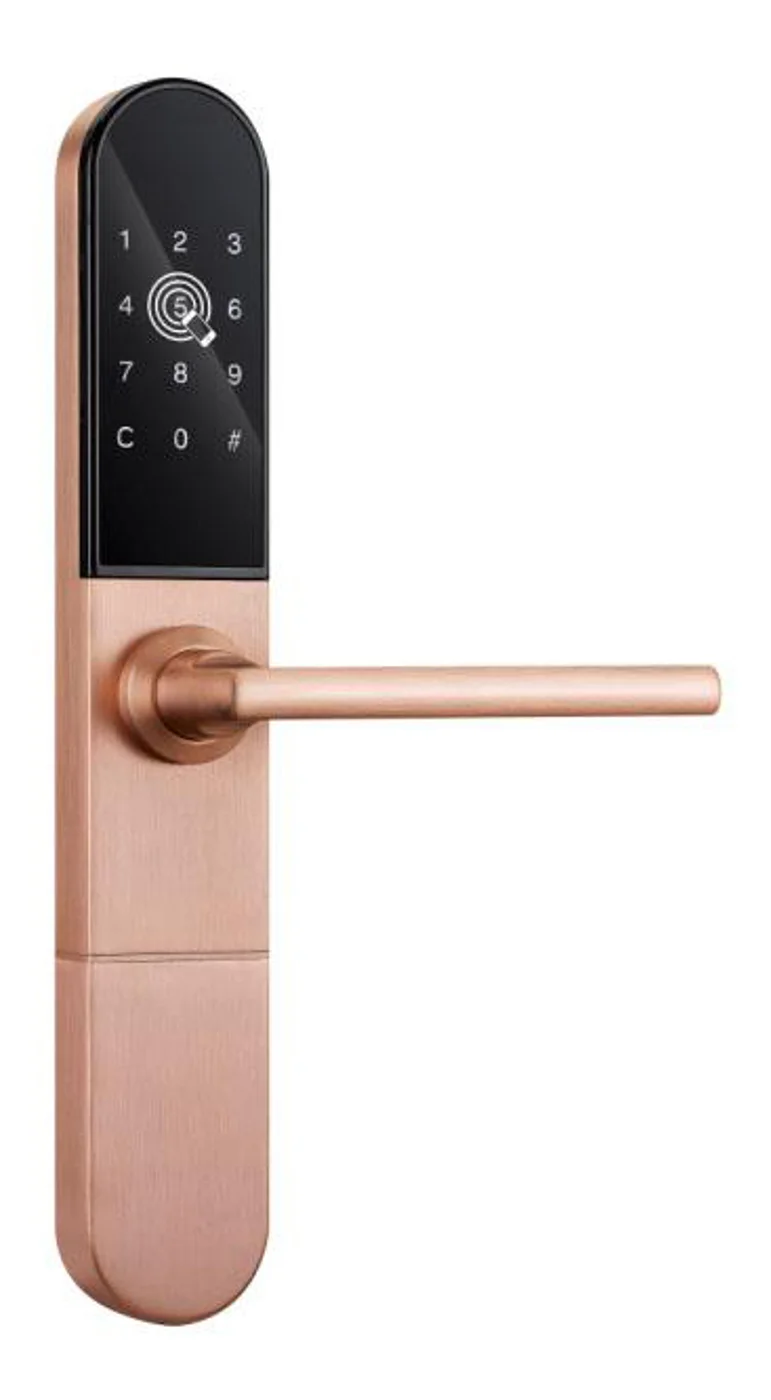
Smart Cabinet Lock — App-Managed, Multi-Site Dashboard
App-managed smart cabinet lock for office, parcel, and multi-site fleets. BLE app dashboard, audit trail, remote unlock, no per-lock server. Higher-tier chassis.
This page already points to it as the next recommended reference.
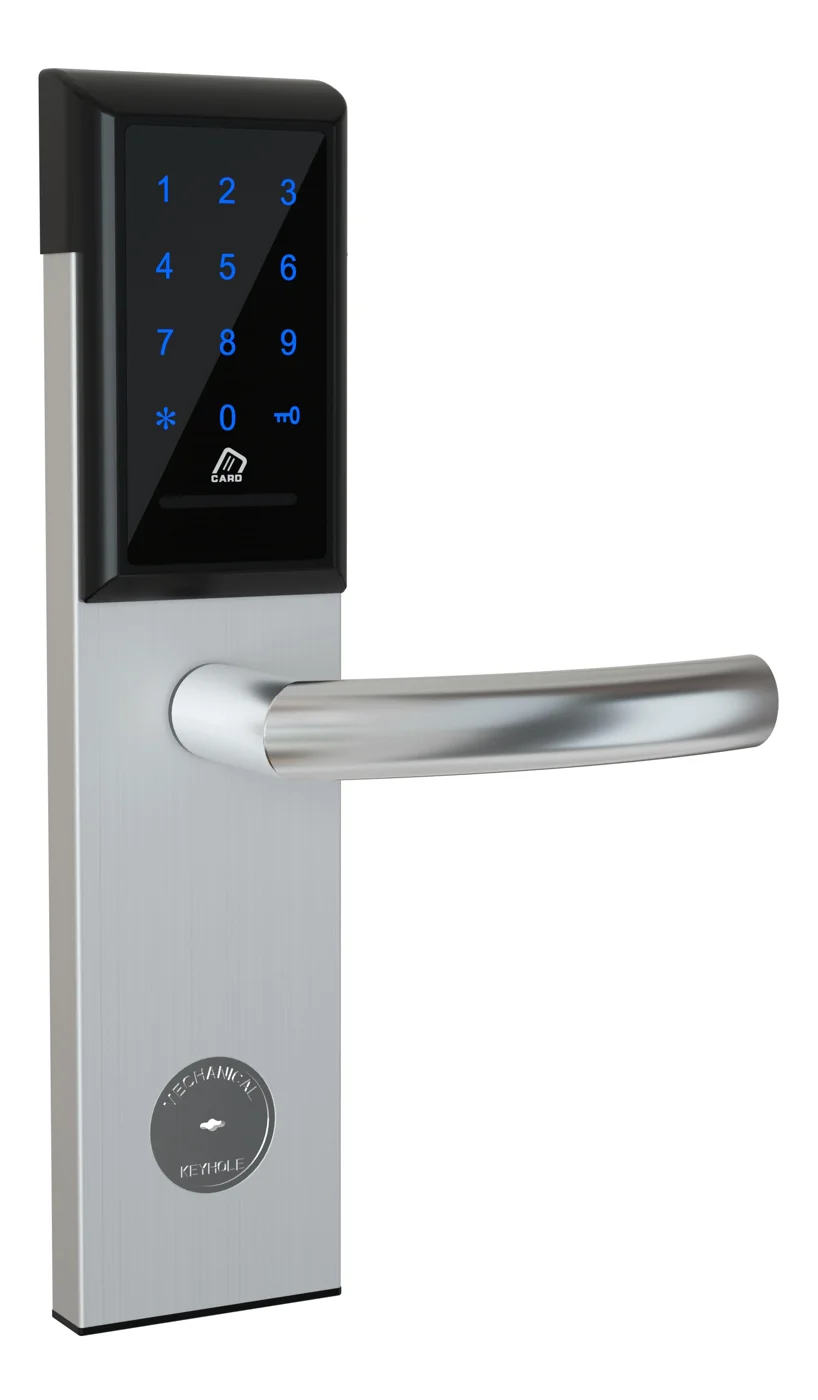
Office Cabinet Lock — PIN + Card for Filing & Pedestals
Offline PIN + card office cabinet lock for filing cabinets, pedestals, and drawers. Battery-powered 5-minute retrofit, no WiFi, no key management. CE/FCC/RoHS.
This page already points to it as the next recommended reference.
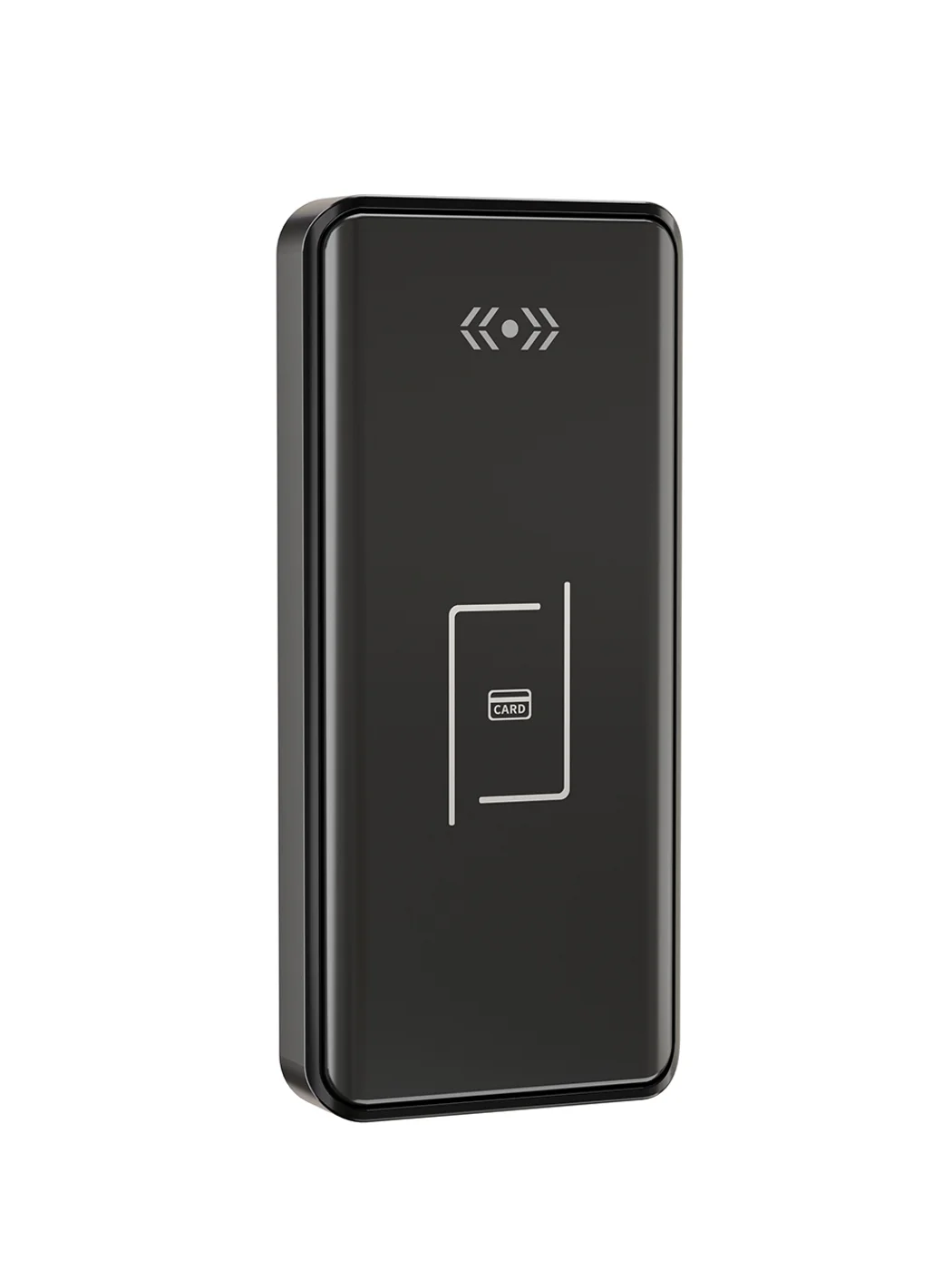
Gym Locker Lock — Offline Card, No WiFi Required
Offline card gym locker lock for fitness and pool lockers. MIFARE card, battery-powered 5-minute retrofit, no WiFi or server. Zinc alloy body, CE/FCC/RoHS.
This page already points to it as the next recommended reference.
Related blog posts
3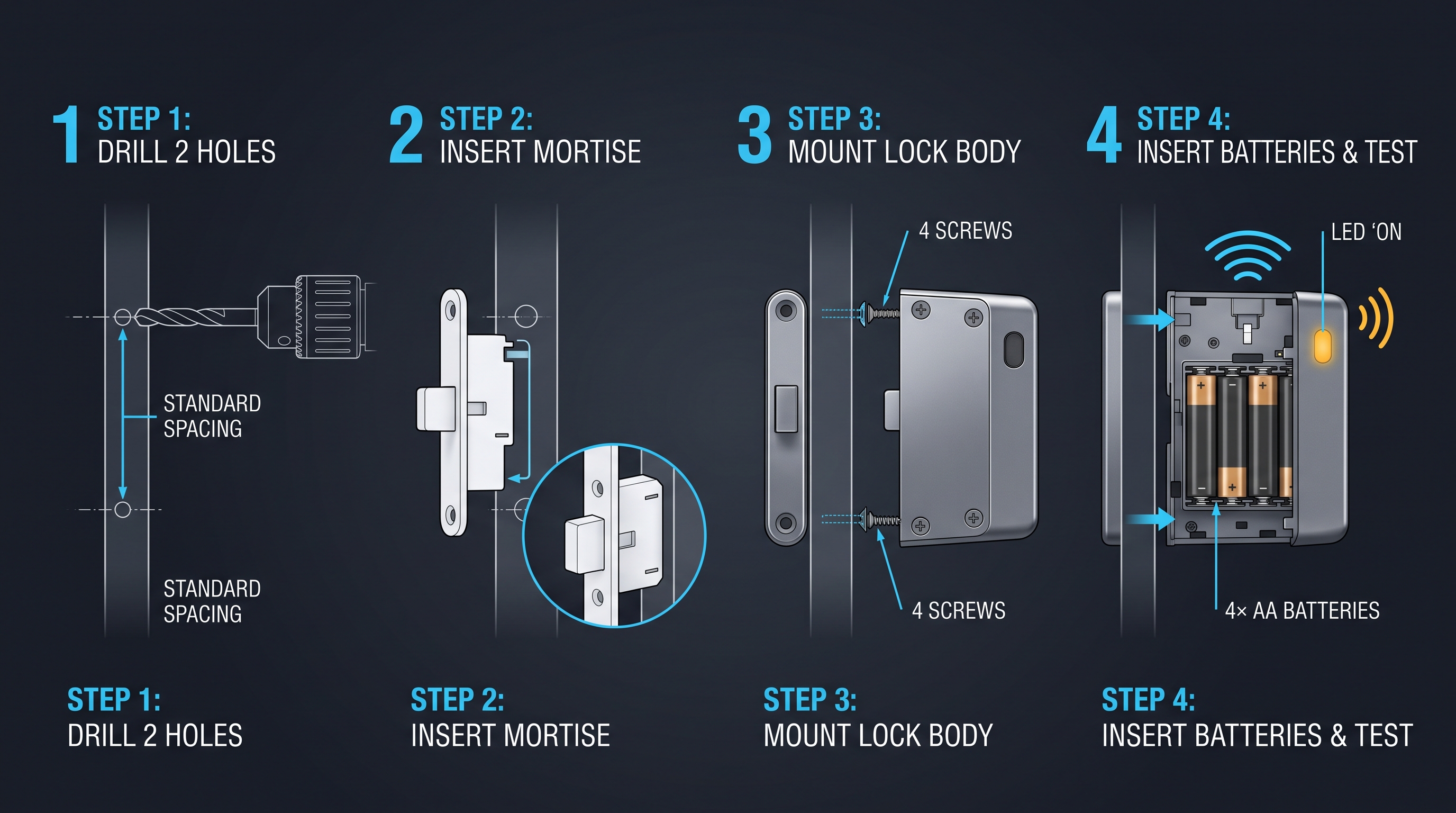
Cloud Cabinet Lock: Ultimate Guide to Cloud-Connected Cabinet Access Control
A comprehensive guide to cloud cabinet lock technology covering remote management, real-time audit trails, and multi-site cabinet access control for enterprises.
It supports the same product context: Smart Cabinet Lock — App-Managed, Multi-Site Dashboard, Office Cabinet Lock — PIN + Card for Filing & Pedestals, Gym Locker Lock — Offline Card, No WiFi Required.
Cam Lock Electronic: Modernizing the Workhorse Cabinet Lock
Cam lock electronic combines the classic cam lock form factor with RFID, keypad, and BLE credentials. Retrofit compatible with standard cylinder bores. Complete guide.
It supports the same product context: Smart Cabinet Lock — App-Managed, Multi-Site Dashboard, Office Cabinet Lock — PIN + Card for Filing & Pedestals, Gym Locker Lock — Offline Card, No WiFi Required.
Card Cabinet Lock: Ultimate Guide to Smart Card-Activated Cabinet Security Systems
Complete exploration of card cabinet lock technology including MIFARE, DESFire, NFC smartphone credentials, installation guides, security protocols, and enterprise integration strategies for card-based cabinet access.
It supports the same product context: Smart Cabinet Lock — App-Managed, Multi-Site Dashboard, Office Cabinet Lock — PIN + Card for Filing & Pedestals, Gym Locker Lock — Offline Card, No WiFi Required.
Specify your hotel project with our engineers
Send your room count, ceiling type, and protocol preference. We will return a sample plan and quote within 24 business hours.
- Move from general guidance into a product or application discussion.
- Use RFQ when pricing, drawings, MOQ, or launch timing needs structure.
- Keep a direct contact path visible for fast clarifications and handoff.