Cabinet Lock Power Supply: The Complete 5000+ Word Guide to Powering Electronic Cabinet Locks
A comprehensive guide to cabinet lock power supply engineering covering voltage regulation, architectures, sizing, redundancy, wiring, compliance, monitoring, and deployment across healthcare, office, retail, and data center cabinet environments.
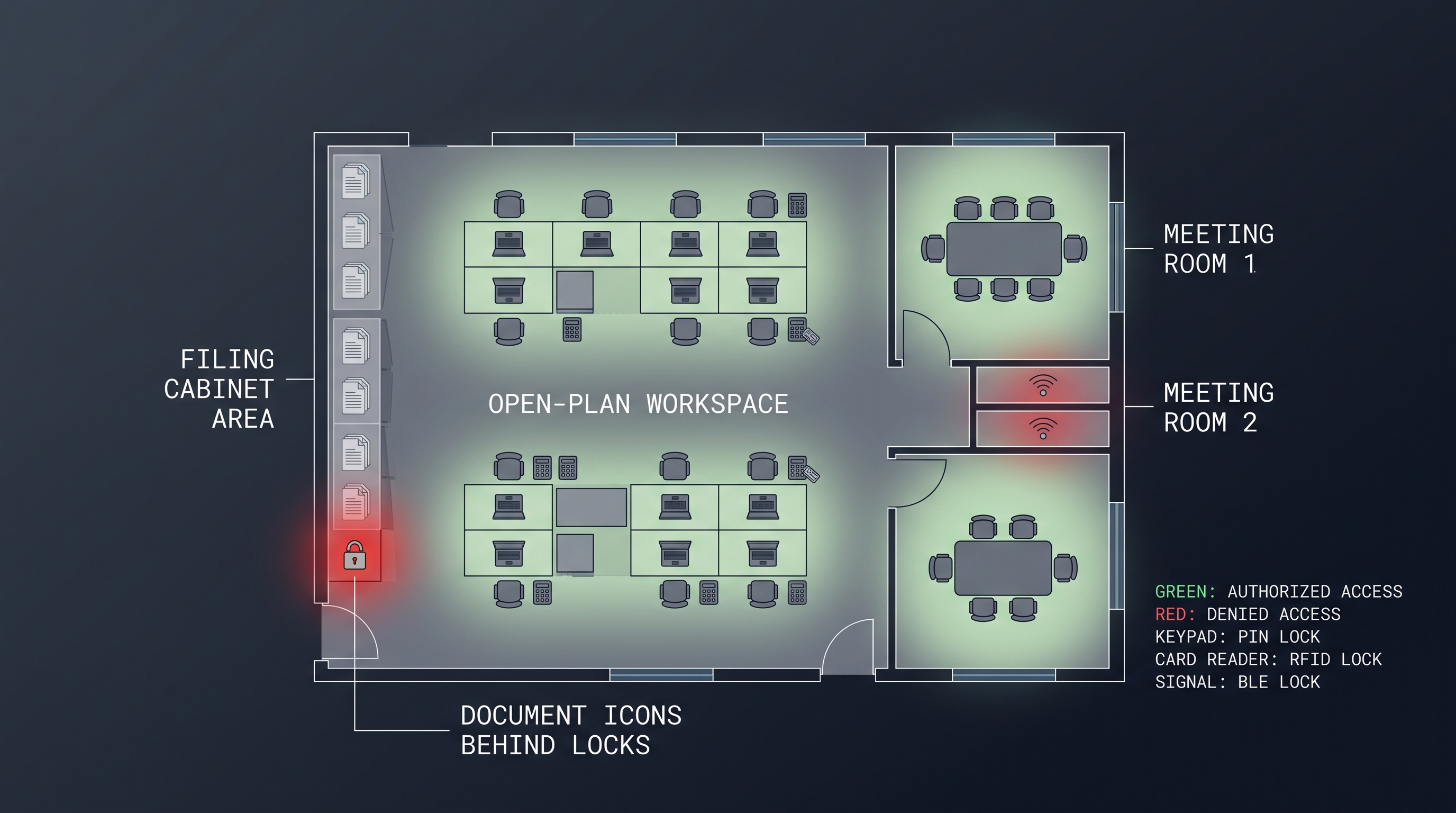
For facility managers, security integrators, and IT administrators asking "what cabinet lock power supply do I need" or searching for "cabinet lock power supply installation near me," this comprehensive guide addresses every aspect of powering electronic cabinet locks reliably. A properly specified cabinet lock power supply converts and regulates voltage, sustains the surge currents of bolt actuation, survives environmental extremes, and integrates with monitoring platforms that predict failure before it disrupts access. Whether deploying hardwired cabinet lock power supply systems across hospital nursing stations, file cabinet rows in corporate offices, server rack cabinets in data centers, or retail display cabinets on a showroom floor, understanding cabinet lock power supply sizing, redundancy, wiring topology, compliance, and maintenance is essential. This guide covers power architectures, load calculations, failover design, environmental ratings, certification standards, diagnostics, and lifecycle planning so organizations can specify, procure, and operate a cabinet lock power supply that keeps cabinets accessible and secure.
Cabinet Lock Power Supply Fundamentals and Why Reliable Power Matters
A cabinet lock power supply is the engineered source of electrical energy that operates any electronic cabinet lock and sustains all of its functions including authentication, communication, and bolt actuation. While a battery also functions as a power source, a true cabinet lock power supply implies an engineered conversion and regulation circuit that delivers controlled direct current at a voltage the cabinet lock requires. Understanding cabinet lock power supply design is therefore essential for anyone deploying hardwired or hybrid locking systems in environments dense with cabinets.
The reliability of any electronic cabinet lock is bounded by the reliability of its cabinet lock power supply. A bolt that cannot retract because the cabinet lock power supply has failed is not a security device but an obstacle that blocks authorized users and frustrates operations. Engineers therefore design cabinet lock power supply systems with sufficient capacity, redundancy, and protection to ensure that lock operation continues uninterrupted across years of service.
This guide enumerates every dimension of cabinet lock power supply engineering, from the basic electrical characteristics that define a suitable power source through the architectures used in real facilities, the calculations that size a cabinet lock power supply correctly, the diagnostics that keep one healthy, and the procurement specifications that ensure a chosen cabinet lock power supply will perform as expected.
How a Cabinet Lock Power Supply Converts and Regulates Voltage for Lock Hardware
Every electronic cabinet lock requires direct current at a specific voltage, but a raw cabinet lock power supply rarely delivers exactly what the lock needs without regulation. A regulated cabinet lock power supply accepts a wide input range and produces a stable output through switching or linear regulation. The regulated cabinet lock power supply ensures that the cabinet lock receives the same voltage whether the building main sits at its nominal value or sags during peak demand.
The internal conversion path of a cabinet lock power supply begins with input protection. Fuses, transient voltage suppressors, and gas discharge tubes in a cabinet lock power supply protect downstream components from surges on the building mains. After protection, the cabinet lock power supply rectifies alternating current into pulsing direct current if the input is AC, then filters and regulates it into the smooth direct current the lock electronics require.
Switching cabinet lock power supply units dominate modern deployments because they offer high efficiency in a compact package. A switching cabinet lock power supply chops the input at high frequency, transforms it through a small ferrite core, and rectifies it again at the output. Linear cabinet lock power supply designs remain relevant where low output noise is critical, such as in audio-adjacent or sensor-sensitive applications where switching ripple could interfere with lock electronics.
Cabinet Lock Power Supply Architectures for Battery Powered Locks
Battery powered cabinet locks contain their own cabinet lock power supply in the form of cells wired in series or parallel to deliver the required voltage and current. The cabinet lock power supply in a battery system is the entire battery pack together with the protection circuit and the connectors that interface it to the lock. Even though this cabinet lock power supply is portable, the same engineering principles of voltage regulation and current capacity apply.
A quality battery-based cabinet lock power supply manages discharge to extract the maximum useful energy from the cells. Lithium primary cells form an excellent cabinet lock power supply because they sustain near-constant voltage throughout discharge, while alkaline cells form a cabinet lock power supply that gradually sags as the cells age. The cabinet lock power supply behavior of each chemistry determines how the lock electronics must handle low-voltage conditions.
Manufacturers of battery powered cabinet lock hardware sometimes integrate a small switching regulator into the lock to convert the cabinet lock power supply voltage to whatever each subsystem requires. This internal cabinet lock power supply regulation allows the same lock to operate from a four cell alkaline pack or a two cell lithium pack without re-engineering. The result is a cabinet lock power supply agnostic lock design that simplifies product evolution.
Hardwired Cabinet Lock Power Supply Designs and Centralized Power Distribution
A hardwired cabinet lock power supply centralizes power generation in one location and distributes it to many cabinet locks through cabling. The hardwired cabinet lock power supply architecture eliminates per-lock battery replacement, which is why it dominates large deployments such as hospital nursing stations, evidence rooms, and dense office storage where servicing hundreds of batteries is impractical. The trade-off is that the hardwired cabinet lock power supply requires cable installation and a fail-safe distribution plan.
A typical hardwired cabinet lock power supply installation begins with a centralized unit rated for the total load of all connected locks. This cabinet lock power supply may feed a row of cabinets through a dedicated low-voltage bus, with each cabinet lock tapping the bus through a short pigtail. The cabinet lock power supply placement must account for voltage drop along the bus, which limits the maximum distance from the cabinet lock power supply to the most remote lock.
Redundancy in a hardwired cabinet lock power supply improves availability. A cabinet lock power supply fed from an uninterruptible power supply continues to operate during a building power outage, keeping cabinets accessible to authorized users who may need to retrieve critical items. Dual cabinet lock power supply units with automatic transfer switching provide redundancy against the failure of any single power conversion module.
| Power Architecture | Typical Voltage | Installation Cost | Maintenance Burden | Best Use Case |
|---|---|---|---|---|
| Alkaline battery pack | 6 V | Lowest | Periodic cell replacement | Small standalone locks |
| Lithium primary pack | 3-6 V | Low | Infrequent replacement | Remote, low traffic locks |
| Hardwired centralized AC/DC | 12-24 V DC | High | No battery, cable inspection | Hospital, dense office |
| PoE powered | 48 V DC, regulated to lock | Medium | Switch and cabling | IT managed cabinets |
| DC bus distribution | 24-48 V DC | Medium-High | Bus maintenance | Large cabinets in data center |
Cabinet Lock Power Supply Sizing and Load Calculation Methods
Sizing a cabinet lock power supply requires summing the loads of every connected device and adding headroom for surge conditions. Each electronic cabinet lock draws a small standby current from the cabinet lock power supply continuously and a much larger actuation current briefly while retracting the bolt. The cabinet lock power supply must sustain the sum of all standby currents indefinitely, plus the actuation surge of any lock expected to operate simultaneously.
A conservative cabinet lock power supply design assumes that locks in a single bank may actuate together, such as during a shift change when many users open cabinets in quick succession. The cabinet lock power supply in this scenario must deliver the simultaneous surge without dipping below the minimum operating voltage of any lock. Undersized cabinet lock power supply designs cause intermittent operation that masquerades as lock failure and generates hard-to-diagnose service tickets.
Cabinet lock power supply sizing also accounts for auxiliary loads such as indicator lights, network gateways, and management panels that share the cabinet lock power supply. Each auxiliary load adds to the continuous budget and may add its own surge when energized. The complete cabinet lock power supply load list should be documented and updated whenever devices are added to or removed from the system.
| Sizing Parameter | Typical Standby | Typical Actuation | Headroom Factor |
|---|---|---|---|
| Solenoid cabinet lock | 5-15 mA | 200-500 mA for 0.3 s | 1.5x simultaneous |
| Motorized cabinet lock | 10-50 mA | 200-800 mA for 0.6 s | 1.3x simultaneous |
| RFID reader | 30-150 mA continuous | burst read | 1.2x peak |
| Network gateway | 80-300 mA continuous | spike at sync | 1.3x peak |
| Indicator lights | 5-25 mA per LED | constant or blink | 1.0x nameplate |
Cabinet Lock Power Supply Backup Redundancy and Failover Strategies
A mission-critical cabinet lock power supply includes redundancy so that the failure of any single component does not interrupt lock operation. The simplest redundant cabinet lock power supply uses two identical units whose outputs are diode-OR'd together, allowing either unit to carry the load while the other stands by or shares current. A more sophisticated cabinet lock power supply uses automatic transfer switching that selects the active source based on voltage quality.
A cabinet lock power supply backed by an uninterruptible power supply bridge brief outages that would otherwise cause locks to reset and lose volatile state. The UPS cabinet lock power supply also conditions the input, filtering surges and harmonics that could stress the lock electronics over time. The runtime of the UPS cabinet lock power supply should match the time required to gracefully shut down dependent systems or to transfer operation to a backup site.
Redundant cabinet lock power supply designs must be tested under realistic failure scenarios. A periodic cabinet lock power supply failover test disconnects one source while the system is live and confirms that the locks continue to operate without interruption. Documenting these cabinet lock power supply failover drills demonstrates due diligence to auditors and ensures that staff know how to respond when a real failure occurs.
Cabinet Lock Power Supply Wiring Topologies and Cable Specification
The wiring topology selected for a cabinet lock power supply determines installation cost, voltage drop behavior, and resilience to cable faults. A star cabinet lock power supply topology runs a dedicated home run cable from the cabinet lock power supply to each lock, providing excellent isolation and simple troubleshooting at the cost of extensive cabling. A daisy chain cabinet lock power supply topology connects locks in sequence, reducing cable length but introducing common-mode failure if a single conductor breaks.
Hybrid cabinet lock power supply topologies combine star distribution to zone distribution blocks with daisy chained feeds within each zone. This cabinet lock power supply layout balances cable economy with fault containment, allowing a single zone to lose power without affecting the rest of the deployment. The cabinet lock power supply designer chooses zone boundaries to align with physical locker rows or cabinet groups so that failures are easy to localize.
Cable specification for a cabinet lock power supply must consider conductor gauge, insulation rating, and environmental exposure. A cabinet lock power supply carrying significant current over long distances requires thicker conductors to limit voltage drop, while a cabinet lock power supply in a plenum space must use plenum-rated insulation to comply with fire codes. The cabinet lock power supply specification should explicitly call out these requirements rather than leaving cable selection to installer discretion.
Cabinet Lock Power Supply Environmental Ratings and Enclosure Selection
A cabinet lock power supply deployed in a harsh environment must be rated for that environment. A damp or wash-down cabinet lock power supply requires an enclosure rated to IP54 or higher, with gaskets that exclude water spray, dust, and chemical mists. Outdoor cabinet lock power supply installations demand enclosures rated to IP65 or IP67 together with temperature compensation that adjusts charging and regulation for cold ambient conditions.
Temperature derating of a cabinet lock power supply is often overlooked but essential. A cabinet lock power supply rated for full output at 25 degrees Celsius may need to be derated by 25 percent or more when installed in a 50 degree equipment room. The cabinet lock power supply specification should publish a derating curve that allows designers to select an appropriately overrated unit for the actual ambient conditions of the installation.
Vibration resistance matters for cabinet lock power supply installations in mobile applications such as service vehicles and rail vehicles. A cabinet lock power supply in these environments must use conformal coated boards, locked fasteners, and strain relieved connectors to survive long term vibration. The cabinet lock power supply selection for mobile service should explicitly include vibration testing evidence from the manufacturer.
| Environment | Enclosure Rating | Cooling Approach | Key Risk |
|---|---|---|---|
| Office equipment room | IP20 | Fan cooled | Heat accumulation |
| Pharmacy clean room | IP54 | Sealed conduction | Filter clogging |
| Outdoor cabinet | IP65 | Vented, heater | Condensation, freeze |
| Wash-down food prep | IP67 | Fully sealed | Gasket aging |
| Mobile service vehicle | IP54 anti-vibe | Conformal coated | Vibration fatigue |
Cabinet Lock Power Supply Compliance Safety and Certification Standards
A cabinet lock power supply that connects to mains power must comply with electrical safety standards such as UL 60950, UL 62368, or IEC 62368. These standards govern creepage and clearance distances, enclosure materials, and protective earthing in a cabinet lock power supply so that no single failure exposes users to hazardous voltage. Documentation of cabinet lock power supply compliance is essential for installations subject to inspection or insurance requirements.
Energy efficiency regulations affect the cabinet lock power supply selection through minimum efficiency levels and limits on standby power. A modern cabinet lock power supply often carries a Level VI efficiency rating that demonstrates low no-load consumption. Selecting an efficient cabinet lock power supply reduces operating cost and heat generation, which in turn improves the reliability of nearby electronics.
EMC compliance of a cabinet lock power supply ensures that conducted emissions on the input and radiated emissions from the unit stay below regulated limits. A cabinet lock power supply that fails EMC tests can interfere with sensitive equipment in the same cabinet row or produce conducted noise that disrupts network communications. The cabinet lock power supply specification should include the relevant EMC standards and provide test reports on request.
Cabinet Lock Power Supply Monitoring Diagnostics and Remote Reporting
Modern cabinet lock power supply designs include telemetry that reports operating conditions to a management platform. A networked cabinet lock power supply exposes voltage, current, temperature, and fault flags through a protocol such as SNMP, Modbus, or REST. These cabinet lock power supply telemetry streams allow facility teams to detect degradation before it becomes a service-affecting failure.
Predictive analytics applied to cabinet lock power supply telemetry can identify gradual drift in output voltage or rising internal temperature that signals approaching end of life. A cabinet lock power supply monitoring platform that aggregates telemetry across hundreds of units transforms isolated measurements into fleet-wide insight. The cabinet lock power supply monitoring strategy should define thresholds that trigger maintenance actions before lock operation is affected.
Remote control capabilities in a cabinet lock power supply allow operators to cycle power to a lock to recover from a hung microcontroller. A cabinet lock power supply that supports remote reboot through a management command saves a truck roll for remote sites where physical access is expensive. The cabinet lock power supply selection for distributed deployments should explicitly require this remote control capability.
Cabinet Lock Power Supply for Healthcare and Pharmacy Cabinets
Healthcare and pharmacy cabinet installations impose strict requirements on the cabinet lock power supply because a power failure can block access to controlled substances or critical medications. A pharmacy cabinet lock power supply typically includes UPS backup sufficient to keep the cabinet operational through a shift change even during an extended outage. The cabinet lock power supply also feeds tamper sensors and audit logging devices that must not lose power during a breach attempt.
Medical cabinet environments often require the cabinet lock power supply to meet medical electrical equipment standards such as IEC 60601. These standards impose limits on patient leakage current and require reinforced insulation in a cabinet lock power supply that may be exposed to medical equipment. The cabinet lock power supply specification for healthcare should explicitly call out compliance with the relevant medical standard.
Redundancy is especially valuable in a healthcare cabinet lock power supply because the cost of lock downtime is measured in patient outcomes. Dual cabinet lock power supply units with automatic failover, fed from separate facility power circuits, ensure that the failure of any single source does not compromise cabinet access. The healthcare cabinet lock power supply should be tested under load on a documented schedule to confirm that redundancy remains functional.
Cabinet Lock Power Supply for Office File and Server Rack Cabinets
Office file cabinets and server rack cabinets increasingly use electronic locks fed by a centralized cabinet lock power supply. The cabinet lock power supply for a row of file cabinets typically mounts above the cabinet bank and distributes low voltage through a wiring tray that runs the length of the bank. This cabinet lock power supply architecture simplifies maintenance by consolidating power conversion in a serviceable location.
Server rack cabinets often integrate the cabinet lock power supply with the rack power distribution unit so that the locking system draws from the same conditioned source as the IT equipment. A cabinet lock power supply fed from a rack PDU inherits the redundancy and monitoring already designed into the IT infrastructure. The cabinet lock power supply specifications should be coordinated with the IT team to ensure compatibility with the rack power architecture.
Office cabinet lock power supply installations benefit from networked monitoring that integrates with the broader building management system. A cabinet lock power supply that reports its status to the same dashboard as the building HVAC and lighting systems allows facility teams to manage the cabinet infrastructure as part of holistic building operations. The cabinet lock power supply selection for offices should favor products that support open monitoring protocols.
Cabinet Lock Power Supply for Retail Display and Showroom Cabinets
Retail display cabinets pose unique cabinet lock power supply challenges because the power source must be aesthetically integrated with the display while still delivering reliable lock operation. A retail cabinet lock power supply often hides in the cabinet base or in a nearby service closet, with low voltage wiring routed through the cabinet structure. The cabinet lock power supply must also tolerate sales floor lighting, customer proximity, and frequent cleaning.
Showroom cabinets that open during demonstrations may actuate many locks in quick succession, requiring the cabinet lock power supply to support simultaneous surge currents. A retail cabinet lock power supply sized only for standby current will fail during a busy demonstration. The cabinet lock power supply specification for showrooms should require enough surge capacity to open the full row of locks at once.
Public-facing cabinet lock power supply installations also raise tamper considerations. The cabinet lock power supply connections accessible from the sales floor should be concealed or shielded to prevent a customer from disconnecting power and forcing a service call. The cabinet lock power supply enclosure in a retail environment should resist casual tampering without compromising ventilation or service access.
Cabinet Lock Power Supply Troubleshooting Common Failure Modes
Cabinet lock power supply troubleshooting begins with symptom observation. A lock that operates intermittently often points to a cabinet lock power supply that sags below the lock minimum voltage during actuation. Troubleshooting this cabinet lock power supply symptom requires measuring voltage at the lock terminals under load rather than at the cabinet lock power supply output where voltage may appear normal.
A cabinet lock power supply that produces repeated fuse trips indicates either a fault downstream or an undersized fuse upstream. Troubleshooting a cabinet lock power supply with this symptom involves isolating sections of the load to identify the branch that draws excessive current. The cabinet lock power supply isolation process should be documented to speed future diagnosis.
A cabinet lock power supply that fails to start after an outage may have entered a protection lockout state due to a brownout. Troubleshooting this cabinet lock power supply condition often requires a full power cycle that resets the protection circuits. The cabinet lock power supply recovery procedure should be part of the standard operating manual for any facility that relies on central power conversion.
Troubleshooting a cabinet lock power supply also benefits from logging every incident in a shared database. Patterns across cabinet lock power supply tickets can reveal upstream power quality issues, marginal wiring runs, or a specific batch of units trending toward failure. Treating the cabinet lock power supply ticket history as a reliability data source transforms reactive maintenance into a continuous improvement program that improves the deployment over time.
Cabinet Lock Power Supply Maintenance Replacement and Lifecycle Planning
Cabinet lock power supply maintenance centers on inspection, measurement, and documentation. A periodic cabinet lock power supply inspection checks enclosure integrity, ventilation paths, and connection tightness. Measurements during cabinet lock power supply maintenance should record output voltage under load, ripple amplitude, and enclosure temperature, building a trend that reveals gradual degradation before failure.
Replacement planning for a cabinet lock power supply should be driven by service hours, temperature exposure, and observed trend data rather than waiting for failure. A cabinet lock power supply in a hot equipment room may need replacement every five years while a cool clean cabinet lock power supply installation may run for ten years or more. The cabinet lock power supply replacement schedule should be documented and reviewed after each maintenance visit.
Lifecycle planning for the cabinet lock power supply fleet also considers the availability of spare units, replacement lead time, and compatibility with future lock upgrades. A cabinet lock power supply specification that locks the buyer into a single proprietary form factor creates a future obsolescence risk. The cabinet lock power supply procurement should prefer standard form factors that allow cross-vendor replacement as technology evolves.
Inventory management for spare cabinet lock power supply units should be guided by lead time and failure rate. A cabinet lock power supply with a six month lead time requires a deeper spare pool than a unit available in two weeks. Tracking field failures by model and installation year lets the facility team forecast cabinet lock power supply spare needs accurately and avoid both stockouts and excess inventory. The cabinet lock power supply spare parts strategy should be reviewed annually as the fleet ages.
Cabinet Lock Power Supply Procurement Specification and Vendor Selection
A cabinet lock power supply procurement specification should state the input source, the required outputs, the environmental conditions, the compliance standards, and the monitoring interfaces. A complete cabinet lock power supply specification allows multiple vendors to quote comparable products and lets the buyer compare offers on objective rather than marketing grounds. Missing cabinet lock power supply specifications invite substitutions that may not meet the deployment requirements.
Vendor evaluation for a cabinet lock power supply should review third party certifications, manufacturing quality programs, and warranty terms. A cabinet lock power supply vendor with documented ISO 9001 manufacturing and explicit warranty support for lock applications provides confidence that the units will perform in the field. The cabinet lock power supply vendor should also offer reference deployments of comparable scale.
Total cost of ownership analysis for a cabinet lock power supply should include energy consumption, cooling load, maintenance labor, and expected replacement cycle. A premium cabinet lock power supply with higher efficiency and longer life may cost less over a ten year period than a cheaper unit that wastes energy and fails early. The cabinet lock power supply selection should document this total cost analysis so that procurement decisions rest on complete financial information.
Cabinet Lock Power Supply Future Trends in Power Distribution Architecture
Future cabinet lock power supply architectures will increasingly integrate with direct current distribution systems that eliminate intermediate conversion stages. A direct current cabinet lock power supply fed from a facility DC bus can power locks directly without the inefficiency of rectifying from AC and then re converting to DC at each cabinet. The DC cabinet lock power supply also aligns naturally with battery backup, simplifying the redundancy architecture.
Energy harvesting is an emerging cabinet lock power supply approach that captures energy from cabinet door motion or ambient light to supplement or replace wired power. A cabinet lock power supply augmented by energy harvesting reduces wiring cost and environmental impact, particularly in retrofit deployments where cable runs are expensive. The harvested cabinet lock power supply is well suited to low duty cycle applications where lock actuation is infrequent.
Intelligent cabinet lock power supply designs will embed analytics that predict failure from internal sensors. A cabinet lock power supply that monitors its own capacitor health, transistor temperature, and output ripple can estimate remaining useful life and request scheduled replacement. The intelligent cabinet lock power supply closes the loop between power engineering and physical security operations, transforming the power source from a passive component into an active participant in system reliability.
Cabinet Lock Power Supply Frequently Asked Questions and Answers
What voltage does a typical cabinet lock power supply deliver? Most hardwired cabinet lock power supply installations deliver direct current between 5 and 24 volts, with 12 volts being the most common for solenoid driven cabinet locks and 24 volts common for motorized locks. The cabinet lock power supply voltage must match the lock specification exactly because operating a lock above its rated voltage can burn the coil while operating below it may fail to retract the bolt.
How far can a cabinet lock power supply be located from the lock it powers? The permissible distance between the cabinet lock power supply and the lock depends on the conductor gauge and the lock current. A cabinet lock power supply feeding a high current lock over a long run requires thicker wire to keep voltage drop within the manufacturer limit. As a rule of thumb, a 12 volt cabinet lock power supply feeding 1 amp through 18 AWG wire should not exceed roughly 25 feet of round trip run.
Can a single cabinet lock power supply feed both electronic locks and readers? Yes, provided the cabinet lock power supply has adequate capacity and the readers accept the same voltage as the locks. A combined cabinet lock power supply reduces installation complexity but requires careful surge budgeting because both loads may peak simultaneously. The cabinet lock power supply specification should explicitly state the total simultaneous load it must support.
What is the typical efficiency of a modern cabinet lock power supply? A contemporary switching cabinet lock power supply typically achieves efficiency between 85 and 95 percent at rated load. Higher efficiency cabinet lock power supply units generate less heat and consume less energy, which matters in dense installations. The cabinet lock power supply efficiency should be a procurement criterion because it directly affects operating cost and cooling load.
How is a cabinet lock power supply protected against surges and outages? A robust cabinet lock power supply incorporates input fuses, metal oxide varistors, and gas discharge tubes that absorb surges on the building mains. Outage protection for a cabinet lock power supply typically uses an uninterruptible power supply that bridges the gap until a generator starts or the utility restores power. The cabinet lock power supply protection strategy should match the criticality of the cabinets being secured.
How should a cabinet lock power supply be tested after installation? A properly commissioned cabinet lock power supply undergoes load testing, voltage measurement at the most remote lock, and a failover drill if redundancy is used. Load testing confirms that the cabinet lock power supply holds its output voltage when all connected locks operate together. Voltage measurement at the remote end verifies that cable resistance does not cause an unacceptable drop, and the failover drill confirms that the redundant cabinet lock power supply actually takes over cleanly. Documenting the cabinet lock power supply commissioning results creates a baseline that future maintenance can compare against.
Cabinet Lock Power Supply Glossary and Technical Reference
This glossary defines key terms used in cabinet lock power supply engineering and procurement.
Cabinet lock power supply input: The electrical source that feeds the cabinet lock power supply, typically building mains alternating current or a facility direct current bus. The cabinet lock power supply input determines the conversion stages required to produce the output the lock needs.
Cabinet lock power supply regulation: The process of stabilizing the cabinet lock power supply output against variations in input voltage and load current. Cabinet lock power supply regulation quality determines how stable the lock power remains under changing conditions.
Cabinet lock power supply redundancy: The inclusion of multiple cabinet lock power supply sources so that failure of any one does not interrupt lock operation. Cabinet lock power supply redundancy may use diode ORing, automatic transfer switching, or hot swappable modules.
Cabinet lock power supply derating: The reduction in rated output capacity of a cabinet lock power supply when operating in elevated ambient temperature or at altitude. Cabinet lock power supply derating ensures that the unit operates within safe thermal and electrical limits.
Cabinet lock power supply failover: The automatic transition of load from a primary cabinet lock power supply to a backup when the primary fails. The cabinet lock power supply failover should complete in milliseconds to avoid resetting the locks.
Cabinet lock power supply telemetry: The remote reporting of cabinet lock power supply operating parameters including voltage, current, and temperature. Cabinet lock power supply telemetry supports predictive maintenance and fleet level reliability.
Part of this article content is generated by AI and optimized for professional accuracy and readability.
Not sure which sensor fits your project?
Talk to our mmWave application engineers for a free consultation.
Find the right presence sensor for your hotel project
Compare the 3 protocols, check hotel-specific case studies, and download the installation guide
Related products
3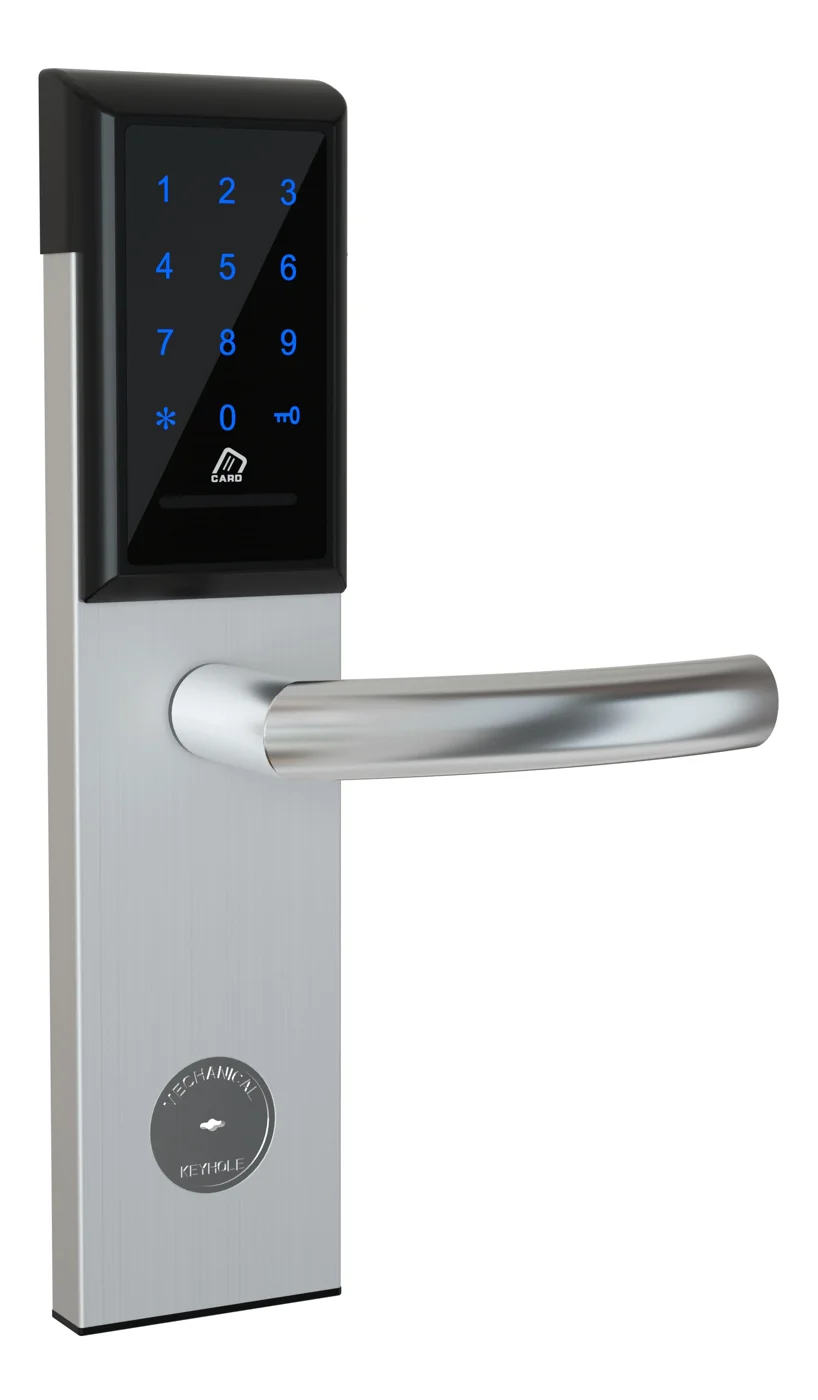
Office Cabinet Lock — PIN + Card for Filing & Pedestals
Offline PIN + card office cabinet lock for filing cabinets, pedestals, and drawers. Battery-powered 5-minute retrofit, no WiFi, no key management. CE/FCC/RoHS.
This page already points to it as the next recommended reference.
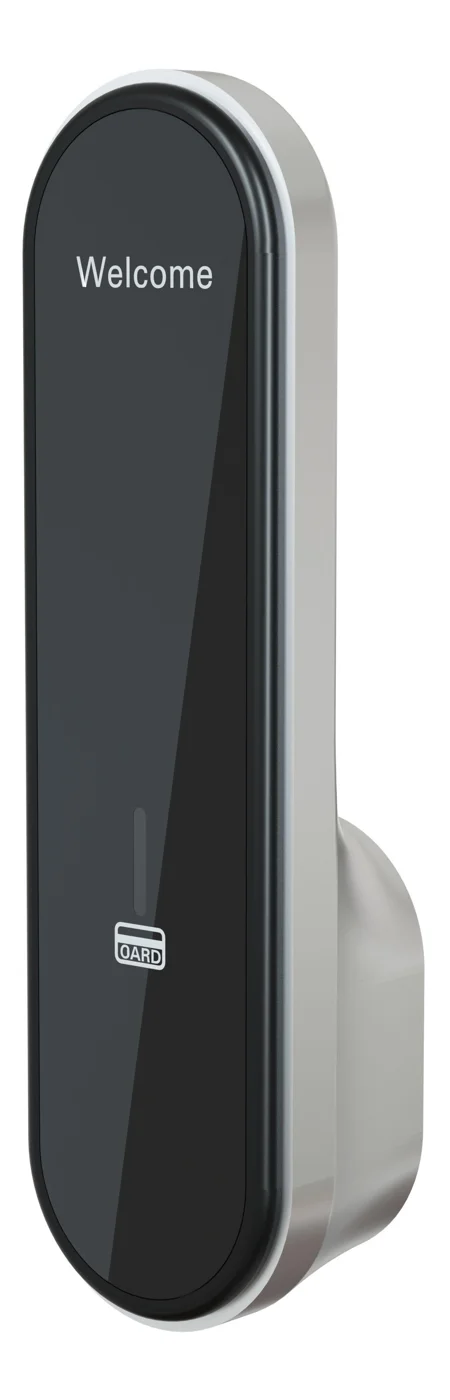
RFID Cabinet Lock — MIFARE Card, Offline Authentication
Offline MIFARE RFID cabinet lock for gym, spa, and office lockers. Tap-to-unlock 13.56 MHz, no WiFi needed, 5-minute retrofit. Zinc alloy body, battery-powered.
This page already points to it as the next recommended reference.
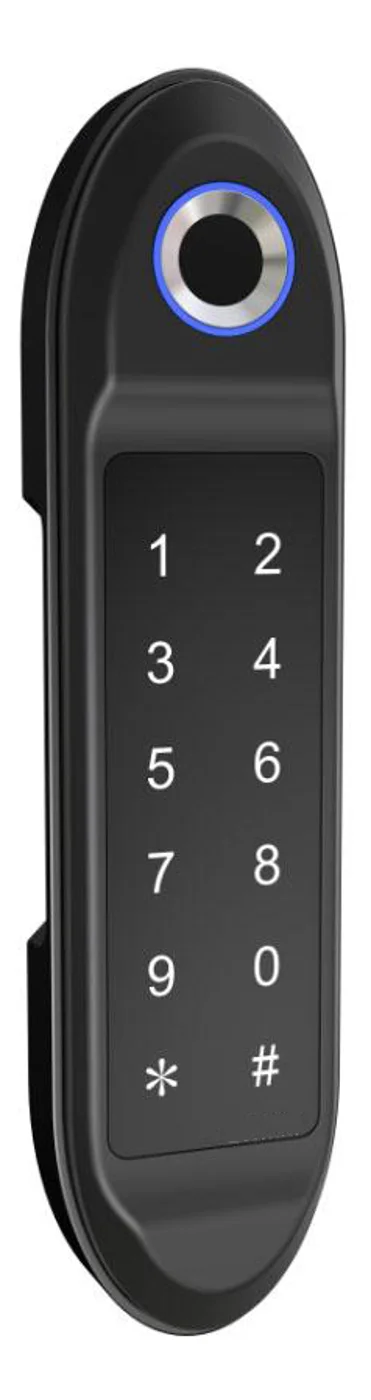
PIN Code Electronic Cabinet Lock — Stand-Alone, No WiFi
Offline keypad cabinet lock for gym, office and parcel lockers. Battery-powered, 5-minute retrofit, audit-free simple deployment. PIN + MIFARE card, DC 6V, 4×AA.
This page already points to it as the next recommended reference.
Related blog posts
3
Cloud Cabinet Lock: Ultimate Guide to Cloud-Connected Cabinet Access Control
A comprehensive guide to cloud cabinet lock technology covering remote management, real-time audit trails, and multi-site cabinet access control for enterprises.
It supports the same product context: Office Cabinet Lock — PIN + Card for Filing & Pedestals.
Cam Lock Electronic: Modernizing the Workhorse Cabinet Lock
Cam lock electronic combines the classic cam lock form factor with RFID, keypad, and BLE credentials. Retrofit compatible with standard cylinder bores. Complete guide.
It supports the same product context: Office Cabinet Lock — PIN + Card for Filing & Pedestals.
Card Cabinet Lock: Ultimate Guide to Smart Card-Activated Cabinet Security Systems
Complete exploration of card cabinet lock technology including MIFARE, DESFire, NFC smartphone credentials, installation guides, security protocols, and enterprise integration strategies for card-based cabinet access.
It supports the same product context: Office Cabinet Lock — PIN + Card for Filing & Pedestals.
Specify your hotel project with our engineers
Send your room count, ceiling type, and protocol preference. We will return a sample plan and quote within 24 business hours.
- Move from general guidance into a product or application discussion.
- Use RFQ when pricing, drawings, MOQ, or launch timing needs structure.
- Keep a direct contact path visible for fast clarifications and handoff.