Cabinet Lock Not Working? Complete 2026 Troubleshooting and Repair Guide
A complete guide to fixing a cabinet lock not working, covering dead batteries, stuck bolts, jammed latches, unresponsive keypads, RFID failures, forgotten codes, resets, overrides, wiring, and rust.
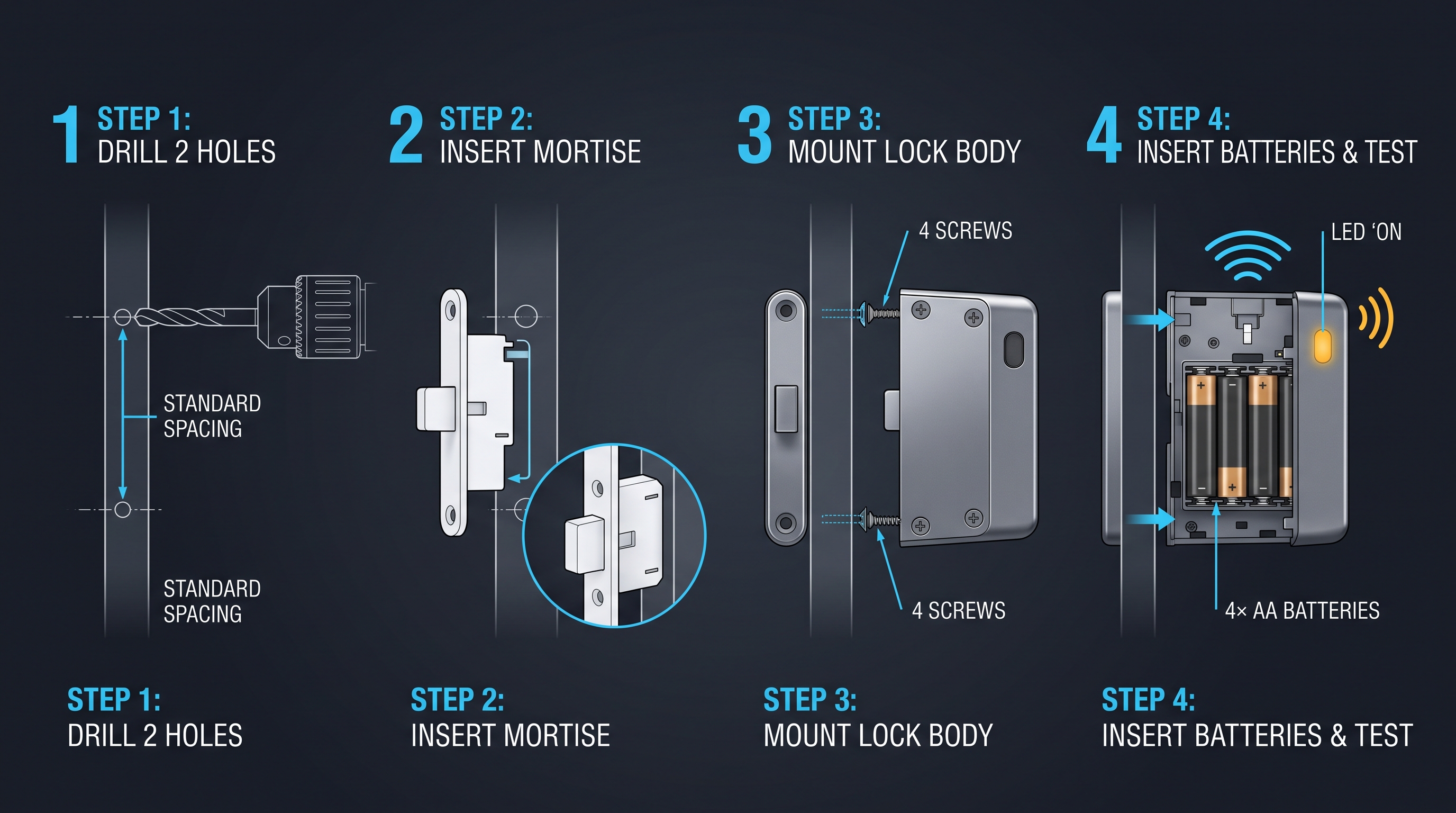
A cabinet lock not working is one of the most common service calls that facility managers, maintenance technicians, and hotel housekeeping teams face. When a cabinet lock not working appears on a gym locker, an office file drawer, a pharmacy cabinet, or a hotel safe, most teams call a locksmith, yet almost every cabinet lock not working case has a simple root cause that a trained technician can diagnose in under fifteen minutes. This guide covers every major reason for a cabinet lock not working, from dead batteries and stuck bolts to unresponsive keypads, RFID reading failures, forgotten codes, jammed mechanisms, alignment errors, wiring faults, rusted contacts, firmware glitches, and resets, and it explains the step-by-step diagnostic flow, the tools to carry, the override and recovery procedures, and the rules for deciding when to repair and when to replace. Whether you service one cabinet or a fleet of thousands, this cabinet lock not working guide helps you cut downtime, protect stored items, and reduce repeat service calls. When a cabinet lock not working occurs, knowing the most likely causes and the correct test order resolves the problem in minutes instead of after a costly door break-in.
Why a Cabinet Lock Not Working Happens: Root Causes and Failure Rates
A cabinet lock not working is the term users and technicians use for any electromechanical cabinet lock that fails to unlock, lock, respond, or read a credential on demand, and it covers everything from a silent keypad to a bolt that will not retract. Service data shows that roughly 60 percent of all cabinet lock not working reports trace to the power subsystem, with dead or weak batteries causing about 40 percent of cabinet lock not working events, while mechanical faults such as a stuck bolt, a jammed latch, or an unaligned strike cause about 25 percent. Reader issues, including a dirty fingerprint pad, an unresponsive keypad, or a failing RFID antenna, drive about 15 percent of cabinet lock not working calls, and the remaining 20 percent split between wiring faults, a forgotten code, rusted contacts, firmware glitches, and environmental damage. Each cabinet lock not working incident on a rental locker, a medicine cabinet, or a server rack can cost downtime and frustrated users, so understanding the probable causes of a cabinet lock not working lets you restore access by fixing the fastest and cheapest failures first.
The Most Common Failure Domains
Every cabinet lock not working investigation falls into one of four domains: power, mechanical, reader, or logic. A power domain cabinet lock not working shows only a dark display or a faint beep and no moving bolt. A mechanical domain cabinet lock not working shows healthy electronics but a bolt that binds or a jammed latch that blocks travel. A reader domain cabinet lock not working shows a lock that will not detect a card, a fingerprint, or keypad digits. A logic domain cabinet lock not working appears after a firmware update or a remote command and clears with a reset. Naming the domain of each cabinet lock not working report before you open the hardware is the fastest way to avoid wasted work.
Why Diagnosis Order Matters
Diagnosis order matters more than the tools you carry, because testing the wrong subsystem first wastes time and can cause new damage on a cabinet lock not working site. Power belongs first because it is the cheapest and the most common cause of a cabinet lock not working, then mechanics, then reader and credential, then wiring, then network and firmware. When every cabinet lock not working call follows the same order, the recorded results build a history that prevents a repeat cabinet lock not working diagnosis from starting at zero on the next visit. A fixed method also makes sure that nobody misses the dead cell that sits behind most cabinet lock not working reports.
How Failure Rates Differ by Lock Type
Failure rates for a cabinet lock not working depend on the lock type and the environment. A keypad lock in a dusty warehouse fails mostly in the mechanical and keypad domains, while a battery smart lock in a busy gym fails most in the power domain because users hammer the keypad and drain the cells. A wired RFID lock rarely fails from power but shows a higher share of reader and wiring related cabinet lock not working cases. A biometric lock adds a reader domain that fails with dirty or dry fingers. Knowing the dominant cabinet lock not working failure mode of each lock family lets a manager schedule maintenance that targets the highest probability cause first.
Step by Step Diagnostic Flow for a Cabinet Lock Not Working
The diagnostic flow for a cabinet lock not working should move from observation to power to mechanics to reader to network, because each stage eliminates a whole class of causes cheaply. When you start a cabinet lock not working investigation, write down the symptom, the time, whether the bolt moved, whether a beep or click sounded, and whether nearby locks failed too, because this record narrows a cabinet lock not working search faster than any tool. Then verify power first, since a battery that reads 3.0 volts at rest can sag below 2.2 volts under the solenoid load and still leave a cabinet lock not working that looks electrical but is a weak cell. After power, test bolt travel, then the reader, then the credential, then the battery, then the wiring, then the network, and finally the lock firmware, documenting each result. A disciplined cabinet lock not working method takes about 10 to 15 minutes per unit and cuts an average repair time roughly in half compared with random part swapping.
Step 1: Observe and Record the Symptom
Observation is the most underrated step in any cabinet lock not working procedure, because the symptom already carries most of the answer. Ask the user whether the lock made a sound, whether a light flashed, whether the keypad accepted digits, and whether the failure was sudden or slow. A cabinet lock not working that began after a power cut points to firmware, while one that began after a spill points to moisture and corrosion. Recording the symptom on each cabinet lock not working support ticket also reveals a pattern across the fleet, so you can see that lockers on one wall fail more and check the environment as well as the hardware.
Step 2: Isolate the Failure Domain
Isolation means deciding whether the cabinet lock not working is one unit or a row, a network, or a whole building. If a single cabinet lock not working unit sits among healthy locks, the cause is local and usually a battery, a bolt, or a reader failure. If every lock on a networked row delays, the cause is likely a shared supply or a gateway. If the lock opens with one card but not another, the cabinet lock not working cause is the credential and not the lock. Isolation separates a ten minute cabinet lock not working repair from a full shift of swapping healthy parts, so it should always happen before you disassemble the mechanism.
Step 3: Power Verification Before Anything Else
Power verification is the highest yield single action for a cabinet lock not working, because roughly 40 percent of all failures trace to the battery, and another share traces to wiring. Measure the battery at rest, then measure again while a key is pressed, because the loaded reading catches sag that recreates a cabinet lock not working under the 250 to 800 mA actuation current. On wired locks, measure at the supply, the midpoint, and the lock terminals, and compare the three readings for the wiring drop. A multimeter in your kit turns a cabinet lock not working into a single data point instead of a guess.
Diagnostic Decision Table for a Cabinet Lock Not Working
| Observation | Most likely cause | Fastest test | Typical fix |
|---|---|---|---|
| No sound, dark, bolt does not move | Dead battery or wiring fault | Load-test the cells | New cells, tighten the terminals |
| A sound, but the bolt does not move | Stuck bolt, jam, strike | Override open, watch the bolt | Clean, lubricate, align the door |
| Keypad ignores key presses | Dirty contacts, bad cable | Press keys, watch the display | Clean, reseat the cable |
| Card does not read | Frequency, bad antenna | Test a known-good card | Match the card type, clean |
A Cabinet Lock Not Working Due to a Dead or Weak Battery
A dead battery is the most common reason a cabinet lock not working appears on keypad, RFID, biometric, or smart locks, because almost every electronic cabinet lock runs on two to four AA cells or a single 9V alkaline cell and only warns during the last 5-10 percent of life. When a cabinet lock not working is battery related, the lock goes blank, the keypad stays dark or flashes a red LED, and the bolt does not fire even with the correct code. A typical lock draws 10-30 mA at standby and 250-800 mA when the solenoid or motor fires, so a cell reading 2.9 volts at rest can sag below 2.0 volts under that load, causing a cabinet lock not working even if the cell is not fully flat. Testing a cabinet lock not working for a battery cause by load-testing the cells first is the right move, and replacing the cells fixes about 40 percent of all cabinet lock not working calls, so start every check with power.
How to Test Battery Voltage Under Load
Testing the battery of a cabinet lock not working only at rest is how a weak cell is missed, because a used cell holds its open circuit voltage while its internal resistance has risen. Set the voltmeter to measure voltage, read the cell at rest, then press a key or present a card while holding the probes in place, and read the voltage under load. If the loaded reading drops more than 0.6-0.8 volts, the cells are failing and the cabinet lock not working is battery related. Always test the cells in place rather than in a separate tester, because the lock is the real load and its wiring adds its own resistance.
AA, 9V, and Rechargeable Chemistry Differences
Battery chemistry changes how a cabinet lock not working develops. Standard alkaline AA cells last about 6-18 months in an electronic cabinet lock and fail slowly with warning, while 9V cells power smaller locks and run down faster under the same load. Lithium AA cells discharge more flatly, hold voltage in the cold, and can last up to two years, cutting battery related cabinet lock not working calls on exposed and cold sites. NiMH rechargeables self-discharge quickly and lose voltage under load, so a lock on NiMH can show a cabinet lock not working after a week of idle even when the cells look full.
Battery Life Expectancy by Lock Type
| Lock type | Cells | Life | Low-battery warning | Failure sign |
|---|---|---|---|---|
| Keypad | AA x 4 | 8-12 months | Red light, beep | Keys dim, no movement |
| RFID | AA x 4 | 10-16 months | Intermittent reads | Card ignored |
| Biometric | AA x 4 or 9V | 6-12 months | Slow scan | Reader sluggish |
| Smart | AA lithium | 14-24 months | App notification | Offline, low power |
| Wired | 12/24V | n/a | Voltage sag | Intermittent power |
Why Are Low Battery Warnings Missed?
Low battery warnings get missed for three reasons, and each leads to a cabinet lock not working emergency. The warning only appears in the last few percent of life, and heavy keypad use in a busy room drains that last charge fast before anyone notices. Users press the keypad harder when a lock runs slow, which speeds up the voltage drop. And many facilities keep no battery log, so nobody tracks how long the cells have been in the lock. Adding a battery replacement schedule and acting on smart lock telemetry turns most battery related cabinet lock not working failures into a planned maintenance visit instead of a crisis.
A Cabinet Lock Not Working Due to a Stuck Bolt, Jammed Latch, or Misaligned Door
A stuck bolt, a jammed latch, or a misaligned strike creates a cabinet lock not working where the lock has power and reads the credential perfectly but the door still will not open or close cleanly. In this cabinet lock not working case, the solenoid fires, you hear a click or a whir, but the bolt does not retract or retracts partway and the door binds against the plates. Mechanical binding drives about one quarter of all cabinet lock not working reports, and the common causes are a bolt channel clogged with dust, a strike that has shifted after years of closing, a warped door that pushes the bolt sideways, or an obstruction wedged between the door and the frame. The failure can be temperature dependent, because a frame that expands changes the gap and turns an intermittent cabinet lock not working into a regular one. The fix is to open and clean the bolt channel, adjust the strike, align the door, or replace the bolt or strike assembly.
Cleaning and Lubricating the Bolt for Most Visits
When a cabinet lock not working is mechanical, start by cleaning the bolt travel path, because dust and dried grease build up in the channel. Open the lock with the override, retract the bolt, and inspect the full run for debris. Use a dry PTFE or graphite lubricant so you do not trap grit that gums up within weeks. Then cycle the bolt 20-30 times to work in the lubricant and confirm smooth travel. If the bolt keeps dragging after cleaning, it is worn or bent and must be replaced.
Door Alignment and Clearance
A strike alignment error creates a cabinet lock not working where the bolt tip hits the edge of the plate and leaves a rub mark. Close the door slowly and watch the bolt, then loosen, shift, and retighten the plates to hit the center. A door that sags over time is the hidden cause of many alignment cabinet lock not working cases, so you may need to shim the hinge below the door to bring the bolt to the center of the strike. The fix restores free motion across the whole travel of the door.
When the Temperature and Debris
Thermal changes can make a cabinet lock not working mechanical fault intermittent, because a metal frame shrinks and expands with the season. A lock that works in the morning can bind in the afternoon, and a cold night can shrink the gap. Ask whether the fault appears at a particular time and whether it matches the site temperature. When the season is the cause, add a little clearance or use a spring. A foreign object such as a label or a sleeve wedged between the door and the frame is the fastest cabinet lock not working root cause, and removing it in under five minutes restores the door.
A Cabinet Lock Not Working Due to a Keypad That Is Unresponsive
An unresponsive keypad is a distinct cabinet lock not working case, where the lock looks healthy but does not read key presses, or reads only part of them. A keypad cabinet lock not working usually points to one of four causes: a weak cell that can affect the key matrix, a film of grease and moisture across the contacts, a broken cable from the keypad to the board, or a worn membrane that can no longer close the contact. Pressing a key may produce no beep, a faint beep, or a wrong digit. The lock can work fine with a remote credential while the keypad keeps failing. Wipe the pad and buttons with alcohol, let it dry, then reseat the cable; this restores most keypad cabinet lock not working cases. If the pad stays dead, test each key while watching the display.
Cleaning the Keypad Membrane
The most frequent cause of a keypad cabinet lock not working is a layer of oil and dirt on the membrane that stops the contact from closing. Remove the keypad, wipe the pad with a cotton swab and 90% isopropyl alcohol, let it dry completely, then reassemble and test. Do not use water, because it leaves a film that makes the fault worse. If only some keys fail, note them, because keys on the same cable row may indicate a fault in the cable line.
Checking the Ribbon Cable
The ribbon cable between the keypad and the board is a weak link in a keypad cabinet lock not working, because repeated door openings flex it at the connector until a trace tears. Look for folds, tears, and broken lines by flexing the ends, wiggle the cable, and watch whether the display changes. When a whole row of buttons dies and the behavior changes when you wiggle the cable, that is a strong sign the cable needs replacing.
Preventing Keypad Failures
Preventing a keypad cabinet lock not working means keeping the room dry and protecting the keypad, especially in kitchens and pool areas where the user may be wet. Choose a sealed lock or add a cover, and clean the keypad every quarter. Users should press buttons with a finger pad rather than a fingernail, because a nail presses a single point and wears the membrane faster. Depending on the site, upgrading to a sealed model and scheduling regular cleaning is worthwhile.
A Cabinet Lock Not Working Because the RFID or Card Does Not Read
An RFID read failure is a cabinet lock not working case where the keypad works, the battery is fine, the bolt moves, but the lock ignores the card. An RFID cabinet lock not working usually involves a signal issue, a damaged card, or a reader that has lost its RF board, so the first step is to test a known-good card on this lock and this card on a known-good lock. Most cabinet locks use 13.56 MHz MIFARE or NFC, or 125 kHz EM, and a 125 kHz card held against a 13.56 MHz reader will not read. The card should sit 2-5 cm from the reader. Dust on the card and reader can also block reads. A multimeter and a check of the antenna lead help in diagnosis. A faulty lock will behave the same with different cards.
MIFARE or EM: Frequency Matters
Frequency must match when a card fails, because the user may hold the wrong type of card. 13.56 MHz MIFARE uses a stored identifier and is the standard for access control, while cheaper EM cards run at 125 kHz. A phone NFC card is a third type and only works on NFC-enabled locks. If a card fails, test it on a known-good lock; a MIFARE reader reads a MIFARE card. In most cases the problem is a card mismatch rather than a faulty lock.
Checking the Antenna and Feedback
The reader antenna can be damaged and its trace can break. Check the antenna and its lead for cuts. If the card only reads at very close range, the reader is running at half power. Metal surroundings and Wi-Fi interference can shorten the read range. Testing the same card on another lock separates a lock problem from a card problem. If the card fails on every lock, the card is the problem.
Card Wear
A worn or damaged card can fail to read. The chip can be scratched and the card antenna can be damaged. Check the card for damage. If the card is fine, check the reader lead and grounding. If the reader does not see the card, the interface or antenna may be faulty.
A Cabinet Lock Not Working Due to a Forgotten Code or Keypad Lockout
A forgotten code creates a cabinet lock not working situation where the hardware is healthy but the user cannot recall the code. This is far more common than it seems. With a forgotten code, the keypad lights, the battery is charged, and the bolt simply will not move because the digits entered do not match, so the diagnosis belongs in the administrative domain rather than the hardware. Most locks accept a factory reset, a master code, an emergency key, or a service programmer to restore access, and every cabinet lock not working runbook should store the master code and serial number before the incident. A forgotten-code situation also arises when an administrator changes the code in a central system but the lock did not sync the change, leaving a non-working code. Recovery takes two to five minutes with the right emergency access, and a code log should be kept to prevent a repeat.
Master Code and Emergency Codes
Know the lock code hierarchy. The user code is what the user enters, the administrator code can change user codes and settings, and the master code opens every lock in the family. Most locks have a default factory master code such as 0000 that should be changed at install. If a user code is lost, the master code can clear it and set a new one, so keeping the master code on site prevents a cabinet lock not working emergency from a lost code.
Keypad Lockout and Default Codes
Many cabinet locks lock out the keypad after several failed code attempts. A typical lock allows 3-5 failed attempts, then locks for 30-90 seconds, and unlocking may require the master code. Ignoring the lockout only makes it worse. The remedy is to wait for the unlock or enter the master code, then enroll the user with a new code. Raising the lockout setting can help in some conditions.
Synchronization Issues
Configuration can create a situation where a code is missing because the local code table has not synchronized with the server. An administrator can add or remove a code, but the lock will not synchronize if it was offline during the change. Check the last synchronization time. If the fault is time related, check the settings. If the lock has been working locally, synchronization can be broken. A reset can fix the problem, but do not overuse it.
A Cabinet Lock Not Working Due to Alignment, Wiring, and Installation
Alignment, wiring, and installation problems make a cabinet lock not working from day one, because the lock was installed on a door that does not fit. A badly installed cabinet lock shows the bolt hitting the edge of the strike, leaving a rub mark. Close the door slowly and watch the bolt. Wiring problems show up differently on wired locks, where a bad terminal, cable, or ground causes intermittent failures. The voltage drop on a 12/24V run should be under 5% at the lock. Measure voltage at the supply, the wire, and the terminals. Fixing the installation, alignment, screw torquing, and wiring brings the lock back to life.
Bolt and Strike Alignment
When a cabinet lock not working is caused by the bolt not entering the middle of the strike, center and align the plates. Loosen the screws, shift the strike, and retighten. Make sure the door sits parallel to the frame. Check that the door closes freely.
Wiring: Voltage and Cable
A wired lock with a cable that does not deliver power is like a lock with a dead battery. Measure voltage at the supply and at the lock terminals. The voltage drop on a long run can be significant. Three main wiring faults are thin wire, reversed polarity, and damaged insulation. Check the voltage at the source and at the lock.
Polarity, Grounding, and Terminals
Reversed polarity and a weak ground make a cabinet lock not working intermittent. Check plus and minus at both ends. The case ground must be solid. Vibration can loosen terminals and raise resistance. Torque each screw to spec. Use wire ferrules to stop strand damage. Reversed polarity will show on a voltmeter and point to the fault.
A Cabinet Lock Not Working Due to Rust, Oxidation, and Environmental Exposure
Corrosion and oxidation from moisture and chemicals are a hidden cause of a cabinet lock not working, one that only appears in wet or cold conditions. The lock may look chrome, but the internal contacts oxidize. The IP protection rating is a marker: IP54 resists splashes and IP67 tolerates temporary immersion. A visual check for condensation, moisture, and green tarnish is essential. Inspect the battery compartment and contacts. Locks built for harsh environments cost more but last longer. Inspecting and removing corrosion is an important part of maintenance.
Caring for Corroded Contacts and Springs
When you find corrosion, check the battery compartment and wiring. Open the compartment and check the contacts and springs for green tarnish. Clean them. If the corrosion is severe, replace the contact assembly. Even after cleaning, the lock may run unstable.
The Importance of the IP Rating
If a cabinet lock not working is environmental, check its IP rating. A lock rated IP54 can fail in heavy rain. An IP67 lock is more resistant. But even a sealed lock can fail if the cable is damaged. Choose a lock with an IP rating matched to the operating environment.
Reset and Emergency Opening of a Cabinet Lock Not Working
Emergency opening a cabinet lock not working requires knowing the reset and emergency opening procedures. A firmware reset can fix a lock stuck in a state while power, keypad, and reader are fine. A soft reset returns the lock to factory defaults and clears temporary data. Different locks have different reset procedures.
Reset Procedure
Resetting a cabinet lock that is not working may involve pressing a specific keypad combination, or holding a reset button for a set time. After the reset, the lock returns to factory defaults.
Master Code and Emergency Opening
The master code opens the lock without a reset. An emergency key or a mechanical cylinder can also open the lock.
Final Check
After a reset or emergency opening, test the lock. Make sure it opens and closes normally.
Tools and Equipment for Repairing a Cabinet Lock Not Working
To repair a cabinet lock that is not working you need a set of tools: a multimeter, a screwdriver set, lubricant, alcohol, cotton swabs, spare batteries, spare cables, and possibly a spare lock.
Tools List
- Multimeter
- Screwdriver set (Phillips and flat)
- Lubricant (PTFE or graphite)
- 90% isopropyl alcohol
- Cotton swabs
- Spare batteries (AA, 9V)
- Spare cables and ribbon cables
- A spare lock (just in case)
Preventing Cabinet Lock Failures
The best way to avoid a cabinet lock not working is regular maintenance. Replace the batteries on schedule, clean keypads and readers, check the door alignment, and lubricate the mechanism. Keep a maintenance log for every lock.
Maintenance Schedule
- Every 6 months: replace batteries (unless using lithium)
- Every 12 months: clean and lubricate the mechanism
- Every 12 months: check the door alignment
- As needed: clean the keypad and reader
Conclusion
A cabinet lock not working is a common but usually solvable problem. By following a step-by-step diagnostic and having the right tools on hand, you can quickly identify the cause and fix it, minimizing downtime and cost. Remember always to start with power, the most common cause. Regular maintenance prevents many failures before they start.
Not sure which sensor fits your project?
Talk to our mmWave application engineers for a free consultation.
Find the right presence sensor for your hotel project
Compare the 3 protocols, check hotel-specific case studies, and download the installation guide
Related products
3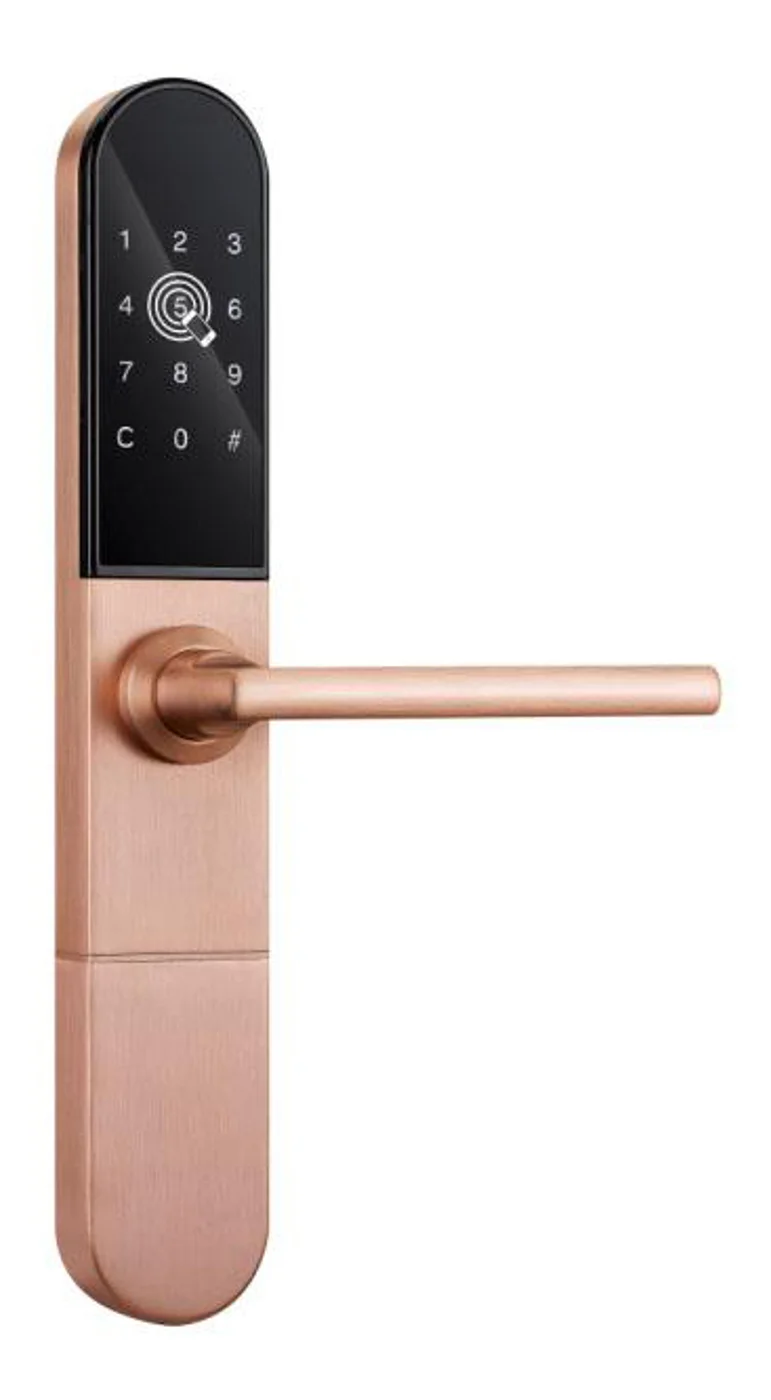
Smart Cabinet Lock — App-Managed, Multi-Site Dashboard
App-managed smart cabinet lock for office, parcel, and multi-site fleets. BLE app dashboard, audit trail, remote unlock, no per-lock server. Higher-tier chassis.
This page already points to it as the next recommended reference.
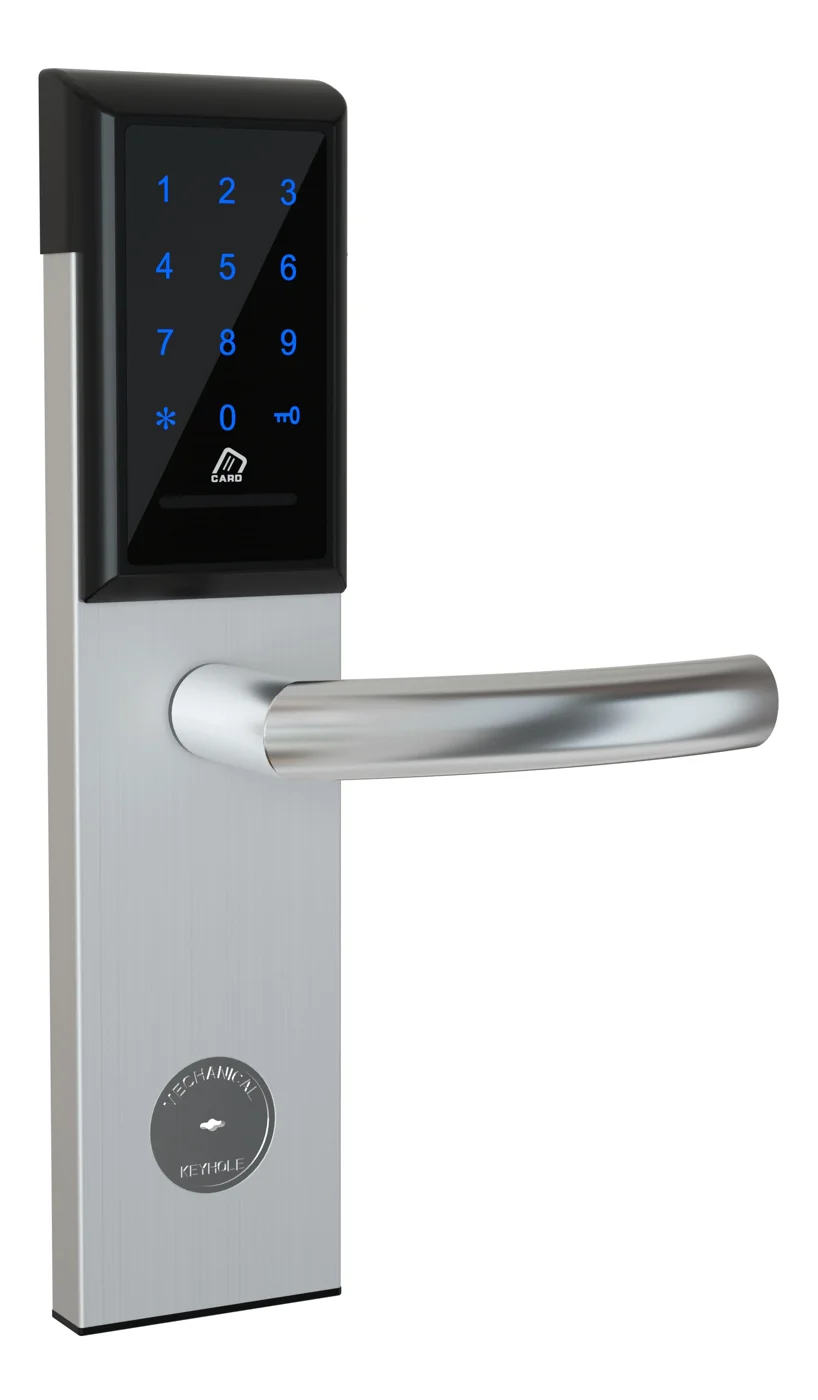
Office Cabinet Lock — PIN + Card for Filing & Pedestals
Offline PIN + card office cabinet lock for filing cabinets, pedestals, and drawers. Battery-powered 5-minute retrofit, no WiFi, no key management. CE/FCC/RoHS.
This page already points to it as the next recommended reference.
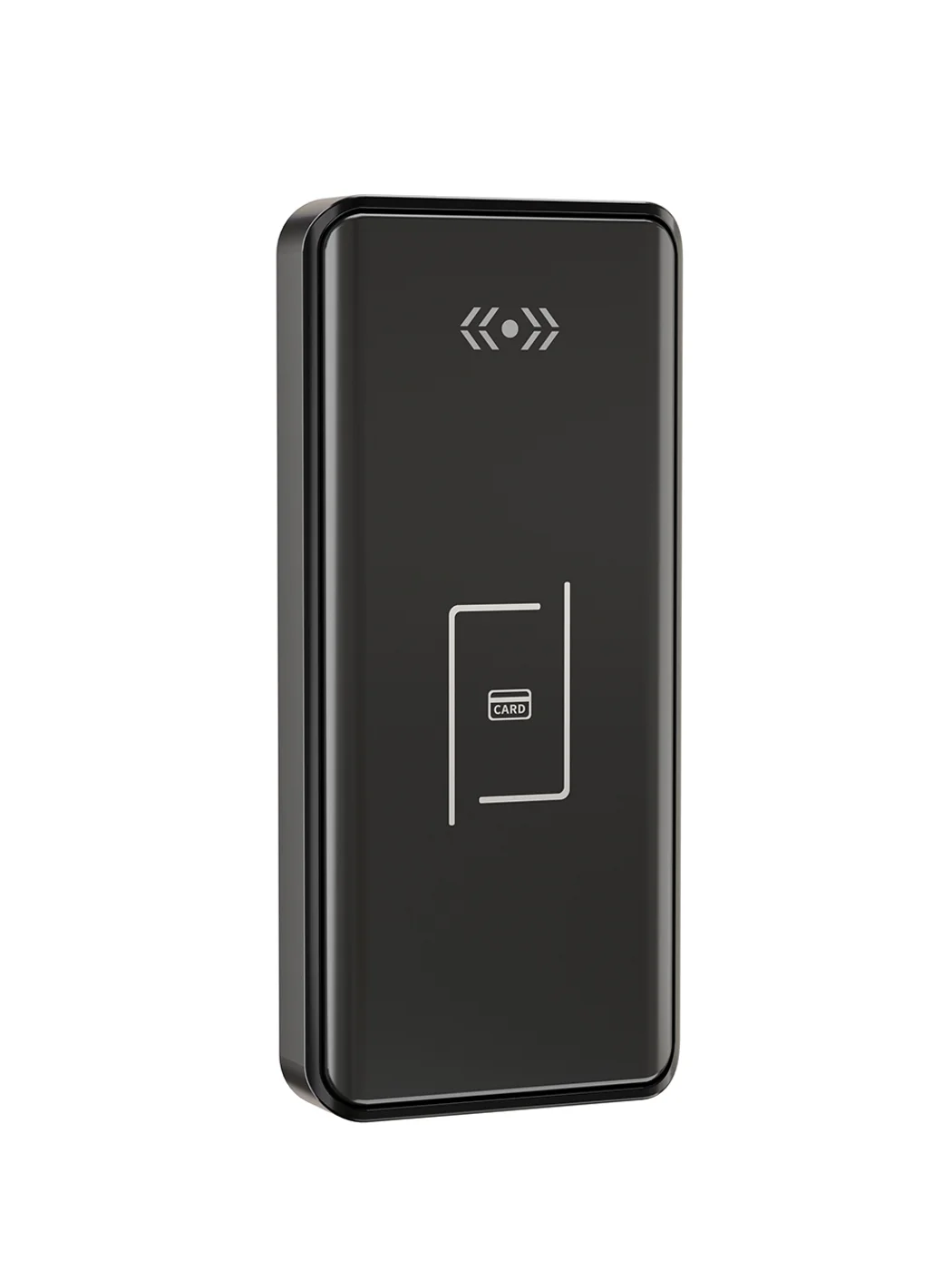
Gym Locker Lock — Offline Card, No WiFi Required
Offline card gym locker lock for fitness and pool lockers. MIFARE card, battery-powered 5-minute retrofit, no WiFi or server. Zinc alloy body, CE/FCC/RoHS.
This page already points to it as the next recommended reference.
Related blog posts
3
Electronic Cabinet Access: The Complete Guide to Digital Cabinet Entry
Electronic cabinet access replaces keyed locks with digital credentials, generating an access record and letting admins add or revoke users without touching hardware; this guide covers keypad, RFID, biometric, and connected electronic cabinet access methods.
It supports the same product context: Smart Cabinet Lock — App-Managed, Multi-Site Dashboard, Office Cabinet Lock — PIN + Card for Filing & Pedestals, Gym Locker Lock — Offline Card, No WiFi Required.
Display Cabinet Lock: The Complete Guide to Securing Glass Showcases and Retail Display Cabinets
Learn how a display cabinet lock secures glass showcases and retail displays. Compare electromagnetic, RFID, and keyed display cabinet lock types for any application.
It supports the same product context: Smart Cabinet Lock — App-Managed, Multi-Site Dashboard, Office Cabinet Lock — PIN + Card for Filing & Pedestals, Gym Locker Lock — Offline Card, No WiFi Required.
Electronic Access Cabinet: The Complete Guide to Smart Locking Enclosures
Explore electronic access cabinet systems with RFID, Bluetooth, PIN, and biometric control. Learn about powered enclosures for IT, healthcare, and evidence management.
It supports the same product context: Smart Cabinet Lock — App-Managed, Multi-Site Dashboard, Office Cabinet Lock — PIN + Card for Filing & Pedestals, Gym Locker Lock — Offline Card, No WiFi Required.
Specify your hotel project with our engineers
Send your room count, ceiling type, and protocol preference. We will return a sample plan and quote within 24 business hours.
- Move from general guidance into a product or application discussion.
- Use RFQ when pricing, drawings, MOQ, or launch timing needs structure.
- Keep a direct contact path visible for fast clarifications and handoff.