How to Buy Smart Cabinet Lock in 2026: IoT, Cloud, and Connected Cabinet Lock Purchasing Guide
Complete guide on how to buy smart cabinet lock systems for offices, retail, and healthcare. Compare WiFi, Bluetooth, and cloud-managed smart cabinet locks with vendor selection, pricing, and integration planning.
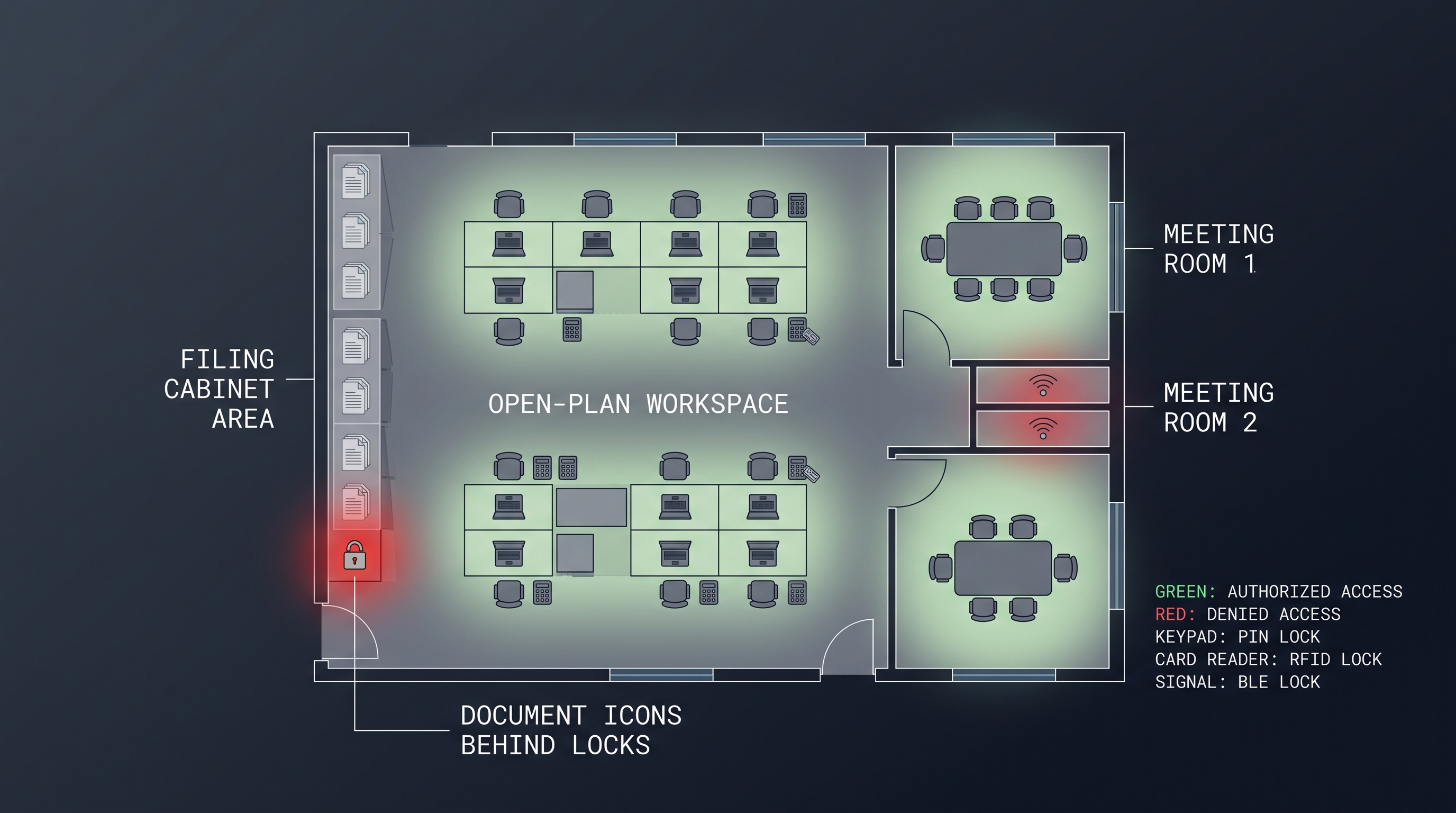
Smart cabinet locks — connected, cloud-managed, API-integrated locking devices that transform standalone cabinet access into a programmable, remotely controllable, data-generating access control system — represent the fastest-growing segment of the cabinet security market, with global adoption increasing 22% annually as organizations modernize physical security infrastructure to match the digitization of their broader operations. The decision to buy smart cabinet lock systems differs fundamentally from purchasing traditional mechanical or standalone electronic locks: it involves selecting not just a physical locking device but an IoT platform, a cloud management ecosystem, and an API integration architecture that will interact with the organization's identity management, security monitoring, and facility management software for 5-10 years. Organizations that approach the decision to buy smart cabinet lock systems with a narrow focus on lock hardware specifications — while underweighting platform capabilities, API design quality, security architecture, and vendor stability — inevitably encounter integration friction, platform limitations, and vendor lock-in that erode the operational benefits the smart lock was intended to deliver. This comprehensive purchasing guide covers every dimension of the decision to buy smart cabinet lock systems — from IoT connectivity protocol selection and cloud platform evaluation through API assessment, security review, vendor vetting, pricing negotiation, and deployment planning — providing the structured framework that IT architects, facility managers, and procurement specialists need to make informed purchasing decisions for deployments ranging from a 20-cabinet smart office to a 2,000-locker multi-site enterprise.
Why Buy Smart Cabinet Lock Systems: The Connected Security Business Case
The business case to buy smart cabinet lock systems extends beyond the eliminated key management labor and audit trail benefits of standalone electronic locks to encompass capabilities that only network connectivity and cloud management can deliver: remote access management eliminates the physical presence requirement for credential changes — when an employee departs the organization at 5:00 PM, their cabinet access is revoked within seconds via the cloud platform, rather than requiring a facility administrator to physically visit each cabinet the departing employee could access and reprogram it with a master card (a process taking 15-30 minutes per cabinet that, in practice, often takes days or weeks to complete, leaving departed employees with active cabinet access during the interim). Real-time monitoring and alerting provides immediate notification of security events — tamper detection (someone attempting to pry or drill the lock), door-held-open (a cabinet left unsecured after access), after-hours access (a credential presented outside the user's authorized time window), or repeated authentication failures (potential brute-force attack) — delivered via push notification, email, or webhook to security operations, enabling response within minutes rather than discovering the incident during the next periodic audit review (which may be weeks or months later). API integration enables the smart cabinet lock system to participate in automated workflows that eliminate manual administration entirely: when the HR system onboard a new employee, the identity provider (Azure AD, Okta) provisions the employee in the smart cabinet lock platform via SCIM 2.0 API, automatically granting cabinet access based on the employee's department and role; when the workspace booking system assigns desk 42 to an employee for Tuesday, the pedestal cabinet under desk 42 is automatically assigned to the employee's credentials for Tuesday's duration; when a parcel delivery system identifies an incoming package for a building resident, the system queries the smart cabinet lock API to find an available locker, remotely unlocks it for the delivery, and sends a pickup code to the recipient. These automated workflows, impossible with standalone electronic or mechanical locks, are the transformative value proposition that justifies the decision to buy smart cabinet lock systems for organizations with the IT infrastructure and integration appetite to leverage them.
The financial ROI of the decision to buy smart cabinet lock systems combines the operational savings from standalone electronic locks (eliminated key management labor estimated at $3,900-$16,600 annually for a 50-cabinet deployment, eliminated rekeying costs estimated at $1,500-$4,000 annually at 15% turnover, reduced theft from audit trail deterrence estimated at $700-$3,500 annually) with additional savings and revenue opportunities unique to smart connected systems: automated credential lifecycle management eliminates the 2-5 hours per week of administrator time spent on manual credential provisioning and deprovisioning (estimated $2,600-$10,400 annually for a 50-cabinet deployment), remote diagnostics and predictive maintenance reduce the 1-3% annual lock failure rate's operational impact by enabling proactive battery replacement and issue resolution before member-facing failures occur (estimated $500-$2,000 annually in avoided emergency service calls and productivity loss), and workspace utilization analytics from locker access data inform facility optimization decisions (right-sizing locker capacity, optimizing locker placement, identifying underutilized locker banks for relocation) that can defer or eliminate capital expenditure on additional locker capacity (estimated $5,000-$20,000 one-time savings for a facility considering locker expansion).
| Business Case Factor | Mechanical Keyed Lock | Standalone Electronic Lock | Smart Cabinet Lock |
|---|---|---|---|
| Key Management Labor (50 cabinets, annual) | $3,900-$16,600 | $250-$1,000 | $0 (automated via IdP) |
| Rekeying Cost (annual, 15% turnover) | $1,500-$4,000 | $0 | $0 |
| Credential Administration (annual) | $2,600-$10,400 | $1,500-$5,000 | $0 (automated via SCIM) |
| Theft/Loss Reduction (annual) | Baseline | 30-50% reduction | 50-70% reduction |
| Remote Diagnostics Value (annual) | $0 | $0 | $500-$2,000 |
| Facility Optimization Savings (one-time) | $0 | $0 | $5,000-$20,000 |
| Compliance Audit Preparation (annual) | $1,000-$3,200 | $250-$800 | $100-$300 (automated export) |
| Total Annual Value | Baseline | $8,000-$25,000 savings | $12,000-$40,000 savings |
| Hardware Investment (50 locks) | $500-$1,250 | $2,500-$4,000 | $4,000-$7,500 |
| Platform Subscription (annual) | $0 | $0 | $600-$3,000 |
| Payback Period | N/A | 1-3 months | 2-6 months |
| 5-Year Net Value | Baseline | $35,000-$120,000 | $45,000-$180,000 |
Buy Smart Cabinet Lock: IoT Connectivity Protocol Selection
When organizations buy smart cabinet lock systems, the IoT connectivity protocol selection determines network reach, power consumption, latency, installation complexity, and recurring data costs — and must be matched to the specific deployment environment and operational requirements: WiFi (IEEE 802.11 b/g/n at 2.4 GHz, supporting WPA2/WPA3 Enterprise security with 802.1x EAP-TLS certificate-based authentication) is the most common connectivity choice for indoor smart cabinet lock deployments in offices, retail, and residential buildings because it leverages existing WiFi infrastructure, provides low latency (50-150 ms round-trip for API commands enabling responsive remote unlock), and supports high data rates (1-72 Mbps effective depending on signal quality) suitable for OTA firmware updates and audit log uploads. The trade-off is relatively high power consumption (50-200 mA active current draw, reducing battery life to 8-18 months in daily-use scenarios vs 12-36 months for lower-power protocols) and signal attenuation in metal cabinet environments (metal locker and cabinet bodies act as Faraday cages, attenuating 2.4 GHz WiFi signals by 10-25 dB and potentially requiring additional WiFi access points or external antennas for adequate coverage). Bluetooth Low Energy plus gateway architecture (BLE 5.0/5.2 at 2.4 GHz, 40 channels of 2 MHz bandwidth, 0.5-5 mA active current, direct smartphone-to-lock range of 10-50 meters extended to facility-wide via BLE-to-WiFi gateway hubs costing $50-$200 each and supporting 20-50 locks per gateway) is the preferred alternative when organizations buy smart cabinet lock systems for environments where WiFi coverage is inadequate or where the value proposition includes direct smartphone interaction (BLE proximity unlock). The gateway approach reduces per-lock cost by $10-$20 compared to integrated WiFi modules while adding gateway hardware cost and creating potential single points of failure (a gateway serving 30-50 locks represents a concentration of failure risk that must be mitigated with gateway redundancy or rapid replacement procedures). LoRaWAN (868 MHz EU/915 MHz US ISM bands, Class C always-listening mode for downlink unlock commands within 1-5 seconds, AES-128 end-to-end encryption, -137 dBm receiver sensitivity enabling 2-10 km outdoor range or 5-10 floors of indoor penetration) is the connectivity choice when organizations buy smart cabinet lock systems for geographically distributed deployments across large campuses, multi-building facilities, or outdoor installations where WiFi coverage would require hundreds of access points — the extended range means a single $200-$1,000 LoRaWAN gateway can serve thousands of locks across an entire campus, dramatically reducing network infrastructure cost at the expense of higher lock response latency (1-5 seconds, acceptable for parcel lockers and library lockers but borderline for high-traffic scenarios) and very low data rates (250 bps to 50 kbps, insufficient for OTA firmware updates which must be delivered via alternative means). NB-IoT (LTE Cat-NB1/NB2, 3GPP Release 13/14, 180 kHz bandwidth within an LTE carrier, 20 dB coverage extension meaning 7x greater in-building penetration than standard LTE) provides cellular connectivity through existing mobile network infrastructure — the smart cabinet lock using NB-IoT can be deployed anywhere with mobile coverage without any on-site gateway or network configuration, making it ideal for distributed outdoor locker networks, mobile lockers on vehicles, and temporary installations. The trade-off is ongoing data subscription fees ($0.50-$2.00 per device per month) and higher per-lock hardware cost ($15-$30 premium for the NB-IoT module and SIM or eSIM).
The connectivity protocol selection for the decision to buy smart cabinet lock systems involves trade-offs across range, power consumption, latency, data capacity, deployment complexity, and recurring cost. The following comparison table provides quantitative guidance across these dimensions.
| Protocol | Frequency | Indoor Range | Power (Active/Idle) | Latency | Data Rate | Per-Lock Cost Premium | Recurring Cost | Best Deployment |
|---|---|---|---|---|---|---|---|---|
| WiFi (802.11 b/g/n) | 2.4 GHz | 30-100 m | 50-200 mA / 5-15 mA | 50-150 ms | 1-72 Mbps | $3-$8 (ESP32) | $0 (existing LAN) | Indoor office, retail, residential |
| BLE + Gateway | 2.4 GHz | 10-50 m (direct), facility (gateway) | 0.5-5 mA / <1 uA | 100-500 ms (via gateway) | 125 kbps-2 Mbps | $2-$5 + $50-$200 gateway/20-50 locks | $0 | Smartphone-interaction valued, WiFi inadequate |
| LoRaWAN (Class C) | 868/915 MHz | 2-10 km outdoor, 5-10 floors | 30-50 mA TX / <2 uA idle | 1-5 seconds (downlink) | 250 bps-50 kbps | $5-$15 + $200-$1,000 gateway/500+ locks | $0 (private) or $0.01-$0.10/device/month | Large campus, multi-building, outdoor |
| NB-IoT (Cat-NB1/NB2) | Licensed LTE | Anywhere with cellular | 120-240 mA TX / 3-5 uA PSM | 1.5-10 seconds | 20-250 kbps | $10-$25 (Quectel BC66/77) | $0.50-$2/device/month | Distributed outdoor, mobile, temporary |
| Zigbee 3.0 | 2.4 GHz | 10-100 m mesh | 15-30 mA TX / <1 uA idle | 50-200 ms (mesh) | 20-250 kbps | $2-$6 + $30-$80 border router | $0 (local) | Smart building mesh, Matter-ready |
WiFi signal attenuation in metal cabinet environments is a critical consideration when organizations buy smart cabinet lock systems with WiFi connectivity. Metal locker bodies, steel filing cabinets, and server rack enclosures act as Faraday cages, reducing 2.4 GHz WiFi signal strength by 10-25 dB depending on locker construction and antenna placement. The best smart cabinet lock designs address this by placing the antenna on the lock's exterior faceplate (where the reader surface already faces outward, providing line-of-sight to the WiFi access point), using an external antenna connector for installations where the lock body is entirely within a metal enclosure, or incorporating a phased antenna design with directional gain toward the expected WiFi access point location. Site surveys with actual locker installations — not just pre-deployment WiFi heat maps of open space — should be conducted before finalizing a WiFi-based deployment, as metal locker signal attenuation can transform a "good coverage" area into a "no coverage" dead zone. The survey should measure RSSI at each planned lock position with lockers installed and doors closed, targeting RSSI above -65 dBm for reliable operation; positions below this threshold require remediation (additional access point, external antenna, or protocol change to BLE gateway or LoRaWAN).
Buy Smart Cabinet Lock: Cloud Platform Evaluation
When organizations buy smart cabinet lock systems, the cloud management platform is as important as the lock hardware — it is the software layer through which all management, monitoring, integration, and reporting occurs, and its quality determines whether the smart lock investment delivers the operational efficiency and integration benefits that justify the premium over standalone electronic locks. Platform evaluation should assess: multi-tenant architecture (separate logical environments for different departments, client organizations, or facility locations, each with its own administrators, users, access policies, and lock inventory visible only within that tenant boundary — essential for multi-site deployments, managed service providers, and organizations with strict data isolation requirements), real-time monitoring capability (lock status displayed on a floor plan or list view, updating on event push rather than page refresh — the dashboard should show online/offline status, battery level, locked/unlocked state, and door open/closed state for every lock, with drill-down to individual lock detail for remote unlock, status history, and configuration), role-based access control (distinguishing between super administrators, tenant administrators, facility managers, and support staff with distinct permissions ensuring appropriate access and preventing privilege escalation), API-first architecture (every dashboard function available through documented REST endpoints and webhook notifications, enabling integration with external systems — parcel management software, workspace booking platforms, access control systems, and custom enterprise applications), and fleet management capability (firmware version distribution charts, battery level histograms, online status tracking with automated alerts when locks miss their heartbeat window, enabling proactive maintenance).
Event-driven architecture is the technical foundation that distinguishes the best smart cabinet lock platforms from those that merely provide a dashboard: each lock state change generates an event (JSON payload with lock ID, event type, timestamp, relevant data fields) published to an internal event bus (Kafka, AWS Kinesis, Azure Event Hubs) that feeds subscribers including the dashboard UI (for real-time status updates without page refresh), the webhook notification system (for customer integrations — HTTP POST to customer-specified endpoints on defined events), the analytics pipeline (for usage reporting and anomaly detection), and the alerting system (for triggering email, SMS, or push notifications on defined conditions such as battery low, tamper detected, or after-hours access). This architecture decouples the lock hardware from the consuming applications, enabling the platform to support diverse integration patterns: push (webhooks delivering events to customer endpoints for real-time integration), pull (REST API queries for current status or historical data), and stream (Kafka or Kinesis streaming for high-volume real-time integrations with SIEM platforms or data lakes).
| Platform Feature | Basic Tier | Professional Tier | Enterprise Tier |
|---|---|---|---|
| Multi-Tenant Architecture | No (single-account only) | Yes, up to 10 tenants | Yes, unlimited tenants, isolated instances |
| Real-Time Dashboard | Basic, manual refresh | Push-based, floor plan view | Push-based, multi-site, custom dashboards |
| Role-Based Access Control | Admin only | Admin + Manager + Staff | Custom roles, attribute-based access control |
| API (REST) | No API, mobile app only | REST + webhooks, API key auth | REST + GraphQL + MQTT, OAuth 2.0, SSO |
| Webhook Notifications | None | Basic (5-10 event types) | Full event catalog, custom payload, retry logic |
| Analytics and Reporting | None | Basic usage counts | Advanced analytics, custom reports, data export |
| Audit Trail | Local only (on lock) | Cloud, 90-day retention | Cloud, 1-7 year retention, SIEM export |
| Identity Provider Integration | None | Manual CSV import | SAML 2.0, SCIM 2.0, Azure AD, Okta |
| Uptime SLA | Best effort | 99.5% | 99.9%+ with financial penalties |
API design quality is the most important platform evaluation criterion when organizations buy smart cabinet lock systems for integration-heavy deployments. A well-designed API follows REST conventions (resource-oriented URLs: /api/v2/locks/{id}/unlock, HTTP methods mapped to operations, meaningful status codes), provides comprehensive documentation (OpenAPI 3.0 specification with interactive documentation and try-it-now capability, SDK libraries in Python, JavaScript, Java, C#, and Go), implements consistent error handling (structured error responses with error code, message, and details enabling programmatic handling), and respects rate limits (with HTTP 429 responses including Retry-After headers and X-RateLimit-Remaining headers for transparent pacing). The API should provide idempotency keys for state-changing operations — allowing clients to safely retry an unlock command without risk of executing it twice — and optimistic concurrency control (ETag or version-based locking) for configuration updates to prevent conflicting changes from multiple administrators. Evaluate the API by having a developer on your team attempt to build a simple integration during the trial period: authenticate, list locks, unlock a specific lock, retrieve audit events, and subscribe to webhook notifications. This hands-on evaluation reveals API quality issues — undocumented endpoints, inconsistent error handling, missing pagination, authentication complexity — that are invisible in slide-deck presentations and marketing API documentation.
Identity provider integration via SAML 2.0, OpenID Connect, or SCIM 2.0 is essential for enterprise deployments when organizations buy smart cabinet lock systems. When an employee joins the organization, the HR system triggers user creation in the identity provider (Azure AD, Okta, OneLogin), which should automatically provision the user in the smart cabinet lock platform (with appropriate access levels and locker assignments derived from department, role, or group membership) without any manual administrator action. When the employee changes roles, their cabinet access should update automatically. When the employee departs, their access should be revoked instantly across all systems including cabinet locks — avoiding the security gap where a departed employee's account may remain active in the cabinet lock platform for days or weeks until an administrator manually deactivates it. The best smart cabinet lock platforms with SCIM 2.0 support (System for Cross-domain Identity Management, RFC 7643/7644) provide this automated user lifecycle synchronization, reducing administrative overhead by an estimated 80-90% compared to manual user management.
Buy Smart Cabinet Lock: Security Architecture Review
When organizations buy smart cabinet lock systems, the security architecture review must evaluate data protection in transit (between lock and cloud, between cloud and API consumers), data at rest (on the lock device, in cloud storage), and the lock device itself (physical tamper resistance, secure boot, firmware integrity): data in transit from lock to cloud is protected by TLS 1.2 minimum (TLS 1.3 preferred, with cipher suites excluding known-weak algorithms — AES-256-GCM for symmetric encryption, ECDHE with P-256 or P-384 for key exchange, RSA-2048 minimum or ECDSA for server certificate authentication). WiFi connections should support WPA2-Enterprise with 802.1X EAP-TLS (certificate-based mutual authentication, where the lock presents a client certificate and the RADIUS server verifies it against the organization's PKI) or WPA3-Personal with Simultaneous Authentication of Equals (SAE) for environments without RADIUS infrastructure. BLE direct connections should implement LE Secure Connections with ECDH P-256 for the link layer and application-layer AES-128-CCM encryption for lock-specific data. The cloud platform must encrypt data at rest using AES-256 (database encryption with per-tenant key isolation, file system or object store encryption), manage encryption keys through a dedicated Key Management Service (KMS) with hardware security module (HSM) backing where compliance requires it, and enforce encryption key rotation (every 90-365 days, with previous keys retained for decryption of existing data).
On the lock device itself, the firmware must implement secure boot (the bootloader verifies a digital signature on the firmware image against a hardware-rooted public key — typically embedded in one-time-programmable eFuses or a secure element — before executing it, preventing unauthorized firmware from being loaded), encrypted firmware update delivery (AES-256-GCM encrypted firmware images signed with ECDSA or Ed25519, with version rollback protection preventing downgrade to vulnerable firmware versions), and tamper-evident logging (audit events stored with sequential hash chaining so that any log modification is detectable — SHA-256 chaining: each log entry includes the hash of the previous entry plus its own data, making retroactive alteration computationally infeasible without detection). Physical tamper detection (microswitch or Hall effect sensor triggered when the lock body is tilted or removed from its mounting) with alert generation (push notification, email, or webhook to security operations) provides an additional layer of security for unattended cabinet locations.
| Security Layer | Implementation Requirement | Verification Method | Common Weakness |
|---|---|---|---|
| Transport Encryption | TLS 1.3, restricted cipher suites | Protocol analysis, cipher scan | TLS 1.0/1.1 still enabled, weak ciphers permitted |
| WiFi Authentication | WPA2-Enterprise 802.1X EAP-TLS | RADIUS log verification | WPA2-Personal with shared PSK (unscalable, insecure) |
| BLE Link Layer | LE Secure Connections, ECDH P-256 | Protocol analyzer, key exchange verification | Legacy BLE 4.0 pairing (vulnerable to eavesdropping) |
| Data at Rest (Cloud) | AES-256, per-tenant keys, KMS | Encryption verification, key rotation audit | Shared encryption key across all tenants |
| Secure Boot | Hardware-rooted trust, signed firmware | Attempt unsigned firmware load, verify rejection | No secure boot (any firmware can be loaded via debug port) |
| Firmware Signature | ECDSA P-256 or Ed25519 | Verify signature chain, test rollback protection | MD5 or SHA-1 signatures (collision-vulnerable) |
| Tamper-Evident Logging | SHA-256 hash chaining | Attempt log modification, verify detection | Append-only log without integrity verification |
| Physical Tamper Detection | Switch/sensor, alert on lock removal | Physical disassembly, verify alert generation | No tamper sensor (lock can be removed silently) |
Penetration testing is a critical validation step for the security architecture when organizations buy smart cabinet lock systems. A comprehensive penetration test should evaluate: (1) network attack surface — scanning lock and platform endpoints, testing TLS configuration, attempting man-in-the-middle position, evaluating certificate validation; (2) API security — testing for OWASP API Security Top 10 vulnerabilities including broken object-level authorization (BOLA), excessive data exposure, lack of rate limiting, and injection flaws; (3) physical attacks — attempting to bypass the lock through side-channel analysis of power consumption or electromagnetic emissions, attempting to extract cryptographic keys through debug interfaces (JTAG/SWD) or fault injection, testing tamper detection mechanisms; (4) mobile app security — static and dynamic analysis of companion apps, credential storage review, certificate pinning validation. The best smart cabinet lock vendors commission annual penetration tests from accredited third-party firms (CREST, ISO 17025) and share executive summaries of findings with enterprise customers under NDA. Organizations buying smart cabinet lock systems for high-security applications (government, defense, financial services, healthcare) should require the vendor's latest penetration test executive summary as part of the vendor evaluation process and should consider commissioning their own independent penetration test of the deployed system before going live.
Data privacy compliance (GDPR, CCPA, LGPD) must be evaluated when organizations buy smart cabinet lock systems for deployments in jurisdictions with data protection regulations. Access logs contain personally identifiable information (user ID, locker number, timestamp, IP address if relevant) and must be treated as personal data subject to data subject access requests (DSAR), right to erasure, and data portability requirements. The platform should provide automated workflows for fulfilling DSARs — searching all data stores for records matching a specified user identifier, exporting matching records in a machine-readable format (JSON or CSV) for portability requests, and securely deleting matching records for erasure requests (within the timeframe specified by the applicable regulation — 30 days for GDPR, 45 days for CCPA). Data retention policies (configurable per tenant: 90-day default for access logs, with option to extend for compliance requirements) should be enforced automatically, with logs beyond the retention period securely purged. For biometric smart cabinet locks (fingerprint authentication), biometric data must be stored as irreversible templates (hashed feature vectors per ISO/IEC 24745, not raw fingerprint images), encrypted at rest with device-unique keys, and processed only within the lock's secure element — never transmitted off-device or stored in cloud platforms where broader disclosure requirements apply.
Buy Smart Cabinet Lock: Vendor Evaluation and Selection
When organizations buy smart cabinet lock systems, vendor evaluation must assess factors beyond the product specification sheet because a smart cabinet lock platform is a 7-10 year commitment (lock hardware service life plus platform subscription plus firmware security updates plus API compatibility), and vendor stability is paramount: vendor market longevity (5+ years in the smart lock market is the minimum for confidence; 10+ years preferred for enterprise deployments — the smart lock market has seen numerous entrants since 2018, and not all will survive the inevitable consolidation), financial stability (public company or well-funded private company with transparent financials — a vendor that exits the market leaves customers with unsupported hardware, orphaned cloud platforms, and no path to security updates, requiring complete system replacement at full cost), and commitment to the product line (recent investment in new products, active firmware development with published release cadence, visible product roadmap with communicated timelines). Customer references are the most valuable evaluation tool: request at least three references from deployments of similar scale, industry, and application, and contact those references directly with specific questions — how many lock failures have you experienced per 100 locks per year? What is the actual battery life you are achieving versus the manufacturer's claim? How responsive is technical support to P1 (critical) issues? What surprised you after deployment that you wish you had known during evaluation? What is the API integration experience like — did the documentation match reality? Reference feedback typically reveals 2-3 significant considerations absent from vendor sales presentations and product brochures.
Trial deployment is the most effective way to evaluate smart cabinet lock systems before committing to a full purchase. Request a trial kit of 5-10 locks from each short-listed vendor and deploy them in the actual environment for 30-90 days, testing with actual users, actual credentials, actual access patterns, and actual environmental conditions. The trial period reveals real-world performance differences that specification sheets obscure: WiFi/BLE signal reliability at actual locker positions (metal cabinet attenuation effects), battery performance under actual usage patterns (which rarely match laboratory conditions used for marketing claims), user acceptance (the technically superior lock may confuse users, generating support calls that cancel its technical advantage), management platform usability (the dashboard that looks clean in a demo may be frustrating when managing 200 locks daily), and API integration friction (the documentation that looks comprehensive may lack critical endpoints or have authentication complexity that slows integration development). The best vendors facilitate trial deployments by providing trial units at no cost (or refundable deposit), technical support during the trial, and a structured evaluation plan with defined success criteria.
| Vendor Evaluation Factor | What to Verify | How to Verify | Red Flags |
|---|---|---|---|
| Company Stability | Years in smart lock market, financial health | Public records, industry reputation, direct inquiry | Startup with no track record, opaque financials, recent pivot |
| Product Track Record | Deployment scale, reliability statistics | Customer references, case studies, industry reports | No references of similar scale or industry, all references are small pilots |
| Technical Support | Response time, expertise, escalation path | Test with support inquiry during trial; reference feedback | No phone support, overseas-only support team, no escalation procedure |
| API Quality | Documentation, SDK, sandbox environment | Developer evaluates API during trial | No public API documentation, no sandbox, no SDK, auth-only via proprietary token |
| Firmware Update Cadence | Frequency of security patches, feature updates | Review release history; ask about vulnerability disclosure | No updates in 12+ months, no security disclosure process, no CVE response |
| Platform SLA | Uptime commitment, financial penalties | Read SLA document; verify with references | "Best effort" only, no financial remedy for outages |
| Data Portability | Export capability, migration assistance | Test data export during trial; ask about migration support | No data export, proprietary format, no migration assistance |
| Supply Chain | Lead times, inventory, manufacturing redundancy | Place small order; verify ship-from location | 6+ week lead time, single manufacturing location, no local inventory |
Supply chain reliability has emerged as a critical vendor evaluation criterion following the global electronics supply disruptions of 2020-2023. When organizations buy smart cabinet lock systems for a deployment of 200+ locks, a vendor's inability to deliver on schedule can delay the project by months and create cascading impacts on facility opening timelines, staff training, and budget utilization. Evaluate lead times for standard orders (should be under 4 weeks for professional-tier locks), the vendor's manufacturing redundancy (multiple manufacturing locations or contract manufacturers provide resilience against single-factory disruptions), inventory practices (do they maintain local or regional inventory of standard models, or is everything built-to-order from a single factory?), and component sourcing strategies (particularly for semiconductors — vendors with diversified chip sourcing fared better than those dependent on a single supplier during the 2020-2023 shortage). Place a small order (10-20 locks) before committing to a 200+ lock purchase — this both validates lead time claims and provides additional trial units for extended testing.
Contract and commercial terms warrant careful review when organizations buy smart cabinet lock systems. Key contract provisions to negotiate include: price protection (locking in current pricing for the planned purchase quantity, particularly important for phased deployments spanning 6-18 months where component price increases could inflate Phase 2 costs), warranty terms (2-3 years standard, with the option to extend to 5 years for enterprise deployments — the warranty should cover both hardware defects and battery leakage damage, and the replacement process should be cross-ship with prepaid return label rather than requiring the defective unit to be returned before a replacement is shipped), platform subscription pricing (negotiate multi-year commitment discounts of 20-30% for a 3-year committed contract, cap annual price increases at CPI or 5% whichever is lower, and ensure the contract includes a data portability clause requiring the vendor to provide data export and API access for migration should the contractual relationship end — preventing vendor lock-in where changing platforms requires starting from scratch because access data cannot be exported), and termination assistance (requirement that the vendor provide transition support including data export, configuration documentation, and a reasonable transition period should the organization choose to change platforms — typically 90-180 days of continued platform access after contract termination notice to allow migration to an alternative platform without operational disruption).
Buy Smart Cabinet Lock: Pricing and Total Cost of Ownership
When organizations buy smart cabinet lock systems, the total cost of ownership framework spans seven cost dimensions: hardware acquisition (the lock itself, $50-$180 per lock depending on connectivity protocol and feature tier), network infrastructure (WiFi access points, BLE gateways, LoRaWAN gateways, cabling — amortized across all connected devices, $5-$30 per lock for incremental network infrastructure capacity), installation labor (physical mounting and cabling, $5-$20 per lock at contract rates, higher for new construction requiring cutout drilling), cloud platform subscription ($1-$5 per lock per month depending on feature tier — this recurring cost compounds significantly over the lock's 5-7 year lifecycle and often exceeds the one-time hardware acquisition cost), cellular data costs (for NB-IoT or LTE-M models, $0.50-$2.00 per lock per month), ongoing maintenance (battery replacement $0.50-$3.00 per lock per year depending on battery type, firmware updates via IT staff time at 1-3 hours per fleet update), and integration development (API integration with existing systems — parcel management, workspace booking, access control, custom applications — $5,000-$25,000 custom development depending on integration complexity and number of systems). For a 200-lock smart office cabinet deployment using WiFi-connected locks, the 5-year TCO typically falls in the range of $30,000-$55,000 (or $30-$55 per lock per year), with the hardware and platform subscription each representing approximately 35-45% of the total and the remaining 10-20% split across installation, maintenance, and integration.
The platform subscription cost dimension requires particular scrutiny in the TCO analysis when organizations buy smart cabinet lock systems because it recurs for the lock's entire service life and can exceed the one-time hardware cost. Subscription models include per-lock pricing ($1-$5 per lock per month), tiered pricing ($99/month for up to 50 locks, $299/month for up to 200 locks, $599/month for up to 1,000 locks), and unlimited pricing ($1,000-$5,000 per month for the entire platform regardless of lock count). The best pricing model depends on the number of locks and the growth trajectory: per-lock pricing is most cost-effective for small deployments (under 50 locks) and for deployments that grow slowly. Tiered pricing is most cost-effective for medium deployments (50-500 locks) that grow within the tier. Unlimited pricing is cost-effective for large deployments (500+ locks) and for deployments that subsidize smaller installations through large-site economics. Over a 5-year period, the platform cost for a 200-lock smart deployment ranges from $12,000 (at $1/lock/month) to $60,000 (at $5/lock/month) — organizations must evaluate whether the operational efficiency gains from cloud management (remote credential management, automated lifecycle via IdP integration, fleet health monitoring, integrated audit trail) justify the ongoing platform spend.
| Cost Dimension | WiFi Smart Lock | BLE + Gateway Smart Lock | LoRaWAN Smart Lock | NB-IoT Smart Lock |
|---|---|---|---|---|
| Hardware per Lock | $50-$100 | $40-$80 (+ $50-$200 gateway per 20-50 locks) | $60-$120 (+ $200-$1,000 gateway per 500+ locks) | $80-$150 |
| Network Infrastructure (per lock) | $5-$15 (WiFi APs amortized) | $5-$15 (gateway amortized) | $1-$3 (gateway amortized) | $0 (cellular) |
| Installation Labor (per lock) | $5-$15 | $5-$15 | $5-$15 | $5-$15 |
| Platform Subscription (per lock/month) | $1-$5 | $1-$5 | $1-$5 | $1-$5 + $0.50-$2 cellular |
| Annual Maintenance (per lock) | $1-$3 | $1-$3 | $1-$3 | $1-$3 (plus $0.50-$2 cellular/month) |
| 5-Year TCO (200 locks) | $30K-$55K | $25K-$48K | $30K-$55K | $35K-$65K |
| TCO per Lock per Year | $30-$55 | $25-$48 | $30-$55 | $35-$65 |
Integration development cost is often underestimated in the TCO analysis when organizations buy smart cabinet lock systems. While the lock platform provides APIs, the consuming application — whether it is a parcel management system, a workspace booking platform, a library circulation system, or a custom application — requires development to consume those APIs: authentication setup (OAuth 2.0 client registration, key management), endpoint integration (mapping application workflows to API calls), error handling and retry logic, and testing (unit, integration, load). A simple integration (single workflow, well-documented API, experienced development team) may take 40-80 hours at $100-$200/hour ($4,000-$16,000). A complex integration (multiple workflows, multiple systems, legacy consuming application, regulatory validation for healthcare or financial applications) may take 200-500 hours ($20,000-$100,000). The best smart cabinet lock platforms reduce integration cost by providing pre-built connectors for common systems (parcel management, workspace booking, access control), SDK libraries in multiple languages, interactive API documentation, and sandbox environments for development testing — vendors that provide these integration accelerators should be preferred when integration is a key purchase driver.
Volume pricing is a significant factor when organizations buy smart cabinet lock systems at scale. Representative volume discount tiers: 1-10 locks at 0-5% discount from list price, 10-50 locks at 10-20%, 50-200 locks at 20-30%, 200-500 locks at 30-40%, 500+ locks at 35-50%. Platform subscription pricing also benefits from volume: per-lock monthly rates typically decrease at higher lock counts, and tiered or unlimited pricing models become cost-effective at 200+ locks. Obtain quotes from 3+ vendors and be transparent about the competitive evaluation process — this typically yields the most favorable pricing as vendors compete for the opportunity. Negotiate price protection for phased deployments (locking in current pricing for Phase 2 quantities even if ordered 6-12 months after Phase 1), and negotiate platform subscription commitments (multi-year commitment discounts of 20-30% for a 3-year prepaid or committed contract).
Buy Smart Cabinet Lock: Deployment Planning and Installation
When organizations buy smart cabinet lock systems, deployment planning must coordinate physical installation, network commissioning, software configuration, and user training across a timeline that minimizes facility disruption: pre-deployment site survey verifies WiFi/BLE/LoRaWAN signal strength at each planned lock position (targeting RSSI above -65 dBm for WiFi, above -75 dBm for BLE — metal locker and cabinet bodies attenuate 2.4 GHz signals by 10-25 dB, and site surveys with actual lockers installed are essential, not just pre-deployment WiFi heat maps of open space). Cabinet survey and measurement (physically inspecting every cabinet to be secured, measuring the existing lock cutout diameter with a caliper — 19 mm or 21 mm standard, the cabinet material and thickness, the door swing direction, the clearance depth behind the lock mounting surface, and the distance from the lock cylinder axis to the locking bar or strike plate contact point) produces a spreadsheet mapping each cabinet to its specific installation requirements and identifying the 10-25% of cabinets that will require modification (oversized or undersized cutouts, double-layer construction, drawer slide interference, or non-standard strike configurations). Lock pre-provisioning (registering lock serial numbers in the management platform, assigning each lock to a specific cabinet location in the floor plan, pre-loading user access permissions and access schedules) reduces per-cabinet installation time to 5-8 minutes of purely mechanical work (mounting the lock, inserting batteries, verifying operation) rather than 15-20 minutes that includes software configuration at each cabinet. Physical installation (removing existing mechanical locks, installing smart locks, inserting batteries, testing lock/unlock operation) is performed during facility closure or off-hours to minimize disruption — a 200-locker installation performed by a 2-person team at 15 minutes per locker requires approximately 50 hours of labor, or 5-7 overnight shifts.
Network commissioning follows physical installation: verify each lock connects to its designated network (WiFi SSID, BLE gateway, LoRaWAN network server) and reports status to the cloud platform. Locks that fail connectivity verification at their installed position require remediation: repositioning the lock's antenna (if external antenna option is available), installing a WiFi range extender or BLE gateway closer to the affected lockers, or in extreme cases, relocating the locker bank to an area with adequate coverage. Software configuration (importing users via CSV or identity provider synchronization, assigning access policies and schedules, configuring alert thresholds and notification recipients, testing API integrations with consuming applications) completes the deployment. Acceptance testing (testing representative sample with actual users and credentials, verifying all access scenarios work as expected, confirming API integrations function correctly, validating alert delivery for tamper and battery-low events) provides the formal sign-off that the system is ready for production use.
| Deployment Phase | Activity | Duration (200 locks) | Responsible Team |
|---|---|---|---|
| Pre-Deployment Survey | WiFi/BLE signal measurement at each locker position | 2-3 days | IT network team |
| Cabinet Survey | Measure every cabinet: cutout, thickness, clearance, cam reach | 1-2 days | Facility maintenance |
| Lock Pre-Provisioning | Register locks in platform, assign to locations, pre-load config | 1-2 days | IT/security admin |
| Physical Installation | Remove old locks, mount new locks, insert batteries, test | 3-5 days (2-person team) | Facility maintenance |
| Network Commissioning | Verify connectivity for each lock, troubleshoot dead zones | 1-2 days | IT network team |
| Software Configuration | Import users, assign access policies, configure schedules, test API | 2-3 days | Security administrator + IT integration |
| Acceptance Testing | Test with actual users, verify all scenarios, validate alerts | 1-2 days | All stakeholders |
| User Training | Distribute credentials, provide instructions, set expectations | 1 day + ongoing | Facility manager, HR |
User training and communication is an often-overlooked phase when organizations buy smart cabinet lock systems, but it is critical to adoption success. Provide clear, simple usage instructions — a one-page card showing how to present an RFID badge (flat against the reader, hold for 1 second, wait for green light and beep), how to use the smartphone app (open app, tap unlock, hold phone near lock), how to change a PIN code (step-by-step with visuals), and what to do if the lock does not respond (check battery warning indicators, try again, contact help desk). Send the instructions by email before installation, post them near the cabinets after installation, and conduct brief in-person demonstrations during the first week after deployment. The first week will generate a spike in support requests regardless of training quality (5-15 requests per 50 users is typical), and having trained staff available to respond quickly during this period prevents user frustration from hardening into resistance to the new system. For API integrations (workspace booking, parcel management), ensure the consuming application's user interface clearly communicates the locker assignment (e.g., "Your locker is #42, tap your badge to unlock") to prevent confusion when users arrive at the locker bank.
Buy Smart Cabinet Lock: Purchasing Checklist and Final Recommendations
Organizations that buy smart cabinet lock systems following this structured purchasing process avoid the common errors — selecting the wrong connectivity protocol, underestimating platform subscription costs, failing to verify WiFi coverage in metal cabinet environments, choosing a vendor with an immature API — that undermine otherwise well-intentioned smart security upgrade projects. The purchasing process spans approximately 12-20 weeks from initial requirements definition to purchase order issuance for a typical 50-200 lock deployment, with the timeline driven primarily by the trial deployment period and the competitive vendor evaluation process.
(1) Requirements Definition (Weeks 1-2): Document scope, user population, environment, integration requirements, budget. (2) Site and Cabinet Survey (Weeks 2-3): WiFi/BLE signal survey at each locker position, cabinet measurement and compatibility assessment. (3) Technology Selection (Weeks 3-4): Connectivity protocol, lock tier, management model. (4) Vendor Evaluation (Weeks 4-12): Trial deployment 30-90 days, reference calls, API evaluation, security review. (5) Pricing and Negotiation (Weeks 10-14): Competitive quotes, TCO model, commercial term negotiation. (6) Purchase and Deployment (Weeks 14-20): PO issuance, installation, commissioning, configuration, testing, training.
For the typical 50-200 lock office deployment with existing WiFi infrastructure, the recommendation when organizations buy smart cabinet lock systems is WiFi-connected locks (802.11 b/g/n, 2.4 GHz, WPA2-Enterprise 802.1X EAP-TLS) in the professional tier ($70-$120 per lock) with a cloud management platform offering multi-tenant architecture, REST API, and identity provider integration — this configuration provides the lowest latency, highest data throughput, and lowest per-lock connectivity cost by leveraging existing infrastructure. For distributed deployments across large campuses or outdoor locations, the recommendation shifts to LoRaWAN with a private network server. For parcel delivery locker networks spanning multiple physical locations, NB-IoT cellular-connected locks provide zero-touch deployment without on-site network configuration.
| Deployment Scenario | Recommended Connectivity | Lock Tier | Platform Tier | 5-Year TCO (200 locks) |
|---|---|---|---|---|
| Office Smart Cabinet Lockers (200+) | WiFi (existing infrastructure) | Professional ($70-$120) | Enterprise | $30K-$55K |
| Multi-Building Campus (500+) | LoRaWAN (private network) | Professional ($80-$130) | Enterprise | $30K-$55K |
| Distributed Delivery Smart Cabinet Lock Network | NB-IoT (cellular) | Professional ($100-$150) | Enterprise + carrier | $35K-$65K |
| Indoor BLE Proximity Smart Cabinet Lock Use Case | BLE + Gateway | Standard ($50-$80) | Professional | $25K-$48K |
| Consumer/Small Business Smart Cabinet Lock | BLE (smartphone only) | Budget-Standard ($40-$80) | Basic (free tier) | $8K-$16K (50 locks) |
Buy Smart Cabinet Lock: Closing Guidance and Decision Framework
When organizations complete the structured evaluation process and are ready to buy smart cabinet lock systems, the final decision should be anchored to a documented scorecard comparing the short-listed vendors across the evaluation criteria: technology fit (does the access technology and connectivity protocol match the deployment environment and user population?), vendor stability (5+ years in market, transparent financials, demonstrated commitment to the product line), API quality (developer-verified documentation accuracy, comprehensive SDK, sandbox environment), security architecture (TLS 1.3, secure boot, tamper detection, encryption at rest), support quality (response time verified during trial, escalation path, 24/7 availability for critical deployments), warranty terms (2-3 years minimum, cross-ship replacement, battery leakage coverage), and total cost of ownership (5-year TCO model including hardware, platform, credentials, batteries, maintenance, integration). The vendor that scores highest on these criteria — not necessarily the one with the lowest hardware price — should be selected. The cheapest hardware price often corresponds to the most expensive total cost of ownership when hidden costs (frequent lock failures, poor battery life, limited support, immature API requiring expensive integration development) are factored in.
Common pitfalls to avoid when you buy smart cabinet lock systems include: selecting the wrong connectivity protocol (deploying WiFi locks in a metal-locker environment where WiFi signals cannot reach the lock, leading to chronic connectivity failures), underestimating platform subscription costs (deploying 200 locks at $5/lock/month without recognizing this represents $12,000/year in ongoing cost exceeding the hardware cost), failing to verify WiFi coverage with metal lockers installed (open-space coverage maps are inadequate for metal-locker environments), choosing an immature API (vendor's API looks good in marketing materials but lacks critical endpoints, requires expensive custom development, or has poor documentation), ignoring data portability (no ability to export access data for migration if the vendor relationship ends), and deploying simultaneously across all sites without Phase 1 pilot (encountering the same issues at every site simultaneously, multiplying support burden).
Organizations that buy smart cabinet lock systems should plan for continuous improvement rather than treating the deployment as a one-time event. The best platforms generate usage data that informs optimization: peak utilization times inform staffing and facility hours; locker turnover rate informs capacity planning; user behavior patterns inform access policy refinements; battery discharge curves inform maintenance scheduling; and API integration patterns inform workflow automation opportunities. The smart cabinet lock platform should be reviewed quarterly (lock health dashboards, usage analytics, user feedback, support ticket patterns), annually (warranty renewal, feature roadmap, integration expansion), and at end-of-life (technology refresh planning, data migration, hardware replacement). Organizations that engage in continuous optimization achieve the highest return on their decision to buy smart cabinet lock systems — the upfront hardware investment is just the starting point, with the long-term operational value generated through the data, automation, and integration capabilities that the smart platform enables.
| Final Decision Criterion | Weight (Suggested) | How to Score Vendors |
|---|---|---|
| Technology Fit (connectivity, access tech, environmental ratings) | 20% | Vendor product meets all documented requirements |
| Vendor Stability (years in market, financials, product roadmap) | 15% | Public records, customer references, vendor direct inquiry |
| API Quality (documentation, SDK, sandbox, REST conventions) | 15% | Developer evaluation during trial period |
| Security Architecture (TLS, secure boot, encryption, tamper) | 15% | Vendor security documentation, third-party penetration test reports |
| Support Quality (response time, expertise, escalation) | 10% | Test support inquiry during trial; reference feedback |
| Warranty Terms (duration, coverage, replacement process) | 10% | Read warranty document; test replacement process |
| Total Cost of Ownership (5-year TCO model) | 15% | Build detailed model including all cost dimensions |
Buy Smart Cabinet Lock: Summary of Key Recommendations
When you decide to buy smart cabinet lock systems, the following summary encapsulates the core guidance: always buy smart cabinet lock systems from vendors with 5+ years of market presence and demonstrable firmware update commitment, because a smart cabinet lock platform is a 7-10 year investment. When you buy smart cabinet lock technology for indoor environments with existing WiFi, choose WiFi-connected professional-tier locks ($70-$120 per lock) to leverage existing infrastructure and minimize per-lock connectivity cost. When you buy smart cabinet lock systems for metal-locker environments, conduct site surveys with actual lockers installed (not open-space heat maps) to identify WiFi attenuation dead zones before deployment. When you buy smart cabinet lock systems for multi-building campuses, choose LoRaWAN connectivity with a private network server for extended range and reduced infrastructure cost. When you buy smart cabinet lock systems for distributed outdoor locations, NB-IoT cellular connectivity provides zero-touch deployment without on-site network configuration. When you buy smart cabinet lock systems, always evaluate the cloud platform API quality by having a developer attempt a real integration during the trial period — API quality is the single best predictor of integration success. When you buy smart cabinet lock systems for enterprise deployments, require identity provider integration via SCIM 2.0 for automated user lifecycle management. When you buy smart cabinet lock systems, negotiate platform subscription terms (multi-year commitment discount of 20-30%, annual price increase cap, data portability clause) with the same rigor applied to hardware price negotiation — subscription costs compound over the lock lifecycle and often exceed hardware cost. When you buy smart cabinet lock systems for security-sensitive deployments, require the vendor's latest penetration test executive summary and verify security architecture (TLS 1.3, secure boot, tamper-evident logging, AES-256 encryption at rest).
The organizations that achieve the highest return on their decision to buy smart cabinet lock systems are those that treat the deployment as an ongoing optimization project rather than a one-time installation — reviewing usage data quarterly, optimizing access policies based on actual patterns, expanding API integrations as new workflows are identified, and refreshing technology before end-of-life requires emergency replacement. The smart cabinet lock platform generates data that no standalone lock can provide: who accessed which locker when, how long the door was open, which lockers are in highest demand, which batteries need replacement, which locks are showing early warning signs of mechanical wear. Organizations that buy smart cabinet lock systems and actively use this data for continuous improvement achieve 15-25% higher operational efficiency and 40-60% lower unplanned failure rates than organizations that simply install the locks and leave them — the platform's value is realized through active engagement, not passive deployment. The decision to buy smart cabinet lock systems is the beginning of a multi-year operational transformation, not the end of a procurement project, and the organizations that plan for that transformation achieve the full value the technology was designed to deliver. Before you buy smart cabinet lock systems, ensure your IT team is prepared for the ongoing engagement. After you buy smart cabinet lock systems, assign an owner accountable for continuous optimization. When you buy smart cabinet lock systems at scale, phase the rollout with a pilot first.
| Key Takeaway | Why It Matters When You Buy Smart Cabinet Lock Systems |
|---|---|
| Choose vendor with 5+ years market presence | Smart cabinet lock platform is a 7-10 year investment; vendor stability protects the investment |
| WiFi for indoor (existing infrastructure) | Leverages existing WiFi; lowest per-lock connectivity cost; highest data throughput |
| LoRaWAN for multi-building campus | Extended range (5 km outdoor, 10 floors indoor); single gateway serves thousands of locks |
| NB-IoT for distributed outdoor | Cellular connectivity without on-site network configuration; zero-touch deployment |
| Site survey with metal lockers installed | Metal attenuates 2.4 GHz WiFi by 10-25 dB; open-space surveys are inadequate |
| Evaluate API quality with real integration | API quality is the best predictor of integration success; marketing docs hide real quality |
| Require SCIM 2.0 for enterprise | Automated user lifecycle; 80-90% admin reduction; instant access revocation on departure |
| Negotiate subscription terms rigorously | Subscription compounds over lifecycle; often exceeds hardware cost; 20-30% multi-year discount achievable |
| Require penetration test summary for security-sensitive | Validates vendor security claims; identifies vulnerabilities before deployment |
| Plan for continuous improvement, not one-time install | Platform data enables 15-25% efficiency gains and 40-60% failure reduction through active optimization |
Part of this article content is generated by AI and optimized for professional accuracy and readability.
Not sure which sensor fits your project?
Talk to our mmWave application engineers for a free consultation.
Find the right presence sensor for your hotel project
Compare the 3 protocols, check hotel-specific case studies, and download the installation guide
Related products
3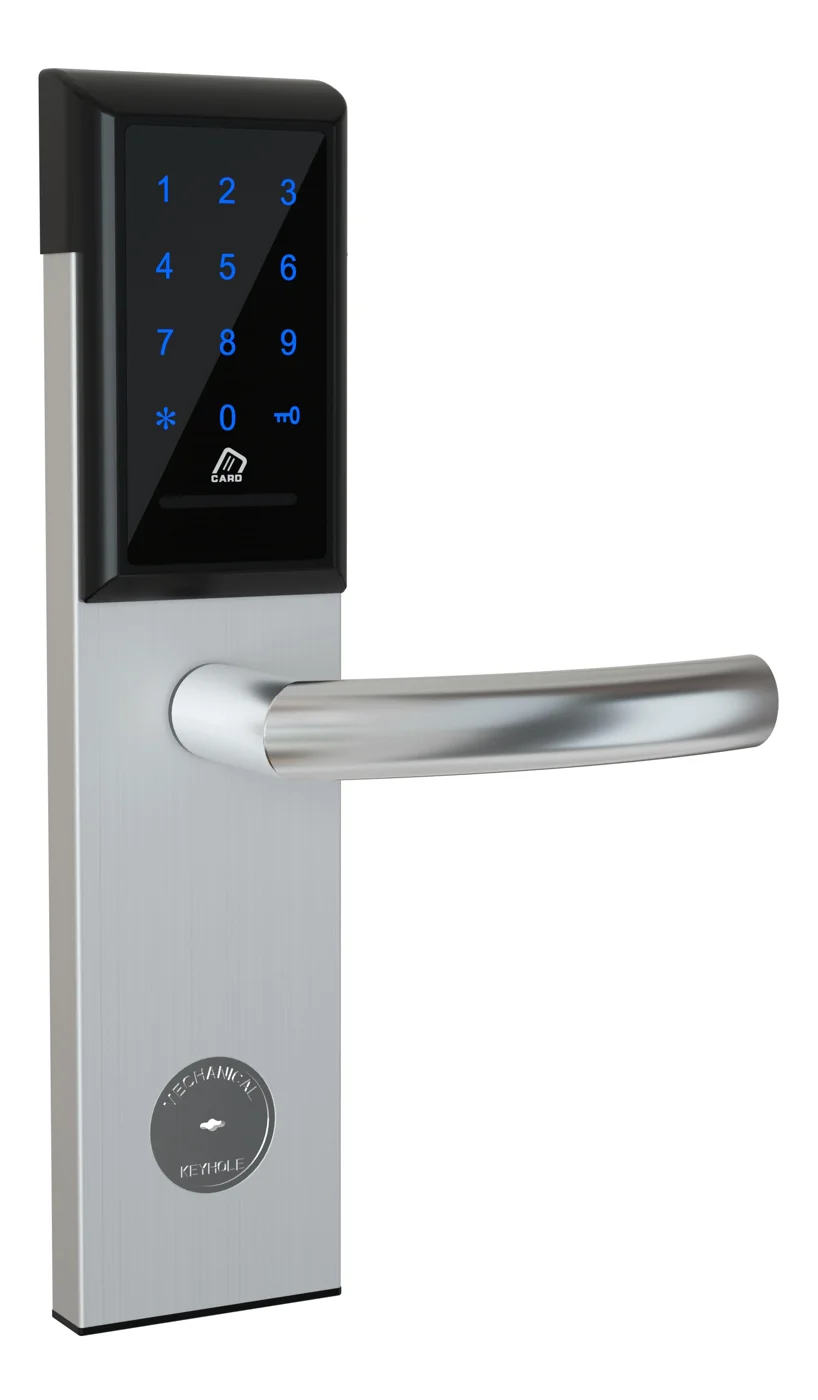
Office Cabinet Lock — PIN + Card for Filing & Pedestals
Offline PIN + card office cabinet lock for filing cabinets, pedestals, and drawers. Battery-powered 5-minute retrofit, no WiFi, no key management. CE/FCC/RoHS.
This page already points to it as the next recommended reference.
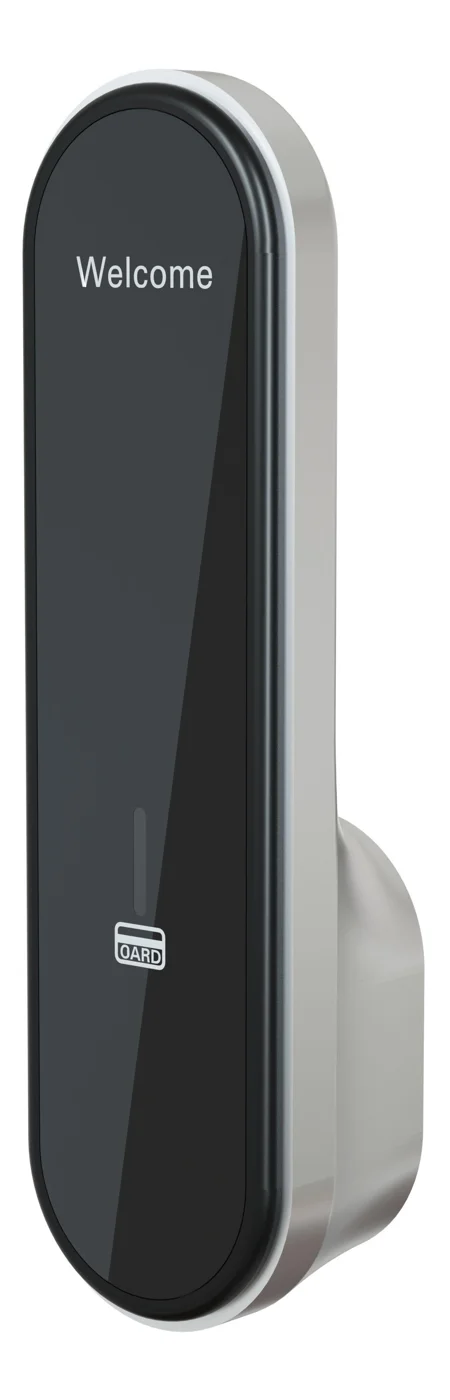
RFID Cabinet Lock — MIFARE Card, Offline Authentication
Offline MIFARE RFID cabinet lock for gym, spa, and office lockers. Tap-to-unlock 13.56 MHz, no WiFi needed, 5-minute retrofit. Zinc alloy body, battery-powered.
This page already points to it as the next recommended reference.
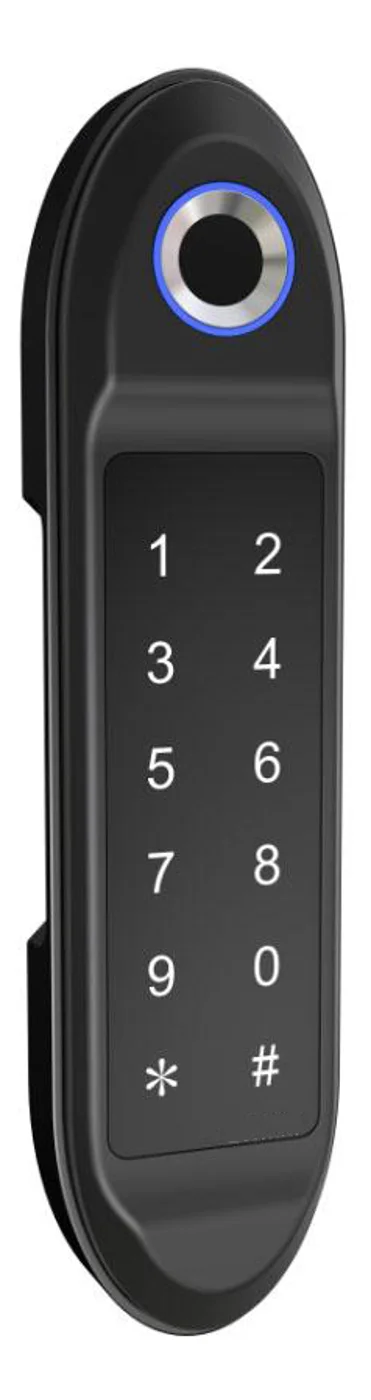
PIN Code Electronic Cabinet Lock — Stand-Alone, No WiFi
Offline keypad cabinet lock for gym, office and parcel lockers. Battery-powered, 5-minute retrofit, audit-free simple deployment. PIN + MIFARE card, DC 6V, 4×AA.
This page already points to it as the next recommended reference.
Related blog posts
3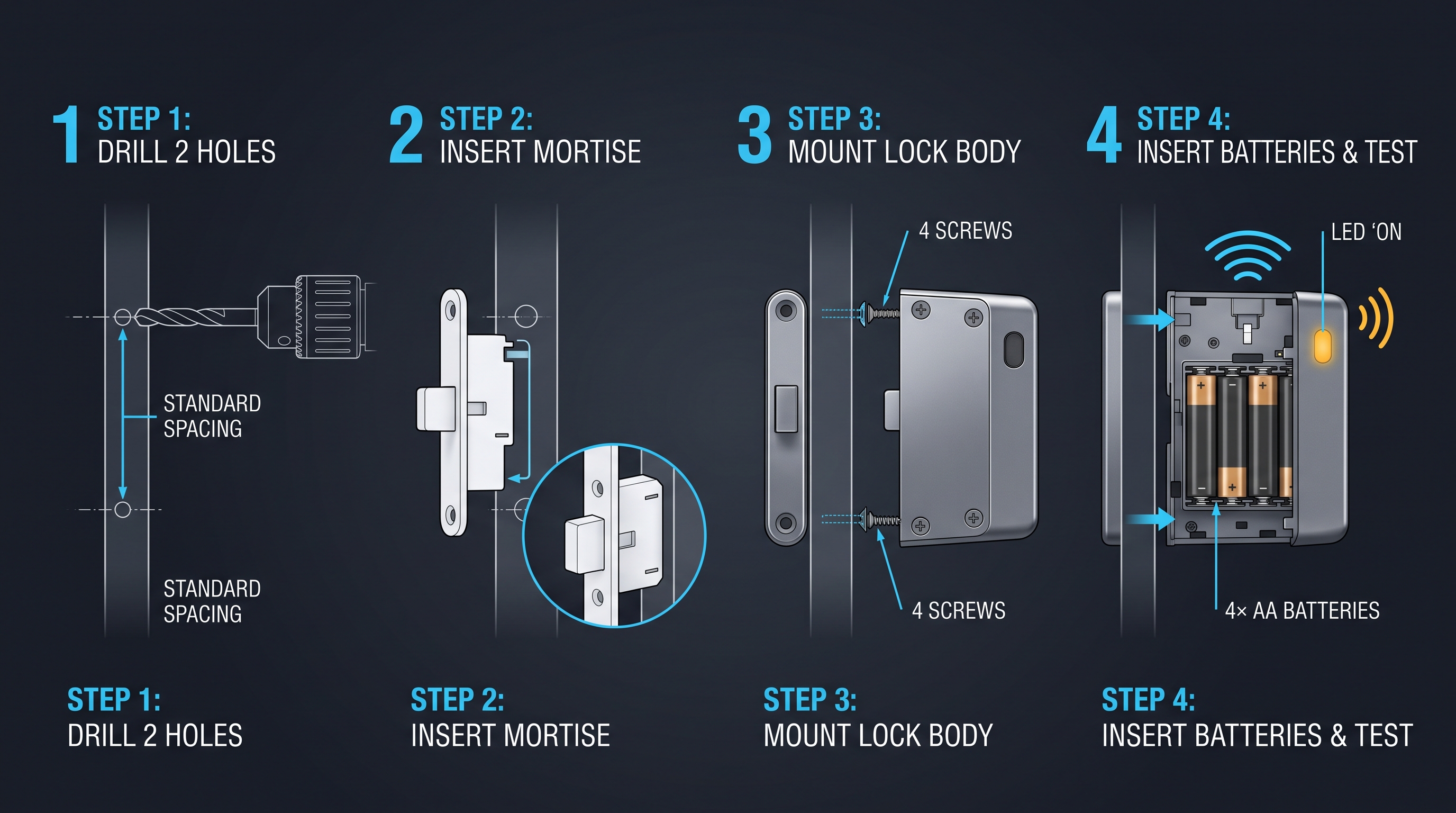
Cabinet Lock Electronic: Complete Technical Guide for 2026 Buyers and Integrators
Comprehensive guide to cabinet lock electronic systems covering types, working principles, installation, pricing, and buying criteria for commercial applications.
It supports the same product context: Office Cabinet Lock — PIN + Card for Filing & Pedestals.
Cabinet Digital Lock: Complete Technical Guide for 2026 Buyers and Integrators
Comprehensive guide to cabinet digital lock systems covering types, working principles, installation, pricing, and buying criteria for commercial and residential applications.
It supports the same product context: Office Cabinet Lock — PIN + Card for Filing & Pedestals.
cabinet latch electronic: The Complete Guide to Electronic Latches for Cabinets, Furniture, and Enclosures
Learn what a cabinet latch electronic is, how solenoid, motor, electromagnetic strike, and push-to-open electronic latches work, plus 12V/24V wiring, fail-secure vs fail-safe, relay and app control, use cases, installation, pricing, and troubleshooting.
It supports the same product context: Office Cabinet Lock — PIN + Card for Filing & Pedestals.
Specify your hotel project with our engineers
Send your room count, ceiling type, and protocol preference. We will return a sample plan and quote within 24 business hours.
- Move from general guidance into a product or application discussion.
- Use RFQ when pricing, drawings, MOQ, or launch timing needs structure.
- Keep a direct contact path visible for fast clarifications and handoff.