How to Buy Electronic Locker Lock Systems: The Complete 2026 Purchasing Guide
Learn how to buy electronic locker lock units for gyms, hotels, schools, and offices. Compare RFID, keypad, biometric, and app-based locks by price, IP rating, cycle life, and TCO.
Why You Should Buy Electronic Locker Lock Systems Instead of Mechanical Alternatives
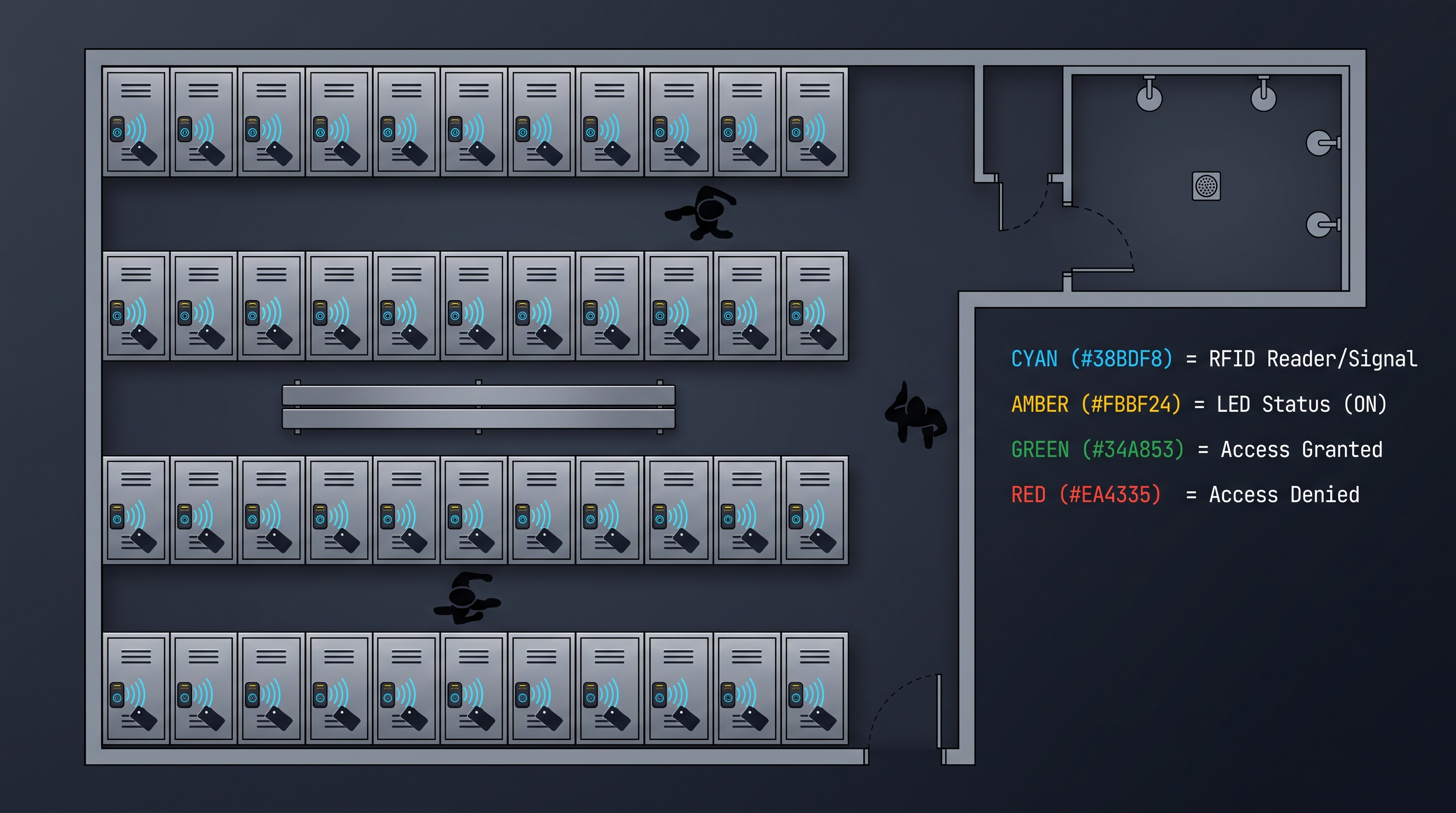
When you decide to buy electronic locker lock hardware for a commercial facility, the shift from mechanical keys to digital credentials represents more than a convenience upgrade. A typical unit you buy electronic locker lock for consumes between 5 and 20 microamps in standby mode and operates on four AA batteries that deliver 12,000 to 80,000 cycles depending on credential type and motor load. Mechanical locks, by contrast, offer zero audit trail, require physical key replacement at $3 to $8 per key when lost, and impose a 30 to 90 second average time per open-close cycle for front-desk staff. The global market for what you buy electronic locker lock units for was valued at approximately $1.2 billion in 2025 and is projected to grow at a compound annual growth rate of 11.4 percent through 2032, driven by fitness chain expansion, hotel keyless initiatives, and smart-campus deployments. Facility managers who buy electronic locker lock systems report a 40 to 60 percent reduction in lockout-related service tickets and a measurable improvement in user satisfaction scores. This guide walks through every evaluation criterion from credential technology to total cost of ownership, so you can confidently buy electronic locker lock units that match your facility's operational reality. Whether you buy electronic locker lock for a gym, hotel, school, or office, the decision framework remains consistent. The first step when you buy electronic locker lock systems is understanding credential types, because that choice determines user experience, battery life, and security level. The following sections detail exactly what to evaluate before you buy electronic locker lock hardware. The purpose of this article is to help you buy electronic locker lock units with confidence, so every major consideration is covered in depth. When you buy electronic locker lock systems, you need reliable data on cycle life, battery performance, and certification. That is what this guide provides. Before you buy electronic locker lock hardware, read each section carefully and apply the evaluation framework to your specific use case. To buy electronic locker lock units successfully, you must understand how each specification translates to real-world operational cost. This guide ensures you buy electronic locker lock products that deliver the best return on investment over a decade of service.
What to Evaluate When You Buy Electronic Locker Lock Hardware: Credential Type Comparison
The credential interface is the single most consequential decision when you buy electronic locker lock products because it determines user experience, battery life, security level, and per-unit cost. Each credential type carries specific electrical and mechanical characteristics that affect real-world performance. When you buy electronic locker lock systems, you choose among RFID, keypad, biometric, and Bluetooth-based credentials. The following table summarizes the four dominant credential technologies available when you buy electronic locker lock units as of mid-2026. This table is the first reference point when you buy electronic locker lock hardware because it directly compares the key specifications you need.
| Credential Type | Standby Current | Typical Cycles on 4xAA | Per-Lock Cost (OEM) | Average Open Time | Security Level |
|---|---|---|---|---|---|
| RFID (13.56 MHz) | 5 to 10 uA | 60,000 to 80,000 | $18 to $45 | 0.3 to 0.8 sec | Medium |
| Keypad (Membrane) | 8 to 15 uA | 40,000 to 60,000 | $12 to $30 | 2 to 4 sec | Medium |
| Keypad (Piezoelectric) | 3 to 8 uA | 70,000 to 100,000 | $28 to $55 | 2 to 4 sec | Medium-High |
| Biometric (Fingerprint) | 15 to 30 uA | 12,000 to 25,000 | $45 to $120 | 0.5 to 1.5 sec | High |
| Bluetooth/BLE App | 10 to 20 uA | 30,000 to 50,000 | $30 to $80 | 1 to 3 sec | Medium-High |
When you buy electronic locker lock systems for high-throughput environments, RFID should be your baseline consideration. RFID locks use 13.56 MHz contactless smart cards or wristbands compliant with ISO 14443A. They offer the fastest open time and the longest battery life, making them the dominant choice in fitness centers and water parks. When you buy electronic locker lock units for such environments, the credential itself costs $0.50 to $3.00 per card or band and can be deactivated instantly if lost. If you buy electronic locker lock hardware for speed-sensitive applications, RFID credentials eliminate the replacement cost spiral of mechanical keys. Many facilities that buy electronic locker lock systems for their gym choose RFID for this reason.
Keypad locks eliminate the need for any physical credential. Membrane keypad locks are the cheapest entry point if you buy electronic locker lock units on a tight budget. Piezoelectric keypad variants consume less standby power and withstand 500,000 to 1,000,000 keypress cycles compared to 100,000 for membrane. The trade-off when you buy electronic locker lock with keypad credential is that users must remember a code, which generates support calls for forgotten PINs accounting for 5 to 12 percent of all service tickets. If you buy electronic locker lock systems for an application where speed is less critical, keypad may be sufficient.
Biometric locks capture a fingerprint template and match it against enrolled users. The sensor module draws 15 to 30 uA in sleep and spikes to 80 to 120 mA during active scanning. When you buy electronic locker lock with biometric credential, battery life is shorter but security is higher. False rejection rates on modern optical sensors range from 1 to 3 percent, while capacitive sensors achieve 0.5 to 1.5 percent. If you buy electronic locker lock products for a high-security environment such as a corporate R&D lab or medical facility, biometrics provide the strongest non-repudiation audit trail. When you buy electronic locker lock units for high-security settings, biometric credentials justify the higher per-lock cost.
Bluetooth and app-based locks let users open with a smartphone via BLE 5.0 or 5.1. These locks rely on an app ecosystem and require a gateway or hub for remote management. When you buy electronic locker lock with BLE credential, you support temporary digital key sharing, time-based access windows, and over-the-air firmware updates. Battery life suffers when the radio stays in advertising mode, but modern BLE 5.1 implementations with wake-on-approach reduce standby draw to 10 to 15 uA. When you buy electronic locker lock units for a hotel or co-working space where guests already carry smartphones, app-based locks eliminate credential distribution entirely. Many buyers who buy electronic locker lock systems for hospitality choose BLE for this reason.
How to Buy Electronic Locker Lock Units by Power and Battery Life Specifications
Battery life is the operational metric that most directly affects maintenance cost and user satisfaction after you buy electronic locker lock hardware. A lock that dies mid-week forces a maintenance dispatch, inconveniences the user, and erodes confidence. Understanding the electrical engineering behind the numbers lets you specify realistic battery replacement intervals when you buy electronic locker lock systems. When you buy electronic locker lock units, battery life specifications should be verified against your actual usage patterns, not just the manufacturer's theoretical maximum.
Battery Chemistry and Voltage
The vast majority of units you buy electronic locker lock for run on 4xAA alkaline cells delivering a nominal 6.0 V. Some high-end models use a single 3.6 V lithium thionyl chloride cell (LS14500 or similar) that provides 2,200 to 2,600 mAh with a ten-year shelf life. Alkaline cells cost $0.25 to $0.50 per battery at wholesale, while the lithium cell costs $4 to $7 but lasts the entire service life of the lock. When you buy electronic locker lock systems, factor the battery replacement schedule into your labor budget: changing 1,000 lock batteries twice per year at $0.40 per battery plus 3 minutes of labor at $25 per hour adds $2,300 annually. If you buy electronic locker lock units with lithium cells, that recurring cost drops dramatically. When you buy electronic locker lock hardware, the battery chemistry choice directly impacts your long-term operating budget.
Standby Current and Active Current Profiles
The standby current draw determines how long the lock sits between cycles. A lock drawing 10 uA from a 2,000 mAh alkaline pack has a theoretical standby life of 200,000 hours. Each motor-driven latch retraction consumes 150 to 400 mA for 0.3 to 1.0 seconds, or roughly 0.0125 to 0.111 mAh per cycle. At 50 cycles per day, a lock with 60,000-cycle-rated alkaline batteries will need replacement every 1,200 to 2,000 days. You should buy electronic locker lock units that publish both standby current and per-cycle mAh consumption so you can calculate realistic replacement intervals for your specific usage pattern. When you buy electronic locker lock hardware, insist on these specifications in writing. Without this data, you cannot accurately project maintenance costs after you buy electronic locker lock systems.
Low-Battery Detection and Reserve
Quality locks include a low-battery detection circuit that triggers a visual or audible alert at 10 to15 percent remaining capacity. The reserve typically provides 200 to 500 additional cycles. Some locks feature a backup power contact: a9 V battery snap or a micro-US port on the exterior face that lets a user apply temporary power to open the lock even when internal batteries are completely depleted. This feature alone can reduce lockout-related emergency calls by70 to80 percent. When you buy electronic locker lock systems, insist on published low-battery thresholds and verify that the backup power method is compatible with your facility's standard operating procedures. This is a critical detail before you buy electronic locker lock units at scale. If you buy electronic locker lock products without backup power, you accept higher lockout-related operational costs.
Audit Trail Requirements When You Buy Electronic Locker Lock Systems
The audit trail transforms a locker lock from a simple access control device into a data-generating asset that supports security investigations, usage analytics, and compliance reporting. The depth and accessibility of audit data vary dramatically across price tiers and should be a primary evaluation criterion when you buy electronic locker lock products. When you buy electronic locker lock systems, the audit trail capability determines how much operational intelligence you gain from your investment.
On-Device vs. Cloud-Based Audit Logs
On-device audit logs store events in the lock's non-volatile EEPROM or flash memory. Typical capacities range from 500 to 10,000 events. A lock that logs every open, close, low-battery alert, and tamper attempt at 50 events per day fills a 2,000-event buffer in 40 days. When you buy electronic locker lock with on-device logging, you must physically visit the lock with a handheld programmer or connect via BLE to download the log. Cloud-based audit logs transmit events in real time over BLE to a gateway that forwards them to a cloud server. When you buy electronic locker lock systems with cloud audit, you support unlimited event retention, real-time alerts for forced-entry attempts, and remote query of any lock's status from a dashboard. If you buy electronic locker lock systems for a multi-location gym chain or a hotel with 500-plus rooms, cloud-based audit is strongly recommended despite the $2 to $8 per lock per month software fee. When you buy electronic locker lock hardware at enterprise scale, cloud audit pays for itself in operational efficiency.
What Events Should Be Logged
A minimum viable audit trail for any unit you buy electronic locker lock for should record the following event types with a precision timestamp of at least one-second resolution: lock open event with credential identifier, lock close event, failed authentication attempt, low-battery alert, tamper or shock detection, forced-entry sensor trigger, and administrative override. Each event record should include the lock serial number, the credential ID or user ID, the event type code, and a UTC timestamp. Some jurisdictions require audit trail retention for specific periods under data protection regulations, so you should buy electronic locker lock units that allow configurable retention policies or support automatic cloud archival. When you buy electronic locker lock hardware, this specification is non-negotiable for regulated environments. If you buy electronic locker lock systems without adequate audit capability, you risk compliance violations.
Audit Trail for Compliance
Facilities subject to GDPR, CCPA, HIPAA, or SOC 2 must maintain access logs for lockers containing personal belongings, medical supplies, or sensitive documents. A school district deploying what they buy electronic locker lock units for student lockers may need to produce a six-month access history for a specific locker within 48 hours of a request. When you buy electronic locker lock systems with cloud audit trails, this obligation is satisfied natively. On-device-only logs would require a staff member to visit every locker, which is impractical at scale. When you buy electronic locker lock products for any regulated environment, verify that the vendor's audit infrastructure meets your compliance obligations and that data deletion workflows exist for user right-to-erasure requests. This should be a deal-breaker criterion when you buy electronic locker lock units for any regulated setting.
IP Rating and Environmental Durability: What to Check Before You Buy Electronic Locker Lock Hardware
Ingress Protection (IP) ratings quantify a lock's resistance to dust and moisture, which directly determines where and how long the lock survives in real facility conditions. The IP rating is a verified test result governed by IEC standard 60529. When you buy electronic locker lock units, you must match the IP rating to the installation environment or face premature failure rates that can exceed 20 percent in the first year. The stakes are high when you buy electronic locker lock hardware for damp environments. When you buy electronic locker lock systems, the IP rating is one of the first specifications to verify because it determines where the lock can be installed.
IP Rating by Application Environment
The following table maps common facility types to the minimum IP rating recommended when you buy electronic locker lock units for locker doors. Use this table as a reference every time you buy electronic locker lock hardware for a new location.
| Facility Type | Recommended Minimum IP | Primary Environmental Threat | Expected Life at This IP |
|---|---|---|---|
| Indoor Office | IP40 | Dust, incidental splashes | 8 to12 years |
| School Locker Room | IP54 | Moisture, cleaning chemicals | 6 to10 years |
| Hotel Pool/Gym | IP65 | Chlorine, steam, direct spray | 5 to 8 years |
| Outdoor Pool/Water Park | IP67 | Full immersion, chlorine, UV | 3 to6 years |
| Industrial Changing Room | IP54 | Dust, oil mist, moisture | 5 to 8 years |
| Sauna/Steam Room | IP65 | Condensation, high heat, humidity | 3 to 5 years |
IP40 locks are sealed against solid objects larger than 1 mm but have no moisture protection. These are adequate for dry indoor office lockers. IP54 adds protection against splashing water, making it the minimum when you buy electronic locker lock for school locker rooms. IP65 is dust-tight and protected against low-pressure water jets, which is the standard for fitness center locker rooms. IP67 locks survive immersion in 1 meter of water for 30 minutes, necessary for outdoor aquatic facilities. When you buy electronic locker lock hardware, request the vendor's actual IP test certificate, not just a specification sheet claim. This is a critical verification step before you buy electronic locker lock systems. If you buy electronic locker lock units without verified IP ratings, you risk premature failure.
Sealing and Gasket Materials
The IP rating is only as good as the gasket material and assembly tolerances. Silicone gaskets with a Shore A hardness of 40 to 60 provide the best balance of compression set resistance and sealing force over a -20 C to +80 C temperature range. When you buy electronic locker lock units, check whether the gasket is silicone or nitrile. Nitrile rubber gaskets degrade in ozone and UV within two to three years. Some low-cost locks use adhesive foam gaskets that lose compression after 6 to 12 months. When you buy electronic locker lock products, ask whether the gasket is replaceable or molded into the housing. The PCB should be conformal-coated with acrylic or parylene to at least 50 microns thickness. If you buy electronic locker lock hardware without conformal coating, you risk corrosion-driven failure within months in humid environments. When you buy electronic locker lock systems for humid locations, conformal coating should be a mandatory requirement.
Temperature Range
Commercial locks must operate across a temperature range that reflects their installation environment. Indoor locks typically spec -10 C to +50 C. Outdoor or sauna installations may require -20 C to +70 C. Alkaline batteries lose capacity below 0 C, delivering as little as 50 percent of rated capacity at -10 C. When you buy electronic locker lock units for an unheated seasonal facility or outdoor installation, specify lithium battery models or ensure the lock supports external battery packs housed in a temperature-controlled compartment. This is an often-overlooked factor when you buy electronic locker lock systems for variable-climate installations. When you buy electronic locker lock hardware for outdoor use, temperature range specifications directly affect reliability.
Cycle Rating and Mechanical Reliability When You Buy Electronic Locker Lock Products
Cycle rating is the manufacturer's declared number of open-close operations the lock mechanism can perform before reaching end-of-life. This number is validated through accelerated life testing per ANSI/BHMA A156.25 or UL 294. A lock rated for 100,000 cycles at one open per hour in a gym will last approximately 11.4 years. The same lock in a high-traffic school corridor with 50 open-close cycles per day reaches end-of-life in 5.5 years. When you buy electronic locker lock systems, you must match the cycle rating to your projected daily usage. When you buy electronic locker lock units, cycle rating is the specification that most directly determines how long the hardware lasts.
Mechanical Wear Points
The two most wear-sensitive components in any unit you buy electronic locker lock for are the motor-gear train and the latch bolt. The motor is typically a small brushed DC motor running at 3 to 6 V with a stall torque of 20 to 80 g-cm. Brushed motors have a brush life of 50,000 to 150,000 cycles before performance degrades. Brushless DC motors are appearing in premium locks and offer 200,000 to 500,000 cycle life but add $8 to $15 to the BOM cost. When you buy electronic locker lock products, ask the vendor whether the gear train uses metal or plastic and whether replacement gear modules are available for field service. Metal gears wear more slowly and resist impact better. Plastic gears are quieter and cheaper but may strip under forced-entry attempts. If you buy electronic locker lock units for high-traffic environments, metal gears are the safer choice. When you buy electronic locker lock systems, ask for motor type and gear material in the specification sheet.
Testing Standards
ANSI/BHMA A156.25 is the most widely referenced standard for electronic locks in North America. Grade 1 locks must survive 1,000,000 cycles. Grade 2 locks 500,000 cycles. Grade 3 locks 250,000 cycles. Most commercial units you buy electronic locker lock for fall into Grade 2 or Grade 3 territory. UL 294 provides additional safety and security certification. European buyers should look for EN 14846 or EN 179 compliance. When you buy electronic locker lock hardware, request the specific test report showing the cycle count at which testing stopped and the failure mode observed. A vendor who cannot provide this data is likely selling an untested product. This is a red flag when you buy electronic locker lock systems. If you buy electronic locker lock units without verified cycle testing, you accept unknown reliability risk.
Field-Replaceable Mechanisms
Some modular locker lock designs allow the motor-gear module to be replaced in the field without replacing the entire lock assembly. The replacement module costs $8 to $20 and can be swapped in 5 to 10 minutes with a screwdriver. This approach reduces total cost of ownership significantly in high-cycle environments. When you buy electronic locker lock systems for high-traffic applications, prioritize modular designs with published MTBF data for the motor-gear subassembly. When you buy electronic locker lock units with field-replaceable mechanisms, you extend the service life of the electronics housing and credential reader across multiple gear train replacements. This modularity is a valuable feature when you buy electronic locker lock hardware for high-cycle installations.
Security Features to Verify Before You Buy Electronic Locker Lock Units
Security in a unit you buy electronic locker lock for encompasses physical tamper resistance, electronic attack resilience, and credential security. A lock that fails on any of these dimensions undermines the entire access control investment. When you buy electronic locker lock systems, security should be evaluated across all three dimensions, not just one.
Physical Tamper Resistance
A lock must resist forced entry attempts including prying, drilling, and impact. The latch bolt should be hardened steel at least 12 mm in diameter with a minimum shear strength of 2,000 N. The housing should be die-cast zinc alloy or stainless steel with no exposed screw heads accessible when the door is closed. Tamper sensors that trigger an alarm or log entry when the lock experiences shock above a configurable threshold (typically 5 to 15 g) add an important detection layer. When you buy electronic locker lock hardware, physically inspect the latch bolt material and verify that the housing screws are hidden behind the credential reader or a breakaway cover. When you buy electronic locker lock units, test the tamper sensor threshold against your facility's typical vibration levels. Physical security should be a top priority when you buy electronic locker lock systems.
Electronic Attack Vectors
Electronic attacks on locker locks have become more sophisticated. RFID locks using older 125 kHz low-frequency cards are vulnerable to cloning with a $20 Proxmark device. When you buy electronic locker lock systems, ensure they use 13.56 MHz high-frequency credentials with mutual authentication and encrypted data transfer per ISO 14443A. Keypad locks should include a mechanism to obscure the PIN entry from shoulder surfing. BLE locks should implement AES-128 encryption on the wireless link. Some premium BLE locks use Elliptic Curve Diffie-Hellman (ECDH) key exchange for session establishment. When you buy electronic locker lock products, ask whether the wireless communication is encrypted, whether credential data is stored in encrypted form on the lock, and whether the firmware can be updated to patch discovered vulnerabilities. These security questions should be answered in writing before you buy electronic locker lock units. When you buy electronic locker lock hardware, encryption is not optional for wireless models.
Credential Management Security
The security of the credential ecosystem is as important as the lock hardware itself. RFID credential issuance should use a centralized system that assigns unique identifiers and supports instant revocation. PIN codes should be minimum 4 digits for low-security and minimum6 digits for medium-security applications. Biometric templates should be stored on the lock itself rather than transmitted to a central database. App-based credentials should use token-based authentication with short-lived session tokens and mandatory re-authentication after a configurable idle timeout. When you buy electronic locker lock units for a multi-user environment, evaluate the credential management dashboard for role-based access control, bulk enrollment and revocation capabilities, and integration with your existing identity provider via SAML, LDA P, or SCIM. These capabilities matter a great deal when you buy electronic locker lock systems for enterprise deployments.
Price Tiers and Budget Planning When You Buy Electronic Locker Lock Systems
Understanding the price landscape helps you set realistic budget expectations and avoid overpaying or underspending. The following table presents typical per-lock pricing across quality tiers as of August 2026, based on quantities of 100 to 500 units. This table should guide your budget when you buy electronic locker lock hardware.
| Quality Tier | Price Range per Lock | Typical Credential | Build Quality | Cycle Rating | Warranty |
|---|---|---|---|---|---|
| Economy | $12 to $25 | Membrane keypad, 125 kHz RFID | Plastic housing, foam gasket | 30,000 to 50,000 | 1 year |
| Mid-Range | $25 to $55 | 13.56 MHz RFID, Piezo keypad | Zinc alloy housing, silicone gasket | 80,000 to 150,000 | 2 to 3 years |
| Premium | $55 to $120 | Biometric, BLE + RFID combo | Stainless steel or zinc, replaceable gasket | 200,000 to 500,000 | 3 to 5 years |
| Enterprise | $120 to $250 | Multi-credential, PoE option | Full metal, tool-resistant, UL 294 listed | 500,000 to 1,000,000 | 5 years |
Economy-tier locks are suitable for low-traffic internal applications. When you buy electronic locker lock units at this tier, budget for a 5 to 10 percent annual failure rate and keep spare units in stock for quick replacement. These are the cheapest units you buy electronic locker lock for but carry the highest long-term risk. If you buy electronic locker lock systems at economy tier, plan for higher maintenance costs.
Mid-range locks represent the sweet spot for most commercial facilities. A zinc alloy housing with a silicone gasket, a 13.56 MHz RFID reader, and a metal-gear motor module deliver reliable performance at a price point that supports 100-plus unit deployments. Most mid-range locks include basic audit trail capability and a backup power contact. When you buy electronic locker lock products at this tier, you can expect a three-year warranty and published cycle test data. For most buyers who buy electronic locker lock systems, mid-range delivers the best value.
Premium and enterprise locks are justified in high-traffic environments, security-sensitive applications, or installations where lock failure creates significant liability. Enterprise locks often include Power over Ethernet (PoE) capability, eliminating battery replacement entirely. PoE locks cost $150 to $250 but remove the ongoing battery labor cost of $1 to $3 per lock per year. The break-even point for PoE versus battery locks is typically 3 to 5 years. When you buy electronic locker lock systems for a flagship facility where uptime is critical, consider PoE or hardwired options despite the higher upfront investment. When you buy electronic locker lock hardware for such applications, the TCO often favors the premium tier.
MOQ, Samples, and Procurement Strategy When You Buy Electronic Locker Lock
Minimum Order Quantity (MOQ) and sample policies vary significantly between manufacturers and distributors. Your procurement approach depends on whether you buy electronic locker lock for a single-site pilot or a multi-location enterprise rollout.
Manufacturer MOQ Ranges
Direct factory purchases from Chinese OEMs typically carry MOQs of 500 to 2,000 units per model. Some manufacturers offer a reduced MOQ of 100 to 300 units for standard models with no custom logo or packaging. Custom colors, custom RFID credential encoding, or branded packaging push MOQ to 1,000 to 3,000 units. Established brands sold through distributors have no MOQ at the per-order level but you pay a 20 to 40 percent distributor markup. When you buy electronic locker lock hardware directly from a manufacturer, negotiate a sample order of 5 to 20 units at a discounted rate before committing to full MOQ. A reputable manufacturer will apply the sample cost toward the first production order when you buy electronic locker lock units at scale.
Sample Evaluation Protocol
Before you commit to a full production run after you buy electronic locker lock samples, run the following evaluation protocol over a minimum of 14 days. First, install the samples in your actual facility environment, not on a test bench. Real humidity, temperature variation, and user behavior reveal issues that bench testing misses. Second, log every failure, every battery drain event, and every user complaint. Third, measure actual battery drain with a multimeter to verify standby current matches the specification sheet. Fourth, perform at least 1,000 open-close cycles on each sample. Fifth, test the credential reader at the maximum distance specified and at a45-degree angle. A sample that passes this protocol with zero failures has a high probability of performing well at scale when you buy electronic locker lock units in production quantities. When you buy electronic locker lock systems, sample testing is the most cost-effective risk mitigation strategy.
Negotiating Terms
When you buy electronic locker lock units in production quantities, negotiate the following terms in the purchase agreement: a12 to24 month warranty period with advance replacement for defective units, a2 to3 percent spare parts buffer included in the purchase price, access to the vendor's firmware update files for the warranty duration, and a documented returns process for defective units with a30-day resolution window. If the vendor cannot provide a firmware update mechanism, consider that the lock will be stuck with whatever bugs exist at time of manufacture. When you buy electronic locker lock systems, these contractual protections are as important as the hardware specifications. If you buy electronic locker lock units without these terms, you accept avoidable supply chain risk.
Certifications and Compliance Requirements When You Buy Electronic Locker Lock Hardware
Certifications are not optional paperwork. They represent independent verification that the product meets safety, electromagnetic compatibility, and security standards required for legal sale and insurance coverage in your jurisdiction.
Mandatory Certifications by Region
| Region | Required Certifications | Typical Cost per Model | Testing Timeline |
|---|---|---|---|
| United States | FCC Part 15B, UL 294 or UL 1037 | $15,000 to $40,000 | 8 to 16 weeks |
| European Union | CE (EMC Directive 2014/30/EU, RED 2014/53/EU), RoHS, WEEE | $12,000 to $35,000 | 8 to 14 weeks |
| United Kingdom | UKCA (equivalent to CE) | $10,000 to $30,000 | 8 to 14 weeks |
| Australia/NZ | RCM, AS/NZS 4268 | $8,000 to $20,000 | 6 to 12 weeks |
| China | CCC, SRRC | $6,000 to $18,000 | 6 to 10 weeks |
| Japan | VCCI, MIC, JIS | $10,000 to $25,000 | 8 to 14 weeks |
FCC Part 15B covers unintentional radiators while Part 15C covers intentional radiators (RFID, BLE, Wi-Fi). When you buy electronic locker lock systems with wireless connectivity, the lock must pass both sections. UL 294 is the standard for access control system units and includes performance, endurance, and line security tests. CE marking requires compliance with the EMC Directive and the Radio Equipment Directive. RoHS certification verifies the product does not contain restricted hazardous substances. When you buy electronic locker lock hardware, request PDF copies of all certification certificates and verify the certificate number on the issuing body's website. Counterfeit certification claims are not uncommon among uncertified manufacturers, so this verification step is essential when you buy electronic locker lock units. When you buy electronic locker lock systems, certification verification should be a mandatory pre-order step.
Insurance and Liability Implications
Many commercial property and liability insurance policies require that electronic access control equipment meet UL or equivalent standards. Installing non-certified locks can void coverage for theft or damage claims involving lockers. Additionally, some local fire codes require that locks be fail-safe (unlock on power loss) rather than fail-secure (stay locked on power loss) in egress paths. Verify with your local fire marshal before installation. When you buy electronic locker lock hardware, confirm with your insurance provider whether UL listing or equivalent certification is required for your policy to remain valid. This is a risk management step you should not skip when you buy electronic locker lock systems. When you buy electronic locker lock units, certification directly affects your insurance coverage.
Vendor Vetting: How to Evaluate Suppliers When You Buy Electronic Locker Lock Systems
The quality of the vendor is as important as the quality of the lock. A well-made lock from an unresponsive vendor creates operational headaches that no specification sheet can solve.
Vendor Evaluation Checklist
Use the following checklist when evaluating any vendor from whom you plan to buy electronic locker lock units. A vendor who scores positively on at least 8 of the10 criteria is likely reliable. A vendor who scores below 5 should be avoided regardless of price.
- Manufacturing footprint: Does the vendor own their factory or contract manufacture? Owners have more control over quality and lead times when you buy electronic locker lock systems.
- Years in business: Locker lock manufacturing experience of 5-plus years indicates market stability.
- Reference customers: Can the vendor provide three to five customer references with installations of 500-plus units that you can contact?
- Warranty claim rate: What is the vendor's actual warranty return rate as a percentage of units shipped? Below 3 percent is excellent.
- Technical support: Is technical support available in your time zone during business hours?
- Firmware update policy: Does the vendor provide firmware updates for security patches and bug fixes?
- Spare parts availability: Can you order individual components or must you buy complete lock assemblies?
- Customization capability: Can the vendor customize color, logo, packaging, or firmware behavior?
- Financial stability: Request a credit check or D&B report for large orders when you buy electronic locker lock hardware.
- Communication responsiveness: Does the vendor respond to email inquiries within 24 hours with clear answers?
Red Flags When Vetting Vendors
Certain behaviors should disqualify a vendor immediately when you buy electronic locker lock products. These include refusing to provide certification certificates or claiming certifications are in progress without a timeline, quoting prices 40 percent or more below the market average, being unable to explain technical specifications of their own product, having no publicly verifiable physical address, requesting full payment upfront without a letter of credit or escrow arrangement, and offering a warranty period shorter than 12 months. When you buy electronic locker lock units, any of these red flags is sufficient reason to walk away. If you buy electronic locker lock systems from a vendor showing these red flags, you accept significant supply chain risk.
On-Site Factory Audit
For orders exceeding 5,000 units or for enterprise deployments, invest in an on-site factory audit or hire a third-party inspection service such as SGS, Bureau Veritas, or TUV Rheinland. The audit should verify incoming quality control testing of electronic components, in-process quality control at the assembly line, final quality control testing including cycle testing and IP rating verification on a statistical sample, calibration records for test equipment, and ESD protection measures at assembly stations. An audit report costs $1,500 to $4,000 but can prevent a catastrophic quality failure. When you buy electronic locker lock systems at enterprise scale, this due diligence is non-negotiable. When you buy electronic locker lock units in large volumes, factory audits protect your investment.
Total Cost of Ownership Analysis When You Buy Electronic Locker Lock Systems
Total cost of ownership (TCO) extends far beyond the per-unit purchase price. A comprehensive TCO model captures hardware, installation, credential provisioning, battery replacement, maintenance, software fees, and decommissioning. The following table compares TCO across three scenarios for a500-locker deployment over a10-year period. Use this table as a reference when you buy electronic locker lock systems to project your full costs.
| Cost Category | Economy Tier ($18/lock) | Mid-Range ($40/lock) | Premium ($90/lock) |
|---|---|---|---|
| Hardware (500 units) | $9,000 | $20,000 | $45,000 |
| Installation labor | $5,000 to $8,000 | $5,000 to $8,000 | $5,000 to $8,000 |
| Credential provisioning | $1,500 to $3,000 | $1,000 to $2,000 | $500 to $1,500 |
| Battery replacement (10 yr) | $7,000 to $12,000 | $4,000 to $7,000 | $1,000 to $3,000 |
| Maintenance and repairs | $6,000 to $15,000 | $2,000 to $5,000 | $500 to $2,000 |
| Software/cloud fees (10 yr) | $0 | $0 to $5,000 | $6,000 to $30,000 |
| Replacement units (failures) | $3,000 to $6,000 | $500 to $2,000 | $0 to $500 |
| Decommissioning | $1,000 to $2,000 | $1,000 to $2,000 | $1,000 to $2,000 |
| 10-Year TCO | $32,500 to $55,000 | $33,500 to $51,000 | $59,000 to $92,000 |
The TCO analysis reveals that mid-range locks often deliver the lowest total cost over a decade despite a higher per-unit price than economy locks. The economy tier's higher failure rate and shorter battery life erode the upfront savings within 2 to 4 years. Premium locks with PoE capability can approach mid-range TCO in high-utilization environments. When you buy electronic locker lock systems, run a TCO model using your actual labor rates, battery costs, and expected utilization before making a final decision. When you buy electronic locker lock units, the TCO spreadsheet is your most important planning tool. If you buy electronic locker lock hardware without running a TCO analysis, you risk making a suboptimal financial decision.
Hidden Costs to Include
Several hidden costs frequently escape the initial budget when you buy electronic locker lock hardware. RFID credential cards cost $0.50 to $3.00 each and must be replaced at a rate of 5 to 15 percent annually due to loss or wear. For a 500-locker installation with two credentials per user, that is $500 to $4,500 per year in credential replacement alone. Installation hardware including mounting brackets, security screws, and cable management adds $2 to $5 per lock. Training for maintenance staff on battery replacement, audit log retrieval, and troubleshooting adds $500 to $2,000. Integration with existing access control or property management systems may require custom API development at $5,000 to $25,000. When you buy electronic locker lock systems, request a TCO worksheet from the vendor and compare it against your own modeled assumptions. This analysis helps you decide where to buy electronic locker lock units with full cost visibility.
How to Buy Electronic Locker Lock Systems for Gyms and Fitness Centers
Fitness centers represent the largest single market for what you buy electronic locker lock for, accounting for approximately 35 percent of global demand. The operational requirements of a gym locker room are distinct and demand specific evaluation criteria.
High-Throughut Credential Requirements
A busy gym processes 500 to 3,000 locker transactions per day during peak hours. Members expect to open their locker in under one second. RFID wristbands or fobs with 13.56 MHz technology are the industry standard when you buy electronic locker lock systems for gyms. When you buy electronic locker lock units for a gym, specify RFID locks with a read range of 20 to 40 mm to prevent accidental openings when a member walks past adjacent lockers. The credential should be waterproof to IP68 for pool and shower use. Some gyms use a two-credential model, but converged credential platforms that support both functions on one wristband are now available. When you buy electronic locker lock hardware for a fitness chain, this convergence reduces per-member credential costs. Most gyms that buy electronic locker lock systems choose RFID for speed and durability.
Moisture and Chemical Resistance
Gym locker rooms expose locks to chlorine, humidity, cleaning chemicals, and temperature swings. When you buy electronic locker lock systems for gyms, the lock must have a minimum IP54 rating with IP65 strongly recommended for locks installed near showers or pools. The gasket should be silicone rather than NBR. The battery compartment should have a separate drain channel that routes condensation away from the electronics. Some gym-specific locks include a hydrophobic coating on the PCB and gold-plated battery contacts that resist corrosion. When you buy electronic locker lock hardware for a fitness facility, request an IP65-rated sample and run a72-hour salt-spray or humidity chamber test before committing to a full order. This testing step is critical when you buy electronic locker lock units for wet environments.
Integration with Gym Management Software
Modern gyms expect locker lock systems to integrate with their membership management platform. Integration enables automatic locker assignment when a member checks in, time-limited access that expires when the member leaves, and real-time locker availability dashboards. Most gym management platforms including Mindbody, ClubOS, and Fitli offer API-based integration with major locker lock brands. When you buy electronic locker lock systems for a fitness chain, verify that the lock vendor has a published API and a demonstrated integration with your specific management platform before signing a purchase order. This is a make-or-break factor when you buy electronic locker lock units for multi-location gym operations.
How to Buy Electronic Locker Lock Systems for Hotels
Hotel locker lock applications differ from gym applications in aesthetic requirements, guest turnover frequency, and the need for integration with the property management system (PMS).
Aesthetic and Space Considerations
Hotel locker locks are typically installed in health club locker rooms, spa areas, and poolside cabanas. The lock design must complement the interior design language of the property. Brushed stainless steel, matte black, and satin nickel finishes are common. The lock should be low-profile, protruding no more than 15 to 25 mm from the door surface. Some hotel-specific locks offer a concealed mounting design where only the credential reader surface is visible. When you buy electronic locker lock units for a hotel property, request finish samples matched to your locker manufacturer's hardware finish before ordering production quantities. When you buy electronic locker lock hardware for luxury properties, the aesthetic is as important as the technical specification.
Guest Turnover and Credential Recycling
Hotel lockers experience daily turnover as guests check out and new guests arrive. The lock system must support fast and reliable credential recycling. RFID-based systems allow front-desk staff to encode a new credential in under10 seconds. App-based systems allow guests to check in digitally and receive a locker assignment with a time-limited digital key. When you buy electronic locker lock systems for a hotel, specify a minimum of10,000 credential recycle operations on the lock memory without performance degradation. The lock should support a configurable auto-release time: when the guest's session expires, the lock automatically opens and resets for the next user. When you buy electronic locker lock units for hotel spa applications, this auto-release feature directly impacts guest satisfaction scores.
Property Management System Integration
Hotel lockers are typically managed through the same PMS that handles room assignments. Integration standards include ONITY, VingCard, and ASSA ABLOY's Visionline for room locks. When you buy electronic locker lock hardware for a hotel, verify that the vendor has an existing integration with your PMS platform and that the integration supports automated locker assignment and revocation. The locker lock system should support the same RFID credential format used for guest room keys so that one card opens both the room and the assigned locker. When you buy electronic locker lock systems for a hotel, this convergence eliminates an entire credential issuance workflow. Many hotels that buy electronic locker lock units choose converged credential systems for this reason.
How to Buy Electronic Locker Lock Systems for Schools
School locker deployments present unique challenges including high student turnover, rough handling, budget constraints, and specific safety regulations.
Durability Under Heavy Use
School lockers experience some of the highest abuse rates of any installation environment. Students may kick, slam, or hang from locker doors. When you buy electronic locker lock units for schools, the lock must withstand impact loads of 50 to 100 N on the latch and 200 to 300 N on the housing without disengaging. The latch bolt throw should be a minimum of 18 mm to ensure proper engagement even if the door is slightly misaligned. The housing should have no sharp edges or pinch points. Some school-specific locks include a breakaway latch design that prevents damage to the internal mechanism if the door is forced open while locked. When you buy electronic locker lock systems for a K-12 school, request impact test data and inspect the latch mechanism for vulnerability to defeat with a thin shim or credit card.
Code and Safety Compliance
School locker locks must comply with local fire codes and safety regulations. In many jurisdictions, locker locks in schools must be fail-safe, meaning they unlock automatically when power is lost to prevent students from being trapped. The lock must also allow emergency override from a master key or credential that authorized staff can use to open any locker without damaging the door. ANSI/BHMA Grade 2 certification is the minimum recommended for school applications. When you buy electronic locker lock hardware for a school, verify with the local fire marshal that the fail-safe behavior is compliant and that the emergency override procedure is documented and practiced with staff.
Budget Optimization for Schools
School budgets are typically constrained, making mid-range locks at $25 to $40 per unit the most common choice when you buy electronic locker lock systems for education. Some vendors offer educational pricing with a 10 to20 percent discount for accredited institutions. Grant funding through state-level technology programs can offset hardware costs. When you buy electronic locker lock units for a school, request educational pricing explicitly and ask the vendor whether they have experience with school grant-funded procurement processes. When you buy electronic locker lock hardware through grants, verify that the vendor's pricing structure aligns with procurement compliance requirements.
How to Buy Electronic Locker Lock Systems for Offices
Office locker installations serve a different purpose than gym or school lockers: they support hot-desking, secure storage for mobile workers, and day-use lockers for visitors. The operational requirements emphasize aesthetics, scalability, and integration with building management systems.
Hot-Desking and Flexible Work Integration
Modern offices use hot-desking models where employees select a workspace each day. When you buy electronic locker lock systems for an office, the lock system should integrate with the desk booking platform so that when an employee books a desk, a locker is automatically assigned nearby. Integration with platforms such as Envoy, Robin, OfficeRnD, or Salesforce Workplace is increasingly common. The lock should support temporary credentials that expire at the end of the business day and auto-release any forgotten belongings to a lost-and-found process. When you buy electronic locker lock units for an office, verify that the vendor has a published API and can provide integration documentation for your specific desk booking platform.
Aesthetic and Noise Requirements
Office locker locks operate in a quiet environment where noise from mechanical operation is noticeable. When you buy electronic locker lock hardware for an office, the lock mechanism should produce less than45 dB of audible noise during operation, roughly equivalent to a quiet library. Battery drain monitoring should be integrated with the facility management dashboard so that maintenance staff receive automated alerts before a lock fails. The lock housing should be available in finishes that match the office furniture, including brushed aluminum, white, black, and custom RAL colors for large deployments. When you buy electronic locker lock units for an office, request a noise level measurement in the vendor's specification sheet and test a sample in a quiet room before ordering.
Scalability and Centralized Management
Office deployments often start small and expand as the organization grows. When you buy electronic locker lock systems for an office, the lock system should support scaling from a50-locker pilot to2,000 lockers without requiring hardware replacement of the management infrastructure. Cloud-based management platforms with per-lock pricing of $1 to $4 per month typically support unlimited scaling. The management dashboard should provide real-time status of every lock including battery level, last open time, and error state. When you buy electronic locker lock units for an office environment, prioritize vendors that offer a tiered software licensing model that allows you to start with basic functionality and add features as your needs evolve.
Installation Best Practices After You Buy Electronic Locker Lock Hardware
Proper installation is critical to achieving the rated performance and lifespan of electronic locker locks. A lock installed incorrectly may exhibit reduced battery life, higher failure rates, or compromised security.
Pre-Installation Site Survey
Conduct a site survey before installation begins. Measure door thickness, door alignment, and frame condition. Locker doors that are warped, misaligned, or have excessive gaps between the door and frame will cause latch binding and premature motor wear. The ideal door-to-frame gap is 2 to 4 mm. Measure the backset distance from the door edge to the center of the lock mounting hole. Most electronic locker locks are designed for a38 mm or50 mm backset. When you buy electronic locker lock units, request installation templates and check them against your actual locker dimensions before drilling any holes.
Wiring and Battery Installation
For battery-powered locks, ensure the battery contacts are clean and corrosion-free before inserting batteries. Use branded alkaline batteries from manufacturers such as Energizer, Duracell, or Panasonic. Generic batteries have higher internal resistance and lower capacity, which reduces cycle life by 15 to30 percent. For PoE or hardwired locks, verify that the power supply is within the specified voltage range. Use a multimeter to confirm voltage at the lock termination point before connecting. Improper voltage is a leading cause of premature lock failure in wired installations. When you buy electronic locker lock hardware, document these installation procedures in your facility's standard operating manual.
Post-Installation Testing
After installation, test every lock through at least10 open-close cycles to verify latch alignment, credential reading reliability, and battery contact integrity. Test the backup power method if available. Verify that the low-battery warning functions correctly by temporarily installing partially discharged batteries. Document the lock serial number, installation date, and battery installation date in a central asset register. When you buy electronic locker lock systems, include the asset register template as a deliverable in your purchase agreement so the vendor provides the required data fields.
Maintenance and Lifecycle Management for Electronic Locker Locks
Ongoing maintenance determines whether your locker lock investment delivers the expected service life or requires premature replacement.
Battery Replacement Scheduling
Establish a battery replacement schedule based on your actual usage data rather than the manufacturer's maximum claim. For a lock rated at 60,000 cycles in an environment averaging 30 cycles per day, schedule replacement at 40,000 cycles or3.6 years, whichever comes first. This conservative approach captures the20 to30 percent capacity degradation that alkaline batteries experience over time. Use the lock's audit trail to track actual cycle counts per lock and identify outliers that are draining faster than expected. When you buy electronic locker lock systems, negotiate a battery replacement kit that includes batteries, a calibration tool, and a replacement gasket if applicable.
Firmware Updates
Treat firmware updates as a maintenance activity, not an optional upgrade. Security vulnerabilities in embedded firmware are discovered regularly, and a lock that cannot receive updates becomes a security liability. Establish a firmware update cadence of at least once per year. For cloud-managed locks, firmware updates should be automatic or push-initiated from the management dashboard. When you buy electronic locker lock units, confirm the firmware update mechanism and the vendor's track record of issuing security patches. This is an ongoing responsibility after you buy electronic locker lock hardware.
End-of-Life Planning
Electronic locker locks have a finite service life determined by cycle count, corrosion, and electronic component aging. Plan for a system-wide refresh at8 to12 years for indoor installations or5 to8 years for outdoor or high-humidity installations. When replacing locks, verify that the new locks are compatible with your existing credential system and mounting hole pattern. Some vendors offer a trade-in program where old locks are credited toward the purchase of new units. When you buy electronic locker lock hardware, ask about the vendor's end-of-life support policy and whether replacement parts will be available for at least five years after the model is discontinued.
Summary: Making the Final Decision When You Buy Electronic Locker Lock Systems
The decision to buy electronic locker lock systems for your facility involves balancing credential technology, battery life, environmental durability, security features, certifications, vendor reliability, and total cost of ownership across a10-year horizon. Start by documenting your facility's specific requirements: daily transaction volume, environmental conditions, user credential preferences, compliance obligations, and budget constraints. Map these requirements against the credential types, IP ratings, cycle ratings, and price tiers discussed in this guide to narrow your options to two or three viable vendor-product combinations.
Request samples from each shortlisted vendor and run the14-day evaluation protocol described earlier. Contact the vendor's reference customers, especially those with installations similar to yours in scale and environment. Request certification certificates and verify them on the issuing body's website. Run a TCO model using your actual labor rates, battery costs, and utilization assumptions.
When you are ready to buy electronic locker lock units, negotiate a purchase agreement that includes warranty terms, spare parts, firmware update access, and a returns process. Plan your installation with a pre-installation site survey and a post-installation testing protocol. Establish a maintenance schedule that covers battery replacement, firmware updates, and end-of-life planning.
The electronic locker lock market offers reliable solutions at every price point, but the lowest purchase price rarely delivers the lowest total cost of ownership. Investing in mid-range or premium locks with proven certification, published cycle data, and a responsive vendor partner will save you money and operational headaches over the life of your installation. Whether you buy electronic locker lock for a gym, hotel, school, or office, the principles in this guide will help you make an informed, confident purchasing decision. When you buy electronic locker lock systems, you are investing in infrastructure that serves your users daily for a decade or more. Choose wisely. When you buy electronic locker lock units, use the framework in this guide to evaluate every option thoroughly. When you buy electronic locker lock hardware, prioritize quality over lowest price. When you buy electronic locker lock systems, partner with vendors who provide certification, cycle data, and responsive support. To buy electronic locker lock units successfully, apply the criteria and TCO analysis from this guide. Before you buy electronic locker lock systems, run the sample evaluation protocol. After you buy electronic locker lock hardware, follow the installation and maintenance best practices. This comprehensive approach ensures you buy electronic locker lock products that deliver reliable, cost-effective service for years.
Part of this article content is generated by AI and optimized for professional accuracy and readability.
Not sure which sensor fits your project?
Talk to our mmWave application engineers for a free consultation.
Find the right presence sensor for your hotel project
Compare the 3 protocols, check hotel-specific case studies, and download the installation guide
Related products
3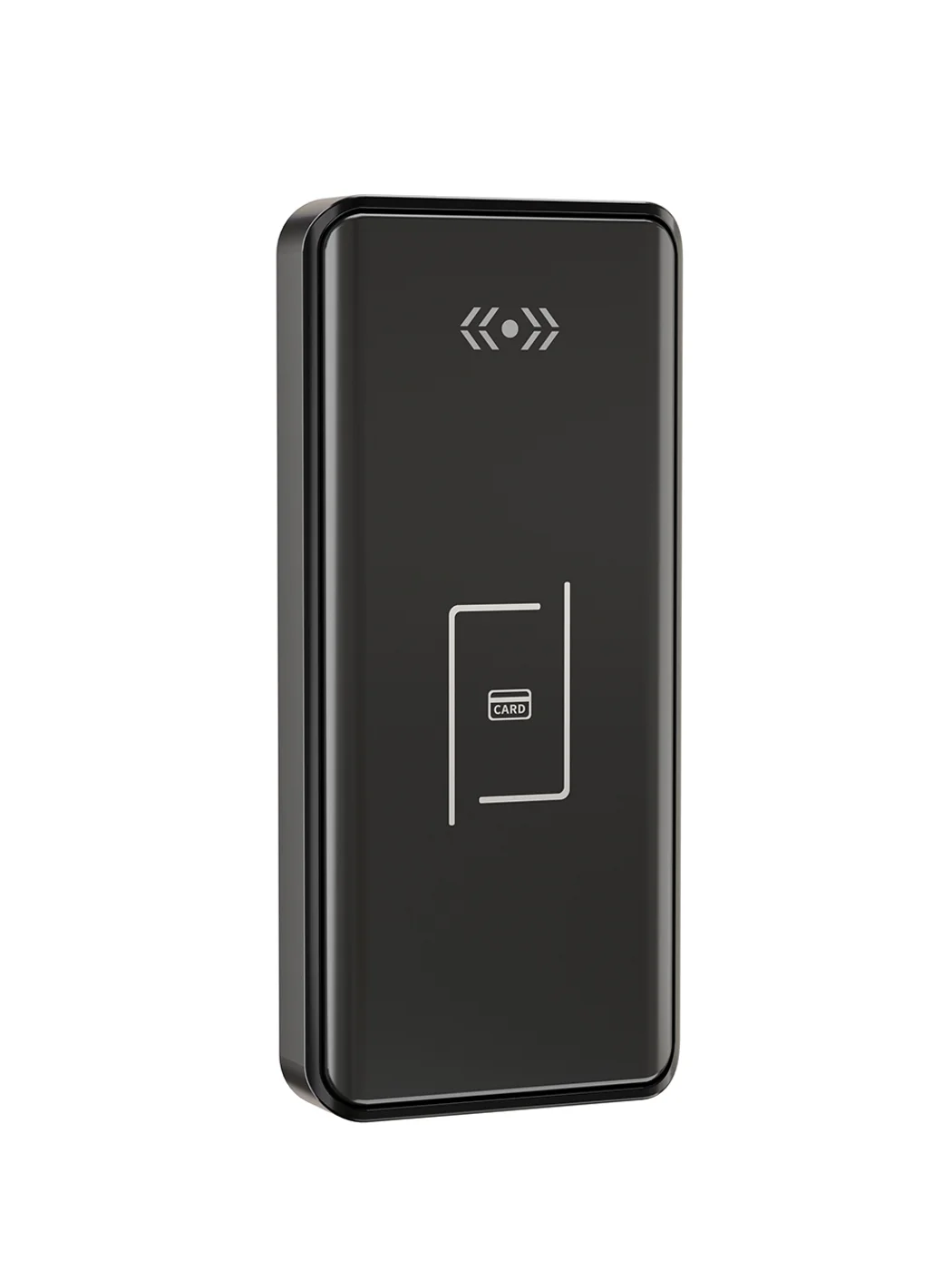
Gym Locker Lock — Offline Card, No WiFi Required
Offline card gym locker lock for fitness and pool lockers. MIFARE card, battery-powered 5-minute retrofit, no WiFi or server. Zinc alloy body, CE/FCC/RoHS.
This page already points to it as the next recommended reference.
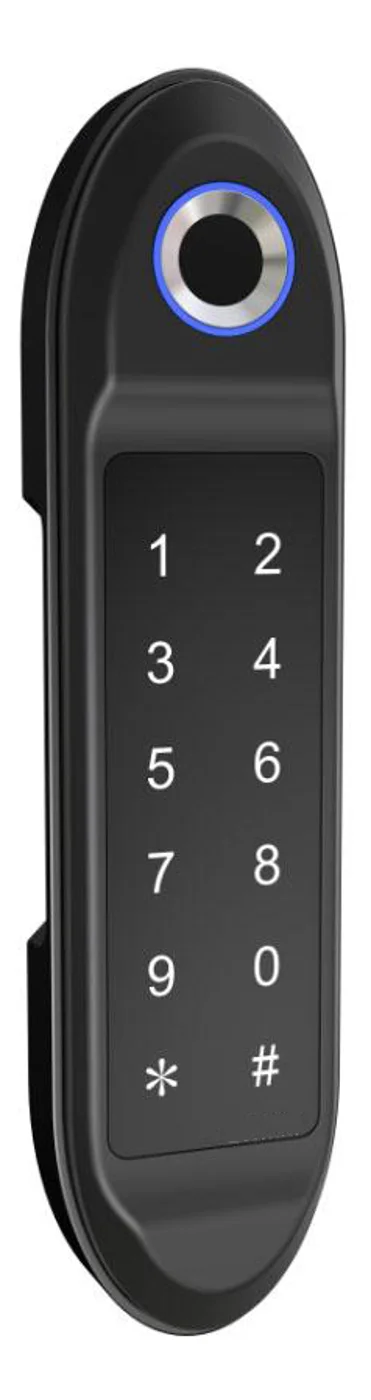
PIN Code Electronic Cabinet Lock — Stand-Alone, No WiFi
Offline keypad cabinet lock for gym, office and parcel lockers. Battery-powered, 5-minute retrofit, audit-free simple deployment. PIN + MIFARE card, DC 6V, 4×AA.
This page already points to it as the next recommended reference.
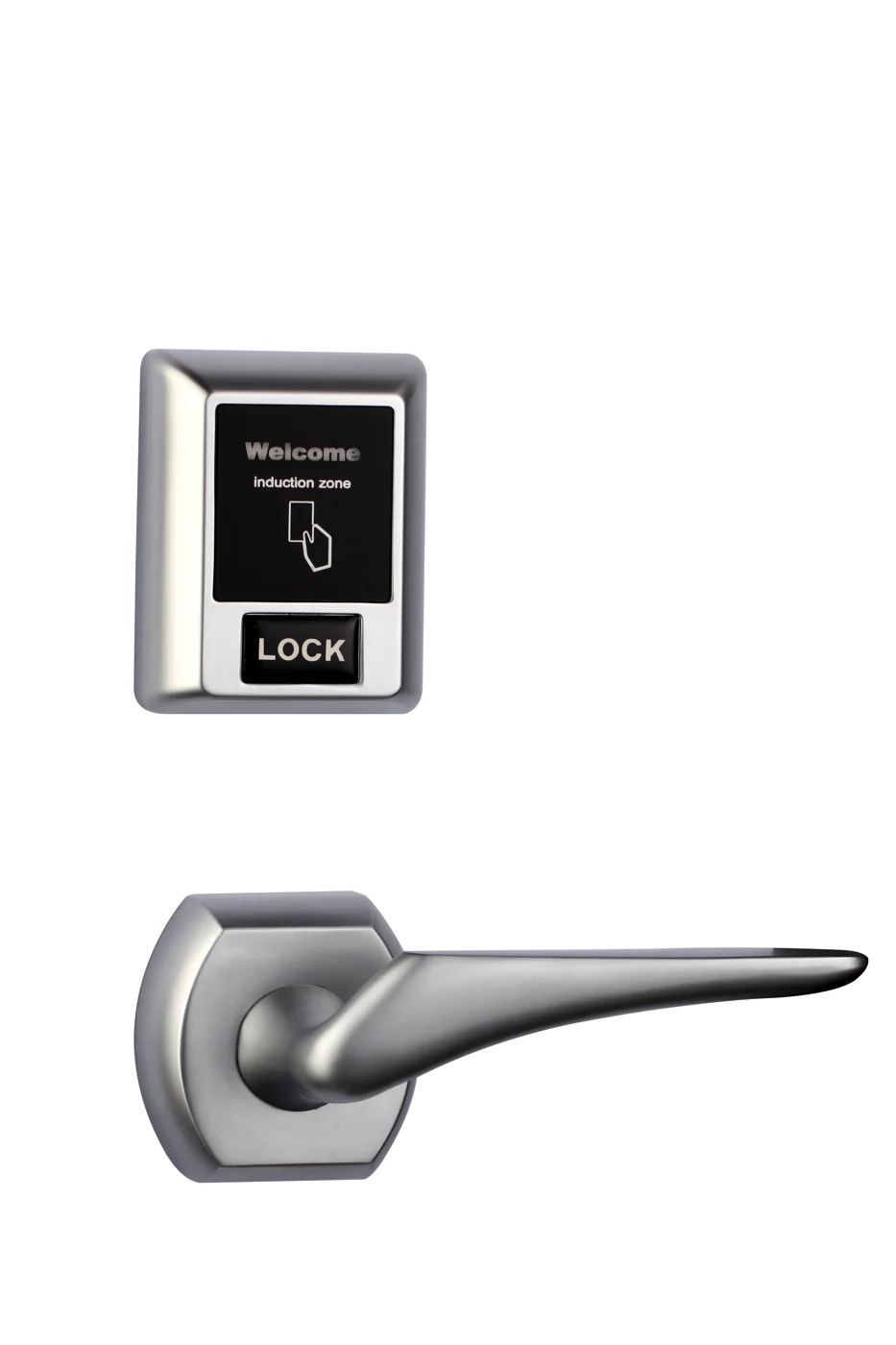
Bluetooth Cabinet Lock — App + PIN + Card, Managed Fleet
Offline BLE app cabinet lock for parcel, office, and managed locker fleets. App + PIN + MIFARE card, remote credential management, no server dependency, battery-powered retrofit.
This page already points to it as the next recommended reference.
Related blog posts
3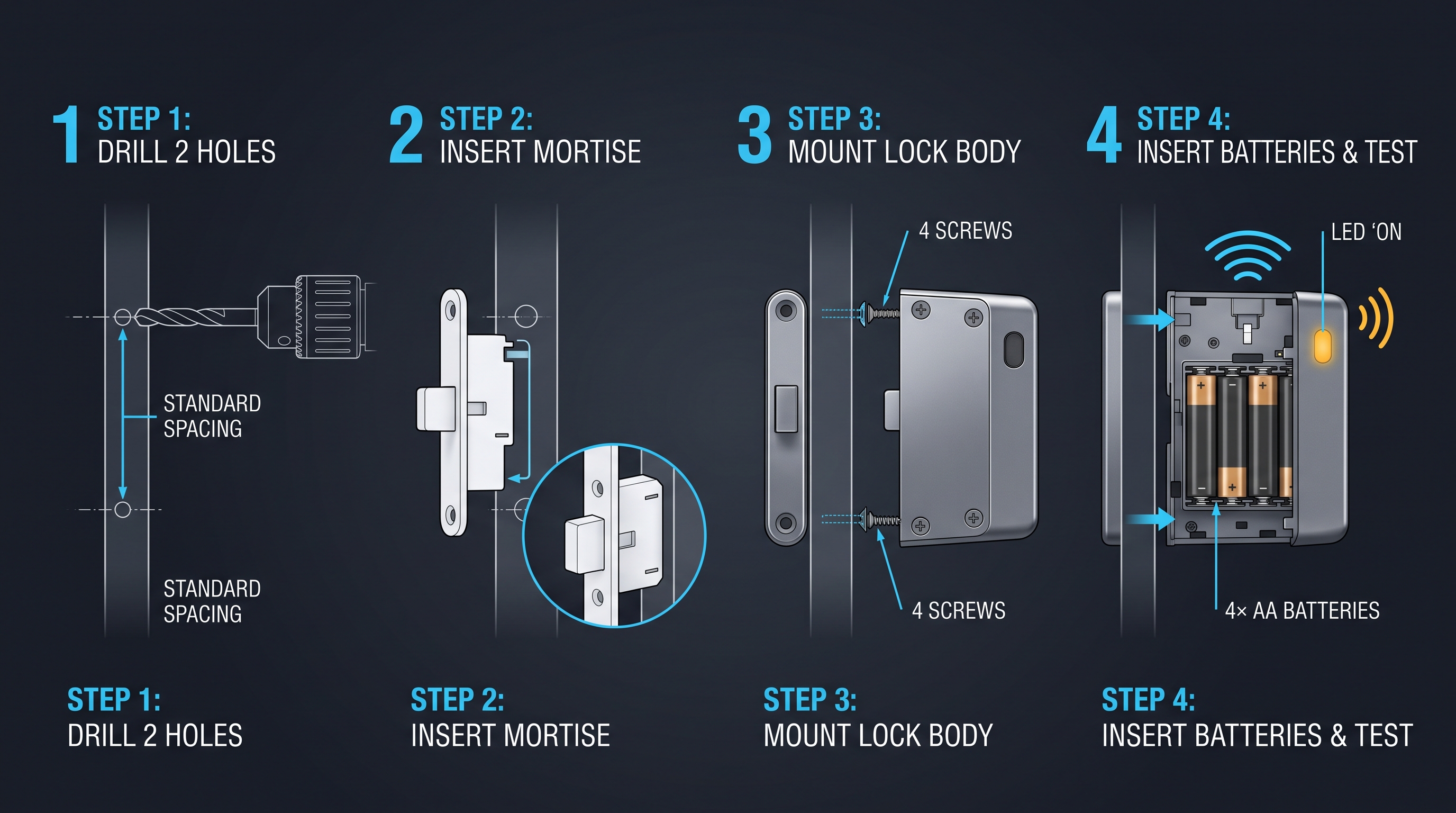
Cabinet Lock Electronic: Complete Technical Guide for 2026 Buyers and Integrators
Comprehensive guide to cabinet lock electronic systems covering types, working principles, installation, pricing, and buying criteria for commercial applications.
It supports the same product context: Gym Locker Lock — Offline Card, No WiFi Required.
Cabinet Digital Lock: Complete Technical Guide for 2026 Buyers and Integrators
Comprehensive guide to cabinet digital lock systems covering types, working principles, installation, pricing, and buying criteria for commercial and residential applications.
It supports the same product context: Gym Locker Lock — Offline Card, No WiFi Required.
cabinet latch electronic: The Complete Guide to Electronic Latches for Cabinets, Furniture, and Enclosures
Learn what a cabinet latch electronic is, how solenoid, motor, electromagnetic strike, and push-to-open electronic latches work, plus 12V/24V wiring, fail-secure vs fail-safe, relay and app control, use cases, installation, pricing, and troubleshooting.
It supports the same product context: Gym Locker Lock — Offline Card, No WiFi Required.
Specify your hotel project with our engineers
Send your room count, ceiling type, and protocol preference. We will return a sample plan and quote within 24 business hours.
- Move from general guidance into a product or application discussion.
- Use RFQ when pricing, drawings, MOQ, or launch timing needs structure.
- Keep a direct contact path visible for fast clarifications and handoff.