Bluetooth Locker Lock: Complete Guide to Wireless Smart Locker Security and Member Management
Comprehensive guide to choosing a bluetooth locker lock covering BLE technology app management proximity unlocking audit trails pairing and deployment across gyms offices schools and transit lockers.
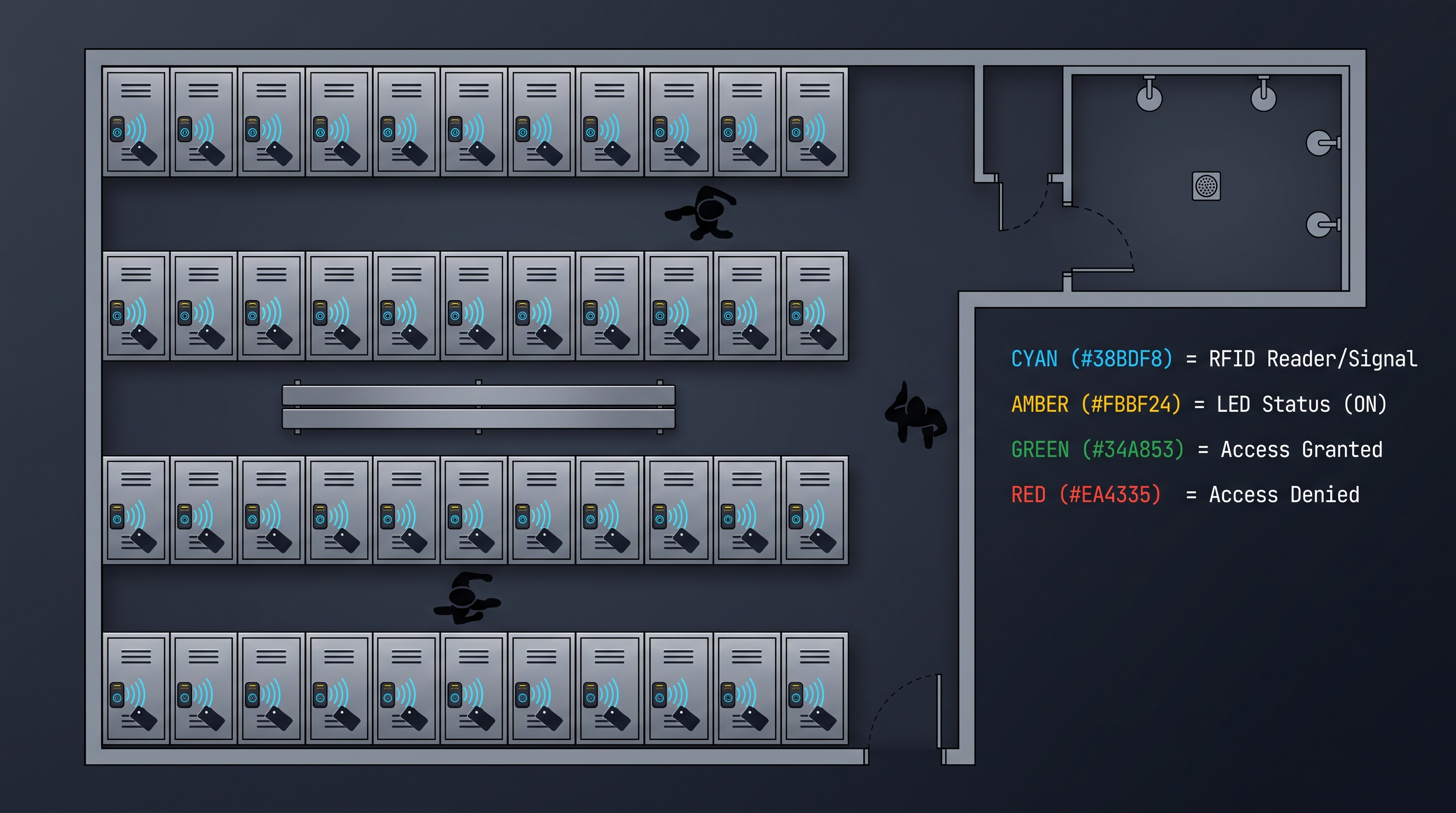
A bluetooth locker lock uses Bluetooth Low Energy wireless technology to program manage and unlock locker storage through a smartphone app without a physical key turning each locker into a connected managed asset. Choosing the right bluetooth locker lock means balancing wireless range security credentials and battery life against the scale of the locker fleet so that members enjoy smooth app based or auto unlock while administrators avoid lost keys shared codes and scattered audit trails. This guide examines bluetooth locker lock architecture pairing encryption proximity unlock audit trail capability battery longevity offline behavior and vendor support to help operators select a bluetooth locker lock that performs reliably across gyms offices schools transit hubs and many other locker applications over a long service life. Understanding how each bluetooth locker lock technology performs in real deployment environments enables procurement decisions that deliver secure app managed access throughout the locker estate and across future fleet expansion phases.
Bluetooth Locker Lock Technology Overview and Operating Principles
A bluetooth locker lock is an electronic locker locking device that uses Bluetooth Low Energy wireless technology for short range communication between the lock and a smartphone tablet or gateway enabling wireless programming management and unlocking through a companion mobile application. Unlike a basic keypad electronic locker lock that is programmed entirely through button presses a bluetooth locker lock enables app based user management remote unlock credential rotation and over the air firmware updates all performed from a phone within roughly ten meters of the installed locker. The bluetooth locker lock operates as a Bluetooth peripheral advertising its presence to scanning phones then accepting an encrypted connection that exchanges access credentials audit data and management commands after a secure pairing handshake establishes shared encryption keys over the air between the locker and the phone. Understanding these operating principles is the foundation for choosing a bluetooth locker lock that performs dependably across many years of locker use and frequent administrative reprogramming for new occupants and changing security policy.
Bluetooth Low Energy Architecture of a Bluetooth Locker Lock
The core architecture of a bluetooth locker lock consists of a Bluetooth Low Energy radio module a microcontroller with non volatile memory for credentials and configuration a keypad or touch interface for manual fallback a motorized latch or solenoid actuator and a battery power system housed inside the locker body. The bluetooth locker lock radio operates in the two point four gigahertz ISM band using frequency hopping spread spectrum to minimize interference with WiFi and other wireless traffic commonly found near locker rows in gyms and offices. A modern bluetooth locker lock typically implements Bluetooth Low Energy version four point two or later with newer models supporting Bluetooth five point zero for extended range higher throughput and improved coexistence so audit downloads and firmware updates complete faster and pairing is more reliable around busy locker corridors.
Pairing and Authentication in a Bluetooth Locker Lock
The communication model of a bluetooth locker lock is client server with the lock acting as peripheral and the smartphone acting as central during every connection at the locker. The bluetooth locker lock broadcasts small advertising packets containing an identifier and basic status while an authorized smartphone running the manufacturer app scans for these advertisements and on user command establishes an encrypted link to the bluetooth locker lock at the locker. All data exchanged is encrypted with AES one hundred twenty eight or AES two hundred fifty six bit encryption protecting access codes audit log data and configuration commands from eavesdropping or interception near the locker. The encryption keys are established during an initial pairing process where the user authenticates to the bluetooth locker lock typically by entering a master code or scanning a QR code printed on the locker body and face at initial deployment.
Bluetooth Locker Lock Credential and Unlock Methods
The methods a bluetooth locker lock accepts for unlocking directly shape member convenience administrative flexibility and the cost of supporting users without phones in busy locker room environments. A thoughtful credential choice for a bluetooth locker lock considers whether users carry smartphones whether a keypad fallback is still needed for visitors and whether proximity unlock should be enabled for high traffic environments. Many operators adopt a multi-credential bluetooth locker lock that supports app unlock keypad PIN and proximity auto unlock so each population is served appropriately without forcing the bluetooth locker lock estate onto one method that may not suit every locker user or shift workflow. Comparing credential options side by side exposes the tradeoffs between hands free convenience and battery drain between keypad simplicity and forgotten code overhead and between app control and lost phone recovery so the chosen bluetooth locker lock credential strategy balances the daily user experience against the administrative workload of resets reassignments and audit investigations across the locker estate.
| Credential Method | Bluetooth Locker Lock Convenience | Bluetooth Locker Lock Admin Load | Bluetooth Locker Lock Cost Impact | Bluetooth Locker Lock Best Suited For |
|---|---|---|---|---|
| App tap unlock | Very high one tap in app | Low to medium onboarding | Medium app license | Gym member assigned lockers |
| Proximity auto unlock | Very high hands free auto open | Medium false open tuning | Medium Bluetooth five plus | Busy transit shared day lockers |
| Keypad PIN fallback | High no phone needed | Higher default resets | Low hardware standard | Visitors and phone out of battery |
| RFID tap with app | Very high dual channel | Low card plus app | Medium reader cost | Mixed credential corporate offices |
| Remote admin unlock | Very high staff response | Low audit logged | Low cloud feature | Emergency access remote admin |
App Tap Unlock for a Bluetooth Locker Lock
App tap unlock is the most common bluetooth locker lock method in which the user opens the manufacturer app on a smartphone selects the desired lock from a list of nearby paired devices and taps an unlock button. The app sends an encrypted unlock command to the bluetooth locker lock which verifies the command authenticity and activates the motor in roughly one second providing a smooth predictable experience at the locker. The app interface of a bluetooth locker lock makes it easy for users to verify which lockers they have access to change their own PIN if the administrator allows and receive notifications about low battery or other status updates that might otherwise go unnoticed at the locker. Because app tap unlock depends on the phone being within about ten meters of the locker the bluetooth locker lock should also support a keypad fallback so users without their phone can still open the locker with a code.
Proximity Auto Unlock on a Bluetooth Locker Lock
Proximity auto unlock is a bluetooth locker lock feature that detects an authorized phone within a configurable range and unlocks automatically without any user interaction with the phone making it highly valued in busy environments where users frequently access a locker with both hands full of gym gear or shopping. A modern bluetooth locker lock with Bluetooth five point one direction finding can determine the direction of the phone and only trigger unlock when the user is standing directly in front of the locker rather than across the room. The bluetooth locker lock should support range tuning so proximity unlock does not fire too early or too late on a specific locker installation and should include a configurable delay to prevent rapid reopen cycles at busy locker rows. Operators deploying proximity auto unlock should test the bluetooth locker lock behavior thoroughly in the real locker environment before enabling it broadly because radio reflections in metal rich locker rows affect the effective range unpredictably.
Bluetooth Locker Lock Security Architecture and Encryption
A bluetooth locker lock must protect credentials audit data and unlock commands against eavesdropping relay attacks and unauthorized reprogramming by anyone who happens to walk near the locker with a phone scanning for devices. The security architecture of a bluetooth locker lock combines AES encryption secure pairing rotating keys and event logging to create layered defense that protects locker contents and produces evidence when an incident occurs at the locker. Understanding the security features built into a quality bluetooth locker lock helps administrators compare models fairly and avoid budget hardware that looks similar but lacks the cryptographic controls needed to keep locker storage truly safe under repeated daily use near curious roamers. Reviewing encryption strength pairing protocol audit integrity and tamper evidence before purchase ensures the selected bluetooth locker lock estate withstands both opportunistic probing and a determined attempt to defeat a locker across the long life of the deployment.
Encryption Strength and Key Rotation for a Bluetooth Locker Lock
A quality bluetooth locker lock encrypts all wireless commands with AES one hundred twenty eight or AES two hundred fifty six bit encryption and rotates session keys during each connection so a captured packet cannot be replayed to unlock the locker later by an attacker. The bluetooth locker lock should support secure authenticated pairing using passkey or numeric comparison rather than legacy just works pairing which offers no protection against a man in the middle attack during the initial pairing at the locker. PIN codes stored on the bluetooth locker lock should be salted and hashed in non volatile memory rather than plaintext so an attacker who extracts the firmware cannot recover user codes by reading the chip. Administrators should periodically rotate the bluetooth locker lock master key and revoke access promptly when a user changes role to keep the attack surface small across the locker estate.
Relay Attack Resistance in a Bluetooth Locker Lock
A relay attack attempts to extend Bluetooth range with a repeater so a phone in a parking lot appears to be standing in front of the locker and triggers proximity auto unlock on a bluetooth locker lock. Resistance to relay attacks is a meaningful differentiator between bluetooth locker lock models with premium units using Bluetooth five point one direction finding or ultra wideband to confirm the phone is physically close to the locker rather than simply within radio range. A bluetooth locker lock that supports a configurable minimum time of flight for the unlock response can reject a relay that introduces detectable latency in the round trip signal between the phone and the locker. Operators relying on proximity auto unlock in a busy gym should confirm the bluetooth locker lock includes relay attack resistance and should disable proximity auto unlock on the highest security lockers rather than relying on the radio to enforce the security perimeter alone.
Bluetooth Locker Lock Battery Life and Power Management
A bluetooth locker lock runs on batteries for months to years depending on the credential use pattern the wireless polling interval and the quality of the cells selected so power management is one of the most important total cost of ownership factors across the locker estate. Understanding the bluetooth locker lock power budget helps administrators choose hardware and settings that maximize battery life without sacrificing responsiveness at the locker and helps plan a predictable replacement cycle across the fleet. Battery life on a bluetooth locker lock interacts with security latency and audit choices so the procurement team must quantify unlock frequency polling cadence and ambient humidity near the locker before committing the estate to a specific cell chemistry and replacement calendar that scales across many lockers. Matching the right bluetooth locker lock power profile to the locker use pattern avoids the all too common failure mode in which a busy shared locker drains cells in months and strands users at a busy moment of the working year.
Bluetooth Locker Lock Power Budget and Battery Chemistry
A typical bluetooth locker lock runs for nine to eighteen months on four AA alkaline batteries under normal daily use with proximity auto unlock shortening the period because the radio polls more frequently to detect phones near the locker. An office bluetooth locker lock opened a few times a day may exceed eighteen months on a set of alkaline cells while a busy transit hub bluetooth locker lock with proximity auto unlock enabled may drain batteries in closer to nine months on the locker row. Using one point five volt lithium AA cells extends the bluetooth locker lock replacement cycle and performs better in humid gym or outdoor pool adjacent locker environments where temperature and moisture stress cells chemically. The platform should report low battery status to the admin app so the bluetooth locker lock replacement cycle catches weak units before they fail and strand a user at the locker in the middle of a busy day.
Bluetooth Locker Lock Sleep and Wake Behavior
A well-designed bluetooth locker lock spends most of its time in a low power sleep state waking only to broadcast brief advertisements listen for connections or respond to a keypad press at the locker. The bluetooth locker lock firmware tunes the advertisement interval to balance discovery latency against battery drain with a typical interval of one to two seconds for responsive discovery while still conserving power across the life of the battery pack. A keypad wake interrupt lets the bluetooth locker lock respond instantly to a PIN entry without keeping the radio fully active while waiting at the locker. Operators evaluating a bluetooth locker lock should ask for the measured sleep current the advertisement current and the active current so they can estimate battery life from their own expected daily unlock count and avoid unpleasant surprises on the first replacement cycle across the locker estate.
Bluetooth Locker Lock Installation Best Practices and Workflow
A successful bluetooth locker lock deployment follows a documented workflow that begins with locker site survey and ends with member or employee training. Treating installation as a project rather than an afterthought prevents the most common bluetooth locker lock rollout problems including mounting mismatches inconsistent firmware versions and untrained users forcing the latch or pairing incorrectly at the locker. A disciplined approach to bluetooth locker lock installation also creates the records and labeling necessary for efficient service over the long life of the estate and supports warranty claims if a unit fails prematurely at a locker row. Capturing locker dimensions door handedness existing cutouts and gateway coverage in the same template that drives hardware ordering keeps the bluetooth locker lock rollout on schedule and produces the asset register that facilities teams consult for every future service visit firmware update or end of season reassignment across multiple locker buildings and seasonal schedules.
Pre Installation Survey for the Bluetooth Locker Lock Estate
Before ordering a bluetooth locker lock the facilities team should survey every locker target with a template that records locker height width handedness existing lock cutout door material and any conditions that affect either mounting or radio coverage at the locker. The survey identifies whether a bluetooth locker lock retrofits existing key holes or requires a new mounting kit and whether locker doors are handed oppositely requiring mirrored bluetooth locker lock variants in the same row. Photographing each locker row and tagging the images to the survey sheet allows the installation team to plan hardware kits per aisle and reduces surprises on installation day. A thorough survey also scopes WiFi or gateway coverage if remote management of the bluetooth locker lock fleet is desired when phones are not regularly near the locker.
Pairing and Provisioning a Bluetooth Locker Lock
Pairing a bluetooth locker lock during installation follows a standard sequence of powering the unit pressing a pairing button or entering a master code on the keypad and confirming the link from the administrator app. The provisioning step assigns a locker name a location tag and one or more user credentials to the bluetooth locker lock and optionally joins it to a gateway so the unit appears on the central dashboard along with the locker row. The testing step opens and closes the bluetooth locker lock five times from the app and once from the keypad and confirms audit events register with correct timestamps at the locker. Documenting each completed bluetooth locker lock with a labeled tag and a QR pairing sticker speeds future service and lets a replacement unit inherit the locker identity without rework at the locker row.
Bluetooth Locker Lock Management Platforms and Scale Considerations
A bluetooth locker lock estate larger than a few dozen units benefits from a management platform that centralizes user provisioning credential assignment audit retrieval firmware updates and remote unlock across the locker fleet. The platform decision shapes the long term operating cost of the bluetooth locker lock rollout more than the per unit hardware price because administration labor and subscription fees recur every year across the full locker fleet. Choosing a bluetooth locker lock platform that matches the scale and IT environment of the organization prevents a painful migration later and keeps ongoing support manageable for a facilities team already stretched across many building systems beyond the locker room. Comparing app only gateway cloud and hybrid platforms against directory integration single sign on membership sync audit export and data residency policy reveals the bluetooth locker lock platform best aligned with organizational priorities and budget envelope over the planned service horizon.
APP Only versus Gateway Bluetooth Locker Lock Management
A bluetooth locker lock managed only through the manufacturer app is fine for a single locker or a handful of units because the administrator walks to each locker with their phone during service. A gateway bluetooth locker lock management model adds a hub near the locker rows that bridges lock traffic to the cloud so the administrator can manage the bluetooth locker lock fleet from any browser without being near the locker. A hybrid bluetooth locker lock platform supports both so a site can start app only and add gateways as the fleet grows beyond what walking between lockers can support. Operators should evaluate the bluetooth locker lock gateway cost coverage per gateway and management fee before scaling an app only pilot into a fleet wide locker deployment.
Remote Unlock and Audit Sync for a Bluetooth Locker Lock
A bluetooth locker lock platform with gateway or cloud support enables remote unlock so an administrator can grant emergency access to a locker from another building without sharing any codes and without leaving their desk. The bluetooth locker lock audit log can be downloaded to the app or synced to the cloud depending on the platform presenting events in a readable format with filtering and export capabilities for incident investigation at the locker row. Some bluetooth locker lock management apps can automatically sync audit data to the cloud when the phone has internet connectivity creating a backup and enabling multi site locker audit review across a large estate. This accessibility transforms the bluetooth locker lock audit trail from a theoretical feature rarely used into a practical tool for security monitoring and incident investigation across the locker fleet.
Bluetooth Locker Lock Applications Across Industries and Locker Types
A bluetooth locker lock serves different users and environments across gyms offices schools transit hubs and retail back rooms and the right bluetooth locker lock for one area is wrong for another. Mapping requirements by application ensures that the bluetooth locker lock estate fits the real operational needs of each user population and locker type without compromise. Gym member lockers demand quiet app management school hallways require fast between period throughput and transit lockers value simple app control with day use codes. Documenting per area requirements lets procurement select complementary bluetooth locker lock variants that all share one management platform so a single support workflow and one app serves every user across the diverse environments of a modern organization and its many specialized locker areas without surprises. Clear bluetooth locker lock governance protects the organization across multiple budget cycles and term transitions without surprises across the locker estate.
| Application Area | Bluetooth Locker Lock Priority | Recommended Bluetooth Locker Lock Credential | Environment Notes |
|---|---|---|---|
| Gym member locker | Quiet app management audit | App plus keypad fallback | Humid athletic environment |
| School hallway locker | Fast throughput | App plus RFID badge | Heavy cycle between periods |
| Transit day locker | Day credential rotation | App plus temporary code | High turnover visitor flow |
| Office staff locker | Audit high cycle | App plus RFID card | Heavy midday access |
| Coworking hot locker | Day use credential rotation | App plus temporary code | Mixed member transient |
| Hotel staff locker | Restricted hours audit | App plus PIN schedule limited | Adult supervision present |
| Residential parcel | Dispensing audit | App plus RFID cabinet lock | Lending workflow tracking |
| Health club day | Day locker auto clear | App plus disposable code | Premium member temporary |
Gym Member Bluetooth Locker Lock Considerations
A gym member bluetooth locker lock should offer quiet app based unlock for members arriving with hands full of gym gear plus a keypad fallback for users who forget their phone in the car. The bluetooth locker lock should integrate with the gym management system so a member check in automatically authorizes locker use and an end of workout auto release clears the locker for the next guest without staff intervention. Audit retrieval for a gym bluetooth locker lock should support export to the security information event management platform so locker access correlates with badge swipes and camera footage during a theft investigation. Because gym lockers are opened heavily during peak morning and evening windows the bluetooth locker lock battery should monitor low voltage statuses centrally so failing units get swapped before they strand a member mid workout at the locker bank prompting a complaint at the front desk.
School and Transit Bluetooth Locker Lock Requirements
A school hallway bluetooth locker lock must support very high between period throughput so hundreds of students can open lockers in a few minutes without queuing behind a slow adapter retry sequence at the locker row. The bluetooth locker lock should integrate with the student information system so rosters roll over automatically between terms and graduating students are revoked cleanly at end of year. A transit hub bluetooth locker lock must handle day users who download a city app pair to a day locker and clear automatically at closing without staff touching the locker row. Selecting a bluetooth locker lock certified for the expected use environment indoor hallway versus humid pool adjacent versus outdoor platform with the appropriate durability credential flexibility and scale ensures the deployment serves its real users rather than the catalog page of the vendor across the locker lifecycle.
Bluetooth Locker Lock Maintenance and Troubleshooting
A bluetooth locker lock estate stays reliable only with disciplined maintenance that addresses batteries cleaning firmware updates and the occasional failed unit exposed to heavy daily use at busy locker rows. Building a maintenance plan into the bluetooth locker lock rollout from day one prevents the slow degradation that turns a proud new installation into an unreliable annoyance over a few years of daily locker use. Schedule annual battery replacements mid year health checks and a firmware audit window during a break so that the bluetooth locker lock fleet enters each season at peak reliability. Logging every battery swap override use and service ticket per bluetooth locker lock creates the service history needed to spot systemic issues negotiate warranty claims and right size the spare parts inventory for the long operational life of the locker estate and the predictable seasonal peaks of the operating schedule.
Bluetooth Locker Lock Battery Replacement Cycle
Most bluetooth locker lock units run nine to eighteen months on quality alkaline batteries with the wide range driven by unlock frequency and proximity auto unlock usage at busy locker rows. A busy transit hub bluetooth locker lock may deplete batteries closer to the nine month mark while a rarely used back of house bluetooth locker lock may exceed eighteen months on a single set of cells. A bluetooth locker lock with proximity auto unlock enabled can reduce battery life significantly so operators should evaluate whether the convenience justifies the extra replacements across the locker estate. The platform should report low battery status centrally so the annual replacement cycle catches weak bluetooth locker lock units before they strand a user and prompt a support ticket submitted to an already busy facilities help desk queue at the locker row.
Common Bluetooth Locker Lock Failures and Fixes
The most common bluetooth locker lock failure is a low battery manifesting as slow bolt throw no motor response or intermittent app connection which a battery swap resolves after the locker is opened by override. The second most common failure is a misaligned strike after a heavy locker door is slammed which corrects by adjusting the strike plate or replacing worn hinges on the locker door. A third failure mode is a broken pairing after a phone reset which corrects by re pairing through the master code and reassigning user credentials to the locker. A bluetooth locker lock audit export can show abnormal access patterns that precede failures such as unusual retry counts pointing to environmental or tamper causes near the locker. A documented troubleshooting tree for each bluetooth locker lock model shortens resolution time and standardizes service across the facilities team that supports the locker estate.
Bluetooth Locker Lock Compliance Privacy and Accessibility
A bluetooth locker lock deployment touches user privacy disability access and organizational policy so a responsible rollout anticipates these obligations rather than retrofitting them later. Documenting compliance decisions during procurement protects the organization and ensures the bluetooth locker lock estate serves every user equitably regardless of role device or ability at the locker. Privacy reviews confirm data residency retention and breach response while accessibility audits verify keypad height tactile feedback audible status and alternative credentials for users who cannot use a standard app interface at the locker. Treating compliance as a procurement gate rather than an afterthought lets the bluetooth locker lock platform support privacy aligned data handling and ADA compliant hardware so the estate meets legal and ethical commitments throughout its service life and across every department and locker user population served. This keeps staff workload predictable across the entire long service life of the deployment.
Privacy and User Data in the Bluetooth Locker Lock Platform
A bluetooth locker lock platform that stores user identifiers locker assignments access credentials and audit timestamps creates records that may intersect with regional privacy laws and industry regulations across the locker estate. The organization should confirm the bluetooth locker lock vendor signs a data protection addendum limits data retention to the user tenure plus a short audit window and supports role based access so only authorized staff can query locker audit events. A cloud bluetooth locker lock platform should encrypt data in transit and at rest and should disclose sub-processors used for hosting the locker data. Reviewing these points during the bluetooth locker lock procurement shields the organization from privacy complaints and supports clean response to any user inquiry about locker access records during the busy year at the locker facility.
Accessibility and the Bluetooth Locker Lock User Experience
An accessible bluetooth locker lock offers keypad height within reach battery replacement without tools large high contrast keypad legends and audible feedback configurable for the environment near the locker. A bluetooth locker lock at an ADA locker must present the credential reader and keypad no higher than forty eight inches and provide tactile status indication so a user with low vision can confirm the door is unlocked by sound or touch. The bluetooth locker lock firmware should avoid timeouts too short for a user with motor limitations and should support a keypad PIN alternative for users who cannot or do not wish to use the smartphone app at the locker. Documenting accessibility features per bluetooth locker lock model lets the organization assign the right hardware to each user without scrambling to retrofit units after locker deployment.
Bluetooth Locker Lock Total Cost of Ownership and Procurement Checklist
The lowest priced bluetooth locker lock rarely produces the lowest total cost because warranty coverage battery type management platform fees and service labor dominate the multi year budget of the locker estate. A procurement approach that totals five year cost of ownership for each candidate bluetooth locker lock surfaces the hidden costs and supports an honest comparison between models and vendors across the full locker life of the deployment. Building a structured checklist that scores body material bolt throw credential support audit capacity platform compatibility warranty terms spare parts availability and accessibility lets procurement rank every bluetooth locker lock against the same yardstick so a vendor cannot win on a single attractive feature while failing on a critical operational requirement over the long deployment horizon and the predictable budget cycle of the organization. This keeps staff workload predictable across the entire long service life of the deployment.
Five Year Total Cost of Ownership Model for a Bluetooth Locker Lock
A five year bluetooth locker lock total cost of ownership model adds hardware per unit battery replacements platform subscription installation labor service labor and a reserve for failed unit replacement across the locker estate. The model should assume a percentage annual failure rate drawn from vendor references and a battery replacement interval appropriate to the app based use pattern since frequent bluetooth locker lock connections reduce cell life on busy rows. Software subscription fees for a cloud bluetooth locker lock platform often run per locker per year so the model should scale with planned locker count and member growth. Presenting the bluetooth locker lock total cost of ownership model to the business office shifts the conversation from lowest bid to best value and avoids a budget surprise in year three when batteries and platform renewals land together at the start of a new fiscal period for the locker facility.
Bluetooth Locker Lock Procurement Checklist
A bluetooth locker lock procurement checklist should confirm body material bolt throw credential support audit capacity battery type platform compatibility encryption strength warranty terms reference deployments spare parts availability and accessibility certifications. Each line item should map to a documented requirement so a vendor cannot win on a single attractive feature while failing on a critical one for the locker environment. The checklist should also confirm installation training documentation and a clear escalation path for support tickets that may arrive from a user stranded at a locker row on a busy day. Running every candidate bluetooth locker lock through the same checklist produces a defensible procurement decision and a paper trail that survives staff turnover and supports future locker fleet expansions with the same vendor across the locker estate.
| Procurement Item | Requirement | Verification Method |
|---|---|---|
| Body material | Zamak or stainless steel | Bill of materials and sample inspection |
| Bluetooth version | BLE four point two minimum five plus preferred | Specification sheet demo pairing |
| Bolt throw | Minimum 15 mm | Mechanical drawing physical test |
| Credential support | App keypad optional RFID | Firmware feature list demo |
| Audit capacity | 10000 events minimum | Specification sheet |
| Encryption | AES one twenty eight minimum | Specification sheet |
| Battery type | AA alkaline lithium | Specification sheet |
| Platform compatibility | SSO API gateway optional | Integration sandbox test |
| Warranty | 2 years minimum | Contract terms |
| Reference deployments | At least three similar organizations | Vendor customer list and calls |
Bluetooth Locker Lock Future Trends and Smart Building Integration
The bluetooth locker lock category continues to evolve as wireless protocols battery chemistries and smart building platforms advance and a forward looking procurement considers how a bluetooth locker lock estate will integrate with tomorrow s connected enterprise. Understanding emerging trends helps organizations choose a bluetooth locker lock platform that will not feel obsolete before the warranty expires and that supports a measured migration path toward real time monitoring predictive maintenance and richer user engagement features over the locker estate s service life. Tracking protocol convergence firmware upgradeability analytics readiness and vendor open integration commitments lets the bluetooth locker lock estate evolve alongside the building network without a disruptive forklift replacement of every installed unit at the next technology transition or facility expansion of the bluetooth locker lock deployment footprint and locker estate. This keeps staff workload predictable across the entire long service life of the deployment.
Ultra Wideband and Direction Finding in the Bluetooth Locker Lock
A next generation bluetooth locker lock increasingly supports Ultra Wideband alongside Bluetooth Low Energy so proximity auto unlock triggers only when the user is physically standing in front of the locker rather than anywhere in radio range down the corridor. Ultra Wideband provides centimeter level distance measurement between the smartphone and the locker enabling truly secure hands free auto unlock on a bluetooth locker lock that resists relay attacks from a phone in the parking lot. Bluetooth five point one direction finding adds angle of arrival and angle of departure capabilities that let a bluetooth locker lock identify which specific locker a user is standing in front of when many lockers share a row. Operators evaluating a premium bluetooth locker lock should confirm the platform supports these capabilities and that the manufacturer has a firmware upgrade path to deploy them to existing units as the technology matures across the locker estate.
Mesh Networking and the Bluetooth Locker Lock Estate
Bluetooth mesh networking enables bluetooth locker lock units to communicate with each other relaying messages hop by hop across the locker estate so the administrator app reaches the farthest locker through intermediate locks rather than requiring the phone to be within direct radio range of each unit. A mesh connected bluetooth locker lock platform can share configuration changes and firmware updates across the network with an update downloaded to one lock and then distributed peer to peer to all others without per locker visits. A mesh bluetooth locker lock deployment can also extend coverage to lockers in radio shadows behind metal obstructions that would otherwise require additional gateways. Operators should evaluate the mesh scalability of a bluetooth locker lock platform before committing because retrofitting mesh capability to hardware later is often not possible without replacing the entire locker estate with new hardware.
Bluetooth Locker Lock Frequently Asked Questions
A bluetooth locker lock raises many practical questions from users administrators IT staff and facilities teams especially during a first deployment or an upgrade from mechanical or PIN only electronics at the locker row. Answering the most common questions up front shortens the procurement decision and sets realistic expectations for daily operation of the bluetooth locker lock estate across gym office school and transit locker environments. The following answers address the recurring concerns raised by administrators covering battery life range pairing offline behavior security and the practical tradeoffs between app keypad and proximity unlock so every stakeholder understands how the bluetooth locker lock will perform throughout the working year and during the service window when rosters change and the platform is rebalanced for the next cohort of users arriving at the locker estate in the new term. This keeps staff workload predictable across the entire long service life of the deployment.
How long does a bluetooth locker lock battery last on average
A typical bluetooth locker lock runs nine to eighteen months on quality alkaline batteries with normal app and keypad use across the locker estate. A busy transit hub bluetooth locker lock may deplete batteries closer to the nine month mark while a rarely used back of house bluetooth locker lock may exceed eighteen months on a single set of cells. A bluetooth locker lock with proximity auto unlock enabled can reduce battery life significantly because the radio polls more frequently to detect approaching phones near the locker row. Using one point five volt lithium AA cells extends the bluetooth locker lock replacement cycle and performs better in humid gym or outdoor field house locker rooms. The platform should report low battery status centrally so the replacement cycle catches weak bluetooth locker lock units before they strand a user at the locker prompt.
Can a bluetooth locker lock be opened if the battery dies or phone is lost
Every quality bluetooth locker lock includes a mechanical emergency override typically a keyed cylinder on the side or bottom of the body that lets an administrator open the locker when the battery is dead or the electronics fail at the locker row. Some bluetooth locker lock models also accept external power applied through contact pads on the outside so an administrator can energize the unit with a portable battery pack and then unlock it normally via the app over the air at the locker row. A lost phone is handled by revoking that phone credential through the management platform or from a paired gateway so the bluetooth locker lock refuses the old credential while the user re pairs a replacement phone after authenticating through a one time code or an admin approval workflow at the locker facility before rejoining the locker fleet roster.
Does a bluetooth locker lock work without an internet connection
A bluetooth locker lock is designed primarily for short range direct communication between a phone and the locker and so it continues to unlock users and to write audit events locally even when the internet or the gateway is offline at the locker. The bluetooth locker lock caches its access list and policies locally so a phone within range can still open the locker and the audit trail records locally until the phone or gateway next syncs to the cloud when connectivity returns to the locker facility. Remote unlock and remote administration of the bluetooth locker lock do require the gateway or cloud connection so they are unavailable during an outage while local app based management continues to function at the locker row. Operators should confirm the bluetooth locker lock offline behavior matches their uptime expectations before committing the locker estate to a particular platform and gateway architecture across the full estate.
How secure is a bluetooth locker lock against relay attacks
A bluetooth locker lock is reasonably secure against relay attacks when it supports Bluetooth five point one direction finding or Ultra Wideband that confirms the phone is physically close to the locker rather than simply within radio range extended by a repeater between the phone and the locker row. A premium bluetooth locker lock should also include a configurable minimum time of flight for the unlock response and should reject any relay that introduces detectable latency in the round trip signal between the phone and the locker. The bluetooth locker lock should encrypt all commands with AES one twenty eight or stronger and should rotate session keys so a captured packet cannot be replayed to unlock the locker later by an attacker near the locker row. Operators relying on proximity auto unlock should disable it on the highest security lockers rather than relying on the radio alone ensuring layered defense at every bluetooth locker lock installation across the estate.
Part of this article content is generated by AI and optimized for professional accuracy and readability.
Not sure which sensor fits your project?
Talk to our mmWave application engineers for a free consultation.
Find the right presence sensor for your hotel project
Compare the 3 protocols, check hotel-specific case studies, and download the installation guide
Related products
3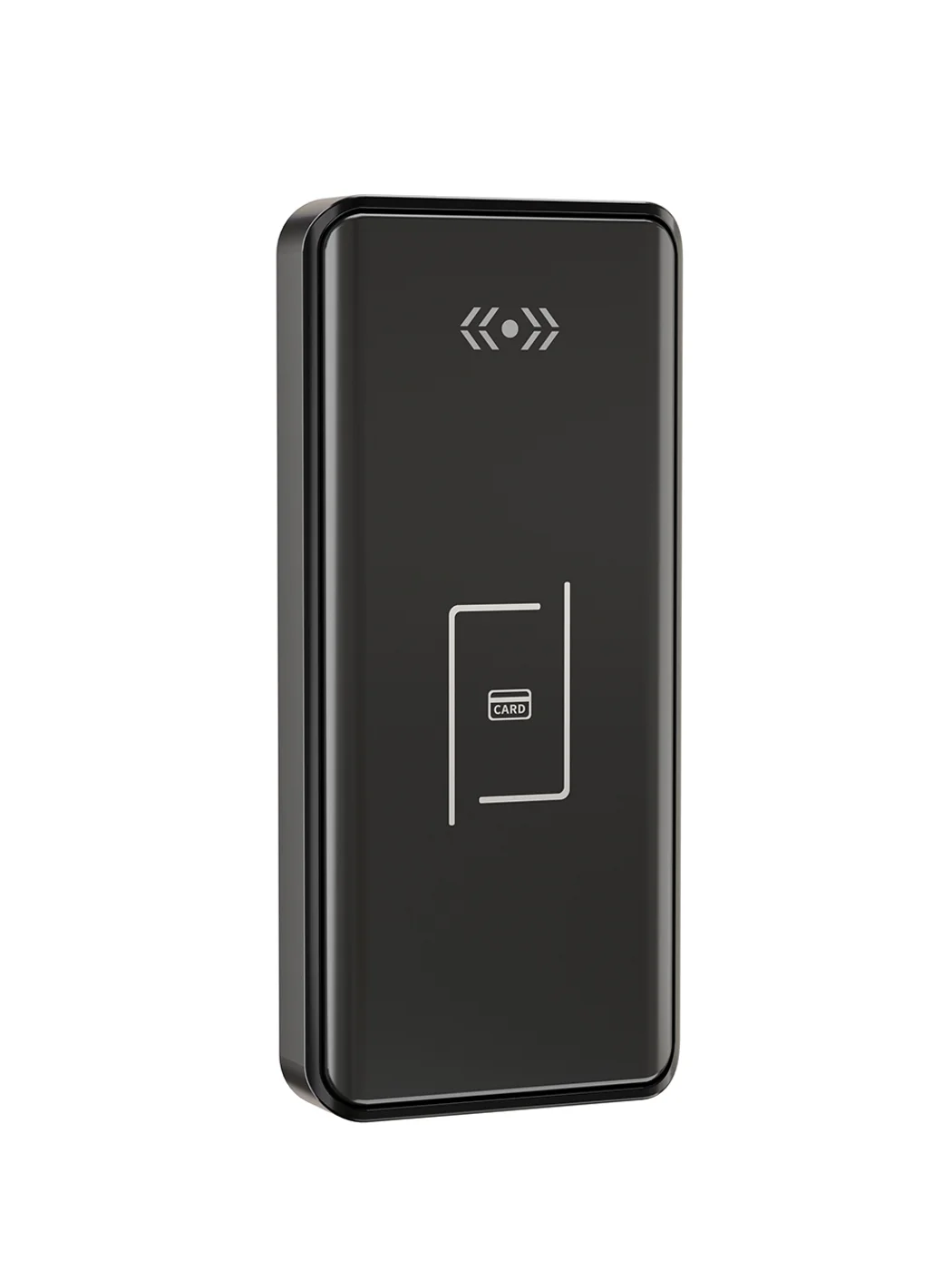
Gym Locker Lock — Offline Card, No WiFi Required
Offline card gym locker lock for fitness and pool lockers. MIFARE card, battery-powered 5-minute retrofit, no WiFi or server. Zinc alloy body, CE/FCC/RoHS.
This page already points to it as the next recommended reference.
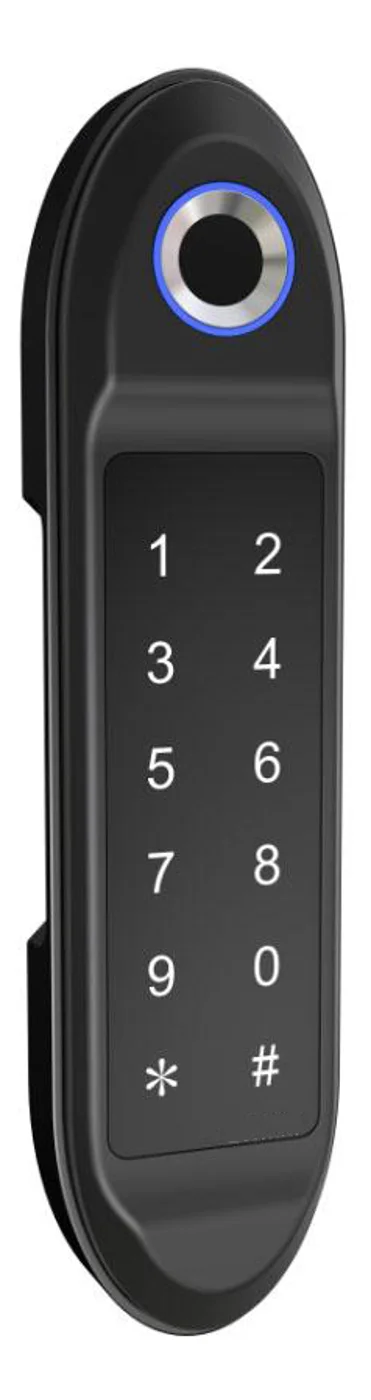
PIN Code Electronic Cabinet Lock — Stand-Alone, No WiFi
Offline keypad cabinet lock for gym, office and parcel lockers. Battery-powered, 5-minute retrofit, audit-free simple deployment. PIN + MIFARE card, DC 6V, 4×AA.
This page already points to it as the next recommended reference.
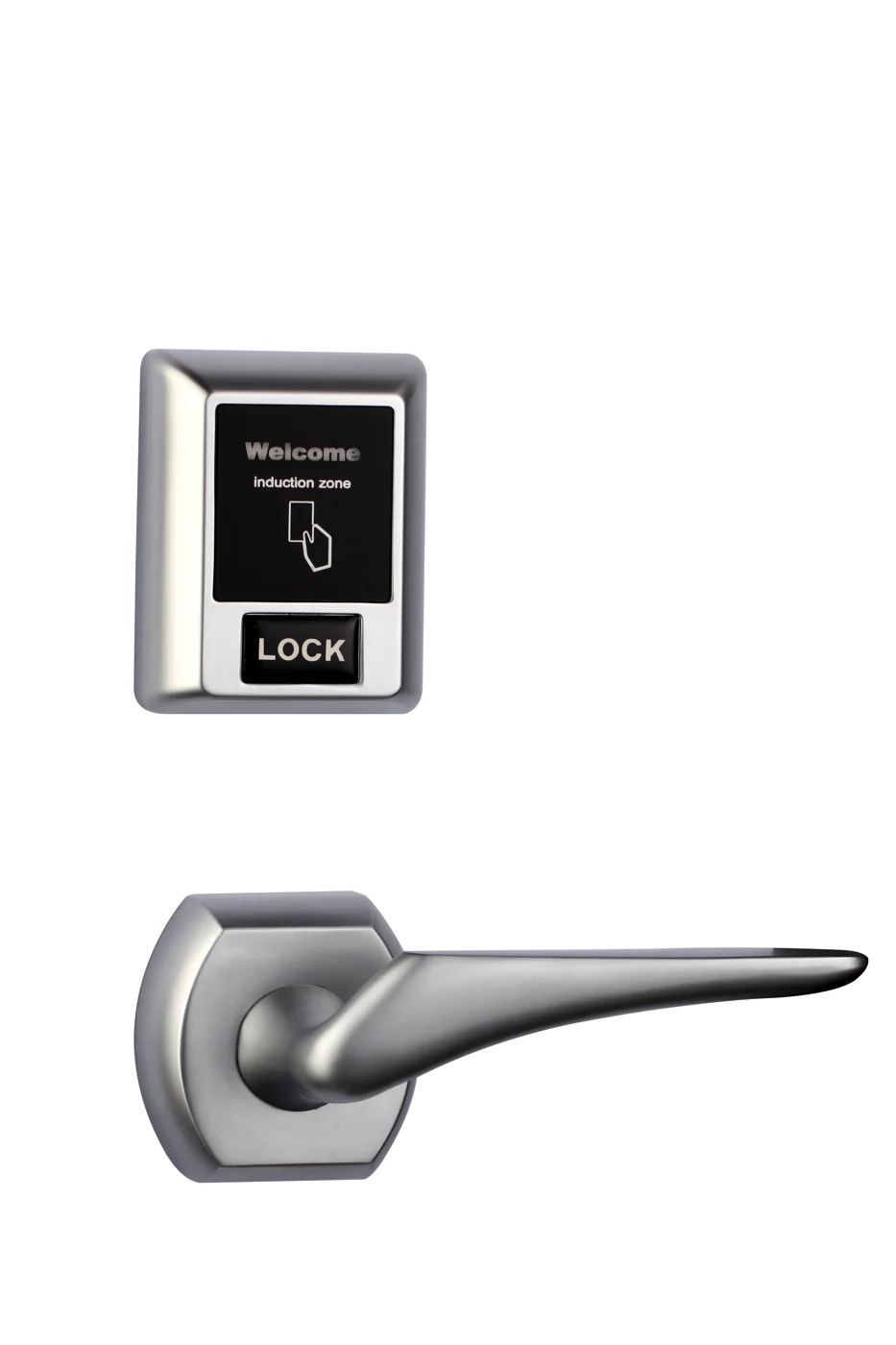
Bluetooth Cabinet Lock — App + PIN + Card, Managed Fleet
Offline BLE app cabinet lock for parcel, office, and managed locker fleets. App + PIN + MIFARE card, remote credential management, no server dependency, battery-powered retrofit.
This page already points to it as the next recommended reference.
Related blog posts
3
Branded Cabinet Lock: Complete Guide to OEM, ODM and Private Label Branding
A complete guide to the branded cabinet lock covering OEM and ODM branding, logo and label options, app co-branding, packaging, MOQ, quality control, factory selection, pricing versus unbranded, trademark, warranty, and the supply chain.
It supports the same product context: Gym Locker Lock — Offline Card, No WiFi Required.
The Best Smart Locker Lock Guide for 2026: IoT, Cloud, and Connected Locking Solutions
Comprehensive guide to the best smart locker lock solutions. Compare WiFi, Bluetooth, LoRaWAN, and NB-IoT connected locker locks with cloud platforms, API integration, and remote management for smart offices, delivery, and retail.
It supports the same product context: PIN Code Electronic Cabinet Lock — Stand-Alone, No WiFi.
Best Smart Cabinet Lock 2026: Ultimate Buyer Guide for Security, Features & Installation
Find the best smart cabinet lock for your needs with this comprehensive 2026 guide. Compare Bluetooth, WiFi, fingerprint, RFID, and keypad options with pricing, installation tips, and security ratings.
It supports the same product context: Gym Locker Lock — Offline Card, No WiFi Required.
Specify your hotel project with our engineers
Send your room count, ceiling type, and protocol preference. We will return a sample plan and quote within 24 business hours.
- Move from general guidance into a product or application discussion.
- Use RFQ when pricing, drawings, MOQ, or launch timing needs structure.
- Keep a direct contact path visible for fast clarifications and handoff.