Kunci Lemari Made in China: Panduan Sourcing 2026
Panduan sourcing kunci lemari made in China mencakup pabrik, Alibaba dan 1688, MOQ, sampel, sertifikasi, inspeksi QC, Incoterms, bea masuk, dan perlindungan IP.
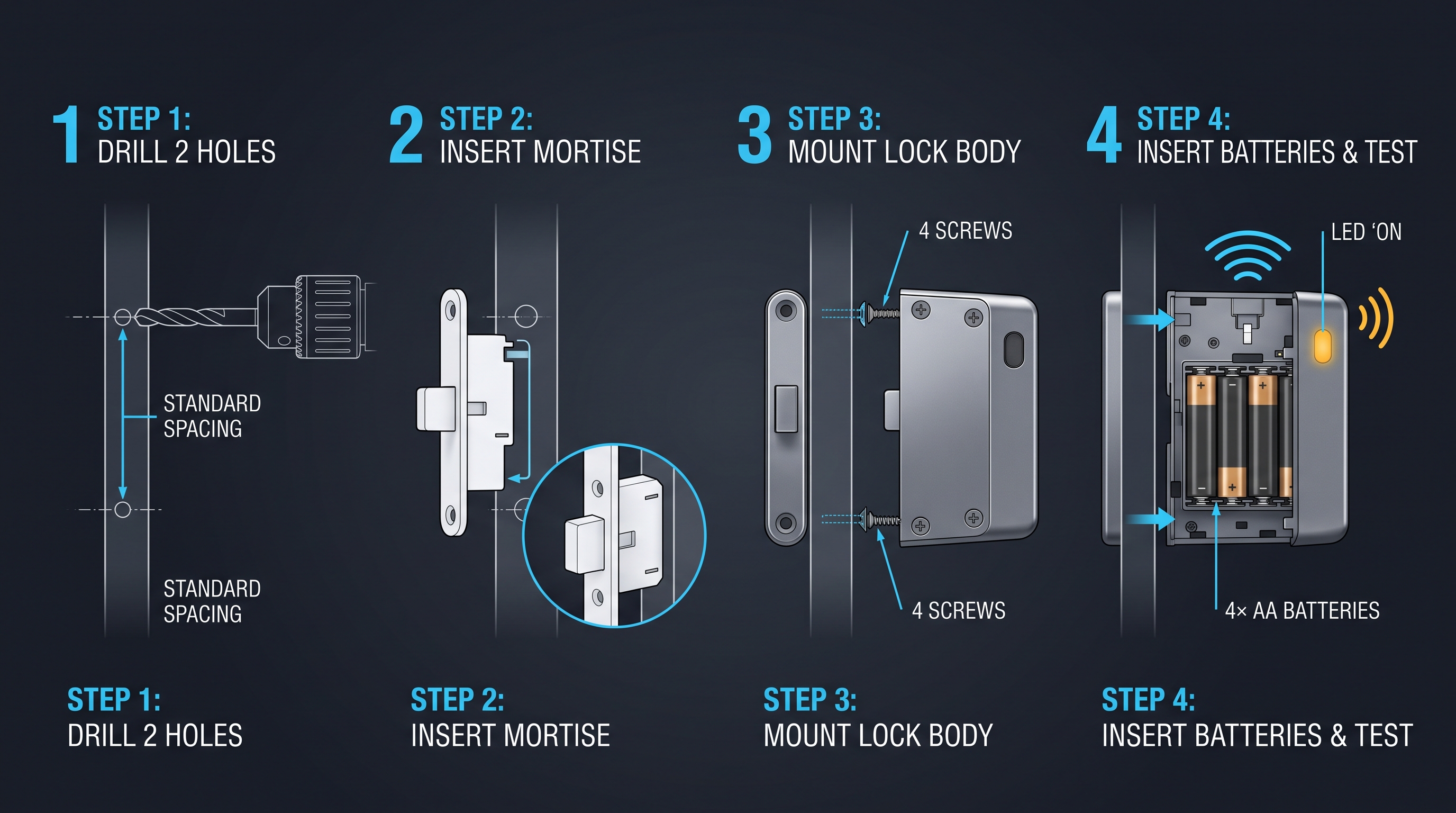
Kunci lemari made in China adalah mekanisme pengunci yang mengamankan lemari, loker, laci, dan enklosur serta diproduksi massal di pabrik-pabrik di seluruh Republik Rakyat Tiongkok untuk diekspor ke importir perangkat keras, distributor, dan merek furnitur di seluruh dunia. Kunci lemari made in China biasanya berharga 40 hingga 70 persen lebih murah daripada unit setara yang dibuat di Jerman, Jepang, atau Amerika Serikat, dan itulah sebabnya porsi besar perangkat keras lemari mekanik dan elektronik dunia berasal dari klaster industri Tiongkok. Membeli kunci lemari made in China bukanlah satu transaksi tunggal, melainkan proses terkelola yang menggabungkan verifikasi pemasok, pemeriksaan sertifikasi, sampel balikan, inspeksi produksi, kesepakatan Incoterms, dan pembayaran terkendali. Panduan ini menjelaskan cara melakukan sourcing kunci lemari made in China secara aman dan menguntungkan, serta mencakup pusat manufaktur, kanal pabrik dan trading, sourcing Alibaba dan 1688, MOQ dan sampel, kendali mutu, kekayaan intelektual, ketentuan pengiriman, bea masuk, waktu tunggu, garansi, serta risiko umum dalam membeli kunci lemari made in China.
Mengapa Pembeli Memilih Kunci Lemari Made in China
Kunci lemari made in China adalah tolok ukur nilai industri penguncian global karena negara ini menggabungkan harga satuan rendah, kapasitas produksi luar biasa besar, dan jaringan komponen yang matang serta berjarak dekat dari pelabuhan kontainer terbesar. Kunci lemari cam mekanik dasar made in China dijual seharga 1,20 hingga 4,00 dolar AS dalam volume besar, kunci lemari elektronik keypad made in China berada di kisaran 6,00 hingga 18,00 dolar, dan kunci lemari pintar RFID made in China dijual 15,00 hingga 45,00 dolar, sekitar tiga kali lebih murah daripada produk setara Eropa atau Amerika. Harga terbaik untuk kunci lemari made in China berasal dari pabrik terintegrasi vertikal yang mengendalikan sendiri die casting, stamping, perakitan PCB, dan pengemasan akhir. Kunci lemari made in China juga memperpendek jam pengembangan karena bengkel tooling, pembuat cetakan, dan lembaga pengujian berlokasi berdekatan, sehingga sampel dan persetujuan berlangsung cepat. Tantangannya adalah keunggulan biaya yang sama mengundang variasi kualitas dan barang tiruan, sehingga setiap pembelian kunci lemari made in China membutuhkan sourcing yang disiplin untuk melindungi pembeli.
Mesin Biaya di Balik Kunci Lemari Made in China
Alasan utama importir memilih kunci lemari made in China adalah landed cost, dan penghematan terbesar terjadi pada kunci yang menggabungkan pekerjaan mekanik, elektrikal, dan firmware. Kunci lemari cam die-cast seng made in China ditawarkan seharga 1,50 hingga 4,50 dolar, sedangkan kunci serupa yang dibuat di Amerika Serikat berharga 3,50 hingga 8,00 dolar, sehingga kunci lemari made in China tetap 55 hingga 70 persen lebih murah setelah ongkos kirim dan bea. Volume menggeser kunci lemari made in China ke tingkat harga yang lebih rendah, dan pesanan 5.000 unit memiliki biaya per unit yang jelas lebih rendah daripada pesanan 1.000 unit. Tenaga kerja bukan lagi penggerak utama karena otomatisasi menyerap sebagian besar perakitan bervolume tinggi, dan penghematan terdalam berasal dari tooling bersama serta paket komponen. Ketika kontainer empat puluh kaki memuat ratusan ribu cam lock, biaya freight per unit lenyap, dan itulah mengapa pembeli mengonsolidasikan volume pada satu pemasok kunci lemari made in China yang berkualifikasi. Ekonomi kunci lemari made in China menentukan wilayah sourcing bagi sebagian besar importir.
Skala Produksi dan Waktu Pengiriman
Pabrik di Tiongkok yang memproduksi kunci lemari made in China bervolume tinggi dapat merilis satu kontainer penuh setiap dua atau tiga minggu, sesuatu yang sulit ditandingi sedikit pabrik Eropa. Jaringan ritel yang membutuhkan lima puluh ribu kunci lemari RFID sebelum musim dapat menarik tiga puluh ribu unit per bulan dari pemasok menengah di Zhejiang, sehingga skala dan ramp-up adalah kekuatan nyata kunci lemari made in China. Linimasa kunci lemari made in China adalah 14 hingga 28 hari produksi, 3 hingga 7 hari pengemasan, dan 30 hingga 35 hari pelayaran laut, yang menghasilkan waktu tunggu gudang normal 55 hingga 65 hari. Firmware kustom dan sertifikasi tertentu dapat menambah sekitar 20 hari, sehingga pesanan pertama untuk kunci lemari pintar made in China perlu menyimpan buffer. Pengiriman udara memangkas perjalanan menjadi sekitar seminggu untuk sampel tetapi menambah 4 hingga 6 dolar per kilogram, sehingga hanya barang bernilai tinggi yang menggunakannya. Hasil bersih kunci lemari made in China adalah jam kerja yang pendek dan dapat diulang, selama pembeli memesan kapasitas melalui proforma invoice.
Pusat Manufaktur Kunci Lemari Made in China
Kunci lemari made in China berasal dari sebuah wilayah, bukan satu kota tunggal, dan pembeli dapat memetakan tiga zona berbeda dengan kekuatan masing-masing: Delta Sungai Mutiara di Guangdong sekitar Zhongshan, Delta Sungai Yangtze di Zhejiang dan Jiangsu, serta koridor elektronik Shenzhen dan Dongguan. Kunci lemari made in China dari Guangdong sebagian besar adalah perangkat keras mekanik seng dan stainless, dan kawasan perangkat keras Zhongshan mengirimkan volume cam lock terbesar di dunia. Kunci lemari made in China yang dibuat di Zhejiang adalah logam komoditas baja stamping dan kuningan untuk furnitur dan distributor bervolume tinggi. Kunci lemari made in China dari Shenzhen atau Dongguan adalah perangkat keras elektronik dengan fitur RFID, Bluetooth, dan Wi-Fi. Memilih zona menentukan harga, kapabilitas, dan risiko produk, sehingga pembeli serius mencocokkan produk dengan wilayah sebelum meminta penawaran apa pun. Wilayah yang tepat untuk kunci lemari made in China mengurangi waktu rekualifikasi dan memperbaiki hasil pesanan pertama.
Klaster Perangkat Keras Zhongshan dan Guangdong
Kawasan Zhongshan dan delta Guangdong yang lebih luas adalah produsen kunci lemari made in China terbesar, dengan beberapa ribu perusahaan perangkat keras dan die casting dalam radius lima puluh kilometer dari ibu kota perangkat keras Xiaolan. Wilayah ini memusatkan cam lock die-cast seng dan gembok pada harga satuan rendah, dengan MOQ 1.000 hingga 3.000 unit, dan cocok untuk impor perangkat keras mekanik. Bisnis ekspor lokalnya paling berpengalaman di negara ini, sehingga sebagian besar pabrik memiliki staf berbahasa Inggris, memahami terms FOB, dan menyimpan berkas CE serta FCC, yang menyederhanakan pesanan pertama. Sisi gelap kunci lemari made in China dari zona ini adalah banyaknya workshop peniru yang meniru desain populer, sehingga pembeli harus memeriksa pabrik asli dan menguasai cetakan. Untuk cam logam sederhana, pilihan ideal adalah pabrik menengah di Zhongshan yang mencetak branding dan menjaga harga tetap rendah. Untuk proyek pintar atau nirkabel, pembeli sebaiknya pindah ke sabuk Shenzhen. Apa pun pilihannya, pembeli kunci lemari made in China memegang spesifikasi dan inspeksi unit akhir.
Sabuk Pintar Shenzhen dan Dongguan
Untuk unit nirkabel atau elektronik, pemasok ideal kunci lemari made in China adalah koridor Shenzhen-Dongguan-Huizhou, karena vendor PCB, SMT, antena, dan baterai berada dalam dua puluh menit dari pabrik. Kunci lemari made in China dari Shenzhen dapat dibangun dengan firmware kustom dan modul radio tersertifikasi dengan cepat, karena ekosistemnya lokal dan proof of concept dapat dikirim dalam dua minggu. Koridor yang sama juga menampung trader dan agen, sehingga pembeli harus mengonfirmasi izin usaha dan menonton video langsung lini produksi. Ketika proyek membutuhkan Wi-Fi, Bluetooth, atau Zigbee, Shenzhen adalah tempat yang tepat untuk membangun kunci lemari made in China, dan risikonya dapat dikelola. Ketika hanya bodi mekanik polos yang dibutuhkan, pembeli justru berhemat di Zhongshan atau Zhejiang. Koridor harus disesuaikan dengan jumlah elektronik dalam produk, bukan dengan cerita pemasaran penjual, dan kecocokan terbaik untuk kunci lemari made in China mengikuti logika itu.
Sabuk Logam Wenzhou dan Ningbo
Delta Sungai Yangtze, khususnya kota-kota industri dekat Wenzhou, Ningbo, dan Hangzhou, adalah sumber utama kunci mekanik dan perangkat keras logam untuk kunci lemari made in China. Kunci lemari baja stamping made in China dari sabuk ini berharga 0,80 hingga 1,80 dolar dan memberikan kekuatan serta finishing yang baik ketika proses plating dispesifikasikan dengan benar. Zona ini kurang kuat untuk komputasi dan audio, tetapi memimpin dalam perangkat keras furnitur kuningan serta produk kayu dan plastik. Karena outputnya berskala makro, MOQ-nya tinggi, sering kali 5.000 hingga 20.000 unit untuk satu logam terpilih, sehingga zona ini menguntungkan distributor repeat order dan OEM yang membeli per palet. Kunci lemari made in China komoditas curah dari wilayah ini menawarkan harga satuan rendah dan volume besar, dan pembeli menggunakan wilayah ini ketika geometrinya bebas cetakan dan logamnya sederhana. Zhejiang adalah tulang punggung sisi murah pasar, sementara kecerdasan kunci lemari pintar made in China berada di Shenzhen.
Sertifikasi Kunci Lemari Made in China
Kunci lemari made in China yang membawa elektronik atau radio harus memegang sertifikat yang benar sebelum dapat dijual di Uni Eropa, Amerika Serikat, atau pasar teregulasi lain, dan kepatuhan yang hilang adalah kesalahan paling mahal dalam sebuah kontrak. Untuk Uni Eropa, kunci lemari made in China dengan Wi-Fi atau Bluetooth membutuhkan tanda CE di bawah Radio Equipment Directive 2014/53/EU. Untuk Amerika Serikat, kunci lemari made in China yang sama memerlukan otorisasi FCC Part 15, dan versi khusus digital membutuhkan Part 15 Subpart B. Pemeriksaan material menambahkan RoHS, REACH, dan California Proposition 65 ke dalam cakupan. Bahayanya adalah pemasok mengklaim persetujuan CE tetapi pembeli tidak dapat membaca hasil ujinya, sehingga kepastian kunci lemari made in China berasal dari laporan terverifikasi, bukan slogan. Sertifikasi kunci lemari made in China adalah pembeda antara masuk dermaga yang lancar dan kontainer yang disetop, sehingga pembeli sebaiknya menjadwalkan pekerjaan sertifikasi sebelum pemesanan tooling.
Penandaan CE dan Kepatuhan Radio
Di Uni Eropa, kunci lemari made in China yang menggunakan radio nirkabel 2,4 GHz tunduk pada Radio Equipment Directive 2014/53/EU dan CE Declaration of Conformity. Pengujian kunci lemari made in China akan merujuk EN 301 322 untuk pita radio dan EN 301 577 untuk EMC perangkat. Kunci lemari keypad made in China bertenaga baterai tanpa radio dapat menggunakan jalur EMC saja, yang lebih sederhana dan murah. Pembeli harus menyertakan berkas yang memuat laporan uji, deklarasi, dan penandaan label dalam pengajuan. Pemasok kunci lemari made in China standar sering hanya menyerahkan tangkapan layar, sehingga pembeli harus meminta nomor standar yang tepat dan nama laboratorium. Pembeli sebaiknya memvalidasi ulang sertifikat pada setiap batch baru, karena kunci lemari made in China dengan berkas CE lengkap meloloskan kontainer melalui bea cukai tanpa gesekan.
Sertifikasi FCC dan Impor AS
Di Amerika Serikat, kunci lemari made in China dengan radio intensional seperti Bluetooth atau Wi-Fi harus membawa otorisasi FCC Part 15.247 yang diberikan oleh TCB yang diakui. Kunci lemari made in China khusus digital tanpa radio dapat berjalan di bawah Part 15 Subpart B. Cara cerdasnya adalah menggunakan modul radio tersertifikasi di dalam kunci, sehingga host mewarisi persetujuan modul dan biaya proyek turun. Perselisihan muncul ketika kiriman disetop karena grant yang hilang atau dibatalkan, sehingga pembeli harus memastikan FCC ID cocok dengan produk jauh sebelum pengiriman. Untuk kunci lemari elektronik kabel made in China yang menggunakan RS-485, jalurnya pendek dan murah. Kunci lemari made in China yang tersertifikasi melintasi perbatasan dengan cepat, tetapi pembeli tetap membutuhkan nomor grant dan laporan dalam berkas impor.
RoHS, REACH, dan Material
Setiap bagian kunci lemari made in China, termasuk logam, plastik, dan plating, tersentuh oleh daftar RoHS serta REACH dan California Proposition 65. Kunci lemari cam paduan berlapis cat made in China dapat membawa logam terlarang jika bak plating kotor, dan banyak housing plastik memuat pelunak yang harus dideklarasikan. Pembeli sebaiknya meminta laporan RoHS dan REACH pihak ketiga lalu memverifikasi satu unit fisik dari lini coating. Karena ini sinyal legal, pembeli sebaiknya memasukkan persyaratan kepatuhan ke dalam kontrak pembelian dan faktur. Laporan verifikasi untuk model kunci lemari made in China yang tepat adalah bukti yang diterima bea cukai dan retailer. Kunci lemari made in China aman diimpor hanya ketika seluruh cerita materialnya bersih, sehingga pemeriksaan kepatuhan meluas ke kotak dan label di sekitar kunci.
Pabrik Versus Perusahaan Trading untuk Kunci Lemari Made in China
Pembeli kunci lemari made in China harus memutuskan apakah membeli langsung dari pabrik atau melalui perusahaan trading yang bertindak sebagai penjual ulang penuh, dan keputusan itu menetapkan batas bawah harga, MOQ, dan garansi. Pabrik sungguhan mendesain produk, memiliki tooling, dan menawarkan harga pemenang pada volume kustom, sedangkan rumah trading menghimpun banyak produsen kecil dan menambah pengalaman ekspor. Banyak penjual kunci lemari made in China adalah trader yang menampilkan diri sebagai pabrik, sehingga verifikasi adalah pekerjaan pertama kualifikasi. Jika volumenya stabil dan desainnya orisinal, pabrik langsung adalah jalur yang lebih baik. Jika campurannya kecil atau permintaan sering berubah, trader menghaluskan pasokan. Setiap sinyal, seperti alamat kantor, rekening bank murah, atau penolakan menunjukkan lini, mengindikasikan perantara tersembunyi. Untuk kanal apa pun, pembeli harus menjaga sumber tetap jujur dan kuat, karena kunci lemari made in China membutuhkan gerbang yang kuat.
Cara Memverifikasi Pabrik Asli
Untuk memastikan produk berasal dari produsen aktual kunci lemari made in China, pembeli menjalankan tiga tes. Yang pertama adalah lisensi, di mana izin usaha pabrik diperiksa silang dengan alamat perusahaan dan database perusahaan nasional. Yang kedua adalah tur video langsung lantai produksi, di mana tenaga penjual memegang papan bertanggal hari ini, tes sederhana yang memblokir penipuan pada kunci lemari made in China. Yang ketiga adalah gambar tooling aktual dan tampilan langsung unit persis yang sedang diproduksi. Pabrik Tiongkok sejati akan menghasilkan bukti semacam itu dalam satu jam, dan reseller tidak mampu. Jika pemasok menolak panggilan langsung dan alamatnya tidak cocok, pembeli sebaiknya melanjutkan ke kandidat lain, karena itu gerbang yang dikenal. Pemilik pabrik asli tidak punya apa pun untuk disembunyikan, dan reputasinya adalah aset yang melindungi kunci lemari made in China.
Pertimbangan antara Biaya dan Fleksibilitas
Pemilihan kanal untuk kunci lemari made in China adalah perhitungan harga, fleksibilitas, dan asuransi. Kesepakatan volume langsung dengan pabrik memberi harga terendah dan kepemilikan mold, tetapi harus dikelola dengan forecast. Trader memberi campuran lot kecil dan menangani sortir, serta menanggung sebagian risiko impor. Ketika produknya orisinal dan volumenya stabil, pabrik menang, dan mold harus dipegang pembeli. Ketika desain sering berubah, kecepatan perusahaan trading berguna. Praktik terbaik untuk kunci lemari made in China adalah membandingkan sampel dan penawaran dari beberapa kanal lalu menyimpulkan. Pada akhirnya, pembeli kunci lemari made in China memegang wawasannya, dan keputusan didasarkan pada panggilan telepon dan kunjungan pabrik, bukan angka termurah saja.
Sourcing Alibaba dan 1688 untuk Kunci Lemari Made in China
Importir menemukan penawaran kunci lemari made in China melalui Alibaba dan 1688, dua platform yang melayani peran sangat berbeda di pasar. Alibaba adalah antarmuka internasional dengan halaman produk berbahasa Inggris, lencana pemasok terverifikasi, dan pembayaran escrow, sedangkan 1688 adalah lantai grosir Tiongkok dengan harga manufaktur dan daftar pabrik asli. Pembeli yang mencari kunci lemari made in China yang andal memulai dari keamanan Alibaba lalu menggunakan kanal 1688 untuk harga lebih rendah pada pesanan kedua. Harga kunci lemari made in China di 1688 sering 10 hingga 40 persen lebih murah, tetapi antarmuka Tionghoa dan aturan perdagangan lokal memaksa pembeli menggunakan forwarder dan penerjemah. Strateginya adalah sebuah urutan, bukan pilihan salah satu, dan setiap tahap menambah satu penemuan tentang sumber sesungguhnya. Pembeli yang disiplin menggunakan kedua platform untuk membangun basis pemasok terverifikasi bagi kunci lemari made in China.
Menggunakan Alibaba dan Trade Assurance
Alibaba adalah gerbang aman bagi pembeli yang baru mengenal kunci lemari made in China, karena escrow Trade Assurance menahan dana dan melepaskannya ketika pesanan selesai. Pembeli pertama-tama menilai lencana penjual terverifikasi, rating bintang tinggi, dan masa keanggotaan tiga tahun, serta membaca nada riwayatnya. Kueri harga dikirim ke lima pemasok dengan pendekatan yang sama, sehingga menghasilkan penawaran yang sebanding pada spesifikasi yang sama. Trade Assurance melindungi pesanan pertama dan hasilnya kurva pembelajaran yang mulus untuk seluruh impor. Setelah kunci lemari made in China dipesan dua kali dengan hasil baik, pembeli dapat beralih ke ketentuan pembayaran langsung dan memperbaiki harga 3 hingga 7 persen. Lisensi, referensi, dan sampel diikuti oleh inspeksi. Urutan ini menutup tubuh pengetahuan untuk perdagangan independen di masa depan.
Batas Harga 1688
Lantai 1688 adalah tolok ukur harga kunci lemari made in China, dan unit yang sama sering 10 hingga 40 persen lebih murah daripada harga Alibaba karena penjual 1688 adalah pabriknya. Trade-off-nya nyata, karena situsnya hanya berbahasa Tionghoa, harganya dalam renminbi, distribusinya lokal, dan aturan dukungannya dirancang untuk pasar domestik. Pembeli mengonfirmasi usia toko dan lisensinya sebelum memesan, dan agen freight memeriksa barang saat pengiriman. Rute 1688 untuk kunci lemari made in China tumbuh untuk model mekanik murah dan unit elektronik sederhana dengan sedikit variabel. Kunci lemari pintar made in China dengan firmware kustom lebih baik di-sourcing di Alibaba, di mana dokumentasinya lebih kuat. Pembeli menggunakan pesanan 1688 dengan kontrak tertulis dan inspeksi pihak ketiga, karena platform ini tidak melindungi pembeli asing seperti Alibaba.
WeChat dalam Negosiasi
WeChat adalah alat kerja negosiasi kunci lemari made in China begitu penawaran ada di atas meja, karena pemasok mengirim foto, tanggal, dan video dalam satu menit. Kanal ini tidak meninggalkan jejak audit, sehingga pembeli harus menyimpan tangkapan layar harga, spesifikasi, dan tanggal. Komunikasi di dalam WeChat bersifat informal, dan faktur PDF bermatikan yang dikirim lewat email adalah catatan resmi. Ketika terjadi perubahan pembayaran atau desain, pembeli sebaiknya mengonfirmasi pesan lewat email agar catatan tetap terjaga. Pembeli yang disiplin menggunakan WeChat sebagai lapisan cepat dan email sebagai lapisan resmi, dan sengketa tentang kunci lemari made in China dimenangkan oleh catatan tertulis. Pemasok ingin menutup kesepakatan, tetapi pembeli membutuhkan bukti, sehingga negosiasi baik dalam obrolan berakhir dengan dokumentasi yang dapat ditunjukkan kemudian.
MOQ dan Pesanan Sampel untuk Kunci Lemari Made in China
Minimum order quantity dan alur sampel menentukan biaya awal pembelian satu SKU kunci lemari made in China. Kunci cam logam standar memiliki MOQ antara 200 hingga 1.000 unit untuk setiap gaya, kunci lemari keypad made in China memiliki MOQ sekitar 500, dan smart lock kustom membutuhkan 1.000 hingga 3.000 unit. Pesanan di bawah MOQ dapat menaikkan harga per unit hingga 50 persen, sehingga pembeli sebaiknya menghormati minimum itu. Pembelian kunci lemari made in China bukan satu langkah tunggal melainkan urutan tiga pesanan. Pertama adalah sampel referensi dengan tinjauan desain. Kedua adalah run kecil 100 hingga 500 unit untuk menguji finishing dan fungsi. Ketiga adalah pesanan utama yang mengunci harga dan anggaran. Pembelian bertahap kunci lemari made in China mengurangi risiko dan membangun kepercayaan dengan pemasok.
Jenis Sampel dan Tinjauan Pra-Pesanan
Dalam proses sampel, pembeli mengumpulkan sampel referensi barang, sampel pra-produksi dari mold final, dan unit fungsional firmware dan radionya. Untuk kunci lemari mekanik dasar made in China, sampel referensi dan pra-produksi sudah cukup. Untuk kunci lemari elektronik made in China, persoalannya menambah pemeriksaan board dan tes siklus baterai. Biaya sampel adalah 20 hingga 100 dolar ditambah freight, dan pembeli membayarnya di muka. Pembeli memeriksa bentuk luar dengan jangka sorong, memverifikasi finishing plating, dan menggerakkan kunci seratus kali. Sampel yang disetujui disimpan dalam kotak tersegel, dan produksi harus cocok dengannya. Tinjauan pra-pesanan kunci lemari made in China ini adalah gerbang pertama seluruh program, dan melindungi kualitas setiap run berikutnya.
Titik Harga Berdasarkan Kuantitas
Harga kunci lemari made in China turun dalam tingkatan jelas seiring kuantitas naik, dan pembeli sebaiknya merencanakan pesanan mengikuti breakpoint. Pada 100 unit, kunci lemari cam mekanik made in China berharga 2,80 hingga 4,00 dolar. Pada 1.000 unit, kunci lemari made in China yang sama berharga 1,60 hingga 2,40 dolar. Pada 5.000 unit, harga turun ke 1,20 hingga 1,80 dolar, dan pelanggan repeat dapat menegosiasikan diskon tambahan. MOQ kunci lemari made in China sebaiknya berada pada titik di mana harga satuan sesuai dengan margin ritel pembeli. Tabel berikut merangkum struktur harga kunci lemari mekanik made in China yang tipikal pada tiga tingkat pesanan.
| Jumlah kunci lemari made in China | Harga satuan tipikal | Tahap |
|---|---|---|
| 100 unit | 2,80 hingga 4,00 USD | Sampel dan pilot |
| 1.000 unit | 1,60 hingga 2,40 USD | Pesanan utama pertama |
| 5.000 unit | 1,20 hingga 1,80 USD | Repeat dan volume |
Merencanakan Run Pilot
Run pilot adalah langkah yang memvalidasi kunci lemari made in China sebelum pesanan kontainer besar, dan harus diperlakukan sebagai gladi berbayar. Pembeli menempatkan pilot pada 100 hingga 500 unit, meminta laporan first-article, dan meminta inspeksi penuh setiap unit. Pilot mengonfirmasi parameter kritis, seperti perjalanan bolt, pengoperasian kredensial, plating, dan pengemasan. Pilot yang bersih pada kunci lemari made in China tidak menjamin kontainer yang bersih, tetapi memindahkan risiko dari tidak diketahui menjadi terkendali. Jika pilot gagal, jauh lebih murah memperbaiki masalah pada 500 unit daripada pada 20.000 unit. Run pilot kunci lemari made in China juga membangun hubungan kerja, karena pabrik yang menangani pesanan kecil secara profesional akan menangani pesanan besar dengan cara yang sama.
Kendali Mutu dan Inspeksi untuk Kunci Lemari Made in China
Inspeksi mutu membedakan importir profesional dari yang beruntung, dan metode untuk kunci lemari made in China adalah rencana kendali mutu pihak ketiga dengan empat titik periksa. Titik periksa itu adalah pra-produksi, selama produksi, tengah produksi di lini, dan pra-pengiriman, dan masing-masing berjalan terhadap rencana uji tertulis. Inspektur mensampel lot menurut acceptable quality level 1,5 untuk cacat kritis dan 2,5 untuk cacat mayor, yang untuk lot 5.000 unit berarti memeriksa sekitar 200 unit secara acak. Inspeksi pra-pengiriman kunci lemari made in China memverifikasi kuantitas, warna, dimensi, fungsi, dan pengemasan sebelum freight dipesan. Ketika tingkat kegagalan berada dalam tingkat yang dapat diterima, lot lulus, dan ketika melebihi tingkat itu pembeli dapat menolak atau melakukan rework. Pembeli sebaiknya memesan inspeksi tujuh hingga empat belas hari sebelum tanggal packing, karena biayanya kecil dibandingkan nilai satu kontainer kunci lemari made in China.
Mengapa Inspeksi Pihak Ketiga Penting
Inspeksi pihak ketiga penting karena laporan lulus dari pabrik sendiri bukanlah bukti, dan importir tidak dapat melihat perbedaan antara batch baik dan batch buruk dari kejauhan. Lembaga besar seperti SGS, Bureau Veritas, Intertek, dan QIMA menjalankan jaringan inspeksi di dalam klaster Guangdong dan Zhejiang serta mengirim auditor dalam dua atau tiga hari sejak pemesanan. Auditor kunci lemari made in China membandingkan kiriman dengan sampel yang disetujui, mengukur dimensi kritis, menguji fungsi mekanik dan elektronik, dan menerbitkan laporan dengan foto. Biaya inspeksi pra-pengiriman adalah 250 hingga 500 dolar ditambah perjalanan, yang sepele dibandingkan nilai muatan. Menggunakan pihak ketiga juga melindungi hubungan pembeli dengan pabrik, karena hasilnya independen. Untuk kunci lemari pintar made in China, laporan harus memuat pemeriksaan versi firmware dan tes kinerja nirkabel kecil.
Menyusun Rencana Uji Inspeksi
Rencana uji adalah dokumen yang mengubah ekspektasi menjadi standar terukur bagi kunci lemari made in China, dan pembeli sebaiknya menyusunnya sebelum pesanan ditempatkan. Definisikan dimensi kritis dengan toleransi plus minus 0,1 milimeter, spesifikasikan warna finishing terhadap referensi, dan nyatakan umur siklus aktuator yang disyaratkan. Untuk kunci lemari mekanik made in China, target siklusnya biasanya 10.000 operasi, dan untuk kunci lemari solenoid elektronik made in China adalah 50.000 operasi. Tambahkan rentang tegangan input, arus standby di bawah 30 mikroampere, dan waktu respons buka di bawah 0,8 detik untuk versi elektronik. Kirim rencana uji ke pabrik dan lembaga inspeksi sebelum produksi, sehingga keduanya membangun berdasarkan dokumen yang sama. Rencana uji yang tertulis baik untuk kunci lemari made in China adalah tuas mutu terkuat yang tersedia bagi importir.
Cacat Umum yang Ditemukan dalam Inspeksi
Laporan inspeksi kunci lemari made in China memperlihatkan sekumpulan kecil cacat berulang, dan mengenalnya memungkinkan pembeli menyasar pemeriksaan yang penting. Cacat plating dan finishing paling umum, termasuk pitting, krom tipis, ketidakcocokan warna, dan goresan. Penyimpangan dimensi adalah kategori kedua, dengan lubang bolt yang melebihi toleransi dan jarak pemasangan yang meleset sepersekian milimeter. Cacat fungsi mencakup bolt yang tidak terbuka penuh, keypad yang melewatkan input, dan pembaca RFID dengan jarak baca pendek. Cacat pengemasan, seperti hitungan karton yang salah dan label yang hilang, melengkapi gambaran. Pembeli sebaiknya meminta foto setiap kelas cacat agar pabrik dapat memperbaiki akar masalah, bukan gejalanya. Catatan inspeksi kunci lemari made in China menjadi riwayat mutu permanen program.
Perlindungan Kekayaan Intelektual untuk Kunci Lemari Made in China
Kekayaan intelektual adalah risiko tersembunyi dalam setiap proyek yang melibatkan kunci lemari made in China, karena desain baik yang dibagikan ke pabrik yang salah dapat disalin dan dijual ke pesaing dalam hitungan minggu. Tiga pilar perlindungan kunci lemari made in China adalah registrasi, kontrak, dan kendali, dan masing-masing harus berada di tempat sebelum sampel pertama dibagikan. Daftarkan paten desain dan merek di Tiongkok melalui agen, karena pengajuan di AS atau UE tidak menghentikan pabrik Tiongkok menyalin desain. Tandatangani perjanjian non-disclosure dan perjanjian kepemilikan mold yang menyatakan tooling dan firmware milik pembeli. Kendalikan pelepasan firmware, mold, dan spesifikasi akhir agar pabrik hanya memegang yang dibutuhkan untuk pesanan berjalan. Ketika tiga pilar berada di tempatnya, kunci lemari made in China dapat dilindungi, dan ketika hilang, desainnya efektif menjadi milik publik.
Mendaftarkan IP di Tiongkok Sebelum Produksi
Urutan yang benar adalah mendaftarkan desain dan merek di Tiongkok sebelum run produksi, karena sistem Tiongkok menganut first-to-file dan pabrik secara legal dapat memblokir impor pembeli sendiri jika mendaftar lebih dulu. Pengajuan paten desain Tiongkok untuk kunci lemari made in China berbiaya 500 hingga 2.000 dolar melalui agensi dan memberikan perlindungan 15 tahun. Registrasi merek untuk brand berjalan 400 hingga 1.200 dolar dan melindungi nama di pasar Tiongkok. Pembeli sebaiknya mengajukan keduanya atas nama pembeli sendiri dan memegang sertifikat aslinya. Registrasi memberi pembeli senjata terhadap barang palsu, karena bea cukai dapat menyita barang yang melanggar hak terdaftar. Untuk firmware dan aplikasinya, pembeli sebaiknya menyimpan repository source code dan log kompilasi. Registrasi adalah pembeda antara memiliki desain dan sekadar membayarnya, dan itulah pelajaran sentral perlindungan IP untuk kunci lemari made in China.
Kontrak dan Kepemilikan Cetakan
Paket kontrak kunci lemari made in China harus mencakup perjanjian non-disclosure, perjanjian kepemilikan mold dan eksklusivitas, serta perjanjian produksi dan garansi. Perjanjian mold yang paling penting, karena die dan fixture mewakili sebagian besar nilai dan berada di dalam pabrik. Kontrak harus menyatakan bahwa mold adalah milik pembeli, pabrik memegangnya untuk dan atas nama pembeli, dan harus diserahkan atau dihancurkan atas permintaan. Tambahkan klausul eksklusivitas yang mencegah pabrik memproduksi desain yang sama untuk pelanggan lain selama dua hingga lima tahun. Sertakan klausul penalti yang cukup bermakna untuk mencegah pabrik yang tergoda pesanan pesaing. Kontrak-kontrak ini tidak menghilangkan risiko pihak jahat, tetapi mengubah ekonomi kecurangan, yang merupakan deteren paling andal bagi kunci lemari made in China.
Mengendalikan Cetakan dan Firmware
Kendali atas tooling fisik dan firmware digital adalah lapisan operasional perlindungan kunci lemari made in China. Minta pabrik menyimpan mold milik pembeli di area terkunci dan berlabel, dan foto nomor seri mold saat inspeksi pertama. Lepaskan firmware ke pabrik hanya dalam bentuk terkompilasi, simpan source code pada pembeli, dan tambahkan pemeriksaan lisensi yang mencegah board berjalan di luar run yang disetujui. Untuk model elektronik, gunakan berkas one-time programming dan audit jumlah unit yang diprogram terhadap kuantitas yang dikirim. Ketika proyek berakhir, gunakan hak kontraktual untuk menghancurkan mold atau mengirimkannya ke pembeli. Kendali-kendali ini bukan hal berlebihan ketika produknya smart cabinet lock made in China bernilai tinggi, karena pasar tiruan adalah ancaman kehilangan pendapatan terbesar yang dihadapi pembeli.
Ketentuan Pengiriman dan Bea Masuk untuk Kunci Lemari Made in China
Ketentuan pengiriman dan struktur bea menentukan landed cost sebenarnya dari kunci lemari made in China, dan satu kesalahan dapat menambah 10 hingga 20 persen pada program tanpa perbaikan kualitas apa pun. Dua Incoterms umum adalah EXW, di mana pembeli mengambil barang di pabrik, dan FOB, di mana penjual menyerahkan barang di atas kapal di pelabuhan yang disebutkan. FOB lebih aman bagi importir pemula karena pemasok menangani trucking domestik dan clearance ekspor. Pembeli sebaiknya memperoleh penawaran freight untuk pasangan pelabuhan spesifik, seperti Shenzhen ke Los Angeles atau Ningbo ke Rotterdam, dan membandingkan penawaran door-to-door dengan jumlah komponennya. Bea impor kunci lemari made in China ke Amerika Serikat biasanya 3,9 persen di bawah HS code 8301, dan ke Uni Eropa sekitar 2,7 persen. Tarif ini terpisah dari value-added tax yang berlaku saat clearance, sehingga pembeli harus memodelkan landed cost penuh.
EXW Versus FOB Versus DDP
Memilih Incoterm untuk kunci lemari made in China adalah pertukaran antara kendali dan tanggung jawab. Di bawah EXW, pembeli mengambil tanggung jawab di gerbang pabrik dan mengatur trucking, clearance ekspor, freight laut, dan clearance impor, yang memberi kendali maksimal tetapi beban maksimal. Di bawah FOB, penjual menyerahkan barang di atas kapal dan pembeli menangani freight laut serta sisi impor, susunan paling seimbang bagi pembeli ukuran menengah. Di bawah DDP, penjual menyerahkan barang bebas bea sampai pintu pembeli, yang meminimalkan kerja pembeli tetapi menambah 8 hingga 15 persen harga satuan. Rekomendasi untuk kontainer pertama kunci lemari made in China adalah FOB ditambah penawaran door-to-door dari forwarder. Incoterm yang disepakati sebaiknya ditulis ke dalam proforma invoice dan tidak diubah selama setahun, karena mengubahnya di tengah program adalah sumber biaya tak terduga yang umum.
Perencanaan Bea Masuk dan Tarif
Bea impor kunci lemari made in China bergantung pada klasifikasi HS, negara impor, dan perjanjian perdagangan yang berlaku. Di Amerika Serikat, sebagian besar kunci dan latch logam masuk HS 8301.40 dengan bea 3,9 persen. Di Uni Eropa, tarif eksternal umum untuk perangkat keras yang sama sekitar 2,7 persen, dan Inggris menerapkan tingkat serupa. Di luar bea, importir membayar value-added tax saat clearance, 20 persen di Inggris dan sekitar 21 persen di sebagian besar negara UE. Pembeli sebaiknya memodelkan total landed cost, termasuk freight, asuransi, bea, dan pajak, sebelum menetapkan harga ritel. Kunci lemari made in China yang menguntungkan pada FOB bisa marginal di rak ketika struktur pajak diabaikan, sehingga perencanaan tarif adalah disiplin berulang bagi importir.
Freight Forwarder dan Konsolidasi
Freight forwarder adalah mitra operasional yang mengubah penawaran pabrik kunci lemari made in China menjadi produk terkirim. Forwarder mengatur booking ekspor, pemuatan kontainer, freight laut atau udara, clearance bea cukai tujuan, dan pengiriman akhir, dan satu mitra yang akuntabel mengurangi beban koordinasi. Untuk pesanan pertama, pesan full container load ketika volume melebihi sekitar 20 meter kubik, dan gunakan konsolidasi less-than-container-load ketika volumenya lebih kecil. Minta kutipan door-to-door yang mencakup trucking ekspor, freight, asuransi, dan penanganan impor. Forwarder juga harus mengonfirmasi HS code, tarif bea, dan dokumentasi yang disyaratkan, termasuk commercial invoice, packing list, dan bill of lading. Untuk kunci lemari made in China yang dikirim secara rutin, kesepakatan tetap dengan satu forwarder memperbaiki lead time dan rate.
Waktu Tunggu, Garansi, dan Total Biaya untuk Kunci Lemari Made in China
Total linimasa dan total biaya kunci lemari made in China bergabung menentukan realitas komersial program, dan pembeli sebaiknya merencanakan keduanya sebelum menandatangani pesanan pertama. Pesanan pertama yang tipikal berjalan 60 hingga 75 hari dari proforma invoice terkonfirmasi sampai pintu gudang, terbagi menjadi 14 hingga 28 hari produksi, 3 hingga 7 hari pengemasan, 30 hingga 35 hari transit laut, dan 5 hingga 10 hari bea cukai serta pengiriman akhir. Garansi kunci lemari made in China biasanya 12 hingga 24 bulan, dengan model elektronik 12 bulan dan model mekanik 24 bulan, dan ketentuan harus ditulis ke dalam perjanjian produksi. Total biaya per unit adalah jumlah harga FOB, porsi freight, bea, biaya inspeksi, dan biaya pembiayaan. Model realistis untuk kunci lemari elektronik made in China adalah harga FOB 12 dolar dan pengali landed 1,35 hingga 1,55. Tabel berikut merangkum struktur tipikal tiga kategori kunci utama.
| Kategori kunci lemari made in China | Harga FOB (1.000 pcs) | MOQ | Waktu produksi | Pengali landed | Garansi |
|---|---|---|---|---|---|
| Kunci cam mekanik | 1,20 hingga 4,00 USD | 1.000 | 2 hingga 3 minggu | 1,25 hingga 1,45 | 24 bulan |
| Kunci elektronik keypad | 6,00 hingga 18,00 USD | 500 hingga 1.000 | 3 hingga 4 minggu | 1,35 hingga 1,55 | 12 hingga 24 bulan |
| Kunci RFID dan smart lock | 15,00 hingga 45,00 USD | 1.000 hingga 3.000 | 4 hingga 5 minggu | 1,45 hingga 1,65 | 12 bulan |
Merencanakan Linimasa Pesanan Pertama
Linimasa pesanan pertama kunci lemari made in China adalah rencana yang akan ditiru setiap pesanan berikutnya, sehingga pembeli sebaiknya mencatat tanggal aktual setiap tahap. Mulai jam dari proforma invoice yang ditandatangani dan deposit, lalu lacak persetujuan sampel, mulainya produksi, inspeksi, booking, dan kedatangan. Pesanan pertama kunci lemari made in China biasanya 10 hingga 20 persen lebih lambat dari kondisi stabil, karena pabrik sedang mempelajari spesifikasi dan pembeli sedang mempelajari proses. Tambahkan buffer dalam rencana, bukan panik, dan minta forwarder jadwal pelayaran untuk pasangan pelabuhan spesifik. Ketika pesanan pertama terkirim tepat waktu, pembeli dapat berkomitmen pada rolling forecast dengan pemasok. Catatan linimasa yang disiplin mengubah setiap pembelian kunci lemari made in China berikutnya menjadi operasi yang dapat diulang dan diprediksi.
Ketentuan Garansi dan Dukungan Purna Jual
Garansi kunci lemari made in China adalah janji kontraktual yang sebaiknya ditulis ke dalam perjanjian produksi, dan pembeli sebaiknya menegosiasikannya sebagai istilah komersial nyata. Struktur standar adalah 12 bulan untuk model elektronik dan 24 bulan untuk model mekanik, dengan tingkat cacat, kewajiban perbaikan, dan pembagian biaya pengiriman dinyatakan tertulis. Untuk kunci lemari pintar made in China, garansi juga harus mencakup firmware untuk periode yang sama, termasuk pembaruan yang memperbaiki isu keamanan. Pembeli sebaiknya menyepakati ambang tingkat kegagalan yang memicu penggantian lot penuh, biasanya 3 persen dalam jendela garansi. Dukungan purna jual dalam praktik berarti pembeli menyimpan stok kecil kunci cadangan dan mengomunikasikan cacat dengan foto ke pabrik. Ketentuan garansi yang jelas melindungi pembeli ketika retailer mengajukan klaim, dan mengubah potensi sengketa tentang kunci lemari made in China menjadi hal yang terselesaikan.
Total Biaya Kepemilikan
Total cost of ownership kunci lemari made in China adalah angka yang sebaiknya dioptimalkan pembeli, dan mencakup harga beli, freight, bea, inspeksi, pembiayaan, cadangan garansi, dan biaya kegagalan. Harga FOB sering 55 hingga 65 persen dari total landed cost, sehingga perbaikan harga 10 persen di pabrik diterjemahkan menjadi perbaikan total sekitar 6 persen. Perbaikan tingkat kegagalan dari 5 persen menjadi 1 persen bisa bernilai lebih dari seluruh negosiasi harga. Pembeli sebaiknya memeringkat kandidat pemasok berdasarkan total biaya, bukan kutipan FOB, karena kunci lemari made in China yang murah tetapi gagal di lokasi pelanggan menghancurkan margin dan kepercayaan brand. Untuk kunci lemari elektronik made in China, tambahkan biaya sertifikasi yang tersebar ke volume dan biaya pemeliharaan firmware. Kunci lemari made in China termurah jarang merupakan program termurah, dan pembeli yang mengelola total biaya memenangkan pasar.
Risiko dan Cara Menghindarinya pada Kunci Lemari Made in China
Profil risiko membeli kunci lemari made in China nyata tetapi dapat dikelola, dan empat kategori yang menimbulkan kerusakan terbesar adalah produk palsu, variasi mutu, penipuan pembayaran, dan kegagalan sertifikasi. Kunci palsu muncul ketika pembeli membagikan desain tanpa registrasi atau kendali, dan mereka menggerogoti harga pembeli sendiri di pasar. Variasi mutu muncul ketika pabrik mengubah material, plating, atau komponen antar pesanan, dan mengubah produk baik menjadi buruk tanpa peristiwa yang terlihat. Penipuan pembayaran muncul ketika pembeli membayar saldo besar sebelum inspeksi dan barang tidak sesuai sampel. Kegagalan sertifikasi muncul ketika kiriman disetop di perbatasan karena deklarasi yang hilang atau palsu. Setiap risiko punya tindakan penanggulangan spesifik, dan pembeli yang menerapkan tindakan itu secara sistematis mengubah risiko kunci lemari made in China menjadi pos anggaran yang terkelola.
Risiko Palsu dan Peniruan
Risiko palsu kunci lemari made in China paling tinggi untuk desain terbukti dengan penjualan tinggi, karena pasar tiruan mengikuti uang. Pembeli mengurangi risiko dengan mendaftarkan desain dan merek di Tiongkok, mengendalikan mold dan firmware, serta memecah spesifikasi akhir ke beberapa pemasok. Tambahkan segel tamper-evident atau nomor seri ke produk, karena membuat produk asli dapat diidentifikasi dan palsu lebih mudah dideteksi. Untuk kanal ritel, pantau marketplace online untuk salinan dan kirim takedown notice dengan sertifikat registrasi. Deteren paling efektif adalah kombinasi registrasi dan kontrak, karena pabrik yang tahu pembeli dapat menyita barang akan menolak pesanan tiruan. Pembeli juga sebaiknya memecah produksi ke dua pabrik berkualifikasi setelah desain matang, yang mengurangi ketergantungan pemasok tunggal dan eksposur tiruan kunci lemari made in China.
Variasi Mutu antar Pesanan
Variasi mutu antar run produksi adalah risiko tersembunyi paling umum dalam membeli kunci lemari made in China, karena pabrik mengoptimalkan biaya terus-menerus dan perubahan bahan baku atau grade komponen dapat luput sampai barang tiba. Tindakan penanggulangannya adalah spesifikasi yang dibekukan, sampel yang disetujui dan disegel, serta inspeksi pihak ketiga untuk setiap run terhadap rencana uji yang sama. Minta pabrik mendeklarasikan setiap perubahan material atau proses secara tertulis dan memperoleh persetujuan pembeli sebelum perubahan. Untuk model elektronik, verifikasi daftar komponen terhadap bill of materials yang disetujui, karena penurunan dari motor berperingkat ke motor lebih murah mengubah torsi dan umur kunci. Simpan arsip setiap sampel yang disetujui dan setiap laporan inspeksi, karena riwayat itu adalah bukti bahwa variasi ada. Pembeli yang memperlakukan setiap pesanan kunci lemari made in China sebagai verifikasi baru menjaga mutu pada level yang benar-benar dibayarkan.
Perlindungan Pembayaran dan Penipuan
Penipuan pembayaran dalam perdagangan Tiongkok biasanya mengikuti salah satu dari dua pola: pembeli membayar saldo besar sebelum inspeksi dan barang tidak pernah dikirim, atau pembeli mengirim dana ke rekening yang bukan pabrik dan uangnya lenyap. Tindakan penanggulangannya sederhana dan tidak bisa ditawar untuk kunci lemari made in China. Gunakan struktur deposit 30 persen dengan saldo terhadap laporan inspeksi, dan jangan pernah membayar penuh sebelum barang terverifikasi. Konfirmasi detail rekening bank langsung dengan pabrik lewat telepon dan konfirmasi tertulis, dan periksa nama rekening terhadap izin usaha. Untuk pesanan pertama, gunakan Alibaba Trade Assurance atau letter of credit, yang menambah lapisan pembayaran tepercaya. Pembeli sebaiknya menghindari pembayaran ke rekening pribadi dan rekening pihak ketiga. Kebiasaan-kebiasaan ini tidak berbiaya, dan menghilangkan sumber kehilangan katastrofik terbesar dalam pembelian kunci lemari made in China.
Evaluasi Pemasok dan Checklist Sourcing untuk Kunci Lemari Made in China
Mengevaluasi pemasok kunci lemari made in China adalah proses terstruktur yang menggabungkan pemeriksaan dokumen, verifikasi pabrik, pengujian sampel, dan panggilan referensi, dan pembeli yang mengikuti checklist berurutan menghindari dua kesalahan umum: memilih hanya pada harga dan memilih hanya pada relasi pribadi. Mulai dari lapisan dokumen, termasuk izin usaha, kualifikasi ekspor, dan laporan sertifikasi. Lanjutkan ke lapisan fisik dengan tur video langsung dan audit pabrik jika anggaran memungkinkan. Uji lapisan produk dengan sampel referensi, run pilot, dan inspeksi pihak ketiga atas pesanan penuh pertama. Tutup dengan lapisan komersial, termasuk proforma invoice tertulis, ketentuan pembayaran jelas, dan garansi yang ditandatangani. Kartu skor berikut merangkum jalur evaluasi penuh sehingga pembeli dapat menilai setiap pemasok kunci lemari made in China dan membandingkan kandidat pada skala yang sama.
Kartu Skor Evaluasi Pemasok
| Kriteria evaluasi | Yang perlu diverifikasi | Bobot | Ambang lulus |
|---|---|---|---|
| Izin usaha | Nama pabrik, alamat, status hukum | 10 persen | Cocok dengan situs dan bank |
| Kualifikasi ekspor | Izin atau pengalaman impor ekspor | 5 persen | Terdokumentasi |
| Sertifikasi | Laporan CE, FCC, RoHS untuk model | 15 persen | Laporan pihak ketiga dalam berkas |
| Kepemilikan pabrik | Kontrol mold, die, dan lini terkonfirmasi | 15 persen | Video langsung dan foto |
| Pelanggan referensi | Dua pelanggan di wilayah pembeli | 10 persen | Keduanya mengonfirmasi |
| Kualitas sampel | Sampel disetujui sesuai spesifikasi | 15 persen | Lolos uji dimensi dan fungsi |
| Catatan inspeksi | Laporan pihak ketiga pada run pertama | 15 persen | Lolos dalam batas AQL |
| Ketentuan pembayaran | Struktur deposit dan saldo disepakati | 10 persen | Saldo terhadap inspeksi |
| Garansi | 12 hingga 24 bulan tertulis | 5 persen | Perjanjian produksi ditandatangani |
Checklist Sourcing Sepuluh Langkah
Checklist sepuluh langkah untuk pembelian pertama kunci lemari made in China memberi pembeli jalur yang dapat diulang dari riset sampai repeat order. Pertama, definisikan spesifikasi dan harga target dalam dokumen tertulis. Kedua, shortlist lima pemasok dari Alibaba, 1688, dan pameran dagang. Ketiga, jalankan pemeriksaan dokumen atas lisensi dan sertifikat. Keempat, verifikasi pabrik dengan tur video langsung. Kelima, minta sampel referensi dan bandingkan dengan spesifikasi. Keenam, negosiasikan MOQ dan ketentuan pembayaran dengan proforma invoice yang jelas. Ketujuh, tempatkan run pilot dan inspeksi dengan pihak ketiga. Kedelapan, tempatkan pesanan utama dengan spesifikasi beku dan rencana uji. Kesembilan, inspeksi produksi dan lot pra-pengiriman, dan lepaskan saldo terhadap laporan. Kesepuluh, catat linimasa, biaya, dan data mutu, dan gunakan catatan itu untuk merencanakan repeat order kunci lemari made in China.
Red Flags yang Sebaiknya Cepat Menolak Pemasok
Evaluasi juga soal kecepatan, karena pemasok yang gagal pada pemeriksaan awal sebaiknya segera ditinggalkan. Tolak pemasok yang menolak tur video langsung, yang tidak dapat menunjukkan izin usaha, atau yang menawarkan harga jauh di bawah rata-rata pasar, karena ketiganya bersama adalah tanda tangan penipuan. Tolak pemasok yang mendorong pembayaran ke rekening pribadi, yang menuntut pembayaran penuh sebelum produksi, atau yang tidak mau menulis garansi. Tolak pemasok yang sampelnya gagal uji dimensi atau fungsi dan responsnya berdebat alih-alih memperbaiki. Tolak pemasok tanpa pelanggan referensi atau dengan referensi yang tidak dapat dihubungi. Ketika salah satu flag ini muncul untuk kunci lemari made in China, biaya pergi hanyalah satu sampel dan satu percakapan, dan biaya bertahan berpotensi satu kontainer produk tak terpakai. Pembeli yang disiplin memperlakukan red flags sebagai keputusan final, bukan hal yang bisa dinegosiasi.
Kesimpulan dan Checklist Akhir untuk Kunci Lemari Made in China
Kunci lemari made in China adalah strategi sourcing yang terbukti dan menguntungkan ketika pembeli menerapkan disiplin yang sama seperti yang disyaratkan setiap program pengadaan internasional, dan seluruh panduan ini mereduksi menjadi beberapa prinsip operasional. Belilah dari klaster yang tepat untuk teknologinya, daftarkan IP di Tiongkok sebelum membagikan desain, verifikasi bahwa pemasok adalah pabrik asli, gunakan Alibaba untuk transaksi aman pertama, negosiasikan MOQ dan ketentuan pembayaran secara tertulis, uji sampel dan jalankan pilot, inspeksi setiap kontainer dengan pihak ketiga, dan rencanakan total landed cost termasuk bea dan pajak. Risiko palsu, variasi, penipuan, dan kegagalan sertifikasi itu nyata, dan masing-masing punya tindakan penanggulangan terdokumentasi yang jauh lebih murah daripada kerugian yang dicegahnya. Melakukan sourcing kunci lemari made in China tidak rumit ketika prosesnya diikuti, dan pembeli yang mengikuti proses memperoleh pasokan murah yang andal serta mendanai margin lini produk.
Rencana Aksi Satu Halaman
Rencana aksi satu halaman kunci lemari made in China dimulai dari lembar spesifikasi dan berakhir pada catatan repeat order. Pada hari pertama, tulis spesifikasi, harga target, dan sertifikasi yang disyaratkan, lalu edarkan dokumen itu ke lima pemasok shortlist. Pada minggu kedua, selesaikan pemeriksaan dokumen dan verifikasi pabrik, dan tolak pemasok mana pun yang gagal uji red flag. Pada minggu keempat, terima dan uji sampel, setujui desain final, dan tempatkan run pilot. Pada minggu keenam, inspeksi pilot dengan pihak ketiga, perbaiki temuan, dan tempatkan pesanan utama dengan spesifikasi beku. Pada minggu kesepuluh, inspeksi produksi dan lot pra-pengiriman, lepaskan saldo, dan pesan freight. Pada minggu keempat belas, terima kontainer, periksa barang terhadap laporan inspeksi, dan perbarui kartu skor pemasok. Hasilnya adalah kunci lemari made in China yang tiba tepat waktu, pada biaya yang ditawarkan, dan pada mutu yang dispesifikasikan pembeli.
Gerbang Mutu Terakhir Sebelum Berkomitmen
Gerbang mutu terakhir adalah pemeriksaan terakhir sebelum uang bergerak, dan pembeli sebaiknya menjalankannya berurutan pada setiap pesanan kunci lemari made in China. Pastikan rekening bank pemasok cocok dengan izin usaha. Pastikan laporan sertifikasi masih berlaku dan mencakup model yang persis. Pastikan sampel yang disetujui disegel dan disimpan, dan pastikan tanggal inspeksi dipesan sebelum tanggal packing. Pastikan proforma invoice menyatakan Incoterms, MOQ, harga satuan, lead time, dan garansi secara tertulis. Pastikan struktur pembayaran melepaskan saldo terhadap laporan inspeksi, dan pastikan forwarder memiliki jadwal pelayaran dan HS code. Setiap konfirmasi hanya butuh beberapa menit, dan masing-masing menutup celah yang telah mengakhiri banyak program. Ketika gerbang-gerbang berwarna hijau, pembeli dapat berkomitmen dengan percaya diri, karena risiko kunci lemari made in China telah dipindahkan dari tidak diketahui menjadi terdokumentasi.
Sebagian isi artikel ini dihasilkan oleh AI dan dioptimalkan untuk akurasi profesional serta keterbacaan. A cabinet lock made in China is a locking mechanism that secures cabinets, lockers, drawers, and enclosures and is mass-manufactured in factories across the People's Republic of China for export to hardware importers, distributors, and furniture brands around the world. A cabinet lock made in China normally costs 40 to 70 percent less than an equivalent unit built in Germany, Japan, or the United States, which is why a large share of the world's mechanical and electronic cabinet hardware comes from Chinese industrial clusters. Buying a cabinet lock made in China is not a single transaction but a managed process that combines supplier verification, certification checks, returned samples, production inspection, agreed Incoterms, and controlled payments. This guide explains how to source a cabinet lock made in China safely and profitably, and it covers the manufacturing hubs, factory and trading channels, Alibaba and 1688 sourcing, MOQ and samples, quality control, intellectual property, shipping terms, import duties, lead times, warranties, and the common risks of buying a cabinet lock made in China.
Why Buyers Choose a Cabinet Lock Made in China
A cabinet lock made in China is the value benchmark of the global locking industry because the country combines low unit price, huge production capacity, and a mature component network within short reach of the largest container ports. A basic mechanical cam cabinet lock made in China sells for 1.20 to 4.00 US dollars at volume, a keypad electronic cabinet lock made in China lands at 6.00 to 18.00 dollars, and an RFID smart cabinet lock made in China runs 15.00 to 45.00 dollars, which is about three times cheaper than an equivalent European or American product. The best price for a cabinet lock made in China comes from a vertically integrated factory that controls its own die casting, stamping, PCB assembly, and final packing. A cabinet lock made in China also shortens the development clock because tooling shops, mold makers, and test houses sit close together, so samples and approvals happen quickly. The challenge is that the same cost advantages invite quality variation and copycat goods, so every purchase of a cabinet lock made in China needs disciplined sourcing to protect the buyer.
The Cost Engine of a Cabinet Lock Made in China
The main reason importers select a cabinet lock made in China is the landed cost, and the saving is largest for locks that combine mechanical, electrical, and firmware work. A die-cast zinc cam cabinet lock made in China is quoted at 1.50 to 4.50 dollars, while a similar lock built in the United States costs 3.50 to 8.00 dollars, so the cabinet lock made in China remains 55 to 70 percent cheaper after freight and duty. Volume moves a cabinet lock made in China into lower price tiers, and an order of 5,000 units has a clearly lower per unit cost than an order of 1,000 units. Labour is not the main driver anymore, because automation absorbs most high-volume assembly, and the deepest saving is the shared tooling and the component bundle. When a forty-foot container holds hundreds of thousands of cam locks, the freight cost per unit disappears, and that is why buyers consolidate volume around one qualified supplier of the chosen cabinet lock made in China. The economics of a cabinet lock made in China decide the sourcing region for most importers.
Production Scale and Delivery Lead
A factory in China that builds a cabinet lock made in China in high volume can release a full container every two or three weeks, which few European plants can match. A retail chain that needs fifty thousand RFID cabinet locks before a season can draw thirty thousand units a month from a mid-size Zhejiang supplier, so scale and ramp are real strengths of a cabinet lock made in China. The timeline for a cabinet lock made in China is 14 to 28 days of production, 3 to 7 days of packing, and a 30 to 35 day ocean crossing, which gives a normal 55 to 65 day warehouse lead. Custom firmware and specific certifications can add about 20 days, so the first order for a smart cabinet lock made in China should hold a buffer. Air freight cuts the trip to about a week for samples but adds 4 to 6 dollars per kilogram, so only high-value goods use it. The net result of a cabinet lock made in China is a short and repeatable clock, provided the buyer reserves capacity on a proforma invoice.
Manufacturing Hubs for a Cabinet Lock Made in China
A cabinet lock made in China comes from a region rather than a single city, and the buyer can map three distinct zones with different strengths: the Pearl River Delta of Guangdong around Zhongshan, the Yangtze River Delta of Zhejiang and Jiangsu, and the electronics corridor of Shenzhen and Dongguan. A cabinet lock made in China from Guangdong is mostly zinc and stainless mechanical hardware, and the Zhongshan hardware district ships the largest volume of cam locks in the world. A cabinet lock made in China built in Zhejiang is stamped steel and brass commodity metal for furniture and high-volume distributors. A cabinet lock made in China from Shenzhen or Dongguan is electronic hardware with RFID, Bluetooth, and Wi-Fi features. Choosing a zone sets the price, the capability, and the risk of the part, so a serious buyer matches the product to the region before inviting any quotes. The right region for a cabinet lock made in China reduces requalification time and improves the outcome of the first order.
The Zhongshan and Guangdong Hardware Cluster
The Zhongshan district and the wider Guangdong delta are the biggest producers of a cabinet lock made in China, with several thousand hardware and die-casting companies within a fifty-kilometer radius of the Xiaolan hardware capital. This area concentrates zinc die-cast cam locks and padlocks at low unit prices, with MOQs of 1,000 to 3,000 pieces, and it suits the import of mechanical hardware. The local export business is the most experienced in the country, so most factories have English staff, know FOB terms, and hold CE and FCC files, which simplifies a first order. The dark side of a cabinet lock made in China from this zone is the large number of copy workshops that imitate popular designs, so the buyer must check the real factory and keep the mold. For a simple metal cam, the ideal is a mid-tier Zhongshan factory that prints branding and keeps the price low. For a smart or wireless project, the buyer should move to the Shenzhen belt. Either way, the buyer of a cabinet lock made in China owns the specification and the inspection of the final unit.
The Shenzhen and Dongguan Smart Belt
For a wireless or electronic unit, the ideal supplier of a cabinet lock made in China is the Shenzhen-Dongguan-Huizhou corridor, because the PCB, SMT, antenna, and battery vendors sit within twenty minutes of the plant. A cabinet lock made in China from Shenzhen can be built with custom firmware and a certified radio module quickly, because the ecosystem is local and a proof of concept ships within two weeks. The same corridor also hosts traders and agents, so a buyer must confirm the license and watch a live video of the production line. When the project needs Wi-Fi, Bluetooth, or Zigbee, Shenzhen is the right place to build a cabinet lock made in China, and the risk is manageable. When only a plain mechanical body is needed, the buyer saves money in Zhongshan or Zhejiang instead. The corridor should match the amount of electronics in the product rather than the seller's marketing story, and the best fit for a cabinet lock made in China follows that logic.
The Wenzhou and Ningbo Metal Belt
The Yangtze River Delta, especially the industrial towns near Wenzhou, Ningbo, and Hangzhou, is a leading source of mechanical locks and metal hardware for a cabinet lock made in China. A stamped steel cabinet lock made in China from this belt costs 0.80 to 1.80 dollars and delivers good strength and finish when the plating process is specified correctly. This zone is less strong for computing and audio, but it is a leader in brass furniture hardware and in wood and plastic items. Because the output is macro scale, the MOQ is high, often 5,000 to 20,000 pieces for a selected metal, so the zone rewards the repeat distributor and the OEM that buys by the pallet. A bulk commodity cabinet lock made in China from this region offers a low unit price and a large volume, and the buyer uses the region when the geometry is die-free and the metal is simple. Zhejiang is the backbone of the low-cost side of the market, while the intelligence of the smart cabinet lock made in China lives in Shenzhen.
Certification for a Cabinet Lock Made in China
A cabinet lock made in China that carries electronics or a radio must hold the correct certificate before it can be sold in the European Union, the United States, or another regulated market, and missing compliance is the most expensive error in a contract. For the European Union, a cabinet lock made in China with Wi-Fi or Bluetooth needs the CE mark under the Radio Equipment Directive 2014/53/EU. For the United States, the same cabinet lock made in China requires FCC Part 15 authorization, and a digital-only version needs Part 15 Subpart B. The material checks add RoHS, REACH, and California Proposition 65 to the scope. The danger is that a supplier claims CE approval but the buyer cannot read the test, so the certainty of a cabinet lock made in China comes from a verified report rather than a slogan. Certification of a cabinet lock made in China is the difference between a smooth dock entry and a stopped container, so the buyer should schedule the certification work before the tooling order.
CE Marking and Radio Compliance
In the European Union, a cabinet lock made in China that uses a wireless radio on 2.4 GHz is subject to the Radio Equipment Directive 2014/53/EU and a CE Declaration of Conformity. The test for a cabinet lock made in China will reference EN 301 322 for the radio band and EN 301 577 for the EMC of the device. A battery-only keypad cabinet lock made in China without a radio can use the EMC route alone, which is simpler and cheaper. The buyer must place in the submission a file that includes the test report, the declaration, and the label marking. A supplier of a standard cabinet lock made in China often hands over only a screenshot, so the buyer has to ask for the exact standard number and the laboratory name. The buyer should revalidate the certificate on each new batch, because a cabinet lock made in China with a complete CE file moves the container through customs with no friction.
FCC Certification and US Import
In the United States, a cabinet lock made in China with an intentional radio such as Bluetooth or Wi-Fi must carry the FCC Part 15.247 authorization granted by a recognized TCB. A digital-only cabinet lock made in China without a radio can run under Part 15 Subpart B. The smart way is to use a certified radio module inside the lock, so the host can inherit the module approval and the cost of the project falls. The dispute appears when a shipment is stopped for a missing or canceled grant, so a buyer should confirm that the FCC ID matches the product long before shipping. For a wired electronic cabinet lock made in China that uses RS-485, the path is short and inexpensive. A certified cabinet lock made in China crosses the border quickly, but the buyer still needs the grant number and the report in the import file.
RoHS REACH and Materials
Every part of a cabinet lock made in China, including the metal, the plastic, and the plating, is touched by the RoHS list and by REACH and California Proposition 65. A painted alloy cam cabinet lock made in China can carry banned metals if the plating bath is dirty, and many plastic housings hold softeners that must be declared. The buyer should request the third-party RoHS and REACH report and then verify one physical unit from the coating line. Because this is a legal signal, the buyer should insert the compliance requirement into the purchase contract and the invoice. A verification report for the exact model of cabinet lock made in China is the evidence that customs and retailers accept. A cabinet lock made in China is safe to import only when the whole material story is clean, so the compliance check extends to the boxes and the labels around the lock.
Factory Versus Trading Company for a Cabinet Lock Made in China
The buyer of a cabinet lock made in China must decide whether to buy from the direct factory or through a trading company that acts as the full reseller, and that decision sets the floor for price, MOQ, and warranty. A real factory designs the product, owns the tooling, and quotes the winning price on custom volume, while a trading house aggregates many small producers and adds export experience. Many of the sellers of a cabinet lock made in China are traders who present themselves as factories, so verification is the first job of qualification. If the volume is stable and the design is original, the direct factory is the better path. If the mix is tiny or the ask changes often, a trader smooths the supply. Every signal, such as an office address, a cheap bank account, or a refusal to show the line, indicates a hidden middleman. For any channel, the buyer must keep the source honest and strong, because a cabinet lock made in China needs a strong gate.
How to Verify the Real Factory
To confirm that the part comes from the actual producer of a cabinet lock made in China, the buyer runs three tests. The first is the license, where the business license of the factory is checked against the company address and the national enterprise database. The second is a live video tour of the shop floor, where the salesperson holds a sign with today's date, a simple test that blocks fraud on a cabinet lock made in China. The third is the actual tooling image and a live view of the exact unit being produced. A true Chinese factory will produce such evidence within an hour, and a reseller cannot. If the supplier refuses the live call and the addresses do not match, the buyer should move on, because that is a known gate. The owner of a real factory has nothing to hide, and the reputation is the asset that protects a cabinet lock made in China.
The Trade-Off Between Cost and Flexibility
The choice of a channel for a cabinet lock made in China is a calculation of price, flexibility, and insurance. A direct volume deal with a factory gives the lowest price and the ownership of the mold, but it must be managed with a forecast. A trader gives a mix of small lots and handles the sorting, and it carries some of the import risk. When the product is original and the volume is stable, the factory wins, and the mold should be held by the buyer. When the design changes often, the speed of the trading company is useful. The best practice for a cabinet lock made in China is to compare samples and quotes from several channels and then conclude. At the end, the buyer of a cabinet lock made in China owns the insight, and the decision is based on the phone calls and the factory visits rather than the cheapest number alone.
Alibaba and 1688 Sourcing for a Cabinet Lock Made in China
The importer finds quotes for a cabinet lock made in China through Alibaba and 1688, two platforms that serve very different roles in the market. Alibaba is the international interface with English product pages, verified supplier badges, and escrow payment, while 1688 is the Chinese wholesale floor with the manufacturing price and the real factory listings. A buyer looking for a reliable cabinet lock made in China starts with the safety of Alibaba and then uses the 1688 channel for a lower price on the second order. The price of a cabinet lock made in China on 1688 is often 10 to 40 percent lower, but the Chinese interface and local trade rules force the buyer to use a forwarder and a translator. The strategy is a sequence rather than an either-or choice, and each stage adds a discovery about the actual source. A disciplined buyer uses both platforms to build a verified supplier base for a cabinet lock made in China.
Using Alibaba and Trade Assurance
Alibaba is the safe gate for a buyer that is new to a cabinet lock made in China, because the Trade Assurance escrow holds the funds and releases them when the order is completed. The buyer first scores the verified seller badge, the high star rating, and the three years of membership, and reads the tone of the history. The price query is sent to five suppliers with the same approach, which generates a comparable offer on the same specification. The Trade Assurance protects the first order and the outcome is a smooth learning curve for the whole import. After a cabinet lock made in China has been ordered twice with good results, the buyer can shift to direct payment terms and improve the price by 3 to 7 percent. The license, the reference, and the sample are followed by the inspection. This order closed the body of knowledge for a future independent trade.
The 1688 Price Floor
The 1688 floor is the price benchmark for a cabinet lock made in China, and the same unit is often 10 to 40 percent lower than the Alibaba price because the 1688 seller is the factory. The trade-offs are real, because the site is Chinese only, the prices are in renminbi, the distribution is local, and the support rules are designed for the domestic market. The buyer confirms the shop age and the license before the order, and a freight agent inspects the goods at delivery. The 1688 route for a cabinet lock made in China is growing for cheap mechanical models and for simple electronic units with few variables. A smart cabinet lock made in China with custom firmware is better sourced on Alibaba, where the documentation is stronger. The buyer uses the 1688 order with a written contract and a third-party inspection, because the platform does not protect a foreign buyer the way Alibaba does.
WeChat in the Negotiation
WeChat is the working tool of the negotiation for a cabinet lock made in China once the quote is on the table, because the supplier sends photos, dates, and videos within a minute. The channel has no audit trail, so the buyer must save a screenshot of the price, the spec, and the date. The communication inside WeChat is informal, and the stamped PDF invoice sent by email is the official record. When a payment or a design changes, the buyer should confirm the message in an email to keep the record. A disciplined buyer uses WeChat as the fast layer and the exchange is the official layer, and a dispute about a cabinet lock made in China is won by the written record. The supplier wants to close the deal, but the buyer needs the proof, so the good negotiation in a chat ends with documentation that can be shown later.
MOQ and Sample Orders for a Cabinet Lock Made in China
The minimum order quantity and the sample flow define the first cost of purchasing a SKU of a cabinet lock made in China. A standard metal cam lock has a MOQ between 200 and 1,000 pieces for each style, a keypad cabinet lock made in China has a MOQ around 500, and a custom smart lock needs 1,000 to 3,000 units. An order below the MOQ can raise the price per unit by as much as 50 percent, so the buyer should respect the minimum. The purchase of a cabinet lock made in China is not a single step but a sequence of three orders. The first is a reference sample with the design review. The second is a small run of 100 to 500 units to test the finish and the function. The third is the main order that anchors the price and the budget. A staged purchase of a cabinet lock made in China reduces risk and builds trust with the supplier.
Sample Types and the Pre-Order Review
Within the sample process, the buyer gathers the reference sample of the goods, a pre-production sample from the finalized mold, and a functional unit of the firmware and the radio. For a basic mechanical cabinet lock made in China, the reference and the pre-production sample are enough. For an electronic cabinet lock made in China, the issue adds a board check and a battery cycle test. The cost of the sample is 20 to 100 dollars plus freight, and the buyer pays it up front. The buyer checks the outline with a caliper, verifies the plating finish, and cycles the lock a hundred times. The approved sample is stored in a sealed box, and the production must match it. This pre-order review of a cabinet lock made in China is the first gate of the whole program, and it protects the quality of every later run.
Price Breakpoints by Quantity
The price of a cabinet lock made in China falls in clear tiers as the quantity rises, and the buyer should plan the order around the breakpoints. At 100 units, a mechanical cam cabinet lock made in China costs 2.80 to 4.00 dollars. At 1,000 units, the same cabinet lock made in China costs 1.60 to 2.40 dollars. At 5,000 units, the price drops to 1.20 to 1.80 dollars, and a repeat customer can negotiate a further discount. The MOQ of a cabinet lock made in China should sit at a point where the unit price matches the buyer's retail margin. The table below summarizes the price structure for a typical mechanical cabinet lock made in China at three order levels.
| Quantity of a cabinet lock made in China | Typical unit price | Stage |
|---|---|---|
| 100 units | 2.80 to 4.00 USD | Sample and pilot |
| 1,000 units | 1.60 to 2.40 USD | First main order |
| 5,000 units | 1.20 to 1.80 USD | Repeat and volume |
Planning the Pilot Run
The pilot run is the step that validates a cabinet lock made in China before the large container order, and it should be treated as a paid rehearsal. The buyer places the pilot at 100 to 500 units, requests the first-article report, and asks for a full inspection of each unit. The pilot confirms the critical parameters, such as the bolt travel, the credential operation, the plating, and the packaging. A clean pilot of a cabinet lock made in China does not guarantee a clean container, but it moves the risk from unknown to controlled. If the pilot fails, it is far cheaper to fix the issue at 500 units than at 20,000 units. The pilot run of a cabinet lock made in China also establishes the working relationship, because a factory that handles a small order professionally will handle a large order the same way.
Quality Control and Inspection for a Cabinet Lock Made in China
Quality inspection separates a professional importer from a lucky one, and the method for a cabinet lock made in China is a third-party quality control plan with four checkpoints. The checkpoints are pre-production, during production, on-the-line mid-production, and pre-shipment, and each runs against a written test plan. The inspector samples the lot according to an acceptable quality level of 1.5 for critical defects and 2.5 for major defects, which for a 5,000-piece lot means checking about 200 units at random. The pre-shipment inspection of a cabinet lock made in China verifies the quantity, color, dimensions, function, and packaging before the freight is booked. When the failure rate is within the acceptable level the lot passes, and when it exceeds the level the buyer can reject or rework. The buyer should book the inspection seven to fourteen days before the packing date, because the fee is small compared with the value of a single container of a cabinet lock made in China.
Why Third-Party Inspection Matters
Third-party inspection matters because a self-reported pass from the factory is not evidence, and an importer cannot see the difference between a good batch and a bad one from a distance. The major agencies, SGS, Bureau Veritas, Intertek, and QIMA, run inspection networks inside the Guangdong and Zhejiang clusters and send an auditor within two or three days of booking. The auditor of a cabinet lock made in China compares the shipment to the approved sample, measures the critical dimensions, tests the mechanical and electronic functions, and issues a report with photographs. The cost of a pre-shipment inspection is 250 to 500 dollars plus travel, which is trivial compared with the value of the load. Using a third party also protects the buyer's relationship with the factory, because the result is independent. For a smart cabinet lock made in China, the report should include a firmware-version check and a small wireless performance test.
Writing the Inspection Test Plan
The test plan is the document that turns an expectation into a measurable standard for a cabinet lock made in China, and the buyer should draft it before the order is placed. Define the critical dimensions with a tolerance of plus or minus 0.1 millimeter, specify the finish color against a reference, and state the required cycle life of the actuator. For a mechanical cabinet lock made in China, the cycle target is typically 10,000 operations, and for an electronic solenoid cabinet lock made in China it is 50,000 operations. Add the input voltage range, the standby current below 30 microamps, and the unlock response time under 0.8 seconds for the electronic versions. Send the test plan to the factory and the inspection agency before production, so both build to the same document. A well-written test plan for a cabinet lock made in China is the strongest quality lever available to the importer.
Common Defects Found in Inspection
The inspection report for a cabinet lock made in China reveals a small set of recurring defects, and knowing them allows the buyer to target the checks that matter. Plating and finish defects are the most common, including pitting, thin chrome, color mismatch, and scratches. Dimensional drift is the second category, with bolt holes that exceed tolerance and fixing centers that are off by a fraction of a millimeter. Function defects include a bolt that does not fully extend, a keypad that misses inputs, and an RFID reader with a short read distance. Packaging defects, such as wrong carton counts and missing labels, complete the picture. The buyer should ask for photographs of every defect class so the factory can fix the root cause rather than the symptom. The inspection record for a cabinet lock made in China becomes the permanent quality history of the program.
Intellectual Property Protection for a Cabinet Lock Made in China
Intellectual property is the hidden risk in every project involving a cabinet lock made in China, because a good design shared with the wrong factory can be copied and sold to a competitor within weeks. The three pillars of protection for a cabinet lock made in China are registration, contracts, and control, and each must be in place before the first sample is shared. Register the design patent and the trademark in China through an agent, because a US or EU filing does not stop a Chinese factory from copying the design. Sign a non-disclosure agreement and a mold-ownership agreement that states the tooling and the firmware belong to the buyer. Control the release of the firmware, the mold, and the final specification so the factory holds only what it needs for the current order. When the three pillars are in place, a cabinet lock made in China is protectable, and when they are missing the design is effectively public property.
Registering IP in China Before Production
The correct order is to register the design and the trademark in China before the production run, because the Chinese system follows first-to-file and a factory can legally block the buyer's own import if it files first. A Chinese design patent application for a cabinet lock made in China costs 500 to 2,000 dollars through an agency and grants protection for 15 years. A trademark registration for the brand runs 400 to 1,200 dollars and protects the name in the Chinese market. The buyer should file both in the buyer's own name and hold the original certificates. Registration gives the buyer a weapon against counterfeits, because customs can seize goods that violate a registered right. For the firmware and the app, the buyer should keep the source repository and the compile logs. Registration is the difference between owning the design and merely paying for it, and that is the central lesson of IP protection for a cabinet lock made in China.
Contracts and Mold Ownership
The contract suite for a cabinet lock made in China must cover the non-disclosure agreement, the mold-ownership and exclusivity agreement, and the production and warranty agreement. The mold agreement is the most important, because the die and the fixture represent a large part of the value and they sit inside the factory. The contract must state that the mold is the buyer's property, that the factory holds it on behalf of the buyer, and that it must be transferred or destroyed on request. Add an exclusivity clause that prevents the factory from producing the same design for any other customer for two to five years. Include a penalty clause that is meaningful enough to deter a factory tempted by a competitor's order. These contracts do not eliminate the risk of a bad actor, but they change the economics of cheating, which is the most reliable deterrent for a cabinet lock made in China.
Controlling the Mold and the Firmware
Control of the physical tooling and the digital firmware is the operational layer of protection for a cabinet lock made in China. Ask the factory to store the buyer-owned mold in a locked and labeled area, and take photographs of the mold serial number during the first inspection. Release firmware to the factory only in compiled form, keep the source code with the buyer, and add a license check that prevents the board from running outside the approved run. For electronic models, use a one-time programming file and audit the number of programmed units against the shipped quantity. When a project ends, exercise the contract right to have the mold destroyed or shipped to the buyer. These controls are not paranoid when the product is a high-value smart cabinet lock made in China, because the copy market is the biggest lost-revenue threat the buyer faces.
Shipping Terms and Import Duties for a Cabinet Lock Made in China
The shipping terms and the duty structure determine the true landed cost of a cabinet lock made in China, and an error can add 10 to 20 percent to the program without any quality improvement. The two common Incoterms are EXW, where the buyer collects the goods at the factory, and FOB, where the seller delivers the goods on board the vessel at the named port. FOB is safer for a first-time importer because the supplier handles the inland trucking and the export clearance. The buyer should obtain freight quotes for the specific port pair, such as Shenzhen to Los Angeles or Ningbo to Rotterdam, and compare the door-to-door quote against the sum of the parts. Import duty for a cabinet lock made in China into the United States is typically 3.9 percent under HS code 8301, and into the European Union around 2.7 percent. These tariffs are separate from the value-added tax that applies at clearance, so the buyer must model the full landed cost.
EXW Versus FOB Versus DDP
Choosing the Incoterm for a cabinet lock made in China is a trade-off between control and responsibility. Under EXW, the buyer takes responsibility at the factory gate and arranges the trucking, the export clearance, the ocean freight, and the import clearance, which gives maximum control but maximum workload. Under FOB, the seller delivers the goods on board the vessel and the buyer handles the ocean freight and the import side, which is the most balanced arrangement for a mid-size buyer. Under DDP, the seller delivers the goods duty-paid to the buyer's door, which minimizes the buyer's work but adds 8 to 15 percent to the unit price. The recommendation for the first container of a cabinet lock made in China is FOB plus a door-to-door quote from the forwarder. The agreed Incoterm should be written into the proforma invoice and left unchanged for the year, because changing it mid-program is a common source of surprise cost.
Import Duty and Tariff Planning
Import duty for a cabinet lock made in China depends on the HS classification, the country of import, and the trade agreements in force. In the United States, most metal locks and latches fall under HS 8301.40 and carry a duty of 3.9 percent. In the European Union, the common external tariff for the same hardware is around 2.7 percent, and the United Kingdom applies a similar level. Beyond the duty, the importer pays value-added tax at clearance, which is 20 percent in the UK and about 21 percent in most EU states. The buyer should model the total landed cost, including freight, insurance, duty, and tax, before setting the retail price. A cabinet lock made in China that is profitable at FOB can be marginal at the shelf when the tax structure is ignored, so tariff planning is a recurring discipline for the importer.
Freight Forwarding and Consolidation
The freight forwarder is the operating partner that turns a factory quotation for a cabinet lock made in China into a delivered product. The forwarder arranges the export booking, the container loading, the ocean or air freight, the destination customs clearance, and the final delivery, and one accountable partner reduces the coordination load. For the first order, book a full container load when the volume exceeds about 20 cubic meters, and use less-than-container-load consolidation when the volume is smaller. Request a door-to-door quotation that includes the export trucking, the freight, the insurance, and the import handling. The forwarder should also confirm the HS code, the duty rate, and the required documentation, including the commercial invoice, the packing list, and the bill of lading. For a cabinet lock made in China that ships regularly, a standing arrangement with one forwarder improves the lead time and the rate.
Lead Times Warranties and Total Cost for a Cabinet Lock Made in China
The total timeline and the total cost of a cabinet lock made in China combine to define the commercial reality of the program, and the buyer should plan both before signing the first order. A typical first order runs 60 to 75 days from the confirmed proforma invoice to the warehouse door, broken into 14 to 28 days of production, 3 to 7 days of packing, 30 to 35 days of ocean transit, and 5 to 10 days of customs and final delivery. The warranty on a cabinet lock made in China typically runs 12 to 24 months, with electronic models carrying 12 months and mechanical models 24 months, and the terms must be written into the production agreement. The total cost per unit is the sum of the FOB price, the freight share, the duty, the inspection cost, and the financing cost. A realistic model for an electronic cabinet lock made in China is a FOB price of 12 dollars and a landed multiplier of 1.35 to 1.55. The table below summarizes the typical structure for the three main lock categories.
| Category of a cabinet lock made in China | FOB price (1,000 pcs) | MOQ | Production lead | Landed multiplier | Warranty |
|---|---|---|---|---|---|
| Mechanical cam lock | 1.20 to 4.00 USD | 1,000 | 2 to 3 weeks | 1.25 to 1.45 | 24 months |
| Keypad electronic lock | 6.00 to 18.00 USD | 500 to 1,000 | 3 to 4 weeks | 1.35 to 1.55 | 12 to 24 months |
| RFID and smart lock | 15.00 to 45.00 USD | 1,000 to 3,000 | 4 to 5 weeks | 1.45 to 1.65 | 12 months |
Planning the First-Order Timeline
The first-order timeline for a cabinet lock made in China is the plan that every later order will copy, so the buyer should record the actual dates for each stage. Start the clock at the signed proforma invoice and the deposit, then track the sample approval, the production start, the inspection, the booking, and the arrival. The first order of a cabinet lock made in China is typically 10 to 20 percent slower than the steady state, because the factory is learning the specification and the buyer is learning the process. Add the buffer in the plan rather than the panic, and ask the forwarder for a sailing schedule for the specific port pair. When the first order is delivered on time, the buyer can commit to a rolling forecast with the supplier. A disciplined timeline record turns every subsequent purchase of a cabinet lock made in China into a repeatable and predictable operation.
Warranty Terms and After-Sales Support
The warranty for a cabinet lock made in China is a contractual promise that should be written into the production agreement, and the buyer should negotiate it as a real commercial term. A standard structure is 12 months for electronic models and 24 months for mechanical models, with the defect rate, the repair obligation, and the shipping-cost split stated in writing. For a smart cabinet lock made in China, the warranty should also cover the firmware for the same period, including updates that fix security issues. The buyer should agree on the failure-rate threshold that triggers a full lot replacement, typically 3 percent within the warranty window. After-sales support in practice means the buyer holds a small stock of spare locks and communicates defects with photos to the factory. A clear warranty term protects the buyer when a retailer raises a claim, and it converts a potential dispute about a cabinet lock made in China into a resolved matter.
Total Cost of Ownership
Total cost of ownership for a cabinet lock made in China is the figure the buyer should optimize, and it includes the purchase price, the freight, the duty, the inspection, the financing, the warranty reserves, and the failure cost. The FOB price is often 55 to 65 percent of the total landed cost, so a price improvement of 10 percent at the factory translates into a total improvement of about 6 percent. A failure-rate improvement from 5 percent to 1 percent can be worth more than the entire price negotiation. The buyer should rank candidate suppliers on total cost rather than on the FOB quote, because a cheap cabinet lock made in China that fails at the customer site destroys margin and brand trust. For an electronic cabinet lock made in China, add the certification cost spread across the volume and the firmware maintenance cost. The cheapest cabinet lock made in China is rarely the cheapest program, and the buyer who manages total cost wins the market.
Risks and How to Avoid Them With a Cabinet Lock Made in China
The risk profile of buying a cabinet lock made in China is real but manageable, and the four categories that cause the most damage are counterfeit product, quality variance, payment fraud, and certification failure. Counterfeit locks appear when the buyer shares a design without registration or control, and they undercut the buyer's own price in the market. Quality variance appears when the factory changes the material, the plating, or the component between orders, and it turns a good product into a bad one without any visible event. Payment fraud appears when the buyer pays a large balance before inspection and the goods fail to match the sample. Certification failure appears when the shipment is stopped at the border for a missing or false declaration. Each risk has a specific countermeasure, and the buyer who applies the countermeasures systematically turns the risk of a cabinet lock made in China into a managed line item.
Counterfeit and Copycat Risk
The counterfeit risk for a cabinet lock made in China is highest for proven designs with high sales, because the copy market follows the money. The buyer reduces the risk by registering the design and the trademark in China, by controlling the mold and the firmware, and by splitting the final specification across a few suppliers. Add a tamper-evident seal or a serial number to the product, because it makes the genuine article identifiable and the counterfeit easier to detect. For the retail channel, monitor the online marketplaces for copies and send a takedown notice with the registration certificate. The most effective deterrent is the combination of registration and contracts, because a factory that knows the buyer can seize the goods will refuse the copy order. The buyer should also spread production across two qualified factories after the design matures, which reduces the single-supplier dependency and the copy exposure of a cabinet lock made in China.
Quality Variance Between Orders
Quality variance between production runs is the most common hidden risk of buying a cabinet lock made in China, because the factory optimizes cost continuously and a change in the raw material or the component grade can go unnoticed until the goods arrive. The countermeasure is a frozen specification, an approved sample that is sealed, and a third-party inspection for every run against the same test plan. Ask the factory to declare any material or process change in writing and to obtain the buyer's approval before the change. For electronic models, verify the component list against the approved bill of materials, because a downgrade from a rated motor to a cheaper motor changes the torque and the life of the lock. Keep a file of every approved sample and every inspection report, because the history is the evidence that a variance exists. The buyer who treats every order of a cabinet lock made in China as a fresh verification keeps the quality at the level that was actually paid for.
Payment and Fraud Protection
Payment fraud in the China trade typically follows one of two patterns: the buyer pays a large balance before the inspection and the goods never ship, or the buyer wires funds to an account that is not the factory and the money disappears. The countermeasures are simple and non-negotiable for a cabinet lock made in China. Use a deposit structure of 30 percent with the balance against the inspection report, and never pay the full amount before the goods are verified. Confirm the bank account details directly with the factory by phone and by written confirmation, and check the account name against the business license. For the first order, use Alibaba Trade Assurance or a letter of credit, which adds a trusted payment layer. The buyer should avoid payment to personal accounts and to third-party accounts. These habits cost nothing, and they eliminate the largest source of catastrophic loss in the purchase of a cabinet lock made in China.
Evaluating Suppliers and Your Sourcing Checklist for a Cabinet Lock Made in China
Evaluating a supplier for a cabinet lock made in China is a structured process that combines documentary checks, factory verification, sample testing, and reference calls, and the buyer who follows a checklist in order avoids the two common mistakes of choosing on price alone and choosing on personality alone. Start with the documentary layer, including the business license, the export qualification, and the certification reports. Move to the physical layer with a live video tour and a factory audit where the budget allows. Test the product layer with reference samples, a pilot run, and a third-party inspection of the first full order. Close with the commercial layer, including a written proforma invoice, clear payment terms, and a signed warranty. The scorecard below summarizes the full evaluation path so the buyer can score each supplier of a cabinet lock made in China and compare candidates on the same scale.
Supplier Evaluation Scorecard
| Evaluation criterion | What to verify | Weight | Pass threshold |
|---|---|---|---|
| Business license | Factory name, address, legal status | 10 percent | Matches the site and the bank |
| Export qualification | Import and export license or experience | 5 percent | Documented |
| Certifications | CE, FCC, RoHS reports for the model | 15 percent | Third-party reports in the file |
| Factory ownership | Mold, die, and line control confirmed | 15 percent | Live video and photos |
| Reference customers | Two customers in the buyer's region | 10 percent | Both confirm |
| Sample quality | Approved sample matches the spec | 15 percent | Dimensional and functional pass |
| Inspection record | Third-party report on the first run | 15 percent | Pass within the AQL |
| Payment terms | Deposit and balance structure agreed | 10 percent | Balance against inspection |
| Warranty | 12 to 24 months in writing | 5 percent | Signed production agreement |
The Ten-Step Sourcing Checklist
The ten-step checklist for a first purchase of a cabinet lock made in China gives the buyer a repeatable path from research to reorder. First, define the specification and the target price in a written document. Second, shortlist five suppliers from Alibaba, 1688, and trade fairs. Third, run the documentary check on the license and the certificates. Fourth, verify the factory with a live video tour. Fifth, request reference samples and compare them against the specification. Sixth, negotiate the MOQ and the payment terms with a clear proforma invoice. Seventh, place the pilot run and inspect it with a third party. Eighth, place the main order with the frozen specification and the test plan. Ninth, inspect the production and the pre-shipment lot, and release the balance against the report. Tenth, record the timeline, the cost, and the quality data, and use the record to plan the reorder of a cabinet lock made in China.
Red Flags That Should Reject a Supplier Quickly
The evaluation is also about speed, because a supplier that fails the early checks should be dropped quickly. Reject a supplier that refuses a live video tour, that cannot produce a business license, or that quotes a price far below the market average, because the three together are the signature of a fraud. Reject a supplier that pushes payment to a personal account, that demands the full amount before production, or that will not put the warranty in writing. Reject a supplier whose samples fail the dimensional or functional test and whose response is to argue rather than to fix. Reject a supplier with no reference customers or with references that cannot be reached. When any of these flags appear for a cabinet lock made in China, the cost of walking away is one sample and one conversation, and the cost of staying is potentially a container of unusable product. A disciplined buyer treats the red flags as decisive rather than negotiable.
Conclusion and Final Checklist for a Cabinet Lock Made in China
A cabinet lock made in China is a proven and profitable sourcing strategy when the buyer applies the same discipline that any international procurement program requires, and the entire guide reduces to a few operational principles. Buy from the right cluster for the technology, register the IP in China before sharing the design, verify that the supplier is a real factory, use Alibaba for the first safe transaction, negotiate the MOQ and the payment terms in writing, test the samples and run a pilot, inspect every container with a third party, and plan the total landed cost including the duty and the tax. The risks of counterfeit, variance, fraud, and certification failure are real, and each has a documented countermeasure that costs far less than the loss it prevents. Sourcing a cabinet lock made in China is not complicated when the process is followed, and the buyer who follows the process gains a dependable, low-cost supply that funds the margin of the product line.
The One-Page Action Plan
The one-page action plan for a cabinet lock made in China starts with the specification sheet and ends with the reorder record. On day one, write the specification, the target price, and the required certification, and circulate the document to five shortlisted suppliers. On week two, complete the documentary check and the factory verification, and reject any supplier that fails the red-flag test. On week four, receive and test the samples, approve the final design, and place the pilot run. On week six, inspect the pilot with a third party, correct the findings, and place the main order with the frozen spec. On week ten, inspect the production and the pre-shipment lot, release the balance, and book the freight. On week fourteen, receive the container, check the goods against the inspection report, and update the supplier scorecard. The result is a cabinet lock made in China that arrives on time, at the quoted cost, and at the quality that the buyer specified.
Final Quality Gates Before You Commit
The final quality gates are the last checks before money moves, and the buyer should run them in order on every order of a cabinet lock made in China. Confirm that the supplier's bank account matches the business license. Confirm that the certification reports are current and cover the exact model. Confirm that the approved sample is sealed and stored, and confirm that the inspection date is booked before the packing date. Confirm that the proforma invoice states the Incoterms, the MOQ, the unit price, the lead time, and the warranty in writing. Confirm that the payment structure releases the balance against the inspection report, and confirm that the forwarder has the sailing schedule and the HS code. Each confirmation takes minutes, and each one closes a gap that has ended many programs. When the gates are green, the buyer can commit with confidence, because the risk of a cabinet lock made in China has been moved from the unknown to the documented.
Part of this article content is generated by AI and optimized for professional accuracy and readability.
Belum yakin sensor mana yang cocok untuk proyek Anda?
Bicaralah dengan insinyur aplikasi mmWave kami untuk konsultasi gratis.
Temukan sensor kehadiran yang tepat untuk proyek hotel Anda
Bandingkan 3 protokol, periksa studi kasus khusus hotel, dan unduh panduan instalasi
Produk terkait
3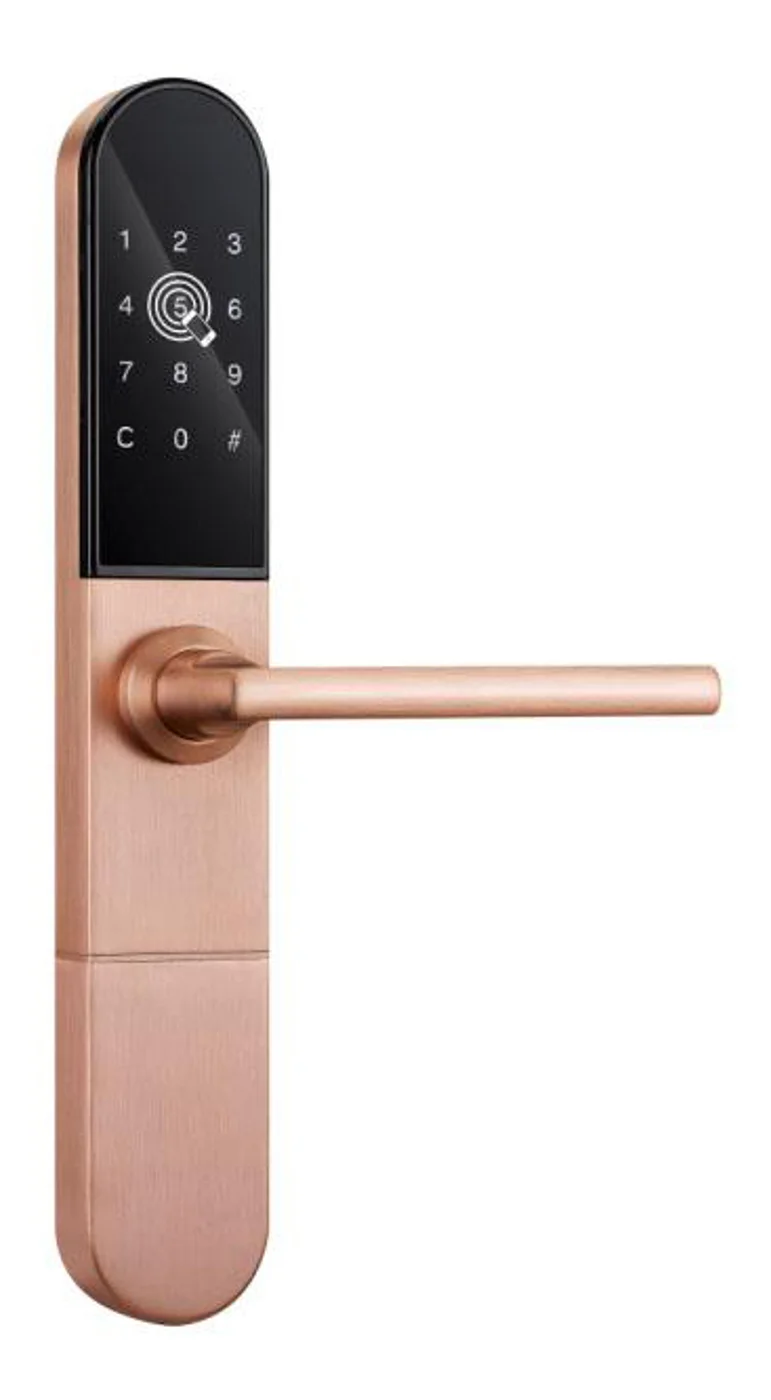
Kunci Lemari Pintar — Dikelola Aplikasi, Dasbor Multi-Lokasi
Kunci lemari pintar yang dikelola via aplikasi untuk kantor, paket, dan armada multi-lokasi. Dasbor aplikasi BLE, jejak audit, buka jarak jauh, tanpa server per kunci.
Halaman ini sudah menunjuk ke halaman tersebut sebagai referensi yang direkomendasikan berikutnya.
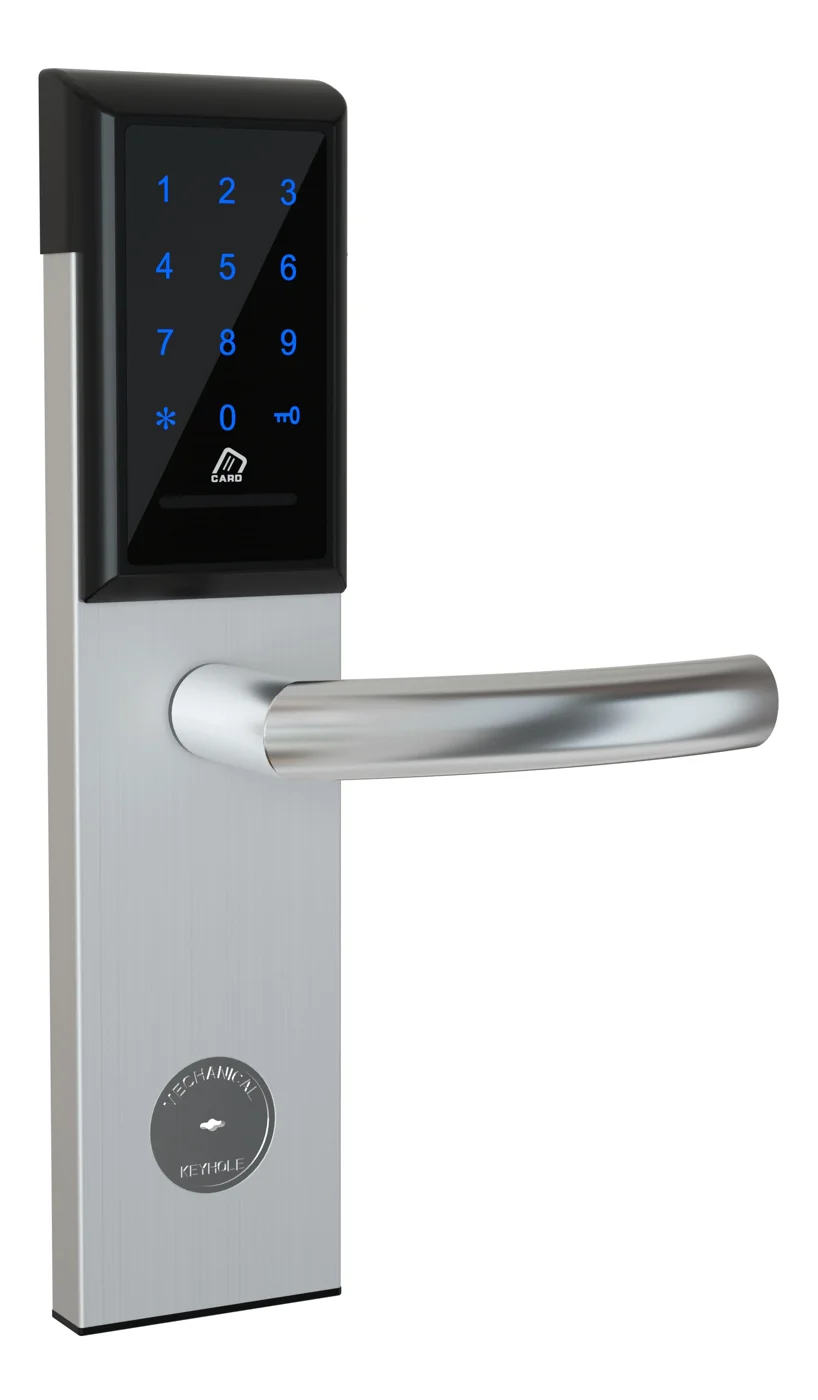
Kunci Lemari Kantor — PIN + Kartu untuk Arsip & Pedestal
Kunci lemari kantor PIN + kartu offline untuk lemari arsip, pedestal, dan laci. Retrofit baterai 5 menit, tanpa WiFi, tanpa manajemen kunci. CE/FCC/RoHS.
Halaman ini sudah menunjuk ke halaman tersebut sebagai referensi yang direkomendasikan berikutnya.
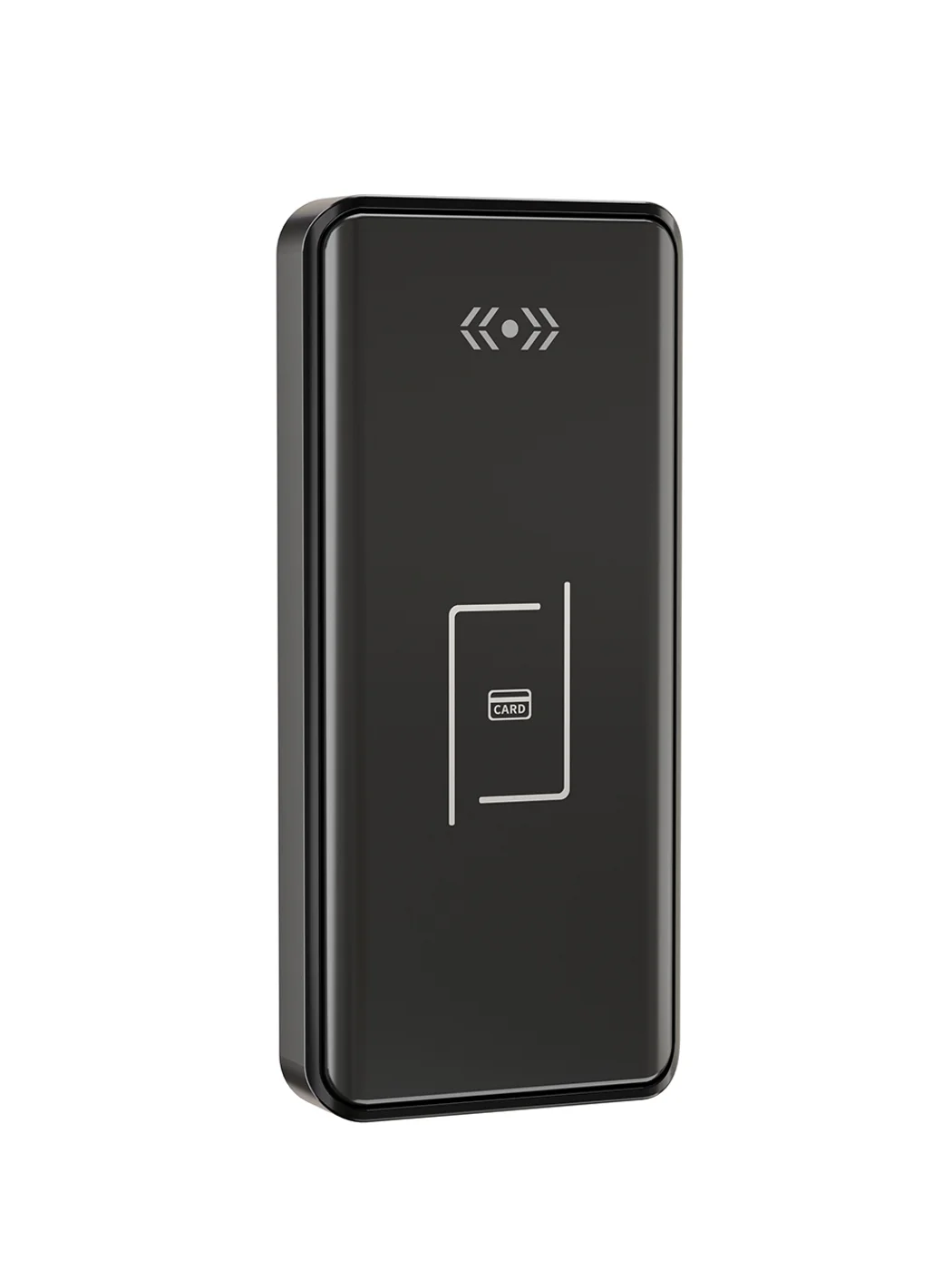
Kunci Loker Gym — Kartu Offline, Tanpa WiFi
Kunci loker gym kartu offline untuk loker fitness dan kolam. Kartu MIFARE, baterai, retrofit 5 menit, tanpa WiFi atau server. Zinc alloy, CE/FCC/RoHS.
Halaman ini sudah menunjuk ke halaman tersebut sebagai referensi yang direkomendasikan berikutnya.
Artikel blog terkait
3
Gembok Lemari Cloud: Panduan Utama Kontrol Akses Kabinet
Panduan lengkap teknologi gembok lemari cloud mencakup manajemen jarak jauh, jejak audit waktu nyata, dan kontrol akses kabinet multi-lokasi untuk perusahaan.
Halaman tersebut mendukung konteks produk yang sama: Kunci Lemari Pintar — Dikelola Aplikasi, Dasbor Multi-Lokasi, Kunci Lemari Kantor — PIN + Kartu untuk Arsip & Pedestal, Kunci Loker Gym — Kartu Offline, Tanpa WiFi.
Cam Lock Elektronik: Memodernisasi Kunci Kabinet Andalan
Cam lock elektronik memadukan bentuk klasik cam lock dengan kredensial RFID, keypad, dan BLE. Kompatibel retrofit lubang silinder standar. Panduan lengkap.
Halaman tersebut mendukung konteks produk yang sama: Kunci Lemari Pintar — Dikelola Aplikasi, Dasbor Multi-Lokasi, Kunci Lemari Kantor — PIN + Kartu untuk Arsip & Pedestal, Kunci Loker Gym — Kartu Offline, Tanpa WiFi.
Kunci Lemari Kartu: Panduan Utama Keamanan Lemari Pintar
Jelajah lengkap teknologi kunci lemari kartu: MIFARE, DESFire, kredensial NFC ponsel, instalasi, protokol keamanan, dan strategi integrasi enterprise.
Halaman tersebut mendukung konteks produk yang sama: Kunci Lemari Pintar — Dikelola Aplikasi, Dasbor Multi-Lokasi, Kunci Lemari Kantor — PIN + Kartu untuk Arsip & Pedestal, Kunci Loker Gym — Kartu Offline, Tanpa WiFi.
Rinci proyek hotel Anda bersama insinyur kami
Kirimkan jumlah kamar, jenis plafon, dan preferensi protokol Anda. Kami akan mengirimkan rencana sampel dan penawaran dalam 24 jam kerja.
- Beralih dari panduan umum ke diskusi produk atau aplikasi.
- Gunakan RFQ saat harga, gambar teknis, MOQ, atau jadwal peluncuran membutuhkan struktur.
- Jaga jalur kontak langsung tetap terlihat untuk klarifikasi cepat dan serah terima.