Panduan Branded Cabinet Lock: OEM, ODM, dan Private Label
Panduan lengkap branded cabinet lock: branding OEM dan ODM, logo, label, aplikasi, kemasan, MOQ, QC, pabrik, harga, merek dagang, garansi, dan rantai pasok.
Kunci lemari bermerek adalah produk penguncian elektromekanis yang diproduksi pabrik di bawah identitas milik sebuah merek, mencakup logo kustom, kemasan kustom, antarmuka kustom, dan warna kustom, alih-alih di bawah nama generik pabrik OEM yang membangunnya. Ketika sebuah perusahaan memesan kunci lemari bermerek, perusahaan tersebut membeli hak untuk menghadirkan perangkat jadi sebagai produk miliknya sendiri, lengkap dengan logo terukir laser, label tercetak, karton tercetak, UI kustom, dan aplikasi ponsel white-label. Tujuan kunci lemari bermerek adalah diferensiasi pasar dan penangkapan margin, karena pemilik merek dapat mengambil platform elektromekanis teruji yang sama yang sudah diproduksi manufaktur kontrak dan menjualnya kembali di bawah identitas eksklusif dengan harga lebih tinggi. Panduan ini menjelaskan apa arti kunci lemari bermerek di dunia OEM dan ODM, mengapa pembeli memilih kunci lemari bermerek, bagaimana branding kustom bekerja, berapa jumlah pesanan minimum untuk kunci lemari bermerek, bagaimana kontrol kualitas berjalan pada kunci lemari bermerek, cara memilih pabrik untuk kunci lemari bermerek, bagaimana harga kunci lemari bermerek dibandingkan dengan harga kunci lemari tanpa merek, serta bagaimana merek dagang, garansi, dan rantai pasok membentuk program kunci lemari bermerek. Baik Anda operator gym, jaringan hotel, maupun penjual e-commerce, kunci lemari bermerek memungkinkan Anda memiliki lini produk tanpa merancang elektronik dari nol.
Arti, Cakupan, dan Nilai Kunci Lemari Bermerek
Kunci lemari bermerek berarti kunci yang identitas luar, antarmuka pengguna, kemasan, perangkat lunak, dan posisi pasarnya dimiliki oleh sebuah merek, sementara perangkat keras dasarnya dilisensikan dari pemasok OEM atau ODM. Esensi kunci lemari bermerek adalah pemisahan antara rekayasa fisik dan identitas komersial, karena pabrik membangun kunci lemari bermerek dan reseller menambahkan nama serta logonya sendiri untuk menciptakan lini produk yang berbeda. Cakupan branding kunci lemari bermerek mencakup ukiran logo, label tercetak, warna enclosure kustom, teks tampilan yang dikustomisasi, co-branding aplikasi, kemasan ritel, dan ketentuan garansi. Nilai kunci lemari bermerek adalah penjual menangkap margin atas seluruh kunci lemari bermerek dan membangun aset merek yang bertahan bahkan ketika pemasok berubah. Kunci lemari bermerek biasanya menanggung pesanan minimum yang lebih tinggi daripada unit biasa, karena setiap unit harus menyerap biaya tooling, pencetakan, dan firmware kustom.
Definisi Private Label, White Label, dan OEM
Istilah kunci lemari bermerek digunakan secara bergantian dengan private label, white label, branding OEM, dan branding ODM, tetapi istilah-istilah tersebut berbeda dalam cakupan. Produk white-label memungkinkan pembeli menggunakan firmware pabrik hanya dengan nama yang baru dicetak, sedangkan produk merek privat yang lebih lengkap memungkinkan pembeli mengubah firmware, teks tampilan, perilaku reader, dan bahasa tombol kunci lemari bermerek. Dalam perdagangan, kunci lemari bermerek private label menyiratkan perubahan kosmetik yang menjaga elektronik tetap utuh, sementara build ODM penuh mengubah kunci lemari bermerek hingga ke papan sirkuit dan cetakan enclosure. Ketika tim procurement menyatakan sebuah unit adalah kunci bermerek, pembeli harus memastikan apakah pabrik akan mengirimkan kunci lemari bermerek dengan kosmetik ringan atau dengan perubahan rekayasa mendalam, karena cakupan rekayasa menentukan biaya dan linimasa kunci lemari bermerek. Selalu perjelas cakupan pekerjaan kustom secara tepat sebelum memesan kunci lemari bermerek, dan catat cakupan tersebut dalam perjanjian pembelian agar kedua pihak memahami deliverable kunci lemari bermerek.
Mengapa Pembeli Mencari Unit Bermerek
Sebuah merek membeli kunci lemari bermerek demi kecepatan masuk pasar dan risiko rekayasa yang lebih rendah. Merancang kunci elektronik baru dari nol membutuhkan waktu dua belas hingga delapan belas bulan serta sertifikasi, firmware, dan tooling injeksi, sedangkan mencari kunci lemari bermerek dari lini produk yang sudah ada memangkas jendela waktu itu menjadi delapan hingga dua belas minggu. Kunci lemari bermerek memperpendek siklus pengembalian karena pembeli memperoleh opsi kredensial teruji dan mekanisme solenoid teruji dari perangkat yang sudah dikenal. Reseller dan integrator sistem sama-sama menggunakan kunci lemari bermerek untuk memperluas katalog tanpa menambah departemen rekayasa, sehingga biaya tetap rendah dan katalog tetap luas. Daya tarik komersial kunci lemari bermerek adalah merek tetap memegang hubungan pelanggan, hubungan purna jual, pembaruan firmware, dan margin berulang bahkan ketika build dasarnya berasal dari pihak ketiga. Singkatnya, kunci lemari bermerek memusatkan pendapatan pada merek sejak pengiriman pertama, dan pemusatan itulah yang menjadi alasan pasar kunci lemari bermerek terus tumbuh.
Bermerek versus Tanpa Merek secara Singkat
Keputusan pertama yang dihadapi pembeli adalah perbedaan antara kunci lemari bermerek dan kunci lemari tanpa merek. Kunci lemari tanpa merek dikirim dengan nama pabrik, karton generik, aplikasi pabrik, dan harga terendah. Kunci lemari bermerek dikirim dengan logo Anda, kotak tercetak Anda, UI berlabel Anda, dan harga yang mengandung premium. Identitas kunci lemari bermerek mengikuti merek, bukan pabrik, sehingga pelanggan melihat unit bermerek sebagai lini produk yang koheren, bukan komoditas. Nilai kunci lemari bermerek tampak pada margin, biaya dukungan, dan kemampuan berekspansi ke lebih banyak keluarga produk di kemudian hari. Sebagian besar pembeli memulai dengan satu kunci lemari bermerek pada model terlaris mereka, mengumpulkan data penjualan, lalu memberi merek pada rentang produk yang lebih luas. Kunci lemari bermerek karena itu merupakan produk sekaligus strategi, karena setiap unit bermerek memperkuat identitas seluruh katalog.
Mengapa Pembeli Memilih Kunci Lemari Bermerek: Margin dan Posisi Pasar
Kunci lemari bermerek memungkinkan reseller menetapkan margin ritel yang tidak pernah ditawarkan unit tanpa merek, karena harga tanpa merek memperlihatkan biaya pabrik mentah sementara kunci lemari bermerek mengandung premium merek. Di pasar kunci, kunci lemari elektronik tanpa merek dengan keypad umumnya dikirim pada harga grosir antara 25 hingga 35 dolar AS, sedangkan perangkat keras yang sama sebagai kunci lemari bermerek dengan logo kustom dan aplikasi bermerek dijual ritel seharga 50 hingga 90 dolar. Margin dan posisi pasar adalah dua alasan sebuah bisnis beralih ke kunci lemari bermerek, karena unit bermerek menghasilkan bantalan cukup untuk mendanai pemasaran yang membuat kunci lemari bermerek berikutnya terjual lebih cepat. Merek yang hanya mencari kunci generik memperoleh margin tipis dan menghadapi persaingan harga langsung, sedangkan merek yang memiliki kunci lemari bermerek mencegah perbandingan harga yang mudah.
Margin per Unit Bermerek
Analisis keuntungan kunci lemari bermerek dimulai dari selisih antara landed cost dan penjualan akhir, dan angkanya bergantung pada volume yang dijanjikan pembeli. Dengan pesanan yang lebih besar, pabrik menurunkan biaya per unit dan margin kunci lemari bermerek dapat mencapai 40 hingga 60 persen kotor setelah ongkos kirim, bea, dan tooling dialokasikan. Kunci lemari bermerek mengamortisasi biaya ukiran dan setup kemasannya atas volume, sehingga biaya setup yang dibagi atas batch besar hanya menambah beberapa dolar per unit. Saat pembeli menaikkan kuantitas pesanan kunci lemari bermerek, biaya per unit turun dan margin melebar. Pembelian ulang kunci lemari bermerek membangun basis biaya yang stabil yang memungkinkan merek berinvestasi kembali pada mikrokontroler lebih cepat, reader lebih baru, dan baterai lebih baik untuk generasi kunci lemari bermerek berikutnya. Efek majemuk dari volume dan margin adalah mesin finansial sesungguhnya dari program kunci lemari bermerek.
Posisi Pasar dan Diferensiasi
Kunci lemari bermerek meningkatkan posisi pasar merek karena merek memiliki janji, kemasan, dokumentasi, firmware, dan perjalanan purna jual. Sebagian besar pembeli di segmen wellness dan perhotelan lebih memilih kunci lemari bermerek karena merek yang terlihat membangun pengenalan di meja depan. Gym, spa, kantor, dan sekolah mengandalkan kunci lemari bermerek untuk menghadirkan identitas yang koheren di seluruh armada perangkat. Di wilayah mana pun, perangkat bermerek diterima sebagai penawaran premium, dan penerimaan itulah esensi diferensiasi. Kunci lemari bermerek memungkinkan penetapan harga yang mendanai dukungan lebih baik, umur baterai lebih panjang, dan rilis firmware yang sering. Posisi pasar kuat kunci lemari bermerek hanya muncul setelah beberapa batch pertama, sehingga merek harus tetap konsisten pada setiap kunci lemari bermerek yang dikirimnya.
Biaya Peralihan dan Keterlekatan Pelanggan
Pelanggan yang memiliki kunci tanpa merek menanggung biaya peralihan terendah, tetapi pelanggan yang memiliki kunci lemari bermerek menanggung biaya peralihan nyata karena klien sudah berada di dalam antarmuka, aplikasi, data kartu, dan situs admin. Biaya peralihan kunci lemari bermerek adalah keunggulan yang sah bagi penjual. Jika operator loker ingin meninggalkan sebuah merek dan memakai kunci generik, ia harus menerbitkan ulang paket badge dan memindahkan riwayat adminnya. Karena kunci lemari bermerek menyimpan data pengguna dan versi firmware, merek membangun hubungan berulang yang tidak dapat dengan mudah direbut pesaing. Secara praktis, biaya peralihan kunci lemari bermerek mengubah armada terkelola yang penting menjadi pendapatan berulang yang melekat. Keterlekatan inilah alasan pengelola aset membakukan diri pada satu vendor kunci lemari bermerek untuk seluruh lokasi.
Cara Kerja Branding OEM dan ODM pada Kunci Lemari Bermerek
Kunci lemari bermerek diproduksi melalui skema OEM atau ODM, dan kedua jalur itu menentukan seberapa besar kendali merek atas perangkat akhir. Dalam kesepakatan OEM, pembeli mengambil perangkat keras yang hampir standar dan pabrik hanya menerapkan mereknya, sehingga kunci lemari OEM bermerek mempertahankan firmware pabrik dan penjual mencetak ulang label, karton, dan aplikasinya. Dalam kesepakatan ODM, pabrik membangun kunci lemari bermerek sesuai spesifikasi unik yang mencakup PIN kustom, firmware kustom, overlay tercetak, PCB kustom, dan modul bermerek yang sepenuhnya dimiliki. Sebagian besar merek private label memulai dengan kunci lemari bermerek OEM dan beralih ke kunci lemari bermerek ODM ketika volume dan kepercayaan tumbuh. Build OEM adalah kunci lemari bermerek yang paling cepat karena perangkat kerasnya tidak berubah, tetapi build ODM adalah yang terkuat bagi pembeli karena pabrik menyesuaikan bagian dalam kunci lemari bermerek dengan spesifikasi pembeli.
Branding OEM pada Kunci Lemari Bermerek
Dalam build OEM, perangkat standar menjadi kunci lemari bermerek dengan pengerjaan ulang ringan. Pabrik menerima kunci dasarnya, mengukir atau menambahkan logo Anda, mengecat ulang enclosure dengan warna Anda, dan mencetak karton dengan identitas pembeli. Kunci lemari bermerek OEM mempertahankan elektronik yang sama, gaya solenoid yang sama, dan reader 13.56 MHz MIFARE yang sama, sehingga sertifikasi dasarnya tetap dapat dipakai ulang. Karena perubahannya ringan, kunci lemari bermerek OEM menuntut pesanan minimum lebih kecil dan lead time empat hingga delapan minggu. Pembeli kunci lemari bermerek OEM memperoleh hak komersial penuh, tetapi pemeliharaan firmware dan perangkat keras tetap berada di pabrik. Jalur OEM adalah titik masuk yang digunakan merek untuk merilis kunci lemari bermerek dengan cepat dalam anggaran risiko sedang, dan ini cara termurah untuk menguji pasar dengan kunci lemari bermerek sungguhan.
ODM dari Papan Kustom
Kunci lemari bermerek ODM dimulai dari dokumen kebutuhan dan berakhir dengan produk yang sepenuhnya dimiliki. Pembeli menentukan tampilan, metode input, latch, baterai, rating tahan cuaca, dan platform cloud kunci lemari bermerek. Insinyur pabrik merancang tata letak PCB khusus, memotong cetakan baru, menulis firmware baru, dan membuat tooling enclosure unik untuk modul bermerek ini. Karena desainnya unik, kunci lemari bermerek ODM memiliki proteksi kloning terkuat, sementara biaya desain dan toolingnya paling tinggi. Proyek ODM tipikal untuk kunci lemari bermerek kustom menambahkan biaya rekayasa dan biaya cetakan yang menaikkan MOQ dan harga. Pembeli yang berharap menskalakan secara luas paling diuntungkan oleh kunci lemari bermerek ODM, karena kepemilikan desain menjadi aset yang tidak akan pernah diberikan kunci lemari bermerek OEM murni.
Semi-ODM dan Perangkat Keras Standar yang Dimodifikasi
Banyak pembeli menggunakan jalur tengah yang menggabungkan standar yang dimodifikasi, disebut build semi-ODM. Kunci lemari bermerek semi-ODM mempertahankan papan kontroler teruji dan hanya mengubah bagian kosmetik, yang mencakup overlay, warna, aplikasi, dan kemasan, sementara elektroniknya tetap standar. Jalur semi ini memberi kunci lemari bermerek tampilan kustom pada volume di bawah tooling penuh ODM komplet. Kunci lemari bermerek semi-ODM adalah pilihan tepat bagi merek yang menginginkan warna kustom dan UI kustom tanpa risiko tooling. Pembeli harus memastikan pabrik memiliki bagian-bagian kunci bahkan ketika kunci lemari bermerek semi-ODM muncul dalam katalog produk terpisah. Jalur semi-ODM adalah cara banyak merek berukuran menengah menskalakan kunci lemari bermerek dari pilot menjadi rentang penuh.
Opsi Branding Kunci Lemari Bermerek: Logo, Label, Aplikasi, dan Kemasan
Branding eksternal kunci lemari bermerek mencakup setiap elemen terlihat yang pertama dilihat pengguna, dan opsinya berkisar dari ukiran laser hingga co-brand aplikasi penuh. Hampir setiap pabrik menawarkan dua keluarga tanda: tanda pada perangkat, berupa logo atau label, dan tanda pada kemasan, berupa karton tercetak dan flyer. Kunci lemari bermerek juga dapat membawa perubahan antarmuka pengguna, yang mencakup teks tombol, tampilan, dan warna enclosure. Branding yang lebih dalam bergerak ke perangkat lunak aplikasi, tempat kunci lemari bermerek membawa layar boot kustom, portal akun bermerek, dan aplikasi white-label. Daftar keseluruhan ini memberi tahu pembeli bagian mana dari kunci lemari bermerek yang dapat diubah pabrik, serta menetapkan biaya dan pesanan minimum setiap opsi. Logo pada kunci lemari bermerek tidak memerlukan cetakan baru, tetapi enclosure kustom penuh memerlukannya, dan perbedaan itulah yang mendorong harga.
Ukiran Logo pada Enclosure
Branding paling tahan lama pada kunci lemari bermerek adalah ukiran laser pada permukaan depan. Ukiran laser pabrik menghasilkan tanda perak yang bersih pada logam brushed dan tahan aus, sehingga ideal untuk pelat baja dan aluminium. Untuk bagian plastik, logo hasil cetak (molded) adalah cap bermerek permanen yang paling baik dipesan pada tahap tooling, karena mengubahnya setelah cetakan jadi itu mahal. Merek terukir kecil di bagian depan kunci lemari bermerek menandai bagian pembukaan dan menambah kesan premium pada unit. Ukiran pada kunci lemari bermerek adalah biaya berulang per unit setelah biaya setup awal. Logo terukir bersifat permanen, sehingga menjadi elemen tunggal paling tahan lama dari kunci lemari bermerek. Banyak merek memilih ukiran pada kunci lemari bermerek karena tidak dapat terkelupas atau pudar seperti label.
Label dan Overlay untuk UI Kustom
Kunci lemari bermerek dapat mengubah label tercetak dan overlay, yang bersama-sama membawa seluruh antarmuka pengguna. Label perekat tercetak dapat membawa wordmark Anda, nomor pintu Anda, dan kode QR pemulihan di bagian depan atau bawah. Kunci lemari bermerek dengan overlay kustom menggantikan huruf pabrik dengan legenda tombol Anda sendiri. Ketika firmware kustom digunakan, tampilan aktif dapat diterjemahkan dan bahasa aplikasi menjadi milik Anda. Beberapa pabrik juga menambahkan cincin LED berlampu latar dengan warna merek. Label dan overlay adalah jalur termurah untuk tampilan berbeda pada kunci lemari bermerek tertentu, dan keduanya menjaga pelat logam tetap tak tersentuh. Label berlaminasi melindungi cetakan agar lebih tahan lama pada permukaan kunci lemari bermerek, hal yang penting untuk pintu dengan lalu lintas tinggi.
Co-Branding Aplikasi dan Kustomisasi Firmware
Segmen digital kunci lemari bermerek sering kali paling bernilai, tetapi kadang terlewat. Perangkat lunak aplikasi white-label memindahkan aplikasi, alur masuk, dan notifikasi ke dalam merek pembeli. Pada platform kunci lemari bermerek, produk tampil di aplikasi Anda sendiri, bukan aplikasi pabrik. Aplikasi untuk kunci lemari bermerek dapat memakai kode pabrik sebagai basis dan cukup mengganti logo serta aksen warna, lalu aplikasi menjadi bagian dari nilai merek. Fitur perangkat lunak kunci lemari bermerek mengendalikan pairing, nama pintu, dan ikon cloud. Rebranding aplikasi itulah yang membuat pelanggan mengingat merek, dan itu adalah penutup akhir pengalaman kunci lemari bermerek. Kunci lemari bermerek tanpa aplikasi bermerek terasa belum lengkap bagi pembeli modern, jadi aplikasi harus menjadi bagian dari cakupan.
Kemasan dan Unboxing
Kemasan kunci lemari bermerek mendefinisikan momen unboxing dan konversi ritel. Karton kustom dapat mencakup label tercetak, sisipan busa kustom, baterai cadangan, dan stiker panduan cepat. Kemasan kunci lemari bermerek sering kali menjadi elemen termurah untuk diubah dan paling terlihat di toko. Unit bermerek diuntungkan oleh unboxing karena kemasan yang bersih dan rapi menciptakan pengalaman koheren serta mengurangi panggilan ke pusat bantuan. Perhatikan bahwa kemasan kunci lemari bermerek tampak di dermaga, jadi masukkan nomor seri kustom dan QR karton ke dalam perhitungan biaya. Kotak ritel yang halus banyak berbicara tentang kunci lemari bermerek sebagai rencana yang lengkap, dan menyelamatkan Anda dari pengembalian yang berasal dari penyajian tak lengkap. Kotak adalah janji merek pertama yang ditepati kunci lemari bermerek.
Jumlah Pesanan Minimum untuk Kunci Lemari Bermerek
Jumlah pesanan minimum kunci lemari bermerek, disebut MOQ, adalah satu-satunya metrik yang membentuk seluruh keputusan karena tooling, pencetakan, dan firmware harus dibayar oleh volume yang dijamin. Untuk kunci lemari bermerek OEM sederhana yang hanya mengubah label dan karton, MOQ bisa serendah 100 hingga 500 unit ditambah biaya setup yang moderat. Untuk kunci lemari bermerek semi-kustom dengan overlay baru, MOQ biasanya naik ke 1.000 hingga 2.000 unit, yang merupakan biaya cetakan dan upaya firmware. Untuk kunci lemari bermerek ODM penuh dengan papan baru dan aplikasi baru, MOQ bisa mulai dari 2.500 hingga 10.000 unit. MOQ kunci lemari bermerek bergantung pada cakupan perubahan, karena semakin banyak yang harus dikustomisasi pabrik, semakin tinggi volume yang disyaratkan.
Mengapa MOQ Ditetapkan
MOQ adalah angka yang ditetapkan pabrik untuk mengamortisasi biaya sekali bayar. Pesanan kecil kunci lemari bermerek akan membiarkan cetakan, decal, pencetakan, dan firmware kustom tidak tercakup. Dengan menyatakan MOQ, pabrik menjamin program kunci lemari bermerek mengumpulkan total nilai yang cukup untuk membayar setup dan menghindari menjual build kustom dengan rugi. MOQ juga mencakup waktu insinyur dan inspeksi produk berdesain kustom. Perlakukan MOQ kunci lemari bermerek sebagai batas bawah, bukan batas atas, karena memesan satu tingkat di atas MOQ dapat menurunkan harga unit. Beberapa varian kunci lemari bermerek yang dipesan dari keluarga yang sama dapat diagregasi sehingga seluruh merek mencapai tingkat yang lebih dalam, dan agregasi itu menguntungkan setiap SKU dalam lini.
Tingkat MOQ dan Langkah Harga
Tingkat MOQ kunci lemari bermerek yang dipublikasikan berperilaku seperti lembar tangga harga. Pada 100 unit, biaya per unit tinggi, sedangkan pada 1.000 unit harga unit turun tajam. Ketika pembeli menaikkan pesanan kunci lemari bermerek dari 250 unit menjadi 500 unit, pabrik sering menambahkan ukiran gratis atau aplikasi kustom tanpa biaya. Daftar tingkat kunci lemari bermerek sering memuat baris 100 unit, 500 unit, 1.000 unit, dan 5.000 unit. Harga kunci lemari bermerek semestinya turun 10 hingga 20 persen pada setiap langkah volume. Pembeli cerdas mengagregasi belanja kunci tahunan menjadi satu pesanan kunci lemari bermerek sehingga seluruh kuantitas mencapai tingkat terdalam dan margin tertinggi katalog.
Menegosiasikan MOQ
Pembeli dapat menurunkan MOQ kunci lemari bermerek dengan menegosiasikan rilis bertahap. Pabrik yang mengirim pesanan dalam dua lot atau lebih memungkinkan pembeli menahan pesanan pertama yang lebih kecil dan mengulang pada jumlah pesanan ulang yang lebih aman. Pembayaran di muka dan perkiraan (forecast) yang ditandatangani juga membuat pabrik melonggarkan MOQ. Negosiasi paling efektif adalah menerima modul standar yang teruji, sehingga pabrik tidak memotong cetakan baru, dan pilihan itu menurunkan MOQ kunci lemari bermerek secara drastis. Pelat muka yang unik selalu mendorong MOQ naik. Tuliskan MOQ secara tertulis, dan anggarkan untuk modul berulang. Pada kunci lemari bermerek OEM, cobalah menjadwalkan klausul pesanan ulang pada harga terbaik agar batch kedua kunci lemari bermerek tiba tanpa ronde negosiasi baru.
Pesanan Ulang dan Kuantitas Berulang
Pesanan ulang berulang kunci lemari bermerek mengulangi setup dan menambahkan biaya lini. MOQ berlaku per SKU dan per produk, jadi merek harus memastikan bahwa itu bukan diskon keluarga antarvarian. Ketika pesanan tumbuh, pesanan ulang kunci lemari bermerek jauh berada di bawah pesanan awal karena tooling sudah dibayar. Konfirmasikan harga pengiriman yang dikalibrasi ulang dari pabrik. Toko yang mengantisipasi pesanan ulang kunci lemari bermerek harus mengisi stok kembali dua bulan sebelum stok habis untuk menghindari kehabisan. Memasukkan kembali produk lambat bergerak ke dalam pesanan ulang kunci lemari bermerek dapat mencapai satu tingkat alih-alih melewatkannya, dan itu menjaga biaya MOQ tetap wajar bagi seluruh lini.
Kontrol Kualitas saat Memproduksi Kunci Lemari Bermerek
Kontrol kualitas lebih penting pada kunci lemari bermerek daripada pada unit generik karena cacat pada produk yang dicetak dengan logo Anda langsung merusak reputasi Anda. Rencana kontrol kualitas yang disiplin untuk kunci lemari bermerek mencakup material masuk, perakitan, uji akhir, dan audit. Pabrik berpengalaman menjalankan lini SMT, sel staking, meja kalibrasi, dan rak aging untuk perangkat. Kunci lemari bermerek mekanis harus mampu menahan ribuan siklus penggerakan, elektroniknya harus beroperasi melintasi rentang tegangan terukur, dan kunci lemari bermerek yang mengklaim rating IP harus diuji untuk rating tersebut. Karena kunci lemari bermerek dikirim dalam volume tinggi, kontrol kualitas harus berjalan pada setiap unit, bukan pada sampel keberuntungan. Pembeli kunci lemari bermerek sebaiknya menerapkan rencana sampling penerimaan seperti ISO 2859 dengan general inspection level II, AQL 1.0 untuk cacat mayor, dan AQL kritis 0.25 untuk bagian terkait keselamatan.
Sampling dan Uji Umur
Sampling material untuk kunci lemari bermerek menggunakan rencana penerimaan yang dikenal seperti ANSI/ASQ Z1.4 atau ISO 2859 pada general inspection level II. Batas tipikal untuk perangkat bermerek adalah AQL 1.0 untuk cacat mayor dan AQL kritis 0.25. Setiap kunci lemari bermerek juga mendapat type test yang hanya dijalankan ketika lini stabil. Uji umur pada aktuator kunci lemari bermerek adalah jumlah siklus yang disyaratkan, umumnya 100.000 siklus untuk latch berpenggerak solenoid. Kunci lemari bermerek dengan solenoid 3 hingga 5 Newton dan motor bolt 5 hingga 8 Newton harus menyelesaikan siklus terukur tanpa kegagalan. Pabrik mencatat first pass yield dan tingkat cacat sehingga pembeli dapat membandingkan dua pemasok kunci lemari bermerek berdasarkan angka nyata, bukan janji.
Inspeksi Visual dan Penampilan
QC visual kunci lemari bermerek sama pentingnya dengan mekanisme kerjanya. Unit master yang disetujui harus memperlihatkan keselarasan logo, warna pad, clear coat, celah sambungan, dan level tombol. Deviasi warna lebih dari satu tingkat adalah tolakan pada kunci lemari bermerek. Jika label salah cetak, itu adalah tolakan, karena kata tercetak adalah titik kontrol pada bagian tersebut. Pemeriksaan kualitas kunci lemari bermerek harus mencakup pemeriksaan out-of-tolerance pada sambungan dan pemeriksaan bahwa label tidak dapat terkelupas. Pabrik yang baik menyimpan unit master yang disetujui dan membandingkan setiap sampel produksi kunci lemari bermerek terhadap master tersebut. Pemeriksa terlatih kasus depan kunci lemari bermerek adalah penjaga citra merek, karena unit tergores di bawah logo Anda adalah kegagalan senyap.
Kontrol Dokumen dan QC Kepatuhan
Kunci lemari bermerek membawa dokumentasi yang tidak dimiliki unit generik. Rekaman QC kunci lemari bermerek harus melacak lot, versi firmware, lini material, dan tanggal kirim. Di sisi elektrikal, kunci lemari bermerek membawa penanda CE, FCC, dan RoHS agar labelnya valid. Rebranding kunci lemari di bawah perangkat baru mensyaratkan sertifikat mencantumkan nama model baru dan nama perusahaan baru. Simpan daftar periksa elemen branding untuk kunci lemari bermerek, dan cetak model pada tempat yang terlihat. Karena kunci lemari bermerek dijual ke distributor, nama pada kotak harus cocok dengan sertifikasi. Pastikan berkas teknis kunci lemari bermerek tersedia atas permintaan, karena regulator memintanya selama inspeksi pasar.
Audit dan Tindakan Korektif
Pabrik menjalankan proses pada kunci lemari bermerek selama build, bukan setelahnya. Inspeksi tengah lini selama perakitan menangkap masalah pada sekrup dan firmware saat masih murah untuk diperbaiki. Audit memastikan kunci lemari bermerek mendapat uji dinamis dan uji memori sebelum kotak disegel. Batch kunci lemari bermerek yang gagal memicu tindakan korektif 8D yang mencakup akar masalah, langkah korektif, dan bukti penutupan. Hentikan lini pada peringatan pertama pada kunci lemari bermerek. Audit berkelanjutan kunci lemari bermerek mensyaratkan pelajaran dari satu lot mengalir ke lot berikutnya. Audit independen terhadap pemasok kunci lemari bermerek mencakup inspeksi pihak kedua dan pemindai RoHS, dan pemeriksaan independen itulah wujud disiplin proses.
Memilih Pabrik untuk Kunci Lemari Bermerek
Memilih pabrik menentukan apakah program kunci lemari bermerek berbiaya rendah atau berisiko tinggi, karena seluruh reputasi merek bertumpu pada kapabilitas pabrik. Kriteria inti untuk kunci lemari bermerek mencakup sistem mutu, jumlah personel rekayasa, pesanan minimum, sertifikasi, dan rekam jejak pekerjaan OEM dan ODM. Tanda terbaik adalah pabrik yang sudah pernah membangun kontroler atau reader serupa, karena riwayat itu berarti lebih sedikit kejutan bagi kunci lemari bermerek. Pesanan kunci lemari bermerek harus memverifikasi bahwa pabrik akan menerbitkan sertifikasi dengan nama produk, sehingga dokumen kepatuhan tetap valid di bawah merek baru. Pembeli sebaiknya menilai pabrik pada kualitas, biaya, pengiriman, dan responsivitas, sering disebut QCDR, lalu mengunjungi daftar pendek. Pabrik yang lolos audit ISO 9001 dan menerima inspeksi pihak ketiga adalah mitra yang tepat untuk kunci lemari bermerek.
Kriteria Evaluasi dan Scorecard Pemasok
Evaluasi pemasok untuk kunci lemari bermerek menggunakan matriks bernilai dari kualitas, harga, pengiriman, dan responsivitas, yang oleh industri disebut QCDR. Produsen kunci lemari bermerek dengan sertifikat ISO 9001 yang valid menunjukkan sistem mutunya sistematis. Sekumpulan kriteria untuk kunci lemari bermerek adalah pabrik mampu menangani rencana ODM, memiliki fixture pengujian untuk reader, memiliki sertifikasi transportasi, dan tim rekayasanya merespons dalam satu hari kerja. Harga kunci lemari bermerek harus transparan dengan setiap biaya tambahan tercantum. Merek juga sebaiknya mencantumkan sumber kedua papan untuk kunci lemari bermerek, karena pemasok tunggal adalah titik kegagalan tunggal. Pilih pemasok yang scorecard-nya cocok dengan volume dan kualitas yang disyaratkan kunci lemari bermerek.
Audit dan Sertifikasi
Pembeli yang bertanggung jawab mengaudit pabrik sebelum pesanan kunci lemari bermerek. Audit mencakup lini produksi, pembelian komponen, laporan CE dan FCC, serta kalibrasi meja uji. Pabrik yang baik akan mempublikasikan hasil auditnya, sertifikasinya, dan kontrol kualitas lini untuk kunci lemari bermerek. KPI pemasok kunci lemari bermerek mencakup validitas sertifikasi, penggunaan ISO, dan yield yang stabil. Materi pemasaran bukan pengganti audit, karena audit adalah penjaga jawaban. Hanya sumber daya pabrik yang dapat melindungi pengiriman kunci lemari bermerek. Level PPAP dan first article kunci lemari bermerek membedakan produsen serius dari reseller.
Kapasitas dan Lead Time
Konfirmasikan lead time dan kapasitas yang diminta sebelum menandatangani kontrak kunci lemari bermerek. Pabrik yang terisi penuh kapasitasnya tidak dapat merespons buffer yang disyaratkan kunci lemari bermerek. Pabrik semestinya menyesuaikan kapasitas untuk pesanan puncak, karena pesanan gym musiman kunci lemari bermerek selesai dalam satu gelombang. Perhitungkan kalender perdagangan: jika pabrik memproduksi feeder yang sama untuk merek lain, ia mungkin tidak menarik shift ekstra untuk Anda. Minta slot yang mencadangkan rilis, palet, dan pengiriman kunci lemari bermerek. Konfirmasikan ketentuan pembayaran dan ongkos kirim untuk kunci lemari bermerek, karena ketentuan itu memengaruhi landed cost. Penanda risiko muncul begitu pabrik tidak dapat berkomitmen pada tanggal pengiriman kunci lemari bermerek.
Kunjungan Pabrik dan Produksi Pilot
Pilihan pemasok kunci lemari bermerek hanya terbukti melalui kunjungan dan pilot. Kunjungan memperlihatkan disiplin lantai produksi, gudang, dan dermaga pengiriman. Uji coba (pilot run) kunci lemari bermerek memastikan cetakan dan labelnya nyata. Lima puluh unit kunci lemari bermerek dengan logo sungguhan menyelesaikan pertanyaan keselarasan. Setelah pilot kunci lemari bermerek lulus, build lini dapat dimulai. Pemasok yang adil menunjukkan kemauan melatih tim pembeli. Dengan kunjungan dan pilot kunci lemari bermerek, ukur yield nyata, lalu tempatkan pesanan. Pilot kunci lemari bermerek menghasilkan unit referensi emas yang disimpan tim QC selama umur program.
Harga Kunci Lemari Bermerek vs Kunci Lemari Tanpa Merek
Harga kunci lemari bermerek berada pada tangga di atas harga unit standar karena unit bermerek menambahkan logo, firmware, kemasan, dan tooling ke perangkat keras dasar yang sama. Sebagai aturan umum, biaya unit kunci lemari bermerek 15 hingga 40 persen lebih tinggi daripada kunci lemari tanpa merek yang setara, dan harga ritelnya bisa 100 persen lebih tinggi. Dalam perbandingan tipikal, kunci lemari tanpa merek dengan keypad berbiaya sekitar 27 dolar landed, sedangkan kunci lemari bermerek dengan kotak tercetak dan aplikasi bermerek berbiaya sekitar 38 dolar landed, dan harga ritelnya masing-masing 55 dolar dan 99 dolar. Margin kotor kunci lemari bermerek melebar karena konsumen membayar untuk identitas. Pembeli sebaiknya memisahkan biaya tooling sekali bayar dari biaya per unit saat mengevaluasi harga kunci lemari bermerek, dan sebaiknya menegosiasikan tingkat volume sebelum desain difinalkan.
| Komponen harga | Kunci lemari tanpa merek | Kunci lemari bermerek |
|---|---|---|
| Biaya perangkat keras dasar | 25 | 25 |
| Logo dan label per unit | 0 | 3 |
| UI kustom dan aplikasi per unit | 0 | 6 |
| Kemasan dan manual per unit | 2 | 4 |
| Total biaya landed per unit | 27 | 38 |
| Harga ritel | 55 | 99 |
| Persentase margin kotor | 51% | 62% |
Susunan Harga Kunci Lemari Bermerek
Susunan harga kunci lemari bermerek dimulai dari perangkat keras dasar dan menambahkan setiap lapisan branding. Biaya dasar kunci lemari bermerek sama dengan biaya dasar kunci lemari tanpa merek, karena elektronik dan latch-nya identik. Logo dan label menambah beberapa dolar per unit kunci lemari bermerek. UI kustom dan aplikasi menambahkan biaya sekali bayar plus biaya per unit kecil. Kemasan kunci lemari bermerek menambahkan cetakan per unit. Tooling sekali bayar kunci lemari bermerek dibagi atas seluruh pesanan. Pembeli memisahkan biaya sekali bayar dari biaya berulang kunci lemari bermerek agar harga unit sebenarnya terlihat, dan tabel di atas memperlihatkan pemisahan itu dengan jelas.
Mengapa Kunci Lemari Bermerek Menuntut Premium
Kunci lemari bermerek menuntut premium karena unit bermerek menghadapi persaingan lebih sedikit dan tanda yang terlihat itu menjual. Kunci lemari tanpa merek harus diturunkan ke harga komoditas, sementara kunci lemari bermerek mempertahankan nilai identitas. Premium kunci lemari bermerek adalah wujud dari rencana yang koheren, yang mencakup media, nilai, dan dukungan. Kunci lemari bermerek layak dipasarkan, karena citra merek yang menguat itulah yang menjaga harga. Jangan menetapkan harga kunci lemari bermerek terlalu rendah, karena premium itulah alasan seluruh program ini ada. Skor ulasan dan tingkat pengembalian kunci lemari bermerek juga memengaruhi harga, karena unit dengan pengembalian rendah mendukung harga lebih tinggi.
Total Biaya Kepemilikan
Biaya kepemilikan sebenarnya dari kunci lemari bermerek mencakup biaya mutu, yaitu biaya untuk mengelola pengembalian dan menjual suku cadang. Unit generik bermutu lebih rendah menimbulkan biaya yang mengikis premium kunci lemari bermerek melalui dukungan dan perbaikan. Rahasia kunci lemari bermerek adalah kunci listrik yang baik lebih jarang kembali dari konsumen. Kunci lemari bermerek dengan perangkat keras sama tetapi finishing lebih tinggi itu aman. Analisis total biaya kunci lemari bermerek berjalan seiring harga, sehingga premium hanya bertahan jika pengembalian tidak bertambah. Jika unit generik murah banyak dikembalikan ke distributor, penghematan dari kunci lemari bermerek menjadi hampa. Pembeli matang mengukur pengembalian kunci lemari bermerek per batch.
Menegosiasikan Harga Kunci Lemari Bermerek
Harga akhir kunci lemari bermerek bergantung pada sejumlah tuas. Tuas pertama adalah volume, karena kuantitas kunci lemari bermerek yang lebih tinggi mencapai tingkat harga lebih rendah. Tuas kedua adalah spesifikasi, karena modul standar kunci lemari bermerek berbiaya lebih murah daripada papan kustom. Tetapkan harga unit target untuk kunci lemari bermerek dan minta pabrik mencantumkan bagian-bagian yang tidak memiliki nama merek. Pilih nilai pasar kunci lemari bermerek alih-alih penawaran termurah. Naikkan pesanan ke tingkat harga untuk beberapa bulan permintaan. Biarkan pabrik bersaing pada penawaran kunci lemari bermerek, ambil anggaran sampel, lalu pesan batch lebih besar agar biaya unit kunci lemari bermerek serendah mungkin.
Merek Dagang, Garansi, dan Tanggung Jawab Hukum untuk Kunci Lemari Bermerek
Ketika sebuah perusahaan menaruh namanya pada kunci lemari bermerek, ia juga menanggung merek dagang, garansi, dan tanggung jawab produk di bawah nama tersebut. Merek dagang kunci lemari bermerek mencakup nama produk, logo, dan kemasan, dan semestinya didaftarkan di kelas Nice yang mencakup kunci sebelum peluncuran. Langkah hukum terpenting adalah menelusuri basis data merek dagang pasar sasaran, karena kunci lemari bermerek yang berbenturan dengan tanda yang sudah ada harus diganti namanya. Tanggung jawab garansi kunci lemari bermerek terbagi menjadi dua lapis: pabrik menjamin mekanismenya, dan merek menjamin layanan lapangan serta baterai. Kepatuhan regulasi juga berubah ketika kunci lemari bermerek dirilis di bawah merek baru, karena FCC ID dan deklarasi CE mencantumkan nama merek. Kontrak yang solid dan perjanjian kerahasiaan melindungi kekayaan intelektual kunci lemari bermerek.
Pendaftaran dan Pemeriksaan Merek Dagang
Merek dagang untuk kunci lemari bermerek diklaim di kelas Nice 6 untuk kunci logam atau kelas 9 untuk perangkat elektronik. Penelusuran merek dagang kunci lemari bermerek harus mencakup wilayah yang sama tempat produk akan dijual. Jika pesaing di wilayah yang sama sudah memegang tanda serupa, kunci lemari bermerek harus diganti namanya. Pemeriksaan dan pengajuan merek kunci lemari bermerek semestinya terjadi sebelum produk diluncurkan. Merek dagang terdaftar kunci lemari bermerek adalah perlindungan yang mengekang pemalsu dan memberi merek hak untuk bertindak. Gunakan basis data resmi kantor merek dagang untuk memeriksa nama kunci lemari bermerek, dan ajukan sejak awal, karena peninjauan bisa memakan waktu berbulan-bulan.
Tanggung Jawab Garansi dan Alur RMA
Garansi kunci lemari bermerek terbagi menjadi dua lapis. Garansi produsen kunci lemari bermerek mencakup mekanisme, yang meliputi solenoid, motor, dan sensor. Garansi merek kunci lemari bermerek mencakup seluruh layanan lapangan dan baterai. Pembeli harus menulis kebijakan pengembalian untuk kunci lemari bermerek dan menetapkan linimasa perbaikan. Garansi umum kunci lemari bermerek adalah satu tahun, diperpanjang menjadi dua tahun untuk model premium. Sediakan cadangan suku cadang untuk kunci lemari bermerek, dan petakan setiap unit berdasarkan nomor seri agar tim layanan dapat melacaknya. Alur pengembalian kunci lemari bermerek semestinya diuji sebelum pelanggan pertama membutuhkannya, karena jalur RMA yang rusak merusak merek.
Kepatuhan di Bawah Nama Merek Baru
Kepatuhan regulasi kunci lemari bermerek berubah mengikuti merek. FCC ID dan deklarasi CE kunci lemari bermerek mencantumkan nama merek dan model. Tinjauan rekayasa kunci lemari bermerek harus memindahkan persetujuan dan menerbitkan lembar branding. Label kunci lemari bermerek semestinya menampilkan model, sertifikasi, dan asal. Kepatuhan adalah persyaratan kaku kunci lemari bermerek, karena ID yang tidak cocok menjadi sorotan di bea cukai. Dokumentasi kunci lemari bermerek harus diterjemahkan untuk setiap pasar. Sebagian besar program kunci lemari bermerek bergantung pada pemeliharaan dokumen sertifikasi dalam folder bersama yang diperbarui pabrik pada setiap perubahan.
Perlindungan IP dan NDA
Kontrak kunci lemari bermerek harus melindungi kekayaan intelektual dan mencegah penyalahgunaan oleh vendor. Klausul IP kunci lemari bermerek mendefinisikan siapa yang memiliki firmware, papan, dan desain casing. Perangkat lunak kunci lemari bermerek sering dilisensikan ke merek, bukan dialihkan. Kontrak terbaik kunci lemari bermerek menjaga rahasia dagang merek dan kredensial. Kunci lemari bermerek hanya bernilai sebesar ketentuan kepemilikannya, jadi tinjauan hukum sepadan dengan biayanya. Rencana deployment kunci lemari bermerek semestinya mencatat keputusan IP secara tertulis, agar tidak muncul sengketa bertahun-tahun kemudian.
Rantai Pasok Kunci Lemari Bermerek
Rantai pasok kunci lemari bermerek mencakup seluruh perjalanan dari material mentah hingga kotak di dermaga, dan meliputi molding, perakitan PCB, antena, firmware, label, kemasan, dan pengiriman. Rantai procurement adalah jalur kritis kunci lemari bermerek karena lead time kunci lemari bermerek umumnya enam hingga sepuluh minggu untuk build standar dan dua belas hingga empat belas minggu untuk ODM penuh. Rencana pasok untuk kunci lemari bermerek harus menyertakan buffer untuk permintaan musiman, karena gym atau sekolah yang memesan kunci lemari bermerek dalam lonjakan tidak mampu menanggung kehabisan stok. Pembeli sebaiknya meramalkan setidaknya dua siklus ke depan dan menahan buffer barang jadi. Rantai pasok kunci lemari bermerek juga mensyaratkan sumber kedua untuk papan kontroler dan latch agar penundaan pabrik tidak menghentikan seluruh merek.
Lead Time dan Stok Buffer
Siklus pesanan kunci lemari bermerek adalah enam hingga sepuluh minggu, dan ODM penuh memakan dua belas hingga empat belas minggu. Perkiraan pesanan gym musiman kunci lemari bermerek membutuhkan buffer untuk mengarungi gelombang. Buffer kunci lemari bermerek mencadangkan modul untuk satu setengah bulan permintaan yang diharapkan. Pertimbangkan cetakan injeksi dan papan kunci lemari bermerek saat merencanakan kapasitas. Komponen ber-lead time panjang kunci lemari bermerek sebaiknya dipesan sebelum jalannya SMT. Lebih baik menahan surplus kecil kunci lemari bermerek daripada kehabisan pada puncak permintaan, karena kehabisan stok mengirim pelanggan ke pesaing.
Kelompok Pemasok dan Sumber Kedua
Kelompok pemasok kunci lemari bermerek mencakup papan, plastik, reader, kemasan, dan perakitan akhir. Kontrak pemasok tunggal kunci lemari bermerek harus mengidentifikasi sumber utama dan sumber sekunder. Injeksi plastik kunci lemari bermerek menang di sisi biaya, sedangkan PCB adalah papan tercetak dengan lapisan tembaga. Label dan karton kunci lemari bermerek mudah dicari, tetapi baterai adalah komponen kritis. Petakan risiko setiap pemasok kunci lemari bermerek dan negosiasikan safety stock untuk item ber-lead time panjang. Seluruh rangkaian pasok kunci lemari bermerek semestinya ditinjau setiap kuartal agar mata rantai lemah digantikan lebih awal.
Perencanaan Permintaan dan Ritme Pesanan Ulang
Rencana permintaan kunci lemari bermerek menggerakkan ritme pesanan ulang. Produk hit kunci lemari bermerek membutuhkan siklus lebih cepat daripada varian lambat. Pesanan ulang kunci lemari bermerek disesuaikan dengan catatan ritel dan kalender. Perencanaan kunci lemari bermerek semestinya ditinjau mingguan, dengan surplus kunci lemari bermerek dikurangi. Ketika kunci lemari bermerek mencapai akhir umurnya, pembelian terakhir semestinya diperhitungkan untuk mencakup periode garansi. Rencana permintaan kunci lemari bermerek menyelaraskan kalender pemasaran dengan kalender pengiriman, sehingga kampanye tidak pernah diluncurkan tanpa stok. Ritme kunci lemari bermerek adalah disiplin yang menjaga seluruh bisnis tetap sehat.
Logistik dan Distribusi
Logistik kunci lemari bermerek mencakup pengiriman laut, bea cukai, gudang, dan mil terakhir. Kunci lemari bermerek yang dikirim dalam palet sebaiknya memakai layanan konsolidasi untuk mengurangi ongkos kirim. Dokumen bea cukai kunci lemari bermerek harus cocok dengan faktur komersial dan sertifikasi. Gudang kunci lemari bermerek sebaiknya memisahkan barang jadi per batch demi ketertelusuran. Distribusi kunci lemari bermerek ke gym dan sekolah membutuhkan mitra lokal yang andal. Kunci lemari bermerek yang rusak dalam perjalanan adalah pengembalian, jadi kemasan kunci lemari bermerek harus bertahan di palet. Biaya logistik kunci lemari bermerek termasuk dalam landed cost yang menetapkan harga ritel.
Kesimpulan: Meluncurkan Kunci Lemari Bermerek
Meluncurkan kunci lemari bermerek adalah jalur yang tepat bagi merek, pengecer, integrator, atau gym yang ingin memiliki identitas produk tanpa membangun tim rekayasa. Peluncuran kunci lemari bermerek dimulai dengan penelusuran merek dagang dan spesifikasi yang jelas, lalu bergerak ke jalur OEM atau semi-ODM demi waktu masuk pasar tercepat. Pembeli semestinya mengunci MOQ yang mengembalikan biaya tooling, memilih pabrik bersertifikat, menjalankan kontrol kualitas pada setiap unit, menghargai kunci lemari bermerek dengan premium, dan menjalankan rantai pasok dengan buffer. Hasilnya adalah kunci lemari bermerek yang dijual di bawah struktur milik sendiri dengan dukungan milik sendiri. Pesanan pilot kunci lemari bermerek semestinya diuji sebelum pesanan utama. Pasar perangkat pengunci bermerek kustom itu besar, dan setiap pesaing yang ragu memberi merek sebuah celah. Kunci lemari bermerek mengubah komoditas menjadi aset merek.
Langkah Berikutnya untuk Merek Anda
Langkah berikutnya bagi sebuah merek adalah menulis product brief singkat untuk kunci lemari bermerek dan meminta penawaran ke dua pabrik. Bandingkan MOQ, lead time, dan sertifikasi setiap pemasok kunci lemari bermerek. Pilih pabrik yang dapat mengirimkan pilot kunci lemari bermerek sesuai jadwal. Setelah pilot lulus, tempatkan pesanan pertama kunci lemari bermerek dan lacak pengembaliannya. Data dari batch pertama kunci lemari bermerek memandu batch kedua dan pembaruan firmware. Kunci lemari bermerek adalah awal dari sebuah keluarga produk, jadi jaga bahasa desain tetap konsisten di seluruh rentang mendatang. Peluncuran kunci lemari bermerek yang terfokus lebih baik daripada peluncuran luas tanpa stok, karena kehabisan stok mematikan momentum merek.
Daftar Periksa Akhir untuk Kunci Lemari Bermerek
Daftar periksa akhir kunci lemari bermerek mencakup hukum, spesifikasi, pemasok, kualitas, dan stok. Periksa merek dagang nama kunci lemari bermerek sebelum mengeluarkan biaya tooling. Konfirmasikan spesifikasi kunci lemari bermerek dengan pabrik dan tim aplikasi. Audit pabrik dan pilot kunci lemari bermerek sebelum pesanan utama. Jalankan kontrol kualitas pada setiap unit kunci lemari bermerek dan jaga folder sertifikat tetap mutakhir. Bangun stok buffer kunci lemari bermerek sebelum musim puncak. Tetapkan harga kunci lemari bermerek dengan premium yang mencerminkan layanan dan garansi. Kunci lemari bermerek yang lolos daftar periksa ini siap diluncurkan di pasar mana pun, karena merek, pabrik, dan stok semuanya selaras.
Sebagian konten artikel ini dihasilkan oleh AI dan dioptimalkan untuk akurasi profesional serta keterbacaan. A branded cabinet lock is an electromechanical locking product that a factory manufactures under a brand-owned identity, including a custom logo, custom packaging, a custom interface, and a custom color, instead of under the generic name of the OEM factory that builds it. When a company orders a branded cabinet lock, it buys the right to present the finished device as its own product, complete with a laser-engraved logo, a printed label, a printed carton, a custom UI, and a white-label phone app. The purpose of a branded cabinet lock is market differentiation and margin capture, because a brand owner can take the same proven electromechanical platform that a contract manufacturer already builds and resell it under an exclusive identity at a higher price. This guide explains what a branded cabinet lock means in the OEM and ODM world, why a buyer chooses a branded cabinet lock, how custom branding works, what the minimum order quantity is for a branded cabinet lock, how quality control runs on a branded cabinet lock, how to choose a factory for a branded cabinet lock, how the pricing of a branded cabinet lock compares with the pricing of an unbranded cabinet lock, and how trademark, warranty, and the supply chain shape a branded cabinet lock program. Whether you are a gym operator, a hotel chain, or an e-commerce seller, a branded cabinet lock lets you own a product line without designing the electronics from scratch.
Branded Cabinet Lock Meaning, Scope, and Value
A branded cabinet lock means a lock whose outward identity, user interface, packaging, software, and market position are owned by a brand, while the base hardware is licensed from an OEM or ODM supplier. The essence of a branded cabinet lock is the separation of physical engineering from commercial identity, because a factory builds a branded cabinet lock and a reseller adds its own name and logo to create a distinct product line. The branding scope of a branded cabinet lock includes the logo engraving, the printed label, the custom enclosure color, the customized display text, the app co-branding, the retail packaging, and the warranty terms. The value of a branded cabinet lock is that the seller captures the margin on the entire branded cabinet lock and builds a brand asset that survives even when the supplier changes. A branded cabinet lock usually carries a higher minimum order than a plain unit, because every unit must absorb the cost of tooling, printing, and custom firmware.
Private Label, White Label, and OEM Definitions
The phrase a branded cabinet lock is used interchangeably with private label, white label, OEM branding, and ODM branding, but the terms differ in scope. A white-label product lets the buyer use the factory firmware with only a freshly printed name, whereas a more complete private-brand product lets the buyer change the firmware, the display text, the reader behavior, and the button language of a branded cabinet lock. In the trade, a private-label branded cabinet lock implies cosmetic changes that keep the electronics intact, while a full ODM build changes the branded cabinet lock down to the board and the enclosure mold. When procurement says a unit is a branded lock, the buyer should confirm whether the factory will deliver a branded cabinet lock with light cosmetics or with deep engineering changes, because the engineering scope decides the cost and the timeline of a branded cabinet lock. Always clarify the exact scope of custom work before ordering a branded cabinet lock, and record the scope in the purchase agreement so that both sides understand the branded cabinet lock deliverables.
Why Buyers Source a Branded Unit
A brand buys a branded cabinet lock for speed to market and for lower engineering risk. Designing a new electronic lock from nothing takes twelve to eighteen months and needs certifications, firmware, and injection tooling, whereas sourcing a branded cabinet lock from an existing product line reduces that window to eight to twelve weeks. A branded cabinet lock shortens the return cycle because the buyer is acquiring the proven credential options and the proven solenoid mechanism of a known device. A reseller and a system integrator both use a branded cabinet lock to widen a catalog without adding an engineering department, which keeps the fixed cost low and the catalog wide. The commercial appeal of a branded cabinet lock is that the brand keeps the customer relationship, the after-sales relationship, the firmware updates, and the repeat margin even when the underlying build comes from a third party. In short, a branded cabinet lock concentrates revenue on the brand from the first shipment, and that concentration is exactly why the branded cabinet lock market keeps growing.
Branded Versus Unbranded at a Glance
The first decision a buyer faces is the difference between a branded cabinet lock and an unbranded cabinet lock. An unbranded cabinet lock ships with the factory name, the generic carton, the factory app, and the lowest price. A branded cabinet lock ships with your logo, your printed box, your labeled UI, and a price that carries a premium. The identity of a branded cabinet lock follows the brand, not the factory, so the customer sees a branded unit as a coherent product line rather than a commodity. The value of a branded cabinet lock appears in the margin, in the support cost, and in the ability to expand into more product families later. Most buyers start with a single branded cabinet lock on their best-selling model, gather sales data, and then brand a broader range. A branded cabinet lock is therefore both a product and a strategy, because each branded unit strengthens the identity of the whole catalog.
Why Buyers Choose a Branded Cabinet Lock: Margins and Market Position
A branded cabinet lock lets a reseller command a retail margin that an unbranded unit never offers, because an unbranded price displays the raw factory cost while a branded cabinet lock carries a brand premium. In the lock market, an unbranded electronic cabinet lock with a keypad typically ships at a wholesale price between twenty-five and thirty-five US dollars, while the same hardware as a branded cabinet lock with a custom logo and a branded app retails for fifty to ninety dollars. The margin and the market position are the two reasons a business moves to a branded cabinet lock, because a branded unit grosses enough cushion to fund the marketing that makes the next branded cabinet lock sell faster. A brand that sources only generic locks earns a thin spread and faces instant price competition, whereas a brand that owns a branded cabinet lock prevents easy price comparison.
Margin per Branded Unit
The profit analysis of a branded cabinet lock starts with the difference between the landed cost and the final sale, and the number depends on the volume that a buyer commits. With a larger order, the factory lowers the per-unit cost and the margin on a branded cabinet lock can reach forty to sixty percent gross after freight, duty, and tooling are allocated. A branded cabinet lock amortizes its engraving and its package setup over the volume, so a setup charge divided over a large batch only adds a few dollars per unit. As the buyer raises the quantity of a branded cabinet lock order, the per-unit cost drops and the margin widens. Repeat purchases of a branded cabinet lock build a stable cost base that allows the brand to reinvest in a faster microcontroller, newer readers, and better batteries for the next branded cabinet lock generation. The compounding of volume and margin is the real financial engine of a branded cabinet lock program.
Market Position and Differentiation
A branded cabinet lock improves the market position of the brand because the brand owns the promise, the package, the documentation, the firmware, and the after-sales journey. A large share of buyers in the wellness and hospitality segment prefer a branded cabinet lock because a visible brand builds recognition at the front desk. Gyms, spas, offices, and schools rely on a branded cabinet lock to present a cohesive identity across a whole fleet. In any region, a branded machine is accepted as a premium offering, and that acceptance is the essence of differentiation. A branded cabinet lock allows pricing that funds better support, longer battery life, and frequent firmware releases. The strong market position of a branded cabinet lock only appears after the first several batches, so the brand must stay consistent across every branded cabinet lock it ships.
Switching Costs and Customer Stickiness
A customer that owns an unbranded lock has the lowest switching cost, but a customer that owns a branded cabinet lock has a real switching cost because the client is inside the interface, the app, the card data, and the admin site. The switching cost of a branded cabinet lock is a legitimate advantage for the seller. If a locker operator wanted to leave a brand and take a generic lock, it would have to re-issue badge packs and move its admin history. Because a branded cabinet lock keeps the user data and the firmware version, the brand builds a recurring relationship that no competitor can simply undercut. In practical terms, the switching cost of a branded cabinet lock turns an important managed fleet into sticky recurring revenue. This stickiness is the reason asset managers standardize on a single branded cabinet lock vendor for a whole site.
How OEM and ODM Branding Works for a Branded Cabinet Lock
A branded cabinet lock is produced through either an OEM or an ODM arrangement, and the two paths determine how much control the brand has over the final device. In an OEM deal, the buyer takes a near-standard hardware deck and the factory only applies the brand, so a branded OEM cabinet lock keeps the factory firmware and the seller reprints the label, the carton, and the app. In an ODM deal, the factory builds a branded cabinet lock to a unique specification that includes a custom PIN, custom firmware, a printed overlay, a custom PCB, and a fully owned branded module. Most private-label brands begin with an OEM branded cabinet lock and move to an ODM branded cabinet lock when volume and confidence grow. The OEM build is the fastest branded cabinet lock because the hardware is unchanged, but the ODM build is the strongest for the buyer because the factory tailors the inside of the branded cabinet lock to the buyer specification.
OEM Branding of a Branded Cabinet Lock
In an OEM build, a standard device becomes a branded cabinet lock with a light rework. The factory receives the base lock, engraves or appends your logo, repaints the enclosure in your color, and prints the carton with the buyer identity. An OEM branded cabinet lock keeps the same electronics, the same solenoid force, and the same 13.56 MHz MIFARE reader, so the base certifications remain reusable. Because of the light change, the OEM branded cabinet lock requires a smaller minimum order and a lead time of four to eight weeks. The buyer of an OEM branded cabinet lock takes full commercial title, but the firmware and hardware maintenance remain with the factory. The OEM route is the entry point that brands use to release a branded cabinet lock quickly under a moderate risk budget, and it is the cheapest way to test a market with a real branded cabinet lock.
ODM from a Custom Board
An ODM branded cabinet lock begins with a requirements document and ends with a fully owned product. The buyer specifies the display, the input method, the latch, the batteries, the weatherproof rating, and the cloud platform of the branded cabinet lock. The factory engineers lay out a bespoke PCB, cut a new mold, write new firmware, and tool a unique enclosure for this branded module. Because the design is unique, an ODM branded cabinet lock has the strongest clone protection, while the design and tooling costs are the highest. A typical ODM project for a custom branded cabinet lock adds an engineering charge and a mold fee that raise the MOQ and the price. Buyers who expect to scale widely benefit the most from an ODM branded cabinet lock, because the ownership of the design becomes an asset that a pure OEM branded cabinet lock can never provide.
Semi-ODM and Modified Standard Hardware
Many buyers use a middle path that combines a modified standard, called a semi-ODM build. A semi-ODM branded cabinet lock keeps the proven controller board and changes only the cosmetic parts, which include the overlay, the color, the app, and the package, while the electronics stay standard. This semi path gives a branded cabinet lock a custom look at a volume below the full tooling of a complete ODM. A semi-ODM branded cabinet lock is a good bet for a brand that wants a custom color and a custom UI without the tooling risk. The buyer should confirm that the factory owns the key parts even when the semi-ODM branded cabinet lock appears in a separate catalog of products. The semi-ODM route is how many mid-size brands scale a branded cabinet lock from a pilot to a full range.
Branded Cabinet Lock Branding Options: Logo, Label, App, and Packaging
The external branding of a branded cabinet lock includes every visible element that the user sees first, and the options range from laser engraving to a full app co-brand. Almost every factory offers two families of marks: the mark on the device, which is a logo or a label, and the mark on the packaging, which is the printed carton and the flyer. A branded cabinet lock can also carry a user interface change, which includes the button text, the display, and the enclosure color. The deeper branding moves into the application software, where a branded cabinet lock carries a custom boot screen, a branded account portal, and a white-label app. The aggregate list tells a buyer which parts of a branded cabinet lock the factory can change, and it sets the cost and the minimum order of each option. A logo on a branded cabinet lock does not require a new mold, but a fully custom enclosure does, and that difference drives the price.
Logo Engraving on the Enclosure
The most durable branding of a branded cabinet lock is the laser engraving on the front surface. A factory laser engraving produces a clean silver mark on the brushed metal and is resistant to wear, which makes it ideal for steel and aluminum plates. For plastic parts, a molded logo is a permanent branded imprint that is best ordered at the tooling stage, because changing it after the mold is expensive. A small engraved brand on the front of a branded cabinet lock signals the opening and adds a premium feel to the unit. Engraving on a branded cabinet lock is a recurring per-unit charge after an initial setup fee. The engraved logo is permanent, so it is the most durable single element of a branded cabinet lock. Many brands choose engraving on a branded cabinet lock because it cannot peel or fade like a label.
Labels and Overlays for a Custom UI
A branded cabinet lock can change the printed label and the overlay, which together carry the whole user interface. A printed adhesive label can carry your wordmark, your door number, and a recovery QR code on the front or the bottom. A branded cabinet lock with a custom overlay replaces the factory typeface with your own button legend. When custom firmware is used, the active display can be translated and the language of the app becomes yours. Some factories also add a backlit ring of LEDs in the brand color. The label and overlay are the lowest-cost route to a distinct look on a given branded cabinet lock, and they keep the metal plate untouched. A laminated label protects the print for a longer life on the surface of a branded cabinet lock, which is important for high-traffic doors.
App Co-Branding and Firmware Customization
The digital segment of a branded cabinet lock is often the most valuable, yet it is sometimes missed. White-label app software moves the app, the sign-in flow, and the notifications into the buyer brand. On a branded cabinet lock platform, the product presents in your own app rather than the factory app. The app for a branded cabinet lock can use the factory code as a base and simply replace the logo and the color accent, and then the app becomes a piece of brand value. The software features of a branded cabinet lock control the pairing, the door name, and the cloud icons. Rebranding the app is what makes customers remember the brand, and it is the final cap of a branded cabinet lock experience. A branded cabinet lock without a branded app feels unfinished to a modern buyer, so the app should be part of the scope.
Packaging and Unboxing
A branded cabinet lock packaging defines the unboxing moment and the retail conversion. A custom carton can include a printed label, a custom foam insert, a spare battery, and a quick start sticker. The packaging of a branded cabinet lock is often the cheapest element to change and the most visible in a store. A branded unit benefits from the unboxing because a clean, tight package creates a coherent experience and reduces help center calls. Note that the packaging of a branded cabinet lock appears at the dock, so factor the custom serial and the QR of the carton into the cost. A subtle retail box says a lot about a branded cabinet lock being a complete plan, and it saves you from returns that come from an incomplete presentation. The box is the first brand promise a branded cabinet lock keeps.
Minimum Order Quantities for a Branded Cabinet Lock
The minimum order quantity of a branded cabinet lock, called the MOQ, is the single metric that shapes the whole decision because tooling, printing, and firmware must be paid by a guaranteed volume. For a simple OEM branded cabinet lock that changes only the label and the carton, the MOQ can be as low as one hundred to five hundred units plus a modest setup fee. For a semi-custom branded cabinet lock with a new overlay, the MOQ usually climbs to one thousand to two thousand units, which is the cost of the mold and the firmware effort. For a full ODM branded cabinet lock with a new board and a new app, the MOQ can start at twenty-five hundred to ten thousand units. The MOQ of a branded cabinet lock depends on the scope of the change, because the more the factory must customize, the higher the volume required.
Why the MOQ Is Set
The MOQ is a number that the factory sets to amortize the one-time cost. A small order of a branded cabinet lock would leave the dies, the decals, the printing, and the custom firmware uncovered. By stating an MOQ, the factory guarantees that a branded cabinet lock program collects enough total value to pay for the setup and to avoid selling a custom build at a loss. The MOQ also covers the engineer time and the inspection of a custom-designed product. Treat the MOQ of a branded cabinet lock as a floor, not a ceiling, because ordering a layer above the MOQ can lower the unit price. Several branded cabinet lock variants ordered from the same family can be aggregated so that the whole brand reaches a deeper tier, and that aggregation benefits every SKU in the lineup.
MOQ Tiers and Pricing Steps
The published MOQ tiers of a branded cabinet lock behave like a price-step sheet. At one hundred units, the per-unit cost is high, while at one thousand units the unit price falls sharply. When a buyer jumps a branded cabinet lock order from two hundred and fifty units to five hundred units, the factory often adds the free engraving or the custom app without a charge. The tier list of a branded cabinet lock often has lines that say 100 units, 500 units, 1,000 units, and 5,000 units. The pricing of a branded cabinet lock should drop ten to twenty percent at each step of the volume. A smart buyer aggregates the annual lock spend into one branded cabinet lock order so that the whole quantity reaches the deepest tier and the highest margin of the catalog.
Negotiating the MOQ
A buyer can lower the MOQ of a branded cabinet lock by negotiating a phased release. A factory that ships the order in two or more lots allows a buyer to hold a smaller first order and to repeat at a safer reorder count. An advance payment and a signed forecast also let the factory relax the MOQ. The most effective negotiation is to accept a proven, standard module, so the factory does not cut a new mold, and that choice drops the MOQ of a branded cabinet lock dramatically. A unique face plate will always push the MOQ up. Put the MOQ in writing, and budget for the repeat module. On an OEM branded cabinet lock, try to schedule a reorder clause at the best price so that the second batch of the branded cabinet lock arrives without a new round of negotiation.
Reordering and Repeat Quantity
A repeat reorder of a branded cabinet lock repeats the setup and adds a line fee. The MOQ applies per SKU and per product, so a brand must confirm that it is not a family discount across variants. When the order grows, the reorder of a branded cabinet lock falls well under the original because the tooling is already paid. Confirm a recalibrated shipping price from the factory. A store that sees the reorder of a branded cabinet lock must restock two months before the depletion to avoid a zero. Buying the slower products back into the reorder of a branded cabinet lock can hit a tier instead of missing it, and that keeps the MOQ cost sane for the whole line.
Quality Control When Manufacturing a Branded Cabinet Lock
Quality control is more important on a branded cabinet lock than on a generic unit because a defect in a product printed with your logo directly damages your reputation. A disciplined quality control plan for a branded cabinet lock covers incoming materials, assembly, final test, and audit. An experienced factory runs an SMT line, a staking cell, a calibration bench, and an aging rack for the device. A mechanical branded cabinet lock should tolerate many thousands of actuation cycles, the electronics should run across the rated voltage range, and a branded cabinet lock that claims an IP rating must be tested for that rating. Because a branded cabinet lock ships at high volume, quality control must run on every unit rather than on a lucky sample. A branded cabinet lock buyer should apply an acceptance sampling plan such as ISO 2859 with a general inspection level II, an AQL of 1.0 for major defects, and a critical AQL of 0.25 for safety-related parts.
Sampling and Life Testing
The material sampling for a branded cabinet lock uses a known acceptance plan such as ANSI/ASQ Z1.4 or ISO 2859 at a general inspection level II. The typical limit for a branded device is an AQL of 1.0 for major defects and a critical AQL of 0.25. Each branded cabinet lock also gets a type test that is run only when the line is stable. The life test on a branded cabinet lock actuator is a required number of cycles, commonly 100,000 cycles for a solenoid-driven latch. A branded cabinet lock with a 3 to 5 Newton solenoid and a 5 to 8 Newton motor bolt should complete the rated cycles without failure. The factory records the first pass yield and the defect rate so that a buyer can compare two suppliers of a branded cabinet lock on real numbers rather than promises.
Visual Inspection and Appearance
The visual QC of a branded cabinet lock is as important as the working mechanics. The approved master unit must show the logo alignment, the pad color, the clear coat, the seam gap, and the level of the buttons. A color deviation of more than one shade is a reject on a branded cabinet lock. If the label is misprinted, it is a reject, because the printed word is a control point on the part. The quality check of a branded cabinet lock must include an out-of-tolerance check of the seams and a check that the label cannot peel. A good factory stores an approved master unit and compares every production sample of a branded cabinet lock against that master. The trained reviewer of the front case of a branded cabinet lock is the guardian of the brand image, because a scratched unit under your logo is a silent failure.
Document Control and Compliance QC
A branded cabinet lock carries documentation that a generic unit does not. The QC record of a branded cabinet lock should trace the lot, the firmware version, the material line, and the ship date. On the electrical side, a branded cabinet lock carries CE, FCC, and RoHS markings so that the label is valid. Re-branding a cabinet lock under a new device requires that the certificate lists the new model name and the new company name. Keep the checklist of the branding elements for a branded cabinet lock, and print the model on the visible place. Because a branded cabinet lock is sold to a distributor, the name on the box should match the certification. Verify that the technical file of a branded cabinet lock is available on request, because regulators ask for it during a market inspection.
Audit and Corrective Action
The factory holds a process on a branded cabinet lock during the build, not after. A mid-line inspection during assembly catches problems in screws and firmware while they are cheap to fix. The audit ensures that a branded cabinet lock gets a dynamic test and a memory test before the box is sealed. A failed batch of a branded cabinet lock triggers an 8D corrective action that includes the root cause, the corrective step, and the closing evidence. Stop the line at the first alert on a branded cabinet lock. The continuous audit of a branded cabinet lock requires that the lessons of one lot go to the next lot. An independent audit of a branded cabinet lock supplier covers the second-party inspection and the RoHS scanner, and that independent check is the color of the process discipline.
Choosing a Factory for a Branded Cabinet Lock
Choosing a factory decides whether a branded cabinet lock program is low cost or high risk, because the entire reputation of the brand sits on the capability of the factory. The core criteria for a branded cabinet lock include the quality system, the engineering headcount, the minimum order, the certifications, and the track record of OEM and ODM work. The best sign is a factory that has already built a similar controller or reader, because that history means fewer surprises for a branded cabinet lock. A branded cabinet lock order should verify that the factory will issue certifications with the product name, so that the compliance documents stay valid under the new brand. A buyer should score factories on quality, cost, delivery, and responsiveness, often called QCDR, and then visit the shortlist. A factory that passes an ISO 9001 audit and accepts third-party inspection is the right partner for a branded cabinet lock.
Evaluation Criteria and Supplier Scorecards
A supplier evaluation for a branded cabinet lock uses a scored matrix of quality, price, delivery, and responsiveness, which the industry calls QCDR. A branded cabinet lock manufacturer with a valid ISO 9001 certificate shows that its quality system is systematic. A set of the criteria for a branded cabinet lock is that the factory can handle an ODM plan, that it holds the test fixtures for the reader, that it holds the transport certifications, and that the engineering team responds within one business day. The pricing of a branded cabinet lock must be transparent with every surcharge listed. A brand should also list a second source of the board for the branded cabinet lock, because a single supplier is a single point of failure. Choose a supplier whose scorecard matches the volume and the quality that the branded cabinet lock requires.
Audits and Certifications
A responsible buyer audits the factory before a branded cabinet lock order. The audit covers the production line, the purchase of components, the CE and FCC reports, and the calibration of the test bench. A good factory will publish its audit results, its certifications, and the quality control of the line for a branded cabinet lock. The KPIs of a branded cabinet lock supplier include the certification validity, the ISO usage, and the stable yield. Marketing material is not a substitute for the audit, because the audit is the guard of the answer. Only the resource of the factory can protect the delivery of a branded cabinet lock. The PPAP level and the first article of a branded cabinet lock differentiate a serious manufacturer from a reseller.
Capacity and Lead Time
Confirm the lead time and the requested capacity before signing a branded cabinet lock contract. A factory that is booked at full capacity cannot react to the buffer that a branded cabinet lock demands. The factory should size the capacity for the peak order, because a seasonal gym order of a branded cabinet lock is finished in a wave. Factor the trade calendar: if the factory produces the same feeder for another brand, it may not pull an extra shift for you. Ask for a slot that reserves the release, the pallet, and the shipping of a branded cabinet lock. Confirm the payment terms and the freight for a branded cabinet lock, because those terms affect the landed cost. A risk flag appears the moment a factory cannot commit to the delivery date of a branded cabinet lock.
Factory Visit and Pilot Production
The choice of a branded cabinet lock supplier is demonstrated only by a visit and a pilot. A visit reveals the floor discipline, the warehouse, and the shipping dock. A pilot run of a branded cabinet lock makes sure the mold and the label are real. Fifty units of a branded cabinet lock with an actual logo clear the alignment questions. After the pilot of a branded cabinet lock passes, a line build can start. A fair supplier shows the willingness to train the buyer team. With a visit and a pilot of a branded cabinet lock, measure the real yield, and then place the order. The pilot of a branded cabinet lock triggers the golden reference units that the QC team keeps for the life of the program.
Branded Cabinet Lock Pricing vs Unbranded Cabinet Lock Pricing
The pricing of a branded cabinet lock sits on a ladder above the price of a standard unit because the branded unit adds logo, firmware, packaging, and tooling to the same base hardware. As a general rule, the unit cost of a branded cabinet lock is fifteen to forty percent higher than the equivalent unbranded cabinet lock, and the retail price can be one hundred percent higher. In a typical comparison, an unbranded cabinet lock with a keypad costs about twenty-seven dollars landed, while a branded cabinet lock with a printed box and a branded app costs about thirty-eight dollars landed, and the retail prices are fifty-five dollars and ninety-nine dollars respectively. The gross margin on a branded cabinet lock widens because the consumer pays for the identity. A buyer should separate the one-time tooling cost from the per-unit cost when evaluating the pricing of a branded cabinet lock, and should negotiate the volume tier before the design is finalized.
| Price component | Unbranded cabinet lock | Branded cabinet lock |
|---|---|---|
| Base hardware cost | 25 | 25 |
| Logo and label per unit | 0 | 3 |
| Custom UI and app per unit | 0 | 6 |
| Packaging and manual per unit | 2 | 4 |
| Total landed unit cost | 27 | 38 |
| Retail price | 55 | 99 |
| Gross margin percentage | 51% | 62% |
Price Build-Up of a Branded Cabinet Lock
The build-up of a branded cabinet lock starts with the base hardware and adds each branding layer. The base cost of a branded cabinet lock is the same as the base cost of an unbranded cabinet lock, because the electronics and the latch are identical. The logo and label add a few dollars per unit of a branded cabinet lock. The custom UI and the app add a one-time charge plus a small per-unit cost. The packaging of a branded cabinet lock adds a per-unit print. The one-time tooling of a branded cabinet lock is divided over the whole order. A buyer separates the one-time from the recurring cost of a branded cabinet lock so that the true unit price is visible, and the table above shows that separation clearly.
Why a Branded Cabinet Lock Commands a Premium
A branded cabinet lock commands a premium because the branded units face less competition and the visible mark sells. An unbranded cabinet lock has to be lowered to the commodity price, while a branded cabinet lock keeps the identity value. The premium of a branded cabinet lock is the shape of a coherent plan, which includes the media, the value, and the support. A branded cabinet lock makes it worth marketing, because the magnified brand image is the fridge that keeps the price. Do not underprice a branded cabinet lock, because the premium is the reason the whole program exists. The review score and the return rate of a branded cabinet lock also inform the price, since a low-return unit supports a higher price.
Total Cost of Ownership
The true cost of ownership of a branded cabinet lock includes the cost of quality, which is the cost to manage returns and to sell parts. A lower-quality generic unit receives a fee that unwinds the premium of a branded cabinet lock with support and repairs. The secret of a branded cabinet lock is that a good electric lock returns to the consumer less often. A branded cabinet lock with the same hardware but a higher finish is safe. The total cost analysis of a branded cabinet lock runs along the price, so the premium only holds if the returns do not grow. If a cheap generic is returned to the distributor, the savings of a branded cabinet lock is hollow. A mature buyer measures the returns of a branded cabinet lock by the batch.
Negotiating the Branded Cabinet Lock Price
The final price of a branded cabinet lock depends on a number of levers. The first lever is the volume, because a higher quantity of a branded cabinet lock reaches a lower tier. The second lever is the specification, because a standard module of a branded cabinet lock costs less than a custom board. Set a target unit price for a branded cabinet lock and ask the factory to list the parts that have no brand name. Choose the market value of a branded cabinet lock instead of the cheapest offer. Increase the order to the tier price for a few months of demand. Let the factory compete on a branded cabinet lock quote, take a sample budget, and then order a bigger batch so that the unit cost of a branded cabinet lock is as low as possible.
Trademark, Warranty, and Legal Responsibility for a Branded Cabinet Lock
When a company puts its name on a branded cabinet lock, it also takes on trademark, warranty, and product liability under that name. The trademark of a branded cabinet lock covers the product name, the logo, and the packaging, and it should be registered in the Nice class that covers locks before the launch. The most important legal step is to search the trademark databases of the target market, because a branded cabinet lock that conflicts with an existing mark must be renamed. The warranty responsibility of a branded cabinet lock splits into two layers: the factory warrants the mechanism, and the brand warrants the field service and the battery. Regulatory compliance also changes when a branded cabinet lock is released under a new brand, because the FCC ID and the CE declaration list the brand name. A solid contract and a nondisclosure agreement protect the intellectual property of a branded cabinet lock.
Trademark Registration and Clearance
A trademark for a branded cabinet lock is claimed in Nice class 6 for metal locks or class 9 for electronic devices. The trademark search of a branded cabinet lock must cover the same region where the product will sell. If a competitor in the same region already holds a similar mark, the branded cabinet lock must be renamed. The clearance and application of a branded cabinet lock should happen before the product launches. A registered trademark of a branded cabinet lock is a protection that curbs the counterfeiter and gives the brand the right to act. Use the official database of the trademark office to check a branded cabinet lock name, and file early, because the review can take months.
Warranty Responsibility and RMA Flow
The warranty of a branded cabinet lock splits into two layers. The manufacturer warranty of a branded cabinet lock covers the mechanism, which includes the solenoid, the motor, and the sensor. The brand warranty of a branded cabinet lock covers the whole field service and the battery. The buyer must write a return policy for a branded cabinet lock and set the timeline for the repair. A common warranty of a branded cabinet lock is one year, extended to two years for a premium model. Provide a parts reserve for a branded cabinet lock, and map each unit by serial number so that the service team can track it. The flow of a branded cabinet lock return should be tested before the first customer needs it, because a broken RMA path damages the brand.
Compliance Under a New Brand Name
Regulatory compliance of a branded cabinet lock changes with the brand. The FCC ID and the CE declaration of a branded cabinet lock list the brand name and the model. The engineering review of a branded cabinet lock must transfer the approval and issue a branding sheet. The label of a branded cabinet lock should show the model, the certification, and the origin. Compliance is a hardening requirement of a branded cabinet lock, because a mismatched ID is a passover at customs. The documentation of a branded cabinet lock must be translated for every market. The majority of a branded cabinet lock program depends on keeping the certification documents in a shared folder that the factory updates with each change.
IP Protection and NDA
A contract of a branded cabinet lock must protect the intellectual property and prevent misuse by the vendor. The IP clause of a branded cabinet lock defines who owns the firmware, the board, and the case design. The software of a branded cabinet lock is often licensed to the brand, not transferred. The best contract of a branded cabinet lock holds the trade secrets of the brand and the credentials. A branded cabinet lock is only as valuable as the ownership terms, so a legal review is worth the cost. The deployment plan of a branded cabinet lock should record the IP decisions in writing, so that no dispute appears years later.
The Supply Chain of a Branded Cabinet Lock
The supply chain of a branded cabinet lock covers the full journey from raw material to the box on the dock, and it includes the molding, the PCB assembly, the antenna, the firmware, the label, the packaging, and the shipping. The procurement chain is the critical path for a branded cabinet lock because the lead time of a branded cabinet lock normally runs six to ten weeks for a standard build and twelve to fourteen weeks for a full ODM. The supply plan for a branded cabinet lock must include a buffer for seasonal demand, because a gym or a school that orders a branded cabinet lock in a spike cannot afford a stock-out. A buyer should forecast at least two cycles ahead and hold a buffer of finished goods. The supply chain of a branded cabinet lock also requires a second source for the controller board and the latch so that a factory delay does not stop the whole brand.
Lead Times and Buffer Stock
The order cycle of a branded cabinet lock is six to ten weeks, and a full ODM takes twelve to fourteen weeks. A forecast of a seasonal gym order of a branded cabinet lock needs a buffer to ride the waves. The buffer of a branded cabinet lock reserves a module for a month and a half of expected demand. Consider the injection mold and the board of a branded cabinet lock when planning the capacity. Long-lead components of a branded cabinet lock should be ordered ahead of the SMT run. It is better to hold a small surplus of a branded cabinet lock than to run out during a peak, because a stock-out sends customers to a competitor.
Supplier Pool and Second Sourcing
The supplier pool of a branded cabinet lock includes the board, the plastic, the reader, the packaging, and the final assembly. A single-supplier contract of a branded cabinet lock must identify a primary and a secondary source. The plastic injection of a branded cabinet lock wins the cost battle, while the PCB is the printed board with the copper. The label and the carton of a branded cabinet lock are easy to source, but the battery is the critical component. Map the risk of each supplier of a branded cabinet lock and negotiate a safety stock for the long-lead items. The whole supply set of a branded cabinet lock should be reviewed every quarter so that a weak link is replaced early.
Demand Planning and Reorder Rhythm
The demand plan of a branded cabinet lock drives the reorder rhythm. A hit product of a branded cabinet lock needs a faster cycle than a slow variant. The reorder of a branded cabinet lock fits the retail records and the calendar. The planning of a branded cabinet lock should be reviewed weekly, with the surplus of a branded cabinet lock reduced. When a branded cabinet lock reaches the end of its life, the last buy should be sized to cover the warranty period. The demand plan of a branded cabinet lock aligns the marketing calendar with the shipping calendar, so that a campaign never launches without stock. The rhythm of a branded cabinet lock is the discipline that keeps the whole business healthy.
Logistics and Distribution
The logistics of a branded cabinet lock include the ocean freight, the customs, the warehouse, and the last mile. A branded cabinet lock that ships in pallets should use a consolidation service to reduce the freight. The customs documents of a branded cabinet lock must match the commercial invoice and the certification. The warehouse of a branded cabinet lock should separate the finished goods by batch for traceability. The distribution of a branded cabinet lock to gyms and schools needs a reliable local partner. A branded cabinet lock that is damaged in transit is a return, so the packaging of a branded cabinet lock must survive the pallet. The logistics cost of a branded cabinet lock belongs in the landed cost that sets the retail price.
Conclusion: Launching a Branded Cabinet Lock
Launching a branded cabinet lock is the right path for a brand, a retailer, an integrator, or a gym that wants to own a product identity without building an engineering team. The launch of a branded cabinet lock begins with a trademark search and a clear specification, then moves to an OEM or semi-ODM route for the fastest time to market. A buyer should lock the MOQ that repays the tooling, choose a certified factory, run quality control on every unit, price the branded cabinet lock at a premium, and run the supply chain with a buffer. The result is a branded cabinet lock sold under an owned structure with owned support. A pilot order of a branded cabinet lock should be tested before the main order. The market for custom-branded locking devices is large, and each competitor who hesitates gives the brand an opening. A branded cabinet lock turns a commodity into a brand asset.
The Next Step for Your Brand
The next step for a brand is to write a short product brief for a branded cabinet lock and to ask two factories for a quote. Compare the MOQ, the lead time, and the certifications of each branded cabinet lock supplier. Choose the factory that can deliver the pilot of a branded cabinet lock within the schedule. After the pilot passes, place the first order of a branded cabinet lock and track the returns. The data from the first batch of a branded cabinet lock guides the second batch and the firmware update. A branded cabinet lock is the start of a product family, so keep the design language consistent across the future range. A focused launch of a branded cabinet lock is better than a broad launch without stock, because a stock-out kills the momentum of the brand.
Final Checklist for a Branded Cabinet Lock
A final checklist for a branded cabinet lock covers the legal, the spec, the supplier, the quality, and the stock. Check the trademark of the branded cabinet lock name before spending on tooling. Confirm the spec of the branded cabinet lock with the factory and the app team. Audit the factory and the pilot of the branded cabinet lock before the main order. Run the quality control on every unit of the branded cabinet lock and keep the certificate folder updated. Build the buffer stock of the branded cabinet lock before the peak season. Price the branded cabinet lock at a premium that reflects the service and the warranty. A branded cabinet lock that passes this checklist is ready to launch in any market, because the brand, the factory, and the stock are all aligned.
Part of this article content is generated by AI and optimized for professional accuracy and readability.
blog.inArticleCta.title
blog.inArticleCta.description
contentGraph.title
contentGraph.description
contentGraph.sections.products
3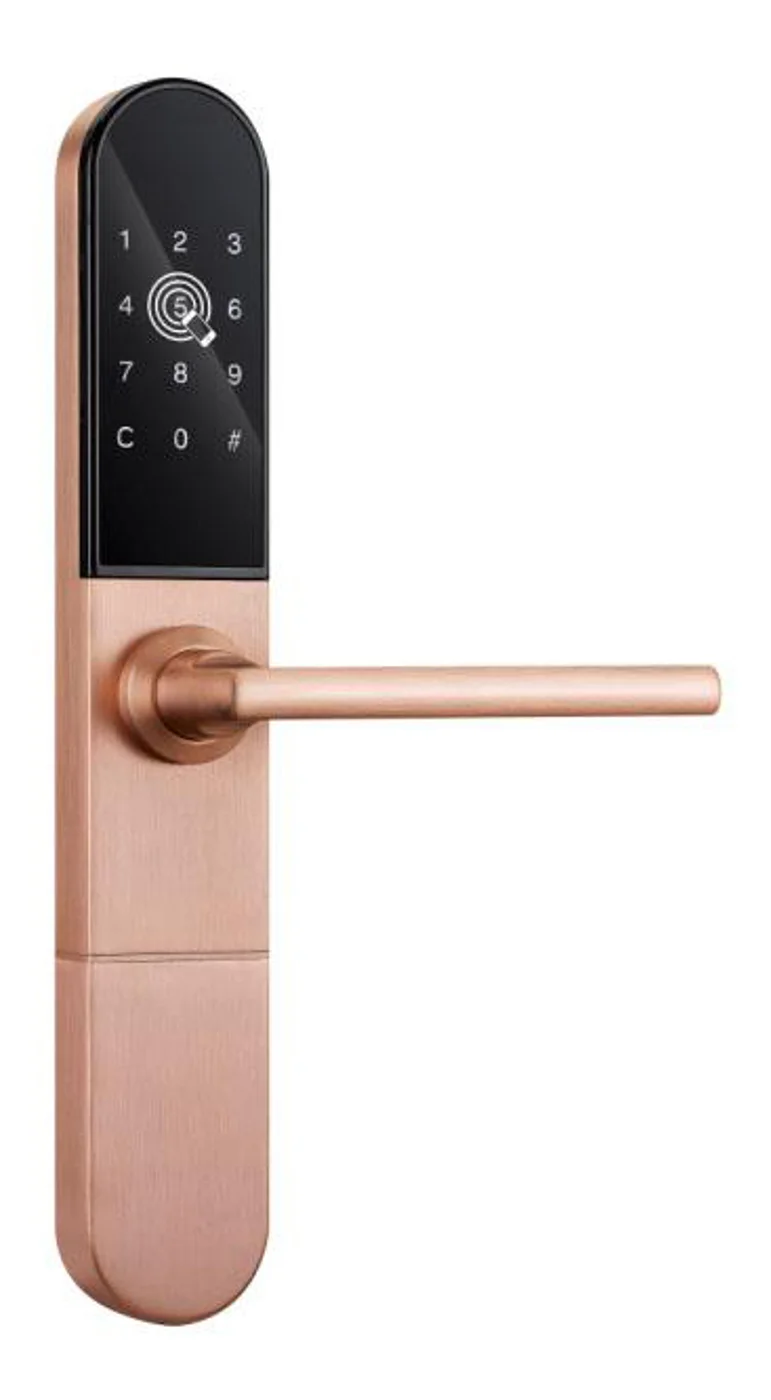
Kunci Lemari Pintar — Dikelola Aplikasi, Dasbor Multi-Lokasi
Kunci lemari pintar yang dikelola via aplikasi untuk kantor, paket, dan armada multi-lokasi. Dasbor aplikasi BLE, jejak audit, buka jarak jauh, tanpa server per kunci.
contentGraph.reasons.explicit
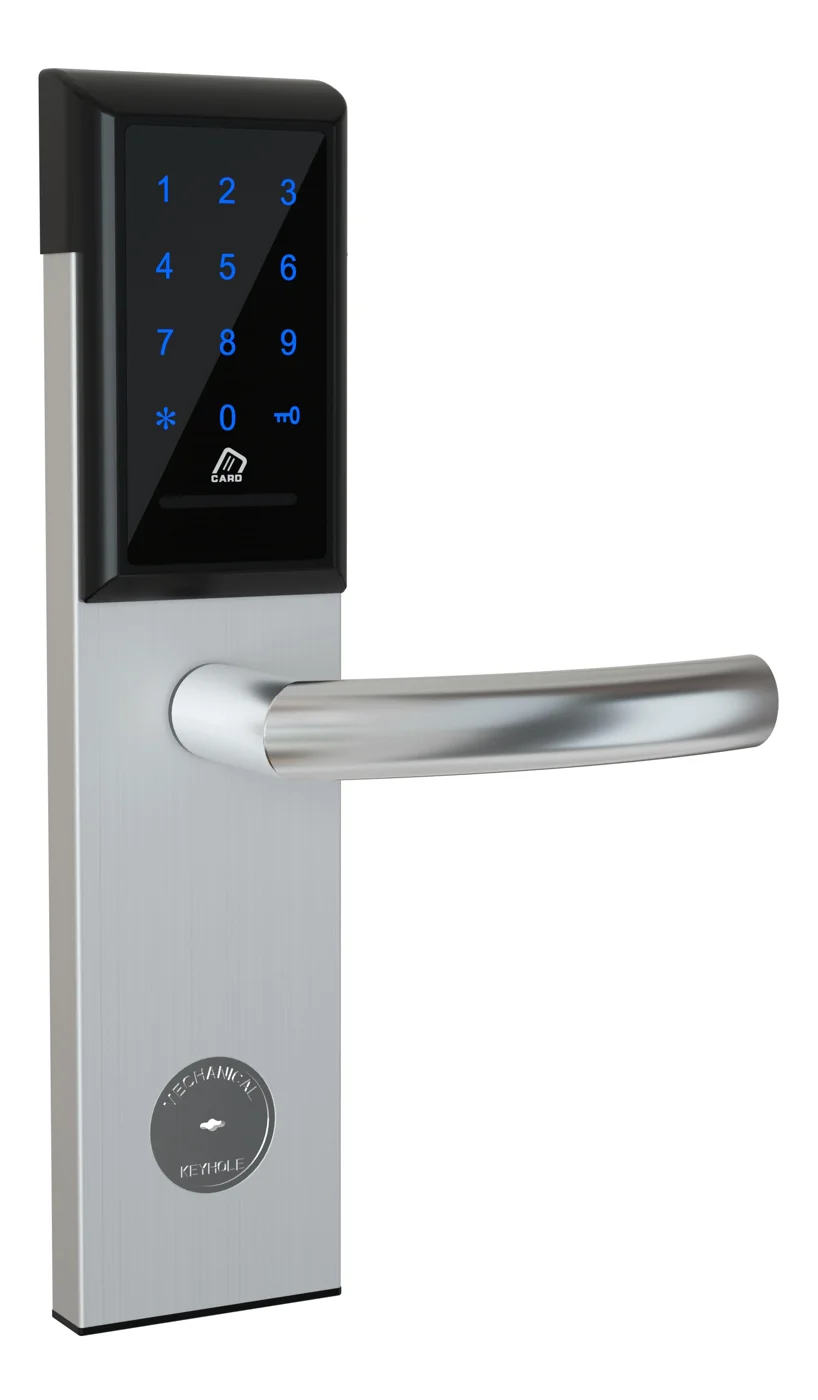
Kunci Lemari Kantor — PIN + Kartu untuk Arsip & Pedestal
Kunci lemari kantor PIN + kartu offline untuk lemari arsip, pedestal, dan laci. Retrofit baterai 5 menit, tanpa WiFi, tanpa manajemen kunci. CE/FCC/RoHS.
contentGraph.reasons.explicit
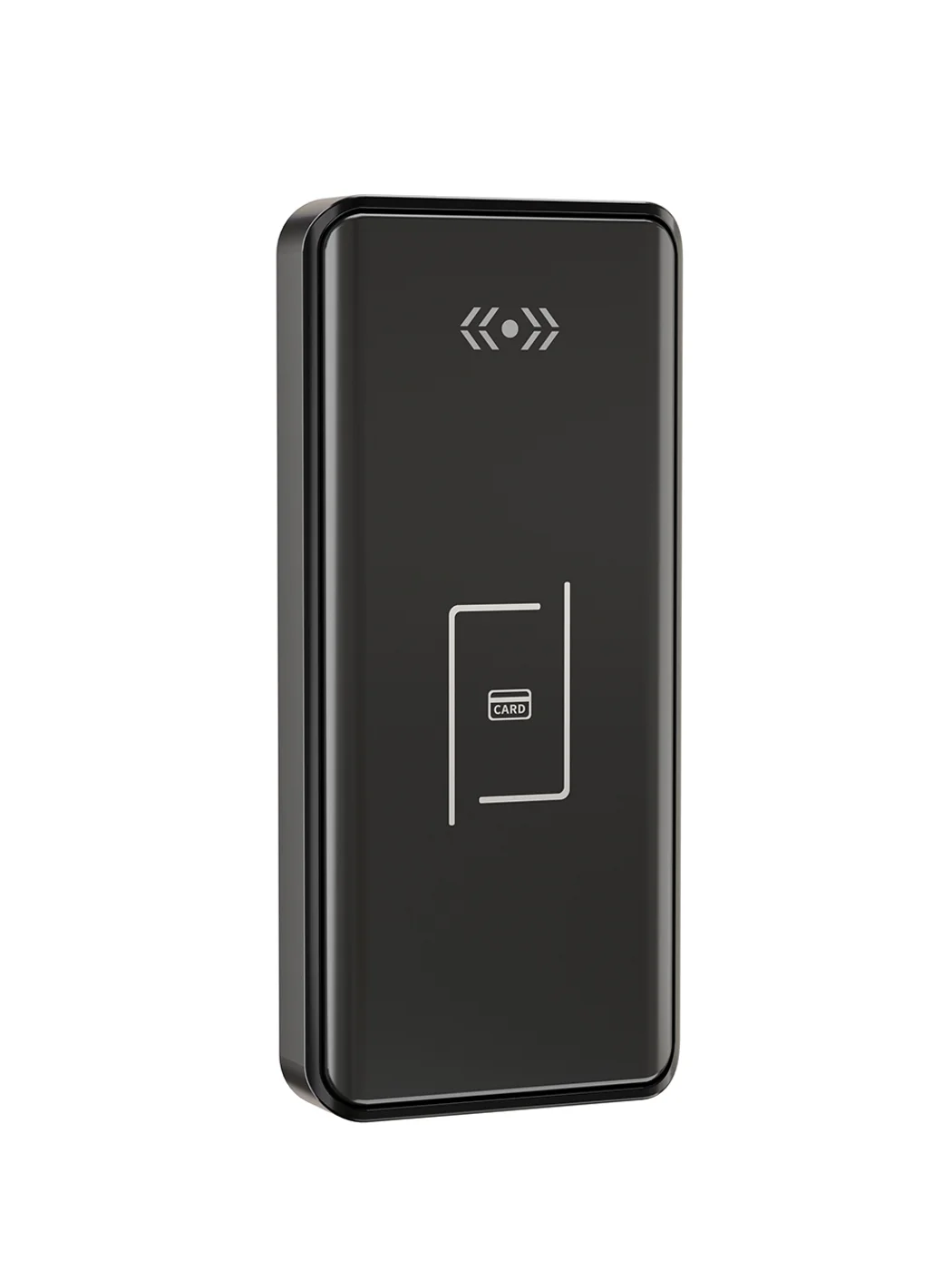
Kunci Loker Gym — Kartu Offline, Tanpa WiFi
Kunci loker gym kartu offline untuk loker fitness dan kolam. Kartu MIFARE, baterai, retrofit 5 menit, tanpa WiFi atau server. Zinc alloy, CE/FCC/RoHS.
contentGraph.reasons.explicit
contentGraph.sections.blog
3
Cabinet Lock Electronic: Panduan Teknis Lengkap untuk Pembeli dan Integrator 2026
Panduan lengkap sistem cabinet lock electronic mencakup jenis, prinsip kerja, instalasi, harga, dan kriteria pembelian untuk aplikasi komersial.
contentGraph.reasons.productContext
Kunci Lemari Digital: Panduan Teknis Lengkap untuk Pembeli dan Integrator 2026
Panduan lengkap sistem kunci lemari digital mencakup jenis, prinsip kerja, instalasi, harga, dan kriteria pembelian untuk aplikasi komersial dan hunian.
contentGraph.reasons.productContext
Latch Kabinet Elektronik: Panduan Lengkap untuk Kabinet
Latch kabinet elektronik membuka dan mengunci pintu kabinet via solenoid, motor, atau strike elektromagnetik 12V/24V. Panduan jenis, wiring, keamanan, harga.
contentGraph.reasons.productContext
nextStep.blog.title
nextStep.blog.description
- nextStep.blog.points.one
- nextStep.blog.points.two
- nextStep.blog.points.three