Gym Locker Lock Guide 2026: How to Choose the Right Smart Lock for Your Fitness Facility
Complete gym locker lock buying guide covering electronic, RFID, fingerprint, and Bluetooth options. Learn about pricing, installation, and durability for fitness centers.
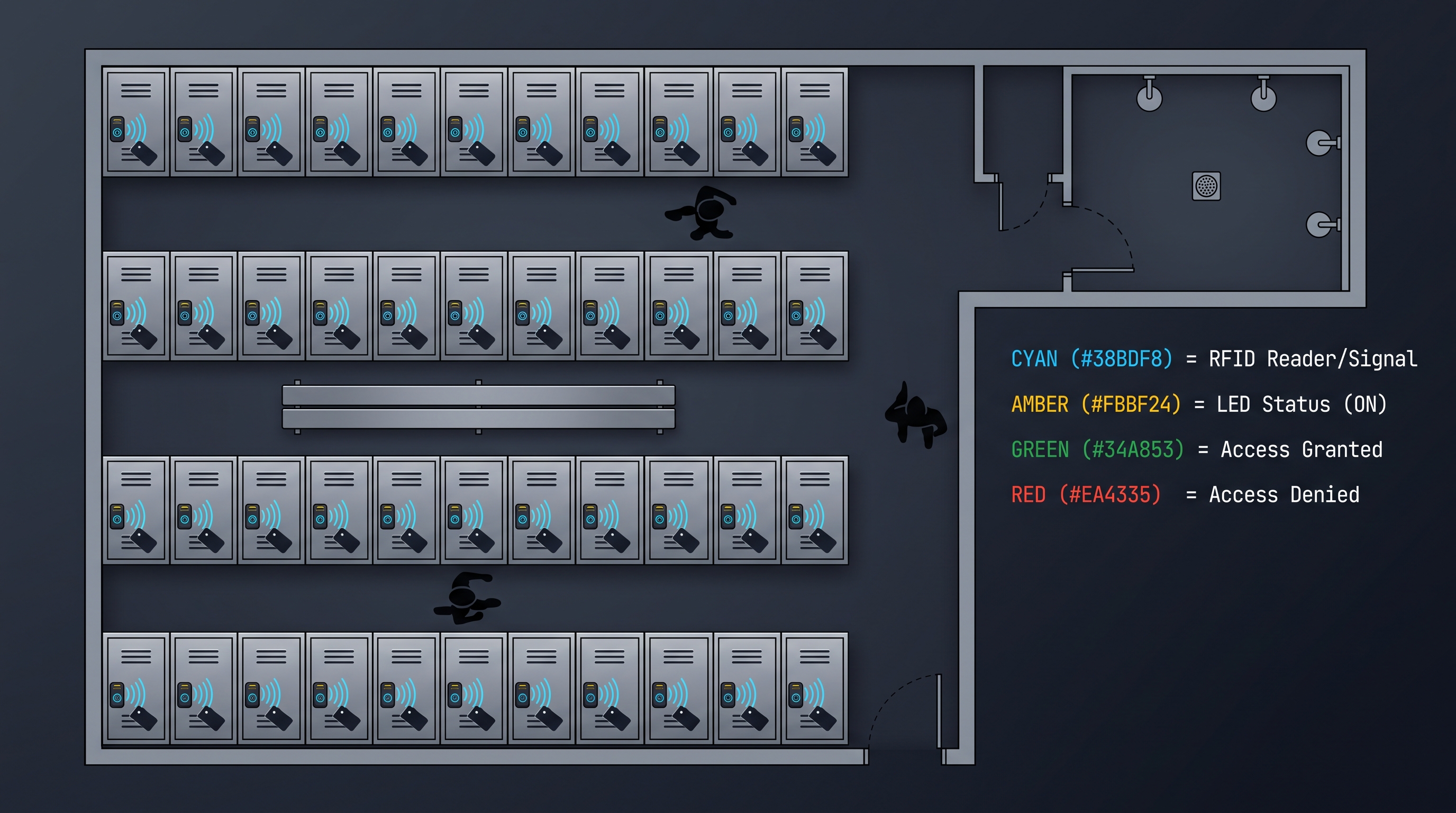
A gym locker lock is a specialized locking mechanism designed to withstand the high-moisture, high-traffic environment of commercial fitness facilities while providing convenient, hygienic access for members. Unlike traditional padlocks, modern gym locker locks include electronic keypad, RFID card, fingerprint biometric, and Bluetooth smartphone access options that eliminate key management headaches for facility operators. Fitness centers processing 500+ member visits daily typically replace traditional locks every 18–24 months due to broken keys and forgotten combinations, making electronic gym locker locks a strong operational investment with payback periods of 8–14 months.
The commercial gym locker lock market in 2026 spans four primary access technologies: mechanical combination locks (still dominant at 62% of installations), electronic keypad locks (21%), RFID card locks (11%), and biometric fingerprint or Bluetooth locks (6%). The fastest-growing segment is Bluetooth smartphone-controlled locks, expanding at 23% year-over-year as fitness chains like Planet Fitness, LA Fitness, and Equinox deploy app-based access systems. Material selection matters as much as access technology: marine-grade 304 stainless steel bodies with zinc-alloy shackles now dominate new installations, replacing the brass-and-plastic combination locks of the previous decade.
Understanding Gym Locker Lock Types and Access Technologies
Choosing the right gym locker lock starts with understanding how each access technology performs under real-world fitness center conditions. The four main categories each address different operational priorities: cost, hygiene, security, and member experience.
Mechanical Combination Locks for Gym Lockers
The mechanical combination gym locker lock remains the industry default for budget-conscious facilities. A quality 4-digit combination lock allows 10,000 possible codes, operates without batteries, and survives years of wet-towel abuse. However, the operational cost of forgotten combinations is significant: facility staff at a typical 24-hour gym spend 2–3 hours daily cutting locks and issuing replacements, which costs $0.85–$1.40 per lockout in labor and materials. Over a year, a 300-locker facility can spend $4,000–$6,000 managing combination lockouts, often exceeding the cost difference between mechanical and electronic locks.
Combination gym locker locks also present hygiene issues. The dial mechanism accumulates sweat, skin cells, and locker-room bacteria, requiring monthly disinfection. More importantly, members frequently forget codes after a vacation or extended break, generating complaint tickets that pull staff away from member-facing duties.
Electronic Keypad Gym Locker Locks
Electronic keypad gym locker locks replace the rotating dial with push-button number entry and a solenoid-driven bolt. Most commercial models offer 4–6 digit user codes with a master override code for facility staff. A standard electronic keypad lock operates 12–18 months on four AA batteries, with low-battery warnings via LED indicator or audible chirp approximately 30 days before depletion.
For facilities considering electronic keypad gym locker locks, the operational advantage is clear: forgotten-code lockouts drop by 85–90% because members remember short PINs more reliably than dial combinations. Master code functionality also eliminates the need for bolt cutters and reduces member lockout resolution time from 8 minutes to under 60 seconds. Look for locks with public-use mode (where each user selects a code, uses the locker, and the code resets automatically when the locker is opened) for high-turnover day-use facilities.
RFID Card Gym Locker Lock Systems
RFID gym locker locks use contactless 13.56 MHz smart cards or 125 kHz proximity cards to unlock the locker door. Most commercial systems integrate with existing membership card infrastructure, allowing members to use their membership card, wristband, or fob to access both facility entry gates and lockers. This single-card convenience is the strongest selling point for chain fitness operators managing 50,000+ members.
A typical RFID gym locker lock reads cards in 200–400 milliseconds, supports MIFARE Classic, MIFARE DESFire, and HID Prox protocols, and stores the last 500 access events for audit purposes. Pricing for RFID-enabled gym locker locks runs $45–$95 per lock, with centralized programming hardware adding $800–$2,400 per facility. The total cost per door typically lands between $120–$180 including installation and software licensing.
Bluetooth and Fingerprint Gym Locker Locks
The newest category of gym locker lock combines biometric authentication or smartphone Bluetooth access. Fingerprint gym locker locks store 50–100 unique prints, recognize fingers in under 0.8 seconds, and include a backup PIN code for fingerprint registration failure or finger injury. Bluetooth-enabled locks pair with member smartphones via BLE 5.0, allowing unlock within 3 feet proximity and eliminating the need for any physical credential.
The primary advantage of biometric and Bluetooth gym locker locks is the elimination of credential distribution entirely. Members do not need to pick up cards, remember codes, or carry fobs. For premium facilities targeting millennial and Gen Z members, app-based locker access has become a competitive differentiator: 67% of new boutique fitness studios opened in 2025 included Bluetooth locker access as a standard amenity. The trade-off is per-door cost ($110–$220) and the requirement for member smartphone compatibility, which excludes approximately 4–7% of users who lack Bluetooth-capable devices.
Gym Locker Lock Materials and Durability Standards
The wet, chlorinated, and heavily used environment of a commercial locker room destroys inferior locks within 12–18 months. Material specifications for a gym locker lock should focus on three components: the body, the shackle or bolt mechanism, and the finish.
Body Materials for Commercial Gym Locker Locks
Marine-grade 304 stainless steel remains the gold standard for gym locker lock bodies. It withstands chlorine vapor, sweat-induced corrosion, and the impact of dropped weight plates without pitting or rust formation. 316 stainless steel offers superior corrosion resistance for facilities near saltwater or with aggressive cleaning chemical protocols, but adds 30–40% to material cost.
Zinc alloy (Zamak) bodies cost less and offer adequate corrosion resistance for most indoor applications, but degrade faster in pool-adjacent locker rooms. Manufacturers specify Zamak bodies with a 5-year warranty versus 10-year warranties on stainless steel alternatives. For facilities with budget constraints and indoor-only locker rooms, Zamak remains a reasonable choice.
Bolt and Shackle Construction
The bolt or shackle of a gym locker lock bears the most mechanical stress. Look for 6mm or thicker steel bolts with case-hardened treatment (HRC 55+). Avoid locks with plastic internal components in the bolt path, as these are the first failure points in low-cost models.
Finish and Coating Standards
The lock finish is more than aesthetic: a quality powder coat or PVD (physical vapor deposition) finish prevents fingerprint marking, reduces bacterial growth on the surface, and extends the visible service life of the gym locker lock. Specify finishes with ASTM B117 salt spray ratings of 96+ hours for coastal facilities or 48+ hours for inland locations.
Installation and Battery Management for Gym Locker Locks
A gym locker lock is only as good as its installation and ongoing maintenance. Plan for these operational realities before committing to a technology platform.
Battery Life and Replacement Cycles
Battery-powered gym locker locks have improved significantly since 2020. Keypad locks with 4 AA batteries now average 18,000–25,000 cycles per set, equivalent to 12–18 months in busy commercial facilities. RFID and Bluetooth locks consume more power due to constant card polling or Bluetooth beaconing, typically delivering 8–12 months on the same battery configuration.
A 2026 best practice is to deploy gym locker locks with USB-C emergency power ports. When batteries deplete, staff can connect a USB power bank to the lock and enter a master code or use a master card to open the locker, eliminating the need for forced entry. This feature alone reduces battery-related member complaints by 70%.
Installation Methods
Gym locker locks typically mount via two methods: surface-mount with visible screws, or concealed-mount with internal mounting hardware. Surface-mount installation takes 5–8 minutes per locker and requires only basic tools; concealed-mount installation takes 12–18 minutes but provides superior aesthetics and tamper resistance.
For new construction, specify gym locker locks with multi-hole mounting patterns compatible with standard locker door cutouts (19mm diameter, 30mm center-to-center). This ensures compatibility with virtually all commercial locker brands including Hollman, List Industries, Scranton Products, and Republic Storage.
Software and Management Systems
Electronic gym locker lock systems require software for credential management, audit log review, and remote lock state monitoring. Entry-level systems include a Windows-based management application communicating via USB programming cable. Mid-range and enterprise systems use network-connected hubs with cloud dashboards, supporting remote lock programming, usage analytics, and integration with member management platforms like Mindbody, ClubReady, or ABC Fitness Solutions.
Top Use Cases for Gym Locker Locks by Facility Type
The right gym locker lock depends heavily on the facility operating model, member demographic, and security requirements.
24-Hour Access Gyms
24-hour fitness facilities face unique gym locker lock challenges because member traffic occurs at all hours with minimal staff presence. Bluetooth smartphone locks excel in this environment because they provide audit trails of who accessed which locker and when, while eliminating the need for members to remember codes or carry cards. Fingerprint locks work well for facilities with an older demographic less likely to own smartphones with reliable Bluetooth.
Boutique Fitness Studios
Boutique studios (yoga, pilates, cycling, barre) typically have fewer lockers (20–60 per location) and higher per-member revenue expectations. RFID or Bluetooth gym locker locks integrated with the studio check-in system create a frictionless member experience and reduce front-desk workload. The premium per-door cost is justified by the higher service expectations of this segment.
Hotel Gyms and Resort Fitness Centers
Hotel gyms have transient users who cannot register biometric prints or pair Bluetooth devices with the facility system. The best gym locker lock for hotels is a coin-deposit or electronic keypad lock with a daily-use PIN, allowing guests to secure belongings without registration overhead. Some high-end resorts have begun deploying RFID locks tied to the room key card, allowing guests to use the same key for room and gym locker access.
Corporate Fitness Centers
Corporate fitness facilities within office buildings often need to integrate with employee badge systems (HID, Indala, or proprietary corporate badges). Multi-protocol RFID gym locker locks with field-programmable frequency support handle this requirement without separate credential issuance. The lock also supports audit logging required for compliance with corporate security policies.
Pricing and Total Cost of Ownership for Gym Locker Locks
Understanding the total cost of ownership (TCO) of a gym locker lock requires looking beyond the sticker price. A complete TCO analysis includes the lock hardware, installation labor, battery replacement, lockout resolution, and replacement frequency.
Mechanical Combination Lock TCO
A quality commercial combination gym locker lock costs $8–$18 per unit. Installation runs $2–$4 per locker. Over a 5-year lifecycle in a busy facility, expect 2.5 lock replacements due to wear or tampering, plus 8,000–15,000 lockout events requiring staff intervention. Total 5-year TCO per locker: $140–$220.
Electronic Keypad Lock TCO
Electronic keypad gym locker locks cost $25–$45 per unit with $5–$8 installation. Battery replacement averages $1.50 per year per lock. Lockout events drop to 500–1,500 per facility annually. Total 5-year TCO per locker: $80–$130, representing a 35–45% saving versus mechanical combination locks.
RFID Gym Locker Lock TCO
RFID gym locker locks cost $45–$95 per lock, with $8–$15 installation, plus $1,200–$3,500 facility-level programming hardware. Software licensing adds $200–$600 annually for facilities under 500 lockers. Total 5-year TCO per locker: $140–$220, similar to mechanical locks but with significantly improved member experience.
Bluetooth and Fingerprint Lock TCO
Bluetooth or fingerprint gym locker locks cost $90–$180 per unit with $8–$15 installation. The lockout cost is near zero because members cannot forget credentials. Battery replacement runs $2–$3 annually. Total 5-year TCO per locker: $130–$180, with the addition of improved member satisfaction scores and reduced front-desk traffic.
Common Mistakes When Selecting a Gym Locker Lock
Avoid these frequent pitfalls when specifying gym locker locks for a commercial installation.
The most common mistake is choosing the cheapest available lock without considering the operational cost of lockouts. A $9 mechanical lock versus a $35 electronic keypad lock represents only $26 per locker in upfront cost, but the operational savings of the electronic lock typically recover that $26 within 3–5 months of operation. Always model TCO before making technology decisions.
The second mistake is failing to verify compatibility with existing locker doors. Gym locker locks require specific cutout dimensions and mounting hole patterns. Specifying locks without confirming compatibility leads to field installation delays and the need for adapter plates or door replacement. Request a sample lock and verify fitment before placing a bulk order.
The third mistake is ignoring cybersecurity in Bluetooth and networked RFID systems. Bluetooth gym locker locks with known firmware vulnerabilities can be exploited to unlock lockers without authorization. Specify locks from manufacturers with published security update policies, vulnerability disclosure programs, and at minimum BLE 5.0 with encrypted communication channels.
How to Evaluate Gym Locker Lock Vendors
Selecting the right gym locker lock vendor involves evaluating product quality, support infrastructure, and long-term reliability.
Quality Certifications to Verify
Require vendors to provide third-party certifications including CE (European Conformity), FCC (Federal Communications Commission for US electronics), RoHS (Restriction of Hazardous Substances), and IP rating documentation. For commercial installations, also verify that the lock has been tested to 50,000+ cycle endurance under load, simulating 10+ years of normal use.
Warranty and Service Agreements
Standard gym locker lock warranties range from 1 year (mechanical) to 5 years (electronic). Premium vendors offer 10-year warranties on stainless steel bodies and 3-year warranties on electronic components. Evaluate whether the warranty covers vandalism, normal wear, or only manufacturing defects. For commercial fitness facilities, vandalism coverage is often the most relevant warranty clause.
Software Compatibility and Integration
If your facility already operates a member management platform (Mindbody, ClubReady, ABC Fitness, Glofox), verify that the gym locker lock vendor offers pre-built integrations or documented API access. Custom integration development typically costs $5,000–$20,000 depending on platform complexity, so selecting a lock vendor with existing integrations can save significant implementation time.
Future Trends in Gym Locker Lock Technology
The gym locker lock market continues to evolve toward contactless access, cloud-based management, and integration with broader fitness ecosystems.
Cloud-connected gym locker locks now enable remote unlock from member service desks, temporary locker assignment via SMS link, and usage analytics showing which lockers are underutilized. Predictive maintenance algorithms analyze battery voltage trends and lock cycle counts to forecast when each lock will require service, reducing downtime and surprise failures.
Voice-activated gym locker locks, while still in early deployment, have appeared in select boutique studios in 2025–2026. Members speak a passphrase to their locker, the lock verifies voice biometrics against a stored template, and the bolt retracts. While the technology remains expensive ($300+ per lock), adoption is expected to grow as voice biometric accuracy improves and unit costs decline.
Sustainability is becoming a procurement criterion for larger fitness chains. Gym locker locks with recyclable stainless steel bodies, replaceable battery compartments rather than fully sealed units, and manufacturer take-back programs for end-of-life locks now differentiate vendors in enterprise procurement processes. Some manufacturers publish Environmental Product Declarations (EPD) quantifying the carbon footprint of each lock, supporting corporate ESG reporting requirements.
Selecting the Right Gym Locker Lock for Your Facility
The decision framework for selecting a gym locker lock centers on three variables: member demographic, operational model, and total budget.
For high-volume 24-hour commercial gyms with 500+ members and a broad demographic, the optimal choice is an RFID gym locker lock system integrated with the membership card. This delivers fast access, robust audit trails, and minimal staff intervention for credential management. Budget approximately $120–$180 per door including hardware, installation, and software.
For boutique studios and premium facilities with a tech-forward member base, Bluetooth smartphone gym locker locks offer the strongest member experience and lowest operational overhead. Budget approximately $130–$200 per door including installation and software licensing.
For budget-constrained facilities, mechanical combination locks remain the lowest upfront cost option but introduce significant operational overhead. Consider a hybrid deployment: mechanical locks for general member lockers and electronic locks for premium-tier member lockers. This approach balances budget constraints with member experience differentiation.
For corporate and hotel facilities, the choice depends on existing credential infrastructure. If employee badges or room keys use compatible RFID protocols, integrate with those credentials. If no existing infrastructure exists, electronic keypad gym locker locks with public-use mode offer the simplest deployment with minimal member registration overhead.
The right gym locker lock ultimately disappears into the member experience: members access their locker quickly, return their towel, and move on to their workout without thinking about the lock. The best indicator of a successful gym locker lock deployment is that lockout tickets and front-desk complaints about locker access drop to near zero within 30 days of installation.
Part of this article content is generated by AI and optimized for professional accuracy and readability.
Not sure which sensor fits your project?
Talk to our mmWave application engineers for a free consultation.
Find the right presence sensor for your hotel project
Compare the 3 protocols, check hotel-specific case studies, and download the installation guide
Related products
3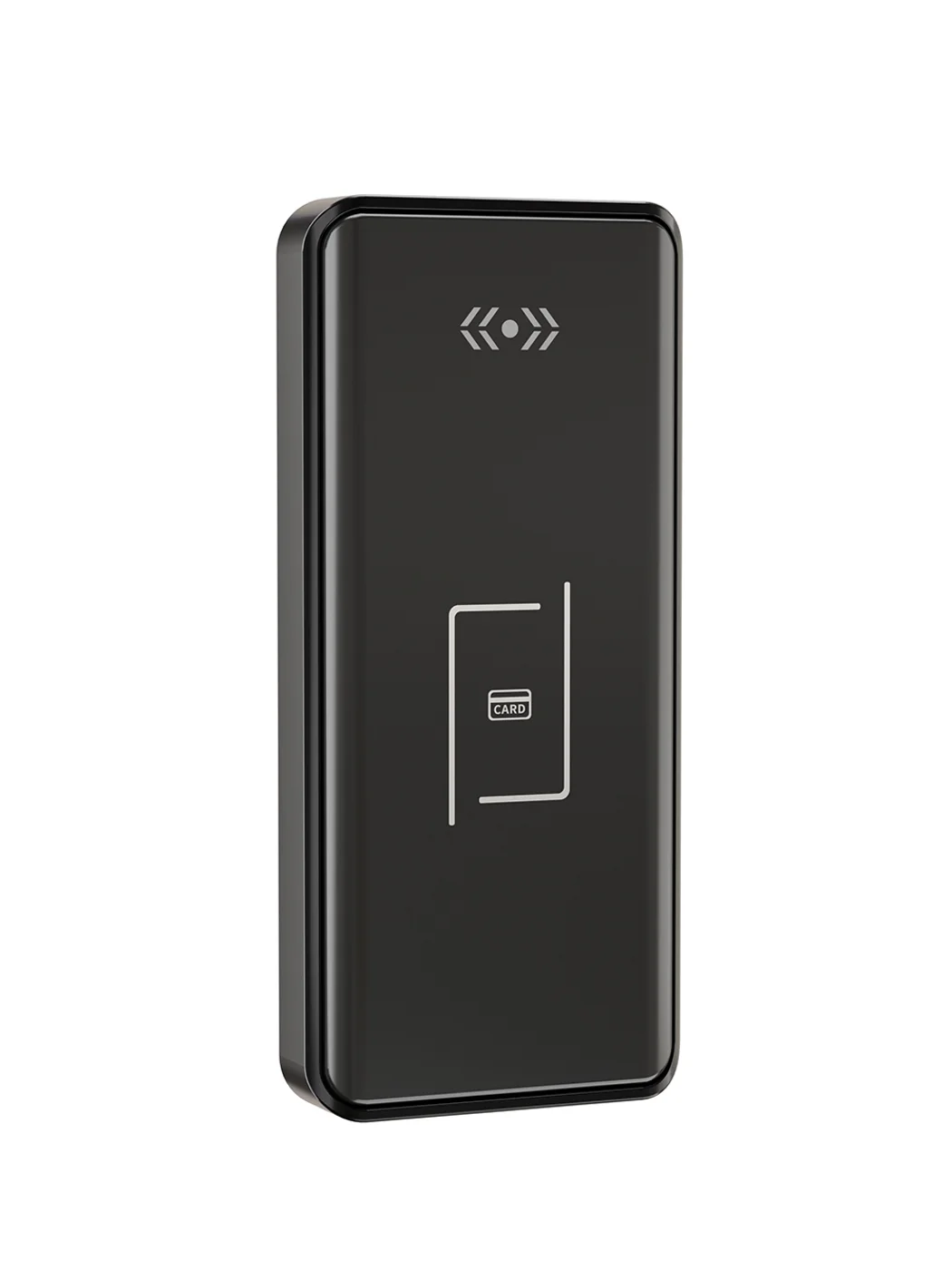
Gym Locker Lock — Offline Card, No WiFi Required
Offline card gym locker lock for fitness and pool lockers. MIFARE card, battery-powered 5-minute retrofit, no WiFi or server. Zinc alloy body, CE/FCC/RoHS.
This page already points to it as the next recommended reference.
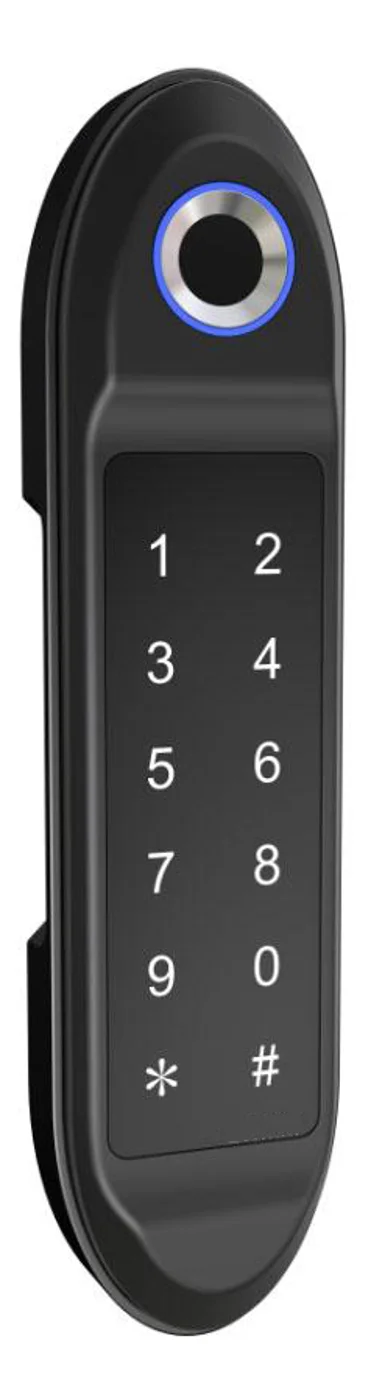
PIN Code Electronic Cabinet Lock — Stand-Alone, No WiFi
Offline keypad cabinet lock for gym, office and parcel lockers. Battery-powered, 5-minute retrofit, audit-free simple deployment. PIN + MIFARE card, DC 6V, 4×AA.
This page already points to it as the next recommended reference.
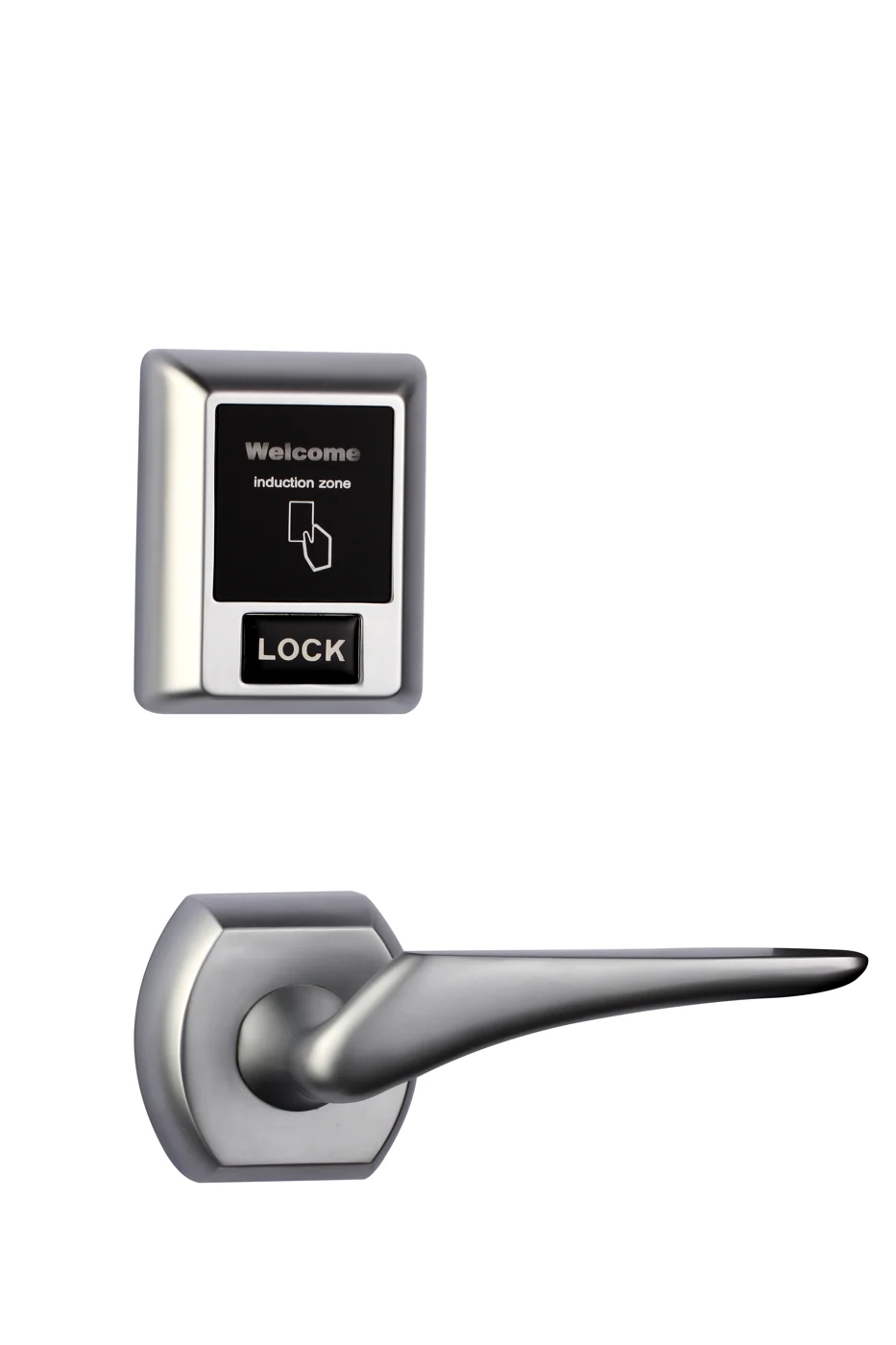
Bluetooth Cabinet Lock — App + PIN + Card, Managed Fleet
Offline BLE app cabinet lock for parcel, office, and managed locker fleets. App + PIN + MIFARE card, remote credential management, no server dependency, battery-powered retrofit.
This page already points to it as the next recommended reference.
Related blog posts
3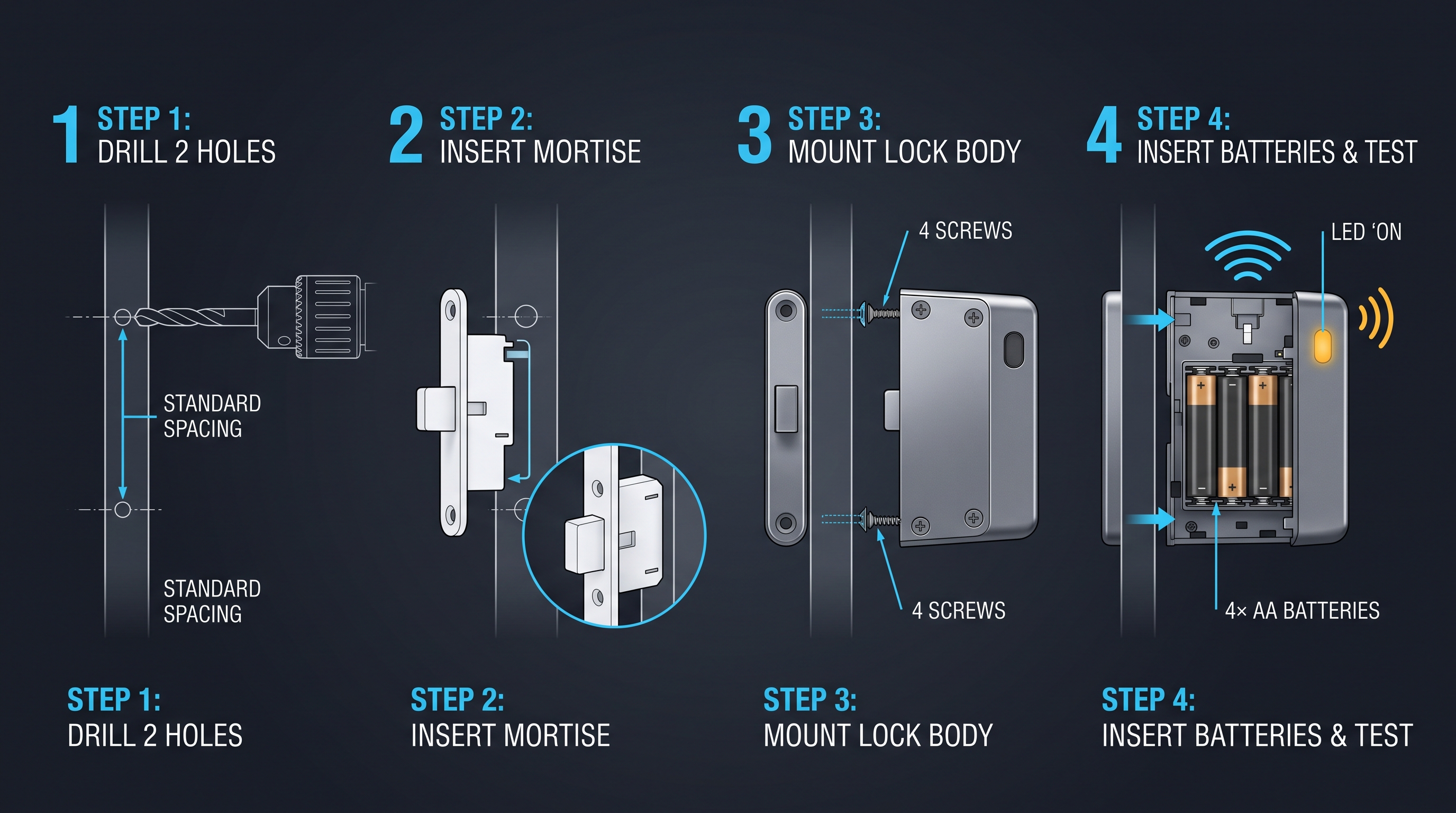
Jewelry Cabinet Lock: The Complete Guide to Securing High-Value Jewelry in Cabinets and Showcases
Learn how a jewelry cabinet lock secures high-value jewelry in display cabinets and safes. Compare electromagnetic, RFID, biometric, and keyed jewelry cabinet lock systems.
It supports the same product context: Gym Locker Lock — Offline Card, No WiFi Required.
IoT Cabinet Lock: The Complete Guide to Smart, Connected Cabinet Security
Discover how IoT cabinet lock technology works with Wi-Fi, BLE, Zigbee, MQTT, and cloud dashboards. Covers telemetry, fleet management, OTA, edge vs cloud, and security.
It supports the same product context: Gym Locker Lock — Offline Card, No WiFi Required.
The Complete Guide to the IoT Locker Lock: Hardware, Cloud, and Fleet Management for Smart Locker Banks
Discover how an IoT locker lock powers delivery locker banks, shared-office cabinets, and smart gym storage. Wi-Fi, BLE, Zigbee, NB-IoT, LoRaWAN protocols, OTA firmware, telemetry, and procurement criteria.
It supports the same product context: Gym Locker Lock — Offline Card, No WiFi Required, PIN Code Electronic Cabinet Lock — Stand-Alone, No WiFi, Bluetooth Cabinet Lock — App + PIN + Card, Managed Fleet.
Specify your hotel project with our engineers
Send your room count, ceiling type, and protocol preference. We will return a sample plan and quote within 24 business hours.
- Move from general guidance into a product or application discussion.
- Use RFQ when pricing, drawings, MOQ, or launch timing needs structure.
- Keep a direct contact path visible for fast clarifications and handoff.