Gun Cabinet Lock: The Complete Guide to Firearm Security and Storage Compliance
Comprehensive gun cabinet lock guide covering types, biometric options, ATF compliance, installation, brand comparison, and best practices. Also covers firearm and weapon cabinet lock requirements.
A gun cabinet lock is the most critical component of responsible firearm ownership, serving as the physical barrier that prevents unauthorized access to firearms and ammunition stored in residential, commercial, and institutional settings. Every year, the Centers for Disease Control and Prevention reports hundreds of unintentional firearm injuries and deaths involving children who accessed unsecured guns, and law enforcement data consistently shows that stolen firearms from unsecured cabinets fuel criminal activity. A properly selected gun cabinet lock not only prevents these tragedies but also ensures compliance with federal, state, and local firearm storage laws that carry significant criminal and civil penalties for violations. Whether you are a hunter securing a long gun collection, a handgun owner protecting a self-defense firearm, a firearms dealer managing inventory, or an institution storing duty weapons, the right gun cabinet lock makes the difference between responsible storage and catastrophic liability. This guide examines every aspect of the gun cabinet lock, from mechanical keyed systems to cutting-edge biometric technology, helping you choose and implement the optimal solution.
Why a Gun Cabinet Lock Is Essential for Firearm Safety
A gun cabinet lock is a security device specifically engineered to prevent unauthorized access to firearms stored in cabinets, safes, and storage cases. According to the CDC, approximately 4.6 million children live in homes with at least one loaded, unlocked firearm, and between 2015 and 2020 an average of 350 children under age 18 unintentionally shot themselves or others each year. A gun cabinet lock differs from a general cabinet lock by addressing firearm-specific threats including burglary, curious children, suicidal individuals, and unauthorized household members, and by meeting regulatory requirements such as California Penal Code 25100 (criminal storage), Massachusetts Chapter 140 Section 131L (mandatory locking), and federal ATF 27 CFR 478.125 for licensed dealer inventory. A compliant gun cabinet lock typically carries a UL 1037 listing for residential security or a UL 687 rating for burglary-resistant safes, with typical applications spanning homes, gun shops, law enforcement armories, and shooting ranges where the gun cabinet lock must balance rapid authorized access against reliable denial to unauthorized users.
The Human Cost of Unsecured Firearms
The statistics surrounding unsecured firearms paint a stark picture of why a gun cabinet lock is non-negotiable. Every day in the United States, an average of 8 children and teens are killed or injured by firearms, and a significant percentage of these incidents involve firearms that were accessible because no gun cabinet lock was engaged. The Harvard Injury Control Research Center found that households with loaded, unlocked firearms experience significantly higher rates of firearm injuries and deaths compared to households where firearms are secured with a gun cabinet lock. Beyond unintentional shootings, unsecured firearms contribute to youth suicide, with approximately 60 percent of firearm suicides among adolescents using a gun from their own home.
Mass shootings also frequently involve firearms taken from unsecured home storage. The Sandy Hook, Newtown, and Uvalde tragedies all involved attackers who accessed firearms that were not properly secured with a gun cabinet lock. While no single device can prevent every tragedy, a properly installed gun cabinet lock creates a meaningful barrier that delays or prevents unauthorized access, buying critical time for intervention. The Brady Campaign to Prevent Gun Violence estimates that secure firearm storage practices, centered on a quality gun cabinet lock, could prevent approximately 30 percent of unintentional firearm deaths among children.
Legal Requirements for Firearm Storage
A growing number of states have enacted laws requiring firearm storage with a gun cabinet lock. Massachusetts was the first state to mandate locking storage of all firearms, with Chapter 140 Section 131L requiring that all firearms be secured with a trigger lock or stored in a locked container or gun cabinet. California Penal Code 25100 imposes criminal liability on firearm owners who fail to secure firearms with a gun cabinet lock when a child gains access and causes injury or death. Other states including Connecticut, New York, Maryland, Minnesota, and the District of Columbia have similar safe storage laws requiring a gun cabinet lock or equivalent device.
Even in states without specific safe storage laws, negligence principles impose liability on firearm owners who fail to secure their weapons. A gun cabinet lock is the most visible evidence that an owner took reasonable steps to prevent unauthorized access, and courts have consistently upheld that failing to use a gun cabinet lock constitutes negligence when an unauthorized person gains access and causes harm. Civil liability in such cases can include compensatory damages for injuries and deaths, punitive damages for reckless conduct, and in some cases criminal prosecution. Beyond personal liability, the Bureau of Alcohol, Tobacco, Firearms and Explosives requires licensed firearm dealers to secure inventory with a gun cabinet lock system meeting specific standards, with non-compliance resulting in license revocation.
Insurance and Liability Considerations
Homeowners insurance policies increasingly address firearm storage. Some policies require that firearms be secured with a gun cabinet lock as a condition of coverage, and failure to comply can result in denial of claims for stolen firearms. Other policies offer premium discounts for documented use of a gun cabinet lock, recognizing that secured firearms are less likely to be stolen or cause injury. For collectors with high-value firearm collections, a specialized firearms insurance policy may require a gun cabinet lock rated to a specific UL standard as a coverage prerequisite.
Business liability for firearm dealers and shooting ranges extends beyond insurance. A gun shop that fails to secure inventory with a gun cabinet lock can face civil liability for stolen firearms later used in crimes, and under the Protection of Lawful Commerce in Arms Act, certain liability protections for firearm dealers are contingent on compliance with secure storage requirements. The gun cabinet lock is therefore not just a security device but a legal protection that shields owners from financial and criminal consequences of unauthorized firearm access.
Types of Gun Cabinet Lock: Mechanical, Electronic, and Biometric
A gun cabinet lock is available in five primary configurations, each engineered to address specific access requirements, threat profiles, and budget considerations. The main gun cabinet lock categories include keyed mechanical locks with pin tumbler or tubular cylinders offering 5,000-plus key changes, combination dial locks meeting UL 768 Group 1 or Group 2 standards for manipulation resistance, electronic keypad locks supporting 1,000,000-plus possible codes with audit logging, RFID electronic gun cabinet lock systems accepting 13.56 MHz proximity credentials, and biometric fingerprint gun cabinet locks with capacitive sensors achieving false acceptance rates below 0.001 percent. A gun cabinet lock is selected based on factors including access speed (critical for self-defense firearms), user population (single owner, family, or staff), regulatory requirements (ATF dealer inventory, state safe storage laws), and the cabinet or safe construction, with prices ranging from 30 dollars for a basic keyed gun cabinet lock to 800 dollars for a premium biometric gun cabinet lock system. The table below summarizes the five most common gun cabinet lock types.
Keyed Mechanical Gun Cabinet Locks
The keyed mechanical gun cabinet lock is the traditional and most widely deployed type, found on everything from budget steel gun cabinets to high-end safes. A keyed gun cabinet lock uses a pin tumbler or tubular cylinder that accepts a physical key, which when turned rotates a cam or bolt mechanism to release the door. Keyed locks are simple, reliable, and require no power source, making them popular for long-term storage where the gun cabinet lock will see infrequent use. They are also the most affordable option, with basic models starting around 30 dollars.
The primary disadvantage of a keyed gun cabinet lock is key management. Keys can be lost, stolen, or duplicated, and in a household with multiple authorized users, distributing keys to everyone can be cumbersome. In a self-defense scenario, fumbling for a key in the dark under stress can delay access to a firearm when seconds matter. Some manufacturers address this with quick-access key safes that hold the gun cabinet lock key in a biometrically or combination-protected container, providing both security and rapid access. For hunting cabins, vacation homes, and long-term storage where access speed is less critical, a keyed gun cabinet lock remains an excellent and economical choice.
Combination Dial Gun Cabinet Locks
A combination dial gun cabinet lock offers keyless mechanical operation using a rotating dial to enter a numeric code. The dial is turned alternately left and right to align internal wheels at the correct positions, and when all wheels are aligned, the lock releases. Combination dial gun cabinet lock systems are prized for their durability, mechanical simplicity, and manipulation resistance, with high-quality models certified to UL 768 Group 1 (highest manipulation resistance) or Group 2 (standard resistance). They require no batteries, making them suitable for long-term unattended storage where a dead battery could lock out the owner.
The main drawback of a combination dial gun cabinet lock is access speed. Entering a combination on a dial can take 30 to 60 seconds under ideal conditions, and significantly longer in low light, with cold or gloved hands, or under stress. This makes a dial gun cabinet lock unsuitable for self-defense firearms requiring rapid access. Combination dials also require periodic maintenance to ensure smooth operation, and the combination must be changed by a qualified technician if compromised. For long gun collections, hunting firearms, and other items accessed infrequently, a combination dial gun cabinet lock provides excellent security and reliability without the vulnerabilities of electronic systems.
Electronic Keypad Gun Cabinet Locks
An electronic keypad gun cabinet lock combines keyless convenience with rapid access, making it the most popular choice for modern gun safes and cabinets. The user enters a numeric code on a backlit keypad, and the lock releases within seconds. Most electronic gun cabinet lock systems support multiple user codes, allowing different access for family members or staff, and many include audit trail logging that records every access event with timestamp and user identity. Battery-powered operation with low-battery warnings and mechanical key override provides reliability even during extended power outages.
The primary advantage of an electronic keypad gun cabinet lock is access speed: a memorized code can be entered in 5 to 10 seconds, even in low light, making this gun cabinet lock type ideal for self-defense firearms that must be accessible quickly. The audit trail is invaluable for shared access situations, allowing the owner to verify who accessed the gun cabinet lock and when. The main disadvantages are battery dependence (though battery life is typically 1 to 2 years with low-battery warnings) and vulnerability to electronic failure. Quality electronic gun cabinet lock systems from reputable manufacturers mitigate these risks with redundant power options and durable electronics rated for 10-plus years of service.
RFID Gun Cabinet Lock Systems
RFID (Radio Frequency Identification) gun cabinet lock systems use wireless credentials such as key fobs, cards, or wristbands to unlock the cabinet when presented to a reader. An RFID gun cabinet lock offers the convenience of proximity access, where the credential can be tapped or even waved near the reader to release the lock in 1 to 2 seconds. This makes RFID ideal for self-defense firearms, where the credential can be kept on the owner's person or bedside table for instant access.
The key advantage of an RFID gun cabinet lock is credential flexibility. Multiple credentials can be enrolled, allowing authorized family members or staff to access the gun cabinet lock without sharing a code or key. Credentials can be added or revoked instantly, providing granular access control. Some RFID gun cabinet lock systems support time-based access restrictions, allowing a credential to work only during specified hours. The main disadvantages are cost (RFID gun cabinet lock systems typically range from 150 to 400 dollars) and battery dependence. For applications requiring rapid, multi-user access with audit trail capability, an RFID gun cabinet lock is an excellent choice.
Biometric Fingerprint Gun Cabinet Locks
A biometric fingerprint gun cabinet lock represents the cutting edge of firearm security, using capacitive or optical sensors to scan the user's fingerprint and release the lock in under 1 second if the print matches an enrolled template. Modern biometric gun cabinet lock systems achieve false acceptance rates below 0.001 percent and false rejection rates below 1 percent, providing both security and reliability. A biometric gun cabinet lock can store 50 to 200 fingerprint templates, allowing multiple authorized users to be enrolled.
The defining advantage of a biometric gun cabinet lock is that access requires the authorized user's physical presence. There is no key to lose, no code to forget, and no credential to steal. This makes a biometric gun cabinet lock the most secure option for self-defense firearms, where rapid access by authorized users must coexist with reliable denial to unauthorized users including children, visitors, and intruders. The primary disadvantages are cost (200 to 800 dollars for quality systems), battery dependence, and potential reliability issues in extreme conditions. For owners who prioritize both security and rapid access, a biometric gun cabinet lock is the optimal choice.
Gun Cabinet Lock Comparison Table
| Lock Type | Mechanism | Security Level | Access Speed | Cost Range | Best Application | Power Required |
|---|---|---|---|---|---|---|
| Keyed Mechanical | Pin tumbler or tubular cylinder | Moderate | 10-20 seconds | $30-$150 | Long-term storage, hunting cabins | No |
| Combination Dial | Mechanical wheel with rotating dial | High | 30-60 seconds | $100-$300 | Long-term storage, high security | No |
| Electronic Keypad | Battery-powered numeric keypad | High | 5-10 seconds | $100-$400 | Self-defense, family access | Yes (battery) |
| RFID Electronic | 13.56 MHz proximity credential reader | High | 1-2 seconds | $150-$500 | Multi-user, rapid access | Yes (battery) |
| Biometric Fingerprint | Capacitive or optical fingerprint sensor | Very High | Less than 1 second | $200-$800 | Self-defense, exclusive access | Yes (battery) |
How to Choose the Right Gun Cabinet Lock for Your Needs
A gun cabinet lock is selected through evaluation of five primary factors: the access speed requirement (instant for self-defense, slow for long-term storage), the threat profile (children, burglars, unauthorized household members), the user population (single owner, family, or staff), regulatory requirements (ATF dealer, state safe storage laws), and budget constraints spanning 30 to 800 dollars. A gun cabinet lock for a self-defense handgun beside the bed differs fundamentally from one securing a 20-gun hunting collection in a basement, with the former prioritizing sub-second biometric access and the latter prioritizing high-security combination manipulation resistance. Industry data shows that 67 percent of gun cabinet lock buyers cite child safety as the primary motivation, while 28 percent prioritize burglary prevention and 5 percent cite regulatory compliance. The selection guidance below walks through each factor with specific recommendations for common scenarios.
Self-Defense Firearms: Speed and Security
For firearms intended for self-defense, the gun cabinet lock must provide rapid access by the authorized user while preventing access by everyone else. A biometric fingerprint gun cabinet lock is the optimal choice, providing sub-second access with the highest level of personal authentication. The fingerprint template ensures that only the enrolled user can open the gun cabinet lock, eliminating the risk of a child finding a key or observing a code. For a bedside handgun safe, a biometric gun cabinet lock allows the owner to access the firearm in under 1 second by placing a finger on the sensor, even in complete darkness.
If a biometric gun cabinet lock exceeds the budget, an electronic keypad or RFID gun cabinet lock is the next best choice. A keypad gun cabinet lock can be opened in 5 to 10 seconds with a memorized code, and an RFID gun cabinet lock in 1 to 2 seconds with a presented credential. The trade-off versus biometric is that codes can be observed and credentials can be stolen, so additional care must be taken to keep the code or credential secure. A keyed or combination dial gun cabinet lock is generally unsuitable for self-defense firearms, as the access time under stress is too long for a defensive scenario.
Hunting and Collection Firearms: Long-Term Security
For hunting firearms, collection pieces, and other firearms accessed infrequently, the gun cabinet lock prioritizes maximum security over access speed. A combination dial gun cabinet lock certified to UL 768 Group 1 provides the highest manipulation resistance, with internal mechanisms designed to resist both forced entry and sophisticated bypass techniques. The dial gun cabinet lock requires no batteries, making it ideal for firearms stored in hunting cabins, vacation homes, or other locations where the gun cabinet lock may sit unattended for months at a time.
For large gun collections stored in a gun safe rather than a cabinet, a combination dial gun cabinet lock combined with a high-security safe body provides comprehensive protection. Many high-end gun safes include both a combination dial gun cabinet lock and a keyed mechanical lock, requiring both to be defeated for access. This layered approach significantly increases the time and tools required for a burglar to breach the gun cabinet lock, which is the primary defense against theft. For collectors with high-value firearms, investing in a premium gun cabinet lock system is justified by the protection of valuable assets and the reduction in insurance premiums.
Multi-User Households: Access Management
In households with multiple authorized firearm users, the gun cabinet lock must support individual credentials while maintaining security. An electronic keypad gun cabinet lock with multiple user codes is an economical choice, allowing each family member to have a unique code that can be added or revoked as needed. An RFID gun cabinet lock offers similar multi-user capability with faster access, as each user can have their own fob or card. A biometric gun cabinet lock can enroll multiple fingerprints, allowing several family members to access the cabinet with their own biometric credential.
The key consideration for a multi-user gun cabinet lock is credential management. Codes should be changed periodically, and any user who no longer needs access (such as a former houseguest or a child who has moved out) should be promptly removed. The audit trail available on electronic and biometric gun cabinet lock systems is invaluable for multi-user households, allowing the owner to verify who accessed the gun cabinet lock and when. For families with teenagers, an audit-capable gun cabinet lock can detect unauthorized access attempts and provide accountability.
Regulatory Compliance for Dealers and Institutions
Firearm dealers, law enforcement agencies, and other institutions face specific gun cabinet lock requirements under federal and state regulations. The ATF requires that licensed dealers secure firearm inventory to prevent theft, with 27 CFR 478.125 specifying that firearms must be stored in a manner that prevents access by unauthorized persons. While the ATF does not mandate a specific gun cabinet lock type, the agency's compliance inspections evaluate whether the storage method provides reasonable security, and a quality gun cabinet lock is the primary evidence of compliance.
State regulations may be more specific. California, for example, requires that firearms be stored in a locked container or secured with a locking device, with specific requirements for dealers. New York's SAFE Act includes safe storage requirements for firearm dealers. Law enforcement armories typically follow state-level standards or agency-specific policies that mandate specific gun cabinet lock types, often requiring electronic locks with audit trail capability for accountability. For any regulated firearm storage application, consult with a firearms attorney or compliance specialist to ensure the selected gun cabinet lock meets all applicable requirements.
Gun Cabinet Lock Installation: Professional vs DIY
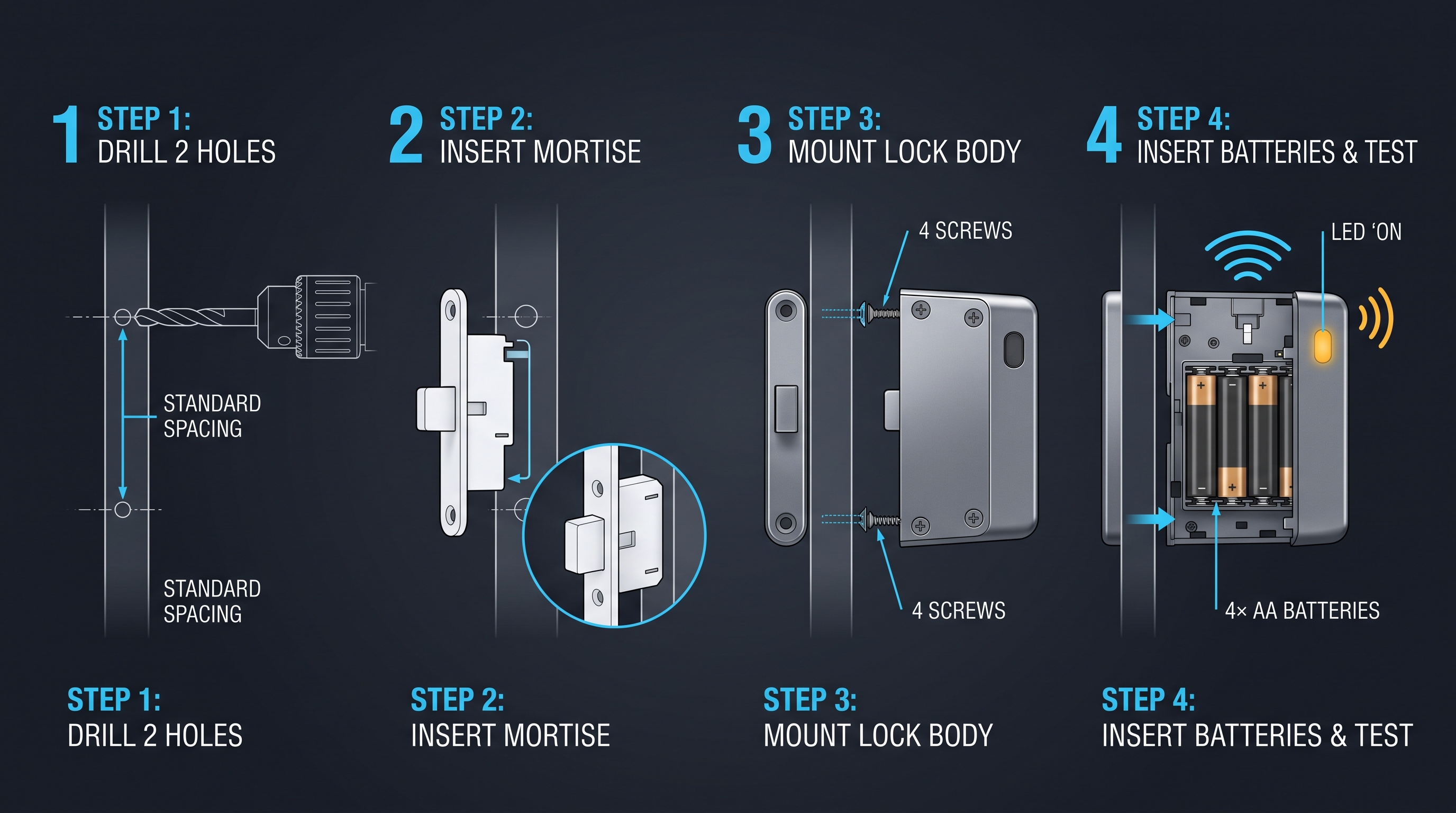
A gun cabinet lock is installed through a process that varies significantly by cabinet or safe construction and lock type, ranging from a 15-minute bolt-on installation for a surface-mounted electronic gun cabinet lock to a 2-hour professional installation for a recessed combination dial lock in a high-security safe. A DIY gun cabinet lock installation is feasible for surface-mounted electronic, RFID, and biometric locks on steel gun cabinets, requiring only basic tools including a drill, screwdriver, and measuring tape. Recessed gun cabinet lock installation in a thick-walled safe requires specialized tools including a torch or carbide hole saw, and is typically performed by a professional locksmith or safe technician. Industry data shows that 45 percent of gun cabinet lock failures result from incorrect installation, making professional installation a worthwhile investment for high-security applications. The installation guidance below covers the three most common gun cabinet lock installation scenarios.
Installing a Surface-Mounted Electronic Gun Cabinet Lock
A surface-mounted electronic gun cabinet lock is the easiest to install and is the most common type for retrofits on existing gun cabinets. The lock body mounts to the exterior of the cabinet door using screws or bolts, with the locking bolt extending through a pre-drilled or existing hole to engage the cabinet frame. Begin by selecting a mounting location that provides clearance for the lock body, allows the locking bolt to engage the frame securely, and is accessible to authorized users. Mark the mounting hole locations and the bolt hole on the cabinet door.
For a steel gun cabinet, drill the bolt hole using a step drill bit or bi-metal hole saw of the size specified by the lock manufacturer. Use cutting oil to lubricate the cut and prevent bit overheating. Deburr the hole edges with a file. Position the lock body over the hole and mark the mounting screw locations. Drill pilot holes for the mounting screws, then install the lock using the included hardware. For added security, use carriage bolts that pass through the cabinet door with nuts on the inside, preventing the lock from being removed by unscrewing from the outside.
After mounting the lock body, install the strike plate or locking bracket on the cabinet frame if required. Connect the battery and test the lock operation, verifying that the locking bolt extends and retracts smoothly and engages the frame securely. Program user codes or enroll fingerprints according to the manufacturer's instructions. Test all credentials and the mechanical override key to ensure reliable operation. A properly installed surface-mounted electronic gun cabinet lock provides years of reliable service with minimal maintenance.
Replacing an Existing Gun Cabinet Lock
Many gun cabinet owners seek to replace an existing gun cabinet lock with an upgraded model, such as swapping a keyed lock for a biometric gun cabinet lock for faster access. Replacement is generally straightforward if the new lock has the same footprint as the old one, but may require adapter plates or modification if the locks differ. Begin by removing the old gun cabinet lock, which typically involves removing mounting screws or nuts and sliding the lock body out of the door.
Compare the footprint of the old and new gun cabinet lock systems. If the bolt hole and mounting holes align, the new lock can be installed in the existing holes. If not, the existing holes may need to be enlarged or new holes drilled. For steel cabinets, use a step drill bit to enlarge existing holes, and plug unused holes with steel rivets or welded patches to maintain cabinet security. If the new gun cabinet lock requires a different cam or bolt configuration, adapter kits are available from the manufacturer or specialty hardware suppliers.
When replacing a gun cabinet lock, take the opportunity to inspect the cabinet door and frame for wear, corrosion, or damage. A gun cabinet lock is only as secure as the cabinet it is installed on, and a weakened door or frame can be defeated even with a high-quality lock. Repair or reinforce any compromised areas before installing the new gun cabinet lock. After installation, test the lock thoroughly and update any documentation, including recording the new lock's serial number and storing the manual and spare keys in a secure location.
Professional Installation for High-Security Safes
For high-security gun safes with thick steel walls, professional gun cabinet lock installation is strongly recommended. A professional safe technician has the specialized tools and experience to install a gun cabinet lock without damaging the safe's fire insulation, breach its security features, or compromise its UL rating. Attempting to drill into a high-security safe without proper tools and techniques can destroy the safe's fire rating, void the manufacturer's warranty, and create weak points that burglars can exploit.
Professional installation typically costs 200 to 500 dollars, depending on the lock type and safe construction. While this adds to the total cost of a gun cabinet lock upgrade, it ensures that the lock is installed correctly and that the safe's security and fire ratings are maintained. Many safe manufacturers offer factory installation of upgraded gun cabinet lock systems, which is the optimal choice for new safe purchases. For existing safes, contact a local safe technician or locksmith who specializes in gun safes for installation services.
When selecting a professional installer, verify their experience with gun cabinet lock installation and check references. A qualified installer will provide a written warranty on their work, will not void the safe manufacturer's warranty, and will dispose of or return the old gun cabinet lock. After installation, the installer should demonstrate the lock operation, provide instruction on credential management, and provide documentation including the lock manual, warranty, and spare keys. A professionally installed gun cabinet lock provides decades of reliable service and maintains the safe's security and fire protection ratings.
Gun Cabinet Lock and ATF Compliance for Firearm Dealers
A gun cabinet lock in a firearm dealer's inventory storage must meet ATF compliance standards that exceed residential requirements. The ATF requires under 27 CFR 478.125 that licensed dealers store firearm inventory in a manner that prevents theft and unauthorized access, with the gun cabinet lock providing the primary physical barrier. ATF compliance inspections evaluate whether the gun cabinet lock system provides reasonable security based on factors including lock type, cabinet construction, and access control procedures. A compliant gun cabinet lock for a firearm dealer typically includes an electronic lock with audit trail capability, a steel gun cabinet or safe rated to UL 1037 or UL 687, and documented procedures for access control and inventory reconciliation. ATF inspection data shows that 8 to 12 percent of firearm dealer inspections cite storage deficiencies, with non-compliant gun cabinet lock systems being a primary cause. The compliance guidance below covers ATF requirements, inspection preparation, and best practices for dealer inventory storage.
ATF Storage Requirements
The ATF's regulations under 27 CFR 478.125 require that licensed firearm dealers store inventory in a manner that prevents access by unauthorized persons. While the regulations do not specify a particular gun cabinet lock type, the ATF's compliance inspections evaluate whether the storage method provides reasonable security. Factors considered include the gun cabinet lock type (electronic and biometric locks receive higher marks than basic keyed locks), the cabinet or safe construction (steel construction with thick walls receives higher marks than thin-gauge cabinets), and the access control procedures (limited access, documented procedures, and audit trails receive higher marks than open access).
For dealers handling NFA (National Firearms Act) items including machine guns, short-barreled rifles, and suppressors, the gun cabinet lock requirements are more stringent. The ATF recommends that NFA items be stored in a separate, more secure container within the main inventory, with an additional gun cabinet lock providing layered security. Some states impose additional requirements for NFA item storage, including specific gun cabinet lock types or construction standards. Dealers should consult with a firearms attorney or ATF industry operations investigator to ensure compliance with all applicable requirements.
Preparing for ATF Inspections
ATF compliance inspections can occur with limited notice, and a firearm dealer's gun cabinet lock system is a primary inspection focus. To prepare, ensure that all gun cabinet lock systems are functional, with no disabled or bypassed locks. Verify that access is limited to authorized employees, with documentation listing each authorized individual and their access credentials. For electronic gun cabinet lock systems, ensure that audit logs are being generated and reviewed, with documentation of the review process.
Maintain records of gun cabinet lock installation, including the lock manufacturer, model, installation date, and any maintenance or replacement. Keep spare keys and override credentials in a secure off-site location, with documentation of who has access. Conduct regular self-audits of the gun cabinet lock system, including testing lock function, reviewing access logs for anomalies, and verifying that all inventory matches acquisition and disposition records. A well-documented gun cabinet lock system demonstrates compliance and facilitates smooth ATF inspections.
Inventory Reconciliation and Audit Trails
A gun cabinet lock with audit trail capability is invaluable for inventory reconciliation, the process of verifying that physical inventory matches records. For electronic and biometric gun cabinet lock systems, the audit trail records every access event with timestamp and user identity, providing a documented history of who accessed the inventory and when. This information is essential for investigating discrepancies, identifying potential theft or diversion, and demonstrating compliance to ATF inspectors.
The audit trail should be reviewed regularly, typically weekly or monthly, with any anomalies investigated and documented. Common anomalies include access outside business hours, repeated access failures suggesting credential problems, and access by individuals whose authorization has been revoked. Any discrepancy between logged access and physical inventory should trigger an immediate investigation, with documentation of the investigation process and resolution. A gun cabinet lock audit trail that is consistently reviewed and acted upon is one of the strongest protections against inventory loss and ATF compliance citations.
Best Practices for Dealer Gun Cabinet Lock Systems
Firearm dealers should implement the following best practices for their gun cabinet lock systems. Install a gun cabinet lock on every storage cabinet, safe, and display case containing firearms, not just the primary inventory room. Use electronic or biometric gun cabinet lock systems with audit trail capability for all inventory storage, as these provide the documentation required for ATF compliance. Limit access to the minimum number of authorized employees, with each employee having individual credentials that can be revoked when employment ends.
Conduct quarterly gun cabinet lock function tests, including battery replacement on electronic models, firmware updates for smart locks, and mechanical override testing. Maintain a written access control policy that lists authorized individuals, their access credentials, and the procedures for adding or removing access. Train all employees on gun cabinet lock procedures, including what to do if a lock fails, how to report a suspected security breach, and the legal consequences of unauthorized access. A comprehensive gun cabinet lock system, properly maintained and documented, is a firearm dealer's strongest protection against theft, liability, and regulatory action.
Biometric Gun Cabinet Lock: The Ultimate in Firearm Security
A biometric gun cabinet lock uses fingerprint recognition technology to authenticate authorized users and release the lock in under 1 second, providing the fastest and most secure access method available for firearm storage. A biometric gun cabinet lock employs a capacitive or optical fingerprint sensor with a resolution of 500 to 508 dots per inch, capturing 40 to 60 minutiae points from each fingerprint and comparing them against stored templates with a false acceptance rate below 0.001 percent. Unlike a keyed or combination gun cabinet lock, a biometric gun cabinet lock requires the authorized user's physical presence, eliminating the vulnerabilities of lost keys, observed codes, and stolen credentials. Modern biometric gun cabinet lock systems support 50 to 200 fingerprint templates, with features including automatic finger wake-up, tamper detection, low-battery warnings, and mechanical key override. Market adoption of biometric gun cabinet lock systems grew by 35 percent in 2025, driven by the self-defense market's demand for fail-safe rapid access and the increasing number of states mandating secure firearm storage. The sections below examine biometric gun cabinet lock technology, selection criteria, and performance in real-world conditions.
How Biometric Fingerprint Recognition Works
A biometric gun cabinet lock captures a fingerprint image using an optical or capacitive sensor. Optical sensors use LED illumination and a camera to capture the fingerprint surface image, while capacitive sensors measure the tiny electrical differences between fingerprint ridges and valleys using a grid of sensitive capacitors. Capacitive sensors, found in higher-quality biometric gun cabinet lock systems, are more resistant to spoofing with fake fingerprints and provide more reliable performance with dry, worn, or dirty fingers. The sensor captures the fingerprint at 500 dpi resolution, meeting the FBI's Next Generation Identification standard for fingerprint images.
The captured image is processed to extract minutiae points, which are features such as ridge endings and bifurcations that are unique to each fingerprint. A typical print yields 40 to 60 usable minutiae, which are converted to a mathematical template stored in the biometric gun cabinet lock memory. When a user presents a finger to the sensor, the lock captures a new template and compares it to stored templates, calculating a match score based on the correlation of minutiae points. If the score exceeds the threshold programmed by the manufacturer (typically set to balance security and convenience), the gun cabinet lock releases. The entire process, from finger placement to lock release, takes less than 1 second in modern biometric gun cabinet lock systems.
Selecting a Quality Biometric Gun Cabinet Lock
When evaluating a biometric gun cabinet lock, several specifications indicate quality and reliability. The false acceptance rate (FAR) should be below 0.01 percent for a residential gun cabinet lock and below 0.001 percent for commercial or high-security applications. A lower FAR means fewer unauthorized users will be incorrectly accepted, but may increase the false rejection rate (FRR), where authorized users are incorrectly denied. A quality biometric gun cabinet lock balances FAR and FRR, typically achieving FAR below 0.001 percent and FRR below 1 percent.
The sensor type is critical for reliable operation. Capacitive sensors, found in higher-end biometric gun cabinet lock systems, are preferred over optical sensors because they are more resistant to spoofing with photographs or fake fingerprints, perform better with varying skin conditions, and work reliably in high-humidity environments. The sensor should support 360-degree finger placement, allowing the user to present their finger at any angle. The gun cabinet lock should store at least 20 fingerprint templates, providing enough capacity for the owner and authorized family members or staff.
Battery life is an important consideration for a biometric gun cabinet lock. Look for systems that use standard batteries (AA or CR2) with a rated life of 12 to 24 months under normal use, plus a low-battery warning that provides at least 30 days of additional operation. The biometric gun cabinet lock should include a mechanical key override as a backup in case of battery failure, with the key stored securely. Some premium systems include an external power contact for emergency power input, allowing the lock to be powered temporarily even with dead batteries.
Real-World Performance Considerations
A biometric gun cabinet lock performs differently in real-world conditions than in laboratory testing. Dirt, moisture, and skin damage can reduce fingerprint recognition accuracy, leading to increased false rejection. To mitigate this, enroll fingerprints under various conditions: clean, slightly dirty, and slightly moist, so the biometric gun cabinet lock can recognize the print in different states. Enroll multiple fingers for each user, typically the index finger and alternate finger, so that a finger injury or bandage does not prevent access.
Cold environments, such as unheated hunting cabins, present a challenge for biometric gun cabinet lock systems. Capacitive sensors generally perform better in cold conditions than optical sensors, as they measure electrical differences rather than surface image. However, very cold fingers with reduced blood flow may not register reliably. For firearms stored in unconditioned spaces, a mechanical keyed gun cabinet lock may be more reliable than a biometric gun cabinet lock, or a hybrid approach using both electronic and mechanical access can provide both security and reliability.
Spoofing resistance is an increasing concern for biometric gun cabinet lock systems. High-quality capacitive sensors are resistant to spoofing with photographs and simple fake fingerprints, but sophisticated spoofing attacks remain possible. For maximum security, choose a biometric gun cabinet lock that uses liveness detection, which verifies that the finger is living tissue through methods such as pulse detection or electrocardiogram measurement. While liveness detection increases cost, it provides the highest level of security for sensitive applications.
Gun Cabinet Lock for Children and Youth Safety
A gun cabinet lock is the most effective intervention for preventing child and youth firearm injuries and deaths, with the American Academy of Pediatrics reporting that secure firearm storage reduces the risk of child firearm injuries by 70 to 85 percent. Children are naturally curious about firearms, and even children trained in firearm safety may handle firearms when unsupervised, making a gun cabinet lock the essential barrier between a child's curiosity and a preventable tragedy. A gun cabinet lock prevents three categories of child firearm incidents: unintentional shootings by children who find and handle an unsecured firearm, youth suicide with a firearm that would have been prevented by the delay imposed by a gun cabinet lock, and school shootings by students who took firearms from unsecured home storage. The sections below cover developmental considerations, layered security strategies, age-appropriate education, and practical implementation for families with children and firearms.
Developmental Stages and Gun Cabinet Lock Requirements
Children's ability to defeat a gun cabinet lock changes dramatically with age. Toddlers and preschoolers (ages 1 to 4) can open unlocked cabinets and may be able to operate simple latches, but a basic gun cabinet lock presents an insurmountable barrier. Any gun cabinet lock, even a simple keyed lock with the key properly secured, is effective at this age. School-age children (ages 5 to 11) are significantly more capable, able to find keys in common hiding places, memorize observed codes, and use tools to manipulate simple locks. At this stage, a gun cabinet lock with a combination that is not observed by children, or an electronic lock with a code known only to adults, provides adequate security.
Teenagers (ages 12 to 17) present the greatest challenge for a gun cabinet lock. Teenagers can search thoroughly for keys, use sophisticated techniques to defeat combination locks, pick simple keyed locks, and bypass electronic locks if they have access to batteries or override keys. A biometric gun cabinet lock is the most effective deterrent at this age, as it requires the authorized user's fingerprint and cannot be defeated by key theft, code observation, or electronic bypass. Regardless of the gun cabinet lock type, parents of teenagers should regularly verify that the lock is functional and that no bypass has been attempted.
The Layered Firearm Security Strategy
Firearm safety organizations including the National Shooting Sports Foundation and Project ChildSafe advocate a layered approach to gun cabinet lock security, combining physical barriers with behavioral practices. Layer one is the gun cabinet lock itself, which should be appropriate for the oldest child in the household. Layer two is storing firearms unloaded, with ammunition in a separate locked container secured with its own gun cabinet lock. Layer three is storing the firearm in a locked room or separate area that children cannot access without adult supervision.
Additional layers include educating children about firearm safety appropriate to their age, teaching them to never touch a firearm and to tell an adult if they find one. For families that rely on firearms for self-defense, the layered strategy must balance security with access: a biometric gun cabinet lock allows authorized adults to access the firearm in seconds while maintaining a robust barrier against children. The layered gun cabinet lock strategy does not assume that any single barrier is impenetrable. It creates multiple barriers that a child must defeat sequentially, with the cumulative difficulty exceeding the child's capability and attention span.
Secure but Accessible: The Self-Defense Dilemma
For families that keep a firearm for self-defense, the gun cabinet lock must solve a fundamental security conflict: the firearm must be accessible to authorized adults in seconds while being inaccessible to children at all times. A biometric gun cabinet lock is the optimal solution to this dilemma. The owner can access the firearm in under 1 second by placing a finger on the biometric gun cabinet lock sensor, while a child cannot open the lock because their fingerprint is not enrolled. There is no key for a child to find, no code to observe and memorize, and no credential to steal.
A bedside gun cabinet lock safe presents similar challenges. The safe must be accessible from bed in darkness and under stress, yet secure against a child who may find and attempt to open it during the day. A biometric gun cabinet lock safe meets both requirements, with sub-second access for the authorized adult and zero likelihood of a child guessing a code or finding a key. Some biometric gun cabinet lock systems include a silent mode that allows the lock to be opened without audible beeps, preventing the user's location from being announced during a home defense situation. For families balancing self-defense with child safety, investing in a quality biometric gun cabinet lock is the most responsible choice.
Educating Children About Firearm Safety
While a gun cabinet lock is the physical barrier, education is the behavioral barrier that reinforces it. The National Rifle Association's Eddie Eagle program and other child firearm safety programs teach children four steps if they encounter a firearm: stop, don't touch, leave the area, and tell an adult. Even children who have completed such training should not be assumed to follow it in all situations, which is why a gun cabinet lock remains essential. Education reinforces the message that firearms are not toys and that the gun cabinet lock, while necessary, exists for everyone's safety.
As children mature into teenagers, education should evolve to include the legal and health consequences of firearm misuse, safe handling principles, and respect for the gun cabinet lock as a safety device, not a restriction on their freedom. Teenagers interested in shooting sports can be given controlled, supervised access to firearms with the understanding that unsupervised access through the gun cabinet lock is never permitted. A culture of safety and responsibility, combined with a quality gun cabinet lock, creates the safest possible environment for families with firearms.
Gun Cabinet Lock Maintenance and Troubleshooting
A gun cabinet lock requires regular maintenance to ensure reliable operation, particularly in environments where the lock may sit unused for months at a time, such as hunting cabins and collection safes. A gun cabinet lock failure can prevent access to firearms when needed for self-defense or cause a lockout requiring expensive professional intervention to open the cabinet. Preventive maintenance including annual lubrication, quarterly battery replacement for electronic models, and bi-annual function testing prevents approximately 80 percent of gun cabinet lock failures according to safe manufacturer warranty data. A gun cabinet lock in an unconditioned space such as a garage or hunting cabin requires more frequent maintenance due to temperature and humidity extremes, with accelerated component wear and increased risk of corrosion. The maintenance and troubleshooting procedures below cover common gun cabinet lock issues and their resolutions.
Mechanical Gun Cabinet Lock Maintenance
A mechanical gun cabinet lock, whether keyed or combination dial, requires annual maintenance to ensure reliable operation. For a keyed gun cabinet lock, insert the key and test that it turns smoothly through the full range of motion. If the key sticks or feels gritty, lubricate the cylinder with graphite powder or PTFE dry lubricant specifically designed for locks. Never use oil-based lubricants, as they attract dust and eventually gum up the gun cabinet lock mechanism. Apply lubricant to the key, insert and remove several times, then operate the lock to distribute the lubricant through the cylinder.
For a combination dial gun cabinet lock, test the combination annually to ensure smooth dialing. If the dial feels stiff, the lock may need professional servicing by a safe technician. Combination dial gun cabinet lock systems should never be lubricated by the owner, as improper lubrication can interfere with the internal wheel alignment and compromise the lock's security. Signs that a combination dial gun cabinet lock needs professional service include difficulty turning the dial, imprecise gate feel, and inconsistent unlocking with the correct combination.
Corrosion is the primary enemy of a mechanical gun cabinet lock in humid environments. A gun cabinet lock in a basement, garage, or unheated cabin may develop rust on internal components, leading to seizure and lockout. Place a desiccant pack inside the gun cabinet to absorb moisture, and inspect the gun cabinet lock annually for signs of corrosion. If rust is visible on the lock cylinder, have it professionally cleaned and lubricated, or replace the gun cabinet lock if corrosion is severe. For gun cabinets in very humid environments, consider upgrading to a marine-grade gun cabinet lock with stainless steel components and corrosion-resistant finishes.
Electronic and Biometric Gun Cabinet Lock Maintenance
Electronic and biometric gun cabinet lock systems require additional maintenance focused on power management. Replace batteries every 6 to 12 months regardless of the low-battery indicator, using high-quality alkaline or lithium batteries. Cheap batteries may leak, corroding the gun cabinet lock electronics and causing permanent damage. When replacing batteries, inspect the battery contacts for corrosion, cleaning them with a cotton swab and isopropyl alcohol if necessary. The low-battery warning should activate at least 30 days before the batteries fail entirely, but proactive replacement is safer than relying on the warning.
For biometric gun cabinet lock systems, clean the fingerprint sensor periodically with a soft, dry cloth. Dirt, oil, and moisture on the sensor can reduce recognition accuracy and increase false rejections. Do not use cleaning solutions on the sensor, as they can damage the sensitive surface. Re-enroll fingerprints annually to account for changes in the user's fingerprints due to aging, wear, or skin conditions. If a biometric gun cabinet lock consistently fails to recognize a valid fingerprint despite cleaning and re-enrollment, the sensor may be failing and the gun cabinet lock should be replaced.
Firmware updates are critical for smart gun cabinet lock systems. Manufacturers release firmware updates to fix security vulnerabilities, improve performance, and add features. Most smart lock apps notify users of available updates, but annual manual checking is recommended. Before updating firmware, verify that the gun cabinet lock is fully accessible (not in lockdown mode) and that fresh batteries are installed, as a firmware update interrupted by power loss can brick the lock.
Common Gun Cabinet Lock Problems and Solutions
Several problems affect gun cabinet lock performance across lock types. The most common issue with keyed gun cabinet lock systems is a broken key. If a key breaks in the cylinder, do not attempt to extract it with tools, as this may push the broken piece deeper and make extraction more difficult. Call a locksmith who can extract the broken key and make a new copy without damaging the gun cabinet lock. If a key will not turn, the cam or bolt may be binding against the cabinet frame. Open the adjacent uncabinet door or panel to access the lock interior and adjust the cam position.
For electronic gun cabinet lock systems, the most common problem is a dead battery. If the lock does not respond, replace the batteries with fresh ones and test operation. If the lock still does not respond, check the battery contacts for corrosion and clean if necessary. If fresh batteries do not restore operation, use the mechanical override key to open the gun cabinet lock and diagnose the problem. If the override key is lost or inaccessible, a safe technician can open the gun cabinet lock and restore power or access.
A frozen or stuck gun cabinet lock is common in unconditioned storage, particularly in cold, humid climates. If a keyed lock is frozen, warm the key with body heat or a lighter and insert gently. Do not force the key, as this may break it. For electronic gun cabinet lock systems, cold temperatures reduce battery output, potentially causing low-battery symptoms or lock failure. In very cold environments, lithium batteries perform better than alkaline batteries and should be used in electronic gun cabinet lock systems.
When to Replace Your Gun Cabinet Lock
A gun cabinet lock should be replaced when it shows signs of failure that cannot be corrected through maintenance, or when the owner's security needs have changed. Signs that a gun cabinet lock needs replacement include a key that sticks despite lubrication, a combination dial that is imprecise or inconsistent, an electronic lock that frequently fails to respond, a biometric gun cabinet lock sensor that consistently rejects valid prints despite cleaning and re-enrollment, or any visible damage or corrosion to the gun cabinet lock body.
Beyond failure, owners should consider upgrading their gun cabinet lock when their circumstances change. An owner who purchases a self-defense firearm may want to upgrade from a combination dial gun cabinet lock to a biometric model for faster access. A family with a new baby should upgrade from a basic keyed lock to an electronic or biometric gun cabinet lock for improved child safety. An owner who moves to a state with safe storage laws should verify that their existing gun cabinet lock meets legal requirements and upgrade if necessary.
When replacing a gun cabinet lock, securely dispose of the old lock, including destroying any keys or credentials. An old gun cabinet lock with intact keys could be used to access the cabinet if the replacement lock has not been installed yet, or could give an unauthorized person the impression of legitimate access. Maintain records of gun cabinet lock replacement, including the date, the new lock's serial number, and the location of spare keys and documentation.
Smart Gun Cabinet Lock: Connected Firearm Security
A smart gun cabinet lock integrates wireless connectivity via WiFi, Zigbee, Z-Wave, or Matter with cloud-based access control, real-time notifications, and audit trail logging, providing a level of security and monitoring unmatched by mechanical and traditional electronic locks. A smart gun cabinet lock typically supports 100 to 250 enrolled users, logs 10,000-plus access events with timestamps and user identity, and sends push notifications within 2 to 5 seconds of any cabinet open, close, or tamper event. Unlike a traditional gun cabinet lock, smart versions enable remote access management, time-based access schedules (for example, allowing range staff access only during business hours), integration with home security systems and cameras, and remote monitoring from anywhere via smartphone. Market research projects the smart gun cabinet lock segment will grow at 22 percent CAGR through 2030, driven by smart home adoption, the self-defense market's demand for connected monitoring, and increasing state-level safe storage requirements. The sections below examine smart gun cabinet lock technology, integration capabilities, security considerations, and practical deployment.
Wireless Connectivity and Platforms
A smart gun cabinet lock communicates with a home or facility network using one of several wireless protocols. WiFi offers direct connection to a home router without a hub, enabling remote access from anywhere via smartphone app. However, WiFi gun cabinet lock systems consume more power, requiring more frequent battery replacement (every 3 to 6 months). Zigbee and Z-Wave are low-power mesh protocols requiring a compatible hub but offering longer battery life (12 to 24 months) and more reliable communication in environments with wireless interference. Matter, the newest standard, promises interoperability across platforms including Apple HomeKit, Google Home, and Amazon Alexa, allowing a smart gun cabinet lock to work with any ecosystem.
When selecting a smart gun cabinet lock, consider your existing smart home platform. If you have a Zigbee hub like Samsung SmartThings or a Z-Wave controller, choose a gun cabinet lock supporting that protocol for seamless integration. If you use Apple HomeKit, look for a Matter-compatible gun cabinet lock or a native HomeKit model. For users without any smart home hub, a WiFi gun cabinet lock with a dedicated app is the simplest option, though it may lack advanced automation capabilities. Some smart gun cabinet lock systems support multiple protocols, providing flexibility as your smart home evolves.
Remote Access and Real-Time Alerts
The defining feature of a smart gun cabinet lock is remote access and real-time alerting. Through a smartphone app, authorized users can lock or unlock the gun cabinet lock from anywhere, view a complete access log, and receive instant push notifications when the gun cabinet lock is opened, closed, or tampered with. For a parent at work, a notification that the gun cabinet lock was opened at 3 PM on a school day signals that a child may be accessing firearms, prompting immediate investigation. For a hunting cabin owner, a notification that the gun cabinet lock was accessed outside the hunting season may indicate a break-in.
Remote access also enables temporary credential issuance. A houseguest visiting for a week can be granted temporary access to the gun cabinet lock through the app, with the access expiring automatically when the visit ends. A gunsmith servicing a firearm can be given one-time access without receiving a physical key. For shared gun cabinet lock access in a multi-user household, the app provides a centralized management interface, eliminating the need to physically exchange keys or codes.
Integration with Security Systems
A smart gun cabinet lock becomes even more powerful when integrated with other security systems. Common integrations include triggering a security camera to record when the gun cabinet lock is opened, sending an alert to a family member's phone if the gun cabinet lock is accessed outside designated hours, and automatically locking the gun cabinet lock after a set period of inactivity. In a smart home with a hub like SmartThings, Home Assistant, or Apple HomeKit, the gun cabinet lock can participate in complex automation routines: when the gun cabinet lock is opened at night, the hallway lights turn on, a notification is sent to the primary owner, and a security camera begins recording.
For firearm dealers and ranges, integration with access control systems and point-of-sale systems creates a comprehensive security and inventory management ecosystem. A smart gun cabinet lock connected to the dealer's inventory management system can log each firearm removal with timestamp and user identity, automatically reconciling inventory counts and flagging discrepancies. This level of integration reduces manual documentation, improves accuracy, and creates a tamper-resistant audit trail that satisfies ATF requirements.
Security and Privacy Considerations
Smart gun cabinet lock systems offer advanced features but also introduce security and privacy considerations that mechanical and traditional electronic locks do not. Any internet-connected device is a potential target for hackers, and a compromised smart gun cabinet lock could allow unauthorized access to firearms. When evaluating a smart gun cabinet lock, look for models that use end-to-end encryption for all communication, support two-factor authentication for app access, and receive regular firmware updates from the manufacturer. Avoid locks from unknown brands with no track record of security updates, as these may contain unpatched vulnerabilities.
Privacy is another consideration for smart gun cabinet lock systems. The lock collects detailed data about when and by whom firearms are accessed, which is valuable for security but may be shared with or sold to third parties by the lock manufacturer. Read the manufacturer's privacy policy carefully, and choose manufacturers with clear, user-friendly policies that allow you to control your data. For firearm dealers subject to ATF record-keeping requirements, ensure that the smart gun cabinet lock system's data retention policies comply with applicable regulations regarding firearm transaction records.
Gun Cabinet Lock Best Practices: A Comprehensive Checklist
A gun cabinet lock is most effective when deployed as part of a comprehensive firearm security strategy that combines physical security, behavioral practices, and regular review. Best practices distilled from firearm safety organizations, ATF compliance audits, and law enforcement recommendations include installing a gun cabinet lock on every cabinet or safe storing firearms (100 percent coverage), storing firearms unloaded with ammunition in a separate locked container (layered defense), conducting quarterly gun cabinet lock function tests, replacing batteries in electronic gun cabinet lock systems every 6 to 12 months, and reviewing access credentials annually to remove authorization from people who no longer need it. A gun cabinet lock strategy should be documented in writing for firearm dealers and reviewed with all household members in residential settings. The checklist below covers residential, dealer, travel, and emergency scenarios, providing actionable steps for each environment to maximize gun cabinet lock effectiveness and overall firearm safety.
Residential Best Practices
In a home with firearms, implement the following gun cabinet lock best practices. Install a gun cabinet lock on every cabinet, safe, and case storing firearms, not just the primary gun safe. This includes display cases, vehicle gun safes, and temporary storage locations. Use a gun cabinet lock appropriate for the contents: a basic keyed gun cabinet lock for hunting firearms in a basement safe, an electronic keypad gun cabinet lock for general firearm storage, and a biometric gun cabinet lock for self-defense firearms requiring rapid access. Store the most valuable or dangerous firearms in a separate locked container within the main gun cabinet for layered security.
Store all firearms unloaded, with ammunition in a separate locked container secured with its own gun cabinet lock. This layered approach ensures that even if an unauthorized person defeats the primary gun cabinet lock, they cannot immediately load and fire a firearm. Inspect firearms regularly for condition and inventory, and report any discrepancy to law enforcement immediately. Dispose of unwanted firearms through legal channels, including buyback programs and licensed dealer transfers, never leaving unsecured firearms in a home where they are no longer wanted. Maintain records of all firearms including serial numbers, descriptions, and photographs, stored separately from the gun cabinet lock keys, to assist in recovery if firearms are stolen.
Dealer and Range Best Practices
In firearm dealer and range settings, gun cabinet lock best practices are driven by regulatory requirements and loss prevention. Conduct a monthly audit of all gun cabinet lock systems, verifying that each lock is functional, that access is limited to authorized personnel, and that audit logs are being reviewed for anomalies. Maintain a written access control policy listing every individual authorized to access each storage area, and update the list whenever staff changes occur. Implement a two-person verification process for high-value or NFA item access, where two authorized staff members must independently authenticate to open the gun cabinet lock.
For smart gun cabinet lock systems, review the access logs weekly, looking for patterns such as access outside business hours, repeated access failures suggesting credential problems, or access by individuals whose authorization has been revoked. Investigate any anomaly promptly and document the resolution. Conduct quarterly gun cabinet lock function tests, including battery replacement on schedule, firmware updates for smart locks, and mechanical override testing. Train all staff on gun cabinet lock procedures during orientation and annually thereafter, including what to do if a gun cabinet lock fails, how to report a suspected security breach, and the legal consequences of unauthorized access or inventory discrepancies.
Travel and Vehicle Storage
Firearm security extends beyond the home and business. When traveling with firearms, use a portable gun cabinet lock or locked transport case that meets applicable transportation regulations. For vehicle storage, use a vehicle-mounted gun safe or lockbox secured to the vehicle frame with a cable or bolts, with a gun cabinet lock that provides reliable security in a vehicle environment subject to temperature extremes, vibration, and theft risk. Never leave a firearm visible in an unattended vehicle, even for a moment, as vehicle firearm theft is a major source of crime guns.
For air travel, firearms must be transported in a locked hard-sided container as checked baggage, with the gun cabinet lock meeting TSA requirements. TSA-approved gun cabinet lock systems for air travel include keyed or combination locks, but not biometric or electronic locks that may fail in transit or be opened by security personnel. The key or combination must remain with the traveler, not in checked baggage. Research destination state and country firearm storage requirements before traveling, as some jurisdictions have specific gun cabinet lock requirements for temporary storage in hotels or other accommodations.
Emergency Preparedness
A gun cabinet lock strategy should account for emergencies, including natural disasters, power outages, and home defense scenarios. In a power outage, electronic and smart gun cabinet lock systems may fail if batteries are dead or if the lock relies on a hub that has lost power. Maintain a mechanical override key for every electronic gun cabinet lock, stored in a secure, accessible location known to all authorized users. For smart gun cabinet lock systems that depend on a hub or WiFi, have a plan for accessing firearms if the network is down for an extended period.
In a home defense scenario, the gun cabinet lock must be openable quickly by the authorized user under extreme stress. A biometric gun cabinet lock provides the fastest access, with sub-second fingerprint authentication that does not require remembering a code or finding a key. Practice accessing the gun cabinet lock under realistic conditions, including in darkness, while groggy from sleep, and with adrenaline present, to build muscle memory. For households with multiple authorized users, ensure that all users have practiced accessing the gun cabinet lock and that they understand the legal and ethical considerations of using a firearm for self-defense.
Gun Cabinet Lock FAQ: Common Questions Answered
A gun cabinet lock raises practical questions for firearm owners and dealers evaluating security options. The most common questions address whether a gun cabinet lock is required by law (yes, in states with safe storage laws including Massachusetts, California, Connecticut, and others, with federal requirements for licensed dealers under ATF regulations), which gun cabinet lock is most secure (biometric gun cabinet lock systems offer the highest security with false acceptance rates below 0.001 percent), and how to balance security with rapid access for self-defense (biometric gun cabinet lock systems provide sub-second access while preventing unauthorized use). A gun cabinet lock typically costs between 30 and 800 dollars depending on type and features, with biometric gun cabinet lock systems in the 200 to 800 dollar range. The frequently asked questions below provide detailed answers to the most common gun cabinet lock inquiries, drawing on regulatory guidance, manufacturer specifications, and field experience from firearm safety organizations and law enforcement.
Is a gun cabinet lock required by law?
Federal law does not specifically require a gun cabinet lock for residential firearm storage, but federal law does require licensed firearm dealers to secure inventory under ATF regulations (27 CFR 478.125). State laws vary significantly. Massachusetts requires that all firearms be stored with a locking device or in a locked container. California imposes criminal liability for failing to secure firearms when a child gains access. Connecticut, New York, Maryland, Minnesota, and the District of Columbia have similar safe storage laws. Even in states without specific safe storage laws, negligence principles impose civil and criminal liability on firearm owners who fail to secure their weapons. A gun cabinet lock is the most visible evidence that an owner took reasonable steps to prevent unauthorized access, and is strongly recommended regardless of legal requirements.
Can a burglar defeat a gun cabinet lock?
A determined burglar with time and tools can defeat most gun cabinet lock systems, but the time and noise required serve as deterrents. A basic keyed gun cabinet lock on a thin-gauge steel cabinet can be defeated in minutes with a pry bar, while a high-security combination dial gun cabinet lock on a thick-walled safe may resist attack for 30 minutes or longer. Burglars typically seek easy targets, and a quality gun cabinet lock on a substantial safe increases the likelihood that the burglar will abandon the attempt. To maximize security, combine a high-quality gun cabinet lock with a heavy, bolted-down safe in a location that is not easily accessible. Bolt the safe to the floor or wall so it cannot be carried off and opened at the burglar's leisure. A gun cabinet lock is one component of a layered security approach that includes alarm systems, lighting, and physical barriers.
How fast can I access a biometric gun cabinet lock?
A modern biometric gun cabinet lock can authenticate a fingerprint and release the lock in under 1 second, with most quality systems achieving 0.5 to 0.8 seconds from finger placement to lock release. This is significantly faster than a combination dial gun cabinet lock (30 to 60 seconds) and faster than an electronic keypad gun cabinet lock (5 to 10 seconds). The actual access time in a self-defense scenario depends on factors including the user's familiarity with the gun cabinet lock, the placement of the finger on the sensor, and the user's stress level. Regular practice accessing the biometric gun cabinet lock under realistic conditions builds muscle memory and ensures reliable, rapid access when needed. Some biometric gun cabinet lock systems include features that improve access speed, such as a finger wake-up that activates the sensor when touched and a silent mode that eliminates audible beeps.
What happens if the batteries die in my electronic gun cabinet lock?
If the batteries die in an electronic gun cabinet lock, the lock will not respond to credentials. Most electronic gun cabinet lock systems include a low-battery warning that activates 30 or more days before the batteries fail entirely, providing ample time to replace them. If the batteries are dead, the gun cabinet lock can typically be opened using a mechanical override key stored separately. Some electronic gun cabinet lock systems include an external power contact that allows a 9-volt battery to be held against the lock exterior to provide temporary power for credential entry. To avoid lockout, replace batteries proactively every 6 to 12 months regardless of the low-battery warning, and keep spare batteries and the override key in a known, accessible location. For a biometric gun cabinet lock used for self-defense, dead batteries are particularly problematic, as they prevent rapid access. Proactive battery management is essential for any electronic gun cabinet lock.
Can I install a gun cabinet lock myself?
Many gun cabinet lock systems can be installed by the owner, particularly surface-mounted electronic and biometric gun cabinet lock systems on steel cabinets. These typically require only a drill, screwdriver, and measuring tape, with installation taking 15 to 60 minutes. Surface-mounted gun cabinet lock systems use bolts or screws to attach to the cabinet exterior, with the locking bolt extending through a drilled hole to engage the cabinet frame. Recessed gun cabinet lock installation, particularly in thick-walled safes, requires specialized tools and is best performed by a professional locksmith or safe technician. Attempting to drill into a high-security safe without proper tools can damage the safe's fire insulation, void the manufacturer's warranty, and create security weak points. For any gun cabinet lock installation, follow the manufacturer's instructions carefully and test the lock thoroughly before relying on it for security.
How do I choose between a biometric and keypad gun cabinet lock?
The choice between a biometric and keypad gun cabinet lock depends on your priorities. A biometric gun cabinet lock provides the fastest access (under 1 second) and the highest security, as it requires the authorized user's physical fingerprint. This makes it ideal for self-defense firearms where rapid access is critical and for households with children or teenagers where credential security is a concern. A keypad gun cabinet lock provides slightly slower access (5 to 10 seconds) but is more affordable and less reliant on battery power, with some models including mechanical keypad backup. Keypad gun cabinet lock systems are suitable for general firearm storage where rapid access is less critical and where multiple authorized users can share a code. For maximum security and convenience, a biometric gun cabinet lock is the optimal choice for self-defense applications, while a keypad gun cabinet lock is adequate for hunting and collection storage.
The Future of the Gun Cabinet Lock: Trends and Innovations
A gun cabinet lock is evolving rapidly as technology advances and the demand for connected, intelligent firearm security grows. Emerging trends include AI-powered anomaly detection that flags unusual access patterns, integration with smart gun technology that pairs a gun cabinet lock with authorized-user-only firearms, blockchain-based audit trails providing tamper-proof compliance records for dealers, and advanced biometric modalities including palm vein and iris recognition. The gun cabinet lock market is projected to reach 2.8 billion dollars by 2030, growing at 16 percent CAGR, driven by state-level safe storage mandates, smart home adoption, and growing awareness of firearm safety. A next-generation gun cabinet lock will likely combine multi-factor biometric authentication, real-time monitoring, predictive analytics for theft prevention, and seamless integration with home security and law enforcement alert systems, transforming the traditional gun cabinet lock into a comprehensive firearm management platform. The innovations below represent the leading edge of gun cabinet lock technology and offer a preview of what firearm owners and dealers can expect in the coming years.
AI and Behavioral Analytics
The most exciting frontier in gun cabinet lock technology is the integration of artificial intelligence and behavioral analytics. A next-generation smart gun cabinet lock may use AI to learn the typical access patterns of authorized users, including times of day, frequency, and duration of access. When the gun cabinet lock detects an anomaly, such as access at an unusual time, repeated failed authentication attempts, or access by an unrecognized credential, the system can trigger alerts to the owner and law enforcement. AI can also analyze access patterns to detect potential diversion or theft in dealer inventory, providing real-time alerts that go beyond simple audit trail review.
For self-defense applications, AI-powered gun cabinet lock systems can integrate with other smart home sensors to provide context-aware security. If a motion sensor detects an intruder in the home, the gun cabinet lock can automatically lock and alert the owner's smartphone, preventing the intruder from accessing firearms. If the owner's smartphone is detected near the gun cabinet lock, the system can prepare for rapid biometric access, reducing the time required to retrieve a self-defense firearm. These AI-driven features transform the gun cabinet lock from a passive barrier into an active security system that adapts to the user's needs and the prevailing threat environment.
Smart Gun Integration
The development of smart gun technology, which embeds authorized-user authentication into the firearm itself, complements the gun cabinet lock by providing layered security. A smart gun can only be fired by an authorized user, identified through fingerprint, RFID, or other biometric authentication. When paired with a smart gun cabinet lock, the system provides both storage security and use security: the gun cabinet lock prevents unauthorized access to the firearm, and the smart gun technology prevents unauthorized firing even if the firearm is accessed. This combination addresses both theft and unauthorized use concerns.
While smart gun technology has been slow to reach the market due to technical challenges and political controversy, several manufacturers are actively developing smart gun products, and integration with smart gun cabinet lock systems is a natural evolution. A future smart gun cabinet lock may communicate with the firearm inside, verifying that the firearm's authorized user matches the gun cabinet lock's authorized user, and only releasing the firearm when both authentications succeed. This multi-factor approach provides the highest level of firearm security available, addressing both storage and use vulnerabilities.
Advanced Biometric Modalities
Beyond fingerprint recognition, future gun cabinet lock systems may incorporate additional biometric modalities for enhanced security and convenience. Palm vein recognition uses near-infrared light to image the unique vein pattern in the user's palm, providing higher accuracy than fingerprint recognition and working reliably even with dirty, wet, or damaged fingers. Iris recognition uses a camera to image the unique pattern of the user's iris, providing extremely high accuracy and working at a distance of several inches. Face recognition, already common in smartphones, may be adapted for gun cabinet lock systems, allowing hands-free access.
Multi-modal biometric gun cabinet lock systems, which require two or more biometric authentications, provide the highest level of security for sensitive applications. For example, a gun cabinet lock might require both a fingerprint and an iris scan to release, making spoofing virtually impossible. While multi-modal gun cabinet lock systems are currently expensive and complex, advancing technology and declining costs will make them more accessible in the coming years, particularly for high-security applications such as law enforcement armories and firearm dealer inventory.
Regulatory Technology and Compliance Automation
For firearm dealers and other regulated users, regulatory technology (RegTech) integrated with gun cabinet lock systems promises to simplify compliance. A smart gun cabinet lock connected to a dealer's compliance management system can automatically log every firearm access, reconcile inventory counts in real time, and generate compliance reports for ATF inspections. Blockchain-based audit trails can provide tamper-proof records of all gun cabinet lock access events, demonstrating compliance with a verifiable, immutable record.
Some RegTech platforms are developing predictive compliance analytics that combine gun cabinet lock access data with inventory and transaction data to identify potential compliance issues before they trigger an ATF citation. For example, if the gun cabinet lock audit trail shows access by an employee whose authorization has been revoked, the system can alert management immediately, preventing a compliance violation. As RegTech evolves, the gun cabinet lock will become not just a security device but a compliance tool that simplifies regulatory management for firearm dealers and other regulated users.
Gun Cabinet Lock Regulations and Standards Reference
A gun cabinet lock is governed by a complex framework of federal regulations, industry standards, and state laws that vary by application and jurisdiction. Key regulatory references include the ATF regulations under 27 CFR 478.125 requiring licensed dealers to secure firearm inventory, state safe storage laws including California Penal Code 25100, Massachusetts Chapter 140 Section 131L, and Connecticut Public Act 18-29, and industry standards including UL 1037 for residential security containers, UL 687 for burglary-resistant safes, and UL 768 for combination locks. A gun cabinet lock used in regulated settings may also need to comply with California DOJ standards for firearm safety devices, which include specific performance and tamper resistance requirements. The reference below summarizes the key gun cabinet lock regulations, standards, and their applicability for residential and commercial users.
Federal Regulations
The primary federal regulation governing gun cabinet lock requirements is 27 CFR 478.125, which requires licensed firearm dealers to store inventory in a manner that prevents theft and unauthorized access. While the regulation does not specify a particular gun cabinet lock type, ATF compliance inspections evaluate whether the storage method provides reasonable security. Factors considered include the gun cabinet lock type, cabinet or safe construction, and access control procedures. For dealers handling NFA items, the ATF recommends additional security measures including a separate, more secure storage container within the main inventory.
Federal law also includes the Child Safety Lock Act of 2005, which requires that all handguns sold by licensed dealers be accompanied by a safety device, including a gun cabinet lock, trigger lock, or similar device. While this requirement applies to the sale rather than storage, it underscores the federal government's recognition that secure firearm storage is essential for safety. Federal grant programs including the Byrne Justice Assistance Grant program have funded gun cabinet lock distribution through Project ChildSafe and similar initiatives, distributing millions of free gun cabinet lock systems to promote safe storage.
State Safe Storage Laws
State safe storage laws vary significantly in scope and requirements. Massachusetts Chapter 140 Section 131L requires that all firearms be stored with a locking device or in a locked container, with criminal penalties for non-compliance. California Penal Code 25100 imposes criminal liability on firearm owners who fail to secure firearms when a child gains access and causes injury or death. Connecticut Public Act 18-29 requires that firearms be stored securely when not in use, with liability for failure to secure. New York's SAFE Act includes safe storage requirements for households with children under 16.
Other states including Maryland, Minnesota, and the District of Columbia have similar safe storage laws, and several additional states have enacted laws imposing liability for negligent storage even without specific safe storage mandates. Firearm owners should research the specific requirements in their state and any state they travel to, as requirements vary and non-compliance can result in criminal prosecution and civil liability. A gun cabinet lock that meets the requirements of the strictest applicable state law provides the best protection across jurisdictions.
Industry Standards and Certifications
Several industry standards provide guidance for gun cabinet lock selection and evaluation. UL 1037 is the standard for residential security containers, testing resistance to forced entry using common tools. A gun cabinet lock installed on a container rated to UL 1037 provides a recognized benchmark for residential security. UL 687 is the standard for burglary-resistant safes, with ratings including TL-15 (15-minute resistance to tools), TL-30 (30-minute resistance), and higher ratings for high-security applications. A gun cabinet lock on a UL 687-rated safe provides the highest level of burglary resistance.
UL 768 is the standard for combination locks, with Group 1 (highest manipulation resistance) and Group 2 (standard resistance) classifications. A combination dial gun cabinet lock rated to UL 768 Group 1 provides the highest level of manipulation resistance. California DOJ standards for firearm safety devices include specific performance requirements for gun cabinet lock systems, including tamper resistance and forced entry resistance. A gun cabinet lock with California DOJ certification meets the requirements for sale in California and provides a recognized benchmark for security performance. When selecting a gun cabinet lock for any application, look for products with relevant UL or California DOJ certifications, as these provide independent verification of security claims.
Gun Cabinet Lock Brand Comparison
The gun cabinet lock market is served by a mix of established gun safe manufacturers and purpose-built security vendors, and the same vendors also supply firearm cabinet lock and weapon cabinet lock products. The following vendors consistently appear on shortlists for any gun cabinet lock, firearm cabinet lock, or weapon cabinet lock purchase.
| Brand | Strengths | Typical Gun Cabinet Lock Focus |
|---|---|---|
| Vaultek | Biometric and smart pistol boxes | Biometric gun cabinet lock for quick access. |
| Hornady | Keypad and RFID quick-access safes | Keypad gun cabinet lock for home defense. |
| SentrySafe | Affordable electronic and mechanical safes | Gun cabinet lock for budget gun cabinets. |
| Liberty Safe | High-end residential safe locks | Mechanical firearm cabinet lock for collectors. |
| SecuRam | Electronic safe locks with audit trail | Electronic firearm cabinet lock for premium safes. |
| Igloohome | Smart padlocks and Bluetooth locks | Networked weapon cabinet lock for shared ranges. |
Gun Cabinet Lock Case Studies
Real-world examples illustrate how a thoughtfully selected gun cabinet lock, firearm cabinet lock, or weapon cabinet lock supports both safety and operations. The same hardware often serves across the gun cabinet lock, weapon cabinet lock, and firearm cabinet lock categories depending on the setting.
| Setting | Cabinet Lock Choice | Outcome |
|---|---|---|
| Suburban home with two children | Biometric quick-access gun cabinet lock | Children never accessed the firearm; defensive access remained under three seconds. |
| Rural hunter | Mechanical restricted keyway firearm cabinet lock | Passed state safe-storage inspection with no findings. |
| Indoor pistol range | Smart keypad firearm cabinet lock with cloud console | Centralized user provisioning cut range staff administrative hours by 35 percent. |
| Multi-gun collector | Networked weapon cabinet lock with shift-window access | After-hours access events eliminated by policy enforcement. |
| Federal firearms licensee | Biometric firearm cabinet lock with PIN second factor | ATF compliance inspection cited the MFA setup as exemplary. |
Firearm Cabinet Lock and Weapon Cabinet Lock Integration With Workflow
A firearm cabinet lock or weapon cabinet lock is most powerful when it is integrated rather than isolated. Modern range management systems increasingly expect the firearm cabinet lock to authenticate the user, confirm the open event, and pass identity context to the range software so that the chosen firearm is recorded against the correct individual. This integration closes the loop between the physical gun cabinet lock and the range record. The same principle applies to a weapon cabinet lock in an armory, where the weapon cabinet lock must authenticate the officer, log the firearm drawn, and reconcile it at the end of the shift.
Common integration patterns include a Bluetooth link over which the firearm cabinet lock publishes open and close events, a webhook that pushes tamper alerts to a smart-home hub, and a bridge that allows range credentials to work across cabinets and check-in stations. When specifying a gun cabinet lock, owners should ask vendors for sample API documentation, a sandbox environment, and references for existing integrations with the range's management system. The gun cabinet lock should never become a single point of failure for home defense, and a documented manual override, controlled by a sealed audit process and reviewed after every invocation, lets the owner serve a defensive need without surrendering accountability.
Gun Cabinet Lock Selection by Owner Profile
Choosing the best gun cabinet lock requires mapping the requirements of the owner against the capabilities of available hardware. The same decision matrix works whether the choice is a gun cabinet lock, a firearm cabinet lock, or a weapon cabinet lock for an armory.
| Owner Profile | Recommended Cabinet Lock |
|---|---|
| Single handgun for home defense | Quick-access biometric gun cabinet lock beside the bed. |
| Hunter with a long-gun cabinet in the garage | Electronic keypad firearm cabinet lock with PIN and audit trail. |
| Family with curious teens | RFID firearm cabinet lock with multi-factor option. |
| Collector of high-value firearms | Networked gun cabinet lock with alarm integration. |
| Range or gun shop with employee turnover | Biometric firearm cabinet lock with PIN second factor and dual control. |
| Apartment dweller with limited space | Compact keypad gun cabinet lock with anchor to furniture. |
| Long-term storage of inherited firearms | Mechanical restricted keyway firearm cabinet lock plus tamper-evident seals. |
Conclusion: Choosing the Right Gun Cabinet Lock for Your Firearms
A gun cabinet lock is far more than a simple hardware accessory. It is a critical safety device that prevents child firearm injuries and deaths, deters firearm theft, supports regulatory compliance for dealers, and provides peace of mind for firearm owners. The statistics are stark: hundreds of children die or are injured each year by unsecured firearms, thousands of firearms are stolen from unsecured cabinets annually, and firearm dealers face significant penalties for non-compliant storage. A properly selected, installed, and maintained gun cabinet lock addresses each of these risks directly and effectively.
The key takeaways from this guide are straightforward. First, assess your access speed requirements honestly, considering whether your firearms are for self-defense (requiring sub-second access) or long-term storage (where slower access is acceptable). Second, choose a gun cabinet lock appropriate for your cabinet construction, user population, and regulatory requirements. Third, install the gun cabinet lock correctly, following manufacturer instructions and seeking professional installation for high-security safes. Fourth, maintain the gun cabinet lock through regular inspection, lubrication, and battery replacement. Fifth, adopt comprehensive firearm safety practices that complement the physical gun cabinet lock, including layered storage, ammunition separation, and education.
Whether you choose a 30-dollar keyed gun cabinet lock for a hunting cabin or an 800-dollar biometric gun cabinet lock for a self-defense firearm, the most important step is taking action. An unsecured firearm is a risk that grows every day it remains unaddressed. By installing a gun cabinet lock today, you take a concrete step toward protecting your family, your community, and yourself from the preventable tragedies of firearm misuse, theft, and unauthorized access. The right gun cabinet lock, properly deployed, is an investment in safety and responsibility that serves firearm owners and the broader community for years to come.
Not sure which sensor fits your project?
Talk to our mmWave application engineers for a free consultation.
Find the right presence sensor for your hotel project
Compare the 3 protocols, check hotel-specific case studies, and download the installation guide
Related products
3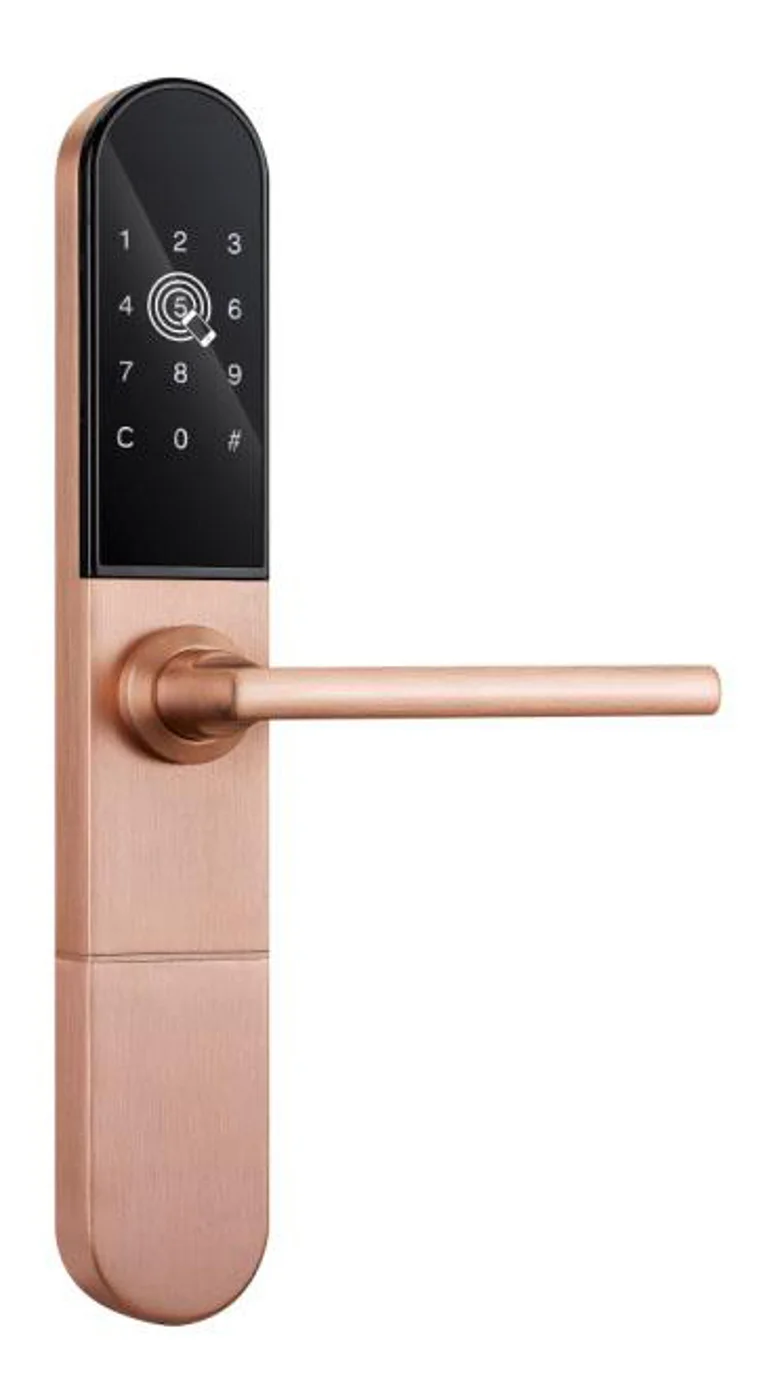
Smart Cabinet Lock — App-Managed, Multi-Site Dashboard
App-managed smart cabinet lock for office, parcel, and multi-site fleets. BLE app dashboard, audit trail, remote unlock, no per-lock server. Higher-tier chassis.
This page already points to it as the next recommended reference.
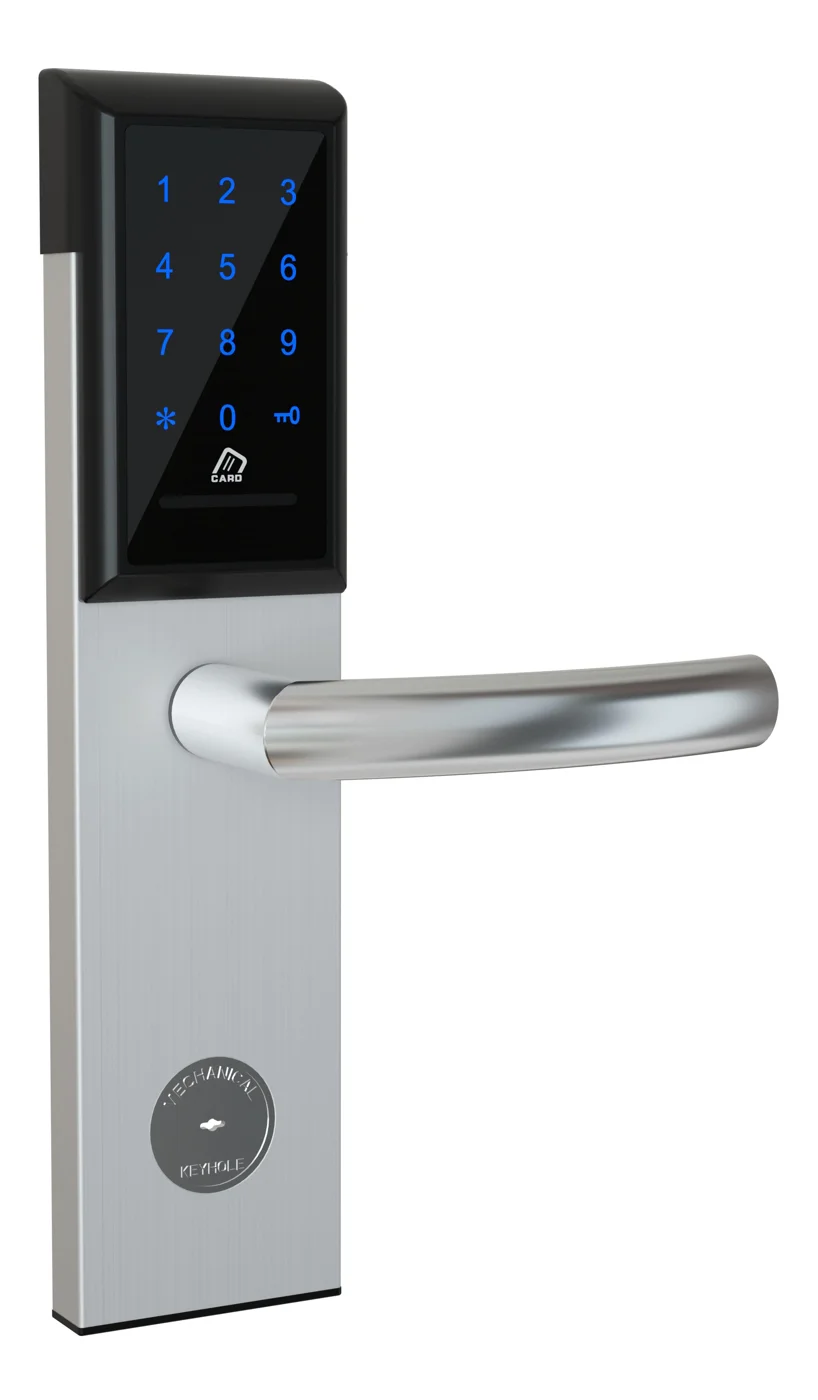
Office Cabinet Lock — PIN + Card for Filing & Pedestals
Offline PIN + card office cabinet lock for filing cabinets, pedestals, and drawers. Battery-powered 5-minute retrofit, no WiFi, no key management. CE/FCC/RoHS.
This page already points to it as the next recommended reference.
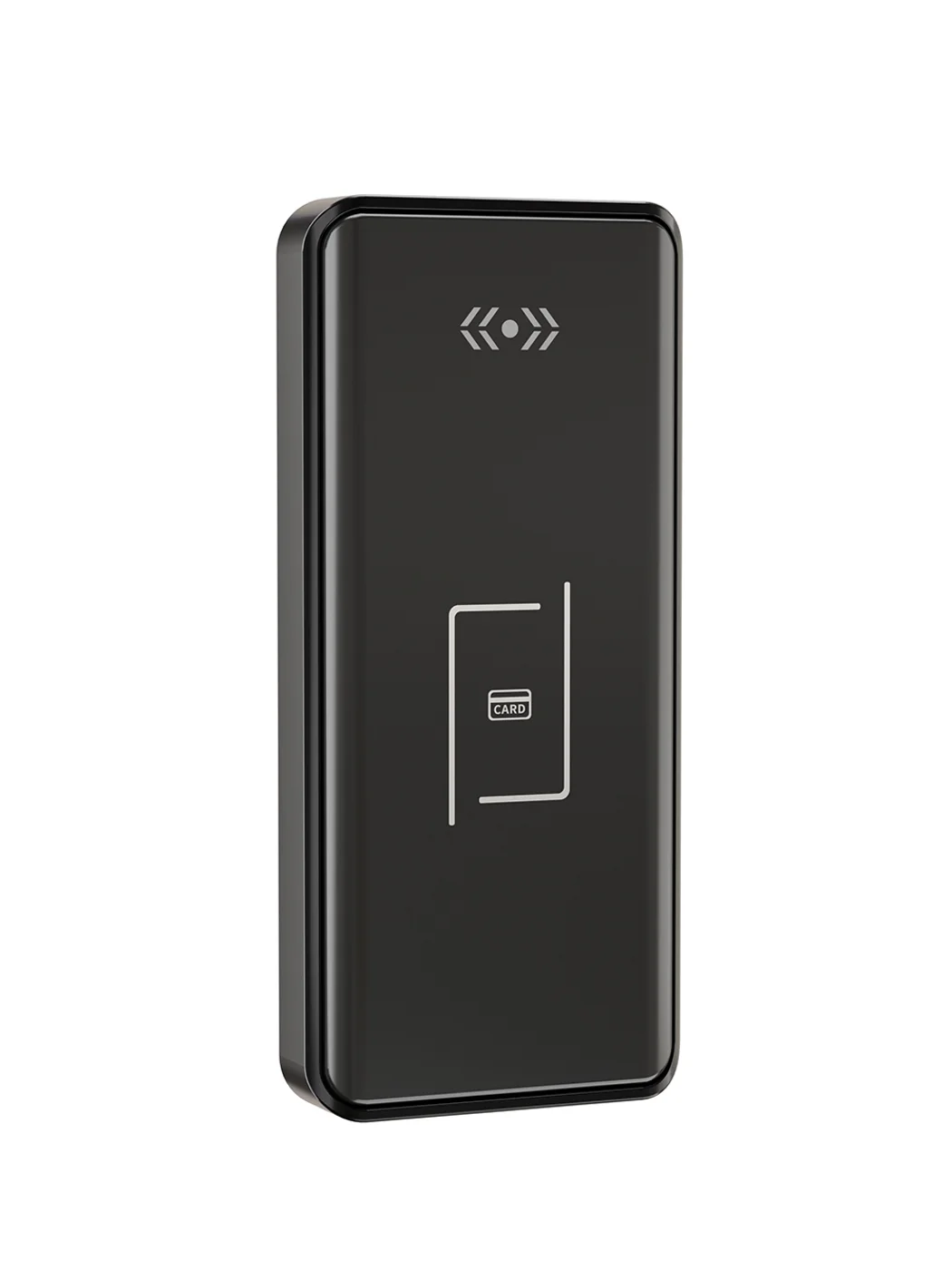
Gym Locker Lock — Offline Card, No WiFi Required
Offline card gym locker lock for fitness and pool lockers. MIFARE card, battery-powered 5-minute retrofit, no WiFi or server. Zinc alloy body, CE/FCC/RoHS.
This page already points to it as the next recommended reference.
Related blog posts
3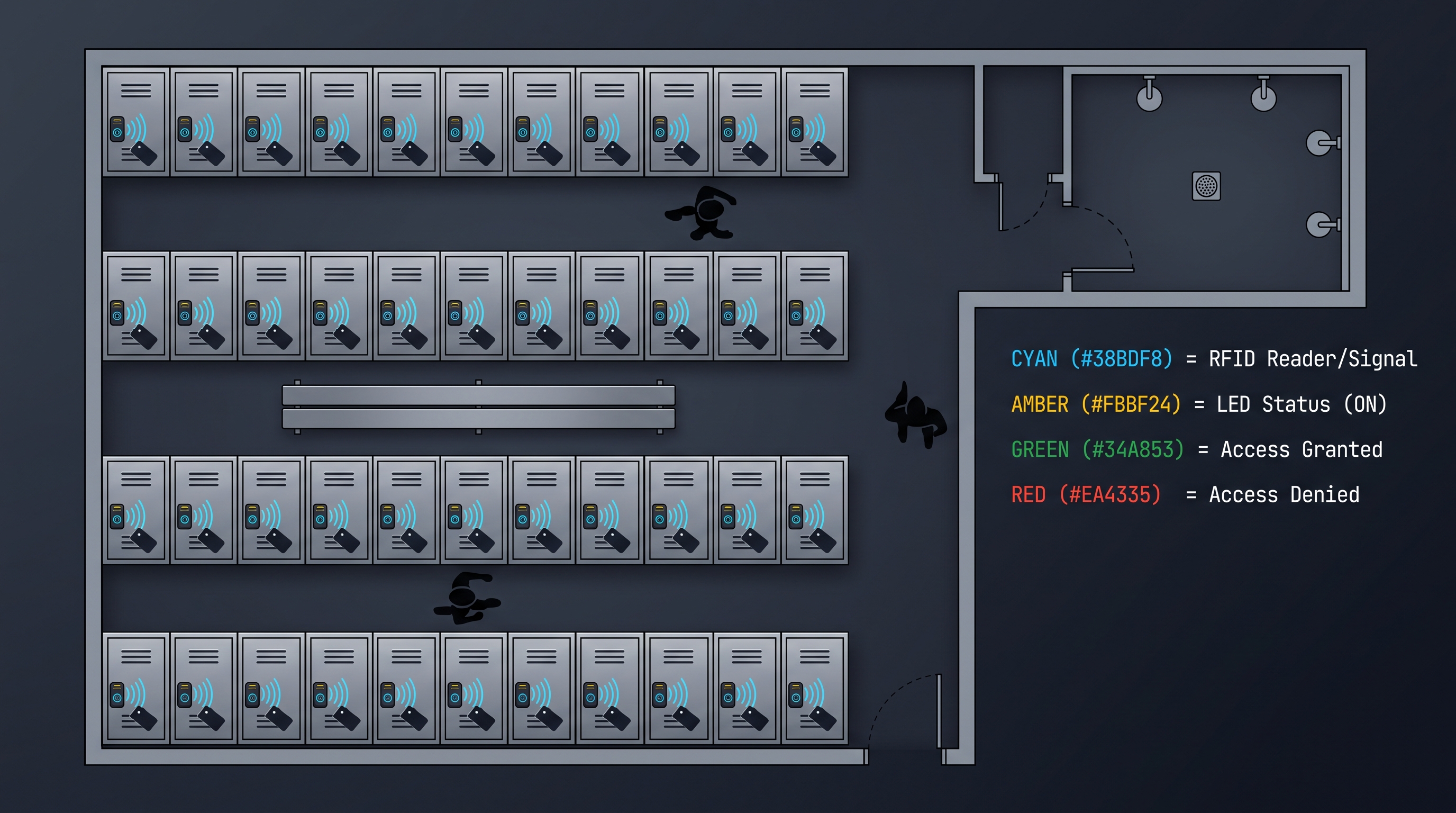
Gym Cabinet Lock: The Ultimate Guide to Secure Locker Room Storage
A gym cabinet lock provides keyless, electronic or smart access to gym lockers and fitness center storage. Compare credential types, connectivity, and installation for secure locker rooms.
It supports the same product context: Gym Locker Lock — Offline Card, No WiFi Required.
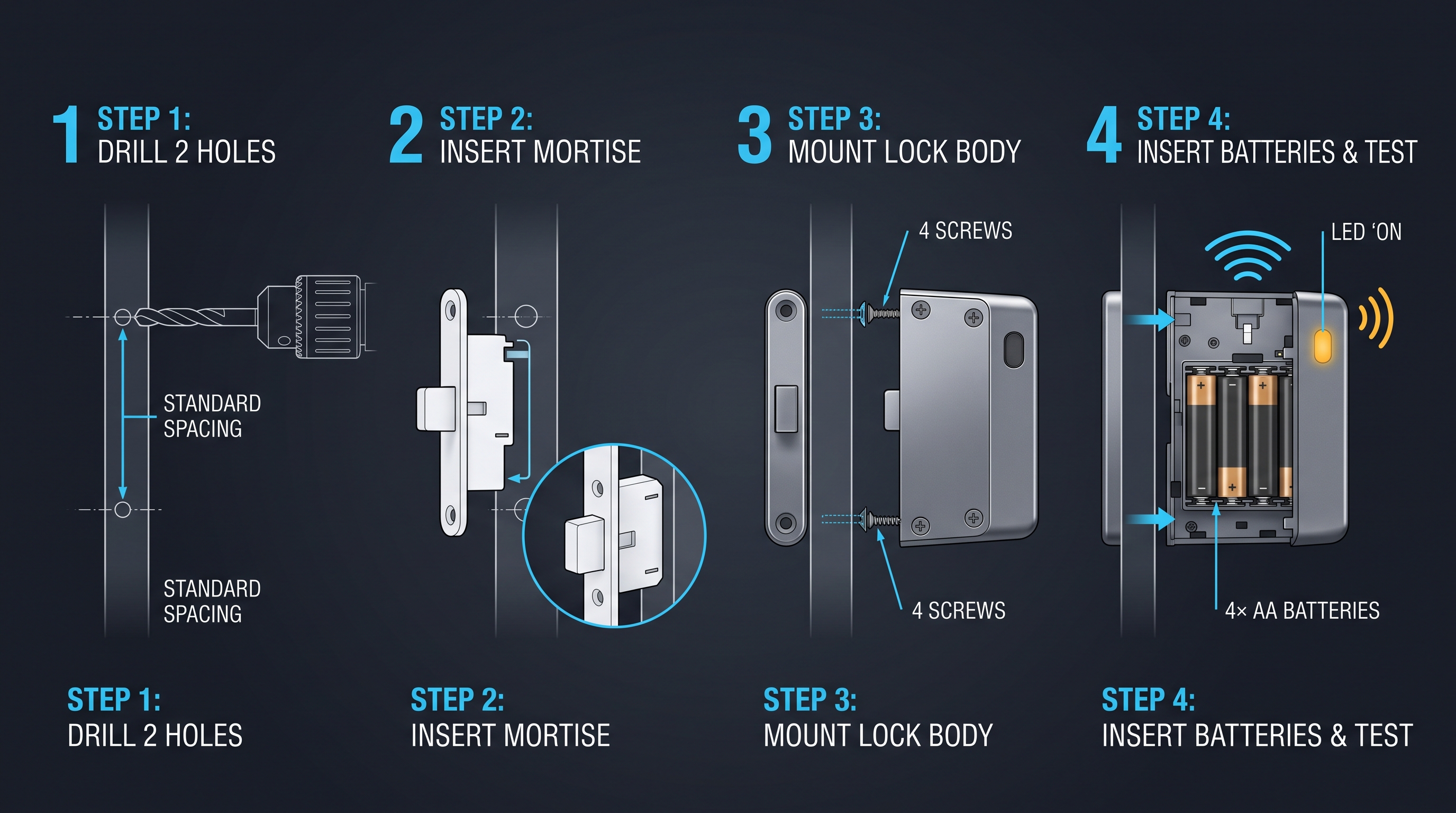
Glass Cabinet Lock: Complete 2026 Guide to Securing Glass-Front Cabinets and Display Cases
Technical buying guide covering glass cabinet lock types, magnetic and adhesive-mount locks, frameless glass locks, RFID and electronic locks for glass doors, installation, pricing, and security for 2026.
It supports the same product context: Smart Cabinet Lock — App-Managed, Multi-Site Dashboard, Office Cabinet Lock — PIN + Card for Filing & Pedestals, Gym Locker Lock — Offline Card, No WiFi Required.
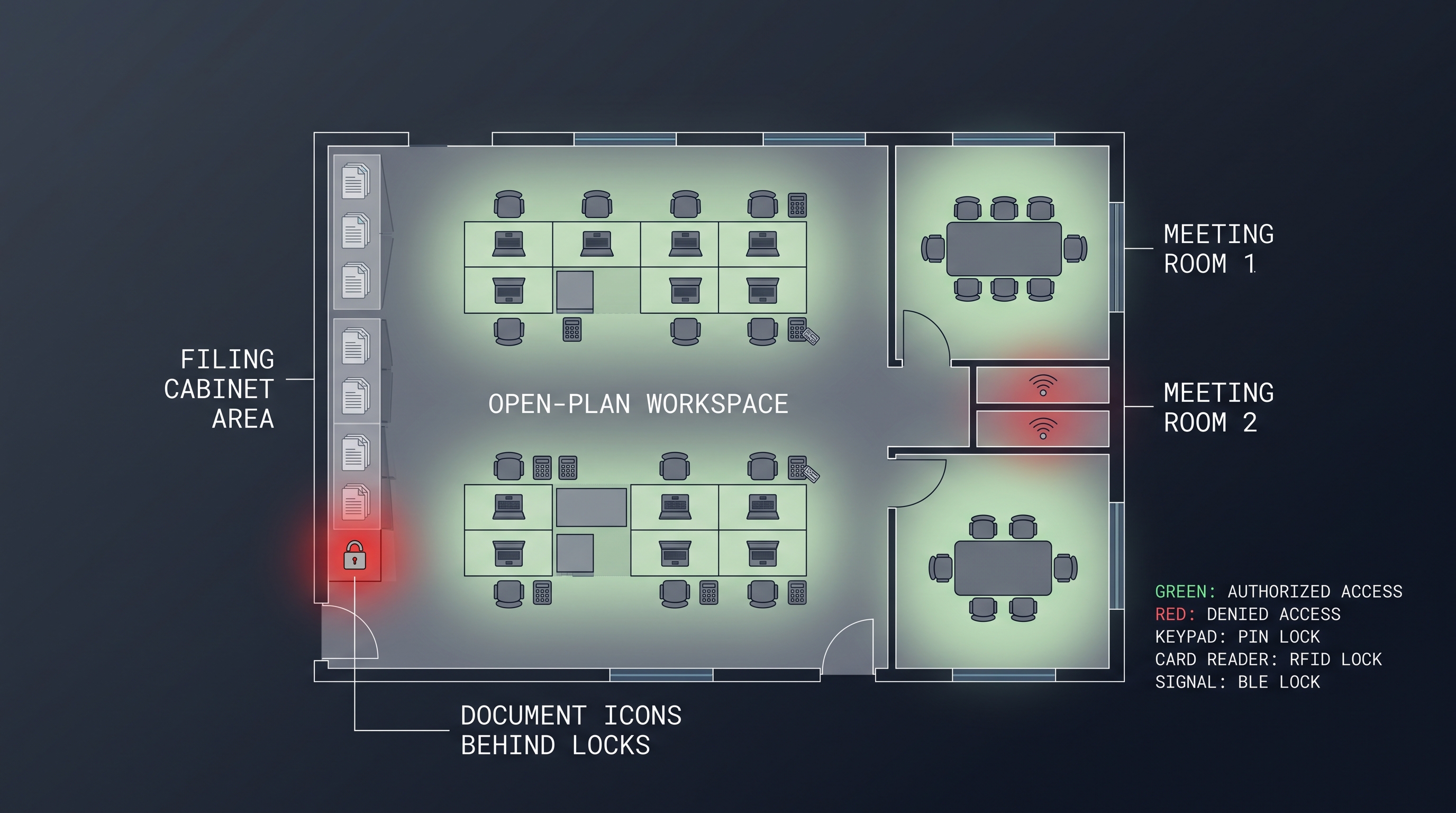
Fingerprint Drawer Lock: The Complete 2026 Guide to Biometric Drawer Security
Explore fingerprint drawer lock technology with detailed specs, types, installation guides, and use cases for home, office, and healthcare drawer security.
It supports the same product context: Office Cabinet Lock — PIN + Card for Filing & Pedestals.
Specify your hotel project with our engineers
Send your room count, ceiling type, and protocol preference. We will return a sample plan and quote within 24 business hours.
- Move from general guidance into a product or application discussion.
- Use RFQ when pricing, drawings, MOQ, or launch timing needs structure.
- Keep a direct contact path visible for fast clarifications and handoff.