Glass Cabinet Lock: Complete 2026 Guide to Securing Glass-Front Cabinets and Display Cases
Technical buying guide covering glass cabinet lock types, magnetic and adhesive-mount locks, frameless glass locks, RFID and electronic locks for glass doors, installation, pricing, and security for 2026.
A glass cabinet lock is a specialized security device designed to secure cabinets with glass doors — including framed glass doors (glass panel set in a wood or metal frame) and frameless glass doors (tempered or laminated glass with no surrounding frame) — using mounting methods that do not compromise the glass structural integrity (no drilling through glass, no holes in the glass panel). Unlike a standard cabinet lock that mounts through a drilled hole in a wood or metal door, a glass cabinet lock mounts using adhesive bonding (VHB tape, UV-curing adhesive), mechanical clamping (U-shaped bracket gripping the glass edge), or magnetic attraction (electromagnetic lock with 300–600 kg holding force). The glass cabinet lock market is driven by the widespread use of glass-fronted cabinets in retail display (jewelry, electronics, cosmetics), museum and gallery exhibitions, residential display cabinets (china cabinets, curio cabinets, wine cabinets), and commercial offices (glass-fronted storage and bookcases). A glass cabinet lock is specified by glass thickness compatibility (typically 4–12 mm tempered, 6–15 mm laminated), mounting method (adhesive, clamp, magnetic, or through-frame), holding force (2–10 N for latches, 300–600 kg for electromagnetic locks), activation method (key, RFID, BLE, electronic code), and aesthetic finish (chrome, brushed nickel, black to match the cabinet hardware). The global glass cabinet lock market is valued at $340 million in 2024, growing at 8.7% CAGR, with the retail display segment accounting for 42% of demand. A glass cabinet lock must account for the unique properties of glass: it cannot be drilled (drilling tempered glass causes shattering), it is brittle (mechanical stress can crack it), and it is transparent (the lock mechanism may be visible through the glass, requiring aesthetic consideration). Selection also depends on whether the glass is framed (a frame allows through-hole mounting similar to wood doors) or frameless (requires adhesive, clamp, or magnetic mounting).
What Is a Glass Cabinet Lock? Design Challenges and Solutions
A glass cabinet lock is a locking device engineered specifically for glass-door cabinets, addressing the unique challenges of securing a material that cannot be drilled, is brittle under mechanical stress, and is transparent — requiring mounting methods (adhesive, clamping, magnetic) that preserve glass integrity while providing reliable locking force. Unlike a wood or metal cabinet lock that simply mounts through a drilled hole, a glass cabinet lock must bond to or clamp onto the glass surface without causing stress concentrations that could initiate cracks. The glass cabinet lock design philosophy is built around three principles: non-destructive mounting (the lock attaches without drilling, cutting, or otherwise modifying the glass), distributed force application (the locking force is spread over a sufficient glass area to prevent point-loading that could crack the glass), and aesthetic integration (the lock hardware is either minimal and elegant or concealed behind the glass frame). A glass cabinet lock for a framed glass door can use a through-frame cam lock (the lock mounts through the wood or metal frame, not the glass), which is the simplest and most secure method. A glass cabinet lock for a frameless glass door requires adhesive bonding (3M VHB 5952 tape, rated for 5–10 year adhesion on clean glass), mechanical clamping (a U-shaped bracket that grips the glass edge with rubber pads to prevent cracking), or magnetic holding (an electromagnetic lock that attracts a steel armature bonded to the glass). The glass cabinet lock must be compatible with the glass type: tempered glass (4–12 mm, 4–5× stronger than annealed, shatters into small pieces if broken), laminated glass (6–15 mm, two glass layers bonded by a PVB interlayer, stays intact if cracked), or annealed glass (rare in cabinets, breaks into sharp shards). The holding force of a glass cabinet lock must not exceed the glass breakage threshold: for a 6 mm tempered glass panel, the safe holding force is 5–15 kg (distributed over 20+ cm²); for electromagnetic locks, the holding force is limited by the glass-to-armature bond strength (typically 50–150 kg with proper adhesive, well below the 300–600 kg the electromagnet itself can generate on steel).
The Glass Material Challenge: Why Standard Locks Do Not Work
A standard cabinet lock (cam lock, deadbolt, keypad lock) requires a drilled hole through the door for the lock cylinder. This is impossible on glass for two reasons:
- Tempered glass cannot be drilled after tempering. The tempering process creates internal stresses that are released if the glass is cut or drilled, causing the entire panel to shatter. Holes must be drilled before tempering, which requires custom-ordered glass with pre-drilled holes — expensive and not retrofittable to existing cabinets.
- Laminated and annealed glass can be drilled, but the drilling process is delicate (requires a diamond bit, water cooling, and slow feed rate) and the resulting hole weakens the glass structurally at that point.
Therefore, a glass cabinet lock must use alternative mounting methods:
| Mounting Method | Glass Type | Glass Modification | Holding Force | Reversibility |
|---|---|---|---|---|
| Through-frame cam lock | Framed only | None (mounts through frame) | High (5–10 N·m) | Fully reversible |
| Adhesive bonding | All types | None | Medium (2–10 kg) | Removable with solvent |
| Mechanical clamping | All types | None | Medium–High (5–20 kg) | Fully reversible |
| Magnetic (electromagnetic) | All types | Armature bonded to glass | Very High (50–150 kg on glass) | Armature removable |
| Suction cup (temporary) | Smooth glass | None | Low (1–3 kg) | Fully reversible |
Framed vs. Frameless Glass Cabinet Lock Solutions
The glass cabinet lock solution depends fundamentally on whether the glass door has a frame:
Framed glass door: The glass panel is set in a wood, aluminum, or steel frame. The frame provides a surface for through-hole mounting — a standard cam lock or electronic lock can be installed through the frame, with the bolt engaging a strike plate on the opposite frame member. This is the simplest and most secure glass cabinet lock method, as it uses the frame structural strength rather than the glass. The lock is invisible from outside the cabinet (if mounted on the interior frame) or visible as a standard keyhole (if mounted through the exterior frame).
Frameless glass door: The glass panel has no surrounding frame — it is a single sheet of tempered or laminated glass, typically 6–12 mm thick, with polished edges. The glass cabinet lock must bond to or clamp onto the glass directly. This is more challenging but increasingly common in modern cabinet design (frameless glass is the dominant aesthetic in contemporary retail display and luxury residential cabinetry). Frameless glass cabinet lock solutions include adhesive-mounted latch locks, clamp-on locks that grip the glass edge, and electromagnetic locks with bonded armatures.
Types of Glass Cabinet Lock: Mounting and Mechanism Classification
A glass cabinet lock is classified by two dimensions — the mounting method (how the lock attaches to the glass or frame) and the locking mechanism (how the lock secures the door) — with each dimension offering multiple options optimized for different glass types, cabinet designs, and security levels. Unlike a wood cabinet lock where the mounting is always through-hole, a glass cabinet lock mounting varies dramatically: through-frame (for framed glass), adhesive (for frameless glass), clamp (for frameless glass with accessible edges), or magnetic (for high-security frameless glass). The locking mechanism similarly varies: cam latch (rotating lever), deadbolt (sliding bolt), electromagnetic (magnetic holding force), or magnetic catch (passive magnet). A glass cabinet lock buyer must select both the mounting method (determined by the glass type and frame presence) and the locking mechanism (determined by the security level and activation method).
Comparison Table: Glass Cabinet Lock Types
| Type | Mounting | Mechanism | Glass Type | Security | Cost | Best For |
|---|---|---|---|---|---|---|
| Through-frame cam lock | Through frame | Cam latch | Framed | Medium | $15–40 | Standard framed cabinets |
| Through-frame electronic lock | Through frame | Solenoid latch | Framed | Medium–High | $40–100 | Office, corporate |
| Adhesive latch lock | Adhesive on glass | Spring latch | All | Low–Medium | $10–30 | Child-proofing, light security |
| Adhesive electronic lock | Adhesive on glass | Solenoid or motor | All | Medium | $30–80 | Retail, residential |
| Clamp-on lock | Clamps glass edge | Cam or deadbolt | Frameless | Medium | $20–50 | Frameless retail cabinets |
| Electromagnetic lock (maglock) | Adhesive plus bracket | Magnetic holding | All | High | $50–150 | High-security display |
| Magnetic catch (passive) | Adhesive | Passive magnet | All | Low | $5–15 | Child-proofing, light duty |
| Glass-to-glass lock | Clamps two glass panels | Cam or deadbolt | Frameless | Medium | $25–60 | Double-glass doors |
Through-Frame Cam Lock for Glass Cabinets
The through-frame cam lock is the standard glass cabinet lock for framed glass doors. The lock cylinder mounts through a 16–20 mm hole drilled in the wood or metal frame (not the glass), with the cam (rotating lever) extending behind the glass to engage a strike plate on the opposite frame member. When the key is turned, the cam rotates 90–180 degrees, swinging behind the strike plate to prevent the door from opening. This is the same mechanism used on wood cabinet cam locks, but installed in the frame rather than the door panel.
Specifications:
- Cylinder diameter: 16–20 mm (standard cam lock sizes)
- Cam length: 25–40 mm (must reach from the frame through the glass gap to the strike plate)
- Cam throw: 90–180 degrees rotation
- Key type: Cylinder pin tumbler (standard), dimple, or tubular
- Material: Zinc alloy body, steel cam, chrome or satin-nickel finish
- Frame thickness: 12–25 mm (wood or metal)
- Glass gap: 2–5 mm (the gap between the glass and the frame must accommodate the cam)
- Price: $15–40
Adhesive-Mounted Latch Lock for Glass Cabinets
The adhesive-mounted latch lock is the most common glass cabinet lock for frameless glass doors. The lock body (a spring-loaded latch or catch) is bonded to the interior surface of the glass door using high-strength VHB tape (3M VHB 5952 or equivalent). The latch engages a strike plate (also adhesive-mounted) on the cabinet frame or an adjacent glass panel. When the user presses a release button (or applies a magnetic key), the latch retracts, and the door opens.
Specifications:
- Lock body: ABS or zinc-alloy housing, 30–50 mm by 20–30 mm by 15–25 mm
- Adhesive: 3M VHB 5952 (5–10 year rated adhesion on clean glass), 1–2 mm thickness
- Holding force: 2–10 kg (sufficient for cabinet doors, not for high-security applications)
- Activation: Push-button, magnetic key, or electronic (RFID, BLE)
- Glass thickness: 4–12 mm
- Price: $10–30 (mechanical), $30–80 (electronic)
Clamp-On Lock for Frameless Glass Cabinets
The clamp-on glass cabinet lock grips the glass edge with a U-shaped bracket, tightened with set screws or a cam mechanism. The lock body (containing the cylinder, cam, or electronic mechanism) hangs from the bracket on the exterior of the glass. The lock bolt engages a strike plate mounted on the cabinet frame or an adjacent glass panel.
Specifications:
- Glass thickness compatibility: 6–12 mm
- Clamping force: 2–5 kg (with rubber pads to prevent glass cracking)
- Lock mechanism: Cam lock (key-operated) or electronic lock (RFID, PIN)
- Material: Zinc alloy body, steel bolt, rubber pad (EPDM or silicone, 2–3 mm)
- Price: $20–50 (mechanical), $50–100 (electronic)
Electromagnetic Lock for Glass Cabinets
The electromagnetic glass cabinet lock uses a 12 V DC electromagnet (typically 150–300 kg holding force for cabinet-scale applications, though 300–600 kg models are used for high-security displays) that attracts a steel armature plate bonded to the glass door. When power is applied, the electromagnet generates a strong magnetic field that holds the armature (and thus the glass door) closed. When power is removed, the magnetic field collapses, and the door opens freely. This is a fail-safe design: the door unlocks automatically if power is lost (important for fire egress and emergency access).
Specifications:
- Holding force: 150–300 kg (standard cabinet maglock), 300–600 kg (high-security)
- Power: 12 V DC, 200–400 mA continuous (when locked)
- Armature plate: Steel plate, 50×50 mm to 80×80 mm, bonded to glass with VHB tape or UV-curing adhesive
- Mounting: Electromagnet on cabinet frame, armature on glass door
- Activation: Key switch, RFID reader, BLE module, or push-button
- Price: $50–150 (electromagnet plus armature), plus $20–100 for the activation controller
Magnetic Catch (Passive) for Glass Cabinets
The passive magnetic catch is the simplest glass cabinet lock — a permanent magnet (ferrite or neodymium) bonded to the cabinet frame, attracting a steel plate bonded to the glass door. The magnetic force (1–3 kg) holds the door closed but can be overcome by pulling the door firmly. This is not a true lock (it provides no security against determined access) but serves as a child-resistant catch or a door-closure aid.
Specifications:
- Magnet: Neodymium N35–N42, 15–25 mm diameter, 3–5 mm thick
- Holding force: 1–3 kg
- Adhesive: VHB tape
- Price: $5–15
How a Glass Cabinet Lock Works: Mechanism and Operation
A glass cabinet lock secures the glass door by either mechanically blocking the door from opening (cam latch, deadbolt, clamp lock) or magnetically holding the door closed (electromagnetic lock, magnetic catch), with the authentication method (key, RFID, BLE, electronic code) controlling when the blocking or holding force is released. Unlike a wood cabinet lock where the lock body is rigidly mounted through the door, a glass cabinet lock must transmit the holding force through the adhesive bond or clamp to the glass, which has specific load limits. A glass cabinet lock using VHB adhesive can sustain 2–10 kg of shear force (parallel to the glass surface) and 1–5 kg of peel force (perpendicular to the surface) per 10 cm² of bonded area. A glass cabinet lock using a clamp can sustain 5–20 kg of force, limited by the clamping pressure and the rubber pad friction. An electromagnetic glass cabinet lock sustains 150–600 kg of force, limited by the armature-to-glass bond (typically the weakest link at 50–150 kg). The glass cabinet lock operational logic depends on the type: a cam lock rotates the cam behind the strike plate (mechanical blocking), an adhesive latch retracts a spring-loaded bolt (mechanical blocking), a clamp lock rotates a cam or slides a deadbolt (mechanical blocking), and an electromagnetic lock removes the magnetic holding force (magnetic release).
Through-Frame Cam Lock Operation
- Locked state: The cam (a flat metal lever, 25–40 mm long) is rotated behind the strike plate, physically blocking the glass door from opening. The cam is held in position by the lock cylinder internal detent (a spring-loaded ball that clicks into notches at 0 and 90 or 180 degrees).
- Key insertion and rotation: The user inserts the key into the cylinder (on the frame exterior) and turns it 90–180 degrees. The cylinder pin tumblers align, allowing the plug to rotate. The plug rotation rotates the cam.
- Cam swing: The cam swings out from behind the strike plate, clearing the door opening path.
- Door opening: The user pushes or pulls the glass door open. The cam remains in the unlocked position.
- Relocking: The user closes the door and turns the key back to the locked position. The cam swings back behind the strike plate.
Adhesive Electronic Lock Operation
- Locked state: A spring-loaded bolt (5–8 mm throw) extends from the lock body into the strike plate, blocking the door. The bolt is held extended by a return spring.
- Activation: The user presents an RFID card, enters a PIN, or uses a BLE smartphone app. The lock controller validates the credential.
- Solenoid actuation: On credential match, the controller energizes the solenoid for 0.5 seconds. The solenoid plunger retracts the bolt against the spring, freeing the door.
- Door opening: The user pushes the door open. The solenoid de-energizes, but the bolt cannot re-extend (the door is open, no strike plate to engage).
- Auto-relock: When the user closes the door, the beveled bolt nose contacts the strike plate edge, pushes back against the spring, and snaps into the strike plate hole when aligned. The door is locked.
Electromagnetic Lock Operation
- Locked state: The electromagnet is energized (12 V DC, 200–400 mA). The magnetic field attracts the steel armature plate (bonded to the glass door) with 150–600 kg of force. The door is held closed.
- Activation: The user presents a credential (RFID card, BLE phone, key switch). The controller interrupts the 12 V DC power to the electromagnet.
- Magnetic release: The magnetic field collapses instantly (under 10 ms). The armature is no longer attracted. The door can be opened with a gentle push.
- Door opening: The user pushes the door open. The armature separates from the electromagnet face.
- Auto-relock: When the user closes the door, the armature contacts the electromagnet face. A door sensor (reed switch) detects the closure, and the controller re-applies 12 V DC power. The magnetic field rebuilds (50–200 ms), and the door is held closed again.
Glass Cabinet Lock Applications: Industry Use Cases
A glass cabinet lock serves applications across retail, museum, residential, corporate, and hospitality sectors — each with specific requirements for security level, aesthetic integration, and access management. Unlike a wood cabinet lock that is largely invisible behind the door, a glass cabinet lock is often visible through the transparent glass, making aesthetic integration a primary selection criterion alongside security. The glass cabinet lock market segments by application: retail display (42%, including jewelry, electronics, cosmetics, liquor), museum and gallery (18%, including artifact display cases), residential (20%, including china cabinets, curio cabinets, wine cabinets), corporate (12%, including glass-fronted bookcases and storage), and hospitality (8%, including minibar and display cabinets in hotels).
Retail Display Applications
In retail, the glass cabinet lock secures display cases containing merchandise:
- Jewelry display cases: High-value jewelry is displayed in glass cases that must be securable against theft but easily opened by sales staff. A through-frame cam lock (if the case has a metal frame) or an electromagnetic lock (for frameless glass) provides security. RFID staff badges enable quick access and audit trail.
- Electronics display: High-value electronics (smartphones, tablets, headphones) are displayed in glass cases. A glass cabinet lock with RFID or electronic code allows staff to open the case for customers while logging access.
- Cosmetics and fragrance: Luxury cosmetics and fragrances are displayed in glass cabinets. A glass cabinet lock deters shoplifting while allowing staff access.
- Liquor display: High-value spirits and wines are displayed in glass-fronted cabinets. A glass cabinet lock (cam lock or electronic) restricts access to staff.
Museum and Gallery Applications
Museums use glass cabinet lock technology for display case security:
- Artifact display cases: Valuable artifacts are displayed in sealed glass cases with climate control. A glass cabinet lock (typically electromagnetic or through-frame electronic) secures the case. Curators use RFID badges or biometric authentication to open the case for maintenance and artifact rotation. The audit trail is critical for chain-of-custody documentation.
- Temporary exhibition cases: Traveling exhibitions use portable glass display cases with clamp-on glass cabinet lock models (no permanent modification to the case). The clamp lock can be installed and removed without tools.
Residential Applications
In homes, the glass cabinet lock secures:
- China and curio cabinets: Display cabinets containing valuable china, crystal, and collectibles. A through-frame cam lock (if the cabinet has a wood frame) or an adhesive latch (for frameless glass) provides security.
- Wine cabinets: Climate-controlled wine cabinets with glass doors. A glass cabinet lock restricts access to the wine collection (protecting children and controlling inventory).
- Display cabinets: Living room display cabinets with collectibles, memorabilia, or family heirlooms. A glass cabinet lock provides security without detracting from the display.
Corporate Applications
In offices, the glass cabinet lock secures:
- Glass-fronted bookcases: Conference room and executive office bookcases with glass doors. A glass cabinet lock (cam lock or electronic) restricts access to confidential materials.
- Glass storage cabinets: Office storage with glass doors for visibility of contents. A glass cabinet lock secures the contents while allowing visual inventory.
Glass Cabinet Lock Installation: Detailed Guide
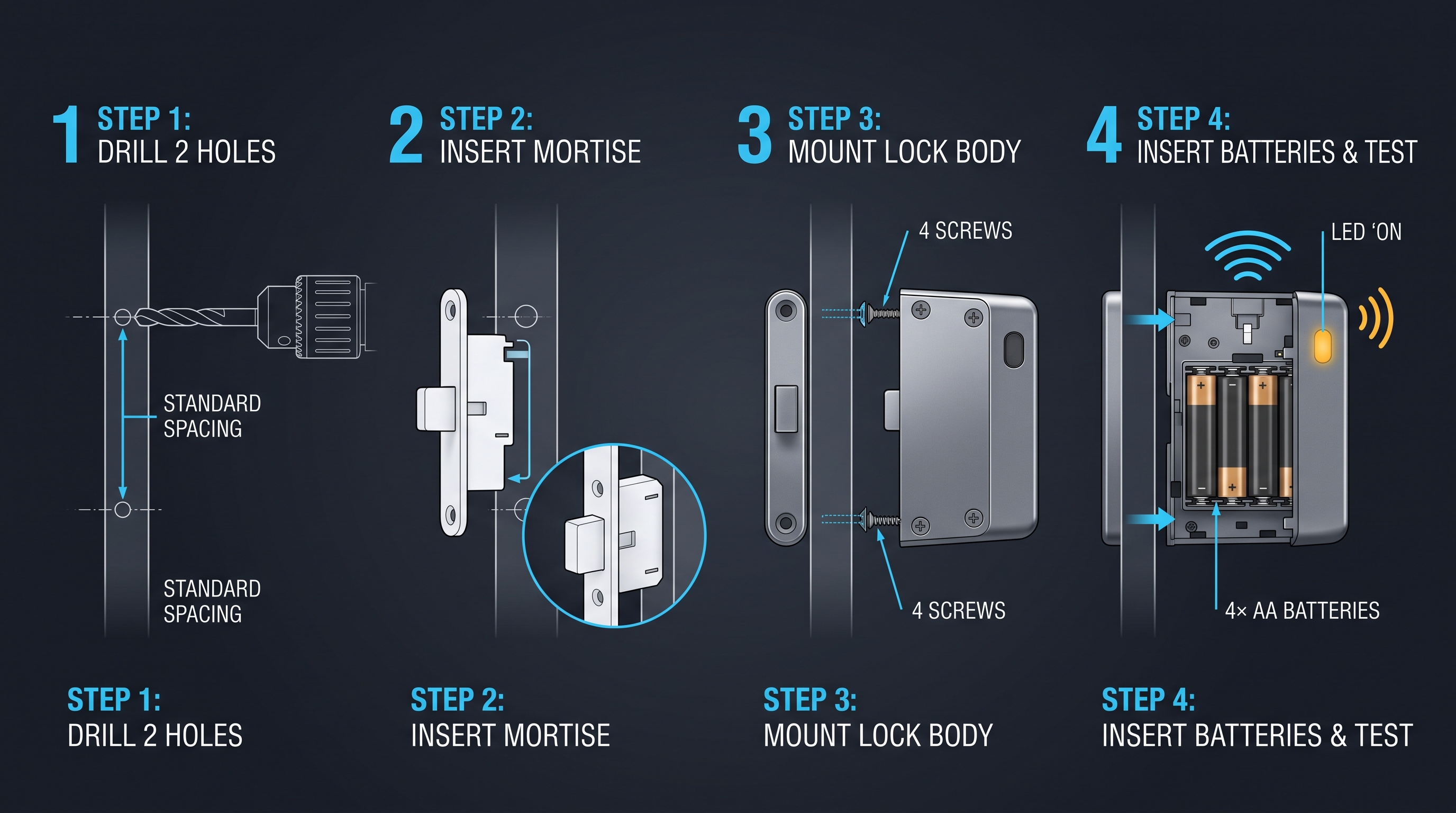
A glass cabinet lock installation varies significantly by lock type — through-frame cam locks require drilling through the frame, adhesive locks require careful surface preparation and bonding, clamp-on locks require edge access and proper torque, and electromagnetic locks require both adhesive bonding and 12 V DC wiring. Unlike wood cabinet lock installation where the process is standardized (drill hole, insert lock, tighten nut), glass cabinet lock installation requires type-specific procedures and careful attention to the glass surface (cleanliness for adhesive bonding, edge accessibility for clamping, and load distribution for electromagnetic armatures). Installation time: 15–30 minutes for through-frame cam locks, 10–20 minutes for adhesive locks, 10–15 minutes for clamp-on locks, 30–60 minutes for electromagnetic locks.
Through-Frame Cam Lock Installation
- Frame assessment: Verify the frame material (wood, aluminum, steel), thickness (12–25 mm), and the glass gap (2–5 mm). Verify the frame has enough material for the lock cylinder (16–20 mm hole) without breaking through the frame exterior.
- Hole drilling: Mark the lock position on the frame interior (typically 50–80 mm from the top or bottom of the door, centered on the frame stile). Drill a 16–20 mm hole through the frame using a hole saw or step drill bit. For aluminum frames, use cutting oil and a slow drill speed to prevent galling.
- Lock insertion: Insert the lock cylinder through the hole from the exterior (keyhole facing out). On the interior, slide the washer and hex nut over the threaded cylinder. Tighten the hex nut.
- Cam installation: Attach the cam to the back of the lock cylinder. The cam must extend through the glass gap and engage the strike plate on the opposite frame member. Adjust the cam orientation (left or right, depending on the door hinge side).
- Strike plate installation: Mount the strike plate on the opposite frame member, aligned with the cam. The cam must swing behind the strike plate by 3–5 mm when locked.
- Testing: Close the door, turn the key, and verify the cam engages the strike plate. Open and close the door several times to verify smooth operation.
Adhesive Lock Installation
- Surface preparation: Clean the glass surface (interior of the door and the frame or adjacent glass where the strike plate will mount) with isopropyl alcohol (90% or higher). Dry with a lint-free cloth. The surface must be completely clean and dry for VHB tape adhesion.
- Position marking: Mark the lock body position on the glass door interior and the strike plate position on the frame, using the manufacturer template. The lock body and strike plate must be aligned so the bolt engages the strike plate hole when the door is closed.
- Adhesive application: Peel the backing from the VHB tape on the lock body. Press the lock body firmly onto the marked position on the glass interior. Hold for 60 seconds. Repeat for the strike plate.
- Bond curing: VHB tape achieves initial bond immediately but reaches full strength after 24–72 hours at room temperature. Avoid using the lock for the first 24 hours if possible.
- Testing: After 24 hours, close the door and verify the bolt engages the strike plate. Test the lock mechanism. If the holding force is insufficient, the adhesive bond may be inadequate — remove and re-bond with fresh tape.
Clamp-On Lock Installation
- Edge access verification: Verify that the glass door edge is accessible (the clamp must fit over the edge). Some frameless glass doors have the edge concealed in a track or hinge — these cannot use clamp-on locks.
- Glass thickness measurement: Measure the glass thickness precisely (using a caliper or glass thickness gauge). Select a clamp-on lock model compatible with the measured thickness.
- Clamp installation: Loosen the clamp set screws. Slide the U-shaped bracket over the glass edge. Position the lock body at the desired location (typically 50–100 mm from the top of the door). Tighten the set screws evenly to the manufacturer-specified torque (typically 0.5–1.0 N·m). Do not over-tighten.
- Rubber pad verification: Verify the rubber pads (EPDM or silicone) on the clamp are in contact with the glass on both sides. The pads distribute the clamping force and prevent glass damage.
- Strike plate installation: Mount the strike plate on the cabinet frame or adjacent glass panel, aligned with the lock bolt.
- Testing: Close the door, lock and unlock the mechanism, and verify smooth operation. Pull the door firmly to verify the clamp holds without slipping.
Electromagnetic Lock Installation
- Mounting position: Choose the position for the electromagnet (on the cabinet frame) and the armature plate (on the glass door). They must be aligned face-to-face when the door is closed. The armature position on the glass must be a flat, clean surface.
- Armature bonding: Clean the glass surface at the armature position with isopropyl alcohol. Peel the backing from the VHB tape on the armature plate. Press the armature firmly onto the glass. Hold for 60 seconds. Allow 24 hours for full bond cure.
- Electromagnet mounting: Mount the electromagnet on the cabinet frame at the position aligned with the armature. Use screws (through the frame) or adhesive (if the frame is glass). The electromagnet face must be parallel to the armature plate (within 1 degree) for full holding force.
- Wiring: Route the 12 V DC power wires from the electromagnet to the power supply and the activation controller (RFID reader, key switch, or BLE module). Use 18 AWG or thicker wire for runs over 3 meters. Connect the power supply (12 V DC, 1–3 A) and the controller.
- Testing: Apply power. Close the door. Verify the electromagnet holds the armature (try pulling the door open — it should not move). Activate the unlock (present RFID card, turn key, use app). Verify the door releases. Test 10 times for consistency.
Glass Cabinet Lock Pricing and Cost Analysis
A glass cabinet lock ranges from $5 for a basic magnetic catch to $150 for a high-holding-force electromagnetic lock with RFID controller, with pricing driven by lock type, holding force, and activation method. Unlike wood cabinet locks where the price reflects the lock mechanism, a glass cabinet lock price also reflects the mounting technology (precision-machined clamps, optical-grade adhesives) and the glass compatibility engineering. The glass cabinet lock TCO includes hardware, installation ($0 for DIY, $25–75 for professional), power (for electromagnetic locks: 12 V DC, 2–5 kWh per year per lock), and replacement of failed units (3–5% annual failure rate for electronic models, under 1% for mechanical).
Glass Cabinet Lock Price Ranges
| Type | Price Range | Power | Holding Force | Best For |
|---|---|---|---|---|
| Magnetic catch (passive) | $5–15 | None | 1–3 kg | Child-proofing, light duty |
| Through-frame cam lock | $15–40 | None | High (mechanical) | Framed glass cabinets |
| Adhesive latch (mechanical) | $10–30 | None | 2–5 kg | Frameless, light security |
| Adhesive electronic lock | $30–80 | Battery | 2–8 kg | Frameless, residential or retail |
| Clamp-on cam lock | $20–50 | None | 5–15 kg | Frameless retail cabinets |
| Clamp-on electronic lock | $50–100 | Battery | 5–15 kg | Frameless, multi-user |
| Electromagnetic lock (150 kg) | $50–100 | 12 V DC | 150 kg | High-security display |
| Electromagnetic lock (300 kg) | $80–150 | 12 V DC | 300 kg | Museum, high-value retail |
Glass Cabinet Lock Buying Guide: Selection Criteria
Selecting a glass cabinet lock requires evaluating five criteria — glass type and framing (framed vs. frameless, tempered vs. laminated), security level (child-proofing vs. high-value display), mounting method compatibility (through-frame, adhesive, clamp, electromagnetic), activation method (key, RFID, BLE, electronic code), and aesthetic integration (visible vs. concealed hardware). Unlike a wood cabinet lock where the main decision is lock type and keyway, a glass cabinet lock selection is constrained by the glass itself: framed glass allows through-frame mounting (the simplest and most secure option), while frameless glass requires adhesive, clamp, or electromagnetic mounting.
- Is the glass framed or frameless?
- Framed: Use a through-frame cam lock or electronic lock (mounts through the frame, not the glass). Simplest, most secure, most affordable.
- Frameless: Use adhesive, clamp-on, or electromagnetic mounting.
- What is the glass thickness?
- 4–6 mm: Adhesive mounts only (clamps may not grip thin glass adequately).
- 6–10 mm: Adhesive, clamp-on, or electromagnetic.
- 10–12 mm: All methods (thicker glass supports higher holding forces).
- What is the security requirement?
- Child-proofing: Magnetic catch or adhesive latch (low force, under 5 kg).
- Light security (residential display): Adhesive electronic lock or through-frame cam lock.
- Medium security (retail display): Clamp-on electronic lock or through-frame electronic lock.
- High security (museum, high-value retail): Electromagnetic lock (150–300 kg holding force).
- What is the activation method?
- Key: Simplest, lowest cost, but requires key management.
- RFID: Multi-user, audit trail, integrates with staff badges.
- BLE: Smartphone-based, remote management.
- Electronic code: No physical credential, but vulnerable to shoulder surfing.
- What is the aesthetic requirement?
- Visible hardware acceptable: Clamp-on locks or through-frame cam locks.
- Minimal hardware: Adhesive electronic locks (small lock body visible through glass).
- Invisible hardware: Electromagnetic locks with concealed mounting.
Glass Cabinet Lock Troubleshooting
A glass cabinet lock experiences failures related to adhesive bond degradation (the most common failure mode for adhesive-mounted locks), clamp slippage (for clamp-on locks), electromagnetic misalignment (for maglocks), and electronic failure (for electronic and electromagnetic models). Unlike wood cabinet locks where failures are typically mechanical, glass cabinet lock failures often involve the bond between the lock and the glass — if the adhesive fails, the lock detaches from the glass, rendering it useless. The most common glass cabinet lock issues: adhesive bond failure (30%, typically after 3–7 years or in humid environments), clamp slippage (15%, from insufficient torque or worn rubber pads), electromagnetic misalignment (15%, from door sag or frame settling), electronic failure (15%, dead battery or failed solenoid), and mechanical wear (10%, worn cam or bolt).
Problem: Adhesive Lock Detaches from Glass
- Assess the bond failure: If the lock has partially or fully detached, the VHB tape has failed. This is typically caused by surface contamination at installation, humidity or moisture exposure, age (VHB tape degrades over 5–10 years), or excessive load.
- Clean the surfaces: Remove all residual adhesive from the glass and the lock body using a solvent (isopropyl alcohol, Goo Gone, or acetone for stubborn residue). The surfaces must be completely clean and dry.
- Re-bond with fresh VHB tape: Apply fresh 3M VHB 5952 tape to the lock body. Peel the backing, press firmly onto the glass, and hold for 60 seconds. Allow 24 hours before loading.
- For permanent installations: Consider UV-curing adhesive (e.g., Norland NOA 61) instead of VHB tape. UV adhesive bonds glass to metal with 5–15 kg shear strength and does not degrade over time.
Problem: Clamp-On Lock Slips on Glass
- Check the torque: The clamp set screws may have loosened over time. Re-tighten to the manufacturer specification (typically 0.5–1.0 N·m). Do not over-tighten.
- Check the rubber pads: The EPDM or silicone pads may have worn, hardened, or compressed, reducing friction. Replace the pads.
- Clean the glass edge: Oil, dust, or residue on the glass edge reduces friction. Clean with isopropyl alcohol.
- If slipping persists: The glass may be too smooth or too thin for the clamp. Consider an adhesive-mounted lock instead.
Problem: Electromagnetic Lock Holds Weakly
- Check alignment: The electromagnet face and the armature plate must be parallel (within 1 degree) and in full contact. If the door has sagged, the armature may contact the electromagnet at an angle, dramatically reducing holding force. Adjust the electromagnet or armature position.
- Check for contamination: Dust, paint, or adhesive residue on the electromagnet face or armature plate reduces the magnetic contact. Clean both surfaces with isopropyl alcohol.
- Check the voltage: Measure the voltage at the electromagnet terminals (should be 12.0–13.8 V DC). If the voltage is low (under 11 V), the power supply may be inadequate or the wire run may be too long. Use a thicker wire (18 AWG or 16 AWG) or a closer power supply.
- Check the armature bond: If the armature plate has partially detached from the glass, the magnetic circuit is broken. Re-bond the armature.
Glass Cabinet Lock Security Considerations
A glass cabinet lock security is inherently limited by the glass itself: glass can be broken. Unlike a steel cabinet where the lock is the weakest point, a glass cabinet weakest point is often the glass panel — a determined attacker can simply break the glass to access the contents, regardless of the lock holding force. Therefore, a glass cabinet lock should be part of a layered security strategy that includes: tempered or laminated glass (harder to break than annealed, and laminated glass stays in place even when cracked), security film (a transparent polyester film applied to the glass interior that holds shattered glass in place, delaying access), alarm integration (a glass-break sensor or door sensor that triggers an alarm if the glass is broken or the door is forced), and camera coverage (deterrence and evidence). For high-value displays, the glass itself should be tempered or laminated security glass (5–10× harder to break than standard glass), and the glass cabinet lock should be electromagnetic (highest holding force) with alarm integration.
Glass Cabinet Lock Future Trends
The glass cabinet lock market is evolving toward transparent electronics (lock components made from transparent conductive oxide films that are invisible on glass), through-glass capacitive touch (touching the glass surface directly to authenticate, with the sensor pattern invisible), and integration with smart retail platforms (inventory management, customer analytics, automated restocking). Transparent OLED displays integrated into the glass cabinet door can show product information and unlock on staff authentication. The glass cabinet lock market is projected to reach $580 million by 2030 (9.3% CAGR), with electromagnetic and electronic adhesive models capturing 65% of new premium installations.
Conclusion: Securing Glass Cabinets Effectively
The glass cabinet lock provides essential security for the millions of glass-fronted cabinets used in retail, museums, homes, and offices — preserving the transparency and aesthetic appeal of glass while controlling access. By selecting the mounting method compatible with the glass type (through-frame for framed glass, adhesive or clamp for frameless glass, electromagnetic for high-security), choosing the activation method that matches the user population (key for simple, RFID for multi-user, BLE for smart integration), and implementing the installation best practices in this guide, you can deploy a glass cabinet lock that secures the cabinet contents reliably for years. The glass cabinet lock is not just a lock — it is the intersection of security and transparency, enabling the display of valuable items while protecting them from unauthorized access.
Not sure which sensor fits your project?
Talk to our mmWave application engineers for a free consultation.
Find the right presence sensor for your hotel project
Compare the 3 protocols, check hotel-specific case studies, and download the installation guide
Related products
3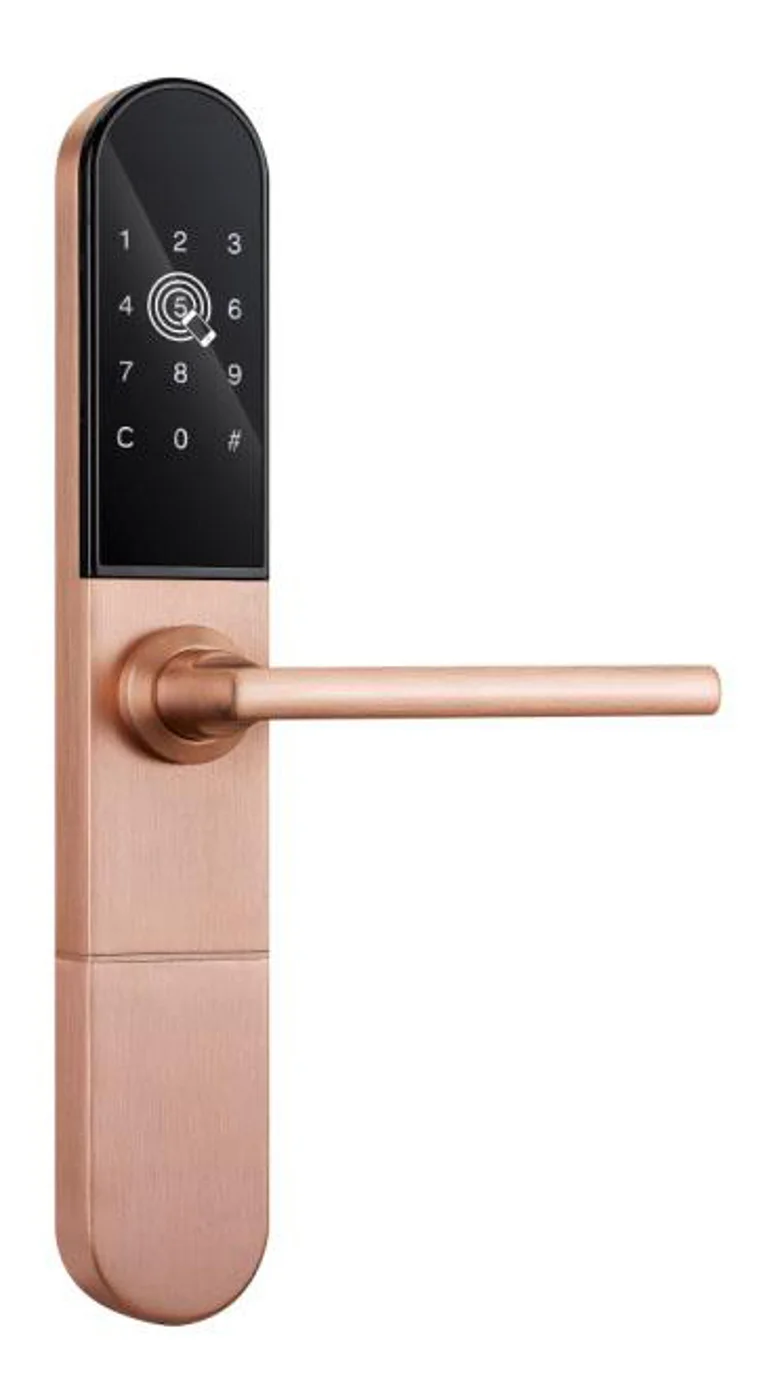
Smart Cabinet Lock — App-Managed, Multi-Site Dashboard
App-managed smart cabinet lock for office, parcel, and multi-site fleets. BLE app dashboard, audit trail, remote unlock, no per-lock server. Higher-tier chassis.
This page already points to it as the next recommended reference.
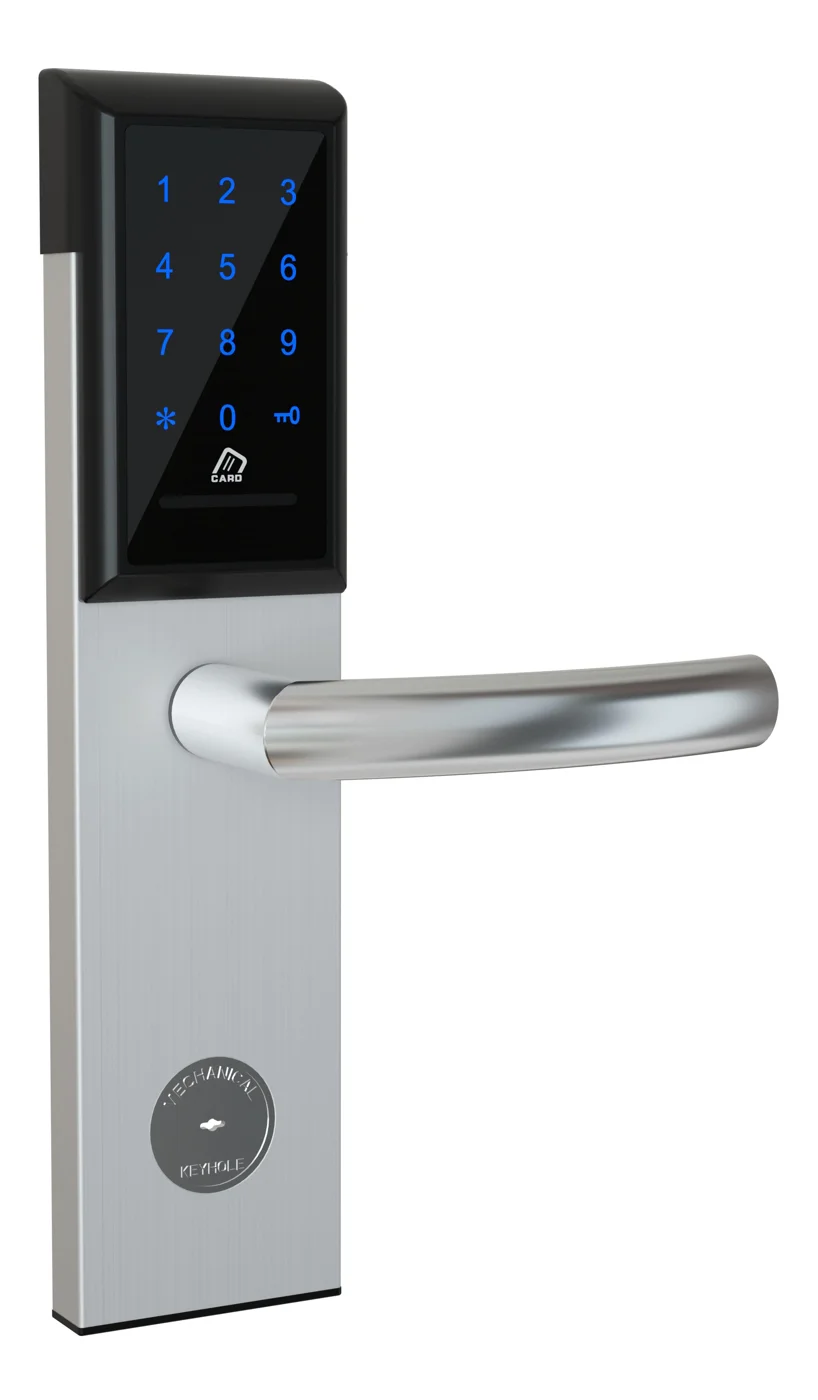
Office Cabinet Lock — PIN + Card for Filing & Pedestals
Offline PIN + card office cabinet lock for filing cabinets, pedestals, and drawers. Battery-powered 5-minute retrofit, no WiFi, no key management. CE/FCC/RoHS.
This page already points to it as the next recommended reference.
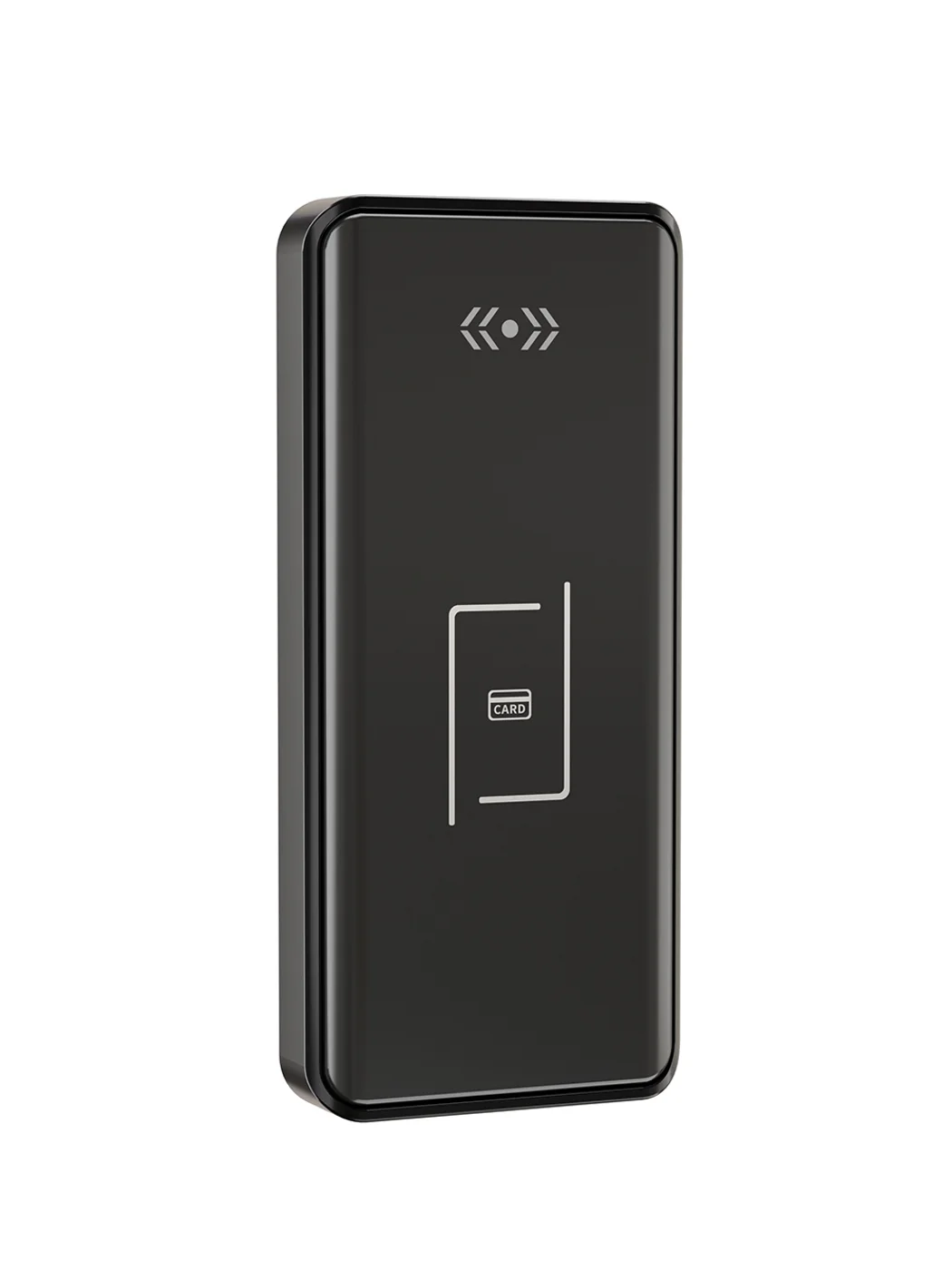
Gym Locker Lock — Offline Card, No WiFi Required
Offline card gym locker lock for fitness and pool lockers. MIFARE card, battery-powered 5-minute retrofit, no WiFi or server. Zinc alloy body, CE/FCC/RoHS.
This page already points to it as the next recommended reference.
Related blog posts
3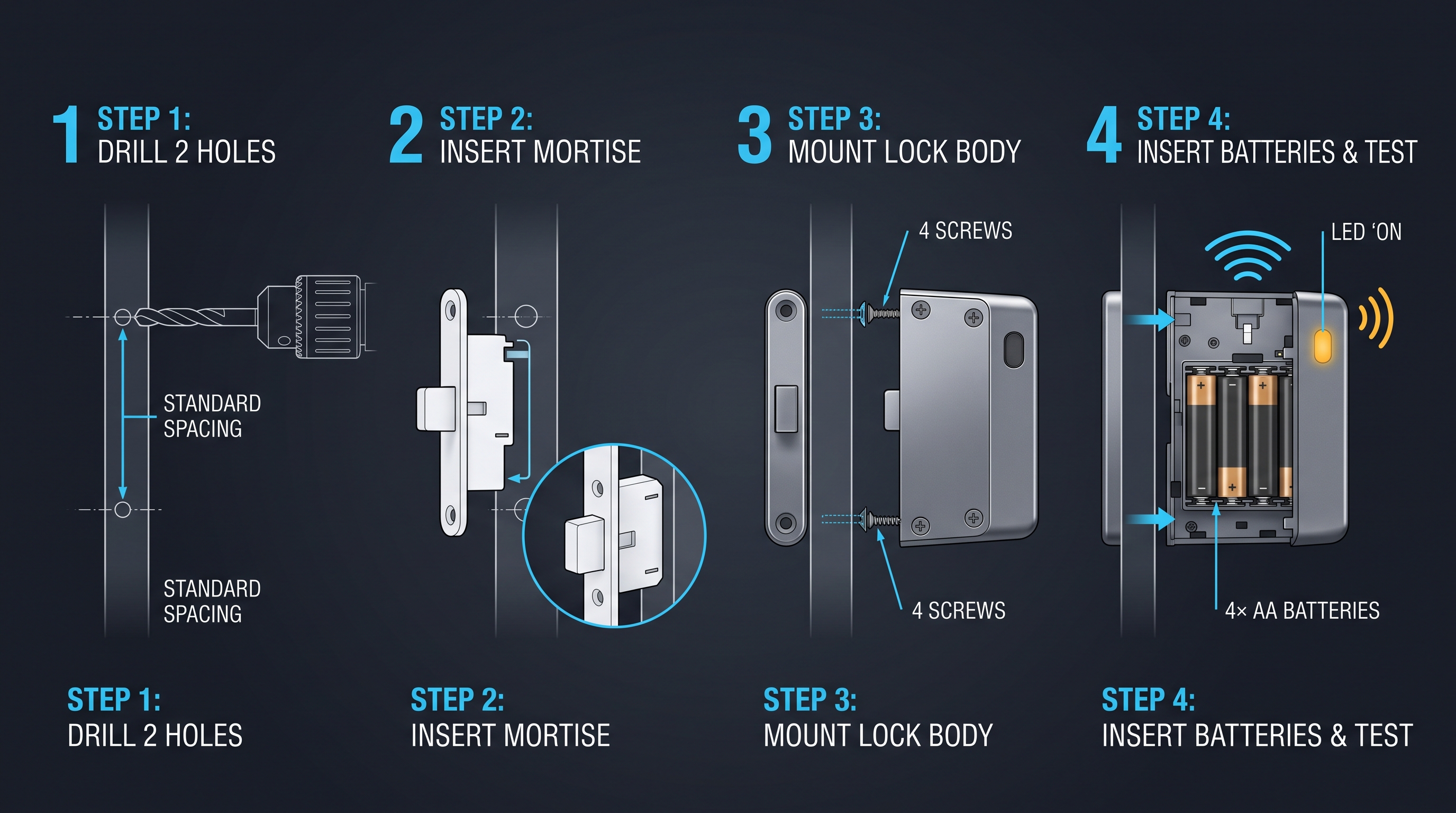
Gun Cabinet Lock: The Complete Guide to Firearm Security and Storage Compliance
Comprehensive gun cabinet lock guide covering types, biometric options, ATF compliance, installation, brand comparison, and best practices. Also covers firearm and weapon cabinet lock requirements.
It supports the same product context: Smart Cabinet Lock — App-Managed, Multi-Site Dashboard, Office Cabinet Lock — PIN + Card for Filing & Pedestals, Gym Locker Lock — Offline Card, No WiFi Required.
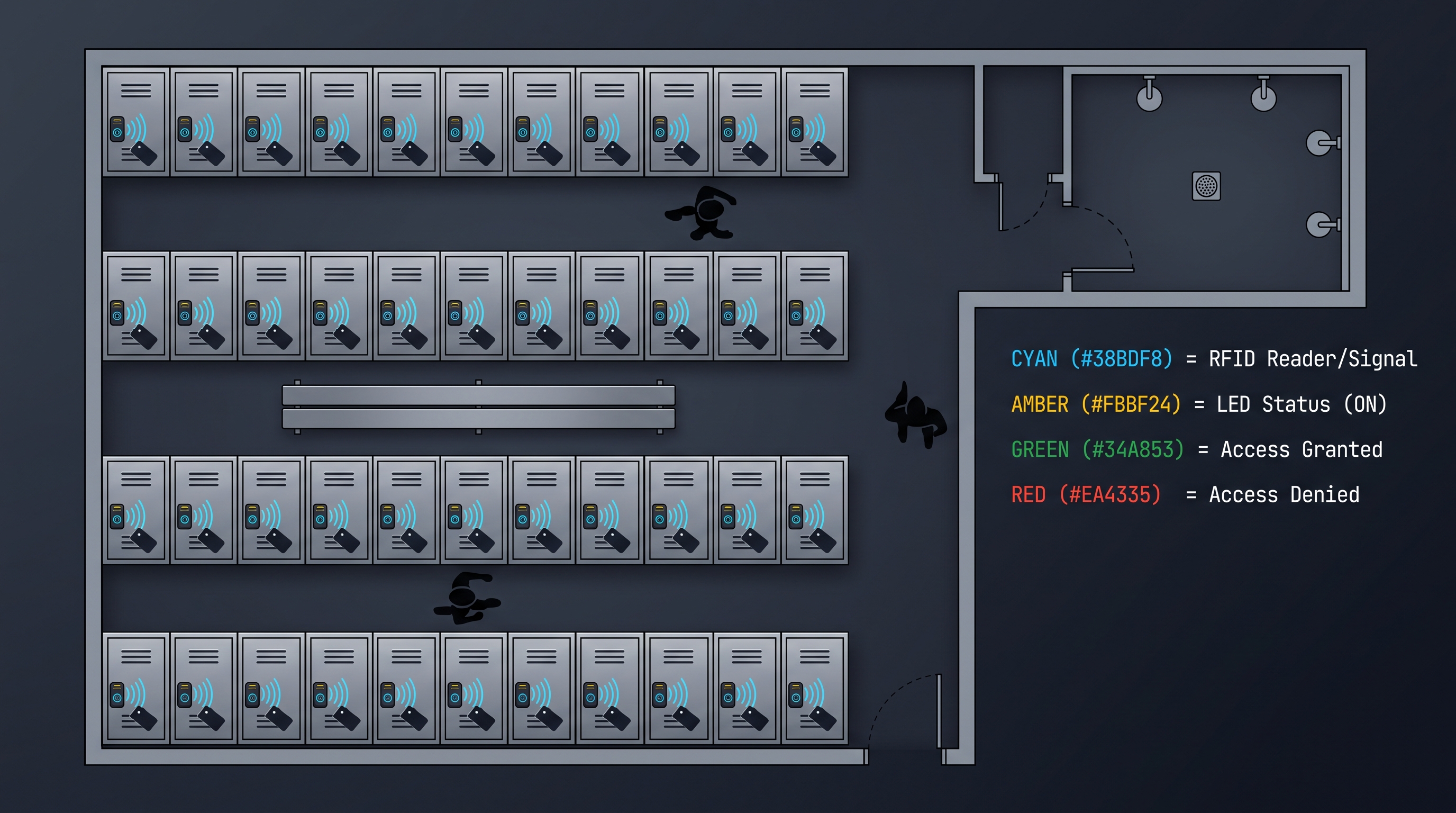
Gym Cabinet Lock: The Ultimate Guide to Secure Locker Room Storage
A gym cabinet lock provides keyless, electronic or smart access to gym lockers and fitness center storage. Compare credential types, connectivity, and installation for secure locker rooms.
It supports the same product context: Gym Locker Lock — Offline Card, No WiFi Required.
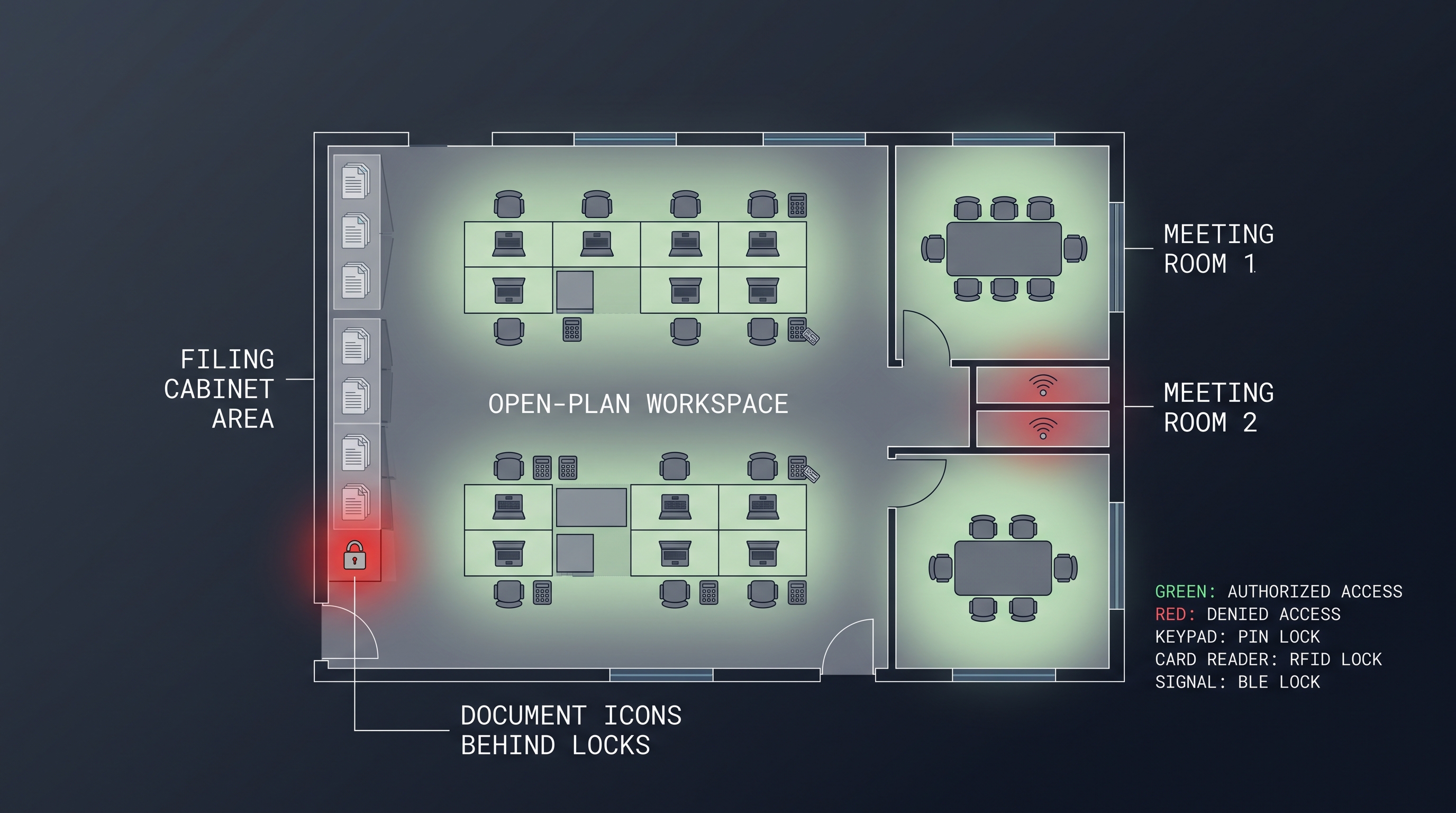
Fingerprint Drawer Lock: The Complete 2026 Guide to Biometric Drawer Security
Explore fingerprint drawer lock technology with detailed specs, types, installation guides, and use cases for home, office, and healthcare drawer security.
It supports the same product context: Office Cabinet Lock — PIN + Card for Filing & Pedestals.
Specify your hotel project with our engineers
Send your room count, ceiling type, and protocol preference. We will return a sample plan and quote within 24 business hours.
- Move from general guidance into a product or application discussion.
- Use RFQ when pricing, drawings, MOQ, or launch timing needs structure.
- Keep a direct contact path visible for fast clarifications and handoff.