cabinet latch electronic: The Complete Guide to Electronic Latches for Cabinets, Furniture, and Enclosures
Learn what a cabinet latch electronic is, how solenoid, motor, electromagnetic strike, and push-to-open electronic latches work, plus 12V/24V wiring, fail-secure vs fail-safe, relay and app control, use cases, installation, pricing, and troubleshooting.
A cabinet latch electronic is an electrically actuated latch that releases or secures a cabinet door using a solenoid, motor, or electromagnetic strike, replacing a manual latch with remote, relay, keypad, or app control. Unlike a cam lock that rotates a bolt a quarter turn into a strike plate, a cabinet latch electronic typically rests in a released state and pulls a striker only when energized, or it rests latched and fires open when the coil receives 12 VDC or 24 VDC. A cabinet latch electronic is used on kitchen cabinets, furniture, server racks, electrical enclosures, and storage lockers, and it draws between 150 mA and 2 A depending on coil resistance, holding power, and duty cycle. The 12 VDC and 24 VDC cabinet latch electronic is the most common voltage pair, with battery powered cabinet latch electronic models running from 4.5 V to 9 V for furniture without mains power. A fail-safe cabinet latch electronic unlocks during a power loss, while a fail-secure cabinet latch electronic stays locked, so selecting a cabinet latch electronic requires weighing fire egress rules against inventory protection. A cabinet latch electronic is evaluated by strike force, bolt travel, control protocol, IP rating, and emergency release before it is spliced into a relay, access panel, or smart hub.
cabinet latch electronic Types and Classifications
A cabinet latch electronic is classified first by actuation method, and five families dominate the market: solenoid latch, motor latch, electromagnetic strike, push-to-open electronic latch, and electronic cam lock that many suppliers sell under the cabinet latch electronic name. The solenoid family holds a door with a spring-loaded plunger and fires it from a coil wound at 300 to 600 turns, delivering a pull of 3 to 5 newtons, while the motor family rotates a catch through 90 or 180 degrees with a torque of 5 to 8 newtons. The electromagnetic strike keeps the door closed with a magnetized armature and releases it when a 12 V or 24 V pulse neutralizes the field, and the push-to-open electronic latch holds a drawer front or door shut until the coil withdraws a tooth.
The physical envelope of each variant, including the strike plate, the manual override knob, and the mounting bracket, decides whether a cabinet latch electronic fits a light furniture door or a heavy metal enclosure, so the correct type is selected before any wiring begins. A second classification divides the cabinet latch electronic into surface mount modules and inset modules that sit flush inside the cabinet wall, and a third splits the market by communication method into standalone, relay driven, and smart cabinet latch electronic options.
Solenoid and Push-to-Open Electronic Latch
The solenoid latch is an electromechanical cabinet latch electronic in which current through a coil draws a steel plunger against a return spring, pulling the striker out of the catch and releasing the door. A typical solenoid cabinet latch electronic is rated at 12 VDC with a coil resistance of 24 to 48 ohms, producing a current draw of 250 to 500 mA and a holding force of 3 to 5 newtons, which is sufficient for kitchen cabinet doors under 2.5 kilograms. Because the solenoid force decays as the square of the air gap, the strike must be mounted within 1 to 3 millimeters of the plunger face for reliable release. The push-to-open electronic latch is a variation of the solenoid cabinet latch electronic that keeps the cabinet door closed with a small tooth and retracts that tooth when the user touches the door or sends a command, making it the preferred cabinet latch electronic for frameless cabinets and aluminum frame furniture. Both families run on a pulse of 200 to 500 milliseconds, which keeps coil temperature below 60 degrees Celsius and extends the duty cycle, and both can be released by a finger, a relay, or a dry contact from a keypad. The push-to-open cabinet latch electronic is often paired with a soft-close hinge so that the door ejects gently rather than swinging free.
Motor Latch and Electromagnetic Strike
The motor latch is a cabinet latch electronic that uses a small 6 to 12 volt gear motor to rotate a catch or slide a bolt, offering higher force and lower standby power than a solenoid because current flows only while the motor turns. A motorized cabinet latch electronic delivers a bolt throw of 8 to 15 millimeters and a holding force of 5 to 8 newtons, making it the right cabinet latch electronic for heavy server racks, tool cabinets, and enclosures with thick doors. The electromagnetic strike is a cabinet latch electronic that holds the door shut with an electromagnet and releases the armature when power is cut, so it is inherently fail-safe and commonly used on office furniture and clean-room cabinets. Each of these actuation styles changes the standby consumption: a solenoid cabinet latch electronic can draw 20 to 50 mA in a pulsed design, a motor cabinet latch electronic draws nearly zero at rest, and an electromagnetic strike cabinet latch electronic draws continuous current only while it is released. The choice between a motor cabinet latch electronic and a solenoid cabinet latch electronic also depends on noise, since the motor emits a low hum for 150 to 400 milliseconds while the solenoid produces a sharp click, which matters in bedrooms, offices, and hotel furniture.
Electronic Cam Lock vs cabinet latch electronic
An electronic cam lock is often confused with a cabinet latch electronic, but the two mechanisms serve different doors. The cam lock rotates a cam tongue 90 or 180 degrees into a strike plate and is used on single doors with a keyhole, while a cabinet latch electronic simply releases or holds a catch and does not rotate a locking tongue into a deep pocket. A cam lock electronic keeps the door physically bolted even when unpowered if it is a mechanical override type, whereas most cabinet latch electronic models are spring latches that secure the door by engaging a striker, so a forced push can sometimes defeat them. When a spec asks for a true locking function, designers choose an electronic cam lock or a deadbolt; when the requirement is remote release and push-to-open convenience, the cabinet latch electronic is the right answer. The pricing also differs, with a cabinet latch electronic typically selling at 30 to 60 percent less than an electronic cam lock at the same build quality, because the latch has fewer precision parts and a simpler strike geometry.
How a cabinet latch electronic Works and Opens
A cabinet latch electronic works by converting electrical energy into linear or rotary motion that withdraws a catch, pulls a striker, or releases an armature, and the opening event lasts between 100 and 800 milliseconds depending on actuation. The coil of a solenoid cabinet latch electronic creates a magnetic field of 200 to 400 ampere turns at 12 VDC, which moves the plunger 4 to 8 millimeters, while the gear motor of a motor cabinet latch electronic rotates the output cam at 15 to 30 rpm for a quiet 90 degree sweep. A push-to-open cabinet latch electronic holds the door with 2 to 4 newtons of detent force and releases that force on command, so the door is then opened by the user or by a spring ejector. A typical cabinet latch electronic pulse lasts 100 to 500 milliseconds, and the door then swings open manually for the user.
The control path is equally important: a cabinet latch electronic can be driven by a simple relay dry contact, a 3.3 V or 5 V logic signal through a MOSFET, a keypad controller, an RFID reader, or a smart module using BLE 5.2, Zigbee 3.0, WiFi 802.11 b/g/n, or Matter. The fail behavior of a cabinet latch electronic is set by whether the spring returns the latch to the locked or unlocked position when power is removed, and this single design choice determines whether the cabinet latch electronic meets fail-secure or fail-safe requirements.
The Actuation Sequence in a Solenoid cabinet latch electronic
When the user triggers a solenoid cabinet latch electronic, the controller applies 12 VDC for a timed pulse, and the plunger accelerates over the first 2 milliseconds before striking the striker and pulling it clear of the catch. The holding current is then reduced or removed, and a return spring pushes the plunger back so the next closure of the door re-engages the latch. A well designed cabinet latch electronic pulse is 150 to 400 milliseconds, short enough to keep the coil below 60 degrees Celsius and long enough to clear the striker with 2 to 3 milliseconds of margin. The current profile of a pulsed cabinet latch electronic is visible on an oscilloscope as an inrush spike of 3 to 5 times the holding current, followed by a decay that should be clamped with a flyback diode to protect the relay or MOSFET. Because the solenoid cabinet latch electronic is an open-loop device, the controller cannot confirm the door state, so many systems add a micro switch or reed sensor that reports open or closed back to the hub. This feedback turns a basic cabinet latch electronic into a status-aware access point that can trigger alerts, logs, or interlock logic in a facility management system.
How a Motor cabinet latch electronic and Electromagnetic Strike Release
A motor cabinet latch electronic uses a worm gear or spur gear to translate the motor rotation into a sliding bolt, and the controller stops the motor when a limit switch confirms the bolt is home, which consumes power only during the 150 to 400 millisecond movement. This makes the motor cabinet latch electronic the quietest option and the best choice for battery operation, because a set of two AA cells can drive hundreds of cycles before replacement. The electromagnetic strike cabinet latch electronic holds the door with an electromagnet that produces 30 to 60 newtons of holding force, and when the release command arrives, the current is interrupted and the armature lifts by gravity or spring. Because the strike cabinet latch electronic fails to the unlocked state on power loss, it is the standard cabinet latch electronic for emergency egress paths, fire doors with holding release, and clean-room cabinets where a locked door could trap a technician. In each case the interface is the same three wires, power positive, power negative, and a sense line, plus optional switch wires, so a cabinet latch electronic can be swapped between brands with minimal rewiring if the voltage and mounting hole pattern match.
Emergency Release and Manual Override
Every serious cabinet latch electronic includes a manual override that opens the door when power is unavailable, because a battery powered or mains powered cabinet latch electronic will eventually face a drained supply. The override takes the form of a thumb turn, a key cylinder, a pull cord, or a mechanical push button mounted on the inside or outside of the cabinet. A thumb turn override cabinet latch electronic is recommended for tool cabinets and enclosures where a trapped operator must always exit, and fire codes in many regions require a cabinet latch electronic on an escape path to release mechanically without tools. The override must be tested in the maintenance routine, because a seized spring or a bent striker will defeat even a perfectly powered cabinet latch electronic. Some smart cabinet latch electronic models route the manual release through a hidden micro switch that also reports the manual open event to the access log, preserving audit data even when the release was physical. When the override is used, the cabinet latch electronic should re-latch automatically when the door is closed, so the next powered cycle returns the system to normal operation.
cabinet latch electronic Features and Specifications Comparison
A cabinet latch electronic is compared on a short list of specifications: voltage, current draw, holding force, bolt travel, duty cycle, IP rating, actuation time, and control input, and the table below shows how the main families stack up. The solenoid cabinet latch electronic is the fastest and cheapest, the motor cabinet latch electronic is the quietest and most battery friendly, and the electromagnetic strike cabinet latch electronic is the only type that is inherently fail-safe. Standby current matters for battery builds, so a motor cabinet latch electronic with micro amp standby is often chosen for furniture, while a solenoid cabinet latch electronic with a 250 to 500 mA coil is chosen for mains powered kitchen and office systems. The IP rating of a cabinet latch electronic ranges from IP20 for indoor furniture to IP54 for kitchen splash zones, and a cabinet latch electronic rated below IP44 should not be mounted where it can receive direct spray.
The actuation time of a cabinet latch electronic ranges from 100 milliseconds for a solenoid to 500 milliseconds for a motor, and this latency must be considered when the latch is triggered by a card read or an interlock sequence.
| Specification | Solenoid cabinet latch electronic | Motor cabinet latch electronic | Electromagnetic strike cabinet latch electronic | Push-to-open cabinet latch electronic |
|---|---|---|---|---|
| Voltage | 12 VDC / 24 VDC | 6 VDC / 12 VDC | 12 VDC / 24 VDC | 5 VDC / 12 VDC |
| Holding force | 3 to 5 newtons | 5 to 8 newtons | 30 to 60 newtons | 2 to 4 newtons |
| Standby current | 20 to 50 mA | less than 1 mA | 0 mA at rest | 10 to 20 mA |
| Actuation time | 100 to 250 ms | 300 to 500 ms | 150 to 400 ms | 150 to 300 ms |
| Noise | sharp click | low hum | soft clunk | light click |
| Fail mode | selectable | selectable | fail-safe | fail-safe |
| IP rating | IP20 to IP54 | IP20 to IP54 | IP20 to IP54 | IP20 to IP40 |
| Control input | relay, MOSFET, keypad | relay, keypad, BLE, Zigbee | relay, access panel | relay, touch, BLE |
| Typical price | 8 to 25 USD | 15 to 45 USD | 20 to 60 USD | 10 to 30 USD |
The comparison shows that no single cabinet latch electronic is best for every job, so the selection is driven by door weight, power availability, noise limits, and security level. A solenoid cabinet latch electronic is the default for retrofits because it is small and cheap, while a motor cabinet latch electronic is the default for battery powered furniture because it idles near zero. An electromagnetic strike cabinet latch electronic is the default for egress and fire applications, and a push-to-open cabinet latch electronic is the default for frameless kitchen cabinets and aluminum furniture. For a smart home deployment, a cabinet latch electronic with built-in BLE 5.2 or Zigbee 3.0 removes the need for a separate relay and exposes open and closed state to the hub. Certification also separates products, with a cabinet latch electronic carrying CE, FCC, and RoHS marks for the EU and US, and UL recognition required for UL 294 compliant access control installations in commercial buildings.
cabinet latch electronic Applications and Use Cases
A cabinet latch electronic is deployed wherever a cabinet door must be opened by a signal rather than by a hand, and the most common settings are kitchen cabinets, office furniture, server racks, electrical enclosures, RV storage, and healthcare carts. In a smart kitchen, a cabinet latch electronic turns every base and wall unit into a remote release point that a keypad, voice assistant, or app can pop open, which helps users with limited hand mobility and parents who want to lock cleaning supplies. In an office, a cabinet latch electronic secures shared desks, filing pedestals, and tool cupboards while a central controller logs every open event, and in a data center the same cabinet latch electronic locks rack doors that must open quickly during maintenance but stay closed against dust and tampering. For electrical enclosures, a cabinet latch electronic with an IP54 gasket protects the breaker panel from dust while a remote signal releases the door during service.
The same cabinet latch electronic appears in hotel mini-bars, medical carts, lockers, and point-of-sale furniture, where the common thread is a need to release many doors from one controller and to know the state of every door.
Kitchen and Residential Cabinets
The kitchen is the single largest market for a cabinet latch electronic, because homeowners want to open cabinets without touching handles and want to lock hazardous contents with a code. A push-to-open cabinet latch electronic fits frameless kitchen doors by mounting in a 32 millimeter cup or a surface bracket, and a wave of the hand or a voice command releases the door while a soft-close hinge controls the swing. When the goal is child safety, the cabinet latch electronic can be wired to a keypad that requires a 4 to 6 digit code, and the same cabinet latch electronic can unlock only the hazardous cabinet or a whole bank of cabinets at once. Retrofit installs typically use a 12 VDC solenoid cabinet latch electronic powered by a plug-in adapter hidden above the cabinets, with wiring run through the cabinet interior and a low-voltage transformer limited to 1.5 A. Because kitchens combine humidity, heat, and frequent cycling, the cabinet latch electronic chosen for a kitchen should be rated IP44 or higher and should be certified to CE and RoHS. A motorized cabinet latch electronic is quieter for late-night use, and a battery powered cabinet latch electronic with two CR123A cells is common in furniture where a wall adapter is unsightly.
Server Racks, Enclosures, and Lockers
In a server room, a cabinet latch electronic turns a rack door into an access-controlled entry point that opens only when the technician presents a card or receives an approval from the DCIM system. Rack cabinet latch electronic models are usually motor driven, delivering 5 to 8 newtons to hold a heavy steel door, and they report open and closed state over RS-485 or TCP/IP so the monitoring platform knows exactly when a door was opened. Electrical enclosures use a cabinet latch electronic with a gasket and a quarter-turn or sliding mechanism that meets the IP54 or IP65 rating of the box, and the release is often wired to a maintenance key switch. Lockers and mailboxes run on a battery powered cabinet latch electronic with a solenoid that pops the locker door after a code or a phone unlock, and thousands of such cabinet latch electronic units are ganged on a low-cost RS-485 bus by locker vendors. The force requirements differ sharply across these use cases: a lightweight locker door needs only 3 newtons, while an enclosure with a stiff gasket can need 8 newtons, so the cabinet latch electronic must be matched to the door seal resistance.
RV, Marine, Healthcare, and Point of Sale
Recreational vehicles and boats use a cabinet latch electronic to secure drawers and overhead bins against vibration and motion, and these units are often the battery powered push-to-open type so no wiring runs through the interior panels. Healthcare uses include medication carts and supply cabinets where a cabinet latch electronic integrates with a nurse call system, an RFID badge, or a barcode scanner, and where access events must be logged for compliance with DEA and HIPAA expectations. Point-of-sale furniture, including cash drawers and supplies cabinets, uses a 12 VDC solenoid cabinet latch electronic that fires when the POS system confirms a transaction, and this same cabinet latch electronic is common in vending and micro-market fixtures. In each of these verticals, the cabinet latch electronic must survive thousands of cycles, so motorized and solenoid variants are rated to 100,000 or 200,000 operations before the spring or gear needs attention. The installer should confirm that the cabinet latch electronic voltage matches the local bus, because a 24 VDC bus powering a 12 VDC cabinet latch electronic will burn the coil within minutes.
How to Install a cabinet latch electronic
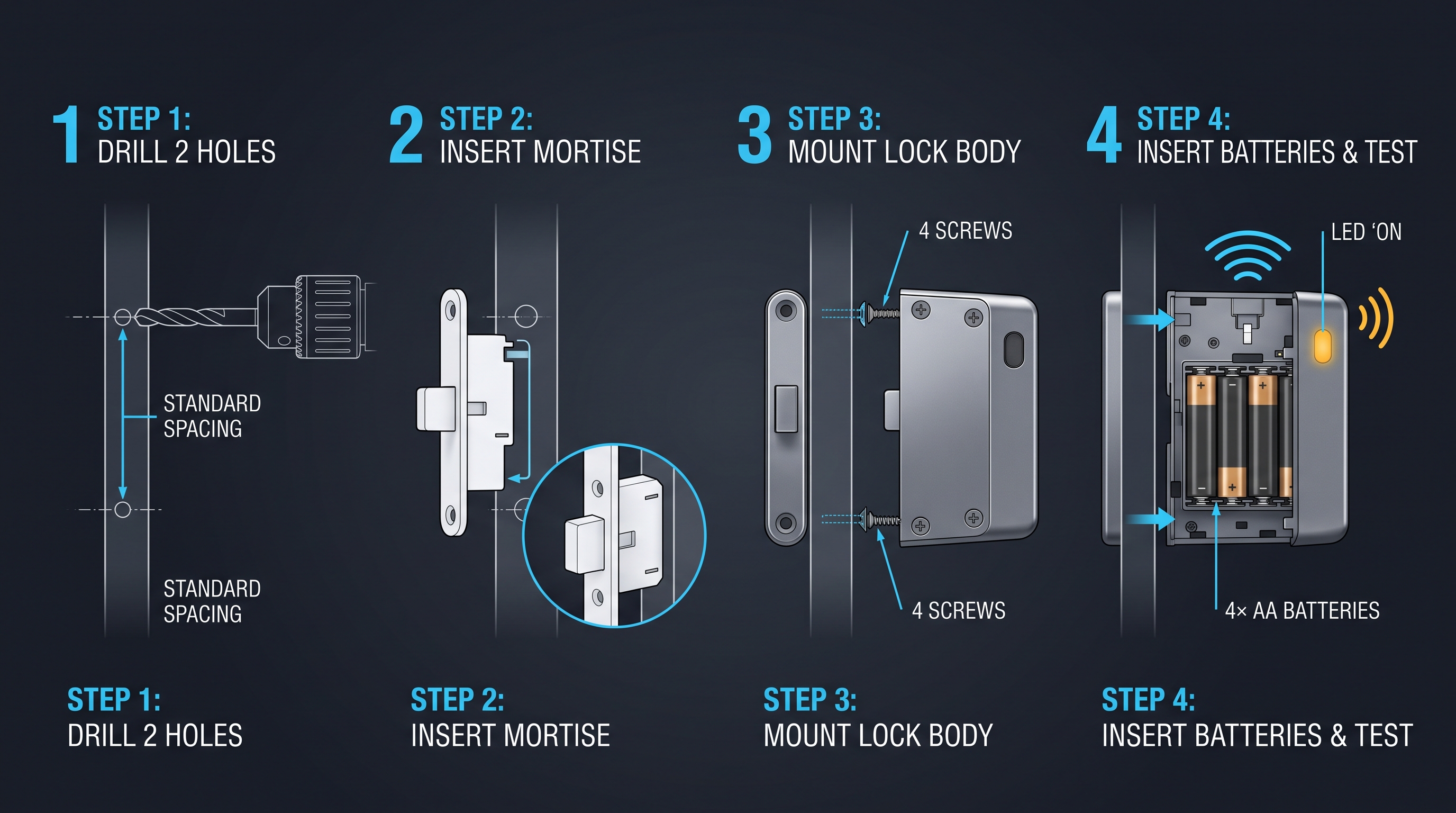
Installing a cabinet latch electronic is a straightforward mechanical and electrical job that takes 15 to 45 minutes per door when the strike and latch align correctly, and the most common mistake is misalignment. The first step is to mark the strike plate on the fixed frame and the cabinet latch electronic body on the door, or vice versa, depending on whether the latch mounts on the door or the cabinet body. A solenoid cabinet latch electronic typically mounts on the fixed cabinet frame while the striker mounts on the door, which minimizes wiring flex, while a push-to-open cabinet latch electronic usually mounts in the door itself with a small magnet or striker on the frame. Use the mounting template supplied with the cabinet latch electronic, drill pilot holes, and confirm that the striker engages the catch with the door closed and that a 1 to 3 millimeter gap remains for solenoid travel.
The wiring is then routed through a 6 millimeter hole, with the low-voltage cable terminated to the coil and a flyback diode installed across the coil if the controller does not include one. After power is applied, the cabinet latch electronic should release on every command, and the alignment should be rechecked with the door closed and the gasket compressed.
Mechanical Mounting and Strike Alignment
The mechanical mounting of a cabinet latch electronic decides reliability more than any other factor, because a solenoid releases only when the striker sits within its travel range. Mount the cabinet latch electronic on a flat surface with the plunger axis perpendicular to the door face, and use shims or a spacer plate when the frame is uneven so the strike gap stays constant. The strike plate must be aligned so the door closes with the striker sliding into the catch without binding, and the striker tip should land at the center of the plunger face within 1 millimeter. For a motor cabinet latch electronic, the bolt must align with the keeper hole with 1 to 2 millimeters of clearance on all sides, and the door gasket compression must not push the bolt against the keeper edge. Use stainless steel screws for the cabinet latch electronic in humid environments, and apply threadlocker on the screws of a motorized cabinet latch electronic that sees vibration in vehicles or enclosures. After mounting, test the cabinet latch electronic 20 to 30 times with the door closed, because a door that latches by hand but binds when pushed quickly will fail to release under the same conditions.
Wiring a cabinet latch electronic to 12V or 24V Power
The electrical installation of a cabinet latch electronic begins with confirming the supply voltage, because a 12 VDC cabinet latch electronic must never be connected to a 24 VDC rail without a buck converter. Wire the positive lead of the cabinet latch electronic to the switched output of the relay or MOSFET and the negative lead to the common ground, and add an inline fuse of 1 A for a 12 VDC cabinet latch electronic to protect the coil from shorts. Use 22 AWG to 18 AWG stranded wire for runs up to 10 meters, and step up to 16 AWG for runs over 20 meters to avoid voltage drop that weakens the solenoid pull. If the control board lacks a flyback diode, install a 1N4007 diode across the coil terminals, cathode to positive, so the inductive spike when the cabinet latch electronic de-energizes does not damage the driver. When multiple cabinet latch electronic units are driven by one controller, distribute them on separate relays or use a power distribution board so the inrush current of each cabinet latch electronic does not sag the shared rail. Finally, label the power input and add a disconnect switch near the cabinet latch electronic so the door can be serviced without dropping the whole zone.
Connecting Relay, Keypad, App, and Smart Hub Control
A cabinet latch electronic accepts several control paths, and the simplest is a dry contact relay that connects the supply voltage to the cabinet latch electronic coil for the duration of the pulse. For logic-level control, drive a MOSFET with a 3.3 V or 5 V signal from an ESP32, Arduino, or PLC, and the MOSFET switches the 12 V or 24 V rail to the cabinet latch electronic. A keypad controller is a self-contained cabinet latch electronic solution that reads a 4 to 6 digit code and energizes the latch for 300 milliseconds, and many models include a door sense input for logging. Smart control adds a BLE 5.2, Zigbee 3.0, or WiFi 802.11 b/g/n module that reports open, closed, and battery state and accepts commands from a mobile app or hub. When the cabinet latch electronic is controlled by an access panel, use the panel output rated for inductive loads, or buffer it with a relay, because the panel relay is often rated for only 30 mA. The control wiring should be kept away from mains cables in the same cabinet, and shielded twisted pair is recommended for long runs to a cabinet latch electronic so pulse noise does not corrupt the sense line.
cabinet latch electronic Selection Criteria and Buying Considerations
Selecting a cabinet latch electronic starts with the door weight and the required holding force, because a lightweight kitchen door needs only 3 to 4 newtons while a gasketed enclosure needs 6 to 8 newtons. The voltage must match the available supply, so a 12 VDC cabinet latch electronic is chosen for automotive and existing low-voltage systems, a 24 VDC cabinet latch electronic for industrial and access control rails, and a battery powered cabinet latch electronic for furniture with no wiring. The fail mode is the next decision: a fail-safe cabinet latch electronic unlocks on power loss for egress and fire paths, while a fail-secure cabinet latch electronic locks on power loss for valuables and medicines. The actuation noise, duty cycle, IP rating, and certification of the cabinet latch electronic must then be checked against the environment, with an IP54 cabinet latch electronic for kitchens and an IP20 cabinet latch electronic for dry indoor furniture.
Finally, the control interface must be confirmed, because a smart cabinet latch electronic with Zigbee or BLE costs more but saves a separate relay and provides state feedback.
Force, Travel, and Duty Cycle Requirements
The holding force of a cabinet latch electronic must exceed the opening force of the door, and the rule of thumb is to select a cabinet latch electronic with at least 1.5 times the measured pull needed to open the door from the latch edge. Measure the force with a spring scale at the handle location, then add margin for gasket compression, temperature, and battery voltage sag, so a door that pulls at 3 newtons is best served by a cabinet latch electronic rated at 5 newtons. The bolt travel must clear the striker completely, with a motor cabinet latch electronic throwing 8 to 15 millimeters and a solenoid cabinet latch electronic moving only 4 to 8 millimeters, and the strike depth must accommodate that travel. The duty cycle of a cabinet latch electronic is usually stated as a percentage, such as 10 percent for a solenoid cabinet latch electronic that must rest 9 times longer than it pulses, and continuous duty models exist for strike hold-open applications. For high-frequency use, choose a motor cabinet latch electronic rated to 200,000 cycles, and for occasional use, a solenoid cabinet latch electronic rated to 100,000 cycles is sufficient and cheaper.
Fail-Secure vs Fail-Safe and Security Level
The fail-secure and fail-safe distinction is the single most important security decision in a cabinet latch electronic selection, and it is determined by the spring return position of the plunger or bolt. A fail-secure cabinet latch electronic returns to the locked position when power is removed, so the door stays locked during a blackout, which protects valuables but can trap a user and can violate egress codes on exit paths. A fail-safe cabinet latch electronic returns to the unlocked position on power loss, so the door opens during a fire or outage, which satisfies egress requirements but offers no protection when power is down. For UL 294 compliance, a cabinet latch electronic used on an access-controlled door must be listed for the intended fail mode, and the system must include a means of emergency release. When both requirements matter, designers specify a fail-secure cabinet latch electronic with a mechanical thumb turn override, or a fail-safe cabinet latch electronic with an alarm that announces the unlocked state. The physical security of the cabinet latch electronic itself is also relevant: a surface mount latch with exposed screws can be removed with a driver, so a tamper-resistant cabinet latch electronic with security fasteners is preferred for lockers and cash drawers.
Smart, Battery, and Certification Choices
A smart cabinet latch electronic is the natural upgrade when a facility already runs Zigbee, Matter, or WiFi, because the module reports door state and battery level to the hub and accepts unlock commands from the app. Battery powered cabinet latch electronic models typically run on 2 AA cells, 2 CR123A cells, or a rechargeable lithium pack, and a motorized cabinet latch electronic can deliver 8,000 to 15,000 cycles per set of batteries while a solenoid cabinet latch electronic delivers fewer because of its idle draw. Certification should be checked before purchase: a cabinet latch electronic bound for the EU market needs CE marking and RoHS compliance, a US deployment needs FCC Part 15B for unintentional radiators and FCC Part 15C if it has a radio, and a fire-door application needs UL 228 or UL 10C ratings where applicable. The IP rating of the cabinet latch electronic should match the environment, with IP44 for kitchen splash zones, IP54 for outdoor enclosures, and IP20 for clean dry interiors. Finally, check the mounting pattern of the cabinet latch electronic against the door, because a 32 millimeter cup, a round 22.5 millimeter hole, and a square 45 by 45 millimeter pattern are not interchangeable across brands.
cabinet latch electronic Security Considerations
A cabinet latch electronic improves security only when the surrounding design respects its weaknesses, because a spring latch can be shimmed, a solenoid can be jammed, and an unpowered cabinet latch electronic can default to either state. The first rule is to pair the cabinet latch electronic with a tamper-resistant mounting and security fasteners, so an intruder cannot simply unscrew the latch body. The second rule is to add a door position sensor, because a cabinet latch electronic that reports open and closed state lets the access system detect a door left ajar or forced within seconds. The third rule is to log every event, with each cabinet latch electronic action timestamped and associated with the user, the door, and the outcome, which supports audits and forensic review. For valuables, choose a fail-secure cabinet latch electronic and protect the power feed with a supervised circuit, because cutting the supply locks the door rather than opening it.
For egress paths, choose a fail-safe cabinet latch electronic with a mechanical override, because the safety of the occupant outweighs the value of the cabinet.
Physical Attack Vectors and Mitigations
The physical attack vectors against a cabinet latch electronic are shimming the striker, prying the door, striking the latch, and removing the mounting screws. Shimming works on any spring-loaded cabinet latch electronic because a thin blade can slide between the door and the striker and depress the plunger, so high security builds use a motorized cabinet latch electronic with a bolt that enters a deep keeper instead of a beveled plunger. Prying the door works when the strike plate is held by short screws, so the cabinet latch electronic should be installed with screws that penetrate the frame 15 to 25 millimeters. Striking the latch with a hard object can release a weak solenoid cabinet latch electronic, so an impact-resistant housing and a reinforced strike are recommended for lockers. Removing the mounting screws is prevented by security Torx fasteners, shear screws, or by mounting the cabinet latch electronic inside the cabinet with only the striker visible on the frame. No cabinet latch electronic resists all attacks, so the goal is to make the cabinet latch electronic the hardest point of entry rather than the easiest.
Cybersecurity and Access Control Best Practices
A smart cabinet latch electronic adds a network attack surface, so the radio module must support encryption, signed firmware updates, and secure boot to prevent a local attacker from unlocking every cabinet latch electronic in a facility. Use per-device credentials and rotate them on enrollment, and isolate the cabinet latch electronic network from the general IT network using a VLAN or a separate Zigbee or BLE mesh. The controller should rate-limit unlock attempts, because an attacker who can replay a BLE unlock command must be blocked by session keys and replay protection built into BLE 5.2 and Matter. Audit logs from the cabinet latch electronic should be exported to a central SIEM or access system rather than stored only on the device, so tampering with one cabinet latch electronic does not erase the record. When the cabinet latch electronic is part of a UL 294 rated access system, the entire chain, controller, reader, and cabinet latch electronic, must be listed together, and a firmware update on the cabinet latch electronic should not void that listing without re-verification.
Protecting Batteries, Power, and Emergency Access
Power availability is a security boundary for a cabinet latch electronic, because a battery powered unit that dies at 4 AM is a locked or an unlocked door depending on the fail mode. Supervise the power feed of a fail-secure cabinet latch electronic with a tamper loop so that cutting the wire raises an alarm instead of silently locking the cabinet. For battery powered models, the cabinet latch electronic should report low battery at 20 percent remaining capacity, giving the facility days to replace cells before the latch stops responding. Keep a mechanical override available on every cabinet latch electronic, and store override keys in a tamper-evident location so emergency access is possible without destroying the door. In a fire scenario, the fail-safe cabinet latch electronic releases automatically, but the manual pull release must be reachable from inside the cabinet, and the release cord should be tested as part of the quarterly maintenance of the cabinet latch electronic. These power and emergency provisions convert a cabinet latch electronic from a convenience device into a dependable access control point.
cabinet latch electronic Troubleshooting and Maintenance
A cabinet latch electronic fails in predictable ways, and most failures are caused by low voltage, misalignment, a jammed striker, or a burned coil, each of which is diagnosed with a multimeter and a few minutes of inspection. If the cabinet latch electronic does not respond at all, measure the voltage at the coil terminals during a trigger pulse, and confirm the controller output reaches 90 percent of the rated voltage under load. If the cabinet latch electronic clicks but the door does not open, the striker is likely misaligned or the plunger travel is blocked, so re-align the strike and check for debris between the striker and the plunger face. If the cabinet latch electronic overheats, the pulse is too long or the duty cycle is exceeded, so shorten the pulse to 200 to 400 milliseconds and verify the coil resistance matches the rated value.
If a smart cabinet latch electronic loses state, reboot the module, check the battery, and re-pair it with the hub, because radio interference and low power produce the same symptoms. A cabinet latch electronic that fails only in cold weather usually has a gummed lubricant or a weak spring, so apply a dry lubricant rated to minus 20 degrees Celsius.
Common Failure Symptoms and Causes
The most common cabinet latch electronic failure is a weak release caused by voltage drop, which happens when the 12 VDC rail sags under the inrush of the coil, so measure the voltage at the cabinet latch electronic itself rather than at the power supply. A burnt coil is the second most common failure, and it is caused by applying 24 VDC to a 12 VDC cabinet latch electronic or by leaving the coil energized past its duty cycle, so confirm the label before energizing. A jammed cabinet latch electronic occurs when the striker edge catches the plunger face because the door sags or the hinge loosens, and the fix is to adjust the strike plate by 1 to 2 millimeters. A cabinet latch electronic that buzzes usually has a loose mounting or an AC supply instead of DC, because AC at 50 or 60 hertz makes the plunger chatter at twice the line frequency. A smart cabinet latch electronic that randomly opens or ignores commands is often a battery or radio issue, so replace the cells, move the hub closer, and confirm the Zigbee or BLE mesh is healthy. When the cabinet latch electronic is part of a monitored system, check the door sensor wiring as well, because a stuck sense switch prevents the controller from arming the latch.
Cleaning, Lubrication, and Cycle Life
A cabinet latch electronic needs minimal maintenance, but the moving parts benefit from an annual cleaning and a light application of dry PTFE or silicone lubricant on the plunger and striker. Do not use oil on a cabinet latch electronic, because oil attracts dust that turns into a grinding paste and jams the mechanism within months. Clean the strike surface and the plunger face with isopropyl alcohol, then apply a single drop of dry lubricant and cycle the cabinet latch electronic 10 times to distribute it. Check the mounting screws of the cabinet latch electronic annually, because vibration from doors and vehicles loosens fasteners, and re-torque them with threadlocker. The expected cycle life of a cabinet latch electronic is 100,000 to 200,000 operations, and a counter or the access log can estimate when the spring or gear is due for replacement. At the halfway point, inspect the return spring of a solenoid cabinet latch electronic for sag, because a weak spring fails to re-latch the door after release. Record the maintenance date and cycle count for each cabinet latch electronic so replacements are planned rather than reactive.
When to Replace a cabinet latch electronic
Replace a cabinet latch electronic when the coil resistance drifts by more than 10 percent, when the plunger no longer returns fully, or when the housing shows rust or impact damage that compromises alignment. A cabinet latch electronic that has exceeded its rated cycle count is also due for replacement, even if it still works, because the spring and gear wear accelerate at the end of life. Replace a smart cabinet latch electronic when its firmware can no longer be updated or when the vendor stops issuing security patches, because an unpatched cabinet latch electronic is a network risk. When replacing a cabinet latch electronic, keep the voltage, fail mode, and mounting pattern identical to the original so the wiring and strike plate do not need rework. Take a spare cabinet latch electronic in inventory for critical doors, and standardize on one brand and model so spares are interchangeable across the facility. Finally, update the access control database with the new cabinet latch electronic ID and test the release, the sense switch, and the manual override before declaring the replacement complete.
cabinet latch electronic Wiring and Control Deep Dive
The wiring of a cabinet latch electronic is a low-voltage control circuit that carries a few hundred milliamps, but it still deserves careful planning because the coil is inductive and the sense line is easily corrupted. A solenoid cabinet latch electronic is wired with a switched positive and a common negative, plus a flyback diode, and the control signal comes from a relay, MOSFET, or smart module. A motor cabinet latch electronic adds two control lines because the motor must run forward and reverse, or it uses a single pulse with a mechanical return spring. A smart cabinet latch electronic adds a radio module that shares the same power rail, and the module must be decoupled with a capacitor so the motor or coil pulse does not reset the module. The control architecture is either centralized, where one controller drives many cabinet latch electronic units, or distributed, where each cabinet latch electronic carries its own module and the bus carries commands.
For a distributed smart cabinet latch electronic, the bus is Zigbee 3.0, BLE mesh, WiFi, or Matter over Thread, and each cabinet latch electronic reports state and battery to the coordinator.
Relay and MOSFET Driver Circuits
The relay driver is the simplest control circuit for a cabinet latch electronic: a 12 VDC relay with a coil rated for the controller output switches the supply to the cabinet latch electronic coil, and a flyback diode across the relay coil protects the controller. Choose a relay rated for at least 3 A at the cabinet latch electronic voltage, and use a socket or PCB relay so a welded contact can be replaced without soldering. The MOSFET driver replaces the relay with an N-channel MOSFET that switches the low side of the cabinet latch electronic, and the gate is driven by a 3.3 V or 5 V logic signal through a gate resistor and a pulldown. A logic-level cabinet latch electronic driven by a MOSFET needs a flyback diode across the coil and a bulk capacitor near the MOSFET to handle the inrush current. When many cabinet latch electronic units are driven from one rail, use a freewheeling diode per cabinet latch electronic and a shared power bus sized for the sum of the inrush currents. The driver board should expose a test button per output so a technician can pulse a single cabinet latch electronic without logging into the controller.
Keypad, RFID, and Access Panel Integration
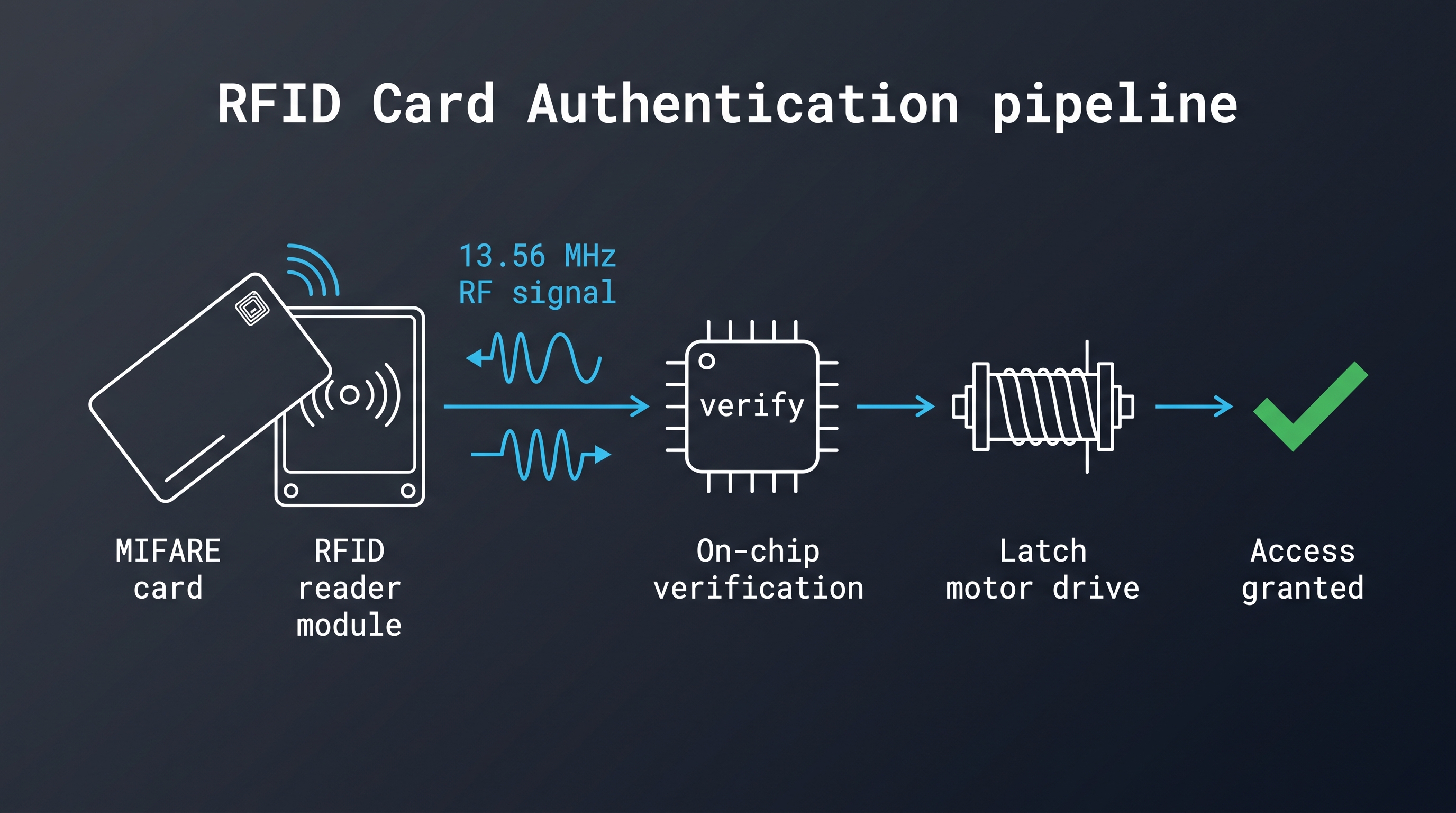
A keypad controller makes a cabinet latch electronic a standalone access point: the user enters a 4 to 6 digit code, the controller verifies it, and the cabinet latch electronic releases for 300 milliseconds. RFID integration adds a 13.56 MHz MIFARE or a 125 kHz EM reader in front of the cabinet latch electronic, and the reader verifies the card and pulses the latch. An access panel like a two-door controller drives the cabinet latch electronic through a relay output rated for inductive loads, and the panel logs the event with the card ID and timestamp. For medical and security environments, the cabinet latch electronic should be paired with a door sensor so the panel knows the door closed and can re-arm the latch. The integration sequence is power, reader, latch, and sensor: connect the cabinet latch electronic to the panel output, connect the reader to the panel input, and connect the door sensor to the panel input that validates the close. Test the full loop with a valid card, an invalid card, and a forced-open door to confirm the cabinet latch electronic reacts correctly to each event.
Smart Home and IoT Ecosystem Control
In a smart home, a cabinet latch electronic with Zigbee 3.0 or Matter joins the same mesh as lighting and sensors, and the hub exposes the cabinet latch electronic as a lock entity with open, closed, and battery states. The user creates automations such as unlock the cabinet latch electronic when the kitchen presence sensor sees no motion for 10 minutes, or lock it when the alarm is armed. Voice assistants can trigger a cabinet latch electronic through the hub, and the hub enforces that a voice unlock on a child-safe cabinet requires a PIN. Over WiFi, a cabinet latch electronic uses MQTT or the vendor cloud, and the local API allows integration with Home Assistant or Node-RED, with a fallback to physical keys. Matter over Thread is preferred for battery powered cabinet latch electronic models because Thread is low power and supports secure remote commissioning. The latency of a smart cabinet latch electronic is 200 to 800 milliseconds, which is acceptable for a cabinet door, and the hub should log every cabinet latch electronic event for the family audit trail.
cabinet latch electronic Pricing and Market Outlook
A cabinet latch electronic is priced from 5 USD for a bare solenoid module to 80 USD for a certified motorized smart model, and the price depends on actuation, build quality, communication, and certification. A basic 12 VDC solenoid cabinet latch electronic with a coil and a strike sells for 5 to 15 USD, while a motorized cabinet latch electronic with a gearbox sells for 15 to 45 USD, and an electromagnetic strike cabinet latch electronic sells for 20 to 60 USD. A smart cabinet latch electronic with BLE, Zigbee, or WiFi adds 10 to 30 USD, and a UL listed cabinet latch electronic carries a premium of 20 to 50 percent over a generic unit. Volume pricing drives the cabinet latch electronic market, with OEM orders of 1,000 units cutting the unit price by 40 to 60 percent, and bulk buyers negotiating directly with factories in China.
The global market for electric cabinet latches is growing at roughly 8 to 10 percent per year, driven by smart home adoption, kitchen automation, and the demand for touchless and accessible cabinetry.
Price Comparison by Type and Brand
The price of a cabinet latch electronic varies more by type than by brand, so the comparison below shows typical street prices for each family in small and bulk quantities. Solenoid and push-to-open cabinet latch electronic models are the entry point, motorized models are the mid-range workhorse, and electromagnetic strike models are the premium fail-safe choice. A smart cabinet latch electronic with a radio and a door sensor costs more but eliminates the separate relay and provides state feedback, which saves wiring time in a multi-door build. The table assumes CE and RoHS certified products from mid-tier suppliers, and UL listed versions add 20 to 50 percent to each cabinet latch electronic price.
| Type | Small qty price (USD) | Bulk 1,000 unit price (USD) | Typical certification |
|---|---|---|---|
| Solenoid cabinet latch electronic | 5 to 15 | 3 to 8 | CE, RoHS |
| Push-to-open cabinet latch electronic | 8 to 20 | 5 to 12 | CE, RoHS |
| Motor cabinet latch electronic | 15 to 45 | 9 to 25 | CE, RoHS, FCC |
| Electromagnetic strike cabinet latch electronic | 20 to 60 | 12 to 35 | CE, FCC |
| Smart cabinet latch electronic (BLE/Zigbee/WiFi) | 25 to 80 | 15 to 45 | CE, FCC, RoHS |
The table shows that a cabinet latch electronic is a low-cost component in the context of a kitchen or an access system, and the engineering budget is better spent on the controller, the power supply, and the door sensor than on the latch itself. For a facility with 100 doors, the cabinet latch electronic bill of materials at bulk pricing ranges from 300 to 3,500 USD depending on the type chosen. The total installed cost of a cabinet latch electronic is 1.5 to 3 times the part price when wiring, mounting, and commissioning labor are included.
Market Trends and Standards
The cabinet latch electronic market is moving toward motorized and smart designs, because motorized units enable battery power and smart units enable remote monitoring and automation. Zigbee 3.0 and Matter are consolidating the smart cabinet latch electronic ecosystem, and a Matter certified cabinet latch electronic will interoperate with Amazon, Apple, Google, and Samsung hubs without vendor-specific bridges. Touchless release is a growing driver, because a cabinet latch electronic with proximity sensing or voice control improves accessibility for users with limited hand mobility. Standards are also maturing: UL 294 covers access control systems that include a cabinet latch electronic, UL 228 covers door closers and holders, and the EU Radio Equipment Directive and RED apply to any cabinet latch electronic with a radio. Battery powered cabinet latch electronic models are improving with BLE 5.2 low energy and Thread, and a well designed cabinet latch electronic now reports battery level in percent and alerts the owner weeks before the cells die.
Future of the cabinet latch electronic
The future cabinet latch electronic will be smaller, quieter, and more integrated, with the coil, driver, radio, and sensor in a single module that drops into a standard 32 millimeter cup. Wireless power and energy harvesting will remove the battery from battery powered cabinet latch electronic models, letting a door push or a light source charge a supercapacitor that powers the release. Predictive maintenance will use the cycle counter and current signature of the cabinet latch electronic to forecast spring and gear wear, so facilities replace parts before a door becomes stuck. The smart cabinet latch electronic will also participate in broader automation, releasing a medicine cabinet when the patient is due, opening a server rack when a work order is approved, and reporting every cabinet latch electronic event to the facility dashboard. As the technology matures, the cabinet latch electronic will increasingly replace manual latches in furniture, kitchens, and industrial enclosures, making the electric cabinet latch a standard component of connected spaces.
Part of this article content is generated by AI and optimized for professional accuracy and readability.
Not sure which sensor fits your project?
Talk to our mmWave application engineers for a free consultation.
Find the right presence sensor for your hotel project
Compare the 3 protocols, check hotel-specific case studies, and download the installation guide
Related products
3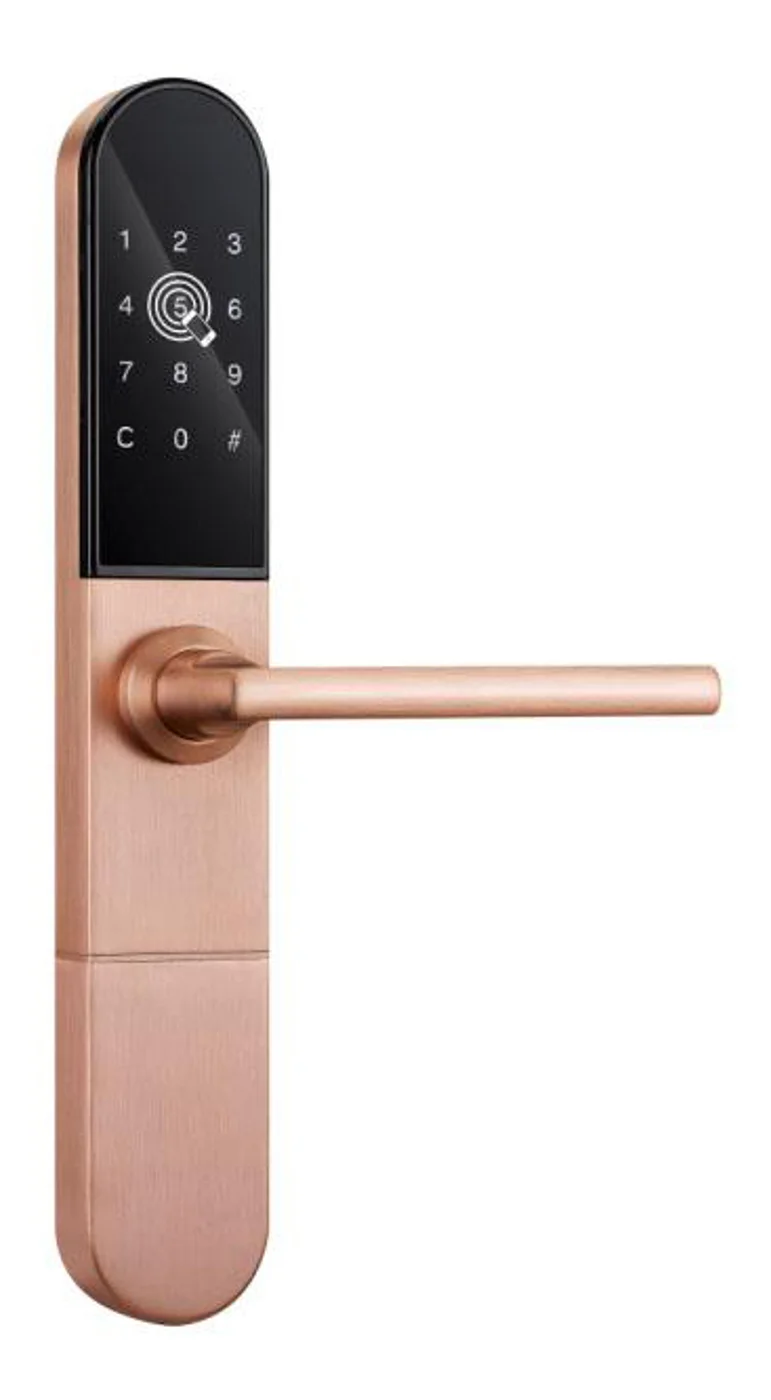
Smart Cabinet Lock — App-Managed, Multi-Site Dashboard
App-managed smart cabinet lock for office, parcel, and multi-site fleets. BLE app dashboard, audit trail, remote unlock, no per-lock server. Higher-tier chassis.
This page already points to it as the next recommended reference.
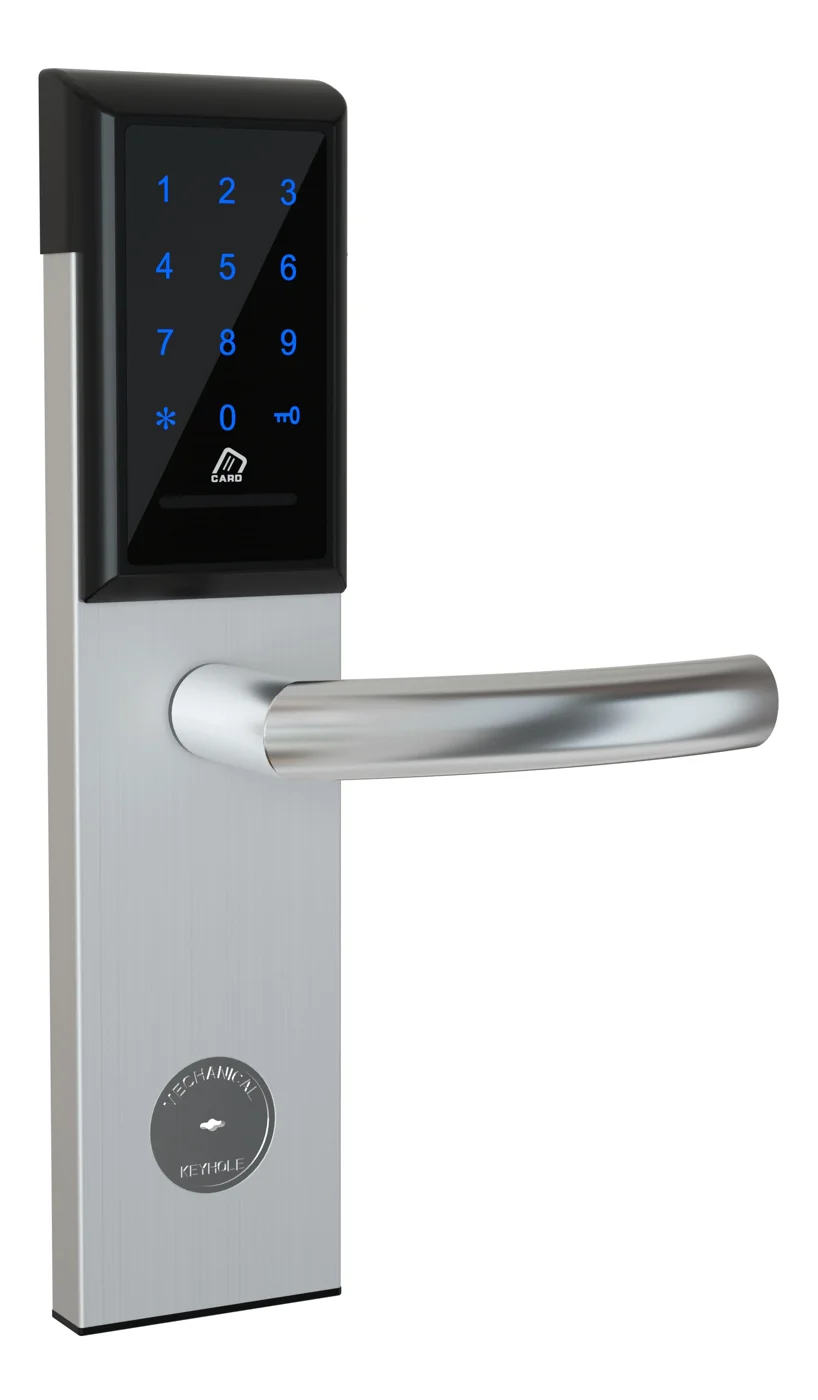
Office Cabinet Lock — PIN + Card for Filing & Pedestals
Offline PIN + card office cabinet lock for filing cabinets, pedestals, and drawers. Battery-powered 5-minute retrofit, no WiFi, no key management. CE/FCC/RoHS.
This page already points to it as the next recommended reference.
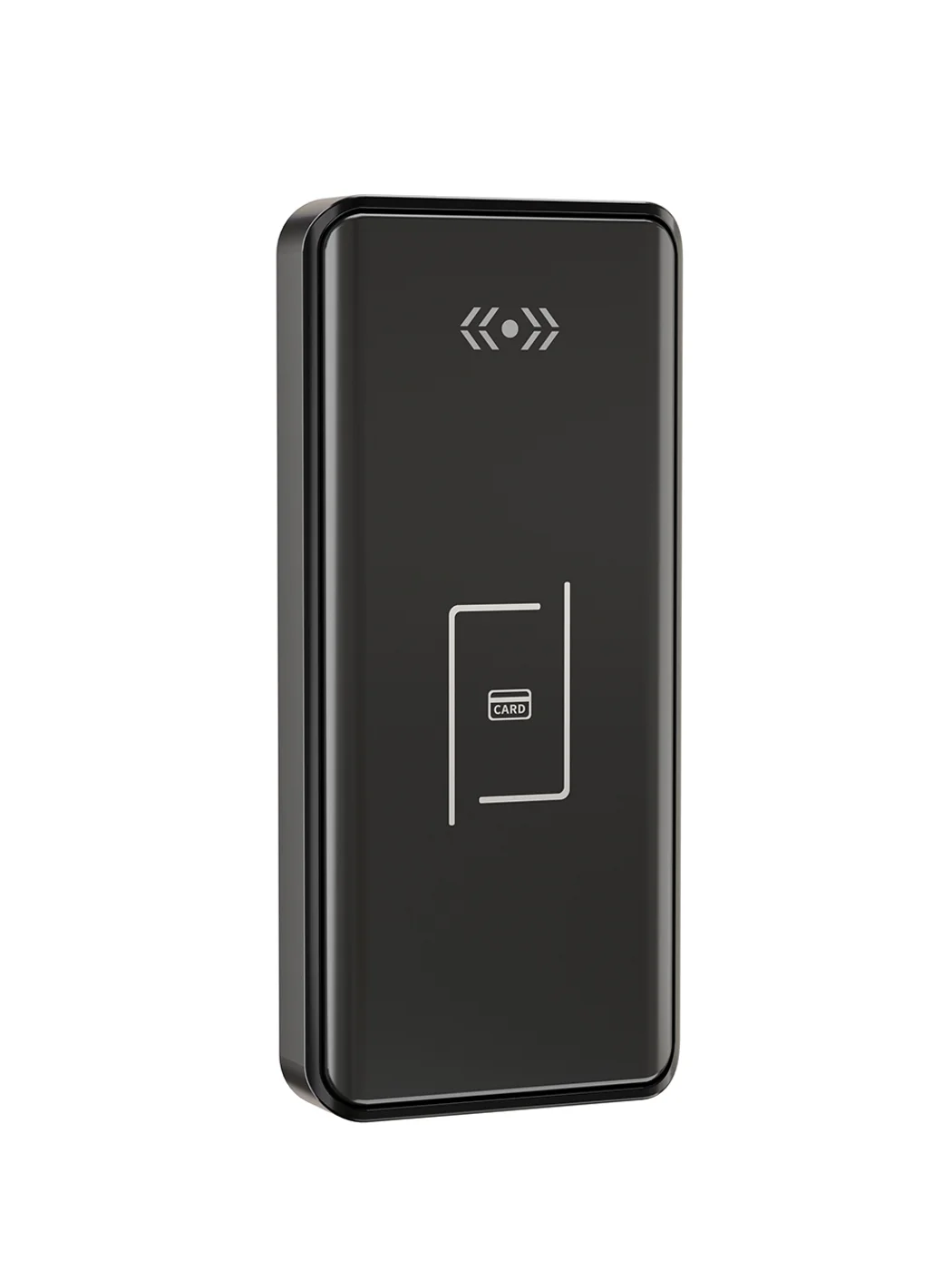
Gym Locker Lock — Offline Card, No WiFi Required
Offline card gym locker lock for fitness and pool lockers. MIFARE card, battery-powered 5-minute retrofit, no WiFi or server. Zinc alloy body, CE/FCC/RoHS.
This page already points to it as the next recommended reference.
Related blog posts
3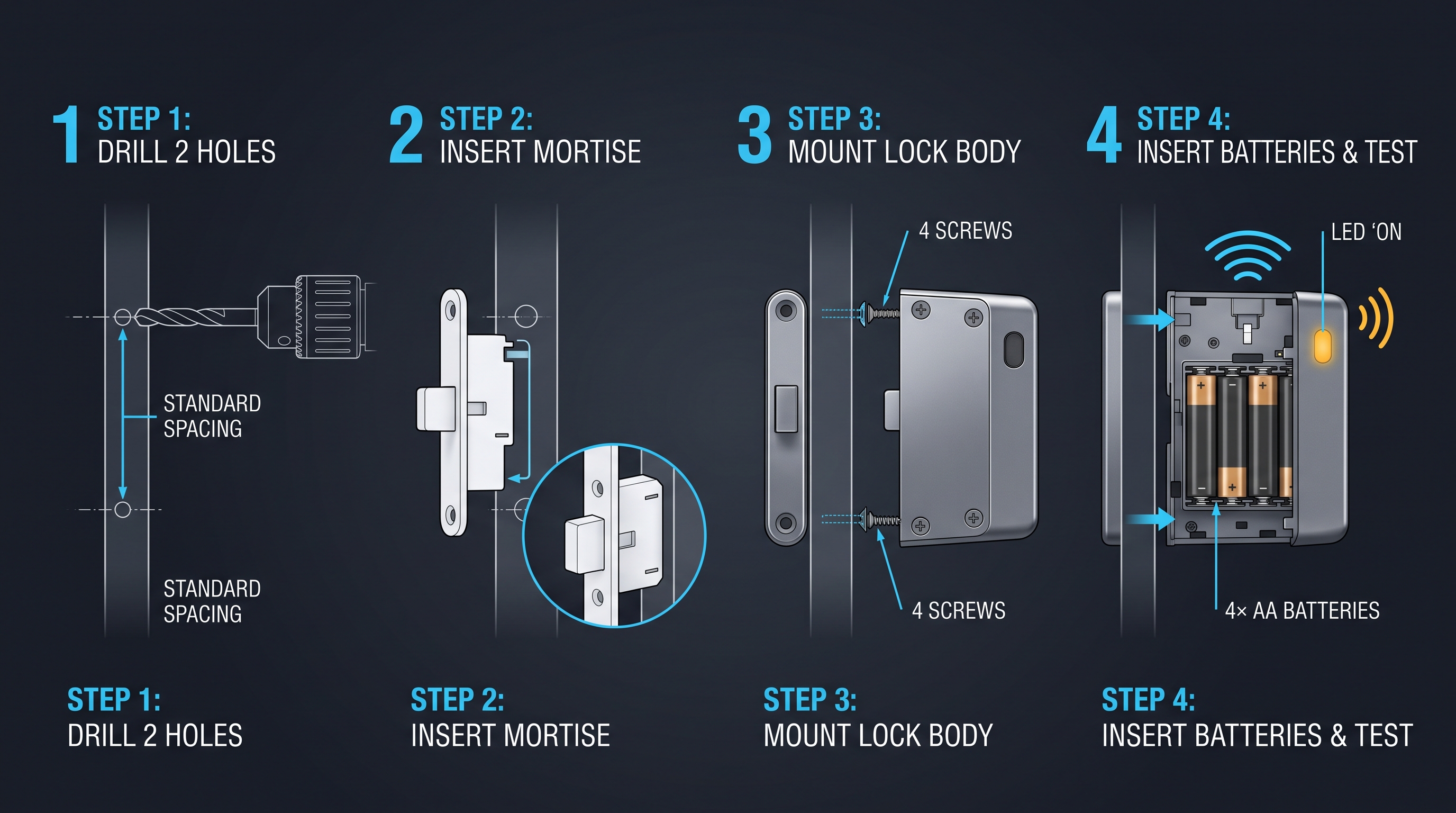
Cabinet Lock Electronic: Complete Technical Guide for 2026 Buyers and Integrators
Comprehensive guide to cabinet lock electronic systems covering types, working principles, installation, pricing, and buying criteria for commercial applications.
It supports the same product context: Smart Cabinet Lock — App-Managed, Multi-Site Dashboard, Office Cabinet Lock — PIN + Card for Filing & Pedestals, Gym Locker Lock — Offline Card, No WiFi Required.
Cabinet Digital Lock: Complete Technical Guide for 2026 Buyers and Integrators
Comprehensive guide to cabinet digital lock systems covering types, working principles, installation, pricing, and buying criteria for commercial and residential applications.
It supports the same product context: Smart Cabinet Lock — App-Managed, Multi-Site Dashboard, Office Cabinet Lock — PIN + Card for Filing & Pedestals, Gym Locker Lock — Offline Card, No WiFi Required.
Cabinet Cam Lock Electronic: Keyless Electronic Cam Locks Explained
A cabinet cam lock electronic is a keyless, motor-driven replacement for mechanical cam locks that fits standard 22.5 mm and 24 mm bores in metal cabinets.
It supports the same product context: Smart Cabinet Lock — App-Managed, Multi-Site Dashboard.
Specify your hotel project with our engineers
Send your room count, ceiling type, and protocol preference. We will return a sample plan and quote within 24 business hours.
- Move from general guidance into a product or application discussion.
- Use RFQ when pricing, drawings, MOQ, or launch timing needs structure.
- Keep a direct contact path visible for fast clarifications and handoff.