Hidden Cabinet Lock: Complete 2026 Guide to Invisible Security for Furniture and Storage
Technical guide covering hidden cabinet lock types, magnetic and RFID concealed mechanisms, installation in wood and glass, pricing, child-proofing applications, and stealth security design for 2026.
A hidden cabinet lock is a security device that secures cabinet doors without any visible external keyhole, keypad, or handle — using magnetic keys (neodymium rare-earth magnets operating reed switches or magnetic latches at 1–2 cm range), RFID card readers (13.56 MHz embedded behind the cabinet door surface, reading cards through 2–10 mm of wood or laminate), capacitive touch sensors (concealed electrodes behind the cabinet surface that detect a specific multi-tap pattern), or motorized latches (12 V DC linear actuator or worm-gear motor, 50–200 mA, retracting a concealed bolt 5–10 mm) — to provide fully invisible security that preserves furniture aesthetics. Unlike a keyless cabinet lock that typically has a visible reader or keypad, a hidden cabinet lock is designed for applications where security must coexist with high-end furniture design: luxury kitchen cabinets, executive office furniture, museum display cases, hotel minibar cabinets, and child-proofed drawers in modern homes. A hidden cabinet lock achieves complete visual concealment by mounting the lock mechanism entirely on the interior side of the cabinet, with no external hardware or visual cues to betray its location. The only indication is the locking bolt or latch itself, visible only when the door is open. The hidden cabinet lock market is valued at $280 million in 2024, growing at 11.8% CAGR, driven by three trends: luxury kitchen design with concealed appliances and handleless cabinets, child-safety regulations (US CPSC and EU EN 16948 requiring out-of-reach locking solutions), and museum and retail security for display cases requiring invisible protection. A hidden cabinet lock is specified by activation method (magnetic key, RFID card, touch pattern, or remote wireless), power source (battery, 12 V DC, or mechanical-only), door material compatibility (wood, glass, metal), activation range and depth, and fail-safe behavior. Selection also depends on installation depth: the hidden cabinet lock must fit within the cabinet frame void, typically 12–25 mm between the door and the cabinet interior wall.
What Is a Hidden Cabinet Lock? Design Philosophy and Core Technologies
A hidden cabinet lock is a security mechanism that secures a cabinet door or drawer using an invisible authentication method — a magnetic key held to the door surface, an RFID card or token waved near the concealed reader, a specific tap pattern on a hidden capacitive sensor, or a wireless remote — to operate a concealed internal latch or bolt. Unlike a traditional keyed lock that announces its presence with a visible keyhole and escutcheon plate, a hidden cabinet lock is defined by what the user cannot see: no keyhole, no keypad, no visible mechanism of any kind on the exterior surfaces of the cabinet. The design objective is zero-visual-impact security — the cabinet clean, unbroken facade is maintained while still providing controlled access. This is achieved by placing all lock hardware (latch, solenoid or motor, power source, and the activation sensor) on the interior surface of the cabinet, where it is invisible when the door is closed. User authentication occurs through the door material: a magnetic field passes through wood, MDF, and most laminates; an RFID field passes through wood, glass, plastic, and thin non-ferrous metals; a remote wireless signal passes through any material. The hidden cabinet lock is thus a through-the-door authentication technology, distinct from surface-mounted keyless locks. A magnetic hidden cabinet lock uses a powerful neodymium magnet (N35–N52 grade, 1–5 kg pull force, held by the user outside the cabinet) to attract or repel an internal magnetic latch, releasing the bolt. An RFID hidden cabinet lock embeds an ISO 14443 antenna coil (3–5 turns, 30–50 mm diameter) behind the cabinet surface, which reads a MIFARE or iCLASS card held to the door. A touch-sensor hidden cabinet lock uses a capacitive or piezoelectric sensor affixed to the interior door surface; the user taps a specific rhythm or pattern on the outside surface, and the sensor detects the vibrations or capacitance changes, triggering the lock. A wireless remote hidden cabinet lock uses a 433 MHz RF or BLE remote control to activate the internal lock mechanism. The hidden cabinet lock market growth is driven by the convergence of interior design minimalism and child-safety technology.
The Evolution of Hidden Cabinet Lock Technology
The hidden cabinet lock has progressed through three generations, evolving from purely mechanical magnetic latches to intelligent networked security:
- Generation 1 (1990s–2005): Mechanical magnetic latches. A simple magnetic catch (ferrite magnet plus steel armature) that could be released by holding any strong magnet near the latch position. Single-point security — one magnet releases all identical locks in a house. Primarily used for child safety. No audit, no multi-user, easily defeated by anyone with a store-bought magnet.
- Generation 2 (2005–2018): Coded magnetic locks. Magnetic keys with specific magnet orientations (north/south arrays, 3–6 magnets in a coded pattern). The lock internal mechanism has a corresponding array of reed switches or magnetic actuators; only a key with the matching spatial pattern of north/south poles releases the bolt. Multi-key compatibility (different keys for different cabinets) with 10–100 possible coding patterns. Also included first-generation RFID hidden cabinet lock models using basic 125 kHz proximity readers.
- Generation 3 (2018–present): Electronic hidden cabinet lock with multi-protocol support. RFID (13.56 MHz DESFire, iCLASS SE) embedded sensors reading through 5–15 mm materials. Capacitive touch pattern recognition. BLE smartphone control. Motorized or solenoid latches with battery or wired power. Multi-user credential databases (50–200 users). Audit trail capability. Integration with smart home systems (Zigbee, Z-Wave, Matter). Remote monitoring and control.
Core Advantage: Zero-Visual-Impact Security
The fundamental value proposition of a hidden cabinet lock is that it does not alter the visual design of the furniture. This is critical for:
- High-end kitchen design: A $50,000 kitchen with continuous walnut grain cabinets loses aesthetic value if a brass keyhole interrupts the woodgrain. A hidden cabinet lock secures the liquor cabinet or knife drawer without any visible hardware.
- Executive office furniture: A CEO office desk has hidden compartments for sensitive documents. A visible lock announces valuable content here. A hidden cabinet lock provides secrecy through invisibility.
- Museum and gallery display cases: Artifacts and artworks are displayed in glass cabinets. A visible lock would distract from the artwork and announce the lock location. A hidden cabinet lock secures the case with no visual evidence.
- Modern child-proofing: Child safety regulations require locking mechanisms for hazardous materials, but parents with designer homes object to visible plastic child-locks. A hidden cabinet lock provides invisible child-proofing.
Types of Hidden Cabinet Lock: Technology Classification
A hidden cabinet lock is classified by the authentication medium that passes through the cabinet material — magnetic field, electromagnetic (RFID), vibration or conductivity (touch), or wireless (RF or BLE) — each with distinct advantages in mounting depth, door material compatibility, and security level. Unlike a visible lock where the user interacts directly with a keyway or keypad, a hidden cabinet lock authenticates through-the-door, and the door material itself becomes part of the security equation. Magnetic hidden cabinet lock models work through any non-magnetic material (wood, MDF, glass, most plastics, aluminum) at ranges of 10–40 mm depending on the magnet grade and latch sensitivity, making them the most universally compatible type. RFID hidden cabinet lock models work through any non-metallic material at ranges of 5–15 mm. Touch-sensor hidden cabinet lock models work through any solid material but require firm attachment of the sensor to the interior surface. Wireless remote hidden cabinet lock models work through any material at ranges of 10–50 meters. The choice of hidden cabinet lock type depends primarily on the cabinet door material and thickness, the desired security level, the activation speed, and whether the user prefers a physical key (magnetic or card) or a contactless method (touch or wireless).
Comparison Table: Hidden Cabinet Lock Types
| Feature | Magnetic Key | RFID Card | Capacitive Touch | Wireless Remote or BLE |
|---|---|---|---|---|
| Authentication | Magnetic key (coded) | ISO 14443 card | Tap pattern | 433 MHz RF or BLE |
| Through-material range | 10–40 mm (non-magnetic) | 5–15 mm (non-metallic) | Any thickness (vibration) | Unlimited (wireless) |
| Compatible materials | Wood, MDF, glass, plastic, aluminum | Wood, MDF, glass, plastic | Wood, MDF, glass, metal | All materials |
| Incompatible with | Steel, iron doors | Metal doors, thick metal | None | Metal (reduced range) |
| Visible exterior hardware | None | None | None | None |
| Power required | No | Yes (battery or 12 V DC) | Yes (battery or 12 V DC) | Yes (battery or 12 V DC) |
| Battery life | N/A | 12–24 months (AA) | 12–24 months (AA) | 12–24 months (AA) |
| User capacity | 1–100 (key patterns) | 50–200 cards | 1–50 patterns | 50–200 users (BLE) |
| Audit trail | No | Optional | Optional | Optional |
| Security level | Medium (coded magnets) | High (AES-encrypted) | Low–Medium (pattern) | Medium (rolling code) |
| Activation speed | Under 0.5 seconds | 0.3–1.0 seconds | 1–3 seconds (multi-tap) | 0.5–1.0 seconds |
| Cost per lock | $15–60 | $40–120 | $30–80 | $30–100 |
Magnetic Key Hidden Cabinet Lock
The magnetic key hidden cabinet lock is the simplest, most affordable, and most widely deployed hidden cabinet lock type — accounting for approximately 55% of the hidden cabinet lock market by unit volume. Its operating principle is elegantly simple: a magnetic latch inside the cabinet is held closed by a spring-loaded armature or magnetic catch. When the user holds the matching magnetic key on the exterior surface at the correct position, the key magnetic field attracts or repels the internal latch, releasing it and allowing the door to open.
The internal mechanism of a magnetic hidden cabinet lock consists of:
- Latch or bolt: A spring-loaded catch that engages a strike plate on the cabinet frame when the door is closed. The spring keeps the latch in the locked position by default.
- Magnetic actuator: A ferromagnetic component (steel armature, magnet disc, or reed switch assembly) connected to the latch. When the magnetic key is applied from outside, the magnetic field acts on this actuator, overcoming the spring and retracting the latch.
- Coded magnet array: In advanced magnetic hidden cabinet lock models, the latch mechanism has multiple reed switches or magnetic sensors arranged in a specific pattern. The key has a corresponding spatial array of north/south magnets. Only a key with the matching pattern of magnetic poles will align with the sensors and release the latch. This provides 10–100 distinct key codes, allowing different keys for different cabinets.
Magnetic key specifications:
- Magnet grade: Neodymium (NdFeB) N35–N52. Higher N-rating means stronger magnetic field and greater through-material range. N52 provides approximately 20 percent more field strength than N35 at the same size.
- Key magnet size: 10–20 mm diameter, 3–8 mm thickness. Larger magnets provide longer range but make the key bulkier.
- Through-material range: 15–40 mm for N52 single-magnet keys, 10–25 mm for coded magnet arrays.
- Coding capacity: Single-magnet (universal key): 1 code. Dual-magnet orientation: 2 codes. Multi-magnet array (4–6 positions): 10–100 codes. Reed-switch arrays: up to 256 codes.
RFID Card Hidden Cabinet Lock
The RFID hidden cabinet lock embeds a 13.56 MHz RFID antenna coil and reader chip (NXP PN532, RC522) behind the cabinet door surface, sealed from view. The user holds an authorized RFID card, fob, or NFC smartphone on the designated spot on the door exterior. The RFID field penetrates the door material (2–15 mm for wood, MDF, plastic, or glass), powering the passive card transponder and reading its UID. When the UID matches an authorized credential, the hidden cabinet lock motor or solenoid retracts the bolt.
RFID hidden cabinet lock specifications:
- RFID frequency: 13.56 MHz (ISO 14443A, 106 kbps). Lower frequencies (125 kHz) penetrate materials better but have lower data rates and no encryption.
- Antenna: A 3–5 turn copper coil etched on PCB, 30–50 mm diameter, impedance-matched to 50 ohms, with a parallel capacitor (typically 47 pF) for resonance at 13.56 MHz.
- Card read range through material: 5–15 mm for MIFARE Classic; 3–10 mm for DESFire EV3.
- Card compatibility: MIFARE Classic (1K/4K), MIFARE DESFire EV2/EV3, HID iCLASS SE, NTAG21x (NFC forum type 2), NFC smartphones.
- Power: 4× AA batteries (6 V) or 12 V DC external. Standby: 100–500 μA (polling) or 10 μA (wake-on-touch approach). Active: 50–100 mA (card read), 300–500 mA peak (solenoid).
- Authorization latency: 0.3–1.0 seconds for locally cached UIDs.
Capacitive Touch Hidden Cabinet Lock
The capacitive touch hidden cabinet lock mounts a piezoelectric sensor or capacitive electrode on the interior surface of the cabinet door. The user authenticates by tapping a specific rhythm or pattern on the exterior surface — a secret knock that only authorized users know. The sensor detects the vibrations or capacitance changes of each tap, compares the pattern to a stored template, and triggers the lock.
Specifications:
- Sensor: Piezoelectric disk (20–30 mm, 2–3 kHz resonant frequency) with a preamplifier circuit, or capacitive electrode with a capacitance-to-digital converter.
- Pattern recognition: The MCU measures inter-tap intervals (ITIs). A pattern comprises 3–7 taps with specific intervals. The algorithm matches with a tolerance of plus or minus 20 percent on each ITI.
- Pattern capacity: Typically 1–10 user patterns stored.
- Through-material detection: Piezoelectric vibration sensing works through any solid material — even thick doors. Detection fidelity decreases with very soft materials.
Wireless Remote and BLE Hidden Cabinet Lock
The wireless remote hidden cabinet lock uses a 433 MHz RF remote control (with rolling code security) or BLE smartphone app to activate the hidden internal lock mechanism. No physical interaction with the cabinet door is required — the user presses a button on the remote or smartphone from up to 30 meters away, and the hidden cabinet lock activates. This type is ideal for multi-user access, for cabinets that are mounted high or low, or for medical and disability access scenarios.
433 MHz RF remote specifications:
- Frequency: 433.05–434.79 MHz (ISM band)
- Modulation: ASK/OOK with Manchester encoding
- Security: Rolling code (KeeLoq or similar) — each button press transmits a different code, preventing replay attacks. Fixed-code remotes are trivially replaied and should not be used for security-sensitive hidden cabinet lock applications.
- Range: 10–50 meters indoors, 50–100 meters line-of-sight
- Battery: 12 V A23 or CR2032 coin cell in the remote, 1–3 year life
BLE smartphone specs:
- BLE 5.0 with ECDH key exchange, same as BLE keyless cabinet lock except the lock is fully hidden
- Range: 10–50 meters
- App-based activation: the user opens the app, selects the cabinet, and taps unlock
- Multi-user: 200+ users managed via app and cloud platform
How a Hidden Cabinet Lock Works: Internal Mechanisms
A hidden cabinet lock operates through four sequential stages — activation detection (sensing the authentication signal through the door material), credential validation (comparing the detected signal to the stored authorized activation), mechanical release (energizing or releasing the internal latch or bolt), and door opening (the user pulls the door open, now that the latch is disengaged) — with each stage optimized for fast, quiet, and reliable operation from the hidden interior position. Unlike a visible lock where the user can see the keyway, the keypad, or the sensor and interact with it directly, a hidden cabinet lock mechanism must work blind — detecting and responding to signals through the door material with no visual alignment aids. This imposes stringent requirements on the detection threshold (sensitivity must be high enough to detect through the door, but not so high as to false-trigger from environmental noise), the power consumption (battery-powered hidden cabinet lock models must minimize standby current while continuously monitoring for activation), and the latch reliability (the hidden latch must catch and release every time, as there are no alignment guides visible to the user). A well-designed hidden cabinet lock mechanism uses precision-machined components (stainless steel latches with tolerance within 0.1 mm), low-power detection circuits (5–100 μA standby), and fail-safe designs where if battery fails, a mechanical emergency release accessible from inside the cabinet is always available.
Magnetic Hidden Cabinet Lock Mechanism
- Locked state: A spring-loaded latch or magnetic catch engages the strike plate on the cabinet frame. The spring keeps the latch extended and locked by default. The latch engagement depth is 3–8 mm.
- Key application: The user holds the magnetic key on the designated spot on the cabinet exterior. In single-magnet systems, the key is held directly over the internal latch position, marked by a small dimple or known by memory. In coded magnet array systems, the key is aligned by feel or by a slight indentation in the wood.
- Magnetic field transfer: The magnetic field from the key penetrates the door material (wood, MDF, plastic). The field strength at the internal latch depends on the key strength and door thickness.
- Latch release: The magnetic field acts on the internal actuator — either attracting a steel armature away from the strike plate (opening the latch) or repelling a small internal magnet to push the latch open. In coded magnet systems, the multi-pole magnet array aligns with specific reed switches; when all matching reed switches close, a tiny DC motor or solenoid retracts the latch.
- Door release: With the latch retracted, the user pushes or pulls the door open. The door must have a push-to-open or handle-open mechanism (magnetic hidden cabinet lock models are almost always used with push-to-open door mechanisms, as there is no handle).
- Automatic relocking: When the door is closed, the spring-loaded latch re-engages the strike plate. The user removes the key, and the lock is secured.
RFID Hidden Cabinet Lock Mechanism
- Standby: The lock MCU and RFID reader are in a low-power polling mode. The reader emits a short (50–200 ms) 13.56 MHz carrier every 0.5–2 seconds, checking for the presence of a card. Between polls, the circuit is in deep sleep at 5–10 μA.
- Card detection: When the user holds an RFID card on the designated exterior spot (within 5–15 mm of the internal antenna), the card transponder modulates the reader carrier field, returning the card UID. The reader detects the card presence and wakes the MCU fully.
- Card read and authentication: The reader reads the card UID and (for secure cards like DESFire) performs mutual authentication using AES-128. The MCU compares the UID against the stored credential database of 50–200 UIDs.
- Access policy check: The MCU verifies the card is assigned to this specific hidden cabinet lock, checks any time-window restrictions, and verifies the card is not on the revocation list.
- Lock actuation: On access granted, the MCU energizes a 12 V solenoid or motor for 0.5–2.0 seconds. The latch retracts 5–10 mm, freeing the door.
- Door status monitoring and relocking: A reed switch detects when the door closes. The MCU re-extends the latch after a 1–3 second delay. The MCU writes the event to the audit log.
Capacitive Touch Hidden Cabinet Lock Mechanism
- Standby: The piezoelectric sensor or capacitive electrode circuit is continuously active (10–100 μA for capacitive sensing IC; near-zero for piezo, passive sensor). The MCU is in sleep mode, waking on a signal above threshold from the sensor.
- Tap detection: When the user taps the exterior surface, the piezoelectric sensor outputs a voltage spike proportional to the tap amplitude. The MCU 12-bit ADC at 100 ksps samples this spike and starts timing.
- Pattern timing: The user taps the rhythm pattern. The MCU measures each inter-tap interval (ITI) with 10 ms resolution and stores the sequence.
- Pattern matching: The MCU compares the entered ITI sequence to the stored template using Dynamic Time Warping or simple Euclidean distance with a tolerance of plus or minus 20 percent per ITI. If the sequence matches, access is granted.
- Lock actuation and relocking: Same as the RFID mechanism.
Motorized Latch Designs
The hidden cabinet lock latch mechanism is typically motorized rather than solenoid-based for two reasons: quieter operation (important in the silent, concealed context) and lower power consumption (motor draws 50–100 mA for 1–2 seconds vs. solenoid at 150–300 mA). Two motorized latch designs are common:
- Motorized cam latch: A small DC gear motor (6 V, 50 mA, 60–100 RPM, with a gear ratio of 50:1 to 400:1) rotates a cam that pushes the spring-loaded bolt in or out. The cam eccentric rotation converts rotary to linear motion, retracting the bolt 5–10 mm.
- Linear actuator latch: A small linear actuator (3–6 V, 50–100 mA, 5–10 mm stroke) directly retracts the bolt. Linear actuators are quieter and simpler but have slower retraction (0.5–2 seconds vs. 0.1–0.3 seconds for a solenoid).
Hidden Cabinet Lock Applications: Use Cases by Environment
A hidden cabinet lock is deployed across residential, commercial, and institutional environments, each with unique requirements for invisibility, security, and access management. Unlike a visible lock where the appearance matches the environment style, a hidden cabinet lock is selected for environments where the lock itself must disappear — luxury residences, high-end retail, museums, hotels, and child-proofed modern interiors. The hidden cabinet lock market segments by application: residential (60 percent, dominated by child-proofing and luxury kitchen and drawer security), commercial (20 percent, including hotels, offices, retail display cases), institutional (15 percent, including museums, archives, laboratories), and other (5 percent, including mobile applications like RV and marine cabinetry). The residential segment is the largest and fastest-growing, driven by the dual demand for child safety and luxury interior design in the same product — parents want hazardous materials locked away from toddlers, but they refuse to install visible plastic child-locks that mar their designer kitchens. A hidden cabinet lock solves this intersection elegantly.
Residential Applications
In homes, the hidden cabinet lock serves three primary functions:
- Child-proofing with design integrity: Parents secure cabinets containing cleaning chemicals, medications, sharp objects, and alcohol. A magnetic hidden cabinet lock mounted on the interior of each cabinet leaves the exterior pristine. The parents carry a magnetic key (on a keychain or bracelet) and swipe it across the hidden lock position to release the latch. The hidden cabinet lock meets CPSC and EN 16948 child-safety requirements.
- Luxury kitchen and furniture: High-end Italian or custom kitchens with continuous woodgrain fronts use a hidden cabinet lock to secure the liquor cabinet, knife drawer, and homeowner archive while preserving the seamless visual design.
- Smart home integration: A BLE hidden cabinet lock integrated with the smart home ecosystem (Apple Home, Home Assistant, Tuya) allows the homeowner to lock and unlock cabinets from their smartphone, set up automation, and receive notifications if a cabinet is opened unexpectedly.
Hotel and Hospitality Applications
Hotels deploy hidden cabinet lock systems for minibar and amenity cabinets. The minibar cabinet in a luxury hotel room must be securable (to prevent unauthorized access or theft) but elegant — a visible lock on a minibar cabinet undermines the room luxury design language. A hidden cabinet lock (magnetic or RFID) provides the security while the cabinet appears to be a simple furniture piece. Housekeeping swipes a magnetic key or RFID card to open and restock the minibar. A hidden cabinet lock in a hotel also secures the TV and media cabinet in premium suites, maintenance cabinets in staff areas, and housekeeping supply cabinets in corridors.
Museum and Gallery Applications
Museums and galleries use hidden cabinet lock technology for display case security. A glass display case containing a valuable artifact must be securely locked while allowing curatorial staff to access the case for maintenance, rotation, and conservation. A visible lock on a display case is anathema to good exhibition design. A hidden cabinet lock (RFID, typically, for its audit trail) is mounted concealed in the case base or frame. Curators use RFID badges to open the case, and every opening is logged and timestamped — critical for artifact chain-of-custody documentation.
Commercial Office Applications
Executive offices and law firms use a hidden cabinet lock for confidential document storage. The managing partner office may have hidden compartments in the desk or credenza that lock with a magnetic key or RFID card. No visible lock announces the presence of confidential files. The hidden cabinet lock preserves the executive office aesthetic while providing controlled access.
Retail Applications
High-end retail (jewelry, luxury watches, high-value electronics) uses a hidden cabinet lock for backroom and display case security. A display case in a luxury watch boutique must open easily for the sales associate but remain invisible to the customer. A hidden cabinet lock (RFID with staff badge or magnetic key) achieves this. The audit trail supports shrink investigations and accountability.
Hidden Cabinet Lock Installation: Detailed Guide
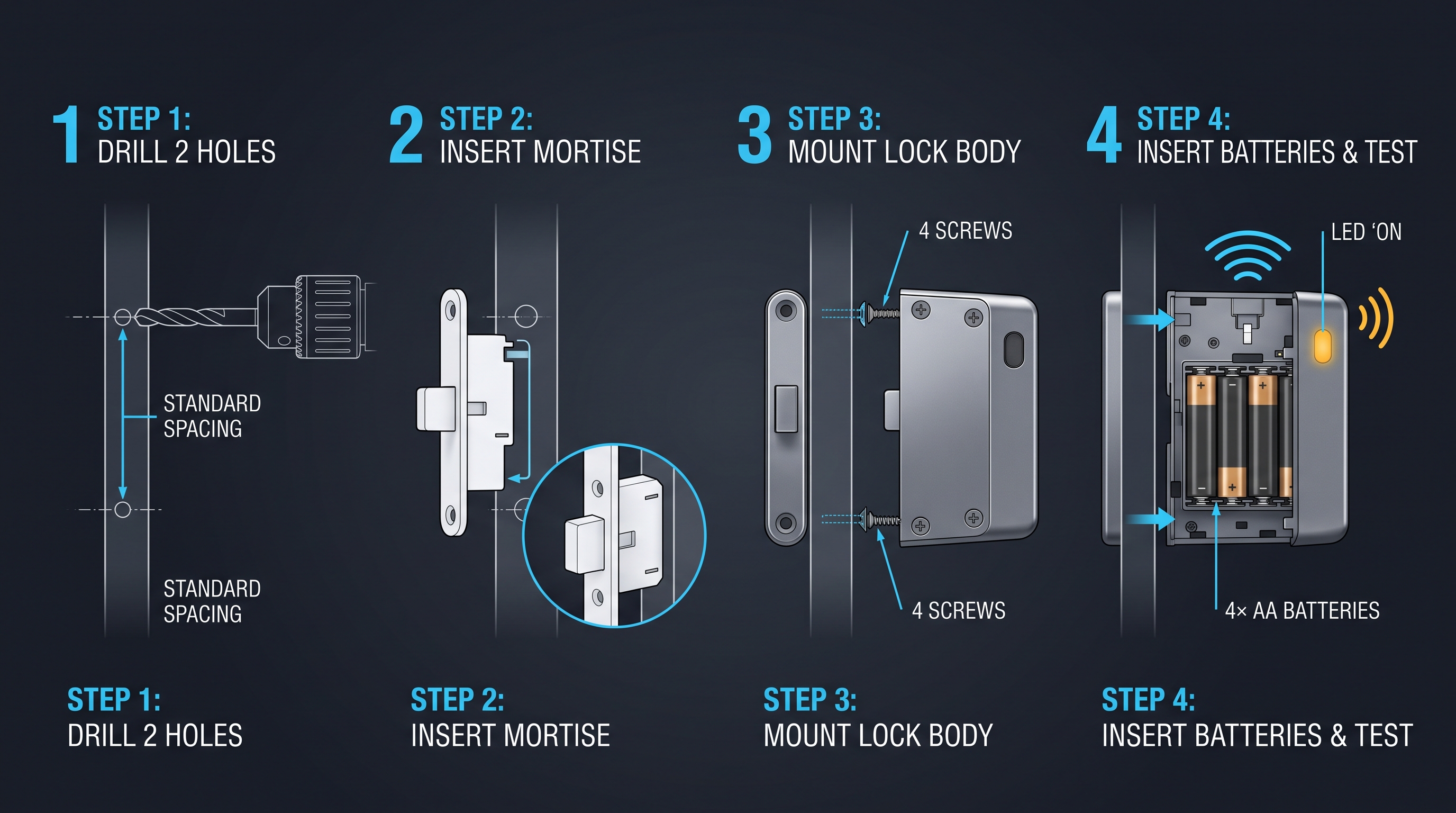
A hidden cabinet lock installation focuses on precise interior mounting with no exterior hardware — all components go inside the cabinet, with the activation sensor aligned with the designated exterior spot. Unlike a through-hole lock installation that drills through the door, a hidden cabinet lock mounting requires only interior surfaces (adhesive, screws into the door interior face, or mounting to the cabinet frame interior). The key challenge is positioning the lock sensor (magnetic latch, RFID antenna, or piezo sensor) at the exact interior position that corresponds to the designated exterior activation spot — because there is no exterior indicator, and a misalignment of even 5–10 mm can render the hidden cabinet lock inoperable. Installation methods vary by lock type, but all hidden cabinet lock models share the common requirement of interior-only access, precise positioning, and testing that the door material attenuates the activation signal within acceptable limits. Installation time: 10–20 minutes per magnetic lock, 20–40 minutes per electronic lock. Professional installation is not typically required for magnetic locks, but electronic hidden cabinet lock models with power wiring may benefit from professional installation for clean cable routing.
Magnetic Hidden Cabinet Lock Installation
- Locate the activation spot: Choose the exterior location where the user will hold the magnetic key. It should be an intuitive spot — near the top corner of the door, near the door pull (if any), or at a location marked by a small, discrete feature. Mark the interior position that corresponds to this exterior spot.
- Mount the lock body: The magnetic hidden cabinet lock body (latch plus magnetic actuator assembly) mounts to the interior surface of the cabinet door at the marked position. Two mounting methods: double-sided VHB tape (3M VHB 5952, rated for 5+ year adhesion) for non-invasive mounting, or screws (2× number 6 wood screws, 10–15 mm length for 12–18 mm cabinet door thickness — critical: screws must not penetrate through the exterior surface).
- Mount the strike plate: On the cabinet frame (the fixed portion, not the door), mount the strike plate aligned with the latch. The latch must engage the strike plate by 3–8 mm when the door closes. Adjust the strike plate position using its slotted holes.
- Test with the magnetic key: Close the door. Hold the magnetic key at the designated exterior spot and slide it slowly over the spot. Listen for the click of the latch releasing. If the latch does not release: check key alignment, check door thickness compatibility, and verify the door material is non-magnetic.
- Adhesive and screw verification: If using adhesive, verify the surface is clean and dry before pressing. Hold the lock in place for 60 seconds. If using screws, verify they do not protrude from the exterior surface.
RFID Hidden Cabinet Lock Installation
- Antenna positioning: The RFID antenna must be mounted flush against the interior door surface at the designated activation spot. The antenna active area (30–50 mm circle) must have direct contact with the door material — no air gap, no metal between the antenna and the door.
- Antenna mounting: Adhere the antenna PCB to the interior surface using thin double-sided tape or a custom adhesive pad (the tape must be as thin as possible — maximum 0.5 mm — as every millimeter of gap reduces the read range). Ensure the antenna coil is oriented toward the door surface.
- Lock body and control module: Mount the lock body (solenoid or motor, battery compartment, controller PCB) on the interior door frame, adjacent to the antenna. Route the antenna cable to the RFID reader module on the controller PCB, keeping it away from metal battery contacts and the solenoid.
- Power supply: Install 4× AA batteries in the battery compartment. For a wired option, route a 12 V DC adapter cable through a small hole in the cabinet back or side panel.
- Strike plate and testing: Mount the strike plate on the cabinet frame. Close the door. Hold an enrolled RFID card at the designated exterior spot. Verify the lock reads the card through the door, the solenoid or motor actuates, and the door opens.
- Card enrollment: Power on the lock, enter the master code (from the manual), and enroll the initial user cards. Test each card.
Capacitive Touch Hidden Cabinet Lock Installation
- Sensor adhesion: The piezoelectric sensor disk must be firmly adhered to the interior door surface using cyanoacrylate glue or a thin epoxy layer. The bond must be rigid — a flexible adhesive dampens vibrations and reduces sensitivity. Clean both surfaces with isopropyl alcohol before bonding.
- Sensor positioning: Place the sensor at the center of the exterior tap zone — a general area (20–30 cm diameter) that the user will tap. The sensor should be at least 50 mm away from the door hinge (hinge vibration conducts through the door and causes false triggers).
- Control module: Mount the control module (MCU, lock, battery) on the interior door frame. Route the thin sensor wire (shielded audio cable, 30 AWG) from the piezo sensor to the MCU ADC input. Keep the wire away from the battery and motor.
- Strike plate and testing: Mount the strike plate. Power on the lock. Program a tap pattern (e.g., 3 fast taps, pause, 2 slow taps) following the manual instructions. Tap the exterior surface to test the pattern. Adjust the pattern recognition threshold if false triggers occur.
Wireless Remote Hidden Cabinet Lock Installation
- Lock body mounting: The entire hidden cabinet lock (motorized latch, battery, MCU, RF receiver) mounts inside the cabinet, on the door interior or the frame. The mounting position must be such that the latch reaches the strike plate on the opposite surface.
- Antenna placement: The RF receiver antenna (a simple 17.3 cm quarter-wave wire at 433 MHz, or PCB trace antenna for BLE) must be positioned away from metal battery contacts and the motor. Keep at least 20 mm clearance.
- Strike plate and testing: Mount the strike plate. Power on the lock. Pair the remote (press the pairing button on the lock PCB, then press the remote button). Test with the remote. For BLE, pair via the smartphone app.
Hidden Cabinet Lock Pricing and Cost Analysis
A hidden cabinet lock ranges from $15 for a simple single-magnet latch to $120 for a networked RFID model with audit trail, with pricing driven by authentication technology, build quality, and power requirements. Unlike visible cabinet locks where the cost reflects the reader and keypad, a hidden cabinet lock cost is heavily influenced by the sensor technology (precision RFID antenna and reader chip, calibrated magnetic latch, or piezoelectric sensor) and the motorized latch mechanism (quieter and smoother than a basic solenoid, costing 2–3× more). The hidden cabinet lock market has a strong price-to-quality correlation: a $15 magnetic lock uses a generic N35 magnet and stamped-steel latch; a $60 coded magnetic lock uses precision N52 magnets, micro-precision latches with CNC-machined components, and stainless steel components. The total cost of ownership for a hidden cabinet lock is dominated by the lock hardware itself, as there are few recurring costs (mechanical magnetic models have zero recurring cost). Electronic hidden cabinet lock models add battery costs ($3–8 per year) and occasional replacement (5–8 year expected life for electronics).
Hidden Cabinet Lock Price Ranges
| Type | Sub-Type | Price Range | Expected Life | Best For |
|---|---|---|---|---|
| Magnetic | Single magnet | $15–25 | 20+ years | Child-proofing, budget |
| Magnetic | Coded magnet array | $25–50 | 20+ years | Multiple cabinets, family |
| Magnetic | High-security coded | $40–60 | 20+ years | Premium homes, professional |
| RFID | Standalone (MIFARE Classic) | $40–70 | 5–8 years | Home, office |
| RFID | Secure (DESFire EV3) | $70–120 | 5–8 years | High-security, museum |
| Capacitive touch | Piezo pattern sensor | $30–60 | 5–8 years | Kitchen, display |
| Capacitive touch | Capacitive touch sensor | $40–80 | 5–8 years | Premium kitchen, furniture |
| Wireless | 433 MHz remote | $30–60 | 5–8 years | Multi-user, retrofit |
| Wireless | BLE smartphone | $50–100 | 5–8 years | Smart home, corporate |
Hidden Cabinet Lock Buying Guide: Selection Criteria
Selecting a hidden cabinet lock requires evaluating five axes — door material and thickness compatibility, security level, user experience, installation complexity, and budget — with the door material being the most critical, as it directly determines which hidden cabinet lock types are possible. Unlike a visible lock where the door material is largely irrelevant (any lock that fits through the hole works), a hidden cabinet lock authentication passes through the door material, and different materials block different signal types. Wood, MDF, and particleboard (0.5–2.5 cm thickness) are compatible with all hidden cabinet lock types — magnetic, RFID, capacitive touch, and wireless. Glass (3–8 mm) is compatible with magnetic, RFID (verification required for thick glass), and capacitive touch — the challenge is mounting and the aesthetic value of the glass being preserved. Metal (steel, aluminum) blocks magnetic and RFID fields, so only capacitive touch (vibration-based) and wireless remote hidden cabinet lock models work through metal doors. A hidden cabinet lock buyer must first measure the door material and thickness, then select a compatible lock type, then evaluate the security, user experience, and budget within that compatibility constraint. For child-proofing, magnetic hidden cabinet lock models are the default choice: no power, reliable, and only the parent carries the key. For multi-user luxury applications, RFID hidden cabinet lock models provide elegance with audit trail. For absolute minimalism (no key, no card, no remote), capacitive touch hidden cabinet lock models appeal to tech-savvy homeowners.
Door Material Compatibility Guide
| Door Material | Magnetic | RFID | Capacitive Touch | Wireless Remote |
|---|---|---|---|---|
| Wood (12–20 mm) | Yes (N52 for over 20 mm) | Yes (up to 15 mm) | Yes | Yes |
| MDF (15–25 mm) | Yes (N52 for over 25 mm) | Yes (up to 12 mm) | Yes | Yes |
| Plywood (12–18 mm) | Yes | Yes | Yes | Yes |
| Particleboard (15–25 mm) | Yes (N52 for over 20 mm) | Marginal | Yes | Yes |
| Glass (3–8 mm) | Yes (excellent) | Yes (excellent) | Yes | Yes |
| Glass (10–20 mm) | Yes (N52 required) | Marginal | Yes | Yes |
| Steel (under 0.5 mm) | No (field blocked) | No (field blocked) | Yes (vibration) | Yes (reduced range) |
| Steel (over 0.5 mm) | No | No | Yes (reduced) | Yes (reduced) |
| Aluminum (under 2 mm) | Yes | Yes | Yes | Yes |
| Aluminum (over 2 mm) | Yes | Marginal | Yes | Yes |
| Laminate or PVC | Yes | Yes | Yes | Yes |
Hidden Cabinet Lock Troubleshooting: Common Issues
A hidden cabinet lock experiences failures across four categories — detection failure (lock does not detect the key, card, or tap because the signal is attenuated by the door material or the key is misaligned), mechanical failure (latch stuck, motor failed, strike plate misaligned), power failure (dead batteries in electronic models), and user error (wrong key, wrong card, wrong tap pattern, not knowing the activation spot). Unlike a visible lock where the user can see what is wrong, a hidden cabinet lock failure is invisible — the user holds the key at the right spot and nothing happens, with no visual feedback on why. The most common hidden cabinet lock issues: key or card not detected (40 percent of issues, typically door material too thick, key misaligned, or the wrong activation spot), latch not releasing (25 percent, mechanical binding or dead battery), door won't stay closed (15 percent, strike plate misalignment), and false triggering (10 percent, vibration or EMI). A hidden cabinet lock troubleshooting flow should always start with verifying the activation spot and key alignment — the user may be holding the key 2 cm away from the actual interior sensor position.
Problem: Magnetic Key Not Detected
- Verify the key position: The user may be holding the key at the wrong spot. Slide the key slowly (2 cm per second) across the door surface near the expected position. Listen for a faint click (the latch releasing). The actual sensor position may be 1–3 cm away from the user assumption.
- Check the door thickness: If the door is thicker than 25 mm, even an N52 magnet may not penetrate. Measure the door thickness. If it exceeds the lock manufacturer rated penetration distance, the lock is incompatible — replace with a longer-range lock or use a different type (RFID or wireless remote).
- Check the key magnet: Has the magnetic key been demagnetized? Strong impacts or heat can demagnetize neodymium magnets. Test by seeing if the key strongly attracts a paperclip outside the cabinet — if the attraction feels weak, the key may need replacement.
- Check for magnetic material in the door: Attach a refrigerator magnet to the exterior. If it sticks, the door contains ferritic content (metal core, magnetic paint, metal mesh) that blocks the magnetic key. The door is incompatible with magnetic hidden cabinet lock models.
Problem: RFID Card Not Read Through the Door
- Verify the card position: The RFID antenna inside is a specific coil (30–50 mm circle). Hold the card centered over that coil. Since the coil is invisible, try different positions in the general area until the lock beeps.
- Check the door thickness and material: RFID through-material range is limited. If the door is over 15 mm wood, or over 10 mm MDF, the field may not reach the card. Test with the door open (hold the card directly to the interior antenna) to confirm the lock and card work; then test through the closed door. If it works open but not closed, the door is too thick — the lock is incompatible.
- Check the card type: The lock may be configured for MIFARE Classic but the card is DESFire (different protocols). Verify card compatibility with the lock specification.
- Check for metal: If the door has a metal reinforcement plate, mirror, or metalized film, the RFID field is blocked. The door is incompatible with RFID hidden cabinet lock models when closed.
Problem: Capacitive Touch Pattern Not Recognized
- Re-calibrate the pattern: The piezo sensor sensitivity may have drifted, or the user tapping sharpness may have changed. With the door open, reprogram the tap pattern following the manual instructions.
- Check sensor adhesion: If the piezo sensor has partially detached from the interior surface, vibration conduction is poor. Remove and re-bond the sensor with fresh cyanoacrylate or epoxy.
- Check environmental noise: Heavy footsteps, doors slamming, or construction vibration can generate false signals that fill the sensor buffer, desensitizing it to the actual tap. Relocate the sensor away from hinges and high-vibration areas.
Problem: Door Won't Stay Closed
- Check the strike plate alignment: If the latch doesn't engage the strike plate, the door will pop open spontaneously. Adjust the strike plate to ensure 3–8 mm engagement.
- Check the latch spring: A worn or broken latch spring won't hold the latch extended. Replace the latch mechanism.
- Check the anti-slam mechanism: If the door is slammed, the latch may not engage because the anti-slam mechanism wasn't reset. Open and close the door gently to reset.
Hidden Cabinet Lock Security Considerations
A hidden cabinet lock security depends not only on the lock physical and electronic resistance to attack but also on its invisibility — a lock that an attacker cannot find cannot be easily attacked. Security-through-obscurity is generally not a valid standalone security strategy, but visibility reduction is a valid layer: an attacker must first locate the lock, then defeat it, adding time and frustration. A hidden cabinet lock should not be the only security measure for high-value items (jewelry, firearms, confidential documents), but it serves as an effective layer in a defense-in-depth strategy alongside the home alarm system, camera coverage, and a safe or vault for the highest-value items. For child-proofing, the hidden cabinet lock invisibility is its primary security advantage — a child who cannot see the lock cannot attempt to defeat it.
Hidden Cabinet Lock Future Trends
The hidden cabinet lock market is evolving toward AI-enabled pattern recognition, Matter smart home integration, energy-harvesting mechanisms, and integration with AR (Augmented Reality) for lock position guidance. AR-enabled hidden cabinet lock systems — where the user smartphone camera overlay shows a virtual marker at the invisible lock activation spot — will solve the fundamental hidden cabinet lock usability challenge of finding the invisible sensor. Energy-harvesting hidden cabinet lock models that generate electricity from door motion will reduce or eliminate battery changes. AI-powered voice recognition (a hidden microphone) will add voice-activated unlock. The hidden cabinet lock market is on track to reach $550 million by 2030 (12 percent CAGR), with smart (BLE and RFID) models capturing 60 percent of new deployments.
Conclusion: Choosing the Right Hidden Cabinet Lock
The hidden cabinet lock transforms cabinet security from a visible hardware intrusion into an invisible feature — protecting valuables, hazardous materials, and confidential documents without compromising the cabinet aesthetic integrity. By matching the lock type to the door material and thickness, the user experience to the user population (family, staff, public), and the security level to the contents value, you can deploy a hidden cabinet lock that provides years of invisible, reliable protection. Whether a $15 magnetic latch for child-proofing, a $70 RFID lock for a museum display case, or a $100 BLE smart lock for a corporate executive office, the hidden cabinet lock preserves what matters for interior design while delivering what matters for security: controlled, auditable access.
Not sure which sensor fits your project?
Talk to our mmWave application engineers for a free consultation.
Find the right presence sensor for your hotel project
Compare the 3 protocols, check hotel-specific case studies, and download the installation guide
Related products
3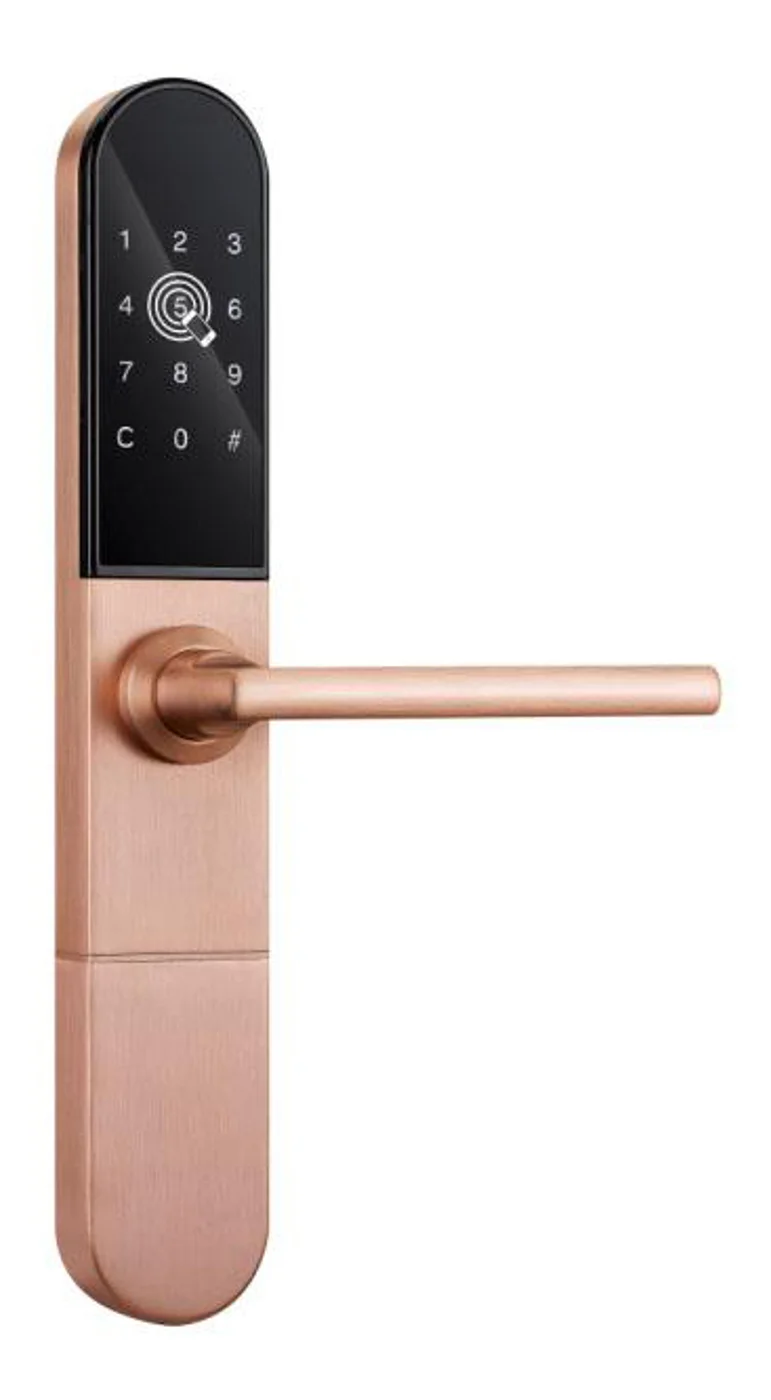
Smart Cabinet Lock — App-Managed, Multi-Site Dashboard
App-managed smart cabinet lock for office, parcel, and multi-site fleets. BLE app dashboard, audit trail, remote unlock, no per-lock server. Higher-tier chassis.
This page already points to it as the next recommended reference.
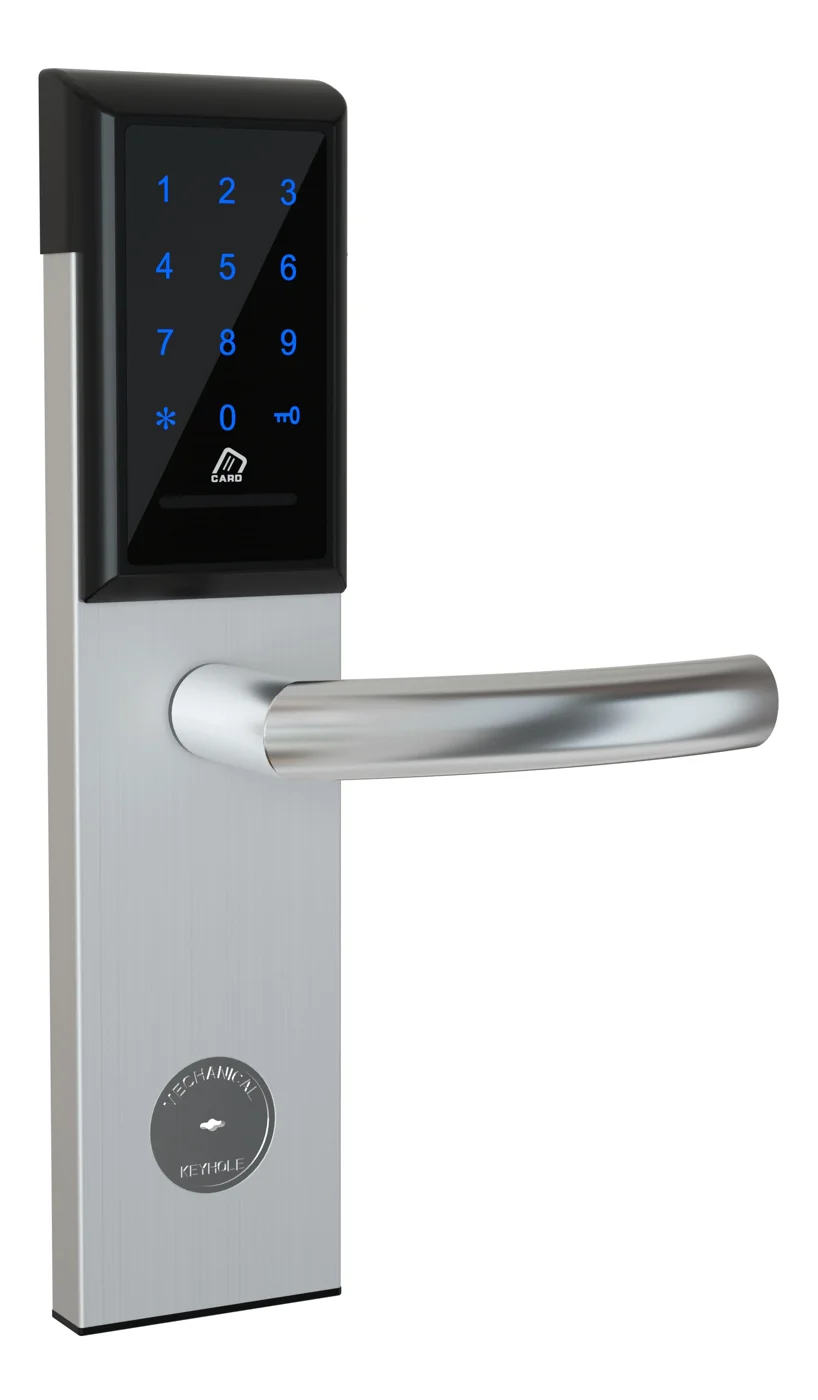
Office Cabinet Lock — PIN + Card for Filing & Pedestals
Offline PIN + card office cabinet lock for filing cabinets, pedestals, and drawers. Battery-powered 5-minute retrofit, no WiFi, no key management. CE/FCC/RoHS.
This page already points to it as the next recommended reference.
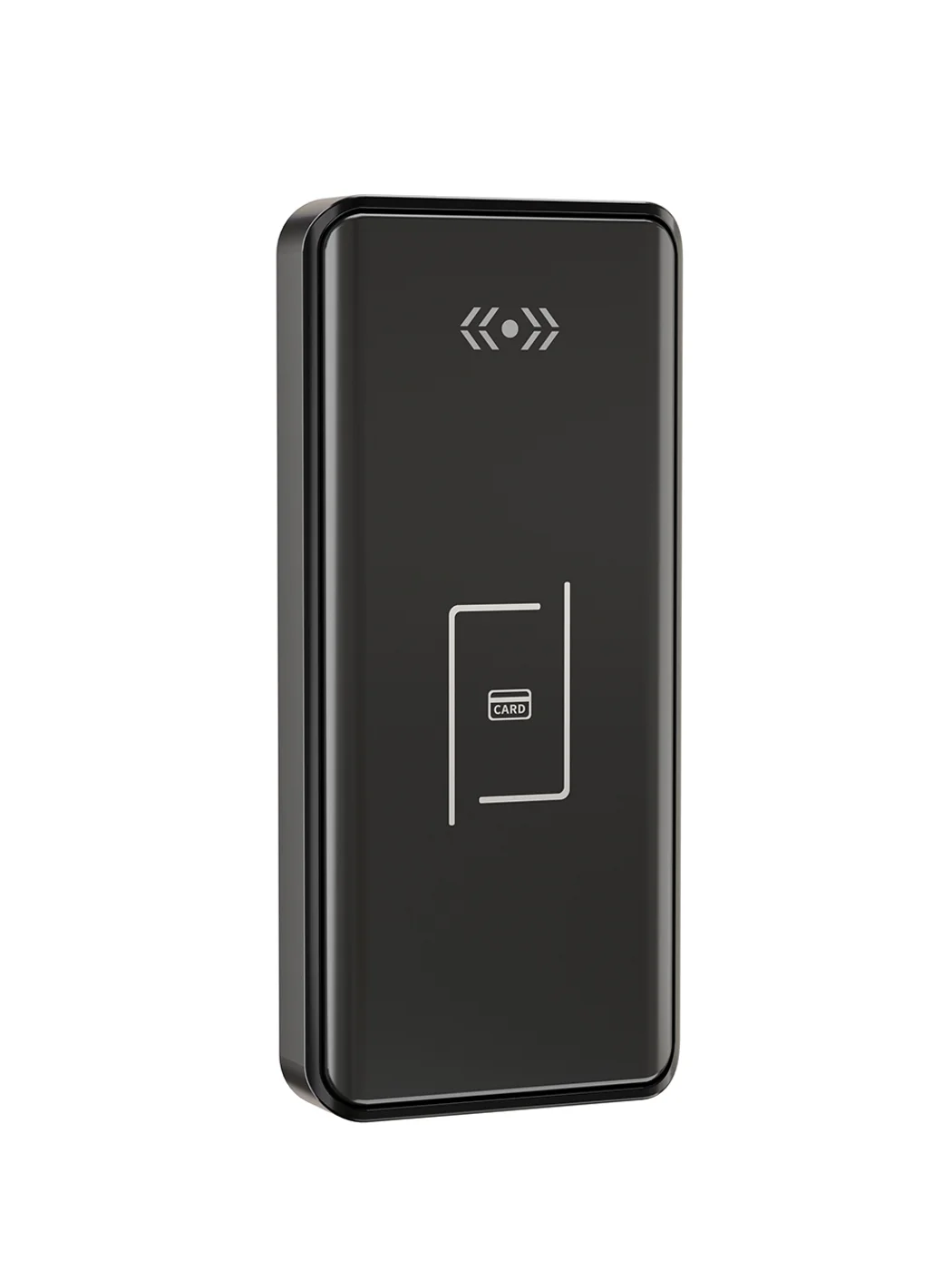
Gym Locker Lock — Offline Card, No WiFi Required
Offline card gym locker lock for fitness and pool lockers. MIFARE card, battery-powered 5-minute retrofit, no WiFi or server. Zinc alloy body, CE/FCC/RoHS.
This page already points to it as the next recommended reference.
Related blog posts
3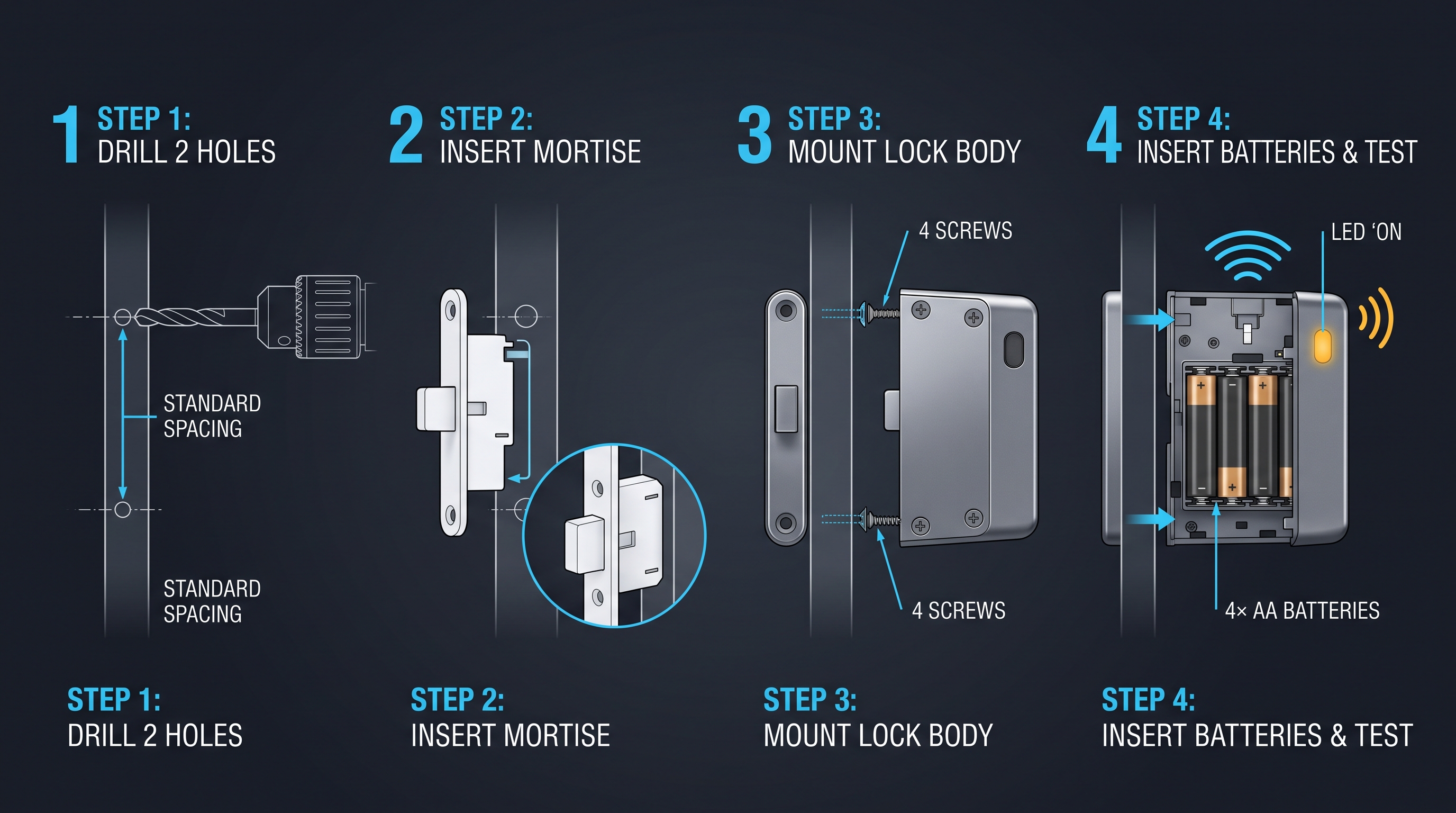
Electronic Cabinet Access: The Complete Guide to Digital Cabinet Entry
Electronic cabinet access replaces keyed locks with digital credentials, generating an access record and letting admins add or revoke users without touching hardware; this guide covers keypad, RFID, biometric, and connected electronic cabinet access methods.
It supports the same product context: Smart Cabinet Lock — App-Managed, Multi-Site Dashboard, Office Cabinet Lock — PIN + Card for Filing & Pedestals, Gym Locker Lock — Offline Card, No WiFi Required.
Display Cabinet Lock: The Complete Guide to Securing Glass Showcases and Retail Display Cabinets
Learn how a display cabinet lock secures glass showcases and retail displays. Compare electromagnetic, RFID, and keyed display cabinet lock types for any application.
It supports the same product context: Smart Cabinet Lock — App-Managed, Multi-Site Dashboard, Office Cabinet Lock — PIN + Card for Filing & Pedestals, Gym Locker Lock — Offline Card, No WiFi Required.
Electronic Access Cabinet: The Complete Guide to Smart Locking Enclosures
Explore electronic access cabinet systems with RFID, Bluetooth, PIN, and biometric control. Learn about powered enclosures for IT, healthcare, and evidence management.
It supports the same product context: Smart Cabinet Lock — App-Managed, Multi-Site Dashboard, Office Cabinet Lock — PIN + Card for Filing & Pedestals, Gym Locker Lock — Offline Card, No WiFi Required.
Specify your hotel project with our engineers
Send your room count, ceiling type, and protocol preference. We will return a sample plan and quote within 24 business hours.
- Move from general guidance into a product or application discussion.
- Use RFQ when pricing, drawings, MOQ, or launch timing needs structure.
- Keep a direct contact path visible for fast clarifications and handoff.