Employee Locker Lock Systems: The Definitive Guide for Workplace Security and Efficiency
A definitive guide to employee locker lock systems covering selection, installation, security, management software, compliance, and best practices for workplace locker security.
Understanding the Employee Locker Lock Landscape
The modern workplace demands security solutions that balance protection, convenience, and operational efficiency. Among the many considerations facility managers face, the employee locker lock stands out as a component with daily impact on workforce satisfaction and workplace security. Whether in corporate offices, manufacturing facilities, healthcare institutions, or retail environments, the employee locker lock serves as the primary guardian of personal belongings, uniforms, tools, and sensitive materials that employees entrust to their workplace storage.
The significance of the employee locker lock extends far beyond its modest physical footprint. A well-functioning employee locker lock system communicates organizational professionalism and respect for staff. When an employee locker lock fails, the consequences ripple through the organization: lost productivity during resolution attempts, diminished trust in facility management, and potential liability if valuable items are compromised. Conversely, an employee locker lock that operates reliably and intuitively becomes invisible infrastructure, supporting workplace routines without drawing attention to itself.
The employee locker lock market has evolved dramatically from the simple key-and-tumbler mechanisms that dominated workplace storage for generations. Today's facility managers choose from an array of employee locker lock technologies including electronic RFID systems, PIN-code interfaces, biometric authentication, and cloud-connected smart platforms. Each category of employee locker lock presents distinct trade-offs between security, cost, convenience, and administrative overhead. Understanding these options in depth enables informed decisions that serve both the organization's security requirements and its employees' daily needs.
This comprehensive guide examines every dimension of employee locker lock technology and practice. From foundational lock mechanics to emerging smart workplace trends, from installation methodologies to long-term maintenance strategies, the following sections provide the detailed knowledge required to navigate the employee locker lock landscape with confidence. Whether planning a new facility, upgrading legacy locker infrastructure, or optimizing existing employee locker lock operations, organizations of all sizes and types will find actionable insights in these pages.
Types of Employee Locker Lock Systems
The employee locker lock marketplace encompasses a diverse range of technologies, each suited to particular workplace contexts and operational requirements. The following taxonomy organizes employee locker lock systems by their core operating principles, credential mechanisms, and management capabilities.
Traditional Mechanical Employee Locker Lock Systems
Mechanical employee locker lock systems rely on physical mechanisms without electronic components. These employee locker lock solutions have served workplaces for over a century and continue to offer compelling advantages in specific applications.
Key-operated employee locker lock mechanisms employ a physical key that engages a cam lock, tubular lock, or lever lock to secure the locker door. The simplicity of this employee locker lock type translates to low initial cost, straightforward maintenance, and independence from power sources. In manufacturing environments where dust, vibration, and temperature extremes challenge electronic components, a mechanical employee locker lock often represents the most reliable option. However, key management burdens multiply rapidly with workforce size. A facility with five hundred employees using keyed employee locker lock systems must track, secure, and periodically rekey a corresponding number of keys, creating administrative overhead that erodes the initial cost advantage.
Built-in combination employee locker lock mechanisms integrate a resettable combination dial directly into the lock body. Employees set a personal code upon locker assignment and clear it upon departure or reassignment. This employee locker lock approach eliminates physical key management while preserving mechanical simplicity. Combination employee locker lock systems are widely used in fitness facilities, educational institutions, and workplaces with high locker turnover. The primary operational challenge involves uncleared combinations: when an employee leaves a code set on their employee locker lock after departure, staff must manually reset the mechanism before the locker can be reassigned.
Padlock-compatible employee locker lock configurations employ a hasp or latch designed to accept a padlock provided by the employee or issued by the employer. This employee locker lock approach transfers the locking mechanism selection and maintenance to the end user while providing flexibility for employees who prefer to use their own locks. The primary drawback is the lack of administrative control: facility managers cannot access lockers secured with personal employee locker lock padlocks without destructive entry, which complicates emergency access and abandoned locker resolution.
Electronic Employee Locker Lock Systems
Electronic employee locker lock technology has become the standard for organizations seeking to balance security, convenience, and administrative control. These employee locker lock systems replace mechanical tumblers and keys with microprocessor-controlled electronic actuators.
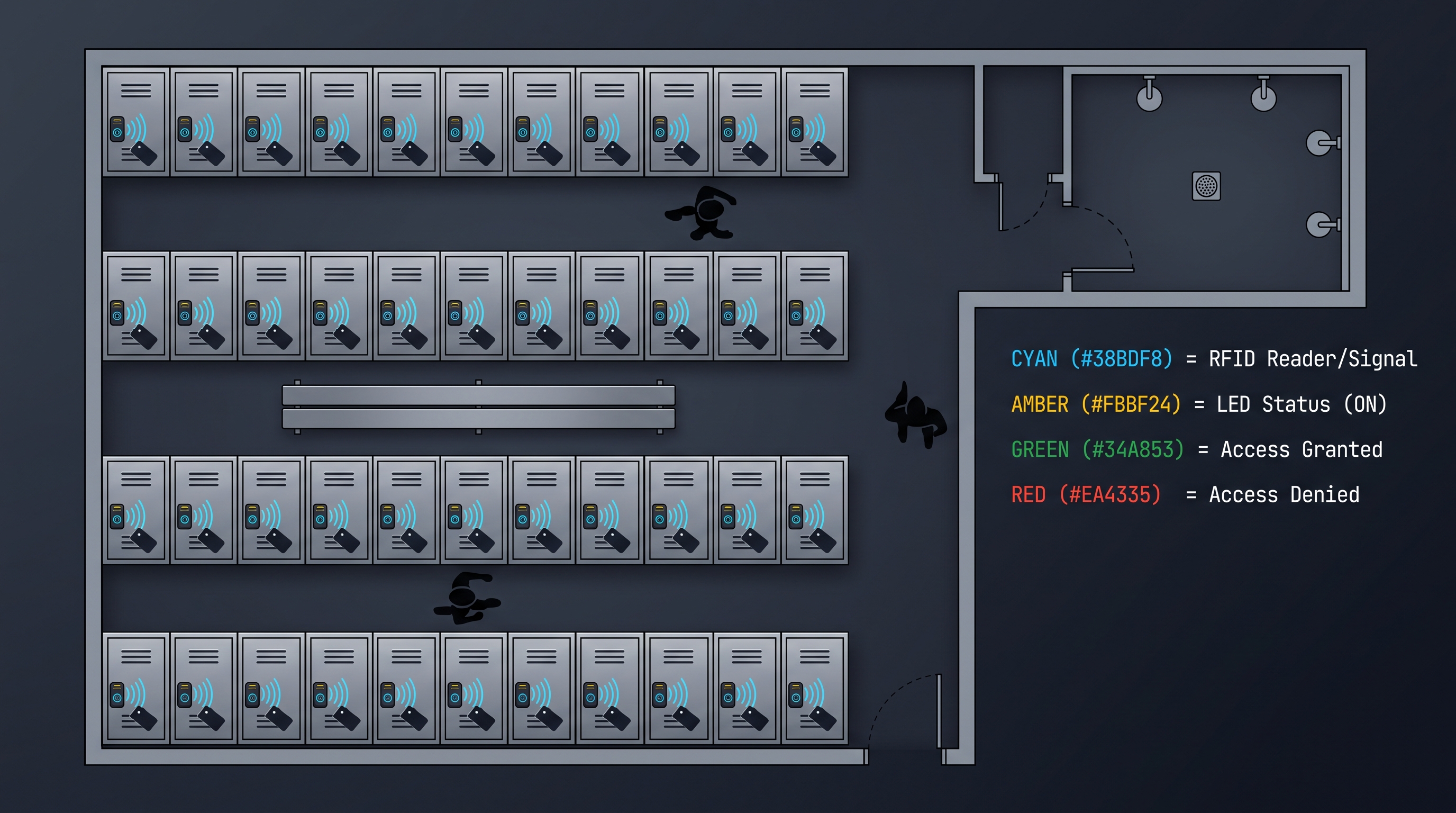
RFID electronic employee locker lock systems use radio-frequency identification to authenticate credentials presented by employees. Credentials take the form of cards, key fobs, or wristbands containing passive RFID tags that communicate with readers integrated into each employee locker lock unit. When an employee presents a valid credential, the employee locker lock solenoid or motor activates to release the locking bolt. RFID employee locker lock systems support sophisticated access policies, including time-restricted access windows, multi-factor authentication requirements, and instant credential revocation when an employee separates from the organization.
PIN-code electronic employee locker lock systems feature numeric keypads on each lock unit, allowing employees to secure their lockers using personal identification numbers. This employee locker lock approach eliminates credential management entirely, as no physical tokens require issuance, tracking, or recovery. PIN-code employee locker lock systems appeal to organizations seeking to minimize ongoing consumable costs. The user experience relies on employee memory, which introduces the potential for forgotten codes and corresponding service calls. However, well-designed PIN-code employee locker lock systems include administrative override capabilities that enable supervisors to access lockers when employees cannot recall their codes.
Keypad-plus-card hybrid employee locker lock configurations provide dual authentication options, accommodating both employee preference and operational continuity. An employee might typically use an RFID card for speed and convenience while having the fallback option of a PIN code if the card is misplaced. This employee locker lock redundancy enhances both user experience and operational resilience.
Biometric Employee Locker Lock Systems
Biometric employee locker lock technology authenticates users based on unique physiological characteristics, most commonly fingerprints. These employee locker lock systems offer the ultimate in credential convenience: the employee's body serves as the key, eliminating the possibility of lost, stolen, or forgotten credentials.
Fingerprint biometric employee locker lock units capture and store mathematical representations of fingerprint patterns rather than actual fingerprint images. When an employee places their finger on the employee locker lock sensor, the system compares the captured data against stored templates to verify identity. The enrollment process typically requires multiple finger placements to build a robust template that accommodates variations in finger position and pressure.
The primary advantage of biometric employee locker lock systems is the elimination of credential management overhead. Organizations avoid the costs of issuing, replacing, and tracking physical credentials. The security profile is strong, as biometric characteristics are inherently tied to the individual and cannot be shared, borrowed, or stolen in the conventional sense. However, biometric employee locker lock adoption must navigate privacy concerns, regulatory requirements for biometric data handling, and environmental factors that can affect sensor performance. Manufacturing environments where employees' fingerprints may be obscured by dirt, grease, or abrasion present particular challenges for biometric employee locker lock reliability.
Smart and Cloud-Connected Employee Locker Lock Systems
The smart employee locker lock category incorporates wireless connectivity, enabling remote management, real-time monitoring, and integration with broader workplace technology ecosystems. These employee locker lock systems transform locker infrastructure from isolated hardware into connected components of the digital workplace.
Wi-Fi-enabled employee locker lock systems communicate over the facility's wireless network with a central management platform. This architecture enables human resources and facilities teams to manage locker assignments through software interfaces rather than physical locker visits. When a new employee joins the organization, their employee locker lock assignment can be provisioned automatically through integration with the HR information system. When an employee departs, their employee locker lock access can be revoked instantly, and the locker can be queued for reassignment.
Bluetooth Low Energy employee locker lock systems leverage smartphone connectivity to enable app-based or digital wallet-based access. Employees receive digital credentials on their personal or corporate smartphones, which communicate with the employee locker lock via BLE to authenticate access. This employee locker lock approach aligns with the broader trend toward mobile-first workplace experiences and eliminates the need for dedicated credential hardware. However, reliance on employee smartphone battery life and application adoption rates introduces potential friction.
Cloud-managed employee locker lock platforms aggregate data from multiple lockers across one or many facilities, providing analytics on utilization patterns, occupancy trends, and maintenance requirements. Enterprise organizations with multiple locations can manage their entire employee locker lock estate from a single administrative console, ensuring consistent policies and experiences across the portfolio. Advanced platforms incorporate predictive maintenance capabilities that identify employee locker lock units exhibiting performance degradation before they fail.
Employee Locker Lock Selection Framework
Choosing the right employee locker lock system requires systematic evaluation across multiple dimensions. The following framework guides organizations through the employee locker lock selection process, ensuring that technical specifications, operational requirements, and employee experience considerations receive appropriate weight.
Security Assessment
The security requirements for an employee locker lock system derive from the value and sensitivity of items employees store in their lockers. In a corporate office environment, lockers typically contain personal effects such as bags, coats, and personal electronic devices. In a pharmaceutical manufacturing facility, employee locker lock systems may secure controlled substances, proprietary materials, or items subject to regulatory chain-of-custody requirements. In a defense or government facility, the employee locker lock may need to meet specific security standards for classified or sensitive material storage.
The threat model for an employee locker lock system should consider both external threats, such as unauthorized visitors or intruders, and internal threats, including opportunistic theft by coworkers or targeted access by individuals with malicious intent. The employee locker lock should resist common attack methods including picking, bumping, shimming, prying, and forced entry. Electronic employee locker lock systems should encrypt credential data and communication to prevent interception, cloning, or replay attacks.
Audit trail capability represents a significant security enhancement available with electronic employee locker lock systems. Each access event is logged with a timestamp and credential identifier, creating a forensic record that supports incident investigation and deters misuse. In regulated industries, employee locker lock audit trails may constitute required documentation for compliance purposes.
Workforce Demographics and User Experience
The characteristics of the workforce using the employee locker lock system profoundly influence the appropriate technology selection. Age demographics, technical literacy, physical capabilities, and cultural expectations all shape the user experience requirements for an employee locker lock deployment.
Workforces that include employees with varying levels of technical comfort benefit from employee locker lock interfaces that are intuitive and forgiving. An employee locker lock that requires navigating multi-level menus or remembering complex procedures will generate frustration and support calls when deployed to a general workforce population. The most successful employee locker lock implementations feature interfaces that align with familiar consumer technology paradigms: tap a card, enter a code, or present a finger.
Accessibility requirements for employee locker lock systems derive from regulations including the Americans with Disabilities Act and similar frameworks in other jurisdictions. Compliant employee locker lock installations must accommodate employees with mobility, visual, hearing, and cognitive impairments. Operable parts must be reachable and usable with one hand using minimal force. Visual and audible feedback should confirm employee locker lock status for users with sensory impairments. Employee locker lock selection should consider these requirements upfront rather than addressing them through costly accommodations after installation.
Environmental Conditions
The physical environment in which the employee locker lock operates influences both material selection and electronic design requirements. Employee locker rooms in office environments present relatively benign conditions with controlled temperature and humidity. Manufacturing facility locker rooms may expose employee locker lock systems to dust, vibration, chemical vapors, and temperature extremes. Outdoor locker installations, such as those at construction sites or transportation facilities, subject the employee locker lock to weather exposure, ultraviolet radiation, and wide temperature swings.
Corrosion resistance is a critical consideration for employee locker lock hardware in environments with elevated humidity or chemical exposure. Stainless steel construction, particularly marine-grade alloys, provides superior corrosion resistance compared to zinc-plated or painted steel finishes. Electronic employee locker lock units require sealed enclosures with appropriate ingress protection ratings to prevent moisture and particulate ingress. The IP rating system classifies protection levels: an employee locker lock rated IP65 provides complete dust protection and resistance to water jets, while IP67 adds immersion protection.
Temperature tolerance specifications for electronic employee locker lock systems must encompass the full range of conditions the units will experience. Battery performance degrades at low temperatures, and electronic components may malfunction or fail at extreme highs. The employee locker lock manufacturer's specified operating temperature range should be verified against actual environmental conditions, accounting for seasonal variations and localized heat sources such as nearby machinery or direct sunlight.
Administrative and Management Capabilities
The administrative overhead associated with an employee locker lock system directly impacts total cost of ownership and operational efficiency. Organizations should evaluate the management capabilities of each employee locker lock candidate against their specific operational workflows.
User enrollment and offboarding procedures should be efficient and supportable by existing staff. An electronic employee locker lock system that requires individual physical enrollment at each locker unit becomes impractical beyond a small number of lockers. Centralized enrollment through a management application, with credentials provisioned remotely to employee locker lock units, scales efficiently to hundreds or thousands of lockers.
Credential management capabilities vary significantly across employee locker lock platforms. Systems that support multiple credential types, such as existing employee ID badges, mobile devices, and dedicated locker credentials, maximize flexibility and minimize the proliferation of separate access tokens. The ability to instantly revoke individual credentials from the employee locker lock management system is essential for security maintenance when employees depart or when credentials are compromised.
Reporting and analytics capabilities of employee locker lock management platforms support data-driven facility management. Occupancy reports identify underutilized locker banks that might be repurposed or overutilized areas requiring expansion. Usage pattern data informs cleaning and maintenance scheduling. Anomaly detection algorithms in advanced employee locker lock platforms can identify unusual access patterns that may warrant investigation.
Employee Locker Lock Installation Guide
Proper installation of employee locker lock systems is foundational to long-term performance and reliability. The following sections detail the critical considerations and procedures for installing various types of employee locker lock hardware.
Pre-Installation Site Assessment
A thorough pre-installation assessment identifies compatibility issues and installation challenges before they become problems. The assessment should document the existing locker construction type, dimensions, and condition for every locker bank in the installation scope.
Locker door material and construction determine the mounting methodology for the employee locker lock. Metal locker doors typically accommodate a range of mounting hole configurations through drilling or punching. Wood and laminate locker doors require careful hole placement to avoid splitting or delamination. Plastic and phenolic locker materials may have specific temperature and tool requirements for employee locker lock mounting hole preparation.
Door thickness must be measured at each locker location and compared against the employee locker lock manufacturer's specification. Standard employee locker lock mechanisms accommodate door thicknesses in the range of sixteen to twenty-five millimeters. Doors outside this range may require spacer kits or extended components, which should be procured before installation begins.
The condition of existing locker doors, hinges, and frames affects employee locker lock installation quality. Doors that are bent, warped, or misaligned will not provide proper engagement with the employee locker lock strike plate, regardless of lock quality. Hinges that are worn or loose allow door sag that creates strike alignment problems. Any structural issues should be addressed before employee locker lock installation to ensure a stable foundation for the new hardware.
Mechanical Installation Procedures
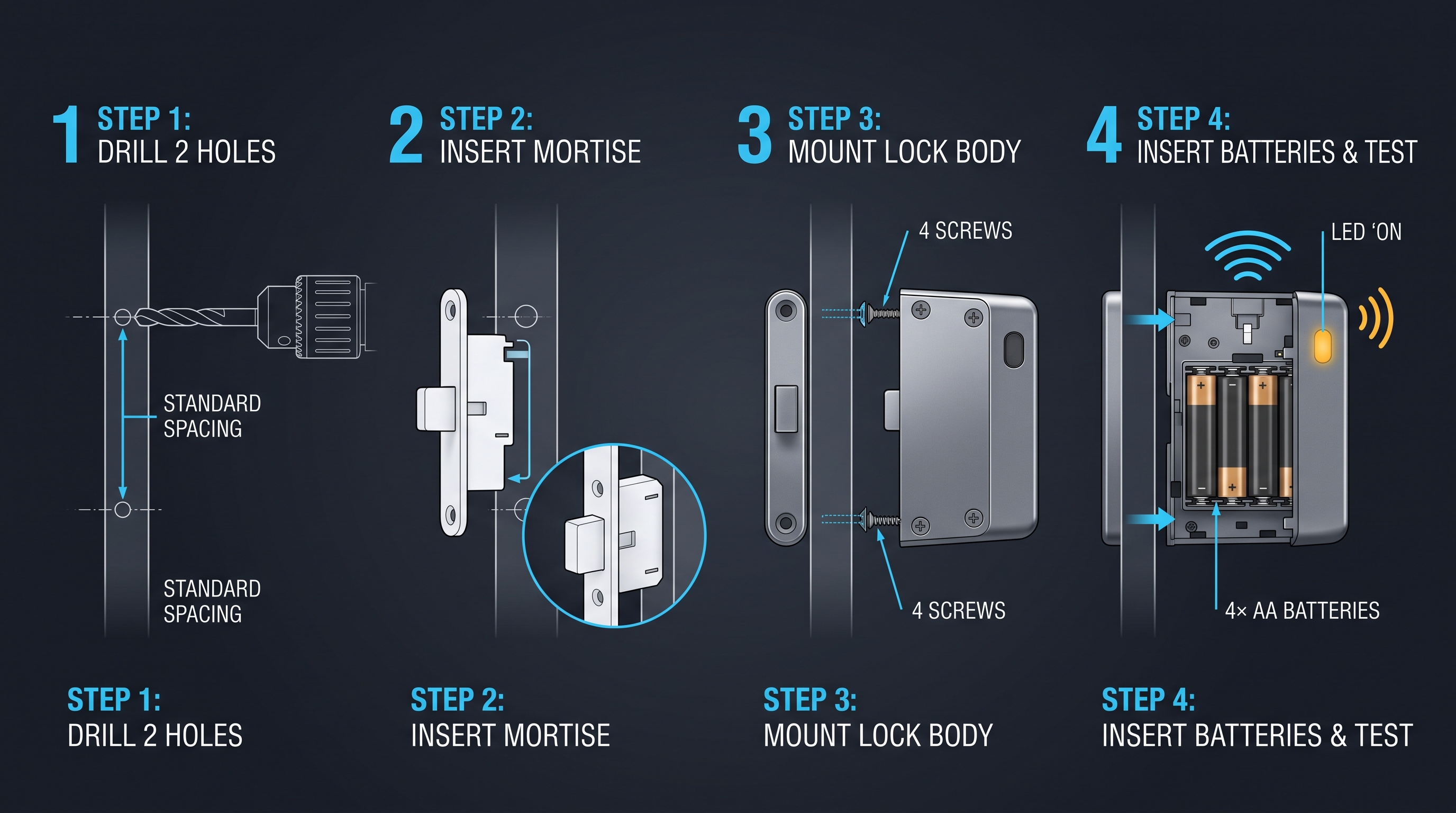
The mechanical installation of an employee locker lock proceeds through a defined sequence of operations that ensures proper alignment, secure mounting, and reliable operation.
The first step in employee locker lock installation is preparation of the mounting surface. Existing lock hardware is removed, and the door surface is cleaned to remove adhesive residue, corrosion, or debris. If the new employee locker lock mounting pattern differs from the existing holes, a plan must be developed for each door: adapter plates that cover the old holes while providing the new pattern, filling and refinishing of old holes followed by fresh drilling, or door replacement for severely damaged or incompatible doors.
Mounting hole location is critical for employee locker lock function. The lock body must be positioned such that the bolt or latch engages the strike plate on the frame without binding. Many employee locker lock manufacturers provide installation templates that simplify hole location. When templates are unavailable, careful measurement and marking using the lock body as a reference ensures consistent placement across all lockers in the installation.
The employee locker lock escutcheon or faceplate is mounted on the exterior of the locker door, with the lock body secured to the interior face. Fasteners pass through the door thickness to engage threaded bosses on the escutcheon. Tightening torque should be sufficient to secure the employee locker lock without deforming the door material. Thread-locking compounds applied to fasteners prevent loosening from vibration and repeated door operation.
Strike plate installation on the locker frame completes the mechanical employee locker lock installation. The strike must be positioned so the bolt extends and retracts freely without rubbing or binding. Adjustable strike plates provide fine-tuning capability for the final fit. After strike installation, full open-and-close cycling of the employee locker lock confirms proper operation before commissioning.
Electrical and Network Installation
Electronic employee locker lock installations require power and, for connected systems, data connectivity. The approach to power distribution significantly influences installation complexity and ongoing maintenance requirements.
Battery-powered electronic employee locker lock units offer the simplest installation path, requiring only mechanical mounting. No wiring runs to individual lockers, and no electrical infrastructure modifications are needed. Battery replacement becomes an ongoing maintenance activity, with typical battery life ranging from two to five years depending on the employee locker lock model and usage patterns. Facilities should establish battery replacement schedules based on manufacturer guidance and actual depletion rates observed in the specific installation.
Hardwired electronic employee locker lock systems eliminate battery maintenance by providing continuous power to each lock unit. Low-voltage wiring, typically twelve or twenty-four volts DC, runs from centralized power supplies to individual employee locker lock units. In new construction, this wiring is integrated into the building infrastructure during framing and finishing. Retrofit installations require surface-mounted raceway, conduit, or wire molding that may compromise locker room aesthetics. Power-over-Ethernet employee locker lock solutions consolidate power and data connectivity into standard network cabling, reducing the number of wire runs and leveraging existing IT infrastructure.
Wireless employee locker lock systems using battery power with RF communication provide the best balance of installation simplicity and connectivity. These employee locker lock units communicate wirelessly with centralized gateways or directly with the facility's Wi-Fi network. Installation is primarily mechanical, with network commissioning performed through software configuration. Wireless coverage must be verified throughout the locker room, and gateway placement should ensure reliable communication with every employee locker lock unit, accounting for the signal attenuation caused by metal locker construction.
Commissioning and System Configuration
After physical installation, employee locker lock systems require commissioning to configure operational parameters, enroll administrative users, and verify proper function across all units.
Electronic employee locker lock commissioning begins with power-up and initialization of each lock unit. The management system discovers connected employee locker lock devices and populates the administrative interface with the installed inventory. Each employee locker lock unit is assigned a logical identifier that maps to its physical location, enabling staff to quickly locate lockers when assistance is required.
Credential enrollment follows device commissioning. Administrator credentials with override privileges are enrolled first, ensuring that staff can access any employee locker lock in the event of user lockout or emergency. User enrollment procedures are configured according to organizational policy: self-enrollment at the employee locker lock unit, centralized enrollment at a dedicated station, or automated enrollment through integration with HR systems.
Testing and validation complete the employee locker lock commissioning process. Every lock unit should be tested with multiple credential types to verify recognition, locking, and unlocking function. Audit log generation should be confirmed. Network connectivity and management system communication should be validated for every connected employee locker lock. A commissioning report documenting test results provides a baseline for ongoing maintenance and troubleshooting.
Employee Locker Lock Management Best Practices
Effective management of employee locker lock systems transforms locker infrastructure from a reactive operational burden into a proactive asset that supports workplace efficiency and security.
Locker Assignment Policies
Clear policies governing employee locker lock assignment establish expectations and prevent conflicts. Organizations should define criteria for locker eligibility, assignment procedures, duration limits, and relinquishment requirements.
Day-use employee locker lock assignment policies suit workplaces where employees do not require permanent storage. Lockers are assigned on a first-come basis each day and must be cleared by the end of the shift. Electronic employee locker lock systems with automatic time-based release enforce day-use policies without staff intervention, ensuring lockers are available each morning regardless of whether previous users cleared them.
Long-term employee locker lock assignment policies provide stable storage for employees who require ongoing access, such as those storing uniforms, tools, or reference materials. Assignment records maintained in the employee locker lock management system track which employee occupies each locker, when the assignment began, and any relevant notes. Periodic audits verify that assigned lockers remain in active use and that departed employees' lockers have been reclaimed.
Hoteling or hot-desking employee locker lock models align with flexible workplace strategies. Employees reserve lockers through a management application for specific days or shifts, with the employee locker lock system automatically granting access during the reserved period and releasing the locker afterward. This employee locker lock approach maximizes utilization by matching locker inventory to actual daily demand rather than dedicating lockers to individuals regardless of attendance frequency.
Credential Management
Credential lifecycle management is central to employee locker lock security and operational efficiency. From issuance through revocation, every credential associated with the employee locker lock system must be tracked and controlled.
Credential issuance procedures should verify employee identity before associating a credential with an individual in the employee locker lock management system. Integration with the organization's identity management or human resources system enables automated provisioning when employee records are created and automated revocation upon separation. This employee locker lock integration eliminates the manual credential management tasks that consume staff time and introduce security gaps.
Lost or stolen credential procedures enable rapid response to security incidents. The employee locker lock management system should support immediate credential deactivation through an administrative interface accessible to authorized personnel. The affected employee should be re-credentialed promptly, and the employee locker lock assigned to them should be checked for signs of unauthorized access.
Periodic credential audits verify that active credentials in the employee locker lock system correspond to currently employed individuals with valid locker assignments. Dormant credentials that have not been used for an extended period should be investigated and deactivated if no longer needed. Credential audit reports support compliance documentation requirements in regulated industries.
Maintenance and Support
A proactive maintenance program for employee locker lock systems extends equipment life, maintains security integrity, and minimizes employee-facing disruptions.
Scheduled maintenance inspections for employee locker lock units should occur at intervals appropriate to usage intensity and environmental conditions. A quarterly inspection cycle suits most workplace applications, with higher frequency for high-traffic employee locker lock installations or units in challenging environments. Each inspection should include functional testing, visual examination for wear or corrosion, battery level verification for electronic units, fastener torque check, and lubrication of mechanical components as specified by the manufacturer.
Support procedures for employee locker lock issues should enable rapid resolution of employee-facing problems. A tiered support model directs common issues such as forgotten codes or misplaced credentials to front-line staff with appropriate system access, while escalating complex technical issues to facilities or IT personnel. The employee locker lock management system should support remote diagnostics and troubleshooting to minimize the need for physical locker visits.
Spare parts inventory for employee locker lock systems ensures rapid repair capability. Critical spares including electronic lock modules, batteries, strike plates, and mounting hardware should be maintained at quantities proportional to the installed base. The employee locker lock manufacturer's estimated failure rates and lead times for replacement parts inform appropriate inventory levels.
Employee Locker Lock Security Architecture
The security architecture of an employee locker lock system encompasses the physical lock mechanism, the credential authentication system, the communication infrastructure, and the management platform. A defense-in-depth approach ensures that compromise of any single component does not defeat the overall security posture.
Physical Security
The physical security of an employee locker lock begins with the lock body construction and mounting. A high-security employee locker lock mechanism mounted in a flimsy locker door provides illusory protection. The locker door material, thickness, hinge construction, and frame integrity all contribute to the overall security provided by the employee locker lock system.
Bolt throw distance, the length that the locking bolt extends into the strike plate, is a key physical security parameter for an employee locker lock. Longer bolt throws, typically ten millimeters or more, provide greater resistance to prying and door flexing attacks than shorter throws. The bolt material and cross-section influence resistance to cutting or sawing attacks. Hardened steel bolts with substantial cross-sections in the employee locker lock assembly resist these physical attacks.
Anti-tamper features integrated into the employee locker lock design detect and respond to physical attack attempts. Tamper switches that trigger alarms when the employee locker lock escutcheon is pried or drilled provide active defense. Electronic employee locker lock systems can log tamper events and alert security personnel through the management platform.
Electronic Security
The electronic security of an employee locker lock system protects credential data, communication, and access control logic from interception, manipulation, and unauthorized access.
Credential data encryption protects sensitive information stored on RFID cards, in mobile devices, and within the employee locker lock management database. Industry-standard encryption algorithms with appropriate key lengths resist brute-force attacks. Key management practices, including regular key rotation and secure key storage, maintain encryption effectiveness over the employee locker lock system lifecycle.
Communication security between employee locker lock components prevents eavesdropping and man-in-the-middle attacks. Wireless communication between credentials and employee locker lock readers, between lock units and gateways, and between gateways and management servers should all be encrypted. Protocols such as TLS for network communication and AES for credential authentication provide established security frameworks for employee locker lock systems.
Access control within the employee locker lock management platform restricts administrative functions to authorized personnel. Role-based access control assigns permissions appropriate to job functions: front-line staff may have locker assignment and release capability, while system administration functions are reserved for IT or security personnel. Multi-factor authentication for administrative access to the employee locker lock management platform adds a critical security layer.
Employee Locker Lock Cost Analysis
A comprehensive cost analysis for employee locker lock systems considers the full lifecycle of ownership, from initial acquisition through ongoing operation to eventual replacement or upgrade.
Initial Investment Components
The initial investment in an employee locker lock system encompasses hardware, infrastructure, software, and installation costs. Understanding each component's contribution to total initial cost enables accurate budgeting and comparison between alternatives.
Employee locker lock hardware costs vary significantly by technology type and feature set. Basic mechanical key-operated employee locker lock units range from fifteen to fifty dollars per lock. Combination mechanical employee locker lock units range from thirty to eighty dollars. Electronic RFID employee locker lock units range from eighty to two hundred dollars. Advanced biometric employee locker lock units range from two hundred to five hundred dollars or more.
Infrastructure costs for electronic employee locker lock systems include communication gateways, network infrastructure, power supplies, and server hardware or cloud subscription fees. These system-level costs are amortized across the total number of employee locker lock units in the installation, resulting in lower per-unit infrastructure costs for larger deployments.
Installation labor for employee locker lock systems depends on the complexity of the installation and the condition of the existing lockers. Mechanical employee locker lock replacement in prepared doors may require as little as fifteen minutes per unit. Electronic employee locker lock installation with wiring, networking, and commissioning can require thirty to sixty minutes per unit or more. Professional installation by qualified technicians ensures proper function and preserves manufacturer warranty coverage.
Ongoing Operational Costs
Ongoing costs for employee locker lock operation include maintenance labor, replacement parts, consumables such as batteries, software subscription fees, and the administrative labor associated with locker management.
Maintenance labor for employee locker lock systems varies with technology type. Mechanical employee locker lock systems require periodic lubrication, adjustment, and key-related maintenance. Electronic employee locker lock systems require battery replacement, reader cleaning, and occasional electronic component replacement. Smart employee locker lock systems add software maintenance and cybersecurity updates to the maintenance burden.
Battery costs for electronic employee locker lock units represent a recurring expense that should be factored into operational budgets. For a facility with two hundred battery-powered electronic employee locker lock units, each consuming a battery costing five dollars every three years, the annual battery cost is approximately three hundred thirty dollars. While modest, this cost compounds over the employee locker lock system lifecycle and should not be overlooked.
Software subscription fees for cloud-connected employee locker lock platforms typically follow a per-lock-per-month pricing model. Fees vary by vendor and feature tier, ranging from approximately fifty cents to three dollars per employee locker lock per month. These fees support ongoing software development, security updates, cloud infrastructure, and technical support.
Return on Investment Analysis
Return on investment for an employee locker lock upgrade depends on the specific operational improvements and cost reductions achieved. Organizations transitioning from mechanical key systems to electronic employee locker lock platforms typically realize savings in several categories.
Labor savings from reduced locker management activities represent the largest ROI component for most organizations. Automated employee locker lock assignment and release eliminate the manual processes of key distribution, tracking, and recovery. Organizations that previously dedicated staff to key management may redeploy those hours to higher-value activities.
Loss reduction from improved security contributes to employee locker lock ROI. Better security reduces theft incidents and the associated costs of investigation, reimbursement, and morale impact. The deterrent effect of audit trail capability in electronic employee locker lock systems should not be underestimated.
Employee satisfaction improvements from a modern employee locker lock system contribute to retention and recruitment. While difficult to quantify precisely, reduced turnover and improved workplace perception deliver real economic benefits over time.
Employee Locker Lock Compliance and Regulatory Requirements
Employee locker lock systems operate within a framework of regulations, standards, and organizational policies that influence selection, installation, and operation.
Workplace Safety Regulations
The Occupational Safety and Health Administration establishes requirements for workplace safety that indirectly affect employee locker lock systems. Lockers must not create hazards such as tipping risks, obstruction of egress paths, or interference with emergency equipment. Employee locker lock systems must not impede emergency access to lockers when required for safety investigations or hazard control.
Fire safety codes may impose requirements on employee locker lock systems related to egress and emergency access. Lockers must not be secured in a manner that could trap an occupant, and employee locker lock designs should enable emergency access by authorized personnel. Some jurisdictions require integration between employee locker lock systems and fire alarm systems, automatically unlocking lockers upon alarm activation.
Accessibility Compliance
The Americans with Disabilities Act establishes requirements for accessible design that apply to employee locker lock installations. A percentage of lockers in each bank must be accessible, with employee locker lock operating mechanisms mounted at compliant heights and operable with limited force.
Accessible employee locker lock specifications include: operable parts mounted between thirty-four and forty-eight inches above the finished floor; operation possible with one hand without tight grasping, pinching, or twisting of the wrist; maximum operating force of five pounds; and clear floor space providing adequate maneuvering clearance. Electronic employee locker lock systems with large, high-contrast displays and audible feedback enhance accessibility beyond minimum requirements.
Data Privacy Regulations
Electronic employee locker lock systems that collect, store, or process personal data must comply with applicable privacy regulations. The General Data Protection Regulation in the European Economic Area establishes comprehensive requirements for personal data handling, including biometric data used by some employee locker lock systems.
Biometric employee locker lock data is classified as special category data under GDPR, requiring explicit consent, documented legitimate purpose, data protection impact assessment, and appropriate technical and organizational security measures. Employee locker lock system operators must understand and comply with these requirements when deploying biometric authentication.
State-level privacy regulations in the United States, including the California Consumer Privacy Act and similar laws in other states, impose disclosure, access, and deletion obligations on operators of employee locker lock systems that collect personal information. Organizations should consult legal counsel to ensure compliance with applicable regulations.
Employee Locker Lock Case Studies
Corporate Headquarters Employee Locker Lock Modernization
A Fortune 500 company undertook a comprehensive employee locker lock modernization as part of its headquarters renovation. The existing mechanical key system served twelve hundred lockers across four floors, with key management consuming approximately twenty staff hours per week. Lost key incidents averaged thirty per month, each requiring lock rekeying and key replacement at an average cost of forty-five dollars per incident.
The company selected an RFID electronic employee locker lock system integrated with the existing employee badge infrastructure. Employees use their standard corporate ID badges to access assigned lockers, eliminating the need for separate locker credentials. The employee locker lock management system integrates with the HR information system for automated provisioning and deprovisioning.
Results after eighteen months: key management labor eliminated, saving approximately twenty staff hours weekly. Lost credential incidents reduced to near zero, as employees are more likely to notice and report a missing corporate ID badge than a dedicated locker key. Employee satisfaction with locker room experience improved significantly in annual engagement surveys. The project achieved full return on investment within twenty-two months.
Manufacturing Facility Employee Locker Lock Upgrade
A manufacturing facility with eight hundred production employees upgraded from padlock-compatible employee locker lock hasps to an electronic PIN-code system. The primary drivers were the high frequency of abandoned locks on lockers after employee departure or shift change, and the associated labor cost of cutting abandoned locks and clearing lockers for reassignment.
The facility selected heavy-duty PIN-code employee locker lock units designed for industrial environments, with sealed keypads resistant to dust and moisture. Employees set personal codes upon locker assignment, with time-based automatic release ensuring lockers are available for incoming shifts regardless of whether departing employees cleared their codes.
Results after twelve months: locker clearing labor reduced by ninety percent. Locker availability for shift-change turnover improved dramatically, eliminating the morning bottleneck that previously delayed production start. The employee locker lock system's audit trail capability supported investigation of two locker security incidents that would have been unresolvable with the previous padlock system.
Healthcare Institution Employee Locker Lock Standardization
A regional hospital system standardized employee locker lock systems across three facilities, transitioning from a mixed inventory of aging mechanical locks to a unified electronic platform. The primary objectives were improving security for personal belongings in public-accessible areas, reducing the administrative burden of managing different employee locker lock types, and supporting infection control through contactless access.
The hospital system selected RFID employee locker lock units with antimicrobial surfaces and IP65-rated sealed enclosures that withstand frequent cleaning with hospital-grade disinfectants. The contactless RFID operation supports infection control by eliminating the touch points associated with keypads or mechanical mechanisms.
Results after twenty-four months: unified employee locker lock management across all facilities from a single administrative console. Security incidents in locker rooms reduced by seventy percent. Infection control audit scores for locker room areas improved. Staff satisfaction with the new employee locker lock system was consistently high, with particular appreciation for the hygienic contactless operation.
Employee Locker Lock Frequently Asked Questions
What is the most cost-effective employee locker lock for a small business? For small businesses with fewer than fifty employees, mechanical combination employee locker lock systems offer the best balance of cost and functionality. These employee locker lock units require no wiring, no batteries, and no management software, while eliminating the key management burden of keyed systems. Per-unit costs range from thirty to eighty dollars for quality combination employee locker lock mechanisms.
How do I choose between battery-powered and hardwired employee locker lock systems? The choice between battery-powered and hardwired employee locker lock systems depends on installation context and maintenance preferences. Battery-powered employee locker lock units simplify installation, particularly in retrofit applications where running wires to each locker would be invasive and expensive. Hardwired employee locker lock systems eliminate battery replacement maintenance but require electrical infrastructure. For new construction with accessible wiring pathways, hardwiring provides long-term maintenance advantages. For retrofit applications, battery-powered wireless employee locker lock systems offer compelling simplicity.
Can employee locker lock systems integrate with our existing access control platform? Many enterprise-grade employee locker lock platforms offer integration capabilities with major access control systems. Integration typically occurs through API connections or standardized protocols that enable the access control system to provision credentials, manage access rights, and collect audit data from employee locker lock devices. The specific integration capabilities vary by manufacturer and should be verified during the employee locker lock selection process.
What is the typical service life of an electronic employee locker lock? Electronic employee locker lock units in standard workplace environments typically provide five to ten years of reliable service. Factors affecting service life include usage frequency, environmental conditions, build quality, and maintenance practices. High-traffic employee locker lock units experiencing hundreds of cycles daily will reach end of life sooner than lightly used units. Battery-powered employee locker lock units may require electronic module replacement or refurbishment after five to eight years.
How do we handle abandoned lockers secured with an employee locker lock? Electronic employee locker lock management systems provide administrative override capabilities that enable authorized staff to unlock any locker after appropriate verification. Organizations should establish clear policies defining the circumstances and authorization requirements for administrative overrides of employee locker lock systems. The policy should balance employee privacy rights against operational necessity and should be communicated to employees during onboarding.
Conclusion: Strategic Investment in Employee Locker Lock Systems
The employee locker lock represents a point of daily interaction between employees and their workplace environment. A well-chosen and properly managed employee locker lock system operates invisibly, supporting workplace routines without calling attention to itself. An inadequate employee locker lock generates friction, frustration, and security concerns that ripple through the organization.
The evolution from mechanical to electronic to connected employee locker lock technology reflects broader trends in workplace digitalization. Organizations that invest in modern employee locker lock platforms gain operational efficiencies through automated management, security enhancements through audit trail and access control capabilities, and employee experience improvements through intuitive, reliable access. These benefits compound over time, delivering returns that extend well beyond the locker room.
For facility managers, human resources professionals, and security directors evaluating employee locker lock options, the decision framework should prioritize total cost of ownership over initial purchase price, employee experience over administrative convenience, and long-term reliability over feature count. An employee locker lock system selected and implemented according to these principles will serve as a durable foundation for workplace security and efficiency.
The employee locker lock market continues to innovate, with advances in mobile credentials, biometric authentication, and cloud-based management expanding the possibilities for workplace locker security. Organizations that stay informed about these developments and make strategic employee locker lock investments position themselves to meet evolving workforce expectations and operational requirements in an increasingly digital workplace.
This definitive guide to employee locker lock systems was developed by Hotel Device to support organizations in making informed decisions about workplace locker security. For specific product recommendations, technical specifications, or employee locker lock installation guidance, consult with qualified security hardware professionals who can assess your organization's unique requirements.
Not sure which sensor fits your project?
Talk to our mmWave application engineers for a free consultation.
Find the right presence sensor for your hotel project
Compare the 3 protocols, check hotel-specific case studies, and download the installation guide
Related products
3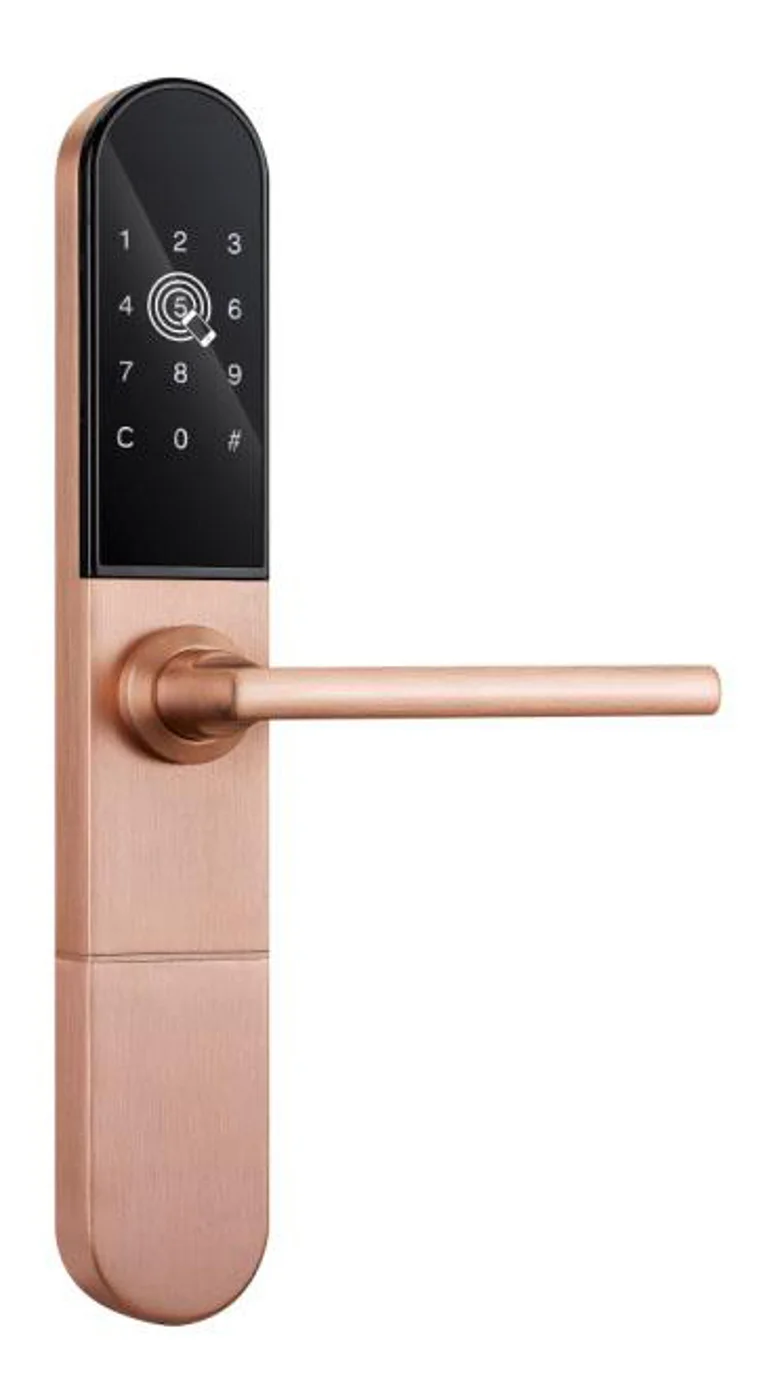
Smart Cabinet Lock — App-Managed, Multi-Site Dashboard
App-managed smart cabinet lock for office, parcel, and multi-site fleets. BLE app dashboard, audit trail, remote unlock, no per-lock server. Higher-tier chassis.
This page already points to it as the next recommended reference.
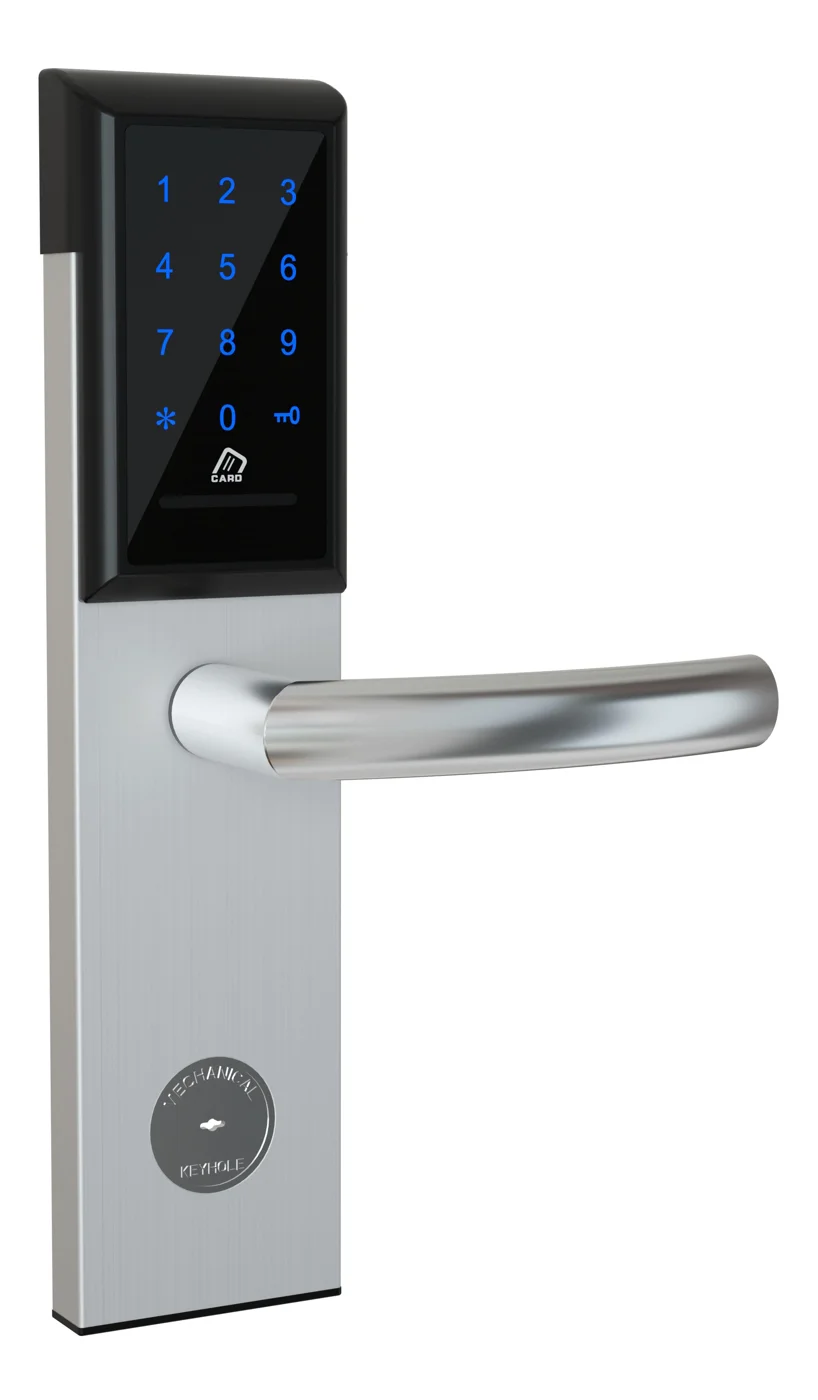
Office Cabinet Lock — PIN + Card for Filing & Pedestals
Offline PIN + card office cabinet lock for filing cabinets, pedestals, and drawers. Battery-powered 5-minute retrofit, no WiFi, no key management. CE/FCC/RoHS.
This page already points to it as the next recommended reference.
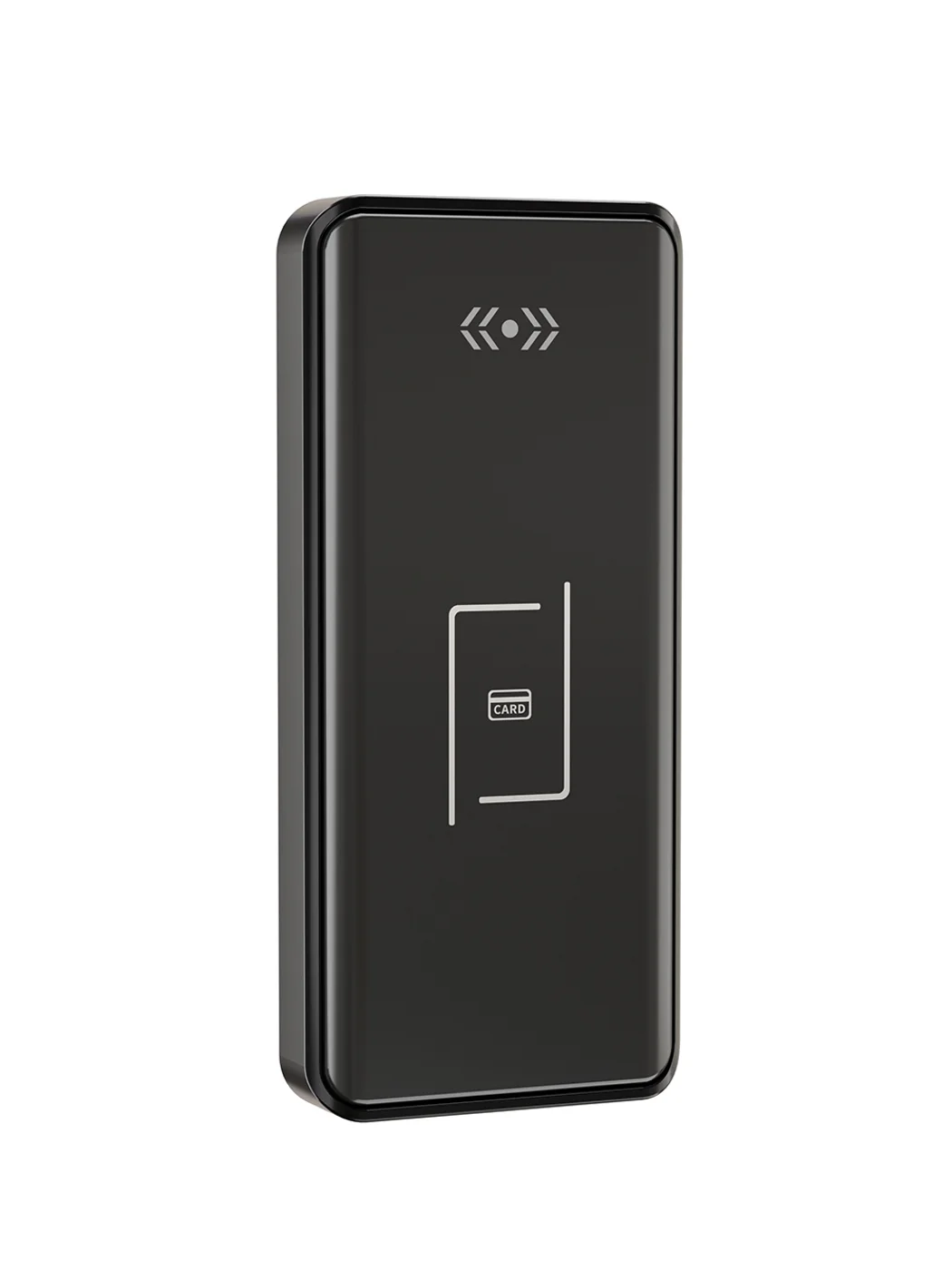
Gym Locker Lock — Offline Card, No WiFi Required
Offline card gym locker lock for fitness and pool lockers. MIFARE card, battery-powered 5-minute retrofit, no WiFi or server. Zinc alloy body, CE/FCC/RoHS.
This page already points to it as the next recommended reference.
Related blog posts
3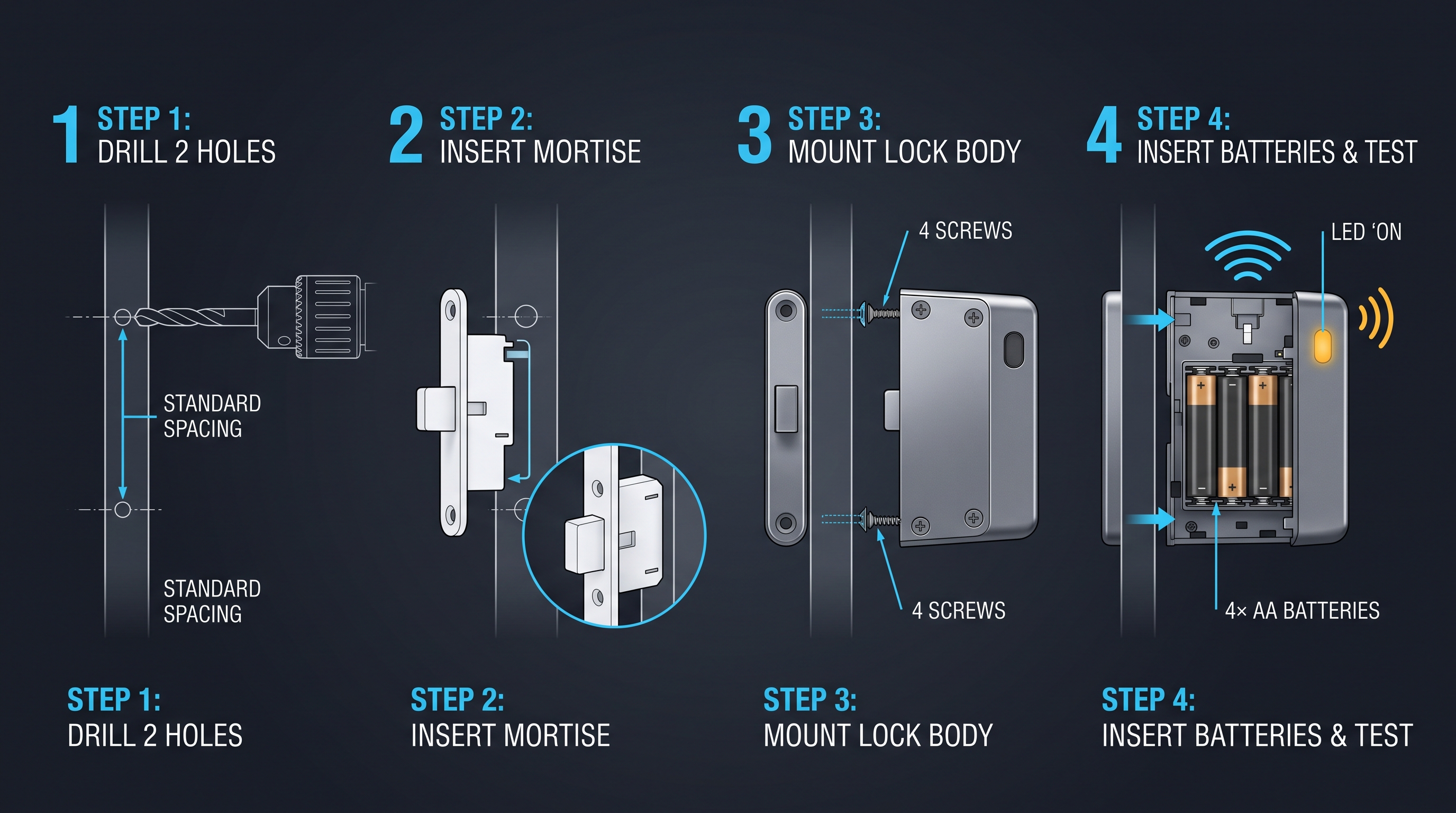
EMS Cabinet Lock: DEA-Compliant Drug Security for Paramedic Vehicles
EMS cabinet lock guide covering DEA Schedule II compliance, dual-authentication, tamper-evidence, audit trail, vehicle power, and ePCR integration for ambulance fleets.
It supports the same product context: Smart Cabinet Lock — App-Managed, Multi-Site Dashboard, Office Cabinet Lock — PIN + Card for Filing & Pedestals, Gym Locker Lock — Offline Card, No WiFi Required.
The Complete Guide to Emergency Cabinet Locks for AEDs, First Aid, Fire Extinguishers, and Trauma Kits
Learn everything about emergency cabinet locks: break-glass vs solenoid vs motorized latches, tamper alarms, remote alerts, ADA compliance, battery life, and deployment across schools, offices, gyms, transit, and aircraft.
It supports the same product context: Gym Locker Lock — Offline Card, No WiFi Required.
Electronic Wardrobe Lock: The 2026 Guide to Smart Wardrobe Security
Explore electronic wardrobe lock technology with RFID, fingerprint, and app options for wardrobes, closets, and armoires in homes, hotels, offices, and gyms.
It supports the same product context: Gym Locker Lock — Offline Card, No WiFi Required.
Specify your hotel project with our engineers
Send your room count, ceiling type, and protocol preference. We will return a sample plan and quote within 24 business hours.
- Move from general guidance into a product or application discussion.
- Use RFQ when pricing, drawings, MOQ, or launch timing needs structure.
- Keep a direct contact path visible for fast clarifications and handoff.