The Complete Guide to Emergency Cabinet Locks for AEDs, First Aid, Fire Extinguishers, and Trauma Kits
Learn everything about emergency cabinet locks: break-glass vs solenoid vs motorized latches, tamper alarms, remote alerts, ADA compliance, battery life, and deployment across schools, offices, gyms, transit, and aircraft.
What Is an Emergency Cabinet Lock?
An emergency cabinet lock is a specialized locking mechanism designed for cabinets that store life-safety equipment such as AEDs/defibrillators, first aid kits, oxygen tanks, fire extinguishers, emergency drug supplies, and trauma bags. Unlike standard cabinet locks that prioritize security against theft, an emergency cabinet lock must balance tamper protection with rapid access — typically under five seconds — because every second of delay in an emergency directly reduces survival probability. Clinical data shows that for cardiac arrest, survival decreases by 7 to 10 percent for each minute defibrillation is delayed, making access speed the single most critical design parameter. Current draw varies by mechanism: passive break-glass locks require zero power (0 mA, 0 V), active solenoid locks draw 500 to 2000 mA momentarily at 12 or 24 VDC, and motorized latch emergency cabinet lock mechanisms consume 100 to 300 mA at 6 to 12 VDC. Battery life ranges from indefinite (mechanical) to one to five years (electronic), and costs span $15 to $60 for break-glass emergency cabinet lock units, $80 to $250 for solenoid emergency cabinet lock models, and $150 to $500 for motorized latch emergency cabinet lock units with integrated telemetry. Certifications commonly include UL listing, NFPA 101 (Life Safety Code), OSHA accessibility guidelines, and ADA reach-range compliance. This guide covers every aspect of the emergency cabinet lock category, distinguishing it from narrowly focused AED-cabinet articles by addressing the full spectrum of emergency equipment storage.
Why Access Speed Defines the Emergency Cabinet Lock
The fundamental tension in every emergency cabinet lock is the conflict between security and speed. Standard locks prioritize preventing unauthorized access, theft, or vandalism. An emergency cabinet lock must do all of that while guaranteeing that a stressed, possibly untrained user can open the cabinet in under five seconds during a crisis. This access-time ceiling is not arbitrary. Emergency response guidelines from the American Heart Association and the National Fire Protection Association emphasize that delayed access to life-safety equipment directly worsens patient outcomes. For every minute that defibrillation is delayed after sudden cardiac arrest, survival probability declines by 7 to 10 percent. After five minutes, survival drops below 50 percent; after ten minutes, it approaches zero. The same urgency applies to severe bleeding, airway obstruction, and fire events. An emergency cabinet lock that takes longer than five seconds to defeat may cost a life before the cabinet even opens.
This speed requirement shapes every design decision in an emergency cabinet lock, from the choice of locking mechanism to the type of alarm system, the power source, and the mounting height. The Americans with Disabilities Act further requires that an emergency cabinet lock mounted on a wall be reachable by wheelchair users, mandating a maximum forward reach of 48 inches and a side reach of 54 inches. Signage must be high-contrast, universally understood (often using the international symbol of access or a red cross), and visible from multiple approach angles. The emergency cabinet lock is not merely a hardware product — it is the interface between a frantic bystander and the equipment that can save a life, and every component of that interface must be optimized for speed under stress.
Break-Glass Emergency Cabinet Lock Systems
A break-glass emergency cabinet lock is the most widely deployed access mechanism for emergency equipment storage. It operates on a purely mechanical principle: a frangible element, typically a thin glass pane or a resettable plastic frangible panel, must be struck with sufficient force to shatter or releas it, allowing the cabinet door to swing open. Access time for a practiced user is one to three seconds, and for a first-time user in a high-stress scenario, typically two to four seconds, meeting the sub-five-second requirement with comfortable margin. Because a break-glass emergency cabinet lock contains no electronics, it draws zero electrical current (0 mA at 0 V), has no battery to deplete or monitor, and can function indefinitely in any environmental condition from desert heat to arctic cold. Unit cost for this type of emergency cabinet lock ranges from $15 to $60 depending on construction materals (tempered glass vs. acrylic vs. polycarbonate) and included features (key override for authorized restocking, integrated alarm contacts). Certifications include UL listing for fire-rated cabinet installations and compliance with NFPA 101 means of egress requirements.
The primary advantage of a break-glass emergency cabinet lock is its simplicity and reliability. There are no solenoids to jam, no microcontrollers to crash, no wires to corrode, and no batteries to drain. This makes the break-glass emergency cabinet lock the most dependable option for high-stakes environments. The mechanism is intuitve: any bystander who sees the red "Break Glass" signage understands exactly what to do, even under duress. This universal recognizability is a critical factor in emergency situatons where cognitive load is high and time is short. However, the break-glass emergency cabinet lock has disadvantates. Each activation destroys the frangible element (or requires resetting a reusable plastic panel), which means the cabinet is unsecired after opening until the element is replaced. This creates a window of vulnerability for theft or tampering. Replacement glass panes cost $5 to $20 each, and organizations that experience frequent false alarms or testing activations can face recurring costs. Additionally, a standard break-glass emergency cabinet lock provides no tamper alarm, no door-open monitoring, and no remote notification — the cabinet is simply open until someone physicaly resets it.
Some advanced break-glass emergency cabinet lock models address these limitations by integrating magnetic reed switches behind the mounting frame. When the glass is broken and the door opens, the reed switch triggers a local audible alarm of 85 to 100 dB, and in networked installations sends a signal to a building security system or cloud monitoring platform. These hybrid break-glass electronic emergency cabinet lock units combine the reliability of mechanical break-glass access with the situational awareness of electronic monitoring. The break-glass activation itself remains purely mechanical, ensuring that even if building power is lost and backup batteries are depleted, the cabinet can still be opened by striking the glass. This fail-safe architecture makes the hybrid emergency cabinet lock increasingly popular in healthcare facilities, airports, and large office campuses where centralized security monitoring is already in place.
Electronic Solenoid Emergency Cabinet Lock Mechanisms
An electronic solenoid emergency cabinet lock replaces the frangible break-glass element with an electrically actuated locking pin that retracts when power is applied. This type of emergency cabinet lock is held in the engaged (locked) position by a spring or pernament magnet, and it disengages only when a control circuit delivers a pulse of current — typically 500 to 2000 mA at 12 or 24 VDC for 100 to 500 miliseconds. This momentary pulse design minimizes power consumption and heat buildup. Access time for an electronic solenoid emergency cabinet lock is one to three seconds from the moment the activation button is pressed or the access code is entered, meeting the sub-five-second requirement. Because the solenoid emergency cabinet lock requires electrical power to release, battery backup is essential. Most commercial-grade solenoid emergency cabinet lock systems use a sealed lead-acid or lithium-ion backup batteriy rated for three to five years of standby operation. Unit pricing for a solenoid emergency cabinet lock ranges from $80 to $250, with higher-end models including integrated control boards, RFID readers, and network communication modules.
The solenoid emergency cabinet lock offers several advantates over break-glass alternatives. First, the solenoid emergency cabinet lock is resettable without consumables — no glass panes to replace, no plastic frangible panels to reset. After activation, the cabinet can be secured again simply by closing the door and allowing the solenoid pin to re-engage (or by swiping an RFID fob for authorized restocking). This eliminates the recurring consumable cost of break-glass systems and reduces total cost of ownership over time. Second, this emergency cabinet lock can be integrated with electronic access control systems, allowing authorized personnel to open the cabinet using RFID cards, PIN codes, or biometric readers without breaking anything. Third, the solenoid lock naturaly supports alarm integration: the same control board that drives the solenoid can monitor door position, detect tampering attempts, and trigger local or remote alerts. The solenoid emergency cabinet lock is therefore the most flexible option for facilities that need both rapid emergency access and comprehensive access management.
The principal vulnerability of a solenoid emergency cabinet lock is its dependency on electrical power. If the primary power source fails and the backup battery is depleted or faulty, the solenoid may fail to engage or disengage. For this reason, any solenoid emergency cabinet lock must use fail-safe wiring: the solenoid should be wired to unlock on power loss (fail-safe or fail-unlocked configuration) rather than to lock on power loss (fail-secure). In emergency cabinet applications, fail-safe is mandatory — the cabinet must open if power is lost, not remain locked. However, fail-safe wiring means that a power outage will leave the cabinet unsecured until power is restored and the solenoid re-engages. This creates a security gap that must be managed through monitoring and physical patrols. Additionlly, the solenoid emergency cabinet lock can produce an audible "clunk" or "buzz" during actuation, which some users report as disconcerting in quiet environments, though this is a minor consideration against the life-safety function.
The control electronics in a solenoid emergency cabinet lock vary widely in sophistication. At the simplest level, a single pushbutton mounted next to the cabinet provides direct mechanical actuation of a solenoid driver circuit. More advanced systems include microprocessor-based controllers that support RFID authentication, keypad access, Bluetooth or Wi-Fi communication, and programmable access schedules. In school environments, a solenoid emergency cabinet lock might be programmed to allow unrestricted break-glass-style access during school hours but require RFID authorization during nighttime hours to prevent vandalism. This level of access granularity is not possible with a purely mechanical break-glass emergency cabinet lock. The trade-off in the solenoid emergency cabinet lock is increased system complexity, additional points of failure, and higher upfront and maintenance costs. Selection of the appropriate emergency cabinet lock should be based on a careful assessment of the specific deployment environment, the level of security required, and the organization's capacity for ongoing system monitoring and maintenance.
Motorized Latch Emergency Cabinet Lock Technology
A motorized latch emergency cabinet lock uses a small DC motor — usually a brushed or brushless geared motor rated for 100 to 300 mA at 6 to 12 VDC — to drive a latch bolt or cam in and out of engagement. Unlike a solenoid emergency cabinet lock, which relies on a rapid magnetic pulse, a motorized latch operates over a longer stroke and with greater mechanical force, making it suitable for heavier cabinet doors, gasketed seals, and installations where positive latching against gasket compression is required. Access time for a motorized latch emergency cabinet lock is three to five seconds, which still meets the sub-five-second threshold but leaves less margin than break-glass or solenoid alternatives. The motor draws power for the duration of the stroke (typically 200 to 800 miliseconds), after which it enters a low-power idle state drawing microamps for position sensing only. Battery backup requirements for a motorized latch emergency cabinet lock are similar to solenoid systems, with most units specifying one to two years of standby life from a lithium-ion or sealed lead-acid battery. Unit costs for a motorized latch emergency cabinet lock range from $150 to $500 depending on latch material (stainless steel vs. zinc alloy), motor quality, and integrated control electronics.
The motorized latch emergency cabinet lock is preferred in environments where the cabinet itself must maintain an environmental seal — for example, outdoor AED cabinets exposed to humidity, dust, or temperature extremes, or cabinets storing oxygen equipment that must be protected from contaminants. The motor's ability to drive a latch bolt with significant force ensures that the door compresses any gasketing materals fully, maintaining the cabinet's ingress protection (IP) rating. Many motorized latch emergency cabinet lock units achieve IP54 or IP65 ratings when properly installed, compared to break-glass emergency cabinet lock models which often leave the door less securely sealed. This makes the motorized latch emergency cabinet lock the mechanism of choice for transit applications — bus stations, train platforms, ferry terminals — where cabinets are exposed to weater while still requiring rapid emergency access.
A significant advantage of the motorized latch emergency cabinet lock is its smooth, quiet operation. Unlike the sharp "crack" of breaking glass on a break-glass emergency cabinet lock or the "thunk" of a solenoid emergency cabinet lock, a motorized latch operates with a subdued whir that lasts less than a second. This acoustic profile is valuable in environments like aircraft cabins, quiet offices, and healthcare waiting rooms where a loud alarm or breaking glass could cause unnecessary panic or disturbance. The motor drive also allows this emergency cabinet lock to report its status precisely: the motor controller can detect current spikes that indicate mechanical binding, can sense whether the latch reached its full travel, and can report the door position (open, closed but unlocked, or closed and locked). This diagnostic capability simplifies maintenance and troubleshooting compared to the binary (open/closed) feedback of a simple magnetic reed switch on a basic emergency cabinet lock.
The primary limitation of a motorized latch emergency cabinet lock is speed. At three to five seconds, this emergency cabinet lock occupies the slow end of the acceptable access-time range. In scenarios where every fraction of a second matters — particularly in cardiac arrest response where the window for effective defibrillation closes rapidly — the additional seconds required for a motorized latch emergency cabinet lock to retract could be clinically significant. Furthermore, the motorized latch emergency cabinet lock is mechanicaly more complex than a solenoid emergency cabinet lock, with more moving parts (gears, shafts, limit switches, motor brushes) that can wear or jam over time. The gear train can strip under excessive force, the motor brushes can wear out after thousands of cycles, and the limit switches can drift out of alignment. For these reasons, the motorized latch emergency cabinet lock is best suited for environments where the cabinet must maintain a seal, where quiet operation is valued, and where the slight access-time penalty is acceptable given the other trade-offs. Regular testing — at least monthly — is essential to confirm that the motorized latch emergency cabinet lock remains functional and within access-time specifications.
Tamper Alarms and Door Status for Emergency Cabinet Locks
Tamper protection is a critical feature of any emergency cabinet lock because the equipment inside — AEDs, fire extinguishers, trauma kits, emergency drugs — is both valuable and potentially dangerous if misused. An emergency cabinet lock must deter casual tampering by unauthorized persons while remaining instantly openable by someone responding to a genuine emergency. This dual requirement meens that tamper detection cannot rely on the emergency cabinet lock alone staying engaged; insted, it must monitor the state of the cabinet and alert when an anomaly is detected. Most tamper-enabled emergency cabinet lock systems incorporate one or more magnetic reed switches mounted on the cabinet frame and door. When the door is closed, the reed switch contacts are held closed (or open, depending on configuration) by the magnetic field of a small pernament magnet in the door. If the door is opened without authorization — whether by breaking the glass on a break-glass emergency cabinet lock, forcing the latch of a solenoid emergency cabinet lock, or using a stolen key — the reed switch changes state, trigering an alarm condition.
Local audible alarms are the most basic form of tamper detection for an emergency cabinet lock. When the door is opened, a piezoelecteric sounder integrated into the emergency cabinet lock assembly or mounted inside the cabinet emits a pulsing tone of 85 to 105 dB. This serves two purposes: it alerts nearby persons that a cabinet has been opened, potentially deterring vandals or theft, and it confirms to the emergency responder that the cabinet has opened successfully (though in a genuine emergency the alarm should be ignored). Many jurisdictional fire codes and building security standards require that every emergency cabinet lock produce an audible alert on opening. The alarm typicly sounds continuusly until the door is closed and the lock is reset, either by a keyholder (break-glass emergency cabinet lock) or by an authorized access credential (solenoid/motorized emergency cabinet lock). Some emergency cabinet lock units allow the alarm duration to be programmed, with typical setings being continuous, five minutes, or until silenced by authorized reset.
Door-open status monitoring extends beyond tamper detection to include prolonged-open alerts. If an emergency cabinet lock-equipped cabinet is left ajar after use — intentionaly after an emergency response or accidental during restocking — the reed switch continues to report the door as open. After a configurable delay (typicly 30 seconds to five minutes), the system can escalate: sounding a secondary alarm, sending a notification to security personel, or both. This prevents the dangerous scenario where a cabinet appears secured but is actualy unlocked and its contents available to any passerby. In healthcare environments, prolonged-open alerts on emergency cabinet lock systems are often integrated with nurse call systems or security dashboards so that a specific person or team is accountable for restocking and re-securing each cabinet after use. The emergency cabinet lock alarm system thus serves as both a security deterrent and a workflow management tool.
Advanced emergency cabinet lock installations support multiple alarm zones and graduated alert thresholds. For example:
| Alarm Event | Threshold | Local Response | Remote Response |
|---|---|---|---|
| Door opened (authorized access) | Instant | No alarm or short chirp | Time-stamped event log |
| Door opened (unauthorized) | Instant | 95 dB contunuous ton | SMS + email to security tean |
| Door ajar (after restock) | >60 seconds | 85 dB intermittent blep | Dashboard alert, escalation at 5 min |
| Tamper attempt (force on door) | >5 lb force on sensor | 105 dB siren | Phone call to desiganted respondent |
| Low batteriy (electronic models) | <10% capacity | Status LED chage | Email notice weekly |
This table illustrates how a modern emergency cabinet lock can differentiate between legitimate use (a rushed restocker leaves the door slightly ajar) and a potential thief trying to pry the door open while the emergency cabinet lock is supposed to be engaged. The granularity of alarm thresholds depends on the sophistication of the control board and the number and type of sensors deployed. For most commercial and institutional environments, a minimum of door-open detection and a local audible alarm are considered essential for any emergency cabinet lock; remote alerting is strongly recommended for any cabinet located in an unstaffed area or after-hours.
Remote Alert Systems for Emergency Cabinet Locks
Remote alert capability transforms an emergency cabinet lock from a pasive access barrier into an actively monitored asset. When an emergency cabinet lock is opened, a remote alert notification can be transmitted to security personel, facility managers, or designated first responders via one or more communication channels. The most common are email, SMS, push notification through a mobile app, and integration with building management systems (BMS) or security information and event management (SIEM) platforms. The notification typically includes the cabinet identifier (e.g., "Building A, Floor 3, West Stairwell AED"), the time of the opeing, the method of access (break-glass, RFID, key override, or forced entry detected), and the current door status (open or closed). This real-time data enables a coordinated response: security can dispatch a person to verify the cabinet's condition and begin restocking while the emergency is still in progress. A remotely monitored emergency cabinet lock gives facility managers visibility they never had before.
The communication backbone for a remote-enabled emergency cabinet lock varies by deployment scale. A single emergency cabinet lock in a small office might use Wi-Fi or Bluetooth Low Energy (BLE) to communicate with a nearby gateway that bridges to cloud servers. A fleet of 50 emergency cabinet locks across a hospital campus might use a purpose-bilt IoT network using LoRaWAN or Zigbee, offering longer range and lower power consumption than Wi-Fi. Aircraft installations use wired avionics bus connections (ARINC 429 or CAN bus) to integrate with cabin management systems. The choice of communication protocol directly affects batteriy life, installation cost, and reliability for the emergency cabinet lock. A Wi-Fi-connected emergency cabinet lock transmitting door events immediately may drain its batteriy in one to two years, while a LoRaWAN-connected emergency cabinet lock unit reporting status changes can achieve three to five years on the same battery capacity.
Remote alert systems for emergency cabinet locks also support proactive maintenance. Batteriy voltage, door cycle count, and communication status are reported perodically (typically daily or weekly) so that a failing batteriy, a drifted sensor, or a lost network connection can be identified before it becoems a problem in an actual emergency. This is a significant advancement over unmonitored emergency cabinet locks, which may sit unnoticed for months or years with a dead batteriy or disconnected alarm until someone tries to open them in a crisis. Regulatory audit requirements in healthcare and aviation increasingly mandate evidence of regular functional testing of emergency equipment — a connected emergency cabinet lock can automate this documentation by time-stamping each test opening and storing the log in a centraly accessible database. The remote-enabled emergency cabinet lock thus transforms maintenance from a manual inspection task into an automated, verifiable process.
When evaluating remote alert options for an emergency cabinet lock, consider the following charactteristics:
| Feature | Basic | Intermediate | Advanced |
|---|---|---|---|
| Communication | None (local alarm only) | BLE to nearby gateway | LTE-M/NB-IoT or LAN |
| Alert trigger | N/A | Door open + tamper | Door open, tamper, low batt, forced entry |
| Notification | N/A | Email to security group | SMS, push, email, BMS integration |
| Data logging | None | Event log stored locally | Cloud dashboard with historiy |
| Remote unlock | No | No | Yes (solenoid/motorized only) |
| Typical price premium | $0 | $30 – $80 | $80 – $200 |
The price premium for remote alert capability is modest relative to the value of knowing immediately when an emergency cabinet lock has been activated. For any organization that has security staff, manages multiple buildings, or is subject to regulatory inspection of emergency equipment, the intermediate or advanced remote alert tier is strongly recommended. A remotely monitored emergency cabinet lock pays for itself in reduced inspection labor and improved response time.
Battery Life and Power Management for Emergency Cabinet Locks
Power management is a defining differentiator among emergency cabinet lock types. A mechanical break-glass emergency cabinet lock requires no power at all — it is always ready regardless of grid outages, battery depletion, or extreme temperatures. Electronic solenoid and motorized latch emergency cabinet lock models, by contrast, depend entirely on stored electrical energy for their locking and releasing functions. A solenoid emergency cabinet lock in standby mode consumes negligible current — often under 50 microamps — from its backup battery while the primary power source (typically a 12V or 24V DC power supply from the building) keeps the battery charged. During a power outage, the backup battery must sustain the emergency cabinet lock's monitoring electronics (microcontroller, reed switch interface, communication radio) for the rated standby period while still retaining enough energy to actuate the solenoid on demand.
Standby batteriy life specifications for commercial emergency cabinet lock units typically range from one year for basic models with continuous Wi-Fi connectivity to five years for optimized units using periodic LoRaWAN check-ins. The batteriy chemistry varies: sealed lead-acid (SLA) batteries are common in higher-cost units and offer reliable performance over three to five years but are heavy and bulky. Lithium-ion (Li-ion) and lithium iron phosphate (LiFePO4) batteries are increasingly preferred for their higher energy density, lower self-discharge rate, and longer calendar life, though they carry a higher upfront cost. Some manufacturers now offer emergency cabinet lock units with field-replaceable battery packs, allowing the batteriy to be swapped in minutes without replacing the entire lock assembly, which is particularly valuable for large deployments where batteriy replacement on a scheduled rotatyon is more practical than per-cabinet troubleshooting.
Temperature profoundly affects battery performance in emergency cabinet lock installations. At -20°C (-4°F), a sealed lead-acid battery may deliver only 50 percent of its rated capacity, and a lithium-ion battery may be unable to deliver high current for solenoid actuation at all without internal heating. At 50°C (122°F), battery calendar life can be reduced by 50 percent or more due to accelerated chemical degradation. For outdoor or unconditioned indoor installations — transit shelters, parking garages, unheated stairwells — the emergency cabinet lock's batteriy must be specified for the expected temperature range, and the emergency cabinet lock's electronics must include temperature compensation for charching. Some premium emergency cabinet lock models include built-in batteriy heaters that draw a small current (10 to 50 mA) to keep the battery above minimum operating temperature, at the cost of reduced overall battery life. Selecting an emergency cabinet lock with appropriate temperature specifications is essential for outdoor deployments.
Power budget considerations for a typical electronic emergency cabinet lock:
| Component | Standby Current | Active Current | Duty Cycle |
|---|---|---|---|
| Microcontroller | 5 – 50 µA | 5 – 50 mA | continuous |
| Reed switch (door sense) | 0 µA (passive) | 0 µA (passive) | continuous |
| Solenoid driver | 0 µA (idle) | 500 – 2000 mA | 100 – 500 ms per actuation |
| Motorized latch driver | 0 µA (idle) | 100 – 300 mA | 200 – 800 ms per actuation |
| Wi-Fi radio (connected) | 50 – 200 µA | 150 – 300 mA | ~0.1% duty cycle |
| LoRaWAN radio | 1 – 5 µA | 30 – 50 mA | ~0.01% duty cycle |
| Audible alarm | 0 µA (silent) | 10 – 50 mA | continuous when active |
The data above makes clear that the communication radio is the dominant power consumer in most electronic emergency cabinet lock designs. Choosing a low-power protocol and configuring it for batched reporting rather than real-time streaming can extend battery life of the emergency cabinet lock by a factor of three to five. Facility managers should also note that battery life ratings for an emergency cabinet lock from manufacturers are typicly derived under laboratory conditions at 20 to 25°C with nominal alarm frequency. Real-world battery life in a high-traffic cabinet that is tested weekly and activated monthly may be 30 to 50 percent lower than the rated value. Always specifiy an emergency cabinet lock with at least 50 percent more battery capacity than the minimum expected requirement.
ADA Reach and Signage Compliance for Emergency Cabinet Locks
The Americans with Disabilities Act (ADA) establishes specific reach-range requirements that directly affect emergency cabinet lock placement and usability. An emergency cabinet lock must be mounted such that the unlocking mechanism — whether a break-glass pane, a pushbutton, a key switch, or an RFID reader — is within the reach range of a person using a wheelchair. For forward (parallel) approach, the maximum high reach is 48 inches above the finished floor. For side approach, the maximum side reach is 54 inches. The minimum reachable height is 15 inches. These ranges apply to the operable part of the emergency cabinet lock, not to the cabinet itself. If the emergency cabinet lock is mounted on a cabinet that is installed above these heights, it is non-compliant. This is a common code violation in retrofit installations where a standard wall cabinet is repurposed for emergency equipment without checking the lock height. Every emergency cabinet lock installation must be verified for ADA reach compliance.
Beyond reach, the emergency cabinet lock must be operable with one hand and with minimal force. The ADA maximum allowable operating force for any operable part is 5 pounds (22.2 newtons). A break-glass emergency cabinet lock requiring a firm strike to shatter the pane easily meets this requirement — the force is applied momentarily and the glass shatters. A solenoid pushbutton or motorized latch release switch on an emergency cabinet lock must not require more than 5 pounds of force to activate. Key-locked emergency cabinet lock installations — those requiring a turn of a key to open — must not require tight grasping, pinching, or twisting of the wrist (the ADA's limitation on operable parts). Many jurisdictions therefore prohibit key-only emergency cabinet lock installations for public-access cabinets, instead requiring key override as a secondary (restocking) mechanism with the primary access being break-glass, pushbutton, or electronic credential that requires no fine motor control.
Signage requirements for emergency cabinet locks are specified by NFPA 170 (Standard for Fire Safety and Emergency Symbols), local building codes, and, in the case of AEDs, state-specific Good Samaritan laws that mandate clear signige identifying the location of the AED. At minimum, an emergency cabinet lock should be accompanied by a sign that:
- Uses accepted emergency symbols (the AED heart-and-lightning symbol, the Red Cross, or the fire extinguisher pictogram, as applicable)
- Has high contrast (white symbol on red or green background)
- Is visible from at least 20 feet away in normal lighting conditions
- Includes the words "EMERGENCY" or "IN CASE OF EMERGENCY BREAK GLASS" (for break-glass units) in letters at least 1 inch high
- Is illuminable or photoluminescent for low-light conditions
Many emergency cabinet lock manufacturers now offer integrated signage that mounts directly around the lock actuation point, providing a single assembly that meets ADA and NFPA visibility requirements. This integrated approach ensures that the signage is never seperated from the lock, a common issue where signage is applied seperately and later falls off, gets painted over, or is removed during wall maintenance. The emergency cabinet lock and its signage should be thought of as a single system: if the signage is missing or illegable, the lock may not be found or correctly used in an emergency, defeating its entire purpose.
Emergency Cabinet Locks in School Environments
Schools present one of the most demanding deployment environments for an emergency cabinet lock. The equipment stored — AEDs, first aid kits, epinephrin injectors for allergic reactions, and sometimes emergency drugs — must be accessible to teachers, coaches, and school nurses within seconds during a medical emergency. At the same time, the emergency cabinet lock must prevent student tampering, theft, and malicious use of the contents. Students, particularly older students, may be curious or destructive: a cabinet that can be opened too easily will be opened frequently by non-emergency persons, draining the batteriy of an electronic emergency cabinet lock (if a break-glass emergency cabinet lock is opened repeatedly, consuming the frangible element) and exposing the equipment to damage or theft. The emergency cabinet lock in a school must thread the needle between instant openability for adults and effective deterrence for minors.
Break-glass emergency cabinet lock systems are the most common choice for K-12 schools because they are simple, reliable, and require no power. A typical installation places the cabinet at ADA-compliant height in a corridor, gymnasium, or cafeteria with clear signige. The break-glass pane is mounted at 48 inches above the floor, with the cabinet interior extending below this to store the AED or first aid kit. The break-glass emergency cabinet lock includes a key override for the school nurse or administrator to open the cabinet without breaking the glass for monthly inspections and battery checks on the AED. Many schools augment the break-glass emergency cabinet lock with a local audible alarm that sounds when the door opens, deterring student tampering and alerting staff that a cabinet has been accessed.
However, some school districts are moving to electronic solenoid emergency cabinet lock systems for secondary schools (grades 6 through 12) where vandalism risk is higher. A solenoid lock with RFID access allows designated staff to open the cabinet silently for inspections without replacing a frangible element. The same emergency cabinet lock can be configured to allow unrestricted (pushbutton) access during school hours but requir authentication after hours, when the risk of after-hours theft or vandalism is higher. The control board logs each access event, providing an audit trail that can be reviewed by school administration. Some advanced installations integrate the emergency cabinet lock with the school's existing security system, so that opening an AED cabinet triggers a notification to the main office and the school nurse simultaneously — ensuring that the medical response team is alerted even before the person opening the cabinet has retrieved the AED.
Colleges and universitiy campuses face a different set of challenges. Building access is often unrestricted (open campuses), but the density of AEDs, first aid stations, and fire extinguishers is high. A university with 50 buildings may need 200 or more emergency cabinet locks, making centralized monitoring essential. An IoT-connected emergency cabinet lock that reports its status over the campus Wi-Fi or a dedicated LoRaWAN network allows a single facilities manager to confirm that every emergency cabinet lock on campus is functional, has adequate battery reserve, has not been tampered with, and has not been left open. The cost of the remote monitoring infrastructure for each emergency cabinet lock is more than offset by the reduction in manual inspection labor. University risk managers increasingly specify networked emergency cabinet lock systems in new construction and renovation projects for precisely this reason.
Emergency Cabinet Locks in Office Buildings
Office buildings require an emergency cabinet lock strategy that balances occupint safety with aesthetic and operational considerations. In a commercial office tower with hundreds or thousands of occupints, AEDs must be placed no more than 90 seconds' walk from any point on a given floor, according to many building codes and the American Heart Association guidelines. This means an emergency cabinet lock is needed on every floor, typically near the elevator lobby, in the central corridor, or adjacent to the first aid room. The cabinet must be instantly recognizable to all occupints, including visitors and temporary staff who may not know the buildin layout. The emergency cabinet lock and its signage must be consistent across all floors so that anyone who has seen one emergency cabinet lock knows exactly how to apperoach any other.
For Class A office buildings, the visual impact of an emergency cabinet lock is a real consideration. A utilitarian break-glass emergency cabinet lock with a bright red sign and visible alarm hardware may clash with interior design standards. Manufacturers have responded with low-profile emergency cabinet lock designs that feature brushed stainless steel or black finishes, flush-mounted frangible panels, and integrated signage that appears as a discrete architectural element until needed. Some solenoid and motorized latch emergency cabinet lock models allow the entire emergency cabinet lock assembly to be concealed behind a flush panel that is released by a touch-sensitive capacitive sensor or by proximity to an authorized RFID token — the emergency cabinet lock is invisible until activated, at which point the panel pops open. These emergency cabinet lock designs are popular in corporate lobbies, executive floors, and conference centers where appearances matter.
Access control integration is particularly valuable in office environments. An emergency cabinet lock that is tied to the building's access control system can be configured to unlock automatically when the fire alarm system is activatated, ensuring that all emergency equipment is accessible during evacuation. It can also be set to unlock during business hours and lock during off-hours, or to require a higher level of authentication for cabinets containing controlled substances (emergency drug kits) than for cabinets containing basic first aid supplies. The central security desk can receive a real-time alert whenever any emergency cabinet lock is opened anywhere in the building, allowing them to coordinate response and dispatch security to the location to secure the cabinet after the equipment is retrieved. An integrated emergency cabinet lock provides the highest level of control for office environments.
Emergency Cabinet Locks in Gyms and Fitness Centers
Gyms and fitness centers present a uniquely challenging environment for an emergency cabinet lock. The combination of high humidity, temperature swings, airborne dust and chalk (in weightlifting areas), chlorine (in pool areas), and frequent cleaning with harsh chemicals accelerates degredation of both mechanical and electronic emergency cabinet lock components. An emergency cabinet lock in a gym must be rated for at least IP54 (protecion against dust ingress and splashing water) and ideally IP65 for installations near pools or in outdoor training areas. Motorized latch emergency cabinet lock models, with their ability to compress environmental gaskets, are often preferred in fitness center installtions for this reason. A break-glas emergency cabinet lock in a pool area may suffer from glass pane fogging, corrosion of the metal frame, and degradation of the frangible element from chlorine exposure.
The usage pattern in gyms also affects emergency cabinet lock selection. Gym users are more likely than office workers to witness a medical emergency — cardiac arrest during exercise is a leading cause of death in fitness facilities — meaning the emergency cabinet lock is more likely to be opened by a bystander who has never used one before. The emergency cabinet lock mechanism must be intuitive to the point of obviousness. A brightly labeled break-glass emergency cabinet lock with a large red "BREAK GLASS" sign is the safest choice for unsupervised fitness areas. If an electronic solenoid emergency cabinet lock is used, the activation button must be clearly labeled with unambiguous symbols and text, and the button must provide positive tactile and audible feedback (a click and a light) to confirm that the emergency cabinet lock has released.
Batteriy life is a particular concern in gym environments. High temperatures and humidity accelerate self-discharge and reduce capacity in both SLA and lithium batteries. Fitness center managers should specify emergency cabinet lock units with batteriy chemistries rated for elevated temperature operation, and should reduce the inspection interval from the standard monthly to bi-weekly or weekly for installations in unconditioned spaces such as outdoor pool decks or unairconditioned weight rooms. Some gym operators opt for mechanical break-glass emergency cabinet lock units exclusively in high-humidity areas, accepting the consumable cost (replacement glass panes) in exchange for the guarantee that the emergency cabinet lock will never fail due to a dead batteriy or correded solenoid contact.
Emergency Cabinet Locks in Transit Hubs and Public Venues
Transit hubs — airports, train stations, bus terminals, ferry termunals — require the most demanding performance from an emergency cabinet lock. These environments combine high public traffic, constant exposure to weather in partially open structures, anti-terrorism security concerns, the need for multilingual signage, and regulatory oversight from transportation authoritues. An emergency cabinet lock in a transit setting must function in temperatures ranging from -30°C to +50°C, must resist forced entry attempts by persons who may intend malicious use of the cabinet's contents (especially fire extingushers and oxygen tanks, which can be used as weapons), and must be comprehensible to travelers who may not speak the local language. The transit emergency cabinet lock is the most heavily speced of all deployment types.
For these reasons, transit authorities typically specify heavy-duty break-glass emergency cabinet lock systems with integrated tamper switches and SiL 2 (Safety Integrity Level 2) rated electronics where monitoring is required. The frangible element is often thick polycarbonate rather than glass, chosen for its resistance to accidental impact from luggage, cleaning equipment, and crowds while still breaking cleanly when deliberately struck. The emergency cabinet lock alarm system typicly connects directly to the transit authority's security operations center (SOC), givving them immediate awareness of any cabinet access anywere in the system. In major airports, this integration extends to the airport's emergency operations plan: breaking an emergency cabinet lock in Terminal 3 automatically pages the nearest emergency medical team and opens a lane in the security checkpoint for their response.
Public venues such as sport stadiums, concert halls, convention centers, and museams present similar requireents. These venues have high peak occupancies (10,000 to 100,000+ persons), multiple levels and concourses, and large numbers of first aid and AED cabinets. An emergency cabinet lock failure in a stadium during a cardiac event is not just a medical tragedy but a regulatory and public relation failure. Venue operators increasingly specify networked emergency cabinet lock systems with bateriy backkup exceeding 72 hours, integration with the venue's public address and mass notification system, and the ability to remotely unlock all emergency cabinet locks simultaneously (for "all clear" or for pre-event equipment checks). The cost of these emergency cabinet lock systems is a small fraction of the cost of a single adverse event or regulatory fine.
Emergency Cabinet Locks on Aircraft
Aircraft present a unique and particularly stringent set of requirements for an emergency cabinet lock. Cabinets stowing emergency medical kits (EMKs), AEDs, oxygen bottles, and fire extingushers on commercial aircraft must be openable within seconds by flight attendents who are trained on their location and operation, yet must remain securely latched during flight maneuvers, turbulance, hard landings, and crash events. An emergency cabinet lock on an aircraft must meet Federal Aviation Administration (FAA) regulations for crashworthiness (1600 G forward inertia, 14 G downard, among other specs) while still opening reliably in an emergency. This load requirement effectively rules out consumer-grade break-glass and solenoid emergency cabinet lock designs; aircraft use specially certified motorized latch emergency cabinet lock mechanisms that can withstand extreme forces without inadvertent opening.
The motorized latch emergency cabinet lock for aircraft typically uses a stainless steel latch bolt engaged into a reinforced strike plate, driven by a geared 12 VDC motor rated at 150 to 250 mA. The lock controller interfaces with the aircraft cabin management system (CMS) via ARINC 429 or CAN bus, allowing the flight attendent panel to indicate the status of each emergency cabinet (locked, open, fault). The emergency cabinet lock on an aircraft must also accommodate the specific pressurization cycles of flight: the cabinet skin may flex slightly during pressurization and depressurization, and the motorized latch emergency cabinet lock must remain engaged despite this movement. Most aircraft emergency cabinet lock systems include a microswitch that detects full latch engagement and reports an INOP (inoperative) annuncation on the flight attendent panel if the emergency cabinet lock has not fully engaged after door closure.
Battery backup on aircraft emergency cabinet lock systems is tied to the aircraft emercency power bus, which is held at 28 VDC and backed by the aircraft battery and APU generator. In the event of total electrical failure (a rare but possible scenario), most aircraft emergency cabinet lock units are designed to fail-safe (unlock) automatically, though some require manual mechanical override using a pull-handle or lever accessable only with a special tool that is part of the flight attendent's emergency kit. This manual override ensures that even if the motorized latch emergency cabinet lock jams or the power bus is dead, the cabinet can be opened within the required five-second window. Regular inspection of the aircraft emergency cabinet lock is part of the required pre-flight and heavy-maintenance checklists for all commercial aircraft.
Inspection and Maintenance of Emergency Cabinet Locks
Regular inspection and maintenance are essential to ensure that any emergency cabinet lock will function when needed. The recommended minimum inspection schedule is monthly for all emergency equipment cabinets, regardless of emergency cabinet lock type, with additional inspections after any known tampering event, after a building power outage exceeding 24 hours (for electronic emergency cabinet locks), and after any environmental event (fire, flood, seismic activity) that could affect the cabinet or emergency cabinet lock. The inspection should verify: that the emergency cabinet lock mechanism engages and releases correctly, that access time is under five seconds, that signage is present and legible, that the cabinet door closes and seals properly, that batteriy voltage (if applicable) is above the manufacturer's minimum threshold, that the alarm sounds when the door is opened (if so equipped), and that remote monitoring (if installed) reports the correct status. A well-maintained emergency cabinet lock is the only kind worth having.
For break-glass emergency cabinet lock units, the inspection focuses on the condition of the frangible element and the availability of replacements. The glass or plastic pane must be free of cracks (compromised panes may shatter prematurey or may not shatter when struck), and the retaining frame must hold the pane securely. The facility must keep at least one replacement pane on site for the break-glass emergency cabinet lock. Many manufacturers sell multi-packs of replacement frangible elements specificaly for this purpose. The key override (if present) must be tested to confirm it turns smoothly, and the key must be stored in a known, accessible location — a common failure point in break-glass emergency cabinet lock maintenance is a missing or lost override key.
For solenoid and motorized latch emergency cabinet lock units, the inspection additionally includes: measurement of batteriy terminal voltage under load, verification of the charging circuit function, testing of the remote communication link (send a test event and confirm it appears on the monitoring dashboard), and functional testing of the manual override (if present). The solenoid or motor actuation of the emergency cabinet lock should be observed and timed. Any unusual noise (grinding, buzzing, hesitation) during actuation of the emergency cabinet lock warrants further investigation and likely replacement of the lock assembly. The manufacturer's specified cycle life should be noted; for high-traffic installations (such as a gym AED cabinet that is opened weekly for drills), the emergency cabinet lock may reach its rated cycle life (often 10,000 to 50,000 cycles for solenoid emergency cabinet locks, 5,000 to 20,000 for motorized latch emergency cabinet locks) within a few years and require proactive replacement.
| Component | Inspection Interval | Action | Pass/Fail Criteria |
|---|---|---|---|
| Frangible pane (break-glas) | Monthly | Visual inspection, tap test (if indicated) | No cracks, chips, or clouding |
| Emergency cabinet lock mechanism | Monthly | Opened from rest, timed | Access <5 seconds |
| Batteriy (electronic models) | Monthly | Measure terminal voltage under light load | >12.5V (12V system) or per manufacturer |
| Alarn (audible) | Monthly | Open door, confirm alarm sounds | >85 dB at 10 feet |
| Remote communication | Monthly | Send test event, check dashboard | Notification received within 60 seconds |
| Signge | Monthly | Visual check of all signage | Present, clean, legible, high-contrast |
| Override key | Quarterly | Insert and turn key | Smooth operation; key stored designated location |
| Gasket/seal | Quarterly | Visual inspection, close-check | Clean, pliable, sealing fully |
This table provides a ready reference for facility managers building an emergency cabinet lock inspection program. Note that inspection intervals and criteria vary by jurisdiction and by manufacturer; always consult the lock manufacturer's documentation and applicable local codes for the definitive requirements.
Selecting an Emergency Cabinet Lock: A Decision Framework
Choosing the right emergency cabinet lock requires balancing multiple factors: the type of equipment stored, the environment, the required access speed, the security threat level, the budget for both upfront cost and ongoing maintenance, and any regulatory requirements. The decision for any emergency cabinet lock can be structured as a series of graded choices:
Step 1: Determine the access-speed requirement. If the cabinet stores an AED for cardiac arrest response, or a severe hemorrhage trauma kit, every second matters. These applications warrant a break-glass emergency cabinet lock or fast solenoid emergency cabinet lock with access time under three seconds. If the cabinet stores a fire extinguisher or basic first aid (for which the marginal value of a two-second delay vs. a five-second delay is lower), a motorized latch emergency cabinet lock may be acceptable.
Step 2: Assess the environmental conditions. If the cabinet is outdoors, in a pool area, in a commercial kitchen, or in an unconditioned transit shelter, select an emergency cabinet lock with a motorized latch and a gasket-sealed cabinet rated at IP54 or higher. If the cabinet is in a climate-controled indoor environment (office corridor, school hallway, gym lobby), a break-glass emergency cabinet lock or solenoid emergency cabinet lock without special sealing is adequate.
Step 3: Evaluate the security threat level. For low-traffic areas with low vandalism risk (private office, staff-only corridor), a basic break-glass emergency cabinet lock without alarm is sufficient. For public-access areas (transit hub, stadium concourse, college campus), select an emergency cabinet lock with tamper detection, local audible alarm, and remote alerting. For high-security environments (aircraft, government building, controlled-substances cabinet), choose a motorized latch emergency cabinet lock with electronic access control, audit trail logging, and network monitoring.
Step 4: Calculate total cost of ownership. A $40 break-glass emergency cabinet lock with $10 quarterly replacement panes costs $80 per year in consumables if tested monthly and activated twice. A $200 solenoid emergency cabinet lock with $0 consumables and a battery replaced every three years ($30 per replacement) costs $10 per year in consumables plus $20 per year amortized battery cost. Over five years, the break-glass emergency cabinet lock costs $40 + (80 ×5) =$440, while the solenoid emergency cabinet lock costs $200 + (10×5) + (20×5) =$350. The solenoid emergency cabinet lock becomes cost-effective before the third year. Adding remote monitoring ($50–$150 premium, plus any cloud subscription) may tip the economics back, but the audit trail and instant alerting may justify the cost for many organizations. Always calculate total cost of ownership when selecting an emergency cabinet lock.
Conclusion: Securing Emergency Equipment with the Right Emergency Cabinet Lock
The emergency cabinet lock is a small component with an outsized responsibility. It must stand guard over life-saving equipment for years without attention, then yield instantly and without hesitation when a stressed bystander or trained responder needs access in a crisis. The stakes could not be higher: the difference between an emergency cabinet lock that opens in two seconds and one that opens in seven seconds can be the difference between a patient who recieves defibrillation within the critical two-minute window and one who does not. Every minute of delay in cardiac arrest reduces survival probability by 7 to 10 percent. The emergency cabinet lock is therefore not a commodity hardware purchase — it is a clinical and safety decision.
This guide has covered the three principal types of emergency cabinet lock — break-glass emergency cabinet lock, electronic solenoid emergency cabinet lock, and motorized latch emergency cabinet lock — and has examined their strengths and weaknesses in the specific contexts where each exceles: schools, offices, gyms, transit hubs, and aircraft. It has addressed the supporting systems that a modern emergency cabinet lock must integrate with: tamper and door-open alarms, remote alert networks, battery backup power, and ADA-compliant signage. It has provided a framework for selecting the appropriate emergency cabinet lock based on equiment type, environment, security level, and total cost of ownership.
Whether you are a school administrator specing emergency cabinet locks for a new wing, a facilities manager retrofitting a 50-building corporate campus, a transit authority equiping a new train station, or a safety officer for a fitness chain, the principles are the same: prioritize access speed, match the emergency cabinet lock mechanism to the environment, never compromise on batteriy reliability for electronic emergency cabinet lock units, ensure ADA compliance in every emergency cabinet lock installation, and monitor remotely wherever possible. The emergency cabinet lock market continues to evolve with advances in lo-power wireless communication, batteriy chemistries, and materials science — but the core requirement has not changed and will not change: the emergency cabinet lock must open fast, every time.
Not sure which sensor fits your project?
Talk to our mmWave application engineers for a free consultation.
Find the right presence sensor for your hotel project
Compare the 3 protocols, check hotel-specific case studies, and download the installation guide
Related products
3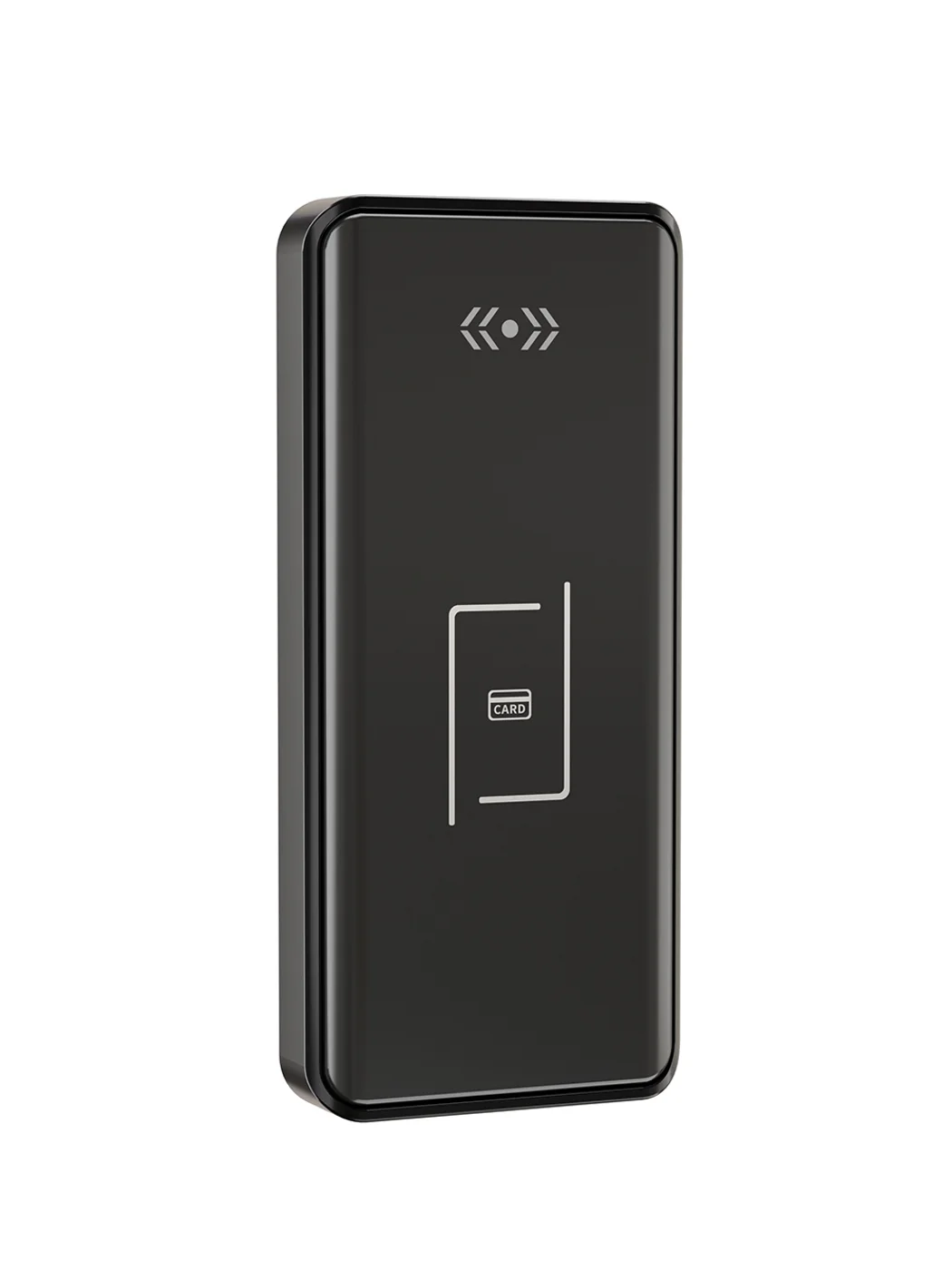
Gym Locker Lock — Offline Card, No WiFi Required
Offline card gym locker lock for fitness and pool lockers. MIFARE card, battery-powered 5-minute retrofit, no WiFi or server. Zinc alloy body, CE/FCC/RoHS.
This page already points to it as the next recommended reference.
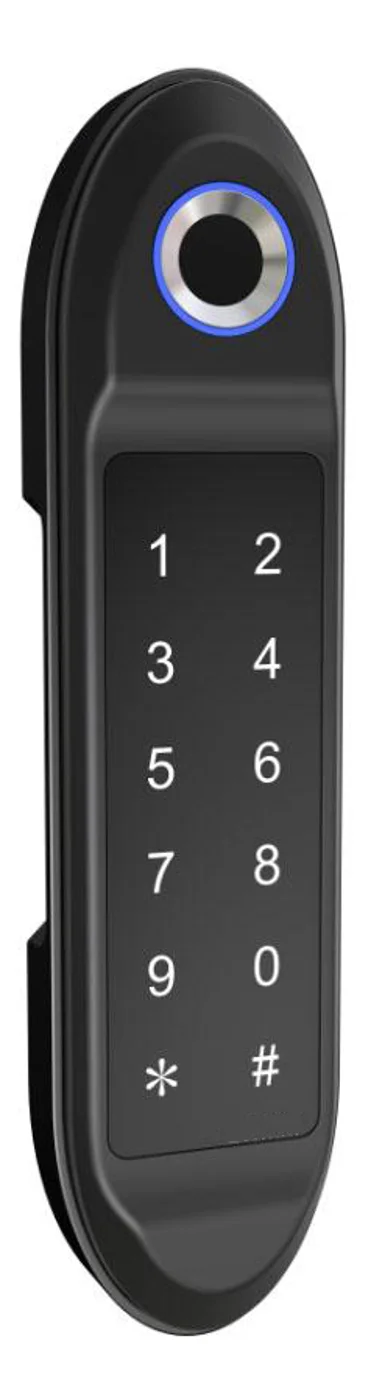
PIN Code Electronic Cabinet Lock — Stand-Alone, No WiFi
Offline keypad cabinet lock for gym, office and parcel lockers. Battery-powered, 5-minute retrofit, audit-free simple deployment. PIN + MIFARE card, DC 6V, 4×AA.
This page already points to it as the next recommended reference.
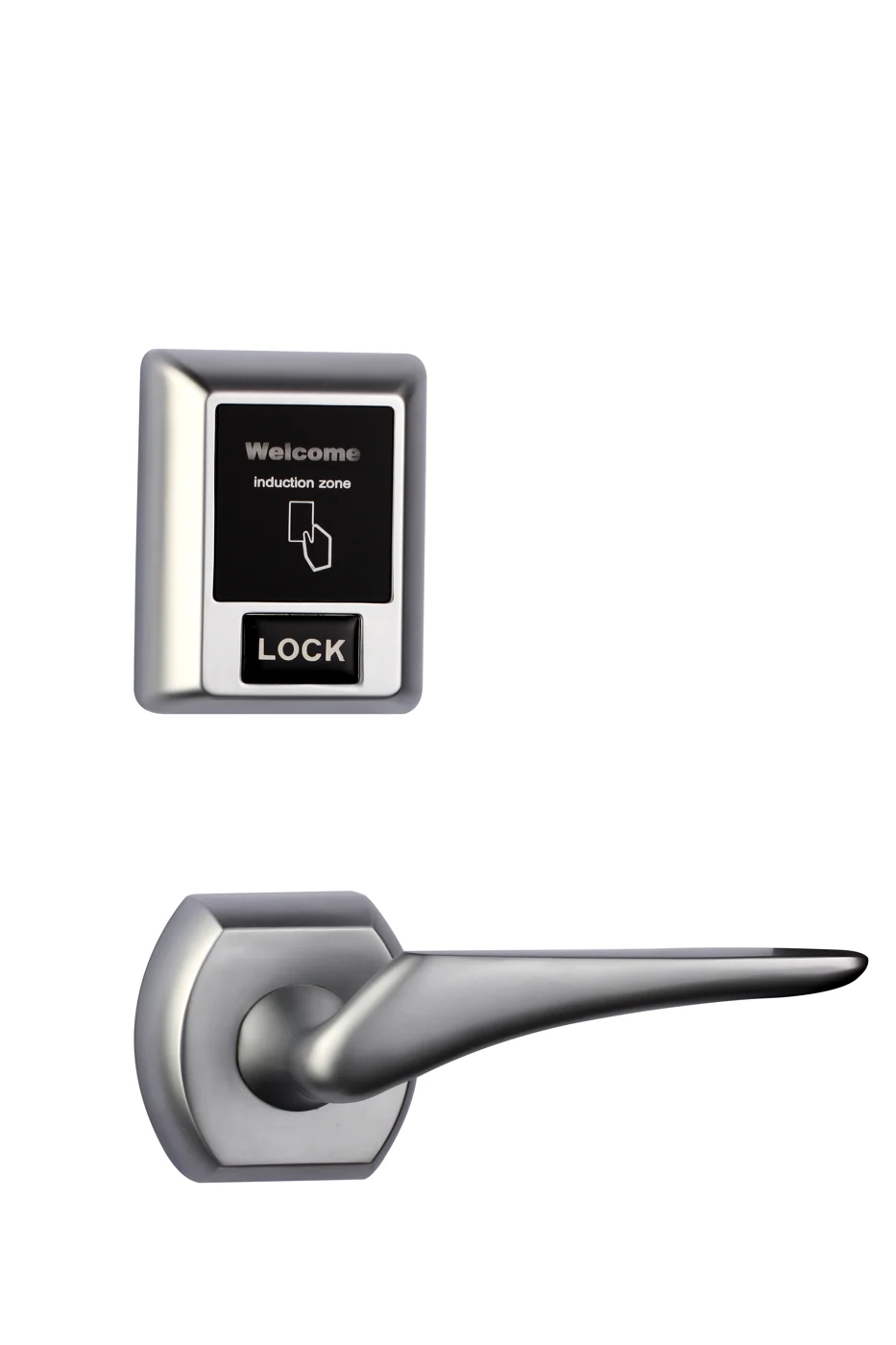
Bluetooth Cabinet Lock — App + PIN + Card, Managed Fleet
Offline BLE app cabinet lock for parcel, office, and managed locker fleets. App + PIN + MIFARE card, remote credential management, no server dependency, battery-powered retrofit.
This page already points to it as the next recommended reference.
Related blog posts
3
EMS Cabinet Lock: DEA-Compliant Drug Security for Paramedic Vehicles
EMS cabinet lock guide covering DEA Schedule II compliance, dual-authentication, tamper-evidence, audit trail, vehicle power, and ePCR integration for ambulance fleets.
It supports the same product context: Gym Locker Lock — Offline Card, No WiFi Required.
Employee Locker Lock Systems: The Definitive Guide for Workplace Security and Efficiency
A definitive guide to employee locker lock systems covering selection, installation, security, management software, compliance, and best practices for workplace locker security.
It supports the same product context: Gym Locker Lock — Offline Card, No WiFi Required.
Electronic Wardrobe Lock: The 2026 Guide to Smart Wardrobe Security
Explore electronic wardrobe lock technology with RFID, fingerprint, and app options for wardrobes, closets, and armoires in homes, hotels, offices, and gyms.
It supports the same product context: Gym Locker Lock — Offline Card, No WiFi Required, PIN Code Electronic Cabinet Lock — Stand-Alone, No WiFi, Bluetooth Cabinet Lock — App + PIN + Card, Managed Fleet.
Specify your hotel project with our engineers
Send your room count, ceiling type, and protocol preference. We will return a sample plan and quote within 24 business hours.
- Move from general guidance into a product or application discussion.
- Use RFQ when pricing, drawings, MOQ, or launch timing needs structure.
- Keep a direct contact path visible for fast clarifications and handoff.