The Complete Guide to the Electronic Storage Cabinet Lock: Securing Warehouse, Parts, Tool, Evidence, PPE, and Sterile Storage
Discover how an electronic storage cabinet lock secures warehouse, tool, evidence, PPE, and sterile cabinets with RFID, PIN, biometrics, audit trails, and WMS integration.
What Is an Electronic Storage Cabinet Lock and Why Every Shared Storage Environment Needs One
An electronic storage cabinet lock is a motorized or solenoid-driven locking mechanism that replaces traditional keyed or combination locks on cabinets used for organized storage in warehouses, parts rooms, tool cribs, evidence vaults, PPE stations, and sterile supply areas. Unlike a padlock or mechanical cam lock, an electronic storage cabinet lock integrates credential readers RFID, PIN pad, biometric fingerprint or palm scanner, or Bluetooth/app-based authentication to grant or deny access based on user identity, time, and authorization level. These locks typically operate on 3V to 12V DC, drawing 120 mA to 350 mA during actuation and less than 50 microamps in standby, and are rated for 100,000 to 500,000 cycles depending on the motor and gear train quality. An electronic storage cabinet lock does not simply secure a door it creates a digital checkpoint that records every open and close event, who initiated it, whether the door was closed properly, and whether any forced entry attempt occurred. In industrial environments, these locks carry IP54 to IP67 ratings, meaning they resist dust ingress and water jets or submersion up to one meter. The global market for electronic storage cabinet locks exceeded USD 410 million in 2025 and is projected to grow at a compound annual growth rate of 12.8 percent through 2032, driven by regulatory compliance mandates in healthcare, defense, and pharmaceutical supply chains. Organizations that deploy an electronic storage cabinet lock gain real-time visibility into who accessed which cabinet, when, and for how long eliminating the security gaps inherent in shared key rings, manual sign-out sheets, and master-key systems where one lost key compromises every cabinet. The shift from mechanical to electronic access control for storage cabinets mirrors the broader transformation in physical security: credential-based systems now account for over 60 percent of new cabinet lock installations in North American industrial facilities.
How an Electronic Storage Cabinet Lock Differs from a Traditional Cabinet Lock or Locker Lock
The distinction between an electronic storage cabinet lock and a traditional mechanical lock or even a locker lock is fundamental to specifying the correct solution for shared storage environments. A traditional cam lock or padlock offers no audit capability, no time-based restriction, and no user differentiation if someone has the key, they have unlimited access. A locker lock, by contrast, is typically designed for individual assigned use one user, one locker, one key or combination where the security boundary is personal rather than organizational. An electronic storage cabinet lock bridges the gap: it is engineered for shared yet audited access where multiple users need the same cabinet but at different times or under different authorization levels. The mechanical construction of an electronic storage cabinet lock also differs. Cabinet locks for storage applications use heavier bolt throws typically 16 mm to 22 mm compared to locker lock bolts of 10 mm to 14 mm because cabinet doors in warehouse and industrial settings are thicker, heavier, and subject to vibration from forklifts, HVAC systems, and adjacent machinery. The electronic storage cabinet lock is also built to withstand side-loading forces of up to 2,000 N, which is critical when a cabinet door is warped or when users habitually pull on the handle rather than releasing the latch first. Another key difference is power management. A typical locker lock uses a single CR123A or CR2 battery and lasts six to twelve months. An electronic storage cabinet lock in high-traffic environments may use four AA batteries, a rechargeable lithium-ion pack, or direct PoE Power over Ethernet from the network switch. Battery-powered electronic storage cabinet lock units in industrial settings typically deliver 18 to 24 months of service with 50 to 100 cycles per day, and they provide low-battery alerts at 20 percent remaining capacity so that maintenance can replace batteries before any lockout occurs. Fail-safe versus fail-secure mode selection is another differentiator. An electronic storage cabinet lock can be specified as fail-safe unlocked on power loss for life-safety compliance in sterile storage or emergency equipment cabinets, or fail-secure locked on power loss for evidence and controlled-substance cabinets where security must persist even during a power outage. Mechanical locks offer no such configurability.
Credential Options for the Electronic Storage Cabinet Lock: RFID, PIN, Biometric, and Mobile App Access
The credential system is the most important decision point when selecting an electronic storage cabinet lock because it determines user convenience, security level, and administrative overhead. RFID-based electronic storage cabinet lock systems use 13.56 MHz MiFare DESFire, iCLASS SE, or 125 kHz proximity cards and fobs. RFID credentials offer hands-free operation with read ranges of 2 cm to 8 cm for high-frequency cards and up to 15 cm for low-frequency proximity fobs. In a warehouse setting where workers wear gloves, carry boxes, or operate machinery, RFID is the most practical option because the user simply taps the card or fob against the reader and the electronic storage cabinet lock releases within 0.4 to 0.8 seconds. PIN-based electronic storage cabinet lock systems use a capacitive or membrane keypad with 4 to 12 digits. PINs eliminate the need to issue and manage physical credentials, making them ideal for environments with high user turnover such as temp workers in distribution centers. However, PINs are vulnerable to shoulder surfing and keypad wear patterns, so advanced electronic storage cabinet lock keypads scramble digit positions dynamically, displaying numbers in random order each time the keypad is activated. Biometric electronic storage cabinet lock systems use capacitive fingerprint sensors, optical palm vein scanners, or infrared iris recognition. Fingerprint sensors in cabinet locks achieve a false acceptance rate of less than 0.001 percent and a false rejection rate of less than 1.5 percent when the sensor is IP65-rated and the user's finger is dry or lightly soiled. Palm vein scanners are increasingly popular in healthcare and pharmaceutical storage because they require a living hand with blood flow, making spoofing virtually impossible. Mobile app and Bluetooth Low Energy electronic storage cabinet lock systems allow users to unlock via smartphone using BLE 5.0 or 5.2 with AES-128 encryption. The mobile credential is provisioned wirelessly, revoked instantly if a device is lost or an employee is terminated, and can be combined with geofencing so that the electronic storage cabinet lock only operates when the user is within a defined radius typically 3 to 10 meters. Multi-factor electronic storage cabinet lock configurations combine two credential types, such as card plus PIN, fingerprint plus card, or card plus mobile approval from a supervisor, which is essential for high-security environments like evidence storage and controlled-substance cabinets.
Audit Trail Capabilities of the Electronic Storage Cabinet Lock: Who Accessed What and When
The audit trail is the single most compelling reason organizations migrate from mechanical keys to an electronic storage cabinet lock. A mechanical key provides no record of use. If a controlled item goes missing, there is no way to determine who last opened the cabinet, whether the door was left ajar, or whether the key was duplicated. An electronic storage cabinet lock changes this entirely by logging every event to onboard memory, a local hub, or the cloud. Typical event data captured by an electronic storage cabinet lock includes user ID credential number or name, credential type RFID, PIN, biometric, or app, timestamp with millisecond precision synchronized to NTP, access decision granted or denied with reason code, door position open, closed, or ajar with duration, and tamper events such as forced entry attempt, repeated invalid credential attempts, cover removal, or shock detection. Onboard memory in an electronic storage cabinet lock typically stores 5,000 to 50,000 events. In a facility with 100 access events per day per cabinet, a 20,000-event buffer provides over six months of onboard storage before oldest events are overwritten. Cloud-connected electronic storage cabinet lock systems transmit events in real time via Wi-Fi 802.11 b/g/n, Zigbee, Z-Wave, or LoRaWAN, enabling live dashboards that show which cabinets are open, which users have active access, and whether any cabinet has been left unlocked after hours. The audit trail from an electronic storage cabinet lock is admissible in internal investigations, insurance claims, and regulatory audits. For example, in a DEA-regulated pharmaceutical storage environment, the electronic storage cabinet lock audit log can demonstrate that only authorized pharmacists accessed Schedule II controlled substances, that access occurred within permitted hours, and that dual-authentication was used for every transaction. In evidence management, the electronic storage cabinet lock chain-of-custody log shows every officer or evidence technician who handled a particular item, when they accessed the cabinet, and whether the cabinet was properly resecured. Export formats commonly include CSV, JSON, and XML for integration with SIEM security information and event management systems and GRC governance, risk, and compliance platforms.
Anti-Passback and Tailgating Prevention with an Electronic Storage Cabinet Lock
Anti-passback is a security rule enforced by the access control system that prevents a user from passing their credential back to another user after they have entered a secured area or accessed a cabinet. In the context of an electronic storage cabinet lock, anti-passback ensures that a single credential cannot be used to open the same cabinet twice in rapid succession without an intervening closure, and that the user who opened the cabinet is the user who closes and locks it. This is critical in shared storage environments such as tool cribs, evidence rooms, and sterile supply areas where accountability for each item must be absolute. A typical anti-passback implementation in an electronic storage cabinet lock works as follows: User A presents a credential and the cabinet unlocks. The electronic storage cabinet lock records User A as the current holder. The cabinet door opens. When the door closes and the lock engages, the electronic storage cabinet lock records User A as the release holder. If User A attempts to open the same cabinet again within a configurable timeout period typically 30 seconds to 5 minutes without a legitimate reason, the lock denies access and logs a potential tailgating event. If User B presents a credential while the cabinet is still open under User A's session, the electronic storage cabinet lock can either deny User B outright, or allow access but log both users as co-signatories, depending on the security policy. Tailgating prevention goes a step further. Some electronic storage cabinet lock systems integrate a secondary sensor such as a door position switch with a magnetic reed sensor and a logic controller that detects whether the door was held open beyond the permitted window. If the door is open for more than a configurable duration, the electronic storage cabinet lock triggers an audible alarm, sends a notification to the security console, and logs the violation. In high-security environments like evidence storage, the electronic storage cabinet lock can also enforce a two-person rule: the cabinet will not unlock unless two separate authorized users present valid credentials within a configurable time window, typically 5 to 15 seconds. This ensures that no single individual can access sensitive materials alone.
Access Scheduling and Time-Zone Restrictions for the Electronic Storage Cabinet Lock
Access scheduling is a software-defined feature that restricts when an electronic storage cabinet lock can be operated by specific users or groups. Instead of granting all authorized users round-the-clock access, the system administrator configures time windows for each user, role, or cabinet group. For example, in a manufacturing plant, an electronic storage cabinet lock on the tool crib may be accessible to first-shift machinists from 6:00 AM to 2:30 PM, to second-shift operators from 2:30 PM to 11:00 PM, and to supervisors and maintenance personnel 24/7. If a first-shift machinist attempts to access the electronic storage cabinet lock at 3:00 AM, the lock denies the request and logs the attempted out-of-hours access. Time-zone restrictions become more complex in global organizations. An electronic storage cabinet lock system integrated with a cloud-based access control platform can apply different schedules per facility across time zones, handle daylight saving time transitions automatically, and support holiday overrides where certain cabinets are locked down entirely on specified dates. The electronic storage cabinet lock controller synchronizes time via NTP or a local network time server, ensuring that all access events carry accurate timestamps regardless of the facility location. Advanced scheduling features in an electronic storage cabinet lock include recurring windows such as every weekday 9 AM to 5 PM, one-time access grants for a specific date and time window useful for contractors or auditors, minimum inter-access intervals preventing the same user from opening the cabinet more than once per N minutes, and cumulative time limits such as a maximum of 4 hours of cabinet access per week per user. These scheduling rules are stored either on the electronic storage cabinet lock's onboard controller in a standalone deployment or on the central access control server in a networked deployment. When the lock is offline, it enforces the last cached schedule until the next synchronization. If the schedule expires while the lock is offline, the electronic storage cabinet lock defaults to the most restrictive policy typically deny-all until connectivity is restored.
Integration of the Electronic Storage Cabinet Lock with Warehouse Management Systems and Inventory Software
The integration of an electronic storage cabinet lock with a Warehouse Management System WMS or Inventory Management System IMS represents the highest value deployment model because it links physical access control with digital inventory records. When an electronic storage cabinet lock is connected to a WMS, the act of unlocking the cabinet can trigger inventory transactions automatically. For instance, when a warehouse operator presents a credential to an electronic storage cabinet lock on a parts bin cabinet, the WMS records the operator's ID, the time of access, and the specific cabinet location. If the operator then removes a part and scans its barcode or RFID tag, the WMS decrements the inventory count. If the operator returns a part, the inventory count increments. This integration eliminates the disconnect between who took what from which cabinet and whether the transaction was authorized. The electronic storage cabinet lock acts as the physical gatekeeper that enforces the inventory process. Integration architectures vary. A direct API integration uses RESTful APIs or WebSocket connections where the electronic storage cabinet lock controller communicates with the WMS middleware over a local area network or cloud bridge. A middleware integration uses an intermediary platform such as Microsoft Power Automate, Node-RED, or a proprietary IoT gateway that translates between the electronic storage cabinet lock protocol and the WMS API. A database-level integration writes access events directly to a shared SQL database that the WMS polls for new transactions, though this approach offers less real-time fidelity. In pharmaceutical and medical device storage, the electronic storage cabinet lock integration with an ERP system such as SAP or Oracle NetSuite enables lot traceability and expiry date management. When a user accesses a sterile supply cabinet, the electronic storage cabinet lock logs the user and timestamp, and the ERP cross-references the cabinet inventory to verify that the items removed have valid expiry dates and are not on quality hold. If the user attempts to access a cabinet containing expired or quarantined items, the electronic storage cabinet lock can deny access and alert the supervisor. Similarly, in defense and aerospace parts storage, the electronic storage cabinet lock integration with a Government-Provided Property GPP system ensures that only personnel with active security clearances can access ITAR-controlled or Export Administration Regulations EAR-controlled components.
IP Rating and Environmental Durability of the Electronic Storage Cabinet Lock in Industrial Settings
Industrial environments impose harsh conditions on hardware, and an electronic storage cabinet lock must be specified with an appropriate Ingress Protection IP rating to ensure reliable operation over its service life. The IP rating system classifies the degree of protection against solid objects and liquids. For an electronic storage cabinet lock in a warehouse or manufacturing facility, the minimum recommended rating is IP54. IP54 means the lock is dust-protected limited ingress of dust that does not interfere with normal operation and splash-proof protected against water splashed from any direction. An IP54-rated electronic storage cabinet lock is suitable for dry warehouses, parts rooms, and office-based storage where the lock is not directly exposed to hose-down cleaning or airborne particulates. For cold storage environments such as walk-in freezers and refrigerated pharmaceutical storage, the electronic storage cabinet lock should be rated IP65 or higher. IP65 means the lock is dust-tight no ingress of dust at all and protected against low-pressure water jets from any direction. An IP65-rated electronic storage cabinet lock can withstand the condensation and frost formation common in coolers operating at 2°C to 8°C and freezers at -20°C to -30°C. For sterile storage environments such as cleanrooms classified ISO Class 5 through ISO Class 8, the electronic storage cabinet lock must be IP65 or IP66 with a smooth, crevice-free housing made of 304 or 316 stainless steel that can withstand repeated wipe-downs with isopropyl alcohol, hydrogen peroxide, or peracetic acid disinfectants. An IP66-rated electronic storage cabinet lock is protected against powerful water jets and is suitable for cleanrooms that undergo periodic sterilization. For outdoor or wash-down environments such as food processing plants, marine warehouses, or chemical storage areas, the electronic storage cabinet lock should be IP67-rated. IP67 means the lock is dust-tight and protected against immersion in water up to one meter depth for 30 minutes. An IP67-rated electronic storage cabinet lock typically uses sealed micro-switches, potted electronics, and a corrosion-resistant zinc alloy or stainless steel housing with a powder-coated or electropolished finish. Temperature rating is equally important. Industrial-grade electronic storage cabinet lock components are rated for operation from -30°C to +65°C, with storage temperature ranges from -40°C to +85°C.
Fail-Safe versus Fail-Secure Configurations for the Electronic Storage Cabinet Lock
The fail-safe versus fail-secure decision is a critical specification that must be made before installing an electronic storage cabinet lock, because it determines how the lock behaves when power is lost. A fail-safe electronic storage cabinet lock unlocks automatically when power is removed. This configuration is mandated by life-safety codes in many jurisdictions for cabinets containing emergency equipment such as fire extinguishers, automated external defibrillators AEDs, first aid supplies, and emergency eyewash stations. If a fire or power outage occurs, the fail-safe electronic storage cabinet lock ensures that emergency equipment remains accessible without needing a key or credential. In sterile storage, fail-safe electronic storage cabinet lock configurations allow staff to retrieve critical supplies during a power outage, which can be life-saving in a hospital or surgical center. A fail-secure electronic storage cabinet lock remains locked when power is removed. This configuration is required for cabinets containing sensitive, hazardous, or high-value materials such as controlled substances, firearms, evidence, classified documents, ITAR-controlled components, and cash. In a power outage, the fail-secure electronic storage cabinet lock maintains its locked state, preventing unauthorized access even if the access control system is offline. Reverting from a power outage requires a mechanical override key or a battery backup. Many electronic storage cabinet lock models offer a mechanical key override cylinder as a standard feature, allowing authorized personnel to open the lock manually using a tubular key or disc detainer key. The fail-safe or fail-secure configuration is determined by the lock's internal mechanism. Solenoid-based electronic storage cabinet lock configurations are naturally fail-safe because the solenoid retracts the bolt when energized and extends it when de-energized. Motor-based electronic storage cabinet lock configurations can be designed as either fail-safe or fail-secure by using a spring-assisted mechanism that drives the bolt to the desired position on power loss. Some advanced electronic storage cabinet lock models offer field-configurable fail mode via a DIP switch or software setting, allowing the same hardware to be used in either application. Battery-backed electronic storage cabinet lock systems provide seamless fail-safe or fail-secure operation by maintaining power for a defined duration typically 4 to 72 hours before the mechanical default engages.
Power and Connectivity Options for the Electronic Storage Cabinet Lock
The power source and network connectivity of an electronic storage cabinet lock determine where it can be deployed, how often batteries must be changed, and whether real-time monitoring is possible. Battery-powered electronic storage cabinet lock configurations are the most common in retrofit applications where running wires to existing cabinets is impractical. These locks use four AA alkaline or lithium batteries, or a proprietary rechargeable lithium-ion pack. A battery-powered electronic storage cabinet lock with 50 access cycles per day typically delivers 18 to 24 months of battery life. Low-battery detection triggers a warning at 20 percent remaining capacity, shown via an LED indicator on the lock and reported in the software dashboard. Hardwired electronic storage cabinet lock configurations draw power from a 12V or 24V DC power supply, often shared with other access control devices in the facility. Hardwiring eliminates battery replacement and allows the electronic storage cabinet lock to support higher-torque motors, faster actuation times, and additional features such as integrated door position sensing and request-to-exit buttons. Power-over-Ethernet PoE electronic storage cabinet lock configurations are the most advanced, combining power and data over a single CAT5e or CAT6 cable. A PoE electronic storage cabinet lock draws up to 15.4 watts per IEEE 802.3af or up to 30 watts per IEEE 802.3at PoE+ standard. PoE eliminates both battery changes and separate power wiring, and it enables continuous cloud connectivity, real-time event streaming, and over-the-air firmware updates. Connectivity options for an electronic storage cabinet lock include Wi-Fi 802.11 b/g/n for cloud-connected locks in facilities with robust wireless coverage, Zigbee or Z-Wave for mesh-networked electronic storage cabinet lock deployments where locks form a self-healing mesh that extends range and reliability, LoRaWAN for long-range, low-power connectivity in large warehouses or campus environments where Wi-Fi coverage is sparse, RS-485 or Wiegand for wired connections to a central access control panel in legacy or high-security installations, and Bluetooth 5.0 for local configuration and mobile credential support. The choice of connectivity depends on the facility's existing network infrastructure, the number of electronic storage cabinet lock units deployed, and the required level of real-time visibility.
Cabinet Types That Benefit from an Electronic Storage Cabinet Lock
Different storage cabinet types impose unique requirements on the electronic storage cabinet lock, and understanding these requirements is essential for correct specification. Warehouse storage cabinets used for bulk parts, consumables, and MRO maintenance, repair, and operations supplies benefit from an electronic storage cabinet lock with RFID credential support and WMS integration. These cabinets are typically tall, multi-shelf units with hinged or sliding doors, and the electronic storage cabinet lock must be mounted on the right or left stile with a strike plate that aligns precisely with the cabinet frame. Tool crib cabinets in manufacturing facilities require an electronic storage cabinet lock that supports high-cycle operation because tool check-out and check-in can occur hundreds of times per shift. The electronic storage cabinet lock on a tool crib should be rated for at least 250,000 cycles and should integrate with a tool tracking system that uses barcode, RFID, or vision-based recognition to log each tool removed or returned. Evidence storage cabinets in law enforcement and legal environments require an electronic storage cabinet lock with dual-authentication, anti-passback, and a tamper-proof audit log that meets the standards of the International Association for Identification IAI or the Scientific Working Group on Digital Evidence SWGDE. The electronic storage cabinet lock on an evidence cabinet should have a NIST SP 800-53-compliant audit trail and support chain-of-custody data export in formats accepted by court evidence management systems. PPE personal protective equipment cabinets in healthcare, construction, and industrial facilities require an electronic storage cabinet lock that supports PIN or RFID access and provides low-battery alerts because a locked PPE cabinet during an emergency can create a safety hazard. The electronic storage cabinet lock on a PPE cabinet is often configured as fail-safe so that PPE remains accessible during a power outage. Sterile storage cabinets in hospitals, surgical centers, and pharmaceutical cleanrooms require an electronic storage cabinet lock made of 304 or 316 stainless steel with an IP65 or IP66 rating, smooth surfaces for disinfection, and compatibility with ethylene oxide or hydrogen peroxide vapor sterilization processes. The electronic storage cabinet lock on a sterile supply cabinet must also support lot-number and expiry-date validation through ERP integration to prevent dispensing expired or recalled sterile items.
Installation Considerations for the Electronic Storage Cabinet Lock
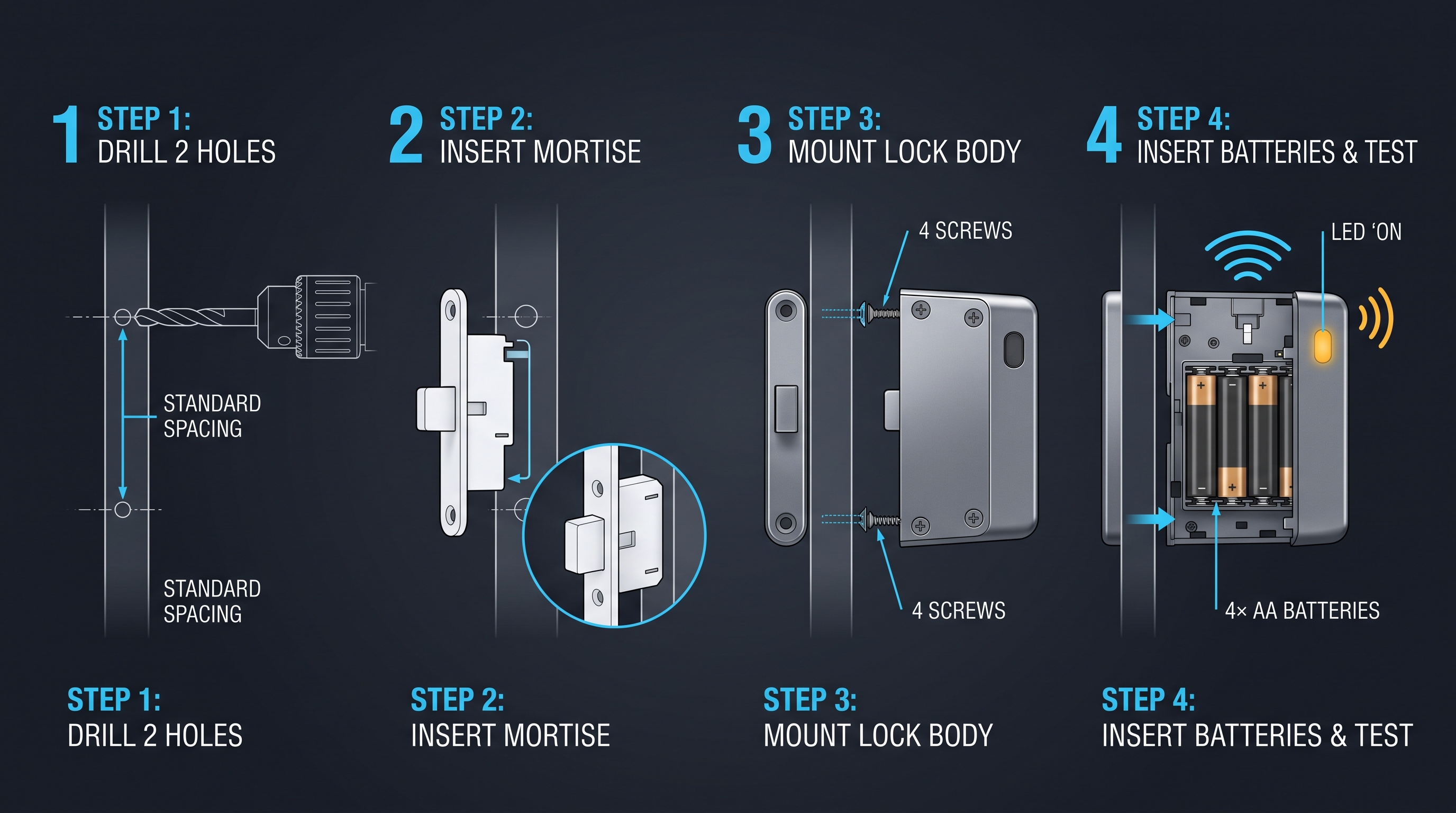
Installing an electronic storage cabinet lock requires careful planning of mechanical fit, wiring or battery access, and network connectivity. The first step is verifying that the cabinet door and frame can accommodate the lock body, strike plate, and any required reinforcement plates. A typical electronic storage cabinet lock has a lock body that measures 90 mm to 120 mm in length, 30 mm to 45 mm in width, and 20 mm to 35 mm in depth. The strike plate or catch must align within 1 mm to 2 mm of the latch bolt to ensure smooth operation. If the cabinet door is warped or misaligned, the electronic storage cabinet lock may experience binding, premature wear, or false door-open alarms. Cabinet door thickness for industrial storage cabinets ranges from 1.0 mm to 2.5 mm for sheet metal doors and up to 5 mm for stainless steel or fire-rated doors. The electronic storage cabinet lock's mounting screws must penetrate at least 6 mm into the cabinet frame material. For thin-gauge cabinets, backing plates or rivet nuts are recommended to provide adequate thread engagement. Wiring installation for a hardwired electronic storage cabinet lock requires running 22 AWG to 18 AWG stranded wire from the lock to the power supply or access control panel. The wire run should not exceed 150 meters for 12V DC systems due to voltage drop. For PoE electronic storage cabinet lock installations, the maximum CAT5e or CAT6 cable run is 100 meters per the Ethernet standard. If the electronic storage cabinet lock is installed in a metal cabinet, wireless connectivity Wi-Fi, Zigbee, or Bluetooth may be attenuated by the metal enclosure. In such cases, an external antenna or a wireless-to-wired bridge should be used to maintain reliable communication. Battery access is another critical consideration. The electronic storage cabinet lock's battery compartment should be accessible without removing the lock from the cabinet, typically via a hinged or sliding cover on the interior side of the door. This allows maintenance staff to replace batteries without disturbing the lock alignment or credential reader wiring. For cabinets located in hard-to-reach areas, an electronic storage cabinet lock with a remote battery pack or extended battery life of three to five years using lithium cells can reduce maintenance frequency.
Cost Analysis and Return on Investment for the Electronic Storage Cabinet Lock
The total cost of ownership for an electronic storage cabinet lock includes the hardware purchase price, installation labor, software licensing, maintenance, and battery or power costs. Hardware pricing for a single electronic storage cabinet lock ranges from USD 120 for a basic RFID or PIN model to USD 650 for a biometric model with PoE connectivity and full audit trail capability. Multi-pack pricing typically reduces the per-unit cost by 15 percent to 30 percent for orders of 50 or more units. Installation labor costs range from USD 75 to USD 200 per lock depending on whether wiring is required, whether the cabinet door needs modification, and whether network drops must be installed. Software licensing for the electronic storage cabinet lock access control platform ranges from USD 10 to USD 40 per lock per year for cloud-managed systems, or a one-time perpetual license fee of USD 200 to USD 800 for on-premise server-based systems. Maintenance costs for an electronic storage cabinet lock are relatively low. Battery replacement for battery-powered locks costs approximately USD 8 to USD 15 per lock per year using alkaline cells, or USD 3 to USD 6 per lock per year using lithium cells. Hardwired and PoE electronic storage cabinet lock configurations eliminate battery costs entirely. The return on investment for an electronic storage cabinet lock deployment is realized through several quantifiable benefits. Reduced inventory shrinkage: organizations report 40 percent to 70 percent reduction in inventory loss after deploying an electronic storage cabinet lock with WMS integration, because every access event is logged and every item removal is tracked. Labor savings from eliminated key management: facilities that replace mechanical key systems with an electronic storage cabinet lock save an average of 12 to 20 hours per week of administrative time previously spent issuing, tracking, and replacing keys. Reduced audit preparation time: with an electronic storage cabinet lock generating automated audit trails, organizations reduce audit preparation time by 60 percent to 80 percent compared to manual sign-out sheets and key logs. The typical payback period for an electronic storage cabinet lock deployment is 12 to 24 months for facilities with 20 or more cabinets, based on inventory shrinkage reduction alone.
Standards and Certifications for the Electronic Storage Cabinet Lock
Compliance with industry standards and certifications is essential when specifying an electronic storage cabinet lock for regulated environments. UL 1034 is the standard for burglary-resistant electric locking mechanisms in the United States. An electronic storage cabinet lock with UL 1034 listing has been tested for 100,000 cycles, side-load force resistance, and electrical endurance. UL 294 is the standard for access control system units, covering performance requirements for the controller, power supply, and communication interface of an electronic storage cabinet lock. UL 294 listing indicates that the electronic storage cabinet lock meets minimum standards for line security, standby power, and endurance. In Europe, EN 14846 is the standard for electronically controlled locks and striking plates, covering categories of use including grade 3 for high-traffic applications requiring 200,000 cycles. An electronic storage cabinet lock with EN 14846 grade 3 certification has demonstrated 200,000 cycles with no failure and a side-load resistance of 1,000 N. EN 179 and EN 1125 are European standards for emergency exit devices. An electronic storage cabinet lock on an emergency equipment cabinet should comply with EN 179 if it requires a single action to release and EN 1125 if it requires a push-bar mechanism. For fire-rated cabinets, the electronic storage cabinet lock must not compromise the cabinet's fire-resistance rating. In the United States, NFPA 80 requires that any electronic storage cabinet lock installed on a fire-rated cabinet must not impair the self-latching function of the door. In healthcare environments, the electronic storage cabinet lock must comply with HIPAA Security Rule for administrative, physical, and technical safeguards on protected health information PHI storage. The electronic storage cabinet lock's audit trail must meet the minimum requirements of 45 CFR 164.312 for access control and audit controls. For pharmaceutical and controlled-substance storage, the electronic storage cabinet lock must comply with DEA Title 21 CFR Part 1300 for physical security controls, including requirements for lock specifications, dual-authentication for Schedule II substances, and audit trail retention of at least two years.
Common Mistakes When Specifying an Electronic Storage Cabinet Lock
Several recurring mistakes undermine the effectiveness of electronic storage cabinet lock deployments. The most common mistake is selecting an electronic storage cabinet lock with an inadequate IP rating for the environment. A lock rated IP40 that is installed in a warehouse where dust is present will fail within 6 to 12 months as particulate accumulates in the solenoid or motor mechanism. The second most common mistake is failing to account for door sag or misalignment. An electronic storage cabinet lock that was aligned during installation may drift out of alignment as the cabinet door settles under its own weight, particularly on tall cabinets with heavy doors. If the lock's strike plate and bolt are misaligned by more than 2 mm, the electronic storage cabinet lock may fail to latch properly, generating false open-door alarms or draining the battery as the motor tries repeatedly to engage the bolt. The third mistake is deploying an electronic storage cabinet lock without a mechanical key override. If the electronic storage cabinet lock's electronics fail or the battery dies and no override key is available, the cabinet cannot be opened without destructive entry. Every electronic storage cabinet lock should have a mechanical override that is stored in a secure but accessible location separate from the lock itself. The fourth mistake is underestimating the network requirements for a wireless electronic storage cabinet lock deployment. Wi-Fi-based locks require adequate signal strength at each cabinet location, which may not be available in metal warehouses with dense racking. A site survey with a spectrum analyzer should be conducted before selecting a wireless electronic storage cabinet lock to ensure that each lock location has at least -65 dBm signal strength and minimal co-channel interference. The fifth mistake is neglecting to configure low-battery alerts properly. If the electronic storage cabinet lock sends low-battery notifications only via email and the email goes to an unmonitored mailbox, the lock will eventually fail without warning. Low-battery alerts should be configured to reach a monitored ticketing system, a physical security console, or a mobile push notification to the facility manager. The sixth mistake is deploying an electronic storage cabinet lock without testing the credential reader ergonomics. A reader that is mounted too high, too low, or at an awkward angle will cause users to take longer to authenticate, leading to door-propping, credential sharing, or workarounds that defeat the security purpose of the electronic storage cabinet lock.
Future Trends in Electronic Storage Cabinet Lock Technology
The electronic storage cabinet lock market is evolving rapidly, driven by advances in IoT connectivity, artificial intelligence, and edge computing. One major trend is the integration of machine learning algorithms into the electronic storage cabinet lock controller for behavioral analytics. The lock learns typical access patterns for each user and each cabinet, and it flags anomalous events such as a user accessing a cabinet at an unusual time, accessing multiple cabinets in rapid succession, or holding a cabinet door open for an extended duration. These behavioral alerts allow security teams to investigate potential insider threats or inventory diversion before losses occur. Another trend is the adoption of digital twin technology for electronic storage cabinet lock management. A digital twin is a virtual replica of the physical electronic storage cabinet lock deployment that mirrors the real-time status, access history, and maintenance needs of every lock in the facility. Facility managers can interact with the digital twin to simulate access policy changes, predict battery replacement dates, and identify cabinets that are underutilized or overutilized. Edge computing is transforming the electronic storage cabinet lock from a simple lock into a local decision-making node. Edge-enabled electronic storage cabinet lock models run the access control rules locally on the lock's microcontroller, so they can make access decisions in under 200 milliseconds without waiting for a server response. If the network connection to the central server is lost, the edge-enabled electronic storage cabinet lock continues to enforce access policies from the last cached configuration, and it stores events locally until connectivity is restored. Biometric innovation continues to expand the credential options for the electronic storage cabinet lock. Under-display fingerprint sensors similar to those used in smartphones are being adapted for cabinet locks, allowing the credential reader to be hidden behind a smooth glass surface that is easy to clean and resistant to vandalism. Voice authentication and facial recognition are emerging as hands-free credential options for the electronic storage cabinet lock in sterile environments where users wear gloves, masks, and full protective gear and cannot touch a reader or present a card. Sustainability is also influencing electronic storage cabinet lock design. Manufacturers are moving to rechargeable battery packs with USB-C charging ports, reducing disposable battery waste. Energy-harvesting electronic storage cabinet lock prototypes use piezoelectric elements that generate power from the motion of the cabinet door opening and closing, or photovoltaic cells that harvest ambient light from the facility, potentially eliminating batteries entirely.
How to Choose the Right Electronic Storage Cabinet Lock for Your Facility
Selecting the correct electronic storage cabinet lock requires a systematic evaluation of your facility's security requirements, environmental conditions, user population, and integration needs. Begin by categorizing each cabinet or cabinet group by the sensitivity of its contents. Class A cabinets contain controlled substances, firearms, evidence, or classified materials requiring an electronic storage cabinet lock with biometric or multi-factor authentication, dual-authentication support, anti-passback enforcement, and a NIST-compliant audit trail with a minimum of 50,000 event storage. Class B cabinets contain high-value tools, ITAR-controlled parts, or expensive consumables requiring an electronic storage cabinet lock with RFID or PIN authentication, audit trail with 20,000 event storage, and WMS or ERP integration. Class C cabinets contain general consumables, PPE, or low-value parts requiring an electronic storage cabinet lock with RFID or PIN authentication and basic audit trail capability. Next, assess the environmental conditions at each cabinet location. Measure temperature range, humidity levels, dust exposure, and whether the area is subject to wash-down or disinfection. Map the temperature and humidity to the electronic storage cabinet lock's operating specifications, and select an IP rating that exceeds the worst-case exposure by at least one IP level. Then evaluate the user population. If the facility has high employee turnover such as a distribution center with temporary workers, an electronic storage cabinet lock with PIN or mobile credential support is preferable because credentials can be provisioned and revoked digitally without issuing physical cards or fobs. If the facility has a stable workforce of career employees, RFID cards that double as employee badges offer the best convenience when paired with an electronic storage cabinet lock. Then evaluate the existing IT and security infrastructure. If the facility already runs a major access control platform such as Lenel, Genetec, Software House, or Honeywell, select an electronic storage cabinet lock that is natively compatible with that platform through ONVIF Profile A or a vendor-specific driver. If there is no existing access control system, a cloud-managed electronic storage cabinet lock platform with a web-based administration console offers the fastest deployment with the lowest upfront cost. Finally, calculate the total cost of ownership over a five-year horizon, including hardware, installation, software licensing, battery replacement or PoE switch costs, and any cloud subscription fees. An electronic storage cabinet lock that costs more upfront but eliminates batteries through PoE and offers unlimited cloud event storage may have a lower five-year TCO than a cheaper battery-powered model with per-event storage fees. Choosing the right electronic storage cabinet lock for your facility is a decision that directly impacts security, operational efficiency, and regulatory compliance.
Case Study: Electronic Storage Cabinet Lock Deployment in a Pharmaceutical Distribution Center
A regional pharmaceutical distribution center operating 200 storage cabinets for controlled substances, temperature-sensitive medications, and general consumables deployed an electronic storage cabinet lock solution to meet DEA compliance requirements and reduce inventory discrepancies. Prior to deployment, the facility relied on mechanical cam locks with a master key system. Inventory audits revealed a 3.2 percent annual shrinkage rate, and DEA inspections cited the facility for inadequate access control documentation. The facility selected an electronic storage cabinet lock with the following specifications: IP65-rated stainless steel housing for the cold storage and cleanroom zones, biometric palm vein authentication for the Schedule II controlled-substance cabinets, RFID MiFare DESFire credential support for the general pharmaceutical cabinets, dual-authentication card plus PIN for the narcotics vault, PoE connectivity for real-time event streaming, WMS integration via RESTful API for automated inventory transactions, and fail-secure configuration for all controlled-substance cabinets with a four-hour battery backup. The deployment was phased over three months. Phase 1 covered 50 controlled-substance cabinets with biometric electronic storage cabinet lock units. Phase 2 covered 100 general pharmaceutical cabinets with RFID electronic storage cabinet lock units. Phase 3 covered 50 cold storage and cleanroom cabinets with IP65-rated electronic storage cabinet lock units. Results after 12 months of operation: inventory shrinkage dropped from 3.2 percent to 0.4 percent, a 87.5 percent reduction representing USD 280,000 in annual savings. DEA audit preparation time decreased from 40 hours per quarter to 6 hours per quarter because the electronic storage cabinet lock generated automated audit logs in the required format. User credential provisioning time dropped from 15 minutes per new employee to 3 minutes using the cloud-based electronic storage cabinet lock management portal. The facility achieved a return on investment in 14 months. No electronic storage cabinet lock failures occurred during the 12-month measurement period, and the PoE-powered locks required zero battery changes. The facility plans to expand the electronic storage cabinet lock deployment to an additional 150 cabinets in the next fiscal year.
Case Study: Electronic Storage Cabinet Lock Deployment in a Manufacturing Tool Crib
A heavy-equipment manufacturing plant with 75 tool crib cabinets storing USD 4.2 million in cutting tools, measuring instruments, and power tools deployed an electronic storage cabinet lock system to eliminate tool loss and reduce check-out/check-in times. Before deployment, tool check-out was managed through a paper sign-out sheet, and tool loss averaged USD 18,000 per month. The plant selected an electronic storage cabinet lock with RFID credential support using the existing employee badge format, a heavy-duty motor rated for 500,000 cycles, fail-secure configuration with mechanical key override, RS-485 connectivity to the plant's existing access control panel, and integration with the plant's tool tracking software via a middleware API gateway. The electronic storage cabinet lock was installed on each tool crib cabinet with a door position sensor and an integrated barcode scanner for tool-level tracking. The deployment covered all 75 cabinets over six weeks. Results after 18 months: tool loss decreased by 92 percent from USD 18,000 per month to USD 1,440 per month. Tool check-out time dropped from an average of 4 minutes per transaction using the paper system to 22 seconds using the RFID-enabled electronic storage cabinet lock and barcode scanner combination. The electronic storage cabinet lock audit trail identified 14 instances of unauthorized after-hours tool access that were referred to plant security for investigation. The plant recovered USD 8,200 in tools that had been removed without authorization by correlating the electronic storage cabinet lock access logs with the tool tracking database. The electronic storage cabinet lock system paid for itself in 9 months. The maintenance team reported zero lock failures and only one instance of a misaligned strike plate that was corrected during a quarterly preventive maintenance inspection. The plant has since standardized on the same electronic storage cabinet lock model for all new cabinet installations and is evaluating biometric palm vein readers for the high-value tool cabinets containing USD 10,000-plus items.
Maintenance and Troubleshooting for the Electronic Storage Cabinet Lock
Proper maintenance extends the service life of an electronic storage cabinet lock and prevents unplanned downtime. A preventive maintenance schedule for an electronic storage cabinet lock should include quarterly inspection of the lock body and strike plate alignment. Check that the bolt engages the strike plate cleanly with no binding. If the electronic storage cabinet lock makes a grinding or clicking sound during operation, the bolt may be misaligned and should be adjusted by loosening the mounting screws, repositioning the lock, and retightening. Annual battery replacement is recommended for battery-powered electronic storage cabinet lock units even if the low-battery alert has not yet triggered, because batteries degrade at different rates depending on temperature and cycle frequency. Use lithium primary cells for electronic storage cabinet lock installations in cold storage environments because alkaline batteries lose capacity rapidly below 0°C. Clean the credential reader surface monthly using a soft, lint-free cloth. For PIN keypad electronic storage cabinet lock units, use isopropyl alcohol wipes to remove oils and debris that can cause keypad ghosting or unresponsive keys. For fingerprint sensor electronic storage cabinet lock units, clean the sensor surface with a dry microfiber cloth to remove dust and skin oils that can increase the false rejection rate. For RFID reader electronic storage cabinet lock units, verify that the read range remains consistent by testing with a known-good credential. If the read range has decreased, the reader may be affected by nearby metal objects or electromagnetic interference from adjacent equipment. Firmware updates for the electronic storage cabinet lock should be applied as released by the manufacturer. Updates often include security patches, performance improvements, and new features. For PoE and Wi-Fi connected electronic storage cabinet lock units, firmware updates can be pushed over the air. For RS-485 or offline electronic storage cabinet lock units, firmware updates may require a USB connection or a programming dongle. Common troubleshooting scenarios include an electronic storage cabinet lock that does not respond to any credential. First verify that the lock has power by checking the LED status indicator. If the LED is off, check the battery or power supply connection. If the LED is on but the lock does not actuate, perform a hard reset by disconnecting and reconnecting power. If the problem persists, the lock's motor or solenoid may have failed and the unit should be replaced. If the electronic storage cabinet lock unlocks but the cabinet door will not open, the strike plate may be binding on the bolt, or the cabinet door may be warped. Adjust the strike plate position or shim the hinges to correct door alignment. A well-maintained electronic storage cabinet lock will provide reliable service for years, while a neglected electronic storage cabinet lock will fail prematurely and compromise security.
Not sure which sensor fits your project?
Talk to our mmWave application engineers for a free consultation.
Find the right presence sensor for your hotel project
Compare the 3 protocols, check hotel-specific case studies, and download the installation guide
Related products
3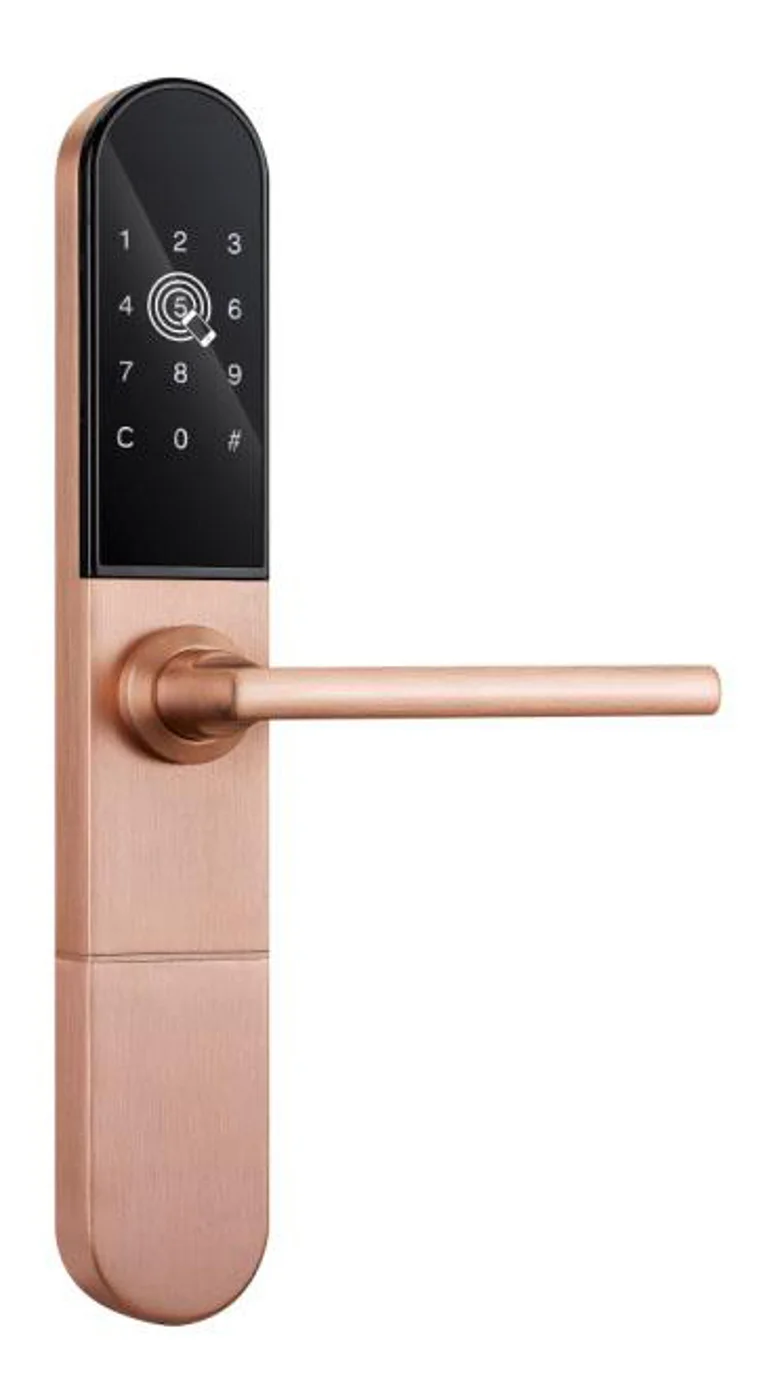
Smart Cabinet Lock — App-Managed, Multi-Site Dashboard
App-managed smart cabinet lock for office, parcel, and multi-site fleets. BLE app dashboard, audit trail, remote unlock, no per-lock server. Higher-tier chassis.
This page already points to it as the next recommended reference.
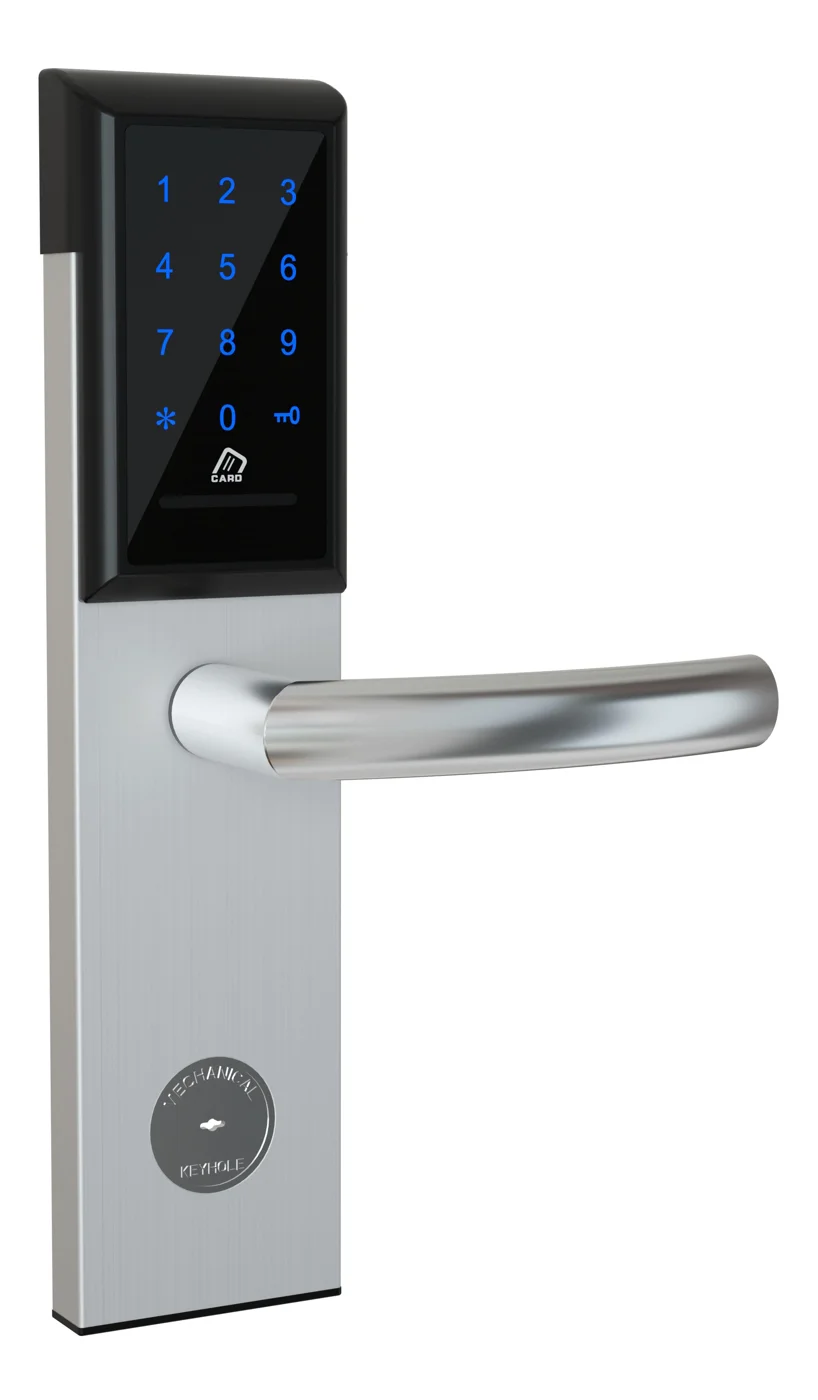
Office Cabinet Lock — PIN + Card for Filing & Pedestals
Offline PIN + card office cabinet lock for filing cabinets, pedestals, and drawers. Battery-powered 5-minute retrofit, no WiFi, no key management. CE/FCC/RoHS.
This page already points to it as the next recommended reference.
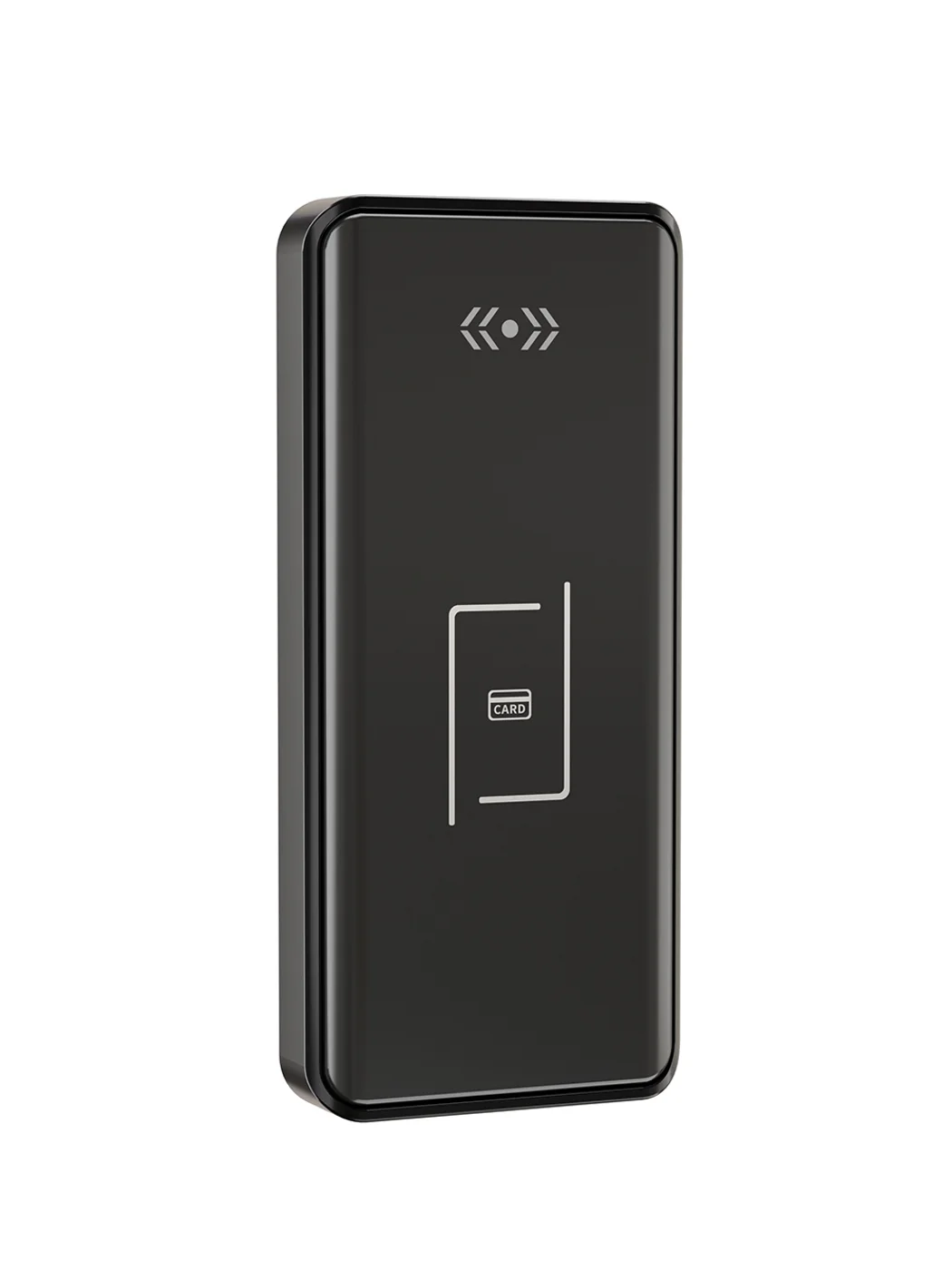
Gym Locker Lock — Offline Card, No WiFi Required
Offline card gym locker lock for fitness and pool lockers. MIFARE card, battery-powered 5-minute retrofit, no WiFi or server. Zinc alloy body, CE/FCC/RoHS.
This page already points to it as the next recommended reference.
Related blog posts
3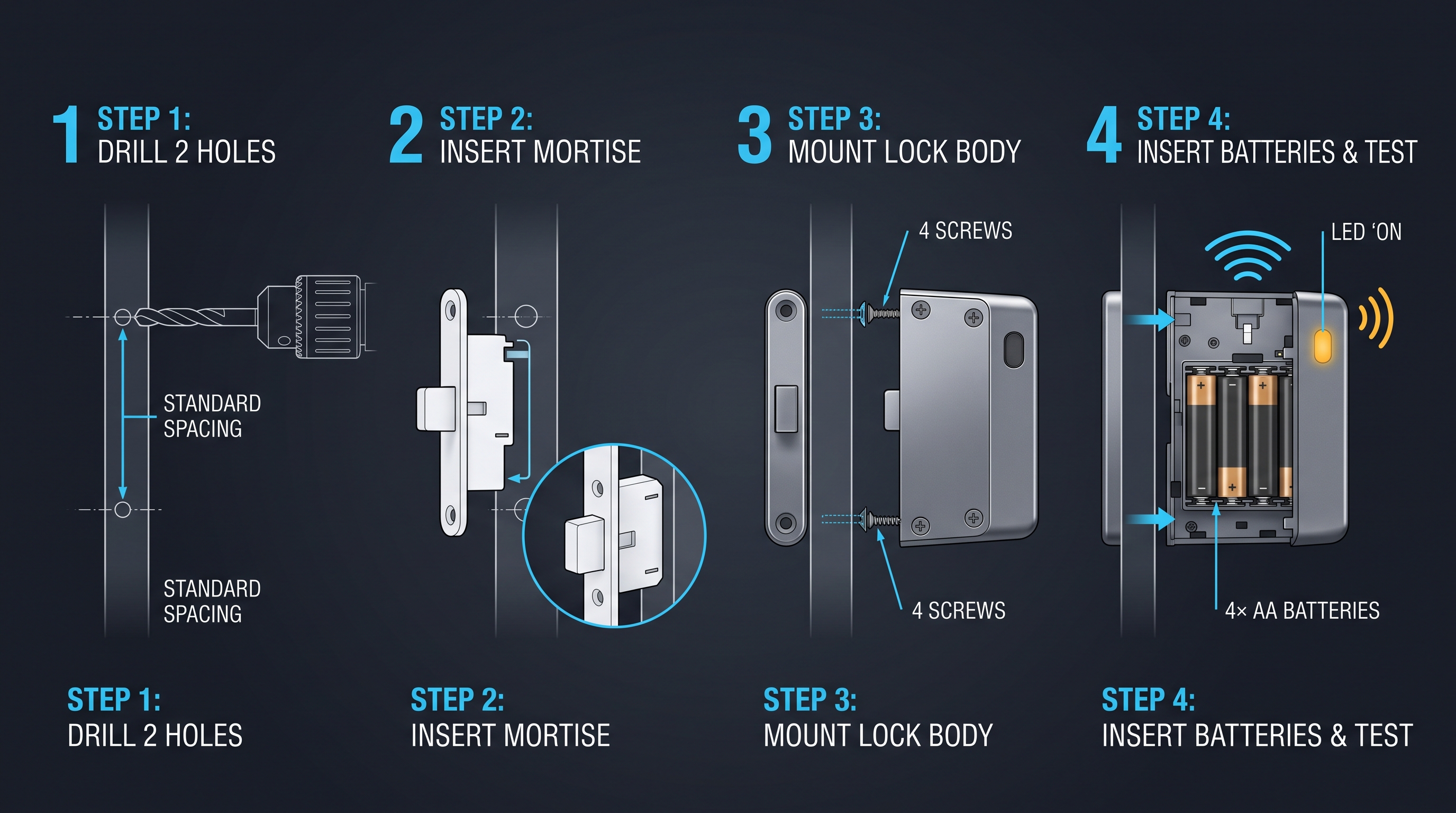
EMS Cabinet Lock: DEA-Compliant Drug Security for Paramedic Vehicles
EMS cabinet lock guide covering DEA Schedule II compliance, dual-authentication, tamper-evidence, audit trail, vehicle power, and ePCR integration for ambulance fleets.
It supports the same product context: Smart Cabinet Lock — App-Managed, Multi-Site Dashboard, Office Cabinet Lock — PIN + Card for Filing & Pedestals, Gym Locker Lock — Offline Card, No WiFi Required.
The Complete Guide to Emergency Cabinet Locks for AEDs, First Aid, Fire Extinguishers, and Trauma Kits
Learn everything about emergency cabinet locks: break-glass vs solenoid vs motorized latches, tamper alarms, remote alerts, ADA compliance, battery life, and deployment across schools, offices, gyms, transit, and aircraft.
It supports the same product context: Gym Locker Lock — Offline Card, No WiFi Required.
Employee Locker Lock Systems: The Definitive Guide for Workplace Security and Efficiency
A definitive guide to employee locker lock systems covering selection, installation, security, management software, compliance, and best practices for workplace locker security.
It supports the same product context: Smart Cabinet Lock — App-Managed, Multi-Site Dashboard, Office Cabinet Lock — PIN + Card for Filing & Pedestals, Gym Locker Lock — Offline Card, No WiFi Required.
Specify your hotel project with our engineers
Send your room count, ceiling type, and protocol preference. We will return a sample plan and quote within 24 business hours.
- Move from general guidance into a product or application discussion.
- Use RFQ when pricing, drawings, MOQ, or launch timing needs structure.
- Keep a direct contact path visible for fast clarifications and handoff.