Electronic Locker Lock: The Complete 2026 Guide to Keyless Locker Security
Discover how an electronic locker lock works, from RFID to biometric models, with buying tips, specs, and comparisons for gyms, offices, and schools.
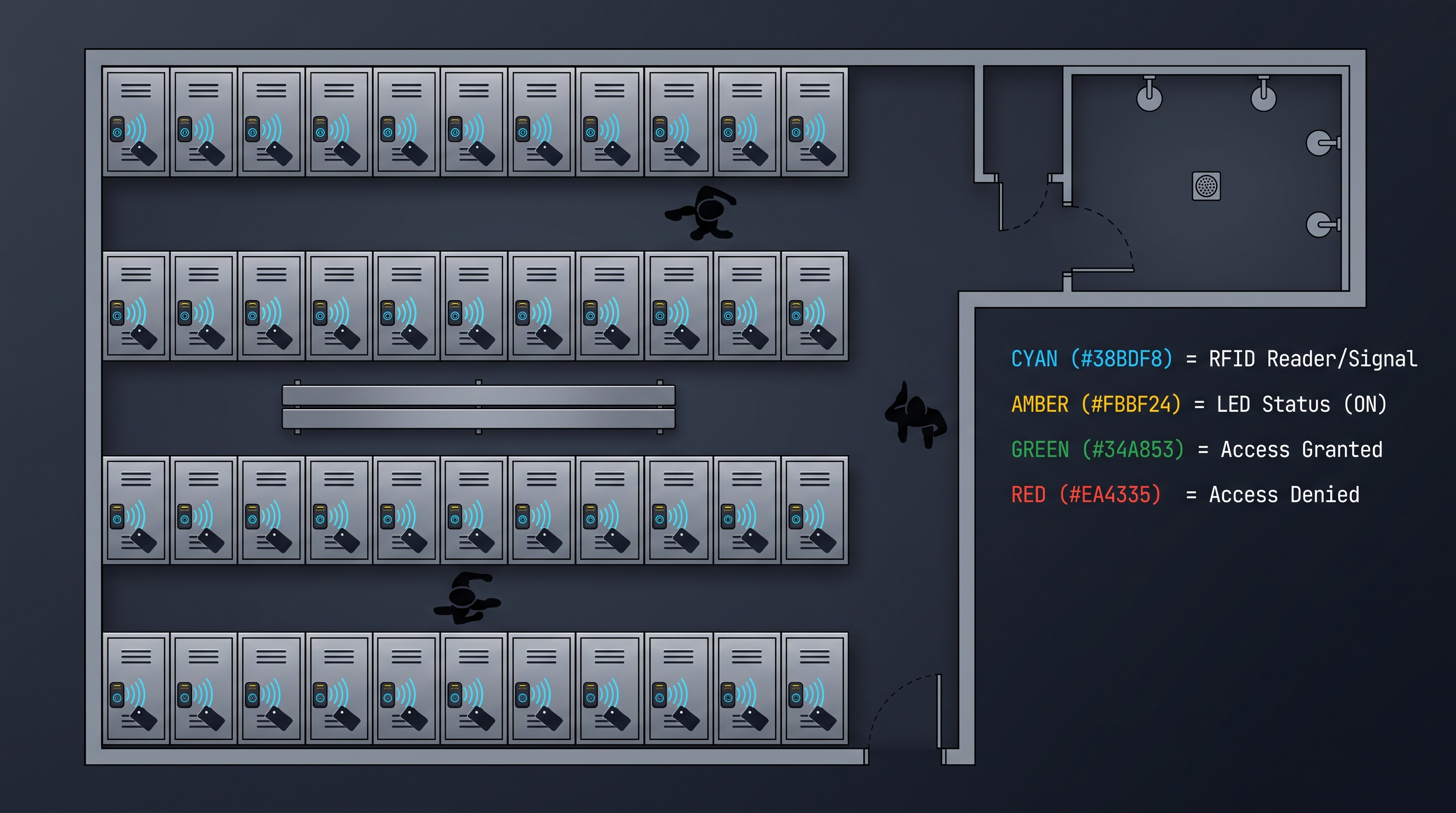
An electronic locker lock is a battery-powered access control device that replaces mechanical keys with digital credentials such as RFID cards, PIN codes, Bluetooth smartphones, or biometric fingerprints to secure locker compartments. Operating on 4×AA or 6V lithium batteries delivering 12–24 months of standby life, a typical electronic locker lock integrates a motorized or solenoid latch, a credential reader, and a microcontroller communicating at 13.56 MHz (MIFARE/NTAG) or 125 kHz (EM4100). Unlike padlocks that require physical key management, an electronic locker lock enables centralized administration, audit trails of up to 10,000 events, and time-based access windows. Deployments span gym chains, corporate offices, schools, hospitals, and transit hubs, where the electronic locker lock reduces lost-key costs by an estimated 80 percent compared to mechanical equivalents.
What Is an Electronic Locker Lock and How Does It Work
An electronic locker lock is a self-contained or networked locking mechanism that authenticates a digital credential before retracting a latch to open a locker door. Internally, the electronic locker lock combines a credential reader (RFID antenna, keypad, Bluetooth Low Energy 5.0 radio, or capacitive fingerprint sensor), a control board with an embedded microcontroller, a motorized cam or solenoid actuator drawing 80–250 mA during the 0.3–0.8 second unlock cycle, and a power source—typically four AA alkaline cells or a single 3.6 V lithium thionyl chloride pack rated for 12,000 mAh. The electronic locker lock verifies a credential against a local whitelist of 1,000–20,000 IDs stored in EEPROM or flash, then drives the latch. Standby current draws 15–40 µA, yielding an industry-average battery life of 15,000 unlock cycles. Unlike mechanical padlocks that rely on pin tumbler cylinders vulnerable to bumping and shimming, an electronic locker lock eliminates physical keyways entirely, removing the most common attack surface and the operational burden of cutting, distributing, and tracking duplicate keys.
Core Components of an Electronic Locker Lock
Every electronic locker lock shares a common architecture. The credential capture layer reads the user token. The authentication layer compares the captured credential to an authorized list. The actuation layer physically moves the latch. The power layer sustains operation for years between service intervals.
| Component | Function | Typical Spec |
|---|---|---|
| Credential reader | Reads RFID, PIN, BLE, fingerprint | 13.56 MHz / 125 kHz / BLE 5.0 |
| Microcontroller | Validates credential, logs events | ARM Cortex-M0+ at 48 MHz |
| Actuator | Retracts latch on unlock | Motor 80–250 mA, solenoid 150–400 mA |
| Latch mechanism | Secures locker door | Stainless steel, 12 mm throw |
| Power source | Sustains standby + unlock cycles | 4×AA (12,000 mAh) or 3.6 V Li-SOCl2 |
| Real-time clock | Timestamps audit events | ±20 ppm, coin-cell backup |
| Audit memory | Stores unlock/lock events | 1,000–10,000 events in EEPROM |
The Authentication Sequence
When a user presents a credential, the electronic locker lock executes a deterministic sequence. The reader energizes and captures the credential ID within 50–200 ms. The microcontroller hashes the ID and searches the whitelist. On a match, it energizes the actuator for the programmed unlock duration, illuminates a green LED, and emits an audible confirmation. On a failure, it logs the rejected attempt, flashes red, and—after a configurable threshold of 3–5 failed tries—enters a lockout penalty of 60–180 seconds. Every event, successful or failed, is written to the audit memory with a timestamp from the real-time clock, enabling post-incident forensic review.
Types of Electronic Locker Lock by Credential Technology
An electronic locker lock is categorized by the credential it accepts, and that choice dictates the lock's cost, security level, user convenience, and backend management complexity. The four dominant electronic locker lock variants are RFID (13.56 MHz MIFARE Classic, DESFire, or NTAG; or legacy 125 kHz EM4100), PIN keypad (4–8 digit codes on a capacitive or membrane surface), Bluetooth Low Energy 5.0 smartphone locks, and biometric fingerprint sensors (capacitive, optical, or ultrasonic, typically at 500 DPI with FRR below 1 percent and FAR below 0.001 percent). A fifth hybrid electronic locker lock combines two or more credentials for multi-factor verification. Each electronic locker lock type trades off convenience against security: RFID offers speed and centralized card management but risks cloning; PIN requires no physical token but suffers shoulder-surfing; Bluetooth enables phone-as-key convenience but depends on app reliability; biometric eliminates token loss entirely but raises privacy and hygiene concerns. The electronic locker lock market in 2026 is split roughly 45 percent RFID, 25 percent PIN, 20 percent Bluetooth, and 10 percent biometric, with hybrid models growing fastest as facility managers seek fallback credentials.
RFID Electronic Locker Lock
The RFID electronic locker lock dominates the locker market because it balances cost, speed, and manageability. A user taps a card or fob on the reader; the antenna inductively powers the transponder at 13.56 MHz (MIFARE) or 125 kHz (EM4100); the chip transmits its unique ID; the lock verifies and unlocks in under 0.5 seconds. MIFARE DESFire EV2/EV3 adds AES-128 mutual authentication, defeating cloning attempts that plague unencrypted EM4100 cards. The RFID electronic locker lock is ideal for gyms, schools, and offices where users already carry access cards.
PIN Code Electronic Locker Lock
A PIN-based electronic locker lock replaces cards with memorized codes, eliminating the cost and logistics of issuing physical tokens. The electronic locker lock stores up to 300 unique PINs in consumer models and 4,000+ in commercial units. Capacitive keypads outlast membrane keypads in humid poolside environments, surviving 1,000,000+ presses. The primary vulnerability—shoulder surfing—is mitigated by scramble-pad overlays and one-time PINs issued via SMS or app.
Bluetooth Electronic Locker Lock
The Bluetooth electronic locker lock turns a smartphone into the credential, communicating over BLE 5.0 with encrypted rolling codes. The electronic locker lock supports three unlock modes: tap-to-open (user taps phone to lock), proximity auto-unlock (door unlocks when the phone is within 1–2 meters), and remote unlock via a facility app. BLE locks consume slightly more standby current (30–60 µA) than RFID models, reducing battery life to 10–14 months. The electronic locker lock is favored in corporate offices where employees already use mobile badges for building access.
Biometric Electronic Locker Lock
The biometric electronic locker lock reads a fingerprint, and on premium models a palm vein or face, to authenticate the user. Capacitive sensors achieve FRR of 0.1–1.0 percent and FAR of 0.0001–0.001 percent, meaning roughly one false rejection per 100–1,000 legitimate attempts and one false acceptance per 100,000–1,000,000 impostor attempts. The electronic locker lock stores 100–3,000 fingerprint templates locally. Enrollment takes 3–5 presses per finger. The biometric electronic locker lock excels in high-security environments—hospital narcotics cabinets, evidence lockers, executive offices—where credential non-repudiation matters more than throughput.
Electronic Locker Lock vs Mechanical Padlock: A Detailed Comparison
An electronic locker lock fundamentally changes the security and operational economics of locker management when measured against the mechanical padlock it replaces. A mechanical padlock costs $4–12 per unit, requires a physical key per user, and offers no audit trail; a mid-range electronic locker lock costs $25–80 per unit but eliminates key cutting, replacement, and distribution labor that averages $18–35 per lost-key incident across a 1,000-locker facility. The electronic locker lock also provides event logging, time-scheduled access (e.g., gym hours 5:00–23:00), and centralized credential revocation—capabilities no mechanical padlock can match. Security-wise, a 5-pin tumbler padlock can be bumped or shimmed in under 10 seconds with widely available tools, whereas a MIFARE DESFire electronic locker lock with AES-128 encryption resists cloning attacks that have defeated legacy 125 kHz EM4100 systems. The tradeoff is power dependency: a mechanical padlock never needs batteries, while an electronic locker lock requires a battery swap every 12–24 months and carries a failure mode if batteries die with the locker closed—mitigated by external emergency power terminals or mechanical override keys. For facilities managing more than 100 lockers, the electronic locker lock's lifecycle cost is lower than mechanical once lost-key replacement labor is accounted for.
| Dimension | Mechanical Padlock | Electronic Locker Lock |
|---|---|---|
| Unit cost | $4–12 | $25–80 |
| Credential | Physical key (brass, 5-pin) | RFID / PIN / BLE / biometric |
| Key management | Cut, distribute, track duplicates | Centralized software revocation |
| Audit trail | None | 1,000–10,000 timestamped events |
| Time-based access | Not possible | Programmable schedules |
| Lost credential cost | $18–35 per incident | $0 (reissue card / revoke PIN) |
| Attack resistance | Bumpable, shimable in <10 s | AES-128 encrypted, anti-cloning |
| Power dependency | None | 4×AA, 12–24 month life |
| Failure mode (dead battery) | N/A | Emergency power / override key |
| Lifecycle cost (1,000 lockers, 5 yr) | High (key labor dominates) | Lower after year 2 |
| Best fit | <100 lockers, low turnover | 100+ lockers, high turnover |
Security Attack Surface Comparison
The mechanical padlock's primary weakness is its keyway. Bump keys, crafted from blank keys filed to the zero-depth position, exploit the pin tumbler mechanism and open roughly 90 percent of consumer padlocks in seconds. Shimming attacks target the spring-loaded latch, requiring only a thin metal strip. The electronic locker lock removes the keyway entirely for everyday access, eliminating bumping and picking. However, the electronic locker lock introduces its own attack surface: relay attacks against RFID, Bluetooth sniffing on unencrypted BLE links, and fingerprint spoofing with lifted prints. Mitigations include encrypted mutual authentication (DESFire EV3), BLE with rolling codes and app-side encryption, and capacitive sensors that detect live-finger conductivity.
Key Applications of the Electronic Locker Lock Across Industries
An electronic locker lock serves diverse industries because its digital credentialing model adapts to the access-control needs of each facility type better than any mechanical alternative. In fitness centers, an electronic locker lock enables day-use lockers where members tap an RFID wristband or enter a PIN, eliminating the staff time spent renting and retrieving padlocks—gyms report 60–90 percent reductions in locker-front labor after deployment. In corporate offices, an electronic locker lock secures hot-desking day lockers assigned dynamically via booking software, with the lock integrating to Active Directory or Okta for single-credential building+locker access. Schools deploy the electronic locker lock to replace combination locks that students forget or share, with admin override for safety inspections. Hospitals use biometric or dual-credential electronic locker lock units to secure controlled substances, surgical instruments, and staff personal effects, satisfying Joint Commission audit requirements. Transit hubs and theme parks operate high-throughput electronic locker lock banks with barcode or QR code credentials, processing 200–400 transactions per hour per locker bank. Across all verticals, the electronic locker lock's audit trail satisfies liability and compliance requirements that mechanical locks cannot address.
Fitness and Gym Lockers
Gym chains were early adopters of the electronic locker lock because the locker front is a friction point that affects member satisfaction and staffing. A day-use electronic locker lock lets a member secure a locker with a tap of their membership RFID card or a self-set PIN, then vacate and release the locker at session end. Unused lockers are flagged for staff to clear, and the audit trail identifies members who leave lockers occupied beyond session limits. Premium gyms pair the electronic locker lock with integrated towel and equipment rental, all charged to the member account via the same RFID credential.
Corporate Office Lockers
The shift to hybrid work made hot-desking and day lockers standard, and the electronic locker lock underpins the model. Employees book a locker through an app; the booking system pushes the credential to the assigned electronic locker lock; the employee opens it with their phone or badge; at day's end the locker auto-releases. Integration with SSO (Okta, Azure AD) means a single credential opens the building, the desk, and the locker, and offboarded employees lose locker access the moment their SSO account is deactivated.
School and University Lockers
Schools replace combination and keyed locks with PIN or RFID electronic locker lock systems to eliminate the operational burden of forgotten combinations and lost keys. Admin master-override credentials let staff open any locker for safety searches or forgotten-item retrieval. Time-based access confines locker use to school hours, deterring after-hours misuse. University libraries deploy the electronic locker lock for reservable study-locker pods, with the lock tied to the campus card system.
Healthcare and Pharmaceutical Cabinets
Hospital pharmacies deploy biometric and dual-credential (PIN + RFID) electronic locker lock units to meet DEA Schedule II controlled-substance storage requirements. Every access is logged with user identity, timestamp, and—on advanced models—the quantity removed, feeding automated inventory reconciliation. The audit trail satisfies Joint Commission and state board of pharmacy inspection requirements, replacing paper narcotic logs.
Transit, Amusement, and Retail
High-throughput environments deploy electronic locker lock systems with barcode or QR credentials. A user pays at a kiosk, receives a printed or on-screen code, and the electronic locker lock opens the assigned compartment. Amazon Hub, InPost, and smart parcel lockers use the same electronic locker lock technology scaled to thousands of doors, processing e-commerce deliveries and returns 24/7 with no staff present.
How to Choose the Right Electronic Locker Lock: Buying Criteria
Choosing the right electronic locker lock requires matching credential technology, form factor, capacity, and management software to the facility's user volume, security tier, and IT environment. The first decision is credential type: RFID for high turnover and card-bearing populations, PIN for tokenless simplicity, Bluetooth for phone-first offices, biometric for high-security or hygiene-sensitive sites. The second is the electronic locker lock's user capacity—consumer models support 100–300 users while commercial models scale to 4,000–20,000. The third is form factor: surface-mounted electronic locker lock units retrofit existing lockers in 10 minutes with no drilling, while concealed mortise electronic locker lock bodies require cabinet fabrication but offer a cleaner aesthetic and better tamper resistance. The fourth is connectivity: standalone electronic locker lock units manage credentials via USB or NFC programming; networked units report to central software over RS-485, Wi-Fi, or LoRaWAN. The fifth is power strategy: AA alkaline for low-cost swaps, lithium thionyl chloride for 5-year service intervals, or wired 12 V DC for permanent installations. Finally, verify certifications—CE, FCC, RoHS, and for North American life-safety applications UL 1034—and the manufacturer's firmware update path, since unpatchable electronic locker lock firmware is a long-term security liability.
Credential Technology Selection Matrix
| Facility profile | Recommended credential | Rationale |
|---|---|---|
| Public gym, 500+ daily users | RFID (MIFARE DESFire) | Fast, durable, card reusable |
| Corporate office, hot-desk | BLE smartphone | Employees use phones for building access |
| School, 1,000 students | PIN keypad | No cards to lose, admin override |
| Hospital pharmacy | Biometric + PIN (dual) | Non-repudiation, DEA compliance |
| Transit parcel locker | Barcode / QR | One-time codes, no enrollment |
| Executive office | Biometric fingerprint | High security, no shared tokens |
Capacity and Form Factor Considerations
User capacity must exceed peak concurrent occupancy by 20–30 percent to accommodate growth and visitor access. A 500-locker gym anticipating 800 daily users needs an electronic locker lock rated for at least 1,000 credentials. Form factor depends on the locker substrate: 0.8–1.2 mm steel locker doors accept surface-mount electronic locker lock bodies with thru-bolts; wooden or laminate lockers use concealed mortise bodies. Always confirm the latch throw (8–15 mm) matches the door gap, and that the backset accommodates the locker frame depth.
Connectivity and Management Software
A standalone electronic locker lock suits small deployments (under 50 doors) where manual programming via USB or NFC is tolerable. Beyond 50 doors, networked management becomes essential. RS-485 wired networks support 128–256 electronic locker lock units per controller on a single bus up to 1,200 meters. Wi-Fi electronic locker lock models eliminate cabling but require robust coverage and consume more power. LoRaWAN suits outdoor or widely dispersed locker banks. The management software must support the facility's identity provider (Active Directory, Okta, Google Workspace) for credential synchronization and provide a dashboard showing locker occupancy, battery status, and credential assignment.
Installation Guide for an Electronic Locker Lock System
Installing an electronic locker lock correctly determines whether the system delivers its rated 12–24 month battery life and reliable operation or becomes a maintenance burden. The electronic locker lock installation process begins with measuring each locker door's thickness (typically 0.8–1.5 mm steel or 18 mm wood), the latch engagement point, and the available interior cavity for the lock body. Surface-mount electronic locker lock models attach externally with four thru-bolts or VHB adhesive for metal doors, requiring only a 6–8 mm hole for the latch cable; total install time is 8–15 minutes per door. Concealed mortise electronic locker lock bodies require routing a 40×80 mm cavity in wooden doors or welding a mounting bracket in steel doors, raising install time to 30–45 minutes. After mechanical mounting, the electronic locker lock must be paired to the management system: assign a locker ID, enroll master and user credentials, configure unlock duration (0.3–0.8 s), set lockout thresholds (3–5 failed attempts), and synchronize the real-time clock. For networked systems, each electronic locker lock joins the RS-485 or Wi-Fi controller and reports its status to the central dashboard. A post-installation load test—presenting valid and invalid credentials 50 times—verifies reliability before the locker enters service.
Mechanical Mounting Steps
- Measure door thickness, gap, and latch strike position
- Mark mounting holes using the electronic locker lock template
- Drill 6–8 mm cable hole and 4× mounting holes
- Insert latch cable and seat the electronic locker lock body
- Tighten thru-bolts to 2–3 Nm; verify latch throw engages the strike
- For concealed models, route the mortise cavity and fit the body flush
- Connect internal battery pack or wired 12 V DC supply
- Confirm door closes freely and latch holds under 50 N pull test
Configuration and Enrollment
After mechanical installation, the electronic locker lock enters programming mode via a master card or admin PIN. The configuration sequence enrolls the master credential, sets the real-time clock, configures unlock duration and lockout policy, assigns a locker ID for network reporting, and—on RFID models—enrolls user cards individually or via batch upload from the management software. Biometric electronic locker lock units require 3–5 finger presses per enrolled user to build a robust template. Always retain the master credential and mechanical override key in a secure offsite location.
Network Integration
Networked electronic locker lock systems require a controller per 128–256 doors, wired via RS-485 daisy-chain with 120-ohm terminators at each end. The controller connects to the facility LAN via Ethernet or Wi-Fi and reports to the management server. On first commissioning, each electronic locker lock registers its MAC ID and locker ID; the server pushes the credential whitelist and access schedules. Health-check polling every 60 seconds reports battery voltage, locker state (open/closed/locked), and the last event timestamp, enabling predictive maintenance when battery voltage drops below 2.6 V per cell.
Battery Life and Power Management for the Electronic Locker Lock
The electronic locker lock's battery life is its most scrutinized operational metric because a dead battery means a stranded user and a maintenance call. A well-specified electronic locker lock delivers 12,000–20,000 unlock cycles on a single set of four AA alkaline cells, translating to 12–24 months in a typical gym or office with 20–40 unlocks per door per day. The electronic locker lock's power budget divides into standby current (15–40 µA maintaining the credential reader and real-time clock), wake current (3–8 mA during the 50–200 ms credential read), and actuation current (80–250 mA for the motor or 150–400 mA for a solenoid during the 0.3–0.8 second unlock). Standby dominates the budget: at 30 µA over a year, standby consumes 263 mAh, while 15,000 unlocks at 150 mA for 0.5 s consume only 313 mAh—roughly equal contributions. Lithium thionyl chloride (Li-SOCl2) packs rated at 13,000–19,000 mAh extend service intervals to 5 years and tolerate the -20 to +60 °C range better than alkaline, making them the electronic locker lock power source of choice for outdoor parcel lockers. Low-battery alerts trigger at 2.6 V per AA cell, giving 4–8 weeks of remaining operation to schedule replacement. External emergency power terminals—typically 6 V DC applied via two contact pads on the lock exterior—rescue a dead-battery electronic locker lock without drilling.
Power Budget Breakdown
| State | Current draw | Duration per event | Energy per event |
|---|---|---|---|
| Standby (reader + RTC) | 15–40 µA | continuous | 263–700 mAh / year |
| Wake / credential read | 3–8 mA | 50–200 ms | 0.00004–0.00044 mAh |
| Motor actuation | 80–250 mA | 0.3–0.8 s | 0.0067–0.056 mAh |
| Solenoid actuation | 150–400 mA | 0.3–0.8 s | 0.0125–0.089 mAh |
| LED + buzzer indication | 10–20 mA | 1–3 s | 0.0028–0.017 mAh |
Strategies to Extend Battery Life
Facility managers extend the electronic locker lock's battery life through configuration and component selection. Reducing the unlock duration from 0.8 s to 0.4 s halves actuation energy. Disabling the audible beep and LED indicator saves 3–8 mAh per month in high-traffic doors. Choosing a motorized latch over a solenoid reduces peak current by 40 percent, since motors deliver torque gradually while solenoids demand an inrush. Selecting an electronic locker lock with a capacitive keypad sleep mode—where the keypad draws near-zero current until touched—outperforms always-on membrane keypads. Finally, scheduling the reader to poll only during operating hours (e.g., 5:00–23:00 for a gym) cuts standby current by 50 percent for night hours.
Dead-Battery Recovery
Every commercial electronic locker lock includes a dead-battery recovery path. The most common is external emergency power: two contact pads on the lock exterior accept a 6–9 V DC supply from a handheld booster, powering the microcontroller long enough to unlock. The second is a mechanical override key cylinder, concealed behind a tamper-resistant cover, that releases the latch mechanically. The third, used on networked systems, is remote unlock: the management server commands the controller to apply bus power to the electronic locker lock, overriding the dead battery. Facility SOPs should require staff to carry the emergency booster and document each dead-battery event for predictive battery replacement scheduling.
Security Features and Attack Resistance of the Electronic Locker Lock
The electronic locker lock's security posture depends on cryptographic credential protection, physical tamper resistance, and audit-grade event logging working together. A modern electronic locker lock employing MIFARE DESFire EV3 with AES-128 mutual authentication defeats the card-cloning attacks that compromised legacy 125 kHz EM4100 systems, which transmitted static IDs in cleartext and were copied with a $10 reader in seconds. The electronic locker lock's physical security centers on a stainless steel latch with 12 mm throw resisting 50–80 N of prying force, a recessed mounting that prevents wrench attacks, and tamper switches that log and alarm when the lock body is forcibly disturbed. On the audit side, the electronic locker lock records 1,000–10,000 events in non-volatile EEPROM with timestamps from a ±20 ppm real-time clock, providing forensic evidence admissible in workplace and law-enforcement investigations. Advanced electronic locker lock models add lockout penalties (60–180 s after 3–5 failed attempts), duress codes that silently alert security while appearing to unlock, and two-person-rule dual-credential modes for high-value storage. No single security layer is sufficient; the electronic locker lock's strength is the layered combination of encrypted credentials, physical hardening, and audit accountability.
Cryptographic Credential Protection
| Credential | Encryption | Cloning resistance | Notes |
|---|---|---|---|
| EM4100 (125 kHz) | None (static ID) | Very low | Cloned in seconds with $10 reader |
| MIFARE Classic | Crypto-1 (broken) | Low | Keys recoverable via nested attack |
| MIFARE DESFire EV2 | AES-128 | High | Mutual authentication, secure messaging |
| MIFARE DESFire EV3 | AES-128 + ECC | Very high | Proximity check defeats relay attacks |
| BLE 5.0 (with app crypto) | Rolling code + ECDH | High | Vulnerable to relay without proximity check |
| Fingerprint (capacitive 500 DPI) | Template hash | High | Liveness detection defeats lifted prints |
Physical Tamper Resistance
The electronic locker lock's physical hardening begins with the latch: hardened stainless steel with a 12 mm throw resists prying, and a deadbolt variant prevents shim attacks that defeat spring latches. The lock body mounts from inside the locker with thru-bolts, so the fastening nuts are inaccessible from outside even if the latch is defeated. Tamper switches detect prying and drilling, immediately logging a tamper event and—on networked systems—alarming the central dashboard. Concealed mortise electronic locker lock bodies offer superior tamper resistance since the entire mechanism is hidden within the door, exposing only the credential reader.
Audit Trail and Forensic Value
The audit trail transforms the electronic locker lock from a barrier into an investigative tool. Every event—unlock, failed attempt, tamper, low-battery, door-open-too-long—is logged with user ID, credential type, and timestamp. In a workplace theft investigation, the audit narrows suspects to those who accessed a specific locker in a given window. In a pharmacy audit, the trail demonstrates chain-of-custody compliance for controlled substances. The electronic locker lock's audit memory is non-volatile, surviving battery exhaustion and power cycling, and exports to CSV or Syslog for integration with SIEM platforms.
Top Electronic Locker Lock Brands and Models in 2026
The electronic locker lock market in 2026 is served by established access-control brands and specialized locker-lock manufacturers, each targeting different price tiers and feature sets. Southco leads the premium segment with its Electronic E Cam and H3-EM series, favored in healthcare and high-end office furniture for their concealed mortise design and proven 100,000-cycle durability. Salto Systems and Dormakaba compete in the networked electronic locker lock space with RFID ecosystems that unify building doors and lockers under a single credential, integrating with SAP, Workday, and Active Directory. Digilock dominates the North American gym and public-locker market with its ProNL and Aura series, offering self-powering keypad models and ruggedized RFID units. In the biometric electronic locker lock segment, ekey biometric systems and ievo manufacture fingerprint readers paired with locker controllers for healthcare and evidence storage. Chinese manufacturers including Make Technology, ZKTeco, and Giga Tms supply cost-competitive electronic locker lock units (often 30–50 percent below Western brands) with comparable specs, capturing the budget-conscious gym, school, and parcel-locker segments. The electronic locker lock buyer in 2026 should evaluate not only hardware specs but the vendor's software roadmap, firmware update frequency, and 5-year spare-parts availability, since unsupported firmware is a security liability.
Brand and Model Comparison
| Brand | Flagship model | Credential | Price tier | Best fit |
|---|---|---|---|---|
| Southco | H3-EM Electronic E Cam | RFID, BLE | Premium | Healthcare, executive offices |
| Salto Systems | XS4 Locker | RFID (DESFire) | Premium | Corporate, mixed-use buildings |
| Dormakaba | Cattron Locker | RFID, BLE | Premium | Universities, transit |
| Digilock | Aura, ProNL | RFID, PIN, keypad | Mid–high | Gyms, public lockers |
| ekey | biometric locker controllers | Fingerprint | Premium | Pharmacies, evidence |
| Make Technology | MK-series | RFID, PIN, fingerprint | Budget | Schools, parcel lockers |
| ZKTeco | LBT, ML-series | RFID, fingerprint | Budget | Gyms, offices |
| Giga Tms | GT-locker | RFID, PIN | Budget | Schools, factories |
Selection by Use Case
For a 500-locker public gym, the Digilock Aura or a ZKTeco RFID electronic locker lock balances cost and durability. For a corporate office integrating with Okta, the Salto XS4 Locker unifies building and locker access under one credential. For a hospital pharmacy, the Southco H3-EM or ekey biometric electronic locker lock provides the audit and dual-credential compliance DEA requires. For a school district replacing 2,000 combination locks, the Make Technology or Giga Tms PIN electronic locker lock minimizes per-door cost while delivering admin override and audit. For an outdoor parcel locker network, the Dormakaba Cattron with weatherproofing and LoRaWAN connectivity handles temperature extremes and remote monitoring.
Maintenance and Troubleshooting for the Electronic Locker Lock
Maintaining an electronic locker lock fleet requires a proactive regimen because the locks' distributed nature—hundreds or thousands of units across a facility—makes reactive repair costly. The electronic locker lock maintenance cycle centers on battery replacement every 12–24 months, dictated by the low-battery alert threshold of 2.6 V per AA cell. A predictive maintenance program leverages the networked electronic locker lock's health polling: when a lock reports battery voltage below 2.8 V, the management software flags it for replacement within 30 days, preventing in-service failures. Beyond batteries, the electronic locker lock requires periodic cleaning of the credential reader (RFID antenna surface, keypad gaps, fingerprint sensor) with isopropyl alcohol to remove sweat, lotion, and dust that degrade read reliability. Mechanical inspection checks latch engagement, door alignment, and strike-plate tightness quarterly, since locker doors sag with use and a misaligned latch causes false-lock failures. Common electronic locker lock faults—reader not responding, latch not retracting, credential rejected—follow diagnosable patterns: a dead battery causes complete unresponsiveness, a dirty reader causes intermittent credential rejection, and a misaligned latch causes the lock to report locked while the door opens. A documented troubleshooting runbook reduces mean-time-to-repair from hours to minutes.
Preventive Maintenance Schedule
| Interval | Task | Tooling |
|---|---|---|
| Monthly | Review battery-voltage dashboard, flag <2.8 V | Management software |
| Quarterly | Clean reader surfaces with isopropyl alcohol | Lint-free wipe, 70% IPA |
| Quarterly | Inspect latch engagement and door alignment | Visual, 50 N pull test |
| Annually | Replace AA batteries proactively (even if not low) | AA alkaline, torque driver |
| Annually | Verify real-time clock accuracy (±20 ppm) | NTP comparison |
| Biennially | Firmware update via USB or OTA | Manufacturer utility |
| As needed | Tamper-event investigation | Audit log export |
Common Faults and Remediation
A reader that does not respond to any credential typically indicates a dead battery or disconnected internal cable; apply emergency power and verify battery voltage. Intermittent credential rejection—some cards work, others fail—points to a dirty or damaged reader; clean with IPA and retest, replacing the reader if failures persist. A latch that does not retract despite a valid credential indicates actuator failure or mechanical binding; inspect for latch misalignment, debris, or a failed motor. A lock that reports locked but the door opens indicates latch/strike misalignment; re-shim the strike plate. Repeated false tamper alarms suggest environmental vibration or a failing tamper switch; adjust sensitivity or replace the switch. When troubleshooting exhausts field remedies, the electronic locker lock body is replaced as a unit and returned to the manufacturer for bench diagnosis under warranty.
Future Trends in the Electronic Locker Lock Industry
The electronic locker lock industry is converging with the broader smart-building and IoT ecosystems, and the electronic locker lock of 2030 will be unrecognizable from 2020's standalone battery-powered unit. Three forces define the trajectory: cloud-native management replacing on-premise servers, AI-driven predictive maintenance replacing calendar-based service, and the Matter 1.3 standard extending to access-control devices including the electronic locker lock. Cloud-native electronic locker lock platforms already let a gym chain manage 10,000 doors across 50 locations from a single browser dashboard, with credentials synced from a corporate HR system and locker usage analytics feeding expansion planning. AI models trained on each electronic locker lock's voltage curve, unlock pattern, and environmental telemetry predict battery exhaustion within a 2-week window, enabling just-in-time replacement fleets rather than blanket annual swaps. The Matter standard, having added door locks in version 1.2, is expected to encompass locker and cabinet locks by 2027, letting an electronic locker lock join a Apple Home, Google Home, or Samsung SmartThings ecosystem alongside the building's lights, thermostats, and door locks. Biometric electronic locker lock advances—sub-millimeter palm-vein recognition, on-device template encryption, and anti-spoof liveness—will push biometrics from niche healthcare use into mainstream gyms and offices as sensor costs fall below $15 per unit. Sustainability pressures will drive the electronic locker lock toward rechargeable lithium cells with 10-year lifespans and recyclable battery packs, addressing the millions of AA cells currently discarded annually.
Cloud-Native Locker Management
The shift from on-premise servers to cloud-native electronic locker lock platforms reduces IT burden and enables multi-site management. A cloud platform centralizes credential provisioning, audit log aggregation, and OTA firmware updates across geographically dispersed locker banks. API integrations connect the electronic locker lock system to reservation platforms (for office hot-desking), membership systems (for gyms), and student information systems (for schools), so credentials propagate automatically when a member joins or an employee onboards.
AI-Driven Predictive Maintenance
Machine-learning models trained on each electronic locker lock's telemetry—battery voltage curve, ambient temperature, unlock frequency, and error rate—predict failures before they occur. A model might forecast that a specific electronic locker lock will exhaust its battery in 18 days based on its voltage slope, allowing a technician to replace it during a scheduled visit rather than responding to a stranded-user ticket. Predictive maintenance reduces field-service calls by an estimated 30–50 percent and extends the electronic locker lock fleet's effective lifespan.
Matter and Smart-Home Integration
The Matter standard's expansion into access control means the electronic locker lock will increasingly interoperate with consumer smart-home ecosystems. A residential mudroom locker or garage cabinet secured by a Matter-certified electronic locker lock could unlock automatically when the homeowner's phone approaches, log access to Apple Home's activity feed, and trigger a hallway light. While enterprise locker rooms will remain on dedicated access-control networks, the residential and small-office electronic locker lock market will benefit from Matter's interoperability and consumer-friendly setup.
Sustainability and Battery Evolution
The environmental cost of millions of AA batteries discarded from electronic locker lock fleets annually is driving adoption of rechargeable lithium packs. A rechargeable electronic locker lock with a 2,000 mAh Li-ion cell and a 5-year cycle life eliminates 20 AA batteries over its service life. Solar-assisted outdoor parcel lockers already use small photovoltaic panels to trickle-charge locker electronics. Looking further ahead, energy-harvesting electronic locker lock prototypes that draw power from the locker door's opening motion or from RFID field energy promise batteryless operation, though commercial viability remains 3–5 years out.
Frequently Asked Questions About the Electronic Locker Lock
The electronic locker lock raises recurring questions from facility managers, IT administrators, and end users, and answering them precisely aids deployment decisions. This section addresses the most common electronic locker lock questions with technical specificity.
How long do electronic locker lock batteries last?
A typical electronic locker lock delivers 12,000–20,000 unlock cycles on four AA alkaline batteries, equating to 12–24 months in a gym or office averaging 20–40 unlocks per door per day. Lithium thionyl chloride packs extend this to 5 years for outdoor or hard-to-service installations. The electronic locker lock's low-battery alert triggers at 2.6 V per cell, providing 4–8 weeks of remaining operation. Networked systems report battery voltage to the management dashboard, enabling predictive replacement.
Can an electronic locker lock be hacked?
A properly configured electronic locker lock using MIFARE DESFire EV3 (AES-128) or BLE with rolling codes and proximity checking resists practical attacks. Legacy 125 kHz EM4100 and MIFARE Classic systems are vulnerable to cloning and should be upgraded. The electronic locker lock's physical security (hardened latch, recessed mount, tamper switches) and audit trail further deter and detect attacks. No lock is impenetrable, but a modern encrypted electronic locker lock raises the attack cost far above casual theft.
What happens if the battery dies with the locker closed?
Every commercial electronic locker lock provides a dead-battery recovery path: external emergency power contact pads accepting 6–9 V DC from a handheld booster, a concealed mechanical override key cylinder, or—on networked systems—remote unlock via the controller applying bus power. Facility SOPs should require staff to carry the emergency booster and log each dead-battery event for battery-replacement scheduling.
How many users can one electronic locker lock support?
Consumer electronic locker lock models support 100–300 credentials; commercial models scale to 4,000–20,000. The relevant metric is peak concurrent users, not total enrolled, since day-use lockers cycle. A 500-locker gym with 800 daily users needs an electronic locker lock rated for at least 1,000 credentials to accommodate growth and visitor access.
Is an electronic locker lock suitable for outdoor lockers?
Yes, with appropriate ingress protection. An outdoor-rated electronic locker lock carries IP54 or higher sealing, uses stainless steel or zinc-alloy hardware resistant to corrosion, and specifies lithium thionyl chloride batteries rated for -20 to +60 °C. The electronic locker lock's reader should be capacitive (no gaps for water ingress) rather than membrane keypad. Outdoor parcel locker networks deploy such electronic locker lock units by the thousands.
How does an electronic locker lock integrate with building access systems?
Networked electronic locker lock systems integrate with building access via common identity providers. The management software synchronizes credentials from Active Directory, Okta, Azure AD, or Google Workspace, so a single badge or smartphone credential opens the building door, the office, and the locker. When an employee is offboarded in the HR system, the electronic locker lock revokes their access automatically. APIs enable the electronic locker lock platform to feed audit events into SIEM and identity governance tools.
Conclusion: Selecting and Deploying the Right Electronic Locker Lock
The electronic locker lock has evolved from a niche alternative to mechanical padlocks into the default choice for any facility managing more than 100 lockers, and the decision framework in this guide equips buyers to navigate the market. The electronic locker lock's advantages—keyless convenience, centralized management, audit trails, time-based access, and lower lifecycle cost—outweigh its power-dependency drawback for the vast majority of commercial deployments. Selecting the right electronic locker lock requires matching credential technology to the user population (RFID for card-bearing gyms, BLE for phone-first offices, biometric for high-security healthcare), confirming capacity and form factor for the locker substrate, choosing connectivity aligned with facility IT, and verifying certifications and firmware support. A disciplined installation and maintenance program—predictive battery replacement, quarterly reader cleaning, annual mechanical inspection—delivers the electronic locker lock's rated reliability over a 7–10 year service life. As the electronic locker lock industry moves toward cloud-native management, AI-driven maintenance, and Matter interoperability, facilities investing now in a standards-based, software-supported electronic locker lock platform will reap compounding operational benefits. The electronic locker lock is no longer a lock; it is a networked sensor and access endpoint in the smart building's digital fabric.
Not sure which sensor fits your project?
Talk to our mmWave application engineers for a free consultation.
Find the right presence sensor for your hotel project
Compare the 3 protocols, check hotel-specific case studies, and download the installation guide
Related products
3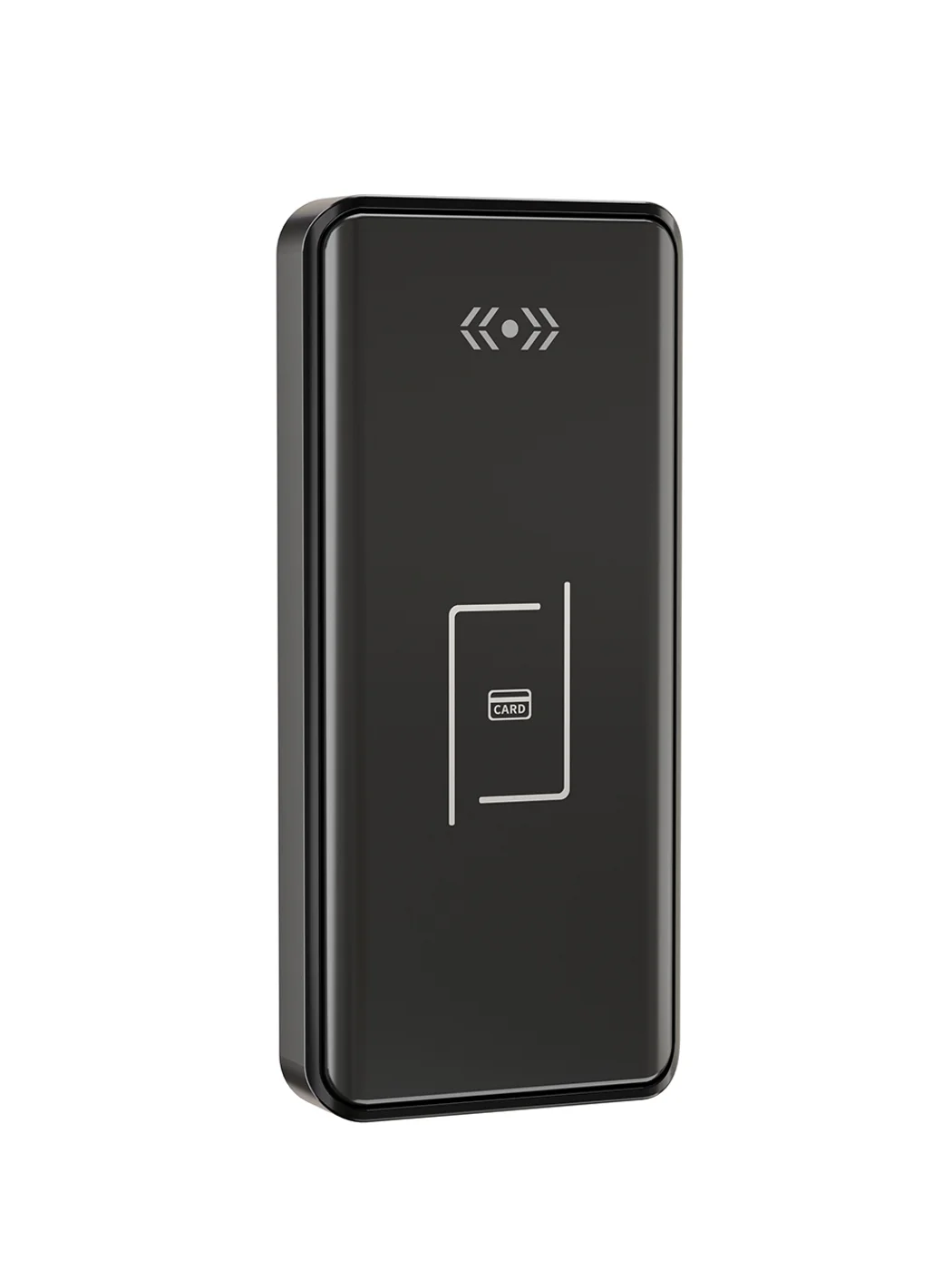
Gym Locker Lock — Offline Card, No WiFi Required
Offline card gym locker lock for fitness and pool lockers. MIFARE card, battery-powered 5-minute retrofit, no WiFi or server. Zinc alloy body, CE/FCC/RoHS.
This page already points to it as the next recommended reference.
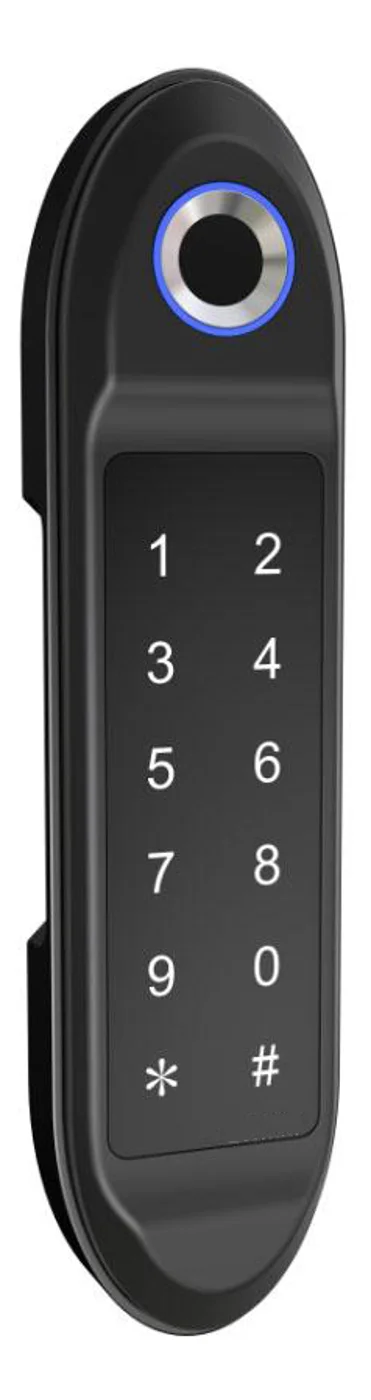
PIN Code Electronic Cabinet Lock — Stand-Alone, No WiFi
Offline keypad cabinet lock for gym, office and parcel lockers. Battery-powered, 5-minute retrofit, audit-free simple deployment. PIN + MIFARE card, DC 6V, 4×AA.
This page already points to it as the next recommended reference.
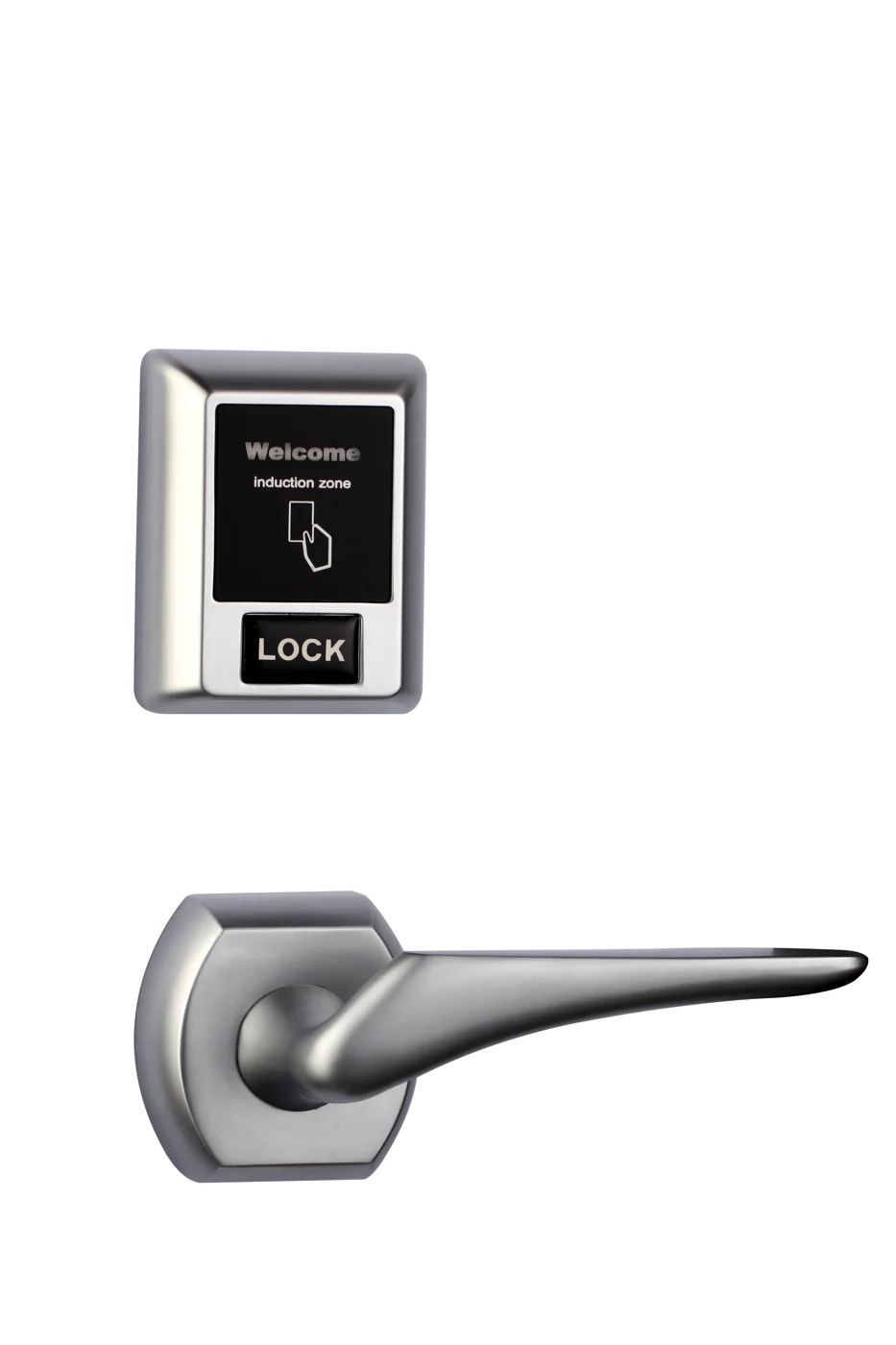
Bluetooth Cabinet Lock — App + PIN + Card, Managed Fleet
Offline BLE app cabinet lock for parcel, office, and managed locker fleets. App + PIN + MIFARE card, remote credential management, no server dependency, battery-powered retrofit.
This page already points to it as the next recommended reference.
Related blog posts
3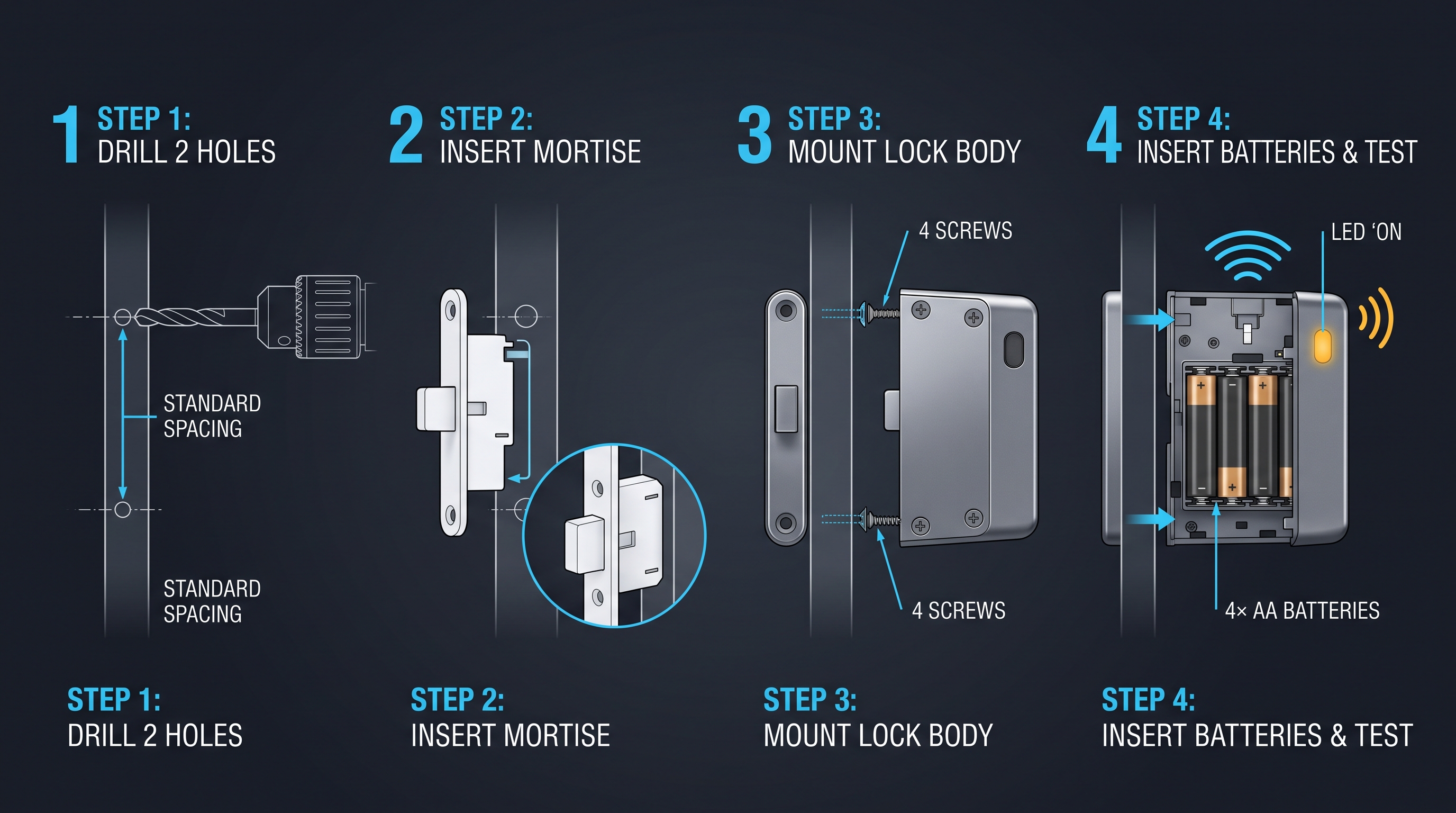
Electronic Locker Lock Price: Complete Guide to Cost Factors, Tiers, and Vendor Negotiation
Understand what drives an electronic locker lock price — from credential types and materials to volume discounts, NRE tooling, shipping, and 5-year TCO. Full pricing guide with tables.
It supports the same product context: Gym Locker Lock — Offline Card, No WiFi Required.
Electronic Furniture Lock: The Complete Guide to Powered Cabinet Security
Electronic furniture lock secures cabinets, drawers, and casegoods with RFID, BLE, PIN, or biometric credentials, replacing keys with auditable, managed access. Full guide.
It supports the same product context: PIN Code Electronic Cabinet Lock — Stand-Alone, No WiFi.
The Complete Guide to Electronic Drawer Lock Technology, Installation, and Deployment
Learn everything about electronic drawer lock technology: solenoid mechanisms, RFID/PIN/biometric credentials, fail-safe vs fail-secure, battery vs hardwired, audit, retrofitting, and office/healthcare/retail deployment.
It supports the same product context: PIN Code Electronic Cabinet Lock — Stand-Alone, No WiFi.
Specify your hotel project with our engineers
Send your room count, ceiling type, and protocol preference. We will return a sample plan and quote within 24 business hours.
- Move from general guidance into a product or application discussion.
- Use RFQ when pricing, drawings, MOQ, or launch timing needs structure.
- Keep a direct contact path visible for fast clarifications and handoff.