Electronic Cabinet Lock with Audit Trail: The Definitive Guide to Compliance-Grade Access Logging
Learn how an electronic cabinet lock with audit trail delivers tamper-proof access logs, SIEM integration, and compliance for DEA, HIPAA, FDA, and SOX environments.
What Is an Electronic Cabinet Lock with Audit Trail?
An electronic cabinet lock with audit trail is a microprocessor-controlled locking mechanism that replaces traditional keyed or combination locks on cabinets, drawers, and enclosures, adding the critical capability of recording every access event in non-volatile memory. Unlike a standard electronic lock that simply grants or denies entry, an electronic cabinet lock with audit trail captures a detailed forensic record for each event: the exact timestamp (often synchronized to an NTP time server or a central controller), the credential identifier used (PIN code, RFID badge, biometric template, or mobile credential), the action performed (lock, unlock, attempted unlock, forced entry, tamper detection), and the result (success, denied, timeout, error). These records are stored in flash memory that retains data even during power loss, with capacities ranging from 1,000 to 100,000 events depending on the model and manufacturer. Typical event retrieval methods include USB flash drive export, RS-485 serial communication, Wi-Fi connectivity, or Zigbee wireless mesh networking, enabling integration with broader security information and event management platforms. The device draws between 50 and 250 milliamps at 5 to 24 volts DC depending on the locking mechanism, and pricing ranges from approximately $150 for a basic standalone unit to over $800 for a fully networked, tamper-rated model with SIEM-ready firmware. Common certifications include UL 294 for access control, ANSI/BHMA A156.30 for electronic locks, and compliance support for DEA Title 21 CFR Part 1300, HIPAA Security Rule 45 CFR Part 164, FDA 21 CFR Part 11, and SOX Section 404. The engineering behind these devices combines a solenoid or motor-driven latch mechanism with a real-time clock, a cryptographic microcontroller, and a secure flash storage IC, all housed in a tamper-evident enclosure rated for physical attack resistance. What sets an electronic cabinet lock with audit trail apart from a standard electronic lock is the non-repudiation capability — the system creates a legally defensible record that cannot be altered or deleted by the end user, ensuring that the audit trail is admissible in regulatory audits, internal investigations, and legal proceedings. This makes the technology indispensable in environments where access to sensitive or controlled substances must be tracked with absolute certainty.
Why Every Regulated Facility Needs an Electronic Cabinet Lock with Audit Trail
The regulatory landscape for controlled substances, sensitive data, and high-value assets has grown increasingly demanding, and an electronic cabinet lock with audit trail has shifted from a convenience feature to a compliance necessity. The Drug Enforcement Administration requires that all entities handling Schedule II through V controlled substances maintain a complete and accurate record of every access event, including the identity of the individual accessing the inventory and the exact time of access. Traditional paper logs are notoriously unreliable — they can be filled out in advance, backdated, lost, or simply forgotten, creating compliance gaps that can result in DEA citations, fines, or loss of registration. An electronic cabinet lock with audit trail eliminates these vulnerabilities by creating an automated, tamper-proof record that cannot be altered after the fact. In healthcare environments governed by the Health Insurance Portability and Accountability Act, the Security Rule mandates that covered entities implement access control mechanisms that record and examine activity in systems containing protected health information. While HIPAA is often associated with electronic health records, the physical security of medication cabinets, patient file drawers, and supply storage areas falls under the same Administrative Safeguards and Physical Safeguards requirements. An electronic cabinet lock with audit trail provides the documentation needed to demonstrate compliance during OCR audits, including evidence of unique user identification, automatic logoff equivalents, and audit controls. The Food and Drug Administration's 21 CFR Part 11 regulations, which govern electronic records and electronic signatures in the pharmaceutical and medical device industries, require that systems generating electronic records implement measures to prevent record falsification, ensure record accuracy, and maintain audit trails that capture who performed an action, what action was performed, and when. An electronic cabinet lock with audit trail maps directly to these requirements by providing a secure, time-stamped, and user-identified record of every cabinet access event. The Sarbanes-Oxley Act, while primarily focused on financial controls, extends to the physical security of assets that affect financial reporting, including cash drawers, securities storage, and financial document cabinets. Section 404 requires that management assess and report on the effectiveness of internal controls over financial reporting, and an electronic cabinet lock with audit trail provides the verifiable access records that auditors demand. Beyond regulatory compliance, the device serves as a powerful deterrent against internal theft, a forensic tool for investigating security incidents, and a source of operational intelligence for optimizing workflow efficiency. The cost of a single compliance violation — which can range from $10,000 for a minor DEA citation to $1.5 million for a HIPAA violation — far exceeds the investment in an electronic cabinet lock with audit trail, making the technology a straightforward risk management decision.
The Core Components of an Electronic Cabinet Lock with Audit Trail
Understanding the internal architecture of an electronic cabinet lock with audit trail helps procurement professionals evaluate competing products on technical merit rather than marketing claims. The locking mechanism itself is typically a solenoid-operated latch or a motor-driven deadbolt, with solenoids being faster (actuation in 50 to 150 milliseconds) but consuming more power during the pulse, while motor-driven mechanisms draw lower average current (as little as 10 mA at idle) but take 300 to 800 milliseconds to complete the unlock cycle. The choice between these two depends on the specific application: high-traffic pharmacy cabinets often favor solenoid mechanisms for speed, while battery-powered installations on mobile carts or remote enclosures prefer motor-driven mechanisms for power efficiency. The credential reader subsystem supports one or more authentication modalities, with the most common being RFID proximity readers operating at 125 kHz or 13.56 MHz, capacitive touch PIN pads, biometric fingerprint scanners, and Bluetooth Low Energy interfaces for mobile credentials. The real-time clock is a critical component because the evidentiary value of every audit event depends on accurate timestamping. Most electronic cabinet lock with audit trail products use a temperature-compensated crystal oscillator with a drift of less than two minutes per year, and networked models synchronize to an NTP server or a central access control panel at configurable intervals, ensuring that all locks in a facility operate on a common time base. The non-volatile flash storage subsystem uses serial NOR flash or NAND flash memory with a minimum of 1,000 event records and a maximum of 100,000 or more. The storage controller implements a wear-leveling algorithm to extend the life of the flash memory, and the firmware typically uses a circular buffer design that overwrites the oldest events when the buffer is full, ensuring that the device always retains the most recent history. The communication interface provides the pathway for event retrieval and configuration. USB interfaces are common on lower-cost models and allow a security officer to physically connect a USB flash drive to download the event log in CSV or XML format. RS-485 interfaces support multi-drop networking where up to 255 locks can share a single communication bus, with a maximum cable length of 4,000 feet, making this topology ideal for large installations in healthcare facilities or data centers. Wi-Fi connectivity eliminates the need for dedicated wiring and supports over-the-air firmware updates, real-time event streaming, and integration with cloud-based access control platforms. Zigbee interfaces are optimized for mesh networking in environments where Wi-Fi congestion is a concern, offering lower power consumption and reliable communication through self-healing mesh topologies. The tamper detection subsystem includes microswitches or magnetic reed switches that detect unauthorized attempts to remove the lock from the cabinet, forced entry attempts, or attempts to bypass the credential reader. When a tamper event is detected, the system immediately records the event with a timestamp and, in networked models, sends an alert to the security monitoring station. The cryptographic microcontroller is the brain of the device, responsible for processing authentication requests, managing the audit log, controlling the locking mechanism, and securing communication with external systems. The microcontroller typically includes a hardware security module that generates and stores encryption keys, ensuring that the audit log data is protected against unauthorized reading or modification even if the device is physically compromised.
How an Electronic Cabinet Lock with Audit Trail Works
The operational sequence of an electronic cabinet lock with audit trail begins with credential presentation and proceeds through authentication, actuation, logging, and transmission. When a user approaches the cabinet, they present a credential — tap an RFID badge, enter a PIN on the keypad, scan a fingerprint, or unlock via a mobile app. The credential reader captures the identifier and passes it to the microcontroller, which compares it against the stored authorized credential list. If the authentication succeeds, the microcontroller energizes the solenoid or motor driver, releasing the latch or retracting the deadbolt. The lock then generates an audit event containing the credential ID, the action type (unlock granted), the timestamp from the real-time clock, and the result code (success). This event is written to the flash memory buffer in a structured format, typically a binary record that includes a cyclic redundancy check or hash value to detect data corruption. The entire authentication and actuation sequence completes in 200 to 900 milliseconds depending on the lock mechanism and credential type. If the authentication fails — for example, a PIN code is entered incorrectly, a badge is not in the authorized list, or a biometric match fails — the lock remains in the locked state and generates a denied access event with the same fields: credential ID, action type (access denied), timestamp, and result code (failure reason). The system typically allows a configurable number of failed attempts before triggering a lockout period, an alarm, or both. The lockout duration and failed attempt threshold are configurable through the lock management software, and every failed attempt is recorded in the audit trail for later review. Forced entry attempts generate a distinct event type that is flagged as critical in the audit log. When the tamper detection subsystem senses an attack — such as prying the lock housing, cutting the latch bolt, or shorting the credential reader interface — the microcontroller immediately records a tamper event with a severity indicator and, on networked models, sends a real-time alert to the security console. The audit log is organized as a sequential list of records, each containing a monotonically increasing event sequence number, a timestamp with millisecond precision, the credential ID or system identifier, the event type code, the result code, and a cryptographic signature. The cryptographic signature is computed over the entire record using a key stored in the hardware security module, providing non-repudiation and integrity verification. When the log is exported to a USB drive or transmitted to a central server, the system includes the cryptographic signature for each record, allowing the receiving system to verify that the records have not been tampered with during transit. The export process can be initiated manually by a security officer with administrative credentials, or it can be configured to occur automatically on a schedule or when the log reaches a certain fill percentage. The exported data is typically formatted as a CSV file for easy import into spreadsheet applications and SIEM platforms, or as an XML file for integration with enterprise security management systems. The SIEM integration enables real-time correlation of cabinet access events with other security data sources, such as video management systems, badge access systems, and intrusion detection systems, providing a comprehensive view of security events across the facility.
Event Storage and Management in an Electronic Cabinet Lock with Audit Trail
The event storage architecture of an electronic cabinet lock with audit trail determines how much historical data is available for compliance audits, security investigations, and operational analysis. The flash memory capacity varies significantly across product tiers, with entry-level models storing 1,000 to 5,000 events, mid-range models storing 10,000 to 50,000 events, and enterprise-grade models storing up to 100,000 events or more. A busy pharmacy cabinet in a 24-hour hospital might generate 50 to 200 events per day, meaning a 10,000-event buffer provides approximately 50 to 200 days of history before the circular buffer begins overwriting the oldest entries. A less frequently accessed evidence storage cabinet in a police station might generate only 5 to 10 events per day, allowing a 100,000-event buffer to retain years of history. The event record format typically includes the following fields, each of which is essential for compliance and forensic analysis: event sequence number, timestamp (date and time with seconds or milliseconds), credential ID or user identifier, credential type (PIN, RFID, biometric, mobile, key override), event type (lock, unlock, access denied, tamper detected, forced entry, timeout, system startup, system shutdown, time sync, log export, configuration change), result code (success, invalid credential, expired credential, lockout active, battery low, tamper state, communication error), and device identifier (serial number or network address). Some advanced models also include the cabinet number or location identifier, the door position status (open, closed, ajar), and the battery voltage at the time of the event. The firmware manages the event buffer using a circular queue design, where new events are written at the current write pointer, and the pointer advances to the next available slot. When the pointer reaches the end of the buffer, it wraps around to the beginning, overwriting the oldest event. This design ensures that the device always retains the most recent events, which are typically the most relevant for security investigations. The event buffer is protected by a write-once-read-many policy at the firmware level, meaning that events cannot be selectively deleted or modified by end users. The only way to clear the event buffer is to perform a factory reset, which is a deliberate action that itself generates an audit event, ensuring that any attempt to destroy evidence is itself recorded. The export process extracts the event buffer in its entirety or within a configurable date range, and the exported file includes a digital signature that authenticates the file and verifies its integrity. When the exported file is loaded into the SIEM or access control management software, the system validates the digital signature and reports any discrepancies. This chain of custody for audit data is critical for meeting the evidentiary standards required by DEA, HIPAA, FDA, and SOX compliance audits. The event management software typically provides search, filter, sort, and reporting capabilities, allowing security officers to quickly locate specific events, generate compliance reports, and export data in formats required by regulators. The software also manages the credential database, including user enrollment, credential assignment, access schedules, and credential revocation, and it synchronizes the real-time clock across all connected locks to ensure consistent timestamping.
Compliance and Regulatory Requirements for an Electronic Cabinet Lock with Audit Trail
The primary driver for adopting an electronic cabinet lock with audit trail is compliance with federal and industry-specific regulations that mandate auditable access control for sensitive materials and information. The Drug Enforcement Administration's regulations under Title 21 CFR Part 1300 establish the security requirements for controlled substances, including the requirement that all controlled substance storage areas be locked and that access be limited to authorized personnel. While the regulations do not explicitly mandate electronic locks with audit trails, the DEA's Pharmaceutical Diversion Prevention guidelines and the results of DEA administrative inspections make clear that manual logbooks are no longer considered adequate for Schedule II controlled substances in high-volume environments. An electronic cabinet lock with audit trail provides the continuous, automated, and tamper-proof record that DEA investigators expect to see during inspections. The Health Insurance Portability and Accountability Act Security Rule, codified at 45 CFR Part 164.312, requires that covered entities implement hardware, software, and procedural mechanisms that record and examine activity in information systems containing electronic protected health information. The Physical Safeguards section at 164.310 specifically addresses facility access controls, including the requirement to implement policies and procedures that limit physical access to electronic information systems and the facilities in which they are housed. An electronic cabinet lock with audit trail installed on medication cabinets, patient file drawers, and supply cabinets in healthcare facilities directly supports compliance with these requirements by providing unique user identification, automated access logging, and the ability to review access records during security incident investigations. The Food and Drug Administration's 21 CFR Part 11 regulations establish the criteria under which electronic records and electronic signatures are considered trustworthy, reliable, and equivalent to paper records. Part 11 requires that systems generating electronic records implement measures to prevent record falsification, ensure that records are accurate and complete, and maintain an audit trail that captures the date and time of each action, the identity of the person performing the action, and the action performed. An electronic cabinet lock with audit trail must meet these requirements to be used in FDA-regulated environments such as pharmaceutical manufacturing, clinical trial material storage, and medical device inventory management. The Sarbanes-Oxley Act of 2002, particularly Section 404, requires that management assess and report on the effectiveness of internal controls over financial reporting. While SOX is typically associated with IT systems, the physical security of assets that affect financial statements — including cash drawers, securities cabinets, financial document storage, and inventory of high-value materials — falls under the scope of internal controls. An electronic cabinet lock with audit trail provides the verifiable access records that external auditors use to assess the effectiveness of physical access controls. The General Data Protection Regulation, while not a US regulation, has implications for US companies that handle personal data of EU citizens, and its Article 32 requirement for appropriate technical and organizational measures to ensure data security includes physical access controls for data storage cabinets. The Payment Card Industry Data Security Standard requires that cardholder data be stored in physically secure locations with access controls, and Requirement 9 specifically addresses the need to restrict physical access to cardholder data. An electronic cabinet lock with audit trail on document cabinets and server racks in payment processing environments provides the documentation needed for PCI DSS compliance assessments. The International Organization for Standardization's ISO 27001 standard for information security management systems requires that organizations implement physical security controls that include access logging and monitoring, and an electronic cabinet lock with audit trail provides the evidence needed for ISO 27001 certification audits.
SIEM Integration and Real-Time Monitoring
The true power of an electronic cabinet lock with audit trail is realized when it is integrated into a Security Information and Event Management platform, transforming isolated cabinet access events into actionable intelligence within the broader security ecosystem. The integration architecture typically follows a publish-subscribe model where the lock or its controller generates events in a structured format, such as Syslog with RFC 5424 formatting, and transmits them to the SIEM collector over the network. The event payload includes the device identifier, event type, timestamp, credential identifier, and result code, all formatted in a way that the SIEM parser can interpret and normalize into the platform's common event format. The Syslog protocol is the most widely supported integration method because it is supported by virtually every SIEM platform, including Splunk, IBM QRadar, ArcSight, LogRhythm, and Microsoft Sentinel. The lock's firmware is configured with the IP address or hostname of the SIEM collector and the UDP or TCP port number for Syslog messages. Each event is transmitted as a separate Syslog message with a facility code of 16 (local use 0) and a severity level that corresponds to the event type: informational for normal access events, warning for access denied events, error for system faults, and critical for tamper or forced entry events. The SIEM platform ingests these messages, parses them into structured fields, and correlates them with events from other security data sources. For example, a cabinet access event can be correlated with video management system data to retrieve the video footage of the person accessing the cabinet at that exact time. The SIEM can also correlate cabinet access events with badge access system events to verify that the person who entered the cabinet was physically present in the building at the time. Custom correlation rules can be configured to generate alerts for specific scenarios, such as a user accessing a controlled substance cabinet outside their scheduled shift, multiple failed access attempts on the same cabinet within a short time window, access to a cabinet that should be empty or locked for inventory, or an access event on a cabinet that has been reported as tampered. The SIEM integration also enables automated compliance reporting, where the system generates reports that summarize cabinet access activity for specific time periods, users, or cabinets, formatted in the way that specific regulators require. The real-time monitoring capability means that security personnel receive immediate notification of critical events, such as tamper detection or forced entry, through the SIEM's alerting and notification system, which can send SMS messages, email alerts, or push notifications to mobile devices. The alert can include contextual information such as the cabinet location, the type of event, the time of occurrence, and a link to the relevant video footage. The integration also supports automated response actions, such as locking all cabinets in a zone when a tamper event is detected on any cabinet, triggering a CCTV preset to point at the affected cabinet, or dispatching security personnel to the location. The bidirectional communication between the SIEM and the lock system allows security operators to remotely lock or unlock cabinets from the SIEM console, temporarily restrict access to specific credentials, or place a cabinet in lockdown mode during an active security incident. The audit trail data from the electronic cabinet lock with audit trail becomes part of the SIEM's long-term storage, providing historical data for trend analysis, forensic investigations, and compliance audits.
Tamper Detection and Duress Logging
The security capabilities of an electronic cabinet lock with audit trail extend beyond routine access logging to include sophisticated tamper detection and duress signaling features that are essential for high-security environments. The tamper detection subsystem employs multiple sensing technologies to detect unauthorized physical attacks on the lock or the cabinet. The enclosure tamper switch is a microswitch or magnetic reed switch that detects when the lock housing is removed from the cabinet surface. If an attacker attempts to unscrew the lock from the cabinet or pry it off with a crowbar, the switch changes state, triggering a tamper event that is immediately recorded in the audit log. The latch position sensor detects whether the locking bolt or latch is in the extended or retracted position. If the latch is forced open without a valid credential — for example, by sliding a credit card between the latch and the strike plate — the sensor detects the anomaly and records a forced entry event. The door position sensor detects whether the cabinet door is open or closed, enabling the system to detect situations where the door is left open after access, which could indicate that the user is distracted, that the cabinet has been compromised, or that inventory is being removed over an extended period. The shock sensor or accelerometer detects impact events such as hammer blows, drilling, or sawing, and records these as tamper events with a severity level based on the intensity of the impact. The electronic tamper detection operates in parallel with mechanical tamper evidence, such as breakaway screws that leave visible damage when the lock is removed, and tamper-evident seals that show evidence of attempted access. The duress logging feature addresses the scenario where a user is forced to open a cabinet under threat. The user can enter a duress code — a specific PIN code that is different from their normal code — or present a duress credential that authenticates the user and unlocks the cabinet while simultaneously triggering a silent alarm. The duress event is recorded in the audit log with a special flag that indicates duress, but the log entry appears identical to a normal access event on the local display, preventing the attacker from knowing that an alarm has been triggered. The silent alarm is transmitted to the SIEM or security monitoring station, where it initiates a predetermined response protocol, which may include dispatching security personnel to the location, activating CCTV recording at the cabinet, locking all other cabinets in the facility, or notifying law enforcement. The duress capability is implemented through the credential management system, where each user can be assigned a primary credential and a duress credential. The duress credential can be a specific PIN code that is one digit different from the primary code, a specific RFID badge that is designated as a duress badge, or a specific biometric finger that is enrolled as a duress finger. The system also supports a duress word or phrase for voice-authenticated systems, though this is less common in cabinet lock applications. The duress alarm is configurable for silent or audible response, depending on the facility's security policy and the nature of the threat. The tamper and duress events are stored in the audit log with the same level of cryptographic protection as normal access events, ensuring that the records are admissible as evidence in legal proceedings. The audit log includes the tamper type, the sensor that triggered the event, the timestamp, and the duration of the tamper event, providing a complete forensic record of the attack.
Time Synchronization Across the Access Control Network
The accuracy of the audit trail depends entirely on the precision of the time stamps, and an electronic cabinet lock with audit trail requires robust time synchronization to ensure that all events are recorded with a consistent and accurate time reference. The real-time clock in each lock maintains the time independently using a temperature-compensated crystal oscillator, but these oscillators drift over time due to temperature variations, component aging, and power supply fluctuations. A typical TCXO drifts by one to two minutes per year under normal operating conditions, but the drift can be as high as five minutes per year in environments with wide temperature swings. While this level of accuracy might be acceptable for a standalone lock that is audited infrequently, it becomes a problem in networked environments where events from multiple locks must be correlated and sequenced. Time synchronization is achieved through one of several mechanisms depending on the lock's connectivity. The Network Time Protocol is the most common synchronization method for locks with Ethernet or Wi-Fi connectivity. The lock's firmware is configured with the IP address or hostname of an NTP server, which is typically a local time server on the facility network or a public NTP server such as one from the NIST or Microsoft pool. The lock synchronizes its clock at configurable intervals, typically every 15 minutes to every hour, and the synchronization event is recorded in the audit log with the time offset before and after synchronization. The NTP client in the lock uses a simplified version of the NTP protocol that adjusts the clock gradually rather than jumping it, avoiding time discontinuities that could create gaps or overlaps in the audit trail. For locks connected via RS-485 or Zigbee to a central controller, the controller serves as the time source and synchronizes the locks at regular intervals. The controller itself synchronizes to an NTP server, so the entire network of locks maintains a common time base. The time synchronization events are recorded in each lock's audit log, providing a record of the time accuracy over the life of the device. For locks that are not continuously connected to a network, time synchronization can be performed manually during the event export process. When a security officer connects a USB flash drive to export the audit log, the export software can also update the lock's clock. The manual synchronization event is recorded in the audit log, creating a chain of custody for the time accuracy. Some advanced models support GPS-based time synchronization for installations in remote locations where network connectivity is not available. The GPS receiver provides time accuracy to within one microsecond of Coordinated Universal Time, ensuring that the audit trail is accurate to the highest possible standard. The time synchronization mechanism also includes a battery-backed clock that maintains the time during power outages. The backup battery is typically a coin cell or a supercapacitor that provides power for the clock for 30 days to 10 years depending on the design. When the main power is restored, the clock continues running without interruption, and if the backup battery has been depleted, the lock records a time loss event in the audit log and requires manual time setting before it can resume normal operation.
Deployment Scenarios for Healthcare and Pharmacy Environments
The most demanding application for an electronic cabinet lock with audit trail is in healthcare and pharmacy environments, where the combination of controlled substances, patient safety, and regulatory compliance creates a uniquely challenging access control requirement. Hospital pharmacies manage thousands of doses of Schedule II through V controlled substances, and the Drug Enforcement Administration requires a complete audit trail for every dose from receipt to administration to waste disposal. An electronic cabinet lock with audit trail on the pharmacy's controlled substance storage cabinets provides the first line of defense, recording every access event with the pharmacist's credential ID, the time of access, and the result of the access attempt. The audit trail from the cabinet lock complements the automated dispensing cabinet records, providing a physical security layer that documents who entered the storage area and when. In the hospital pharmacy, the electronic cabinet lock with audit trail is typically deployed on the main narcotic vault, the Schedule II storage cabinet, the emergency drug box, and the controlled substance return bin. Each location has a different access profile: the narcotic vault is accessed only by the pharmacy manager and authorized pharmacists, the Schedule II cabinet is accessed during medication dispensing and inventory counts, the emergency drug box is accessed during code blue events, and the return bin is accessed when expired or unused medications are returned. The audit trail from each location provides a complete picture of the controlled substance handling workflow, and the SIEM integration enables correlation of cabinet access events with the automated dispensing system records and the video surveillance footage. The HIPAA Security Rule requirements are addressed by the unique user identification provided by the credential system, the automatic access logging provided by the audit trail, and the ability to review access records during security incident investigations. The 21 CFR Part 11 compliance is achieved through the cryptographic protection of the audit records, the inability of users to modify or delete records, and the secure time synchronization. The deployment in nursing units and patient care areas extends the electronic cabinet lock with audit trail to medication storage cabinets, narcotic boxes, and emergency drug carts. These locations are typically accessed by multiple nurses and physicians throughout the day, and the audit trail provides a record of who accessed which medications at what time. The audit trail is used for medication administration reconciliation, diversion detection, and regulatory compliance. The system supports temporary credential assignment for traveling nurses, locum tenens physicians, and other temporary staff, with the temporary credentials automatically expiring after a configurable time period. The lock can also be configured with access schedules that restrict access to specific credentials during specific time periods, such as limiting controlled substance cabinet access to the night shift pharmacist. The deployment in outpatient pharmacy and retail pharmacy environments follows a similar pattern, with the electronic cabinet lock with audit trail installed on the controlled substance storage cabinet, the cash drawer, and the inventory storage area. The audit trail provides the documentation needed for DEA inspections, state pharmacy board audits, and internal compliance reviews. The system also supports the partial-fill controlled substance requirements, where the pharmacist can access the cabinet multiple times during the day to fill partial prescriptions, with each access event recorded in the audit trail.
Deployment in Firearms, Evidence, and Cash Management
The requirements for securing firearms, evidence, and cash share a common thread: every access must be logged, every user must be identified, and the audit trail must be tamper-proof. An electronic cabinet lock with audit trail deployed in these environments provides the same compliance and security benefits that it delivers in healthcare, adapted to the specific regulatory and operational requirements of each domain. In firearms storage, the Bureau of Alcohol, Tobacco, Firearms and Explosives requires that federal firearms licensees secure their inventory in a manner that prevents unauthorized access, and while the specific regulations do not mandate electronic locks with audit trails, the ATF's compliance inspection guidelines make clear that a secure storage system with access logging is the expected standard for dealers with high-volume sales or repeated compliance issues. The electronic cabinet lock with audit trail on the firearms display case, the backroom storage cabinet, and the gunsmith workbench provides a complete record of every firearm that is removed from or returned to storage. The audit trail includes the sales associate's credential ID, the time of access, and the duration of the access, enabling the store manager to reconcile the audit trail with the acquisition and disposition records required by ATF Form 4473. The tamper detection features are particularly important for firearms storage, where a forced entry attempt could result in the loss of dozens of weapons. The tamper alert triggers immediate notification to the store manager and local law enforcement, and the audit trail provides a forensic record of the breach attempt. The duress code feature is critically important for firearms retailers, where the risk of armed robbery is a genuine concern. The employee can enter a duress code that unlocks the cabinet while silently alerting law enforcement, and the audit trail records the duress event without alerting the attacker. In evidence storage, the chain of custody requirements mandate that every piece of evidence be tracked from collection through storage to courtroom presentation. An electronic cabinet lock with audit trail on the evidence storage cabinet, the drug evidence locker, the firearm evidence locker, and the property room provides an automated chain of custody record that is more reliable than manual evidence logs. The audit trail records every access event, including the evidence technician's credential ID, the time of access, and the duration of the access. The system supports compartmentalized storage where each evidence item is stored in a separate locked compartment, and the electronic cabinet lock with audit trail on each compartment provides a granular audit trail for each individual evidence item. The audit trail is admissible in court as a business record, and the cryptographic protection ensures that the records cannot be challenged as fabricated or altered. In cash management, the Sarbanes-Oxley Act requirements for internal controls over financial reporting extend to the physical security of cash, and an electronic cabinet lock with audit trail on the cash drawer, the safe, and the cash vault provides the documentation needed for SOX compliance audits. The audit trail records every cash access event, including the cashier's credential ID, the time of access, and the duration of the access. The system supports dual-authority access, where two authorized users must present their credentials within a configurable time window to access the cash vault. The dual-authority requirement is recorded in the audit trail with both credential IDs, providing a complete record of the access event. The audit trail is used for cash reconciliation, internal theft investigation, and regulatory compliance reporting.
Deployment in Data Centers and Server Rooms
Data center physical security has traditionally focused on perimeter access control, with card readers at the data center entrance and biometric scanners at the server room door. However, the rise of insider threats, the increasing value of data, and the requirements of compliance frameworks such as SOC 2, ISO 27001, and PCI DSS have driven demand for granular cabinet-level access control. An electronic cabinet lock with audit trail on individual server racks, network cabinets, and storage enclosures provides the per-cabinet access logging that is required for a defense-in-depth physical security strategy. The data center deployment scenario presents unique challenges that the electronic cabinet lock with audit trail must address. The electromagnetic environment in a data center can interfere with wireless communication, so Wi-Fi and Zigbee locks must be carefully positioned to maintain reliable connectivity. The dense metal structure of server racks can attenuate wireless signals, and the electromagnetic interference from servers and networking equipment can introduce noise that degrades communication reliability. RS-485 wired connectivity is often preferred in data center environments because it is immune to electromagnetic interference and provides reliable communication over the long cable runs required in large data centers. The lock's firmware must be compatible with the data center's access control system, which is typically a professional-grade system such as Lenel, Genetec, AMAG, or Software House. The integration is achieved through the SIEM or through a direct API connection between the lock management software and the access control system. The audit trail from the rack-level electronic cabinet lock with audit trail provides a record of every technician's access to each rack, including the time of access, the duration of access, and the credential used. This data is used for compliance reporting, security incident investigation, and operational analysis. The compliance requirements for data centers include SOC 2 Type II, which requires that the service organization implement controls that ensure the security, availability, processing integrity, confidentiality, and privacy of customer data. The physical security controls required by SOC 2 include access logging, and the audit trail from the electronic cabinet lock with audit trail provides the evidence needed for SOC 2 auditors. The PCI DSS Requirements 9 and 10 require that cardholder data environments be physically secure and that access to those environments be logged and monitored. The electronic cabinet lock with audit trail on the server rack containing the cardholder data environment provides the physical access logging required by PCI DSS. The ISO 27001 Annex A.11 physical security controls require that organizations implement physical security barriers, access controls, and monitoring. The electronic cabinet lock with audit trail on the server cabinets provides the access monitoring and logging required for ISO 27001 certification. The data center deployment also benefits from the environmental monitoring capabilities of some electronic cabinet lock with audit trail models. These models include temperature, humidity, and airflow sensors that record environmental conditions in the audit log, providing a record of the environmental conditions at the time of each access event. The environmental data is used for compliance reporting and for investigating equipment failures that may be related to environmental conditions.
How to Choose the Right Electronic Cabinet Lock with Audit Trail
Selecting the appropriate electronic cabinet lock with audit trail for a specific application requires a systematic evaluation of the operational requirements, compliance obligations, environmental conditions, and budget constraints. The first decision point is the credential type, which determines the user experience and the security level of the authentication process. PIN code locks are the most cost-effective option, with prices starting at approximately $150, and they require no physical credential to carry, but they are vulnerable to shoulder surfing and keypad wear pattern analysis. RFID badge locks eliminate the shoulder surfing vulnerability and support faster access, but they require users to carry badges and the badges can be lost or stolen. Biometric fingerprint locks provide the highest level of security because the credential is intrinsic to the user, but they are more expensive, with prices starting at approximately $350, and they can be affected by dirty or wet fingers. Mobile credential locks support credential delivery through smartphones, eliminating the need for physical badges, but they require users to have compatible smartphones and the Bluetooth communication can be unreliable in some environments. The second decision point is the event storage capacity, which must be matched to the expected access frequency and the audit retention requirements. A pharmacy cabinet that is accessed 100 times per day with a 90-day audit retention requirement needs at least 9,000 events of storage capacity, and a 10,000-event buffer provides a safety margin. An evidence locker that is accessed five times per week with a seven-year retention requirement needs at least 1,820 events of storage capacity, and a 5,000-event buffer provides a safety margin. The third decision point is the communication interface, which determines how events are retrieved and how the lock is managed. USB-only models are the simplest and least expensive, but they require a security officer to physically visit each lock to export the audit log. RS-485 models support multi-drop networking for centralized management, but they require dedicated wiring. Wi-Fi models support centralized management without dedicated wiring, but they require reliable Wi-Fi coverage and the Wi-Fi connection consumes power. Zigbee models support mesh networking for large installations, but they require a Zigbee coordinator and the network configuration can be complex. The fourth decision point is the compliance certification, which must match the regulatory requirements of the application. DEA compliance requires support for 21 CFR Part 1300, which includes unique user identification, tamper-proof audit logging, and secure event storage. HIPAA compliance requires support for 45 CFR Part 164, which includes unique user identification, automatic access logging, and the ability to review access records. FDA 21 CFR Part 11 compliance requires cryptographic protection of audit records, user inability to modify or delete records, and secure time synchronization. SOX compliance requires support for Section 404 internal controls, which includes access logging, segregation of duties, and the ability to generate compliance reports. The fifth decision point is the physical form factor, which must match the cabinet type and the installation environment. Surface-mount locks are installed on the outside of the cabinet door and are suitable for retrofit installations. Mortise locks are installed in a cutout in the cabinet door and provide a more integrated appearance. Cam locks are installed in the same footprint as a standard cam lock and are suitable for replacing existing locks. Drawer locks are designed for installation on drawers and filing cabinets. The sixth decision point is the power source, which determines the installation flexibility and the maintenance requirements. Hardwired locks are connected to the building power supply and require no battery changes, but they require an electrician for installation. Battery-powered locks can be installed anywhere without wiring, but the batteries must be replaced periodically, typically every six to 24 months depending on usage. Power-over-Ethernet locks receive power and data through a single Ethernet cable, eliminating the need for separate power wiring, but they require a PoE switch and the cable length is limited to 100 meters.
Installation and Maintenance Best Practices
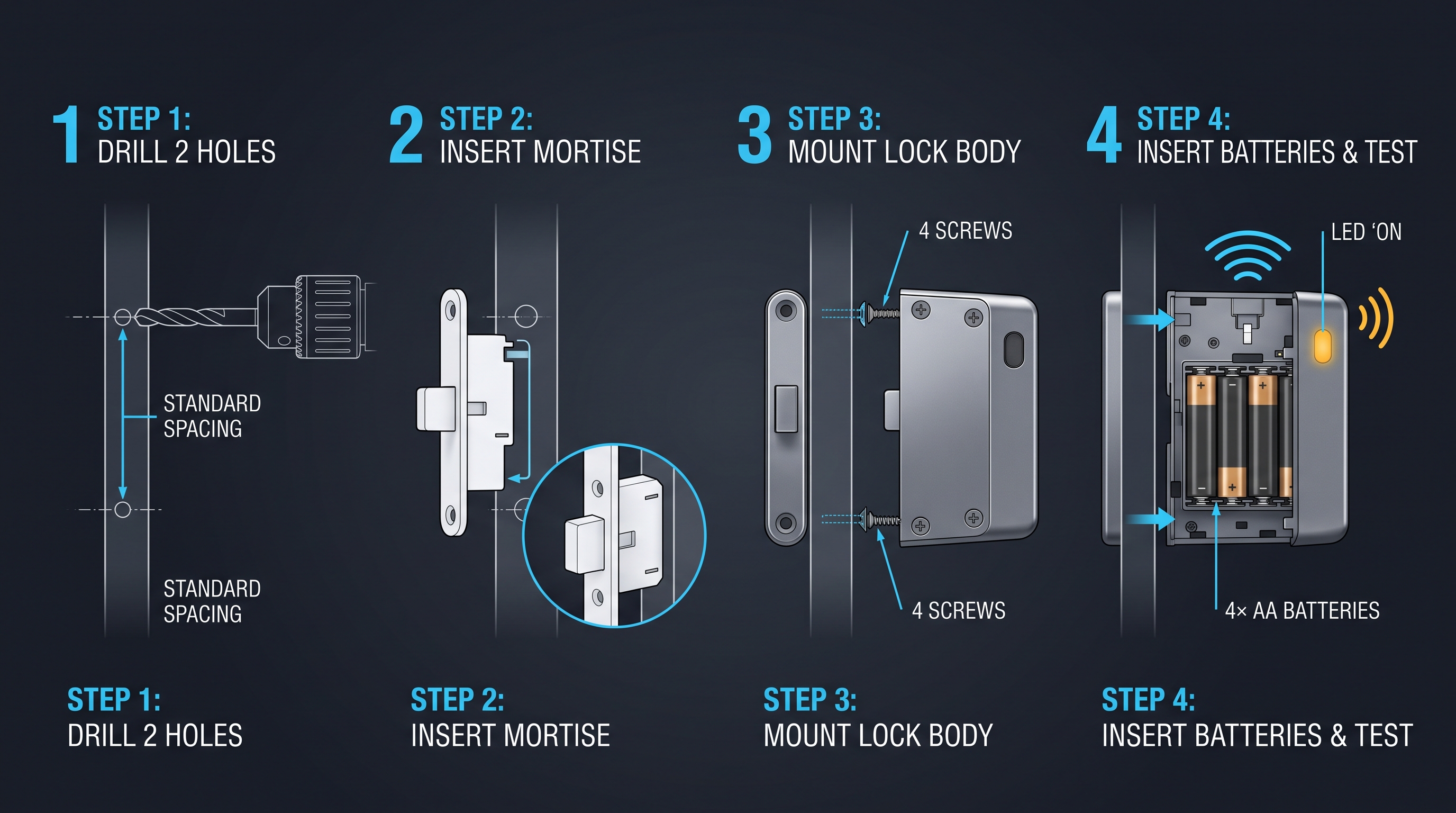
The long-term reliability of an electronic cabinet lock with audit trail depends on proper installation, configuration, and ongoing maintenance. The installation process begins with a site survey that documents the cabinet type, door thickness, door material, and ambient environment. The cabinet door must be compatible with the lock form factor, and the door alignment must be within the lock's tolerance for misalignment. Steel cabinets require a hole saw for surface-mount locks or a jigsaw for mortise locks, and the mounting surface must be clean, flat, and free of obstructions. The lock's strike plate must be aligned with the latch bolt to ensure that the latch engages properly and that the door closes without binding. The wiring for hardwired locks must be routed through the cabinet wall or through the door hinge, and the wiring must be protected from sharp edges and moving parts. The power supply must be sized to handle the peak current draw of the solenoid or motor, and the power supply voltage must be within the lock's specified range. The communication wiring for RS-485 networks must be terminated at both ends of the bus to prevent signal reflections, and the wiring must be routed away from power cables to prevent electromagnetic interference. The configuration process includes setting the real-time clock, enrolling users and assigning credentials, configuring access schedules, setting the event export schedule, and configuring the SIEM integration parameters. The time synchronization must be configured with the correct NTP server address and synchronization interval, and the time zone must be set correctly to ensure that timestamps are accurate for the facility's location. The user enrollment process includes collecting the user's name, credential identifier, access level, and access schedule. The credential identifier for RFID badges is the badge serial number, which is read by the lock during enrollment. The credential identifier for PIN codes is the user's assigned PIN, which must be between four and eight digits depending on the lock's configuration. The credential identifier for biometric fingerprints is the fingerprint template, which is captured by the lock's fingerprint sensor during enrollment. The access schedule defines when the user is allowed to access the cabinet, and it can be configured for specific days of the week, specific times of day, and specific dates. The maintenance program includes regular battery replacement for battery-powered locks, regular firmware updates, regular audit log reviews, and regular physical inspection of the lock and cabinet. The battery replacement schedule is determined by the lock's power consumption and the access frequency, and the lock typically reports the battery voltage in the audit log, providing a warning when the battery is low. The firmware updates are delivered through the communication interface, and they include security patches, bug fixes, and feature enhancements. The firmware update process is recorded in the audit log, providing a record of the update for compliance purposes. The audit log review is a critical compliance activity, and it should be performed at regular intervals, typically monthly for low-security environments and weekly for high-security environments. The review includes checking for denied access events, after-hours access events, tamper events, and system errors. The physical inspection includes checking the lock mounting, the door alignment, the latch engagement, and the wiring integrity. The inspection also includes verifying that the tamper detection sensors are functioning correctly and that the lock is free of physical damage.
Cost Analysis and Return on Investment
The decision to invest in an electronic cabinet lock with audit trail is ultimately a business case that balances the cost of the technology against the cost of compliance violations, theft losses, and operational inefficiencies. The total cost of ownership includes the initial hardware cost, the installation cost, the software license cost, the ongoing maintenance cost, and the training cost. The hardware cost ranges from $150 for a basic standalone PIN code lock with USB export to $800 for a fully networked lock with biometric authentication, Wi-Fi connectivity, and SIEM integration. The installation cost ranges from $50 per lock for a simple surface-mount installation on a standard cabinet to $500 per lock for a complex mortise installation on a reinforced cabinet with concealed wiring. The software license cost ranges from $0 for locks that include free management software to $200 per lock per year for enterprise-grade management software with SIEM integration, compliance reporting, and cloud management. The ongoing maintenance cost includes battery replacement at $10 to $30 per lock per year, firmware updates that are typically included in the software license, and periodic hardware replacement at $150 to $800 every five to 10 years depending on the product quality. The training cost includes initial training for the system administrator and the users, which is typically $500 to $2,000 for a group training session. The total cost of ownership for a 50-lock deployment over five years ranges from approximately $15,000 for a basic system to $75,000 for an enterprise-grade system. The return on investment is realized through several channels. The avoidance of compliance violations is the most significant financial benefit, with a single DEA citation ranging from $10,000 to $250,000, a single HIPAA violation ranging from $100 to $50,000 per violation with an annual maximum of $1.5 million, and a single SOX non-compliance finding resulting in increased audit costs, shareholder lawsuits, and regulatory penalties. The reduction in internal theft is another significant benefit, with the average internal theft loss in a pharmacy ranging from $1,000 to $50,000 per incident and the average internal theft loss in a cash management environment ranging from $500 to $100,000 per incident. The electronic cabinet lock with audit trail deters internal theft because employees know that every access is logged and that the audit trail can be used to identify the person responsible for a theft. The operational efficiency improvement is realized through the elimination of manual logbook management, the reduction in time spent on compliance reporting, and the reduction in time spent on security incident investigation. The manual logbook management for a 50-cabinet facility requires approximately 10 hours per week for logbook maintenance, review, and storage, representing an annual cost of approximately $5,000 at a $25 per hour administrative rate. The compliance reporting that is automated by the electronic cabinet lock with audit trail reduces the time spent on regulatory reporting by approximately 80 percent, representing an annual savings of approximately $4,000. The security incident investigation that is supported by the audit trail reduces the time spent on investigations by approximately 50 percent, representing an annual savings of approximately $2,000. The total annual savings from operational efficiency are approximately $11,000, which offsets the annual cost of the system within the first year of operation.
The Future of Electronic Cabinet Lock with Audit Trail Technology
The technology landscape for an electronic cabinet lock with audit trail is evolving rapidly, driven by advances in wireless communication, biometric authentication, cloud computing, and artificial intelligence. The next generation of electronic cabinet locks with audit trail will incorporate several emerging technologies that will enhance security, improve usability, and expand the range of applications. The transition from single-factor to multi-factor authentication is already underway, with the most advanced locks supporting the combination of a physical credential, a knowledge factor, and a biometric factor. The multi-factor authentication requirement is driven by the increasing sophistication of credential theft and the expanding regulatory requirements for strong authentication. The electronic cabinet lock with audit trail supports multi-factor authentication through a staged authentication process, where the user presents the first factor, such as an RFID badge, and then presents the second factor, such as a PIN code or fingerprint. The multi-factor authentication event is recorded in the audit log with both credential factors, providing a complete record of the authentication process. The integration of artificial intelligence and machine learning into the audit trail analysis is transforming the way that access data is used for security monitoring and operational optimization. The AI-powered analysis engine ingests the audit trail data from all locks in the facility and applies machine learning algorithms to detect patterns and anomalies that indicate security threats or operational inefficiencies. The AI engine can detect behavioral anomalies such as a user accessing cabinets at times that are unusual for their work pattern, accessing cabinets that are not relevant to their job function, or accessing cabinets with an unusually high frequency. The AI engine can also detect operational patterns such as cabinets that are accessed more frequently than expected, cabinets that are accessed during unauthorized hours, and credentials that are used on multiple cabinets in a short time window. The cloud-based management platform is replacing the traditional on-premises management software, providing centralized management of locks across multiple facilities, real-time event streaming, automated compliance reporting, and over-the-air firmware updates. The cloud platform also provides the infrastructure for the AI-powered analysis engine, which requires significant computational resources that are not available on the lock itself. The cloud platform supports the integration with third-party security systems through APIs, enabling the electronic cabinet lock with audit trail to become part of a unified security ecosystem that includes video surveillance, access control, intrusion detection, and incident management. The wireless connectivity options are expanding to include 5G cellular and LoRaWAN, enabling deployment in remote locations where Wi-Fi and Ethernet connectivity are not available. The 5G cellular connectivity provides high-bandwidth, low-latency communication for real-time event streaming and video verification, while the LoRaWAN connectivity provides low-power, long-range communication for battery-powered locks in remote locations. The biometric authentication options are expanding to include iris recognition, facial recognition, and vein pattern recognition, providing higher accuracy and resistance to spoofing than fingerprint recognition. The electronic cabinet lock with audit trail of the future will be a fully integrated security device that combines access control, audit logging, environmental monitoring, and AI-powered threat detection into a single, compact, and cost-effective package.
Common Pitfalls to Avoid When Deploying an Electronic Cabinet Lock with Audit Trail
The deployment of an electronic cabinet lock with audit trail is generally straightforward, but there are several common pitfalls that can undermine the security, compliance, and operational benefits of the technology. The first pitfall is failing to properly size the event storage capacity for the expected access volume and audit retention requirements. A pharmacy that accesses a cabinet 50 times per day with a 365-day retention requirement needs at least 18,250 events of storage capacity, but the installed lock may have only 5,000 events of capacity. The result is that the oldest events are overwritten after 100 days, creating a compliance gap that is discovered during the annual DEA inspection. The fix is to calculate the expected daily access volume, multiply by the retention requirement in days, and add a safety factor of 20 percent, and then select a lock with at least that capacity. The second pitfall is failing to configure the time synchronization correctly, resulting in audit events with inaccurate timestamps. The inaccurate timestamps make it impossible to correlate access events with video surveillance footage, badge access records, or other security data sources. The inaccurate timestamps also create evidentiary problems during compliance audits and legal proceedings, where the timestamp accuracy can be challenged. The fix is to configure the NTP synchronization at the time of installation, verify that the time zone is set correctly, and test the timestamp accuracy by comparing the lock's time with a reference time source. The third pitfall is failing to secure the communication channel between the lock and the management system, resulting in the exposure of credential data and audit records to interception. The unencrypted communication channel allows an attacker with network access to capture credential identifiers, audit records, and configuration data. The fix is to ensure that the lock supports encrypted communication using TLS or a comparable protocol, and to configure the lock to reject unencrypted connections. The fourth pitfall is failing to implement the credential management policies that are required for compliance, such as credential expiration, credential revocation, and access schedule enforcement. The expired credentials that are not revoked create a security vulnerability where former employees or contractors can access the cabinet. The fix is to implement a credential management process that includes regular credential review, automatic credential expiration, and immediate credential revocation when an employee or contractor leaves the organization. The fifth pitfall is failing to integrate the audit trail with the SIEM, resulting in the audit data being siloed in the lock management system and not being correlated with other security data sources. The siloed audit data misses the security value of correlation, such as the correlation of cabinet access events with video surveillance footage, badge access records, and intrusion detection system events. The fix is to configure the SIEM integration at the time of installation and to test the integration by generating test events and verifying that they appear in the SIEM. The sixth pitfall is failing to conduct regular audit log reviews, resulting in security incidents being detected late or not at all. The audit log is a security monitoring tool, not just a compliance documentation tool, and it must be reviewed regularly to detect security incidents. The fix is to establish a regular audit log review schedule, assign responsibility for the review to a specific individual or team, and document the review results in a compliance report. The seventh pitfall is failing to train users on the proper use of the electronic cabinet lock with audit trail, resulting in operational problems such as users sharing credentials, users propping the cabinet door open, and users failing to report tamper events. The user training should include the importance of the audit trail, the proper use of the credential, the duress code procedure, and the reporting of security incidents.
Conclusion: The Case for the Electronic Cabinet Lock with Audit Trail
The electronic cabinet lock with audit trail is no longer a niche product for specialized security applications — it is a mainstream security technology that is essential for any organization that stores controlled substances, sensitive data, high-value assets, or evidence. The combination of electronic access control and automated audit logging provides a level of security and compliance that cannot be achieved with traditional keyed locks, combination locks, or manual logbooks. The audit trail provides the evidence needed for DEA, HIPAA, FDA, and SOX compliance, and the SIEM integration enables real-time security monitoring and incident response. The tamper detection and duress logging features provide protection against forced entry and armed robbery, and the time synchronization ensures that the audit events are accurate and admissible as evidence. The cost of an electronic cabinet lock with audit trail is a small fraction of the cost of a single compliance violation or a single theft incident, making the technology a sound investment for any organization that takes security and compliance seriously. The selection of the right lock requires a systematic evaluation of the credential type, event storage capacity, communication interface, compliance certification, physical form factor, and power source, and the installation and maintenance must follow best practices to ensure long-term reliability. The future of the technology includes multi-factor authentication, AI-powered threat detection, cloud-based management, and expanded wireless connectivity, all of which will enhance the security and usability of the electronic cabinet lock with audit trail. Organizations that have not yet adopted this technology should conduct a risk assessment of their current physical access control practices and develop a deployment plan that prioritizes the highest-risk cabinets and expands to the full facility over time.
Not sure which sensor fits your project?
Talk to our mmWave application engineers for a free consultation.
Find the right presence sensor for your hotel project
Compare the 3 protocols, check hotel-specific case studies, and download the installation guide
Related products
3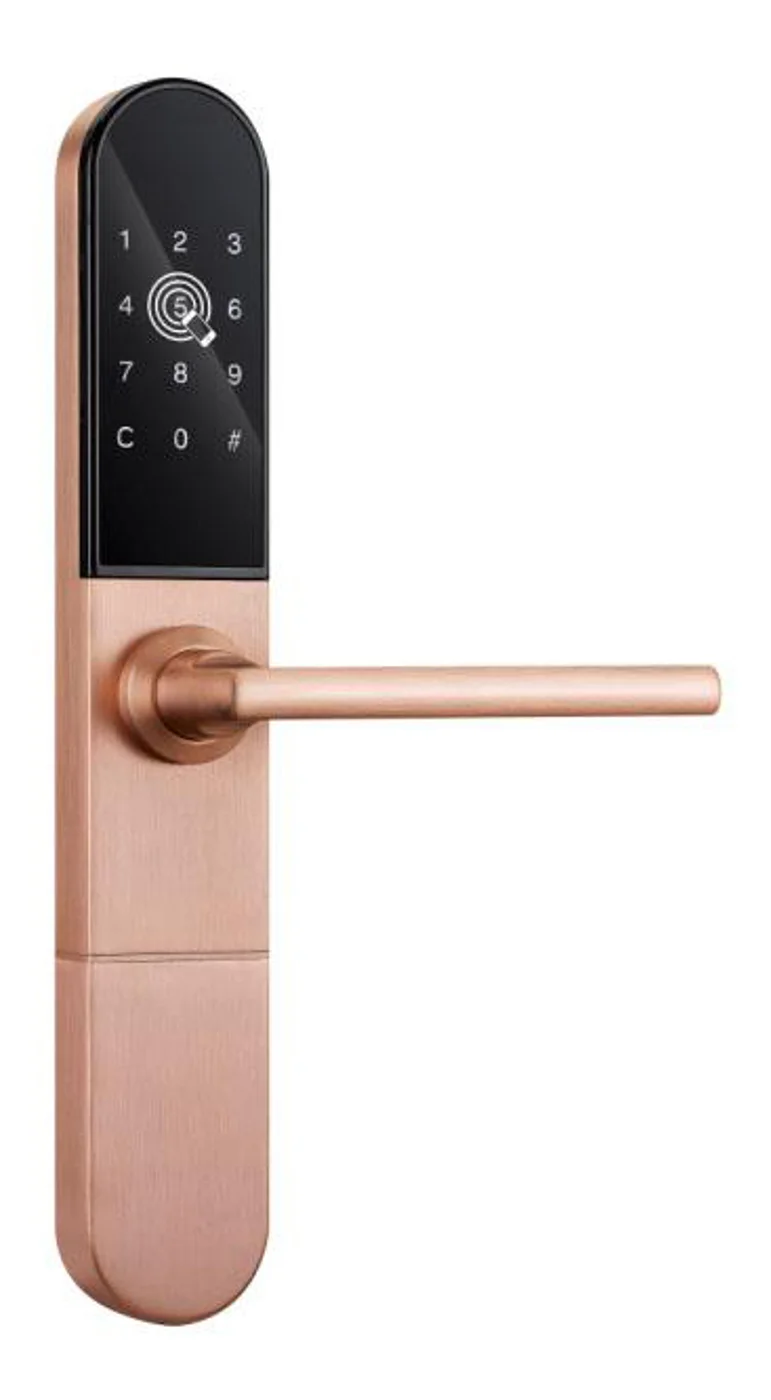
Smart Cabinet Lock — App-Managed, Multi-Site Dashboard
App-managed smart cabinet lock for office, parcel, and multi-site fleets. BLE app dashboard, audit trail, remote unlock, no per-lock server. Higher-tier chassis.
This page already points to it as the next recommended reference.
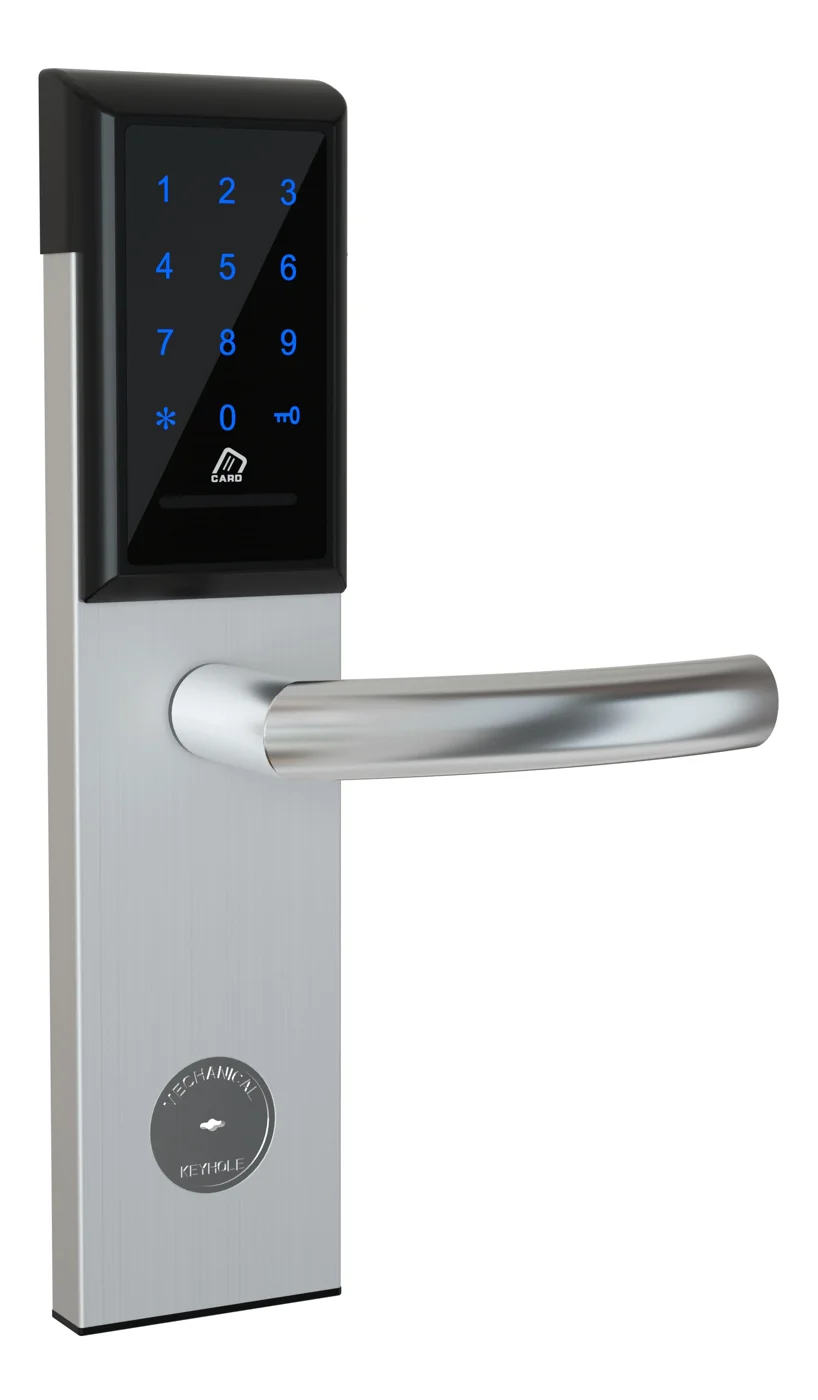
Office Cabinet Lock — PIN + Card for Filing & Pedestals
Offline PIN + card office cabinet lock for filing cabinets, pedestals, and drawers. Battery-powered 5-minute retrofit, no WiFi, no key management. CE/FCC/RoHS.
This page already points to it as the next recommended reference.
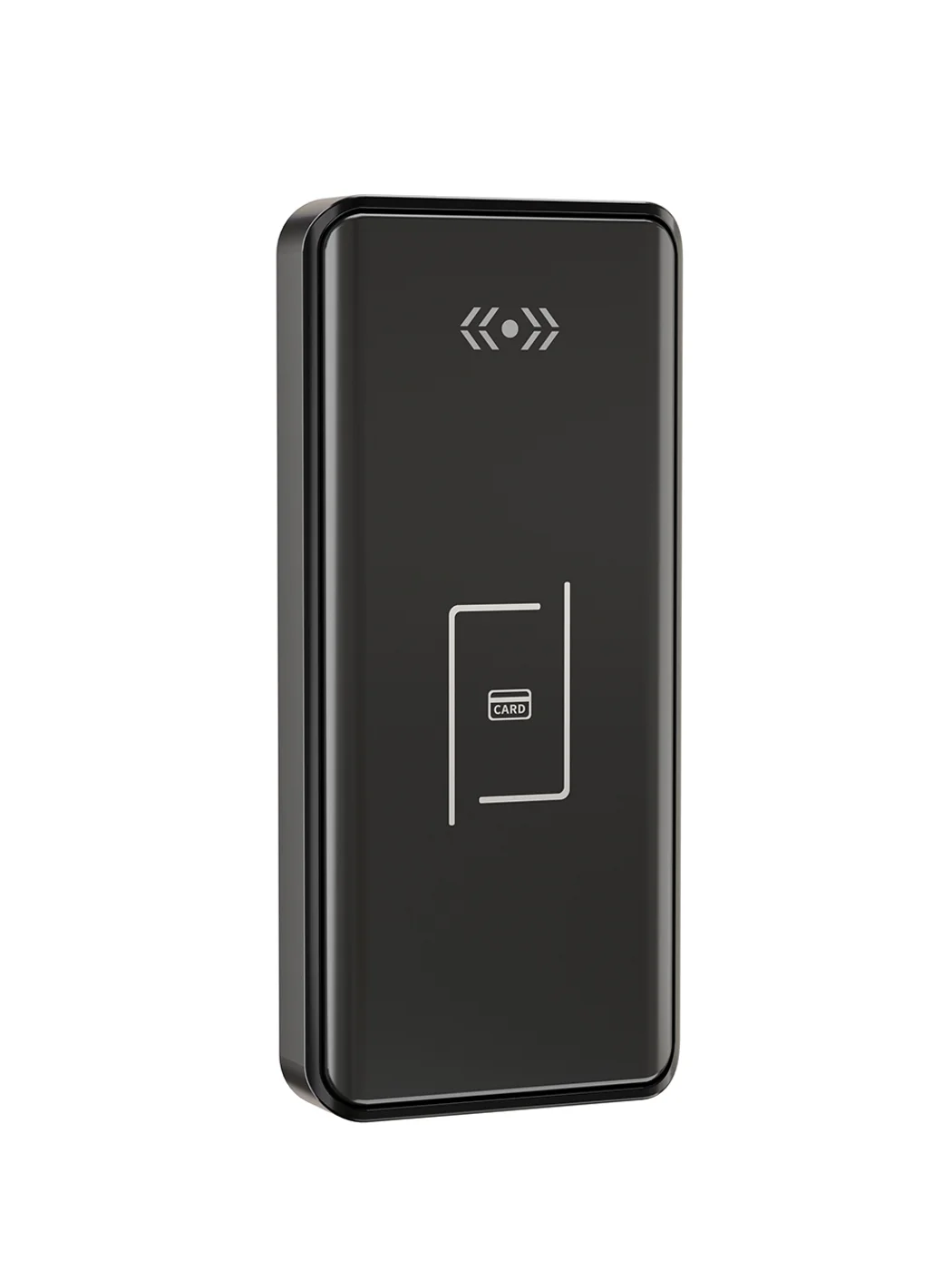
Gym Locker Lock — Offline Card, No WiFi Required
Offline card gym locker lock for fitness and pool lockers. MIFARE card, battery-powered 5-minute retrofit, no WiFi or server. Zinc alloy body, CE/FCC/RoHS.
This page already points to it as the next recommended reference.
Related blog posts
3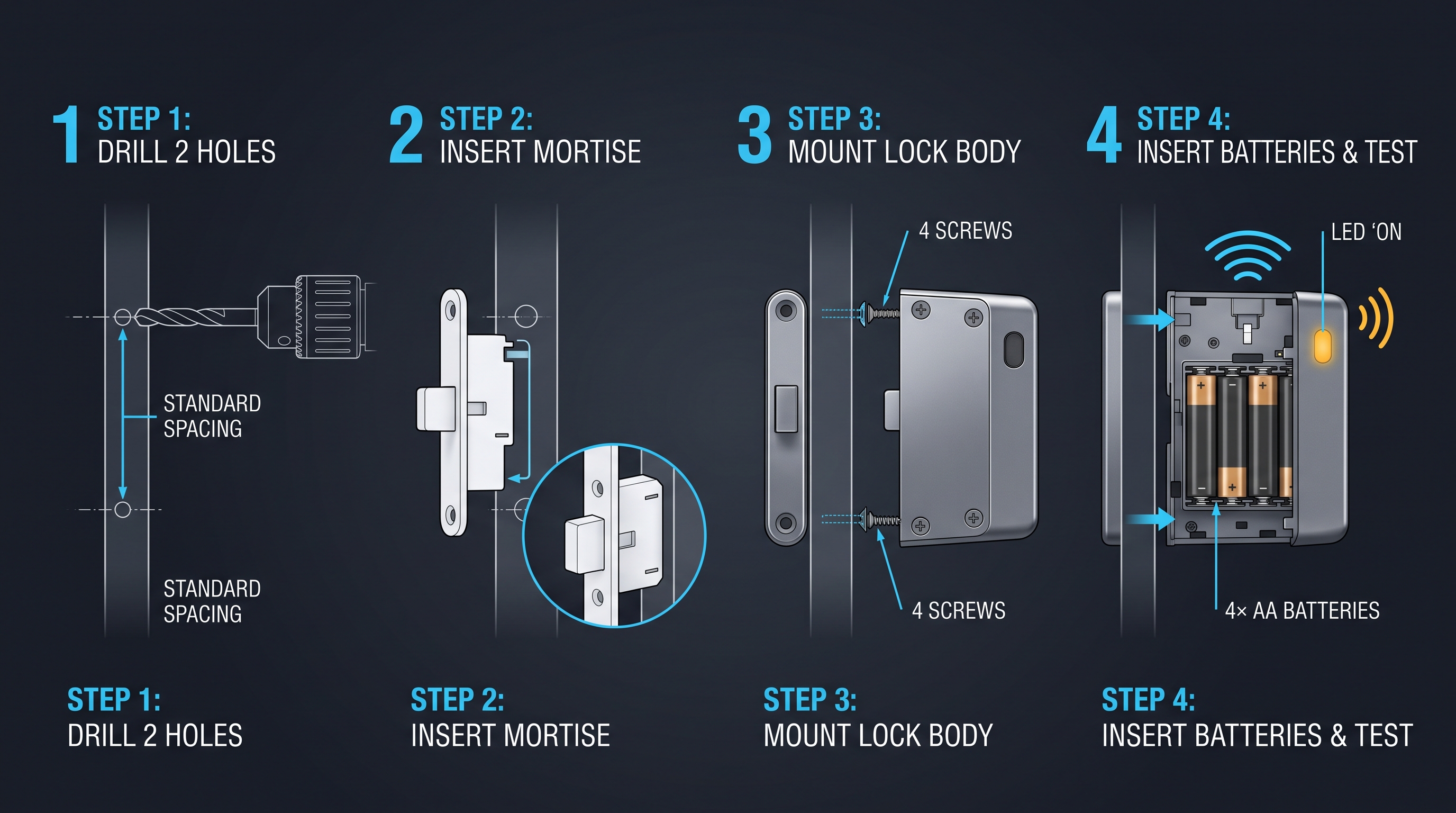
Electronic Locker Lock Price: Complete Guide to Cost Factors, Tiers, and Vendor Negotiation
Understand what drives an electronic locker lock price — from credential types and materials to volume discounts, NRE tooling, shipping, and 5-year TCO. Full pricing guide with tables.
It supports the same product context: Smart Cabinet Lock — App-Managed, Multi-Site Dashboard, Office Cabinet Lock — PIN + Card for Filing & Pedestals, Gym Locker Lock — Offline Card, No WiFi Required.
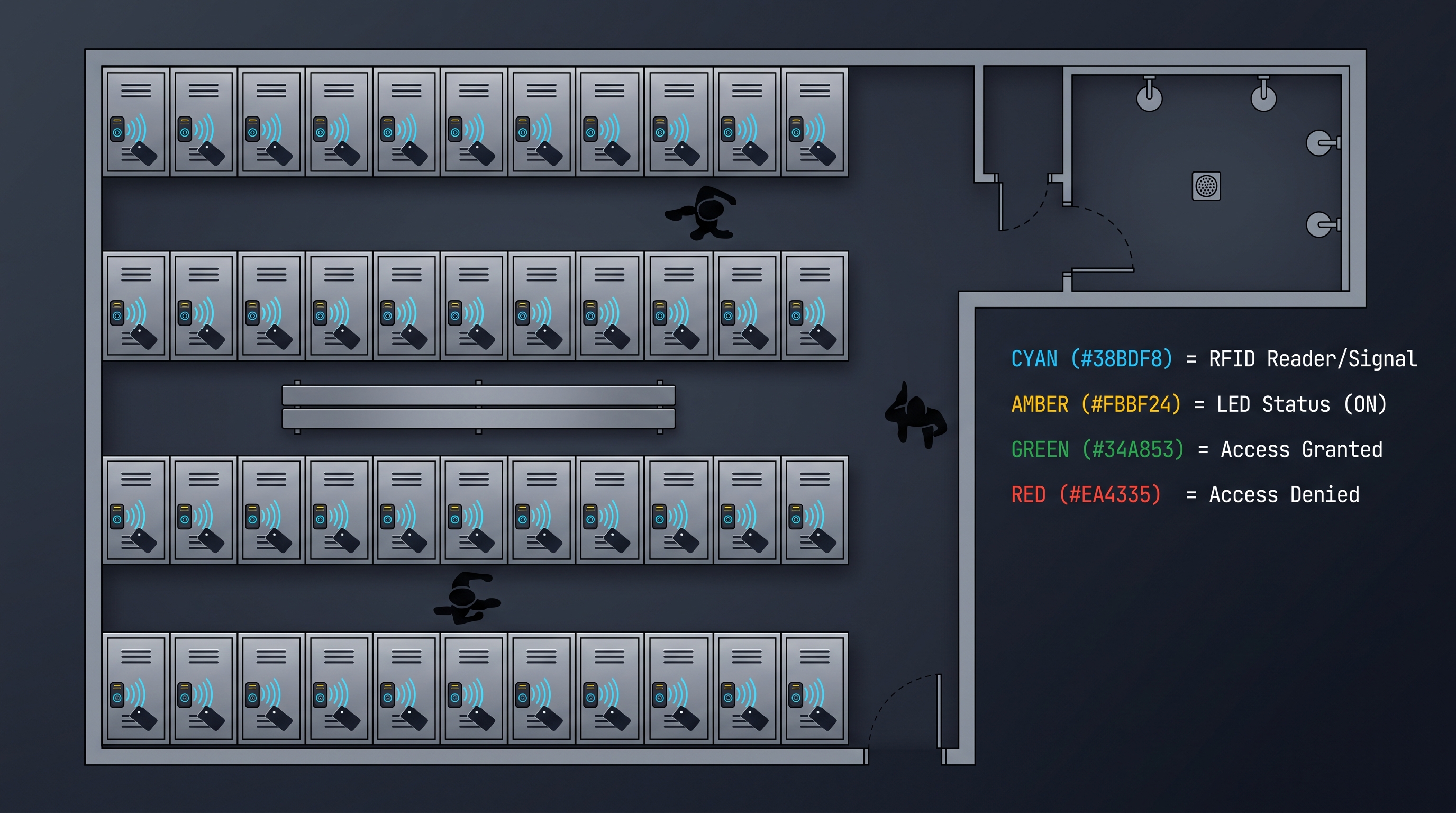
Electronic Locker Lock: The Complete 2026 Guide to Keyless Locker Security
Discover how an electronic locker lock works, from RFID to biometric models, with buying tips, specs, and comparisons for gyms, offices, and schools.
It supports the same product context: Gym Locker Lock — Offline Card, No WiFi Required.
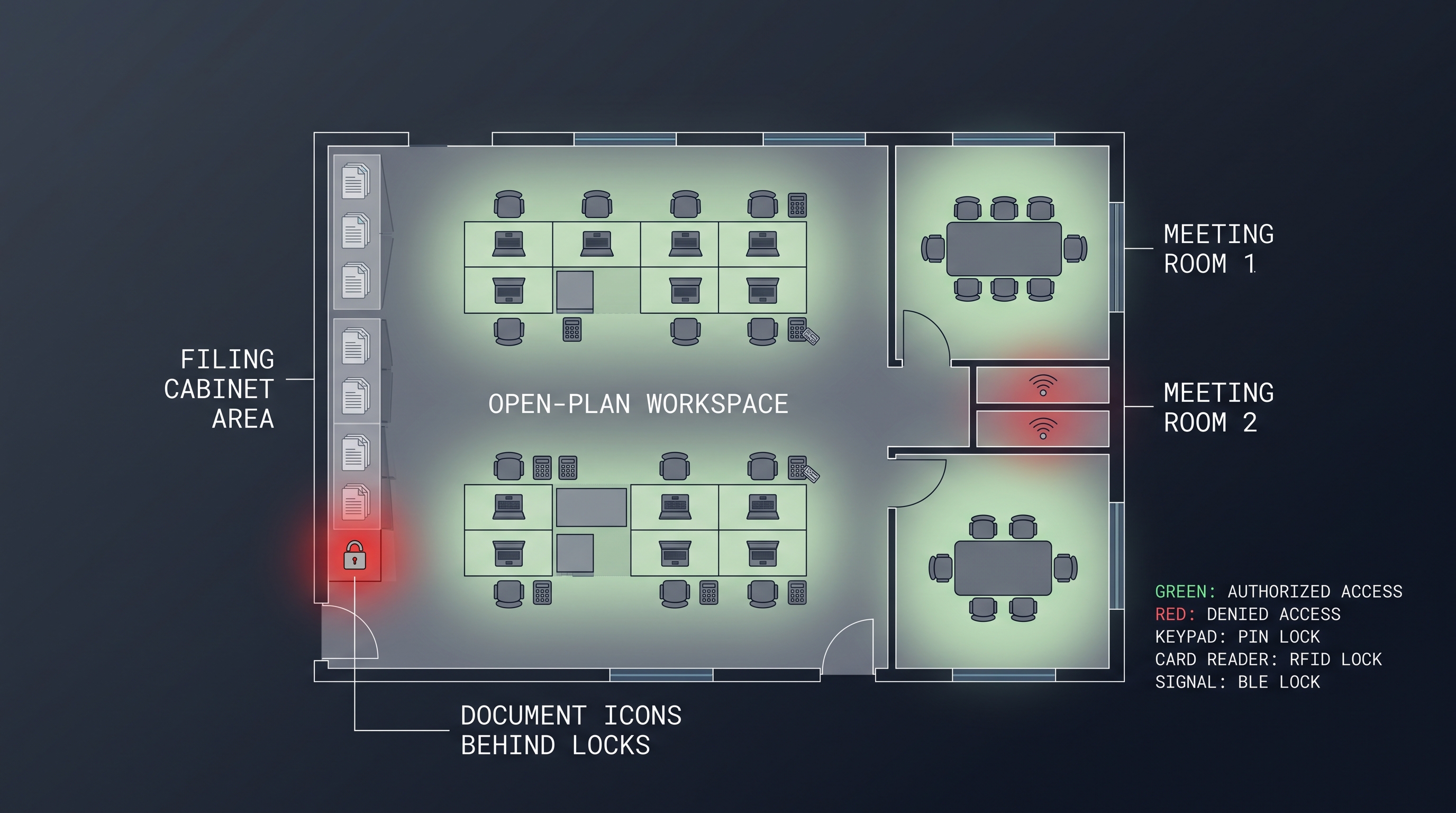
Electronic Furniture Lock: The Complete Guide to Powered Cabinet Security
Electronic furniture lock secures cabinets, drawers, and casegoods with RFID, BLE, PIN, or biometric credentials, replacing keys with auditable, managed access. Full guide.
It supports the same product context: Office Cabinet Lock — PIN + Card for Filing & Pedestals.
Specify your hotel project with our engineers
Send your room count, ceiling type, and protocol preference. We will return a sample plan and quote within 24 business hours.
- Move from general guidance into a product or application discussion.
- Use RFQ when pricing, drawings, MOQ, or launch timing needs structure.
- Keep a direct contact path visible for fast clarifications and handoff.