Electronic Cabinet Latch: The Complete Guide to Smart Cabinet Security Systems
A complete guide to electronic cabinet latch systems covering types, installation, access control integration, security applications, and selection criteria for smart cabinet security.
Understanding the Electronic Cabinet Latch Landscape
Cabinets and enclosures across industries safeguard valuable, sensitive, and regulated contents that demand reliable security. The electronic cabinet latch has emerged as the premier solution for organizations seeking to protect cabinet contents with intelligence, auditability, and operational flexibility that mechanical locks cannot provide. From server rooms housing critical IT infrastructure to medical cabinets securing controlled substances, the electronic cabinet latch secures the contents while enabling authorized access with unprecedented precision and accountability.
The electronic cabinet latch differs fundamentally from traditional mechanical locking hardware. Rather than relying solely on a physical key or combination to actuate a bolt, the electronic cabinet latch incorporates electronic components that authenticate credentials before releasing the latching mechanism. This electronic intelligence enables features that transform cabinet security from a passive physical barrier into an active access management system. Audit trails, time-based access restrictions, remote management, and integration with broader security ecosystems are all capabilities that the electronic cabinet latch delivers beyond simple locking function.
The market for electronic cabinet latch products has expanded dramatically as organizations recognize the limitations of mechanical cabinet locks. Healthcare facilities deploy electronic cabinet latch systems to secure medications with chain-of-custody documentation. Data centers use electronic cabinet latch technology to control access to server racks with detailed audit records. Retail operations install electronic cabinet latch units on display cases to prevent theft while enabling rapid staff access. Office environments secure sensitive documents and equipment behind electronic cabinet latch protection. Industrial facilities protect tools, hazardous materials, and proprietary components with electronic cabinet latch systems configured for demanding environments.
This comprehensive guide examines every dimension of electronic cabinet latch technology. From the fundamental mechanisms that differentiate electronic cabinet latch designs to the advanced features that distinguish smart platforms, from installation methodologies to long-term management practices, the following sections provide the detailed knowledge required to select, implement, and operate electronic cabinet latch systems effectively. Whether securing a single critical cabinet or deploying electronic cabinet latch infrastructure across an enterprise, the information in this guide supports informed decision-making and successful implementation.
Types of Electronic Cabinet Latch Systems
The electronic cabinet latch market offers a range of designs optimized for different cabinet types, security requirements, and operational contexts. Understanding the characteristics of each electronic cabinet latch category enables selection aligned with specific application requirements.
Solenoid-Based Electronic Cabinet Latch Systems
Solenoid-based electronic cabinet latch designs use electromagnetic actuators to control the latching mechanism. When an authorized credential is presented, the electronic cabinet latch solenoid energizes, retracting the latch bolt and allowing the cabinet door to open. The solenoid-based electronic cabinet latch represents the most common and cost-effective approach to electronic cabinet security.
The operational characteristics of solenoid-based electronic cabinet latch units make them suitable for a wide range of applications. The fail-secure configuration, where the latch remains locked when power is removed, provides security default behavior appropriate for cabinets protecting valuable or sensitive contents. The fail-safe configuration, where the latch releases when power is removed, supports emergency egress requirements and life safety compliance in certain applications. The selection between fail-secure and fail-safe electronic cabinet latch configurations depends on the specific application requirements and applicable regulations.
Solenoid-based electronic cabinet latch units draw current only during the brief unlocking cycle, resulting in minimal power consumption during the locked state. This characteristic makes solenoid electronic cabinet latch designs well-suited for battery-powered applications where long battery life is essential. The mechanical simplicity of the solenoid actuator contributes to the reliability and longevity of solenoid-based electronic cabinet latch systems.
Motor-Driven Electronic Cabinet Latch Systems
Motor-driven electronic cabinet latch designs use small electric motors to actuate the latching mechanism. When an authorized credential is presented, the electronic cabinet latch motor rotates or translates the latch bolt to the unlocked position. Motor-driven electronic cabinet latch systems offer certain advantages over solenoid designs in specific applications.
The motor-driven electronic cabinet latch provides positive mechanical engagement in both the locked and unlocked positions, eliminating the potential for the latch to be forced or vibrated out of position. This characteristic is valuable in applications subject to vibration, such as mobile cabinets in vehicles or industrial equipment cabinets. The motor-driven electronic cabinet latch also supports multi-position latching, where the bolt can be positioned at intermediate points for specific operational requirements.
The motor in a motor-driven electronic cabinet latch draws current during the actuation cycle, which is longer than the brief pulse of a solenoid. However, the motor-driven electronic cabinet latch requires no holding current in either the locked or unlocked state, maintaining low overall power consumption. The mechanical complexity of motor-driven electronic cabinet latch designs is somewhat greater than solenoid equivalents, potentially affecting service life and maintenance requirements.
Electromagnetic Electronic Cabinet Latch Systems
Electromagnetic electronic cabinet latch designs use the attractive force between an electromagnet and an armature plate to secure the cabinet door. When the electronic cabinet latch electromagnet is energized, it holds the armature with substantial force, preventing door opening. De-energizing the electromagnet releases the armature, allowing access.
The electromagnetic electronic cabinet latch offers high holding force relative to its size, making it suitable for larger cabinet doors or applications requiring significant physical security. The electromagnetic electronic cabinet latch provides a fail-safe default, as power removal releases the door, supporting life safety requirements. However, the electromagnetic electronic cabinet latch requires continuous power to maintain the locked state, resulting in higher power consumption than solenoid or motor-driven designs.
Electromagnetic electronic cabinet latch units are sensitive to the gap between the electromagnet and armature plate. Dirt, paint, or misalignment that increases this gap can significantly reduce holding force. Regular inspection and cleaning of the electromagnetic electronic cabinet latch contact surfaces are essential for maintaining rated holding force.
Smart Electronic Cabinet Latch Systems
Smart electronic cabinet latch systems incorporate wireless connectivity, microprocessor intelligence, and integration capabilities that transform cabinet security into a managed, networked function. These electronic cabinet latch platforms support remote administration, real-time monitoring, and integration with enterprise security ecosystems.
Wi-Fi-connected electronic cabinet latch units communicate directly with the facility's wireless network, enabling management through cloud or on-premises platforms. This electronic cabinet latch architecture supports real-time access event reporting, remote credential management, and integration with building management systems. Wi-Fi electronic cabinet latch deployment requires reliable wireless coverage at each cabinet location, which may be challenging in metal cabinet environments that attenuate wireless signals.
Bluetooth Low Energy electronic cabinet latch systems communicate with smartphones and tablets, enabling mobile credential access and local management through mobile applications. The electronic cabinet latch BLE approach supports bring-your-own-device credential strategies, where authorized users present their smartphones to the electronic cabinet latch for access. BLE electronic cabinet latch systems can also support proximity-based access, where the electronic cabinet latch detects an authorized smartphone within range and unlocks automatically.
Networked electronic cabinet latch platforms using wired connectivity provide the most robust communication infrastructure for enterprise electronic cabinet latch deployments. Wired connections eliminate wireless coverage concerns and provide reliable, high-bandwidth communication for real-time monitoring and management. The electronic cabinet latch wired approach requires cabling to each cabinet, which is practical in new construction or major renovation but challenging in retrofit applications.
Electronic Cabinet Latch Selection Criteria
Selecting the appropriate electronic cabinet latch system requires systematic evaluation of application requirements, environmental conditions, security needs, and operational considerations. The following framework guides the electronic cabinet latch selection process.
Application Requirements Analysis
The first step in electronic cabinet latch selection is defining the specific application requirements that the system must satisfy. Different cabinet types and contents impose different requirements on the electronic cabinet latch.
Cabinet door configuration influences electronic cabinet latch selection. Single-door cabinets require one electronic cabinet latch unit per cabinet. Double-door cabinets may require two electronic cabinet latch units or a single latch with an extended bolt that secures both doors. Sliding door cabinets require electronic cabinet latch designs that accommodate the sliding door mechanism. The electronic cabinet latch selection must match the physical configuration of the cabinet doors.
Cabinet contents and their value, sensitivity, and regulatory status drive security requirements for the electronic cabinet latch. Cabinets containing high-value items require electronic cabinet latch designs with robust physical security features. Cabinets containing sensitive information require electronic cabinet latch systems with audit trail capabilities. Cabinets containing regulated items such as controlled substances require electronic cabinet latch systems that satisfy specific regulatory documentation requirements.
Access patterns influence electronic cabinet latch selection. Cabinets accessed frequently require electronic cabinet latch designs optimized for rapid credential recognition and fast latch actuation. Cabinets accessed rarely may prioritize long-term reliability and battery life over access speed. The electronic cabinet latch should match the operational tempo of the application.
Environmental Considerations for Electronic Cabinet Latch
The environment in which the electronic cabinet latch operates influences material selection, ingress protection requirements, and electronic design specifications.
Indoor office environments present relatively benign conditions for electronic cabinet latch operation, with controlled temperature, low humidity, and minimal chemical exposure. Standard electronic cabinet latch designs with basic environmental protection suffice for these applications.
Industrial environments subject the electronic cabinet latch to dust, vibration, temperature extremes, and chemical exposure. Industrial electronic cabinet latch units require robust enclosures with appropriate ingress protection ratings, vibration-resistant construction, and chemical-resistant materials. The electronic cabinet latch operating temperature range must encompass the conditions encountered in the specific industrial environment.
Outdoor and semi-outdoor electronic cabinet latch applications face weather exposure, ultraviolet radiation, and wide temperature swings. Outdoor electronic cabinet latch units require weatherproof enclosures, UV-resistant materials, and electronic components rated for the full temperature range of the installation climate. Corrosion resistance is particularly important for outdoor electronic cabinet latch hardware exposed to moisture and atmospheric pollutants.
Healthcare environments require electronic cabinet latch units that withstand frequent cleaning with aggressive disinfectants. The electronic cabinet latch enclosure must be sealed to prevent liquid ingress during cleaning, and external surfaces must resist chemical attack. Antimicrobial surface treatments on the electronic cabinet latch complement cleaning protocols in infection prevention.
Security Requirements for Electronic Cabinet Latch
The security requirements for an electronic cabinet latch system derive from the value and sensitivity of cabinet contents, the threat environment, and applicable regulations.
Physical security of the electronic cabinet latch includes the latch bolt strength, mounting security, and resistance to attack methods. The latch bolt should resist prying, cutting, and forced retraction. The electronic cabinet latch mounting should resist removal attempts. Tamper detection features in the electronic cabinet latch can trigger alarms when attack attempts are detected.
Electronic security of the electronic cabinet latch protects credential data, communication channels, and access control logic. Credential encryption prevents cloning or interception of access credentials. Communication encryption protects data exchanged between the electronic cabinet latch and management systems. Access control logic in the electronic cabinet latch should resist manipulation through the communication interface.
Audit trail capability in the electronic cabinet latch records every access event with timestamp and credential identifier. This capability supports security investigations, regulatory compliance, and operational accountability. The electronic cabinet latch audit trail should be tamper-resistant, with secure storage that cannot be manipulated through normal access.
Integration and Management Requirements
Integration requirements influence electronic cabinet latch selection for organizations seeking to incorporate cabinet security into broader management ecosystems.
Building management system integration enables the electronic cabinet latch to participate in unified security management alongside door access, video surveillance, and alarm systems. The electronic cabinet latch should support industry-standard communication protocols that enable integration with the organization's preferred building management platform.
Identity management system integration enables the electronic cabinet latch to use credentials and access policies defined in the organization's central identity infrastructure. Integration with active directory, HR systems, or specialized access control platforms streamlines credential management and ensures that the electronic cabinet latch access policies align with organizational policies.
Inventory and asset management integration links electronic cabinet latch access events to inventory transactions. When a staff member accesses a cabinet secured by an electronic cabinet latch, the access event can trigger inventory system updates that record the transaction. This integration is particularly valuable in healthcare medication management and industrial tool crib applications.
Electronic Cabinet Latch Installation Guide
Proper installation of electronic cabinet latch systems is essential for reliable operation and long service life. The following sections detail the installation process for electronic cabinet latch hardware.
Pre-Installation Assessment for Electronic Cabinet Latch
The electronic cabinet latch installation begins with a thorough assessment of the cabinet and installation environment. The assessment documents the cabinet construction, door configuration, mounting surface characteristics, and any constraints that may affect electronic cabinet latch installation.
Cabinet door material and thickness determine the mounting approach for the electronic cabinet latch. Metal cabinet doors typically accommodate surface-mounted electronic cabinet latch units with screws or rivets. Wood cabinet doors may require different fasteners and may benefit from recessed electronic cabinet latch mounting for aesthetic reasons. The door thickness must be compatible with the electronic cabinet latch mounting hardware.
The cabinet frame or adjacent surface that will receive the electronic cabinet latch strike or keeper must be assessed for compatibility. The strike must mount securely and align with the electronic cabinet latch bolt. Adjustable strikes provide flexibility for minor alignment variations. The cabinet frame material must support secure strike mounting.
Power source availability for the electronic cabinet latch is a critical pre-installation consideration. Battery-powered electronic cabinet latch units require no external power but need battery access for replacement. Hardwired electronic cabinet latch units require power wiring to each cabinet, which may involve routing through walls, floors, or raceways. The power architecture decision influences the electronic cabinet latch installation complexity and ongoing maintenance requirements.
Mechanical Installation of the Electronic Cabinet Latch
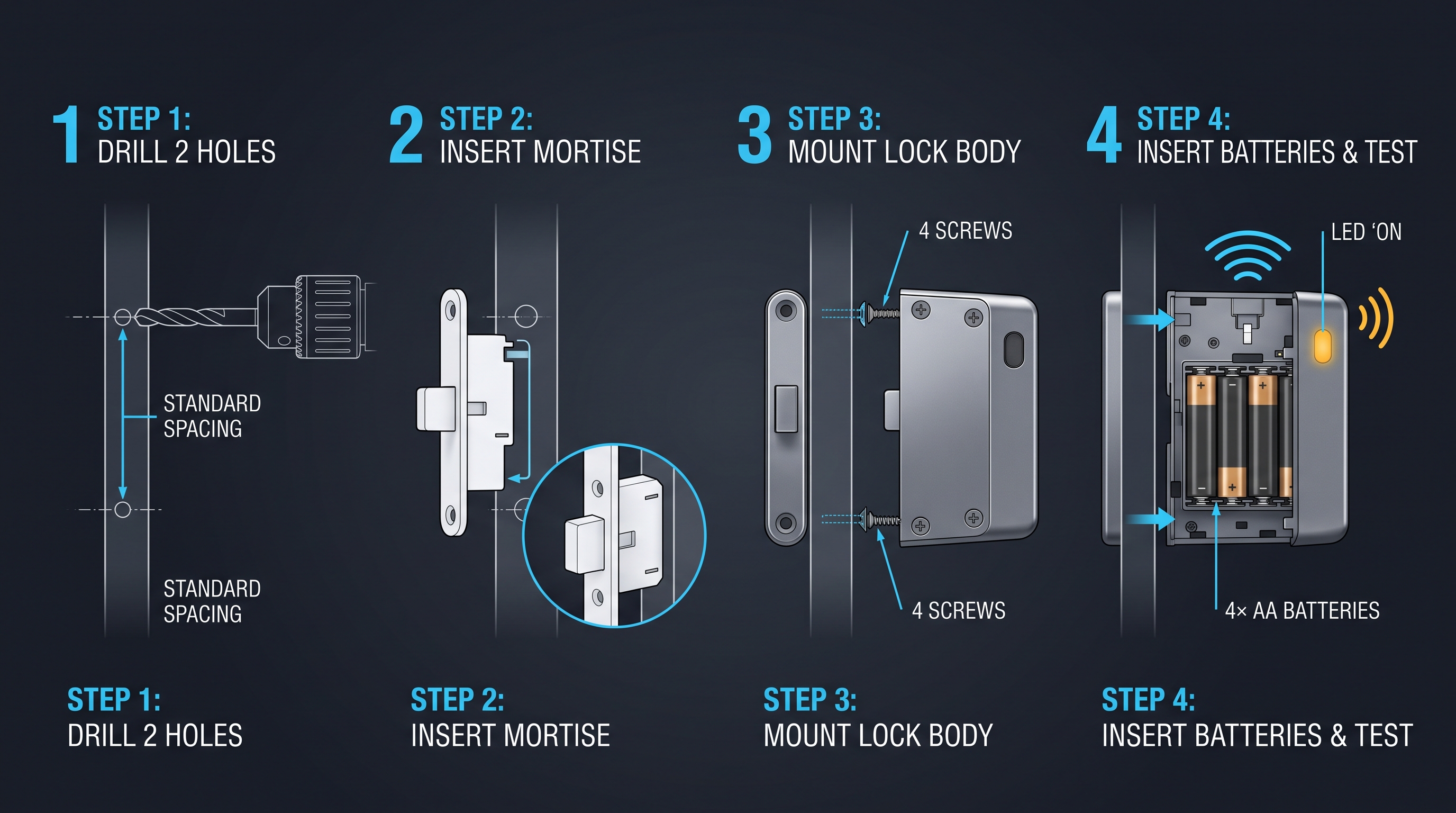
The mechanical installation of an electronic cabinet latch follows a systematic process that ensures secure mounting, proper alignment, and reliable operation.
The electronic cabinet latch body is mounted on the cabinet door or frame, depending on the specific latch design. Surface-mounted electronic cabinet latch units attach to the exterior of the door or frame with screws or rivets. Recessed electronic cabinet latch units require a cutout in the door or frame, prepared with appropriate tools. The mounting surface must be flat and rigid to ensure secure electronic cabinet latch attachment.
The strike or keeper is mounted on the opposing surface, positioned to engage the electronic cabinet latch bolt when the door is closed. Strike alignment is critical for electronic cabinet latch function: misalignment causes binding, incomplete engagement, and potential latch failure. Adjustable strikes allow fine-tuning of the engagement after installation. Multiple open-and-close cycles should be performed to verify smooth electronic cabinet latch operation before finalizing the installation.
Cable management for hardwired electronic cabinet latch installations must protect wiring from damage while maintaining a clean appearance. Cables should be routed away from moving door components and secured to prevent snagging. Where cables must cross door hinges, flexible cable management solutions protect the wiring from fatigue and breakage. The electronic cabinet latch installation should include strain relief at all cable connections.
Electrical and Network Installation for Electronic Cabinet Latch
Electronic cabinet latch installations requiring external power and network connectivity involve electrical and network infrastructure work beyond the mechanical mounting.
Power supply selection for hardwired electronic cabinet latch systems must match the voltage and current requirements of the electronic cabinet latch units. Low-voltage power supplies, typically twelve or twenty-four volts DC, are standard for electronic cabinet latch applications. Power supply capacity must accommodate the total current draw of all electronic cabinet latch units on the circuit, with appropriate margin for peak demand during simultaneous unlocking events.
Wiring methods for electronic cabinet latch power distribution must comply with applicable electrical codes. Low-voltage wiring may use various cable types depending on the installation environment and code requirements. Wire gauge selection accounts for voltage drop over long wire runs, ensuring adequate voltage at each electronic cabinet latch unit.
Network infrastructure for connected electronic cabinet latch systems provides the communication path between latch units and the management platform. Network cabling to each electronic cabinet latch location must be planned and installed according to the connectivity architecture selected. Wireless electronic cabinet latch systems require gateway placement planning to ensure reliable communication coverage.
Electronic Cabinet Latch Commissioning and Testing
Commissioning the installed electronic cabinet latch system configures operational parameters and validates proper function across all installed units.
The electronic cabinet latch commissioning process includes: power-up and initialization of each electronic cabinet latch unit; registration of units in the management platform with logical identifiers; configuration of operational parameters including credential policies and access schedules; enrollment of administrator and user credentials; integration configuration with connected systems; and comprehensive functional testing of every electronic cabinet latch unit.
Testing validates electronic cabinet latch operation across the full range of conditions the system will encounter. Credential recognition testing verifies that authorized credentials unlock the electronic cabinet latch and that unauthorized credentials are rejected. Mechanical testing confirms smooth latch engagement and release. Network testing validates reliable communication between the electronic cabinet latch and management platform. Failure mode testing confirms appropriate behavior during power loss, network outage, and credential system failures.
The electronic cabinet latch commissioning report documents test results, configuration settings, and any issues identified and resolved during commissioning. This report provides the baseline for ongoing maintenance and troubleshooting throughout the electronic cabinet latch system lifecycle.
Electronic Cabinet Latch Access Control and Management
The management capabilities of electronic cabinet latch systems transform cabinet security from isolated hardware into managed infrastructure. Effective management maximizes the value of the electronic cabinet latch investment while maintaining security and operational efficiency.
Credential Management for Electronic Cabinet Latch
Credential lifecycle management is central to electronic cabinet latch security. From issuance through revocation, every credential associated with the electronic cabinet latch system must be tracked and controlled.
Credential enrollment procedures for the electronic cabinet latch verify user identity before associating a credential with an individual. Integration with organizational identity management systems enables automated credential provisioning based on role or assignment. Self-enrollment capabilities at the electronic cabinet latch may be appropriate for certain applications but should include appropriate identity verification.
Credential revocation upon role change or separation is a critical security function of electronic cabinet latch management. Electronic cabinet latch systems with centralized management support instant credential deactivation through the management interface. Automated revocation through HR system integration eliminates the vulnerability window between separation and manual deactivation.
Multi-credential support in the electronic cabinet latch enables organizations to leverage existing credential infrastructure. Electronic cabinet latch systems that accept existing ID badges, mobile credentials, or biometric identifiers avoid the burden of managing separate cabinet access credentials. The electronic cabinet latch credential technology should align with the organization's broader credential strategy.
Access Policy Configuration for Electronic Cabinet Latch
Access policy configuration defines who can access which electronic cabinet latch units and under what conditions. Sophisticated access policies enhance security while supporting operational flexibility.
Role-based access control assigns electronic cabinet latch access rights based on user roles within the organization. A nurse role might include access to medication cabinets on their assigned unit, while a pharmacy technician role includes access to the main medication room. Role-based electronic cabinet latch access simplifies administration, as access rights update automatically when roles change.
Time-based access restrictions limit electronic cabinet latch access to specified time windows. After-hours access attempts can trigger alerts or be automatically denied. Time-based electronic cabinet latch policies support operational requirements such as shift-based access while enhancing security during vulnerable periods.
Multi-factor authentication requirements for sensitive electronic cabinet latch applications add security layers beyond single credential presentation. A medication cabinet electronic cabinet latch might require both a badge tap and a PIN code entry, reducing the risk of unauthorized access through lost or stolen credentials.
Audit and Reporting for Electronic Cabinet Latch
Audit trail and reporting capabilities of electronic cabinet latch systems support security investigations, regulatory compliance, and operational analysis.
The electronic cabinet latch audit trail records every access event with timestamp, credential identifier, and outcome. This data supports investigation of security incidents by establishing who accessed which electronic cabinet latch and when. Audit trail retention periods should align with applicable regulatory requirements and organizational policies.
Real-time alerting from connected electronic cabinet latch systems notifies security personnel of events requiring immediate attention. After-hours access attempts, forced entry attempts, and tamper events can trigger alerts through the management platform. Electronic cabinet latch alert configuration should balance sensitivity against alert fatigue.
Reporting capabilities of the electronic cabinet latch management platform generate scheduled and ad-hoc reports on access patterns, policy compliance, and system status. Standard reports support routine operational oversight, while custom reports address specific investigation or compliance requirements.
Electronic Cabinet Latch Applications Across Industries
The electronic cabinet latch serves diverse applications across industries, each with specific requirements and considerations.
Healthcare Electronic Cabinet Latch Applications
Healthcare environments deploy electronic cabinet latch systems extensively for medication security, supply management, and patient information protection.
Medication cabinet electronic cabinet latch applications require compliance with regulations governing controlled substance storage. The electronic cabinet latch audit trail provides the access documentation required for regulatory compliance. Integration with pharmacy management systems links electronic cabinet latch access events to medication dispensing records, creating a complete chain of custody.
Medical supply cabinet electronic cabinet latch systems secure valuable supplies and equipment while enabling rapid access for clinical staff. The electronic cabinet latch supports efficient supply management by recording which staff member accessed which supplies and when, supporting inventory accuracy and loss prevention.
Patient information cabinet electronic cabinet latch applications secure physical patient records and sensitive documents. The electronic cabinet latch access controls ensure that only authorized personnel access patient information, supporting HIPAA compliance and patient privacy.
Data Center Electronic Cabinet Latch Applications
Data centers deploy electronic cabinet latch systems on server racks and network cabinets to control access to critical IT infrastructure.
Server rack electronic cabinet latch units secure individual racks, preventing unauthorized access to servers, storage, and network equipment. The electronic cabinet latch audit trail records which personnel accessed which racks and when, supporting security investigations and change management documentation.
Network cabinet electronic cabinet latch systems secure network infrastructure including switches, routers, and cabling. The electronic cabinet latch supports network security policies by ensuring that only authorized network personnel access network infrastructure.
Data center electronic cabinet latch platforms often integrate with data center infrastructure management systems, linking physical access events to logical access events and environmental monitoring. This integration creates a comprehensive security picture that supports data center operations and compliance.
Retail Electronic Cabinet Latch Applications
Retail operations deploy electronic cabinet latch systems on display cases, stockroom cabinets, and point-of-sale enclosures.
Display case electronic cabinet latch units secure high-value merchandise while enabling rapid staff access for customer service. The electronic cabinet latch supports loss prevention by restricting access to authorized staff and recording all access events. Electronic cabinet latch systems with remote release capability allow managers to authorize access from the sales floor.
Stockroom cabinet electronic cabinet latch systems secure inventory and supplies in back-of-house areas. The electronic cabinet latch supports inventory management by controlling and documenting access to stockroom storage. Integration with inventory management systems links electronic cabinet latch access events to inventory transactions.
Point-of-sale cabinet electronic cabinet latch applications secure cash drawers, payment terminals, and other sensitive point-of-sale components. The electronic cabinet latch supports cash management controls and payment security requirements.
Office Electronic Cabinet Latch Applications
Office environments deploy electronic cabinet latch systems on filing cabinets, storage cabinets, and equipment enclosures.
Filing cabinet electronic cabinet latch units secure sensitive documents, supporting information security and compliance with data protection regulations. The electronic cabinet latch access controls ensure that only authorized personnel access confidential information.
Storage cabinet electronic cabinet latch systems secure office supplies, equipment, and personal items. The electronic cabinet latch supports office security by replacing easily defeated mechanical locks with audited electronic security.
Equipment cabinet electronic cabinet latch applications secure valuable office equipment such as laptops, projectors, and AV systems. The electronic cabinet latch supports equipment management by controlling and documenting equipment access.
Electronic Cabinet Latch Cost and ROI Analysis
Understanding the cost structure and return on investment for electronic cabinet latch systems supports informed procurement and budgeting decisions.
Electronic Cabinet Latch Cost Components
The total cost of an electronic cabinet latch deployment includes hardware, infrastructure, software, installation, and ongoing operational costs.
Electronic cabinet latch hardware costs vary by technology and features. Basic standalone electronic cabinet latch units range from fifty to one hundred fifty dollars. Networked electronic cabinet latch units range from one hundred to three hundred dollars. Advanced smart electronic cabinet latch units with mobile credential support range from one hundred fifty to four hundred dollars.
Infrastructure costs for connected electronic cabinet latch systems include communication gateways, network hardware, power supplies, and wiring. These costs are system-level rather than per-unit, making larger electronic cabinet latch deployments more cost-effective on a per-unit basis.
Software costs for electronic cabinet latch management platforms include licensing or subscription fees. Cloud-based electronic cabinet latch platforms typically charge per-latch-per-month fees ranging from one to five dollars. On-premises electronic cabinet latch platforms may involve one-time licensing plus annual maintenance.
Installation labor for electronic cabinet latch units depends on the complexity of the installation. Simple surface-mounted electronic cabinet latch installations may require fifteen to thirty minutes per unit. Complex installations with recessed mounting, wiring, and network configuration may require one to two hours per unit.
Electronic Cabinet Latch Cost Comparison Table
The following table compares typical costs across electronic cabinet latch categories.
| Cost Factor | Standalone Electronic Cabinet Latch | Networked Electronic Cabinet Latch | Smart Electronic Cabinet Latch |
|---|---|---|---|
| Hardware Cost per Unit | $50-$150 | $100-$300 | $150-$400 |
| Infrastructure per Unit | None | $15-$50 | $20-$60 |
| Software per Unit per Year | None | $12-$30 | $24-$60 |
| Installation Time per Unit | 15-30 min | 30-60 min | 45-90 min |
| Battery Life | 2-4 Years | 1-3 Years | 1-3 Years |
| Maintenance per Year | Low | Moderate | Moderate |
| Service Life | 8-12 Years | 6-10 Years | 5-8 Years |
Return on Investment for Electronic Cabinet Latch
Return on investment for electronic cabinet latch deployments derives from multiple benefit streams.
Loss reduction is a primary ROI component for electronic cabinet latch systems. Improved security reduces theft of cabinet contents, whether medications in healthcare, equipment in data centers, or merchandise in retail. The deterrent effect of audit trail capability in electronic cabinet latch systems reduces opportunistic theft by creating accountability for every access.
Operational efficiency improvements from electronic cabinet latch systems reduce labor costs. Automated credential management eliminates key management overhead. Remote access management reduces the staff time required to grant or revoke access. Integration with inventory and management systems streamlines operational workflows.
Compliance cost reduction is a significant ROI component for electronic cabinet latch systems in regulated industries. The audit trail and access control capabilities of the electronic cabinet latch support compliance documentation requirements that would otherwise require manual processes. Avoided compliance violations and penalties represent substantial value in heavily regulated environments.
Insurance premium reductions may be available for organizations that deploy electronic cabinet latch systems, particularly in applications involving high-value contents. Insurance providers recognize the reduced risk profile that electronic cabinet latch security provides and may offer premium discounts commensurate with the risk reduction.
Electronic Cabinet Latch Maintenance and Troubleshooting
A proactive maintenance program for electronic cabinet latch systems extends service life, maintains security integrity, and minimizes operational disruptions.
Preventive Maintenance for Electronic Cabinet Latch
Preventive maintenance for electronic cabinet latch systems should be scheduled at regular intervals based on usage intensity and environmental conditions. A semi-annual inspection cycle is appropriate for most electronic cabinet latch applications, with more frequent inspections for high-use or harsh-environment installations.
The preventive maintenance inspection for an electronic cabinet latch includes: visual inspection of all components for wear, corrosion, or damage; functional testing of lock and unlock cycles; cleaning of credential readers and sensor surfaces; battery level verification for battery-powered units; mounting hardware inspection for tightness; strike alignment verification; and lubrication of mechanical components per manufacturer specifications.
Cleaning procedures for electronic cabinet latch units must use products compatible with the latch materials and finishes. Abrasive cleaners can damage electronic cabinet latch surfaces and compromise seal integrity. Manufacturer-recommended cleaning products and methods should be documented and followed consistently.
Battery replacement for electronic cabinet latch units should be proactive, based on battery monitoring rather than reactive after failure. Most electronic cabinet latch systems provide low-battery warnings through visual indicators or management platform notifications. Establishing a battery replacement schedule based on manufacturer-specified battery life and actual usage patterns prevents unexpected electronic cabinet latch failures.
Common Electronic Cabinet Latch Problems and Solutions
Electronic cabinet latch problems typically manifest as credential recognition failures, mechanical binding, or communication errors in connected systems.
Credential recognition problems in the electronic cabinet latch may result from dirty or damaged reader surfaces, low battery power, corrupted credential data, or electromagnetic interference. Systematic troubleshooting should address the simplest causes first: cleaning the reader surface, replacing the battery, and re-enrolling the credential before investigating more complex issues.
Mechanical binding in the electronic cabinet latch may result from strike misalignment, door or frame distortion, debris in the latch mechanism, or wear of mechanical components. Strike adjustment resolves many binding issues. Debris removal and lubrication address contamination-related problems. Worn components may require electronic cabinet latch repair or replacement.
Communication errors in connected electronic cabinet latch systems may result from network connectivity issues, gateway malfunctions, or electronic cabinet latch firmware problems. Network troubleshooting should verify connectivity from the management platform to the gateway and from the gateway to individual electronic cabinet latch units. Firmware updates may resolve communication protocol issues.
Electronic Cabinet Latch Repair and Replacement
When an electronic cabinet latch fails beyond field repair capability, unit replacement becomes necessary. The electronic cabinet latch replacement process should be efficient to minimize the period during which the cabinet is unsecured.
Spare electronic cabinet latch units maintained in inventory enable rapid replacement without waiting for procurement and delivery. The appropriate spare quantity depends on the total number of installed electronic cabinet latch units and the expected failure rate. A spare parts inventory of five to ten percent of the installed base is typically appropriate.
Electronic cabinet latch replacement involves removing the failed unit, installing the replacement, enrolling it in the management system, and testing proper operation. The replacement electronic cabinet latch should be the same model as the original to ensure compatibility with mounting hardware and management platform. If the original electronic cabinet latch model is no longer available, compatibility assessment for the replacement model must be conducted.
Electronic Cabinet Latch Frequently Asked Questions
What is the best electronic cabinet latch for healthcare medication cabinets? Networked electronic cabinet latch systems with audit trail capability, integration with pharmacy management systems, and compliance with controlled substance storage regulations are best suited for healthcare medication cabinet applications. The electronic cabinet latch should support multi-factor authentication, real-time alerting for after-hours access, and detailed reporting for regulatory compliance. Antimicrobial surfaces and sealed enclosures suitable for healthcare cleaning protocols are important features.
How long do electronic cabinet latch batteries last? Battery life for electronic cabinet latch units varies based on usage frequency, electronic design, and environmental conditions. Typical battery life ranges from one to four years for quality electronic cabinet latch products. High-traffic electronic cabinet latch units experiencing many cycles daily will have shorter battery life than lightly used units. Low-battery warning systems in the electronic cabinet latch should provide adequate advance notice to schedule replacement before failure.
Can I install an electronic cabinet latch on existing cabinets? Yes, most electronic cabinet latch manufacturers offer surface-mounted designs suitable for retrofit installation on existing cabinets. The electronic cabinet latch mounting must be compatible with the cabinet door and frame construction. Battery-powered electronic cabinet latch units simplify retrofit installation by eliminating wiring requirements. A pre-installation assessment should evaluate cabinet compatibility and mounting options for each electronic cabinet latch location.
What is the difference between fail-safe and fail-secure electronic cabinet latch? A fail-safe electronic cabinet latch releases when power is removed, allowing cabinet access during power outages. This configuration supports life safety requirements but requires continuous power to maintain the locked state. A fail-secure electronic cabinet latch remains locked when power is removed, maintaining security during power outages. This configuration is appropriate for cabinets protecting valuable or sensitive contents where security default behavior is required. The electronic cabinet latch configuration should match the application's safety and security requirements.
How do I choose between standalone and networked electronic cabinet latch systems? The choice between standalone and networked electronic cabinet latch systems depends on the number of cabinets, the management requirements, and the desired integration capabilities. Small installations with simple access requirements may be well served by standalone electronic cabinet latch units. Larger installations or applications requiring centralized management, real-time monitoring, or system integration benefit from networked electronic cabinet latch platforms. The electronic cabinet latch selection should consider both current requirements and potential future expansion.
Can electronic cabinet latch systems integrate with our existing access control platform? Many enterprise electronic cabinet latch platforms offer integration capabilities with major access control systems through API connections or standardized protocols. Integration enables the access control system to manage electronic cabinet latch credentials, access policies, and audit data alongside other access control devices. The specific integration capabilities vary by electronic cabinet latch manufacturer and should be verified during the selection process.
Conclusion: Securing the Future with Electronic Cabinet Latch Systems
The electronic cabinet latch represents a significant advancement in cabinet security, transforming passive physical barriers into intelligent, managed access control systems. Organizations that deploy electronic cabinet latch technology gain security capabilities that mechanical locks cannot provide: audit trails that establish accountability, access policies that enforce organizational rules, integration that connects cabinet security to broader security ecosystems, and management platforms that provide visibility and control over cabinet access across the enterprise.
The selection, installation, and management of electronic cabinet latch systems require careful consideration of application requirements, environmental conditions, security needs, and operational workflows. Organizations that approach electronic cabinet latch deployment with thorough assessment and systematic planning achieve implementations that deliver reliable security and operational benefits throughout the system lifecycle. The electronic cabinet latch investment, properly executed, returns value through loss reduction, operational efficiency, compliance support, and risk mitigation.
The electronic cabinet latch market continues to evolve, with advances in connectivity, credential technology, and management intelligence expanding the capabilities available to organizations. Facilities that stay informed about these developments and plan their electronic cabinet latch investments strategically position themselves to leverage new capabilities while maintaining the security and reliability that their operations demand. The electronic cabinet latch is not merely a replacement for mechanical locks but a foundation for intelligent cabinet security that adapts to evolving threats, requirements, and technologies.
This comprehensive guide to electronic cabinet latch systems was developed by Hotel Device to assist organizations in making informed decisions about cabinet security. For specific product recommendations, technical specifications, or electronic cabinet latch installation guidance, consult with qualified security hardware professionals who can assess your organization's unique requirements.
Not sure which sensor fits your project?
Talk to our mmWave application engineers for a free consultation.
Find the right presence sensor for your hotel project
Compare the 3 protocols, check hotel-specific case studies, and download the installation guide
Related products
3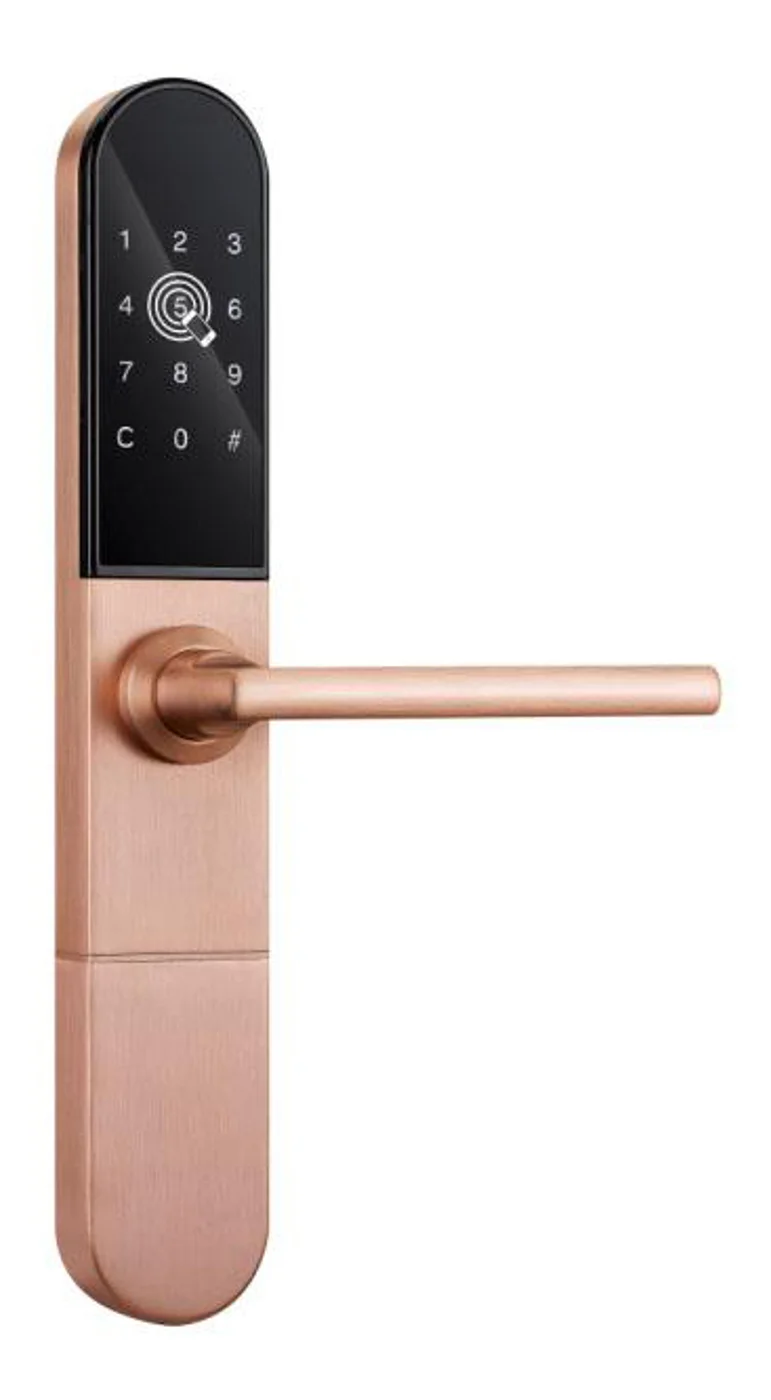
Smart Cabinet Lock — App-Managed, Multi-Site Dashboard
App-managed smart cabinet lock for office, parcel, and multi-site fleets. BLE app dashboard, audit trail, remote unlock, no per-lock server. Higher-tier chassis.
This page already points to it as the next recommended reference.
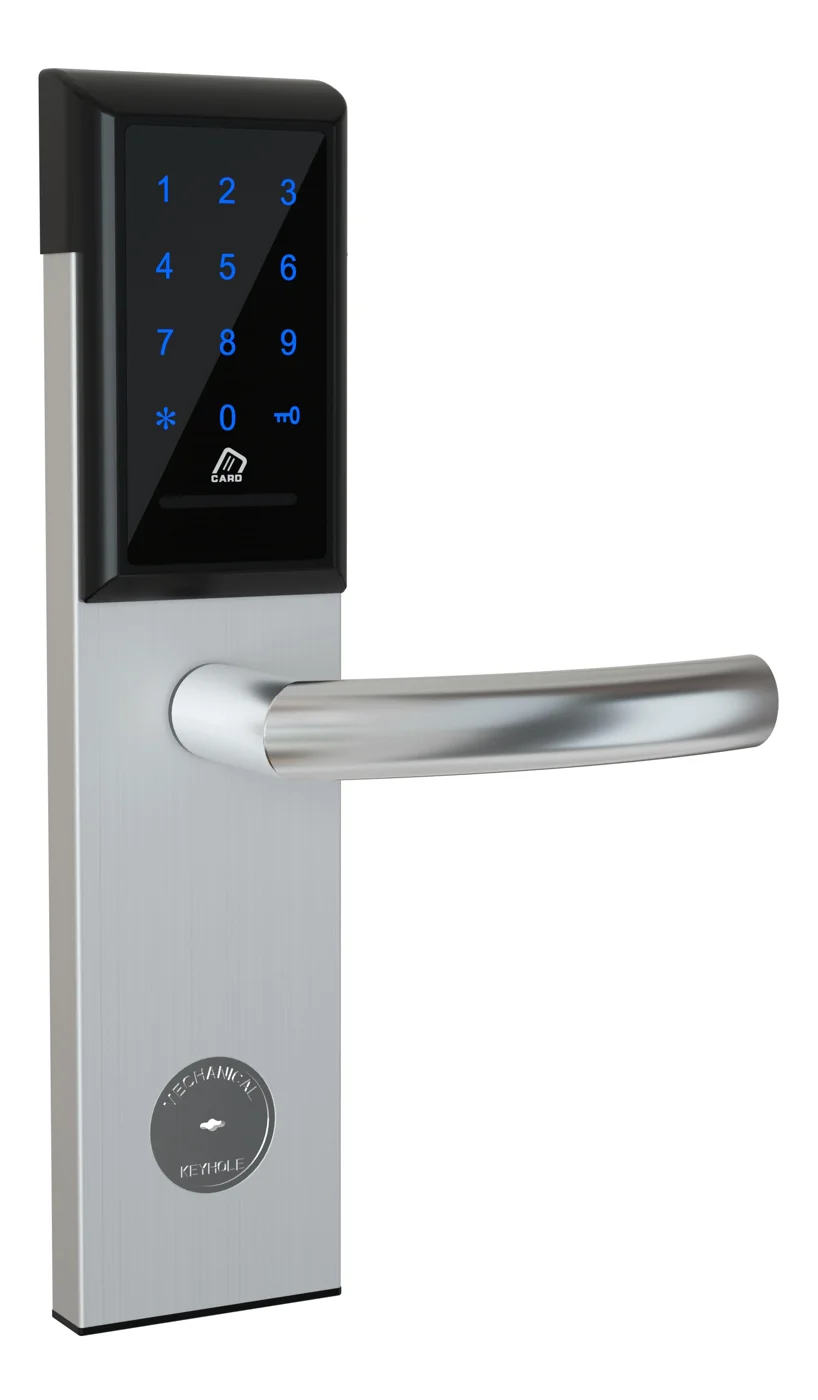
Office Cabinet Lock — PIN + Card for Filing & Pedestals
Offline PIN + card office cabinet lock for filing cabinets, pedestals, and drawers. Battery-powered 5-minute retrofit, no WiFi, no key management. CE/FCC/RoHS.
This page already points to it as the next recommended reference.
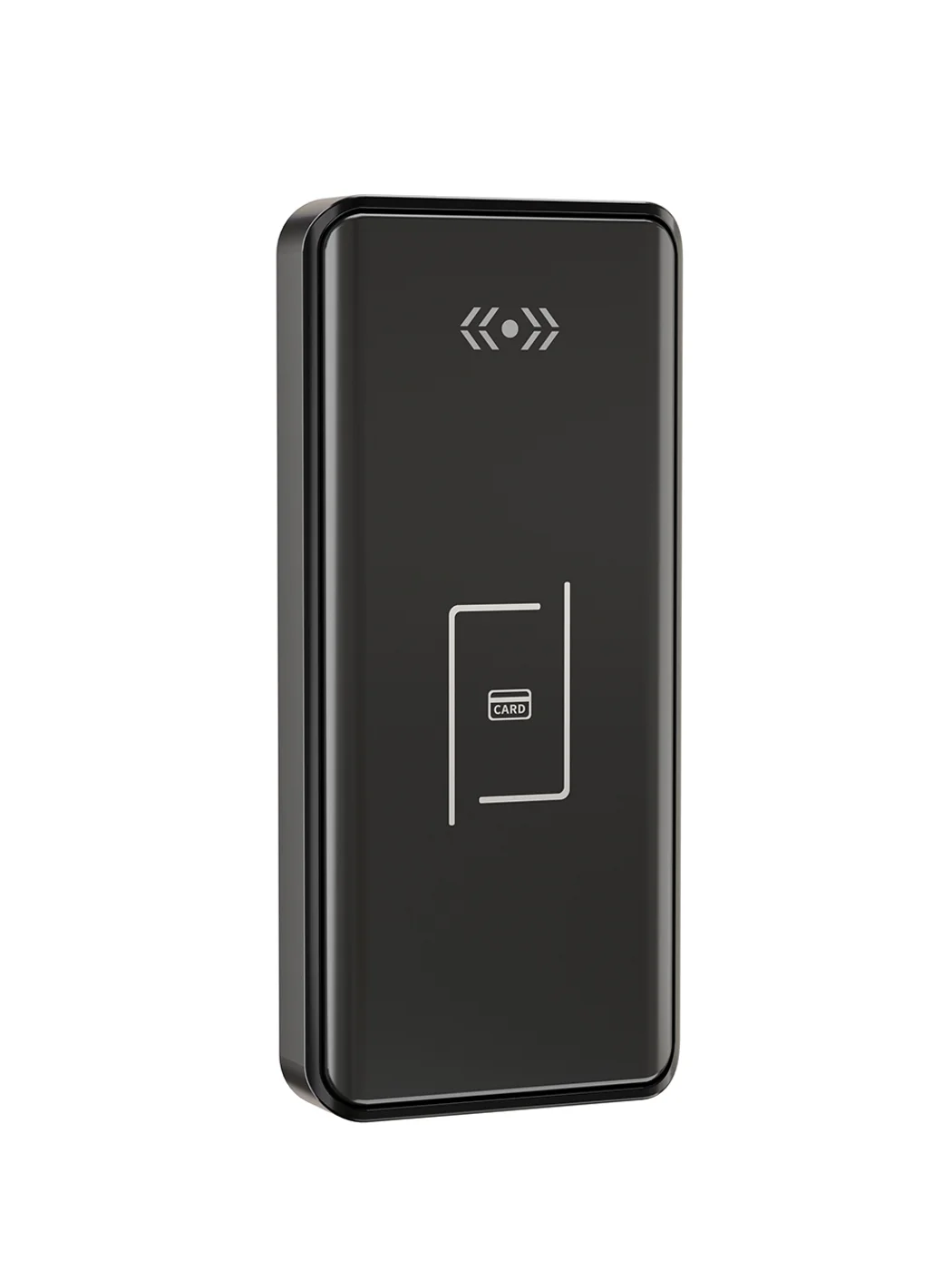
Gym Locker Lock — Offline Card, No WiFi Required
Offline card gym locker lock for fitness and pool lockers. MIFARE card, battery-powered 5-minute retrofit, no WiFi or server. Zinc alloy body, CE/FCC/RoHS.
This page already points to it as the next recommended reference.
Related blog posts
3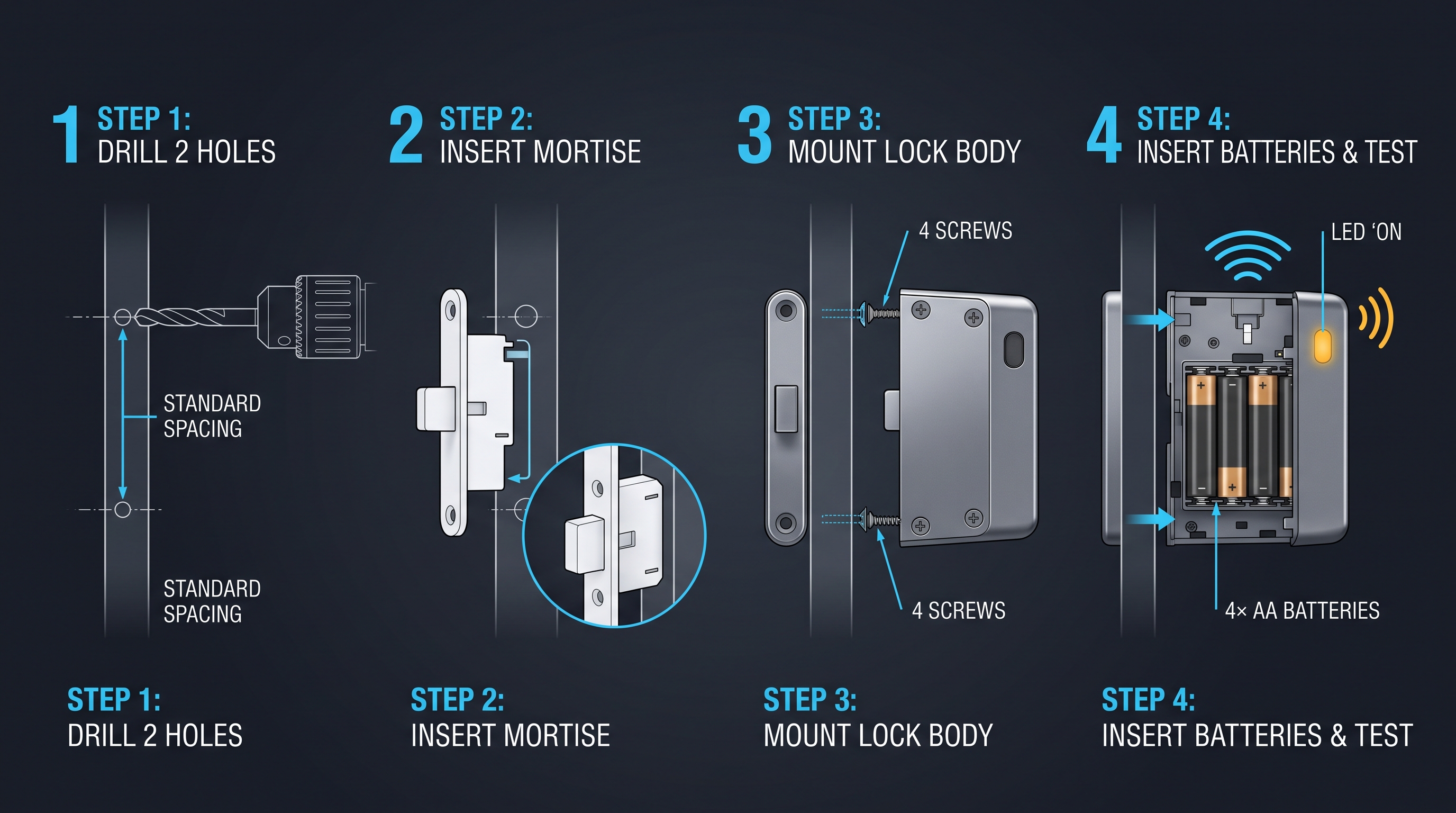
Electronic Locker Lock Price: Complete Guide to Cost Factors, Tiers, and Vendor Negotiation
Understand what drives an electronic locker lock price — from credential types and materials to volume discounts, NRE tooling, shipping, and 5-year TCO. Full pricing guide with tables.
It supports the same product context: Smart Cabinet Lock — App-Managed, Multi-Site Dashboard, Office Cabinet Lock — PIN + Card for Filing & Pedestals, Gym Locker Lock — Offline Card, No WiFi Required.
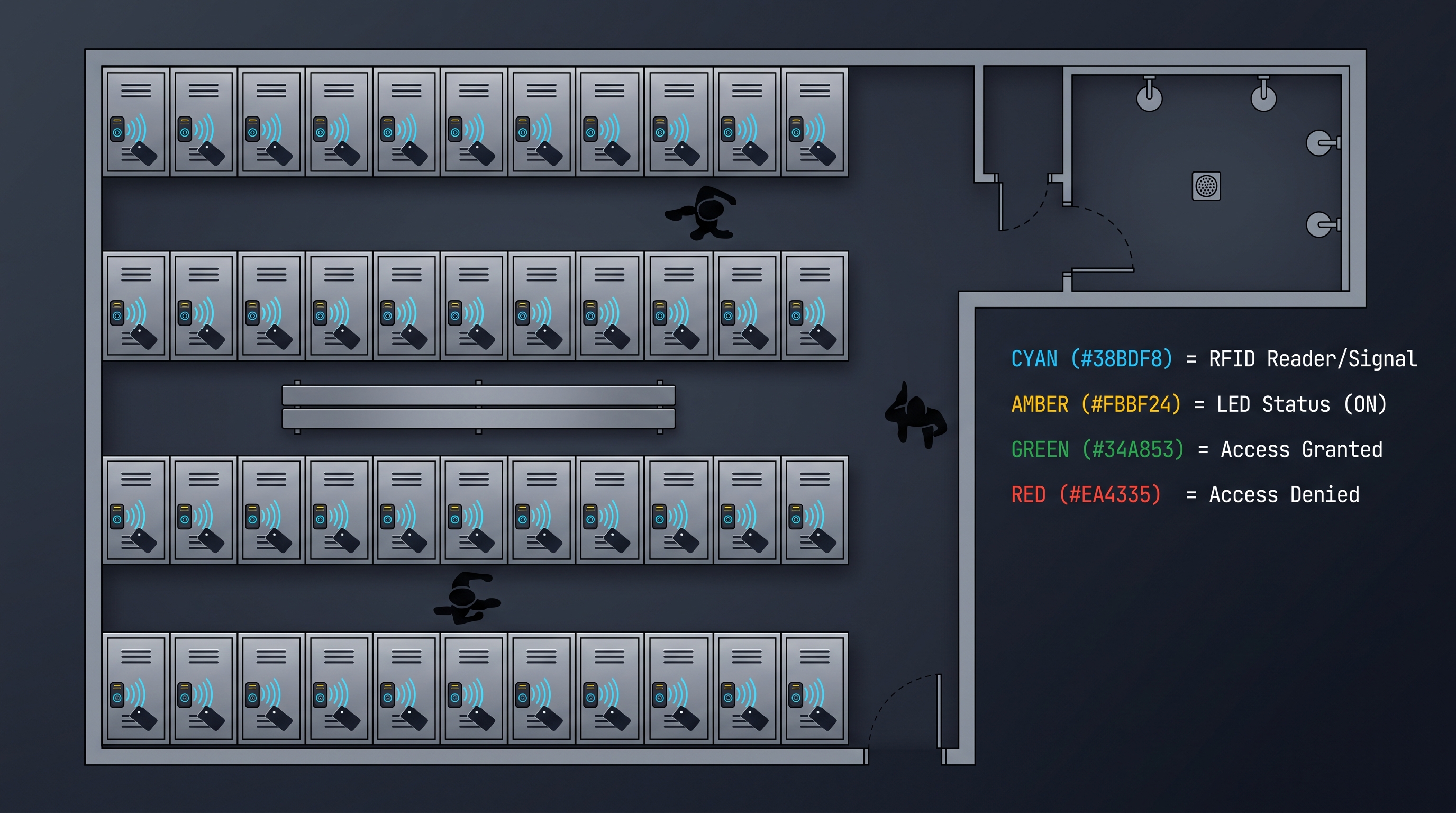
Electronic Locker Lock: The Complete 2026 Guide to Keyless Locker Security
Discover how an electronic locker lock works, from RFID to biometric models, with buying tips, specs, and comparisons for gyms, offices, and schools.
It supports the same product context: Gym Locker Lock — Offline Card, No WiFi Required.
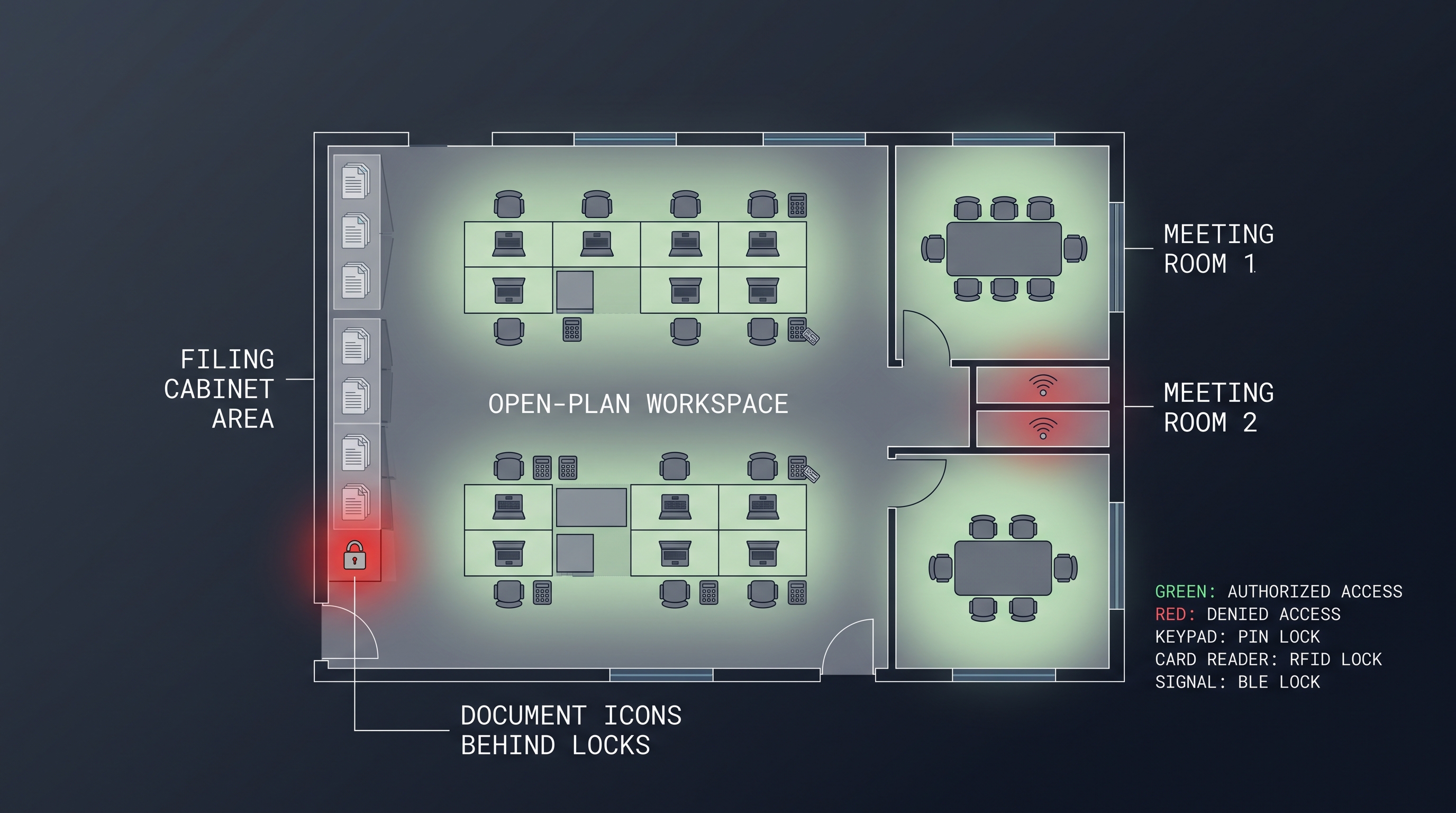
Electronic Furniture Lock: The Complete Guide to Powered Cabinet Security
Electronic furniture lock secures cabinets, drawers, and casegoods with RFID, BLE, PIN, or biometric credentials, replacing keys with auditable, managed access. Full guide.
It supports the same product context: Office Cabinet Lock — PIN + Card for Filing & Pedestals.
Specify your hotel project with our engineers
Send your room count, ceiling type, and protocol preference. We will return a sample plan and quote within 24 business hours.
- Move from general guidance into a product or application discussion.
- Use RFQ when pricing, drawings, MOQ, or launch timing needs structure.
- Keep a direct contact path visible for fast clarifications and handoff.