Concealed Cabinet Lock: The Definitive Guide to Invisible Locking Systems for Modern Furniture
Learn how a concealed cabinet lock secures furniture without visible hardware. Compare RFID, electromagnetic, and magnetic concealed cabinet lock types for any application.
A concealed cabinet lock is a locking mechanism installed inside or behind a cabinet structure so that no lock cylinder, keyhole, latch, or hardware is visible on the exterior surface when the cabinet is closed. Unlike surface-mounted cam locks or padlocks that protrude from the furniture face, a concealed cabinet lock embeds all locking components within the cabinet body, behind the door panel, or inside the frame, achieving complete visual concealment. This design philosophy preserves furniture aesthetics, eliminates visible tampering targets, and is widely adopted in luxury residential cabinetry, commercial office storage, medical cabinets, hospitality minibars, and high-end retail display units. Common concealed cabinet lock variants include magnetic touch locks requiring no power, RFID concealed locks operating at 125 kHz or 13.56 MHz, and electromagnetic locks providing 300 to 600 kg of holding force. Selecting the appropriate concealed cabinet lock requires evaluating cabinet material, door gap, power availability, and the desired access credential method for the concealed cabinet lock.
What Is a Concealed Cabinet Lock and Why Concealment Matters
A concealed cabinet lock is a security device that secures cabinet doors or drawers through an internal mechanism hidden from external view, leaving no visible evidence of a locking system on the cabinet exterior. The lock body resides inside the cabinet cavity, behind the door, or recessed into the frame, so that when the cabinet is closed, no observer can determine whether a lock is present, let alone where it is located. This total invisibility distinguishes a concealed cabinet lock from surface-mounted alternatives including cam locks, deadbolt locks, and padlocks, all of which expose their locking hardware on the furniture exterior. The concealed cabinet lock achieves this invisibility through magnetic actuation, electromagnetic holding force, embedded RFID antenna coils, or mechanical plunger mechanisms that operate entirely behind the door panel. Understanding what makes a concealed cabinet lock different from a visible lock is the first step in determining whether concealment is the right security strategy for a given application.
The rationale for concealment extends beyond aesthetics to fundamental security principles. A visible lock serves two functions: it deters casual attempts by signaling that the cabinet is secured, but it also identifies the exact point of attack for a determined intruder. A concealed cabinet lock eliminates the second function entirely. An intruder who cannot locate the concealed cabinet lock cannot pick it, drill it, bump it, or pry it — because they do not know where to direct the attack. This principle of security through obscurity is particularly valuable in environments where cabinets are accessible to many people but only some should have access: open-plan offices, hospitality environments, retail showrooms, shared living spaces, and medical facilities. Additionally, a concealed cabinet lock preserves the visual design intent of furniture, which is a critical concern for high-end cabinetry, custom furniture, antique restoration, and interior architecture where a visible lock cylinder would compromise the aesthetic vision.
Defining Characteristics of a Concealed Cabinet Lock
Several defining characteristics distinguish a concealed cabinet lock from other locking approaches. First, no external hardware: the concealed cabinet lock presents no visible lock cylinder, keyhole, keypad, or latch on the cabinet exterior. Second, internal installation: all functional components of the concealed cabinet lock — the lock body, actuator, controller, and power supply — reside inside the cabinet or behind the door. Third, invisible actuation: the concealed cabinet lock is operated by a credential or trigger that does not require physical contact with a visible lock surface, such as a magnetic key placed against the cabinet exterior, an RFID card waved near a concealed antenna, or a smartphone app that communicates wirelessly with the concealed cabinet lock. Fourth, aesthetic preservation: the concealed cabinet lock does not alter the visual appearance of the furniture, making it ideal for design-sensitive applications. These characteristics collectively define the concealed cabinet lock category and guide product selection.
Concealment vs Deterrence: The Security Trade-Off
The concealed cabinet lock trades the deterrence value of a visible lock for the concealment advantage of an invisible lock. A visible lock such as a cam lock or padlock signals to potential intruders that the cabinet is secured, which may discourage casual attempts but also identifies the attack point. A concealed cabinet lock provides no such signal — the cabinet appears unlocked, which means a determined intruder may attempt to open it, but finding no visible handle or lock, they may assume it is simply a push-to-open cabinet or a cabinet with an internal magnetic catch. The concealed cabinet lock is most effective when the concealment is convincing: if the cabinet shows no signs of being locked, most casual intruders will not persist in attempting to breach it. For high-security applications where deterrence is also valued, some concealed cabinet lock installations pair the invisible lock with a visible indicator (such as an LED that illuminates when locked) that only the authorized user understands, combining concealment with confirmation.
Types of Concealed Cabinet Lock Mechanisms Compared
A concealed cabinet lock is manufactured in five primary mechanism types, each engineered for different cabinet materials, security tiers, and access credential preferences. The five dominant concealed cabinet lock variants are magnetic touch locks, electromagnetic locks, RFID concealed locks, Bluetooth and smart concealed cabinet locks, and mechanical plunger locks. Magnetic touch concealed cabinet locks use a passive permanent-magnet key interacting with a reed-switch-actuated plunger, requiring no electrical power and providing moderate security. Electromagnetic concealed cabinet locks use continuous 12 V or 24 V DC power to sustain 300 to 600 kg of holding force and are specified for high-security and high-traffic cabinets. RFID concealed cabinet locks read credentials at 125 kHz or 13.56 MHz and support multi-user access with audit logging. Bluetooth and smart concealed cabinet locks integrate with smartphone apps and home automation platforms for remote control. Mechanical plunger concealed cabinet locks use a push-to-lock, push-to-release mechanism with a concealed release tool. Each concealed cabinet lock type presents distinct trade-offs in power, installation, security, and cost.
Selecting among these concealed cabinet lock types requires matching the mechanism to the specific application. For a kitchen cabinet storing cleaning chemicals, a low-cost magnetic touch concealed cabinet lock may provide sufficient deterrence. For a medical cabinet containing controlled substances, an electromagnetic or RFID concealed cabinet lock with audit logging is essential for regulatory compliance. For a luxury wardrobe, a Bluetooth concealed cabinet lock that unlocks via smartphone offers both convenience and concealment. For a utility cabinet in a garage, a mechanical plunger concealed cabinet lock provides reliable, power-free security. The comparison table below summarizes the key parameters of each concealed cabinet lock type to guide the selection process.
| Parameter | Magnetic Touch | Electromagnetic | RFID Concealed | Bluetooth Smart | Mechanical Plunger |
|---|---|---|---|---|---|
| Power Required | None | 12/24 V DC continuous | 12 V DC or battery | Battery (CR2032/AA) | None |
| Holding Force | Moderate | 300–600 kg | Moderate (solenoid) | Moderate (motor) | Moderate |
| Credential | Magnetic key | Key switch/RFID/app | RFID card/fob | Smartphone app | Physical tool |
| Access Logging | No | Optional | Yes | Yes | No |
| Multi-User | No | Yes | Yes | Yes | No |
| Cost (USD) | 8–25 | 30–120 | 25–80 | 40–150 | 5–15 |
| Installation | Easy | Moderate–Hard | Moderate | Easy–Moderate | Easy |
| Best Use | Residential | High-security | Office/medical | Smart home | Utility |
Magnetic Touch Concealed Cabinet Lock
The magnetic touch concealed cabinet lock is the most straightforward and economical concealed locking option available. It consists of a lock body containing a magnetic reed switch and a spring-loaded plunger, installed inside the cabinet structure. A magnetic key — a small disc or wand housing a permanent magnet — is placed against the cabinet exterior at the precise location of the lock body. The magnetic field actuates the reed switch, which releases the plunger and unlocks the concealed cabinet lock. A second tap of the magnetic key relocks it. The magnetic touch concealed cabinet lock requires no electrical power, no wiring, and no batteries, which makes it ideal for installations where routing power to a cabinet is impractical or impossible. Limitations of this concealed cabinet lock type include single-user operation (anyone possessing the magnetic key can open the lock), no access logging capability, and moderate holding force that a determined attacker with a pry bar could eventually overcome. For child-safety cabinets, residential pantry locks, and low-to-medium security applications, the magnetic touch concealed cabinet lock is an excellent and cost-effective choice.
Electromagnetic Concealed Cabinet Lock
The electromagnetic concealed cabinet lock, commonly called a maglock, uses an electromagnet and a steel armature plate to hold the cabinet door closed with substantial force. When energized with 12 V or 24 V DC, the electromagnet generates a magnetic field that grips the armature plate mounted on the door, typically producing 300 to 600 kg of holding force. Interrupting the power supply — through a key switch, RFID reader, push button, or access control system — releases the door. The electromagnetic concealed cabinet lock is inherently fail-safe, meaning it unlocks when power is removed, which is a critical consideration for fire egress compliance but also means that a power outage disables the security function of the concealed cabinet lock. This concealed cabinet lock type is preferred for server racks, medical storage cabinets, evidence lockers, and any cabinet requiring high holding force and integration with a broader access control system. Installation of an electromagnetic concealed cabinet lock is more complex than other types because it requires a continuous power supply and wiring to an access control trigger device.
RFID Concealed Cabinet Lock
The RFID concealed cabinet lock embeds an RFID antenna coil behind the cabinet surface, reading credentials at 125 kHz (low frequency) or 13.56 MHz (high frequency, including NFC). When an authorized RFID card, fob, or wristband is presented within 2 to 5 cm of the concealed antenna, the controller board verifies the credential against its internal database and drives a solenoid or gear motor to retract the latch. The RFID concealed cabinet lock supports multi-user access management, individual credential assignment and revocation, and audit logging — recording which credential opened the concealed cabinet lock and when. This makes the RFID concealed cabinet lock the preferred choice for office storage, shared workspaces, medical cabinets, and hospitality minibars where accountability and access tracking are required. Power options for the RFID concealed cabinet lock include hardwired 12 V DC or battery packs (typically 4 AA batteries providing 6 to 12 months of operation). The 13.56 MHz variant offers enhanced security through encrypted credential protocols such as Mifare DESFire, while the 125 kHz variant is more economical but more vulnerable to credential cloning.
Bluetooth and Smart Concealed Cabinet Lock
The Bluetooth and smart concealed cabinet lock represents the most advanced evolution in concealed cabinet security technology. A Bluetooth Low Energy (BLE) module embedded in the concealed cabinet lock communicates with a smartphone app, allowing the user to unlock the cabinet by tapping a button in the app, or automatically via proximity unlock when the authorized phone comes within range. Some smart concealed cabinet locks also integrate with home automation platforms via WiFi, Zigbee, or Matter, enabling voice control through Alexa, Google Assistant, or Apple HomeKit, and automation routines such as auto-locking the concealed cabinet lock at a predetermined time. The smart concealed cabinet lock typically operates on coin-cell or AA batteries and offers features including temporary digital keys for guests, access scheduling, and real-time notifications when the concealed cabinet lock is opened. This concealed cabinet lock type is ideal for smart homes, luxury furniture, and technology-forward offices, though it carries a higher purchase cost and requires battery management.
Mechanical Plunger Concealed Cabinet Lock
The mechanical plunger concealed cabinet lock is a purely mechanical concealed locking device that operates on a push-to-lock, push-to-release principle. The plunger mechanism is installed inside the cabinet; when the door is pushed closed, the plunger compresses and locks into a strike plate. Pushing the door inward again releases the plunger and opens the concealed cabinet lock. To prevent unauthorized access, a concealed release method — such as a pin hole accessible only with a specific tool, a magnetic key, or a hidden lever — must be used to actuate the release when the concealed cabinet lock is in locked mode. The mechanical plunger concealed cabinet lock requires no electrical power, contains no electronic components that could fail, and provides reliable operation in environments where electronics are unsuitable, such as outdoor cabinets, high-humidity areas, or locations with extreme temperature variation. Its security level is moderate, and this concealed cabinet lock is best suited for utility cabinets, garage storage, and applications where simplicity and long-term reliability outweigh the need for advanced access control features.
Concealed Cabinet Lock Installation Guide for Every Material
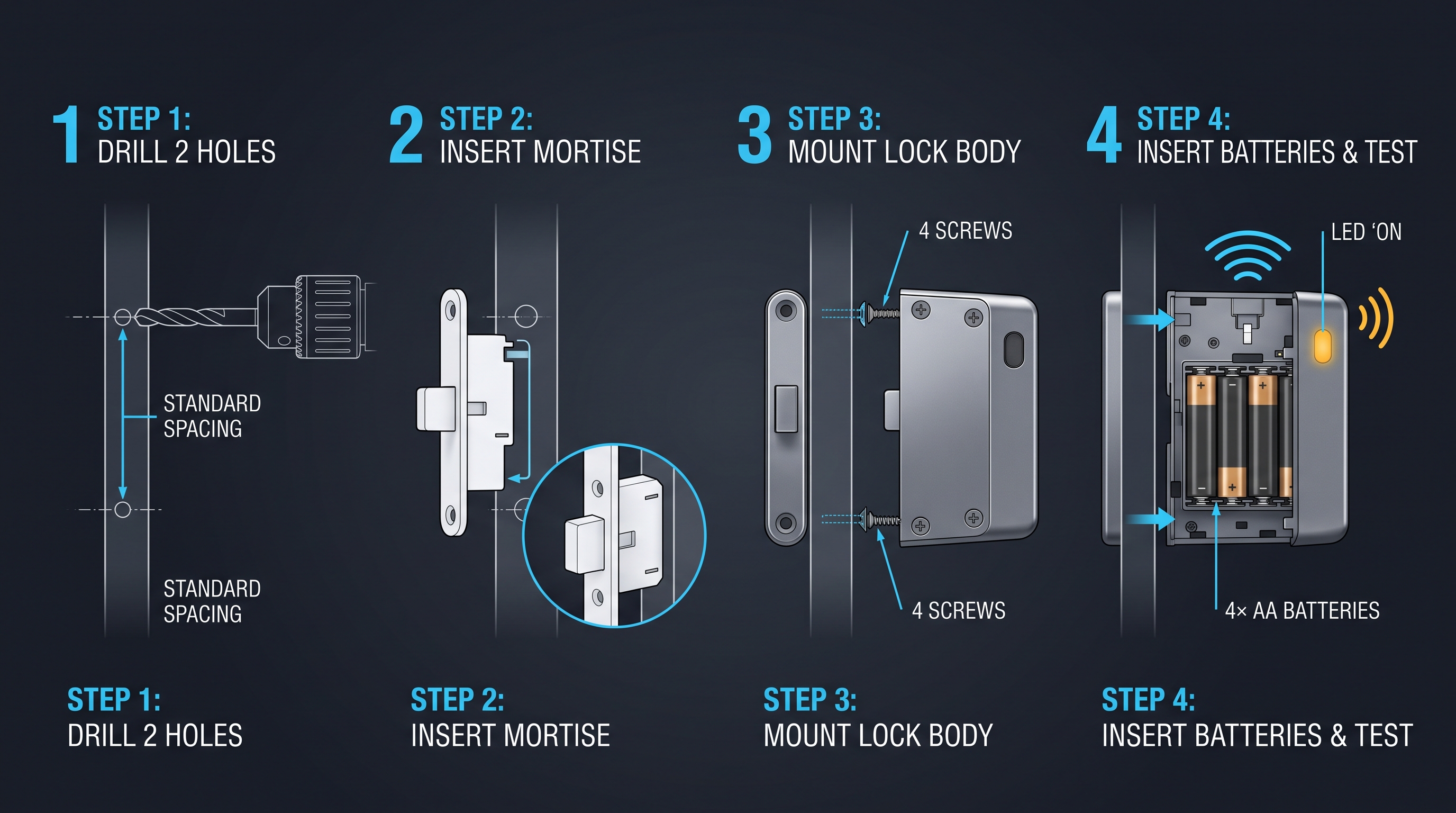
A concealed cabinet lock installation is the procedure of embedding a concealed locking mechanism inside or behind a cabinet structure so that no hardware is visible on the exterior, and the installation technique varies substantially by cabinet material, door thickness, and frame construction. Wood cabinets, the most prevalent type, accommodate screw-mounted concealed cabinet lock bodies with pilot holes and may require a spade bit or Forstner bit to recess the lock body flush with the interior surface. Metal cabinets require self-tapping screws or threaded inserts and may need a stepped drill bit for cable routing through sheet metal panels. Glass display cabinets present the greatest installation challenge because the concealed cabinet lock body must mount to the frame or a metal rail rather than the glass itself, and the holding mechanism typically uses a magnetic or electromagnetic approach that does not require penetrating the glass. A successful concealed cabinet lock installation demands accurate measurement of the door gap (typically 2 to 5 mm), verification that the lock body fits within the cabinet interior cavity, and proper routing of power cables for powered concealed cabinet lock variants.
The installation complexity for a concealed cabinet lock ranges from approximately 15 minutes for a magnetic touch lock on a wood cabinet to several hours for an electromagnetic lock requiring hardwired power and access control integration. Before beginning any concealed cabinet lock installation, assemble the required tools: a drill with appropriate bits, a screwdriver set, a tape measure, a pencil, a level, and for powered locks, a multimeter and wire strippers. Always test-fit the concealed cabinet lock body before committing to permanent mounting, and verify that the door closes, locks, and unlocks properly before finalizing cable routing. The following sections detail concealed cabinet lock installation procedures for each common cabinet material.
Installing a Concealed Cabinet Lock on Wood Cabinets
Wood cabinets — including solid wood, plywood, MDF, and particleboard — are the most accommodating substrate for concealed cabinet lock installation. Begin by marking the concealed cabinet lock body position inside the cabinet, ensuring it aligns with the door when closed. For a magnetic touch concealed cabinet lock, the lock body typically mounts to the cabinet side panel or top panel, with the plunger facing the door. Drill pilot holes for the mounting screws, then secure the concealed cabinet lock body. Mount the strike plate or magnetic catch on the door interior, aligned with the plunger position. For an electromagnetic concealed cabinet lock, mount the electromagnet to the cabinet frame and the armature plate to the door interior, ensuring full surface contact when the door is closed. Use a Forstner bit to recess the concealed cabinet lock body if a flush interior mount is desired. Route any power cables along the cabinet interior, securing them with cable clips and running them to the nearest power source. Test the concealed cabinet lock operation five to ten times to confirm reliable engagement before declaring the installation complete.
Installing a Concealed Cabinet Lock on Metal Cabinets
Metal cabinets — found in offices, garages, server rooms, and industrial facilities — require different techniques for concealed cabinet lock installation. Self-tapping sheet metal screws are the primary fastening method for a concealed cabinet lock on metal, though pre-threaded holes in some metal cabinets allow machine screws. For concealed cabinet lock bodies that must be recessed into metal panels, a stepped drill bit creates clean holes in sheet metal without deforming the surrounding material. When installing an electromagnetic concealed cabinet lock on a metal cabinet, verify that the armature plate contacts the electromagnet fully — warped metal doors may need shimming to achieve proper contact and full holding force. Metal cabinets can interfere with RFID signals and magnetic fields, so test the RFID concealed cabinet lock or magnetic touch concealed cabinet lock before finalizing the installation, and reposition the antenna or lock body if the read range or actuation reliability is reduced. Cable routing in metal cabinets should use rubber grommets at any panel penetrations to prevent cable chafing on sharp metal edges. Grounding the metal cabinet is advisable when installing powered concealed cabinet lock variants to prevent electrical interference.
Installing a Concealed Cabinet Lock on Glass Display Cabinets
Glass display cabinets present the most demanding concealed cabinet lock installation scenario. The concealed cabinet lock body cannot be mounted to the glass itself, so it must attach to the metal or wood frame surrounding the glass. Electromagnetic concealed cabinet locks are the most common choice for glass display cabinets because the armature plate can be bonded to a metal frame member adjacent to the glass, and the electromagnet mounts to the opposing frame member. Adhesive mounting tapes rated for 5 to 10 kg of shear force can supplement mechanical fastening for lighter concealed cabinet lock models. For RFID concealed cabinet lock installations on glass cabinets, the antenna can be mounted behind a non-metallic frame section, and the glass itself does not significantly attenuate the 125 kHz or 13.56 MHz RFID signal. Avoid drilling into tempered glass under all circumstances, as tempered glass will shatter catastrophically. Always use a concealed cabinet lock variant specifically designed for frame mounting when working with glass display cabinets, and consult the manufacturer's specifications for maximum door weight and gap tolerance before proceeding with the concealed cabinet lock installation.
How to Choose the Right Concealed Cabinet Lock
Choosing the right concealed cabinet lock requires a systematic evaluation of five primary selection criteria: security level, access method, power availability, cabinet compatibility, and budget. A concealed cabinet lock for a child-safety application needs only basic deterrence and no power, making a magnetic touch concealed cabinet lock ideal at 8 to 25 USD. A concealed cabinet lock for a medical cabinet storing controlled substances requires audit logging, multi-user credentials, and high holding force, pointing to an RFID or electromagnetic concealed cabinet lock at 30 to 120 USD. A concealed cabinet lock for a smart home wardrobe benefits from app control and automation, favoring a Bluetooth or WiFi smart concealed cabinet lock at 40 to 150 USD. The concealed cabinet lock selection process begins with a threat assessment — what are you protecting, from whom, and what are the consequences of unauthorized access — and then maps the security requirement to a lock type, access method, and budget for the concealed cabinet lock.
Beyond the five primary criteria, consider secondary factors that affect long-term satisfaction with the concealed cabinet lock. Battery life for wireless concealed cabinet lock variants ranges from 6 months for Bluetooth smart locks to 12 months for RFID battery-powered locks, and battery replacement should be convenient. Warranty periods for a concealed cabinet lock range from 1 to 5 years, with electromagnetic concealed cabinet locks typically carrying the longest warranties due to their solid-state design with minimal moving parts. Weather resistance matters for outdoor or humidity-exposed concealed cabinet lock installations — look for IP54 or higher ingress protection ratings. Credential management complexity varies by concealed cabinet lock type: magnetic keys cannot be remotely revoked (you must physically retrieve them), while RFID and smart concealed cabinet locks support instant credential deletion and reissuance through the controller or app. The decision matrix below maps common application scenarios to the recommended concealed cabinet lock type.
| Application | Recommended Lock | Security Grade | Access Method | Budget (USD) |
|---|---|---|---|---|
| Child-safety kitchen cabinet | Magnetic touch | Low | Magnetic key | 8–25 |
| Home medicine cabinet | RFID concealed | Medium | RFID card/fob | 25–80 |
| Luxury smart wardrobe | Bluetooth smart | Medium | Smartphone app | 40–150 |
| Office storage cabinet | RFID concealed | Medium | RFID badge | 25–80 |
| Medical controlled substance | Electromagnetic | High | Dual credential | 50–120 |
| Retail display cabinet | Electromagnetic | High | Key switch/RFID | 40–120 |
| Garage utility cabinet | Mechanical plunger | Medium | Physical tool | 5–15 |
| Hospitality minibar | RFID concealed | Medium | Guest RFID key | 30–80 |
| Server rack cabinet | Electromagnetic | High | Access control | 60–150 |
Security Level Assessment for Concealed Cabinet Locks
Security level is the most critical factor in concealed cabinet lock selection. Assess security on three dimensions: holding force, bypass resistance, and credential security. Holding force for electromagnetic concealed cabinet locks ranges from 300 kg for entry-level models to 600 kg or more for high-security units — a 300 kg concealed cabinet lock resists casual prying attempts, but a determined attacker with a pry bar could eventually defeat it, while a 600 kg concealed cabinet lock resists all but professional-grade breaching tools. Bypass resistance for mechanical and magnetic concealed cabinet locks depends on the quality of concealment: if an attacker cannot find the concealed cabinet lock, they cannot attempt to bypass it, which is why installation precision and concealment quality matter as much as the lock mechanism itself. Credential security for RFID concealed cabinet locks depends on the frequency and encryption protocol: 125 kHz low-frequency cards are cloneable with a 10 USD reader in under 30 seconds, while 13.56 MHz Mifare DESFire cards with AES-128 encryption are effectively unclonable without sophisticated equipment. Match the concealed cabinet lock security level to the value of the protected contents and the sophistication of potential threats.
Power and Wiring Considerations for Concealed Cabinet Locks
Power availability constrains concealed cabinet lock selection more than any other factor. If the cabinet is near an electrical outlet, hardwired 12 V DC electromagnetic and RFID concealed cabinet locks offer the highest reliability and unlimited operation without battery maintenance. If no power is available, the options narrow to battery-powered RFID concealed cabinet locks (4 AA batteries, 6 to 12 month life), battery-powered Bluetooth smart concealed cabinet locks (CR2032 or AA, 6 month life), or non-powered magnetic touch and mechanical plunger concealed cabinet locks. For concealed cabinet lock installations requiring hardwired power, plan the cable route from the power supply to the concealed cabinet lock body, ensuring cables are concealed within the cabinet structure and protected from pinching at door hinges. Use 22 AWG or thicker wire for runs under 3 meters, and 20 AWG for longer runs to minimize voltage drop. For battery-powered concealed cabinet locks, choose models with low-battery indicators — audible beeps or app notifications — to prevent lockout when batteries deplete. Some premium concealed cabinet lock models offer dual-power options, using primary AC power with battery backup for fail-safe operation.
Concealed Cabinet Lock Security Grades and Industry Certifications
A concealed cabinet lock security grade is a standardized classification that rates the lock resistance to forced attack, and the applicable frameworks include the European EN 14846 standard, the American ANSI/BHMA grading system, and the Sold Secure framework from the UK Master Locksmiths Association. EN 14846 classifies electromechanical concealed cabinet locks into grades 1 through 6, where grade 6 represents the highest security with requirements for 1,000 Newton lateral force resistance and 500 Newton axial force resistance. ANSI/BHMA grades range from grade 3 (residential, lowest) through grade 1 (commercial, highest), with grade 1 concealed cabinet locks tested to 800,000 open-close cycles. Sold Secure assigns Bronze, Silver, and Gold ratings based on structured attack testing with hand tools, power tools, and specialist equipment. A concealed cabinet lock carrying an EN 14846 grade 4 or higher, an ANSI/BHMA grade 2 or higher, or a Sold Secure Silver rating provides meaningful forced-attack resistance suitable for protecting valuable contents. Certification testing for a concealed cabinet lock is performed by accredited laboratories including TUV, Intertek, and UL.
Understanding these certifications helps buyers avoid overpaying for a concealed cabinet lock that claims high security without independent verification. Many concealed cabinet lock products sold online carry no certification at all, and their security claims are manufacturer assertions rather than tested specifications. When evaluating a certified concealed cabinet lock, look beyond the grade to the specific test parameters: cycle count, force resistance values, environmental testing conditions (humidity, temperature cycling), and attack method categories. The comparison table below maps the major certification frameworks to their security tiers and applicable concealed cabinet lock types.
| Certification | Grade/Rating | Security Level | Typical Application | Applicable Lock Types |
|---|---|---|---|---|
| EN 14846 | Grade 1–2 | Low (residential) | Home cabinets | Magnetic, mechanical |
| EN 14846 | Grade 3–4 | Medium (light commercial) | Office, retail | RFID, electromagnetic |
| EN 14846 | Grade 5–6 | High (commercial/industrial) | Medical, evidence | Electromagnetic |
| ANSI/BHMA | Grade 3 | Residential | Home, child safety | Magnetic, mechanical |
| ANSI/BHMA | Grade 2 | Light commercial | Office, hospitality | RFID, electromagnetic |
| ANSI/BHMA | Grade 1 | Commercial/institutional | High-security storage | Electromagnetic |
| Sold Secure | Bronze | Basic | Low-value storage | Magnetic, mechanical |
| Sold Secure | Silver | Medium | Valuable storage | RFID, electromagnetic |
| Sold Secure | Gold | High | High-value, critical | Electromagnetic |
EN 14846 Certification for Concealed Cabinet Locks
EN 14846 is the European standard specifically addressing electromechanical locks, including concealed cabinet lock variants that use electrical actuation. The standard defines six security grades based on endurance (open-close cycles), lateral and axial force resistance, environmental resistance, and manipulation resistance. For a concealed cabinet lock to achieve EN 14846 grade 4, it must withstand 100,000 operating cycles, 1,000 Newton lateral force, 500 Newton axial force, and 72 hours of humidity cycling at 40 degrees Celsius and 95 percent relative humidity. Grade 6, the highest tier, requires 500,000 cycles, 2,000 Newton lateral force, and 1,000 Newton axial force. When sourcing a concealed cabinet lock for a commercial or institutional application in Europe or markets recognizing European standards, EN 14846 certification is frequently a procurement requirement. Verify concealed cabinet lock certification by requesting the test certificate from the manufacturer, which will identify the testing laboratory, the exact concealed cabinet lock model tested, and the grade achieved.
ANSI/BHMA Grading for Concealed Cabinet Locks
The ANSI/BHMA grading system, developed by the Builders Hardware Manufacturers Association, is the dominant security standard in North America for concealed cabinet lock evaluation. ANSI/BHMA grade 1 represents the highest security level, tested to 800,000 cycles and significant force resistance. Grade 2 is intermediate, tested to 400,000 cycles, suitable for light commercial and high-end residential concealed cabinet lock applications. Grade 3 is residential, tested to 200,000 cycles. For a concealed cabinet lock, ANSI/BHMA grade 2 is typically the minimum recommended for commercial applications such as office storage and retail display, while grade 1 is appropriate for institutional applications including medical storage and evidence lockers. The ANSI/BHMA standard for cabinet locks is ANSI/BHMA A156.11, which specifically addresses cabinet locks and is the relevant sub-standard for evaluating a concealed cabinet lock. Products certified to ANSI/BHMA standards carry a certification mark and can be verified in the BHMA certified products directory online.
Concealed Cabinet Lock vs Surface-Mounted Lock: Detailed Comparison
A concealed cabinet lock differs from a surface-mounted lock by eliminating all externally accessible locking hardware, trading the deterrent effect of a visible lock for the security benefit of an unidentifiable attack surface. The advantages of a concealed cabinet lock include superior aesthetics — no visible lock cylinder, keyhole, or padlock preserves furniture design intent — and enhanced security through concealment, since an attacker who cannot locate the concealed cabinet lock cannot target it for picking, drilling, or prying. Additional concealed cabinet lock advantages include child-safety functionality without accessible hardware, integration with smart home and access control systems on electronic variants, and multi-user credential management with audit logging. The disadvantages of a concealed cabinet lock include higher cost (2 to 10 times a comparable surface-mounted lock), installation complexity requiring precise measurement and sometimes professional installation, power dependency for electronic concealed cabinet lock variants, and the absence of a visible deterrent that might discourage casual unauthorized attempts. The right choice between a concealed cabinet lock and a surface-mounted lock depends on whether concealment or deterrence is the priority.
The concealed cabinet lock versus surface-mounted lock decision also involves operational considerations. A surface-mounted lock such as a cam lock provides immediate visual confirmation that the cabinet is secured, which matters in environments where staff need to verify security at a glance, such as retail closing procedures or medical cabinet shift-change checks. A concealed cabinet lock offers no such visual confirmation — you must test the door or check an app indicator to confirm the concealed cabinet lock is engaged. On the other hand, a concealed cabinet lock cannot be left unlocked by forgetting to engage a visible lock; electromagnetic concealed cabinet lock variants auto-lock when power is restored, and RFID concealed cabinet lock variants auto-lock on door closure. The comparison table below summarizes the trade-offs between a concealed cabinet lock and a surface-mounted lock.
| Factor | Concealed Cabinet Lock | Surface-Mounted Lock |
|---|---|---|
| Aesthetics | Excellent — no visible hardware | Poor — lock visible on exterior |
| Security through concealment | High — no identifiable attack point | Low — lock is visible target |
| Visual deterrent | None | High — visible lock discourages attempts |
| Lock confirmation | None (must test door) | Yes — lock position is visible |
| Cost (USD) | 8–150 | 3–30 |
| Installation difficulty | Moderate–Hard | Easy |
| Power required | Some variants | None |
| Multi-user access | Yes (RFID, smart variants) | Limited (key duplication) |
| Access logging | Yes (electronic variants) | No |
| Smart home integration | Yes (Bluetooth, WiFi variants) | No |
When a Concealed Cabinet Lock Is Superior
A concealed cabinet lock is the superior choice when aesthetics, concealment, or child safety are the primary concerns. In interior design applications — luxury kitchens, custom wardrobes, museum-quality display furniture — a visible lock would compromise the design intent, and a concealed cabinet lock provides security without aesthetic sacrifice. In child-safety applications, a concealed cabinet lock prevents children from even identifying the locking mechanism, let alone attempting to manipulate it, which is more effective than a visible lock that a curious child can see and try to open. In shared environments — offices, coworking spaces, hospitality venues — a concealed cabinet lock with RFID or smart credentials provides cleaner aesthetics than rows of visible key locks while offering superior access management for the concealed cabinet lock. In retail display cabinets, a concealed cabinet lock ensures that the visual focus remains on the displayed products rather than on locking hardware, while still providing robust security through electromagnetic or RFID concealed cabinet lock mechanisms.
When a Surface-Mounted Lock May Be Preferable
A surface-mounted lock may be preferable when deterrence, simplicity, or cost is the overriding concern. In utility areas — garages, sheds, workshops — where aesthetics are irrelevant, a visible padlock or cam lock provides clear security signaling at minimal cost compared to a concealed cabinet lock. In environments requiring frequent, rapid access by rotating staff — such as a janitor closet or supply room — a visible cam lock with a standard key is faster and simpler than presenting an RFID credential or opening a smartphone app to actuate a concealed cabinet lock. In situations where visual lock confirmation is operationally important — such as a pharmacy controlled-substance cabinet that must be verified locked during shift changes — a visible lock provides at-a-glance confirmation that a concealed cabinet lock cannot match. In budget-constrained scenarios, a 5 USD cam lock provides more security than an unlocked cabinet, even if a concealed cabinet lock would be aesthetically preferable. The surface-mounted lock is not obsolete — it is the right tool for specific applications where its advantages outweigh the concealment benefits of a concealed cabinet lock.
Smart Home Integration for Your Concealed Cabinet Lock
A smart home integrated concealed cabinet lock connects to a home automation platform via Bluetooth, WiFi, Zigbee, or Matter, enabling remote control, scheduling, automation routines, and voice commands through Alexa, Google Assistant, or Apple HomeKit. The smart concealed cabinet lock typically pairs with a smartphone app that provides lock and unlock controls, temporary digital keys for guests, access scheduling (e.g., allow cleaning staff access only on Tuesdays from 10 AM to noon), and real-time notifications when the concealed cabinet lock is opened or left unlocked. Zigbee and Matter concealed cabinet lock variants integrate with smart home hubs such as Samsung SmartThings, Amazon Echo with built-in hub, or Apple HomePod, allowing the concealed cabinet lock to participate in scenes and automations — for example, a Goodnight scene that locks all cabinets, or an Away scene that verifies all concealed cabinet locks are secured. WiFi concealed cabinet lock variants connect directly to the home router without a hub but consume more battery. Bluetooth-only concealed cabinet lock variants offer the longest battery life but require phone proximity for control of the concealed cabinet lock.
Smart home integration elevates the concealed cabinet lock from a standalone security device to a participant in a coordinated home automation ecosystem. The practical benefits are significant: receiving a notification when a liquor cabinet's concealed cabinet lock is opened during a party, automatically locking a medicine cabinet's concealed cabinet lock at a scheduled bedtime, or granting a house sitter temporary access to a concealed cabinet lock that expires automatically. However, smart concealed cabinet lock integration also introduces considerations around network reliability, cybersecurity, and platform compatibility. The comparison table below evaluates the four major wireless protocols for smart concealed cabinet lock integration.
| Protocol | Range | Battery Life | Hub Required | Voice Control | Mesh Networking | Best For |
|---|---|---|---|---|---|---|
| Bluetooth (BLE) | 10–30 m | 6–12 months | No | Limited (via phone) | No | Single-cabinet proximity unlock |
| WiFi | 30–50 m | 3–6 months | No | Yes (direct) | No | Direct cloud access, notifications |
| Zigbee | 30–100 m | 8–14 months | Yes | Yes (via hub) | Yes | Multi-device smart homes |
| Matter | 30–100 m | 8–14 months | Yes (controller) | Yes (multi-platform) | Yes (Thread) | Cross-platform future-proofing |
Bluetooth Concealed Cabinet Lock Integration
A Bluetooth concealed cabinet lock pairs directly with a smartphone app, eliminating the need for a separate smart home hub. The app provides lock and unlock controls for the concealed cabinet lock, credential management, and access logging. Proximity unlock — where the concealed cabinet lock automatically unlocks when the authorized phone comes within 1 to 2 meters — is a popular Bluetooth concealed cabinet lock feature that provides a seamless experience: approach the cabinet, the concealed cabinet lock unlocks; walk away, it relocks. Battery life for Bluetooth concealed cabinet locks is typically 6 to 12 months on coin-cell or AA batteries, making them low-maintenance. The limitation of Bluetooth is range: control is limited to within 10 to 30 meters of the concealed cabinet lock, and remote control from outside the home requires a WiFi bridge or hub. For single-cabinet installations in smart homes — a wine cabinet, a gun cabinet, a medicine cabinet — a Bluetooth concealed cabinet lock offers an excellent balance of convenience, battery life, and cost for the concealed cabinet lock.
Zigbee and Matter Concealed Cabinet Lock Integration
Zigbee and Matter concealed cabinet lock variants require a smart home hub or controller but offer superior range, mesh networking, and platform interoperability compared to Bluetooth. Zigbee concealed cabinet locks operate on the IEEE 802.15.4 protocol at 2.4 GHz, forming a mesh network where each device extends the network range, making them ideal for whole-home installations with multiple concealed cabinet locks. Battery life is excellent — 8 to 14 months — because Zigbee's low-power sleep mode minimizes energy consumption for the concealed cabinet lock. Matter, the newest smart home standard, runs over Thread (a low-power mesh protocol) and offers cross-platform compatibility: a Matter concealed cabinet lock works with Apple HomeKit, Google Home, Amazon Alexa, and Samsung SmartThings without platform-specific certification. For future-proofing, a Matter concealed cabinet lock is the strongest choice as the standard gains adoption. Both Zigbee and Matter concealed cabinet locks support full smart home automation, including scenes, schedules, and conditional triggers based on other smart home devices interacting with the concealed cabinet lock.
Concealed Cabinet Lock Maintenance and Troubleshooting
A concealed cabinet lock requires regular maintenance to ensure reliable concealed cabinet lock operation over its service life, and the maintenance regime differs by concealed cabinet lock type. Magnetic touch concealed cabinet locks need occasional cleaning of the plunger mechanism and verification that the magnetic key still actuates the reed switch reliably — a weakened magnet or accumulated debris can cause intermittent concealed cabinet lock failures. Electromagnetic concealed cabinet locks require periodic inspection of the armature plate contact surface for corrosion or debris, verification of power supply voltage (12 V or 24 V DC within plus or minus 10 percent), and testing of the concealed cabinet lock release mechanism under load. RFID concealed cabinet locks need battery replacement every 6 to 12 months, antenna position verification, and periodic review of the credential database to revoke access for lost or unreturned cards associated with the concealed cabinet lock. Bluetooth and smart concealed cabinet locks require battery replacement, app updates, and verification of wireless connectivity to the concealed cabinet lock. A well-maintained concealed cabinet lock provides 5 to 10 years of reliable service, while a neglected concealed cabinet lock may fail within 2 to 3 years.
Troubleshooting a concealed cabinet lock follows a systematic approach: identify the symptom, isolate the cause, and apply the fix for the concealed cabinet lock. The most common concealed cabinet lock problems are failure to lock, failure to unlock, intermittent operation, and credential non-recognition when using the concealed cabinet lock. The troubleshooting table below maps concealed cabinet lock symptoms to likely causes and fixes.
| Symptom | Likely Cause | Fix |
|---|---|---|
| Magnetic lock will not unlock | Weakened magnetic key or debris on reed switch | Clean plunger, replace magnetic key |
| Electromagnetic lock will not hold | Dirty armature plate, low voltage, warped door | Clean plate, check power supply, shim door |
| RFID lock does not read credential | Dead battery, antenna misaligned, card damaged | Replace battery, reposition antenna, replace card |
| Bluetooth lock will not connect | Dead battery, phone Bluetooth off, app outdated | Replace battery, enable Bluetooth, update app |
| Lock engages but door opens anyway | Strike plate misaligned, plunger worn | Realign strike plate, replace plunger |
| Intermittent operation | Loose wiring, low battery, humidity corrosion | Tighten connections, replace battery, clean contacts |
| Lock makes clicking noise but does not unlock | Solenoid failure, mechanical obstruction | Replace solenoid, clear obstruction |
Routine Maintenance Schedule for Concealed Cabinet Locks
Establish a routine maintenance schedule for the concealed cabinet lock to prevent concealed cabinet lock failures and extend service life. Monthly: test the concealed cabinet lock and unlock operation three to five times, and visually inspect the concealed cabinet lock body and strike plate for loose fasteners or debris. Quarterly: clean the concealed cabinet lock contact surfaces and plunger mechanism with a dry cloth, check power supply voltage for powered concealed cabinet locks, and verify that all credentials (magnetic keys, RFID cards, app access) function correctly with the concealed cabinet lock. Semi-annually: replace batteries in battery-powered concealed cabinet locks, review and update the credential database for RFID and smart concealed cabinet locks, and inspect cable connections for powered concealed cabinet locks. Annually: perform a full operational test under load, lubricate concealed cabinet lock mechanical components with a dry PTFE lubricant (never oil-based, which attracts dust), and verify that the concealed cabinet lock still meets the security requirements of its application. Document each concealed cabinet lock maintenance action with the date and findings to build a service history that helps identify recurring issues and plan concealed cabinet lock replacement before failure.
Common Concealed Cabinet Lock Failures and Solutions
The most common concealed cabinet lock failure is battery depletion in wireless variants, which causes the concealed cabinet lock to stop responding to credentials. The solution is preventive: use low-battery indicators and replace batteries at 20 percent capacity rather than waiting for complete depletion. For electromagnetic concealed cabinet locks, the most common failure is armature plate contamination — dust, grease, or corrosion on the contact surface reduces holding force by 50 percent or more. The solution is quarterly cleaning with isopropyl alcohol and a lint-free cloth. For RFID concealed cabinet locks, antenna misalignment after cabinet adjustment or door hinge settling is a frequent issue, causing intermittent credential reads for the concealed cabinet lock. The solution is to reposition the antenna and verify read range with the credential held at various positions. For mechanical plunger concealed cabinet locks, plunger wear after extended use causes the concealed cabinet lock to release under less force than specified, and the solution is plunger replacement for the concealed cabinet lock. In all cases, retaining the manufacturer's documentation and spare parts (extra magnetic keys, replacement plungers, spare armature plates) accelerates troubleshooting and minimizes downtime for the concealed cabinet lock.
Concealed Cabinet Lock Applications Across Industries
A concealed cabinet lock serves diverse applications across residential, commercial, hospitality, medical, retail, and industrial sectors, each with distinct requirements for security level, access method, and aesthetic integration. In residential settings, the concealed cabinet lock secures kitchen cabinets containing cleaning chemicals (child safety), medicine cabinets, liquor cabinets, gun cabinets, and home office storage. In commercial offices, the concealed cabinet lock secures employee storage cabinets, filing cabinets containing sensitive documents, and server room cabinets. In hospitality, the concealed cabinet lock secures minibars, in-room safes, and back-of-house storage. In medical facilities, the concealed cabinet lock secures controlled substance cabinets, patient record storage, and medical supply cabinets. In retail, the concealed cabinet lock secures display cabinets for high-value merchandise. In industrial settings, the concealed cabinet lock secures tool storage, maintenance supply cabinets, and hazardous material storage. Each application of the concealed cabinet lock demands a specific combination of security grade, access method, and form factor for the concealed cabinet lock.
The diversity of concealed cabinet lock applications means no single lock type serves all needs. The table below maps industry applications to the recommended concealed cabinet lock characteristics.
| Industry/Application | Recommended Lock | Security Grade | Access Method | Special Requirement |
|---|---|---|---|---|
| Residential child safety | Magnetic touch | Low | Magnetic key | No power, simple |
| Residential medicine cabinet | RFID concealed | Medium | RFID card/fob | Battery powered |
| Residential gun cabinet | Electromagnetic | High | RFID + PIN | Audit logging |
| Residential liquor cabinet | Bluetooth smart | Medium | Smartphone app | Notifications |
| Office storage | RFID concealed | Medium | RFID card | Multi-user, logging |
| Office server rack | Electromagnetic | High | Access control | Integration |
| Hospitality minibar | RFID concealed | Medium | Guest RFID key | PMS integration |
| Medical controlled substance | Electromagnetic | High | Dual credential | DEA compliance |
| Retail display | Electromagnetic | High | Key switch/RFID | High visibility |
| Industrial tool storage | Mechanical plunger | Medium | Physical tool | No power, durable |
Residential Concealed Cabinet Lock Applications
In residential settings, the concealed cabinet lock addresses four primary needs: child safety, valuables protection, medication security, and personal privacy. For child safety, a magnetic touch concealed cabinet lock on kitchen cabinets containing cleaning chemicals, under-sink cabinets, and pantry cabinets prevents accidental access by children while remaining invisible to the kitchen design. For valuables protection, a concealed cabinet lock on a home office cabinet or closet safe secures documents, electronics, and collectibles without advertising the presence of valuables through a visible lock. For medication security, an RFID or Bluetooth concealed cabinet lock on a medicine cabinet controls access to prescription medications, which is particularly important in homes with teenagers or in multigenerational households. For personal privacy, a concealed cabinet lock on a wardrobe, nightstand, or desk drawer provides a private storage space that guests or household members cannot casually access. The residential concealed cabinet lock market has grown significantly with the adoption of smart home technology, as homeowners seek to extend smart security beyond front doors to interior furniture using a concealed cabinet lock.
Commercial and Institutional Concealed Cabinet Lock Applications
In commercial and institutional settings, the concealed cabinet lock prioritizes access control, audit capability, and integration with facility management systems. Office storage cabinets with RFID concealed cabinet locks allow employees to access assigned cabinets with their existing access badge, eliminating key management while providing an audit trail of who accessed which concealed cabinet lock and when. Server room cabinets with electromagnetic concealed cabinet locks integrate with the building access control system, ensuring that only authorized IT personnel can access critical infrastructure through the concealed cabinet lock. Medical facility cabinets with electromagnetic concealed cabinet locks meet regulatory requirements for controlled substance storage, including dual-credential access (two-person rule), audit logging, and integration with pharmacy management systems through the concealed cabinet lock. Retail display cabinets with electromagnetic concealed cabinet locks secure high-value merchandise while maintaining visual appeal — the concealed cabinet lock is invisible to customers, and the electromagnetic mechanism provides high holding force against theft attempts. In all commercial and institutional applications, the concealed cabinet lock must be specified with appropriate certifications (EN 14846, ANSI/BHMA) and integrated with the facility access control infrastructure for centralized concealed cabinet lock management.
Concealed Cabinet Lock Cost Analysis and Return on Investment
A concealed cabinet lock cost analysis must consider not only the purchase price but also installation, power, maintenance, and the value of protected contents over the concealed cabinet lock service life. The purchase price of a concealed cabinet lock ranges from 5 USD for a basic mechanical plunger lock to 150 USD for a high-end Bluetooth smart lock, with mid-range RFID and electromagnetic concealed cabinet locks at 25 to 120 USD. Installation costs range from zero (DIY magnetic touch concealed cabinet lock) to 100 to 300 USD for professional installation of an electromagnetic concealed cabinet lock requiring hardwired power and access control integration. Power costs for electromagnetic concealed cabinet locks are minimal — a 12 V DC, 300 mA concealed cabinet lock consumes approximately 3.6 watts, costing under 5 USD per year in electricity at average rates. Maintenance costs over a 10-year service life include battery replacement (approximately 5 to 15 USD per year for battery-powered concealed cabinet lock variants) and occasional component replacement (plungers, armature plates, solenoids at 10 to 30 USD per occurrence). The total 10-year cost of ownership for a concealed cabinet lock ranges from 50 USD for a magnetic touch lock to 500 USD for a professionally installed electromagnetic concealed cabinet lock with access control integration.
The return on investment for a concealed cabinet lock is calculated by comparing the total cost of ownership against the expected loss from theft, unauthorized access, or regulatory non-compliance. A concealed cabinet lock protecting 500 USD of liquor in a home cabinet has a clear ROI if it prevents even one theft event. A concealed cabinet lock protecting controlled substances in a medical facility has an ROI that includes regulatory compliance — the cost of a single DEA compliance violation can exceed 10,000 USD, far exceeding the cost of a certified electromagnetic concealed cabinet lock. The table below illustrates the cost-benefit analysis for common concealed cabinet lock applications.
| Application | Lock Cost (USD) | Install Cost (USD) | 10-Year TCO (USD) | Protected Value (USD) | ROI Breakpoint |
|---|---|---|---|---|---|
| Child-safety kitchen cabinet | 15 | 0 (DIY) | 25 | Health/safety | Immediate |
| Home medicine cabinet | 50 | 0 (DIY) | 100 | 200–500 meds | 1 prevented event |
| Home liquor cabinet | 80 | 0 (DIY) | 130 | 300–800 liquor | 1 prevented event |
| Office storage cabinet | 50 | 50 | 150 | 200–1000 items | 1 prevented event |
| Medical controlled substance | 100 | 200 | 400 | Regulatory compliance | Regulatory avoidance |
| Retail display | 80 | 100 | 300 | 1000+ merchandise | 1 prevented theft |
Budget Tiers for Concealed Cabinet Lock Purchases
Concealed cabinet lock products cluster into three budget tiers, each serving different market segments. The budget tier (5 to 25 USD) includes magnetic touch locks, mechanical plunger locks, and basic RFID locks — suitable for residential child safety, utility cabinets, and low-value storage where a budget concealed cabinet lock provides adequate protection. The mid-range tier (25 to 80 USD) includes quality RFID concealed locks, entry-level electromagnetic locks, and basic Bluetooth smart locks — suitable for office storage, hospitality, and mid-range residential applications where a mid-range concealed cabinet lock balances cost and features. The premium tier (80 to 150+ USD) includes high-holding-force electromagnetic locks, Bluetooth and Matter smart locks with full app ecosystems, and certified commercial-grade locks — suitable for medical, retail, and luxury residential applications where a premium concealed cabinet lock delivers superior security and integration. When selecting a concealed cabinet lock within a budget tier, prioritize the features most critical to the concealed cabinet lock application: for a child-safety concealed cabinet lock, simplicity and reliability; for an office concealed cabinet lock, credential management and audit logging; for a medical concealed cabinet lock, certification and integration capability.
Future Trends in Concealed Cabinet Lock Technology
A concealed cabinet lock is evolving rapidly with advances in biometric sensing, artificial intelligence, wireless protocols, and energy harvesting, and the leading trends expected to shape the concealed cabinet lock market through 2030 include fingerprint and facial recognition integration, AI-powered anomaly detection, Thread and Matter protocol adoption, and energy-harvesting concealed cabinet locks that eliminate battery replacement. Biometric concealed cabinet locks embed a fingerprint sensor or facial recognition camera behind the cabinet surface, enabling access without any credential — the authorized user simply touches the sensor area or looks at the cabinet, and the concealed cabinet lock releases. AI-powered concealed cabinet locks analyze access patterns and flag anomalies, such as access at unusual times or repeated failed credential attempts, sending alerts to the owner's smartphone about the concealed cabinet lock. Thread and Matter adoption brings cross-platform smart home compatibility and low-power mesh networking to the concealed cabinet lock, enabling whole-home installations with dozens of concealed cabinet locks. Energy-harvesting concealed cabinet locks use piezoelectric or electromagnetic energy from door movement or ambient light to power the concealed cabinet lock, eliminating the maintenance burden of battery replacement for the concealed cabinet lock.
These trends will expand the concealed cabinet lock market significantly over the next five years. The global smart lock market, which includes concealed cabinet lock products, is projected to grow from approximately 2.5 billion USD in 2024 to over 8 billion USD by 2030, driven by smart home adoption, security consciousness, and commercial access control modernization. The concealed cabinet lock segment within this market is growing faster than the overall smart lock market because concealment is increasingly valued in both residential design and commercial aesthetics for the concealed cabinet lock. Manufacturers investing in biometric integration, Matter compatibility, and energy harvesting will capture disproportionate market share for their concealed cabinet lock products as these technologies mature and costs decline.
Biometric Concealed Cabinet Lock Development
Biometric integration is the most significant emerging trend in concealed cabinet lock technology. Fingerprint sensors — capacitive sensors measuring 12 by 12 mm or smaller — can be embedded behind a cabinet surface with a thin overlay, reading a fingerprint through up to 2 mm of wood or acrylic for the concealed cabinet lock. The sensor communicates with a controller that matches the fingerprint against stored templates, typically enrolling 10 to 100 fingerprints depending on the concealed cabinet lock model. Facial recognition concealed cabinet locks use a compact camera module and on-device neural processing to recognize authorized faces, eliminating the need for any physical credential for the concealed cabinet lock. The biometric concealed cabinet lock offers the highest security and convenience: no credential to lose, clone, or share, and access is inherently tied to the authorized individual through the concealed cabinet lock. Current limitations include cost (100 to 300 USD for biometric concealed cabinet locks), power consumption (battery life of 3 to 6 months), and the need for a registration surface that may be subtly visible on the cabinet exterior. As sensor costs decline and power efficiency improves, biometric concealed cabinet locks will become mainstream by 2028.
Energy Harvesting and Sustainable Concealed Cabinet Locks
Energy harvesting technology promises to eliminate the primary maintenance burden of wireless concealed cabinet locks: battery replacement. Piezoelectric energy harvesters convert the mechanical energy of door opening and closing into electrical energy, storing it in a supercapacitor or thin-film battery for the concealed cabinet lock. A cabinet door opened 5 to 10 times per day generates enough energy to power a low-power RFID or Bluetooth concealed cabinet lock indefinitely. Solar energy harvesting using thin-film photovoltaic cells installed on the cabinet interior (illuminated by room lighting) can supplement or replace batteries in indoor environments for the concealed cabinet lock. Electromagnetic induction from nearby AC wiring provides another energy source for cabinets mounted against walls with electrical infrastructure. Energy-harvesting concealed cabinet locks are currently in early commercialization, with the first concealed cabinet lock products reaching the market in 2024 and 2025. By 2030, energy harvesting is expected to be standard in mid-range and premium wireless concealed cabinet locks, reducing the total cost of ownership and environmental impact of battery disposal for the concealed cabinet lock.
Concealed Cabinet Lock Selection Checklist and Final Recommendations
A concealed cabinet lock selection checklist consolidates the criteria discussed throughout this guide into an actionable framework for making a concealed cabinet lock purchasing decision. Begin with a threat assessment: identify the contents to be protected, their value, the potential threats (casual access by children, opportunistic theft, targeted attack), and the consequences of unauthorized access to the concealed cabinet lock. Next, determine the concealed cabinet lock access method: single-user (magnetic key), multi-user with logging (RFID), smart home integrated (Bluetooth, WiFi, Zigbee, Matter), or high-security with audit trail (electromagnetic with access control). Then evaluate concealed cabinet lock cabinet compatibility: material (wood, metal, glass), door thickness, gap dimension, and interior cavity depth. Verify concealed cabinet lock power availability: hardwired 12 V DC, battery, or non-powered. Set a budget that includes concealed cabinet lock purchase price, installation, and 10-year maintenance. Finally, verify concealed cabinet lock certifications: EN 14846 grade, ANSI/BHMA grade, or Sold Secure rating appropriate for the concealed cabinet lock application. The concealed cabinet lock that satisfies all these criteria is the correct concealed cabinet lock choice.
The following checklist summarizes the concealed cabinet lock selection process:
- Threat assessment: What are you protecting, from whom, and what are the consequences of unauthorized access to the concealed cabinet lock?
- Security level: Does the contents value justify EN 14846 grade 4+, ANSI/BHMA grade 2+, or Sold Secure Silver+ for the concealed cabinet lock?
- Access method: Single-user (magnetic), multi-user (RFID), smart home (Bluetooth/WiFi/Zigbee/Matter), or high-security (electromagnetic) for the concealed cabinet lock?
- Cabinet compatibility: Wood, metal, or glass? Door thickness and gap dimension? Interior cavity depth for the concealed cabinet lock body?
- Power availability: Hardwired 12 V DC available? If battery, acceptable maintenance interval? If non-powered, is magnetic or mechanical sufficient for the concealed cabinet lock?
- Installation: DIY or professional? If professional, budget 50 to 300 USD for concealed cabinet lock installation.
- Certifications: Does the concealed cabinet lock application require certified security grades (commercial, medical, institutional)?
- Budget: Concealed cabinet lock purchase price plus installation plus 10-year maintenance within the total cost of ownership target?
- Smart home integration: If applicable, which platform (Alexa, Google, Apple, SmartThings)? Which protocol for the concealed cabinet lock?
- Warranty: 1-year minimum, 3 to 5 years for premium electromagnetic and smart concealed cabinet locks.
Final Recommendations by Concealed Cabinet Lock Application
For residential child-safety applications, a magnetic touch concealed cabinet lock at 10 to 20 USD provides reliable, power-free protection with simple installation. For residential valuables and medicine cabinets, an RFID concealed cabinet lock at 40 to 70 USD provides multi-user access and credential management. For smart home integration, a Bluetooth or Matter concealed cabinet lock at 50 to 120 USD provides app control, notifications, and automation. For office and commercial storage, an RFID concealed cabinet lock at 50 to 80 USD provides audit logging and multi-user credential management. For medical and institutional applications, a certified electromagnetic concealed cabinet lock at 80 to 150 USD provides high holding force, access control integration, and regulatory compliance. For retail display, an electromagnetic concealed cabinet lock at 60 to 100 USD provides high holding force with invisible aesthetics. For utility and garage cabinets, a mechanical plunger concealed cabinet lock at 5 to 15 USD provides durable, power-free security. Selecting the right concealed cabinet lock for each application ensures optimal security, aesthetics, and total cost of ownership for the concealed cabinet lock investment.
Not sure which sensor fits your project?
Talk to our mmWave application engineers for a free consultation.
Find the right presence sensor for your hotel project
Compare the 3 protocols, check hotel-specific case studies, and download the installation guide
Related products
3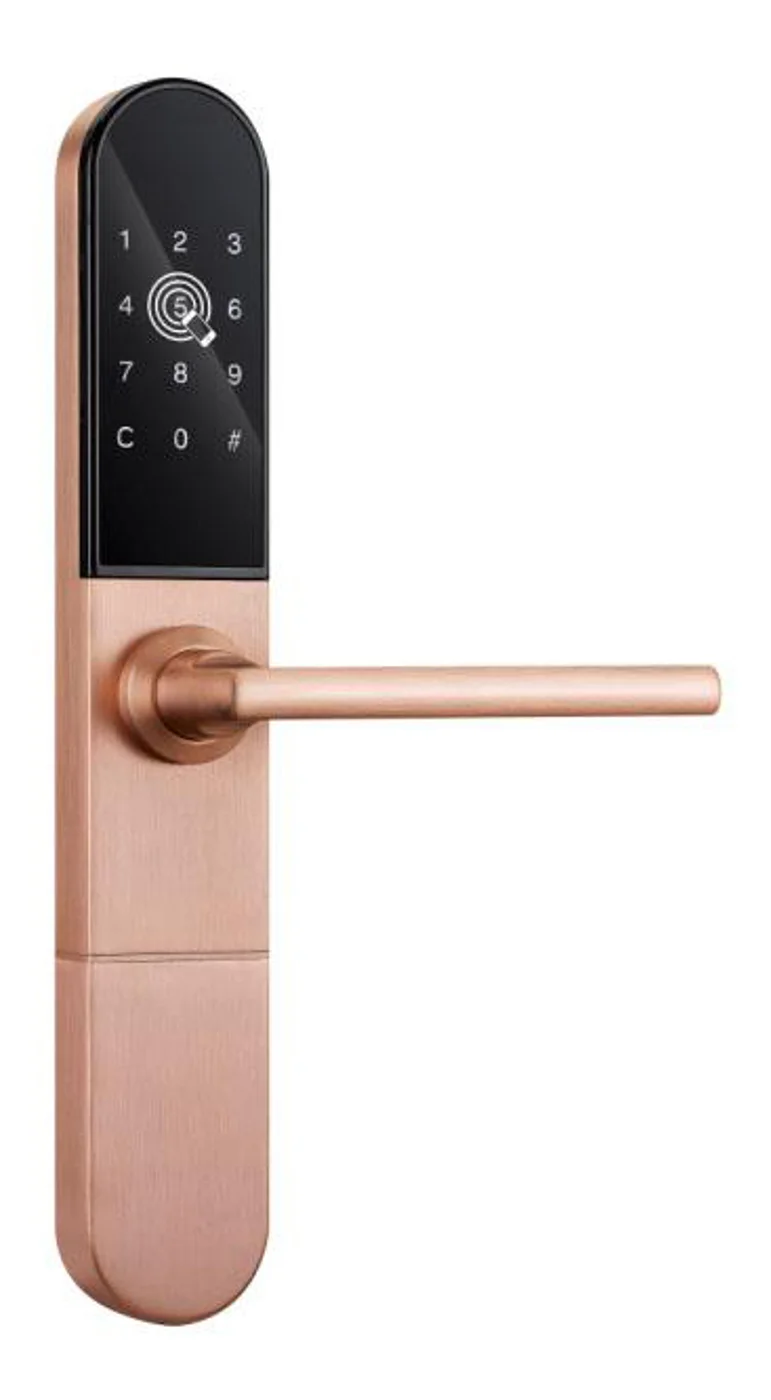
Smart Cabinet Lock — App-Managed, Multi-Site Dashboard
App-managed smart cabinet lock for office, parcel, and multi-site fleets. BLE app dashboard, audit trail, remote unlock, no per-lock server. Higher-tier chassis.
This page already points to it as the next recommended reference.
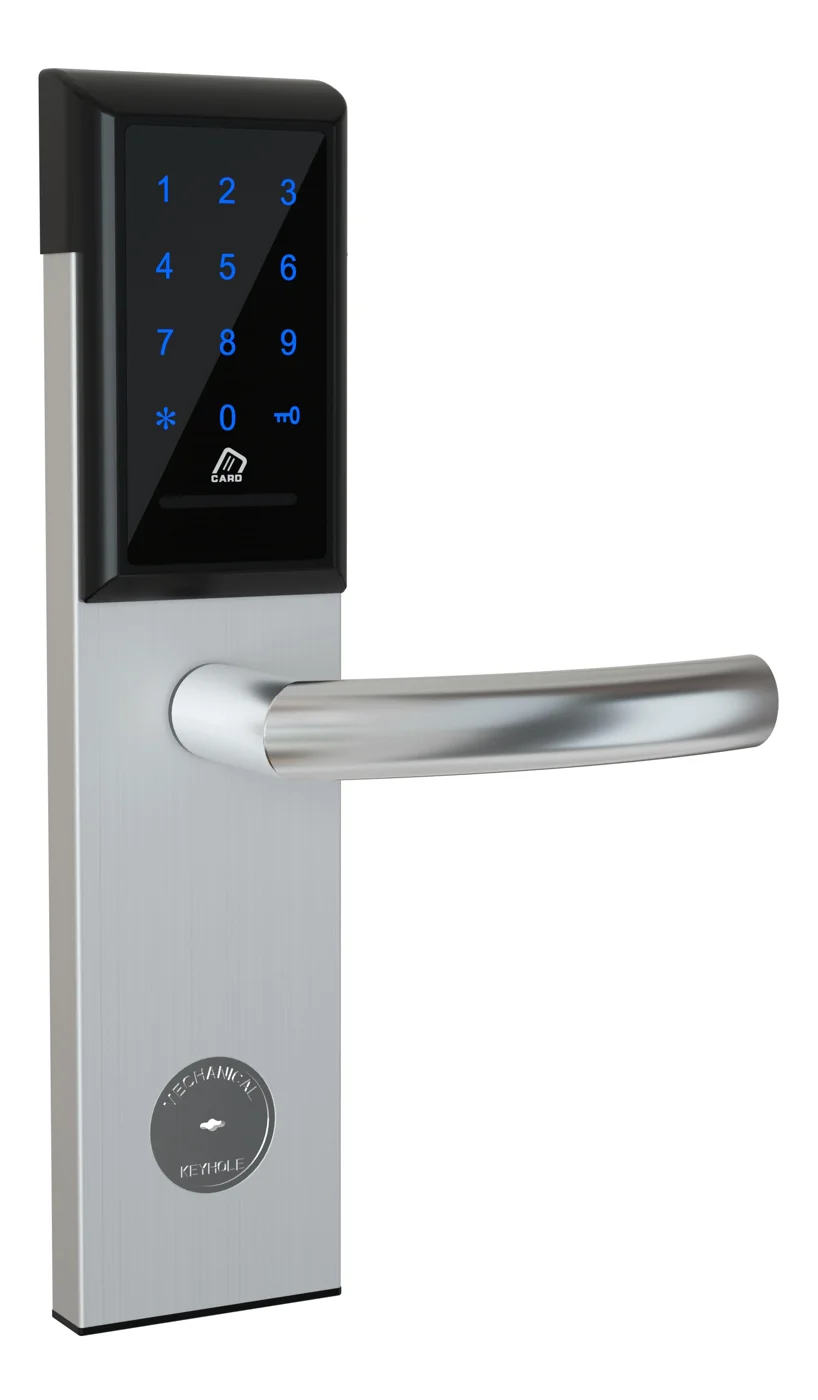
Office Cabinet Lock — PIN + Card for Filing & Pedestals
Offline PIN + card office cabinet lock for filing cabinets, pedestals, and drawers. Battery-powered 5-minute retrofit, no WiFi, no key management. CE/FCC/RoHS.
This page already points to it as the next recommended reference.
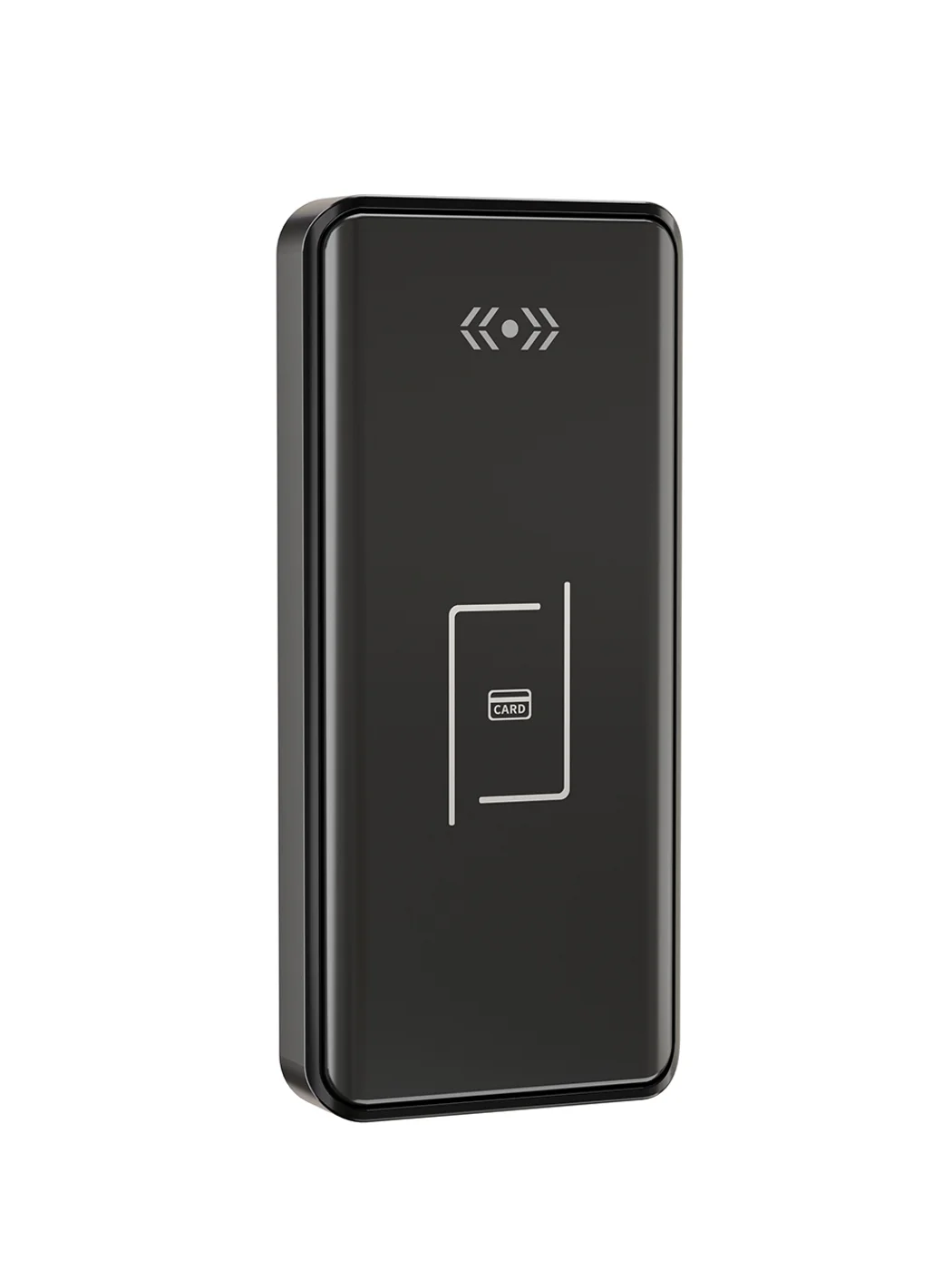
Gym Locker Lock — Offline Card, No WiFi Required
Offline card gym locker lock for fitness and pool lockers. MIFARE card, battery-powered 5-minute retrofit, no WiFi or server. Zinc alloy body, CE/FCC/RoHS.
This page already points to it as the next recommended reference.
Related blog posts
3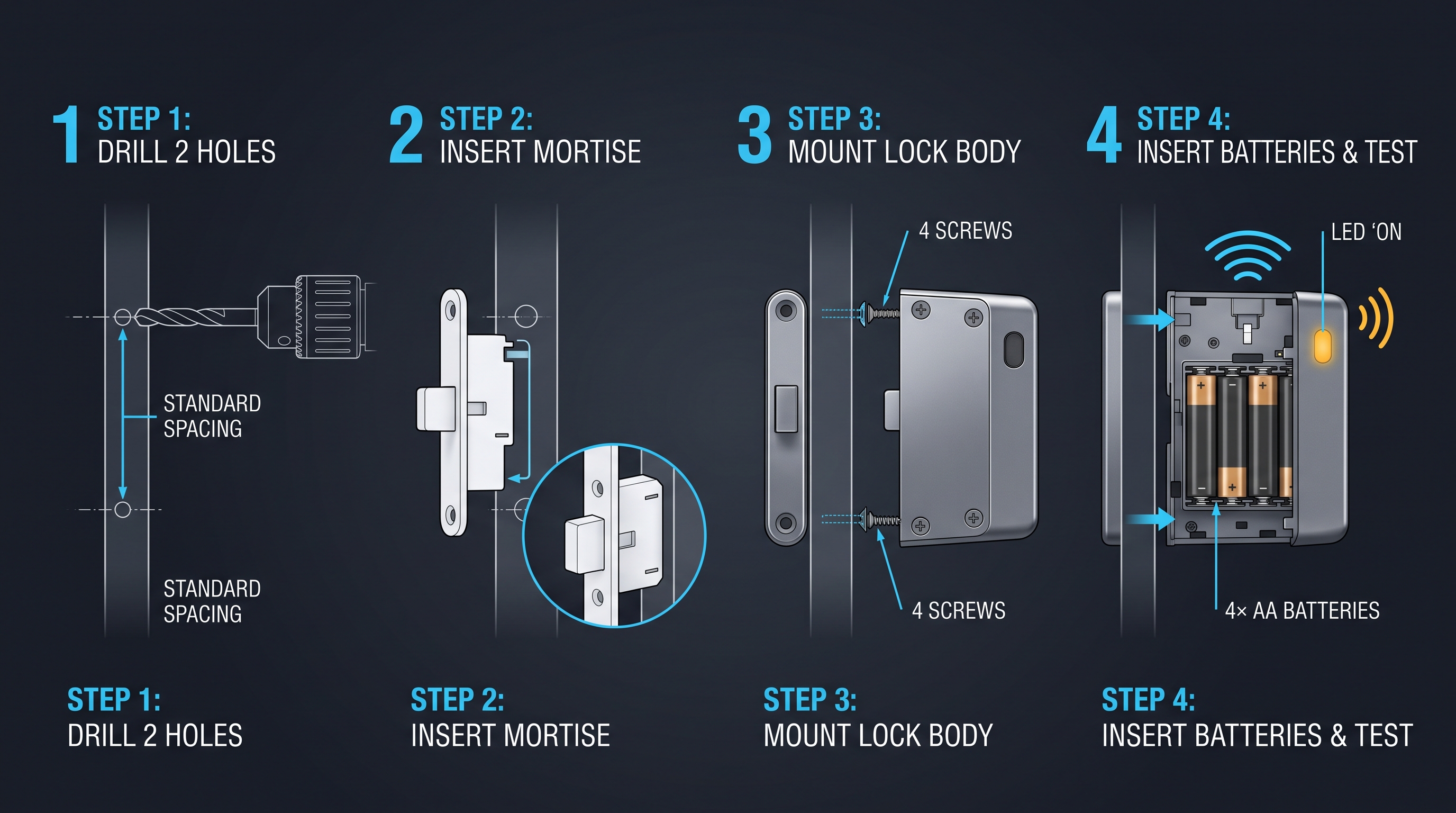
Electronic Cabinet Access: The Complete Guide to Digital Cabinet Entry
Electronic cabinet access replaces keyed locks with digital credentials, generating an access record and letting admins add or revoke users without touching hardware; this guide covers keypad, RFID, biometric, and connected electronic cabinet access methods.
It supports the same product context: Smart Cabinet Lock — App-Managed, Multi-Site Dashboard, Office Cabinet Lock — PIN + Card for Filing & Pedestals, Gym Locker Lock — Offline Card, No WiFi Required.
Display Cabinet Lock: The Complete Guide to Securing Glass Showcases and Retail Display Cabinets
Learn how a display cabinet lock secures glass showcases and retail displays. Compare electromagnetic, RFID, and keyed display cabinet lock types for any application.
It supports the same product context: Smart Cabinet Lock — App-Managed, Multi-Site Dashboard, Office Cabinet Lock — PIN + Card for Filing & Pedestals, Gym Locker Lock — Offline Card, No WiFi Required.
Electronic Access Cabinet: The Complete Guide to Smart Locking Enclosures
Explore electronic access cabinet systems with RFID, Bluetooth, PIN, and biometric control. Learn about powered enclosures for IT, healthcare, and evidence management.
It supports the same product context: Smart Cabinet Lock — App-Managed, Multi-Site Dashboard, Office Cabinet Lock — PIN + Card for Filing & Pedestals, Gym Locker Lock — Offline Card, No WiFi Required.
Specify your hotel project with our engineers
Send your room count, ceiling type, and protocol preference. We will return a sample plan and quote within 24 business hours.
- Move from general guidance into a product or application discussion.
- Use RFQ when pricing, drawings, MOQ, or launch timing needs structure.
- Keep a direct contact path visible for fast clarifications and handoff.