Combination Cabinet Lock: The Complete Guide to Code-Based Storage Security in 2026
Explore combination cabinet lock technology covering mechanical dial, electronic keypad, and programmable push-button locks for gyms, offices, schools, and industrial storage security.
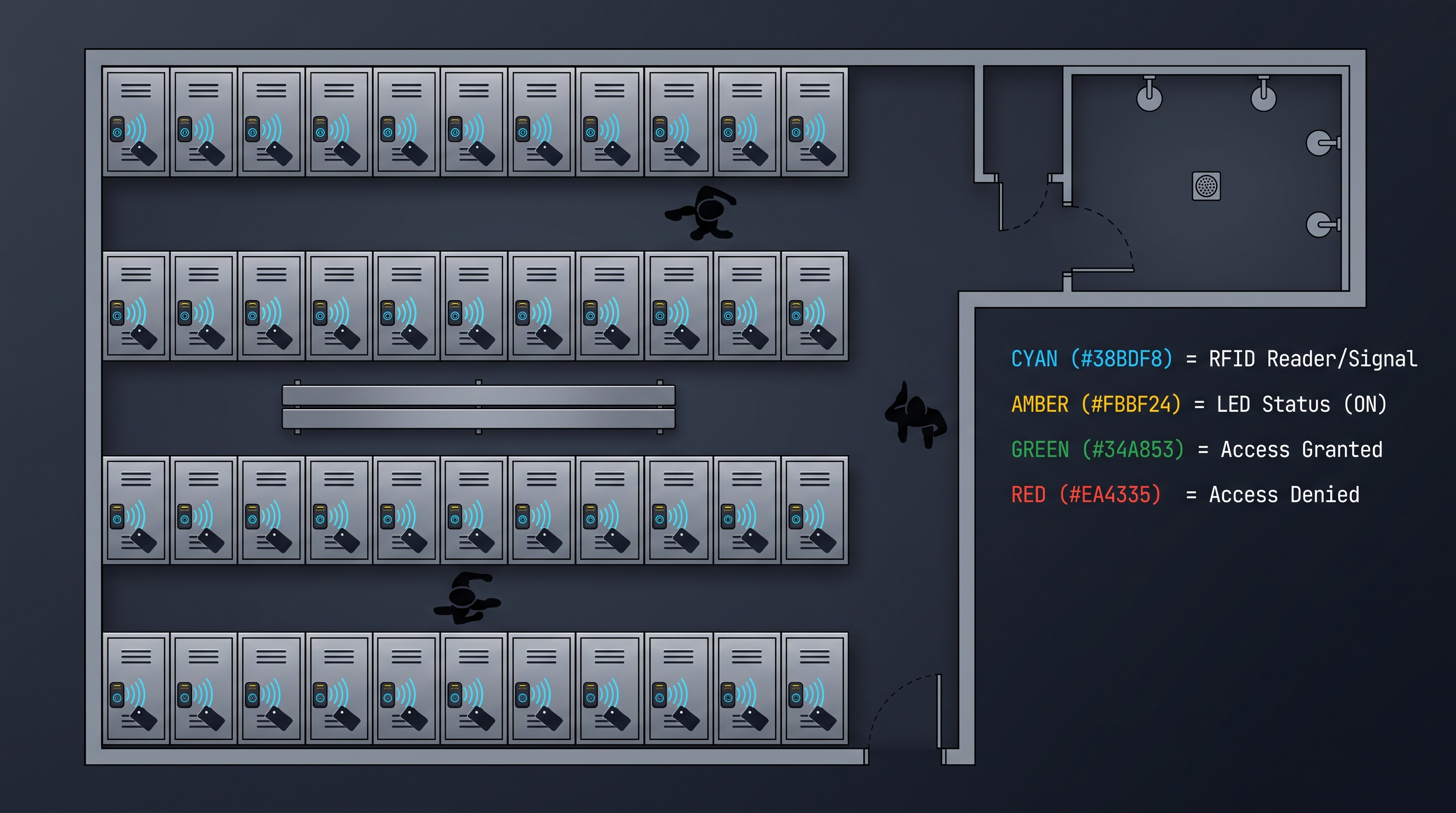
A combination cabinet lock is a locking device that secures cabinets, lockers, drawers, and storage compartments through a numeric code sequence rather than a physical key, with mechanical dial locks requiring a rotary sequence and electronic keypad locks accepting PIN entry to release the locking bolt. These locks eliminate the need for key management entirely, allowing users to access secured compartments by entering a predetermined code on a dial, keypad, or push-button interface, which makes them particularly valuable in multi-user environments such as gyms, schools, offices, and industrial facilities where dozens or hundreds of access points must be managed simultaneously. The fundamental operating principle involves a series of internal discs, gates, or electronic logic circuits that align only when the correct sequence is entered, mechanically disengaging a bolt or latch that retracts to permit opening of the cabinet door or drawer. Modern combination cabinet lock designs span a wide spectrum from purely mechanical devices with rotary dials that have remained largely unchanged in principle for over a century to sophisticated electronic keypad models that offer programmable codes, audit trails, and integration with building management systems.
What Is a Combination Cabinet Lock and How Does It Work
A combination cabinet lock operates on a code-based access principle where the user enters a numeric sequence to align internal components and release the locking mechanism, distinguishing it fundamentally from keyed locks that require a physical key with matching cuts or wards to operate. In a mechanical combination cabinet lock, the user rotates a dial through a specific sequence of numbers, causing internal discs or wheels with notches called gates to align along a common axis; when all gates are properly positioned, a spring-loaded fence drops into the aligned gates, releasing tension on the locking bolt and allowing it to retract from the strike plate on the cabinet frame. Electronic combination cabinet lock variants replace the mechanical dial with a digital keypad connected to a microprocessor that compares the entered code against a stored value in non-volatile memory; upon successful code verification, the microcontroller energizes a solenoid or miniature motor that physically retracts the bolt, completing the unlocking sequence in less than one second. Push-button mechanical combination cabinet lock designs occupy a middle ground, using a series of physical buttons that must be pressed in a specific order or combination to align internal tumblers, offering simpler code entry than rotary dials while maintaining the reliability and battery independence of purely mechanical operation. Understanding how each type of combination cabinet lock functions is essential for selecting the right security solution for specific storage requirements and environmental conditions across residential, commercial, and institutional applications. The combination cabinet lock represents one of the most enduring and widely deployed security technologies in existence, with its fundamental operating principles remaining relevant even as digital alternatives continue to proliferate in the broader access control market.
Combination Cabinet Lock Mechanical Mechanisms
The internal mechanism of a mechanical combination cabinet lock centers on a stack of circular discs or wheels, each featuring a notch or gate cut into its circumference, mounted on a common spindle that rotates with the external dial. When the user turns the dial to the first number of the combination, a drive cam on the spindle engages the first disc and rotates it into position; successive dial rotations in alternating directions pick up additional discs through drive pins or fly-weights on each disc, which catch the pins of adjacent discs and carry them along to their designated positions. The precision of this disc-picking process is what gives a combination cabinet lock its security properties, because the gates on each disc are narrow, typically spanning only 2 to 3 degrees of rotation, meaning that random dial spinning has an astronomically low probability of aligning all gates simultaneously by chance. Once all gates align, a spring-loaded fence, which is a thin metal bar that rides along the outer perimeter of the disc stack, drops into the aligned gate channel, mechanically releasing the bolt or lever that retains the cabinet door closed. Higher-security combination cabinet lock designs incorporate false gates, shallow notches cut into the disc perimeter that the fence can partially enter but not fully seat, creating tactile feedback that confuses manipulation attempts by making it difficult for an attacker to distinguish true gate positions from false ones through feel alone. The bolt itself is typically a hardened steel component with a beveled or tapered edge that engages a corresponding strike plate mounted on the cabinet frame, providing both pull resistance and a degree of wedging action that pulls the door tighter against its seals when the lock is engaged. The entire disc stack mechanism of a quality combination cabinet lock is precision-engineered with tolerances measured in thousandths of an inch, ensuring consistent operation across hundreds of thousands of cycles without the gate positions drifting or the fence developing play that could compromise security or cause intermittent failure to open even with the correct combination entered precisely as set.
Combination Cabinet Lock vs Keyed Lock Comparison
Comparing a combination cabinet lock with a traditional keyed lock reveals distinct trade-offs in convenience, security, cost, and maintenance that determine suitability for different applications. A combination cabinet lock eliminates the key management burden entirely, removing the need to track, duplicate, and secure physical keys, which is particularly advantageous in high-turnover environments like school lockers or fitness center changing rooms where lost keys represent a constant operational expense. Keyed locks offer the advantage of rapid single-motion operation for authorized users who possess the correct key, while a combination cabinet lock requires the user to remember and accurately input a code sequence, introducing a small time penalty per access but eliminating the risk of being locked out due to a forgotten or lost key. From a security perspective, a quality combination cabinet lock with a multi-disc mechanism is extremely difficult to pick or manipulate compared to pin-tumbler keyed locks, which are vulnerable to picking, bumping, and impressioning techniques widely documented in locksport communities, though combination locks are theoretically susceptible to systematic brute-force dialing given sufficient time and privacy. The cost comparison between a combination cabinet lock and a keyed lock must account not only for the initial hardware purchase but also for the lifetime operational costs including key duplication, rekeying after key loss, lock replacement after key breakage in the cylinder, and administrative time spent managing key inventories and distribution records, costs that are entirely absent from combination lock deployments. In environments with any meaningful rate of user turnover or key loss, the total cost of ownership for a combination cabinet lock becomes substantially lower than that of an equivalent keyed lock within the first two to three years of operation, even if the initial hardware cost is marginally higher on a per-unit basis.
| Feature | Combination Cabinet Lock | Keyed Cabinet Lock |
|---|---|---|
| Access Method | Numeric code sequence | Physical key with matching cuts |
| Key Management | None required | Must track, duplicate, and secure keys |
| User Turnover Cost | Code change only | Rekey or replace lock |
| Picking Resistance | High (manipulation requires skill) | Moderate (pin-tumbler picking well-documented) |
| Lost Access Recovery | Master code or override key | Spare key or locksmith rekey |
| Speed of Operation | 5-15 seconds per entry | 1-3 seconds per entry |
| Cost Per Lock (Entry Level) | $8-$25 | $5-$15 |
| Cost Per Lock (High Security) | $40-$120 | $35-$100 |
| Battery Dependence | None (mechanical) / Yes (electronic) | None |
| Weather Resistance | Excellent (mechanical models) | Good to excellent |
Combination Cabinet Lock Security Fundamentals
The security of a combination cabinet lock derives from three interacting factors: the mathematical complexity of the code space, the physical robustness of the locking mechanism against forced entry, and the operational practices of the users who set and maintain the codes. The code space for a typical three-disc mechanical combination cabinet lock with numbers from 0 to 39 offers approximately 64,000 theoretical combinations, but the practical security is somewhat lower because certain combinations are excluded by design to prevent the lock from operating in unintended positions, and because manufacturing tolerances allow each disc position to be slightly imprecise, meaning that a number within one or two digits of the true combination may sometimes open the lock. Electronic combination cabinet lock models dramatically expand the code space, with a standard 4-digit PIN offering 10,000 possible combinations and longer codes exponentially increasing the difficulty of random guessing, though users often undermine this advantage by selecting easily guessable codes such as birth years, sequential digits, or repeating patterns. Physical security of a combination cabinet lock depends on the material thickness and hardness of the lock body, bolt, and mounting hardware, with quality locks featuring hardened steel bolts of at least 6mm diameter and zinc alloy or stainless steel body construction that resists drilling, prying, and impact attacks. The mounting configuration also plays a critical role, as a combination cabinet lock that is flush-mounted with concealed fasteners is far more resistant to attack than a surface-mounted lock where screws or mounting bolts are accessible to an attacker armed with basic hand tools. Operational security practices including regular code rotation, avoidance of predictable code patterns, and secure storage of combination records are essential complements to the physical and mathematical security properties of the lock itself, because even the most sophisticated combination cabinet lock becomes trivially bypassed if its code is written on a sticky note attached to the cabinet door. Facility managers deploying combination cabinet lock systems at scale should establish formal security policies that address code complexity minimums, rotation schedules, and secure code storage protocols, treating combination codes with the same level of protection afforded to keys in a keyed access control environment.
Types of Combination Cabinet Locks
The combination cabinet lock category encompasses three primary design families, each with distinct operating principles, installation requirements, and ideal use cases that span the full range of storage security applications from lightweight residential furniture locks to heavy-duty industrial locker systems designed to withstand daily use by hundreds of different users in harsh environments. Mechanical dial combination cabinet lock systems represent the traditional and most widely recognized form factor, using a rotating numbered dial typically ranging from 0 to 39 or 0 to 49 that must be turned through a specific alternating-direction sequence to align internal discs and release the locking bolt, offering complete independence from batteries or external power and proven reliability spanning decades of continuous operation in demanding institutional settings. Electronic keypad combination cabinet lock designs replace the mechanical dial with a membrane or capacitive-touch numeric keypad connected to a microcontroller that stores one or more user codes in electronic memory and activates a motorized or solenoid-driven bolt upon successful code verification, enabling features such as multiple user codes, temporary access codes, and usage logging that mechanical locks cannot provide. Push-button mechanical combination cabinet lock systems use a linear array of physical buttons, typically numbered 1 through 5 or arranged in a specific pattern, where pressing the correct buttons in the proper sequence or combination mechanically aligns internal gates to release the bolt, combining the battery-free reliability of mechanical locks with faster code entry than rotary dial designs. Understanding the strengths and limitations of each combination cabinet lock type is essential for matching the locking solution to the specific operational demands, environmental conditions, and security requirements of the target application. The diversity within the combination cabinet lock market ensures that there is an appropriate solution for virtually every cabinet security scenario, from antique furniture restoration projects requiring period-correct hardware to cutting-edge laboratory environments demanding electronic audit trails and network integration.
Mechanical Dial Combination Cabinet Lock Systems
Mechanical dial combination cabinet lock systems employ a circular dial marked with numbers, most commonly 0 through 39, that the user rotates clockwise and counterclockwise through a specific sequence of stopping points to align internal locking discs and release the bolt mechanism. The most common configuration for a mechanical dial combination cabinet lock is the three-number combination, where the user turns the dial at least two full rotations clockwise to the first number, then one full rotation counterclockwise past the first number to the second number, then directly clockwise to the third number, at which point the internal fence drops into the aligned gates and the bolt can be retracted. Single-dial combination cabinet lock mechanisms typically use a modular cartridge design where the entire locking mechanism is contained within a cylindrical housing that mounts through a single hole in the cabinet door or drawer face, secured by a threaded retaining nut and washer on the interior side, making installation straightforward for both new cabinets and retrofit applications on existing furniture. The dial itself is usually constructed of die-cast zinc alloy with a chrome, nickel, or powder-coated finish for corrosion resistance and aesthetic longevity, while the internal discs are stamped from stainless steel or hardened carbon steel to maintain gate precision over thousands of operation cycles without measurable wear on the critical alignment surfaces. High-end mechanical dial combination cabinet lock models incorporate additional security features including relock triggers that permanently secure the bolt if the lock body is compromised by drilling or punching, anti-spin protection that prevents rapid dial rotation techniques used in manipulation attacks, and dust covers that seal the dial spindle entry point against environmental contamination in challenging installation locations. The mechanical dial combination cabinet lock remains the preferred choice for applications requiring the longest possible service life with the lowest possible maintenance burden, including school locker banks, industrial storage cabinets in remote locations, and outdoor equipment enclosures where sending a technician to replace batteries or troubleshoot electronic failures would be prohibitively expensive or logistically impractical.
Electronic Keypad Combination Cabinet Lock Systems
Electronic keypad combination cabinet lock systems integrate a numeric keypad, microcontroller, and electromechanical actuator into a single assembly that provides code-based access with the added capabilities of electronic programmability and data management. The user enters a PIN code on the keypad, which is compared against one or more stored codes in the device memory; if the entered code matches, the microcontroller sends a pulse to a solenoid or gear motor that retracts the locking bolt for a programmed duration, typically 3 to 5 seconds, before automatically re-engaging the bolt to secure the cabinet. An electronic combination cabinet lock stores codes in non-volatile memory such as EEPROM or flash memory, ensuring that programmed codes are retained even during battery changes or extended periods without power, and most models support multiple user codes, master override codes, and one-time temporary codes for service personnel or short-term users. Power is typically supplied by standard alkaline or lithium coin cell batteries that provide 12 to 24 months of normal operation, with low-battery indicators such as flashing LED patterns or audible beeps warning users well before complete power loss occurs, and most electronic combination cabinet lock designs include an external battery contact point that allows emergency power to be applied from a 9V battery held against designated terminals if the internal batteries fail while the cabinet is locked. The keypad interface on an electronic combination cabinet lock may use either physical membrane switches with tactile feedback or capacitive touch sensors without moving parts, with membrane designs offering better wet-finger performance in locker room environments while capacitive designs provide a sleeker appearance and eliminate the mechanical wear point of switch domes but may register false touches when exposed to water spray or condensation. Advanced electronic combination cabinet lock models offer connectivity options including Bluetooth Low Energy for smartphone-based code management, Z-Wave or Zigbee for integration with building automation systems, and in the most sophisticated implementations, Power over Ethernet connectivity that eliminates battery concerns entirely while enabling real-time access logging and remote lock administration.
Push-Button Combination Cabinet Lock Designs
Push-button combination cabinet lock designs use a linear or grid arrangement of physical buttons, most commonly a row of five buttons numbered 1 through 5 or arranged in a custom pattern, where pressing the correct subset of buttons in the correct sequence or combination mechanically releases the locking bolt. Unlike rotary dial combination cabinet lock models that require careful alignment of numbers by feel and sight, push-button designs offer faster and more intuitive code entry, making them particularly popular in locker room environments where users may be changing clothes and need quick access to stored items without the precision required by dial manipulation. The internal mechanism of a push-button combination cabinet lock typically uses individual sliding or rotating tumblers associated with each button, where pressing a button that is part of the correct combination shifts its corresponding tumbler into a release position, and when all required tumblers are aligned, a common locking bar or fence can move to disengage the bolt. Push-button combination cabinet lock designs are inherently mechanical and require no batteries or wiring, maintaining full functionality in wet, humid, or outdoor environments where electronic locks would be at risk of corrosion or circuit failure, though their code space is generally more limited than dial or electronic alternatives. The most widely deployed push-button combination cabinet lock systems in North American fitness and school environments use the 5-button simultaneous-depression scheme, where the combination consists of a series of button presses, each of which may involve pressing one, two, or three buttons simultaneously, yielding approximately 1,080 possible combinations that provide sufficient security against casual or opportunistic access attempts in supervised semi-public spaces. The simplicity of push-button combination cabinet lock operation makes these locks particularly accessible to users across all age ranges and ability levels, from elementary school students managing their first locker to elderly fitness center members who may find small dial markings difficult to read in the diffuse lighting typical of locker room environments. The tactile and audible feedback provided by mechanical push-button operation gives users clear confirmation of button engagement, an advantage over both dial mechanisms where correct positioning can feel ambiguous and electronic keypads where a missed or double-registered key press might go unnoticed until the code is rejected.
Combination Cabinet Lock Type Comparison Matrix
Selecting the optimal combination cabinet lock type requires evaluating performance characteristics across multiple dimensions that directly impact user experience, security posture, and total cost of ownership over the expected service life of the installation. Mechanical dial combination cabinet lock designs excel in environments where reliability and zero maintenance are paramount, offering decades of service with no battery replacements or electronic component failures, but they impose a slower access process that can create bottlenecks during peak usage periods in high-traffic locker rooms and require users to develop the manual dexterity needed to dial combinations accurately. Electronic keypad combination cabinet lock models provide the fastest access and richest feature set, including multiple codes, audit capability, and integration potential, but they introduce battery dependence, higher upfront cost, and vulnerability to electronic failure modes including ESD damage, moisture ingress at keypad seams, and microcontroller latch-up events. Push-button mechanical combination cabinet lock systems split the difference, offering faster access than dial models with full mechanical reliability, but with a reduced code space and fewer advanced features than electronic alternatives. The comparison matrix below provides a structured overview of how each combination cabinet lock type performs against the criteria most relevant to deployment decisions in real-world facility management scenarios, based on aggregated performance data from manufacturers, independent testing laboratories, and longitudinal field studies of lock performance in institutional settings.
| Feature | Mechanical Dial | Electronic Keypad | Push-Button |
|---|---|---|---|
| Code Space | ~64,000 (3-disc) | 10,000+ (4-digit) to millions | ~1,080 (5-button) |
| Access Speed | 10-25 seconds | 2-5 seconds | 5-10 seconds |
| Battery Required | No | Yes (12-24 month life) | No |
| Multiple Codes | No (single combination) | Yes (up to hundreds) | No (single combination) |
| Master Override | Physical master key | Electronic master code | Manager key option |
| Audit Trail | No | Yes (time-stamped entries) | No |
| Weather Resistance | Excellent | Moderate (keypad seals critical) | Very good |
| Typical Cost | $8-$40 | $30-$120 | $15-$50 |
| Installation Complexity | Single hole, simple | May require wiring routing | Surface or flush mount |
| Best Use Case | Low-traffic, harsh environments | High-security, managed facilities | High-traffic locker rooms |
| Service Life | 20+ years | 5-10 years (electronics) | 15+ years |
Key Benefits of Using a Combination Cabinet Lock
The primary advantages of deploying a combination cabinet lock across storage security applications center on eliminating key management overhead, reducing long-term operational costs through code-based access control, and providing durable and reliable security that withstands the rigors of high-usage environments without the recurring expense and logistical complexity of physical key systems. Unlike keyed locks that require organizations to maintain key inventories, track key assignments, handle lost key incidents with rekeying or lock replacement, and manage key duplication requests from multiple users, a combination cabinet lock shifts the access credential from a physical object that can be lost, stolen, or copied into a memorized code that can be changed at any time without replacing hardware components. The cost advantages of a combination cabinet lock become particularly pronounced in large-scale deployments such as school locker banks with hundreds or thousands of individual compartments, where rekeying even a fraction of keyed locks annually due to lost keys would represent a significant operational expense that combination locks avoid entirely through simple code reset procedures. Modern combination cabinet lock designs manufactured by established security hardware brands incorporate materials and construction techniques that deliver service lives measured in decades, with stainless steel internal components, corrosion-resistant external finishes, and design tolerances that maintain reliable operation through hundreds of thousands of lock-unlock cycles in everything from dry indoor office environments to humid poolside locker rooms. The combination cabinet lock also delivers psychological benefits to users who no longer need to carry and safeguard physical keys during activities such as swimming, exercising, or showering where key storage is inconvenient and key loss is a persistent anxiety, contributing to a more relaxed and positive user experience in recreational and fitness facility environments.
Keyless Convenience in Combination Cabinet Lock Access
The keyless nature of a combination cabinet lock fundamentally transforms the user experience by removing the physical key from the access equation, eliminating an entire category of failure modes including lost keys, forgotten keys, broken keys in locks, and key duplication errors that collectively represent the most common sources of frustration and expense in keyed cabinet lock deployments. For individual users, a combination cabinet lock means never arriving at a gym locker only to realize the key was left in another bag, never having a key snap off in the lock due to frozen or corroded internals, and never needing to carry an additional key on an already crowded keyring for a single storage compartment. For facility managers, the keyless convenience of a combination cabinet lock translates into dramatically reduced administrative overhead, because there are no keys to issue during onboarding, no keys to collect during offboarding, no key tracking databases to maintain, and no emergency locksmith calls when a critical cabinet key goes missing at an inopportune moment. The code-change capability of a combination cabinet lock provides operational agility that keyed systems cannot match, allowing facility staff to reset locker combinations between user rotations, after security incidents, or on a scheduled basis as part of routine security hygiene, all without removing the lock from the cabinet or purchasing any replacement parts. The keyless convenience extends to emergency access scenarios where a combination cabinet lock with master override capability allows authorized personnel to open any secured cabinet using a single master code or override key, rather than searching through a key cabinet containing hundreds of individual keys organized by locker number, a process that can consume valuable minutes during situations requiring rapid response such as medical emergencies, suspected theft investigations, or facility evacuation procedures. The psychological benefit of keyless access should not be underestimated in recreational settings, where users visiting a gym, water park, or ski resort want to minimize the cognitive load of managing access credentials and maximize their enjoyment of the activity, a user experience priority that the combination cabinet lock serves directly by reducing the access ritual to entering a memorized code rather than safeguarding a physical object throughout the visit.
Cost Advantages of Combination Cabinet Lock Systems
The total cost of ownership analysis strongly favors a combination cabinet lock over keyed alternatives in environments with any meaningful rate of key loss or user turnover, with the cost differential growing proportionally with the number of locks deployed and the frequency of access credential changes required. The upfront purchase price of a basic mechanical combination cabinet lock typically ranges from $8 to $25 per unit, which is comparable to or slightly higher than a basic keyed cabinet lock at $5 to $15, but this initial cost differential is rapidly recovered through avoided key management expenses over the first one to two years of operation. When a keyed cabinet lock loses its key, the remediation options are either replacing the entire lock at a cost of $5 to $15 plus labor, or calling a locksmith to rekey the lock at a cost of $15 to $50 per cylinder, whereas a combination cabinet lock that has had its code compromised or forgotten can simply be reset to a new combination in a process that typically takes less than two minutes and requires no parts or specialized tools. In a school with 1,000 lockers experiencing a conservative 5% annual key loss rate, keyed locks would incur 50 lock replacements or rekeys annually at a total cost of $750 to $2,500 in parts and labor, while combination cabinet lock equivalents would require only staff time to reset combinations, representing a recurring annual savings that justifies any upfront price premium within the first year. The cost advantages of a combination cabinet lock extend beyond direct key management savings to include reduced staffing requirements for access credential administration, lower inventory carrying costs because there is no need to stock spare keys or replacement cylinders, and decreased liability exposure because lost combinations cannot be used by finders to access secured contents in the way that found keys can. For organizations managing multiple facilities, the combination cabinet lock also reduces inter-facility coordination costs because there is no need to physically transport keys between locations when transferring access authority, a process that with keyed systems often involves courier fees, tracking systems, and security protocols that combination-based access eliminates entirely through remote or telephone-based code communication.
Combination Cabinet Lock Durability and Reliability
The durability and reliability characteristics of a combination cabinet lock stem from the fundamental simplicity of its internal mechanism, which in its mechanical form consists of a small number of robust metal components operating with clearances generous enough to tolerate dust, debris, and minor corrosion without binding, yet precise enough to maintain security against unauthorized opening attempts. Quality mechanical combination cabinet lock internals are typically constructed from stainless steel, hardened carbon steel, and brass alloys selected for their wear resistance, corrosion resistance, and low-friction properties under unlubricated or minimally lubricated conditions, ensuring consistent operation across temperature ranges from -20 to 60 degrees Celsius. The most demanding reliability test for any combination cabinet lock is sustained exposure to the high-humidity, chlorine-laden atmosphere of indoor pool changing rooms, where standard steel components would corrode within months, and electronic keypad models face rapid degradation of membrane switches and circuit board traces, making high-grade stainless steel mechanical combination locks the preferred choice for aquatic facility locker security. Electronic combination cabinet lock models introduce additional reliability considerations including battery life in cold temperatures, keypad membrane durability under repeated pressing by users with wet or chemically contaminated fingers, and solder joint integrity under thermal cycling and vibration, factors that manufacturers address through conformal coating of circuit boards, welded rather than crimped internal connections, and industrial-grade keypad membranes tested to over one million actuation cycles. The service life of a quality mechanical combination cabinet lock in a typical indoor environment routinely exceeds twenty years with only periodic lubrication, a longevity that no electronic alternative can match due to the inherent finite lifespan of batteries, capacitors, semiconductor devices, and membrane switch materials that degrade over time regardless of usage intensity. Facility managers evaluating combination cabinet lock options for long-life deployments should request manufacturer cycle-life testing data, corrosion resistance certifications, and field performance records from comparable installations before making purchasing decisions, as the wide variation in construction quality between budget and premium products means that published specifications alone may not accurately predict real-world durability in demanding applications.
Combination Cabinet Lock vs Electronic Smart Lock Cost Analysis
A detailed cost analysis comparing traditional combination cabinet lock options with modern electronic smart locks over a typical 10-year deployment lifecycle reveals significant differences in both upfront capital expenditure and ongoing operational costs that inform purchasing decisions for facilities of different scales and usage profiles. The following table models costs for a representative 200-locker installation, accounting for hardware, installation labor, battery replacement, maintenance interventions, and expected replacement cycles based on published manufacturer service life estimates and industry operational data. The mechanical combination cabinet lock demonstrates dramatically lower total cost of ownership than either electronic alternative, primarily because it requires no batteries, no battery replacement labor, and experiences lower annual failure rates due to the absence of electronic components susceptible to environmental damage, manufacturing defects, and age-related degradation that affect both electronic keypad combination locks and Bluetooth smart locks throughout their service lives.
| Cost Category | Mechanical Combination Cabinet Lock | Electronic Keypad Combination Lock | Bluetooth Smart Lock |
|---|---|---|---|
| Unit Hardware Cost (200 locks) | $3,000 (@ $15 avg) | $8,000 (@ $40 avg) | $16,000 (@ $80 avg) |
| Installation Labor | $1,500 ($7.50/lock) | $2,000 ($10/lock) | $4,000 ($20/lock) |
| Battery Cost (10-year) | $0 | $2,400 ($12/lock/year) | $3,000 ($15/lock/year) |
| Battery Replacement Labor (10-year) | $0 | $2,000 (20 min/lock x 10 changes) | $2,500 (25 min/lock x 10 changes) |
| Hardware Replacement (10-year) | $300 (2% annual failure) | $2,400 (6% annual failure) | $4,000 (5% annual failure) |
| Key/Credential Management (10-year) | $0 | $0 | $1,200 (admin software license) |
| Total 10-Year Cost | $4,800 | $16,800 | $30,700 |
| Cost Per Lock Per Year | $2.40 | $8.40 | $15.35 |
Combination Cabinet Lock Applications
The versatility of a combination cabinet lock across diverse operational environments stems from its fundamental design independence from external infrastructure, allowing deployment in virtually any location where a cabinet, locker, drawer, or storage compartment requires controlled access without the overhead of key management or the complexity of networked electronic access control systems. Gym and fitness center environments represent the highest-volume application for combination cabinet lock technology, with major health club chains operating thousands of lockers across multiple locations and relying almost exclusively on combination locks to manage daily access by members who use lockers for short durations during workout sessions. School and educational deployments of combination cabinet lock systems serve a dual purpose of providing students with secure storage for personal belongings, textbooks, and electronic devices while simultaneously teaching responsibility and code management skills that contribute to personal organization habits. Industrial and workplace combination cabinet lock applications extend beyond traditional lockers to include tool cribs, chemical storage cabinets, equipment enclosures, and secure document storage, where keyless access ensures that authorized personnel can retrieve critical items without delays caused by searching for supervisor-held keys. Retail and recreation combination cabinet lock deployments cover water parks, ski resorts, museums, amusement parks, and shopping center courtesy lockers, where high daily user turnover demands locks that can be rapidly reset between users or set to a common code for single-day use. The combination cabinet lock has proven its adaptability across all of these diverse applications through decades of field deployment, with each environment informing incremental design improvements that have refined the technology into its current mature form capable of meeting the demands of virtually any cabinet security scenario encountered in modern facility operations.
Gym and Fitness Center Combination Cabinet Lock Deployments
Fitness centers and health clubs represent the single largest deployment category for combination cabinet lock technology, with the typical large-format gym operating between 200 and 2,000 individual lockers secured by combination locks that must withstand daily use by members who interact with the locks while tired, distracted, or under time pressure between workout segments. Built-in combination cabinet lock systems integrated directly into locker doors are the preferred solution for premium fitness facilities, using either mechanical dial or push-button mechanisms mounted flush with the door surface and connected to an internal locking bar that secures the door at top and bottom, providing a clean aesthetic appearance that also eliminates external padlock hasps as potential injury hazards in crowded changing rooms. The push-button combination cabinet lock has become the de facto standard in North American fitness center locker rooms, with the familiar configuration of five buttons along the lock face allowing members to set their own personal codes upon first use by pressing the desired combination while the lock is in its set mode, then locking the door and scrambling the buttons to secure their belongings for the duration of their visit. Day-use combination cabinet lock implementations in fitness centers must balance ease of code setting against the risk of members forgetting codes set only hours earlier, leading many facilities to adopt locks with a keyed master override that allows staff to open any locker for a member who has forgotten their temporary combination, a capability that is essential for maintaining member satisfaction and minimizing front-desk disruption caused by lockout incidents. The fitness industry trend toward 24-hour unstaffed facilities has driven increased interest in electronic combination cabinet lock models with centralized code management, allowing members to receive locker codes through mobile applications or kiosk systems without front-desk interaction, though the higher cost and battery maintenance requirements of electronic locks have slowed adoption compared to the proven reliability and lower cost of mechanical push-button alternatives that remain dominant in the majority of fitness center locker room installations. The operational demands of fitness center combination cabinet lock deployments include rapid turnaround between member visits during peak hours, resistance to damage from members slamming locker doors in frustration, and tolerance of the sweat, sunscreen, and personal care product residues that inevitably contact lock surfaces throughout the day in an environment where hygiene maintenance requires frequent cleaning with disinfectant chemicals that can attack inferior lock finishes and internal lubricants.
School and Education Combination Cabinet Lock Solutions
Educational institutions from middle schools through universities deploy combination cabinet lock systems on a massive scale, with a single large high school often operating 2,000 to 4,000 student lockers that require reliable, cost-effective, and tamper-resistant locking solutions capable of surviving the less-than-gentle treatment characteristic of adolescent users. The built-in combination cabinet lock is the standard configuration for school lockers in North America, typically featuring a mechanical dial mechanism with a three-number combination that is assigned to each student at the beginning of the school year and remains unchanged unless a security incident or student transfer necessitates a reset, with master-keyed override capability provided to school administrators and maintenance staff for emergency access. School combination cabinet lock specifications emphasize durability and tamper resistance above all other factors, as student lockers are subjected to repeated forceful operation, attempts at manipulation by curious students, and occasional vandalism attempts including prying at lock faces with improvised tools, conditions that cheap or poorly constructed locks will not survive for even a single academic year. The administrative workflow for school combination cabinet lock management includes maintaining a secure master list linking locker numbers to student assignments and combinations, executing combination changes efficiently when students transfer or when a combination is compromised, and conducting periodic inspections to identify locks showing signs of tampering or mechanical degradation before they fail and strand a student unable to access their locker contents including textbooks needed for class. University and college combination cabinet lock deployments differ from K-12 installations in that they more frequently employ electronic keypad locks in residence hall, athletic facility, and research laboratory settings where the higher equipment value and adult user population justify the additional cost and feature richness of electronic access control including individual user codes, audit trail capability, and integration with campus card systems that allow students to use their university identification credentials for locker access in addition to building entry and dining hall access. The educational sector represents a particularly demanding combination cabinet lock market because purchasing decisions are often made by school district procurement officers who prioritize lowest initial bid price over long-term total cost of ownership, a dynamic that has historically led to specification of inferior locks that fail prematurely and require replacement cycles far shorter than the 20-plus year service life that quality mechanical combination locks can deliver in the same institutional environment.
Industrial and Workplace Combination Cabinet Lock Use
Industrial facilities and commercial workplaces deploy combination cabinet lock systems for a broader range of applications than any other sector, extending well beyond employee lockers to encompass tool storage, hazardous material containment, equipment access panels, secure document cabinets, and supply inventory control points where keyless access management provides operational flexibility that supports efficient workflows. The combination cabinet lock used in industrial tool cribs typically features a heavy-duty mechanical dial mechanism with a hardened steel bolt of at least 8mm diameter, a drill-resistant lock face, and anti-pry features that prevent forced entry using common shop tools such as screwdrivers, pry bars, and hammers readily available in the very environment where the lock is deployed. Chemical storage cabinets in industrial laboratories, manufacturing plants, and processing facilities must comply with OSHA and NFPA regulations that often specify lockable storage for hazardous substances, and a combination cabinet lock provides compliant access control while eliminating the risk of key loss that could lead to unauthorized access or, in emergency situations, critical delays in accessing safety equipment or spill response materials. The operational advantage of combination cabinet lock deployment in workplace settings extends to shift-change efficiency, where incoming workers do not need to locate a supervisor to retrieve keys for shared tool cabinets, and exiting workers do not need to track down a supervisor to return keys at the end of their shift, with the combination serving as the shift-persistent access credential that transfers seamlessly between personnel changes. Industrial combination cabinet lock applications in cleanroom and controlled environment manufacturing areas require locks that do not generate particulate contamination during operation, leading to specification of sealed mechanical dial locks with PTFE-based internal lubricants that do not outgas or shed particles, or electronic keypad models with fully encapsulated keypads that present no crevices for contamination accumulation. The harsh environmental conditions encountered in many industrial combination cabinet lock installations including metalworking shops with cutting fluid mists, food processing facilities with washdown cleaning protocols, and outdoor mining or construction sites with dust and temperature extremes, demand careful selection of lock materials and construction features that can withstand these challenging conditions while maintaining reliable code-based access for authorized personnel throughout multi-year deployment cycles.
Retail and Recreation Combination Cabinet Lock Applications
Retail establishments and recreational venues deploy combination cabinet lock systems in customer-facing applications where the lock serves not merely as a security device but as part of the overall customer experience, influencing perceptions of facility quality, security, and attention to detail that contribute to repeat visitation and positive reviews. Water parks and aquatic centers present the most challenging environment for any combination cabinet lock, with constant exposure to chlorinated water, sunscreen residue, sand, and high humidity creating conditions that would destroy standard locks within a single operating season, driving the specification of all-stainless-steel mechanical combination locks with sealed dial assemblies and drainage channels that prevent water accumulation within the lock body. Ski resorts and winter sports facilities deploy combination cabinet lock systems on equipment storage lockers at slope-side locations where electronic locks would suffer rapid battery degradation in sub-freezing temperatures that reduce alkaline cell capacity by 50% or more, making purely mechanical combination locks the only reliable option for securing skis, snowboards, and personal items in unheated outdoor storage areas. Museum and gallery applications for combination cabinet lock systems typically involve securing exhibit cases, artifact storage cabinets, and curatorial work areas behind combination locks that combine appropriate security with the aesthetic requirement that locking hardware not visually distract from displayed objects, leading to specification of locks with minimal visible profiles, subdued finishes such as matte black or oil-rubbed bronze, and recessed mounting configurations that integrate cleanly with fine cabinetry construction. Retail back-of-house combination cabinet lock deployments include securing employee belongings in break room lockers, controlling access to high-value merchandise in stockroom cabinets, and protecting cash handling areas where keyless access allows multiple authorized employees to enter without key distribution while maintaining an audit trail through electronic models that log each access event with user identity and timestamp. The recreation sector combination cabinet lock market has seen growing adoption of electronic keypad models in premium venues including luxury spas, golf country clubs, and resort facilities where the additional cost is justified by enhanced customer experience features such as illuminated keypads for low-light conditions, customizable welcome messages on integrated displays, and smartphone-based code distribution that eliminates the need for front-desk key or code issuance.
How to Choose the Right Combination Cabinet Lock
Selecting the optimal combination cabinet lock for a specific application requires systematic evaluation of security requirements, environmental conditions, user population characteristics, and operational constraints that together determine which lock type, mounting configuration, and feature set will deliver reliable performance over the expected service life of the installation. The security level required by a given combination cabinet lock deployment is primarily determined by the value and sensitivity of the items being protected, the degree of supervision present in the area where the cabinets are located, and the threat model including whether attackers are likely to be casual opportunists, determined insiders with extended access periods, or professional adversaries with specialized tools and techniques. Environmental factors that influence combination cabinet lock selection include temperature extremes that affect lubricant viscosity and electronic component operation, humidity and liquid exposure that drive corrosion in ferrous metals and circuit board degradation, dust and particulate contamination that accelerates mechanical wear in close-tolerance components, and chemical exposure including cleaning agents, chlorine compounds, and industrial solvents that can attack lock finishes, seals, and internal lubricants. The characteristics of the user population accessing the combination cabinet lock on a daily basis must also inform selection, with considerations including age range and manual dexterity for dial manipulation, cognitive ability to remember codes without writing them down in insecure locations, and the expected frequency and duration of access events that determine whether the speed advantage of electronic keypad locks justifies their higher cost and maintenance burden. A structured selection process that documents each of these factors and scores candidate combination cabinet lock models against weighted criteria produces more defensible purchasing decisions than intuitive selection based on brand familiarity, lowest initial price, or generic product specifications that may not reflect the specific demands of the intended deployment environment.
Combination Cabinet Lock Security Level Requirements
Security level requirements for a combination cabinet lock deployment should be determined through a structured threat assessment that considers what is being protected, who might attempt unauthorized access, what methods they might employ, and what the consequences of a successful breach would be for the organization and the individuals whose property is stored in the secured cabinets. For low-security applications such as gym day-use lockers where items are stored for short periods in well-supervised areas and the contents are typically limited to clothing and personal effects of modest value, a basic mechanical dial or push-button combination cabinet lock with approximately 1,000 to 10,000 possible codes provides proportionate security that deters casual snooping while keeping costs low and user interaction simple. Medium-security combination cabinet lock applications including school lockers, workplace employee lockers, and office supply cabinets benefit from locks with code spaces of 10,000 or more, anti-tamper construction features including hardened bolts and drill-resistant lock faces, and master-key override capability that allows authorized staff to access any locker while maintaining individual user privacy under normal circumstances. High-security combination cabinet lock deployments protecting valuable tools, sensitive documents, controlled substances, or evidence in legal or law enforcement contexts demand electronic keypad locks with audit trail capability, multi-factor authentication options including PIN plus proximity card or biometric verification, and integration with facility access control systems that log every access attempt with user identity, timestamp, and success or failure status for forensic review if a security incident occurs. The security level selection process should also consider the recovery cost of a breach, including the value of stolen items, the cost of investigating and documenting the incident, potential liability for inadequate security measures, and reputational damage that may deter future facility usage, all of which may justify specifying a higher-security combination cabinet lock than the simple value of stored items would initially suggest. Security professionals recommend conducting periodic reassessment of combination cabinet lock security level adequacy as threat landscapes evolve, stored item values change, and facility usage patterns shift over the multi-decade service life that quality combination locks typically provide, ensuring that the initially specified security level remains appropriate throughout the deployment lifecycle.
Combination Cabinet Lock Environmental Ratings
Environmental conditions at the installation site directly determine which combination cabinet lock designs will survive and which will fail prematurely, with the most common environmental failure modes being corrosion of ferrous components in humid or chemically aggressive atmospheres, binding of mechanical parts due to lubricant degradation or contamination, and electronic circuit failure from moisture ingress or extreme temperature exposure. For outdoor or unconditioned-space combination cabinet lock installations, the minimum acceptable standard is a lock body constructed from stainless steel or marine-grade brass alloys with all internal components similarly corrosion-resistant, dial or keypad seals providing at least IP54 protection against dust and water spray, and drainage provisions that prevent water accumulation in the lock housing even when mounted on a vertical cabinet door surface directly exposed to wind-driven rain. Chlorinated pool environments demand the highest level of corrosion resistance from a combination cabinet lock, with recommended materials being 316-grade stainless steel for all externally exposed components, silicone or EPDM gaskets at all seams and joints, and internal lubricants specifically formulated for high-humidity, chlorine-exposed service conditions where standard petroleum-based greases would wash out or emulsify within weeks of installation. For cold-environment combination cabinet lock applications in refrigerated warehouses, outdoor winter sports facilities, or unheated loading dock areas, mechanical dial locks are strongly preferred over electronic keypad models because alkaline batteries lose significant capacity below freezing, LCD displays slow to the point of illegibility, and the risk of brittle fracture in plastic keypad components increases substantially as temperatures approach -20 degrees Celsius. High-temperature combination cabinet lock installations near industrial furnaces, in laundries, or in vehicle maintenance bays where ambient temperatures may exceed 50 degrees Celsius require locks with high-temperature lubricants that do not thin and migrate from bearing surfaces, electronic models with industrial-temperature-range components rated to 85 degrees Celsius or higher, and construction materials whose coefficients of thermal expansion do not cause binding or excessive clearance at operating temperatures. Dusty and particulate-laden environments including woodworking shops, grain handling facilities, and mining operations require combination cabinet lock designs with sealed dial or keypad assemblies and internal baffles that prevent abrasive dust from entering the disc stack or bearing surfaces where it would accelerate wear and eventually cause binding or combination drift that renders the lock inoperable.
Combination Cabinet Lock Selection Factors
The following decision matrix provides a structured framework for evaluating combination cabinet lock options against key selection criteria, enabling facility managers, security professionals, and procurement specialists to narrow the field of available products to those best suited for their specific application requirements. Each selection factor should be weighted according to its importance in the specific deployment context, with the highest-weighted factors driving the initial lock type selection and secondary factors informing the choice among models within the selected type category. The combination cabinet lock selection process benefits from involving stakeholders from security, facilities maintenance, user representation, and procurement functions to ensure that all relevant considerations are captured and that the selected lock represents an appropriate balance of security, usability, durability, and cost rather than optimizing for any single dimension at the expense of others.
| Selection Factor | Low Priority | Medium Priority | High Priority | Best Lock Type Match |
|---|---|---|---|---|
| Security Level | Casual supervision | Moderate value items | High-value, sensitive | Electronic for high, dial for medium |
| User Turnover Rate | Same users long-term | Annual rotation | Daily different users | Push-button or electronic |
| Ambient Humidity | Climate-controlled office | Covered outdoor | Poolside, marine | Stainless steel mechanical |
| Temperature Range | 15-30C indoor | 0-40C conditioned | -20 to 60C outdoor | Mechanical dial |
| Access Frequency | Occasional (weekly) | Daily use | Continuous (shift work) | Electronic for speed |
| Integration Needs | Standalone | Key override | Network, audit trail | Electronic with interface |
| Budget Constraints | Not limited | Moderate budget | Minimum viable cost | Mechanical push-button or dial |
Combination Cabinet Lock Installation and Setup
Installing a combination cabinet lock correctly is essential for achieving both the security and reliability that the lock mechanism is designed to deliver, because even the highest-quality lock will perform poorly if mounted with improper alignment, inadequate fastening, or insufficient clearance for the bolt to engage the strike plate fully without binding or excessive play. The installation process for a typical combination cabinet lock varies significantly between surface-mount and flush-mount designs, between new cabinet construction and retrofit applications on existing furniture, and between mechanical dial models that require only a single drilled hole for the spindle and electronic keypad models that may require additional wiring pathways for concealed cable routing between the exterior keypad and interior control module. Accurate measurement and marking of mounting holes is the single most critical factor in combination cabinet lock installation, because a lock body that is even slightly misaligned will cause the bolt to bind against the strike plate, increasing operating force and accelerating wear, while a lock mounted with excessive clearance will rattle during cabinet movement and potentially allow the bolt to disengage under vibration or impact loads. The tools required for combination cabinet lock installation are generally basic and widely available, including a drill with appropriate hole saws or step bits for the lock body opening, screwdrivers matching the fasteners supplied with the lock, a tape measure or ruler for precise hole positioning, and a center punch to prevent drill bit wandering on finished cabinet surfaces that would mar the visible exterior. Professional installers of combination cabinet lock systems in institutional settings often develop standardized jigs and templates that allow rapid, repeatable hole placement across dozens or hundreds of identical cabinet units, reducing installation time per lock from twenty minutes or more for careful manual layout to under five minutes when using purpose-built installation tooling that ensures consistent positioning and alignment.
Step-by-Step Combination Cabinet Lock Installation
The installation of a combination cabinet lock follows a logical sequence that, when executed methodically, produces a clean, secure, and properly functioning result regardless of whether the lock is being fitted to a new cabinet during manufacturing or retrofitted to an existing cabinet in the field. Begin by determining the optimal mounting position for the combination cabinet lock on the cabinet door or drawer face, considering both ergonomic factors such as convenient reach height for the primary user population and mechanical factors including adequate edge distance from the door perimeter to prevent splitting of wood or delamination of composite core materials under bolt loads during forced entry attempts. Mark the center point of the lock body mounting hole using the template provided with the combination cabinet lock or, if no template is available, by transferring measurements from the lock body itself, using a center punch to create a small indentation that will guide the drill bit and prevent it from skating across the finished cabinet surface during the initial moments of drilling. Drill the main lock body hole using a hole saw, Forstner bit, or step drill of the diameter specified by the lock manufacturer, typically 16mm to 22mm for standard combination cabinet lock bodies, drilling from the finished exterior face toward the interior to ensure that any tear-out or splintering occurs on the hidden interior surface rather than the visible exterior. Drill any secondary mounting holes required for anti-rotation pins, alignment posts, or fasteners according to the lock template, then test-fit the combination cabinet lock into the prepared holes to verify alignment and clearance before applying any thread-locking compound to retaining nuts and proceeding with final assembly. Install the strike plate on the cabinet frame or opposing door edge in precise alignment with the extended bolt position, using the bolt itself as an alignment guide by applying transfer medium such as lipstick, chalk, or Prussian blue to the bolt tip and closing the door to transfer a witness mark to the strike plate mounting surface, then drilling and tapping the strike plate mounting holes at the marked position before securing the strike plate with its supplied hardware. Test the installed combination cabinet lock through multiple complete lock and unlock cycles using the correct combination, verifying smooth bolt travel, positive engagement with the strike plate, and secure retention of the door when locked before declaring the installation complete and returning the cabinet to service.
Setting and Resetting a Combination Cabinet Lock Code
The procedure for setting or changing the code on a combination cabinet lock depends entirely on the lock type and manufacturer, with mechanical dial, electronic keypad, and push-button designs each employing fundamentally different code-setting mechanisms that users and administrators must understand to maintain security and avoid lockout situations. For a mechanical dial combination cabinet lock with a changeable combination, the setting procedure typically requires opening the lock with the existing combination, inserting a change key into a small access hole on the interior side of the lock body, rotating the change key to engage the combination change mechanism, then dialing the new desired combination through the full sequence while the change key holds the lock in programming mode, after which removing the change key permanently stores the new combination in the mechanical disc positions. The change key for a combination cabinet lock is a small, specially shaped metal tool that is specific to the lock model and should be controlled as carefully as a master key, because possession of the change key allows anyone to alter the lock combination, effectively granting permanent access capability that persists across code changes. Electronic keypad combination cabinet lock code setting is accomplished through a programming mode accessed by entering the current master code followed by a specific programming command sequence, after which new user codes can be entered on the keypad and stored in memory, with most models providing audible or visual confirmation of successful code programming through beep sequences or LED flash patterns. Push-button combination cabinet lock code setting procedures vary by manufacturer but commonly involve opening the lock, inserting a reset tool or pressing a recessed reset button on the lock interior, then pressing the new desired button combination sequence to reprogram the internal tumbler positions, a process that typically requires less than one minute per lock but must be performed carefully to avoid setting an unintended combination that the user cannot subsequently recall. The security of the code-setting process for any combination cabinet lock type depends on controlling access to the programming mode or change key, performing code changes in private where the new combination cannot be observed by unauthorized parties, and verifying that the new code has been correctly stored by testing the lock multiple times before relying on it to secure valuable contents, because a combination that was improperly set due to interrupted or incomplete programming may leave the lock either openable by the previous code or completely inoperable until factory service is performed.
Combination Cabinet Lock Mounting Configurations
The mounting configuration of a combination cabinet lock significantly affects both its security characteristics and its aesthetic integration with the cabinet design, with the three primary mounting styles being surface mount, flush mount, and semi-flush mount, each offering distinct advantages for different cabinet construction types and security requirements. Surface-mount combination cabinet lock installation positions the entire lock body on the exterior face of the cabinet door, secured by screws or bolts that pass through the door material into the lock housing, providing the simplest installation with no recessing or mortising required but exposing the lock body to potential prying or impact attacks and creating a visible projection that may be undesirable on furniture-grade cabinetry. Flush-mount combination cabinet lock installation recesses the lock body into a precisely cut pocket in the cabinet door so that the lock face sits flush with or slightly below the surrounding door surface, presenting a clean, integrated appearance while simultaneously making the lock body far more resistant to prying attacks because there is no exposed edge against which a pry bar can gain purchase. Semi-flush combination cabinet lock mounting represents a compromise configuration where the lock body is partially recessed, leaving a narrow rim or escutcheon plate proud of the door surface for decorative purposes while still providing the majority of the anti-pry benefits of full flush mounting, typically employed on metal cabinet doors where full-depth recessing is impractical due to the thin material cross-section of sheet metal door construction. The choice of mounting configuration for a combination cabinet lock should consider the cabinet material thickness, with flush and semi-flush mounting requiring sufficient door thickness to accommodate the recessed lock body without breaking through the interior door surface or compromising structural integrity through excessive material removal. Metal cabinet doors commonly accommodate flush-mount combination cabinet lock installation through the use of shallow drawn or stamped recesses formed into the door panel during manufacturing, while wooden cabinet doors require careful routing or mortising to create the recess pocket with clean edges and precise dimensions that ensure the lock fits snugly without rattling or rotating under operating torque applied through the dial or keypad.
Combination Cabinet Lock Security Analysis
A comprehensive security analysis of combination cabinet lock technology requires examining vulnerabilities across the full attack surface including mathematical code-space limitations that enable systematic brute-force attacks, physical construction weaknesses that permit forced entry through destructive means, and human factors such as code selection patterns and code management practices that often represent the weakest link in the overall security chain. The mathematical security of a combination cabinet lock is bounded by its code space, the total number of possible unique combinations that the lock mechanism can accept, which for a standard three-disc mechanical dial lock with 40 positions per disc and certain exclusion rules is approximately 64,000 theoretical combinations but effectively lower because manufacturing tolerances allow each gate position to accept a range of 1-3 adjacent numbers, reducing the practical unique positions to approximately 15-20 per disc and the effective code space to roughly 3,000-8,000 practically distinguishable combinations. Physical security analysis of a combination cabinet lock must consider the full range of attack methods including drilling the lock face to access and manipulate internal components directly, prying between the door and frame to bend the bolt or strike plate until engagement is lost, impacting the lock with a hammer or similar tool to fracture internal components or dislodge the bolt from the strike plate, and shimming the bolt with thin flexible material inserted between the door and frame to cam the bolt back into the lock body without requiring any code knowledge or lock manipulation skill. The combination cabinet lock security profile must be evaluated in the context of the deployment environment, because a lock that provides adequate security in a supervised, well-lit, frequently trafficked area may be entirely inadequate for an unsupervised, isolated installation where an attacker has extended uninterrupted time to attempt manipulation, drilling, or brute-force combination testing without risk of detection or interruption. Security professionals evaluating combination cabinet lock options for high-value applications should consider engaging independent security consultants or locksmiths to perform penetration testing on candidate lock models before large-scale deployment, identifying specific vulnerabilities that may not be apparent from manufacturer marketing materials or published specifications alone.
Combination Cabinet Lock Vulnerability to Guessing
The vulnerability of a combination cabinet lock to code guessing attacks depends on the interplay between the lock's code space size, the time required for each guess attempt, the degree of supervision present at the lock's location, and any design features that impose penalties for incorrect attempts such as lockout timers on electronic models. For an unsupervised mechanical combination cabinet lock, a determined attacker with access during off-hours could theoretically attempt 500 to 1,000 combinations per hour through manual dialing, requiring approximately 60 to 120 hours of uninterrupted effort to exhaust an effective code space of 64,000, a timeframe that is impractical for opportunistic theft but potentially feasible for a targeted attack against a specific locker containing known valuables and accessible during extended unsupervised periods such as overnight in a facility with minimal security patrols. Electronic keypad combination cabinet lock models significantly reduce guessing vulnerability by implementing lockout features that temporarily disable the keypad for increasing periods after a threshold number of incorrect attempts, typically 3 to 5 wrong entries triggering a 30-second to 5-minute lockout, with progressive lockout durations reaching 30 minutes or more after repeated failures, effectively limiting brute-force attacks to a rate that would require months of continuous effort to explore even a modest 10,000-code space. The human factor in combination cabinet lock guessing vulnerability is substantial, because users frequently select combinations based on personal information including birth dates, anniversaries, addresses, and phone numbers that may be known to or discoverable by potential attackers through social media, public records, or social engineering, effectively reducing the code space from thousands of possibilities to a handful of likely candidates that a targeted attacker could test in minutes. Shoulder surfing, the practice of observing a user entering their combination from a distance, represents another significant vulnerability for combination cabinet lock deployments in public or semi-public spaces, particularly for push-button and electronic keypad models where button presses may be visible to anyone in the vicinity, a risk that mechanical dial locks partially mitigate through the continuous motion of dial rotation that is more difficult to interpret at a distance than discrete button presses. Facility managers concerned about combination cabinet lock guessing vulnerability should implement policies requiring periodic code changes, prohibiting the use of personal-information-based combinations, and positioning locks where possible to shield code entry from casual observation by passersby, recognizing that mathematical code space alone does not guarantee security against motivated attackers who exploit human behavior patterns.
Combination Cabinet Lock Anti-Tamper Features
Quality combination cabinet lock designs incorporate multiple layers of anti-tamper protection that collectively raise the difficulty of forced entry well beyond the capabilities and risk tolerance of opportunistic attackers, while simultaneously providing visible evidence of tampering attempts that alerts legitimate users and facility staff to security incidents requiring investigation and response. Drill-resistant face plates on a combination cabinet lock are constructed from hardened steel with a Rockwell hardness of 55-65 HRC, often augmented with free-spinning carbide or ceramic inserts embedded in the plate at the most likely drill attack points, such as directly over the spindle axis on dial locks or behind the keypad membrane on electronic models, where a rotating insert defeats drill bits by spinning with the bit rather than allowing the cutting edges to bite and penetrate. The bolt of a high-security combination cabinet lock incorporates anti-saw features including hardened steel construction to at least 55 HRC, a cylindrical or tapered profile that presents no flat surfaces for a hacksaw blade to engage, and in premium designs, a free-spinning outer sleeve over a hardened core that rotates with any saw blade attempt, preventing the blade teeth from ever establishing a cutting groove while the inner core remains intact and fully engaged with the strike plate. Anti-pry protection on a combination cabinet lock typically involves a bolt with sufficient extension into the strike plate, at least 10mm of engagement, and a square or rectangular bolt face rather than a beveled profile in the direction of attack, so that prying forces between the door and frame are transmitted directly into the shear strength of the full bolt cross-section rather than being converted into a camming force that would retract a beveled bolt. The relock mechanism found on higher-security combination cabinet lock designs is a spring-loaded or gravity-actuated component that permanently engages the bolt in the locked position if the lock body is breached by drilling, punching, or other destructive attack methods, ensuring that even an attacker who has compromised the lock internals cannot simply retract the bolt to open the cabinet, instead requiring complete removal of the lock from the door which involves substantially more time, noise, and specialized tools than the initial breach attempt. Visible tamper evidence features on a combination cabinet lock may include painted or anodized surfaces that scratch or discolor when attacked with tools, security screws with unique drive patterns that cannot be removed without matching specialized bits, and tamper-evident seals over screw heads or access panels that visually indicate if someone has attempted to disassemble or modify the lock since its last authorized inspection.
Protecting Your Combination Cabinet Lock Code
The security of any combination cabinet lock is only as strong as the confidentiality of its code, and code protection practices at both the individual user and organizational level determine whether the mathematical and physical security of the lock mechanism translates into meaningful protection for the items stored behind it. Individual users of a combination cabinet lock should select codes that avoid obvious personal associations including birth years, graduation years, addresses, phone number fragments, and sequential or repeating digit patterns such as 1-2-3-4 or 0-0-0-0, as these predictable choices dramatically reduce the effective code space and make the lock vulnerable to educated guessing by anyone with basic knowledge of the user's personal information. The most secure approach to combination cabinet lock code selection for mechanically set dial locks is to accept the factory-preset code or use a random number generator to produce an unbiased code, writing it down only in a secure location such as a password manager or a sealed envelope stored in a separate secured area, and committing it to memory through repeated practice before destroying any written record. For organizational combination cabinet lock deployments, code management policies should specify procedures for secure code storage in encrypted digital databases or physically secured records accessible only to designated security personnel, regular code rotation schedules that balance security against the administrative burden of frequent changes and the increased rate of user lockout incidents that accompany code changes, and protocols for verifying the identity of individuals requesting code retrieval before disclosing combination information. The combination cabinet lock code protection challenge in multi-user environments is particularly acute because codes must be communicated to users who may share them intentionally or unintentionally with colleagues, write them in visible locations, or enter them in view of observers, all of which compromise code confidentiality regardless of the strength of the initial code selection and storage practices. Effective combination cabinet lock code protection requires treating the combination as a sensitive credential equivalent to a physical key or password, with similar controls on distribution, storage, rotation, and revocation, recognizing that a compromised combination is in some ways more dangerous than a compromised key because it leaves no physical evidence of the breach and can be exploited repeatedly without the legitimate user's knowledge until valuables are discovered missing.
Combination Cabinet Lock Maintenance and Troubleshooting
Regular maintenance of a combination cabinet lock extends its service life, preserves its security characteristics, and prevents the gradual degradation of operating feel that can frustrate users and lead to premature replacement of otherwise functional locks, while systematic troubleshooting of common issues minimizes downtime and reduces the frequency of service calls that interrupt facility operations. Mechanical combination cabinet lock maintenance primarily involves periodic lubrication of the dial spindle, disc stack, and bolt mechanism using dry-film lubricants such as graphite powder, PTFE-based sprays, or specialized lock lubricants that reduce friction without attracting and retaining dust and debris the way wet petroleum-based oils and greases inevitably do in lock mechanisms. Electronic combination cabinet lock maintenance adds battery management to the routine care checklist, including scheduled battery replacement on a calendar basis rather than waiting for low-battery warnings, inspection of battery compartment contacts for corrosion that can cause intermittent power loss and code memory corruption, and verification of keypad membrane integrity to ensure that water and contaminants are not penetrating the seal that protects the underlying circuit board. Troubleshooting a malfunctioning combination cabinet lock follows a logical diagnostic sequence that distinguishes between user error such as incorrect code entry or misinterpretation of dialing instructions, mechanical issues such as binding components or worn parts that change the effective combination positions, and environmental factors such as temperature-induced dimensional changes that alter the alignment between lock components. A well-maintained combination cabinet lock in a typical indoor environment should provide decades of reliable service, but neglect of basic maintenance tasks can reduce service life dramatically and create security vulnerabilities as worn or contaminated internal components may begin to accept incorrect combinations or fail to fully engage the bolt, leaving cabinets apparently locked but actually unsecured against anyone who tests the door handle after entering any combination.
Combination Cabinet Lock Mechanical Care and Lubrication
Proper lubrication of a mechanical combination cabinet lock is the single most impactful maintenance activity for preserving smooth operation and preventing the cumulative wear that eventually causes gate and fence misalignment leading to combination drift, where the lock gradually requires slightly different dial positions than the originally set code to achieve gate alignment and bolt release. The recommended lubricant for a mechanical combination cabinet lock is a dry-film or solvent-carried product specifically formulated for lock mechanisms, applied sparingly to the dial spindle where it enters the lock body, the bolt where it slides through the lock housing, and if accessible through a cover plate on the interior side, the disc stack and fence mechanism, with excess lubricant wiped away immediately to prevent accumulation of airborne dust and lint that would form an abrasive paste when combined with even the lightest oil residue. Lubrication frequency for a combination cabinet lock depends on usage intensity and environmental exposure, with locks in daily-use fitness center or school applications benefiting from annual lubrication, locks in occasional-use storage areas requiring lubrication every 3 to 5 years, and locks in dusty, sandy, or otherwise contaminated environments potentially needing semiannual cleaning and relubrication cycles to maintain reliable operation. When a mechanical combination cabinet lock develops stiff or gritty dial rotation, the appropriate response is cleaning before lubricating, using a dedicated lock cleaning solvent or electrical contact cleaner sprayed sparingly into the dial spindle opening to flush out accumulated debris and degraded lubricant residue, allowing the solvent to fully evaporate before applying fresh dry-film lubricant to the now-clean internal surfaces. The common but damaging practice of lubricating a combination cabinet lock with household oil such as WD-40 or 3-in-One should be explicitly discouraged through facility maintenance policies, because these products leave sticky residues that attract and retain contaminants, accelerate wear through abrasive paste formation, and eventually cause more binding problems than they initially solve, leading to premature lock failure and the avoidable expense of replacement. Inspection during routine lubrication service should include checking the lock mounting for tightness, verifying that the bolt engages the strike plate fully without binding, examining the dial or keypad for cracks or damage that could allow contaminant ingress, and testing operation with the correct combination to confirm that the lock opens smoothly and consistently without requiring exaggerated dialing precision that would indicate internal wear requiring more comprehensive service.
Common Combination Cabinet Lock Issues and Fixes
| Issue | Probable Cause | Diagnostic Check | Solution |
|---|---|---|---|
| Dial stiff or binding | Contaminated or dried lubricant | Rotate dial through full range; feel for rough spots | Clean with lock solvent, relubricate with dry-film lubricant |
| Combination not opening lock | Worn internal components causing gate drift | Try each number plus or minus 2 digits; test all permutations | Document drift pattern; either adjust dialing or replace lock internals |
| Bolt not fully retracting | Misaligned strike plate or bent bolt | Inspect bolt and strike alignment with door closed | Adjust strike plate position; straighten or replace bent bolt |
| Electronic lock dead, no response | Dead batteries or corroded contacts | Test with external 9V battery at emergency terminals | Replace batteries; clean contacts with isopropyl alcohol |
| Keypad unresponsive in cold | Battery voltage drop below freezing | Test lock at room temperature to confirm | Install lithium batteries rated to -40C; relocate or insulate |
| Code accepted but bolt does not move | Failed solenoid or motor | Listen for click when valid code entered | Replace actuator assembly; check for mechanical obstruction |
| Push-button lock code forgotten | No administrative override available | Check for manufacturer master reset procedure | Contact manufacturer; may require destructive entry and replacement |
| Lock face loose or rattling | Retaining nut loosened over time | Tighten retaining nut from interior side | Apply thread-locking compound before final tightening |
Combination Cabinet Lock Battery Management for Electronic Models
Battery management is the most critical ongoing maintenance task for electronic combination cabinet lock models, as battery failure while the lock is in the secured state creates a lockout situation that requires specialized knowledge and equipment to resolve, potentially disrupting operations and requiring emergency intervention from facility maintenance staff or the lock manufacturer's technical support team. The standard power source for an electronic combination cabinet lock is either a set of 2 to 4 AA or AAA alkaline cells providing 1.5 volts each for a total of 3 to 6 volts, or a single CR123A or CR2 lithium cell providing 3 volts in a more compact form factor suited to locks with space-constrained internal layouts where standard cylindrical cell holders would not fit within the lock body dimensions. Lithium primary cells are strongly preferred over alkaline cells for electronic combination cabinet lock applications because lithium chemistry maintains near-full voltage output through the majority of its discharge curve and continues functioning at temperatures as low as -40 degrees Celsius where alkaline cell output collapses below usable levels, though lithium cells cost approximately 2 to 3 times more per unit than equivalent alkaline cells. Scheduled battery replacement on a calendar basis, typically every 12 months regardless of indicated charge level, is the recommended practice for electronic combination cabinet lock deployments because battery level indicators can be unreliable, particularly in locks that spend extended periods in a low-power sleep state where voltage recovery during idle periods can mask depleted cell condition until the next actuation cycle draws current and causes a voltage sag that drops below the microcontroller's brownout threshold. The battery replacement procedure for an electronic combination cabinet lock must be performed with the cabinet door open to avoid the risk of completing the replacement with an incorrectly seated battery that leaves the lock unpowered and unable to open, and replacement batteries should be tested with a multimeter or battery tester before installation to confirm adequate voltage, because even new batteries can be defective or expired and installing a dead cell would create exactly the lockout situation that scheduled replacement is intended to prevent. Facility maintenance teams managing large numbers of electronic combination cabinet lock installations should maintain a battery replacement log recording the date, lock identification, battery type and brand installed, and technician initials for each replacement event, creating a maintenance history that supports warranty claims, identifies locks with abnormally short battery life that may indicate current drain faults, and ensures that no lock is missed during scheduled replacement cycles.
Combination Cabinet Lock vs Modern Alternatives
The storage security landscape has evolved significantly with the introduction of smart lock technologies incorporating Bluetooth, NFC, biometric sensors, and cloud connectivity, challenging the traditional dominance of the combination cabinet lock in applications where these newer technologies offer enhanced features including smartphone-based access, remote management, usage analytics, and integration with broader building access control ecosystems. Despite the marketing momentum behind smart lock technology, the combination cabinet lock retains compelling advantages in cost, reliability, simplicity, and independence from external infrastructure that continue to make it the optimal choice for a large portion of the cabinet and locker security market, particularly in applications where the value of the secured items does not justify the expense and complexity of networked electronic access control. A combination cabinet lock requires no pairing process, no software updates, no compatibility verification between lock firmware and user smartphone operating system versions, and no troubleshooting of wireless connectivity issues, functioning identically for every user regardless of what technology they carry or whether they even own a smartphone capable of running the lock manufacturer's companion application. The operational independence of a combination cabinet lock from power grids, data networks, cloud servers, and manufacturer business continuity ensures that the lock continues to function during internet outages, power failures, manufacturer bankruptcy, and application store delisting events that would render a cloud-dependent smart lock inoperable, a consideration that grows in importance as building owners and facility managers increasingly recognize the risks of embedding internet dependence into fundamental building infrastructure. The long-term cost comparison between a combination cabinet lock and smart alternatives also strongly favors the combination lock, which has no recurring subscription fees, no connectivity module replacement as wireless standards evolve from Bluetooth to future protocols, and no cybersecurity patching requirements that consume IT staff time and create windows of vulnerability when patches lag behind discovered exploits.
Combination Cabinet Lock vs Keypad Smart Locks
Modern keypad smart locks represent the closest technological competitor to the traditional combination cabinet lock, offering PIN code access through a digital keypad similar to electronic combination locks but adding wireless connectivity, smartphone application control, and cloud-based management capabilities that extend functionality well beyond simple code-based access control. The fundamental access mechanism of a keypad smart lock is operationally identical to an electronic combination cabinet lock, with the user entering a numeric code on a keypad to release the bolt, but the smart lock layers biometric options such as fingerprint readers, proximity detection via Bluetooth that automatically unlocks when an authorized smartphone approaches, and remote unlocking capability that allows administrators to grant access from anywhere with internet connectivity. However, this connectivity introduces cybersecurity vulnerabilities absent from standalone combination cabinet lock designs, including Bluetooth sniffing attacks that could intercept unlock commands, cloud service breaches that could expose user codes and access logs, and firmware vulnerabilities that could allow remote exploitation of the lock controller to disable security features or grant unauthorized access through software exploits rather than physical attack. The combination cabinet lock also maintains an advantage in deployment simplicity because it does not require network infrastructure configuration, smartphone application installation and account creation by every user, or ongoing subscription payments to maintain cloud connectivity that smart lock models typically require for their advanced remote management features. For applications where the remote management and analytics capabilities of smart locks are genuinely valuable, such as large corporate offices with floating desk assignments, managed co-working spaces, or research facilities requiring detailed access auditing for compliance purposes, the additional cost and complexity of smart lock technology may be justified, but for the vast majority of cabinet and locker security applications the combination cabinet lock provides equivalent or superior practical security at a fraction of the total cost of ownership. The cybersecurity considerations surrounding smart lock deployment should not be underestimated, because a networked cabinet lock represents a potential entry point to the facility's broader IT infrastructure, and a compromised lock could serve as a persistent foothold for attackers seeking to escalate access to more sensitive systems, a risk category entirely absent from the air-gapped and network-isolated combination cabinet lock that cannot be remotely exploited regardless of the sophistication of the attacker's tools.
When a Combination Cabinet Lock Is the Right Choice
A combination cabinet lock remains the optimal security solution for any cabinet or locker application where one or more of the following conditions apply: the secured items have a value below the cost threshold that justifies networked electronic access control, the installation environment includes conditions hazardous to electronic components such as extreme temperatures, high humidity, or chemical exposure, the user population lacks the technical proficiency or willingness to interact with smartphone applications and wireless pairing procedures, or the facility operator prioritizes long-term reliability and minimal maintenance over feature richness and data collection capability. For gyms, community centers, public pools, and seasonal recreational facilities, the combination cabinet lock in its mechanical push-button or dial form represents the most practical and cost-effective solution, with the push-button design favored in North America and the mechanical dial design more common in European and Asian markets, both providing the fundamental security function of code-based access without any of the support infrastructure, user training, or ongoing expense associated with smart lock alternatives. School locker deployments overwhelmingly favor the mechanical dial combination cabinet lock for its combination of low unit cost, zero maintenance, tamper resistance, and student-appropriate technology level that teaches responsibility without introducing smartphone dependence into the educational environment, a consideration that many school administrators have identified as increasingly important given the growing push to limit student smartphone access during school hours. Industrial and outdoor applications including construction site storage, agricultural equipment cabinets, and remote utility installations are ideally suited to the combination cabinet lock because these environments lack reliable power, network connectivity, and maintenance visit frequency that smart locks require, while simultaneously exposing electronic components to conditions including dust, moisture, temperature extremes, and vibration that would dramatically shorten smart lock service life. The combination cabinet lock is also the right choice for applications requiring long-term archival storage security such as record retention vaults, evidence lockers, and historical artifact cabinets, where the multi-decade reliability of mechanical combination locks ensures that secured contents remain accessible to authorized personnel throughout the required retention period without the risk of technology obsolescence rendering the locking system inoperable due to discontinued software support, unavailable replacement batteries, or failed cloud service providers.
Combination Cabinet Lock Market Trends in 2026
The combination cabinet lock market in 2026 reflects a mature industry characterized by incremental rather than disruptive innovation, with established manufacturers refining materials, manufacturing processes, and user interface designs while new entrants from Asian manufacturing hubs continue to pressure pricing at the entry-level segment, creating a bifurcated market with premium high-security products commanding strong margins and commodity basic locks competing primarily on unit cost. The most significant trend in combination cabinet lock product development is the incorporation of hybrid mechanical-electronic designs that preserve the battery-free reliability of mechanical operation while adding electronic audit trail capability through energy-harvesting technology that captures the mechanical energy of dial rotation or button pressing to power a low-energy microcontroller just long enough to record an access event with a timestamp in non-volatile memory, addressing the primary limitation of purely mechanical locks without introducing battery dependence. Materials innovation in combination cabinet lock manufacturing includes the increasing adoption of sintered stainless steel components produced through metal injection molding processes that achieve the corrosion resistance and strength of machined stainless steel at costs approaching those of die-cast zinc alloys, enabling mid-priced locks to offer durability and corrosion resistance previously available only in premium product tiers. The combination cabinet lock market is also seeing growing demand for products certified to specific security standards including UL 2058 for cabinet locks, BHMA grade ratings for cycle life and security, and military specifications for locks deployed in defense and critical infrastructure applications, as institutional purchasers increasingly require third-party validation of lock performance claims rather than relying on manufacturer-published specifications. Sustainability considerations are beginning to influence combination cabinet lock product design and marketing, with manufacturers highlighting the long service life and repairability of mechanical locks as environmental advantages over disposable electronic alternatives, and some brands offering take-back and refurbishment programs for end-of-life locks that recover and reuse metal components rather than consigning them to landfill. The competitive landscape of the combination cabinet lock market in 2026 remains dominated by established brands including Master Lock, Sargent & Greenleaf, AMSEC, and CompX, with these manufacturers leveraging their decades of engineering experience, extensive distribution networks, and recognized brand reputation to maintain market share against lower-priced imported alternatives that may match on basic specifications but cannot match on long-term reliability, warranty support, or availability of replacement parts for locks that should remain serviceable for decades after initial installation.
Combination Cabinet Lock Buying Guide and Specifications
When evaluating a combination cabinet lock for purchase, understanding the technical specifications that differentiate entry-level products from professional-grade security hardware is essential for making an informed decision that balances security requirements against budget constraints. A quality combination cabinet lock manufactured to professional standards will feature materials, tolerances, and security certifications that distinguish it from consumer-grade alternatives that may appear identical in product photographs but fail within months of installation in demanding environments. The following guidance addresses the key technical factors that should inform any combination cabinet lock purchasing decision, whether for a single residential cabinet or a large-scale institutional deployment involving hundreds of locking units across multiple facility locations.
Materials and Construction Quality in a Combination Cabinet Lock
The single most reliable indicator of a combination cabinet lock's expected service life and security performance is the materials from which its critical components are constructed, with the lock body, bolt, internal mechanism, and external finish each requiring specific material properties appropriate to their function and expected wear conditions. A professional-grade combination cabinet lock typically features a lock body cast from zinc alloy or machined from brass, materials selected for their combination of strength, corrosion resistance, and dimensional stability across the temperature range expected at the installation site, with zinc alloy offering an excellent balance of properties at moderate cost while brass provides superior corrosion resistance for humid or marine environments. The bolt of a combination cabinet lock should be constructed from hardened steel with a minimum Rockwell hardness of 50 HRC, ensuring that saw blades, bolt cutters, and prying tools cannot easily defeat the bolt through material failure, a critical specification because the bolt represents the primary physical barrier between an attacker and the cabinet contents regardless of the sophistication of the locking mechanism that retracts it. Internal mechanism components within a combination cabinet lock, including the disc stack, drive cam, fence, and spring assemblies, should be fabricated from stainless steel or plated carbon steel that resists the corrosion and wear that accumulate over decades of mechanical cycling, because internal component failure is the most common end-of-life scenario for a mechanical combination cabinet lock and cannot be repaired in the field, requiring complete lock replacement when internal wear reaches the point of unreliable operation.
Security Certifications for Combination Cabinet Lock Products
Independent security testing and certification provide objective validation of a combination cabinet lock's performance claims, distinguishing products that have been verified by accredited testing laboratories from those supported only by manufacturer assertions that may overstate capabilities or omit known vulnerabilities. The primary certification standards applicable to a combination cabinet lock include UL 2058 for cabinet locks, which evaluates cycle life, security against forced entry, and resistance to environmental degradation, with locks meeting this standard having demonstrated through independent testing that they can withstand specified levels of physical attack and maintain operational reliability over thousands of locking and unlocking cycles under controlled laboratory conditions. The BHMA (Builders Hardware Manufacturers Association) grading system assigns a combination cabinet lock a grade of 1, 2, or 3 based on cycle life, security, and finish durability testing, with Grade 1 representing the highest performance level suitable for heavy-duty commercial and institutional applications where lock failure would create significant security risk or operational disruption. A combination cabinet lock intended for use in government, military, or critical infrastructure applications may require compliance with additional specifications including FED-STD-809 for physical security equipment, which imposes rigorous testing protocols for forced entry resistance, manipulation resistance, and environmental survivability that exceed the requirements of commercial certification standards. When comparing combination cabinet lock products, the presence of recognized certification marks provides a reliable basis for performance comparison that transcends manufacturer marketing claims, allowing procurement decisions based on independently verified data rather than promotional materials that may emphasize cosmetic features over substantive security characteristics.
Sizing and Compatibility for Combination Cabinet Lock Installation
A combination cabinet lock must be correctly sized for the cabinet door or drawer into which it will be installed, with the lock body diameter or height and width dimensions, bolt length and throw, and mounting hole pattern all needing to match the physical constraints of the target cabinet. Standard combination cabinet lock bodies for furniture and cabinet applications typically range from 16mm to 22mm in mounting hole diameter for cylindrical cartridge-style locks, with the lock body length measured from the mounting shoulder to the rear of the lock selected based on cabinet door thickness to ensure the lock does not protrude beyond the interior door surface where it could interfere with cabinet contents or shelf positioning. The bolt throw, the distance the bolt extends from the lock body when fully engaged, must be sufficient to penetrate the strike plate to a depth of at least 8mm for adequate security, with combination cabinet lock installations on double-door cabinets requiring careful measurement to ensure the bolt can span the gap between doors and engage securely with the receiving strike on the cabinet frame. Cabinet material and thickness significantly affect combination cabinet lock compatibility, with thin metal locker doors typically accepting standard cylindrical lock bodies without modification, while thick solid-wood cabinet doors may require extended-length lock bodies or surface-mount configurations to accommodate the greater door thickness while still allowing the retaining nut to fully engage the lock body threads from the interior side. Before purchasing a combination cabinet lock for retrofit installation on existing cabinetry, accurate measurement of door thickness, lock mounting hole diameter, and edge distance from the mounting center to the door edge should be compared against the manufacturer's installation specifications to confirm compatibility, avoiding the costly and frustrating scenario of receiving locks that cannot be installed without modifications to either the lock or the cabinet.
Code Management Features in a Combination Cabinet Lock
The code management capabilities of a combination cabinet lock directly determine its suitability for multi-user environments, the administrative overhead required to maintain security over time, and the recovery options available when codes are forgotten or compromised by unauthorized disclosure. A single-code mechanical combination cabinet lock provides basic security suitable for environments where one user or a small trusted group shares a single code, with the code changed through a mechanical change-key procedure when access authority changes, representing the simplest and most affordable combination cabinet lock configuration but lacking the flexibility for individual user accountability or rapid code rotation. Multiple-code electronic combination cabinet lock systems support distinct codes for different users or user groups, enabling individual accountability through audit trail logging that records which code opened the lock and when, a capability that transforms the combination cabinet lock from a simple access control device into a security management tool that supports forensic investigation of security incidents and compliance documentation for regulated environments. Temporary or one-time code support in an electronic combination cabinet lock allows facility managers to issue access codes that automatically expire after a set number of uses or after a specific date and time, eliminating the security risk of temporary codes that remain valid indefinitely after the contractor, visitor, or service technician who received them has completed their authorized access period. The code management approach of a combination cabinet lock should be selected based on the number of distinct users requiring access, the frequency of access authority changes, the importance of individual transaction logging for security auditing, and the capability of the facility staff to administer the chosen code management system without creating operational bottlenecks or security gaps resulting from administrative complexity exceeding the available resources.
Price Ranges and Value Assessment for Combination Cabinet Lock Purchases
The price of a combination cabinet lock spans a wide range reflecting differences in materials, construction quality, security features, and brand reputation, with the entry-level segment serving basic security needs at minimal cost while premium products provide the extended service life, advanced features, and independent certification that institutional and high-security applications demand. Entry-level mechanical dial combination cabinet lock products priced between $8 and $15 per unit typically feature zinc alloy bodies, basic steel bolts without advanced anti-tamper features, standard dial markings without luminescent or high-contrast numbering, and limited corrosion resistance suitable for indoor use in climate-controlled environments. Mid-range combination cabinet lock products in the $15 to $35 price bracket incorporate hardened steel bolts, stainless steel internal components with improved wear resistance, anti-tamper features including drill-resistant face plates, and broader environmental tolerance for installation in unconditioned spaces where temperature and humidity fluctuations occur regularly. Premium combination cabinet lock models priced from $35 to $120 and above offer the highest level of materials and construction quality, comprehensive security certifications, advanced anti-tamper features including relock triggers and anti-drill inserts, extended manufacturer warranties of 5 to 10 years or more, and in electronic models, comprehensive code management features including audit trails, multiple user codes, and integration capabilities with building management and access control systems. The value assessment for a combination cabinet lock purchase should consider the expected service life rather than the initial purchase price alone, because a $40 lock that provides 25 years of reliable service represents better long-term value than a $12 lock that requires replacement every 5 years, with the additional security and reliability benefits of the higher-quality product providing further justification for the increased initial investment in applications where lock failure or security breach carries significant consequences beyond the replacement hardware cost.
Combination Cabinet Lock Glossary and Technical Reference
This glossary defines key terms that appear in combination cabinet lock technical documentation, specification sheets, and industry standards, providing a consolidated reference for professionals evaluating, specifying, or maintaining combination cabinet lock systems across diverse application environments.
Combination cabinet lock bolt: The hardened metal component that extends from the combination cabinet lock body into the strike plate to physically secure the cabinet door closed. A quality combination cabinet lock bolt is constructed from hardened steel with a Rockwell hardness of 50-55 HRC minimum and features a design that resists sawing, prying, and impact attacks against the secured cabinet.
Combination cabinet lock change key: A specialized tool, specific to each combination cabinet lock model series, that engages the internal mechanism to allow reprogramming of the lock combination. The combination cabinet lock change key must be stored with security controls equivalent to those applied to physical keys, because possession of the change key for a given combination cabinet lock model permits unlimited code changes without requiring knowledge of the existing combination.
Combination cabinet lock code space: The total number of unique, theoretically possible combinations that a given combination cabinet lock model can accept, determined by the number of discs and positions per disc in mechanical dial models, the number of buttons and possible press sequences in push-button models, or the PIN length and character set in electronic keypad models. The effective security of a combination cabinet lock is bounded but not fully determined by its code space, because user code selection patterns and manufacturing tolerances both reduce practical security below the theoretical maximum suggested by the mathematical code space calculation.
Combination cabinet lock drill resistance: A security feature incorporated into the face plate and critical internal areas of a combination cabinet lock, using hardened steel inserts, free-spinning carbide elements, or both to defeat drill-based attacks that attempt to destroy or bypass the locking mechanism by drilling through the lock body at known vulnerable points. A combination cabinet lock marketed as drill-resistant should specify the materials and construction features that provide this protection rather than using the term as an unqualified marketing claim unsupported by specific design details.
Combination cabinet lock fence: The spring-loaded bar or blade within a mechanical combination cabinet lock that rides against the outer perimeter of the disc stack and drops into the aligned gate channel when all discs are correctly positioned, mechanically releasing the bolt for retraction. The combination cabinet lock fence is a critical wear component because it experiences metal-to-metal sliding contact with the discs during every combination entry and lock operation cycle.
Combination cabinet lock gate: The notch or depression cut into the circumference of each disc within a mechanical combination cabinet lock, positioned so that when all discs are rotated to align their gates along a common axis, the fence drops into the aligned channel to release the bolt. A combination cabinet lock gate is typically narrow, spanning 2-3 degrees of rotation, and its precise dimensions determine both the security of the lock against manipulation and the ease with which a legitimate user can successfully open the lock by feel alone.
Combination cabinet lock master key override: A feature of certain combination cabinet lock designs that allows a physical key to open the lock regardless of the currently set combination, providing emergency access for facility staff in lockout situations. The combination cabinet lock master key system represents a potential security vulnerability because the master key becomes a single point of compromise that can unlock every lock keyed to that master system, requiring master key control procedures at least as rigorous as those applied to the combinations themselves.
Combination cabinet lock manipulation resistance: The degree to which a combination cabinet lock resists opening through manipulation techniques that exploit tactile feedback, sound, or measured dial movement to determine the combination without knowledge of the correct code. A combination cabinet lock with high manipulation resistance incorporates false gates, graduated wheel tolerances, and acoustic dampening features that make it difficult or impossible for an attacker to distinguish true gate positions from false gates or manufacturing tolerance variations through feel or sound alone.
Combination cabinet lock relock trigger: A safety mechanism within higher-security combination cabinet lock designs that permanently engages the bolt in the locked position if the lock body is breached by drilling, punching, or other destructive attack methods. When activated, the combination cabinet lock relock trigger prevents bolt retraction even if the attacker has successfully destroyed or bypassed the normal locking mechanism, requiring complete removal of the lock body from the cabinet door to achieve entry.
Combination cabinet lock strike plate: The metal plate mounted on the cabinet frame or opposing door edge that receives the combination cabinet lock bolt when the lock is engaged, transferring the bolt's holding force into the cabinet structure. A properly installed combination cabinet lock strike plate is precisely aligned with the bolt centerline and secured with fasteners that resist prying forces attempting to defeat the lock by separating the strike plate from its mounting surface.
Combination cabinet lock weather resistance: The ability of a combination cabinet lock to maintain reliable operation and security when exposed to outdoor environmental conditions including rain, humidity, temperature extremes, ultraviolet radiation, and airborne contaminants. A weather-resistant combination cabinet lock achieves this capability through stainless steel construction, sealed dial or keypad interfaces, corrosion-inhibiting internal lubricants, and drainage features that prevent water accumulation within the lock body during or after precipitation events.
Combination Cabinet Lock Technical Specifications and Performance Metrics
This section provides detailed technical reference data for combination cabinet lock selection, covering the measurable performance characteristics that differentiate quality locks from commodity alternatives in professional security applications.
A combination cabinet lock specified for institutional deployment must meet minimum material standards that ensure the combination cabinet lock survives the expected service environment without corrosion, wear, or mechanical failure. When selecting a combination cabinet lock, verify that the lock body material is appropriate for the installation environment: indoor climate-controlled spaces accept zinc alloy combination cabinet lock bodies, while outdoor or humid environments require a stainless steel combination cabinet lock body to prevent corrosion-induced failure. The combination cabinet lock bolt material specification is equally critical because the bolt of a combination cabinet lock represents the primary physical security barrier; a hardened steel combination cabinet lock bolt with Rockwell hardness exceeding 50 HRC ensures that common hand tools cannot defeat the combination cabinet lock through direct attack on the bolt. Every quality combination cabinet lock should provide documentation of its bolt hardness rating, because an unhardened combination cabinet lock bolt can be cut with a standard hacksaw in under thirty seconds. When comparing combination cabinet lock products, examine the bolt throw measurement, which is the distance a combination cabinet lock bolt extends into the strike plate; a combination cabinet lock with less than 8mm bolt throw provides inadequate engagement for forced-entry resistance. A properly specified combination cabinet lock with 10mm or greater bolt throw resists prying attacks that would defeat a combination cabinet lock with marginal bolt engagement. The combination cabinet lock mounting configuration further affects security: a flush-mount combination cabinet lock offers superior pry resistance compared to a surface-mount combination cabinet lock because the flush design leaves no exposed lock body edge for pry bar purchase. For maximum security, select a combination cabinet lock with concealed fasteners, as this prevents an attacker from simply unscrewing the combination cabinet lock from the cabinet door to bypass the locking mechanism entirely.
Environmental rating is a determinant of combination cabinet lock longevity that many purchasers overlook when specifying a combination cabinet lock for their application. An indoor-rated combination cabinet lock will fail rapidly when installed outdoors because the materials and seals in a standard combination cabinet lock are not designed to resist UV exposure, rain penetration, or freeze-thaw cycling. For outdoor installation, always select a combination cabinet lock with documented weather resistance certification rather than relying on general durability claims. A poolside or marine environment demands the highest-grade combination cabinet lock construction, specifically a combination cabinet lock built from 316-grade stainless steel with sealed dial mechanisms because the chlorine and salt exposure in these environments attacks even standard stainless steel combination cabinet lock components within months of installation. Temperature extremes affect combination cabinet lock operation: below freezing, a mechanical combination cabinet lock may require increased dialing force as lubricant viscosity increases, while an electronic combination cabinet lock may fail entirely as battery voltage drops below the microcontroller operating threshold. In high-temperature environments above 50 degrees Celsius, electronic combination cabinet lock components can experience thermal shutdown, while a mechanical combination cabinet lock continues functioning normally because its all-metal construction has no temperature-sensitive electronic components. These environmental factors make the mechanical dial combination cabinet lock the preferred choice for challenging installation locations where an electronic combination cabinet lock would require frequent servicing or early replacement.
The security rating of a combination cabinet lock can be objectively assessed through testing certifications that measure the combination cabinet lock's resistance to various attack methods. A certified combination cabinet lock that has passed UL 2058 testing provides verified security performance that an uncertified combination cabinet lock cannot guarantee regardless of manufacturer marketing claims. When a facility requires documented security levels for insurance or compliance purposes, only a certified combination cabinet lock satisfies the audit requirement because the certification provides third-party validation of the combination cabinet lock's capabilities. The code space of a combination cabinet lock determines its resistance to systematic guessing: a mechanical combination cabinet lock with 64,000 theoretical combinations provides substantially better guessing resistance than a push-button combination cabinet lock with approximately 1,000 combinations, and the electronic combination cabinet lock with its unlimited code space and lockout timers provides the highest mathematical security against brute-force attack. However, the practical security of any combination cabinet lock ultimately depends on user behavior: a combination cabinet lock with a million possible combinations becomes trivially defeated if the user selects an easily-guessed code, making user training an essential complement to combination cabinet lock technical specifications in any security program. The presence of anti-tamper features including drill-resistant face plates, anti-pry bolt designs, and relock triggers elevates a combination cabinet lock from basic access control to security-grade protection suitable for applications where the contents warrant defense against determined physical attack using tools available in the deployment environment.
Additional Considerations for Combination Cabinet Lock Users
Beyond the fundamental questions addressed above, experienced combination cabinet lock users and facility managers should consider several additional factors that influence long-term satisfaction with their combination cabinet lock investment. The manufacturer warranty for a combination cabinet lock provides insight into the manufacturer's confidence in their product: a combination cabinet lock backed by a 10-year or lifetime warranty signals engineering quality and materials selection that a combination cabinet lock with only a 1-year warranty cannot match. When purchasing a combination cabinet lock in quantity for institutional deployment, request a sample unit for evaluation before committing to the full order, because the tactile feel, audible feedback, and perceived build quality of a combination cabinet lock during hands-on testing often reveal characteristics that specification sheets and product photographs cannot convey. The availability of replacement parts for a combination cabinet lock should be confirmed before large-scale deployment, because a combination cabinet lock model that the manufacturer discontinues may leave the facility without repair parts years before the locks themselves would otherwise require replacement. Consider the total number of combination cabinet lock units being deployed when evaluating code management systems: managing 50 combination cabinet lock installations can be done with a spreadsheet, but managing 500 or 5,000 combination cabinet lock units requires dedicated software, barcode scanning of lock serial numbers, and systematic audit procedures that ensure no combination cabinet lock falls through administrative cracks during code rotation cycles. Finally, remember that the most expensive combination cabinet lock is not always the best choice for every application, just as the cheapest combination cabinet lock is rarely the most economical over the full service life; the right combination cabinet lock for any given deployment is the one whose security level, environmental tolerance, feature set, and expected service life align with the specific requirements of the installation while remaining within the budget constraints established for the project.
Combination Cabinet Lock Comprehensive Specification Comparison
The following expanded comparison tables consolidate the full range of combination cabinet lock specifications, providing a definitive reference for combination cabinet lock selection that facilities professionals can use to compare combination cabinet lock products across all relevant performance dimensions. Each combination cabinet lock type is characterized across mechanical, electronic, security, environmental, and economic criteria, allowing a combination cabinet lock buyer to match combination cabinet lock capabilities precisely to the combination cabinet lock application requirements.
Combination Cabinet Lock Material and Construction Specification Table
This combination cabinet lock specification table compares the materials and construction features of the three primary combination cabinet lock design families. A combination cabinet lock buyer should verify that the combination cabinet lock materials specified here match the combination cabinet lock product documentation provided by the combination cabinet lock manufacturer, because a combination cabinet lock sold at entry-level pricing cannot realistically incorporate the premium combination cabinet lock materials described for high-security combination cabinet lock products.
| Combination Cabinet Lock Specification | Mechanical Dial Combination Cabinet Lock | Electronic Keypad Combination Cabinet Lock | Push-Button Combination Cabinet Lock |
|---|---|---|---|
| Standard combination cabinet lock body material | Zinc alloy or brass | Zinc alloy with sealed electronics bay | Zinc alloy |
| Premium combination cabinet lock body material | 316 stainless steel | 304 stainless steel | 304 stainless steel |
| Combination cabinet lock bolt material | Hardened steel, 50-55 HRC | Hardened steel, 50-55 HRC | Hardened steel, 50 HRC |
| Combination cabinet lock internal disc material | Stainless steel | Not applicable (electronic) | Hardened steel |
| Combination cabinet lock dial material | Die-cast zinc, chrome finish | Not applicable | Not applicable |
| Combination cabinet lock keypad material | Not applicable | Silicone membrane or glass | ABS plastic buttons |
| Combination cabinet lock spindle material | Brass or hardened steel | Not applicable | Not applicable |
| Combination cabinet lock spring material | Stainless steel | Stainless steel | Stainless steel |
| Combination cabinet lock external finish | Chrome, nickel, or powder coat | Powder coat or anodized | Powder coat or anodized |
Combination Cabinet Lock Performance and Capacity Specification Table
This combination cabinet lock performance table documents the operational characteristics that affect the day-to-day usability of each combination cabinet lock type. The combination cabinet lock access speed, combination cabinet lock code space, and combination cabinet lock cycle life figures represent typical values published by combination cabinet lock manufacturers and validated through combination cabinet lock independent testing where combination cabinet lock certification applies.
| Combination Cabinet Lock Specification | Mechanical Dial Combination Cabinet Lock | Electronic Keypad Combination Cabinet Lock | Push-Button Combination Cabinet Lock |
|---|---|---|---|
| Combination cabinet lock code space | Approximately 64,000 combinations | 10,000 to 1,000,000+ combinations | Approximately 1,080 combinations |
| Combination cabinet lock access time | 10 to 25 seconds per entry | 2 to 5 seconds per entry | 5 to 10 seconds per entry |
| Combination cabinet lock cycle life | 500,000+ cycles | 200,000 to 500,000 cycles | 300,000+ cycles |
| Combination cabinet lock service life | 20+ years typical | 5 to 10 years typical | 15+ years typical |
| Combination cabinet lock battery requirement | None | 2 to 4 AA cells or coin cells | None |
| Combination cabinet lock battery life | Not applicable | 12 to 24 months | Not applicable |
| Combination cabinet lock code change method | Change key | Programming mode via keypad | Reset tool |
| Combination cabinet lock master override | Optional master key | Master code or card | Optional manager key |
| Combination cabinet lock audit trail | Not available | Available on most models | Not available |
Combination Cabinet Lock Security Feature Specification Table
This combination cabinet lock security table compares the attack-resistance features that determine how well each combination cabinet lock type withstands forced entry and manipulation attempts. A combination cabinet lock deployed in a high-crime area or protecting high-value contents requires the maximum combination cabinet lock security feature set, including combination cabinet lock drill resistance and combination cabinet lock relock triggers.
| Combination Cabinet Lock Specification | Mechanical Dial Combination Cabinet Lock | Electronic Keypad Combination Cabinet Lock | Push-Button Combination Cabinet Lock |
|---|---|---|---|
| Combination cabinet lock picking resistance | Very high | High (no external lock mechanism) | High |
| Combination cabinet lock manipulation resistance | Medium to high | Not applicable | Medium |
| Combination cabinet lock drill resistance | Standard to high | Standard to high | Standard |
| Combination cabinet lock pry resistance | High with flush mount | High with flush mount | High with flush mount |
| Combination cabinet lock relock trigger | Premium models only | Rare | Not available |
| Combination cabinet lock bolt throw | 8 to 12mm | 8 to 12mm | 8 to 10mm |
| Combination cabinet lock anti-saw bolt | Premium models | Standard | Not standard |
| Combination cabinet lock lockout timer | Not available | Standard on most models | Not available |
| Combination cabinet lock tamper evidence | Visible scratches | Visual alerts, audit log | Visible scratches |
Combination Cabinet Lock Environmental Tolerance Specification Table
This combination cabinet lock environmental table rates each combination cabinet lock type for resistance to the environmental stresses encountered in outdoor, poolside, marine, cold-storage, and dusty industrial combination cabinet lock installations. The combination cabinet lock temperature range and combination cabinet lock ingress protection figures in this combination cabinet lock table are drawn from combination cabinet lock manufacturer specifications and combination cabinet lock third-party environmental testing.
| Combination Cabinet Lock Specification | Mechanical Dial Combination Cabinet Lock | Electronic Keypad Combination Cabinet Lock | Push-Button Combination Cabinet Lock |
|---|---|---|---|
| Combination cabinet lock operating temperature | -30C to +70C | -10C to +50C (battery dependent) | -30C to +70C |
| Combination cabinet lock humidity tolerance | Excellent | Moderate | Good |
| Combination cabinet lock chlorine tolerance | Excellent (stainless models) | Poor to moderate | Good |
| Combination cabinet lock salt spray tolerance | Excellent (stainless models) | Poor to moderate | Good |
| Combination cabinet lock UV resistance | Excellent | Moderate (plastic degradation) | Good |
| Combination cabinet lock dust resistance | Good | Moderate (keypad seams) | Good |
| Combination cabinet lock ingress protection | IP54 to IP65 | IP54 to IP65 | IP54 to IP55 |
| Combination cabinet lock freezing tolerance | Excellent | Poor (battery and display) | Excellent |
Combination Cabinet Lock Economic Specification Table
This combination cabinet lock economic table compares the acquisition and lifecycle costs of each combination cabinet lock type across a typical 10-year deployment. The combination cabinet lock cost figures reflect average market pricing for combination cabinet lock products in the mid-range quality tier, and a combination cabinet lock buyer should obtain current combination cabinet lock quotations from multiple combination cabinet lock suppliers before finalizing combination cabinet lock procurement decisions.
| Combination Cabinet Lock Specification | Mechanical Dial Combination Cabinet Lock | Electronic Keypad Combination Cabinet Lock | Push-Button Combination Cabinet Lock |
|---|---|---|---|
| Combination cabinet lock unit price range | $8 to $40 | $30 to $120 | $15 to $50 |
| Combination cabinet lock installation labor | $7 to $15 per lock | $10 to $25 per lock | $7 to $15 per lock |
| Combination cabinet lock battery cost per year | $0 | $1 to $2 per lock | $0 |
| Combination cabinet lock maintenance labor per year | Minimal | Moderate | Minimal |
| Combination cabinet lock 10-year cost per lock | $15 to $55 | $50 to $160 | $20 to $70 |
| Combination cabinet lock replacement frequency | Rare (20+ years) | Every 5 to 10 years | Every 15+ years |
| Combination cabinet lock warranty period | 1 to 10 years | 1 to 5 years | 1 to 5 years |
Combination Cabinet Lock Application Suitability Summary Table
This final combination cabinet lock table summarizes the combination cabinet lock types best suited to each common application category, providing a combination cabinet lock recommendation matrix that accelerates combination cabinet lock selection for standard deployment scenarios. Where multiple combination cabinet lock types appear for a single combination cabinet lock application, the first-listed combination cabinet lock represents the recommended default combination cabinet lock choice, with the alternative combination cabinet lock listed where combination cabinet lock budget or combination cabinet lock feature considerations favor the alternative.
| Combination Cabinet Lock Application | Recommended Combination Cabinet Lock Type | Alternative Combination Cabinet Lock Type |
|---|---|---|
| Gym locker rooms | Push-button combination cabinet lock | Electronic keypad combination cabinet lock |
| School lockers | Mechanical dial combination cabinet lock | Push-button combination cabinet lock |
| Industrial tool cribs | Mechanical dial combination cabinet lock | Electronic keypad combination cabinet lock |
| Poolside lockers | Stainless steel mechanical dial combination cabinet lock | Stainless steel push-button combination cabinet lock |
| Office filing cabinets | Electronic keypad combination cabinet lock | Mechanical dial combination cabinet lock |
| Laboratory chemical cabinets | Electronic keypad combination cabinet lock | Mechanical dial combination cabinet lock |
| Outdoor equipment enclosures | Mechanical dial combination cabinet lock | Not recommended for electronics |
| Evidence storage lockers | Electronic keypad combination cabinet lock | High-security mechanical dial combination cabinet lock |
| Residential home office cabinets | Electronic keypad combination cabinet lock | Mechanical dial combination cabinet lock |
| Retail back-of-house lockers | Push-button combination cabinet lock | Electronic keypad combination cabinet lock |
Combination Cabinet Lock Selection Walkthrough and Decision Guide
Choosing the right combination cabinet lock requires working through a structured decision process. This combination cabinet lock walkthrough guides you through each step. Start by confirming that a combination cabinet lock is indeed the right access control type for your needs. If key management overhead is a concern, a combination cabinet lock eliminates that problem. If you need audit trails, choose an electronic combination cabinet lock rather than a mechanical combination cabinet lock. If your installation site has no power and battery changes are impractical, a mechanical combination cabinet lock is your only option. If users need rapid one-handed access, an electronic keypad combination cabinet lock or a push-button combination cabinet lock will serve better than a dial combination cabinet lock. If environmental conditions include chlorine, salt, or extreme temperatures, a stainless steel mechanical combination cabinet lock is the most reliable choice. If you need temporary access codes for visitors, only an electronic combination cabinet lock can provide that feature. If your facility has hundreds of lockers, the cost difference between a basic combination cabinet lock and a premium combination cabinet lock multiplies dramatically across the installation scale, making mid-range combination cabinet lock products the sweet spot for value. If you need to integrate locker access with an existing building card system, only an electronic combination cabinet lock with interface capability can support that integration. If your users include children or elderly individuals, a push-button combination cabinet lock offers the easiest interface, followed by an electronic keypad combination cabinet lock with large buttons, while a mechanical dial combination cabinet lock requires the most manual dexterity. If your installation will be in a supervised area with short-term storage of low-value items, a basic mechanical combination cabinet lock provides adequate security. If your installation is unsupervised and protects valuable contents, invest in a high-security certified combination cabinet lock with drill-resistant and anti-pry features. If your cabinet door is thin sheet metal, a surface-mount combination cabinet lock may be your only mounting option because thin doors lack the material depth for flush-mount combination cabinet lock recessing. If your cabinet is fine furniture where appearance matters, a flush-mount combination cabinet lock with a decorative finish integrates cleanly while a surface-mount combination cabinet lock projects awkwardly. If your facility operates 24 hours without staff, an electronic combination cabinet lock with remote management capability allows code distribution through kiosks or mobile apps, whereas a mechanical combination cabinet lock requires manual code setting by staff. If your maintenance budget is minimal, a mechanical combination cabinet lock eliminates the recurring battery cost and replacement labor of an electronic combination cabinet lock. If you need to verify who accessed which locker and when, only an electronic combination cabinet lock with audit trail capability can satisfy that requirement. If your combination cabinet lock deployment will last decades, the total cost advantage of a quality mechanical combination cabinet lock over repeated electronic combination cabinet lock replacements is substantial. If you need compliance with specific security standards, verify that the combination cabinet lock you select carries the required certifications, because an uncertified combination cabinet lock cannot satisfy audit requirements. If you anticipate needing to change codes frequently, an electronic combination cabinet lock changes codes in seconds through the keypad, whereas a mechanical combination cabinet lock requires a physical change key procedure that takes longer. If security against determined physical attack is paramount, a combination cabinet lock alone may be insufficient and should be part of a layered security strategy including surveillance, lighting, and access control. These decision factors collectively determine the optimal combination cabinet lock specification for any given deployment scenario.
Combination Cabinet Lock Procurement Checklist
Before finalizing any combination cabinet lock purchase, verify the combination cabinet lock meets the following criteria. Confirm the combination cabinet lock body material matches the environment. Confirm the combination cabinet lock bolt throw exceeds 8mm. Confirm the combination cabinet lock code space is adequate. Confirm the combination cabinet lock comes with installation instructions. Confirm the combination cabinet lock includes the change key. Confirm the combination cabinet lock has master override if needed. Confirm the combination cabinet lock carries security certification if required. Confirm the combination cabinet lock warranty period is acceptable. Confirm the combination cabinet lock dimensions fit the cabinet. Confirm the combination cabinet lock finish matches decor. Confirm the combination cabinet lock is stocked by a reliable supplier. Confirm the combination cabinet lock replacement parts are available. Confirm the combination cabinet lock model is not being discontinued. Confirm the combination cabinet lock has been tested in similar deployments. Confirm the combination cabinet lock price fits the budget. Confirm the combination cabinet lock supports the number of users required. Confirm the combination cabinet lock battery type is readily available for electronic models. Confirm the combination cabinet lock keypad is suitable for wet fingers if installed in locker rooms. Confirm the combination cabinet lock can be serviced locally. A thorough combination cabinet lock procurement checklist ensures that the combination cabinet lock you receive meets all operational and security requirements.
Combination Cabinet Lock Buying Guide and Specifications
When evaluating a combination cabinet lock for purchase, understanding the technical specifications that differentiate entry-level products from professional-grade security hardware is essential for making an informed decision that balances security requirements against budget constraints. A quality combination cabinet lock manufactured to professional standards will feature materials, tolerances, and security certifications that distinguish it from consumer-grade alternatives that may appear identical in product photographs but fail within months of installation in demanding environments. The following guidance addresses the key technical factors that should inform any combination cabinet lock purchasing decision, whether for a single residential cabinet or a large-scale institutional deployment involving hundreds of locking units across multiple facility locations.
Materials and Construction Quality in a Combination Cabinet Lock
The single most reliable indicator of a combination cabinet lock's expected service life and security performance is the materials from which its critical components are constructed, with the lock body, bolt, internal mechanism, and external finish each requiring specific material properties appropriate to their function and expected wear conditions. A professional-grade combination cabinet lock typically features a lock body cast from zinc alloy or machined from brass, materials selected for their combination of strength, corrosion resistance, and dimensional stability across the temperature range expected at the installation site, with zinc alloy offering an excellent balance of properties at moderate cost while brass provides superior corrosion resistance for humid or marine environments. The bolt of a combination cabinet lock should be constructed from hardened steel with a minimum Rockwell hardness of 50 HRC, ensuring that saw blades, bolt cutters, and prying tools cannot easily defeat the bolt through material failure, a critical specification because the bolt represents the primary physical barrier between an attacker and the cabinet contents regardless of the sophistication of the locking mechanism that retracts it. Internal mechanism components within a combination cabinet lock, including the disc stack, drive cam, fence, and spring assemblies, should be fabricated from stainless steel or plated carbon steel that resists the corrosion and wear that accumulate over decades of mechanical cycling, because internal component failure is the most common end-of-life scenario for a mechanical combination cabinet lock and cannot be repaired in the field, requiring complete lock replacement when internal wear reaches the point of unreliable operation.
Security Certifications for Combination Cabinet Lock Products
Independent security testing and certification provide objective validation of a combination cabinet lock's performance claims, distinguishing products that have been verified by accredited testing laboratories from those supported only by manufacturer assertions that may overstate capabilities or omit known vulnerabilities. The primary certification standards applicable to a combination cabinet lock include UL 2058 for cabinet locks, which evaluates cycle life, security against forced entry, and resistance to environmental degradation, with locks meeting this standard having demonstrated through independent testing that they can withstand specified levels of physical attack and maintain operational reliability over thousands of locking and unlocking cycles under controlled laboratory conditions. The BHMA (Builders Hardware Manufacturers Association) grading system assigns a combination cabinet lock a grade of 1, 2, or 3 based on cycle life, security, and finish durability testing, with Grade 1 representing the highest performance level suitable for heavy-duty commercial and institutional applications where lock failure would create significant security risk or operational disruption. A combination cabinet lock intended for use in government, military, or critical infrastructure applications may require compliance with additional specifications including FED-STD-809 for physical security equipment, which imposes rigorous testing protocols for forced entry resistance, manipulation resistance, and environmental survivability that exceed the requirements of commercial certification standards. When comparing combination cabinet lock products, the presence of recognized certification marks provides a reliable basis for performance comparison that transcends manufacturer marketing claims, allowing procurement decisions based on independently verified data rather than promotional materials that may emphasize cosmetic features over substantive security characteristics.
Sizing and Compatibility for Combination Cabinet Lock Installation
A combination cabinet lock must be correctly sized for the cabinet door or drawer into which it will be installed, with the lock body diameter or height and width dimensions, bolt length and throw, and mounting hole pattern all needing to match the physical constraints of the target cabinet. Standard combination cabinet lock bodies for furniture and cabinet applications typically range from 16mm to 22mm in mounting hole diameter for cylindrical cartridge-style locks, with the lock body length measured from the mounting shoulder to the rear of the lock selected based on cabinet door thickness to ensure the lock does not protrude beyond the interior door surface where it could interfere with cabinet contents or shelf positioning. The bolt throw, the distance the bolt extends from the lock body when fully engaged, must be sufficient to penetrate the strike plate to a depth of at least 8mm for adequate security, with combination cabinet lock installations on double-door cabinets requiring careful measurement to ensure the bolt can span the gap between doors and engage securely with the receiving strike on the cabinet frame. Cabinet material and thickness significantly affect combination cabinet lock compatibility, with thin metal locker doors typically accepting standard cylindrical lock bodies without modification, while thick solid-wood cabinet doors may require extended-length lock bodies or surface-mount configurations to accommodate the greater door thickness while still allowing the retaining nut to fully engage the lock body threads from the interior side. Before purchasing a combination cabinet lock for retrofit installation on existing cabinetry, accurate measurement of door thickness, lock mounting hole diameter, and edge distance from the mounting center to the door edge should be compared against the manufacturer's installation specifications to confirm compatibility, avoiding the costly and frustrating scenario of receiving locks that cannot be installed without modifications to either the lock or the cabinet.
Code Management Features in a Combination Cabinet Lock
The code management capabilities of a combination cabinet lock directly determine its suitability for multi-user environments, the administrative overhead required to maintain security over time, and the recovery options available when codes are forgotten or compromised by unauthorized disclosure. A single-code mechanical combination cabinet lock provides basic security suitable for environments where one user or a small trusted group shares a single code, with the code changed through a mechanical change-key procedure when access authority changes, representing the simplest and most affordable combination cabinet lock configuration but lacking the flexibility for individual user accountability or rapid code rotation. Multiple-code electronic combination cabinet lock systems support distinct codes for different users or user groups, enabling individual accountability through audit trail logging that records which code opened the lock and when, a capability that transforms the combination cabinet lock from a simple access control device into a security management tool that supports forensic investigation of security incidents and compliance documentation for regulated environments. Temporary or one-time code support in an electronic combination cabinet lock allows facility managers to issue access codes that automatically expire after a set number of uses or after a specific date and time, eliminating the security risk of temporary codes that remain valid indefinitely after the contractor, visitor, or service technician who received them has completed their authorized access period. The code management approach of a combination cabinet lock should be selected based on the number of distinct users requiring access, the frequency of access authority changes, the importance of individual transaction logging for security auditing, and the capability of the facility staff to administer the chosen code management system without creating operational bottlenecks or security gaps resulting from administrative complexity exceeding the available resources.
Price Ranges and Value Assessment for Combination Cabinet Lock Purchases
The price of a combination cabinet lock spans a wide range reflecting differences in materials, construction quality, security features, and brand reputation, with the entry-level segment serving basic security needs at minimal cost while premium products provide the extended service life, advanced features, and independent certification that institutional and high-security applications demand. Entry-level mechanical dial combination cabinet lock products priced between $8 and $15 per unit typically feature zinc alloy bodies, basic steel bolts without advanced anti-tamper features, standard dial markings without luminescent or high-contrast numbering, and limited corrosion resistance suitable for indoor use in climate-controlled environments. Mid-range combination cabinet lock products in the $15 to $35 price bracket incorporate hardened steel bolts, stainless steel internal components with improved wear resistance, anti-tamper features including drill-resistant face plates, and broader environmental tolerance for installation in unconditioned spaces where temperature and humidity fluctuations occur regularly. Premium combination cabinet lock models priced from $35 to $120 and above offer the highest level of materials and construction quality, comprehensive security certifications, advanced anti-tamper features including relock triggers and anti-drill inserts, extended manufacturer warranties of 5 to 10 years or more, and in electronic models, comprehensive code management features including audit trails, multiple user codes, and integration capabilities with building management and access control systems. The value assessment for a combination cabinet lock purchase should consider the expected service life rather than the initial purchase price alone, because a $40 lock that provides 25 years of reliable service represents better long-term value than a $12 lock that requires replacement every 5 years, with the additional security and reliability benefits of the higher-quality product providing further justification for the increased initial investment in applications where lock failure or security breach carries significant consequences beyond the replacement hardware cost.
Combination Cabinet Lock Glossary and Technical Reference
This glossary defines key terms that appear in combination cabinet lock technical documentation, specification sheets, and industry standards, providing a consolidated reference for professionals evaluating, specifying, or maintaining combination cabinet lock systems across diverse application environments.
Combination cabinet lock bolt: The hardened metal component that extends from the combination cabinet lock body into the strike plate to physically secure the cabinet door closed. A quality combination cabinet lock bolt is constructed from hardened steel with a Rockwell hardness of 50-55 HRC minimum and features a design that resists sawing, prying, and impact attacks against the secured cabinet.
Combination cabinet lock change key: A specialized tool, specific to each combination cabinet lock model series, that engages the internal mechanism to allow reprogramming of the lock combination. The combination cabinet lock change key must be stored with security controls equivalent to those applied to physical keys, because possession of the change key for a given combination cabinet lock model permits unlimited code changes without requiring knowledge of the existing combination.
Combination cabinet lock code space: The total number of unique, theoretically possible combinations that a given combination cabinet lock model can accept, determined by the number of discs and positions per disc in mechanical dial models, the number of buttons and possible press sequences in push-button models, or the PIN length and character set in electronic keypad models. The effective security of a combination cabinet lock is bounded but not fully determined by its code space, because user code selection patterns and manufacturing tolerances both reduce practical security below the theoretical maximum suggested by the mathematical code space calculation.
Combination cabinet lock drill resistance: A security feature incorporated into the face plate and critical internal areas of a combination cabinet lock, using hardened steel inserts, free-spinning carbide elements, or both to defeat drill-based attacks that attempt to destroy or bypass the locking mechanism by drilling through the lock body at known vulnerable points. A combination cabinet lock marketed as drill-resistant should specify the materials and construction features that provide this protection rather than using the term as an unqualified marketing claim unsupported by specific design details.
Combination cabinet lock fence: The spring-loaded bar or blade within a mechanical combination cabinet lock that rides against the outer perimeter of the disc stack and drops into the aligned gate channel when all discs are correctly positioned, mechanically releasing the bolt for retraction. The combination cabinet lock fence is a critical wear component because it experiences metal-to-metal sliding contact with the discs during every combination entry and lock operation cycle.
Combination cabinet lock gate: The notch or depression cut into the circumference of each disc within a mechanical combination cabinet lock, positioned so that when all discs are rotated to align their gates along a common axis, the fence drops into the aligned channel to release the bolt. A combination cabinet lock gate is typically narrow, spanning 2-3 degrees of rotation, and its precise dimensions determine both the security of the lock against manipulation and the ease with which a legitimate user can successfully open the lock by feel alone.
Combination cabinet lock master key override: A feature of certain combination cabinet lock designs that allows a physical key to open the lock regardless of the currently set combination, providing emergency access for facility staff in lockout situations. The combination cabinet lock master key system represents a potential security vulnerability because the master key becomes a single point of compromise that can unlock every lock keyed to that master system, requiring master key control procedures at least as rigorous as those applied to the combinations themselves.
Combination cabinet lock manipulation resistance: The degree to which a combination cabinet lock resists opening through manipulation techniques that exploit tactile feedback, sound, or measured dial movement to determine the combination without knowledge of the correct code. A combination cabinet lock with high manipulation resistance incorporates false gates, graduated wheel tolerances, and acoustic dampening features that make it difficult or impossible for an attacker to distinguish true gate positions from false gates or manufacturing tolerance variations through feel or sound alone.
Combination cabinet lock relock trigger: A safety mechanism within higher-security combination cabinet lock designs that permanently engages the bolt in the locked position if the lock body is breached by drilling, punching, or other destructive attack methods. When activated, the combination cabinet lock relock trigger prevents bolt retraction even if the attacker has successfully destroyed or bypassed the normal locking mechanism, requiring complete removal of the lock body from the cabinet door to achieve entry.
Combination cabinet lock strike plate: The metal plate mounted on the cabinet frame or opposing door edge that receives the combination cabinet lock bolt when the lock is engaged, transferring the bolt's holding force into the cabinet structure. A properly installed combination cabinet lock strike plate is precisely aligned with the bolt centerline and secured with fasteners that resist prying forces attempting to defeat the lock by separating the strike plate from its mounting surface.
Combination cabinet lock weather resistance: The ability of a combination cabinet lock to maintain reliable operation and security when exposed to outdoor environmental conditions including rain, humidity, temperature extremes, ultraviolet radiation, and airborne contaminants. A weather-resistant combination cabinet lock achieves this capability through stainless steel construction, sealed dial or keypad interfaces, corrosion-inhibiting internal lubricants, and drainage features that prevent water accumulation within the lock body during or after precipitation events.
Frequently Asked Questions About Combination Cabinet Lock Technology
How does a combination cabinet lock differ from a standard combination padlock?
A combination cabinet lock is specifically designed for permanent integration into cabinet doors, locker doors, drawer fronts, or other storage compartment access panels, with a bolt mechanism that engages a strike plate mounted on the cabinet frame rather than the shackle design used by padlocks. Unlike a padlock which hangs externally and can be cut, pried, or removed with bolt cutters, a built-in combination cabinet lock presents no external hasp or shackle for attackers to target, dramatically improving forced-entry resistance while providing the same code-based, keyless access convenience in a more secure, integrated form factor. The mounting configuration of a combination cabinet lock also allows for concealment of fasteners on the interior side of the door, leaving no exposed mounting hardware for attackers to manipulate, an advantage over padlock hasps which are secured with visible and accessible screws or rivets. From a user experience perspective, a combination cabinet lock eliminates the rattling and noise associated with padlocks, presents a more professional and integrated appearance, and avoids the common problem of padlock shackles scratching or catching on adjacent locker doors in tightly-spaced locker bank installations where clearance between doors is minimal. The code-setting mechanism on a built-in combination cabinet lock is also typically more sophisticated than that of a consumer-grade padlock, offering larger code spaces, more precise gate tolerances that reduce the risk of adjacent-number opening, and in electronic models, features such as multiple user codes and audit trails that are simply not available in the padlock form factor.
What should I look for when buying a combination cabinet lock for outdoor use?
When purchasing a combination cabinet lock for outdoor installation, the primary selection criteria center on corrosion resistance, temperature tolerance, and sealing against moisture and particulate ingress, all of which are compromised in standard indoor-grade locks that will fail rapidly when exposed to rain, humidity, temperature extremes, and airborne contaminants characteristic of outdoor environments. The minimum material specification for an outdoor combination cabinet lock should be all-stainless-steel construction with at least 304-grade stainless for the lock body, bolt, dial or keypad bezel, and all external fasteners, with 316-grade stainless strongly recommended for coastal or marine environments where salt spray exponentially accelerates corrosion rates in lower-grade stainless alloys. The outdoor combination cabinet lock should carry an IP rating of at least IP54, indicating protection against dust ingress and water spray from any direction, with IP65 or IP66 preferred for installations exposed to driving rain, hose-directed cleaning water, or temporary immersion during flooding events that may occur in ground-level outdoor electrical or telecommunications equipment cabinets. Mechanical dial combination cabinet lock designs are strongly preferred over electronic keypad models for outdoor use because mechanical locks have no batteries that lose capacity in cold weather, no electronic components susceptible to condensation-induced short circuits or corrosion, and no keypad membranes that can crack or delaminate under ultraviolet radiation exposure and thermal cycling. The outdoor combination cabinet lock should also feature a drain hole or channel at the lowest point of the lock body when installed in its intended orientation, allowing any water that does enter the lock housing through normal operation in wet conditions to drain out rather than accumulating and causing internal corrosion or freeze damage during cold weather.
Can I install a combination cabinet lock on an existing cabinet without professional help?
Installing a combination cabinet lock on an existing cabinet is a project well within the capabilities of a competent DIY enthusiast with basic tools, though the specific difficulty varies significantly depending on whether you are installing a surface-mount or flush-mount lock, the material and thickness of your cabinet door, and whether the lock is a simple mechanical dial model or an electronic keypad version requiring wiring routing. A surface-mount combination cabinet lock installation is the simplest type, requiring only accurate measurement and marking of the lock body mounting hole center, drilling a single hole of the correct diameter through the cabinet door, inserting the lock body from the exterior side, and securing the retaining nut and washer from the interior, with the entire process typically completed in 15 to 30 minutes for a single lock by a reasonably handy person. Flush-mount combination cabinet lock installation on an existing cabinet is significantly more challenging because it requires creating a precisely sized and shaped recess in the door face to accept the lock body flush with the surface, a task that requires either a router with a template guide bushing and matching template, or careful chisel work that demands woodworking skills beyond the level of most casual DIY practitioners. The critical installation factor for any combination cabinet lock, regardless of mounting type, is precise alignment between the lock bolt and the strike plate, because even a minor misalignment will cause the bolt to bind, increasing the force required to operate the lock and accelerating wear that will eventually cause lock failure, and in aggressive binding scenarios, may prevent the lock from fully engaging or releasing entirely. If you are installing an electronic combination cabinet lock, additional steps include determining the routing path for any wiring between the exterior keypad and interior control module, ensuring that the wiring is protected from pinching or cutting by cabinet door edges, and verifying that the battery compartment remains accessible for future battery replacements without requiring lock disassembly or removal from the cabinet.
How often should I change the code on my combination cabinet lock?
The appropriate code change frequency for a combination cabinet lock depends on the security sensitivity of the items being protected, the number of people who know or may have learned the current combination, and the level of supervision present at the lock location during operational hours. For high-security combination cabinet lock applications protecting valuable tools, sensitive documents, controlled substances, or evidence materials, a code change every 30 to 90 days represents prudent security practice that limits the window of vulnerability if a current combination is inadvertently disclosed or observed by an unauthorized party, particularly when the lock is located in areas with significant foot traffic from visitors, contractors, or personnel who do not have a legitimate need to access the secured cabinet. For moderate-security combination cabinet lock deployments such as employee lockers in supervised workplace environments or student lockers in school settings, annual code changes coinciding with the start of each school year or at the time of employee work assignment rotation provide a reasonable balance between security hygiene and the administrative burden of frequent combination changes, which can actually reduce security if users respond to frequent forced changes by writing down new combinations in easily discovered locations. A combination cabinet lock code should also be changed immediately whenever there is reason to believe the current combination has been compromised, including after a suspected or confirmed theft from the secured cabinet, after termination of an employee who had access to the combination, after discovering the combination written down in an insecure location, or after observing suspicious activity such as tampering evidence on the lock face or repeated unauthorized access attempts. The code change procedure itself must be performed in a secure manner to avoid compounding the security concern, with the new combination for a combination cabinet lock selected using random or pseudorandom methods rather than personal information, the change performed in private where the new combination cannot be observed, and the new combination securely documented through approved channels before being communicated to the minimum necessary number of authorized users.
What is the lifespan of a typical combination cabinet lock?
The service life of a combination cabinet lock varies significantly by lock type, construction quality, environmental exposure, and usage intensity, with high-quality mechanical dial locks capable of operating reliably for 20 years or more in indoor environments with moderate usage, while budget electronic keypad models may require replacement within 5 to 7 years due to keypad wear, battery compartment corrosion, or electronic component failure. A premium mechanical combination cabinet lock manufactured by an established brand using stainless steel internal components, hardened steel bolt, and corrosion-resistant external finishes can deliver 25 to 30 years of service in climate-controlled indoor environments when subjected to annual lubrication and periodic bolt alignment checks, a service life that no electronic lock can match because semiconductor devices, capacitors, and membrane switches have inherent degradation mechanisms that limit their functional lifespan regardless of usage intensity. The most common failure mode for a mechanical combination cabinet lock in long-term service is gradual gate and fence wear that causes combination drift, where the lock slowly begins to require slightly different dial positions than the originally programmed numbers to achieve gate alignment, typically beginning after 15 to 20 years of regular use and progressing over several years until the drift becomes severe enough that users have difficulty opening the lock reliably. Push-button combination cabinet lock mechanisms typically have a slightly shorter service life than dial models, averaging 15 to 20 years, because the individual button mechanisms and their associated tumblers represent more wear surfaces than the disc stack of a dial lock and are more susceptible to damage from forceful button pressing by frustrated or impatient users. Electronic combination cabinet lock service life is primarily limited by keypad membrane or capacitive sensor degradation, which typically begins after 5 to 10 years of regular use and manifests as intermittent or unreliable key registration that frustrates users and eventually prevents reliable code entry, with battery compartment contact corrosion representing a secondary failure mechanism that can render an electronic lock inoperable even if the keypad and control electronics remain functional.
Are electronic combination cabinet lock systems worth the extra cost?
Electronic combination cabinet lock systems justify their price premium over mechanical alternatives in specific deployment scenarios where the advanced features they provide deliver operational value that offsets the higher initial hardware cost, ongoing battery replacement expense, and shorter expected service life compared to mechanical dial or push-button combination locks. The primary operational advantages of an electronic combination cabinet lock include support for multiple user codes assigned to different individuals, enabling accountability for access events through audit trail logging that records which code opened the lock and when, and rapid code changes through programming mode rather than the mechanical change-key procedure required by changeable dial locks. For facility managers overseeing large numbers of combination cabinet lock installations in high-security or compliance-regulated environments, electronic models provide management efficiency through remote code administration, centralized audit log collection, and integration with building access control systems that would be impossible with mechanical locks requiring physical access to each individual lock for code changes or usage verification. The electronic combination cabinet lock also enables temporary or single-use access codes for contractors, service personnel, or short-term visitors, a capability that eliminates the security compromise of either sharing permanent codes with temporary users or requiring staff escorts for every cabinet access by non-permanent personnel. However, for the majority of combination cabinet lock applications in gyms, schools, community centers, and basic workplace locker rooms, electronic models represent over-investment because the core security function of code-based keyless access is served equally well by mechanical locks at one-third to one-half the cost per unit, with the mechanical option also delivering longer service life, zero battery maintenance burden, and inherent reliability advantages in wet, dusty, or temperature-extreme environments where electronic components are fundamentally fragile.
How do I reset a combination cabinet lock when the code is forgotten?
Resetting a combination cabinet lock with a forgotten code requires either a master override mechanism built into the lock design, a manufacturer-provided reset procedure, or as a last resort, destructive entry followed by lock replacement, with the specific options available depending on the lock type and whether the lock was installed with administrative override features enabled. For built-in combination cabinet lock systems with master key override, the standard recovery procedure involves the authorized facility manager or security staff using the master key that opens any lock in the facility regardless of individual combination, allowing the cabinet to be opened and the lock reset to a new combination using the change key or programming mode accessed from the interior side of the opened lock. Electronic combination cabinet lock models with a master code feature provide a similar recovery path through software override, where entering the pre-programmed master administrative code on the keypad unlocks the cabinet regardless of the user code state, after which the user code can be reprogrammed to a new value through the standard programming sequence. Mechanical combination cabinet lock designs without master key capability and where the combination has been completely forgotten present the most challenging recovery scenario, typically requiring either manufacturer support based on the lock serial number and proof of ownership to obtain the factory-set combination, or destructive entry through drilling the lock at a specific point identified by the manufacturer to disable the locking mechanism without damaging the cabinet, followed by lock replacement. Some push-button combination cabinet lock designs include a mechanical reset feature accessible only when the lock is in the open position, meaning that if the code is forgotten while the cabinet is locked, the only recovery path is either guessing the combination through systematic trial or destructive entry, a limitation that has driven many facility managers to specify master-keyed combination locks for all deployment scenarios where lockout creates significant operational disruption or requires expensive emergency locksmith services.
What are the best practices for managing multiple combination cabinet lock installations?
Managing a large deployment of combination cabinet locks across a facility or multiple facilities requires systematic processes for code assignment and documentation, access authority control, maintenance scheduling, and security incident response that collectively ensure the locking system delivers its intended security function without creating administrative chaos or excessive operational friction. The foundational management practice for combination cabinet lock deployments is maintaining a secure, encrypted, access-controlled database or physical logbook that records every lock by its unique identifier or location number, the current combination assigned to that lock, the date of last combination change, the identity of the authorized user or users assigned to that lock, and any master key or override code serial numbers linked to the lock. Code assignment for combination cabinet lock installations should follow a documented policy specifying minimum code complexity requirements appropriate to the lock type and security level, prohibiting the use of default, sequential, or publicly-known combinations, and implementing a process for generating random or pseudorandom codes that eliminates the predictability and personal bias inherent in human code selection behaviors. Regular audits of combination cabinet lock deployments should verify that all locks are functional, that lock assignments match current personnel records, that unused lockers are secured without assigned combinations that could be exploited for unauthorized storage or concealment of prohibited items, and that no evidence of tampering, unauthorized code changes, or physical attack is present on any lock in the facility. The maintenance program for combination cabinet lock installations should include scheduled lubrication of mechanical locks, battery replacement on electronic models, bolt alignment verification, and inspection of mounting hardware tightness, with maintenance activities documented in the lock management database to establish service histories that inform replacement planning and warranty claims. Emergency access procedures for combination cabinet lock installations should specify who is authorized to override individual lock security, under what circumstances override access may be exercised, how override access events are documented and reported, and what post-override procedures are required to restore the lock to its normal security configuration with a new combination assigned to the authorized user.
Combination Cabinet Lock Selection Guide and Detailed Comparison Framework
A combination cabinet lock selection requires evaluating mechanical dial systems against electronic keypad models across multiple dimensions including security level, user capacity, maintenance requirements, and total cost of ownership over the expected deployment lifecycle. The mechanical dial combination cabinet lock remains the gold standard for reliability in environments where electronic components would be vulnerable to failure from moisture, dust, impact, or extreme temperatures. A mechanical dial combination cabinet lock contains no batteries, no circuit boards, and no electronic components that can fail, making it the preferred choice for outdoor storage, industrial tool cribs, and marine applications where a combination cabinet lock must operate reliably despite exposure to harsh conditions. The precision-machined internal mechanism of a mechanical dial combination cabinet lock uses hardened steel wheels and a spring-loaded fence lever, with the combination set through wheel pack alignment that creates a gate through which the fence passes to release the locking bolt. A mechanical dial combination cabinet lock typically offers 10,000 to 100,000 possible combinations depending on the number of wheels (typically 3 or 4) and the graduation of the dial (40 or 100 divisions), providing adequate security against random guessing while the physical dial interface presents no electronic attack surface for bypass tools. The primary limitation of the mechanical dial combination cabinet lock is the single-code constraint: all authorized users share the same combination, which cannot be changed without disassembling the combination cabinet lock to reconfigure the wheel pack.
The electronic keypad combination cabinet lock addresses the single-code limitation by supporting multiple unique user codes, typically ranging from 10 to 500 distinct codes depending on the model. An electronic keypad combination cabinet lock stores user codes in non-volatile memory, with each code associated with a user identifier for audit trail purposes on models that include access logging. The electronic combination cabinet lock enables administrators to issue individual codes to each user and revoke specific codes without affecting other users, a capability that transforms the combination cabinet lock from a shared-secret security device into a managed access control endpoint. Code management on an electronic combination cabinet lock is performed through a master code or programming mode that allows the administrator to add, delete, and modify user codes, with the combination cabinet lock keypad providing audible and visual confirmation of each programming operation. The electronic combination cabinet lock typically includes a low-battery warning that activates when battery voltage drops below a threshold (typically 4.5V for a 6V system using 4 AA cells), providing several weeks of notice before the combination cabinet lock becomes inoperable due to depleted batteries.
Push-button mechanical combination cabinet lock designs occupy a middle ground between dial and electronic systems, using a series of mechanical buttons that must be pressed in the correct sequence to align internal gates and release the locking bolt. A push-button combination cabinet lock offers faster operation than a dial system (typically 2-3 seconds to enter a 4-button code versus 10-15 seconds to dial a 3-number combination) while maintaining the battery-free reliability of mechanical operation. The combination cabinet lock push-button mechanism typically supports 1,000 to 10,000 possible codes depending on the number of buttons and code length, with code changes accomplished through a mechanical reprogramming procedure that involves removing the combination cabinet lock back plate and repositioning the code tumblers. Push-button combination cabinet lock systems are widely deployed in gym locker rooms, school hallways, and employee break rooms where the combination cabinet lock must withstand thousands of daily use cycles without electronic failure modes while providing faster access than dial-operated alternatives.
| Combination Cabinet Lock Type | Code Capacity | Change Method | Power Source | Best Application |
|---|---|---|---|---|
| Mechanical Dial | 10,000-100,000 | Disassemble and reset wheels | None required | Outdoor, industrial, extreme conditions |
| Mechanical Push-Button | 1,000-10,000 | Reposition code tumblers | None required | Gym lockers, schools, high-frequency use |
| Electronic Keypad Basic | 10-50 codes | Master code programming | 4 AA batteries (12-18 months) | Office cabinets, shared storage |
| Electronic Keypad Advanced | 100-500 codes | Management software/API | 4 AA or rechargeable lithium | Healthcare, multi-user commercial |
| Electronic with Audit Trail | 100-500 codes | Cloud management platform | 4-8 AA or PoE | Compliance-driven environments |
Combination Cabinet Lock Integration With Facility Management Systems
A combination cabinet lock deployment at enterprise scale benefits significantly from integration with facility management, asset tracking, and maintenance management systems that extend the value of the combination cabinet lock beyond simple access control. When a combination cabinet lock is linked to a computerized maintenance management system (CMMS), maintenance work orders automatically generate temporary access codes that are valid only for the scheduled maintenance window, eliminating the need for maintenance staff to carry keys or share permanent codes. The combination cabinet lock integration with CMMS ensures that maintenance personnel access equipment cabinets, tool storage, and supply cabinets only when authorized by an active work order, with the combination cabinet lock audit trail documenting every access event for compliance and accountability. Hospitals integrating a combination cabinet lock system with their nurse call and patient management platforms enable dynamic code assignment where a nurse receives a temporary combination for a specific medication cabinet only when responding to a patient medication request, with the combination cabinet lock code expiring automatically after the medication administration is completed.
Asset tracking integration with a combination cabinet lock system enables automated inventory management where the act of accessing a cabinet triggers an inventory check or reorder process. A combination cabinet lock on a supply cabinet integrated with the enterprise resource planning (ERP) system can detect that the cabinet was accessed during a restocking shift and automatically update inventory records, or trigger a reorder when access frequency patterns indicate that supplies are being consumed at an accelerated rate. The combination cabinet lock access log provides time-stamped data that correlates with inventory consumption, enabling data-driven par level optimization that reduces both stockouts and excess inventory carrying costs. In manufacturing environments, a combination cabinet lock on tool and gauge storage cabinets integrated with the quality management system ensures that calibrated instruments are only accessible to certified technicians, with the combination cabinet lock preventing unauthorized personnel from removing tools that require specific training or certification for safe operation.
Emergency response integration represents a critical capability for a combination cabinet lock deployed in environments where rapid access to emergency equipment can mean the difference between life and death. A combination cabinet lock on automated external defibrillator (AED) cabinets, fire extinguisher cabinets, or emergency medication storage must be configured to either release automatically when a fire alarm or emergency notification is triggered, or to display the access code prominently for use by any first responder regardless of their normal access privileges. The combination cabinet lock management system should integrate with the building fire alarm control panel through dry contact relays or BACnet/IP protocol, receiving an emergency unlock signal that overrides all normal access restrictions on the combination cabinet lock and releases the bolt immediately. Post-emergency, the combination cabinet lock audit trail provides documentation of which cabinets were accessed during the emergency, supporting incident review and restocking operations.
Combination Cabinet Lock Security Hardening and Attack Resistance
A combination cabinet lock faces a unique set of security threats arising from the nature of code-based authentication, including code observation (shoulder surfing), code guessing through brute force or social engineering, and physical manipulation of the combination cabinet lock mechanism to bypass the code requirement entirely. A combination cabinet lock with a recessed or shrouded dial design physically restricts the viewing angle of the dial face, ensuring that only the user positioned directly in front of the combination cabinet lock can read the dial markings and observe the combination entry sequence. The combination cabinet lock dial should feature non-reflective surface treatment and high-contrast markings that are legible to the user but difficult to read from a distance, and the dial detents should provide uniform tactile feedback with each increment to support non-visual dialing for users who prefer to operate the combination cabinet lock by feel rather than sight. Electronic keypad combination cabinet lock models should randomize the digit display position on touchscreen interfaces, ensuring that an observer who watches the physical location of each keypress cannot determine the code because the digit-to-position mapping changes with every authentication attempt.
The combination cabinet lock anti-tamper mechanism physically detects and responds to attempts to force the lock open through prying, drilling, or impact. A combination cabinet lock equipped with a hardened anti-drill plate positioned behind the dial or keypad face prevents drill bits from penetrating through the combination cabinet lock housing to access and manipulate the internal locking mechanism directly. The combination cabinet lock housing should incorporate a frangible section or breakaway feature that causes visible, irreparable damage when an attacker attempts to pry the combination cabinet lock away from the cabinet surface, providing clear evidence of tampering even if the attack fails to defeat the combination cabinet lock. Some advanced combination cabinet lock models incorporate dye-pack or ink-stain technology that permanently marks the cabinet contents with visible dye when the combination cabinet lock detects a forced entry attempt, creating a strong deterrent against theft of secured items.
Code security management for a combination cabinet lock extends beyond selecting a strong combination to encompass the entire lifecycle of code creation, distribution, use, rotation, and retirement. A combination cabinet lock code should never be based on easily guessable sequences such as birth dates, anniversary dates, sequential numbers (1234), repeated digits (1111), or commonly used patterns that an attacker would try first when attempting to guess the combination cabinet lock code. For mechanical dial combination cabinet lock systems where the code cannot be changed without disassembly, physical security of the combination becomes paramount: the combination should be documented in a sealed envelope stored in a secure location accessible only to authorized personnel, and the combination cabinet lock should be repositioned or the code should be changed whenever an employee with knowledge of the combination leaves the organization. Electronic combination cabinet lock systems enable regular code rotation, with best practice recommending that shared codes be changed at least quarterly and individual user codes be changed immediately upon any suspicion of compromise.
The combination cabinet lock social engineering defense addresses the human element of security where an attacker obtains the combination through deception rather than technical attack. Organizations deploying a combination cabinet lock should establish clear policies prohibiting users from sharing their individual codes with colleagues, writing codes on notes attached to the cabinet, or disclosing codes in response to phone calls or emails requesting the information. A combination cabinet lock with duress code capability provides a special alternate code that, when entered, unlocks the cabinet normally while simultaneously triggering a silent alarm to security personnel, enabling a user under duress to comply with an attacker demand for access while covertly summoning help. The combination cabinet lock training program should educate users about social engineering threats including pretexting (where an attacker impersonates IT or security staff requesting combination information), tailgating (where an unauthorized person follows an authorized user through a secured area and observes code entry), and baiting (where an attacker leaves a USB drive or other item near the combination cabinet lock to distract users during code entry).
Combination Cabinet Lock Long-Term Reliability and Lifecycle Management
A combination cabinet lock deployed in a commercial or institutional environment must provide reliable service across thousands or tens of thousands of operating cycles over a service life that may span a decade or more, placing demands on mechanical and electronic component durability that exceed the requirements of residential applications. The mechanical dial combination cabinet lock achieves exceptional longevity through its simple, robust design: the primary wear components are the brass or stainless steel wheel pack and the spring steel fence lever, both of which are rated for 100,000 to 500,000 operating cycles before measurable wear affects combination accuracy. Regular lubrication of a mechanical combination cabinet lock using dry graphite powder or PTFE-based lubricant -- never petroleum-based oils that attract dust and gum up the wheel pack -- maintains smooth dial operation and consistent combination entry feel throughout the combination cabinet lock service life. The combination cabinet lock dial should be operated through its full range of motion periodically, even when not actively unlocking the cabinet, to distribute lubricant evenly across all rotating surfaces and prevent localized wear patterns that could eventually make the combination cabinet lock difficult to operate or compromise the precision of combination entry.
The electronic combination cabinet lock lifecycle is determined primarily by battery life, keypad durability, and electronic component reliability rather than mechanical wear. The electronic combination cabinet lock keypad membrane or dome switch array is typically rated for 100,000 to 1,000,000 presses per key, sufficient for 10-20 years of typical use at 10-20 daily access events. Keypad failure on a combination cabinet lock typically manifests as individual keys becoming unresponsive due to membrane delamination, dome switch fatigue, or contamination ingress through worn keypad surfaces. A combination cabinet lock with an IP54 or higher ingress protection rating resists dust and moisture ingress that accelerates keypad deterioration, making environmental sealing a key reliability indicator when selecting an electronic combination cabinet lock for demanding applications. The combination cabinet lock circuit board should be conformally coated to protect against humidity and corrosion, particularly in coastal or tropical deployment locations where salt spray and high humidity accelerate electronic component degradation.
Battery management across the combination cabinet lock fleet represents a significant lifecycle cost and reliability consideration that should be factored into deployment planning and budgeting. A combination cabinet lock using four AA alkaline batteries in a deployment of 100 locks requires approximately 34 battery replacements per month (assuming 18-month battery life and staggered replacement), consuming 8-17 hours of maintenance labor monthly at a cost of 3-8 USD per replacement for premium batteries. Implementing a proactive battery replacement schedule where all combination cabinet lock batteries in a zone or floor are replaced simultaneously on a calendar schedule (every 12-18 months) rather than reactively when individual locks report low battery, reduces maintenance labor through bulk replacement efficiency and prevents the operational disruption of a combination cabinet lock failing unexpectedly due to depleted batteries. The combination cabinet lock management platform should provide battery health trending that predicts remaining battery life based on usage patterns and temperature data, enabling data-driven optimization of replacement schedules.
End-of-life planning for a combination cabinet lock deployment should consider technology obsolescence, particularly for electronic models where the management software, mobile applications, and cloud services that enable advanced features may be discontinued by the manufacturer. A combination cabinet lock that depends on a proprietary gateway or cloud platform for code management and audit trail functionality becomes substantially less valuable if the supporting infrastructure is end-of-lifed. When selecting an electronic combination cabinet lock, evaluate the manufacturer track record for long-term product support, the availability of offline operation modes that do not depend on cloud services, and the existence of data export and migration tools that would enable transitioning to a different combination cabinet lock platform if necessary. For maximum future-proofing, choose a combination cabinet lock that implements open standards (such as MQTT for IoT communication, REST APIs for integration, and standardized credential formats) rather than proprietary protocols that create vendor lock-in and complicate future migration.
Combination Cabinet Lock Frequently Asked Questions and Troubleshooting Reference
What distinguishes a combination cabinet lock from other electronic lock types, and when is a combination cabinet lock the optimal choice? A combination cabinet lock relies on memorized numeric codes rather than physical tokens (keys, cards, fobs) or biometric characteristics (fingerprints, facial patterns) for authentication, making it the only cabinet lock type that requires no physical credential to carry and no biological enrollment. A combination cabinet lock is optimal in environments where users cannot be relied upon to carry access cards (public gyms, swimming pools, spas), where electronic credential cost would be prohibitive for the user population size (schools with thousands of students), or where the simplicity of a code-only interface reduces training and support requirements compared to biometric or app-based systems. The combination cabinet lock tradeoff is that codes can be shared, observed, or guessed in ways that biometric characteristics cannot, making a combination cabinet lock most appropriate for applications where the value of secured contents and the threat environment do not demand the highest level of authentication assurance.
How does a combination cabinet lock accommodate users who forget their codes? Most electronic combination cabinet lock systems provide a master code or administrator override function that allows authorized personnel to unlock the cabinet and reset user codes. A combination cabinet lock with mechanical key override includes a physical keyway accessible by removing a cover or escutcheon plate, enabling a supervisor with the override key to unlock the combination cabinet lock and reset the code. For a mechanical dial combination cabinet lock without electronic management, the combination recovery procedure typically requires contacting the manufacturer with the lock serial number to obtain the factory-set combination, which necessitates maintaining accurate records of which combination cabinet lock serial number is installed on which cabinet. Best practice for combination cabinet lock deployments is to maintain a sealed, tamper-evident envelope containing the master override code or key for each combination cabinet lock, stored in a secure location with access restricted to a minimum number of authorized personnel, and requiring dual-authorization for access to the override information.
What maintenance does a combination cabinet lock require to ensure reliable long-term operation? A mechanical combination cabinet lock requires periodic lubrication with dry graphite powder applied through the dial spindle opening, typically annually for moderate-use environments or semi-annually for high-traffic locations. The combination cabinet lock mounting screws should be checked for tightness during lubrication service, as vibration from cabinet opening and closing can gradually loosen mounting hardware. An electronic combination cabinet lock requires battery replacement according to the manufacturer recommended interval, keypad surface cleaning with isopropyl alcohol to remove oil and dirt buildup that can reduce touch sensitivity, and firmware updates when security patches or feature enhancements are released. The combination cabinet lock audit log should be reviewed monthly to identify failed authentication attempts that may indicate attempted unauthorized access, and to verify that all recorded access events correspond to legitimate, authorized use of the combination cabinet lock.
| Combination Cabinet Lock Issue | Potential Cause | Diagnostic Step | Resolution |
|---|---|---|---|
| Dial binds or sticks | Insufficient lubrication | Rotate dial through full range | Apply dry graphite lubricant |
| Code not accepted (mechanical) | Worn wheel pack | Try code with +1/-1 tolerance | Replace lock if wear confirmed |
| Keypad unresponsive | Dead batteries | Check LED/buzzer on keypress | Replace batteries |
| Code not accepted (electronic) | Code expired or revoked | Check code status in management | Reissue code if needed |
| Bolt fails to retract | Misalignment or obstruction | Check bolt travel manually | Adjust strike plate |
| Intermittent operation | Loose wiring or battery contact | Inspect battery compartment | Clean contacts, reseat batteries |
Part of this article content is generated by AI and optimized for professional accuracy and readability.
Not sure which sensor fits your project?
Talk to our mmWave application engineers for a free consultation.
Find the right presence sensor for your hotel project
Compare the 3 protocols, check hotel-specific case studies, and download the installation guide
Related products
3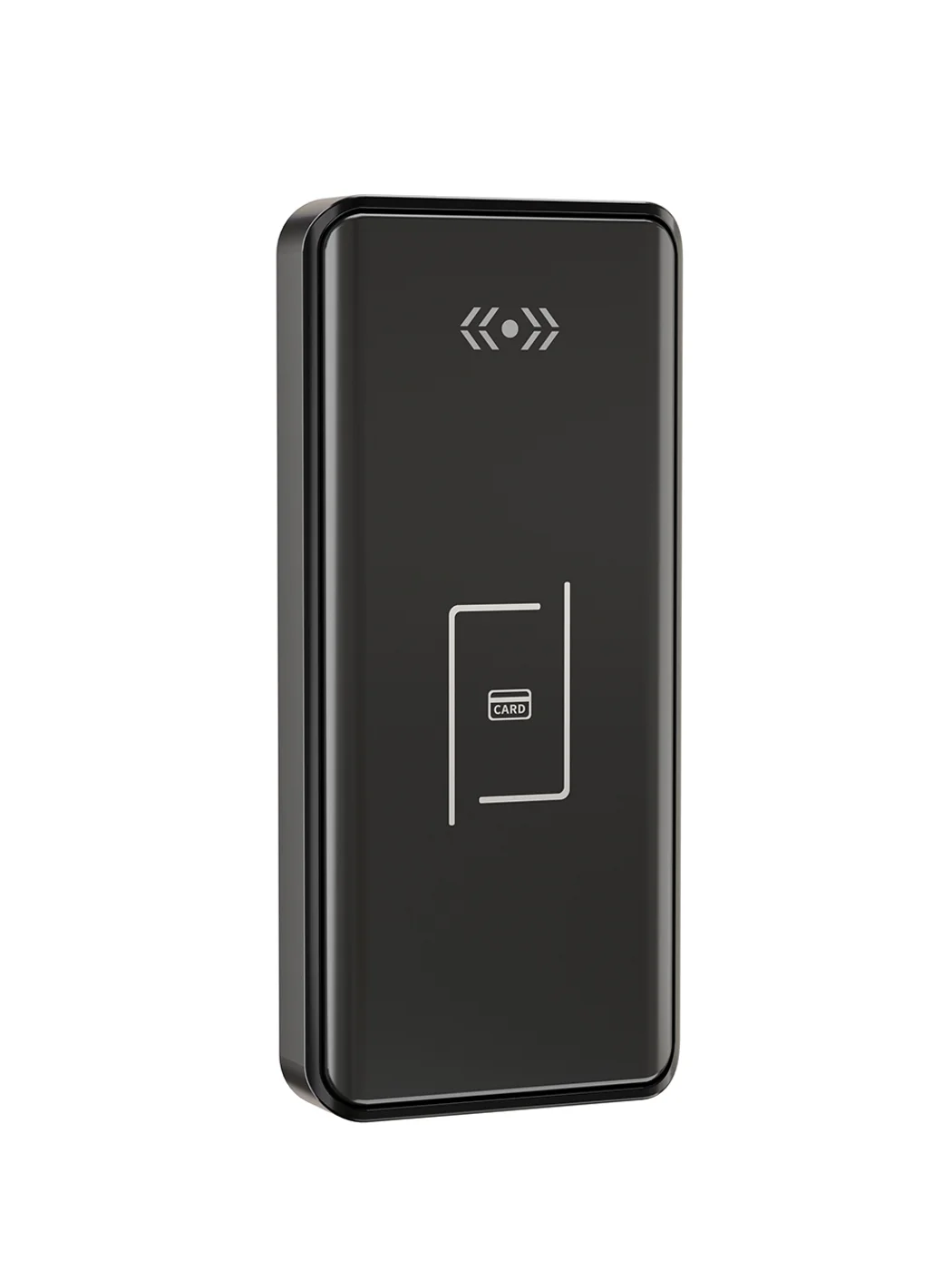
Gym Locker Lock — Offline Card, No WiFi Required
Offline card gym locker lock for fitness and pool lockers. MIFARE card, battery-powered 5-minute retrofit, no WiFi or server. Zinc alloy body, CE/FCC/RoHS.
This page already points to it as the next recommended reference.
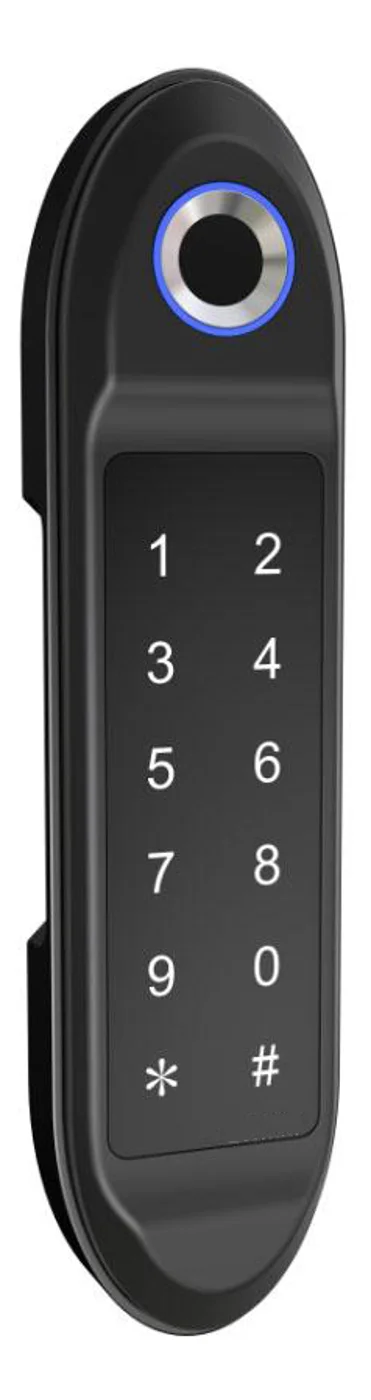
PIN Code Electronic Cabinet Lock — Stand-Alone, No WiFi
Offline keypad cabinet lock for gym, office and parcel lockers. Battery-powered, 5-minute retrofit, audit-free simple deployment. PIN + MIFARE card, DC 6V, 4×AA.
This page already points to it as the next recommended reference.
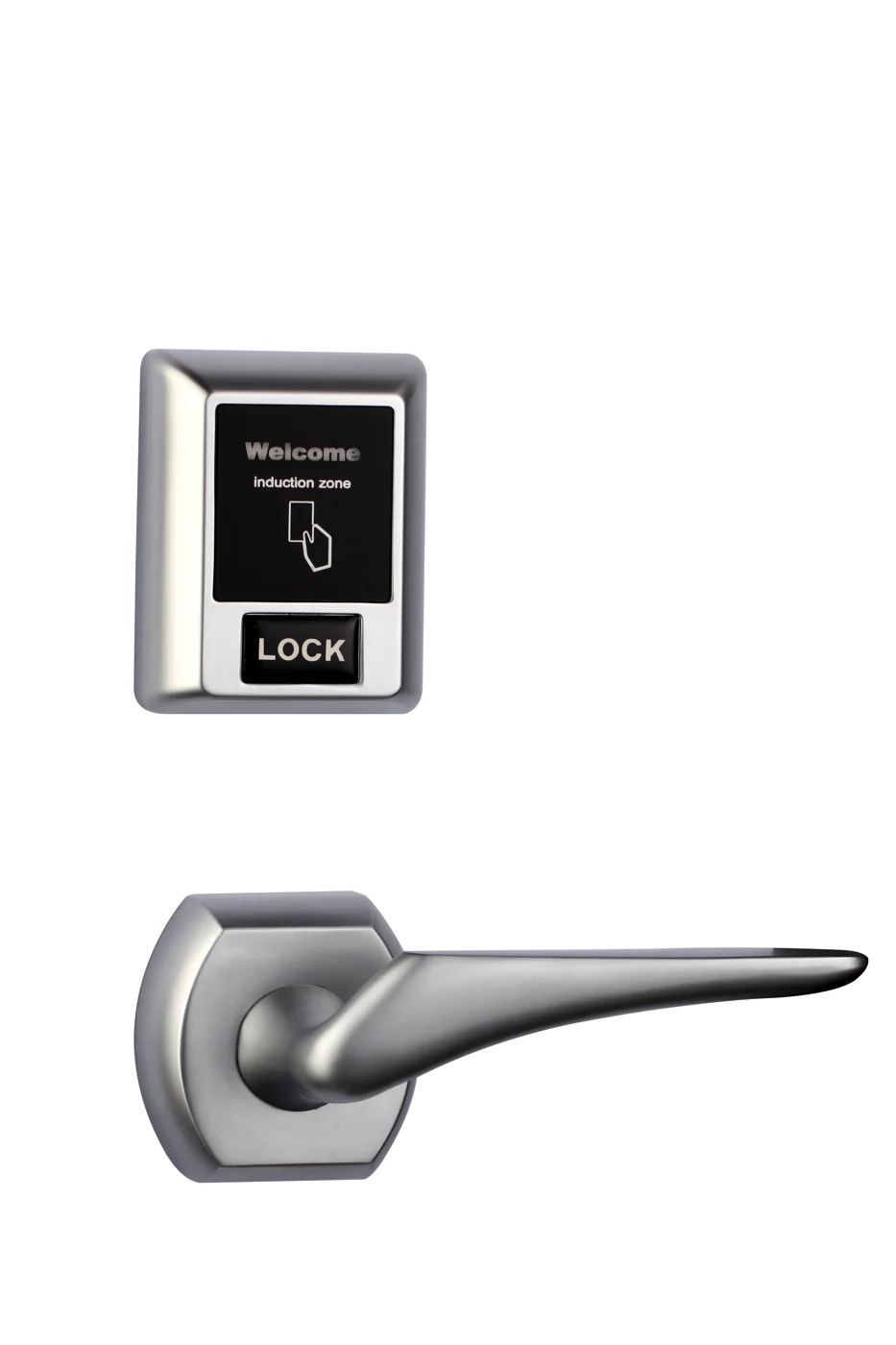
Bluetooth Cabinet Lock — App + PIN + Card, Managed Fleet
Offline BLE app cabinet lock for parcel, office, and managed locker fleets. App + PIN + MIFARE card, remote credential management, no server dependency, battery-powered retrofit.
This page already points to it as the next recommended reference.
Related blog posts
3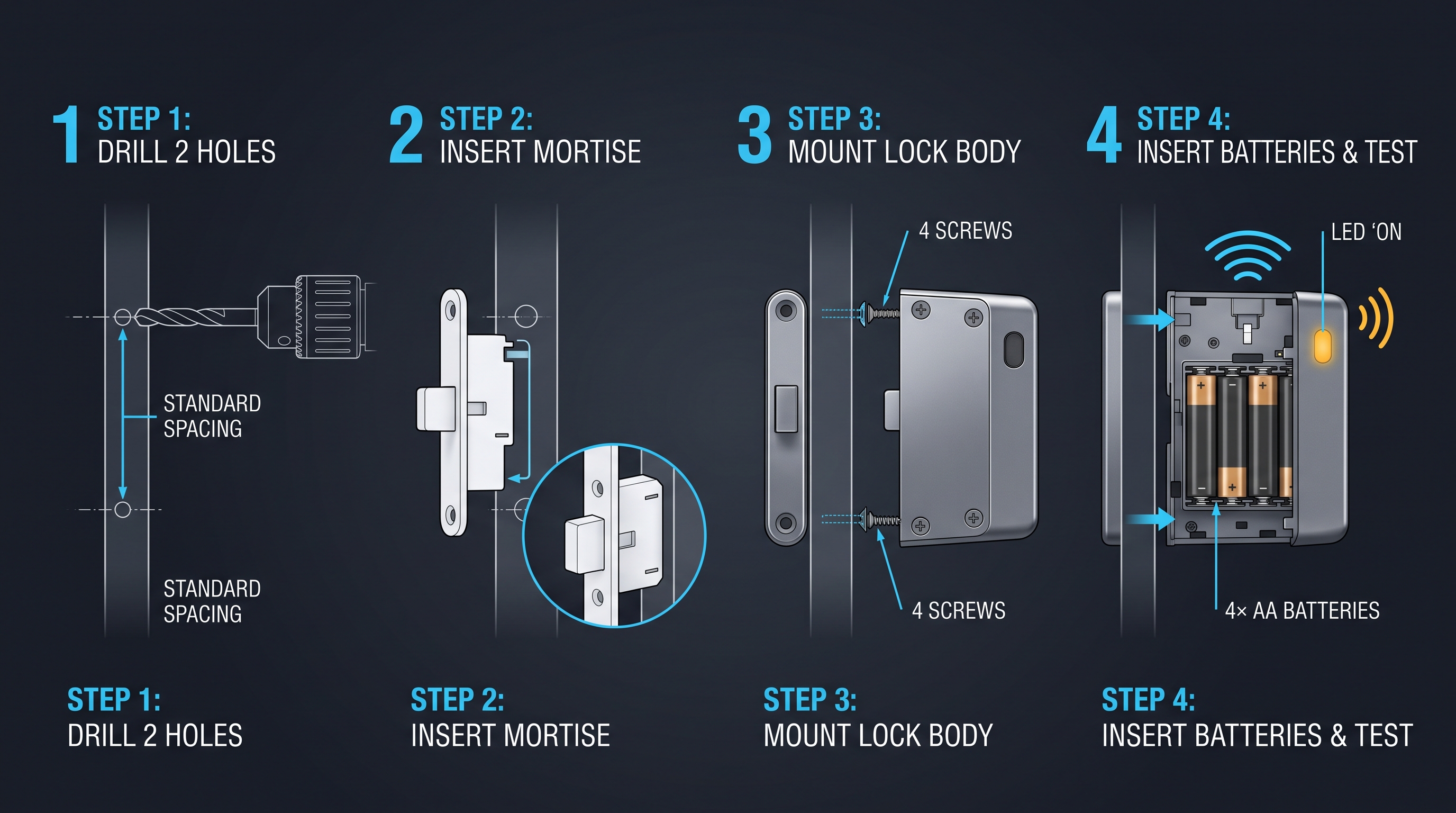
Electronic Cabinet Access: The Complete Guide to Digital Cabinet Entry
Electronic cabinet access replaces keyed locks with digital credentials, generating an access record and letting admins add or revoke users without touching hardware; this guide covers keypad, RFID, biometric, and connected electronic cabinet access methods.
It supports the same product context: Gym Locker Lock — Offline Card, No WiFi Required.
Display Cabinet Lock: The Complete Guide to Securing Glass Showcases and Retail Display Cabinets
Learn how a display cabinet lock secures glass showcases and retail displays. Compare electromagnetic, RFID, and keyed display cabinet lock types for any application.
It supports the same product context: Gym Locker Lock — Offline Card, No WiFi Required.
Electronic Access Cabinet: The Complete Guide to Smart Locking Enclosures
Explore electronic access cabinet systems with RFID, Bluetooth, PIN, and biometric control. Learn about powered enclosures for IT, healthcare, and evidence management.
It supports the same product context: Gym Locker Lock — Offline Card, No WiFi Required.
Specify your hotel project with our engineers
Send your room count, ceiling type, and protocol preference. We will return a sample plan and quote within 24 business hours.
- Move from general guidance into a product or application discussion.
- Use RFQ when pricing, drawings, MOQ, or launch timing needs structure.
- Keep a direct contact path visible for fast clarifications and handoff.