Card Cabinet Lock: Ultimate Guide to Smart Card-Activated Cabinet Security Systems
Complete exploration of card cabinet lock technology including MIFARE, DESFire, NFC smartphone credentials, installation guides, security protocols, and enterprise integration strategies for card-based cabinet access.
What Defines a Card Cabinet Lock: Core Concepts and Technology
A card cabinet lock is an electronic locking device that uses contactless smart card or RFID card technology to control access to cabinets, drawers, lockers, and other storage enclosures. Unlike a traditional mechanical lock that requires a physical key, a card cabinet lock authenticates users by reading a credential stored on a card, fob, wristband, or smartphone. When an authorized credential is presented to the card cabinet lock reader, an internal actuator retracts the locking bolt, granting access within milliseconds.
The card cabinet lock category has experienced rapid growth and technological evolution over the past decade. What began as simple RFID readers paired with basic solenoid actuators has matured into a sophisticated product ecosystem that includes multi-technology readers, encrypted communication protocols, network connectivity, and integration with enterprise access control platforms. Today's card cabinet lock products serve applications ranging from residential medicine cabinet security to high-security government document storage, with features and price points spanning a correspondingly wide range.
The fundamental architecture of a card cabinet lock consists of several key subsystems working in concert. The reader module generates a radio frequency field that energizes a passive RFID card or communicates with an active smart card. When a card enters the field, the reader extracts the card's unique identifier and, depending on the security level, may engage in a cryptographic authentication exchange. The controller module compares the card data against stored authorization information and makes an access decision. If access is granted, the controller activates the actuator module, which retracts the bolt or latch. The power module, typically battery-based, supplies energy to all subsystems.
The advantages of a card cabinet lock over mechanical alternatives are substantial and drive adoption across industries. Credential management becomes a software function rather than a hardware problem—when a card is lost or an employee departs, administrators revoke access through software without touching the physical lock. Audit trails provide a verifiable record of who accessed which card cabinet lock and when, supporting compliance and investigations. Integration with building access control systems means employees use the same card for doors and cabinets, simplifying the user experience and reducing the credential management burden.
The card cabinet lock market continues to expand as organizations recognize that cabinet-level security is an essential component of a comprehensive physical security strategy. High-profile data breaches have raised awareness that sensitive information is not only vulnerable in digital form but also in physical documents stored in inadequately secured file cabinets. Regulatory requirements in healthcare, finance, education, and government increasingly mandate documented access control for physical records. A card cabinet lock provides the technological foundation for meeting these requirements while improving operational efficiency and user convenience.
Card Technologies Powering a Card Cabinet Lock
The type of card technology supported by a card cabinet lock is the single most important specification to understand when evaluating products. Different card technologies operate at different radio frequencies, use different communication protocols, and offer dramatically different security characteristics. Selecting a card cabinet lock that is compatible with your existing card infrastructure—or choosing the right technology for a new deployment—requires understanding the landscape of available options.
MIFARE technology, developed by NXP Semiconductors, is the most widely deployed high-frequency smart card platform and is supported by a broad range of card cabinet lock products. The MIFARE family includes several generations with progressively stronger security. MIFARE Classic, the original variant, uses a proprietary encryption algorithm that was compromised through cryptographic research in 2008. While MIFARE Classic-based card cabinet lock products remain available and are suitable for low to medium security applications, they should not be selected for deployments where sophisticated adversaries are a concern. MIFARE Plus offers backward compatibility with Classic while adding AES encryption, providing an upgrade path. MIFARE DESFire, the most secure variant, implements AES and 3DES encryption with open cryptographic standards and is the recommended choice for card cabinet lock deployments requiring robust security.
HID proximity technology operates at 125 kHz and has been the dominant low-frequency access control platform in North America for decades. A card cabinet lock that supports HID proximity can leverage the enormous installed base of HID cards carried by employees at millions of organizations. However, HID proximity cards transmit a fixed identifier and lack cryptographic authentication, making them vulnerable to cloning. The HID iCLASS and iCLASS SE platforms operate at 13.56 MHz and offer mutual authentication and encryption, addressing the security limitations of proximity technology. A card cabinet lock with multi-technology support can read both legacy HID proximity cards and newer iCLASS credentials, facilitating migration from older to newer card populations.
NFC or Near Field Communication extends the card cabinet lock concept to include smartphones, tablets, and wearable devices as access credentials. An NFC-compatible card cabinet lock can read credential data from a smartphone wallet application, enabling a card-free access experience. Apple's Wallet app with employee badge support and Google Wallet provide platforms for issuing and managing mobile credentials that work with NFC card cabinet lock hardware. The security model for mobile credentials leverages the device's built-in security features including biometric authentication, secure element storage, and remote wipe capability, providing security advantages over physical cards in some scenarios.
LEGIC technology, developed by the Swiss company LEGIC Identsystems, provides another high-frequency smart card platform with a strong presence in European and Asian markets. A card cabinet lock supporting LEGIC credentials can integrate with access control ecosystems that use LEGIC's Master-Token System Control, which provides a structured approach to managing multi-application smart cards across different systems and organizations. LEGIC advant offers advanced security features comparable to MIFARE DESFire and is commonly found in card cabinet lock products targeting the European market.
The multi-technology card cabinet lock is increasingly the default choice for new deployments. By supporting multiple card technologies simultaneously—for example, 125 kHz proximity, 13.56 MHz MIFARE, and NFC mobile credentials—a multi-technology card cabinet lock provides maximum flexibility. This capability is particularly valuable when a card cabinet lock must accommodate visitors or contractors who carry different card types, or when an organization is transitioning from one card technology to another and needs to support both during the migration period.
Evaluating a Card Cabinet Lock: Features and Specifications
The reader performance of a card cabinet lock directly affects user satisfaction and security. Read range—the distance at which a card can be reliably detected—should be consistent and appropriate for the application. A card cabinet lock with too short a read range frustrates users who must precisely position their card against the reader surface. Too long a read range, while convenient, can create security concerns if a card cabinet lock can be triggered by a card in a nearby pocket or bag rather than one intentionally presented. The ideal read range for most card cabinet lock applications is one to three centimeters, providing intentional proximity without requiring unnecessarily precise card placement.
The read speed of a card cabinet lock—the time from card presentation to lock release—affects user workflow and acceptance. Sub-second response times are the industry benchmark, and most quality card cabinet lock products achieve this. Factors affecting read speed include the card technology, the complexity of the authentication process, whether the card cabinet lock is operating in standalone or networked mode, and the power state of the device. A card cabinet lock that pauses for several seconds before responding creates user frustration and may lead to workarounds that compromise security, such as leaving cabinets unlocked between uses.
User capacity specifications for a card cabinet lock range from dozens to tens of thousands of card records. Standalone card cabinet lock models store authorized card identifiers in onboard memory, with capacities typically ranging from fifty to several thousand. The capacity must accommodate not only the current number of authorized users but also allow for user turnover, temporary access needs, and growth over the lock's service life. Networked card cabinet lock models, which query a central controller or server for each access decision, effectively have unlimited capacity and are the appropriate choice for very large user populations.
The locking mechanism of a card cabinet lock must be evaluated for durability, security, and compatibility with the cabinet type. The bolt or latch should be constructed from hardened materials and should provide adequate throw distance—the extension into the cabinet frame—to resist prying. The mechanism should operate reliably across the full range of expected temperatures and should tolerate some degree of door or drawer misalignment without binding. Some card cabinet lock models offer adjustable bolt positions or interchangeable bolt types to accommodate different cabinet configurations, providing installation flexibility.
The power architecture of a card cabinet lock has significant operational implications. Battery-powered models, the most common type, require periodic battery replacement. Battery life is influenced by usage frequency, the power consumption of the RFID reader, whether the card cabinet lock includes power-saving features, and ambient temperature. A card cabinet lock should provide clear low-battery indication with sufficient advance warning to allow planned replacement before complete power loss. Some models include a secondary power input, such as a micro-USB port, that allows emergency power application from an external battery pack if internal batteries are fully depleted.
Environmental ratings provide standardized information about a card cabinet lock's resistance to dust and moisture. An IP or ingress protection rating consists of two digits: the first indicates dust protection and the second indicates water protection. For indoor card cabinet lock applications in climate-controlled environments, IP40 or higher is typically adequate. For bathrooms, kitchens, laundry rooms, or outdoor installations, IP54 or higher is recommended. A card cabinet lock with higher IP ratings costs more but provides insurance against environmental damage and premature failure in challenging conditions.
Installing a Card Cabinet Lock: Practical Guide
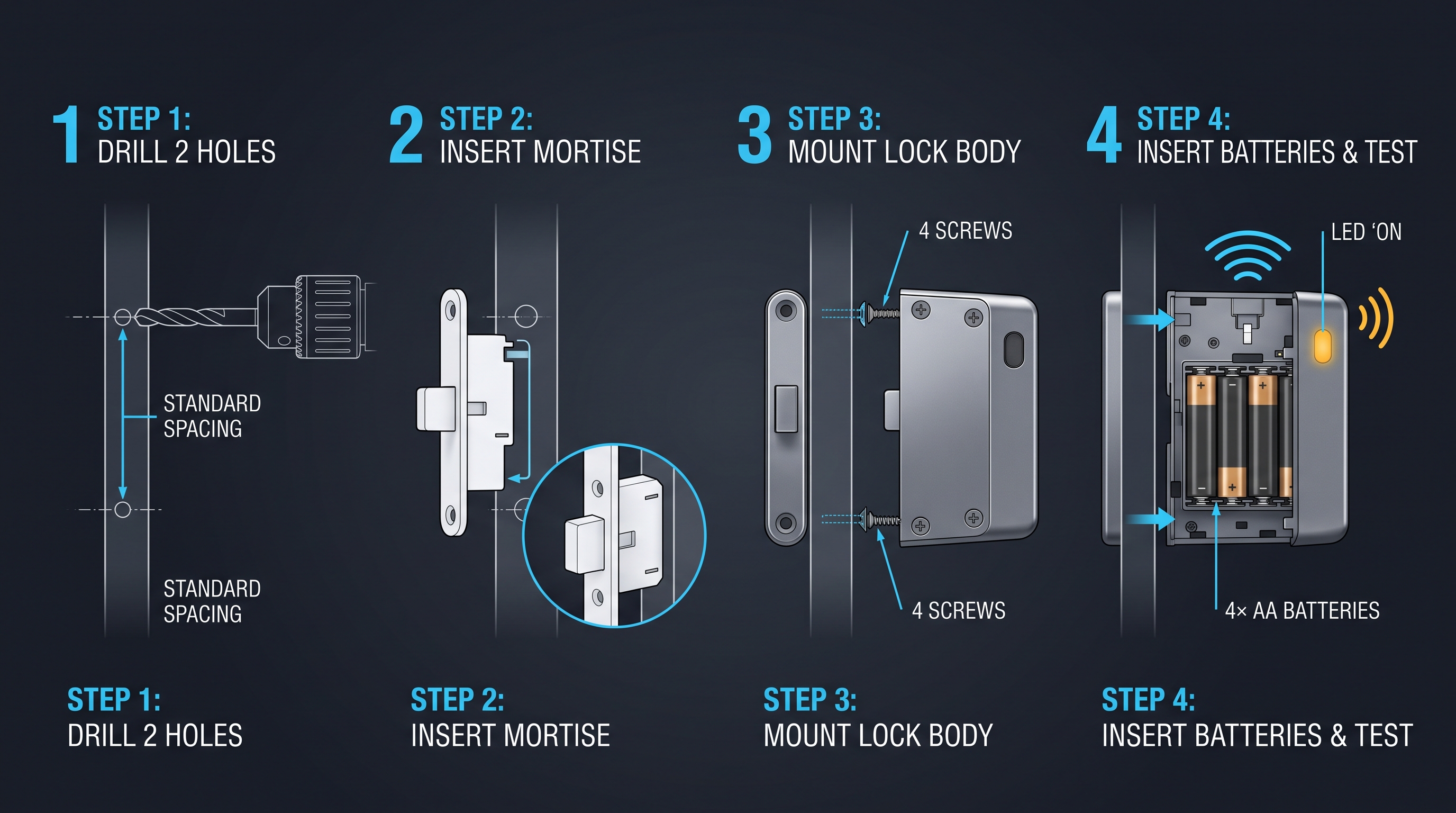
The physical installation of a card cabinet lock begins with verifying dimensional compatibility between the lock and the cabinet. Cabinet door and drawer thicknesses vary widely, and a card cabinet lock designed for thick wooden doors may not fit properly on thin metal drawers, and vice versa. The lock body depth behind the mounting surface must not interfere with cabinet contents, shelves, or drawers. The mounting surface must be flat and stable to ensure proper lock alignment. A card cabinet lock manufacturer typically provides dimensional drawings and compatibility guidance that should be consulted before purchase.
Mounting hole preparation for a card cabinet lock follows standard patterns that are often compatible with existing mechanical lock cutouts. Many card cabinet lock models are designed as direct retrofits for common mechanical cam lock form factors, allowing upgrade from keyed to electronic access without modifying the cabinet. If new holes must be drilled, use the template provided with the card cabinet lock and follow the manufacturer's instructions precisely. Improperly positioned mounting holes can cause bolt misalignment, mechanism binding, and premature wear or failure.
For card cabinet lock models that include external wiring connections—such as those integrating with access control panels via Wiegand or OSDP interfaces, or those connecting to external power supplies—cable routing must be planned carefully. Cables should be secured away from moving parts, protected from sharp edges, and routed through grommets or channels where they pass through cabinet walls. Low-voltage wiring for a card cabinet lock does not typically require conduit in most jurisdictions, but local electrical codes should be consulted. Cable length limitations for Wiegand interfaces, typically one hundred to five hundred feet depending on wire gauge and environmental noise, must be respected.
Card enrollment for a standalone card cabinet lock is typically performed using a master card or programming card. The process involves entering programming mode by presenting the master card or entering an administrator code, then presenting each user card to be enrolled. Many standalone card cabinet lock models support different card privilege levels: master cards that can enroll and delete other cards, and user cards that can only trigger unlocking. The enrollment process should be performed in a controlled environment where the card cabinet lock cannot be observed by unauthorized individuals, as some models emit audible or visible feedback that could reveal programming mode status.
Network configuration for a card cabinet lock that supports wired or wireless connectivity is an additional installation step beyond physical mounting. For wired Ethernet or RS-485 connected card cabinet lock models, network cable must be run to each installation location and terminated properly. IP address configuration, subnet mask, gateway, and DNS settings must be entered through the card cabinet lock configuration interface. For Wi-Fi connected models, SSID and security credentials must be configured. All network-connected card cabinet lock units should be isolated on a dedicated VLAN or subnet where possible, limiting exposure to general-purpose network traffic and potential network-based attacks.
Testing is the final and most critical installation phase for any card cabinet lock. Test with every card type that the card cabinet lock is expected to accept, including any legacy cards that must be supported. Test that unauthorized cards are properly rejected. Test the mechanical override if one is provided. Test battery removal and replacement to verify that configuration data is preserved. For networked card cabinet lock models, test connectivity to the management server, verify that audit events are being received, and test that remote configuration changes take effect correctly. All testing should be conducted with the door or drawer open to prevent lockout.
Security Architecture of a Card Cabinet Lock
The security model of a card cabinet lock must be evaluated at multiple levels: the credential technology, the communication between card and reader, the internal access control logic, the physical robustness of the hardware, and the administrative processes governing the system. A weakness at any level can undermine the security of the entire card cabinet lock deployment.
Secure credential storage is the foundation of card cabinet lock security. Card technologies vary dramatically in their resistance to cloning and unauthorized reading. Low-frequency proximity cards broadcast a fixed identifier that can be captured and cloned with inexpensive equipment. A card cabinet lock that relies solely on such credentials for access decisions provides minimal protection. High-frequency smart cards with cryptographic capabilities resist cloning because they prove possession of a secret key without revealing it, using challenge-response protocols. The highest security card cabinet lock deployments use credentials with hardware security modules, mutual authentication, and encrypted data channels.
The reader-to-controller communication path in a card cabinet lock is another potential attack surface. In a well-designed card cabinet lock, all security-critical components—the reader, the controller, and the actuator—are housed within a single tamper-resistant enclosure. This design, sometimes called reader-at-the-door or integrated architecture, ensures that the communication between the reader and the decision-making controller cannot be intercepted or manipulated. Card cabinet lock designs that separate the reader and controller into different physical units connected by a cable require that the cable be protected against tampering and that the communication be encrypted.
Physical attack resistance is a critical consideration for card cabinet lock security. A card cabinet lock must resist attempts to defeat the locking mechanism through force, prying, drilling, or impact. The bolt should be constructed from hardened steel, should extend at least eight to ten millimeters into the frame, and should resist being pushed back by force applied to the cabinet door or drawer. The lock body should be securely mounted, with reinforcement plates used when mounting to thin or weak cabinet materials. The reader surface should resist drilling, and any external fasteners should be of the security type that resists removal with common tools.
Side-channel attacks, where an attacker extracts information from the physical implementation rather than the cryptographic algorithms, are relevant to high-security card cabinet lock deployments. Power analysis attacks measure the electrical current consumed by the card cabinet lock during cryptographic operations to extract key material. Timing attacks measure the time required for different operations to infer information about secret data. Electromagnetic emanations from the card cabinet lock electronics could potentially be captured and analyzed. Defending against side-channel attacks requires careful electronic design including constant-time algorithms, power supply filtering, and electromagnetic shielding. These protections are typically found only in card cabinet lock products targeting government and defense applications.
Administrative security is the area most commonly responsible for card cabinet lock security failures, regardless of hardware quality. Lost or stolen cards that are not promptly deactivated, temporary cards that are not collected and deactivated after use, card sharing among employees, and master cards stored insecurely all create security vulnerabilities that no amount of hardware sophistication can address. A card cabinet lock deployment must be supported by clear policies, trained administrators, regular access audits, and prompt revocation processes when credentials are compromised or personnel changes occur.
Card Cabinet Lock Integration With Access Control Systems
Integrating a card cabinet lock with an enterprise access control system creates a unified security infrastructure where cabinet access is managed through the same platform as door access. This integration delivers operational efficiency, consistent security policies, and comprehensive audit visibility. The integration approach depends on the capabilities of both the card cabinet lock hardware and the access control software platform.
Wiegand interface integration is the most established method for connecting a card cabinet lock to an access control panel. The card cabinet lock's reader presents card data to the panel over the Wiegand interface, the panel makes the access decision, and the panel sends a signal back to the card cabinet lock to trigger the actuator. This architecture centralizes access control decisions and card databases in the panel, simplifying management and ensuring that card privileges are consistent across doors and cabinets. However, Wiegand is a unidirectional, unencrypted protocol with distance limitations that must be respected for reliable card cabinet lock operation.
OSDP or Open Supervised Device Protocol integration represents the current best practice for connecting a card cabinet lock to access control infrastructure. OSDP provides bidirectional encrypted communication, supports longer cable distances than Wiegand, enables the panel to monitor card cabinet lock status including tamper and battery conditions, and allows remote configuration of card cabinet lock parameters. When specifying a card cabinet lock for integration with new or upgraded access control systems, OSDP compatibility should be a requirement.
Wireless integration using Wi-Fi, Bluetooth, or proprietary wireless protocols enables a card cabinet lock to connect to access control systems without dedicated wiring. This is particularly valuable for retrofit installations where running new cables to each card cabinet lock location would be prohibitively expensive or disruptive. Wireless card cabinet lock models are battery-powered, so battery management becomes an operational consideration. The wireless connection must be secured with encryption and mutual authentication to prevent eavesdropping, replay attacks, or unauthorized commands being sent to the card cabinet lock.
API and middleware integration enables a card cabinet lock system to connect with software platforms beyond traditional access control, including identity management systems, HR platforms, laboratory information management systems, and custom applications. A card cabinet lock that supports REST APIs or publishes events via MQTT or Webhooks can trigger workflows in response to access events—for example, automatically logging sample access in a laboratory information management system when a technician opens a specific storage cabinet. This level of integration transforms the card cabinet lock from a standalone security device into a data-generating component of operational workflows.
Management software is the human interface to the card cabinet lock system. Administrators use the software to enroll cards, assign access privileges, configure schedules, view audit trails, and generate reports. The software should provide role-based access control so that different administrators have appropriate levels of system access. It should support bulk operations for efficiently managing large card cabinet lock deployments. Reporting capabilities should include standard reports for compliance purposes and custom report generation for ad-hoc investigations. The management software's user interface quality significantly affects the operational burden of managing a card cabinet lock deployment.
Card Cabinet Lock Applications by Industry Sector
Healthcare facilities deploy card cabinet lock systems across a diverse range of applications, each with distinct requirements. Medication carts and automated dispensing cabinets use card cabinet lock technology to ensure that only authorized clinical staff access pharmaceuticals, with audit trails supporting controlled substance accountability. Patient record storage cabinets require card cabinet lock access control to comply with health information privacy regulations. Supply cabinets for expensive medical devices and consumables use card cabinet lock systems to reduce shrinkage and ensure supplies are available when needed. The healthcare card cabinet lock must support infection control protocols, meaning surfaces must be cleanable with hospital-grade disinfectants without degradation.
Educational institutions from primary schools through universities deploy card cabinet lock technology in laboratories, IT equipment rooms, music departments, athletic facilities, and administrative offices. The card cabinet lock in a university chemistry laboratory must control access to hazardous chemicals, with access limited to authorized researchers and teaching assistants. The card cabinet lock in a school IT equipment room must allow access for IT staff while preventing unauthorized access by students or other staff. Many educational institutions have campus card programs that combine building access, library services, dining, and payment on a single student or staff ID card—a card cabinet lock that works with this existing credential ecosystem extends its value.
Corporate environments use a card cabinet lock for file cabinets containing personnel records, financial documents, contracts, and intellectual property. Beyond the security function, a card cabinet lock provides the access documentation required by data protection regulations and internal compliance programs. The integration of a card cabinet lock with HR systems means that when an employee's status changes—transfer, leave, termination—their cabinet access privileges are automatically updated. This integration closes security gaps that occur when HR processes and physical access management operate in disconnected silos.
Hospitality applications for a card cabinet lock include in-room safes, minibar cabinets, housekeeping supply storage, and staff lockers. A card cabinet lock on a hotel room safe can be programmed to accept the guest's room key card, providing a seamless experience where one card opens both the room door and the safe. The card cabinet lock automatically programs for each new guest through integration with the property management system. For housekeeping supply cabinets, a card cabinet lock ensures that only authorized staff access cleaning supplies and guest amenities, reducing shrinkage and ensuring supply accountability.
Government and military card cabinet lock applications require compliance with stringent security standards. Classified document storage must use card cabinet lock systems that meet GSA approval standards for security containers. The card cabinet lock must support government-issued credentials such as Common Access Cards or Personal Identity Verification cards. Multi-factor authentication is typically required—the card cabinet lock must verify both the card, which is something the user has, and a PIN or biometric, something the user knows or is, before granting access. Extensive testing and certification requirements apply to card cabinet lock products in this market segment.
Comparing Card Cabinet Lock Solutions: Making the Right Choice
The card cabinet lock market offers products spanning from budget standalone units priced under fifty dollars to enterprise-grade networked systems costing several hundred dollars per lock. The price difference reflects differences in build quality, card technology support, security features, integration capabilities, management software, and manufacturer support. Understanding which features are essential and which are optional for your application is critical to selecting a card cabinet lock that delivers appropriate security without unnecessary cost.
Standalone versus networked card cabinet lock architecture is the most fundamental design choice. A standalone card cabinet lock stores authorized card data internally and makes access decisions locally. Installation is simple—mount the lock, enroll cards, and it is operational. Administration scales poorly, as each card cabinet lock must be individually programmed when card lists change. A networked card cabinet lock connects to a central controller or server that makes access decisions. Installation is more complex, but administration is centralized—card changes are made once in the management software and propagate to all connected card cabinet lock units. The choice typically depends on the number of locks and users: small deployments with stable user populations are well served by standalone models, while larger or more dynamic environments benefit from networked card cabinet lock architecture.
Card technology compatibility must be assessed against the organization's current and planned credential infrastructure. A card cabinet lock that supports only one card technology may be appropriate if the organization is standardized on that technology and has no plans to change. A multi-technology card cabinet lock costs more but provides insurance against future credential technology changes and flexibility to accommodate visitors or contractors with different card types. If the organization is planning a credential technology migration, a multi-technology card cabinet lock that supports both the legacy and new card types enables phased migration without replacing lock hardware.
The management software ecosystem surrounding a card cabinet lock product line significantly affects the total cost of ownership. Well-designed management software reduces the administrative time required for day-to-day operations such as enrolling new cards, modifying access privileges, and reviewing audit logs. Poorly designed software increases administrative burden and the likelihood of errors that create security vulnerabilities. When evaluating a card cabinet lock product, spend time with the management software—request a demonstration, ask about the software update frequency and policy, and talk to reference customers about their experience with the software in production.
Manufacturer support and warranty terms are important considerations for card cabinet lock procurement. A card cabinet lock is a long-lived capital asset with an expected service life of five to ten years or more. The manufacturer should provide technical support during installation and throughout the operational life, firmware updates that address security vulnerabilities and add features, and a warranty that covers defects in materials and workmanship. The warranty period for card cabinet lock products typically ranges from one to five years, with longer warranties generally indicating higher manufacturer confidence in product quality.
Maintaining a Card Cabinet Lock Deployment Over Time
Routine maintenance is essential for ensuring the reliability and security of a card cabinet lock deployment over its operational lifetime. Battery replacement is the most frequent maintenance task for battery-powered card cabinet lock models. Rather than waiting for low-battery warnings, establish a scheduled replacement interval based on the manufacturer's estimated battery life, reduced by approximately twenty percent as a safety margin. Document battery replacement dates and maintain a log of any units that exhibit shorter than expected battery life, as this may indicate a developing electronic problem.
Physical inspection of each card cabinet lock should be performed at least annually. Check for signs of wear on the reader surface, physical damage to the lock body, and looseness in the mounting hardware. Test the locking mechanism for smooth operation and proper bolt extension. Inspect the strike plate or receiving hole for wear or deformation. A card cabinet lock that shows signs of physical degradation should be serviced or replaced before it fails in service, potentially locking users out of the cabinet or failing to secure it properly.
Firmware updates for a card cabinet lock address security vulnerabilities, fix bugs, and occasionally add new features. The update process varies by model—some card cabinet lock units accept firmware updates through a USB connection or programming device, while networked models can receive updates over the network. Before applying firmware updates to a card cabinet lock deployment, test the update on a spare unit or a non-critical installation. Verify that the update process does not clear card databases or configuration settings. Schedule updates during low-usage periods to minimize operational disruption.
Audit trail review should be a regular administrative practice for card cabinet lock deployments. Reviewing access records serves multiple purposes: it verifies that the card cabinet lock system is being used as intended, it can identify unusual access patterns that may indicate security issues, and it provides the documentation required for compliance with internal policies and external regulations. The frequency of audit review depends on the security sensitivity of the protected contents—daily review may be appropriate for controlled substance storage, while monthly or quarterly review may suffice for general office file cabinets.
User management hygiene is a critical ongoing responsibility for card cabinet lock administrators. Cards assigned to employees who have left the organization must be promptly deactivated. Temporary access cards issued for contractors or visitors must have expiration dates and must be collected and deactivated at the end of the access period. Periodic access reviews should verify that each user's card cabinet lock privileges remain appropriate for their current role. Automated integration with HR systems can handle much of this lifecycle management, but administrators should still conduct periodic manual reviews to catch edge cases and integration failures.
Future Directions in Card Cabinet Lock Technology
The card cabinet lock industry is evolving rapidly, driven by advances in mobile technology, cloud computing, artificial intelligence, and user expectations shaped by consumer electronics. Understanding these trends helps organizations make card cabinet lock procurement decisions that will remain current throughout the product's expected service life.
Mobile credentials are transforming the card cabinet lock landscape. The ability to use a smartphone as an access credential eliminates the cost and environmental impact of plastic cards, enables instant over-the-air credential issuance and revocation, and leverages the security capabilities of modern smartphones. A card cabinet lock that supports NFC mobile credentials can read access data from Apple Wallet, Google Wallet, or dedicated access control apps. The transition from physical cards to mobile credentials is a multi-year process for most organizations, so a card cabinet lock that supports both is the most practical choice for current deployments.
Cloud-based management is replacing on-premises software for card cabinet lock administration. A cloud-managed card cabinet lock can be configured, monitored, and managed from anywhere with internet access, eliminating the need for dedicated management workstations and local server infrastructure. Cloud platforms receive continuous security updates and feature enhancements without requiring administrator action. The trade-off is dependency on internet connectivity and the cloud provider's security and availability. For organizations with strict data sovereignty or air-gapped network requirements, on-premises card cabinet lock management remains available.
Artificial intelligence features are beginning to appear in card cabinet lock management platforms. Machine learning algorithms can analyze access patterns across a card cabinet lock deployment and identify anomalies that may indicate security issues—a card being used at unusual times, a card that suddenly becomes much more active, or access patterns that suggest card sharing. Predictive maintenance algorithms can identify card cabinet lock units that are likely to fail based on changes in actuator current draw, battery voltage decay patterns, or communication error rates. These capabilities shift card cabinet lock management from reactive to proactive.
Sustainability is becoming a more prominent consideration in card cabinet lock product design and procurement. Manufacturers are reducing packaging, selecting materials with lower environmental impact, and designing for disassembly and recycling. Battery-powered card cabinet lock models are being optimized for lower power consumption to reduce battery waste. The shift to mobile credentials eliminates plastic card production entirely. As organizations incorporate sustainability criteria into their procurement processes, the environmental profile of a card cabinet lock will factor increasingly into selection decisions.
The convergence of physical and cybersecurity is particularly relevant for connected card cabinet lock products. A networked card cabinet lock is an IoT device that must be secured against network-based attacks. The industry is adopting security practices including secure boot, encrypted firmware updates, hardware security modules for key storage, and regular third-party security assessments. Organizations deploying networked card cabinet lock systems should apply the same cybersecurity rigor to these devices as to any other network-connected equipment, including network segmentation, regular vulnerability scanning, and prompt patch application.
This ultimate guide to card cabinet lock technology was last updated on August 3, 2026. Specifications, features, and pricing are subject to change. Always verify current information with manufacturers and conduct a site-specific security assessment before selecting card cabinet lock products. For assistance with selecting the right card cabinet lock for your application, contact the CabinetLock Security Team or consult with a qualified physical security professional.
Resources and Further Reading
- ISO/IEC 14443: Identification Cards — Contactless Integrated Circuit Cards — Proximity Cards
- NIST SP 800-116 Rev 1: Guidelines for the Use of PIV Credentials in Facility Access
- SIA OSDP Standard: Open Supervised Device Protocol Technical Specification
- NXP MIFARE DESFire EV3 Product Data Sheet
- HID Global iCLASS SE Platform Documentation
Not sure which sensor fits your project?
Talk to our mmWave application engineers for a free consultation.
Find the right presence sensor for your hotel project
Compare the 3 protocols, check hotel-specific case studies, and download the installation guide
Related products
3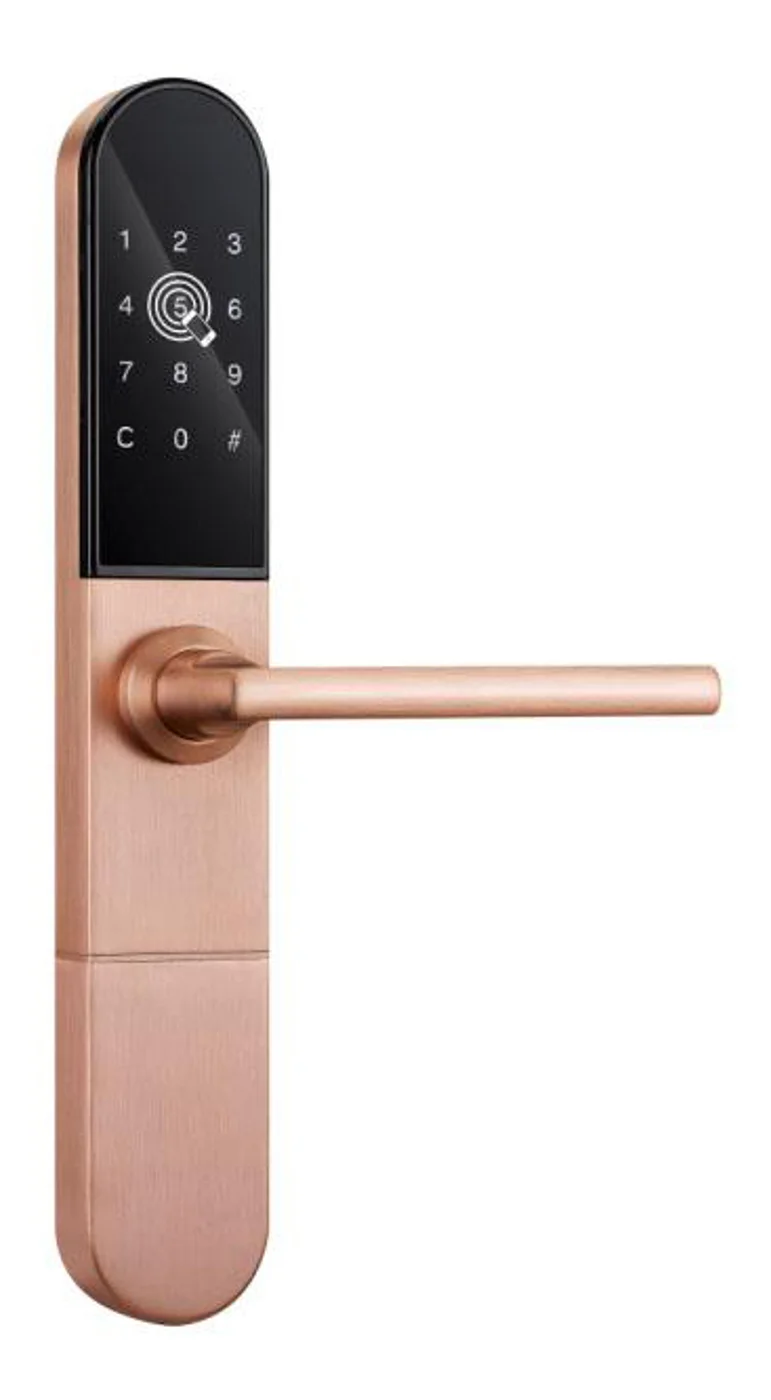
Smart Cabinet Lock — App-Managed, Multi-Site Dashboard
App-managed smart cabinet lock for office, parcel, and multi-site fleets. BLE app dashboard, audit trail, remote unlock, no per-lock server. Higher-tier chassis.
This page already points to it as the next recommended reference.
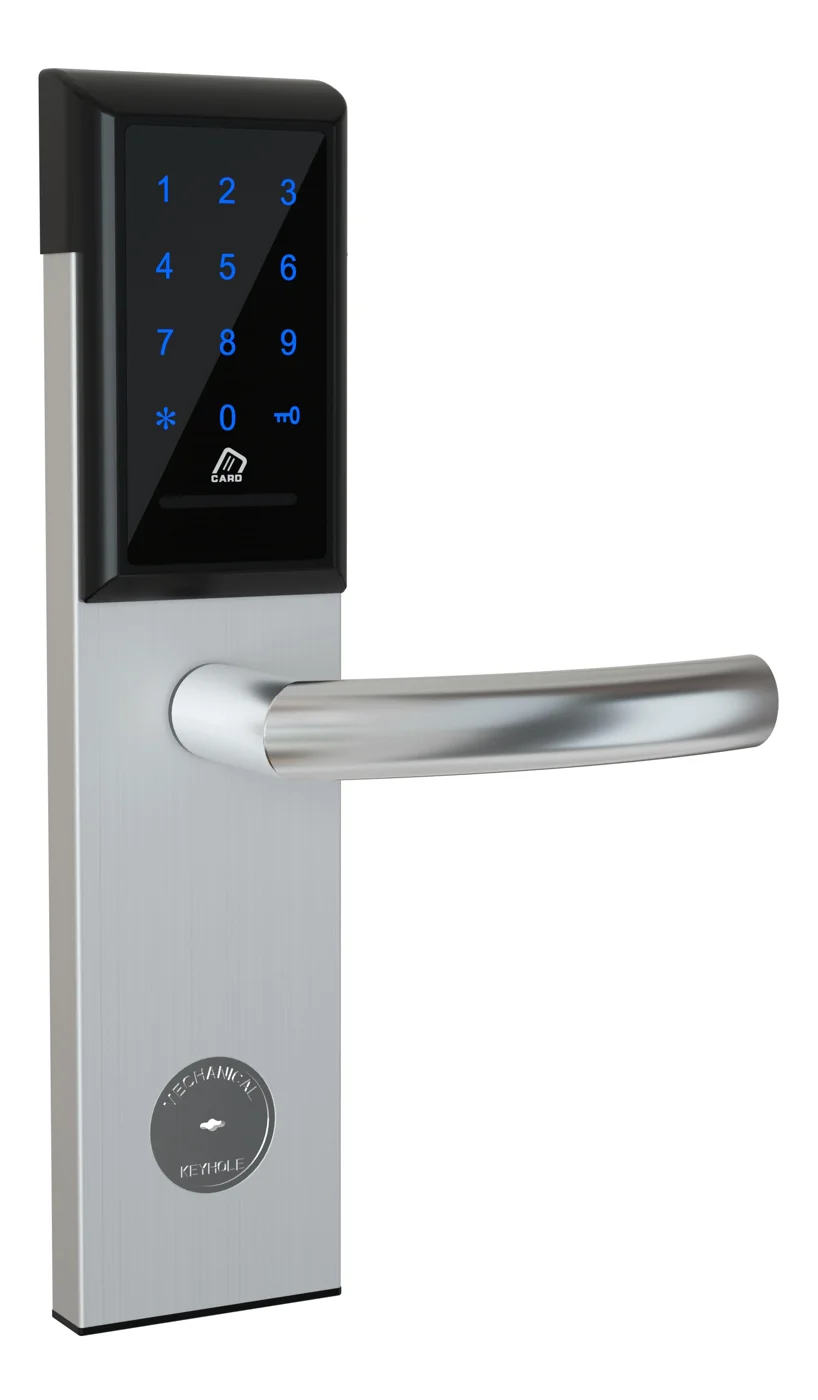
Office Cabinet Lock — PIN + Card for Filing & Pedestals
Offline PIN + card office cabinet lock for filing cabinets, pedestals, and drawers. Battery-powered 5-minute retrofit, no WiFi, no key management. CE/FCC/RoHS.
This page already points to it as the next recommended reference.
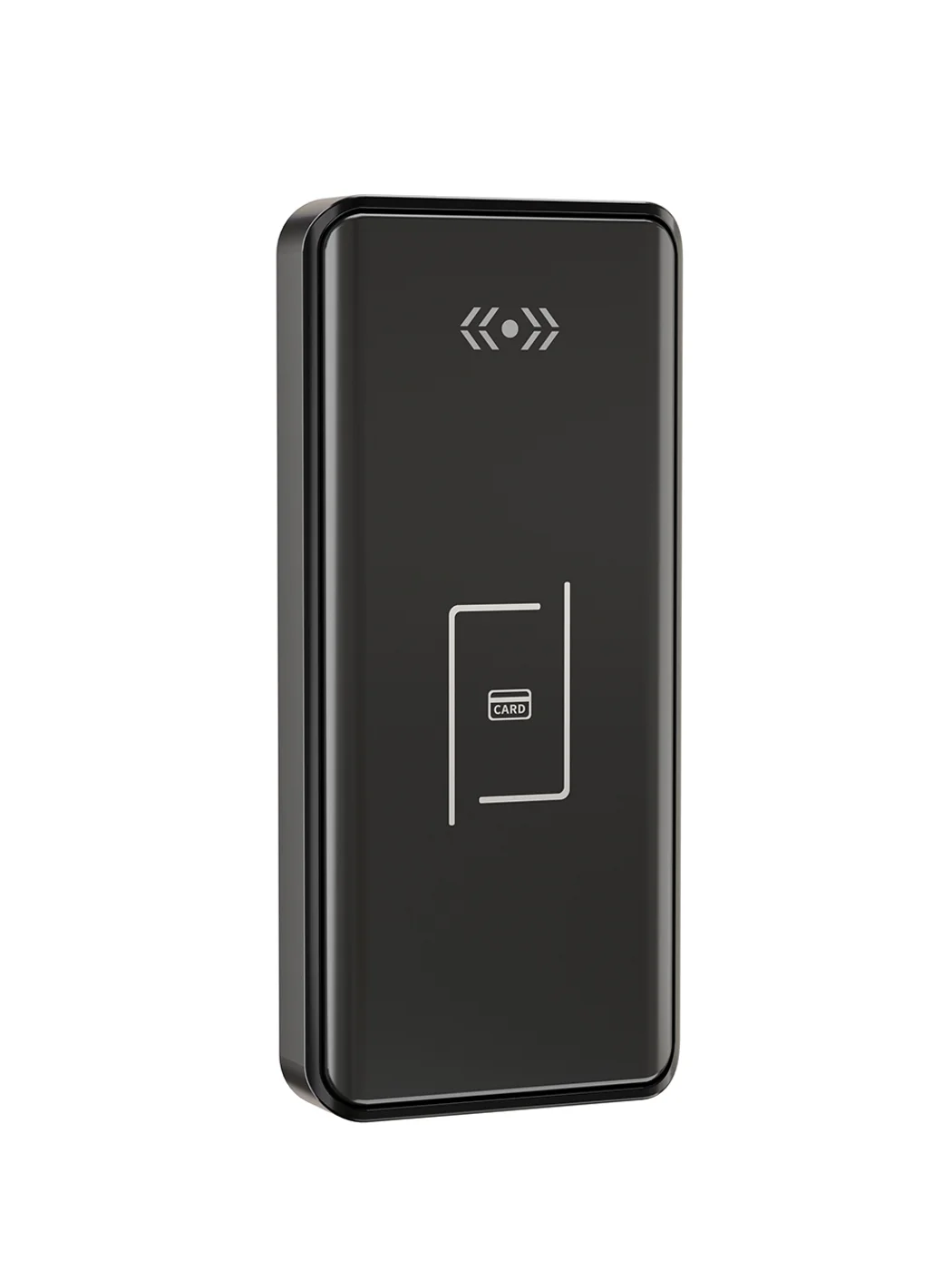
Gym Locker Lock — Offline Card, No WiFi Required
Offline card gym locker lock for fitness and pool lockers. MIFARE card, battery-powered 5-minute retrofit, no WiFi or server. Zinc alloy body, CE/FCC/RoHS.
This page already points to it as the next recommended reference.
Related blog posts
3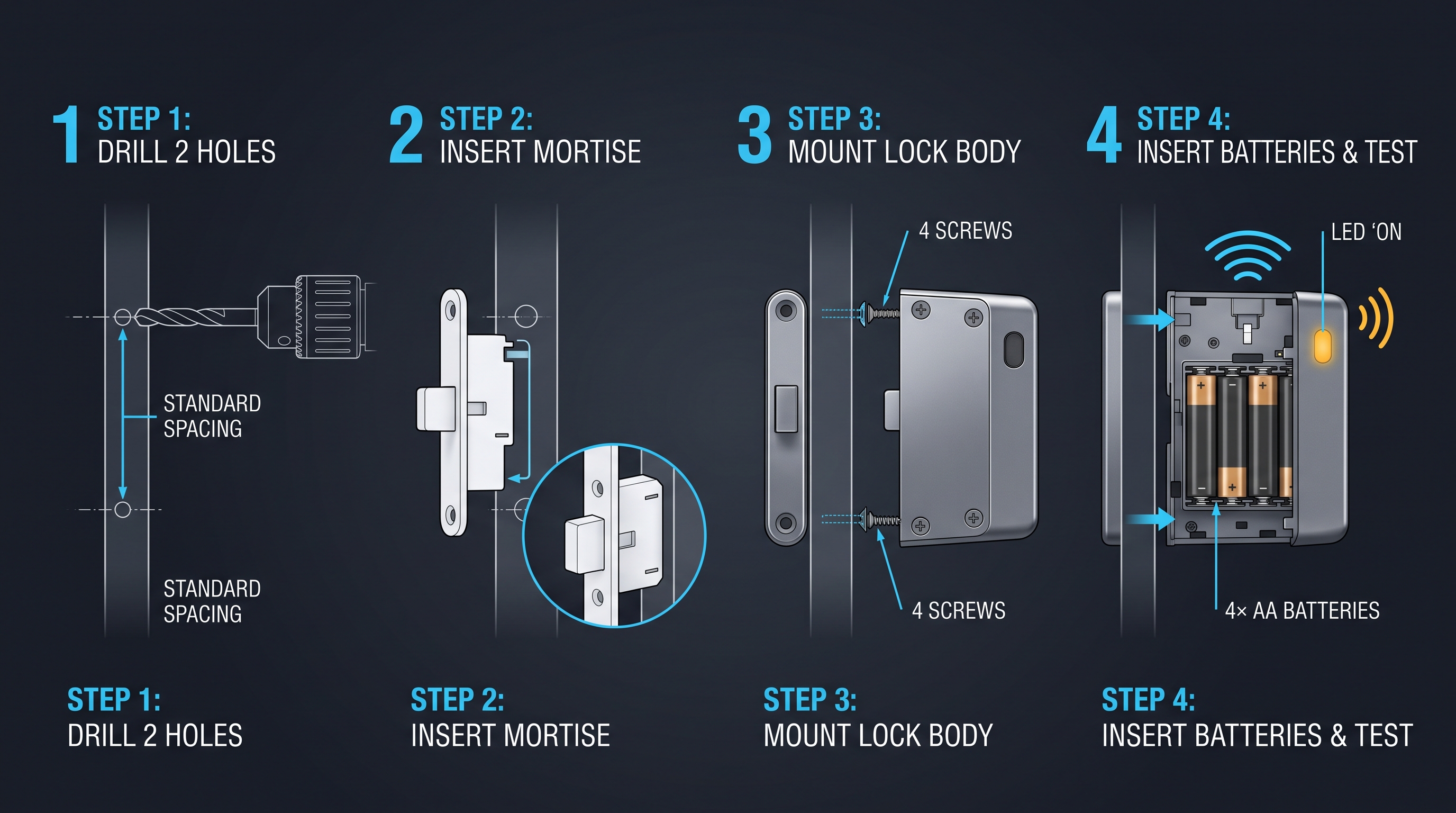
Cloud Cabinet Lock: Ultimate Guide to Cloud-Connected Cabinet Access Control
A comprehensive guide to cloud cabinet lock technology covering remote management, real-time audit trails, and multi-site cabinet access control for enterprises.
It supports the same product context: Smart Cabinet Lock — App-Managed, Multi-Site Dashboard, Office Cabinet Lock — PIN + Card for Filing & Pedestals, Gym Locker Lock — Offline Card, No WiFi Required.
Cam Lock Electronic: Modernizing the Workhorse Cabinet Lock
Cam lock electronic combines the classic cam lock form factor with RFID, keypad, and BLE credentials. Retrofit compatible with standard cylinder bores. Complete guide.
It supports the same product context: Smart Cabinet Lock — App-Managed, Multi-Site Dashboard, Office Cabinet Lock — PIN + Card for Filing & Pedestals, Gym Locker Lock — Offline Card, No WiFi Required.
Cabinet Smart Lock: The Complete Guide to Connected Cabinet Security and Access Control
A comprehensive guide to cabinet smart lock systems covering WiFi, Zigbee, biometric, RFID types, installation, integration, and best practices for homes and businesses.
It supports the same product context: Smart Cabinet Lock — App-Managed, Multi-Site Dashboard, Office Cabinet Lock — PIN + Card for Filing & Pedestals, Gym Locker Lock — Offline Card, No WiFi Required.
Specify your hotel project with our engineers
Send your room count, ceiling type, and protocol preference. We will return a sample plan and quote within 24 business hours.
- Move from general guidance into a product or application discussion.
- Use RFQ when pricing, drawings, MOQ, or launch timing needs structure.
- Keep a direct contact path visible for fast clarifications and handoff.