How to Choose a Cabinet Lock Supplier: Complete Sourcing and Evaluation Guide
How to choose a cabinet lock supplier: supplier types, RFQ and ROQ sourcing, evaluation criteria, MOQ, samples, certifications, payments, logistics, and risk.
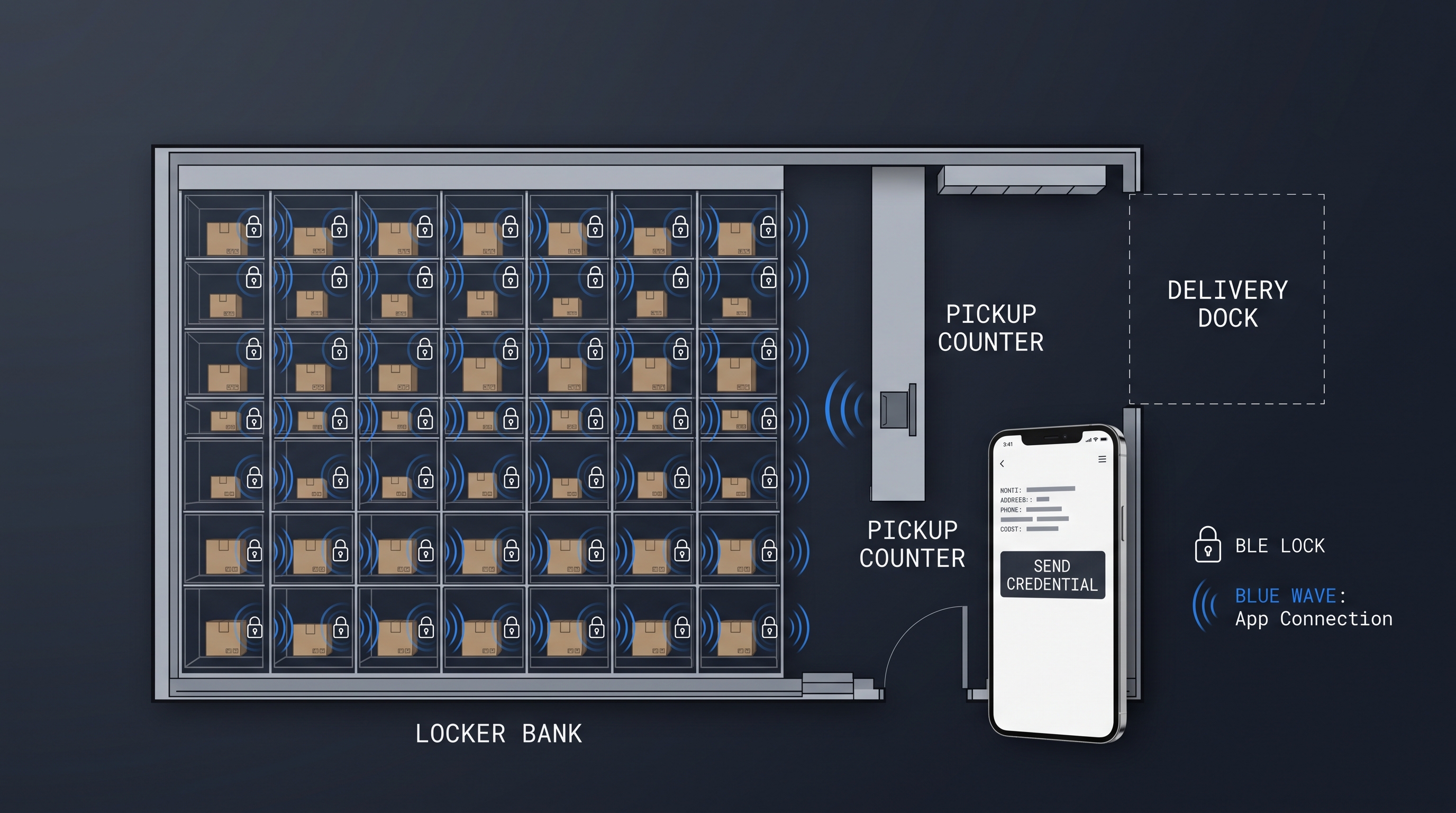
Selecting the right cabinet lock supplier is one of the most consequential decisions in any hardware procurement project, whether you are equipping a hotel, fitting out an office, or importing locks for a distribution business. The cabinet lock supplier you choose determines your unit cost, product quality, delivery reliability, and cross-border risk exposure, and the difference between a strong and a weak cabinet lock supplier can exceed 30 percent of total landed cost. This guide walks through cabinet lock supplier types, sourcing methods, evaluation criteria, minimum order quantities, sampling, certifications, payment structures, contracts, and risk mitigation. Every section is built around practical, verifiable data so that procurement teams, product managers, and independent importers can act on it immediately. By the end, you will know how to screen candidates, compare quotes, audit factories, and negotiate agreements that protect your business for years. The information applies equally to first-time buyers placing their first hundred units and to established distributors managing annual volumes of hundreds of thousands.
Cabinet Lock Supplier Types and Classifications
A cabinet lock supplier is a company that manufactures, distributes, or resells locking hardware for cabinets, lockers, drawers, and storage units used in offices, hotels, gyms, schools, and industrial facilities. Four distinct supplier types dominate the market: factories that own production lines, trading companies that buy from factories and sell internationally, distributors that hold regional inventory, and wholesalers that move high volumes at thin margins. Industry data suggests that roughly 55 percent of overseas buyers source directly from factories, while 30 percent use trading companies for small orders and 15 percent use distributors or wholesalers for rapid replenishment. A factory cabinet lock supplier typically offers the lowest unit price at high MOQ, while a trading company accepts smaller quantities with faster lead times. Choosing the right type determines your landed cost, minimum order quantity, customization flexibility, and risk exposure, so the decision deserves structured analysis before any purchase order is placed.
Direct Factory vs Trading Company
A direct factory cabinet lock supplier owns the molds, machines, and assembly lines that produce the locks, which means it can offer the lowest unit cost, the fastest tooling changes, and the tightest control over quality. A trading company cabinet lock supplier, by contrast, purchases finished products from multiple factories and resells them under its own trading entity, offering a wider catalog and lower minimums but adding a margin of roughly 10 to 25 percent. When you buy from a factory, you can request factory audits, customize specifications, and negotiate exclusive designs, whereas a trading company cabinet lock supplier typically cannot modify products beyond surface branding. The trade-off is practical: factories often refuse orders below their MOQ, while trading companies accept small quantities and consolidate shipments from several manufacturers. For a first order under 500 units, a trading company cabinet lock supplier may be the pragmatic entry point, and for annual volumes above 5,000 units, a direct factory relationship almost always produces better landed cost and supply security. Many experienced buyers use a trading company cabinet lock supplier for the first small order and then migrate to the factory once volume justifies the switch.
Distributor vs Wholesaler
A distributor cabinet lock supplier holds regional inventory and sells to retailers, locksmiths, and installers, providing immediate availability, local warranty support, and consolidated freight, while a wholesaler cabinet lock supplier moves bulk quantities of standard SKUs at very thin margins. Distributors typically operate with stock levels of 10,000 to 100,000 units and offer delivery within days, which is ideal for after-sales replacement demand in mature markets. Wholesalers focus on commodity mechanical locks and rarely support customization, certifications, or technical engineering, so they suit cash-and-carry buyers rather than product developers. For most importers and OEM buyers, distributors and wholesalers are less suitable than factories or trading companies because neither can execute product development. However, they become valuable when you need fast restocking of an existing lock design in a foreign market, or when you want to test regional demand without committing to a full container. A smart procurement strategy often pairs a factory for new product development with a distributor cabinet lock supplier for local replenishment of proven SKUs.
Supplier Type Comparison Table
| Supplier type | Cabinet lock supplier price level | Typical MOQ | Customization | Best fit |
|---|---|---|---|---|
| Factory | Lowest, 0.50-2.00 USD cam locks | 1,000-5,000 units | Full OEM/ODM, mold ownership | Volume buyers, product developers |
| Trading company | +10-25% over factory | 100-1,000 units | Surface branding only | Small first orders, multi-SKU baskets |
| Distributor | Retail-level pricing | No minimum | None | Local replenishment, warranty support |
| Wholesaler | Lowest on standard SKUs | 500-10,000 units | None | Cash-and-carry bulk resellers |
Reading the table, a direct factory cabinet lock supplier suits buyers who need custom products and high volumes, while a trading company cabinet lock supplier fits low-volume testing and multi-SKU baskets. Distributors and wholesalers serve replenishment and cash-and-carry buyers rather than product developers. Revisiting this classification before every sourcing cycle prevents misaligned expectations about price, lead time, and engineering support from any type of cabinet lock supplier.
How to Source a Cabinet Lock Supplier: RFQ, ROQ, and Channels
A cabinet lock supplier can be sourced through trade shows, B2B platforms, factory audits, referrals, and agent networks, but the most efficient path combines online screening with offline verification. The RFQ (request for quotation) and ROQ (request for quotation with full product specification) documents are the two most important sourcing instruments, and a professional buyer typically sends an RFQ to at least ten candidate suppliers to generate comparable pricing data. Sourcing platforms such as Alibaba, Made-in-China, and Global Sources host tens of thousands of lock manufacturers, with most Chinese cabinet lock suppliers concentrated in Guangdong, Zhejiang, and Jiangsu provinces. Trade shows including the Canton Fair in Guangzhou and the China International Hardware Show provide face-to-face contact with verified factories. A structured sourcing funnel that moves from search engine research to platform shortlisting to factory audit reduces the risk of selecting an unqualified vendor and gives the buyer leverage during negotiation.
RFQ and ROQ Documents
The RFQ, or request for quotation, is the formal document a buyer sends to a cabinet lock supplier asking for pricing, MOQ, lead time, and terms for a defined lock specification, while the ROQ, sometimes called a request for quotation with drawings, includes the full technical specification, dimensional drawings, materials, finishes, and compliance targets that enable accurate quoting. A well-structured RFQ dramatically improves quote quality: buyers who provide detailed specifications receive pricing that is typically 15 to 30 percent more accurate than quotes generated from vague inquiries. Your RFQ should state the lock type, such as cam lock, locker lock, push-to-close lock, or electronic RFID lock, the keying requirement, the target certification market, the annual forecast volume, and the price band. Sending the same ROQ to ten to fifteen cabinet lock suppliers produces a comparable dataset, and the price spread between the highest and lowest quote is often 40 percent or more. A disciplined buyer treats the RFQ as a negotiation document rather than a shopping list, because a professional cabinet lock supplier reads specification quality as a signal of buyer seriousness and quotes accordingly.
B2B Platforms and Trade Shows
Alibaba, Made-in-China, Global Sources, and DHGate host tens of thousands of hardware manufacturers, and each platform provides supplier verification levels, transaction histories, and response metrics that help shortlist candidates. A serious cabinet lock supplier on these platforms typically has an online store age of more than three years, a verified factory badge, and a response rate above 90 percent. The Canton Fair, held twice yearly in Guangzhou, attracts more than 20,000 exhibitors and is the single largest venue to meet Chinese cabinet lock suppliers in person, while the China International Hardware Show in Shanghai and the Interzum fair in Germany matter for premium and European-focused buyers. Platform messaging should always move to private communication and then to a formal RFQ, because prices quoted in public chat rooms are rarely the final number. Cross-referencing a supplier's platform profile with its company website, export records, and trade references is a cheap and effective verification step that filters out fake listings early. This double-checking habit separates a professional cabinet lock supplier search from a casual browsing session.
Building a Sourcing Funnel and Shortlist
A professional sourcing funnel starts with 30 to 50 candidate cabinet lock suppliers identified through platforms, trade shows, and referrals, then narrows to 10 to 15 suppliers that receive an RFQ, then to 3 to 5 suppliers that receive a sample request, and finally to one or two suppliers that undergo a factory audit. Each funnel stage applies a different filter: geographic location and product category in stage one, price and MOQ in stage two, sample quality and communication speed in stage three, and full due diligence in stage four. Maintaining this structure prevents decision fatigue and ensures that the final cabinet lock supplier selection is based on comparable evidence rather than the first persuasive salesperson encountered. Record every quote, sample result, and audit finding in a central comparison sheet, and update the funnel data quarterly so that your shortlist reflects the current market. A disciplined funnel typically cuts sourcing time from three months to six weeks while improving the probability of selecting a dependable cabinet lock supplier on the first attempt, and it gives the buyer a defensible record of why each cabinet lock supplier was or was not selected.
Cabinet Lock Supplier Evaluation Criteria and Due Diligence
A cabinet lock supplier should be evaluated on a weighted scorecard covering production capacity, quality control, certification status, financial health, communication responsiveness, and delivery performance before any order is committed. A standard evaluation framework assigns approximately 25 percent weight to quality management systems such as ISO 9001, 20 percent to production capacity and equipment, 20 percent to certification compliance including CE, FCC, and RoHS, 15 percent to price competitiveness, 10 percent to logistics capability, and 10 percent to communication and after-sales support. Buyers who conduct formal supplier audits report a measurable reduction in defective shipment rates, with typical defect rates falling from three to five percent to below one percent after a qualified vendor is selected. Third-party inspection reports, bank references, and trade record databases such as business credit reports should be reviewed as part of due diligence. A structured scorecard turns subjective impressions into comparable numbers and prevents procurement decisions from being driven by price alone.
Quality and Certification Scorecard
Evaluating a cabinet lock supplier requires more than comparing prices; the buyer should score each candidate against a documented checklist that includes ISO 9001 quality management certification, the availability of CE, FCC, RoHS, and REACH documentation, the presence of in-house testing equipment such as salt spray chambers and cycle test machines, and the factory's defect and on-time delivery history. The table below shows a representative scoring matrix used by procurement teams when they shortlist a cabinet lock supplier.
| Evaluation dimension | Cabinet lock supplier weight | What to verify |
|---|---|---|
| Quality management system | 25% | ISO 9001 certificate, QC headcount, inspection records |
| Production capacity | 20% | Machine count, monthly output, tooling ownership |
| Certification compliance | 20% | CE, FCC, RoHS, UL or EN reports per product |
| Price competitiveness | 15% | FOB unit price, tooling cost, freight quotes |
| Logistics performance | 10% | On-time delivery rate, freight terms offered |
| Communication support | 10% | Response time, English proficiency, after-sales policy |
A cabinet lock supplier that scores above 80 percent across these weighted categories is usually safe to shortlist, while a score below 60 percent should be dropped regardless of price. The same scorecard should be re-applied during annual reviews to track whether your cabinet lock supplier improves, stagnates, or deteriorates, and the results should be shared with the supplier so that weak dimensions become improvement targets.
Financial Health and Business Verification
Due diligence on a cabinet lock supplier should include verification of the business license, the registered capital, the operating history, the legal representative's identity, and the company's credit record, because these documents reveal whether the entity you are negotiating with is the entity that will ship your goods. A Chinese cabinet lock supplier's business license, accessible through the national enterprise credit system, shows the legal name, address, scope of business, and registration date, and the name on the license must exactly match the name on the contract and the bank account. Registered capital below 1 million RMB, an operating history under three years, or frequent legal disputes are warning signs that warrant extra caution. For larger orders, buyers should request audited financial statements or a credit report from a firm such as Sinosure, D&B, or Coface. Bank account verification is critical because a legitimate cabinet lock supplier rarely changes account details, and any last-minute request to pay a different account is one of the most common fraud schemes in import trade, so verify every account change with a voice call before releasing funds.
Audits, References, and Site Visits
The most reliable evaluation of a cabinet lock supplier is a factory audit, which can be conducted by your own team, by an independent firm such as SGS, TUV, or Bureau Veritas, or remotely through video walkthroughs. A standard audit checks production floor organization, machine maintenance, raw material storage, quality control checkpoints, worker safety, and warehouse capacity, and a well-run factory will normally pass an audit with a score of 75 to 90 percent on common audit frameworks. Buyers should also request two or three trade references from existing customers, ideally in the same industry and market, and verify the references by phone or email rather than accepting documents at face value. If your order volume justifies it, a physical site visit is the strongest signal of commitment, and a confident cabinet lock supplier will arrange transportation, translation, and open access to production lines. Red flags during any audit include managers who refuse to show certain floors, missing calibration certificates, and QC employees who cannot explain their inspection procedures, and any of these should remove that cabinet lock supplier from the shortlist.
Cabinet Lock Supplier MOQ, Samples, and Certifications
A cabinet lock supplier typically enforces a minimum order quantity, or MOQ, that ranges from 200 to 2,000 units for standard mechanical locks and from 500 to 5,000 units for electronic and smart locks, depending on the factory size and product complexity. Before committing to a full production run, every serious buyer should request pre-production samples, and a reliable cabinet lock supplier will ship samples within seven to fourteen days with a cost that is either free, refunded against the order, or charged at a nominal fee of roughly twenty to fifty US dollars. Certification requirements vary by target market, with CE marking mandatory for European sales, FCC certification required for radio-enabled locks sold in the United States, and RoHS compliance expected globally for electronic components. Fire-rated locks require EN 1634 or UL 10C testing, while hospital cabinets may need additional medical-grade approvals. A transparent cabinet lock supplier publishes its certification portfolio and test reports, while an opaque supplier that cannot produce documentation is a major red flag.
Understanding and Negotiating MOQ
Minimum order quantity is the smallest number of units a cabinet lock supplier will accept for a production order, and it directly affects your cash flow, inventory risk, and unit cost. Mechanical cam lock MOQs commonly sit between 500 and 2,000 units, while electronic lock MOQs start around 1,000 units and can reach 5,000 units for fully customized PCBs and firmware. A trading company cabinet lock supplier typically offers lower MOQs, sometimes as low as 100 units, because it aggregates demand across many factories, but the unit price is higher. You can negotiate MOQ by combining multiple lock models into a single order, accepting a standard finish instead of a custom color, or paying a tooling fee that reduces the quantity required. When a cabinet lock supplier insists on a very high MOQ for a standard product, it may indicate a weak production line or a desire to offload stock, so compare MOQs across at least five suppliers before accepting the first figure offered. Documenting the MOQ in the contract prevents later disputes about what quantity was committed, and a flexible cabinet lock supplier will usually show willingness to adjust the number for a serious buyer.
Sample Policy and Pre-Production Samples
Pre-production samples are the single best evidence of a cabinet lock supplier's manufacturing quality, and every serious buyer should request them before placing a production order. A typical sample policy charges 20 to 50 US dollars per sample, refunds the fee against the first order, or provides samples free of charge for promising buyers, and the sample is normally shipped within 7 to 14 days via express courier such as DHL or FedEx. When the sample arrives, the buyer should measure dimensions with calipers, test the lock mechanism through at least 500 open-close cycles, verify finish consistency, and check that the key code and branding match the specification. For electronic locks, the buyer should test battery life, RFID read distance, and pairing behavior. A reputable cabinet lock supplier will also send pre-production samples from the actual mass-production tooling before shipment of the full order, which is the most important checkpoint in the entire process because it verifies that the production line reproduces the approved sample exactly. Keep every sample and its test notes on file, because they become your baseline for future quality disputes with that cabinet lock supplier.
Certification Roadmap for Target Markets
Certifications are a decisive criterion when choosing a cabinet lock supplier, because the wrong certification portfolio can block your product from an entire market. For the European Union, cabinet locks generally require CE marking, and electronic locks with wireless connectivity need RED (Radio Equipment Directive) compliance; for the United States, radio-enabled locks require FCC certification and may need UL 294 for access control systems; for global electronics, RoHS and REACH restrict hazardous substances. Fire-rated cabinet and locker locks sold in Europe may require EN 1634 testing, while the UK market uses BS standards. A competent cabinet lock supplier maintains a certification roadmap and will quote the cost and timeline to add a new certification, typically 6 to 12 weeks and 2,000 to 15,000 US dollars depending on the scope. Buyers should request the actual test reports, not just the certificate numbers, because certificates can expire, cover a different model, or be issued by low-credibility laboratories. Adding a clause that the supplier must notify you of certification renewals protects you from selling products that have quietly lost their compliance, and it demonstrates that the cabinet lock supplier operates transparently.
Cabinet Lock Supplier Reliability, Quality Control, and Logistics
A cabinet lock supplier demonstrates reliability through documented quality control procedures, consistent delivery performance, and transparent communication across time zones, and these factors outweigh minor price differences in long-term procurement. A robust quality plan includes incoming material inspection, in-process checks, finished product testing, and pre-shipment inspection conducted either by the factory or by independent firms such as SGS, Bureau Veritas, or TUV. Typical acceptance sampling follows the ANSI/ASQ Z1.4 or ISO 2859-1 standard, with an AQL of 2.5 percent common for general cabinet lock hardware. Logistics terms such as EXW, FOB, CIF, and DDP change where cost and risk transfer, and a dependable cabinet lock supplier maintains clear freight quotes for both sea freight, which takes 25 to 40 days from China to Europe, and air freight, which takes 5 to 10 days. On-time delivery rates above 95 percent and defect rates below one percent are realistic benchmarks for a mature factory, and both metrics should be tracked per supplier on a rolling basis.
Quality Control and Inspection Protocols
Quality control is the backbone of a reliable cabinet lock supplier, and the buyer should define the inspection protocol before production starts rather than discovering problems after shipment. The most common standard is ANSI/ASQ Z1.4 or ISO 2859-1 sampling, with an acceptable quality limit, or AQL, of 2.5 percent for major defects and 4.0 percent for minor defects on typical cabinet lock orders. Key tests include 50,000-cycle durability testing for mechanical locks, salt spray testing of 24 to 72 hours for corrosion resistance, key pull force tests, and drop tests for packaging. A professional cabinet lock supplier publishes its QC plan, trains its inspectors on your specific acceptance criteria, and will accept third-party inspection by SGS or Bureau Veritas at the buyer's cost. The pre-shipment inspection should verify quantity, packaging, labeling, and a sample of functional and cosmetic defects against the agreed AQL, and the shipment should not be released until the inspection report passes or the non-conformances are approved by the buyer in writing. A cabinet lock supplier that resists independent inspection is usually hiding a quality problem.
Shipping Terms and Freight Options
Logistics terms determine where cost and risk transfer from the cabinet lock supplier to the buyer, and selecting the wrong Incoterm can add thousands of dollars to a shipment. EXW (Ex Works) places all handling on the buyer, FOB (Free On Board) transfers risk at the port of loading, CIF (Cost, Insurance, Freight) includes insurance and ocean freight to the destination port, and DDP (Delivered Duty Paid) puts the entire door-to-door responsibility on the supplier. Most first-time buyers prefer FOB because it gives them control over the freight forwarder and avoids hidden inland charges, while DDP simplifies the process but adds a supplier margin of 3 to 8 percent. Sea freight from Shanghai to Rotterdam typically takes 30 to 40 days, while air freight from Shenzhen to Los Angeles takes 5 to 7 days at five to ten times the cost. A transparent cabinet lock supplier provides a freight quote in the RFQ response and clearly explains which costs are included, so the buyer can compare total landed cost rather than FOB price alone. Negotiating consolidated freight for multiple SKUs is another way a professional cabinet lock supplier helps you reduce total logistics spend.
Warehouse and Inventory Strategy
Delivery reliability is a function of the cabinet lock supplier's production planning and the buyer's own inventory strategy, and mature importers protect themselves with safety stock and forecast-based ordering. A useful rule is to hold safety stock equal to one month of forecasted demand plus the supplier's lead time variance, which protects against the 10 to 20 percent schedule slippage that is common in cross-border manufacturing. Buyers who place quarterly rolling forecasts, rather than one-off purchase orders, typically receive better priority from factories, because production planners can allocate capacity and raw materials in advance. A dependable cabinet lock supplier confirms order acknowledgements, sends production progress photos, and alerts the buyer to delays at least two weeks before the shipping date. Distributors and wholesalers, mentioned earlier, are the natural backup sources for emergency replenishment, and maintaining an approved backup cabinet lock supplier prevents a single point of failure in your supply chain. A documented safety stock policy should be part of your annual procurement plan, and the policy should name the primary and backup cabinet lock supplier for every critical SKU.
Cabinet Lock Supplier Payment Terms, Contracts, and Legal Protection
A cabinet lock supplier is typically paid through telegraphic transfer (TT), letter of credit (LC), or digital trade platforms, and each method carries a different risk profile that must match the trust level between buyer and supplier. For first orders with an unverified factory, a common structure is 30 percent deposit before production and 70 percent balance before shipment, while established relationships may shift to 30/70 net terms or even 10/90 open account conditions. A confirmed irrevocable LC gives the seller bank-backed assurance but costs roughly one to three percent of the order value in bank fees, making it most suitable for orders above fifty thousand US dollars. The sales contract should specify product specifications, inspection standards, Incoterms, delivery dates, liquidated damages, warranty periods, and governing law, and a competent cabinet lock supplier signs a contract without hesitation. Buyers should verify the supplier's legal entity, business license, and bank account details, because mismatched names across documents are a leading fraud indicator in cross-border trade.
TT, LC, and Other Payment Methods
Telegraphic transfer, or TT, is the dominant payment method in the lock import trade, with most agreements structured as 30 percent deposit and 70 percent balance against the bill of lading copy, but the exact split depends on the trust level between buyer and cabinet lock supplier. For a first order, the buyer should resist paying more than 30 to 50 percent upfront, because a fraud or a factory default on the deposit is the most common financial loss in cross-border procurement. A letter of credit, or LC, replaces trust with bank guarantees, and a confirmed irrevocable LC ensures the cabinet lock supplier is paid only when compliant shipping documents are presented, at a cost of 1 to 3 percent of the order value plus bank fees and a lead time of 5 to 10 working days to establish. Payment platforms such as Alibaba Trade Assurance, PayPal for small orders, and escrow services provide intermediate protection, while open account terms should only be extended to suppliers with years of flawless delivery history. Matching the payment method to the order value and relationship stage is a core risk management skill, and every buyer should define a payment policy before the first quote is even requested from any cabinet lock supplier.
Structuring the Sales Contract
A formal sales contract is the legal backbone of any cabinet lock supplier relationship, and a verbal agreement or a simple order confirmation is not sufficient for cross-border trade. The contract should specify the product model and drawings, unit price and currency, Incoterms, MOQ, delivery schedule and penalties for late delivery, inspection standard and AQL, packaging requirements, warranty period of typically 12 to 24 months, and the governing law and dispute resolution forum. For Chinese suppliers, contracts that choose Hong Kong or Singapore arbitration, or the CIETAC arbitration commission in mainland China, are more enforceable than vague references to international law. The contract should also include an intellectual property clause covering tooling ownership, mold ownership, which should belong to the buyer after tooling fees are paid, and confidentiality of drawings and firmware. A professional cabinet lock supplier signs a detailed contract without objection, while a supplier that resists contractual clarity is a serious warning sign that should not be ignored. Insist that every price, lead time, and specification agreed in chat is written into the final contract, because a cabinet lock supplier that respects written agreements is a supplier you can plan around.
Dispute Resolution and Warranty
Even with a strong contract, disputes with a cabinet lock supplier will occasionally occur, and the buyer should agree in advance on how defects, delays, and payment disagreements are resolved. The most practical sequence is negotiation first, then documented formal notice, then third-party mediation, and finally arbitration or litigation, with each stage having a defined time limit such as 30 days. Warranty claims are the most frequent dispute category, and a fair cabinet lock supplier warranty covers manufacturing defects for 12 to 24 months from shipment, requires photographic or video evidence of the defect, and provides replacement parts or a credit note rather than a full refund. Buyers should retain samples, test reports, and correspondence as evidence, because arbitration bodies and courts rely on documentary proof. Including a liquidated damages clause of 0.5 to 1 percent of the order value per week of delay gives the buyer leverage, and a cabinet lock supplier that agrees to such clauses demonstrates genuine confidence in its own delivery performance. Documenting the warranty process in the contract protects both parties from open-ended claims.
Cabinet Lock Supplier Risks and How to Mitigate Them
A cabinet lock supplier relationship carries risks that include product quality failures, shipment delays, intellectual property theft, counterfeit goods, sudden price increases, and even outright fraud, and each risk requires a specific mitigation strategy. Quality risk is managed through inspection and clear specifications; delivery risk through contract penalties and buffer inventory; IP risk through NDA agreements and restricted tooling ownership; and fraud risk through verified bank accounts, small test orders, and third-party escrow services. Industry estimates suggest that between five and ten percent of first-time cross-border buyers experience a significant supplier failure, with most incidents traced to inadequate due diligence. Mitigation best practices include starting with a small pilot order, paying no more than 30 percent upfront to an unverified vendor, using a letter of credit for large amounts, and retaining a quality inspection company for pre-shipment checks. A proactive buyer who documents every commitment and verifies every claim converts supplier risk from a gamble into a manageable, measurable process.
Quality, Delivery, and IP Risks
Product quality failures are the most common risk in supplier relationships, followed by delivery slippage, intellectual property leakage, and cost volatility, and each risk has a proportional countermeasure. Quality risk is controlled by pre-production samples, third-party inspections, and a documented AQL; delivery risk by contract penalties, safety stock, and a backup supplier; IP risk by nondisclosure agreements, mold ownership clauses, and restricting firmware access; and cost risk by price adjustment clauses tied to raw material indexes such as zinc or stainless steel prices. Industry data suggests that implementing these controls can reduce the total cost of quality from five to eight percent of order value to below two percent. A disciplined buyer also tracks a supplier scorecard, reviews each cabinet lock supplier quarterly, and re-qualifies the supplier annually against the same evaluation criteria used at onboarding. For example, a cabinet lock supplier that ships 2 percent defective units will typically cost the buyer 5 to 8 percent of order value in returns, rework, and freight, so prevention is always cheaper than correction. Risk management is not about eliminating all problems, but about detecting them early, when the cost of correction is still low.
Fraud and Payment Risks
Fraud in the lock import business typically takes the form of fake factories, identity theft of legitimate companies, advance-fee schemes, and diversion of payments to altered bank accounts, and the majority of these cases could be prevented by basic verification steps. Before sending any money, the buyer should confirm the supplier's business license, match the bank account name to the legal entity, call the supplier by video on the factory floor, and start with a small test order of 100 to 500 units. Any cabinet lock supplier that pressures you to pay faster, changes its bank account at the last moment, or refuses video verification should be dropped immediately, because legitimate factories rarely exhibit these behaviors. Escrow services such as Alibaba Trade Assurance and platform-verified suppliers reduce, but do not eliminate, fraud risk, and the buyer should never rely on a single verification method. Keeping every quote, contract, and communication in writing also matters, because fraud investigators and arbitration panels need documentary evidence to support recovery claims. A cautious buyer treats an anonymous cabinet lock supplier the same way they would treat a stranger asking for cash.
Building a Risk Mitigation Playbook
A risk playbook is a written document that defines the procedures a buyer will follow before, during, and after working with a cabinet lock supplier, and it turns reactive panic into consistent discipline. The playbook should list the required due diligence documents, the payment thresholds that trigger an LC or a site visit, the inspection points that require third-party verification, and the escalation path for unresolved disputes. It should also define a supplier exit strategy, including how to transfer molds and tooling, how to transition firmware and source code, and how to qualify a replacement cabinet lock supplier within 60 days. Procurement teams that maintain a playbook respond to supplier failures measurably faster, often within one week, and avoid the costly downtime that follows an unexpected factory closure or quality scandal. A practical playbook is reviewed every six months and updated whenever a new risk is encountered, so the organization's institutional knowledge survives staff turnover and market changes. Distributing the playbook to every buyer in your team ensures consistent behavior even during staff transitions, and it guarantees that no cabinet lock supplier is ever approved without the same minimum standard of proof.
China Cabinet Lock Supplier vs Global Alternatives
A China cabinet lock supplier offers the lowest manufacturing cost, the broadest component ecosystem, and the fastest tooling development cycle in the global hardware industry, which is why roughly 80 percent of the world's cabinet locks are produced in China. Guangdong province alone hosts thousands of lock factories, with Yiwu serving as the wholesale hub and Ningbo and Wenzhou specializing in metal hardware. Global alternatives in Germany, Italy, and Taiwan deliver premium finishes, advanced electronic engineering, and stricter environmental compliance, but at unit prices typically two to five times higher than Chinese production. For most volume buyers, the optimal strategy is a hybrid approach: use a Chinese cabinet lock supplier for mainstream mechanical and electronic locks, and reserve European or Taiwanese partners for flagship products where brand cachet and certification prestige justify the premium. Understanding these trade-offs helps buyers match supplier geography to product tier, order size, and target market requirements.
The Chinese Manufacturing Ecosystem
China is the undisputed center of cabinet lock production, and a China cabinet lock supplier benefits from a complete ecosystem of mold makers, die-casting plants, plating workshops, PCB manufacturers, and logistics hubs that no other country can match. Guangdong province, especially Zhongshan and Shenzhen, hosts the largest concentration of electronic and mechanical lock factories, while Zhejiang's Wenzhou and Ningbo specialize in metal hardware and stainless steel products, and Yiwu operates the world's largest wholesale market for small hardware. This ecosystem delivers tooling development times of 3 to 6 weeks, prototype cycles of 7 to 14 days, and unit prices that are typically 30 to 50 percent lower than equivalent production in Europe or North America. The main challenges are distance, communication, and quality variance between factories, all of which are manageable through audits, inspections, and a professional sourcing partner. For most buyers, the Chinese manufacturing ecosystem offers the best combination of cost, speed, and flexibility for volume cabinet lock production, which is why the majority of global procurement still routes through a Chinese cabinet lock supplier.
European, Taiwanese, and Other Global Suppliers
Global cabinet lock suppliers outside China, particularly in Germany, Italy, Taiwan, and South Korea, compete on engineering precision, premium materials, and regulatory pedigree rather than price. A German lock manufacturer can charge 3 to 5 times the price of a comparable Chinese product, but offers superior finish consistency, longer warranty periods, and simplified EU compliance because the factory already holds every relevant certificate. Taiwanese suppliers are especially strong in precision machining and electronic lock development, while South Korean companies lead in digital and fingerprint lock technology. For buyers serving luxury hospitality, medical environments, or markets with strict government procurement rules, a Western or Taiwanese cabinet lock supplier may be the only compliant option, and the price premium is justified by brand value and reduced compliance risk. The strategic insight is that geography should follow product tier: commodity locks belong with Chinese factories, while flagship and compliance-sensitive products justify premium global suppliers. Comparing total landed cost, not just unit price, is essential when weighing a Chinese cabinet lock supplier against a European one.
Hybrid Sourcing Strategy
The most sophisticated importers do not choose between China and the rest of the world; they build a hybrid supply base that assigns each product tier to the best-fit cabinet lock supplier geography. A common structure uses a Chinese factory for high-volume mechanical locks and standard electronic locks, a Taiwanese or European supplier for flagship smart locks with premium finishes, and a distributor for emergency local replenishment. This structure balances cost, quality, and resilience, and it prevents the classic failure mode of betting the entire product line on a single supplier. The buyer should qualify the primary and backup cabinet lock supplier for each SKU, maintain samples and test reports for both, and re-run the evaluation scorecard whenever volumes or markets change. Hybrid sourcing also improves negotiating power, because each supplier knows it competes against a qualified alternative, and it protects the buyer if tariffs, regulations, or geopolitical events disrupt any single country of origin. Over time, the hybrid model also gives you benchmark data on each supplier's real performance, and it keeps every cabinet lock supplier honest about pricing and delivery.
Cabinet Lock Supplier Market Outlook and Pricing Trends
A cabinet lock supplier operates in a market currently valued at roughly 3.5 billion US dollars globally for cabinet and locker locking hardware, with electronic locks growing at about eight percent annually while mechanical locks grow at two to three percent. Pricing for mechanical cam locks ranges from 0.50 to 2.00 US dollars per unit at factory level, while electronic cabinet locks with RFID, fingerprint, or Bluetooth capabilities range from 5 to 25 US dollars depending on features and certification. Key trends affecting suppliers include the shift to smart access control with BLE 5.0 and RFID 13.56 MHz technology, rising raw material costs for zinc alloy and stainless steel, and tightening export compliance requirements. Buyers should expect annual price adjustments of three to five percent and should negotiate long-term agreements with price escalation clauses. The consolidation of small factories and the rise of platform-based procurement are reshaping the supplier landscape, and buyers who track these trends gain significant negotiating advantage.
Market Size and Growth Forecast
The global cabinet and locker locking market is valued at approximately 3.5 billion US dollars and is projected to grow at a compound annual rate of 5 to 7 percent through 2030, with electronic and smart locks growing at roughly 8 percent annually and mechanical locks at 2 to 3 percent. This growth is driven by the expansion of commercial real estate, smart lockers for e-commerce pickup and workplace parcel management, gym and school lockers, and the retrofitting of hotel properties with electronic access control. For a cabinet lock supplier, the fastest-growing product lines are RFID 13.56 MHz locker locks, BLE 5.0 app-controlled locks, and fingerprint or keypad models, while traditional cam locks remain the volume leader in terms of units shipped. Buyers entering the market should forecast that the electronic share of their purchases will rise steadily, and they should select suppliers with demonstrated electronics manufacturing capability rather than purely mechanical foundries. A cabinet lock supplier without an electronics roadmap will struggle to remain relevant as the market shifts, so the buyer should ask about firmware and wireless plans during the first qualification call.
Price Benchmarks and Cost Drivers
Understanding realistic price benchmarks helps the buyer negotiate effectively with any cabinet lock supplier. A standard zinc alloy cam lock with two keys costs 0.50 to 1.50 US dollars FOB at factory level, a brass padlock-style locker lock costs 2 to 5 US dollars, an RFID locker lock with cards costs 6 to 15 US dollars, and a BLE smart lock with app control costs 12 to 25 US dollars, with quantities above 5,000 units typically unlocking the lowest bracket. The main cost drivers are raw materials, zinc and copper alloy prices, electroplating quality, chip and PCB costs, firmware development, and certification fees, and a price adjustment clause tied to the LME zinc price is increasingly common in long-term agreements. Labor costs in Guangdong are rising 5 to 8 percent annually, which pushes the total annual price increase from a typical cabinet lock supplier to 3 to 5 percent. Buyers should treat any quote far below the market benchmark with suspicion, because it usually signals lower-grade materials or skipped certification, and a reputable cabinet lock supplier will explain its pricing structure instead of hiding behind vague discounts.
Future Trends Shaping Supplier Selection
Several structural trends will change how buyers select a cabinet lock supplier over the next five years. The shift from mechanical to electronic access control means suppliers must master firmware, wireless certification, and battery engineering, not just die-casting and keying; consolidation is reducing the number of small factories and strengthening mid-sized manufacturers with in-house electronics teams; and trade compliance, including tariffs, conflict minerals reporting, and data privacy rules for app-connected locks, is becoming a supplier qualification criterion. Platform-based procurement and digital factory audits will lower the cost of qualifying new suppliers, and buyers will increasingly demand environmental documentation such as carbon footprint reports and sustainable material certificates. A forward-looking cabinet lock supplier will publish its technology roadmap, maintain BLE and RFID design capacity, and support open APIs for integration with access control systems. Buyers who align with such suppliers position themselves for the smart locker and smart office expansion that will define the next decade of the hardware industry, and the cabinet lock supplier that invests in electronics today will be the preferred partner tomorrow.
How to Build a Long-Term Cabinet Lock Supplier Partnership
A cabinet lock supplier relationship becomes truly valuable only after the first order ships successfully, because long-term partnerships unlock better pricing, priority capacity, and collaborative product development that one-off transactions never deliver. Buyers who consolidate 80 percent of their volume with one or two primary suppliers typically negotiate 5 to 10 percent better pricing within two years, gain access to early prototypes, and receive faster support during quality incidents. Building the partnership requires regular business reviews, quarterly scorecard updates, shared forecasts, and honest post-mortems after every delivery issue. A mature cabinet lock supplier invests in its relationship with the buyer by assigning a dedicated account manager, maintaining a shared quality dashboard, and proposing continuous improvement projects. The goal is to move from a purely transactional dynamic to a collaborative one, while still keeping a qualified backup supplier to protect against dependency and complacency.
Communication Cadence and Account Management
A productive relationship with a cabinet lock supplier runs on structured communication: a weekly production status update, a monthly order and forecast review, and a quarterly business review covering quality, delivery, pricing, and improvement plans. The supplier's account manager should speak fluent English or your working language, respond to urgent messages within 24 hours, and proactively flag risks such as raw material shortages or capacity constraints. Buyers should assign a single internal owner for each supplier relationship so that responsibilities, decisions, and history do not fragment across teams. A strong cabinet lock supplier maintains a shared document portal with order status, inspection reports, and certificate renewals, and it welcomes video calls to the factory floor when questions arise. Communication is the cheapest quality control tool available, and disciplined cadence prevents most small issues from becoming large disputes. A quarterly review agenda should include the supplier scorecard, open issues, and the next quarter's forecast, so the cabinet lock supplier always knows exactly what the buyer expects.
Negotiating Volume Pricing and Long-Term Agreements
Volume pricing with a cabinet lock supplier follows predictable tiers, and the buyer who negotiates with data wins the best rates. A common structure is 0 to 1,000 units at list price, 1,000 to 5,000 units at a 5 percent discount, 5,000 to 20,000 units at a 10 to 12 percent discount, and above 20,000 units at a 15 percent or greater discount, with separate terms for tooling, packaging, and freight. Long-term agreements, typically 12 to 24 months, lock in price escalation formulas tied to raw material indexes, define capacity commitments, and set service-level agreements for delivery and response time. The buyer should ask every candidate cabinet lock supplier for its volume discount schedule in writing, because published tiers reveal which suppliers genuinely want long-term partnerships and which are simply quoting spot business. Negotiating after establishing a track record of on-time payment and accurate forecasts earns the strongest concessions, and a professional cabinet lock supplier respects buyers who ask for structured, data-backed terms. The volume discount table is often the fastest path to a 5 to 10 percent cost reduction, and the agreed schedule should be appended to the contract.
When to Switch or Add a Cabinet Lock Supplier
Even the best cabinet lock supplier will eventually face a situation that forces the buyer to add or replace a source, and the trigger points are usually measurable rather than emotional. Common triggers include on-time delivery below 85 percent for two consecutive quarters, defect rates above the agreed AQL for three consecutive shipments, three price increases without a corresponding value improvement, unresolved warranty disputes, or a failed re-audit. Before switching, the buyer should transfer molds and tooling, obtain the final firmware source code and documentation, run a transition order with the backup supplier, and validate samples against the original specification. Maintaining an approved backup cabinet lock supplier, audited and tested at least once a year, reduces the transition period from months to weeks and protects the business against closures, capacity shocks, or geopolitical disruptions. Supplier switching is a normal part of mature procurement, and it is best executed calmly with documentation rather than reactively during a crisis. Every review cycle should ask whether the current cabinet lock supplier still earns its place on the approved list.
This complete cabinet lock supplier guide has covered supplier types, sourcing channels, evaluation criteria, MOQ, samples, certifications, reliability, logistics, payments, contracts, risks, the China supply chain, and global alternatives. Whether you are a first-time importer or a seasoned distributor, the same discipline applies: verify before you trust, document before you commit, and measure before you reorder. Apply the scorecards, checklists, and benchmarks in this guide, and the selection process for a cabinet lock supplier becomes repeatable, transparent, and defensible. Every purchase order you place is a vote for the supplier relationship you want, so invest the time upfront to choose a cabinet lock supplier that can grow with your business, and revisit your cabinet lock supplier strategy at least once a year to stay ahead of the market.
Part of this article content is generated by AI and optimized for professional accuracy and readability.
Not sure which sensor fits your project?
Talk to our mmWave application engineers for a free consultation.
Find the right presence sensor for your hotel project
Compare the 3 protocols, check hotel-specific case studies, and download the installation guide
Related products
2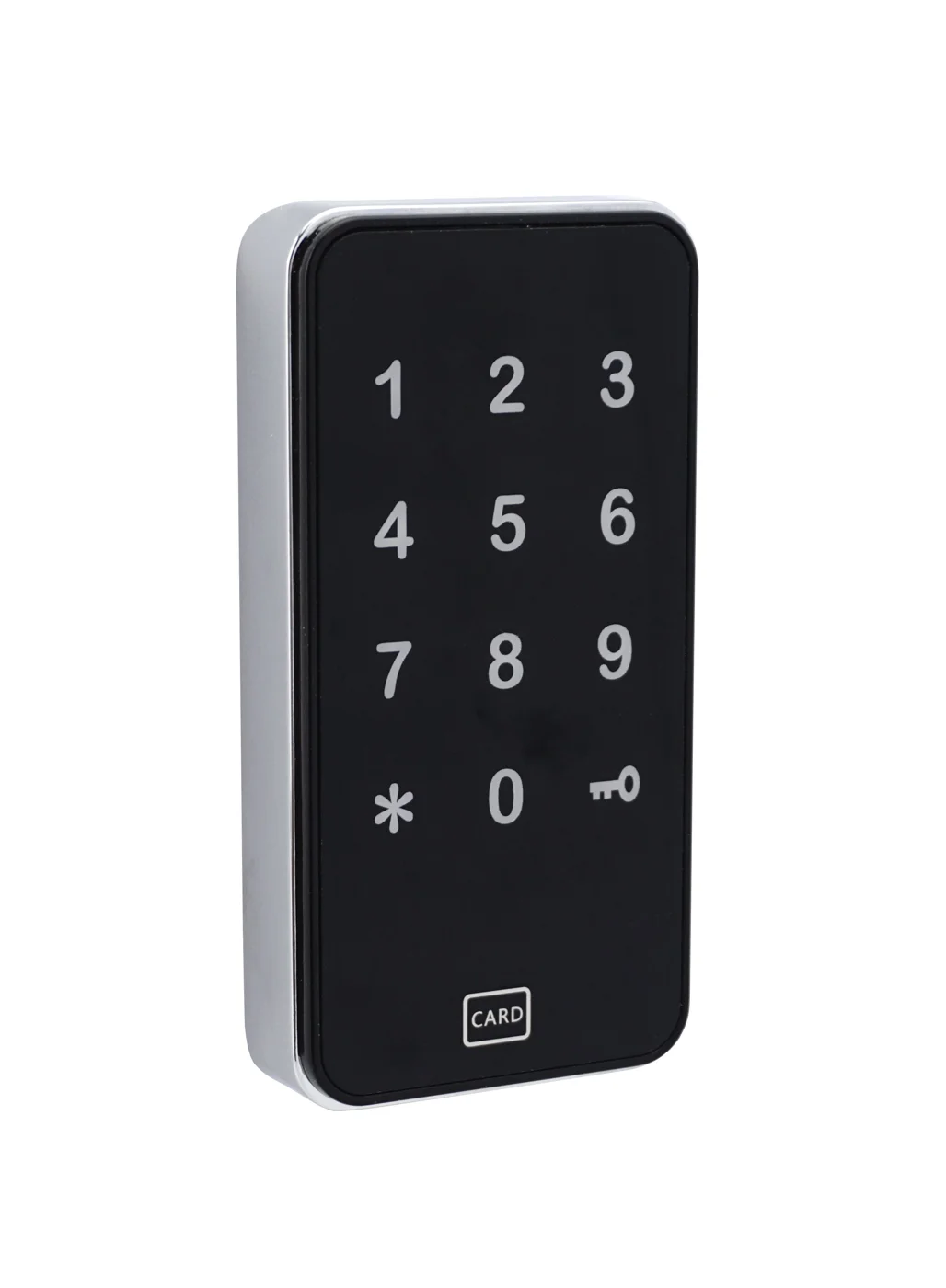
Parcel Locker Lock — EM / MIFARE Card for Pickup Stations
Offline card parcel locker lock for last-mile pickup stations. EM or MIFARE card, battery-powered 5-minute retrofit, no WiFi per locker. CE/FCC/RoHS.
This page already points to it as the next recommended reference.
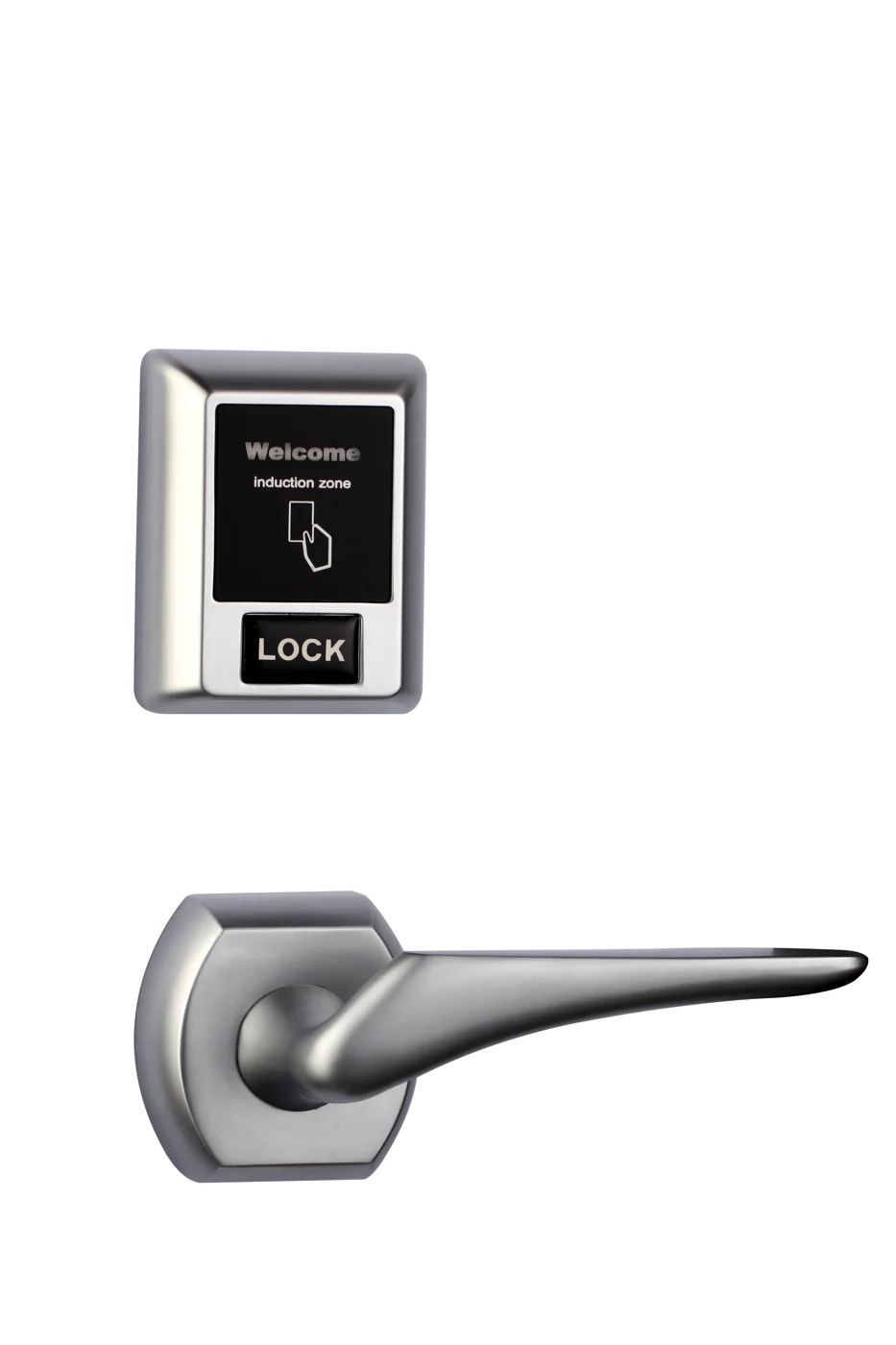
Bluetooth Cabinet Lock — App + PIN + Card, Managed Fleet
Offline BLE app cabinet lock for parcel, office, and managed locker fleets. App + PIN + MIFARE card, remote credential management, no server dependency, battery-powered retrofit.
This page already points to it as the next recommended reference.
Related blog posts
3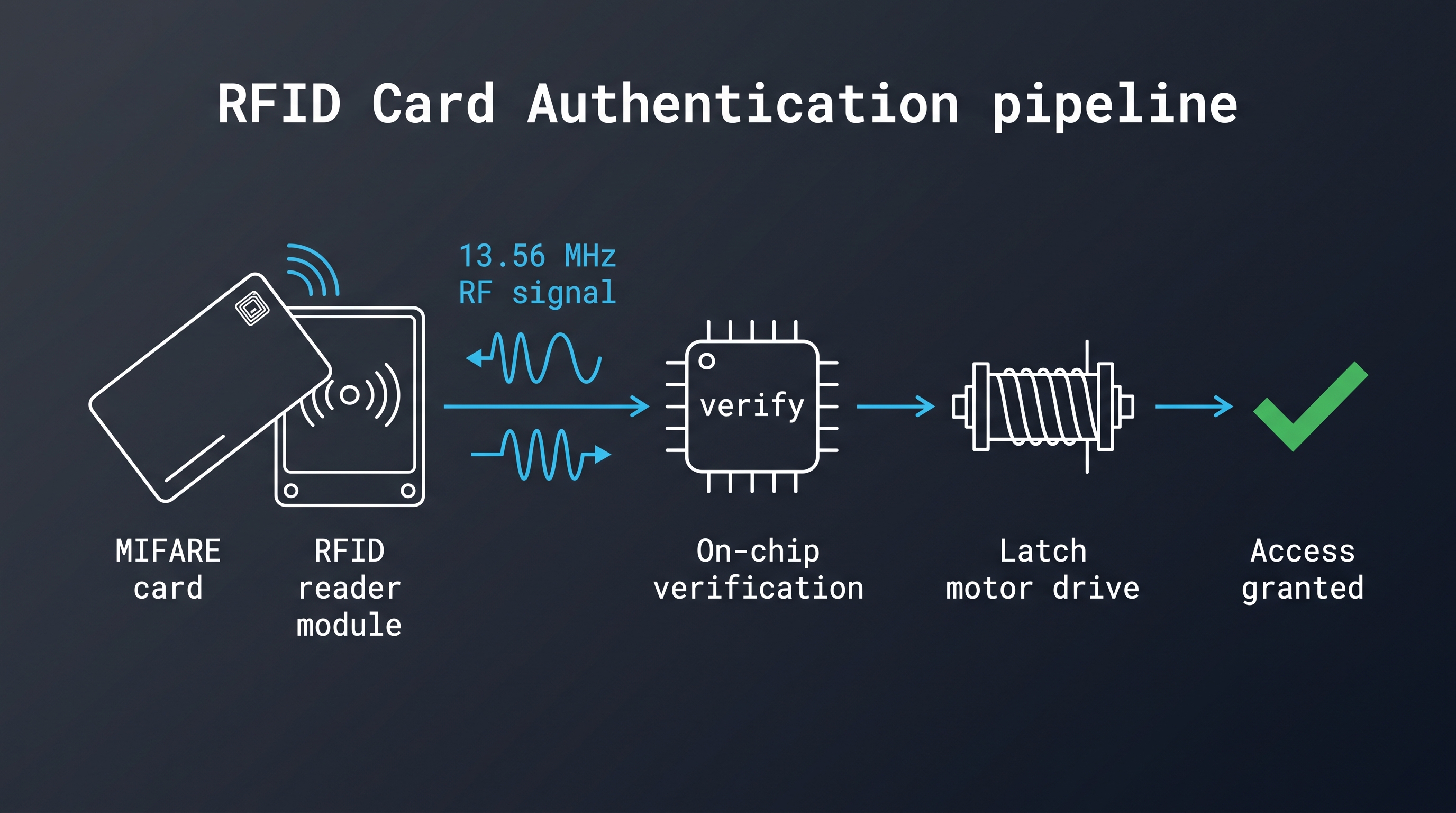
Cabinet Cam Lock Electronic: Keyless Electronic Cam Locks Explained
A cabinet cam lock electronic is a keyless, motor-driven replacement for mechanical cam locks that fits standard 22.5 mm and 24 mm bores in metal cabinets.
It supports the same product context: Bluetooth Cabinet Lock — App + PIN + Card, Managed Fleet.
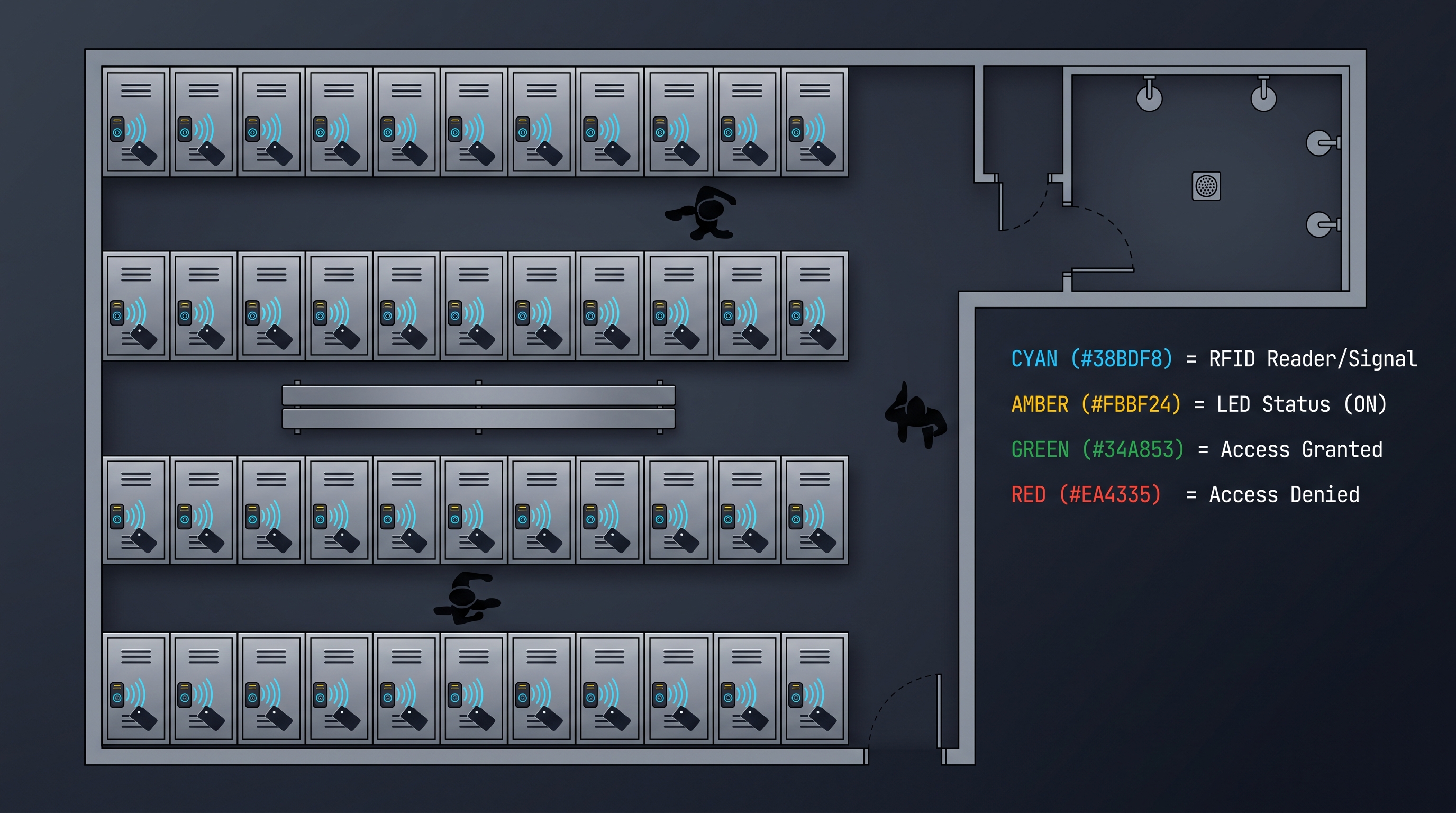
How to Buy Smart Locker Lock in 2026: IoT, Cloud, and Connected Locker Lock Purchasing Guide
Complete guide on how to buy smart locker lock systems for gyms, offices, delivery, and retail. Compare WiFi, Bluetooth, LoRaWAN, and NB-IoT smart locker locks with vendor selection, pricing, and deployment planning.
It supports the same product context: Bluetooth Cabinet Lock — App + PIN + Card, Managed Fleet.
How to Buy Electronic Cabinet Lock in 2026: Complete Purchasing Guide for Offices, Gyms, and Healthcare
Expert guide on where and how to buy electronic cabinet lock systems. Compare RFID, keypad, Bluetooth, and fingerprint electronic cabinet locks with vendor selection tips, pricing tiers, and installation planning.
It supports the same product context: Bluetooth Cabinet Lock — App + PIN + Card, Managed Fleet.
Specify your hotel project with our engineers
Send your room count, ceiling type, and protocol preference. We will return a sample plan and quote within 24 business hours.
- Move from general guidance into a product or application discussion.
- Use RFQ when pricing, drawings, MOQ, or launch timing needs structure.
- Keep a direct contact path visible for fast clarifications and handoff.