Cabinet Lock Battery: The Complete 5000+ Word Guide to Powering Your Electronic Cabinet Locks
A cabinet lock battery is the sole power source for an electronic lock, so every dead cell means an access outage and a security gap; this guide covers cabinet lock battery types, lifespans, drain behavior, replacement, emergency bypass, and smart low-battery monitoring across cabinet and locker deployments.
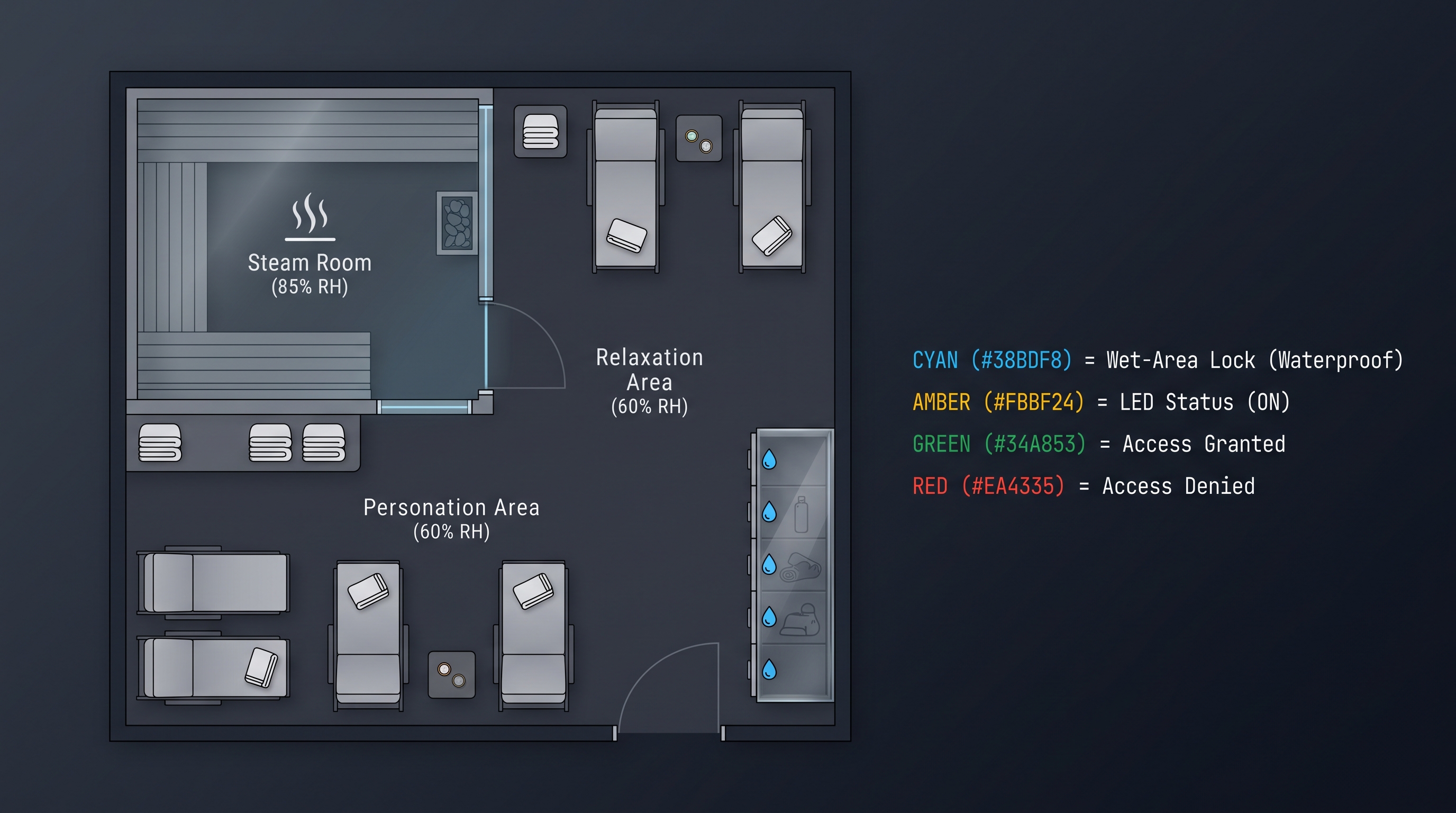
For facility managers, IT administrators, and security-conscious homeowners asking "how long does a cabinet lock battery last" or searching for "cabinet lock battery replacement near me," this comprehensive guide addresses every aspect of battery-powered cabinet security. Electronic cabinet locks have transformed access control for medication cabinets, server racks, gun safes, file drawers, and retail display cases by eliminating physical keys and enabling audit trails. However, these systems depend entirely on reliable battery power. A dead cabinet lock battery means denied access, potential security breaches, and operational downtime that costs businesses real money. Understanding battery types, expected lifespans, warning signs of impending failure, proper replacement procedures, and emergency bypass methods is essential for anyone managing battery-operated locking systems. This guide covers lithium versus alkaline performance, temperature effects on battery life, smart monitoring features that predict depletion, and step-by-step instructions for maintaining uninterrupted cabinet security across residential, commercial, healthcare, and industrial environments.
Understanding Cabinet Lock Battery Technology and Power Requirements
Electronic locking systems have fundamentally changed how organizations and homeowners secure cabinets, drawers, and storage compartments. The cabinet lock battery serves as the sole power source for these devices, making it the most critical component in the entire security chain. Without a properly functioning cabinet lock battery, even the most sophisticated electronic lock becomes nothing more than an expensive piece of mounted hardware. Understanding how these power systems work, what types of batteries they use, and how to maximize their performance is essential knowledge for anyone who relies on electronic cabinet security.
Modern electronic cabinet locks operate on low-voltage DC power, typically ranging from 3 volts to 12 volts depending on the locking mechanism and feature set. Basic RFID and keypad cabinet locks commonly use 4 to 6 volts delivered through multiple cylindrical batteries wired in series. More advanced smart cabinet locks with Wi-Fi or Bluetooth connectivity, biometric sensors, or motorized deadbolts may require higher voltage or greater current capacity, which is why manufacturers carefully specify the exact cabinet lock battery type required for each model.
The power draw of an electronic cabinet lock varies significantly based on its operational state. In standby mode, most cabinet locks consume between 10 and 50 microamps, which is essentially negligible and allows batteries to last for months or years. When actively unlocking, the current draw spikes dramatically, often reaching 100 to 500 milliamps for solenoid-based locks or up to 1 amp for motor-driven deadbolt systems. This brief but intense power demand means that a cabinet lock battery must be capable of delivering high pulse currents even as its overall capacity diminishes over time.
Wireless connectivity features represent the largest ongoing drain on a cabinet lock battery. Bluetooth Low Energy (BLE) locks transmit beacon signals periodically and maintain connection readiness, consuming between 5 and 50 microamps continuously. Wi-Fi-enabled cabinet locks draw considerably more power, with typical standby consumption ranging from 50 to 200 milliamps when connected to a network. Z-Wave and Zigbee protocols offer a middle ground, balancing connectivity range with lower power consumption compared to Wi-Fi but higher than BLE. This connectivity-power tradeoff is the primary reason many smart cabinet lock manufacturers recommend different battery types and replacement schedules than those for simpler standalone electronic locks.
Environmental factors play a substantial role in cabinet lock battery performance and longevity. Temperature extremes are particularly impactful. In cold environments below freezing, battery chemical reactions slow dramatically, reducing both voltage output and total capacity. Alkaline batteries are especially vulnerable to cold-weather performance degradation, sometimes delivering only 30 to 40 percent of their rated capacity at temperatures near 0 degrees Fahrenheit. Lithium batteries handle cold conditions much better, maintaining approximately 80 percent of their rated capacity even at sub-freezing temperatures. Conversely, high temperatures accelerate battery self-discharge rates and can trigger safety mechanisms in lithium cells that permanently reduce capacity. The ideal operating temperature range for most cabinet lock batteries is between 60 and 80 degrees Fahrenheit.
Humidity and moisture present additional challenges for cabinet lock battery systems. High humidity environments can cause corrosion on battery terminals, increasing electrical resistance and reducing effective power delivery. In extreme cases, moisture ingress into the battery compartment can short-circuit cells or damage the lock's control board. Facilities located in coastal areas, commercial kitchens, or outdoor storage environments should select cabinet locks with properly sealed battery compartments and consider using lithium batteries, which are less prone to leakage and corrosion than alkaline alternatives.
Vibration and physical shock also affect cabinet lock battery reliability. In mobile applications such as service vehicles, tool trailers, or transport cases, constant vibration can momentarily break the electrical contact between batteries and terminals, causing the lock to reset or lose its programming. Spring-loaded battery contacts are particularly susceptible to this issue. Cabinet locks designed for mobile use typically employ compression-fit battery holders or soldered battery packs to maintain consistent electrical contact under vibration.
The electrical characteristics of different cabinet lock battery chemistries directly influence lock performance. Alkaline batteries, rated at 1.5 volts per cell when fresh, exhibit a gradual voltage decline throughout their discharge cycle. This means that as alkaline batteries age, the lock receives progressively lower voltage, which can cause erratic behavior in voltage-sensitive electronics before the batteries are fully depleted. Lithium batteries, by contrast, maintain a much flatter discharge curve, delivering near-constant voltage until they are nearly exhausted. This characteristic makes lithium the preferred cabinet lock battery chemistry for applications where consistent lock performance is critical, such as in healthcare settings or high-security environments.
Battery internal resistance is a specification often overlooked but critically important for cabinet lock applications. Internal resistance determines how much voltage sag occurs when the lock draws high current during actuation. A battery with high internal resistance may show adequate voltage when measured with a multimeter but fail to deliver enough current to operate the lock solenoid or motor. This is why a cabinet lock battery that tests fine on a voltmeter can still fail to unlock the cabinet. Lithium batteries typically have lower internal resistance than alkaline cells of the same size, making them more suitable for high-draw electronic locks.
Self-discharge rate is another important characteristic that determines how long a cabinet lock battery remains viable in storage or in infrequently used locks. Alkaline batteries self-discharge at approximately 2 to 3 percent per year at room temperature, meaning they can sit in a rarely accessed cabinet lock for several years and still function. NiMH rechargeable batteries, however, self-discharge at 15 to 30 percent per month for standard cells, though low-self-discharge (LSD) NiMH variants reduce this to approximately 15 to 20 percent per year. Lithium primary batteries have extremely low self-discharge rates of less than 1 percent per year, making them ideal for cabinet locks that are accessed infrequently or located in remote or hard-to-reach positions.
Types of Cabinet Lock Battery: A Comprehensive Comparison
The selection of the correct cabinet lock battery type is perhaps the single most important decision affecting long-term lock reliability and total cost of ownership.
Alkaline batteries, designated by their LR prefix in the IEC naming system, remain the most common cabinet lock battery type due to their wide availability and low initial cost. Standard alkaline AA and AAA cells deliver 1.5 volts nominal and provide capacity ranging from 1800 to 3000 milliampere-hours depending on size and discharge rate. For basic keypad cabinet locks without wireless connectivity, a set of four AA alkaline batteries can typically power the lock for 12 to 24 months under normal usage patterns of 10 to 20 unlocks per day. The primary advantage of alkaline batteries for cabinet lock applications is their ubiquity. They can be purchased at virtually any retail location, which means replacement batteries are always readily available in an emergency. The disadvantages, however, are significant. Alkaline batteries are prone to leaking potassium hydroxide electrolyte as they age, which can corrode battery contacts and damage the lock's internal electronics. They also exhibit poor performance in cold temperatures and their gradual voltage decline can cause inconsistent lock behavior as they near depletion.
Lithium primary batteries, specifically the lithium iron disulfide (LiFeS2) chemistry sold under brand names like Energizer Ultimate Lithium, represent the premium choice for cabinet lock battery applications. These cells deliver 1.5 volts nominal, making them direct drop-in replacements for alkaline batteries, but offer substantial advantages. Lithium primary batteries provide approximately 3000 to 3500 milliampere-hours of capacity in AA size, roughly 20 to 50 percent more than premium alkaline cells. More importantly, they maintain near-constant voltage throughout their discharge cycle, weigh approximately 33 percent less than alkaline equivalents, operate reliably in temperatures from minus 40 to 140 degrees Fahrenheit, and have a shelf life of 20 years or more due to their extremely low self-discharge rate. The combination of these characteristics makes lithium primary batteries the recommended cabinet lock battery for critical applications where reliability cannot be compromised, despite their higher per-cell cost of approximately two to three times that of premium alkaline batteries.
Lithium coin cells, designated as CR2032, CR2025, CR2450, and similar formats, power many compact and slim-profile electronic cabinet locks where space constraints prevent the use of cylindrical cells. These 3-volt manganese dioxide lithium cells provide capacity ranging from 150 to 620 milliampere-hours depending on size. Their small capacity means they are suitable only for low-power cabinet locks with minimal features, typically simple RFID or keypad locks without wireless connectivity or motorized actuators. Coin cell powered cabinet locks can expect battery life of 6 to 12 months under light usage. The thin form factor of coin cells enables cabinet lock designs that mount flush against cabinet surfaces, making them popular for furniture-integrated locks and aesthetic-conscious residential applications. Replacement requires slightly more care than cylindrical batteries, as coin cells must be handled by their edges to avoid transferring skin oils to the electrical contacts, which can increase contact resistance.
Rechargeable NiMH batteries of AA and AAA sizes offer a middle ground between the low cost of alkaline and the performance of lithium. Modern low-self-discharge (LSD) NiMH cells, such as Panasonic Eneloop or Ikea Ladda, retain approximately 70 to 85 percent of their charge after one year of storage, making them viable for cabinet lock applications where batteries are replaced on a scheduled basis rather than waiting for depletion. These cells deliver 1.2 volts nominal, which is lower than the 1.5 volts of alkaline and lithium cells. This voltage difference merits consideration because some electronic cabinet locks have minimum voltage thresholds below which they will not operate reliably. Locks designed for alkaline batteries typically function on NiMH cells, but locks specified exclusively for lithium batteries may not. Rechargeable batteries make economic and environmental sense for facilities managing large numbers of cabinet locks, such as hospitals, universities, or corporate offices, where battery costs and waste disposal become significant operational concerns. A typical LSD NiMH AA cell can be recharged 500 to 2100 times, dramatically reducing per-cycle costs compared to single-use batteries.
Lithium-ion rechargeable battery packs, often custom-designed for specific cabinet lock models, power the most feature-rich smart locks with Wi-Fi connectivity, cameras, biometric scanners, and motorized deadbolts. These packs typically deliver 3.7 volts nominal and capacities ranging from 500 to 5000 milliampere-hours. The rechargeable nature of these packs addresses the high power consumption of always-connected smart locks, but introduces the requirement for periodic recharging, typically via USB cable or dedicated charging dock. Cabinet locks using lithium-ion packs often include battery level monitoring accessible through a smartphone app, sending low-battery notifications well before depletion. The primary disadvantage is that when the battery pack eventually degrades after 300 to 500 charge cycles, replacement packs may be proprietary and expensive, and may become unavailable if the manufacturer discontinues the product.
| Battery Type | Voltage | Capacity (AA eq.) | Lifespan in Cabinet Lock | Cold Performance | Cost per Cell | Best Application |
|---|---|---|---|---|---|---|
| Alkaline | 1.5V | 1800-3000 mAh | 12-24 months | Poor | Low | Basic keypad locks, light use |
| Lithium Primary | 1.5V | 3000-3500 mAh | 24-48 months | Excellent | Medium-High | Critical security, outdoor, cold environments |
| NiMH LSD Rechargeable | 1.2V | 1900-2550 mAh | 6-12 months per charge | Fair | Medium | High-volume facilities, scheduled maintenance |
| Lithium Coin Cell | 3V | 150-620 mAh | 6-12 months | Fair | Low | Slim-profile locks, RFID-only locks |
| Li-Ion Rechargeable Pack | 3.7V | 500-5000 mAh | 1-6 months per charge | Fair | High | Wi-Fi smart locks, motorized locks |
Signs Your Cabinet Lock Battery Needs Replacement
Recognizing the early warning signs of a failing cabinet lock battery can prevent the inconvenience and potential security risk of a completely dead lock. Electronic cabinet locks typically provide several indicators before they become non-functional, but users must know what to look for and respond promptly.
The most obvious and universal warning sign of a low cabinet lock battery is an audible or visual low-battery alert. Most electronic cabinet locks with keypad or touchscreen interfaces display a low-battery icon, flash an LED in a specific pattern, or emit a series of beeps when the battery voltage drops below a predetermined threshold. These alerts typically begin when the cabinet lock battery reaches approximately 20 to 25 percent of its remaining capacity, providing users with a reasonable window of time to obtain and install replacement batteries before the lock fails completely. Smart cabinet locks with companion mobile apps typically send push notifications or email alerts when battery levels are low, and many provide a battery percentage readout so users can monitor decline over time. It is critically important to act on these warnings immediately rather than postponing replacement, because the interval between the first low-battery warning and complete lock failure can be unpredictable, especially in locks used infrequently where the user may not notice progressive performance degradation.
Intermittent or sluggish lock operation is a telltale sign that the cabinet lock battery is nearing the end of its useful life, even before the low-battery warning activates. Users may notice that the lock requires multiple attempts to engage or disengage, that the solenoid or motor sounds weaker or slower than normal, or that the lock responds inconsistently to valid credentials. This behavior occurs because as battery voltage declines, the lock's actuator receives insufficient power to reliably overcome the mechanical resistance of the locking mechanism. In solenoid-based locks, insufficient current prevents the electromagnetic coil from generating enough force to retract the locking pin. In motor-driven locks, low voltage causes the motor to turn more slowly or stall under load. Any change in the speed, sound, or reliability of lock operation should prompt immediate battery testing and likely replacement.
Another common indicator specific to keypad-based cabinet locks is dimming or flickering of the keypad backlight. The backlight LED array draws a meaningful portion of the lock's total power budget, so it is often one of the first subsystems affected by declining battery voltage. A backlight that appears noticeably dimmer than when the batteries were fresh, or that flickers when keys are pressed, strongly suggests that the cabinet lock battery requires replacement. Some locks are designed to automatically disable the backlight when battery voltage drops below a certain level as a power conservation measure, so a backlight that stops working entirely while the lock still functions should also be interpreted as a low-battery indicator.
For locks with audio feedback, such as confirmation beeps or spoken prompts, a change in audio quality or volume often accompanies battery depletion. As voltage drops, the piezoelectric buzzer or speaker driver receives less power, resulting in quieter, distorted, or missing audio feedback. Users accustomed to hearing a clear beep with each keypress may notice the beep becoming faint or intermittent. This audio degradation typically precedes complete lock failure by days or weeks, providing an additional warning window.
In RFID or proximity card-based cabinet locks, a reduced read range is a subtle but significant indicator of low cabinet lock battery power. The RFID reader module requires consistent voltage to generate the electromagnetic field that powers and communicates with RFID tags or cards. As battery voltage declines, the field strength decreases, and users must hold their card or fob closer to the reader than usual, sometimes requiring physical contact with the reader surface where previously several inches of range were available. This symptom is easily overlooked if users gradually adapt to holding their credentials closer, so facility managers should periodically verify that read ranges remain consistent across all cabinet locks under their purview.
Bluetooth-enabled cabinet locks present their own set of battery-related symptoms. Users may experience difficulty establishing a Bluetooth connection to the lock, frequent disconnections, or the need to be unusually close to the lock for the smartphone app to communicate. Because Bluetooth radio transmission is power-intensive relative to the lock's standby consumption, weak batteries may cause the Bluetooth module to transmit at reduced power or to enter a power-saving mode that reduces its advertising interval, making the lock harder to discover and connect to.
In extreme cases, a critically low cabinet lock battery can cause the lock's microcontroller to behave erratically due to brownout conditions where the supply voltage hovers near the minimum operating threshold. This can manifest as forgotten user codes, corrupted access logs, spontaneous locking or unlocking, or a complete failure to respond to any input. These symptoms are particularly alarming because they represent not just inconvenience but potential security vulnerabilities. A lock that unexpectedly unlocks due to processor brownout defeats the purpose of having a lock at all.
How to Replace a Cabinet Lock Battery: Step-by-Step Instructions
Performing a cabinet lock battery replacement correctly ensures uninterrupted security and prevents damage to the lock mechanism. While the specific procedure varies between lock models, the following general guidelines apply to most electronic cabinet locks.
Before beginning any cabinet lock battery replacement, verify that you have the correct replacement batteries on hand. Consult the lock manufacturer's documentation or the label inside the battery compartment to determine the required battery type, size, quantity, and orientation. Using the wrong battery type can result in poor performance, reduced battery life, or damage to the lock. If the manufacturer specifies lithium batteries, do not substitute alkaline cells unless the manual explicitly permits it, as the voltage and discharge characteristics differ enough to affect lock behavior. Similarly, if the lock requires alkaline batteries, lithium cells may be used as an upgrade in most cases, but verify compatibility if the lock includes battery charge level monitoring that may not accurately read lithium cell voltage.
Gather the necessary tools before starting. Most cabinet lock battery compartments are designed for tool-free access, secured by a thumb screw, sliding cover, or press-release latch. However, some locks, particularly those designed for higher security, may require a small Phillips or flathead screwdriver to access the battery compartment. Having a small flashlight or headlamp available is helpful for illuminating the battery compartment in dimly lit areas. A non-conductive tool such as a plastic spudger or wooden toothpick can be useful for prying out stubborn batteries without risking a short circuit.
If the cabinet lock is currently functioning, unlock the cabinet and leave it in the unlocked position before removing the batteries. This precaution ensures that you will retain access to the cabinet contents even if something goes wrong during the replacement process, such as the lock resetting to factory defaults or the new batteries proving defective. For cabinets containing sensitive or time-critical contents, this step is essential.
Locate and open the battery compartment. On most electronic cabinet locks, the battery compartment is accessible from the interior side of the cabinet door or drawer, with the lock body mounted through a hole in the cabinet face. The compartment cover may slide off, hinge open, or be retained by a single screw. On some slim-profile locks, the entire lock body may need to be removed from the cabinet to access the battery compartment on the rear face of the lock. Work slowly and deliberately, noting how the cover attaches so you can reassemble it correctly.
Before removing the old batteries, take a photograph of the battery orientation with your smartphone. Even though most battery compartments are marked with polarity symbols, these markings can be difficult to see in low light or may have worn off over time. A quick photo ensures you install the new batteries in the correct orientation. Pay particular attention to alternating orientations, which are common in series battery configurations where positive and negative terminals are arranged in a zigzag pattern.
Remove the old batteries carefully. If they are stuck due to corrosion or swelling, do not use excessive force with metal tools that could puncture the battery casing or short-circuit the terminals. For corroded alkaline batteries, wear gloves to protect your skin from potassium hydroxide residue, which is caustic and can cause chemical burns. Use a plastic tool to gently pry the batteries free, working from multiple angles.
Inspect the battery compartment thoroughly before installing new batteries. Look for signs of corrosion, which appears as a white, blue, or green crystalline deposit on the metal contacts. Light corrosion can be cleaned with a cotton swab dipped in white vinegar or lemon juice, which neutralizes the alkaline electrolyte. For more severe corrosion, use a small wire brush or fine-grit sandpaper to gently abrade the contacts until shiny metal is exposed. After cleaning, wipe the compartment with a dry cloth to remove any residue or moisture. If corrosion has eaten through the metal contacts entirely, the lock may require professional repair or replacement.
Install the new batteries in the correct orientation, following the markings in the compartment or your reference photograph. Press each battery firmly into place to ensure good electrical contact. For spring-loaded compartments, verify that each battery is seated properly and that the springs compress fully when the cover is reinstalled. Loose batteries can cause intermittent contact and unreliable lock operation.
Reinstall the battery compartment cover securely. An improperly seated cover can allow batteries to shift, creating intermittent connections, or can leave gaps that admit dust and moisture. Some covers are designed to compress the battery stack slightly when closed; if the cover resists closing, recheck that all batteries are fully seated rather than forcing it.
After installing the new cabinet lock battery, test the lock thoroughly before closing the cabinet. Enter the access code, present the RFID card, or use the smartphone app to verify that the lock cycles correctly. Test it multiple times to confirm consistent operation. If the lock has an audio or visual confirmation, verify that it sounds and looks normal. For smart locks, confirm that the battery level reading in the companion app shows 100 percent or the expected full-charge voltage.
If the lock fails to operate after battery replacement, check that all batteries are oriented correctly and fully seated. Verify that the new batteries are fresh and not past their expiration date. Test the batteries with a multimeter if available; new alkaline batteries should read above 1.5 volts, and new lithium batteries should read above 1.7 volts each. If the lock still fails to operate, consult the manufacturer's troubleshooting guide, as some locks require a reset procedure after a complete power loss.
Dispose of the old batteries properly. Alkaline batteries can generally be disposed of in household trash in most jurisdictions, though recycling is preferred. Lithium primary batteries and rechargeable batteries of all types should be recycled through appropriate battery recycling programs, as they contain materials that are hazardous in landfills and valuable to recover. Many electronics retailers and municipal waste facilities offer free battery recycling drop-off.
Maximizing Cabinet Lock Battery Life: Best Practices and Maintenance
Extending the operational life of your cabinet lock battery reduces maintenance burden, lowers costs, and minimizes the risk of lockouts during critical moments.
Select the appropriate battery chemistry for your specific application and environment. For cabinet locks installed in temperature-controlled indoor environments with moderate usage, high-quality alkaline batteries from reputable manufacturers generally provide acceptable performance and value. Look for alkaline batteries marketed as "premium" or "maximum" with extended shelf life, as these typically have improved seals and purer materials that resist leakage better than economy-grade alkaline cells. Avoid no-name or dollar-store alkaline batteries for any security-critical cabinet lock. These batteries often use inferior materials and construction that leads to premature failure, leakage, and inconsistent performance.
For cabinet locks in demanding environments or critical applications, invest in lithium primary batteries despite their higher upfront cost. The extended service life of lithium batteries, their superior cold-weather performance, their resistance to leakage, and their stable voltage output justify the price premium. When considering total cost of ownership, a set of lithium batteries lasting 36 to 48 months at approximately twice the cost of alkaline batteries lasting 18 to 24 months represents equivalent or lower annual battery cost, with the added benefit of fewer maintenance interventions and reduced risk of leakage-related damage.
Implement a scheduled battery replacement program rather than waiting for individual locks to signal low battery. For facilities with multiple cabinet locks, replace all batteries on a fixed calendar schedule, such as annually or biennially, selected to be comfortably shorter than the expected minimum battery life. This proactive approach eliminates emergency battery replacement situations, ensures that all locks are always operating on fresh batteries, and allows battery replacement to be performed during planned maintenance windows when staff are available. Record the date of each battery replacement on an adhesive label affixed inside the cabinet or in a digital maintenance log so that the history is readily available.
Use the same battery brand, type, and freshness for all cells within a single lock. Mixing old and new batteries, or different brands and chemistries, leads to imbalanced discharge where the weakest cell limits the performance of the entire set and can cause the stronger cells to force current through the depleted cell, potentially leading to leakage or rupture. When replacing batteries in a multi-cell lock, replace all cells simultaneously with identical batteries from the same package.
For cabinet locks that support it, enable any battery-saving features available in the lock's configuration. Many electronic cabinet locks offer adjustable settings that trade some convenience for extended battery life. Reducing the keypad backlight duration from 10 seconds to 3 seconds, disabling audible feedback if visual confirmation is sufficient, reducing the auto-relock time from 30 seconds to 10 seconds, and minimizing Bluetooth advertising intervals can each contribute to measurable battery life extension. Smart locks often provide a battery optimization mode that automatically adjusts these settings when battery levels are low.
Keep spare batteries readily available but stored properly. Batteries stored in a drawer near the cabinet locks should be kept in their original packaging or in a battery storage case that prevents the terminals from contacting each other, which can cause short circuits and discharge. Store batteries in a cool, dry location away from direct sunlight and heat sources. Avoid storing batteries in vehicles, where summer temperatures can exceed 140 degrees Fahrenheit and accelerate degradation.
Periodically clean the battery contacts in the lock even when not replacing batteries. Every six months, open the battery compartment and inspect the contacts for any signs of corrosion, dust accumulation, or moisture. Wipe the contacts with a dry cotton swab or microfiber cloth. If any corrosion is present, clean it immediately using the methods described in the replacement section. This preventive maintenance is particularly important in high-humidity environments or facilities where airborne contaminants such as cooking grease, industrial dust, or chemical vapors may accelerate contact degradation.
Monitor battery levels proactively if your cabinet locks support remote monitoring. Smart locks with companion apps typically display individual lock battery levels on a dashboard, allowing facility managers to identify locks with abnormally fast battery drain that may indicate a developing hardware problem, a configuration issue, or unusually high usage. Set battery level alert thresholds conservatively, at 30 to 40 percent rather than the default 20 percent, to provide ample time for replacement scheduling.
Consider ambient temperature when planning battery maintenance. Cabinet locks installed in unconditioned spaces such as warehouses, garages, outdoor storage areas, or refrigerated environments will experience significantly different battery life than identical locks in climate-controlled offices. Schedule more frequent battery inspections and replacements for locks in extreme environments, and use lithium batteries exclusively for locks exposed to temperatures outside the range of 40 to 100 degrees Fahrenheit.
Troubleshooting Cabinet Lock Battery Issues and Common Problems
Even with proper battery selection and maintenance, cabinet lock battery problems can arise that require systematic troubleshooting.
One of the most frustrating scenarios is a lock that will not power on even with brand-new batteries installed. The first troubleshooting step is to verify battery orientation. It is surprisingly easy to install one or more cells in reverse orientation, especially in compartments where the polarity markings are small, faded, or partially obscured. Even one reversed cell in a multi-battery configuration will prevent the lock from receiving power, because the reversed cell effectively acts as a high-resistance barrier in the series circuit.
If orientation is correct and the lock still will not power on, test the new batteries with a multimeter. Even batteries fresh from a package can be defective or depleted if they have been stored improperly or are past their expiration date. A healthy new AA alkaline battery should measure at least 1.5 volts open circuit. Lithium AA cells should measure 1.7 volts or higher. Any battery measuring significantly below its nominal voltage should be discarded.
Poor electrical contact between the batteries and the lock's terminals is another common cause of failure after battery replacement. The battery contacts in the lock may be bent, compressed, or corroded, preventing them from making adequate contact with the battery terminals. Inspect the metal contacts in the battery compartment. They should be bright, springy, and positioned to press firmly against the battery terminals. Contacts that appear flattened or recessed may need to be gently bent outward using a small non-conductive tool to restore spring tension. Do not use excessive force, as metal contacts can fatigue and break if bent repeatedly.
Corrosion on battery contacts is a frequent problem, especially with locks that previously used alkaline batteries that leaked. Corrosion acts as an electrical insulator, preventing current flow even when batteries are installed correctly. Light surface corrosion can be cleaned as described earlier, but deep corrosion that has pitted or eaten through the metal contact requires more aggressive remediation. In some cases, the battery contact assembly can be replaced if the manufacturer offers spare parts. In severe cases where the corrosion has traveled along the wiring into the lock's circuit board, the entire lock may need replacement.
Intermittent operation, where the lock works sometimes but not consistently, often points to a marginal electrical connection that makes and breaks contact as the cabinet is moved, as temperature changes, or as vibration occurs. Battery compartment covers that do not close securely, allowing batteries to shift slightly during cabinet use, are a common cause. Adding a small piece of foam or rubber behind the cover to apply consistent pressure against the batteries can resolve this issue. Alternatively, the battery contacts may have lost their spring tension over time and need to be retensioned or replaced.
A lock that drains new batteries unusually quickly, depleting them in weeks instead of months or years, indicates an underlying problem beyond simple battery aging. The most likely causes are a stuck actuator that draws continuous current as the lock repeatedly attempts to complete its cycle, a short circuit on the control board due to moisture ingress or a failed component, or a malfunctioning wireless module that never enters low-power sleep mode. Some electronic locks have a factory reset procedure that can resolve firmware glitches causing excessive power draw. If a reset does not resolve the rapid drain, the lock hardware likely requires service or replacement.
For smart cabinet locks that report battery levels through an app, inaccurate battery readings can lead to premature replacement or, worse, unexpected lock failure despite a reassuring battery percentage display. Battery level estimation in electronic devices is inherently imprecise, as the algorithm must infer remaining capacity from voltage measurements that are affected by temperature, load, and battery chemistry. If the lock consistently shows implausible battery readings, such as jumping from 80 percent to 10 percent, a calibration procedure may be needed. Many smart locks recalibrate automatically after a full battery replacement. Some require the user to manually reset the battery gauge through the app or by performing a specific button sequence.
When a cabinet lock fails entirely and access to the cabinet contents is urgently needed, an emergency bypass method is required. Most electronic cabinet locks include a physical key override as a backup access method. The key cylinder is typically concealed behind a removable cover, under a logo badge, or behind the battery compartment. Locate and use the physical key to open the cabinet, then troubleshoot the battery issue with the cabinet open. If the physical key is lost or the lock does not have a key override, some locks provide an external battery contact point that allows temporary power to be applied from an external battery pack. These emergency power terminals are typically two small metal contacts accessible from the exterior of the lock. Touching a 9-volt battery to these terminals, observing correct polarity, can provide enough power to operate the lock once for emergency access.
In the worst case where no emergency access method works or is available, the lock may need to be physically defeated, which will destroy the lock and possibly damage the cabinet. This should be a last resort and should be performed by a qualified locksmith or maintenance technician who can minimize collateral damage and properly install a replacement lock afterward.
Cabinet Lock Battery Comparison Across Brands and Models
Different cabinet lock manufacturers implement battery systems with varying approaches to chemistry, capacity, accessibility, and monitoring. Understanding the landscape of available options helps in selecting locks that align with your maintenance capabilities and reliability requirements.
Digilock, a major manufacturer of electronic cabinet locks for commercial and institutional furniture, standardizes on AA alkaline batteries across most of their product lines. Their NextLock and Versa product families typically use four AA alkaline batteries providing 6 volts to power RFID readers, keypad interfaces, and solenoid actuators. Digilock specifies an expected battery life of approximately 30,000 cycles or 3 years under normal office usage. Battery replacement is designed for tool-free access, with the battery holder accessible from the interior face of the lock by sliding or hinging the cover. Digilock locks provide low-battery indication through a flashing LED when the access credential is presented, making the warning visible to the user at the moment of attempted access.
Assa Abloy, through their various brands including HES, Yale, and Medeco, offer a wide range of electronic cabinet locks with diverse battery configurations. Their Aperio line of wireless cabinet locks uses standard CR2450 lithium coin cells for basic RFID models, achieving approximately 60,000 cycles or 2 years of battery life. Higher-end Aperio locks with real-time wireless connectivity use AA lithium batteries to support the additional power demands of continuous communication. Assa Abloy's battery replacement procedures are designed with security in mind, typically requiring the cabinet to be open to access the battery compartment, which means a dead battery lockout requires use of the mechanical key override.
Zephyr Lock, known for their electronic locker and cabinet locks used in fitness facilities, country clubs, and educational institutions, predominantly uses AA alkaline batteries in their standard models. Their locks feature a front-accessible battery compartment on certain models designed for lockers where rear access is not possible. These front-access designs incorporate a security screw to prevent unauthorized battery removal. Zephyr Lock specifies battery life of approximately 3 years or 25,000 cycles for their standard usage profile.
Ojmar, a European manufacturer of electronic locking systems for lockers and cabinets, uses CR123A lithium batteries in many of their compact lock designs. The CR123A format provides 3 volts in a single cell, allowing slimmer lock profiles than multi-cell AA configurations. Ojmar specifies a battery life of approximately 50,000 cycles or 4 years for their OCS locking system. The use of a single cell rather than multiple cells simplifies battery replacement and eliminates the risk of imbalanced cells causing reduced performance.
Wyze, primarily known for consumer smart home devices, entered the cabinet lock market with their Wi-Fi connected Smart Lock Bolt designed for interior doors but adaptable to cabinet applications. This lock uses four AA alkaline batteries and connects via Wi-Fi for remote access and monitoring. Wyze specifies a battery life of approximately 6 months under typical usage, reflecting the high power consumption of always-on Wi-Fi connectivity. The companion app provides detailed battery level monitoring and low-battery notifications.
Igloohome, a Singapore-based smart lock manufacturer, offers cabinet and drawer locks using their proprietary algoPIN technology for time-sensitive access codes. Their cabinet locks use two CR2 lithium batteries, providing 3 volts total. Igloohome specifies battery life of approximately 12 months or 10,000 cycles. The use of the less-common CR2 format means that facilities should maintain a stock of spare CR2 batteries, as they are less readily available at retail than AA or AAA cells.
| Brand | Battery Type | Cell Count | Voltage | Expected Life | Connectivity | Low-Battery Alert |
|---|---|---|---|---|---|---|
| Digilock NextLock | AA Alkaline | 4 | 6V | 30K cycles / 3 years | None (standalone) | LED flash on credential |
| Assa Abloy Aperio | CR2450 / AA Lithium | 1-4 | 3-6V | 60K cycles / 2 years | Optional wireless | LED + network alert |
| Zephyr Lock | AA Alkaline | 4 | 6V | 25K cycles / 3 years | None (standalone) | Audible + LED |
| Ojmar OCS | CR123A Lithium | 1 | 3V | 50K cycles / 4 years | None (standalone) | LED indicator |
| Wyze Smart Lock | AA Alkaline | 4 | 6V | ~6 months | Wi-Fi | App notification + LED |
| Igloohome Cabinet Lock | CR2 Lithium | 2 | 6V | 10K cycles / 12 months | Bluetooth | App notification + LED |
The Future of Cabinet Lock Battery Technology
Battery technology continues to advance, and electronic cabinet locks stand to benefit significantly from emerging innovations in energy storage, power management, and energy harvesting.
Solid-state batteries represent one of the most promising near-term advancements for cabinet lock applications. Unlike conventional lithium-ion batteries that use liquid electrolytes, solid-state batteries use solid electrolytes that are non-flammable, more stable, and capable of higher energy density. For cabinet locks, solid-state batteries would offer several advantages. The elimination of liquid electrolytes eliminates the risk of leakage, a primary failure mode for alkaline batteries in long-term cabinet lock installations. Higher energy density would allow either longer battery life in the same form factor or smaller batteries achieving the same life. Improved safety characteristics would reduce the regulatory and insurance concerns associated with lithium-ion batteries in commercial and institutional settings. While solid-state batteries remain primarily in research and early production stages, several manufacturers have announced timelines for consumer product availability, and adoption in security hardware is anticipated within the next three to five years.
Energy harvesting technologies offer the tantalizing possibility of cabinet locks that never require battery replacement. Photovoltaic energy harvesting, using small solar cells integrated into the lock face or cabinet surface, can generate enough power in well-lit environments to trickle-charge a small rechargeable battery or supercapacitor. While indoor light levels are far lower than direct sunlight, modern amorphous silicon and perovskite solar cells optimized for indoor lighting conditions can produce sufficient power for low-energy electronic locks, particularly those using BLE rather than Wi-Fi. A cabinet lock with integrated photovoltaic harvesting in an office environment with standard fluorescent or LED lighting could potentially operate indefinitely without manual battery changes.
Piezoelectric energy harvesting converts mechanical energy from the act of opening and closing a cabinet door or pressing a keypad into electrical energy. Each cabinet access event generates a small pulse of power that can be stored in a capacitor or rechargeable battery. While the energy per event is small, measured in microjoules to millijoules, it aligns perfectly with the lock's power consumption pattern, where energy is consumed primarily during access events. Piezoelectric harvesting embedded in the cabinet hinge or lock mechanism could extend battery life substantially, potentially enabling a decade or more of maintenance-free operation.
Radio frequency energy harvesting captures ambient RF energy from Wi-Fi routers, cellular towers, and other wireless transmitters. This technology, sometimes called RF scavenging, can generate small but continuous trickle currents measured in microwatts. While not sufficient to power a lock's high-current actuation events, RF harvesting could maintain the standby power requirements of a smart lock's wireless receiver circuitry, allowing the battery to be reserved exclusively for the occasional high-current unlocking events and dramatically extending overall battery life.
Supercapacitors are emerging as an alternative to batteries for applications requiring high pulse currents but low total energy storage. A supercapacitor can deliver the high current needed to actuate a lock solenoid or motor without the voltage sag associated with batteries, and can be recharged hundreds of thousands of times without degradation. The limitation is that supercapacitors have much lower energy density than batteries, meaning they would require frequent recharging for continuous operation. A hybrid approach combining a small long-life battery for standby power with a supercapacitor for actuation pulses could optimize both lifespan and performance.
Wireless power transfer, specifically resonant inductive coupling, could enable cabinet locks that are powered wirelessly from a building's infrastructure. A transmitter coil embedded in the cabinet frame or surrounding furniture could deliver power to a receiver coil in the lock, eliminating batteries entirely. This approach is analogous to wireless phone charging but engineered for the lower power requirements and greater distances typical of cabinet installations. The infrastructure cost of installing transmitter coils would need to be justified by the elimination of battery maintenance across potentially thousands of locks in a large facility.
Battery diagnostics and predictive analytics represent a software-centric approach to improving cabinet lock battery management. Smart locks already collect data on battery voltage, temperature, and usage patterns. Applying machine learning algorithms to this data could enable highly accurate predictions of remaining battery life specific to each individual lock's usage profile and environmental conditions. Instead of generic low-battery alerts at fixed voltage thresholds, locks could provide personalized replacement recommendations such as "this lock's battery will fail in approximately 23 days based on your usage pattern." Facility management systems could aggregate this data to optimize battery replacement schedules across hundreds or thousands of locks, dispatching maintenance staff only when and where replacements are actually needed.
Cabinet Lock Battery Selection Guide for Specific Applications
Different applications impose different requirements on cabinet lock battery selection. A one-size-fits-all approach leads to either unnecessary expense or inadequate reliability.
Healthcare facilities present unique challenges for cabinet lock batteries. Medication cabinets, controlled substance storage, and patient record cabinets require absolute reliability, as a lock failure could delay patient care or create regulatory compliance issues. Lithium primary batteries are strongly recommended for all healthcare cabinet locks. Their long life, stable voltage, and resistance to leakage justify the premium cost when weighed against the operational and compliance risks of battery failure. Healthcare facilities should also implement a scheduled battery replacement program with replacement intervals no longer than 2 years, and should maintain a log of battery replacements for Joint Commission or equivalent accreditation body inspection readiness. Spare batteries should be stocked in quantity sufficient to replace every cabinet lock battery in the facility at least once.
Educational environments, including K-12 schools and university campuses, often deploy cabinet locks in large numbers across distributed locations. The primary challenge is scale, with potentially hundreds or thousands of locks to maintain. Alkaline batteries may be the most cost-effective option when purchased in bulk for standard classroom and administration cabinet locks, with lithium batteries reserved for high-security areas such as research laboratories, records offices, and IT equipment storage. A centralized maintenance management system should track battery replacement dates across all locks, and replacement should be performed during semester breaks or summer maintenance periods to minimize disruption.
Retail environments such as jewelry stores, electronics retailers, and pharmacies use cabinet locks to secure high-value merchandise and controlled products. The visibility of lock performance to customers makes consistent, reliable operation essential. A lock that hesitates or requires multiple attempts creates a poor impression and can slow down sales transactions. Lithium primary batteries are recommended for customer-facing cabinet locks to ensure instantaneous, consistent response. Retail environments also benefit from smart locks with remote battery monitoring, as store managers can verify lock battery status across multiple display cases from a single device without physically inspecting each lock.
Industrial and warehouse settings subject cabinet locks to temperature extremes, dust, vibration, and potentially corrosive atmospheres. Lithium primary batteries are essential due to their wide temperature tolerance and leak resistance. Battery compartments should be sealed against dust and moisture ingress, and battery contacts should be gold-plated rather than bare steel or nickel to resist corrosion in harsh environments. Battery inspection intervals should be shortened to quarterly rather than annually, as harsh conditions accelerate degradation even for lithium cells. Spare batteries should be stored in sealed containers within the climate-controlled office area rather than on the warehouse floor.
Outdoor and mobile applications, including construction site tool storage, service vehicle cabinets, and outdoor equipment enclosures, combine multiple battery stressors including temperature cycling, vibration, moisture, and infrequent access. Lithium primary batteries are mandatory due to their temperature range and leak resistance. Battery contacts must be robust and designed for vibration resistance, with compression-style holders preferred over spring contacts. Because outdoor cabinets may go months between accesses, the lock should include an external battery test point or wireless battery monitoring so that battery status can be verified without opening the cabinet.
Residential applications have different priorities, with convenience and aesthetics often ranking alongside reliability. Homeowners using cabinet locks for medicine cabinets, liquor cabinets, gun safes, or home office filing may prefer the simplicity and availability of alkaline batteries, replacing them when the low-battery indicator activates. Smart locks with app-based battery monitoring appeal to homeowners who want advance notice before batteries fail. The primary consideration for residential use is that the batteries should be readily available at retail so that replacement does not require a special trip to an electronics store or online order.
Gun safes and firearm storage cabinets represent a special case where battery reliability has life-safety implications. Whether for law enforcement armories, shooting range storage, or home defense quick-access safes, the cabinet lock battery must function instantly and reliably every single time. Lithium primary batteries are the only responsible choice. Batteries should be replaced on a scheduled basis at least annually, regardless of indicated charge level. A log of battery replacements should be maintained. Some jurisdictions may have specific regulatory requirements for electronic lock maintenance on firearm storage, and compliance with these requirements should be verified.
Cabinet Lock Battery Addendum Field Reference and Brand Specifications
This addendum consolidates cabinet lock battery field data that experienced technicians rely on when matching a cabinet lock battery to a specific lock model, environment, or budget. A correctly specified cabinet lock battery protects the cabinet lock investment and prevents the costly service calls that result when a casual cabinet lock battery substitution fails. The addendum reviews cabinet lock battery selection logic, brand-specific cabinet lock battery recommendations, and fleet-scale cabinet lock battery management practices that lift an installation from merely functional to genuinely reliable.
Cabinet lock battery selection should never be arbitrary. The cabinet lock battery the manufacturer lists in the documentation reflects lab and field testing that established acceptable cabinet lock battery life and lock behavior across the discharge curve. Substituting a different cabinet lock battery chemistry changes the cabinet lock battery voltage curve and the cabinet lock battery internal resistance, which in turn changes how the lock behaves under low cabinet lock battery conditions. Sticking with the specified cabinet lock battery whenever possible preserves the cabinet lock battery performance the manufacturer validated and protects warranty coverage on the cabinet lock battery.
When the specified cabinet lock battery is unavailable, technicians choose the closest cabinet lock battery alternative by matching the cabinet lock battery voltage, the cabinet lock battery capacity, and the cabinet lock battery chemistry type. A cabinet lock battery with the wrong voltage may prevent the cabinet lock battery from operating the lock at all, while a cabinet lock battery with insufficient capacity may exhaust the cabinet lock battery before the next scheduled service visit. The cabinet lock battery internal discharge behavior at low temperature is another critical cabinet lock battery selection factor that often separates an acceptable cabinet lock battery from an unsuitable cabinet lock battery alternative.
Brand-specific cabinet lock battery recommendations reflect the cabinet lock battery chemistry and quality of each major cabinet lock battery manufacturer. A premium cabinet lock battery from a recognized brand uses purer active materials, tighter cabinet lock battery construction tolerances, and better cabinet lock battery sealing than an economy cabinet lock battery. The cabinet lock battery aisle at a retail store contains many options, but only a small number of cabinet lock battery products deliver the cabinet lock battery performance that meets professional cabinet lock battery expectations for a networked cabinet lock battery fleet.
For alkaline cabinet lock battery needs, the Duracell Coppertop cabinet lock battery and the Energizer Max cabinet lock battery are the most widely stocked cabinet lock battery options at retail. Both cabinet lock battery products provide reliable cabinet lock battery service in basic cabinet lock battery keypad installations where the cabinet lock battery sees moderate use. A premium cabinet lock battery alkaline pack resists the cabinet lock battery leakage that destroys cabinet lock battery contacts better than an economy cabinet lock battery, justifying the higher cabinet lock battery cost in any long-life cabinet lock battery deployment.
For lithium primary cabinet lock battery applications, the Energizer Ultimate Lithium cabinet lock battery is the cabinet lock battery most often specified by cabinet lock battery professionals. The cabinet lock battery delivers exceptional cabinet lock battery capacity, flat cabinet lock battery voltage, broad cabinet lock battery temperature range, and outstanding cabinet lock battery shelf life. A cabinet lock battery deployment that chooses this lithium cabinet lock battery sees cabinet lock battery service intervals extended two to four times compared with an alkaline cabinet lock battery in the same cabinet lock battery powered lock.
For rechargeable cabinet lock battery applications, the Panasonic Eneloop cabinet lock battery is the cabinet lock battery reference standard for low self-discharge cabinet lock battery performance. The Eneloop cabinet lock battery retains cabinet lock battery charge across years of cabinet lock battery storage, which suits the cabinet lock battery pattern of cabinet locks where the cabinet lock battery may sit idle for weeks between accesses. The Eneloop Pro cabinet lock battery variant trades some cabinet lock battery cycle life for additional cabinet lock battery capacity in high-use cabinet lock battery deployments.
Fleet-scale cabinet lock battery management treats the cabinet lock battery as a consumable asset rather than a one-time purchase. A cabinet lock battery fleet dashboard tracks each cabinet lock battery by lock identifier, cabinet lock battery chemistry, cabinet lock battery install date, and cabinet lock battery replacement schedule. The cabinet lock battery dashboard predicts the next cabinet lock battery service window from the cabinet lock battery usage pattern, allowing the cabinet lock battery technician to plan a cabinet lock battery route that visits the cabinet lock battery sites before any cabinet lock battery fails in service.
A disciplined cabinet lock battery replacement schedule eliminates the cabinet lock battery emergency calls that consume the largest share of any cabinet lock battery maintenance budget. The cabinet lock battery schedule sets a cabinet lock battery replacement interval per lock model based on the cabinet lock battery chemistry and the cabinet lock battery cycle count observed at typical usage. When the cabinet lock battery schedule is followed, the cabinet lock battery failure rate in the field falls toward zero, and the cabinet lock battery service team shifts from cabinet lock battery firefighting to cabinet lock battery prevention.
Cabinet lock battery disposal is part of any responsible cabinet lock battery program. Alkaline cabinet lock battery cells may be permitted in regular trash in some jurisdictions but should be recycled where a cabinet lock battery recycling stream exists. Lithium cabinet lock battery cells require cabinet lock battery recycling because the cabinet lock battery chemistry is both valuable and potentially hazardous when the cabinet lock battery is damaged. Rechargeable cabinet lock battery packs should be returned to the cabinet lock battery supplier or a cabinet lock battery recycling program that accepts the specific cabinet lock battery chemistry.
The cabinet lock battery low-battery alert path is the chain that delivers a cabinet lock battery warning from the cabinet lock battery powered lock to the cabinet lock battery management platform. Each link of the cabinet lock battery alert path must be tested so a real cabinet lock battery warning actually reaches the cabinet lock battery operator who will act on the cabinet lock battery alert. An annual cabinet lock battery alert drill confirms that the cabinet lock battery alert gateway, the cabinet lock battery alert notification rule, and the cabinet lock battery alert routing to the on-call cabinet lock battery technician all function as designed.
Cabinet lock battery failure prediction is improving rapidly as networked cabinet lock battery powered locks report cabinet lock battery voltage trends. A cabinet lock battery trending downward weeks before the cabinet lock battery fails gives the cabinet lock battery team scheduling flexibility that a sudden cabinet lock battery failure never allows. The cabinet lock battery trend analytics should be reviewed weekly so the cabinet lock battery dispatch queue reflects the cabinet lock battery fleet most likely to fail rather than only the cabinet lock battery units that already failed.
Temperature managed cabinet lock battery housings extend cabinet lock battery life in extreme environments. A small cabinet lock battery heater in a cold cabinet lock battery deployment prevents the cabinet lock battery voltage collapse that cold brings, while a cabinet lock battery cooling vent in a hot cabinet lock battery enclosure lowers the cabinet lock battery self discharge that heat accelerates. The cabinet lock battery environment modifies the cabinet lock battery chemistry behavior so thoroughly that ignoring the cabinet lock battery ambient conditions wastes any cabinet lock battery premium chemistry advantage.
The cabinet lock battery contacts inside the cabinet lock battery compartment deserve as much attention as the cabinet lock battery cells themselves. A cabinet lock battery with a corroded cabinet lock battery contact cannot deliver the cabinet lock battery current the cabinet lock battery actuator demands. Cleaning the cabinet lock battery contacts during every cabinet lock battery change and inspecting the cabinet lock battery contact springs for compression loss catches cabinet lock battery contact problems that the cabinet lock battery itself cannot cause.
A cabinet lock battery emergency kit travels with every cabinet lock battery service technician. The kit contains the most common cabinet lock battery sizes in both alkaline and lithium cabinet lock battery chemistries, a cabinet lock battery contact cleaning tool, a cabinet lock battery terminal puller, and a cabinet lock battery multimeter for cabinet lock battery voltage-load testing. Carrying this cabinet lock battery kit allows the cabinet lock battery technician to resolve the cabinet lock battery failure in a single cabinet lock battery visit instead of returning with the cabinet lock battery replacement later.
The cabinet lock battery lifecycle closes when the cabinet lock battery has been replaced, the depleted cabinet lock battery has been recycled, the cabinet lock battery event has been logged, and the cabinet lock battery service ticket has been closed with the next cabinet lock battery replacement date recorded. A complete cabinet lock battery lifecycle record supports cabinet lock battery warranty claims, cabinet lock battery failure analysis, and the long-range cabinet lock battery procurement plan that keeps the cabinet lock battery fleet funded and the cabinet lock battery supply pipeline healthy.
| Cabinet Lock Battery Spec | Typical Test | Acceptable Range | Action if Out of Range |
|---|---|---|---|
| Cabinet lock battery voltage at rest | Multimeter DC | 1.45-1.6 V per alkaline cell | Replace cabinet lock battery |
| Cabinet lock battery voltage under load | Multimeter during unlock | >= 1.2 V per cell | Replace cabinet lock battery |
| Cabinet lock battery internal resistance | IR meter or estimate | < 0.3 ohm per cell | Replace cabinet lock battery |
| Cabinet lock battery leak evidence | Visual inspection | None detected | Replace cabinet lock battery and clean contacts |
| Cabinet lock battery age | Install label date | < stated shelf interval | Replace cabinet lock battery proactively |
| Cabinet lock battery contact corrosion | Visual inspection | Clean and bright | Clean or replace cabinet lock battery contacts |
Cabinet Lock Battery Glossary Addendum and Quick Reference
Cabinet lock battery actuation current: The brief burst of cabinet lock battery output drawn by the cabinet lock battery while the cabinet lock battery releases the bolt. A cabinet lock battery must deliver this cabinet lock battery surge reliably until the cabinet lock battery is exhausted.
Cabinet lock battery discharge curve: The plot of cabinet lock battery voltage against cabinet lock battery capacity used. A flat cabinet lock battery discharge curve, as a lithium cabinet lock battery shows, supports consistent cabinet lock battery performance across the cabinet lock battery life.
Cabinet lock battery low voltage threshold: The cabinet lock battery voltage at which the cabinet lock battery powered lock declares a low cabinet lock battery condition. Operating a cabinet lock battery below this cabinet lock battery threshold risks erratic cabinet lock battery behavior.
Cabinet lock battery self discharge: The slow loss of cabinet lock battery capacity while the cabinet lock battery sits unused. A cabinet lock battery with low cabinet lock battery self discharge suits cabinet lock battery deployments where the cabinet lock battery may rest between uses.
Cabinet lock battery internal resistance: The cabinet lock battery property that resists cabinet lock battery current flow and creates cabinet lock battery voltage sag under cabinet lock battery load. A cabinet lock battery with rising cabinet lock battery internal resistance eventually fails the cabinet lock battery unlock test.
Cabinet lock battery shelf life: The duration a cabinet lock battery retains usable cabinet lock battery capacity in storage before cabinet lock battery deployment. A premium cabinet lock battery offers a cabinet lock battery shelf life measured in decades.
Cabinet lock battery safety vent: The cabinet lock battery feature that releases cabinet lock battery pressure if the cabinet lock battery is overcharged or otherwise abused. A cabinet lock battery safety vent protects the cabinet lock battery and the cabinet lock battery compartment from rupture.
Cabinet lock battery polarity: The cabinet lock battery orientation that determines cabinet lock battery current direction. Inserting a cabinet lock battery with reversed cabinet lock battery polarity prevents the cabinet lock battery lock from operating and may damage the cabinet lock battery circuit.
Cabinet lock battery pack: A pre-assembled cabinet lock battery configuration sold as a cabinet lock battery unit for a specific cabinet lock battery lock model. A cabinet lock battery pack simplifies cabinet lock battery installation but couples the cabinet lock battery buyer to a specific cabinet lock battery supplier.
Frequently Asked Questions About Cabinet Lock Battery
How do I know when to replace my cabinet lock battery? Most electronic cabinet locks provide visual or audible indicators of low battery. Common warning signs include a flashing LED light when credentials are presented, a series of warning beeps during operation, a low-battery icon on the keypad display, or a push notification through the companion smartphone app. Additionally, performance symptoms such as sluggish lock operation, dim or flickering keypad backlight, reduced RFID read range, or intermittent Bluetooth connectivity signal that the battery needs replacement.
Can I use rechargeable batteries in my electronic cabinet lock? Whether rechargeable batteries are suitable depends on the specific lock model and the battery chemistry. Many electronic cabinet locks work acceptably with low-self-discharge (LSD) NiMH rechargeable batteries such as Panasonic Eneloop. However, the lower nominal voltage of NiMH cells, 1.2 volts versus 1.5 volts for alkaline and lithium, means some locks may not function reliably, especially as the rechargeable batteries age. Consult the lock manufacturer's documentation. If the manufacturer specifies alkaline or lithium only, do not substitute rechargeable batteries, as reduced voltage may prevent the lock actuator from operating reliably.
What is the best brand of battery for cabinet locks? For alkaline batteries, Duracell Coppertop, Energizer Max, and Panasonic Plus provide reliable performance with good leakage resistance compared to economy brands. For lithium primary batteries, Energizer Ultimate Lithium is widely available and well-regarded, offering excellent capacity, temperature tolerance, and low self-discharge. For rechargeable NiMH, Panasonic Eneloop (standard or Pro) are the industry benchmark for low self-discharge and cycle life. The best brand is ultimately one that the lock manufacturer has tested and recommended.
How do I access a cabinet when the battery is completely dead? Most electronic cabinet locks include a physical key override for emergency access. Locate the key cylinder, which may be hidden behind a removable cover, under a brand badge, or accessible from the bottom edge of the lock. If the lock lacks a key override, some models provide external emergency power contacts. Applying a 9-volt battery to these contacts, observing correct polarity, temporarily powers the lock for one access cycle. As a last resort, a locksmith can drill or otherwise defeat the lock, though this will destroy it.
Why do my cabinet lock batteries die so quickly? Rapid battery drain can have several causes. Frequent access, with the lock cycling dozens or hundreds of times per day, naturally depletes batteries faster. Always-on wireless connectivity, particularly Wi-Fi, is a major power consumer. A stuck or binding lock mechanism may cause the actuator to draw extended high current with each operation. A malfunctioning electronic component or moisture-induced short circuit can create a continuous parasitic drain. Cold temperatures significantly reduce effective battery capacity. If a lock that previously delivered acceptable battery life suddenly shows rapid drain, inspect the mechanism for binding, check for moisture ingress, and perform a factory reset to rule out firmware issues.
Part of this article content is generated by AI and optimized for professional accuracy and readability.
Not sure which sensor fits your project?
Talk to our mmWave application engineers for a free consultation.
Find the right presence sensor for your hotel project
Compare the 3 protocols, check hotel-specific case studies, and download the installation guide
Related products
2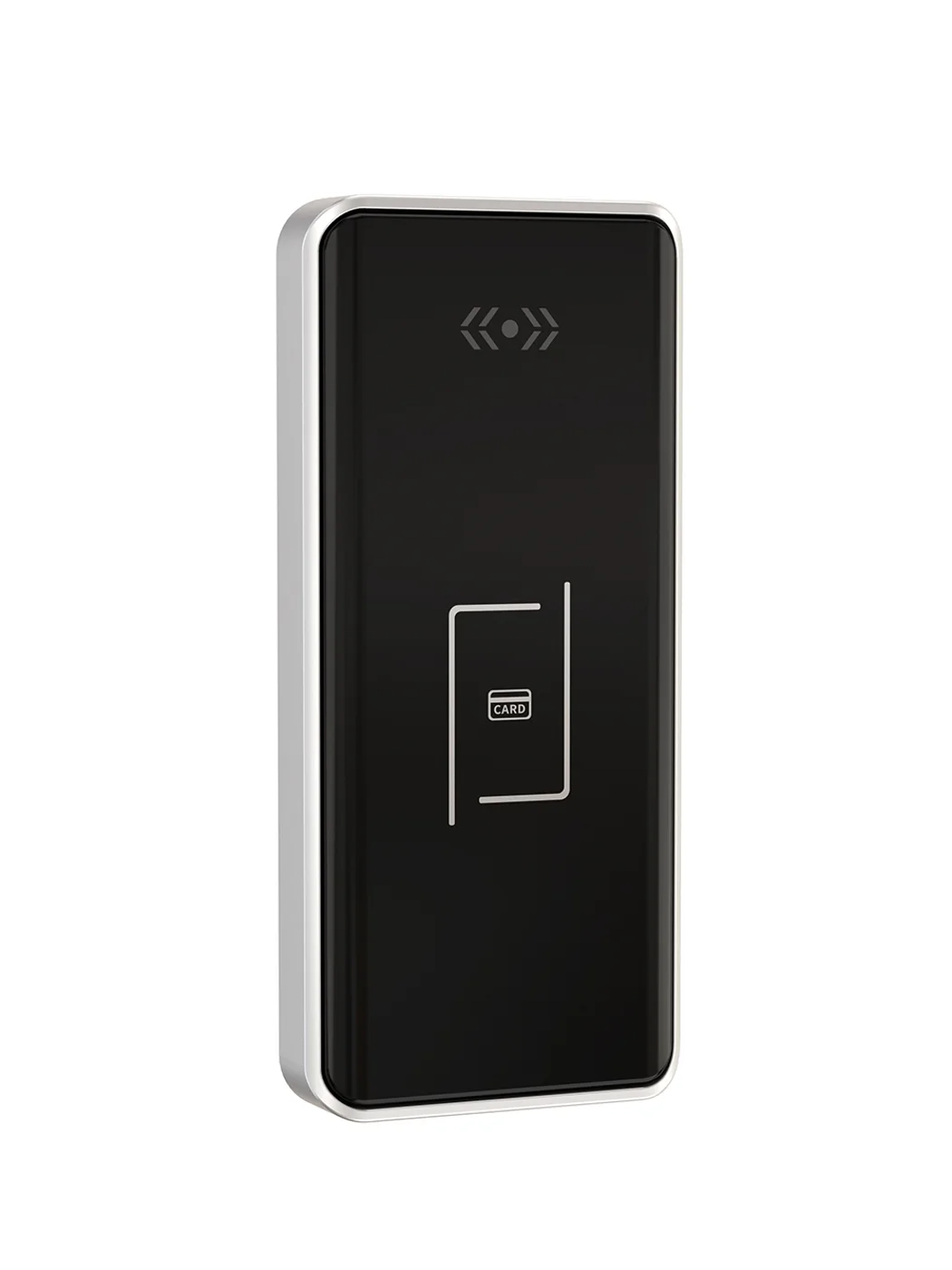
Sauna Lock — Card & PIN, IP-Rated for Wet Areas
Electronic sauna lock for wet-area cabinets. MIFARE card or PIN, IP-rated humidity tolerance, offline, battery-powered. Compatible with spa and pool cabinet retrofit.
This page already points to it as the next recommended reference.
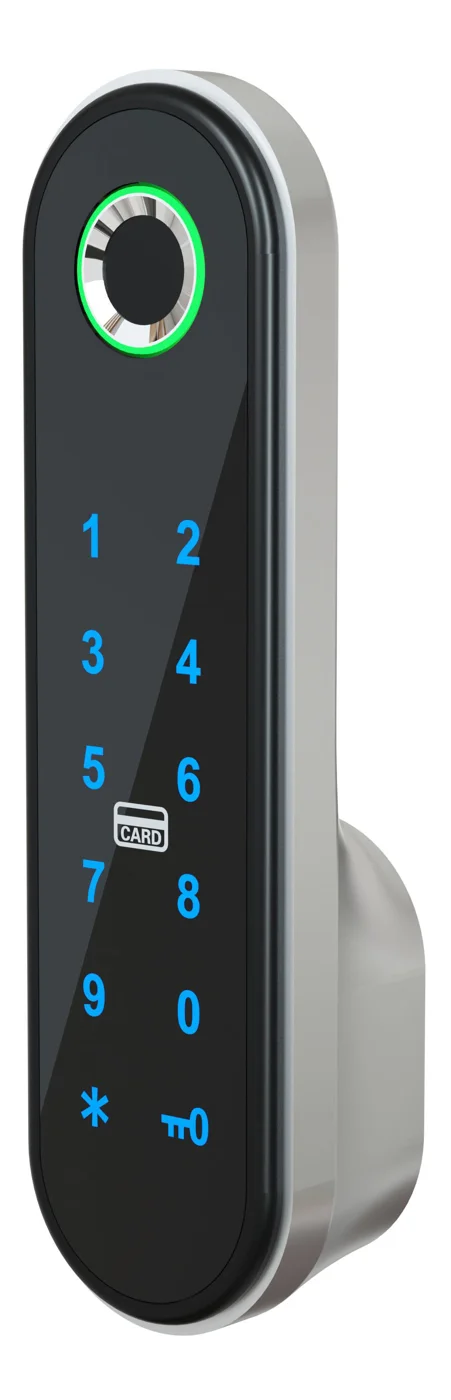
Spa Electronic Lock — Biometric + PIN for Wellness Cabinets
Offline spa electronic lock for personal wellness cabinets. Fingerprint + PIN, wet-area coating, no WiFi, battery-powered. For spa, salon, and wellness rooms.
This page already points to it as the next recommended reference.
Related blog posts
1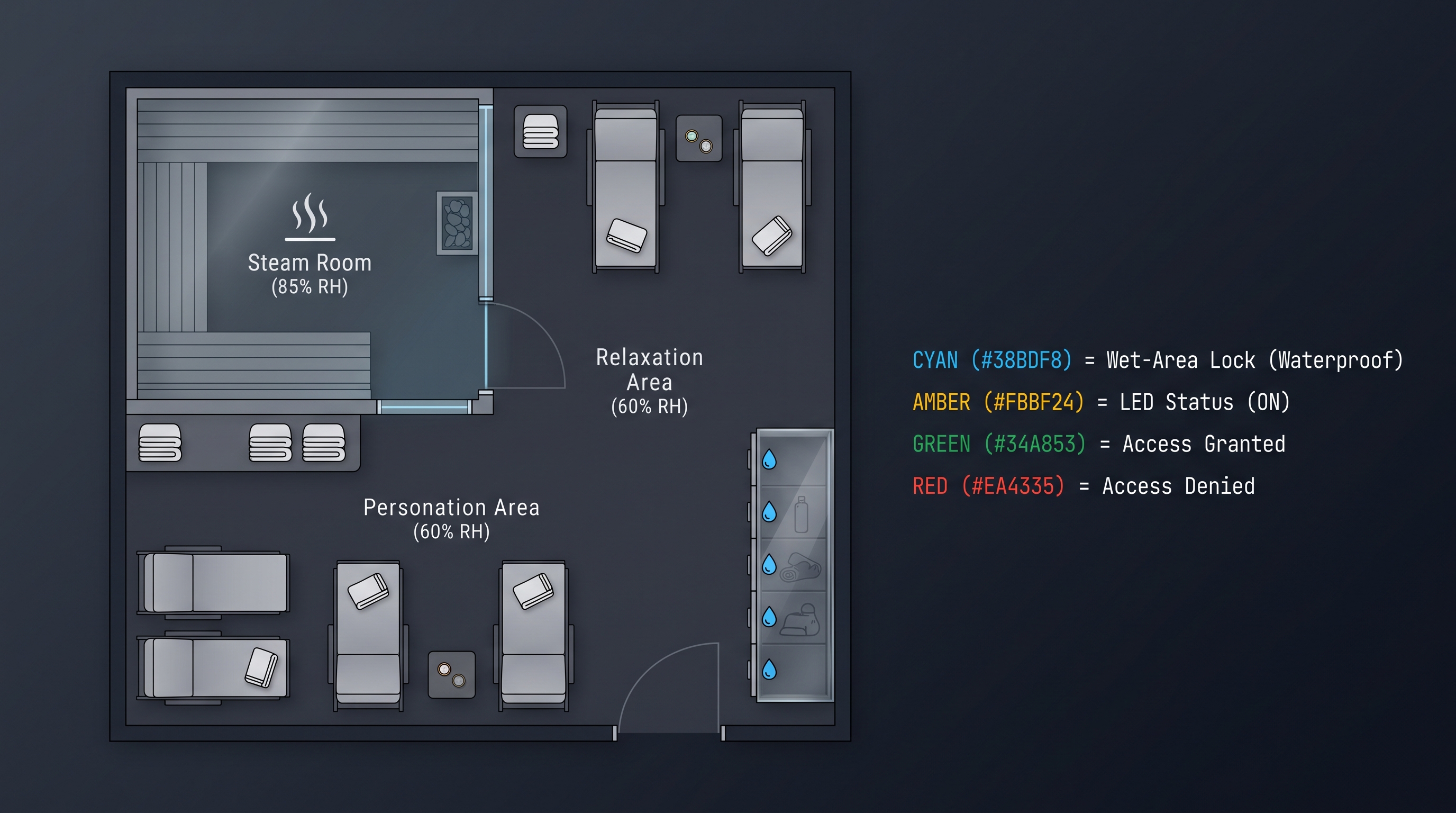
Locker Lock for Spa: The Complete 2026 Buyer's Guide to Humidity-Proof RFID & PIN Security
Locker lock for spa selection guide covering IP65+, stainless steel, RFID wristbands, PIN backup, PMS integration, and wet-area battery life for wellness facilities.
It supports the same product context: Sauna Lock — Card & PIN, IP-Rated for Wet Areas, Spa Electronic Lock — Biometric + PIN for Wellness Cabinets.
Specify your hotel project with our engineers
Send your room count, ceiling type, and protocol preference. We will return a sample plan and quote within 24 business hours.
- Move from general guidance into a product or application discussion.
- Use RFQ when pricing, drawings, MOQ, or launch timing needs structure.
- Keep a direct contact path visible for fast clarifications and handoff.