The Best Cabinet Lock for Gym Locker Rooms in 2026: Digital, RFID, and Smart Buying Guide
Complete guide to choosing the best cabinet lock for gym and fitness center locker rooms. Compare RFID, NFC, keypad, and smart locker locks with durability ratings, water resistance, and management platform insights.
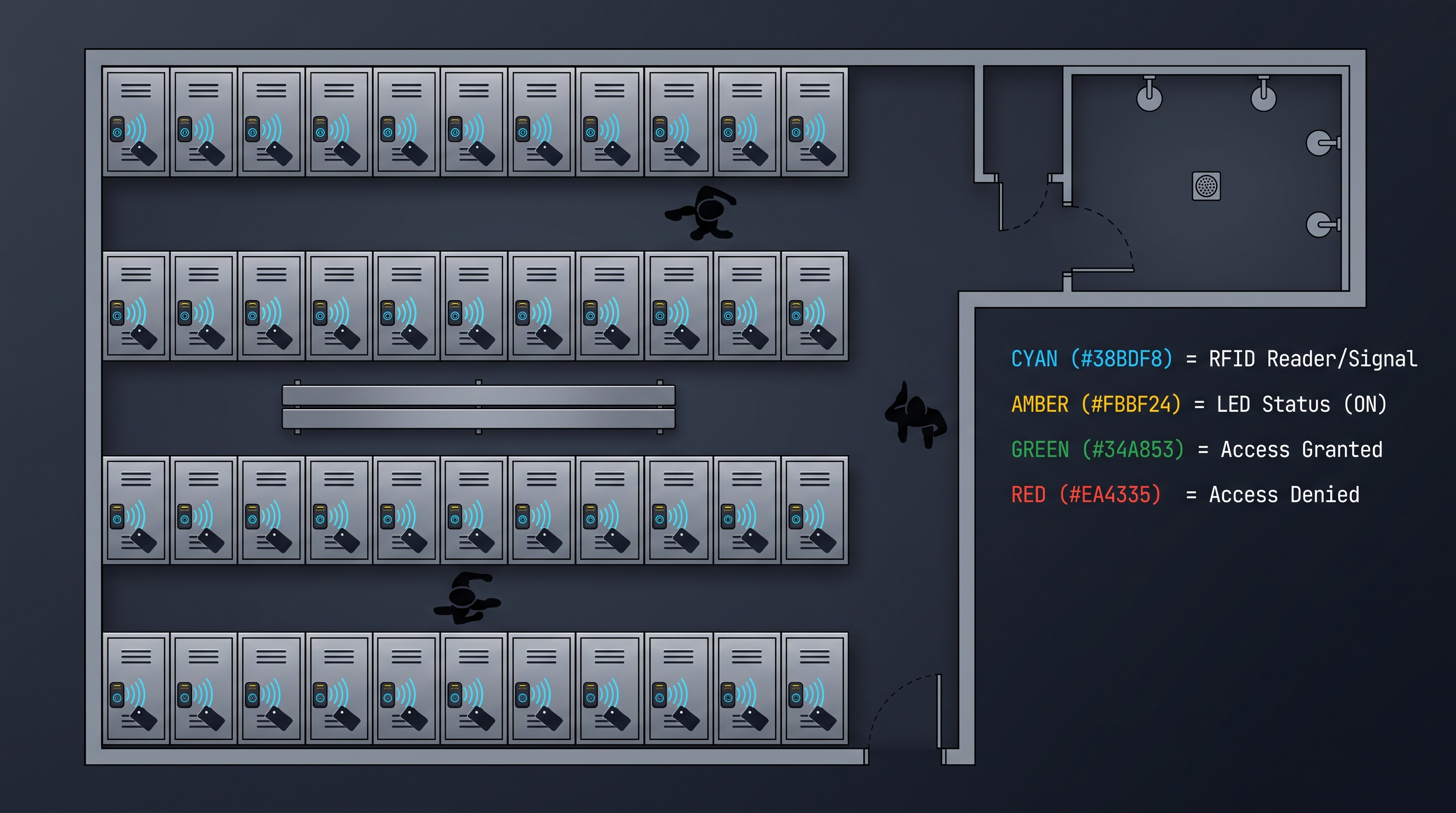
Gym and fitness center locker rooms present one of the most demanding environments for electronic locking hardware: high daily traffic volumes (50-200 unlock events per locker per day during peak hours), sustained exposure to moisture and humidity from showers and pools (relative humidity often exceeding 80%), temperature fluctuations between climate-controlled corridors and steamy shower areas, frequent contact with sweaty hands and wet towels, and a user population that is transient (many members visit only 2-4 times per week) and occasionally careless or abusive with equipment. Selecting the best cabinet lock for gym deployments requires prioritizing durability, water resistance, and operational simplicity above the feature richness that may be valued in office or residential environments. The best cabinet lock for gym applications must survive conditions that would destroy standard office cabinet locks within months — humidity causing circuit board corrosion, sweat corroding metal components, and the physical abuse of doors slammed, kicked, and pried by frustrated members. This comprehensive guide evaluates the best cabinet lock for gym options across RFID wristband/keyfob access, NFC smartphone unlock, keypad PIN entry, coin-operated mechanisms, and smart cloud-managed platforms, providing the specific durability ratings, ingress protection specifications, pricing analysis, and deployment guidance that gym owners and facility managers need to make informed purchasing decisions in 2026.
What Makes the Best Cabinet Lock for Gym Environments
The best cabinet lock for gym environments is an electronic or electromechanical locking device specifically engineered for the humidity, temperature, and traffic conditions of fitness facility locker rooms — constructed with IP54 minimum (dust-protected, splash-resistant) and preferably IP65 (dust-tight, water-jet-resistant, 6.3 mm nozzle at 30 kPa from 3 meters for 3 minutes per IEC 60529) rated enclosures using 304 or 316 stainless steel, die-cast zinc alloy with electroplated nickel-chrome finish, or glass-fiber reinforced ABS for the housing components in direct member contact. Unlike an office cabinet lock handling 5-20 unlock events per day, the best cabinet lock for gym deployments must withstand 50-200 daily unlock cycles during peak gym hours (5-9 AM and 5-8 PM), translating to 18,000-73,000 cycles per year per locker and requiring a tested cycle life exceeding 100,000 operations with less than 0.1% failure rate. Authentication technology for the best cabinet lock for gym applications is overwhelmingly dominated by 13.56 MHz RFID/NFC (MIFARE Classic, DESFire EV2/EV3, or ISO 14443 Type A) because members carry a wristband or keyfob credential that is waterproof, durable (rated for 50,000+ read cycles and 5+ years of daily use), and operable through wet or sweaty hands without degradation of read reliability — conditions under which fingerprint sensors (which fail with wet or pruned post-shower fingers) and PIN keypads (whose membrane switches degrade with repeated moisture exposure) are unreliable. The best cabinet lock for gym deployments uses a motorized cam or latch mechanism (6V or 12V DC motor, 80-200 mA current draw, 0.5-1.5 second lock/unlock cycle time) rather than a solenoid, because motors provide controlled force and are less susceptible to mechanical jamming from debris, locker door misalignment, or temperature-induced dimensional changes.
The gym locker room environment imposes unique constraints that make general-purpose cabinet locks inadequate. Water is present everywhere — from the pool deck, from showers, from wet swimsuits, and from sweat. Metal components corrode rapidly in this environment: carbon steel components may show visible rust within 3-6 months of exposure, zinc alloys without proper plating pit and corrode within 6-12 months, and even 304 stainless steel can develop pitting corrosion in chlorinated pool environments within 2-3 years. The best cabinet lock for gym applications in aquatic centers and pool-adjacent locker rooms specifies 316 stainless steel (containing 2-3% molybdenum for enhanced chloride resistance) for all external metal components, or eliminates external metal entirely using glass-fiber reinforced ABS or polycarbonate housings with internal metal components sealed by conformal coating on circuit boards.
| Gym Environment Factor | Best Cabinet Lock for Gym Requirement | Standard Office Lock Failure Mode |
|---|---|---|
| Relative Humidity 60-85% | IP54 minimum, conformal-coated PCB | Circuit board corrosion, short circuits |
| Pool Chlorine Exposure | 316 stainless steel, no exposed carbon steel | Pitting corrosion, rust staining |
| Daily Cycles (50-200) | 100,000+ cycle life rating | Cam wear, motor failure within 6-12 months |
| Wet/Sweaty Member Hands | RFID wristband, no fingerprint/keypad | Fingerprint sensor failure, keypad membrane delamination |
| Impact/Vandalism | IK08 impact resistance, concealed screws | Housing cracking, lock body dislodged |
| Temperature Fluctuation | -10 C to +50 C operating range | LCD/display failure, battery voltage droop |
| 24/7 Unattended Operation | Low-battery warning, remote monitoring | Silent failure, member locked out |
Best Cabinet Lock for Gym: Lock Technology Comparison
The best cabinet lock for gym facilities offers five primary access technology categories, each with distinct advantages and limitations in the locker room environment: RFID wristband and keyfob locks (13.56 MHz MIFARE or 125 kHz EM, with wristband credentials priced $0.80-$3.00 each in bulk, waterproof to IP68, and rated for 5+ years of daily use) represent the industry standard for gyms because the credential is always with the member (worn on the wrist during workouts), works through water and sweat, and requires no batteries or maintenance. NFC smartphone locks (using the 13.56 MHz NFC interface standard, ISO/IEC 14443, supported by Apple iOS and Google Android since 2018) allow members to unlock lockers using their smartphone, eliminating the need for physical credentials entirely — but face adoption challenges because approximately 20-30% of gym members prefer not to bring phones into locker rooms and because NFC range is limited to 2-4 cm requiring deliberate phone placement against the reader. PIN keypad locks (4-6 digit codes entered on a membrane keypad with 20-99 user code slots) offer the simplest deployment with no credential management overhead, but membrane keypads in humid environments degrade within 12-24 months (membrane delamination, key failure, button ghosting) and PIN codes are frequently shared between members, undermining security. Coin-operated locks ($0.25, $0.50, or $1.00 coin mechanisms with mechanical token return) remain in use at budget gyms, public recreation facilities, and transit-adjacent fitness centers, offering zero electronics to fail but requiring daily coin collection, cleaning, and reconciliation. Smart cloud-managed locks (WiFi or BLE-to-cloud, with real-time locker availability dashboards, remote unlock for staff, and usage analytics) represent the premium segment and are increasingly adopted at boutique fitness studios, high-end health clubs, and corporate fitness centers where the member experience is differentiated by frictionless access and data-driven facility management.
The technology comparison for the best cabinet lock for gym applications must consider not just the authentication method but the full operational lifecycle including credential distribution, lost credential handling, and member onboarding complexity. A 1,000-member gym issuing RFID wristbands must manage the logistics of wristband distribution (typically at member enrollment), replacement of lost wristbands ($2-$5 replacement fee per member), and the software workflow of deactivating a lost wristband and activating its replacement — all of which are simpler and lower-cost than managing physical keys (which would require locker rekeying or key replacement at $15-$40 per incident) but more complex than PIN codes (which require no physical credential management at all but sacrifice security through code sharing).
| Technology | Credential Cost per Member | Water Resistance | Read Reliability (Wet Hands) | Member Onboarding | Total Annual Cost (1,000 members) |
|---|---|---|---|---|---|
| RFID Wristband (13.56 MHz) | $1-$3 one-time | IP68 (wristband) | High (95%+) | Issue wristband at enrollment | $300-$800 (replacements) |
| NFC Smartphone | $0 (member's phone) | N/A (phone in pocket) | High (phone placement) | App install + account setup | $0 (no physical credential) |
| PIN Keypad | $0 (no credential) | IP54 (keypad only) | Low-Medium (wet fingers) | Code assigned at enrollment | $0 credential, $200-$500 lock replacement |
| Coin-Operated | $0.25-$1.00 per use | IP54+ (mechanical) | N/A (mechanical) | None required | $1,500-$3,000 (coin collection labor) |
| Smart BLE/WiFi | $0 (smartphone) | IP65 (lock) | High (BLE proximity) | App install + booking | $0 credential, $2,000-$5,000 platform fees |
RFID wristband locks deserve their dominance in the gym market for reasons beyond simple convenience. The wristband credential is inherently waterproof — members can swim, shower, and sweat with the wristband continuously worn — and its form factor (a silicone or TPU band with embedded RFID inlay) is designed for the physical demands of fitness activities. RFID wristbands survive being dropped on concrete floors, exposed to chlorine and salt water, subjected to the impact of weight training, and subjected to the abrasion of gym equipment. The best cabinet lock for gym deployments using RFID wristbands typically selects 13.56 MHz MIFARE over 125 kHz EM despite the higher reader cost ($5-$15 premium per lock) because MIFARE's anti-collision protocol allows faster read times (under 100 ms vs 200-400 ms for EM) and its cryptographic authentication prevents credential cloning — a security concern when wristbands may be left in lockers or dropped in common areas where they could be picked up and duplicated by unauthorized parties.
NFC smartphone unlock is gaining traction as the best cabinet lock for gym applications in markets where smartphone penetration exceeds 90% of the adult population (most developed economies) and where contactless payment and access habits are well-established. The member opens the gym's mobile app, taps the "unlock locker" button, and presents the phone to the lock's NFC reader — the app communicates with the lock's secure element or validates the member's session token via cloud API, and the lock releases. The appeal is zero credential cost (no wristband to purchase or replace) and the convenience of always having the credential (most members carry phones everywhere). The limitations are the 2-4 cm NFC read range (requiring deliberate phone placement), the 5-15 seconds required to open the app and navigate to the unlock function (vs 1-2 seconds for a wristband tap), and the 20-30% of members who prefer not to bring phones into locker rooms due to privacy concerns.
Best Cabinet Lock for Gym: Durability and Water Resistance
The best cabinet lock for gym deployments must achieve specific durability and water resistance ratings verified by standardized testing: ingress protection per IEC 60529 with IP54 as the minimum acceptable rating (dust-protected: no harmful dust ingress; splash-resistant: water splashing from any direction causes no harmful effect), IP65 as the recommended rating for shower-adjacent lockers (dust-tight: no dust ingress; water-jet-resistant: 6.3 mm nozzle, 30 kPa, 3 m distance, 3 minutes), and IP67 or IP68 for pool-deck and aquatic center lockers (immersion-resistant: 15 cm to 1 m depth for 30 minutes, or continuous immersion per manufacturer specification). Impact resistance per IEC 62262 with IK08 rating (5 joules impact energy, equivalent to a 1.7 kg mass dropped from 29.5 cm) ensures the lock housing survives accidental impacts from gym bags, dropped weights, and cleaning equipment, while IK10 rating (20 joules, equivalent to a 5 kg mass from 40 cm) is specified for high-vandalism environments such as unattended 24-hour facilities and public recreation centers. Cycle life testing should demonstrate 100,000+ full lock/unlock cycles at the rated load (typically 15-30 N cam force) with less than 0.1% failure rate, simulating 5-10 years of gym operation at 30-50 daily cycles per locker. The best cabinet lock for gym enclosures use materials selected for corrosion resistance in the specific environment: 304 stainless steel (18% chromium, 8% nickel, adequate for dry locker rooms and general gym areas), 316 stainless steel (16% chromium, 10% nickel, 2% molybdenum, required for pool-deck, spa, and shower-adjacent installations where chlorine and bromine accelerate corrosion), zinc alloy with electroplated nickel-chrome finish (cost-effective for budget installations but plating may chip after 2-3 years exposing the zinc substrate to corrosion), and glass-fiber reinforced ABS or polycarbonate (lightweight, corrosion-immune, but lower impact resistance than metal and may become brittle after UV exposure).
Material selection for the best cabinet lock for gym applications extends beyond the housing to internal components. The locking cam and bolt mechanism — the parts subjected to the highest mechanical stress — should be hardened steel (HRC 50-55 minimum) or 304/316 stainless steel for corrosion environments. Internal gears in motorized locks should be metal (brass or steel) rather than plastic, as plastic gears strip under the repeated stress of high-cycle gym use. Circuit boards should receive conformal coating (acrylic, silicone, or polyurethane, 25-75 micrometers thickness) protecting against humidity and condensation, and all wire-to-board connections should use sealed connectors (JST waterproof series or equivalent) rather than exposed pin headers. Battery compartments should be gasket-sealed (O-ring or gasket per IP rating) with drainage channels directing any infiltrating water away from the battery contacts and circuit board.
| Durability Test | Standard | Required Rating | Test Method | Gym Locker Room Relevance |
|---|---|---|---|---|
| Ingress Protection (Water) | IEC 60529 | IP54 min, IP65 rec | Water spray, jet, immersion | Shower, pool, sweat exposure |
| Ingress Protection (Dust) | IEC 60529 | IP5x (dust-protected) | Talcum powder chamber | Cleaning dust, locker debris |
| Impact Resistance | IEC 62262 | IK08 min, IK10 high-vandal | Drop mass from height | Gym bag impact, dropped equipment |
| Cycle Life | Manufacturer spec | 100,000+ cycles | Automated cycling at rated load | 5-10 years of daily gym use |
| Salt Spray Corrosion | ISO 9227 | 500-1000 hours no rust | 5% NaCl fog at 35 C | Pool chlorine, coastal environments |
| Temperature Range | IEC 60068 | -10 C to +50 C | Thermal cycling | Unheated locker rooms, HVAC fluctuations |
| Humidity Resistance | IEC 60068 | 85% RH, 1000 hours | Sustained high humidity | Year-round locker room conditions |
Salt spray testing (ISO 9227 neutral salt spray, 5% sodium chloride solution atomized at 35 C) provides a standardized comparison of corrosion resistance across materials and finishes. The best cabinet lock for gym applications in aquatic environments should demonstrate 1,000+ hours of salt spray exposure with no visible red rust (iron oxide from steel substrate), though even premium 316 stainless steel may show superficial surface staining after extended exposure. Zinc alloy locks with nickel-chrome electroplating typically survive 200-500 hours before plating breach, while powder-coated steel housings (common in budget locks) may show rust at coating edges and fastener points within 100-200 hours. When evaluating the best cabinet lock for gym aquatic environments, request salt spray test certificates from the manufacturer and verify that the test was performed by an accredited laboratory (ISO 17025 accredited) rather than in-house testing with unverifiable conditions.
Battery performance in gym environments requires attention because the combination of high cycle count and humidity stresses battery chemistry differently than office or residential use. The best cabinet lock for gym applications using 4x AA alkaline batteries typically achieves 8-12 months of service (vs 12-24 months in office environments) due to the higher daily unlock count drawing more current. Lithium iron disulfide (Li-FeS2) AA batteries (Energizer Ultimate Lithium) extend service life to 18-24 months and offer superior performance at low temperatures and high humidity, but at 3-4x the cost of alkaline. CR123A lithium batteries (3V, 2-cell configuration providing 6V) offer the longest service life (24-36 months in gym use) and the widest temperature range (-30 C to +60 C), but require specific battery compartment design and add $2-$4 to the lock BOM. For facilities with 500+ lockers, the annual battery cost differential between alkaline AA ($0.50-$1.00 per locker per year) and lithium CR123A ($1.50-$3.00 per locker per year) amounts to $500-$1,000 — a meaningful but not decisive factor when weighed against the reduced maintenance visits and improved reliability of lithium.
Best Cabinet Lock for Gym: Locker Management and Access Control
The best cabinet lock for gym deployments at scale (100+ lockers) requires a locker management platform that transforms individual lockers from standalone access points into a coordinated system: the management software assigns lockers to members for either permanent assignment (the same locker every visit, common in premium health clubs and corporate fitness centers) or dynamic assignment (any available locker each visit, common in public recreation centers and budget gyms), with the best cabinet lock for gym platforms supporting both modes simultaneously across different locker banks within the same facility. Real-time locker availability monitoring — displayed on a lobby screen or mobile app showing which lockers are currently available, in use, or out of service — reduces member frustration at peak hours when available lockers are scarce and allows staff to identify lockers that have been locked but not checked out (members who forgot to empty their locker) for follow-up. The best cabinet lock for gym management platforms provide staff override capabilities: a master RFID card or staff smartphone app that unlocks any locker for inspection, cleaning, or when a member has lost their credential, with each override event logged with staff identity, locker number, timestamp, and reason code (configurable: cleaning, maintenance, lost credential, abandoned contents, security inspection). Abandoned locker management — detecting lockers that have been continuously locked for extended periods (configurable threshold, typically 24-72 hours) and initiating the facility's abandoned property procedure (notification attempt, documented opening, contents inventory, secure storage) — is a feature valued by facility managers who deal with 5-15 abandoned lockers per month in large facilities. The best cabinet lock for gym platforms generate usage analytics: peak utilization times, average locker duration, locker turnover rate, underutilized locker banks, and member behavior patterns — data that informs staffing decisions (when to schedule cleaning staff), facility design (whether to add or reduce locker capacity), and pricing strategies (premium locker pricing for high-demand locations).
The locker management software landscape for the best cabinet lock for gym applications includes both lock manufacturer-provided platforms (typically included with or bundled alongside the lock hardware) and third-party gym management platforms that integrate with multiple lock brands via API. The choice between proprietary and third-party platforms involves trade-offs: proprietary platforms offer the deepest integration with their own lock hardware (real-time status, remote unlock, firmware updates) but may not integrate with the gym's broader management software (member CRM, billing, class scheduling), while third-party platforms offer broader integration but may lack some lock-specific features or require custom development for each lock brand supported. The best cabinet lock for gym deployments with existing gym management software (Mindbody, Zen Planner, Glofox, ClubReady) should verify API compatibility before hardware selection, as the integration development cost ($5,000-$25,000 for custom integration) can exceed the lock hardware savings of choosing a less expensive but non-compatible brand.
| Management Feature | Basic Lock (Standalone) | Mid-Range Platform | Enterprise Platform |
|---|---|---|---|
| Locker Assignment | Manual (member remembers) | Staff-assigned via app | Automated (app booking or permanent) |
| Availability Monitoring | Visual inspection | Staff app, lobby display | Real-time dashboard, member app |
| Staff Override | Master card | Master card + app unlock | Master card + app + remote unlock |
| Abandoned Locker Detection | Manual (staff finds) | Alert after 24-72 hours | Automated workflow + notification |
| Usage Analytics | None | Basic counts and utilization | Advanced analytics, peak times, trends |
| Member App Integration | None | Basic (unlock button) | Full (booking, availability, history) |
| Multi-Site Management | None | None | Centralized across all locations |
| API for Gym Software | None | Limited REST endpoints | Full REST/GraphQL, webhooks |
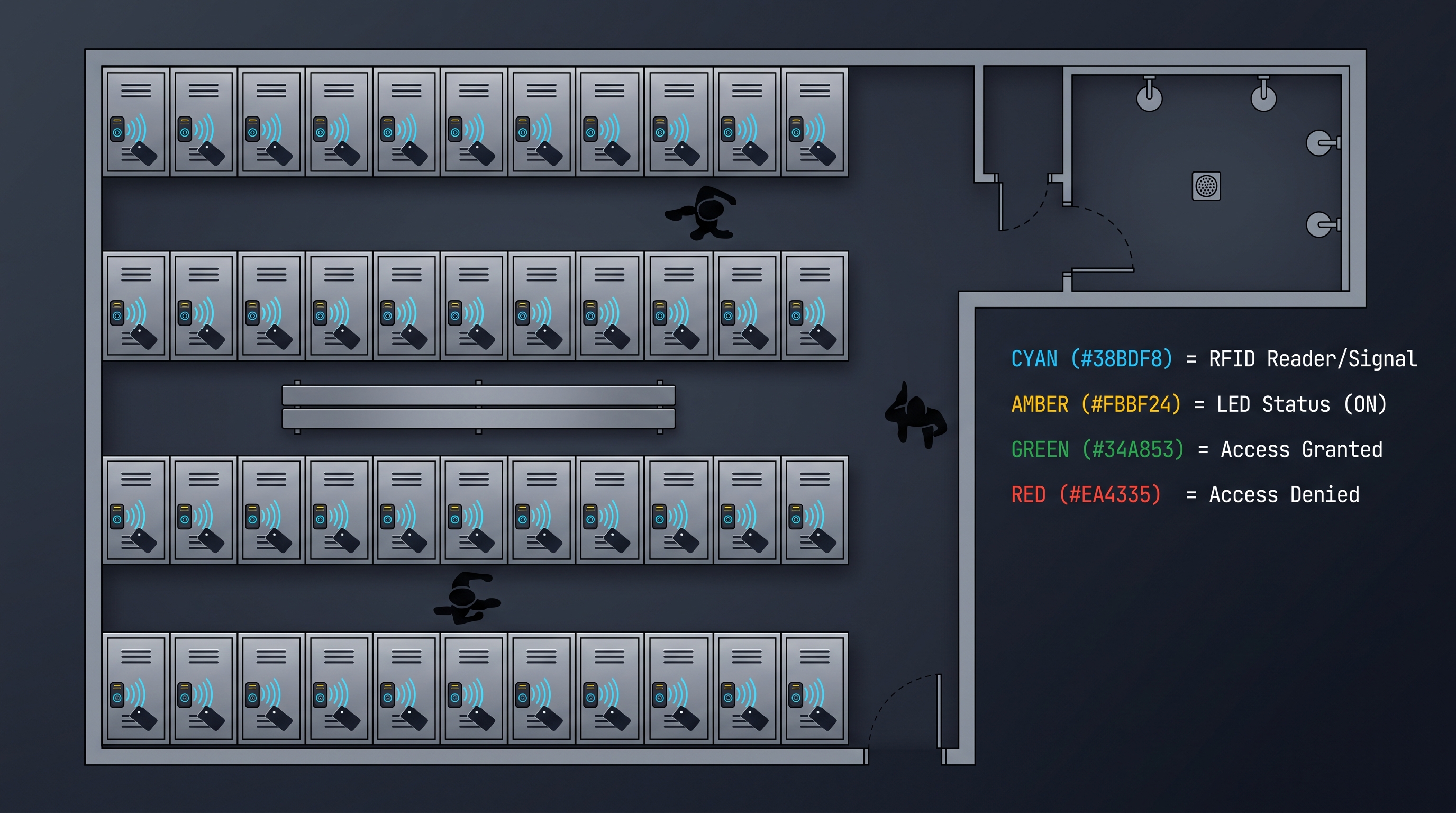
Dynamic locker assignment deserves particular attention because it represents the fastest-growing segment of the best cabinet lock for gym market. In the dynamic model, the member does not have an assigned locker — instead, they select any available locker upon arrival, authenticate to lock it, and the locker is released for the next member when they unlock it to retrieve their belongings. This model dramatically increases locker utilization efficiency: a gym with 500 members visiting during peak hours needs only 200-250 lockers (vs 500 for permanent assignment) because not all members visit simultaneously and lockers cycle through multiple users per day. The best cabinet lock for gym dynamic assignment systems use the member's RFID wristband or smartphone app to claim a locker: the member taps their wristband on an empty locker's reader, the system assigns that locker to their member ID for the duration of their visit, and the locker is released when they tap again to unlock and retrieve belongings. The management platform tracks which lockers are in use, by whom, and for how long — providing complete audit trail for security incidents and analytics for facility optimization.
Permanent locker assignment, while less efficient in terms of locker utilization, remains the preferred model for premium health clubs and corporate fitness centers where members value the consistency of having "their" locker. The best cabinet lock for gym permanent assignment systems link a specific locker to a specific member for an extended period (monthly, quarterly, or annually), with the locker remaining locked and assigned to that member even when they are not at the gym. Premium locker pricing — charging members $15-$50 per month for a permanently assigned locker — generates revenue that offsets the lower utilization efficiency. The management platform must handle assignment expiration (auto-release at membership renewal or contract end), transfer (moving a member to a different locker), and vacancy management (identifying unassigned lockers for new members).
Best Cabinet Lock for Gym: Installation and Retrofit Guide
Installing the best cabinet lock for gym lockers requires attention to the specific locker construction found in fitness facilities: metal lockers (16-18 gauge steel, 1.2-1.6 mm thickness, the most common type) typically have pre-punched 19 mm or 21 mm lock cutouts on the locker door, with the locking mechanism engaging a strike plate or hasp on the locker frame — the best cabinet lock for gym retrofit kits include both cam-style locks (rotating cam engaging a frame strike, for standard single-point locking) and hasp-style locks (latch bolt engaging a hasp loop, for padlock-compatible locker preparations). Wooden lockers (found in premium health clubs and spa facilities, typically 18-25 mm MDF or plywood with laminate veneer) require different mounting hardware — wood screws rather than machine screws, and the lock body must accommodate the thicker door material. Laminate and phenolic lockers (high-density panels resistant to moisture, increasingly popular in modern aquatic facilities) are similar to wood in installation requirements but may require specialized drill bits for the mounting hole. The best cabinet lock for gym installations on perforated metal lockers (common in budget gyms and public facilities, with ventilation holes throughout the door) must verify that the lock body and reader do not interfere with ventilation holes and that mounting hardware can engage solid metal between perforations. Installation time per locker ranges from 10-20 minutes for a straightforward metal locker retrofit (remove existing lock, clean mounting surface, install digital lock, insert batteries, test) to 30-45 minutes for lockers requiring modification (enlarging undersized cutouts, filling oversized cutouts with adapter plates, or drilling new mounting holes for non-standard preparations).
The installation planning for the best cabinet lock for gym deployments should account for the locker room's operational schedule. Most gyms cannot shut down locker rooms for lock installation during operating hours, so installations are typically performed during closing hours (10 PM - 5 AM for 24-hour facilities, or whenever the facility is closed for non-24-hour operations). A 200-locker installation performed by a 2-person installation team at 15 minutes per locker requires approximately 50 hours of labor, or 5-7 overnight shifts. Pre-staging all locks, batteries, mounting hardware, and tools in a mobile cart positioned near the installation area reduces per-locker time by 3-5 minutes. Labeling each locker with its management platform identifier (locker number, bank, location) before installation begins ensures accurate mapping in the software system and prevents the common error of associating a lock's serial number with the wrong locker number.
| Locker Type | Mounting Preparation | Hardware Required | Installation Time | Common Challenges |
|---|---|---|---|---|
| Metal Locker (16-18 ga) | 19 mm or 21 mm pre-punched | Machine screws, cam, strike | 10-15 minutes | Rust in existing cutout, stripped nuts |
| Wooden Locker (18-25 mm) | 19 mm drilled | Wood screws, cam, strike | 15-20 minutes | Splitting, need pilot holes |
| Laminate/Phenolic | 19 mm drilled (carbide bit) | Machine screws with nuts | 15-25 minutes | Hard material, bit wear |
| Perforated Metal | Existing cutout or new hole | Adapter plate if needed | 15-20 minutes | Vent hole interference |
| Glass Door (premium) | Adhesive or clamp mount | Specialized bracket | 20-30 minutes | Alignment, adhesive cure time |
Wiring considerations for the best cabinet lock for gym installations apply primarily to networked (WiFi or wired) smart lock systems. WiFi-connected locks require the locker room to have adequate WiFi coverage (RSSI above -65 dBm at each locker location, requiring mesh access points or WiFi extenders positioned to overcome the signal attenuation of metal locker construction — metal lockers act as Faraday cages reducing WiFi signal strength by 10-20 dB). Wired systems using RS-485 or CAN bus daisy-chain lockers to a central controller, requiring cable routing through locker back panels or surface-mounted raceways — more reliable than WiFi in metal locker environments but significantly more installation labor (1-2 hours additional per locker bank of 20-30 lockers). The best cabinet lock for gym deployments in new construction or major renovation should include conduit pre-installed in locker room walls for future wired connectivity, even if the initial deployment uses wireless locks, to preserve the option of upgrading to wired systems without disruptive construction.
Power management for the best cabinet lock for gym installations extends beyond individual lock batteries to facility-level power infrastructure. Locks with external power (12V DC from a central power supply, distributed via low-voltage wiring) eliminate battery replacement entirely but require a centralized UPS (uninterruptible power supply) to maintain lock operation during power outages — a critical consideration for facilities that cannot afford to have members locked out of their belongings during a power failure. Hybrid systems (battery primary with centralized trickle charging via contact rails in locker banks) offer the reliability of battery power with reduced maintenance but add complexity and cost. For most gym deployments, battery-powered locks with a disciplined replacement schedule remain the most practical and cost-effective solution.
Best Cabinet Lock for Gym: Price and ROI Analysis
The best cabinet lock for gym deployments requires capital investment that ranges from $15 per locker for basic keypad or coin-operated locks to $150+ per locker for enterprise-grade smart locks with cloud management, and the return on investment analysis must consider both direct cost savings and revenue enhancement opportunities: direct savings include eliminated key management labor (estimated 4-8 hours per week for a 200-locker facility with mechanical keys, at $15-$25/hour = $3,000-$10,400 annually), reduced locker damage from forced entry when members lose keys (typical repair cost $50-$150 per incident, 10-30 incidents per year = $500-$4,500 annually), and reduced staff time for locker assistance (members locked out, forgotten combinations) estimated at 2-4 hours per week. Revenue enhancement opportunities available with the best cabinet lock for gym smart platforms include premium locker pricing ($15-$50 per month per locker for permanently assigned lockers in premium locations, generating $18,000-$60,000 annually for a 100-locker premium allocation), dynamic pricing during peak hours (surcharge for prime locker locations during 5-8 PM peak, if supported by the platform), and member experience differentiation that supports higher membership pricing at facilities offering smart locker access. The payback period for upgrading from mechanical keyed locks to the best cabinet lock for gym RFID digital locks is typically 18-30 months for a 200-locker facility, driven primarily by eliminated key management labor and reduced locker damage. Smart cloud-managed locks with premium locker pricing can achieve payback in 12-18 months when the premium locker revenue is included.
The price comparison across lock categories must account for the complete deployment cost, not just the per-lock hardware price. A 200-locker deployment using budget keypad locks at $20 per lock has a hardware cost of $4,000, but the 2-3 year replacement cycle for keypad locks in humid environments (membrane degradation, button failure) adds $4,000-$6,000 in replacement hardware over 5 years, plus the labor cost of 200 lock replacements (estimated 15 minutes each at $20/hour = $1,000 per replacement cycle). The same deployment using professional-tier RFID locks at $50 per lock has a hardware cost of $10,000, but the 5-7 year expected service life eliminates replacement costs during the same 5-year analysis period, and the superior durability reduces maintenance interventions from an estimated 20-30 per year (keypad) to 5-8 per year (RFID).
| Lock Category | Hardware per Locker | 200-Locker Hardware | Platform/Software (Annual) | 5-Year TCO (200 Lockers) | Best For |
|---|---|---|---|---|---|
| Coin-Operated | $15-$30 | $3,000-$6,000 | $0 | $12,000-$20,000 | Budget gyms, public rec |
| Keypad (PIN) | $20-$40 | $4,000-$8,000 | $0-$500 | $15,000-$28,000 | Small gyms, short-term |
| RFID Wristband (Standard) | $40-$70 | $8,000-$14,000 | $500-$2,000 | $18,000-$35,000 | Mid-range gyms, schools |
| RFID Wristband (Professional) | $70-$120 | $14,000-$24,000 | $1,000-$4,000 | $25,000-$50,000 | Health clubs, corporate |
| Smart BLE/WiFi (Enterprise) | $100-$150 | $20,000-$30,000 | $2,000-$8,000 | $35,000-$75,000 | Premium gyms, boutique |
The platform/software cost dimension of the best cabinet lock for gym deployments varies significantly by vendor and feature tier. Basic platforms included with lock hardware (no additional license fee) typically provide locker assignment, staff override, and basic usage reporting but lack advanced analytics, multi-site management, and API integration. Mid-range platforms ($500-$2,000 annually for 200 lockers) add real-time availability monitoring, abandoned locker detection, and member app integration. Enterprise platforms ($2,000-$8,000 annually for 200 lockers) provide multi-site management, advanced analytics with custom dashboards, full REST/GraphQL API, SIEM integration for security event correlation, and dedicated technical support with defined SLAs. The best cabinet lock for gym deployments should evaluate platform costs over the 5-7 year expected lock lifecycle, as the cumulative platform cost often exceeds the hardware acquisition cost.
Credential cost analysis for the best cabinet lock for gym RFID deployments: a 1,000-member gym issuing RFID wristbands at enrollment incurs an initial wristband cost of $1,000-$3,000 (at $1-$3 per wristband in bulk) plus 5-10% annual replacement for lost or damaged wristbands ($50-$300 annually). NFC smartphone unlock eliminates this credential cost entirely but may require app development or customization ($5,000-$20,000 one-time for a white-labeled member app with locker unlock functionality) if the gym's existing app does not support NFC locker integration. PIN code systems have zero credential cost but the hidden cost of security incidents (stolen belongings from shared or guessed codes) is estimated at $500-$2,000 annually per 200-locker facility based on industry loss data.
Best Cabinet Lock for Gym: Use Case Scenarios
Traditional full-service gyms deploying the best cabinet lock for gym across 200-500 lockers typically select 13.56 MHz RFID wristband locks in the professional tier ($70-$100 per locker) with a mid-range management platform providing locker assignment, staff override, and basic analytics — this configuration serves the 1,000-3,000 member facility with 200-300 daily locker uses for approximately $20,000-$35,000 in hardware and $1,000-$3,000 annually in platform fees, with the RFID wristband integrated with the membership card or access fob so members use a single credential for building entry, equipment access, and locker use. Boutique fitness studios (cycling, HIIT, yoga, pilates, barre) with 50-100 lockers and a premium member experience focus represent the fastest-growing segment for smart cloud-managed locks: the best cabinet lock for gym boutique applications uses BLE smartphone unlock via the studio's branded mobile app, with dynamic locker assignment (members select any available locker via the app upon arrival), real-time availability displayed on a lobby screen, and integration with the class booking system so locker availability is correlated with class schedules — boutique studios justify the higher per-lock cost ($100-$150) and platform fees ($2,000-$5,000 annually) through the differentiated member experience that supports premium membership pricing ($150-$300 per month vs $30-$60 for traditional gyms). Aquatic centers and pool facilities present the most demanding environment for the best cabinet lock for gym: the combination of chlorinated pool water, shower steam, and direct water exposure requires IP65 or IP67 rated locks with 316 stainless steel construction, hermetically sealed electronics, and specialized drainage design — the best cabinet lock for gym aquatic applications typically costs 30-50% more than standard gym locks ($90-$150 per locker vs $60-$100) but achieves 5-7 year service life in conditions that would destroy standard locks within 12-18 months.
School and university athletic facilities represent a distinct use case for the best cabinet lock for gym deployments. These facilities serve a transient user population (students use lockers for a semester or athletic season, then vacate) with high turnover and varying levels of responsibility. The best cabinet lock for gym school applications emphasizes durability (IK10 vandal resistance for unattended locker rooms), simple administration (bulk assign/release at semester start and end), and integration with the school's student ID card system (13.56 MHz MIFARE is the dominant student card technology, enabling the same card to serve as library card, cafeteria payment, building access, and locker credential). Pricing sensitivity in education markets favors standard-tier RFID models with bulk purchasing discounts of 25-35% for orders of 200+ locks.
| Gym Type | Locker Count | Recommended Lock | Platform Tier | Key Considerations |
|---|---|---|---|---|
| Traditional Full-Service Gym | 200-500 | RFID wristband, professional tier | Mid-range | Integration with membership system |
| Boutique Fitness Studio | 50-100 | BLE smartphone, enterprise tier | Enterprise | Premium member experience, app integration |
| Aquatic Center / Pool | 100-300 | RFID wristband, IP65/67, 316 SS | Mid-range | Water/chlorine resistance paramount |
| School / University | 200-1,000 | RFID card, standard tier, IK10 | Basic-Mid | Student ID integration, vandal resistance |
| Corporate Fitness Center | 50-200 | RFID badge, professional tier | Mid-Enterprise | Employee badge integration, access control |
| Public Recreation Center | 200-500 | RFID wristband or coin, standard tier | Basic-Mid | Durability, simple operation, low cost |
| Spa / Wellness Center | 50-150 | BLE smartphone or RFID, premium | Enterprise | Aesthetic design, quiet operation, premium feel |
Corporate fitness centers — on-site gyms provided by employers as an employee benefit — represent a growing segment for the best cabinet lock for gym market. These facilities typically serve 200-2,000 employees (depending on company size) with 50-200 lockers, and the best cabinet lock for gym corporate applications integrates with the company's employee badge system (the same badge used for building entry, cafeteria payment, and parking). Corporate fitness centers often feature premium amenities ( towel service, product dispensers, individual television screens) that align with smart lock platforms offering member app integration and usage analytics. The deployment is typically funded through the corporate wellness budget rather than direct member revenue, justifying higher per-lock investment for the employee experience and data analytics that inform wellness program management.
Public recreation centers (municipal facilities, YMCA, community centers) face budget constraints that favor the lower end of the best cabinet lock for gym price spectrum while still requiring the durability to withstand high-traffic, multi-user daily operation. These facilities often combine fitness areas with aquatic centers, sports courts, and community meeting spaces, serving a diverse user population ranging from daily fitness enthusiasts to occasional community event attendees. The best cabinet lock for gym public recreation applications balances durability (IK10 vandal resistance, IP54 minimum water resistance), simplicity (intuitive operation for first-time users), and cost (standard-tier RFID at $40-$70 per locker, or coin-operated at $15-$30 for budget-constrained facilities). Dynamic locker assignment is particularly valuable in public recreation because the diverse user population includes many occasional users who do not have assigned lockers.
Best Cabinet Lock for Gym: Maintenance and Troubleshooting
Maintaining the best cabinet lock for gym deployments requires addressing the specific failure modes that high-traffic, high-humidity environments produce: battery replacement frequency is higher than in office environments due to the higher daily cycle count (50-200 vs 5-20 cycles per day), with AA alkaline batteries typically requiring replacement every 8-12 months and lithium CR123A every 18-24 months — the best cabinet lock for gym management platforms provide battery level monitoring with alerts when any lock's battery falls below 20% capacity, enabling proactive replacement before failure (a critical capability because a dead battery in a locker containing a member's belongings creates an immediate service emergency). Mechanical wear affects the cam mechanism, motor gears, and latch bolt over the lock's service life: the best cabinet lock for gym designs use metal gears and hardened steel cams rated for 100,000+ cycles, but periodic inspection (annually recommended) identifies developing issues — cam play (excessive rotational looseness indicating bearing wear), motor noise (grinding or buzzing indicating gear wear or obstruction), and latch bolt binding (indicating debris accumulation or misalignment). Moisture ingress, despite IP-rated enclosures, can occur over time as gaskets age and compress, O-rings deform, and seals are compromised by impact or chemical exposure — quarterly inspection of gasket condition, drain hole patency (ensuring drainage channels are not blocked by debris), and visible signs of internal condensation on transparent reader windows identifies moisture issues before they cause electronic failure. The best cabinet lock for gym maintenance program includes a quarterly deep cleaning regimen: wipe down all external surfaces with a mild detergent solution (avoiding abrasive cleaners that scratch reader windows and housing surfaces), inspect and clean the RFID reader face (removing sweat residue and skin oils that can reduce read sensitivity), verify cam and latch operation, test battery level via the management platform or lock status indicator, and exercise the mechanical emergency override (if equipped) to ensure it remains functional.
Common troubleshooting scenarios for the best cabinet lock for gym deployments reflect the operational realities of high-traffic locker rooms. The following table summarizes the most frequent issues and their resolution approaches, developed from industry maintenance data across hundreds of facility deployments.
| Symptom | Probable Cause | Resolution | Prevention |
|---|---|---|---|
| Wristband read failure | Dirty reader, damaged wristband | Clean reader with isopropyl alcohol; test with known-good wristband | Quarterly reader cleaning; wristband replacement program |
| Intermittent motor stall | Low battery, mechanical binding | Replace batteries; inspect cam for debris or misalignment | Battery monitoring with proactive replacement |
| Locker won't lock | Misaligned strike, damaged cam | Adjust cam position or strike plate; replace cam if bent | Annual mechanical inspection and adjustment |
| Battery drains rapidly | Short circuit, water ingress, defective battery | Inspect for water damage; replace with brand-name battery; check for PCB corrosion | IP rating verification; gasket inspection |
| Keypad buttons unresponsive | Membrane delamination, moisture under membrane | Replace keypad assembly; verify gasket seal | Annual gasket inspection; avoid pressure washing |
| Lock body loose on door | Loose retaining nut, stripped threads | Tighten to 2.5-3.0 Nm; replace if threads stripped | Annual torque verification |
| Member locked out (dead battery) | Battery depletion past override threshold | Use external battery contacts or mechanical override key | Battery monitoring; proactive replacement at 20% |
| RFID read range reduced | Dirty reader, metal interference, frequency drift | Clean reader; verify no metal backing behind reader; contact manufacturer if frequency drift suspected | Quarterly cleaning; installation verification |
The locked-out-member scenario deserves special attention because it is the most visible and time-sensitive failure mode in gym locker deployments. When a member returns to their locker and the lock fails to respond (dead battery, electronic failure, or mechanical jam), the facility must provide immediate assistance — the member's belongings (wallet, phone, keys, clothing) are trapped, and the member's ability to leave the facility is compromised. The best cabinet lock for gym designs provide multiple resolution pathways: (1) external battery contacts on the lock exterior allowing a staff member to touch a 9V battery or external power pack to the contacts, providing momentary power to unlock — this feature is standard on most professional-tier locks and resolves 70-80% of lockout scenarios; (2) mechanical emergency override key accessible to staff, providing mechanical unlocking independent of the electronic system — resolves 15-20% of lockouts including complete electronic failure; (3) remote unlock via the management platform for networked locks — resolves 5-10% of lockouts when the lock's electronics are functional but the credential is not being read; (4) physical force as a last resort — drilling out the lock cylinder or prying the door, causing damage requiring lock and possibly door replacement ($50-$200 per incident). Staff training on the first three resolution methods, with readily available tools (9V batteries, override keys, management app access), eliminates the need for destructive resolution in 99%+ of lockout scenarios.
Firmware updates for networked best cabinet lock for gym deployments should be scheduled during low-traffic periods (overnight for 24-hour facilities, or during closed hours) to minimize member impact. The update process for WiFi-connected locks can be initiated remotely from the management platform and typically takes 3-8 minutes per lock, during which the lock is temporarily non-functional. Staged updates (updating 10-20% of locks per night over 5-10 nights) spread the risk and allow rollback if an update introduces issues. The best cabinet lock for gym management platforms provide firmware version dashboards showing which locks are on which version, with the ability to target specific locks or groups for updates.
Best Cabinet Lock for Gym: Industry Trends and Innovations
The best cabinet lock for gym market is evolving rapidly with several innovation trends shaping the 2026-2030 horizon: contactless and frictionless access using Ultra-Wideband (UWB, IEEE 802.15.4z, operating at 3.1-10.6 GHz with 30 cm spatial positioning accuracy) enables a member to simply walk up to their assigned locker and have it unlock automatically as their smartphone is detected within the UWB range — eliminating the need to remove the phone from a pocket or armband, tap a reader, or interact with an app, with the unlock completing in under 500 ms from approach detection to bolt retraction. Biometric authentication using facial recognition (3D structured light or time-of-flight sensors, FAR below 0.0001%, operating in 0.5-1.5 seconds) is entering the premium gym segment as an alternative to wristband or smartphone credentials — members approach the locker, the integrated camera verifies their identity, and the lock releases, with the appeal of zero credential management (no wristbands to issue or replace, no app to install) offset by privacy concerns and the technical challenge of reliable operation in humid, backlit, and varied-pose locker room conditions. Sustainable power solutions including indoor solar harvesting (amorphous silicon cells generating 100-500 microwatts from typical locker room LED lighting at 300-500 lux, trickle-charging a supercapacitor or thin-film battery) and kinetic energy harvesting (capturing energy from the mechanical motion of door opening and closing) are being developed to reduce or eliminate battery replacement — the most promising for gym applications is a hybrid approach combining a small solar panel (50-100 mm x 30-50 mm integrated into the lock faceplate) with a supercapacitor buffer, potentially extending battery service life from 12-24 months to 5+ years or eliminating batteries entirely in well-lit locker rooms. AI-driven predictive maintenance, analyzing battery discharge curves, motor current profiles, and RFID read reliability metrics across a fleet of locks to predict individual lock failures 30-90 days in advance, is being integrated into enterprise management platforms — early adopter data suggests 60-80% reduction in unplanned lock failures and member lockout incidents. Integration with wearable fitness trackers (Apple Watch, Garmin, Fitbit, Whoop) as locker credentials — using the watch's NFC or BLE interface to unlock lockers — aligns with the gym member's existing wearable usage pattern and eliminates the need for a separate wristband credential.
The post-pandemic emphasis on touchless and hygienic surface interaction has accelerated adoption of contactless authentication for the best cabinet lock for gym applications. Members returning to gyms after COVID-19 closures expressed heightened awareness of shared surface contact — keypads touched by hundreds of hands daily, wristband readers requiring physical contact, and coin slots handling circulated currency. The best cabinet lock for gym solutions responded with proximity-based authentication: BLE locks that unlock when a member's phone is within 1-2 meters (no tap required), UWB locks that unlock based on precise position, and facial recognition locks that require no physical interaction at all. While the immediate hygiene motivation has moderated as pandemic concerns receded, the convenience benefit of contactless access has sustained adoption growth — members who experience frictionless locker access are reluctant to return to tap-based or keypad systems.
| Trend | Technology | Timeline | Impact on Best Cabinet Lock for Gym |
|---|---|---|---|
| UWB Frictionless Access | IEEE 802.15.4z, 3.1-10.6 GHz | 2026-2028 | Walk-up auto-unlock, no interaction needed |
| Facial Recognition | 3D structured light, edge AI | 2026-2029 | Zero credential management, privacy considerations |
| Indoor Solar Harvesting | Amorphous Si, 100-500 uW | 2026-2029 | Extended or eliminated battery replacement |
| AI Predictive Maintenance | ML on lock telemetry | 2025-2028 | 60-80% reduction in unplanned failures |
| Wearable Integration | Apple Watch, Garmin NFC/BLE | 2025-2027 | Watch as credential, no separate wristband |
| Touchless / Hygiene-Motivated | BLE proximity, UWB, facial | 2024-2027 | Reduced surface contact, member preference |
| Locker-as-a-Service | Dynamic pricing, premium tiers | 2026-2029 | Revenue optimization through demand-based pricing |
Locker-as-a-Service (LaaS) is an emerging business model enabled by the best cabinet lock for gym smart platforms, where lockers are dynamically priced based on demand, location, and duration — prime lockers at eye level in high-traffic banks command premium pricing during peak hours ($2-$5 per use vs $0-$1 for standard lockers), while off-peak and less desirable locations are discounted or free. The management platform handles automatic billing through the member's account, eliminating cash handling and enabling sophisticated pricing strategies that maximize locker revenue. Early adopters of LaaS models report 15-25% increase in locker-related revenue compared to flat-fee or free models, with member acceptance highest in urban fitness facilities where members are accustomed to dynamic pricing in parking, ride-sharing, and other services.
Best Cabinet Lock for Gym: Final Recommendations
Selecting the best cabinet lock for gym requires matching the lock technology, durability rating, and management platform to the specific facility type, member demographics, and operational model: for traditional full-service gyms with 200+ lockers and 1,000+ members, the recommendation is 13.56 MHz RFID wristband locks in the professional tier ($70-$100 per locker) with a mid-range management platform — this configuration provides the optimal balance of durability, member convenience, operational efficiency, and total cost of ownership, with the RFID wristband serving as the single credential for building entry, equipment access, and locker use. For boutique fitness studios prioritizing premium member experience, the recommendation shifts to BLE smartphone locks with an enterprise-tier cloud platform offering dynamic assignment, real-time availability, and branded app integration — the higher per-lock cost ($100-$150) is justified by the differentiated experience that supports premium membership pricing. For aquatic centers and pool facilities, the non-negotiable requirements are IP65 or IP67 water resistance and 316 stainless steel construction, with RFID wristband locks in the professional-to-enterprise tier ($90-$150 per locker) providing the necessary durability in the most demanding locker room environment. For schools and universities with high-turnover student populations and vandal-prone unattended locker rooms, the recommendation is standard-tier RFID card locks with IK10 vandal resistance, integrated with the student ID card system, with bulk purchasing discounts of 25-35% for orders of 200+ locks making the deployment budget-feasible. For public recreation centers with budget constraints, standard-tier RFID locks ($40-$70 per locker) or coin-operated locks ($15-$30 per locker) provide acceptable durability and simplicity at the lowest acquisition cost.
Vendor selection for the best cabinet lock for gym should prioritize demonstrated experience in the fitness facility market — a vendor with hundreds of gym deployments has encountered and resolved the specific failure modes and operational challenges that a general-purpose cabinet lock vendor has not. Request references from facilities of similar type and size, and contact those references to inquire about real-world reliability, support responsiveness, and any issues encountered. Evaluate the management platform's usability with a trial account before committing — a platform that requires 5 clicks to assign a locker will consume hundreds of staff hours annually across a 500-locker facility. Verify the vendor's warranty terms (2-3 years is standard for professional tier, 1 year for budget tier) and the process for warranty replacement (cross-shipping with prepaid return is the gold standard; requiring the defective lock to be returned before shipping a replacement creates unacceptable facility downtime).
| Facility Type | Locker Count | Recommended Lock | Cost per Locker | Platform | 5-Year TCO |
|---|---|---|---|---|---|
| Traditional Gym | 200-500 | RFID wristband, professional | $70-$100 | Mid-range ($1K-$3K/yr) | $25K-$50K |
| Boutique Studio | 50-100 | BLE smartphone, enterprise | $100-$150 | Enterprise ($2K-$5K/yr) | $15K-$35K |
| Aquatic Center | 100-300 | RFID, IP65/67, 316 SS | $90-$150 | Mid-range ($1K-$3K/yr) | $20K-$50K |
| School/University | 200-1,000 | RFID card, standard, IK10 | $40-$70 | Basic-Mid ($0-$2K/yr) | $15K-$50K |
| Corporate Fitness | 50-200 | RFID badge, professional | $70-$100 | Mid-Enterprise ($1K-$4K/yr) | $10K-$30K |
| Public Recreation | 200-500 | RFID or coin, standard | $15-$70 | Basic ($0-$1K/yr) | $10K-$30K |
Not sure which sensor fits your project?
Talk to our mmWave application engineers for a free consultation.
Find the right presence sensor for your hotel project
Compare the 3 protocols, check hotel-specific case studies, and download the installation guide
Related products
3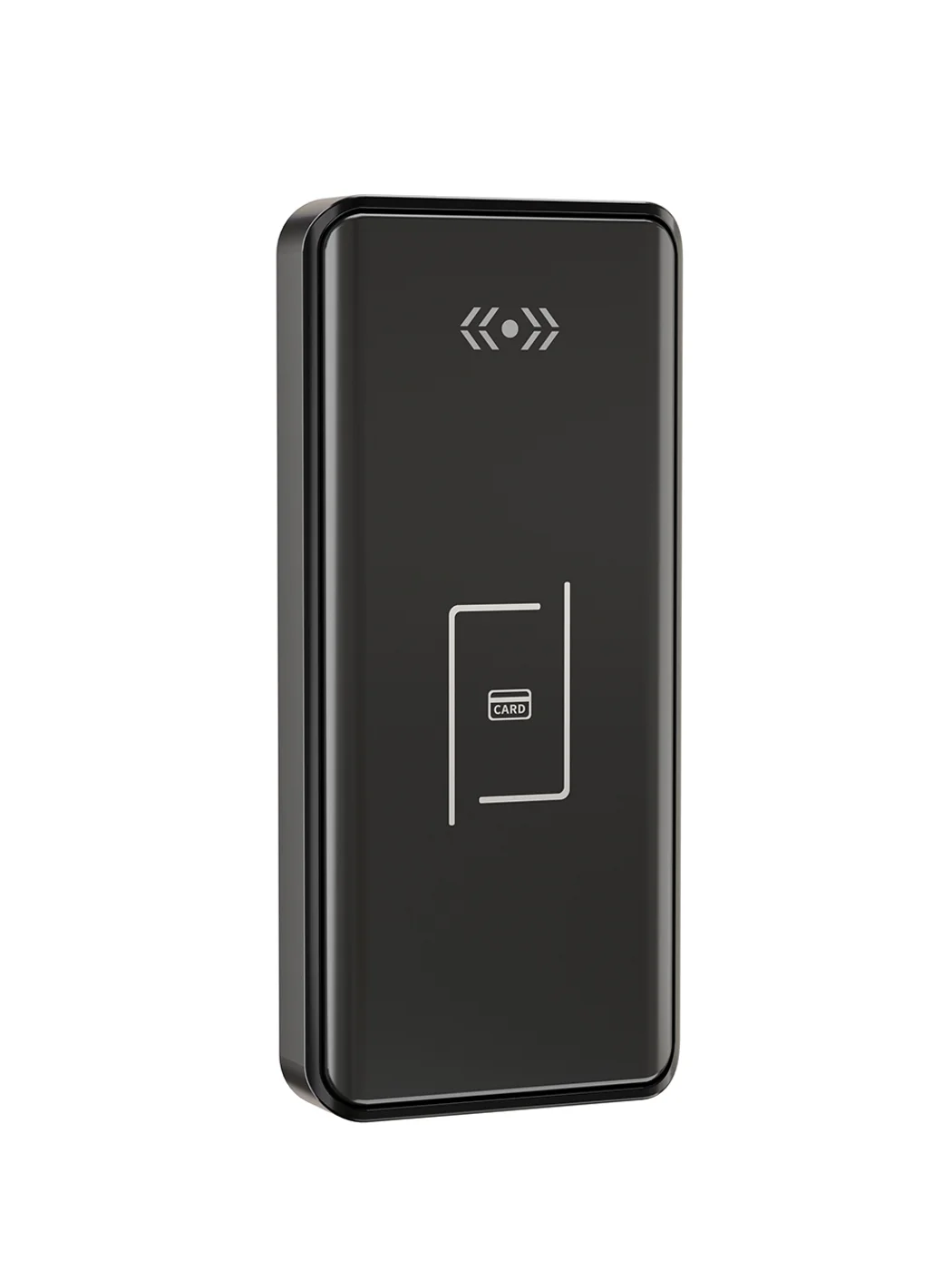
Gym Locker Lock — Offline Card, No WiFi Required
Offline card gym locker lock for fitness and pool lockers. MIFARE card, battery-powered 5-minute retrofit, no WiFi or server. Zinc alloy body, CE/FCC/RoHS.
This page already points to it as the next recommended reference.
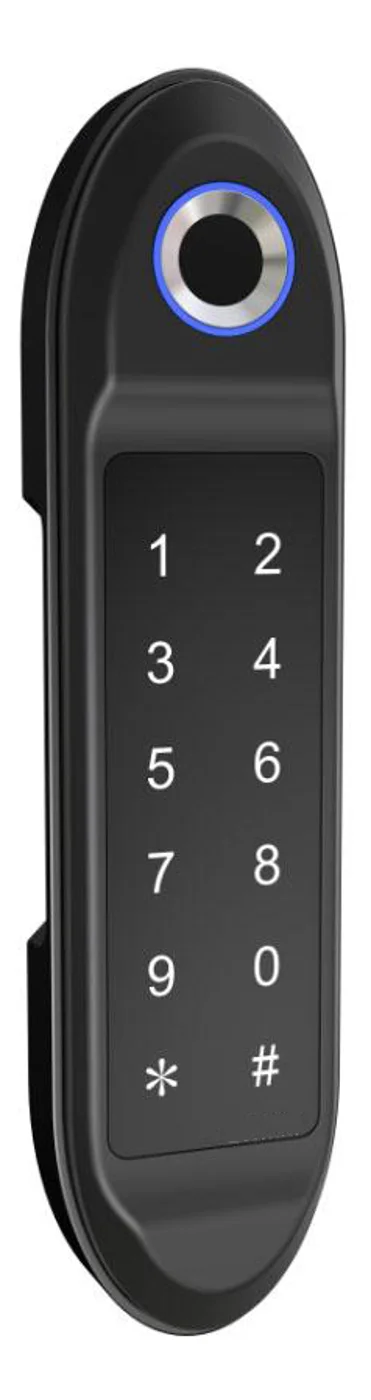
PIN Code Electronic Cabinet Lock — Stand-Alone, No WiFi
Offline keypad cabinet lock for gym, office and parcel lockers. Battery-powered, 5-minute retrofit, audit-free simple deployment. PIN + MIFARE card, DC 6V, 4×AA.
This page already points to it as the next recommended reference.
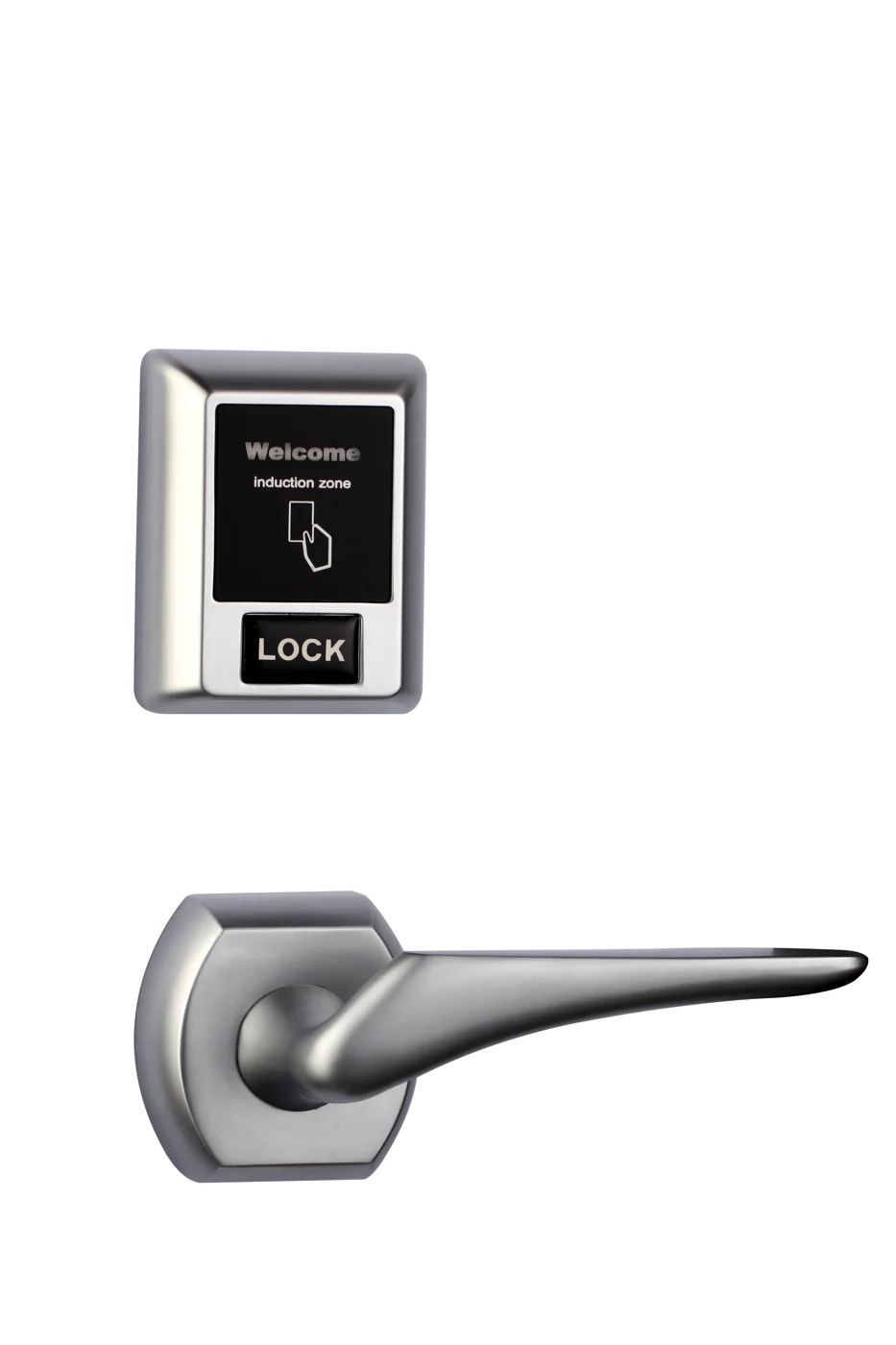
Bluetooth Cabinet Lock — App + PIN + Card, Managed Fleet
Offline BLE app cabinet lock for parcel, office, and managed locker fleets. App + PIN + MIFARE card, remote credential management, no server dependency, battery-powered retrofit.
This page already points to it as the next recommended reference.
Related blog posts
3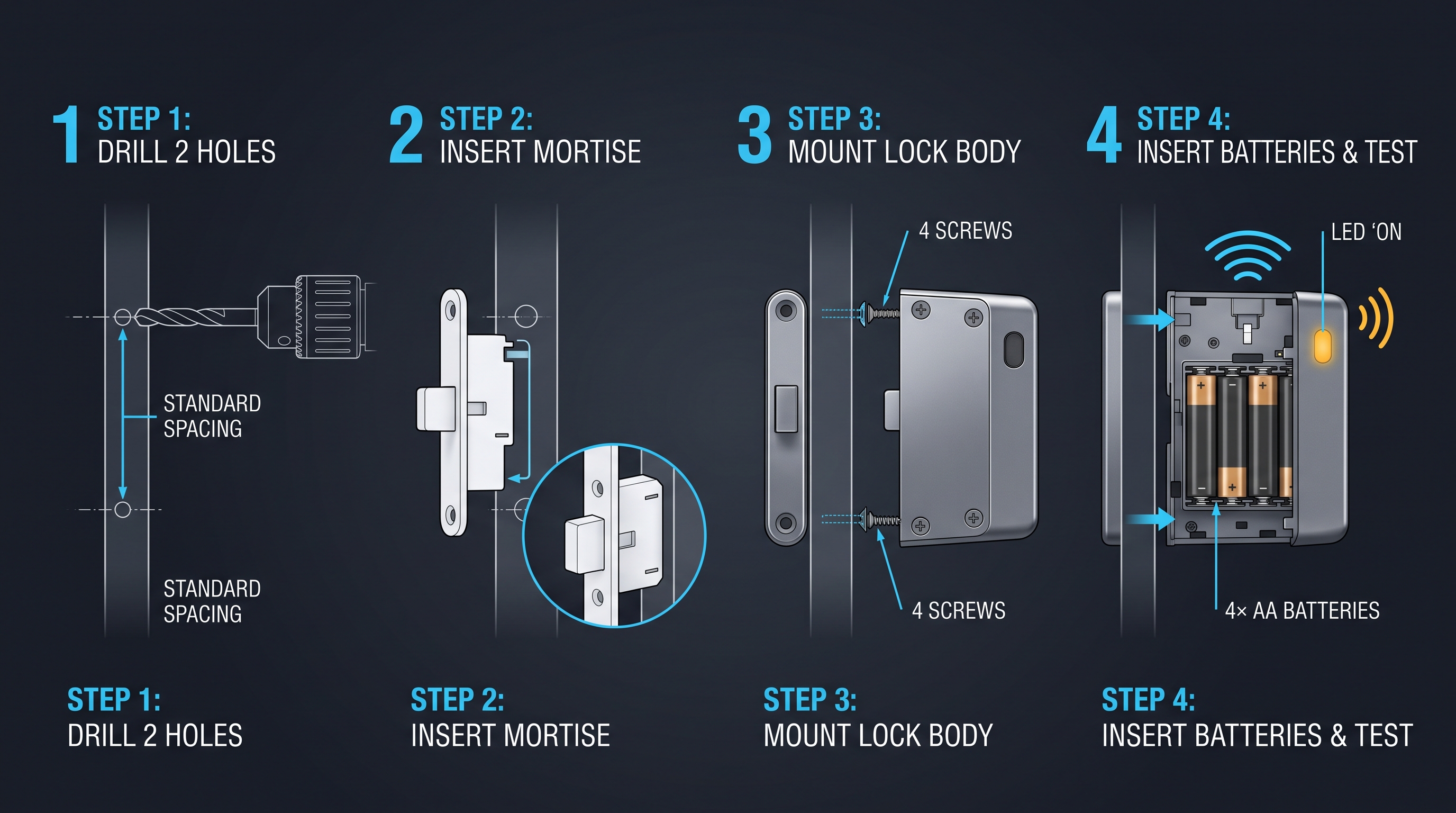
EMS Cabinet Lock: DEA-Compliant Drug Security for Paramedic Vehicles
EMS cabinet lock guide covering DEA Schedule II compliance, dual-authentication, tamper-evidence, audit trail, vehicle power, and ePCR integration for ambulance fleets.
It supports the same product context: Gym Locker Lock — Offline Card, No WiFi Required.
The Complete Guide to Emergency Cabinet Locks for AEDs, First Aid, Fire Extinguishers, and Trauma Kits
Learn everything about emergency cabinet locks: break-glass vs solenoid vs motorized latches, tamper alarms, remote alerts, ADA compliance, battery life, and deployment across schools, offices, gyms, transit, and aircraft.
It supports the same product context: Gym Locker Lock — Offline Card, No WiFi Required, PIN Code Electronic Cabinet Lock — Stand-Alone, No WiFi, Bluetooth Cabinet Lock — App + PIN + Card, Managed Fleet.
Employee Locker Lock Systems: The Definitive Guide for Workplace Security and Efficiency
A definitive guide to employee locker lock systems covering selection, installation, security, management software, compliance, and best practices for workplace locker security.
It supports the same product context: Gym Locker Lock — Offline Card, No WiFi Required.
Specify your hotel project with our engineers
Send your room count, ceiling type, and protocol preference. We will return a sample plan and quote within 24 business hours.
- Move from general guidance into a product or application discussion.
- Use RFQ when pricing, drawings, MOQ, or launch timing needs structure.
- Keep a direct contact path visible for fast clarifications and handoff.