Battery Cabinet Lock: The Complete Technical Guide to Power, Battery Life, and Selection
Guide to battery cabinet lock power: AA and lithium cell types, standby and sleep draw, low-battery alerts, humidity sealing, and cell replacement intervals.
A battery cabinet lock is an electronic locking device that powers its keypad, card reader, biometric sensor, and actuator entirely from self-contained cells instead of building wiring. A battery cabinet lock generally operates on 3 to 12 volts DC, and common configurations use two to four AA cells, two or more AAA cells, one to three CR123A lithium cells, or a single 3-volt coin cell such as a CR2032. The main advantage of a battery cabinet lock is that it retrofits onto standard cabinetry with a screwdriver and no electrician, which is why gyms, offices, schools, and hospitals deploy them in large numbers. The trade-off is a finite energy budget, so every design decision, from the radio protocol to the actuator type, is shaped by milliampere-hour accounting. Understanding battery types, discharge behavior, standby versus sleep consumption, low-battery alerts, and replacement intervals is essential before you choose, install, or service any battery cabinet lock.
Battery Cabinet Lock Types and Classifications
A battery cabinet lock is classified by its credential type, its power source, and its actuator, and that classification controls how much energy the unit uses each day. The three broad families are PIN or keypad locks, card or RFID locks, and app or biometric smart locks, which draw different current at idle. A battery cabinet lock comes in a solenoid form that fires a striker with 3 to 5 N of force, or a motor form that drives a bolt with 5 to 8 N; the solenoid is cheaper and draws 100 to 300 mA briefly, while the motor pulls up to 1.2 A during rotation. Power sources include replaceable alkaline cells, lithium primary cells, rechargeable lithium-ion packs, and hybrid designs that accept a wired supply as well. Each classification affects battery life, replacement cost, and maintenance, so match them to the facility that will host the battery cabinet lock.
AA and AAA Cylindrical Battery Cabinet Lock Designs
The most common battery cabinet lock on the market uses cylindrical cells because they balance capacity against size. A typical keypad-only battery cabinet lock holds four AA cells in a spring clip holder, which delivers about 6 volts and 1800 to 3000 mAh of capacity depending on the cell chemistry. At 10 to 20 unlocks per day, a battery cabinet lock in this configuration runs for about 12 to 24 months before the low-battery warning appears. Smaller drawer locks use two AAA cells to keep the profile slim, which shortens the runtime accordingly. Cylindrical cells remain popular because AA batteries are sold in almost every store, so replacing the batteries in a battery cabinet lock requires no proprietary accessory. For a public locker room or a busy office drawer, the four-cell AA configuration is the longest practical runtime you can get from a battery cabinet lock at a reasonable price.
Coin Cell and CR2 Compact Battery Cabinet Lock Models
For slim furniture, a battery cabinet lock often uses a CR2032 coin cell or a CR2 lithium cylinder to keep the housing nearly flush with the cabinet door. A CR2032 delivers about 3 volts and only 210 to 240 mAh, while a CR2 delivers 3 volts and roughly 1400 to 1600 mAh, so a battery cabinet lock built around these cells is heavily optimized for low current. An RFID-only battery cabinet lock on a CR2 can still reach 6 to 12 months of battery life under light use, because it wakes only when a card is presented. Coin-cell and CR2 battery cabinet lock models appear in residential furniture, jewelry boxes, and display cases where the outer silhouette matters more than long runtime. The limitation is that these cells hold far less energy, so a battery cabinet lock with an always-on radio is rarely built around them. The replacement cells must match the exact CR specification listed by the manufacturer.
Rechargeable Pack and Hybrid Battery Cabinet Lock Configurations
At the premium end, a battery cabinet lock is built around a rechargeable lithium-ion pack that is rated at 3.7 volts with 500 to 3000 mAh and topped up through a USB-C port or a dock. Because the storage is fixed, a battery cabinet lock with WiFi or camera features can sustain the always-on draw that would flatten tray batteries, and the lock reports its state of charge through its app. Some hybrid designs also accept a wired feed from a 5-volt USB adapter or a 12-volt transformer, which switches the internal regulator to external power whenever it is present. That hybrid layout is common in server racks, laboratory cabinets, and showrooms. Rechargeable and hybrid battery cabinet lock configurations solve the central weakness of battery-powered security, which is the moment when the cells die and the door stays closed.
Battery Cabinet Lock Working Principles and Power Mechanisms
A battery cabinet lock is an electromechanical unit whose controller board, radio, and actuator all draw current from cells inside a sealed compartment, and how a battery cabinet lock manages that finite energy drives its reliability. A battery cabinet lock samples its keypad, decides when to wake, and then sleeps, and each state draws a different current: deep sleep around 5 to 15 microamps, standby with radio listening around 50 microamps for BLE, and active actuation from 150 milliamps for a solenoid to more than an ampere for a motor. The idle-versus-peak tension dominates battery cabinet lock engineering, because a unit that stays awake too long discharges faster. A capacitor bank builds microamps while the lock sleeps and releases one high-current pulse for the 0.3 to 0.8 second actuation. Understanding the states, the cell chemistry, and the voltage thresholds lets you model the energy budget of a battery cabinet lock before you buy it.
Standby, Sleep, and Actuation Power States
The largest factor in battery life is how a battery cabinet lock behaves while idle. Modern boards spend almost all of their time in a near-zero-current sleep. The deepest sleep, typically under 10 microamps at 3.3 volts, costs a battery cabinet lock less than a tenth of a milliwatt, which is why a simple PIN model runs for years on one set of cells. When a user touches the keypad or the reader, the battery cabinet lock wakes, reads the credential, fires its actuator, and sleeps again, so the whole event uses only a few millijoules. Always-on radios change the balance sharply. A battery cabinet lock with a BLE beacon draws 10 to 50 microamps, a Zigbee unit polling every few seconds draws 50 to 100 microamps, and a WiFi unit drains dozens of milliamps while it holds a channel. You only need to know the idle current to predict how long a battery cabinet lock will last, and in most cases the radio is what empties the cells.
Battery Chemistry Discharge Curves and Internal Resistance
The discharge behavior of the cells converts microamps into months. Alkaline cells output 1.5 volts when fresh and sag gradually, so a battery cabinet lock begins to behave erratically in the last 20 percent of capacity. Lithium primary cells hold a flatter voltage and deliver their full capacity right up to the end. Internal resistance matters because actuation demands a current spike. A battery cabinet lock that measures 3 volts on a meter can still stall while firing its solenoid if the cells cannot supply the current under load. Lithium chemistry has the lowest internal resistance. For that reason, a battery cabinet lock tuned for lithium will warn earlier when it runs on alkaline, while a lock built for alkaline can run erratically in the cold on lithium cells. Choosing the exact chemistry that the battery cabinet lock was specified for is a cheap way to get consistent actuation on every unlock.
Voltage Thresholds, Brownouts, and Reset Behavior
A battery cabinet lock also defines voltage thresholds that drive both the alert and the actuator. Most four-cell units read about 6 volts when fresh and issue a low-battery warning at roughly 4.8 volts, which is about 20 to 30 percent of capacity, and then they refuse to open past a hard floor. When a battery cabinet lock hits a brownout during a motor turn, the load is so high that the cells momentarily read low, and the board can reset mid-stroke and leave the bolt half-open. Manufacturers fix this with a reset circuit and a bulk capacitor. You should verify any battery cabinet lock under a simulated weak-cell condition before you deploy it in a cold room. Where the firmware reports state of charge, you get a remaining-count estimate that lets your team order replacements on a schedule rather than on failure.
Battery Cabinet Lock Feature Comparison
A battery cabinet lock differs from a hard-wired lock because every feature competes for the same finite energy, so the feature set largely decides the battery life you will experience. The table below compares the main classes of battery cabinet lock you might encounter, noting the typical power source, standby draw, actuation current, practical battery life, whether a low-battery alert is standard, and how the battery is replaced. As a rule, a battery cabinet lock that adds wireless connectivity, a biometric sensor, or a motorized deadbolt consumes several times more energy at idle, and that idle draw shortens the interval between cell changes from about two years to six months. The table also shows that a battery cabinet lock with an alert system still leaves fifty to two hundred unlocks of runway, which is enough time to schedule a swap. Use this comparison to choose a battery cabinet lock whose feature load matches the access frequency and monitoring needs of your site.
| Battery Cabinet Lock Class | Typical Power | Standby Draw | Actuation Current | Practical Battery Life | Low-Battery Alert | Replacement Method |
|---|---|---|---|---|---|---|
| Basic PIN keypad | 4 x AA alkaline | 5-15 µA sleep | 100-300 mA | 12-24 months | LED + buzzer | Replace 4 cells |
| RFID / card | 4 x AA or 2 x AA | 10-30 µA idle | 100-400 mA | 10-18 months | LED + buzzer | Replace cells |
| BLE app + keypad | 4 x AA lithium | 10-50 µA beacon | 300-600 mA | 8-14 months | App push | Cells or USB |
| Fingerprint biometric | 4 x AA lithium | 30-80 µA idle | 300-800 mA | 6-12 months | App + buzzer | Cells or USB |
| WiFi / Zigbee connected | 4 x AA or Li pack | 50-200 µA | 500 mA to 1.2 A | 3-8 months | Cloud alert | Cells or pack |
| Motorized smart deadbolt | Li-ion USB-C | 20-50 µA sleep | 0.8-1.2 A | 6-12 months | App + USB | USB recharge |
Feature Set versus Power Consumption
A battery cabinet lock carries a feature set, and each feature costs power. A plain PIN-only battery cabinet lock has no radio and no biometric sensor, so its entire energy budget goes to the sleep mode and a solenoid, and that lock can run for a year or two on four AA cells. Adding a BLE radio, a faster microcontroller, and a fingerprint sensor shrinks the same battery cabinet lock to eight to fourteen months. Adding WiFi, a camera, or a cloud heartbeat can drain the batteries in only four to six months. In other words, every feature that a battery cabinet lock adds takes days out of the battery life. This is why you should buy the minimum feature set for the job. A battery cabinet lock that only needs to open occasionally should not be the always-connected model.
Battery Life by Usage Pattern and Feature Load
The battery life of a battery cabinet lock is best predicted as the idle draw across time, plus the energy of each unlock and how often the door is used. Three unlocks a day versus two hundred a day will change the battery life by more than double for a motorized battery cabinet lock, because each motor turn spends a few joules that the cells must replace at idle. A WiFi battery cabinet lock drains so quickly that it is rated in months even when it is unlocked only twice a day, which is exactly why the connected form is not the answer in remote locations. A busy gym battery cabinet lock, cycled by hundreds of members daily, needs four times the service interval of a battery cabinet lock on a quiet office cabinet. To predict the life, take the annual event energy plus the idle draw, divide by the usable cell capacity, subtract a 20 percent reserve, and compute the number of days.
Alerts and Battery Monitoring Features
The alert system is what turns maintenance from a surprise into a schedule. The simplest battery cabinet lock lights an LED and buzzes when the measured voltage crosses the low threshold, which still gives fifty to two hundred unlocks of notice. Because an alkaline battery cabinet lock sags gradually while a lithium one drops sharply at the end, threshold detection matters. On the premium end, a battery cabinet lock pushes a state-of-charge percentage over BLE or WiFi to an app that flags a projected swap date, and an audit log timestamps each low-battery event. When maintenance runs to those alerts, a monitored battery cabinet lock is the easiest fleet to manage, because a planned cell swap is far cheaper than a paid call-out.
Battery Cabinet Lock Applications and Use Cases
A battery cabinet lock is most valuable in locations where it is impractical to run mains power to every cabinet and where auditability and frequent credential changes outweigh the cost of cells. Gym lockers, school classrooms, office drawers, and medical cabinets each opt for a battery cabinet lock because it can be installed anywhere a cable is not convenient. In a gym, a battery cabinet lock lets members claim a locker without a front-desk key. In a pharmacy, a battery cabinet lock proves who opened a drawer and when. In an office, a battery cabinet lock lets IT reassign access the moment an employee leaves. A further advantage is that a battery cabinet lock stays closed even when the facility mains is off. Every application therefore trades occasional battery service for cheap, instant, cable-free security anywhere a power outlet is not sitting.
Gym and Locker Room Use Cases
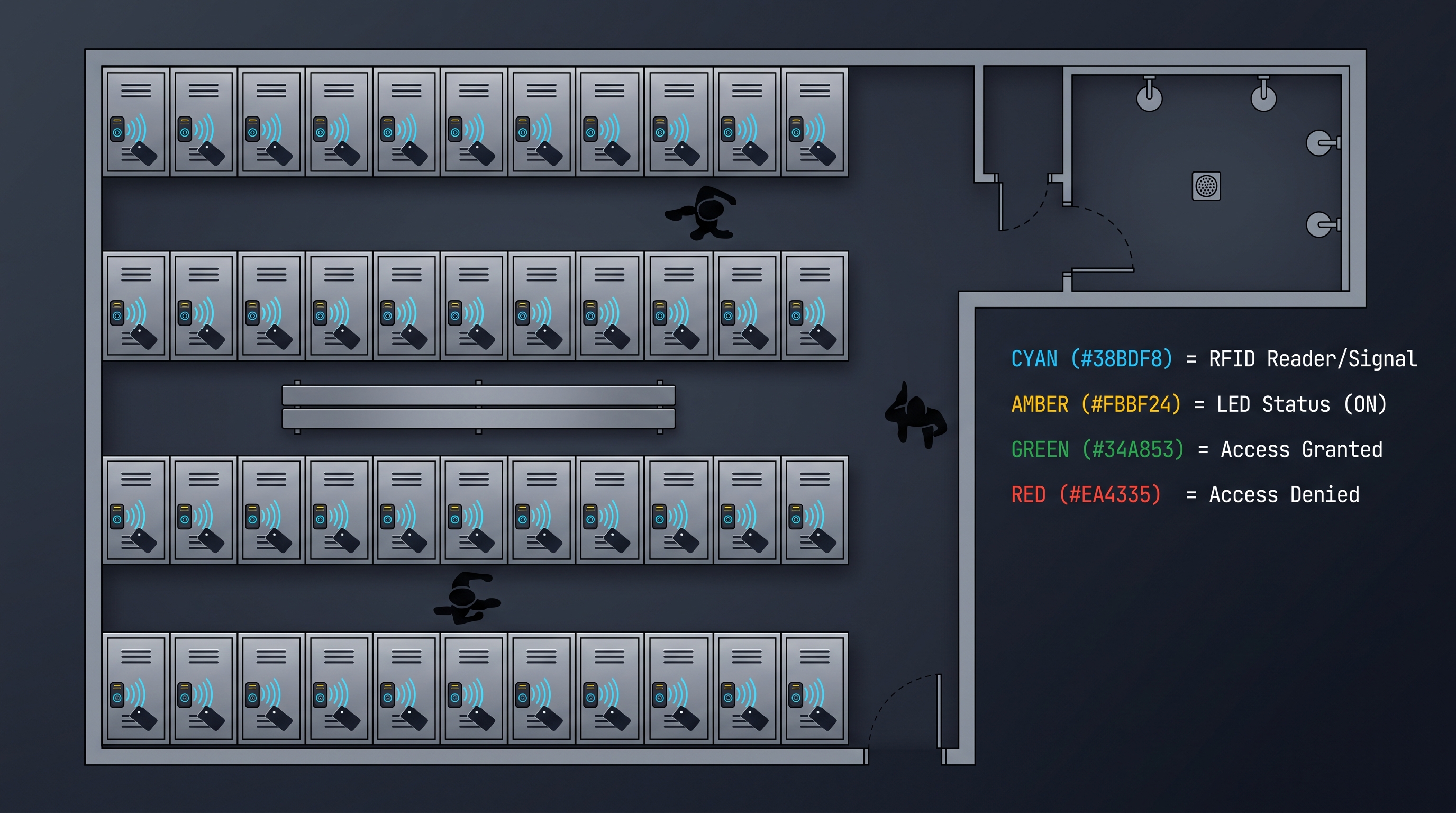
Gyms, schools, and pools are the most common deployment of a battery cabinet lock. Hundreds of users arrive every day, and a managed battery cabinet lock with a PIN, card, or phone app lets members claim lockers without touching a shared key, while staff enroll, suspend, and reassign anyone in seconds. Because the locker room is humid, the battery compartment must be sealed and gasket-rated so that 60 to 70 percent humidity does not corrode the contacts. Battery corrosion is the main cause of an early battery cabinet lock failure in a pool facility. The high daily turnover means a gym battery cabinet lock should run on a scheduled cell-swap interval with a spare set staged on site. A battery cabinet lock with an emergency manager PIN also lets staff open any door when a guest forgets a code or the battery is flat.
Healthcare, Pharmacy, and Controlled Storage
Hospitals and pharmacies use a battery cabinet lock to secure controlled drugs, medication carts, and expensive equipment because the lock creates an audit trail without wiring each room. Many regions require a witnessed, time-stamped record of every draw, and a battery cabinet lock with proper firmware writes the who-what-when data to a log. A locked door is catastrophic in such spaces, so the battery cabinet lock needs a visible battery lamp, a backup power path, and a supervisor key that opens even when the cells are empty. Because uptime matters first, a healthcare battery cabinet lock is usually placed on a quarterly replacement schedule. When the battery of a battery cabinet lock is managed well, a locked drawer does not disrupt the pharmacy supply chain.
Office, Education, and Public Storage
Office, school, and retail deployments value flexible access with a clean exterior. Data cabinets, server racks, file drawers, and display cases each get a battery cabinet lock tailored to their users, from a keypad on a shared cabinet to a biometric lock on a director's file drawer. A battery cabinet lock excels here because credentials can be reissued in seconds, so a departing employee is not a security gap. Public-facing environments plan their power changes carefully, because a dead showcase cabinet is a service disruption, so they prefer a battery cabinet lock with a visible alert. In every setting, the labor of changing cells is the real total cost of the battery cabinet lock, so the plan should budget for the duty cycle rather than assume.
Battery Cabinet Lock Installation and Battery Compartment Guide
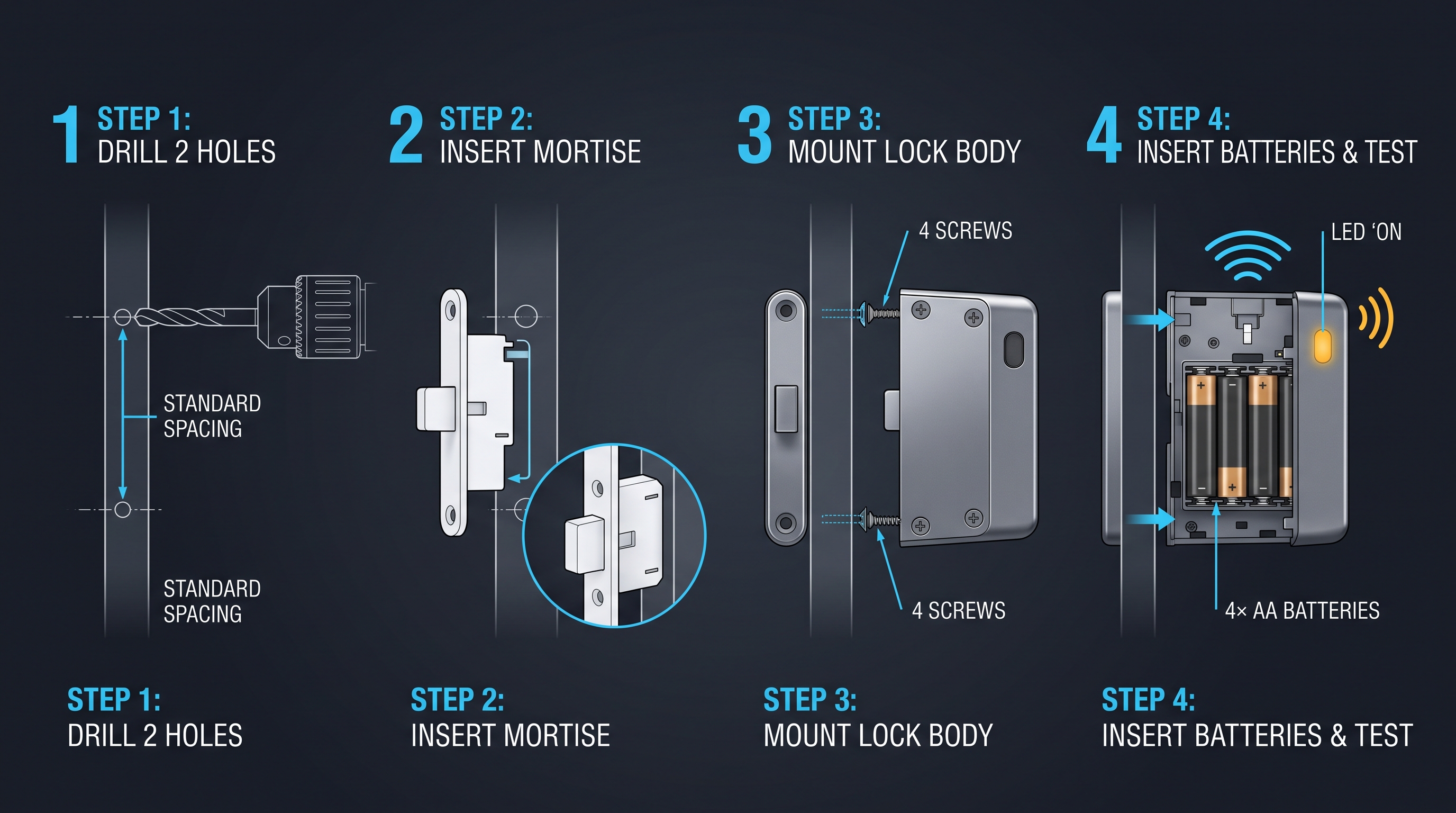
A battery cabinet lock installs with hand tools in about twenty minutes, and the part that most often fails later is the battery compartment. The correct order is to dry-fit the lock, mount the body and the strike, then seat the cells and seal the compartment before doing a final unlock test. A battery cabinet lock with a cell loaded backwards will typically click and refuse to open, which can leave a drawer sealed with no way in. You also want to keep the battery compartment out of the direct airflow of the room, with the gasket uninterrupted. The seal of a battery cabinet lock matters more than the screw pattern for long life. The discipline is to test the battery seating while the cover is still open, so any problem is revealed before the door is latched.
Mounting the Lock, Face, and Strike
First dry-fit the battery cabinet lock against the inner edge of the cabinet and mark the mounting holes. A battery cabinet lock uses two machine screws, often on a center-to-center distance of about forty millimeters, and the strike on the frame must line up with the bolt within one to two millimeters. If the battery cabinet lock body is sunk too deep into the door, its bolt binds on the keeper and the motor can stall. Use the drill template, level the housing, and tighten the screws evenly. Once the bolt moves freely in both directions, close the door and check the clearance. A free-moving bolt is the cheapest battery insurance on a battery cabinet lock, because the motor that does not fight draws less current.
Loading Cells, Polarity, and Correct Contact
The battery seating is what most installers get wrong. Insert the cells in the exact order and polarity printed beside the compartment, because one reversed cell stops the current and can damage the contact. Wipe the cells and the contacts clean with a dry cloth, and seat each cell so that both ends are flush. Spring-loaded clips are simpler, while a compression holder is more dependable in a rolling vehicle. When the compartment cover latches, it gives the final pressure that guarantees contact. Do one unlock test before you pack the unit. That test confirms the polarity of the battery, the contact quality, and the reserve power of the battery cabinet lock.
Sealing the Battery Compartment for Humidity and Dust
The battery compartment seal is the true safeguard of a battery cabinet lock. A modern battery cabinet lock gets an ingress claim such as IP54, which blocks dust and low-pressure spray, but only when the cover gasket is present and seated well. In humid spaces, examine the gasket for cuts, and press the cover evenly so the seal is uninterrupted. Never store spare cells inside the battery door for a long time or leave the cover open, because humidity and dust will eat the terminals long before the next service. In kitchens, pools, and transport, position the battery cabinet lock so the gasket is directed away from splashes. A sealed battery door keeps the cells from corroding in months instead of years.
Battery Cabinet Lock Selection Criteria and Buying Considerations
Selecting the right battery cabinet lock begins with matching the access pattern to the power budget, and only then by price. Choose the credential by the user, the cell type by the temperature, the radio by whether monitoring is needed, and the seal by the humidity. For a battery cabinet lock that guards a quiet drawer, the ordinary keypad model is enough. For a battery cabinet lock in a gym cycled hundreds of times a day, you need a larger capacity and a stronger seal. Selection is a trade-off among cell type, battery life, alert, radio, emergency access, and compliance, and a good buyer balances all of them against the price. If you buy for the wrong duty cycle, a battery cabinet lock either overcharges you or exhausts its cells months before the expected service date.
Matching the Battery Cabinet Lock to the Duty Cycle
The duty cycle is the first and most important filter. A battery cabinet lock used five times a day in a comfortable room can run for two years on alkaline cells. The same battery cabinet lock in a school gym will consume its energy in one season. When the traffic is very high, you need a battery cabinet lock with higher capacity cells, a flatter discharge curve, and a visible alert. Many managers accept an annual battery swap as the standard policy for high volume, because a planned rotation of cells is cheaper than a failure that blocks access. For low-traffic sites, you can choose the smallest and cheapest battery cabinet lock that still logs the access you need.
Emergency Access and Low-Battery Escapes
A battery cabinet lock that exhausts its cells still needs a defined emergency path, and that is a requirement, not a nice-to-have. Decide whether you need a supervisor key or code, an emergency 9-volt pad contact, a USB backup port, or a mechanical bypass that opens at any battery state. In a battery cabinet lock used by the public, the manager key or the USB port is the common solution. When a battery cabinet lock is installed in a remote location, a mechanical emergency cylinder is the safest fallback. A battery cabinet lock with no bypass forces your team to call a locksmith, which costs far more than the cells themselves. Plan the emergency path before you deploy, not after a failure.
Environmental Ratings and Compliance
The final consideration is the environment. A battery cabinet lock must match the humidity, salt, cold, and vibration of the room, and the battery compartment rating is part of that match. For a battery cabinet lock in a pool or a kitchen, you need a high ingress protection rating and a sealed gasket. CE, FCC, and RoHS are the baseline compliance marks in most markets, and regulated spaces add more. A battery cabinet lock with documented certifications and a documented actuator behavior is easier to audit. Work with a vendor that publishes the real battery life data and the alert thresholds, because that data is what lets you plan a reliable battery cabinet lock deployment.
Battery Cabinet Lock Battery Life, Alerts, and Replacement Plan
The battery life of a battery cabinet lock is controlled by the usage pattern, the ambient temperature, the radio, and the discipline of the team that replaces its cells. In well-run facilities, a battery cabinet lock with alkaline cells and a keypad runs for 12 to 24 months, while a connected battery cabinet lock with WiFi drops to 3 to 8 months, and the difference is almost all idle draw. The low-battery alert of a battery cabinet lock fires at about 20 to 30 percent of capacity, still leaving fifty to two hundred unlocks of runway. Modeling these numbers is the key: take the usable cell capacity of the battery cabinet lock, divide it by the sum of the idle current and the event energy, and subtract a reserve to arrive at a calendar. A battery cabinet lock that is planned and scheduled is never a surprise.
How to Model the Battery Life
A good estimate of battery life can be made in a spreadsheet. Start with the cell data from the specification of the battery cabinet lock: total capacity in milliamp-hours and self-discharge rate. Then enter the workload: the number of unlocks per day and the idle draw. The expected months of a battery cabinet lock equals the usable capacity divided by the daily load. Reduce that figure by a 20 percent reserve, because the battery cabinet lock never delivers the rated last 20 percent. A battery cabinet lock in a gym should fit within an eight-month interval, and a battery cabinet lock on a quiet cabinet is good for a full season. When the vendor publishes the actual current of its battery cabinet lock, plug that current into the model to get a useful forecast.
Reading the Low-Battery Warning
When the alert fires for a battery cabinet lock, the cells are not dead yet, but the service is due. Measure the cell voltage with the lock in operation and again at rest to see how much the load line drops. Alkaline sags gradually, so treat the warning as a hard queue. Lithium keeps a flat curve and warns close to the actual event, so treat the warning as urgent for a battery cabinet lock that runs on lithium. If the battery cabinet lock has an app, read the reported percentage and the count of unlocks to calibrate. Log each warning into a sheet and correlate the data across the fleet. It is the discipline of reading the battery that avoids the costly outage of a battery cabinet lock.
Swapping Cells on a Schedule, Not on Failure
The cheapest way to run a battery cabinet lock fleet is a fixed swap schedule. A mid-volume battery cabinet lock rotates its cells once a year, and a high-traffic unit rotates every six months. A battery cabinet lock with telemetry lets a supervisor see the battery levels in a dashboard and group the swap for an entire site. Where a battery cabinet lock has no telemetry, use the physical calendar with the spreadsheet from the previous section. Always use the same chemistry that the battery cabinet lock was tuned to, keep the spare cells in a sealed box, and track the expiry date. When a battery cabinet lock runs on a schedule, battery trouble becomes rare instead of routine.
Battery Cabinet Lock Power Alternatives: USB, Wired, and Mains
The battery of a battery cabinet lock is not the only source of power, but it is the most common one. Where a power outlet is near, a battery cabinet lock can be fed by a USB port, a low-voltage adapter, or a mains transformer, and many designs accept both battery and wired power. A USB port is the easiest path, because most smart battery cabinet locks now expose a USB-C or Micro-USB port that takes 5 volts and 1 ampere. A wired feed keeps a battery cabinet lock alive regardless of the usage cycle, but a battery remains as a backup for a power outage. The decision between a battery cabinet lock and a wired alternative is a total-cost calculation that includes the cable run, the installation, and the cell replacements over five years. Many property managers choose a battery cabinet lock because it works even when the mains is down.
USB Charging and Emergency Power Ports
The USB port is a practical safety net for a battery cabinet lock. A power bank, a phone charger, or a USB-C adapter can top up the internal pack or power the lock directly during a service call. When a battery cabinet lock is drained at the door, the user can attach a small power bank and gain a temporary unlock. This is especially useful for a battery cabinet lock in a gym or a school where users are not technical. The port also simplifies maintenance, because a technician can test the battery cabinet lock without opening the compartment. Always check the input voltage and polarity printed near the port, because the wrong adapter can damage the control board of a battery cabinet lock.
Wired and Mains-Powered Alternatives
For a permanent installation, a wired feed is the most reliable way to power a battery cabinet lock. A 5-volt USB adapter or a 12-volt transformer supplies continuous power, and the cells remain as a backup. A battery cabinet lock with a wired feed never suffers a dead-cell failure, which is why it appears in data centers, server rooms, and high-security areas. The cost is the cable run, which must be planned before the drywall is closed. For a battery cabinet lock in a moving vehicle or a temporary location, wiring is rarely practical, so the battery-only version is the better choice. Compare the installation cost of the cable against the labor cost of changing cells to decide which approach fits your site.
Total Cost of Battery versus Wired Power
The total cost of a battery cabinet lock includes the cells, the labor, and the failures. A battery cabinet lock with cells has a low installation cost but a recurring battery bill. A wired battery cabinet lock has a higher installation cost but a near-zero operating bill. Over five years, the wired option usually wins for a facility with many locks and reliable power. The battery option wins for a facility with scattered cabinets and no easy route for cables. A battery cabinet lock also offers the advantage of portability, because it can be moved to a new cabinet without any wiring work. Run the math for your specific site before you commit to either approach.
Battery Cabinet Lock Pricing and Market Outlook
A battery cabinet lock sells from about ten dollars to more than a hundred dollars, depending on the feature set and the build quality. A basic keypad battery cabinet lock costs about $10 to $20 at volume. A mid-level battery cabinet lock with a card reader and Bluetooth costs $30 to $50. A premium battery cabinet lock with WiFi, biometrics, and a sealed battery compartment costs $60 to $150. Volume pricing and OEM sourcing reduce the cost of a battery cabinet lock significantly when you buy in batches of a hundred or more. Over the next few years, the market will converge on the battery cabinet lock as a node in identity management, with low-power radios and energy reporting as standard features. Since the maintenance of a battery cabinet lock is the recurring cost, buyers will reward a device that extends the battery life.
Price Ranges by Feature Class
The price of a battery cabinet lock is set by its feature class. The lowest tier is a battery cabinet lock with a keypad and a solenoid, sold at $10 to $20 for a low-traffic drawer, with no radio and no logging. The middle tier is a battery cabinet lock with a card reader or Bluetooth, priced at $30 to $60, which is the common choice for gyms and offices. The top tier is a battery cabinet lock for healthcare with biometrics, auditing, and a sealed battery compartment, priced at $70 to $140. Volume and OEM sourcing drop the per-unit price, so a buyer of a hundred units gets a much better rate. When you cost a five-year plan, include the cells, the swap labor, and the failure risk to get the true cost of each battery cabinet lock.
Standards, Compliance, and Risk
A battery cabinet lock is governed by the same compliance rules as any radio product. It needs FCC approval for the United States, CE marking for the European Union, and RoHS compliance for materials. A battery cabinet lock with wireless connectivity must pass the radio tests of each region before it can be sold. In regulated spaces such as pharmacies, additional standards may apply to the lock itself. A certified battery cabinet lock comes with test reports and batch numbers that make the deployment easy to audit. Buy from a vendor that documents the radio, the battery, and the actuator behavior, so your manual never includes a surprise. That compliance protects the buyer and the end user of the battery cabinet lock.
The Next Decade of Battery Cabinet Locks
The trend for the next decade is clear: the battery cabinet lock will become more efficient and more connected. Low-power silicon will let a battery cabinet lock run twice as long on the same cell, because the idle current will drop from microamps to sub-microamps. Radios will move toward energy-conserving protocols such as BLE 5.2 and Zigbee 3.0, and some locks will add energy harvesting. A battery cabinet lock will report its own health, its battery level, and its unlock history to a central dashboard, which will make fleet maintenance cheaper. The wireless power delivery and the USB-C port will become standard on a battery cabinet lock. Buyers who plan for that future will find that the battery cabinet lock is not a compromise but the standard for secure storage.
Not sure which sensor fits your project?
Talk to our mmWave application engineers for a free consultation.
Find the right presence sensor for your hotel project
Compare the 3 protocols, check hotel-specific case studies, and download the installation guide
Related products
3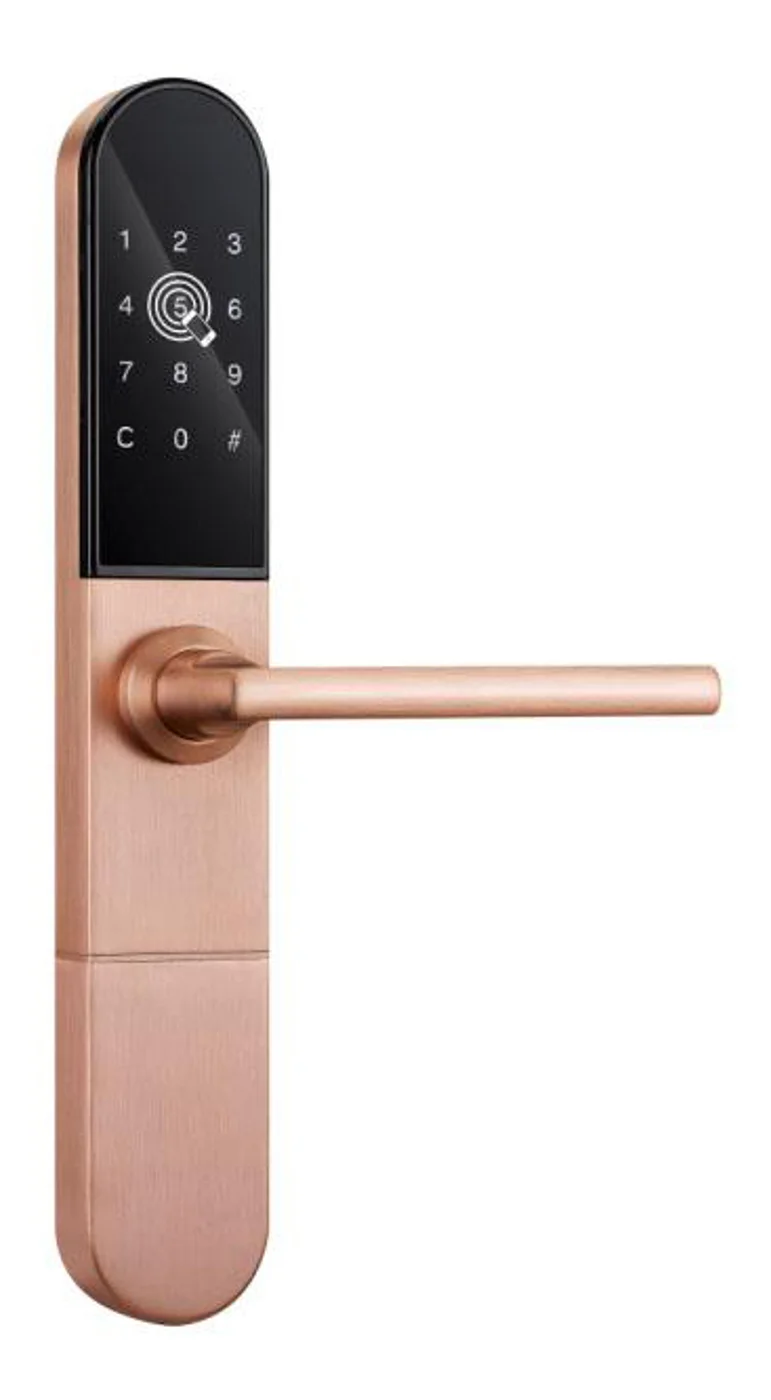
Smart Cabinet Lock — App-Managed, Multi-Site Dashboard
App-managed smart cabinet lock for office, parcel, and multi-site fleets. BLE app dashboard, audit trail, remote unlock, no per-lock server. Higher-tier chassis.
This page already points to it as the next recommended reference.
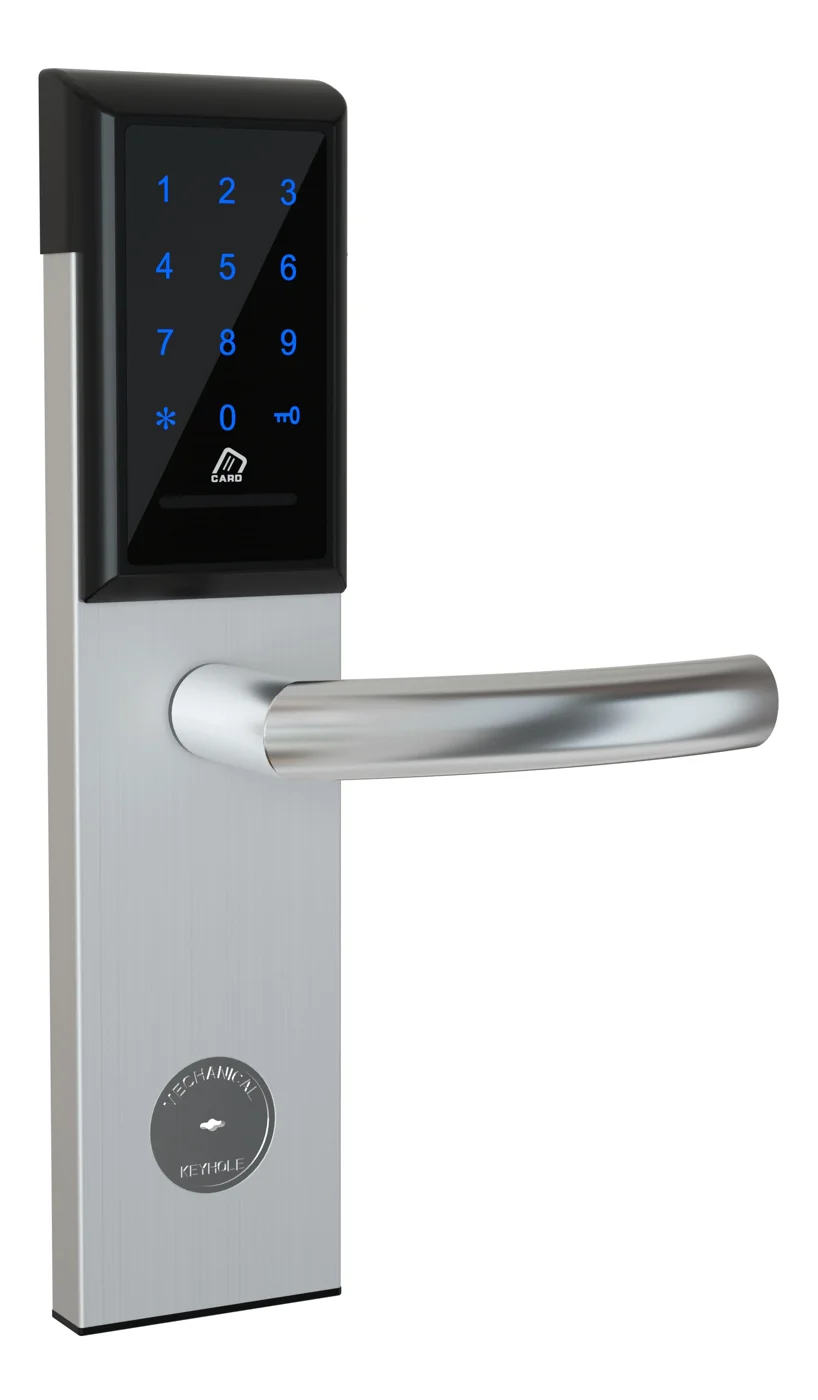
Office Cabinet Lock — PIN + Card for Filing & Pedestals
Offline PIN + card office cabinet lock for filing cabinets, pedestals, and drawers. Battery-powered 5-minute retrofit, no WiFi, no key management. CE/FCC/RoHS.
This page already points to it as the next recommended reference.
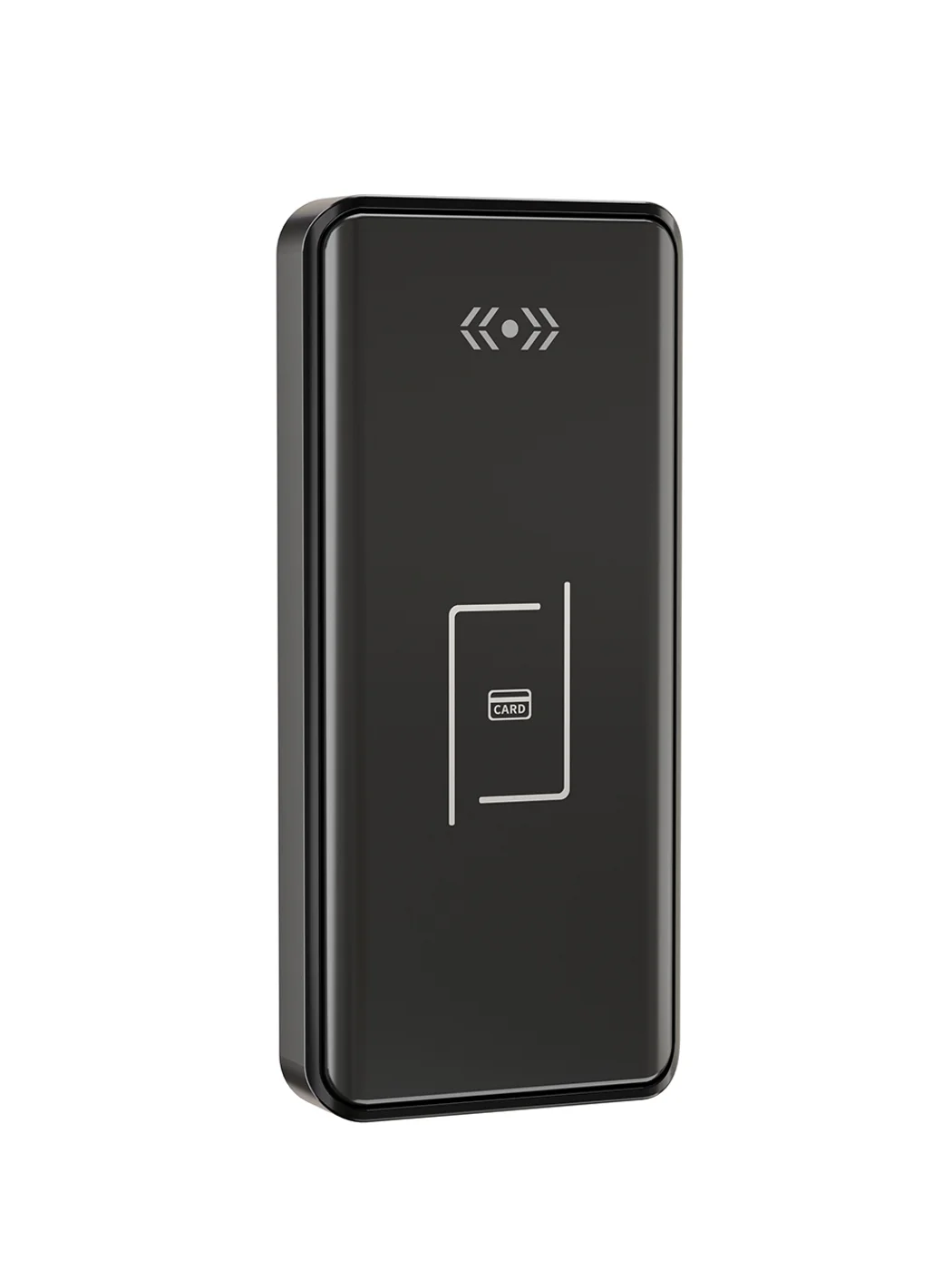
Gym Locker Lock — Offline Card, No WiFi Required
Offline card gym locker lock for fitness and pool lockers. MIFARE card, battery-powered 5-minute retrofit, no WiFi or server. Zinc alloy body, CE/FCC/RoHS.
This page already points to it as the next recommended reference.
Related blog posts
3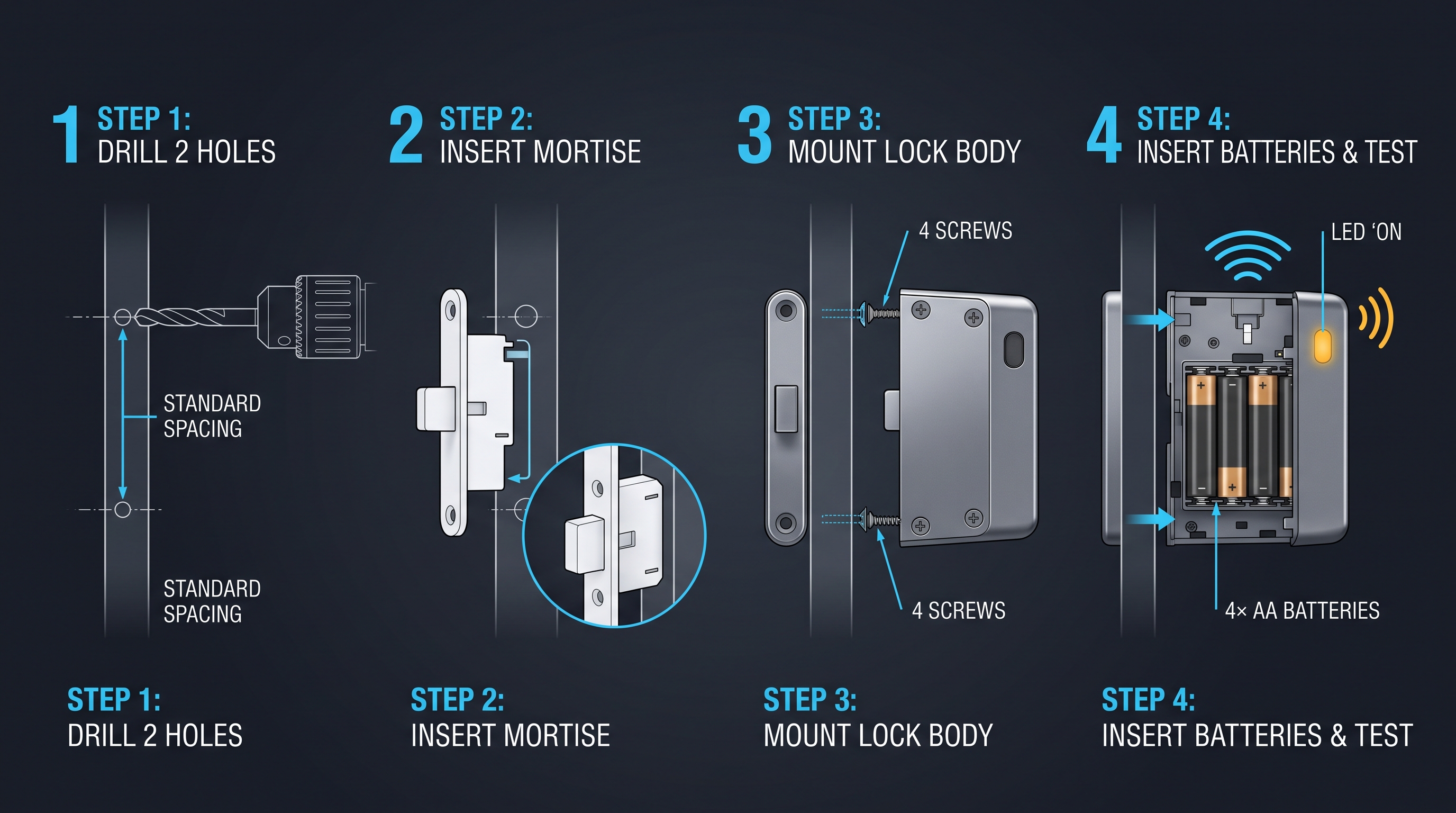
EMS Cabinet Lock: DEA-Compliant Drug Security for Paramedic Vehicles
EMS cabinet lock guide covering DEA Schedule II compliance, dual-authentication, tamper-evidence, audit trail, vehicle power, and ePCR integration for ambulance fleets.
It supports the same product context: Smart Cabinet Lock — App-Managed, Multi-Site Dashboard, Office Cabinet Lock — PIN + Card for Filing & Pedestals, Gym Locker Lock — Offline Card, No WiFi Required.
The Complete Guide to Emergency Cabinet Locks for AEDs, First Aid, Fire Extinguishers, and Trauma Kits
Learn everything about emergency cabinet locks: break-glass vs solenoid vs motorized latches, tamper alarms, remote alerts, ADA compliance, battery life, and deployment across schools, offices, gyms, transit, and aircraft.
It supports the same product context: Gym Locker Lock — Offline Card, No WiFi Required.
Employee Locker Lock Systems: The Definitive Guide for Workplace Security and Efficiency
A definitive guide to employee locker lock systems covering selection, installation, security, management software, compliance, and best practices for workplace locker security.
It supports the same product context: Smart Cabinet Lock — App-Managed, Multi-Site Dashboard, Office Cabinet Lock — PIN + Card for Filing & Pedestals, Gym Locker Lock — Offline Card, No WiFi Required.
Specify your hotel project with our engineers
Send your room count, ceiling type, and protocol preference. We will return a sample plan and quote within 24 business hours.
- Move from general guidance into a product or application discussion.
- Use RFQ when pricing, drawings, MOQ, or launch timing needs structure.
- Keep a direct contact path visible for fast clarifications and handoff.