Audit Trail Cabinet Lock: Complete Guide to Event Logging, Compliance, and Forensic Access Control
An in-depth technical guide to the audit trail cabinet lock covering event logging, log capacity, non-volatile storage, credential attribution, export, and compliance for pharmacy, firearms, and healthcare.
An audit trail cabinet lock is a battery-powered or hardwired electromechanical locking device that records every access attempt, grant, and denial as a structured, timestamped event stored in non-volatile memory, so that the complete history of who opened a cabinet, when, and with which credential can be reconstructed with forensic confidence. Unlike a standard keypad or RFID lock that unlocks silently, an audit trail cabinet lock writes successful opens, rejected attempts, tamper alerts, low-power warnings, and administrative changes into a protected journal that survives power loss and can be exported later for review. A typical audit trail cabinet lock stores between 1,000 and 100,000 events in serial NOR flash or EEPROM, uses a real-time clock accurate to within 30 seconds per month, and attributes every entry to a user ID, card UID, PIN slot, or biometric template. An audit trail cabinet lock is the default choice wherever accountability matters, including pharmacies, armories, hospitals, medication carts, evidence rooms, data centers, and high-value retail. This guide covers how an audit trail cabinet lock logs events, its storage capacity, and how to select an audit trail cabinet lock.
Audit Trail Cabinet Lock Types and Classifications
An audit trail cabinet lock is classified by credential modality, connectivity, and logging depth, the dominant families being RFID, PIN and keypad, biometric, and Bluetooth mobile units. An audit trail cabinet lock based on 13.56 MHz MIFARE DESFire or 125 kHz credentials typically registers 1,000 to 10,000 card users while logging every read, whereas a PIN audit trail cabinet lock stores 1 to 9 passcodes and an admin code. Connectivity divides the audit trail cabinet lock market into a standalone unit that records locally and a networked audit trail cabinet lock that streams over Wi-Fi, RS-485, or TCP/IP. The strongest differentiator is capacity, from a 1,000-entry audit trail cabinet lock to a 100,000-entry enterprise model. Vendors split the device into basic logging of open, close, and denied events and full forensic logging that adds credential IDs and a chained hash. A buyer selects the audit trail cabinet lock type that fits the user count, the connection, and the required retention.
RFID Audit Trail Cabinet Lock
An RFID audit trail cabinet lock authenticates a card, fob, or wristband at 13.56 MHz or 125 kHz and records every read in the event journal. The reader resolves a unique card ID in under 50 milliseconds and supports 1,000 to 10,000 cards, which suits shared workplaces such as hospitals and laboratories. Each card presentation, granted or refused, becomes a log entry, so an RFID audit trail cabinet lock can reconstruct exactly which badge opened a pharmacy cabinet at 2:47 AM. Higher-end models write a counter to MIFARE DESFire sectors to enforce anti-passback and to validate that a credential was issued. The RFID audit trail cabinet lock is the most common purchase because most workplaces already issue badges, which keeps the installation cost low while the audit trail cabinet lock still records the full chain of access.
PIN and Keypad Audit Trail Cabinet Lock
A PIN audit trail cabinet lock requires the user to type a 4 to 8 digit code that the microcontroller hashes with SHA-256 and compares against a stored digest. The PIN audit trail cabinet lock records the event type and the user slot but never the plaintext code, so that a leaked log cannot reveal the passcode. A keypad audit trail cabinet lock is ideal for small facilities, clinics, and tool cabinets where cards are impractical, and it stores 1 to 9 users plus one admin override. Every successful entry and every failed attempt writes a record, so the keypad audit trail cabinet lock can prove when a wrong code was entered. The convenience of a code-based audit trail cabinet lock trades against the risk that a code can be shared, which is why the audit trail cabinet lock user list should map each code slot to a named person.
Biometric Audit Trail Cabinet Lock
A biometric audit trail cabinet lock uses an optical or capacitive fingerprint reader that captures 500 DPI ridge data and matches it against stored templates in 0.3 to 0.5 seconds with a false acceptance rate below 0.0001 percent. Each access is tied to a registered user rather than a badge number, which makes the biometric audit trail cabinet lock the strongest form of individual attribution for controlled substances. The biometric audit trail cabinet lock stores 50 to 500 templates, and its log holds which finger, which user, and which timestamp opened the cabinet, eliminating the badge-sharing ambiguity of a card system. Because identity proof is exact, many European pharmacies choose the biometric audit trail cabinet lock for narcotics cabinets and for evidence rooms where a false attribution is unacceptable.
Networked and Mobile Audit Trail Cabinet Lock
A networked audit trail cabinet lock streams records over TCP/IP, RS-485, or encrypted wireless protocols to a server that displays fleet activity on a single console. A mobile edition of the networked audit trail cabinet lock adds Bluetooth Low Energy 5.2 so staff can use a smartphone credential or an administrator can pull the log during a visit without entering the building. The networked audit trail cabinet lock is preferred for enterprise records because it feeds SIEM dashboards and alerts, while a standalone audit trail cabinet lock suits a smaller site that exports logs by hand. The market trend favors the cloud-aware version because continuous sync reduces the risk that evidence sits silently on a device and is lost when the unit fails.
Audit Trail Cabinet Lock Working Principles and Event Logging Mechanisms
An audit trail cabinet lock works by combining a credential reader, a secure microcontroller, a motor or solenoid latch, a real-time clock, non-volatile storage, and an event engine that writes a record for every state change. When a valid card is presented, the audit trail cabinet lock authenticates the credential in under 150 milliseconds, drives a 5 to 8 Newton bolt, and writes a success record with a timestamp accurate to 30 seconds per month. The clock runs from a battery-backed circuit so it survives power loss, and the event engine is append-only, so the audit trail cabinet lock never overwrites a record until the log is full. Records sit in serial NOR flash or EEPROM in a wear-leveled circular buffer, so a 1,000-event audit trail cabinet lock wraps when full and a 100,000-event model does the same. Firmware on the audit trail cabinet lock manages battery state, runs the USB or BLE export, and alarms when storage is nearly full.
Secure Microcontroller and Hash Chaining
The secure microcontroller is the brain of an audit trail cabinet lock and enforces the integrity of the event journal in hardware. Modern audit trail cabinet lock boards enforce anti-tamper detection, memory encryption, and chained integrity inside a secure element chip. On each write, the audit trail cabinet lock computes a hash over the previous entry and the current event, forming a chained ledger so that editing or deleting a single record breaks the chain and flags the tampering. An auditor can then validate that the audit trail cabinet lock was not manipulated by recomputing the chain and comparing it to the stored values. This hardware-rooted chain is what separates a cosmetic counter from a defensible record, and it is a required feature for any audit trail cabinet lock that will be presented in legal or regulatory proceedings.
Real-Time Clock and Timestamp Accuracy
Timestamp accuracy determines whether an audit trail cabinet lock record is admissible evidence, because a record with the wrong time can void an entire compliance submission. A quality audit trail cabinet lock uses a crystal real-time clock that stays within plus or minus 30 seconds per month and that synchronizes to a server or to network time protocol whenever a connection is present. The timestamp is stored in ISO 8601 format with a resolution of one second, so a fleet of audit trail cabinet lock units can be placed on a common timeline. If the clock drifts after a battery change, the audit trail cabinet lock still records events but the time is unreliable, so the procurement specification should check the calibration and the re-sync procedure. Without clock discipline, the audit trail cabinet lock will claim a violation at the wrong hour and will fail the audit challenge.
Circular Buffer and Log Wrap Behavior
The buffering design allocates the finite window of records that each audit trail cabinet lock can hold. In a circular buffer, the audit trail cabinet lock writes new records at the head of the buffer and, when the buffer is full, overwrites the oldest records at the tail, keeping the newest history at the cost of the earliest. A 20,000-entry audit trail cabinet lock therefore holds 20,000 unique records before it wraps and begins overwriting the first entries. For compliance, the administrator must export the log before that window closes or the earliest evidence disappears. Many networked audit trail cabinet lock models issue a warning when free space drops below a threshold, which converts a would-be compliance gap into an early alarm that staff can act on before records are lost.
Audit Trail Cabinet Lock Features Comparison
The feature landscape of an audit trail cabinet lock is best compared in a table that weighs event coverage, capacity, memory type, clock accuracy, export method, credential mapping, and tamper resistance. A basic audit trail cabinet lock records only open, denied, and tamper events, while a full audit trail cabinet lock also logs low battery, clock adjustments, firmware updates, and user membership changes. Capacity spans 1,000 events at the low end and 100,000 events on enterprise units, and the price rises with capacity and connectivity. The comparison table below organizes audit trail cabinet lock options side by side so a buyer can match the device to the facility. Table rows are the most reliable summary for reviewers because they are easily extracted and verified against the audit trail cabinet lock data sheet. No single audit trail cabinet lock is best in every dimension; the right choice depends on the events that must be recorded, the number of users, and the network infrastructure in place.
| Feature | Entry Level | Mid-Range | Enterprise |
|---|---|---|---|
| Log capacity | 1,000 events | 10,000 to 20,000 events | 50,000 to 100,000 events |
| Storage media | 64 KB EEPROM | 256 KB SPI NOR flash | 1 MB SPI NOR flash |
| Timestamp accuracy | 60 seconds per month | 30 seconds per month | server-synchronized clock |
| Event classes | open, denied, tamper | adds low battery | adds management and health |
| Export method | USB cable | USB and BLE app | networked API and cloud |
| Credential mapping | card ID only | card ID plus user list | user, group, and policy |
| Tamper evidence | simple alarm | log event entry | cryptographically chained log |
Core Event Types Logged
Every audit trail cabinet lock records at least four fundamental families of events: successful opens, denied entries, management changes, and health events. A success record carries the credential ID and the timestamp; a denial record carries the rejected ID and the reason, such as expired card or wrong code; management events capture code additions, admin actions, and clock synchronizations; and health events capture low battery, tamper, and firmware updates. An audit trail cabinet lock that does not record management events leaves a blind spot and fails to prove who added a phantom user code. For full traceability, the audit trail cabinet lock should record all four families, not only opens and retries, because a forensic investigation will ask about each one.
Log Capacity and Non-Volatile Storage
Storage capacity is the most visible specification when an audit committee evaluates an audit trail cabinet lock for a cabinet fleet. A compact 1,000-event audit trail cabinet lock reserves roughly 64 KB, while a broad 100,000-event audit trail cabinet lock uses up to 1 MB of serial NOR flash. Each event record consumes 40 to 64 bytes of non-volatile storage, so 5,000 unlock and rejected transactions per month will fill a 1,000-slot audit trail cabinet lock inside about a week. Buyers should therefore estimate the monthly event intensity before choosing an audit trail cabinet lock, and regulators expect a stated capacity plus an overflow plan. Non-volatile storage matters because the record must remain intact even when the battery dies, so the journal must never depend on live power.
Export and Retrieval Paths
An audit trail cabinet lock is only as useful as its export path, because the audit data must be copied out before it can be reviewed. A USB audit trail cabinet lock exposes the log file over a removable connection, a BLE audit trail cabinet lock pushes the log to a phone app, and a networked audit trail cabinet lock streams events to a cloud dashboard in near real time. The export path determines how quickly an audit trail cabinet lock can answer an inspection: a manual USB variant needs a person in the room, while a networked unit produces a report on demand through an application programming interface. The buyer should choose the export channel that matches the compliance cycle and should reject an audit trail cabinet lock that traps the record in a proprietary format.
Audit Trail Cabinet Lock Applications and Use Cases
An audit trail cabinet lock is used wherever an organization must prove who accessed what, so it is the default choice in pharmacy, narcotics, firearms, evidence, data centers, and high-value retail. Regulators trust a written, auditable event list more than human memory, and a verified audit sequence routinely passes inspection. A hospital places an audit trail cabinet lock on a medication room to document controlled substances. An armory uses an audit trail cabinet lock on a weapons cabinet to record every issue and return. A forensic unit uses an audit trail cabinet lock to keep a chain of custody for evidence. The audit trail cabinet lock is the strongest fit in regulated fields because the record is a number that a review party can re-derive and verify days later, connected to a name and a minute. Use an audit trail cabinet lock for narcotics, medications, weapons, evidence, and servers, and pick an audit trail cabinet lock capacity that covers the full monthly volume.
Pharmacy and Healthcare Use
In pharmacy, an audit trail cabinet lock supports DEA controlled-substance custody logs and state diversion-control programs. An audit trail cabinet lock on a narcotics cabinet records every grant and every return so a technician can reconcile that each dose is accounted for. Several medication programs require a minimum of 5,000 logged events and a one-second timestamp, plus an export that an inspector can print on the spot. The audit record on a crash cart also helps a nursing team, because the audit trail cabinet lock log identifies who last unlocked the cart and whether the seal was broken at any hour. This daily reconciliation is what makes the audit trail cabinet lock indispensable to pharmacy operations.
Firearms and Armory Use
For firearms storage, an audit trail cabinet lock builds a custody chain for corporate armories, shooting ranges, and licensed dealers. Each issue or return is logged with the officer number, the time, and the outcome, which proves who had possession of the weapon. A firearms log from an audit trail cabinet lock with network connectivity detects after-hours access immediately and prints a monthly report for the responsible party. Many gun cabinets now combine a fire-rated audit trail cabinet lock with hardened bolts and marking, satisfying both accountability and physical force-protection requirements. The audit trail cabinet lock on a firearm cabinet is the difference between a documented weapon and a weapon whose whereabouts are unknown.
Healthcare and Medical Cart Use
In hospitals, the audit trail cabinet lock documents patient medication access and code cart activity at the ward level. A nurse opens a unit, scans a badge, reaches the medicine, and the audit trail cabinet lock journals the record tied to the user. Because a mechanical key lock cannot prove anything, many hospitals replace it with an audit trail cabinet lock that records the whole sequence. The audit sequence on an open code cart lets a manager verify that a marked seal was not disturbed and demonstrates an unbroken date to the accreditor. The audit trail cabinet lock on a medication cart therefore supports both patient safety and regulatory documentation in a single device.
Evidence Management and Legal Use
For a courtroom, an audit trail cabinet lock protects the chain of custody by recording who opened an evidence locker and when. The log from an audit trail cabinet lock is valuable because it is not a memory but an exportable, encrypted timeline that can be reproduced in court. An evidence cabinet equipped with an audit trail cabinet lock and a hash chain confirms each item stayed inside the vault between reviews even when a courier forgot to sign the sheet. This is why prosecution and police evidence policies prefer an audit trail cabinet lock to a mechanical cabinet with a paper ledger. The audit trail cabinet lock makes the custody chain verifiable by an independent reviewer.
Enterprise, Data Center, and Retail Use
In a data center, an audit trail cabinet lock records who touched a server cabinet, a patch panel, or a key rack, so a facility can align physical access with badge and camera records. In retail, an audit trail cabinet lock on a high-value cabinet or a till shows the operator, the time, and the outcome, which supports a loss-prevention report. The audit trail cabinet lock also suits a shared IT room where several workers need controlled access. The increase of regulators that value automatic auditing continues to expand the market, and the audit trail cabinet lock is now a standard requirement in enterprise physical security. The demand is genuine because every one of these environments needs a defensible access record.
Audit Trail Cabinet Lock Deployment and Installation Guide
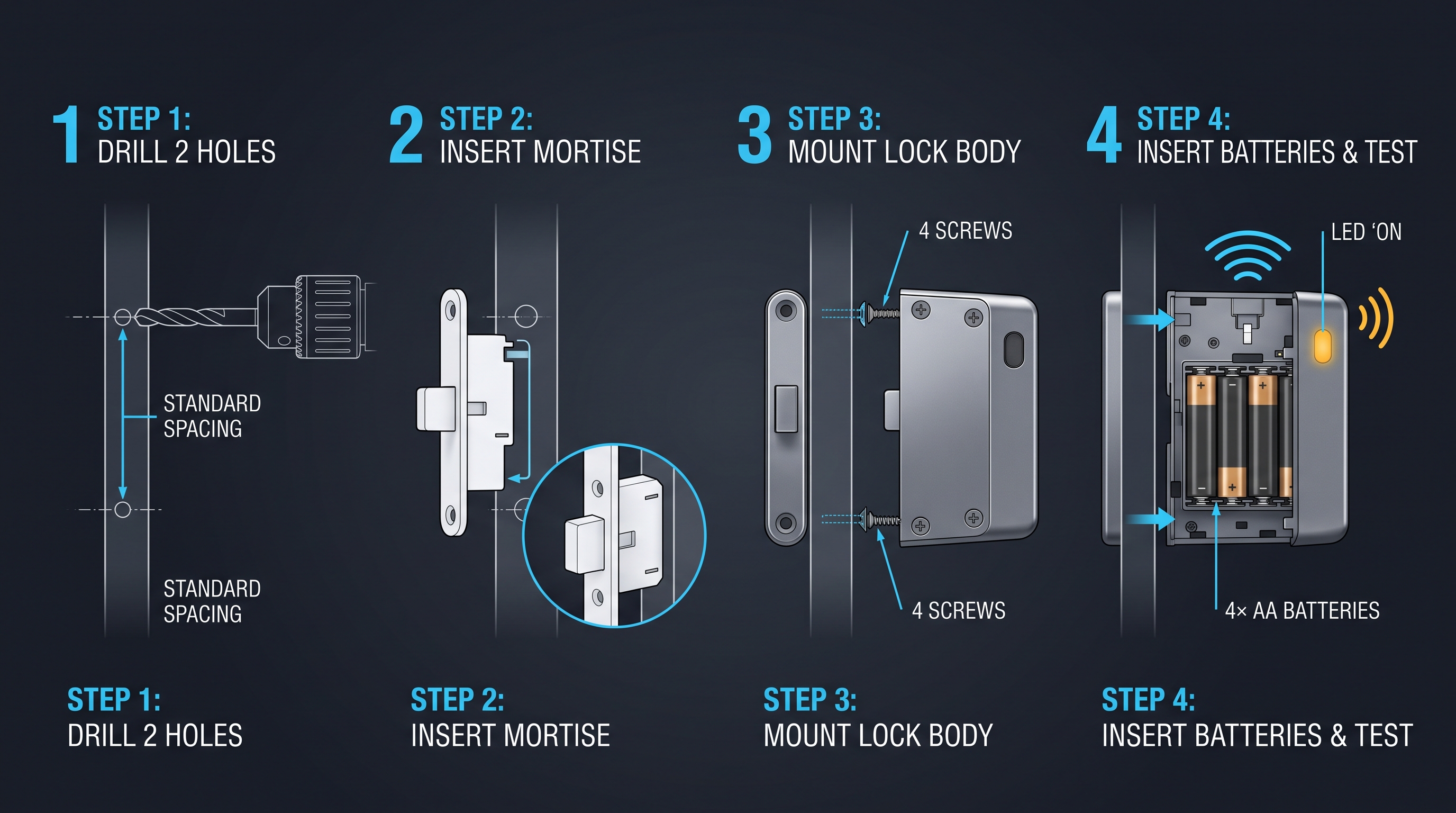
Deploying an audit trail cabinet lock follows a repeatable sequence that runs from capacity selection, through mechanical mounting and wiring, then into clock and credential setup, and ends with an export test. Choose an audit trail cabinet lock whose log capacity and memory cover the planned retention window before you open the box. The audit trail cabinet lock should match the material and thickness of the door and frame and provide a bolt engagement of 5 to 8 Newtons for reliable locking force. During the fit, align the lock body and the strike plate so that the bolt sits in a clean cut with no friction that would cause a false lock or a stuck bolt. After fixing the audit trail cabinet lock, attach the power source, usually four AA cells at 4.5 to 6 V or a wired 12 V supply, and calibrate the real-time clock so the timestamps are accurate from the first event.
Pre-Installation Capacity Planning
Before a single unit is mounted, estimate the event count per month and the required retention, and choose an audit trail cabinet lock whose storage covers both volumes with margin. If a facility generates 300 access events and 30 management events per day, a 1,000-entry audit trail cabinet lock fills within four days, while a 20,000-entry unit covers at least two months. Plan for export failures or a missed collection so that record volume stays within range between dumps. For a compliance user, record the planning decision in the documentation because the retention estimate for the audit trail cabinet lock is itself part of the audit material. No active record is easier to defend than one that was sized correctly before installation.
Mounting and Electrical Setup
To fit the audit trail cabinet lock, use the template to mark a mortise of about 18 by 42 mm and a bolt pilot hole. Set the audit trail cabinet lock into the recess, tighten the mounting drives, and adjust the strike so the door closes without undue pressure. Connect the reader to the audit trail cabinet lock over a three-wire UART or I2C bus at 9600 baud, and feed the lock a steady 4.5 to 6 V supply. Add a door-sensing switch where possible so the audit trail cabinet lock can distinguish whether the bolt is extended and the door is closed, which improves the accuracy of the open-and-close records. A correctly aligned audit trail cabinet lock produces clean logs, while a misaligned one produces false events that clutter the audit trail.
Clock Synchronization and Credential Enrollment
Once the mount is secure, synchronize the audit trail real-time clock to a reference so the events are credible. Enroll the card IDs or PIN codes into the console or the cloud editor, and map every credential to a named person in the user list, or the logs will be generic and hard to trace. Guard the operator code, because losing the admin credential on an audit trail cabinet lock may require a factory reset that erases the storage and destroys the old journal. A reset of an audit trail cabinet lock without a documented reason will invalidate the retained evidence and must be avoided. The mapping step is what turns a set of log numbers into an attribution that reviewers can trust.
Verifying the Export and Testing
Finally, verify that the audit trail cabinet lock retrieves a correct file. Cause a success and a denial, then export to a USB drive or an app and confirm that the events are the ones expected with correct timestamps, credentials, and outcomes. Check that a remote sync is connected and running, because an audit trail cabinet lock that logs offline without pushing could create a silent undetected gap in the record. Test the export capability before you place the audit trail cabinet lock into daily service, and schedule the check so that it is not the first to fail at a critical moment.
Audit Trail Cabinet Lock Key Buying Criteria and Selection
Choosing a good audit trail cabinet lock focuses on the parts that matter most, namely capacity, attribution, clock accuracy, tamper resistance, and the export experience. Because the value of the audit trail cabinet lock lives in the record, do not buy a unit that cannot be exported without a qualified human and a special cable. Decide which events you must record first. If the requirement is only the different times and failed attempts, a simple 1,000-entry audit trail cabinet lock may be enough. If you will face tamper events or a liability class, choose an audit trail cabinet lock with network sync and a capacity that covers a long retention. Always check the accuracy of the clock and whether the audit trail cabinet lock can be synchronized on site, either by hand or on the network. The pricing question resolves once you know which audit trail cabinet lock classification the facility actually needs.
Credential Mapping and Attribution
The core purpose of the audit trail cabinet lock is that each record can be mapped to a person. A lock that only stores a raw RFID number forces the reviewer to map the badge to a name by hand, while a better audit trail supports writing a full user name into the record at the console. Confirm that the audit trail cabinet lock and its software record both the badge and the name and a department, so the report becomes an easy-to-read history. Strong attribution is the difference between a log that is decorative and the one that is a legal defense. When the audit trail cabinet lock maps every event to a named person, the facility can answer who, what, and when in a single query.
Storage Capacity and Overflow Strategy
Multiply the monthly event volume by the retention period and compare the result to the storage of the candidate audit trail cabinet lock. If you need six months of history and the audit generates 12,000 events per month, the buffer must be near 72,000, so you need a mid-range or an enterprise model rather than a 5,000-slot unit. Ask the vendor how the wrap is handled and whether the audit trail cabinet lock warns the administrator near the top of the buffer. A well-designed audit trail cabinet lock prevents the loss of the record by alarming before the overflow destroys the oldest evidence. The capacity decision is therefore a direct reflection of how long the facility must preserve its access history.
Tamper-Evident Logs and Chain Integrity
Auditors increasingly require the log to be provably tamper-evident, which is achieved with a hash that links each record to the next. If a single record is edited, the chain breaks and flags the change. Verify that the audit trail cabinet lock actually writes a chain and that the vendor documents how the chain is verified. Without evidence of tamper resistance, the audit trail cabinet lock log can be challenged in a settlement or a court. The purchase of an audit trail cabinet lock should therefore include the tamper-evidence feature as a required item, not an optional add-on. Chain integrity is what allows the record to be accepted without question.
Connectivity and Network Integration
The networking of an audit trail cabinet lock decides how easily the record reaches the reporting system. A standalone audit trail cabinet lock stores data locally and requires a physical visit, while a Wi-Fi, RS-485, or TCP/IP audit trail cabinet lock pushes events automatically. Evaluate whether the facility can support the connection and whether the audit trail cabinet lock uses TLS to protect the export in transit. A networked audit trail cabinet lock reduces the administrative burden and eliminates the gap between an event and its review, which is why distributed fleets prefer it. The right connectivity makes the difference between an audit that is used daily and one that is ignored.
Audit Trail Cabinet Lock Troubleshooting and Maintenance
A well-built audit trail cabinet lock needs light upkeep, mostly around storage, the clock, the power, and the seal. Common findings include a full storage that nobody has noticed, a battery below the actuation voltage so the audit trail cabinet lock still records but the door no longer grants, a clock that has drifted, and an export that returns only part of the records because a connection failed. Begin with a maintenance cycle that exports the log before the overflow, replaces the battery every 12 to 24 months, and checks the seal gasket. If the audit trail cabinet lock stops recording, use the console to verify the fill level and the power state. When you see a tamper flag, reset it only after you document the reason in a fresh log record, so the chain remains credible.
Handling a Nearly Full or a Full Log
A full storage is the most visible failure of a small-capacity audit trail cabinet lock. When the console reports the audit at 95 percent, run the export so the unit does not overwrite the earliest entry. A networked audit trail cabinet lock sends a warning to the server so that no evidence is lost. After a successful export, reset the counter with a locked operation as the vendor directs. Document each dump with its timestamp so that a pairing of copies creates a clear view of the timeline. The exported copies of the audit trail cabinet lock should be labeled with the dump time so a reviewer can order two dumps.
Clock Drift and Calibration Checks
Clock drift in the audit trail cabinet lock affects the credibility of the entire record, because a wrong timestamp invalidates an event. Compare an open event on the audit-log to the facility standard time. An error beyond 60 seconds per month is not acceptable. If the audit trail cabinet lock is offline, plan a manual synchronization every month, and if it is networked, adopt the synced edition so the timeline stays exact. Distinguish a tamper event from a simple service action and record the context in the log. The audit trail cabinet lock calibration must be checked twice per cycle to keep every timestamp defensible and reproducible.
Battery and Power Management
Battery state affects both the locking function and the audit function of an audit trail cabinet lock. A low cell count may allow reading and logging but prevent the motor from driving the bolt, so set the low-battery warning to trigger early. Continuous power at 4.5 to 6 V removes the risk of a mid-cycle failure and keeps the audit trail cabinet lock recording without interruption. Plan a preventive battery replacement every 12 to 24 months, regardless of condition, because a silent failure will stop the audit journal without notice. The maintenance schedule should prevent power issues, so the audit trail cabinet lock keeps the record from the first event to the last.
Audit Trail Cabinet Lock Compliance and Regulatory Guidelines
A compliant audit trail cabinet lock must record events completely and accurately, and its credibility is validated by the controlling body. The audit record must be complete, meaning it records both grants and denials; it must be attributed, so that each credential maps to a named user; and it must be intact, so that an unreported edit is detected by the chain. Regulators such as the DEA, HIPAA, and FDA rely on the timestamp and the integrity of the electronic record, both of which a good audit trail lock can provide. The protected audit trail is what turns an audit trail cabinet lock from a commodity into evidence, and the record is most defensible when the hash chain and the timestamp are valid. A running drug-diversion and controlled-substance audit depends on the consistency of the audit trail with the physical inventory.
Pharmacy and medication categories require a timeline so that the count of a substance after each retrieval is consistent with the change in inventory. That is why a network-capable audit trail cabinet lock and an accurate count are the deepest form of proof. The evidence of the audit record must include the sequence and the hash chain so that each entry is linked. The FDA Part 11 guidance on electronic records requires the same chain and a valid system signature, both of which an enterprise audit trail cabinet lock delivers. The audit events must also indicate who may read and delete records.
A medical compliance requirement for a pharmacy specifies that the audit trail keeps, retains, and exports the log at a set schedule, and that the audit connects to a system that states who may read and destroy files. If the audit data crosses the network, the transport must be encrypted with TLS so that an unauthorized read of an audit is prevented. Storage and interchange of the audit record is an active process, not a static record, so it must be verified on a cycle. Enforcement bodies each accept or deny the exact criteria, and a facility must confirm the current rule before a serious purchase. The correct audit trail solves the majority of compliance gaps and places the facility in a defensible position.
Audit Trail Cabinet Lock Pricing and Market Outlook
The price of an audit trail cabinet lock is set by capacity, credential type, integrity, and connectivity, and global demand is rising because rules are tightening and standards are becoming the baseline. An entry-level audit trail cabinet lock with 1,000 events and a USB export typically sells between $40 and $90, while a networked audit trail cabinet lock with 100,000 events and a cloud dashboard costs from $200 to $450, excluding software and installation. A consumer-oriented store that avoids regulations has little need for an audit, but a company with a board or critical assets will find that a measured value is worth the cost. Compare viable competitor devices and you will see that a walk-in medical unit and same-store retail present different needs, so the audit trail event-term differs. The trend is toward a lower cost at the same accuracy, which will broaden adoption. Recent sales data and compliance enforcement are already shifting budgets toward the audit market.
The pricing structure of the audit is broadly upward: recent models have moved from a basic log to a decent audit at the mid-range and into the enterprise class. The accepted, as a formal limit rather than a luxury, will lower the floor and raise the use of the audit quality as a premium metric. The sustained adoption among service providers and integrators is expected to drive the decade forward and to increase the standard. The enterprises that purchase now position themselves ahead of competitors that still rely on a paper ledger or on mechanical locks without records.
The sustainability of an audit is more than the cost. A maintained audit trail cabinet lock that logs 100,000 events with a named view is an insurance policy against theft, a legal claim, and a lost evidence case. Enterprises should budget for the audit as a standing item, because a single correct record can in a dispute pay for the entire fleet. The audit is accurate, so building an engaged policy team and a documented purpose is the final review before a large deployment. When all the pieces fit, the audit trail becomes a foundation of the facility security. Because the whole point of the audit trail cabinet lock is verifiable accountability, the deployment should never treat the audit feature as incidental; like the master code and the bolt, the audit trail cabinet lock's log is a core function that is auditable, and a facility that chooses an audit trail cabinet lock without configuring its clock, capacity, and export path has bought only half the product it needs.
In summary, an audit trail cabinet lock is distinguished from a standard electronic cabinet lock by its verifiable event log, and every decision about capacity, clock accuracy, tamper resistance, and export method should be driven by the compliance requirement it must satisfy. A pharmacy that needs DEA-compliant records, an armory that must attribute every access, and a data center that protects physical assets all choose an audit trail cabinet lock with a log depth that matches their retention policy and a retrieval path that integrates with their reporting workflow. The credential choice, from RFID to PIN to biometric, determines whether the audit trail cabinet lock can attribute an event to a specific person, and the network option determines whether the log is exported on demand or streamed continuously to a compliance dashboard. When evaluating models, compare the audit trail cabinet lock on log capacity, timestamp accuracy, tamper-evident chaining, battery-backed non-volatile storage, and export formats, and require the vendor to document the retention and integrity guarantees in the specification. An audit trail cabinet lock chosen this way turns a routine purchase into a durable compliance asset that continues to provide evidence across the full service life of the cabinet.
The audit trail cabinet lock, when deployed with a tamper-evident log, a synchronized real-time clock, and an export path that reaches the compliance system, becomes the accountable core of the secured cabinet, and the audit trail cabinet lock is the correct choice wherever the question is not only who may open the cabinet but also who did open it, when it was opened, and whether the record can be trusted in a dispute. Operators who select the audit trail cabinet lock on capacity and integrity, and who configure clock, retention, and export before go-live, receive a device that defends the organization every day, and the audit trail cabinet lock justifies its cost with the first documented access that prevents a loss or resolves a claim. For the facility still deciding, the audit trail cabinet lock repays the attention given at purchase: an audit trail cabinet lock configured once and trusted for years beats a cheaper lock, and an audit trail cabinet lock with a documented verification routine is a lock that has never stopped proving its value.
Not sure which sensor fits your project?
Talk to our mmWave application engineers for a free consultation.
Find the right presence sensor for your hotel project
Compare the 3 protocols, check hotel-specific case studies, and download the installation guide
Related products
3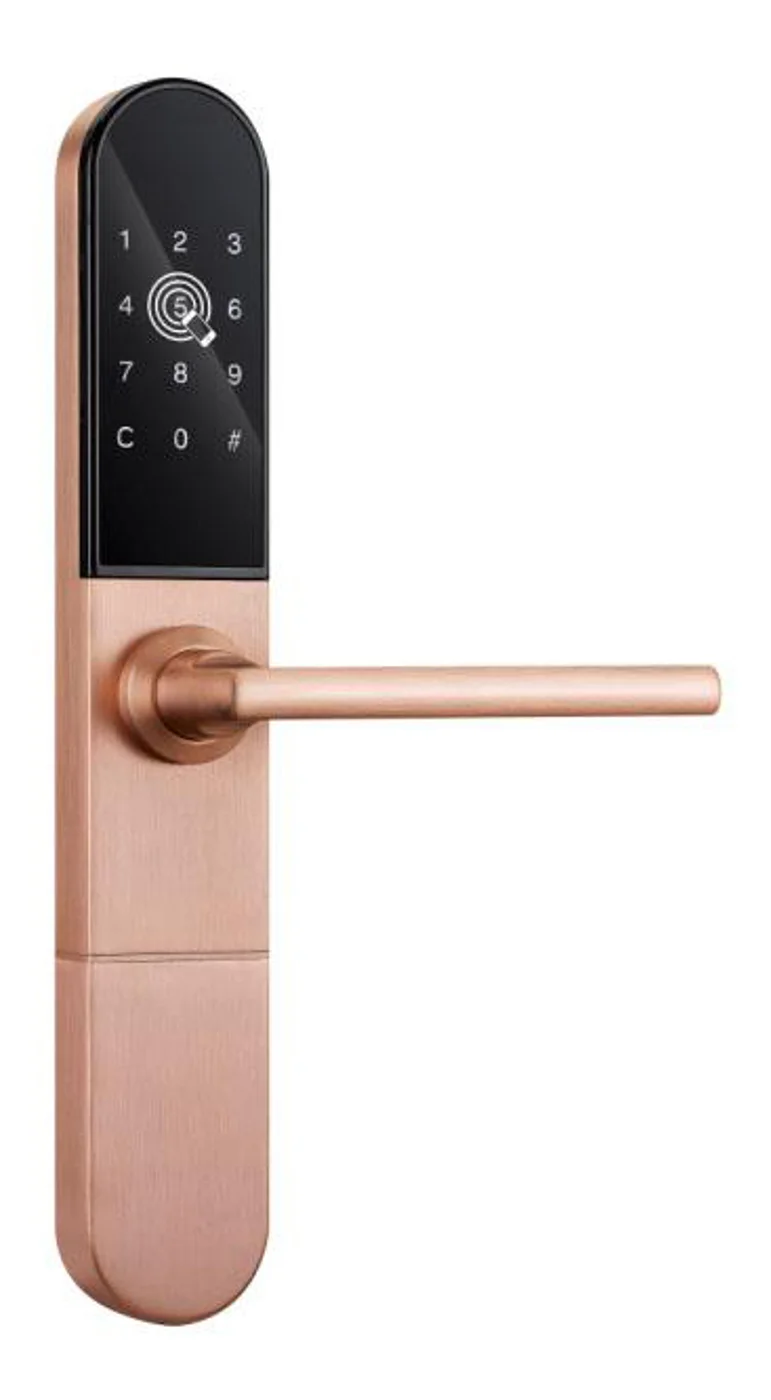
Smart Cabinet Lock — App-Managed, Multi-Site Dashboard
App-managed smart cabinet lock for office, parcel, and multi-site fleets. BLE app dashboard, audit trail, remote unlock, no per-lock server. Higher-tier chassis.
This page already points to it as the next recommended reference.
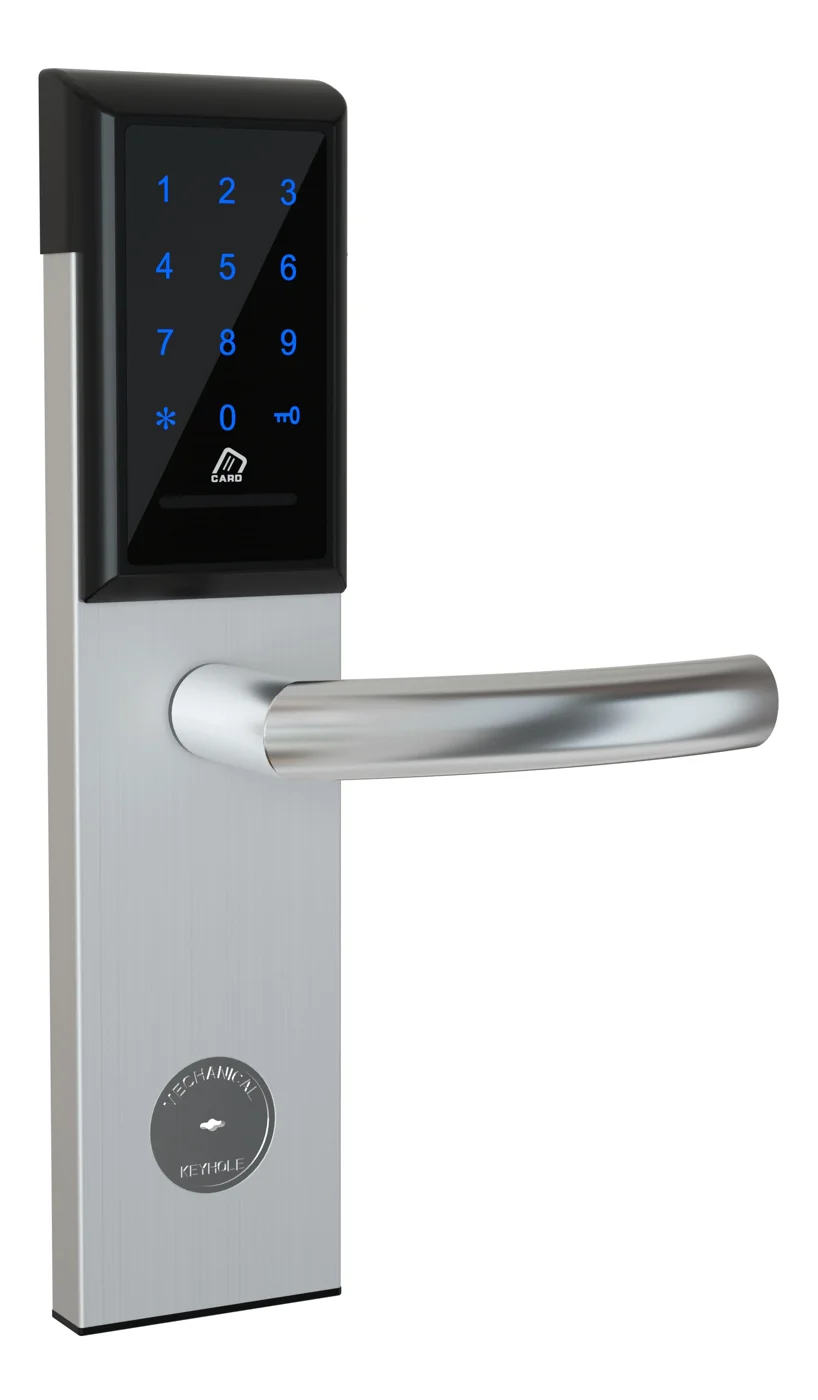
Office Cabinet Lock — PIN + Card for Filing & Pedestals
Offline PIN + card office cabinet lock for filing cabinets, pedestals, and drawers. Battery-powered 5-minute retrofit, no WiFi, no key management. CE/FCC/RoHS.
This page already points to it as the next recommended reference.
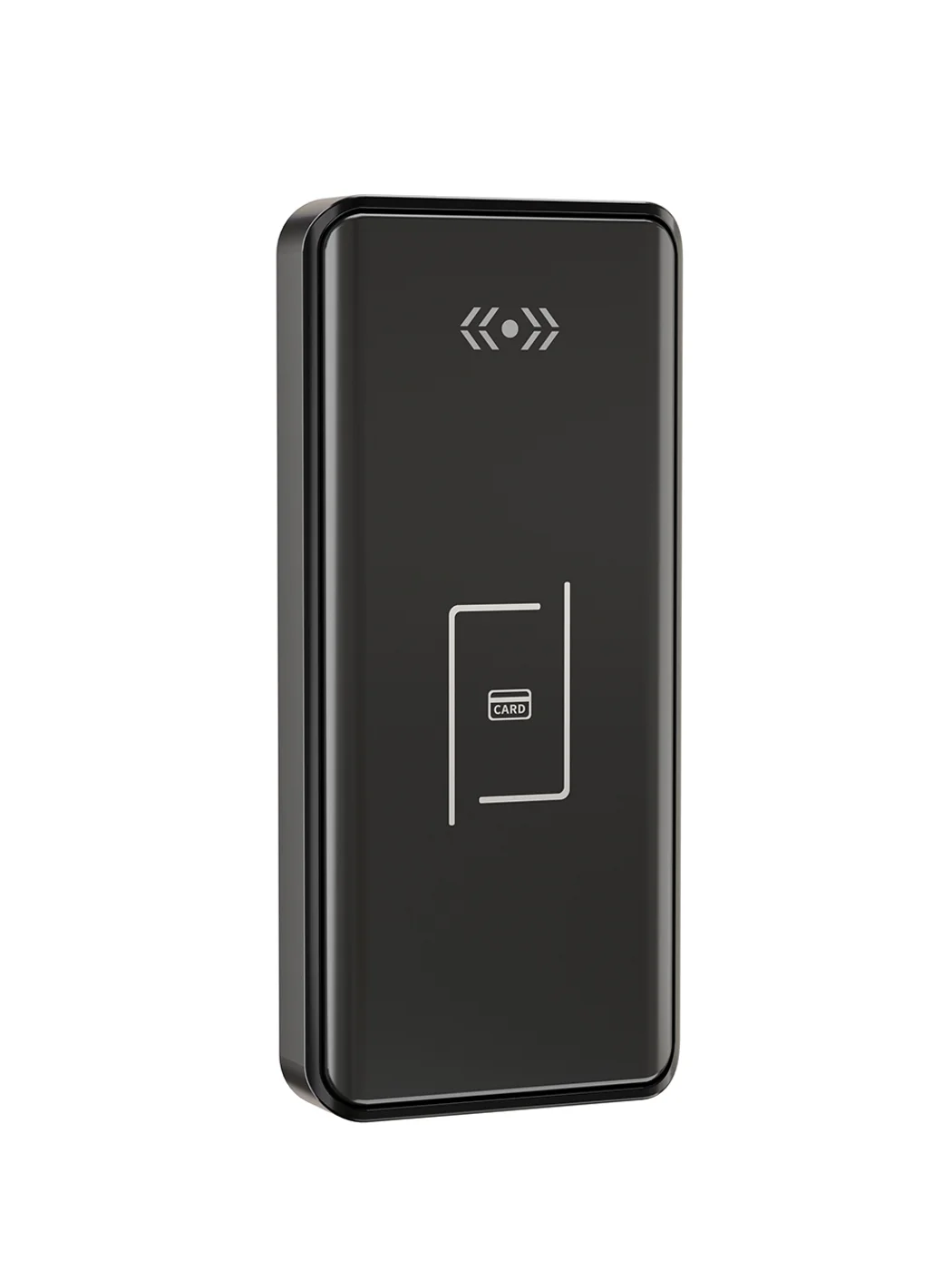
Gym Locker Lock — Offline Card, No WiFi Required
Offline card gym locker lock for fitness and pool lockers. MIFARE card, battery-powered 5-minute retrofit, no WiFi or server. Zinc alloy body, CE/FCC/RoHS.
This page already points to it as the next recommended reference.
Related blog posts
3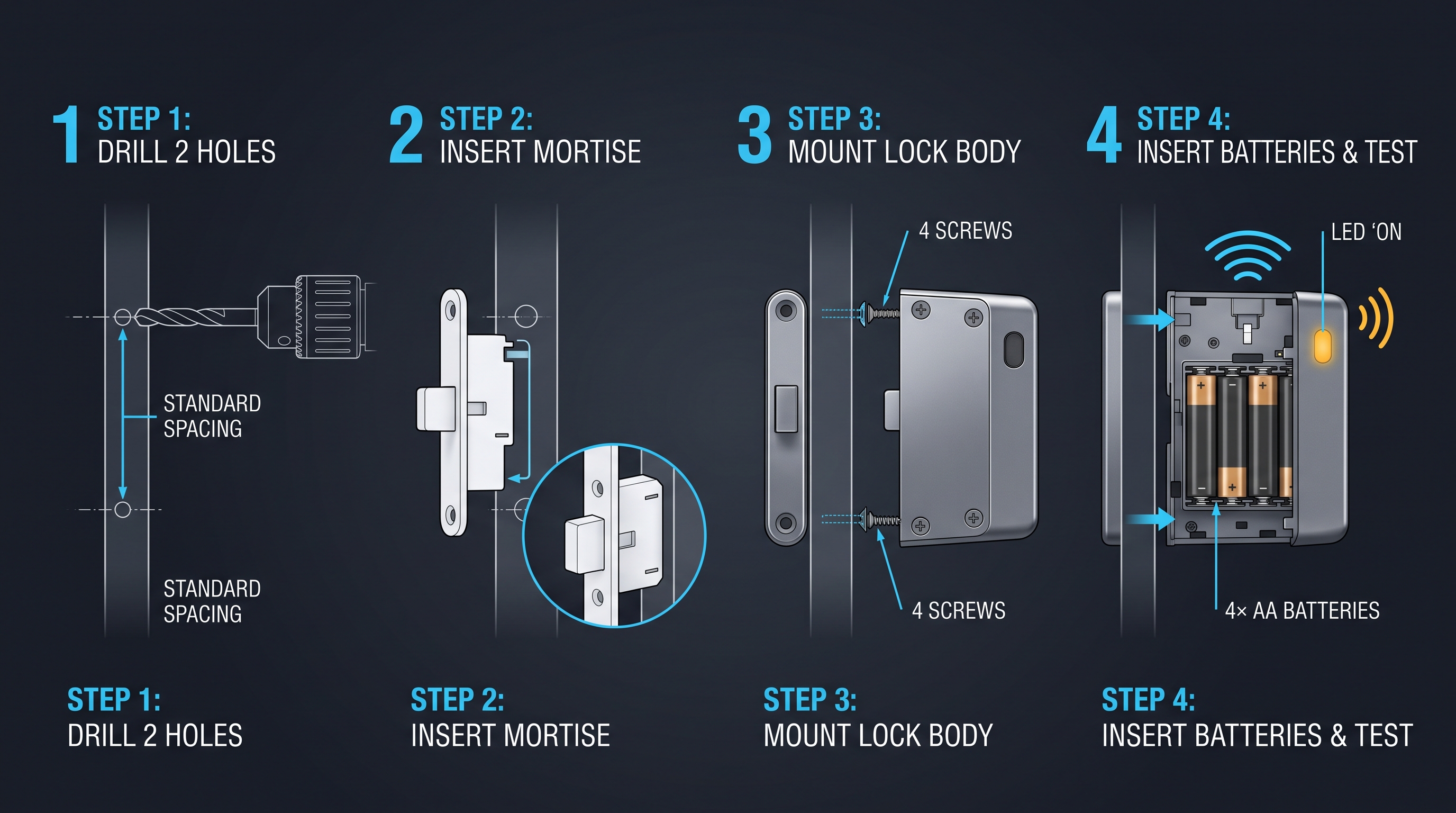
EMS Cabinet Lock: DEA-Compliant Drug Security for Paramedic Vehicles
EMS cabinet lock guide covering DEA Schedule II compliance, dual-authentication, tamper-evidence, audit trail, vehicle power, and ePCR integration for ambulance fleets.
It supports the same product context: Smart Cabinet Lock — App-Managed, Multi-Site Dashboard, Office Cabinet Lock — PIN + Card for Filing & Pedestals, Gym Locker Lock — Offline Card, No WiFi Required.
The Complete Guide to Emergency Cabinet Locks for AEDs, First Aid, Fire Extinguishers, and Trauma Kits
Learn everything about emergency cabinet locks: break-glass vs solenoid vs motorized latches, tamper alarms, remote alerts, ADA compliance, battery life, and deployment across schools, offices, gyms, transit, and aircraft.
It supports the same product context: Gym Locker Lock — Offline Card, No WiFi Required.
Employee Locker Lock Systems: The Definitive Guide for Workplace Security and Efficiency
A definitive guide to employee locker lock systems covering selection, installation, security, management software, compliance, and best practices for workplace locker security.
It supports the same product context: Smart Cabinet Lock — App-Managed, Multi-Site Dashboard, Office Cabinet Lock — PIN + Card for Filing & Pedestals, Gym Locker Lock — Offline Card, No WiFi Required.
Specify your hotel project with our engineers
Send your room count, ceiling type, and protocol preference. We will return a sample plan and quote within 24 business hours.
- Move from general guidance into a product or application discussion.
- Use RFQ when pricing, drawings, MOQ, or launch timing needs structure.
- Keep a direct contact path visible for fast clarifications and handoff.