AED Cabinet Lock: Complete Guide to Emergency-Ready Defibrillator Security
A complete guide to AED cabinet lock technology covering break-glass access, tamper alarms, remote alerts, battery life, compliance, and emergency selection.
An AED cabinet lock is a specialized access control mechanism fitted to a wall-mounted cabinet that stores an automated external defibrillator, engineered so that the life-saving device remains physically secure and protected from theft or tampering yet can be released within seconds by any responder who needs the machine during a cardiac emergency. Unlike a standard cabinet lock that prioritizes restriction, an AED cabinet lock prioritizes the opposite requirement: the shortest possible time-to-access, typically under five seconds, because every minute of defibrillation delay lowers the survival rate of a sudden cardiac arrest victim by roughly 7 to 10 percent. An AED cabinet lock balances two competing objectives, securing the defibrillator from unauthorized removal while guaranteeing unlock-on-demand, and it accomplishes this through break-glass mechanisms, electronic solenoids, motorized latches, tamper alarms, and connectivity that notifies a monitoring team the moment the cabinet is opened. This guide explains how an AED cabinet lock works, compares access and alarm designs, covers battery and maintenance, and outlines how to choose the right AED cabinet lock for a school, office, gym, or transit station.
What Is an AED Cabinet Lock and Why Emergency Access Matters
An AED cabinet lock is the access-control component of an electronic enclosure that governs who can open the defibrillator cabinet and how fast, combining release with alarms, connectivity, and battery backup. The industry design target is that any bystander or trained responder should reliably open an AED cabinet lock in less than five seconds using one hand, because every 60 seconds of delay reduces survival by about 10 percent, and a shock delivered within three to five minutes through a cabinet protected by an AED cabinet lock yields survival rates of 50 to 70 percent. An AED cabinet lock therefore serves a dual mission, it prevents the defibrillator from being stolen or misused while it is idle, and it offers unrestricted, unaided access the moment it is needed, and those goals are reconciled by the tradeoffs described throughout this guide. A certified AED cabinet lock carries CE, FCC, and RoHS compliance and is specified by access time, alarm type, connectivity, and battery life.
Why Access Speed Is the Primary Requirement
The entire reason an AED cabinet lock exists is speed. When sudden cardiac arrest occurs in a public space, the first responder is rarely a medical professional, and every second spent searching for keys, decoding instructions, or fighting a stuck latch is time the brain and heart do not have. Behavioral studies of public access defibrillation show that bystanders abandon the attempt to retrieve an AED when the cabinet presents the smallest friction, and a keyed AED cabinet lock in particular is associated with abandonment rates that approach half of all witnessed arrest events. An AED cabinet lock with a break-glass panel, a push-handle release, or a magnetic latch removes that friction entirely, because the action to open the cabinet is the same action a panicked bystander would naturally attempt. This is why most public access AED cabinet lock installations favor mechanisms that require zero training and zero credentials, and why fire marshals and program managers reject any AED cabinet lock that can delay access during the golden minutes of resuscitation.
Balancing Security and Availability in an AED Cabinet Lock
A less obvious but equally important property of an AED cabinet lock is the security it provides when no emergency is occurring. A defibrillator costs between $1,200 and $2,500, and wall-mounted AEDs are frequently targets of theft, vandalism, and mischievous activation, so an AED cabinet lock must deter unauthorized removal while never converting into a trap during a genuine emergency. High-quality AED cabinet lock designs solve this with a fail-open philosophy: the mechanical release always favors access, tamper sensors raise an alarm to draw attention to misuse, and connectivity reports every opening to a central dashboard. The tension between the lock and the emergency is resolved by designing the AED cabinet lock around the emergency scenario first and the theft scenario second, which is the correct ordering because the consequence of a locked-out responder is a preventable death while the consequence of a stolen defibrillator is a replaceable asset.
Main Types of AED Cabinet Lock and Locking Mechanisms
An AED cabinet lock is broadly categorized by the release method it uses, and each type offers a different balance of access speed, security, and management capability. The main types of AED cabinet lock are the break-glass AED cabinet lock, the push-or-pull handle AED cabinet lock, the keyed AED cabinet lock, the keypad or code AED cabinet lock, and the electronic smart AED cabinet lock with tamper alert and remote monitoring. In emergency deployments, the break-glass AED cabinet lock dominates because its fail-open behavior can never lock a responder out, and roughly half of all wall-enclosure AED cabinet lock sales use the break-glass design or a handle variant. The electronic smart AED cabinet lock, which signals when the cabinet is opened and connects to a monitoring dashboard, is the fastest-growing segment of the AED cabinet lock market. The choice among these AED cabinet lock types determines how quickly the device can be released, how security is enforced, and what data the facility collects about each activation.
Break-Glass AED Cabinet Lock
A break-glass AED cabinet lock uses a frangible glass or plastic panel mounted beside or above the cabinet door, and the responder strikes the panel with a small hammer or impactor to shatter it and release the spring-loaded latch. When struck correctly, the AED cabinet lock panel fractures and the door pops open instantly, without any tool, key, code, or power source. After each activation, a replacement pane is installed to return the AED cabinet lock to service, a job that takes about two minutes. Because a break-glass AED cabinet lock is mechanically fail-open and depends on no electronics whatsoever, it is the standard for the highest-reliability installations where a locked cabinet is simply unacceptable, including schools, transit stations, and public lobbies.
Push-Handle and Pull-Handle AED Cabinet Lock
A push-or-pull handle AED cabinet lock releases the door through a mechanical push on a labeled handle or a pull on a door handle, which lifts the latch with no tool and no code. This AED cabinet lock variant is the fastest to re-arm because it needs no replacement parts, and it is ideal for settings where a physical break-glass panel would be repeatedly destroyed by accidents or where staff prefer a simpler resettable mechanism. The tradeoff of a handle AED cabinet lock is that it provides less theft deterrence than a break-glass or keyed unit, because the release action is visible and easy to duplicate, so facilities usually pair it with an audible alarm and monitoring. A push-handle AED cabinet lock is a common choice in office buildings and gyms where staff want instant access combined with a tamper alarm.
Keyed, Keypad, and Combination AED Cabinet Lock
Keyed AED cabinet lock designs are less common in public deployments because keys are misplaced, but they remain useful where access is restricted to trained staff, such as a clinic or a security console. A keypad or code-based AED cabinet lock provides a stronger audit trail, because the controller can record which code was used and when, but it demands battery maintenance and code discipline. Combination AED cabinet lock models are typically used to secure a controlled AED pool in a medical office or a fleet maintenance shop, balancing restricted access with a simple reset. For any restricted-access AED cabinet lock, the program must document who holds credentials, how the code is rotated, and how access is verified during the required monthly checks.
Electronic and Smart AED Cabinet Lock
An electronic AED cabinet lock is controlled by an actuator that releases on command, either a motor-driven bolt, a solenoid pop latch, or an electromagnetic strike. The trigger for an electronic AED cabinet lock may be a keypad code, a proximity card, a smartphone app, or a remote command from a management dashboard. This AED cabinet lock type allows audit logging, remote control, and integration with building automation, and its main downside is reliance on power. To ensure an electronic AED cabinet lock never traps the defibrillator when the battery is low, quality models use a supercapacitor reserve or a mechanical override that keeps the cabinet accessible during a power failure, and this fail-safe is a mandatory selection criterion.
How an AED Cabinet Lock Works: Principles and Release Mechanisms
An AED cabinet lock is a combination of a release mechanism, a status sensor, an alarm controller, and, in the electronic version, a communication module that together transform a locked cabinet into a one-way emergency portal. The mechanical core of an AED cabinet lock is a spring-loaded latch or magnetic strike that holds the door shut in the armed state; when the responder breaks the glass, pushes the handle, or enters the code, the AED cabinet lock releases the latch and the door swings open under its own momentum. The status of an AED cabinet lock is monitored by a door-position switch that toggles when the cabinet opens, and this sensor feeds the tamper alarm and the automatic alert. In connected designs, the AED cabinet lock pushes an open alert over Bluetooth Low Energy, Wi-Fi, or cellular protocols within seconds, and the closed-loop sequence of release, sensor, alarm, and connectivity turns an AED cabinet lock from a simple lever into a managed safety asset.
Spring-Release and Solenoid Mechanics Inside an AED Cabinet Lock
The release mechanism of an AED cabinet lock falls into two families: stored-energy spring mechanisms and electrically energized mechanisms. A spring-based AED cabinet lock stores energy when the door closes, so the bolt is held under compression or tension until the release is triggered, and then the spring drives the latch open in under a second without any power. A solenoid-based AED cabinet lock uses an electromagnet to pull the bolt when energized, which gives the controller full control over timing and audit, but consumes a current pulse of roughly 300 to 500 milliamps at 6 to 12 volts during each actuation. A motorized AED cabinet lock uses a small gear motor that rotates a bolt in 200 to 400 milliseconds, which is quieter and more reliable over many cycles. Regardless of family, the door-position switch in an AED cabinet lock detects the open state within 50 milliseconds and triggers the alarm and alert chain.
Sensor, Microcontroller, and Communication Architecture
In a correctly designed electronic AED cabinet lock, the microcontroller continuously interrogates the door sensor, the battery voltage, and the tamper circuit on a low-duty cycle, waking from sleep every few seconds to check status. When the door opens, the AED cabinet lock controller captures the event, stamps it with a timestamp from its real-time clock, and then transmits an alert containing the device identifier, the event type, and the battery level. On a Wi-Fi AED cabinet lock, that alert reaches the cloud in one to three seconds; on a BLE AED cabinet lock, the event is buffered until a gateway or phone polls the device. Because an AED cabinet lock spends most of its life idle, the radio is normally asleep, and the sleep interval is configured to balance battery life against alert latency, typically waking every 30 seconds to five minutes depending on the protocol.
Tamper Alarm and Audible Alert Behavior
When an AED cabinet lock detects an open, a shock, or an attempt to pry the door, the alarm controller responds immediately. An audible buzzer in the AED cabinet lock sounds at 85 to 90 decibels, which draws attention in a crowded environment and deters theft, and the buzzer continues until the door is closed and the AED cabinet lock is re-armed by a keyholder or a supervisor. A tamper-capable AED cabinet lock also distinguishes an authorized open from a suspicious one by measuring the shock signature and the door-open duration, and it escalates repeated tamper events to a higher severity. The visual indicator on an AED cabinet lock, usually an LED, provides local status feedback, flashing green for armed, red for alarm, and amber for low battery. Every alarm state on an AED cabinet lock is recorded in the event log so the history can be reviewed during maintenance audits.
Battery Power and Fail-Open Behavior of an AED Cabinet Lock
Modern AED cabinet lock units are self-powered by an integrated lithium battery pack of 6, 9, or 12 volts, or by two CR123A or AA cells, and the electronics draw current only when actuating or communicating. A well-designed AED cabinet lock is qualified for 6 months to 3 years of operation on a single battery, and the low-battery alarm appears weeks before failure so maintenance can replace the cell. The critical fail-open guarantee of an AED cabinet lock is provided by the mechanical spring or the manual override: even with a fully depleted battery, a quality AED cabinet lock can be opened with the emergency release, so the cabinet can never become a locked tomb for the defibrillator. This combination of battery endurance and mechanical fail-safe is the reason facility managers accept an AED cabinet lock as a life-safety device rather than a convenience lock.
AED Cabinet Lock Features Comparison
An AED cabinet lock is best selected by comparing access time, emergency reliability, theft deterrence, tamper detection, connectivity, and management capability, and this section compares the main AED cabinet lock categories side by side. The comparison is presented as a table so that the ratings line up clearly for decision-making, and the values are representative of mainstream AED cabinet lock models rather than any single vendor. The table credits the primary differences among a break-glass AED cabinet lock, a keyed AED cabinet lock, a keypad electronic AED cabinet lock, and a smart Wi-Fi or BLE AED cabinet lock. The features that matter most are access time, which determines survival outcomes, and tamper alert, which determines whether the facility learns about misuse promptly. A certified AED cabinet lock carries CE, FCC, and RoHS compliance and is specified by access time, alarm type, connectivity, and battery life.
| Feature | Break-glass AED cabinet lock | Keyed AED cabinet lock | Keypad electronic AED cabinet lock | Smart Wi-Fi/BLE AED cabinet lock |
|---|---|---|---|---|
| Access time | Under 2 seconds | 3-5 seconds with key | 3-6 seconds with code | 2-4 seconds with code or card |
| Tool and training required | Impact hammer only | Physical key | Memorized code | Code, card, or app credential |
| Access without power | Yes, fully mechanical | Yes, fully mechanical | No without battery | Requires mechanical override |
| Theft deterrence | Medium | High | Medium | High |
| Tamper alarm | Audible only | None or basic | Audible plus event log | Audible plus remote alert to console |
| Remote monitoring | No | No | No | Yes, via cloud dashboard |
| Audit trail | None | None | Local code-use count | JSON event log with timestamps |
| Re-arm after use | Replace glass pane | Re-lock with key | Reset code or re-arm | Re-arm and acknowledge from console |
| Typical cost per unit | Low | Low | Low to medium | High |
Connectivity and Remote Alerts in an AED Cabinet Lock
The most valuable option in an AED cabinet lock for an organization managing many units is the ability to receive a remote alert the moment the cabinet is opened or tampered with. A Wi-Fi or BLE AED cabinet lock sends an alert with a timestamp and a device identifier to a monitoring platform, allowing a coordinator to see which cabinet at which facility was opened and whether an incident is in progress. The alert latency of a Wi-Fi AED cabinet lock is one to three seconds when the network gateway is alive, and cloud platforms consolidate those events into a historical feed used to prove response and support compliance reporting. For organizations with a small number of units, a local AED cabinet lock with a built-in buzzer may be sufficient, but as the fleet grows, remote monitoring becomes the deciding factor in the AED cabinet lock purchase.
Tamper Detection and Event Logging Capabilities
A higher-tier AED cabinet lock separates the open event from the tamper event and records both in an authoritative log. When an AED cabinet lock detects vibration, forced opening, removal from the wall, or repeated failed code attempts, it writes a distinct tamper event and escalates an alert to the monitoring team. The event log in a smart AED cabinet lock stores thousands of records with timestamps, battery level, and firmware version, so a maintenance technician can reconstruct exactly what happened at a cabinet weeks after an incident. This audit capability turns the AED cabinet lock from a passive latch into documented evidence, which matters for insurance claims, regulatory review, and program accountability. The best AED cabinet lock implementations encrypt the event log and the alert channel to prevent spoofing and false alarms.
AED Cabinet Lock Applications and Use Cases
An AED cabinet lock is deployed wherever a defibrillator must be visible and accessible to the public, with the core scenarios being schools and universities, office buildings, gyms and fitness centers, factories, shopping malls, transit stations, and hospitality venues. In each of these environments, the AED cabinet lock must fit the specific traffic, vandalism risk, and monitoring workflow, and the correct choice varies by site. A school installs a break-glass AED cabinet lock with an audible alarm near the gymnasium; a large office deploys a smart Wi-Fi AED cabinet lock that reports every open to the safety console; a gym chooses a robust push-handle AED cabinet lock that survives heavy use; and a transit station uses a weather-protected AED cabinet lock with remote alerting. The four subsections below explore the most common AED cabinet lock deployment scenarios in detail.
School and Campus Installations of an AED Cabinet Lock
In K-12 and university settings, an AED cabinet lock must place the defibrillator where a coach, teacher, or administrator can reach it from a gymnasium, playing field, or corridor. Many school district policies require an AED cabinet lock with an audible alarm so that an open door draws a responding staff member, and a tamper signal to deter students from playing with the device. A break-glass AED cabinet lock is the typical choice in a school gym because it needs no keys and no training, and at least 40 states require an AED on-site in schools, which makes the AED cabinet lock part of the legal preparedness package. Campus programs also schedule monthly visual checks of every AED cabinet lock to confirm the alarm, the battery indicator, and the readiness of the defibrillator inside.
Office and Corporate Environments
In an office or corporate campus, the AED cabinet lock must integrate with floor workflows and a safety team that may be spread across multiple floors or buildings. A smart Wi-Fi AED cabinet lock is the preferred office choice because it reports every opening automatically, even when the reception desk is busy, and it gives the safety officer a coverage report showing which cabinets were opened, when, and by whom. For a corporate campus with dozens of defibrillators, a Wi-Fi AED cabinet lock speeds incident response and simplifies the required monthly checks, because the status of every AED cabinet lock appears on a single dashboard. The office AED cabinet lock also supports the emergency action plan by providing an audit trail that documents the facility's response during an actual cardiac event.
Gym, Fitness, and Sports Facility Cases
A gymnasium AED cabinet lock faces heavy traffic, dust, vibration, and accidental impact, so the unit must be physically robust and easy to operate with sweat-slick hands. A break-glass or push-handle AED cabinet lock is common in fitness facilities because the release is foolproof, and a smart AED cabinet lock adds the ability to see when the equipment was accessed, which supports both incident response and loss prevention. Because gyms experience high footfall and frequent emergency drills, the AED cabinet lock is typically mounted at eye level near the front desk or the main workout floor, where staff can reach it within seconds. A gym AED cabinet lock should also be weather-sealed if the facility includes outdoor training areas or poolside zones with humidity.
Transit, Terminal, and Outdoor Installations
Transit stations and outdoor public venues place the highest demands on an AED cabinet lock because the environment is unstaffed, exposed to weather, and vulnerable to vandalism. A transit AED cabinet lock is typically a weather-protected break-glass design with a shatter-resistant enclosure and an embedded tamper alarm, and it should be monitored remotely so the control room knows the instant the cabinet opens. Outdoor AED cabinet lock installations must tolerate temperature extremes from minus 20 to 50 degrees Celsius, and the electronics inside the AED cabinet lock must be protected against condensation and moisture ingress. For these high-visibility public deployments, the AED cabinet lock is selected first for fail-open reliability and remote alerting, and second for theft deterrence, because a transit authority cannot rely on bystanders to intervene during misuse.
Selecting an AED Cabinet Lock: Key Criteria and Buying Considerations
An AED cabinet lock should be chosen on the basis of access speed, tamper detection, fail-open behavior, connectivity, battery life, and program-management fit, and this section walks through the selection criteria in order of importance. The two critical criteria are the time-to-access, the interval from the moment a responder reaches the cabinet to the moment the AED is in hand, and the fail-open guarantee, which ensures the cabinet can never be locked shut during an emergency. The table below summarizes what to evaluate at each step of choosing an AED cabinet lock, and the most important principle is to match the AED cabinet lock capability to the deployment scenario rather than buying the most expensive unit for every site. Certified implementations of an AED cabinet lock carry CE, FCC, and RoHS compliance and are specified by access time, alarm type, connectivity, and battery life.
| Selection criterion | What to evaluate in an AED cabinet lock | Why it matters |
|---|---|---|
| Access time | Time from trigger to door open | Determines survival outcome during cardiac arrest |
| Fail-open mechanism | Spring release or manual override | Guarantees access even with dead battery |
| Alarm type | Audible buzzer, visual LED, remote alert | Determines whether misuse is detected promptly |
| Connectivity | None, BLE, or Wi-Fi | Enables remote monitoring and audit trails |
| Battery life | 6 months to 3 years on internal cells | Reduces maintenance burden and failure risk |
| Tamper detection | Shock sensor, pry detection, removal sensor | Flags theft and vandalism immediately |
| Enclosure rating | IP rating for indoor or outdoor use | Protects electronics from moisture and dust |
| Compliance | CE, FCC, RoHS, and state AED laws | Ensures market access and legal preparedness |
Verify Access Time and Time-to-AED
The single most important number for an AED cabinet lock is the time-to-AED, and the facility should verify this by test, not by the datasheet. Open the AED cabinet lock three times with a stopwatch and confirm that a single hand can release the door and that the defibrillator can be extracted without a second action. An AED cabinet lock that requires two hands, a key, or a complicated latch fails the purpose of the installation, and it should be rejected even if the price is attractive. The industry target is an AED cabinet lock that opens in under five seconds, with the best break-glass units achieving under two seconds, and the test should be repeated after battery replacement to confirm the release still behaves identically.
Prioritize Fail-Open and Manual Override
Every AED cabinet lock in a public access program must be fail-open, meaning that the door can always be opened mechanically regardless of battery state, firmware state, or network state. Verify that the AED cabinet lock includes a visible emergency release or a mechanical override that works with a tool that is stored with the unit, and confirm that the override cannot be defeated by a casual passerby. A fail-open AED cabinet lock is the difference between a life-safety asset and a liability, because an electronic AED cabinet lock that locks closed during a power outage has converted the defibrillator into an unreachable object. The fail-open guarantee should be stated in the specification sheet and tested during commissioning.
Choose the Right Connectivity for Your Program
The connectivity of an AED cabinet lock determines how much visibility the program manager has. A basic AED cabinet lock with only a buzzer is acceptable for a single, staffed location, but a smart Wi-Fi or BLE AED cabinet lock is strongly recommended when the organization manages multiple sites or when the cabinet is in an unstaffed area. A Wi-Fi AED cabinet lock pushes alerts in near real time and requires the facility to provide a reliable network near the cabinet; a BLE AED cabinet lock is cheaper and longer-lived on battery but depends on a gateway or a periodic phone sweep. For a transit authority or a campus with many cabinets, the remote-alert AED cabinet lock pays for itself by reducing physical inspection rounds and by proving response times.
Evaluate Battery Life and Maintenance Burden
Battery life directly affects the readiness of an AED cabinet lock and the workload of the maintenance team. A unit rated for 6 months to 3 years on a single battery reduces the frequency of visits, and a low-battery alarm should be visible locally and, on a smart AED cabinet lock, remotely. Choose an AED cabinet lock whose battery is a standard, replaceable cell rather than a sealed pack, so that any technician can swap it without vendor support. The AED cabinet lock maintenance schedule should include a monthly visual check, a quarterly functional test, and battery replacement according to the manufacturer's interval, and every check should be documented in the AED program log.
Installing and Mounting an AED Cabinet Lock
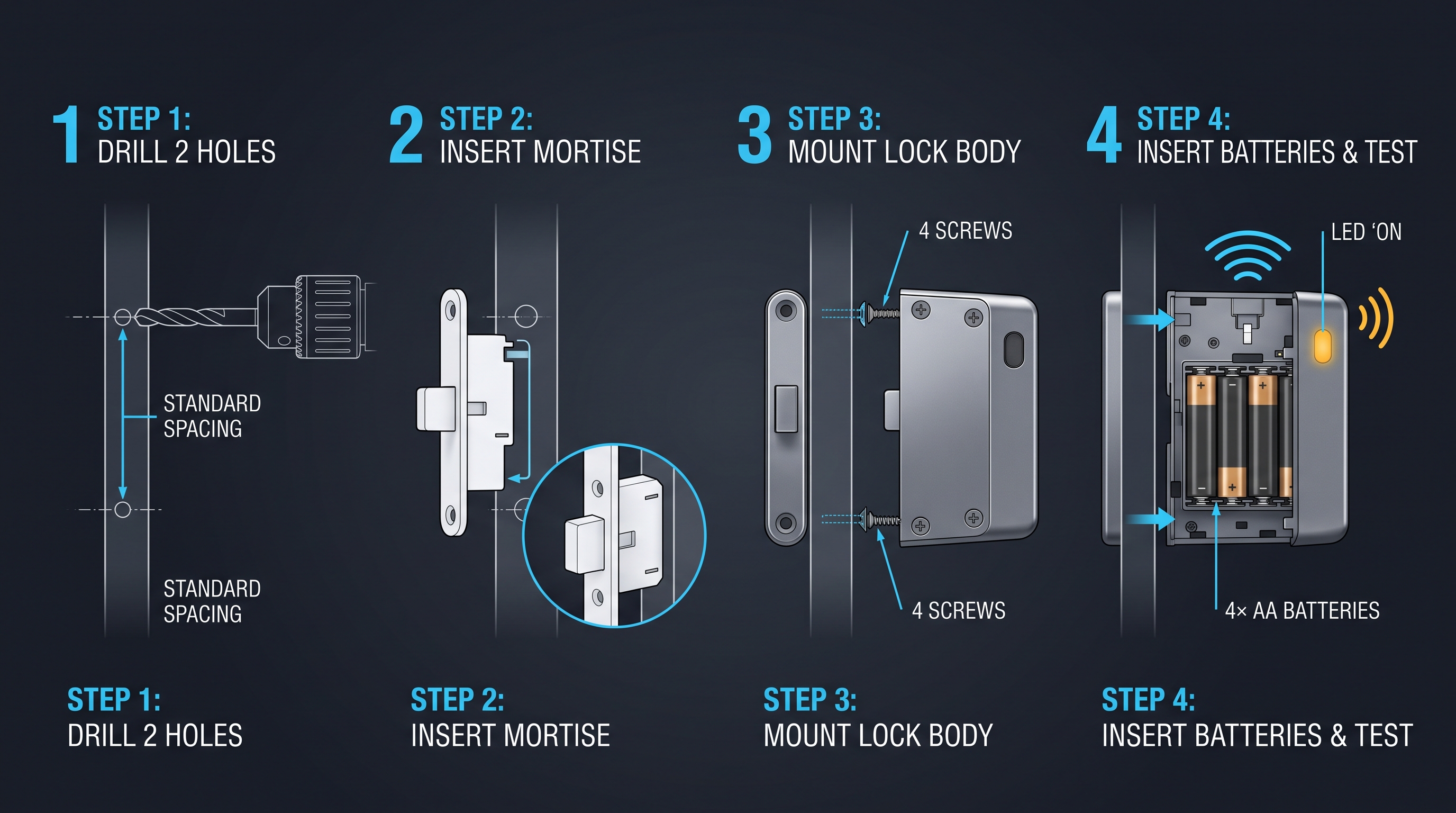
An AED cabinet lock installs onto the wall-mounted AED enclosure and the door frame, and the correct placement of the AED cabinet lock is as important as the mechanism itself because height, visibility, and clear space determine whether a responder can operate it quickly. The installation process for an AED cabinet lock involves selecting the mounting location, anchoring the cabinet to the wall structure, aligning the latch, wiring or installing the battery, and testing the full release sequence, and a typical wall installation takes 30 to 60 minutes per unit. The sections below cover the key installation decisions for an AED cabinet lock, from location selection to final functional testing. A poorly mounted AED cabinet lock that is too high, too low, or blocked by furniture defeats even the best mechanism, so installation deserves as much attention as product selection.
Choosing the Mounting Location
The location of the AED cabinet lock installation is governed by the facility's emergency action plan. Mount the AED cabinet lock so that the defibrillator is visible from the main traffic flow, unobstructed, and within a response distance that the facility has defined, typically 90 seconds of walking from any occupied point. The AED cabinet lock should be mounted with the bottom of the cabinet between 4 and 4.5 feet from the floor, which places the release at eye level for most adults and within reach of a wheelchair user. Avoid mounting an AED cabinet lock near corners, behind doors, or beneath shelves that can block the release, and always mount the cabinet in a location that is well lit and free of storage clutter.
Anchoring and Wall Structure Requirements
An AED cabinet lock and its enclosure must be anchored to a structural wall, not merely to drywall or paneling, because the cabinet will be struck, pulled, and potentially abused during an emergency. Use the supplied anchor hardware or toggle bolts rated for the cabinet weight, and verify that the mounting surface can support at least 50 pounds of pull force. For a concrete, block, or stud wall, use masonry anchors or lag screws; for hollow drywall, use heavy-duty toggle anchors sized for the fixture. The door frame of the AED cabinet lock must be square and plumb, because a misaligned latch causes the door to stick and increases time-to-access. After anchoring, open and close the AED cabinet lock door ten times to confirm the latch engages cleanly.
Battery Installation and Initial Power-Up
For an electronic AED cabinet lock, install the batteries according to the polarity markings, then power the unit and confirm that the LED indicator shows the armed state. Program the AED cabinet lock with the facility's access codes or credentials, and confirm that the fail-open override works before the unit is declared operational. For a smart AED cabinet lock, join the device to the network, confirm the cloud connection, and verify that a test open produces the expected alert at the monitoring dashboard. The final step of any AED cabinet lock installation is a full functional test: trigger the release, confirm the door opens in under five seconds, confirm the alarm sounds, and confirm the alert arrives if the unit is connected.
Post-Installation Testing and Documentation
After installing an AED cabinet lock, document the location, the serial number, the access code or key holder, the battery install date, and the network status in the AED program log. Schedule the first functional test within 30 days and establish the recurring maintenance calendar. Every AED cabinet lock installation should be recorded with a photo of the mounted cabinet, the visible alarm indicator, and the surrounding access path, so that the program can demonstrate readiness during an inspection. A documented AED cabinet lock installation also supports the facility's defense under state AED immunity laws, because the record shows that the device was accessible and maintained.
AED Cabinet Lock Battery, Alarms, and Maintenance
An AED cabinet lock is a low-maintenance device, but its readiness depends on a small set of recurring tasks: battery replacement, alarm testing, cleanliness, and functional verification. The battery of an AED cabinet lock is the component most likely to fail silently, so the program must track battery install dates and respond to low-battery alarms immediately. The alarm of an AED cabinet lock should be tested monthly to confirm the buzzer, the LED, and the remote alert all function, and the full release sequence should be tested quarterly to confirm the door opens within five seconds. The maintenance routine for an AED cabinet lock is straightforward and is documented below, and following it keeps the defibrillator accessible, functional, and compliant with program requirements and state readiness expectations. Every check should be recorded in the program log, because a documented AED cabinet lock history is the evidence that readiness is real when an inspector or an insurer asks for it.
Battery Types and Replacement Intervals
An AED cabinet lock commonly runs on a 9-volt battery, two CR123A lithium cells, two AA cells, or an integrated 6-to-12-volt pack, and the expected life ranges from 6 months to 3 years depending on the actuation rate and the radio wake interval. A smart Wi-Fi AED cabinet lock consumes more power than a basic unit because of periodic network polls, so its battery may need replacement every 6 to 12 months, while a simple break-glass AED cabinet lock with no electronics has no battery at all. Replace the battery of an AED cabinet lock on a fixed schedule, ideally before the manufacturer's rated interval, and never wait for the low-battery alarm, because a dead cell during an emergency is a critical failure. Store spare batteries with the maintenance kit and record every replacement in the program log.
Monthly and Quarterly Testing of an AED Cabinet Lock
The monthly test of an AED cabinet lock is a visual and functional check that takes two minutes per unit. Confirm the door is closed and latched, the LED shows the armed state, the exterior is clean and unobstructed, and the defibrillator inside is present and within its pad-expiry date. The quarterly test of an AED cabinet lock includes a full release: trigger the open mechanism, confirm the door opens within five seconds, confirm the alarm sounds, and confirm the remote alert arrives for connected units. Document each AED cabinet lock test with the date, the tester's name, and the result, because this log is the evidence that the program is being maintained. If any AED cabinet lock test fails, take the unit out of service, repair or replace it, and re-test before returning it to service.
Alarm Settings and Response Procedures
Configure the alarm behavior of an AED cabinet lock to match the facility's response plan. The audible alarm of an AED cabinet lock typically sounds at 85 to 90 decibels and continues until the door is closed and the unit is re-armed, and the facility must designate who is authorized to silence the alarm after an emergency. For a smart AED cabinet lock, configure the alert routing so that the safety officer, the front desk, and the on-call responder all receive the notification. Establish a response procedure for AED cabinet lock alerts that distinguishes a genuine emergency, a test event, and a tamper event, and record the outcome of each. An AED cabinet lock that produces alarms with no response procedure creates alarm fatigue, so keep the routing tight and the response documented.
AED Cabinet Lock Compliance and Legal Considerations
An AED cabinet lock sits at the intersection of equipment security and emergency medical law, and the compliance obligations vary by jurisdiction. Many states require AEDs to be present in schools, gyms, and public buildings, and the AED cabinet lock is part of the required storage and access arrangement that regulators inspect. State Good Samaritan laws and AED immunity statutes protect the people who use or fail to use an AED, and the presence of a properly functioning AED cabinet lock with a documented test history strengthens the facility's claim to that protection. The sections below cover the compliance landscape for an AED cabinet lock, including program management, immunity laws, and the codes and standards that inspectors apply during a review. The compliance posture of an AED cabinet lock is examined during fire inspections, insurance evaluations, and after any cardiac event, so the records should always be current and complete.
AED Program Management and Documentation
A compliant AED program documents the defibrillator locations, the maintenance schedule, the personnel trained to use the devices, and the readiness of each AED cabinet lock. Regulators and inspectors expect to see that every AED cabinet lock was checked on schedule, that batteries were replaced, and that alarms were tested, and the audit trail produced by a smart AED cabinet lock simplifies this reporting. The program should also define how the AED cabinet lock is re-armed after use, who replaces break-glass panes, and how incidents are reported to the manufacturer and the local emergency services. A documented AED cabinet lock program is the strongest defense when a question arises about the availability of the defibrillator during an emergency.
State Good Samaritan Laws and AED Immunity
Most states have enacted AED immunity statutes that protect a person who uses an AED in good faith and, in many cases, the owner of the AED from civil liability. These laws typically require that the facility maintain the AED in a reasonably accessible and operable state, which places the AED cabinet lock directly in the legal picture: an AED that is locked behind an inaccessible or nonfunctional AED cabinet lock may weaken the immunity defense. Conversely, a properly maintained AED cabinet lock that provides immediate access and documented testing supports the facility's position that the device was available and maintained. Facility managers should review their state's AED statute and ensure the AED cabinet lock program satisfies the access and maintenance requirements it imposes.
Codes, Standards, and Inspection Requirements
AED cabinet lock installations are referenced in fire and building codes that govern the placement of emergency equipment, and some jurisdictions require the cabinet to be clearly marked with signs and an alarm. Standards such as NFPA and ANSI guidance on AED placement, as well as local fire marshal inspections, may check whether the AED cabinet lock is functional and unobstructed. The AED cabinet lock should be mounted in a location that satisfies the code's line-of-sight and clearance requirements, and the facility should keep the inspection records that document compliance. When a fire marshal or an OSHA inspector visits, the AED cabinet lock test log and the maintenance records are the documents that demonstrate the program is real.
AED Cabinet Lock Alerts, Monitoring, and Audit Trails
An AED cabinet lock with connectivity becomes a monitoring asset that reports every open, tamper, low-battery, and maintenance event to a central platform, and this turns the lock into documented proof of readiness. The alert capabilities of an AED cabinet lock range from a local buzzer to a full cloud dashboard with event logs, and the right level depends on the number of units and the staffing model. For a facility with one cabinet, a local AED cabinet lock alarm may be enough, while a campus with dozens of units needs remote alerts that reach a dashboard within seconds. The sections below cover how alerts work, how monitoring is configured, and how the audit trail of an AED cabinet lock supports program management, incident review, and compliance reporting. The alert and audit features of an AED cabinet lock are what differentiate a monitored safety program from a passive cabinet that no one knows about until the moment it is opened.
Open and Tamper Alert Channels
The open alert of an AED cabinet lock is triggered when the door sensor changes state, and the tamper alert is triggered by shock, pry attempts, or removal of the unit from the wall. On a Wi-Fi AED cabinet lock, these alerts reach the monitoring platform in one to three seconds; on a BLE unit, they are buffered and delivered when a gateway polls. Each alert from an AED cabinet lock includes the device identifier, the timestamp, the event type, and the battery level, which lets the monitoring team distinguish an emergency open from a test or a tamper. The alert routing should be configured so that the appropriate responder is notified immediately, and the alert history should be reviewable from the dashboard.
Event Log and Audit Trail Capabilities
The event log of a smart AED cabinet lock records every status change with a timestamp, and it is the foundation of the AED program's audit trail. A technician can reconstruct exactly when the cabinet was opened, how long the door stayed open, whether the alarm sounded, and when the unit was re-armed. The audit trail of an AED cabinet lock supports incident investigations, insurance claims, and regulatory inspections, because it provides objective evidence about the availability and use of the defibrillator. Store the event log centrally and retain it for the period required by the program, typically one to three years, and export it periodically to the compliance file.
Low-Battery and Maintenance Alerts
A smart AED cabinet lock reports its own health by sending low-battery and maintenance alerts, which reduces the physical inspection burden for a large fleet. When the battery voltage of an AED cabinet lock drops below the threshold, the unit flashes an amber LED, sounds a periodic chirp, and sends an alert to the dashboard, so the technician can schedule a replacement before failure. The maintenance alert of an AED cabinet lock can also remind the program manager when the quarterly functional test is due, and when the defibrillator pads or battery inside the cabinet are near expiry. This proactive monitoring turns the AED cabinet lock into a continuous readiness sensor rather than a passive latch.
Cost and Market Outlook for an AED Cabinet Lock
The price of an AED cabinet lock ranges from around $30 for a basic break-glass or push-handle unit to $300 or more for a smart Wi-Fi model with remote monitoring and a full event log, and the market is growing as public access defibrillation programs expand across schools, gyms, offices, and transit. The cost of an AED cabinet lock is small compared with the $1,200 to $2,500 cost of the defibrillator it protects, and the ROI is measured in prevented deaths, avoided liability, and reduced inspection labor. The sections below cover the pricing structure, the market outlook, and the total cost of ownership of an AED cabinet lock, including how the audit trail of a connected unit pays for itself over time. The pricing of an AED cabinet lock is also influenced by enclosure size, alarm loudness, and whether the vendor charges a platform fee for the monitoring dashboard.
Price Ranges by Type
The price of an AED cabinet lock scales with capability. A break-glass AED cabinet lock with no electronics costs the least, often $30 to $80, and its only consumable is the replacement pane. A push-handle or keyed AED cabinet lock costs a similar range, while a keypad electronic AED cabinet lock ranges from $80 to $150. A smart AED cabinet lock with Wi-Fi or BLE connectivity, tamper detection, and cloud monitoring ranges from $150 to $300 or more, and it may carry a small software or platform fee. For a facility with dozens of units, the per-unit savings of a basic AED cabinet lock are attractive, but the management efficiency of a smart AED cabinet lock often justifies the higher price.
Total Cost of Ownership of an AED Cabinet Lock
Total cost of ownership of an AED cabinet lock includes the hardware price, the replacement panes for break-glass units, the batteries every 6 to 36 months, and the labor for monthly and quarterly tests. A break-glass AED cabinet lock has minimal recurring cost but consumes panes after each activation, while a smart AED cabinet lock has higher upfront cost but reduces inspection labor through remote monitoring. Over a five-year service life, a smart AED cabinet lock can cost the same as a basic unit once the labor savings are counted, because remote alerts eliminate many physical inspection rounds. The total cost of ownership calculation for an AED cabinet lock should include the value of the audit trail, which supports insurance and compliance.
Market Outlook for the AED Cabinet Lock
The AED cabinet lock market is expanding with the growth of public access defibrillation, the adoption of AED requirements in schools, gyms, and workplaces, and the shift toward connected life-safety devices. Vendors are adding Wi-Fi and BLE connectivity as standard features rather than premium options, and the event-log capabilities of a smart AED cabinet lock are becoming a compliance expectation rather than a luxury. The market is also seeing more weather-resistant and tamper-rated AED cabinet lock models for outdoor and transit deployments, and integration with building management platforms is increasing. Facility managers who select a connected AED cabinet lock today are positioning their programs for the next generation of remote-readiness monitoring and automated compliance reporting.
Conclusion: Choosing the Right AED Cabinet Lock
An AED cabinet lock is the gate between a stored defibrillator and a person in cardiac arrest, and the seconds saved by a well-designed AED cabinet lock are seconds of survival for the victim. The AED cabinet lock must open in under five seconds, fail open even with a dead battery, sound an alarm on misuse, and report every event to the people responsible for the program. The right AED cabinet lock for a school is a break-glass model with an audible alarm, for an office it is a smart Wi-Fi model with a dashboard, for a gym it is a robust push-handle unit, and for a transit station it is a weather-protected remote-monitored AED cabinet lock. In every case, the AED cabinet lock should be verified by test, not by datasheet. The choice is not made once; the AED cabinet lock should be re-evaluated as the facility grows, as codes evolve, and as new models with better connectivity and longer battery life appear on the market.
The selection of an AED cabinet lock should follow the criteria of access time, fail-open behavior, tamper detection, connectivity, battery life, and compliance, and every installation should be tested, documented, and included in the maintenance calendar. An AED cabinet lock that is accessible, tested, and monitored turns a defibrillator into a life-ready asset, and an AED cabinet lock that is locked, dead, or untested converts a life-saving device into a legal liability. For any facility that owns an AED, the AED cabinet lock is not an accessory, it is the component that determines whether the device can actually save a life when the moment arrives. Choose the AED cabinet lock with the same care that goes into choosing the defibrillator itself, and test it with the same seriousness that the emergency will demand.
Not sure which sensor fits your project?
Talk to our mmWave application engineers for a free consultation.
Find the right presence sensor for your hotel project
Compare the 3 protocols, check hotel-specific case studies, and download the installation guide
Related products
3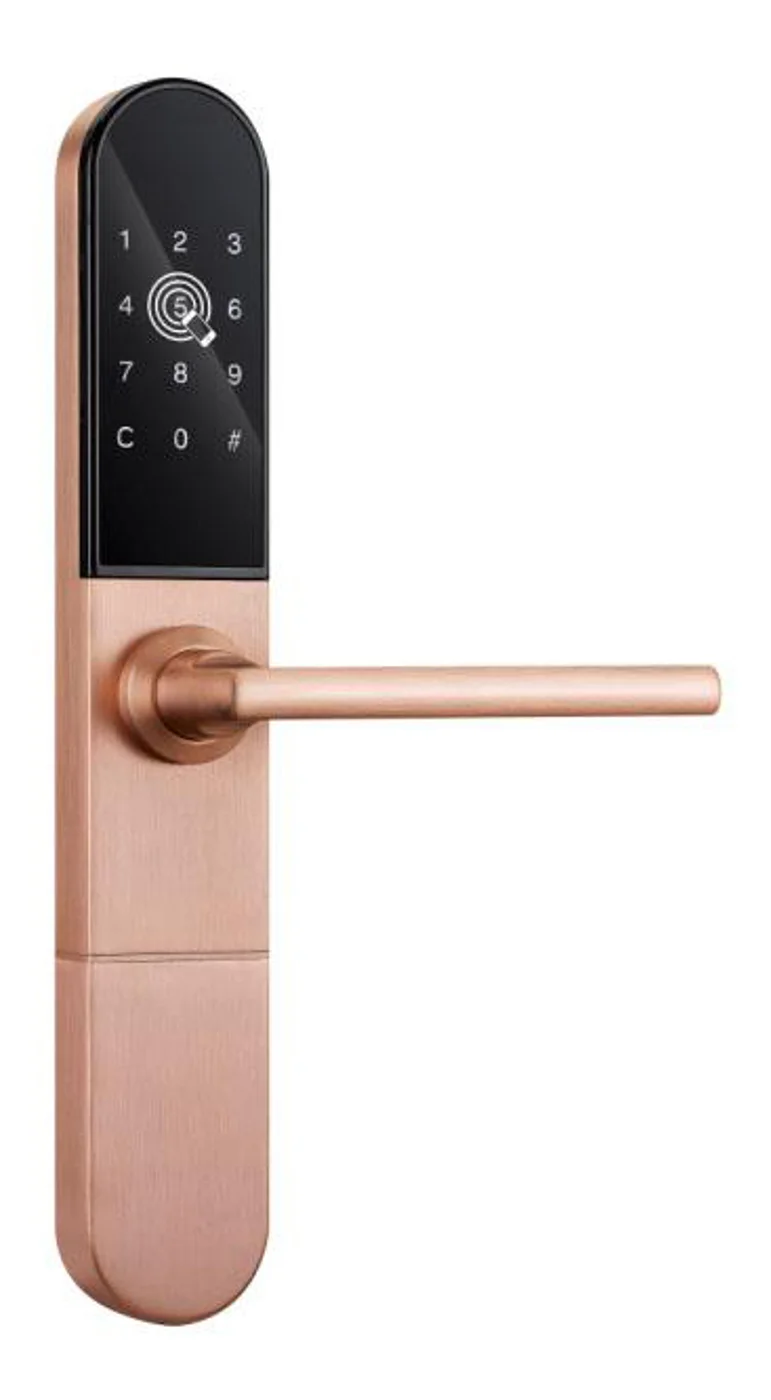
Smart Cabinet Lock — App-Managed, Multi-Site Dashboard
App-managed smart cabinet lock for office, parcel, and multi-site fleets. BLE app dashboard, audit trail, remote unlock, no per-lock server. Higher-tier chassis.
This page already points to it as the next recommended reference.
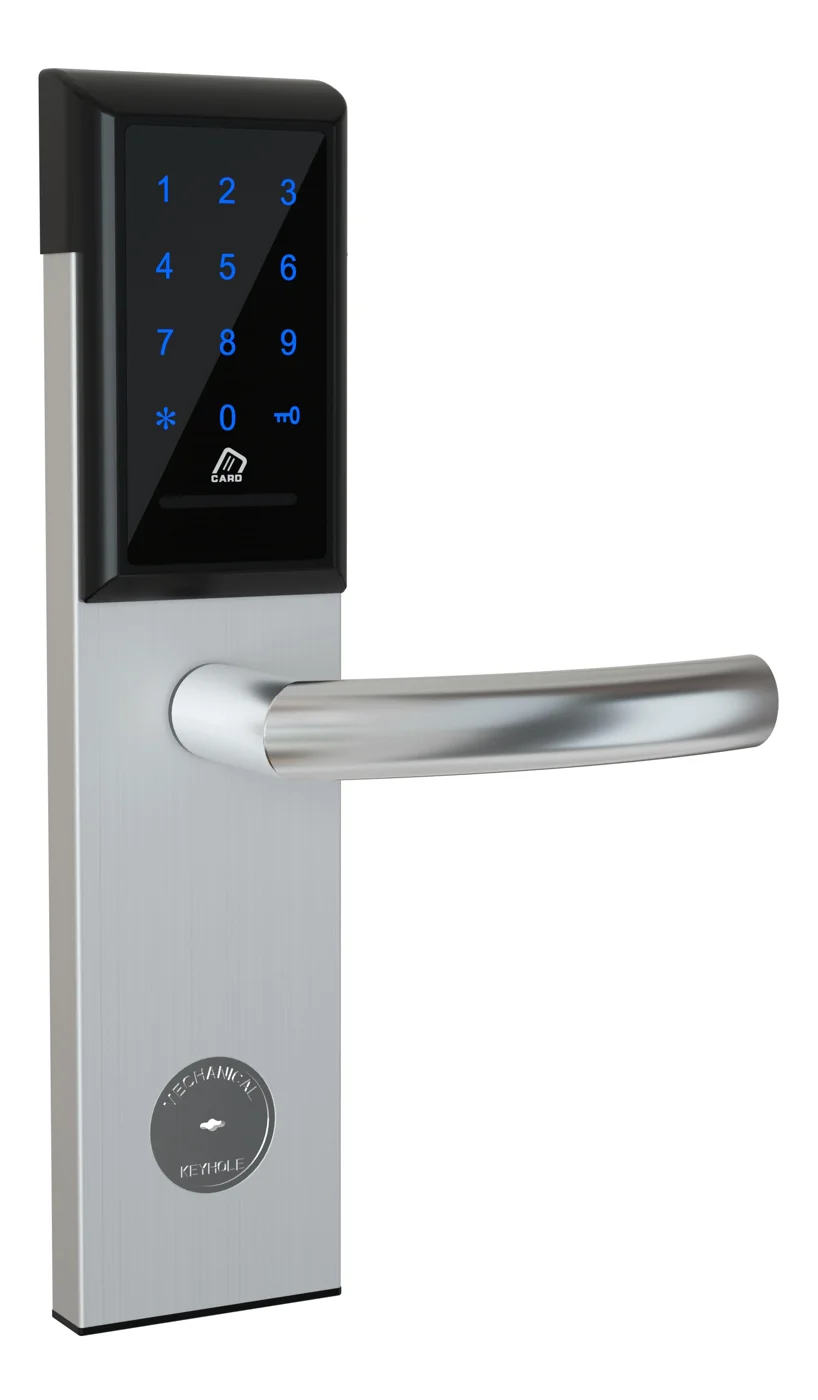
Office Cabinet Lock — PIN + Card for Filing & Pedestals
Offline PIN + card office cabinet lock for filing cabinets, pedestals, and drawers. Battery-powered 5-minute retrofit, no WiFi, no key management. CE/FCC/RoHS.
This page already points to it as the next recommended reference.
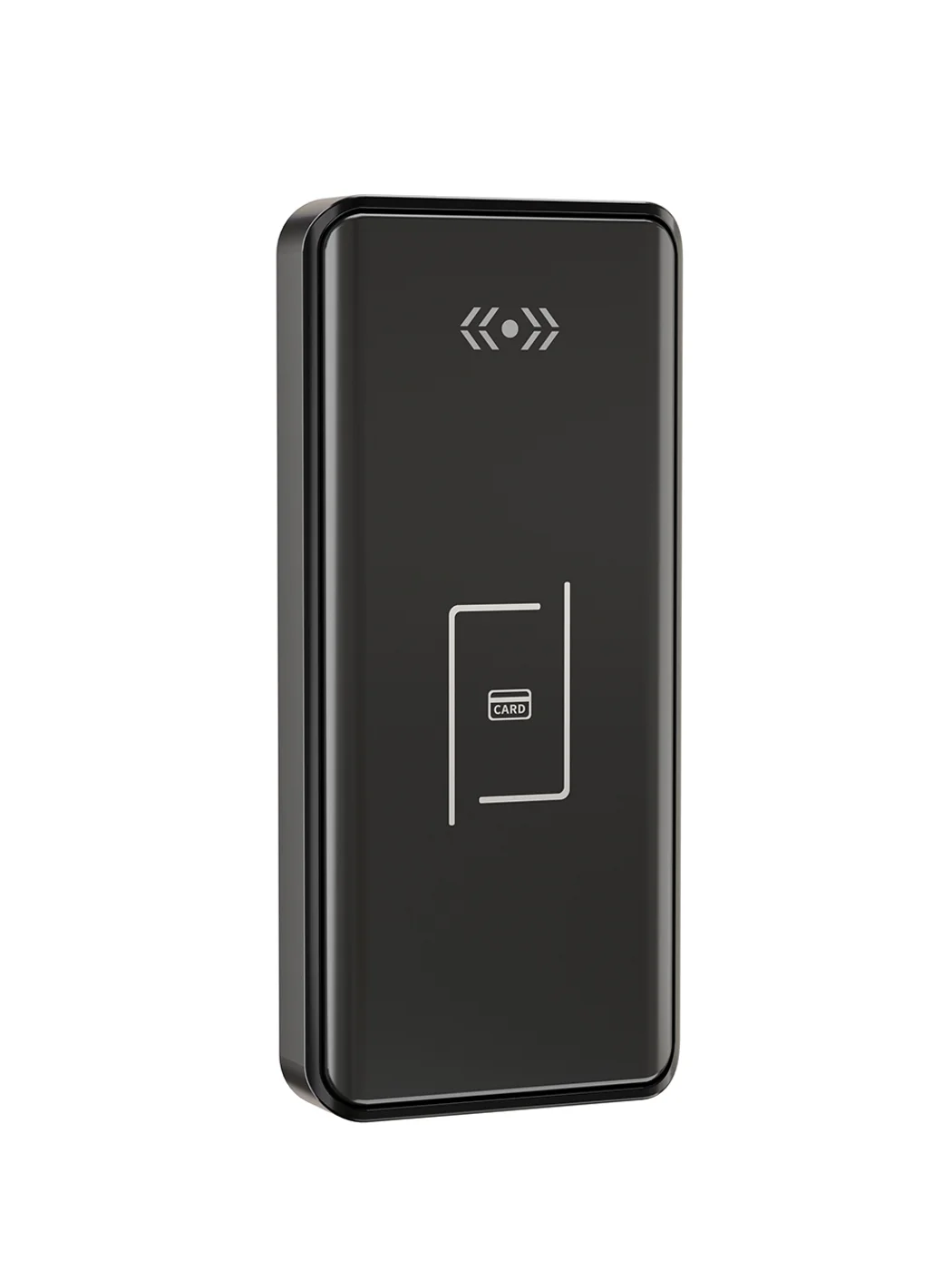
Gym Locker Lock — Offline Card, No WiFi Required
Offline card gym locker lock for fitness and pool lockers. MIFARE card, battery-powered 5-minute retrofit, no WiFi or server. Zinc alloy body, CE/FCC/RoHS.
This page already points to it as the next recommended reference.
Related blog posts
3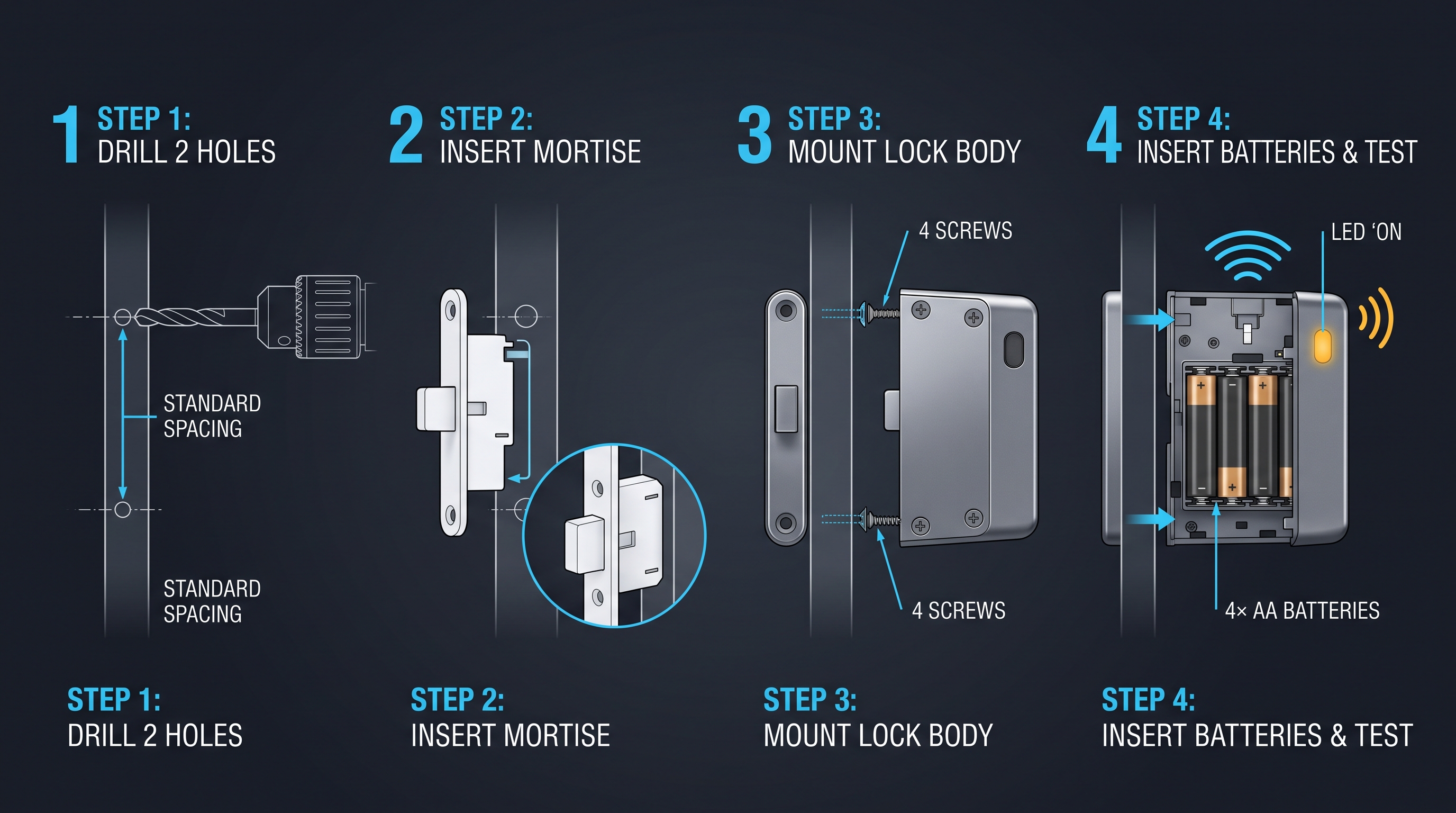
EMS Cabinet Lock: DEA-Compliant Drug Security for Paramedic Vehicles
EMS cabinet lock guide covering DEA Schedule II compliance, dual-authentication, tamper-evidence, audit trail, vehicle power, and ePCR integration for ambulance fleets.
It supports the same product context: Smart Cabinet Lock — App-Managed, Multi-Site Dashboard, Office Cabinet Lock — PIN + Card for Filing & Pedestals, Gym Locker Lock — Offline Card, No WiFi Required.
The Complete Guide to Emergency Cabinet Locks for AEDs, First Aid, Fire Extinguishers, and Trauma Kits
Learn everything about emergency cabinet locks: break-glass vs solenoid vs motorized latches, tamper alarms, remote alerts, ADA compliance, battery life, and deployment across schools, offices, gyms, transit, and aircraft.
It supports the same product context: Gym Locker Lock — Offline Card, No WiFi Required.
Employee Locker Lock Systems: The Definitive Guide for Workplace Security and Efficiency
A definitive guide to employee locker lock systems covering selection, installation, security, management software, compliance, and best practices for workplace locker security.
It supports the same product context: Smart Cabinet Lock — App-Managed, Multi-Site Dashboard, Office Cabinet Lock — PIN + Card for Filing & Pedestals, Gym Locker Lock — Offline Card, No WiFi Required.
Specify your hotel project with our engineers
Send your room count, ceiling type, and protocol preference. We will return a sample plan and quote within 24 business hours.
- Move from general guidance into a product or application discussion.
- Use RFQ when pricing, drawings, MOQ, or launch timing needs structure.
- Keep a direct contact path visible for fast clarifications and handoff.